Hollywood, a realm often associated with unparalleled glamour and groundbreaking innovation, operates as a high-stakes global industry where executive decisions can either forge colossal empires or precipitate spectacular financial failures. Leaders within major studios are continuously tasked with navigating the intricate, often unpredictable, currents of popular culture, technological advancement, and complex financial models. Their judgments, whether in greenlighting ambitious projects, securing intellectual property, or orchestrating strategic partnerships, wield immense power, capable of shaping the trajectory of the global entertainment landscape for decades to come.
However, even within this domain of seasoned judgment and meticulous market analysis, miscalculations of staggering proportions have repeatedly occurred. These blunders, far from being mere footnotes in the vast annals of cinematic history, represent pivotal moments where studios either overlooked nascent industry trends, underestimated visionary creative talent, or simply failed to grasp the transformative, long-term potential of intellectual property. Such strategic missteps have not only cost companies hundreds of millions, and in some documented instances, billions of dollars, but have also fundamentally redirected the course of entire franchises, altered the competitive dynamics of the entertainment sector, and even contributed to the decline of once-dominant entities.
Understanding these profound errors offers invaluable, often sobering, insight into the complex interplay of creative vision, acute market foresight, and robust strategic acumen that ultimately defines success and failure in the fiercely competitive world of Hollywood. This analysis will delve into some of the most prominent and financially impactful instances where major studios made critical decisions that spectacularly backfired. These narratives illustrate the profound and lasting consequences of a momentary lapse in judgment, a stubborn adherence to conventional wisdom in the face of disruptive innovation, or a fundamental misunderstanding of audience evolution, illuminating the immense fortunes forfeited and the enduring legacies that might have been.
1. Warner Bros. Letting The Lord of the Rings Go to Another Studio
In the mid-1990s, Warner Bros. possessed the film rights to J.R.R. Tolkien’s “The Lord of the Rings,” a literary saga with a vast global following. Filmmaker Peter Jackson approached the studio with an ambitious proposal to adapt this epic into a multi-film cinematic trilogy, envisioning a grand scale never before attempted in the fantasy genre. His project aimed to capture the intricate world-building and profound narrative depth of the books.
However, Warner Bros. executives harbored significant reservations. Their assessment, driven by perceived financial risks, led them to conclude that “the films would not be profitable,” deeming the endeavor “too risky and expensive.” This cautious stance, reflecting an industry apprehension toward large-scale fantasy epics at the time, resulted in the studio’s decision to relinquish its hold on the intellectual property.
This transfer of rights to New Line Cinema, a significantly smaller studio with a different risk appetite, proved to be “one of the biggest mistakes in Hollywood history” for Warner Bros. New Line Cinema proceeded to produce the “Lord of the Rings trilogy,” which, upon its release between 2001 and 2003, achieved extraordinary commercial success. The films collectively “grossed nearly $3 billion worldwide,” dramatically vindicating New Line Cinema’s gamble and profoundly contradicting Warner Bros.’ initial forecast.
Beyond the monumental box office achievements, the trilogy garnered widespread critical acclaim, securing “17 Academy Awards,” including the Best Picture Oscar for “The Return of the King.” It solidified its status as “one of the most successful franchises ever.” Warner Bros., having surrendered the rights, was relegated to observing from “the sidelines,” forfeiting not only the immense “box office revenue” but also “decades of merchandising profits.” This incident underscores the critical importance of foresight in recognizing the potential of intellectual property and anticipating shifts in audience preferences.

2. Universal Selling the Rights to Marvel Superheroes
The 1990s were a period of significant financial distress for Marvel Comics, compelling the company to sell off movie rights to its iconic superhero characters. Universal Pictures was presented with an unparalleled opportunity: to acquire “the rights to nearly all of Marvel’s superheroes” for a mere “just $25 million.” This package included foundational characters like Iron Man, Thor, Black Panther, and Captain America, who were poised to dominate the cinematic landscape.
In a profound moment of executive misjudgment, Universal “passed on the deal.” The prevailing internal assessment was that “the characters weren’t valuable enough to make blockbuster films,” reflecting a fundamental misapprehension of the untapped cinematic potential of the superhero genre. This strategic oversight allowed Marvel to pursue fragmented deals, ultimately leading to the sale of “Spider-Man to Sony” and “X-Men to Fox,” dispersing a universe that could have been centrally controlled.
The true magnitude of Universal’s blunder became strikingly evident later. In 2009, The Walt Disney Company, with an astute understanding of intellectual property, “purchased Marvel Studios for $4 billion.” This acquisition served as the foundational impetus for the Marvel Cinematic Universe (MCU), a sprawling narrative that redefined franchise filmmaking. The MCU subsequently blossomed into “a $29 billion box office empire,” fundamentally altering the global entertainment industry.
Universal, by stark contrast, was left with a negligible share of this phenomenon, securing “only the Hulk, which they barely used.” The studio had, in essence, been handed a golden opportunity “to dominate the superhero genre” but “threw it away,” thereby “leaving billions on the table.” This case vividly illustrates the immense financial ramifications of failing to recognize the intrinsic, long-term value of intellectual property and the transformative power of a unified creative vision.
Read more about: A Little Too Real? Why Fans Are Convinced These 14 Actors Are Just Their Characters in Disguise
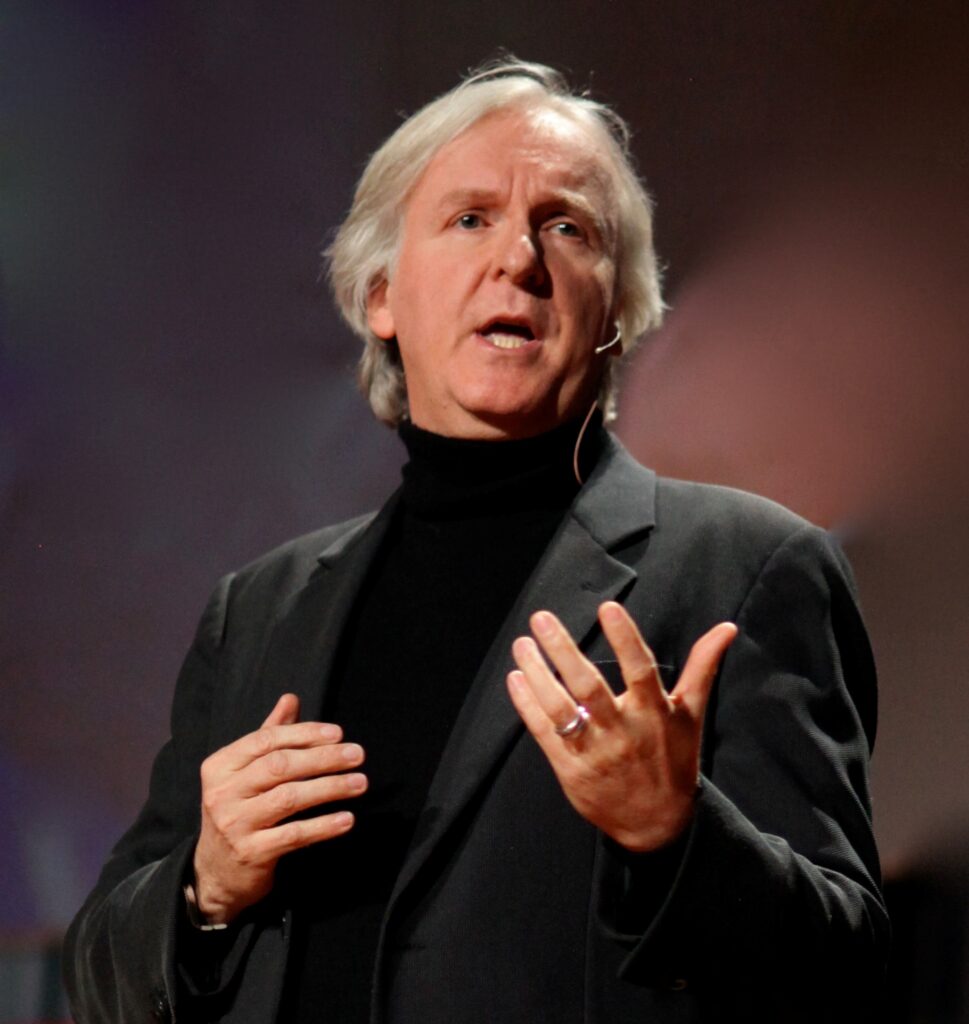
3. 20th Century Fox Letting James Cameron Keep Avatar’s Rights
In the early 2000s, James Cameron presented his ambitious project, “Avatar,” to 20th Century Fox. The studio agreed to finance the film, recognizing its potential for innovation. However, this commitment came with a crucial, and ultimately costly, condition: Fox executives “refused to buy the full rights” to the nascent franchise, instead allowing Cameron to maintain significant ownership.
This unconventional arrangement stipulated that Cameron would “retain ownership of the franchise in exchange for reducing his salary.” The rationale behind Fox’s decision was a distinct lack of foresight; “Fox executives didn’t believe Avatar would be a long-term success,” and consequently, they “saw no issue with the deal.” This perception prevented them from recognizing the inherent and future value of securing complete control.
Upon its release, “Avatar” dramatically invalidated Fox’s conservative assessment. The film became “the highest-grossing movie of all time, making $2.9 billion at the box office.” This unprecedented financial triumph transformed “Avatar” into a global cultural phenomenon, establishing Pandora as a widely recognized fictional universe. Cameron’s strategic decision to retain his franchise rights proved to be a masterstroke.
As a direct consequence of Cameron’s retained ownership, The Walt Disney Company, following its acquisition of 20th Century Fox’s entertainment assets, was strategically positioned to “swoop in and make a deal with him.” This agreement facilitated “the Pandora-themed expansion at Disney World” and “multiple upcoming sequels.” Fox, the original financier, paradoxically “lost complete control over what could have been their next big sci-fi franchise,” a forfeiture directly attributable to their initial failure “to secure the rights upfront.”
4. Warner Bros. Choosing Wild Wild West over The Matrix
The late 1990s presented Warner Bros. with a critical strategic dilemma, involving two disparate cinematic projects. One was “The Matrix,” an “ambitious cyberpunk sci-fi film” that promised to push narrative and visual boundaries. The other was “Wild Wild West,” a “big-budget action-comedy starring Will Smith,” then a preeminent and bankable box office draw, positioned as a more conventional and safer commercial endeavor.
Faced with these contrasting propositions, Warner Bros. executives reportedly demonstrated a significant lack of comprehension and comfort with “The Matrix.” They “thought The Matrix was too weird and didn’t fully understand its appeal,” indicating profound discomfort with its innovative premise and style. Consequently, the studio made a decisive allocation, opting to give “Wild Wild West a bigger budget and more promotion,” convinced it held greater commercial promise.
This strategic misallocation of resources proved to be a dramatic and costly misjudgment, as “the decision completely backfired.” “Wild Wild West” performed disastrously at the box office, generating “just $222 million against a $170 million budget,” a considerable financial disappointment. In stark contrast, “The Matrix” transcended mere film to become “a cultural phenomenon that revolutionized sci-fi cinema,” earning widespread critical acclaim for its groundbreaking storytelling and visual effects.
The enduring legacy of “The Matrix” is underscored by its phenomenal financial success, with “the franchise went on to make over $1.8 billion,” leading to numerous “sequels, spin-offs, and a lasting influence on Hollywood.” This outcome stands in stark opposition to “Wild Wild West’s” failure. The magnitude of this executive error was acutely felt by “Will Smith,” who “admitted he deeply regretted turning down the role of Neo” for “one of the biggest flops of his career.”
Read more about: The Impact of Blake Shelton’s Latest Career Moves and What Fans Really Think

5. Sony Letting Disney Take Full Control of Star Wars
The early 2010s marked a crucial turning point for Lucasfilm, as its founder, George Lucas, sought to sell the company behind “Star Wars” and “Indiana Jones.” Lucas initially extended the acquisition opportunity to “Sony Pictures,” offering them control of one of the most culturally significant and lucrative intellectual properties in entertainment history.
However, Sony’s response was characterized by apprehension and a lack of aggressive strategic vision. The studio, reportedly daunted by the immense scale of the undertaking, “wasn’t interested in taking on such a big project.” Furthermore, executives harbored “fear[s] that Star Wars wouldn’t be profitable in the modern era,” a conservative outlook that prioritized risk aversion over a generational opportunity.
As a direct result of Sony’s reticence, Lucas then approached The Walt Disney Company. Disney, in stark contrast, demonstrated a remarkably astute understanding of the inherent and enduring appeal of the “Star Wars” universe. Their executives “immediately saw the franchise’s potential,” recognizing its vast commercial opportunities. This discerning vision led to a landmark agreement in 2012, where “Disney bought Lucasfilm for $4 billion.”
The acquisition proved profoundly transformative for Disney, which leveraged its infrastructure to elevate “Star Wars into an even bigger media empire.” This strategic investment generated “over $10 billion in box office revenue alone,” alongside “billions more from toys, TV shows, and theme park attractions.” Sony, meanwhile, was left “watching one of the most profitable franchises in history slip through its fingers,” a painful validation that “their fear of Star Wars being a “risky investment” was completely misplaced.”

6. Paramount Turning Down Raiders of the Lost Ark
Before the name Indiana Jones became synonymous with unparalleled adventure and cinematic legend, its genesis as a film concept faced considerable resistance within the established echelons of Hollywood. In the late 1970s, the visionary duo of George Lucas and Steven Spielberg actively sought a studio to embrace their ambitious idea for “Raiders of the Lost Ark,” a high-adventure narrative meticulously crafted to evoke the thrilling spirit of 1930s serials. Their initial outreach led them to Paramount Pictures, a dominant force in the industry at that juncture, presenting a proposition that would ultimately redefine the genre.
However, the executives at Paramount were reportedly riddled with skepticism regarding the viability of such a project. A prevailing concern was the belief that adventure movies, particularly those with a vintage inspiration, would not resonate with contemporary audiences, fearing the genre had become antiquated. This cautious outlook, however, was compounded by another critical factor: Steven Spielberg’s recent directorial history. Following the costly productions of “Jaws” (1975) and “Close Encounters of the Third Kind” (1977), Spielberg had acquired a reputation within the industry for exceeding budgets, rendering Paramount hesitant to entrust him with another ambitious, potentially expensive, endeavor.
This hesitancy by Paramount presented a critical juncture, ultimately leading Lucas and Spielberg to seek alternative partnerships. Their perseverance resulted in a pivotal collaboration with Lucasfilm and Walt Disney Studios, a union that successfully brought the iconic Indiana Jones character to cinematic life. The calculated gamble on “Raiders of the Lost Ark” (1981) yielded extraordinary dividends, far surpassing initial expectations and profoundly contradicting Paramount’s assessment. The film achieved monumental box office success, grossing an impressive “$389 million worldwide,” a figure equivalent to over “$1 billion today when adjusted for inflation.”
Beyond its immediate financial triumph, “Raiders of the Lost Ark” initiated one of the most enduring and beloved franchises in film history. It spawned numerous successful sequels, a popular television series, and immersive theme park attractions, solidifying Indiana Jones as one of the most recognizable and cherished characters in cinema. By the time Paramount recognized the profound magnitude of their misjudgment, the opportunity to benefit from this incredibly lucrative and culturally significant property had irrevocably passed, underscoring the severe consequences of misreading both market trends and creative talent.
Read more about: Beyond the Script: 10 Jaw-Dropping Real-Life Incidents That Shaped Harrison Ford’s Legendary Persona

7. Fox Canceling Firefly Before It Had a Chance
In the early 2000s, Fox executives made a series of decisions regarding Joss Whedon’s “Firefly” that have since been widely characterized as a profound failure to comprehend the potential of a truly innovative television series. “Firefly,” a distinctive space western that premiered in 2002, offered a compelling fusion of science fiction, traditional Western aesthetics, and intricate, character-driven narrative. Despite quickly cultivating a small but fiercely devoted audience, the network’s strategic missteps effectively undermined the show’s opportunity for broader success before it could truly gain traction.
One of the most critical errors committed by Fox was the decision to air the episodes out of their intended narrative sequence. This unconventional broadcasting choice created significant confusion among viewers, making it exceptionally difficult for audiences to follow the overarching story arcs and appreciate the nuanced character development. Furthermore, the network assigned “Firefly” an unpredictable Friday night time slot, a period notoriously associated with lower viewership and often reserved for programs deemed less critical to a network’s prime-time lineup. These programming choices were further exacerbated by a noticeable lack of promotional effort; the studio’s marketing for “Firefly” was minimal, treating the show as an afterthought rather than investing in it as a major network property.
As a direct consequence of these cumulative misjudgments, “Firefly” was prematurely canceled after a mere 11 episodes. This decision was made despite considerable critical acclaim and the passionate advocacy of its burgeoning fan base, highlighting a disconnect between network strategy and artistic merit. Yet, the show’s narrative did not end with its television cancellation; instead, its cult following intensified significantly in the years that followed.
Post-cancellation, “Firefly” experienced a remarkable resurgence in popularity. DVD sales surged, demonstrating a robust demand that the network had failed to capitalize on, and dedicated fans launched widespread petitions advocating for the show’s revival. Recognizing this undeniable groundswell of support and the show’s enduring appeal, Universal Pictures eventually greenlit “Serenity” in 2005, a feature-length film designed to provide a much-anticipated conclusion to the series’ narrative. While “Firefly” never achieved the extensive, long-running television presence it arguably deserved, it has firmly cemented its legacy as one of the most beloved canceled shows in television history, with Fox’s initial abandonment frequently cited as one of the medium’s most regrettable blunders.
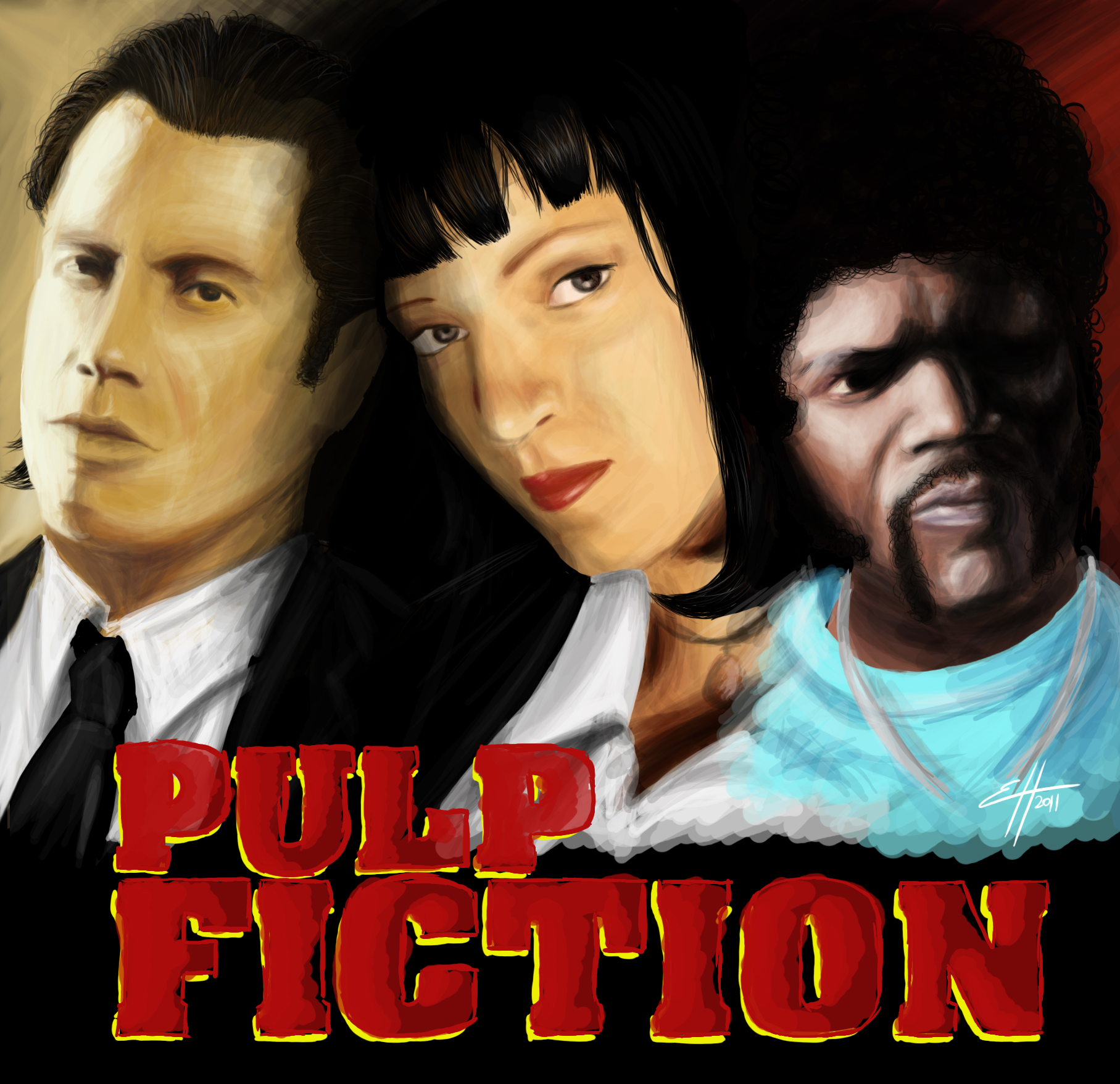
8. MGM Rejecting Pulp Fiction
Quentin Tarantino, a filmmaker who had already garnered significant industry attention with his low-budget crime film “Reservoir Dogs” (1992), approached major studios in the early 1990s with his next ambitious project, “Pulp Fiction.” Having demonstrated his unique directorial voice and narrative prowess, Tarantino reasonably anticipated considerable interest from established production houses for what promised to be another groundbreaking cinematic endeavor. His initial pitch for “Pulp Fiction” was made to MGM, a studio with a storied history in Hollywood.
However, executives at MGM found themselves largely unreceptive to the script’s unconventional structure and bold thematic elements. Their reservations stemmed primarily from the film’s nonlinear storytelling, its explicit portrayal of violence, and its distinctively unconventional dialogue. The studio leadership reportedly concluded that such an experimental film would not possess sufficient commercial viability to warrant their investment, leading them to ultimately pass on the opportunity to finance a project that would soon become a cultural touchstone. In response to MGM’s rejection, Tarantino subsequently took the project to Miramax, a studio renowned for its willingness to embrace and champion bold, independent cinematic works.
Miramax’s decision to take a calculated risk on “Pulp Fiction” proved to be an extraordinary strategic triumph, yielding returns that vastly exceeded all initial expectations. Upon its release, the film rapidly transformed into a global cultural sensation, achieving staggering financial success by grossing over “$200 million worldwide” against a comparatively modest “$8 million budget.” Its critical acclaim was equally profound, culminating in the prestigious Palme d’Or at the Cannes Film Festival and subsequently earning “seven Academy Award nominations,” including a win for Best Original Screenplay.
The impact of “Pulp Fiction” extended far beyond its box office and critical accolades. It notably catalyzed a significant resurgence in John Travolta’s acting career, catapulting him back into the cinematic spotlight. More broadly, the film irrevocably solidified Quentin Tarantino’s status as one of the most influential and innovative filmmakers of his generation, reshaping the landscape of modern independent cinema. MGM’s initial decision to pass on this cinematic landmark ultimately cost them not only millions in potential box office revenue but also the invaluable association with one of the most iconic and critically lauded films in contemporary cinema, a clear testament to the perils of conservative artistic judgment.

9. Disney Losing Pixar in the Early 2000s
The late 1990s marked a period of robust and highly productive collaboration between Pixar Animation Studios and The Walt Disney Company. This partnership proved incredibly fruitful, yielding a string of animated blockbusters that redefined family entertainment and consistently topped box office charts, including critical and commercial successes such as “Toy Story” (1995), “A Bug’s Life” (1998), and “Toy Story 2” (1999). Their joint ventures positioned them at the forefront of the burgeoning computer-animated film industry.
Despite this apparent harmony and shared success, a significant and ultimately irreconcilable rift began to develop behind the scenes between Pixar’s co-founder, Steve Jobs, and Disney’s then-CEO, Michael Eisner. Jobs expressed considerable frustration with what he perceived as Disney’s stringent control over film distribution and profit allocations. He also took issue with Disney’s insistence that all Pixar films be branded as “Disney-Pixar,” arguing that it diminished Pixar’s independent identity and creative autonomy. These growing points of contention ultimately led Jobs to a pivotal decision: in 2004, he resolved to sever ties with Disney, signaling his intention to take Pixar’s highly anticipated future productions to other distributors.
This near-rupture in the relationship posed an existential threat to Disney’s long-standing dominance in animation. Without Pixar’s innovative output, Disney Animation entered a period of creative and commercial decline, releasing a series of films such as “Home on the Range” (2004) and “Chicken Little” (2005) that significantly underperformed both critically and financially. Concurrently, Pixar continued to flourish independently, releasing a string of critically acclaimed and hugely successful films including “Finding Nemo,” “The Incredibles,” and “Cars,” which consistently dominated the global box office and solidified its reputation as the leading animation studio.
Disney executives quickly recognized the catastrophic implications of their error. The potential permanent loss of Pixar’s creative genius and market leadership prompted a significant re-evaluation of their strategy. In a landmark transaction in 2006, Disney made the strategic decision to acquire Pixar outright for a substantial “$7.4 billion.” This acquisition was not merely about reclaiming lost intellectual property; it represented a fundamental shift in leadership, with Pixar’s creative luminary, John Lasseter, being entrusted with the crucial task of revitalizing Disney Animation itself.
The acquisition proved to be a transformative moment for Disney, effectively saving its animation division from prolonged decline and re-establishing its preeminent position in the industry. Under new leadership and with renewed creative synergy, Disney Animation went on to produce a new era of highly successful films, including “Frozen,” “Tangled,” “Moana,” and “Zootopia.” Had Disney not ultimately rectified its earlier mistake by re-engaging with and acquiring Pixar, the studio could have permanently forfeited its leadership in the animation landscape, illustrating a powerful lesson in valuing creative partnerships and adaptability.
Read more about: Decoding Pixar: How Innovation, Strategic Shifts, and Creative Vision Forged an Animation Empire
10. Blockbuster Passing on Buying Netflix for $50 Millio
In what is perhaps one of the most frequently cited and illustrative blunders in modern corporate history, Reed Hastings, the co-founder of Netflix, approached Blockbuster in the year 2000 with a proposition that would prove epoch-making. At that time, Netflix was a nascent enterprise, operating as a modest DVD rental-by-mail service that was actively striving to secure a larger foothold in the competitive entertainment market. Hastings presented Blockbuster with an offer to acquire Netflix for a remarkably modest sum of “just $50 million,” envisioning a merger that could strategically benefit both entities.
Hastings’ vision was predicated on a clear strategic division of labor: Netflix would manage the burgeoning sector of online rentals, while Blockbuster would continue to leverage its dominant position in the traditional physical store retail space. He believed this synergistic approach would position the combined entity as an unassailable leader in home entertainment. However, Blockbuster executives, entrenched in their prevailing business model, famously dismissed Hastings’ proposal with derision, reportedly “laughed Hastings out of the room.” Their assessment was rooted in a profound miscalculation, firmly believing that the emerging trends of online streaming and digital rentals would never genuinely supersede the established brick-and-mortar retail model.
The repercussions of that singular decision unfolded dramatically over the subsequent decade, ultimately leading to the complete dismantling of Blockbuster’s once-dominant empire. As advancements in streaming technology accelerated, Netflix executed a pivotal strategic shift, transitioning its core business from DVD rentals to digital streaming services. This foresight and adaptability propelled the company from a struggling startup into a multi-billion-dollar entertainment leviathan, now valued at “over $200 billion” and responsible for producing some of the world’s most influential television shows and films.
In stark contrast, Blockbuster, unable or unwilling to adapt to the rapidly evolving media landscape, experienced a precipitous decline. The company filed for bankruptcy in 2010 and subsequently closed nearly all of its physical retail locations, becoming a powerful cautionary tale of corporate inflexibility. The company that once commanded the home entertainment market, possessing the infrastructure and resources to dominate the digital frontier, demonstrably “missed out on the biggest shift in media history.” Their categorical rejection of Netflix’s modest $50 million offer has since become enshrined as one of the most egregious and financially devastating business decisions ever made, symbolizing a profound failure of foresight and adaptability.
In reflection, the narratives of these monumental misjudgments by leading Hollywood studios offer invaluable insights into the volatile interplay of creativity, commerce, and foresight that defines the entertainment industry. Each instance, from dismissing visionary talent and innovative storytelling to underestimating nascent technological shifts, underscores a recurring theme: the immense value of adaptability and the perils of rigid adherence to conventional wisdom. The fortunes lost and the opportunities foregone in these cases serve as enduring reminders that in the ever-evolving landscape of global media, strategic agility and a willingness to embrace the unconventional are not merely advantageous, but absolutely essential for sustained success. These stories are not just chronicles of failure, but potent lessons for navigating the unpredictable currents of innovation and consumer demand.