Ever scroll through old photos and wonder, ‘Wait, cars used to do THAT?’ If you’re nodding your head, then buckle up, because we’re about to take a wild ride down memory lane, straight into the automotive archives! Our cars today are sleek, smart, and stuffed with tech, but honestly, something feels a little… missing.
Remember a time when driving was a bit more… hands-on? Or when a car’s aesthetic made a completely different statement? These aren’t just obscure footnotes in automotive history; they were once integral parts of our daily lives, shaping everything from family road trips to how we navigated the morning commute. They were ingenious solutions born from necessity, evolutionary stepping stones that shaped today’s vehicles, even if they seem utterly bizarre to a younger generation.
From the sheer physical effort required to start an engine, to the subtle style statements made by a tire’s sidewall, these forgotten features hold a special place in the hearts of anyone who grew up around them. So, get ready to dive deep into the world of automotive nostalgia. We’ve rounded up some of the most iconic car features that time, technology, and a little thing called “progress” have retired. Prepare for some serious “I remember those!” moments, mixed with a chuckle or two at how much things have changed!

1. **Crank Start Engines**
Starting a car used to be an actual workout, a true test of strength and, let’s be honest, a dash of courage! We’re talking about the days before the simple turn of a key, when ‘crank start engines demanded operators manually turn a heavy metal crank protruding from the front.’ Can you even imagine? This wasn’t just a quirky feature; ‘before electric starters, this was the only way to get an engine running.’ It was the raw, unadulterated ritual of bringing your machine to life, a system combining maximum inconvenience with genuine injury risk.
This labor-intensive method was the norm for early automobiles. The sheer physicality of it, the need for a strong arm and careful timing, meant that starting your car was an event, not just an afterthought. Each rotation of that crank was a direct interaction with the mechanics of the engine, a tangible connection to the power lurking beneath the hood, a unique bond between driver and machine.
Thankfully, ‘innovation thankfully eliminated this dangerous daily ritual.’ The electric starter was nothing short of a revolution. It transformed the automotive experience, making cars accessible and convenient for a much broader audience. What was once a daunting, perilous task became a simple flick of a switch, paving the way for the effortless driving we now take for granted. It’s wild to think such a fundamental convenience was once a luxury, born out of moving beyond the manual crank.
Read more about: The 13 Most Disastrous Truck Engine Issues in Automotive History: A MotorTrend Deep Dive
2. **Full-Size Spare Tires**
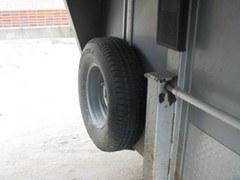
Remember when a flat tire didn’t totally derail your day? There was a time when ‘full-size spares gave drivers a complete replacement identical to their four main tires – no limping to the tire shop on a mini-spare.’ This wasn’t some flimsy donut; this was the real deal, a matching wheel that provided ‘identical performance with no speed or distance limitations when used.’ It was the ultimate peace of mind, especially for long road trips. You could swap it out and keep going without a second thought.
This robust approach meant you were truly prepared for anything the road threw at you. The full-size spare embodied self-reliance and complete readiness. It wasn’t about a temporary fix; it was about maintaining your car’s full capability even after an unexpected puncture. This feature was a silent guardian, a testament to thoughtful engineering prioritizing driver independence and uninterrupted travel.
But alas, ‘efficiency demands transformed this approach to roadside emergencies.’ The push for ‘weight savings and space efficiency killed the full-size spare.’ Those trusty, matching wheels were replaced by ‘donuts, run-flat tires, and inflation kits.’ While these alternatives offered ‘fuel economy benefits,’ they ‘compromised the driver’s options’ and added new anxiety to unexpected flats. Today, ‘only off-roaders and some luxury vehicles still carry proper spares,’ making the full-size spare a rare and cherished sight.
Read more about: Driving into Tomorrow: The 11 Best New SUVs & Crossovers Redefining the Road for 2025-2026
3. **Metal Dashboards**
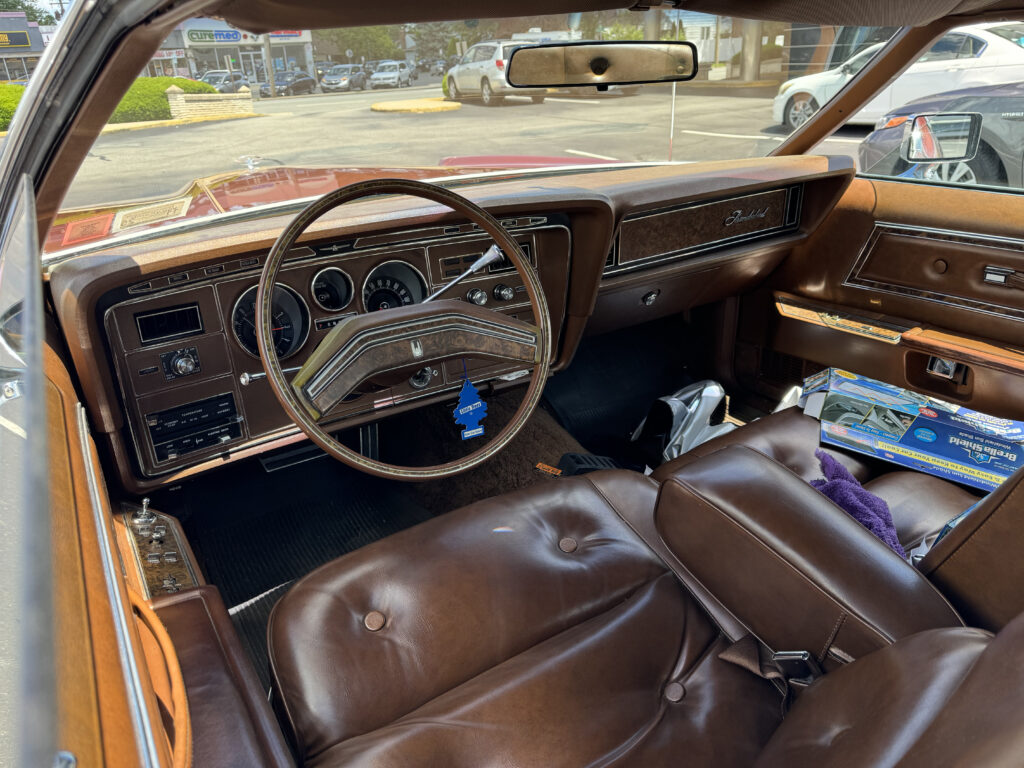
Ever glance at a classic car’s interior and think, ‘Wow, that looks… solid’? Well, they were, sometimes to a fault! There was a time when ‘cars once had interiors that could kill you in a crash.’ Ouch! We’re talking about ‘metal dashboards – those painted steel panels filling the front cabin’ that basically doubled as unyielding obstacles. Popular ‘from the 1920s through the 1960s,’ these hard surfaces prioritized ‘style and durability over safety,’ with ‘integrated instrument panels and metal switchgear.’
These dashboards reflected an era where automotive safety was still nascent. While rugged and often intricately designed, they were uncompromisingly rigid. Beyond safety, they ‘reflected glare, conducted extreme temperatures,’ making the cabin uncomfortable, and ‘posed serious injury risks with their sharp edges.’ It was an aesthetic prioritizing a clean, functional, and sturdy appearance, but without modern crash-test insights.
Thankfully, ‘safety concerns eventually transformed interior design philosophy.’ As our understanding of crash dynamics improved, those unforgiving metal surfaces became a liability. They were, in the starkest terms, ‘death traps in accidents.’ This led to widespread ‘padded dashboards with vinyl, plastic, and foam to absorb impact energy.’ By the 1960s, ‘safety regulations mandated padded surfaces.’ Today, our ‘airbag-stuffed soft-touch materials are infinitely safer,’ though they ‘lack the industrial simplicity and raw honesty of those metal interiors.’ A trade-off we gladly make, but a striking difference nonetheless!
Read more about: From 20 MPH to 85 MPH: America’s Wildest Speed Limit Shifts and the Digital Hand on Your Throttle
4. **Rear Wheel Drive**
For many, driving used to be about pushing, not pulling! ‘Most cars once pushed rather than pulled.’ Remember that distinct feel? ‘Rear-wheel drive dominated for decades, offering balanced weight distribution and predictable handling at the limit.’ This was the standard configuration, where the engine, usually ‘longitudinally-mounted,’ sent power via a ‘driveshaft to transfer power to the rear axle.’ Often ‘paired with solid rear axles or independent rear suspensions,’ it gave drivers a particular kind of road feel and handling dynamics.
This configuration profoundly influenced how a car behaved and felt on the road. The balanced weight distribution contributed to a certain purity in handling, especially when pushed to its limits. For generations, the subtle nuances of a rear-wheel-drive car defined their driving experience, making it the backbone of many iconic sports cars and luxury cruisers, delivering a classic, engaging drive.
However, ‘packaging efficiency and economics ultimately changed the landscape.’ Front-wheel drive conquered ‘most segments with its packaging efficiency, better traction in poor weather, and lower production costs.’ The RWD layout, with its ‘transmission tunnel that reduced interior space, added weight, and cost more to produce,’ became less appealing for mainstream vehicles. ‘By the late 20th century, most mainstream cars pulled rather than pushed.’ While ‘performance cars still often use RWD,’ the ‘everyday rear-driver is nearly extinct.’ Cars might have ‘gained interior space’ but many would argue they ‘lost the distinct handling characteristics that defined driving for generations.’ A bittersweet farewell to a once-universal driving dynamic.
Read more about: Mechanic’s Secret List: 12 Vintage Trucks They’d Buy Instead of New Overpriced Models – A Comprehensive Guide for Savvy Buyers
5. **Manual Steering Systems**
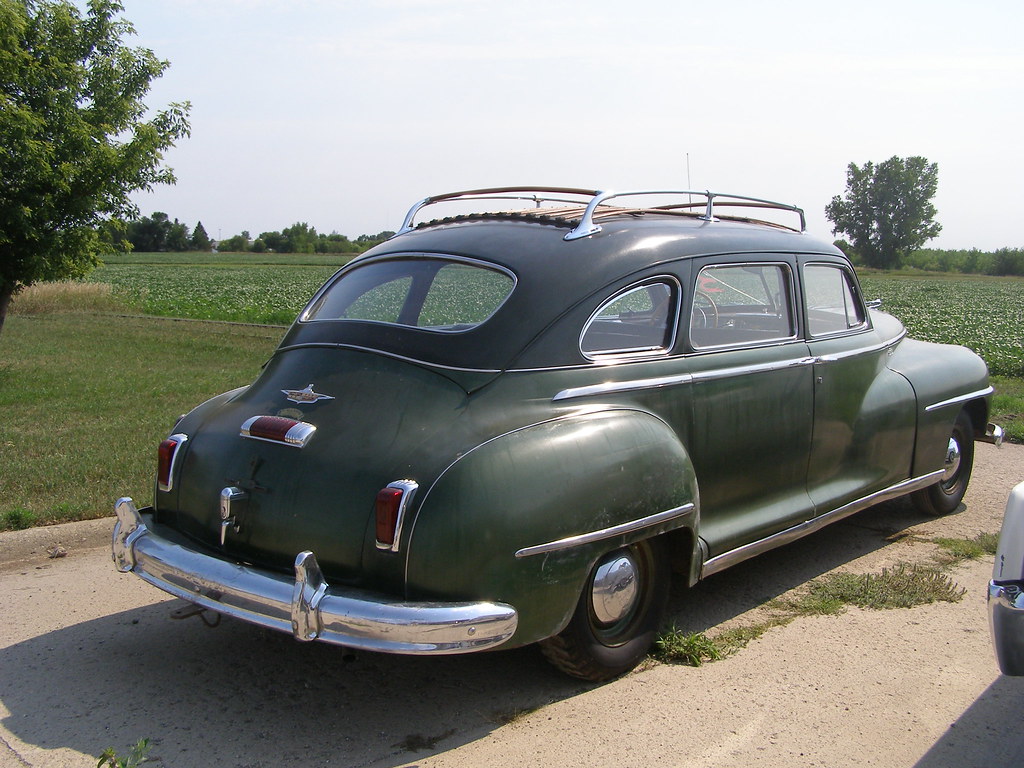
Before power steering made parallel parking a breeze, driving was a legitimate arm day workout! ‘Driving once built upper body strength.’ No kidding! ‘Manual steering connected drivers directly to the road through nothing but mechanical linkage – no hydraulics, no electric motors, just you versus physics.’ These systems, using ‘worm and sector, recirculating ball, or rack and pinion designs with higher steering ratios (around 20:1),’ provided mechanical advantage but demanded significant physical input, especially at low speeds. You truly felt every pebble on the road.
For purists, this raw, unfiltered connection was celebrated. Manual systems ‘provided unfiltered road feel and feedback to drivers’ and were inherently ‘lighter and simpler than power systems.’ It was a visceral experience where driver effort directly translated into the car’s direction, fostering an intimate bond between human and machine. Every turn was a conscious, physical act, engaging the driver in a way modern cars often smooth out.
But as cars grew heavier and drivers demanded more convenience, ‘convenience ultimately won over purity.’ The ‘effort required for manual steering became unacceptable as cars grew heavier and drivers expected effortless operation.’ Nobody wants to break a sweat just to park anymore! ‘By the late 20th century, power steering was virtually universal except in some lightweight sports cars.’ Today, ‘modern cars are easier to drive but have lost that raw feedback that made drivers feel physically connected to the machine.’ A prime example of tech prioritizing ease over engagement.
Read more about: The Hidden Cost: 14 Popular Trucks and Vehicles Prone to Major Repairs Before 100,000 Miles

6. **White Wall Tires**
Talk about making a statement with your wheels! ‘White sidewalls transformed ordinary tires into fashion statements, providing a striking visual contrast that complemented chrome trim and made even budget cars look more elegant between the 1930s and 1970s.’ These weren’t just tires; they were accessories, exuding a certain panache that truly elevated a car’s overall aesthetic. These ‘elegant accents dominated the automotive landscape, appearing on everything from luxury flagships to family sedans.’
The white band itself varied in width over time, from ‘3-4 inches to just 1 inch in later years,’ reflecting evolving tastes and design trends. Regardless of its size, the white wall was instantly recognizable, a hallmark of sophistication and a nod to a bygone era of automotive glamour. They perfectly complemented chrome bumpers and elaborate body lines of classic cars, creating a cohesive and stylish presence on the road.
However, ‘fashion and practicality eventually aligned against this classic look.’ The stunning appearance came with a catch: ‘the clean look required constant scrubbing to keep the white sidewalls from yellowing or staining.’ ‘As automotive design embraced sportier aesthetics, the classic white band…appeared increasingly dated.’ ‘By the 1980s, they were rare on new cars,’ though they ‘remain available for classic car restorations.’ So, when ‘restored classic cars roll through summer car shows, their white walls instantly transport viewers to an era when tires themselves were considered fashion accessories.’ And honestly, they still look incredibly cool.
Read more about: Unlocking Performance Safely: Essential Track Driving Techniques for Every Enthusiast
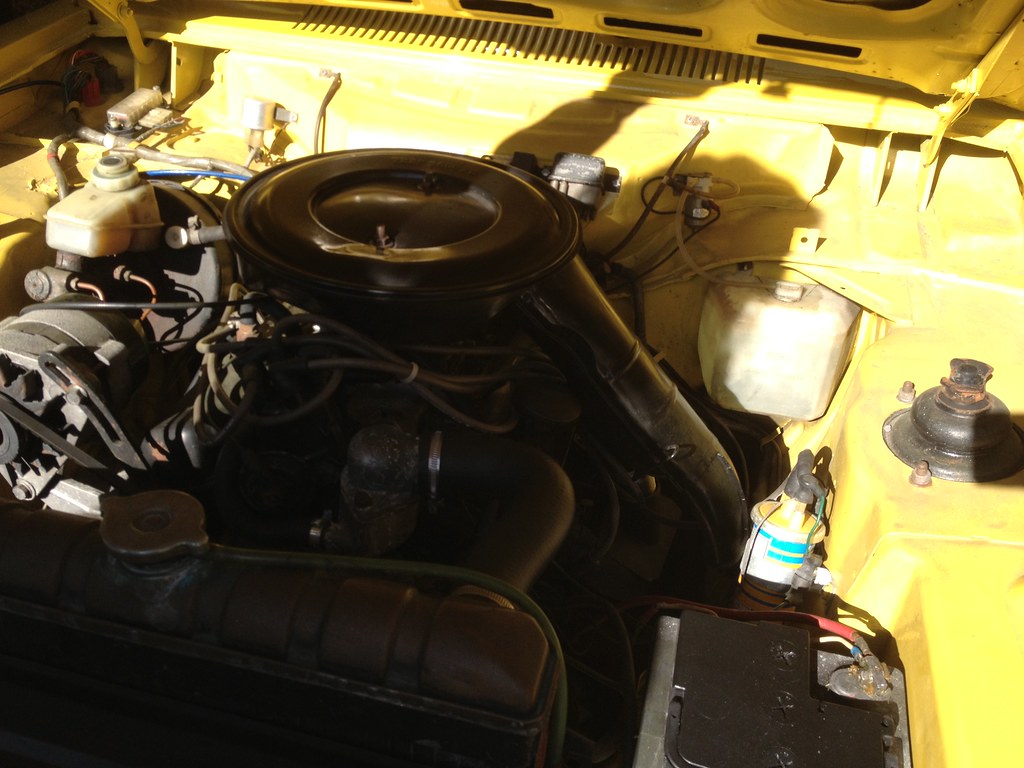
7. **Vinyl Roofs**
Ah, the vinyl roof – a style choice that perfectly encapsulated a specific era of automotive design! ‘Nearly 60% of American luxury cars sported vinyl roof coverings during the 1970s, creating a distinctive two-tone look that signaled upscale aspirations despite hiding potential rust traps underneath.’ These ‘fake convertible tops became popular in the 1960s and 1970s, available in various colors and textures,’ and were ‘often padded for a more luxurious appearance.’ It was all about adding a touch of perceived elegance, a dash of luxury, without the actual complexity of a real convertible.
These roofs were more than just a covering; they were a bold fashion statement that allowed manufacturers to differentiate models and offer consumers a unique look. The variety in ‘colors and textures’ meant you could personalize your ride. It evoked the grandeur of classic coachbuilding and the sophisticated allure of a convertible top, even on a hardtop sedan, a truly popular design choice at the time.
But as with many fashion trends, ‘time exposed the practical failures of this stylistic choice.’ These ‘fake convertible tops became fashion victims when car design moved toward sleeker, more aerodynamic shapes.’ And let’s be real, ‘vinyl aged poorly, cracked in the sun, trapped moisture, and caused rust – the dreaded “cancer” that killed many otherwise solid classics.’ This practical downside, coupled with changing aesthetics, sealed their fate. ‘By the 1990s, they were gone from most models.’ Today, ‘during restoration of classic cars with vinyl tops, owners often face the expensive dilemma of authentic recreation versus practical elimination’ – a challenge born directly ‘from this style-over-substance design choice.’ A tough lesson, but a memorable look!
Let’s pick up right where we left off, because our trip down automotive memory lane is far from over! We’ve already uncovered some truly wild and wonderful features, but trust us, there’s more where that came from. Get ready to dive into another batch of car gadgets that once ruled the road, but have now vanished into the annals of history, making us wonder how we ever lived without (or with!) them. Prepare for even more “OMG, I totally forgot about those!” moments!
Read more about: Avoid the Auction Shame: How to Master Selling 10 Prized Collector Cars from Hagerty’s Hot List

8. **Manual Windup Windows**
If you’ve never experienced the pure, unadulterated forearm workout of rolling down all four windows at a summer stoplight, honestly, you’ve missed out on a core driving memory! Back in the day, before fancy buttons and motors took over, ‘these hand-cranked systems offered bulletproof reliability with minimal maintenance – just a simple mechanism that could last decades without failing.’ It was a truly satisfying mechanical interaction.
There was a certain charm to the physical act of winding the window up or down. You were directly connected to the car’s mechanics, and the simplicity meant they rarely, if ever, broke. This robust design meant that you could always count on a breeze, rain or shine, a reliable feature that modern complex systems sometimes struggle to match.
But alas, ‘cost and convenience transformed this landscape completely.’ Power windows eventually won this battle, transforming a once-luxury feature into something affordable for everyone. ‘Initially expensive options on premium cars, electric windows became so cheap to produce that even budget cars include them standard.’ Today, ‘over 99% of new vehicles sold today feature power windows as standard equipment, making the hand-crank window a nearly extinct species in the automotive ecosystem.’ It’s a sad farewell to a simple pleasure!
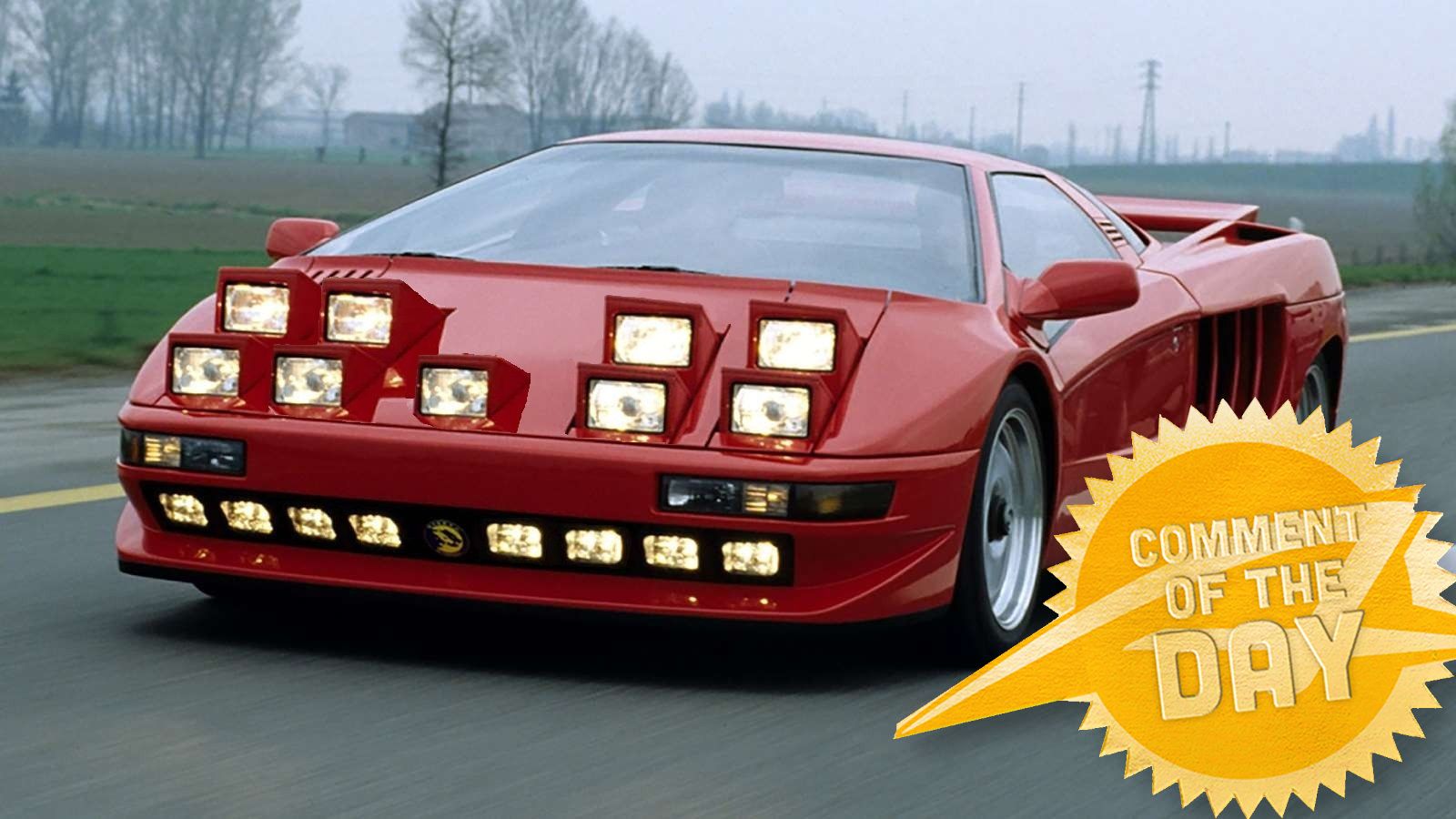
9. **Pop-Up Headlights**
Oh, the theatrical flair! These ‘mechanical eyelids that winked at oncoming traffic, pop-up headlights transformed sports cars from sleek daylight missiles to wide-eyed night cruisers at the flip of a switch.’ We’re talking about pure, unadulterated cool factor, a design choice that defined an era of automotive style. They ‘ruled from the 1960s through the 1990s.’
These hideaway lights were all about aesthetics, allowing for ‘sleek, aerodynamic front ends that prioritized style without sacrificing illumination when needed.’ Think about the iconic cars of the 80s and 90s—many of them rocked these retractable beauties, giving them a distinct personality. It was a visual marvel, a little bit of magic every time you turned on your lights.
However, ‘engineering reality eventually caught up with this stylistic dream.’ As cool as they looked, ‘these mechanical marvels had fatal flaws.’ They ‘added complexity, broke frequently, and ultimately failed pedestrian safety standards.’ Plus, ‘advanced aerodynamic research eventually revealed they didn’t significantly improve airflow as once thought.’ ‘Advanced lighting technology finally killed them off by the early 2000s.’ Sure, modern adaptive LED arrays might outperform them, but they totally lack that unique, winking personality!
Read more about: Forget ‘Zero Return’: 10 Modern Classic Cars That Are Unexpectedly Skyrocketing in Value!
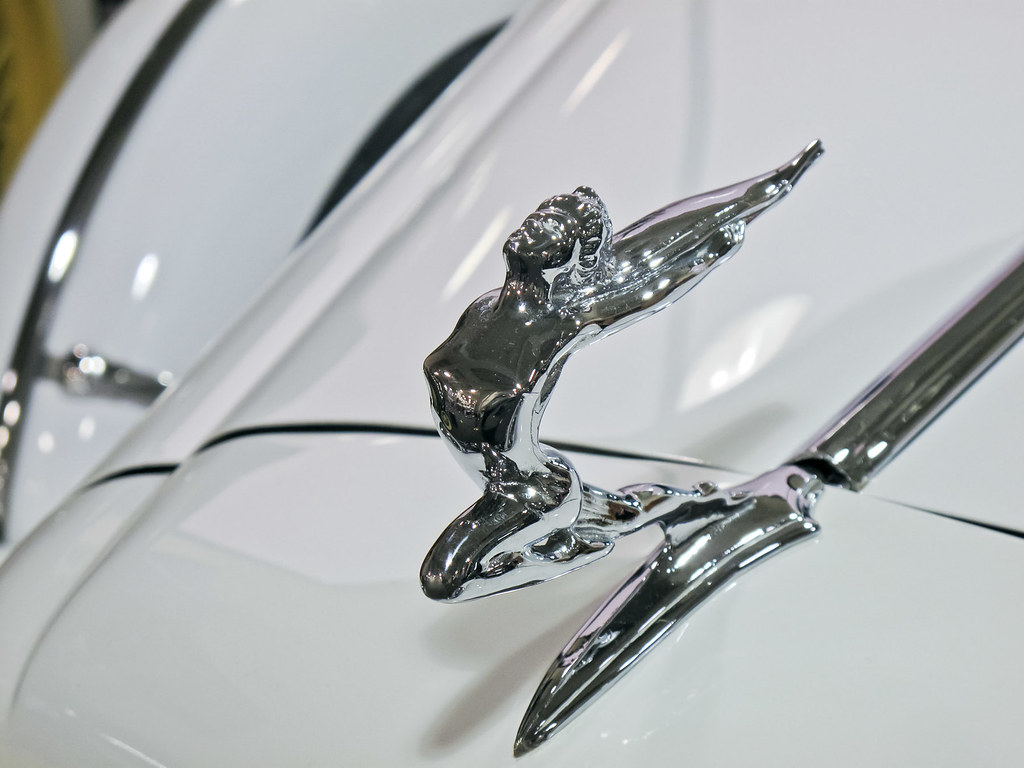
10. **Hood Ornaments**
Before today’s flush badges, cars announced their identity with actual sculptures! ‘Classic hood ornaments proudly announced a car’s identity with three-dimensional sculptures that doubled as rolling artwork.’ Talk about making a grand statement! Popular since the early 1900s, ‘these distinctive emblems served as brand identifiers and status symbols,’ ranging from simple logos to elaborate masterpieces like Rolls-Royce’s Spirit of Ecstasy.
These wasn’t just about showing off a brand; it was about adding a touch of class, a hint of luxury, and a whole lot of personality to your ride. Imagine cruising down the street with a majestic bird or a sleek animal leading the way. They truly made a car feel special and unique, a personalized touch in an age of mass production.
But sadly, ‘multiple factors conspired against these iconic sculptures.’ ‘Safety regulations and aerodynamics concerns spelled doom for these distinctive decorations.’ ‘Pedestrian protection standards and the quest for better fuel economy made protruding ornaments impractical.’ ‘By the 21st century, only a few luxury brands held onto them.’ So, ‘next time you spot a Rolls-Royce or Mercedes with a stand-up ornament, you’re witnessing one of the last surviving connections to automotive design’s more expressive and less regulated past.’
Read more about: Unlocking Hollywood’s Glow: From Ryan Reynolds’ Skincare Investments to Under-$10 Beauty Hacks and Pop Culture Dynasties
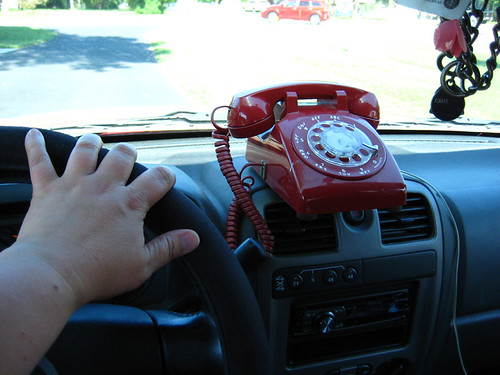
11. **Car Phones**
Remember when a phone in your car wasn’t just a Bluetooth connection but an actual, physical device hardwired into the dashboard? We’re talking about the ultimate 80s and 90s power move! ‘Over 80% of executives with car phones in the 1980s considered them essential business tools, despite their astronomical costs and limited coverage areas.’ ‘These hardwired communication devices…weren’t mere accessories – they were status symbols that showed you were too important to be unreachable, even while driving.’
These massive, clunky contraptions often came with an antenna that screamed, “I’m important, and I’m calling someone RIGHT NOW!” ‘Some systems integrated with the vehicle’s audio system, muting music during calls – an innovation we take for granted today.’ It was cutting-edge technology, even if it meant lugging around a handset the size of a brick.
But as with all tech, ‘mobile technology rapidly outpaced these early adopters.’ ‘These massive, expensive devices couldn’t compete when cell phones shrunk to pocket size.’ ‘Car phones used analog cellular networks, often required professional installation, and typically cost a fortune both to purchase and use.’ ‘By the 2000s, personal mobile phones and Bluetooth integration made permanent car phones obsolete.’ Today, ‘Bluetooth systems offer clearer calls, fewer distractions, and no subscription fees – advantages that make those early car phones seem like prehistoric communication tools.’
Read more about: The Phenomenal Rise of Doctors on TikTok: How Three Physicians Became Social Media Superstars
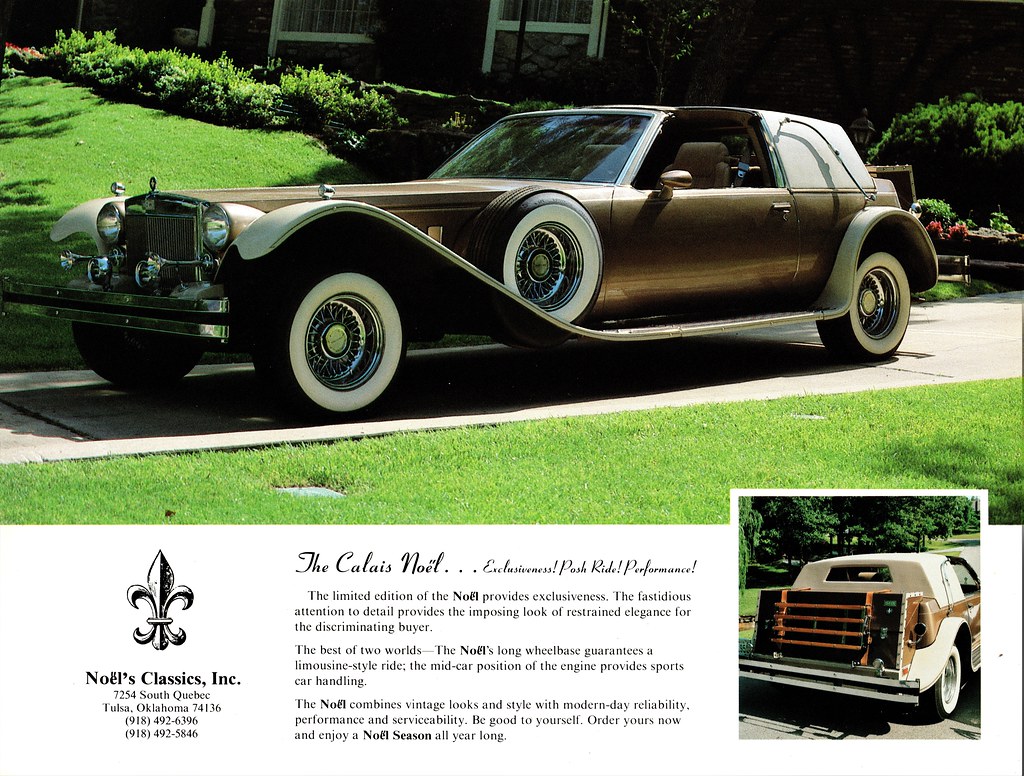
12. **Trunk Mounted Luggage Racks**
Ah, the quintessential accessory for the ultimate family road trip! ‘In the family vacation era of the 1950s through 1980s, chrome trunk racks transformed ordinary sedans into legitimate long-distance cruisers capable of hauling enough luggage for weeks on the road.’ These weren’t just functional; they were part of the whole vacation vibe, proudly displaying your journey to the world.
These ‘metal accessories, often chrome-plated or painted to match the vehicle body, expanded cargo capacity when interior space reached its limits.’ Imagine packing up the station wagon, loading the bikes on top, and strapping a couple of suitcases to the back. It was a sign of adventure, of hitting the open road with everything you needed (and probably a few things you didn’t).
However, ‘bigger trunks and security concerns eventually killed these external racks.’ ‘Exposed luggage proved too tempting for thieves, and more secure roof racks and enclosed carriers took their place.’ Plus, ‘the racks also reduced aerodynamics, hurting fuel efficiency, and risked damaging paint when improperly loaded.’ ‘By the late 1990s, external trunk racks were relics.’ While SUVs and crossovers handle cargo today, ‘the exposed trunk rack remains a symbol of mid-century optimism when travel itself was proudly on display.’
Read more about: Twelve Icons: How These Cars Forged the Golden Age of 1950s Automotive Design and Performance
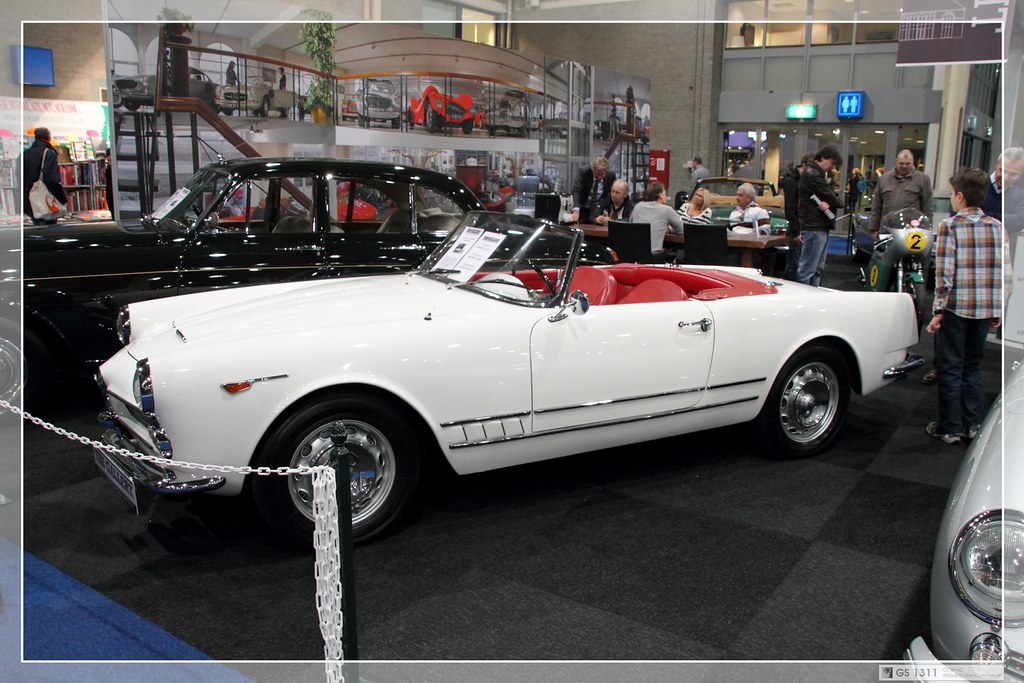
13. **Column Mounted Shifters**
Who needs a floor console when you can shift gears right there on the steering column? ‘Steering column shifters freed up valuable floor space, allowing for roomy bench seats and creating the spacious interiors that defined American cars from the 1930s through the 1980s.’ We’re even talking about the manual “three on the tree” — classic! These ‘practical controls simplified interior manufacturing while maximizing passenger capacity.’
These shifters were a clever solution to interior design challenges. They made it possible to comfortably fit three people across the front seat, turning the car into a rolling living room, perfect for drive-in movies or carpooling the whole crew. It was all about utility and making the most of every inch of cabin space.
But then, ‘these practical shifters vanished as bucket seats and consoles took over.’ They had some ‘legitimate drawbacks – limited space for gear positions, potential for accidental shifts, and a less precise feel than floor shifters.’ Floor shifters just felt sportier, and that three-across front seat became less relevant. ‘The column shifter began declining rapidly in the 1980s,’ and ‘modern electronic shifters and paddle setups have pushed them to near extinction except in trucks and some commercial vehicles.’ Still, for certain uses, like maximizing floor space, they continue to make perfect sense!
Read more about: From Mechanical Whiskers to Mobile Jukeboxes: Unearthing 13 of the Weirdest Features in Vintage American Cars

14. **Landau Bars**Ever spotted those mysterious S-shaped chrome pieces adorning vinyl roofs of vintage luxury cars and wondered, “What in the world are those for?” Well, get ready for a fun fact! ‘Landau bars nodded to horse-drawn carriages where actual structural supports once held up folding tops.’ They were ‘popular from the 1960s through the 1980s,’ and here’s the kicker: ‘these chrome-plated accents were purely decorative with zero function beyond visual differentiation.’ By the ’70s, they were pure automotive fashion, literally serving no purpose but looking fancy.
Ever spotted those mysterious S-shaped chrome pieces adorning vinyl roofs of vintage luxury cars and wondered, “What in the world are those for?” Well, get ready for a fun fact! ‘Landau bars nodded to horse-drawn carriages where actual structural supports once held up folding tops.’ They were ‘popular from the 1960s through the 1980s,’ and here’s the kicker: ‘these chrome-plated accents were purely decorative with zero function beyond visual differentiation.’ By the ’70s, they were pure automotive fashion, literally serving no purpose but looking fancy.
They were ‘slapped onto vinyl-roofed sedans to fake luxury,’ offering a perceived touch of class without the actual engineering. You could even ‘customize them with different finishes,’ allowing manufacturers to distinguish models and give buyers a sense of upscale choice. It was all about creating an illusion of grandeur, a subtle nod to a more opulent past.
Unfortunately, style sometimes comes with a price. ‘They sometimes trapped moisture, leading to rust problems underneath.’ Not so luxurious then, huh? ‘Cleaner design aesthetics finally killed them off by the 1990s.’ Today, ‘less than 2% of modern luxury cars incorporate any carriage-inspired design elements, showing how completely automotive styling has divorced itself from its horse-drawn ancestry.’ A purely decorative, often problematic, relic!
Read more about: From Mechanical Whiskers to Mobile Jukeboxes: Unearthing 13 of the Weirdest Features in Vintage American Cars
Wow, what a ride! From manual cranks that built biceps to pop-up headlights that charmed the night, and even decorative landau bars that faked luxury, we’ve journeyed through a fascinating collection of car features that have now become echoes of the past. It’s wild to think how much cars have evolved, transforming from bare-bones mechanical beasts to sophisticated, tech-laden marvels. While we wouldn’t trade our airbags and power steering for a metal dashboard or a crank start, there’s no denying that a piece of that old-school soul sometimes feels a little missed. These vanished gadgets aren’t just footnotes; they’re stories, memories, and a testament to the incredible journey of automotive innovation. So, next time you hop in your sleek, modern ride, take a moment to appreciate the wild and wonderful history under the hood – or, in many cases, what used to be *on* the hood!