Alright, gearheads, let’s talk motorcycle reliability. It’s the silent dread of every rider, the exasperated sigh when stranded with a dead battery or catastrophic failure. We all crave that bulletproof machine, but not all bikes are created equal. Finding unbiased data on truly trustworthy bikes can feel like searching for a clean spark plug in a mud pit amidst brand loyalty and forum debates.
Forget glossy brochures; we’re talking cold, hard data. At Riders Share, we’ve compiled a gold mine of information from millions of miles and hundreds of thousands of rental days. Our mission? To understand tow costs. We’ve cross-referenced our findings with the 2015 Consumer Reports study and SlashGear’s early 2023 reliability survey. This isn’t about hurting feelings; it’s about equipping you with unfiltered truth for 2025.
So, if you’re in the market for a motorcycle, buckle up. We’re about to unveil brands that, according to the numbers and mechanics’ reports, might be sending up red flags. While some brands tout low maintenance, others have explaining to do. This is an investigative deep dive into machines that could dent your wallet and riding plans. Buyer beware means being *informed*.
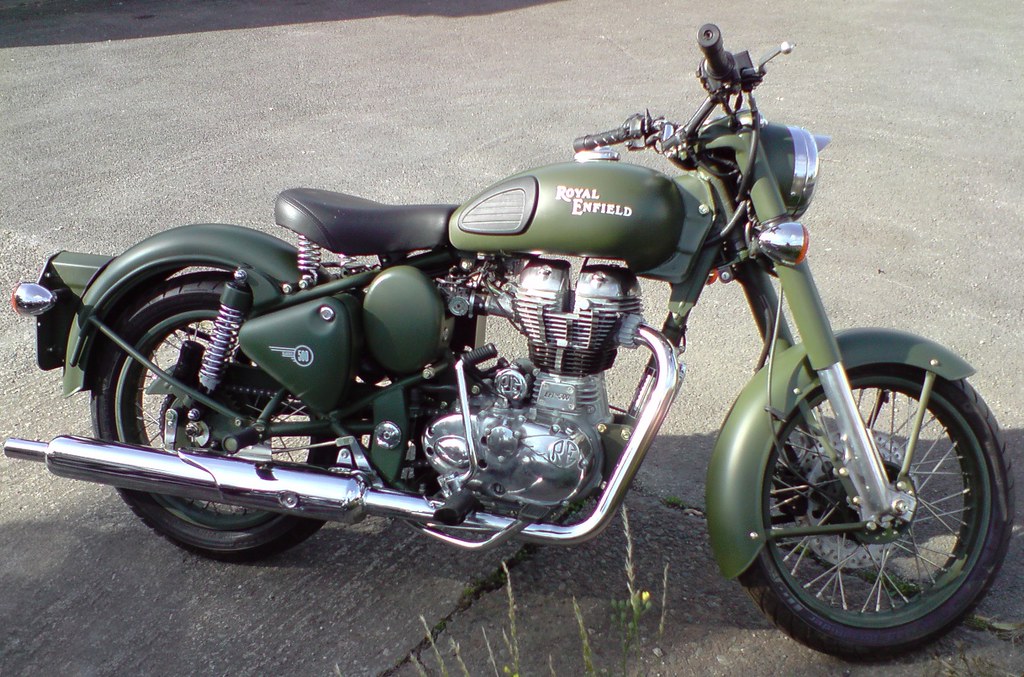
1. **Royal Enfield: Classic Style, Recurring Issues**Royal Enfield, with a century-plus history, blends classic styling with modern manufacturing. Models like the sub-$5,000 Classic 350 offer a charming city ride, often backed by a three-year warranty. This blend of heritage and modern assurance often creates expectations of a robust, reliable machine, but empirical data reveals a significantly different reality.
Our Riders Share data positions Royal Enfield at the absolute bottom of reliability rankings with a staggering 0.86% tow rate. This figure is almost four times the average for other brands, based on recent models (mostly 2017 or newer). It directly challenges online narratives touting their quality, demonstrating that appealing aesthetics don’t always translate into robust real-world reliability.
For prospective buyers, temper expectations. That attractive price and classic vibe might frequently be accompanied by unscheduled stops. If a Royal Enfield calls to you, consider it a passion purchase, and wisely budget for comprehensive roadside assistance. The numbers strongly suggest you’ll likely need it.
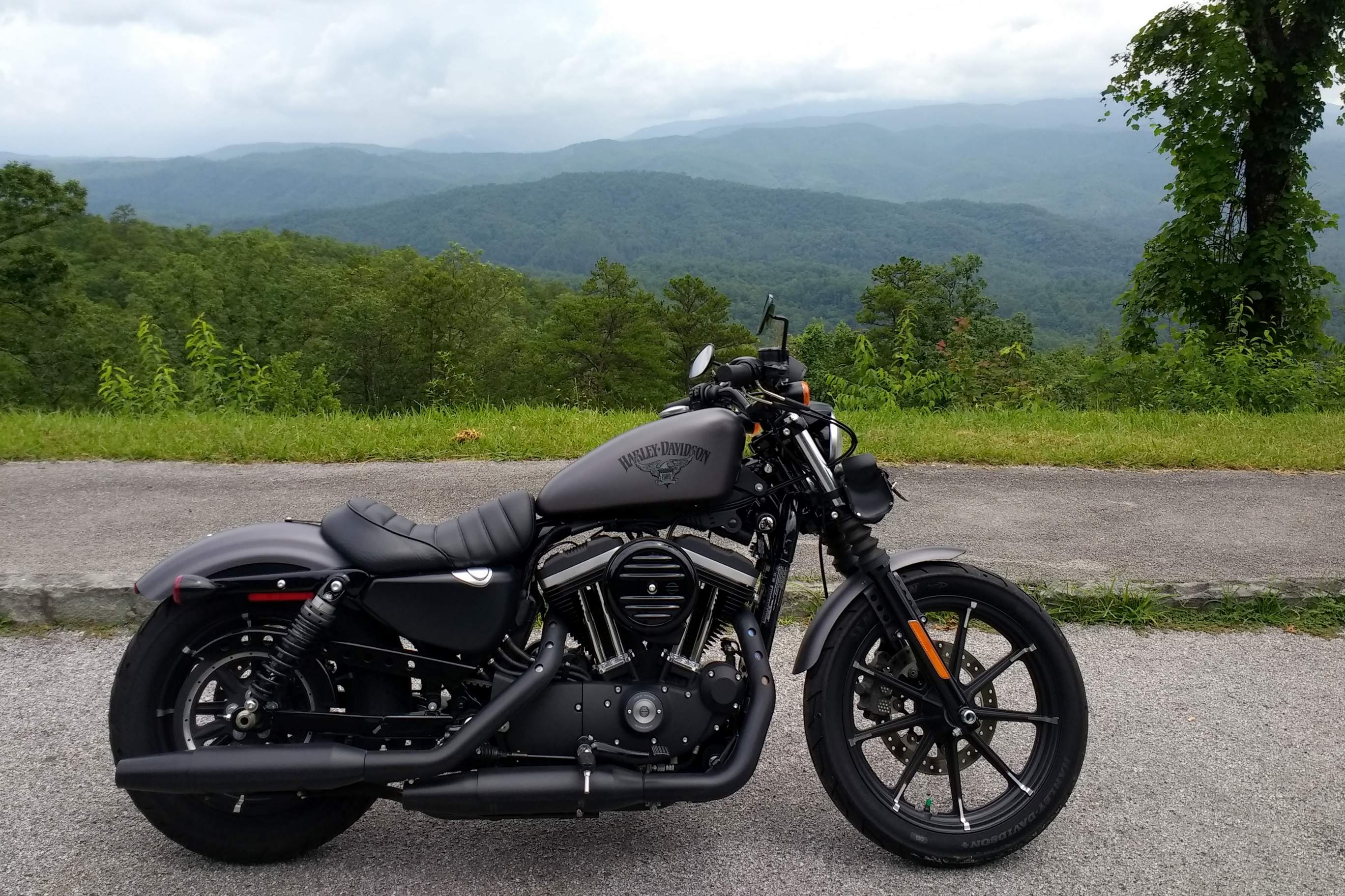
2. **Harley-Davidson: Iconic, Yet Often Problematic**Harley-Davidson, the quintessential American motorcycle, embodies open roads and freedom. Their touring models are lauded for long-haul comfort, and widespread parts availability offers significant convenience. The Sportster, especially the belt-driven Evo motor 883s, is often highlighted as one of the brand’s more reliable and user-friendly models, contributing to its iconic status.
However, Harley’s reliability statistics present a deeply conflicting picture. While our Riders Share data shows a relatively low 0.22% tow rate—possibly influenced by diligent owners—the broader survey landscape is far more troubling. Consumer Reports in 2015 noted a 26% failure rate, but SlashGear’s early 2023 survey revealed an alarming 49.59% failure rate, “more than double the two brands tied for second.”
This dramatic statistical disparity demands extreme caution. It suggests that while specific models or individual experiences may be positive, a substantial segment of Harley-Davidson riders encounter significant mechanical issues. The allure of the iconic roar must be balanced against a nearly 50% chance of major failure. Embrace the legend, but acknowledge the potential for unexpected detours and hefty repair bills.
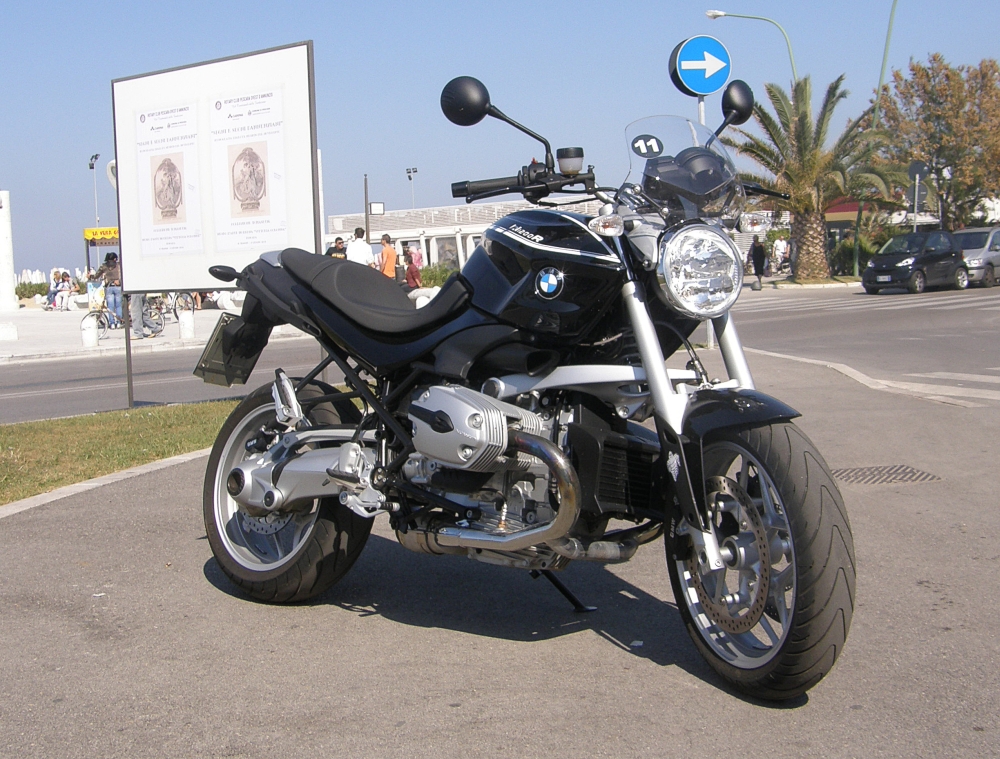
3. **BMW: German Engineering, Pricey Headaches**BMW motorcycles, much like their automotive siblings, project precision, luxury, and superior German engineering. They are undeniably well-designed machines, often blending classic styling with cutting-edge performance. Yet, despite this premium perception, their reliability record harbors complexities demanding close attention from any prospective owner, especially concerning substantial long-term issues beyond mere roadside inconveniences.
The 2015 Consumer Reports survey cast a long shadow, ranking BMW “next-to-last” with a significant 40% of surveyed owners (2008-2014) experiencing a “major failure.” Furthermore, BMW failed to even appear on SlashGear’s reliability list. This stands in stark contrast to our Riders Share data, where BMW surprisingly ties for the lowest tow rate at a mere 0.18%, highlighting a crucial difference in reliability assessment.
This disparity suggests that while BMWs may not frequently break down during short rentals, their propensity for costly “major failures” over longer ownership is a confirmed risk. My dad’s adage, “BMWs are the most reliable bikes (although expensive to repair!),” encapsulates this. While beloved for their boxer engines, a 40% chance of major failure, coupled with high repair costs, positions many BMW models as a considerable gamble.
Read more about: Decoding the Disappointment: 15 Overrated Car Brands That Underperform on Reliability and Rack Up Costly Upkeep Bills for Owners
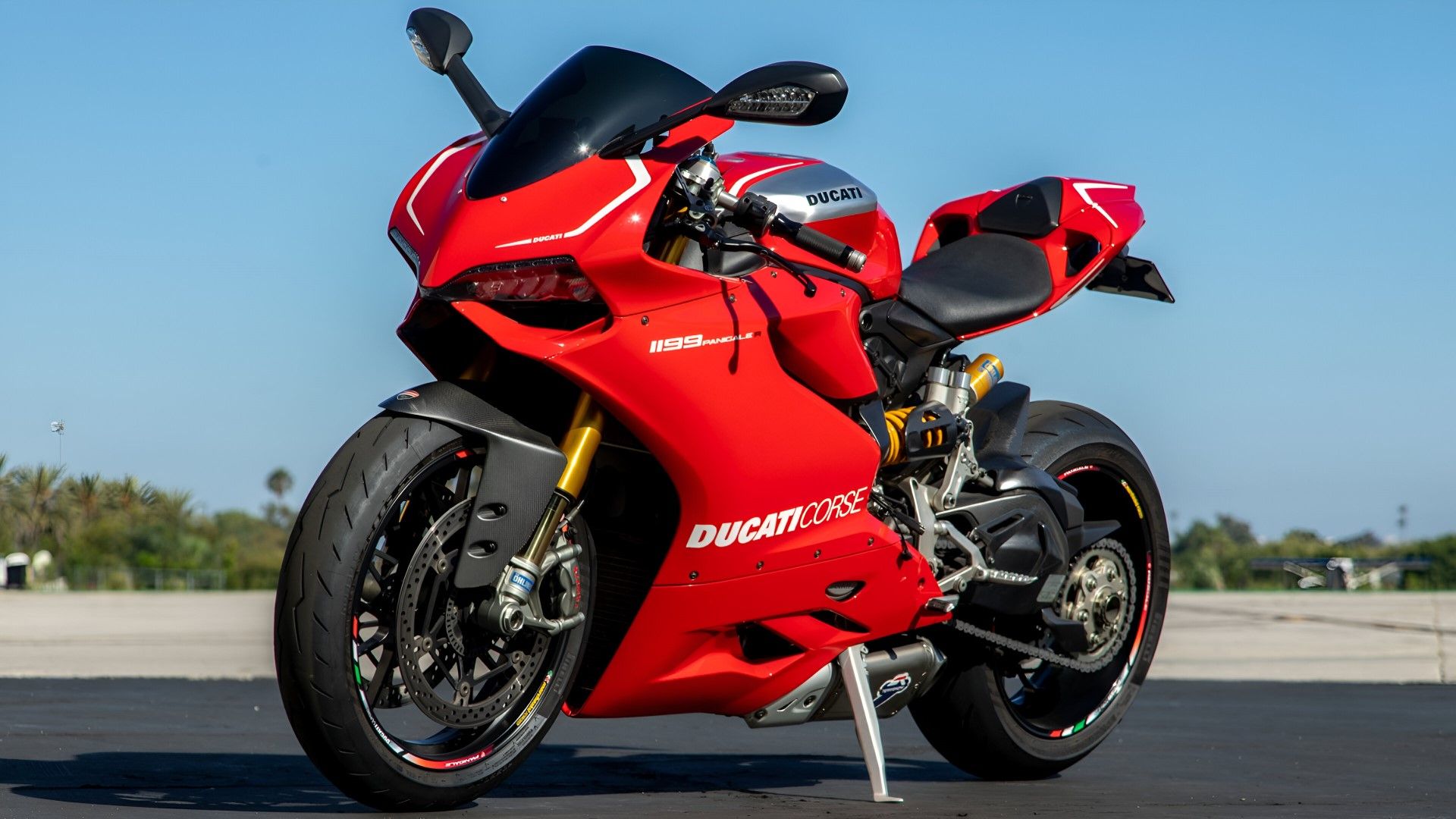
4. **Ducati: Performance First, Reliability Second**Ducati ignites passions for speed, track performance, and exquisite Italian design. These motorcycles are built for pure exhilaration, not necessarily for mundane day-to-day reliability. Indeed, Ducati’s core focus seems to be on crafting “high-powered, fast bikes” rather than prioritizing low maintenance and steadfast dependability—a philosophy consistently reflected in various reliability reports.
The numbers unequivocally support this. The 2015 Consumer Reports survey tagged Ducati with a 33% failure rate. Our Riders Share data also placed them in the lower reliability tier, registering a 0.34% tow rate, a position “we all expected Ducati to be in.” Beyond statistics, common issues like “plastic fuel tank swelling and common clutch issues across all models” are well-documented.
Even their “most dependable bike,” the Ducati Monster, carries a significant operational caveat: its specialized desmodromic valves demand “pricy” dealer adjustments every 7,500 miles. This isn’t a minor service; it’s a recurring, budget-impacting requirement. If you’re drawn to Ducati’s magnetic appeal, prepare for a performance-oriented ownership experience with higher maintenance demands and a greater likelihood of specific mechanical issues.
/cloudfront-us-east-1.images.arcpublishing.com/octane/VYCBWWIREBFMJPH77X4G4LBYFI.jpg)
5. **Suzuki: The Surprising Japanese Underperformer**Japanese motorcycles have long epitomized reliability, affordability, and minimal maintenance—a reputation earned by giants like Honda and Yamaha. Suzuki, a seasoned Japanese manufacturer, has generally been considered a dependable member of this elite. This widely held belief, however, is challenged by recent real-world data from the front lines of motorcycle rentals.
Our Riders Share dataset presents a surprising anomaly: Suzuki recorded a 0.35% tow rate, placing them unexpectedly near the bottom of our brand reliability rankings. This finding was “perhaps the biggest surprise” we encountered, directly contradicting Suzuki’s otherwise strong Consumer Reports performance. It raises a pertinent question about potential owner maintenance habits: “Are Suzuki owners on Riders Share less dutiful about maintenance than Harley owners?”
Despite the historical hardiness of models like the SV650, lauded for its robust design and ease of operation, the aggregate tow rate suggests a concerning trend. While individual Suzukis might be “bulletproof,” the brand’s collective performance in terms of roadside assistance is a noteworthy departure from its typically stellar reputation. Buyers should approach Suzuki with a nuanced perspective, acknowledging this empirical data.
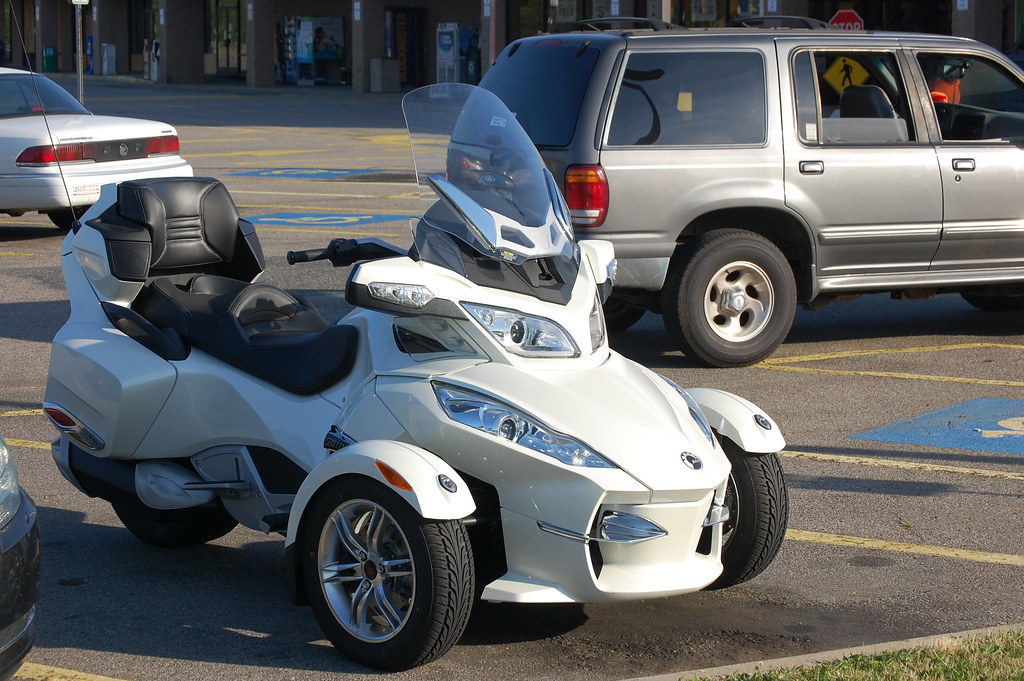
6. **Can-Am: Three Wheels, Recurring Troubles**Can-Am occupies a distinctive niche in powersports with its unique three-wheeled vehicles, offering a blend of motorcycle thrill and enhanced stability. These machines are designed for adventurous touring and spirited cruising, aiming to deliver “fond memories.” However, our comprehensive data suggests this distinctive appeal may come hand-in-hand with an unwelcome tendency toward reliability issues, demanding careful consideration from potential owners.
Our Riders Share data revealed a 0.32% tow rate for Can-Am, positioning them in the lower half of brand reliability. This figure isn’t just a statistic; it reflects real-world problems. The Rotax engine, while powerful, is “not exactly known for its reliability” in these specific applications. More alarmingly, the context cites a chilling incident: “We had a case in which a tire came off a trike while the rider was driving… a few months later Can Am issued a recall to address this issue.”
A recall for a tire detaching mid-ride is an unequivocal red flag, pointing to profound safety and engineering deficiencies beyond routine wear. This critical flaw underscores systemic reliability concerns. While Can-Am offers a novel riding experience, the documented tow rates and severe recalls indicate that potential buyers should proceed with extreme caution. The promise of stability should not overshadow the stark reality of potential mechanical and safety compromises.
Alright, gearheads, we’ve already laid out a serious chunk of truth about some big names that might leave you scratching your head (and calling a tow truck). But the road to reliability is long, and there are more twists and turns ahead. This isn’t just about the usual suspects; it’s about dissecting deeper trends, the subtle sabotages that can turn a dream ride into a driveway decoration. We’re continuing our dive into the data, pulling back the curtain on brands, bike types, and even engine sizes that, despite popular belief or premium pricing, still raise a mechanic’s eyebrow. Because being informed isn’t just about avoiding the worst; it’s about making the *best* choices for your hard-earned cash and precious riding time.
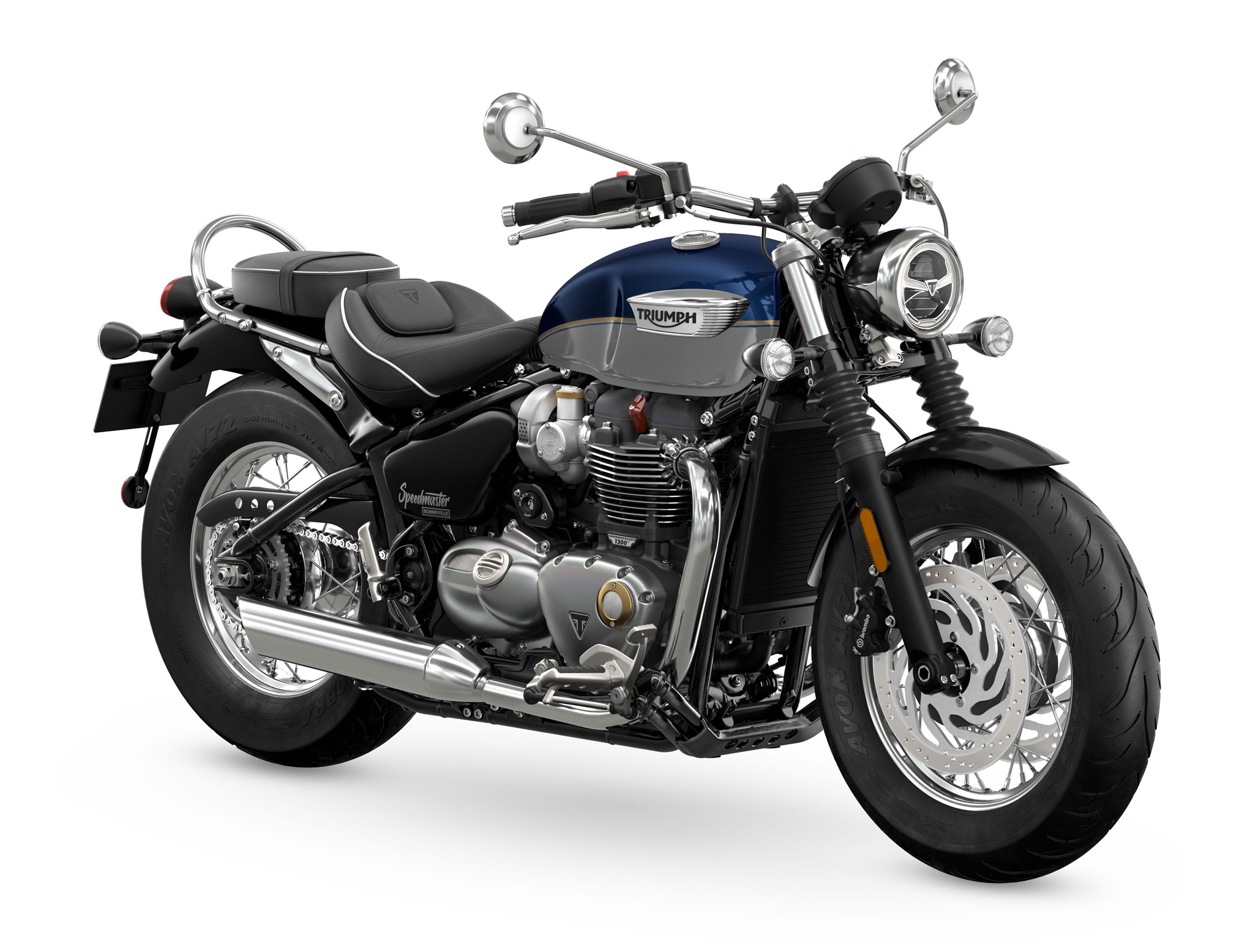
7. **Triumph: British Charm, Troubling Numbers**Triumph, that iconic British marque, evokes images of classic style, Steve McQueen, and a rich motorcycling heritage. Reborn in 1983, the brand has done an admirable job reintroducing beloved names like the Bonneville, aiming to iron out the kinks that plagued older generations. On paper, many of their modern bikes, like the Bonneville T120 or the Speed Twin 900, promise reliability and straightforward maintenance, with service intervals stretching to 10,000 miles.
Yet, our Riders Share data reveals a different story, placing Triumph squarely in the ‘lower half’ of reliability rankings with a 0.32% tow rate. That’s identical to Can-Am, a brand we just highlighted for recurring troubles and a serious recall. While the ‘Top 10 Motorcycle Brands Known for Durability’ might list Triumph as having ‘sturdy construction,’ our empirical data shows they’re still clocking above the average tow rate for rental days.
This isn’t to say every Triumph is a lemon, but it suggests that the promise of ‘reliable and easy to maintain’ might not hold true for every rider, every time. If you’re eyeing that retro appeal, be prepared for the possibility that its reliability might fall short of its storied reputation. Sometimes, heritage carries a higher roadside assistance bill than you’d expect.
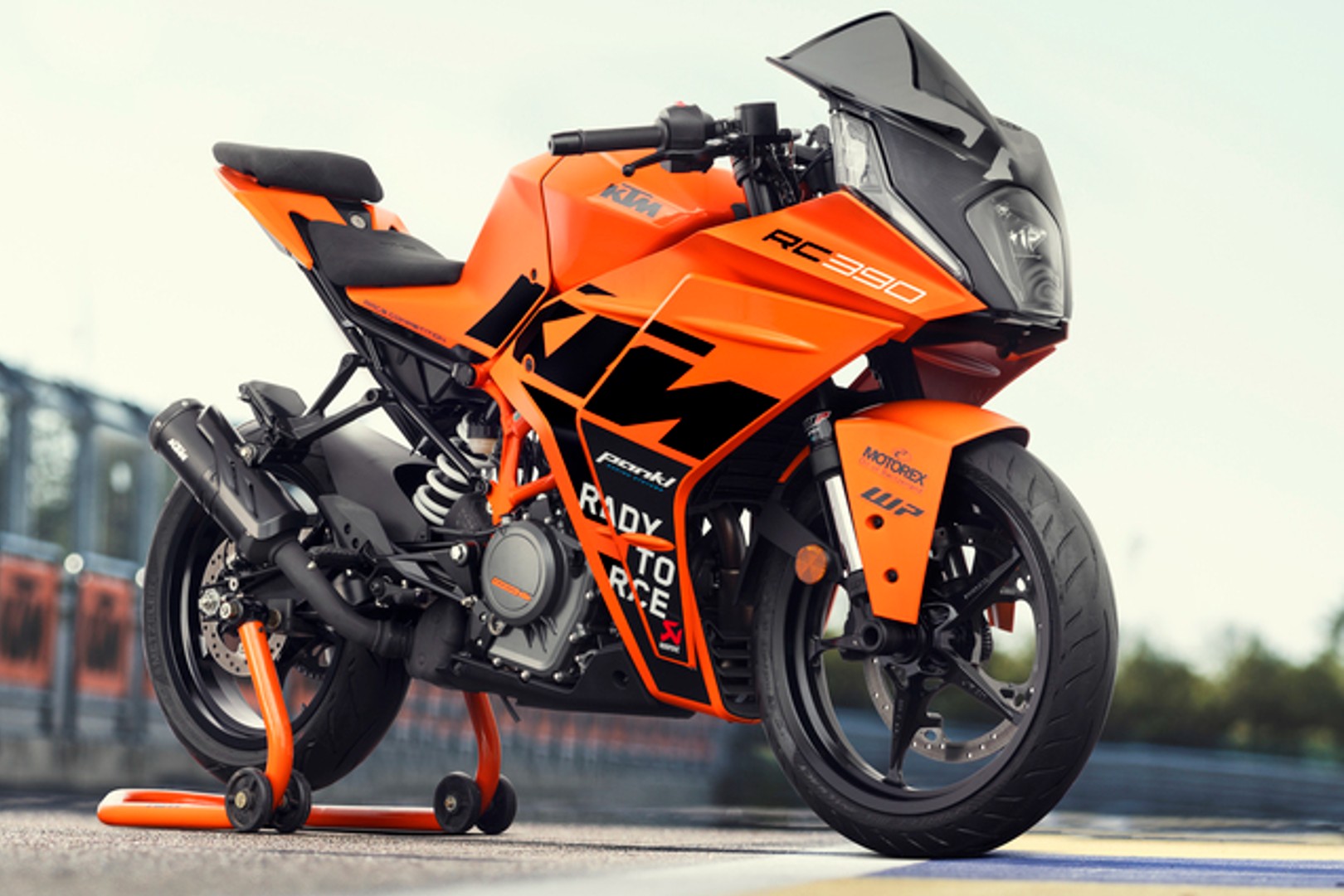
8. **KTM: Off-Road Prowess, On-Road Ponderings**KTM, the Austrian beast, is synonymous with ‘Ready to Race’ and conquering anything off-road. Their reputation for robust, high-performance adventure and dirt bikes is well-earned, engineering machines that thrive in punishing conditions. The ‘Top 10 Motorcycle Brands Known for Durability’ even praises their robustness for adventure riders. So, how do they fare when it comes to the cold, hard numbers of roadside assistance?
Our Riders Share data puts KTM at a 0.23% tow rate. Now, compared to Royal Enfield’s colossal 0.86% or even Ducati’s 0.34%, that doesn’t sound too bad. In fact, it’s slightly *below* the overall average tow rate of 0.25%. But here’s the kicker: for a brand lauded for its extreme durability and ‘engineered to handle tough terrain,’ one might expect it to be leading the pack, not sitting just shy of the average.
The fact that KTM, designed for sheer abuse, still registers a tow rate comparable to brands not necessarily known for their robust longevity, gives us pause. It suggests that while they’re built tough, perhaps the aggressive nature of their design, or the way owners push them, means they still hit the limits of reliability more often than you’d like. It’s a brand built for extremes, and sometimes, those extremes come with a price tag beyond the initial purchase.
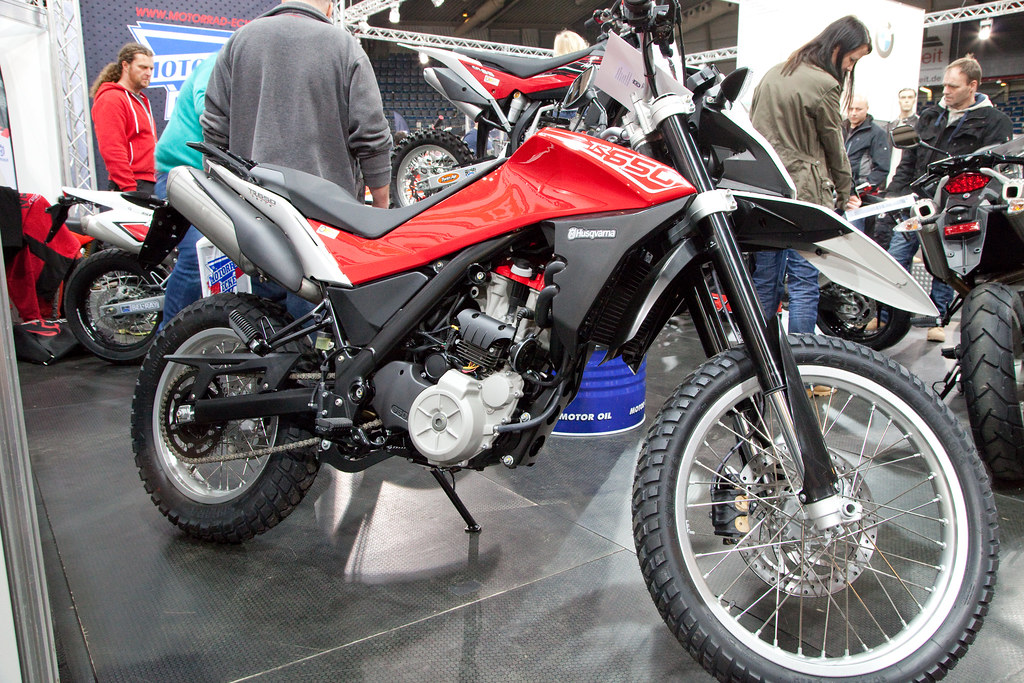
9. **The ‘Others’ Category: The Unseen Variables**Now we get to the enigma wrapped in a mystery: the ‘Others’ category. This isn’t a single brand, but a melting pot of smaller manufacturers like Zero, Husqvarna, and Aprilia – brands that, individually, don’t have enough rental data in our Riders Share sample to get their own spotlight. You might assume, intuitively, that smaller brands, lacking the colossal R&D budgets and economies of scale of the big players, would inherently suffer from lower reliability.
Curiously, our data doesn’t entirely support that assumption. The ‘Others’ collective boasts a 0.24% tow rate, placing them right around the overall average for all brands. In fact, that’s better than Suzuki, Ducati, Can-Am, Triumph, and Royal Enfield. The context even explicitly states, “You would think these smaller brands would have lower reliability due to the lack of scaled and advanced manufacturing operations, but it does not appear to be the case.”
So, while not ‘terrible’ in terms of tow rates, this category still presents a different kind of ‘beware.’ The concern isn’t necessarily a higher likelihood of breakdown, but rather the unique challenges of ownership. Parts availability, specialized servicing, and finding knowledgeable mechanics for niche models can turn a minor issue into a major headache, far more easily than with a ubiquitous Honda or Harley. It’s the wild card in the deck, and while it might not always land on ‘flat tire,’ the stakes for repairs can be significantly higher due to scarcity.
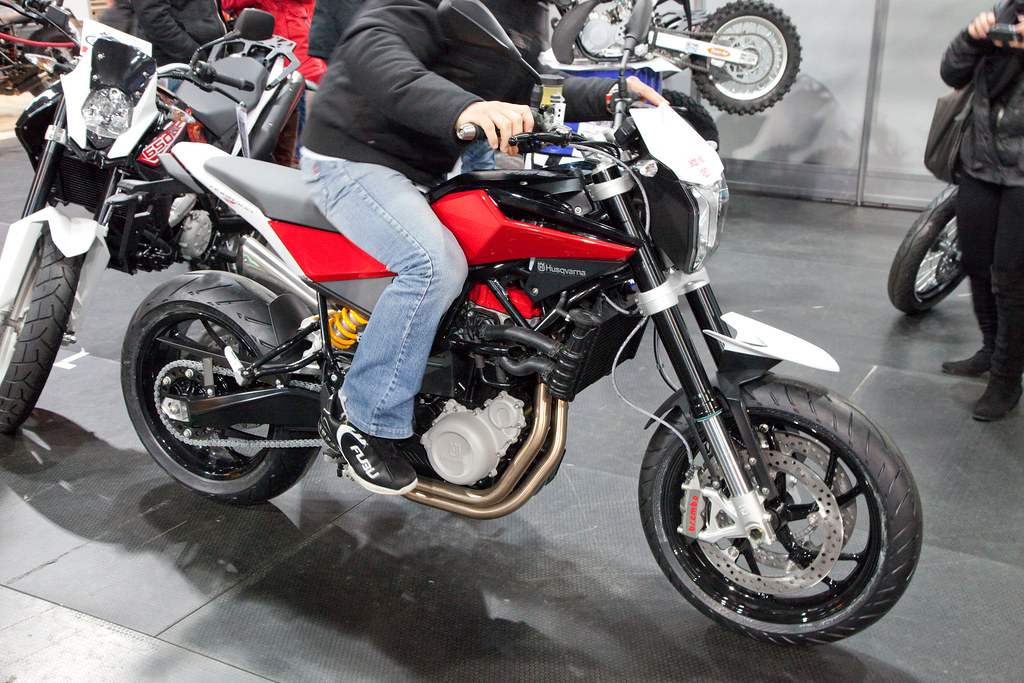
10. **Modified and Older Bikes: The Ghosts of Owners Past**When you’re sifting through the classifieds or eyeing a sweet deal, the allure of a custom build or a vintage classic can be irresistible. But here’s where ‘buyer beware’ truly screams. Every modification, every previous owner, adds another layer of unknown to a bike’s reliability profile. The context gives us a stark warning: when looking at a used Harley-Davidson Sportster, “find one that’s as close to stock as possible, as one never knows the experience level of previous owners.” This wisdom applies universally.
The problem with modified bikes isn’t just the quality of the parts, but the quality of the *installation*. A poorly executed exhaust swap, an electrical hack job, or an engine tweak by an inexperienced hand can introduce systemic issues that only manifest after hundreds or thousands of miles. You’re not just buying a bike; you’re buying someone else’s wrenching decisions, for better or, more often, for worse.
For older bikes, even well-maintained ones, time itself is a relentless adversary. Rubber hoses degrade, electrical insulation cracks, and corrosion silently eats away at vital components. While some used models, like certain Yamahas, are lauded as ‘bulletproof’ *if* “the former owners kept up with regular maintenance,” that ‘if’ is doing a lot of heavy lifting. It’s why our data, despite its focus on rentals, underscores that “the data speaks to the kind of owners maintaining the bikes and types of riders, not just the manufacturing quality.” When considering a bike with history, due diligence isn’t just recommended; it’s absolutely non-negotiable.

11. **Engine Displacements: Size Matters, But Not How You Think**Common wisdom might suggest that bigger engines, less stressed, are inherently more reliable, or conversely, that tiny engines are simpler and thus less prone to failure. But our empirical data on tow rates by engine size throws a curveball, revealing a surprising sweet spot – and some unexpected pitfalls.
Let’s break it down: bikes under 150cc and those over 1650cc share the lowest tow rates, both at a respectable 0.17%. As the context notes, “Generally, bigger bikes are more reliable, but small scooters appear to be fairly reliable too, likely because they aren’t going on the highway and facing the same wear and tear as a motorcycle.” This makes sense; commuters might be less prone to breakdowns simply due to less aggressive use.
The real surprise lies in the middle. Bikes in the 150-650cc range clock a 0.28% tow rate, and the 650-1150cc segment hits a concerning 0.32%. These are your middleweights and some larger standards, often seen as perfect all-rounders. Why the higher tow rates? The article posits, “Seeing sport and standard bikes so low in the rankings… it made us think perhaps high RPMs are not so good for your engine’s longevity after all.” It seems these displacements, often pushed harder by riders for spirited highway commuting or weekend canyon carving, might just be working beyond their optimal reliability zone more frequently. So, don’t assume a mid-size engine automatically means mid-tier reliability; the numbers suggest you need to dig deeper.
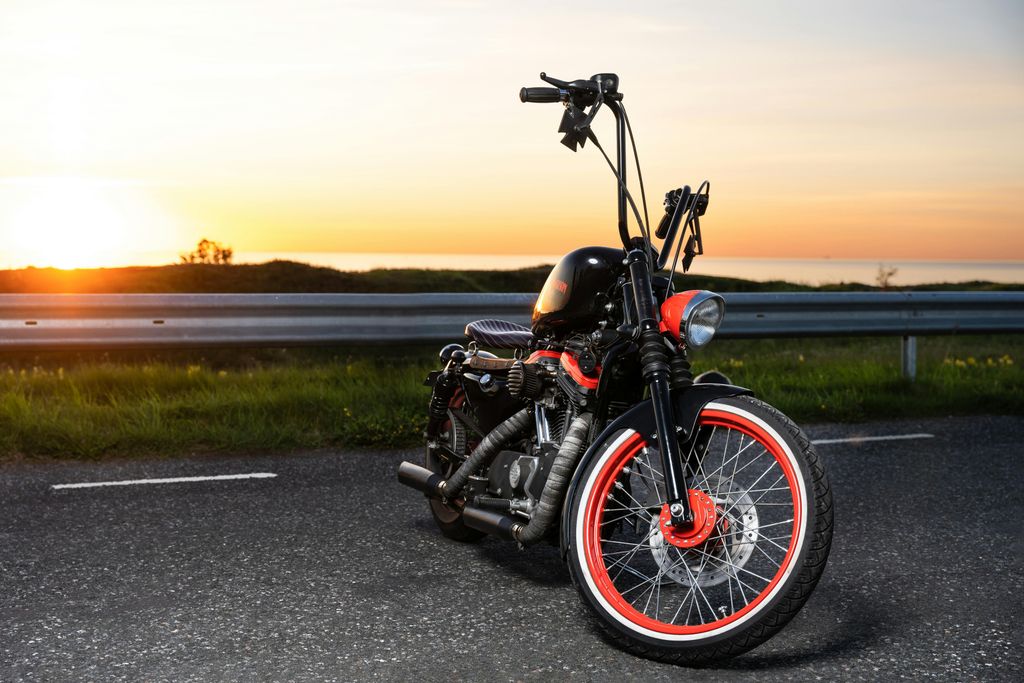
12. **Riding Styles and Bike Types: The Unforeseen Stresses**Beyond brand and engine size, the very *type* of motorcycle you choose, and thus the riding style it encourages, plays a significant role in its long-term reliability. Our Riders Share data on ‘Tow Rates by Type’ offers some eye-opening insights that challenge conventional expectations.
At the top of the heap for reliability, you’ll find Super Motard (0.09%), Scooters (0.15%), Adventure (0.16%), and Touring (0.18%). These categories, especially the adventure bikes and touring behemoths, are designed for long hauls and diverse terrain, implying a certain robustness. Even the off-road capable bikes, despite their rough and tumble reputation, somehow manage lower tow rates on paved roads.
But then there’s the other end of the spectrum: Cruisers (0.26%), 3-Wheelers (0.28%), Sport Touring (0.29%), Retro (0.32%), Sport (0.33%), and Standard (0.35%) bikes. Yes, you read that right. Sport bikes and Standard bikes—often pushed hard, ridden aggressively, and subjected to high RPMs—are statistically among the *least* reliable types when it comes to needing a tow. As the data suggests, “perhaps high RPMs are not so good for your engine’s longevity after all.” It’s a sobering thought for those who live life a quarter-mile at a time, or who simply love the agility of a standard. The thrill of the ride might just come with a higher probability of an unscheduled stop, proving that sometimes, performance isn’t just about speed, but about the consistent, quiet hum of an engine that *stays* running.
So, there you have it, folks. The open road is calling, but it’s often fraught with mechanical perils that don’t make it into the shiny marketing campaigns. Our mission here at Riders Share, backed by millions of miles of real-world data, is to arm you with the brutal, unfiltered truth. Whether it’s the surprising tow rates of a classic British marque, the hidden costs of a custom build, or the mechanical realities of engine size and riding style, being ‘informed’ is your best defense against buyer’s remorse and roadside woes. Because in the end, the best ride isn’t just the fastest or the prettiest; it’s the one that reliably gets you home, every single time. Now go forth, ride smart, and maybe keep that roadside assistance number handy – just in case.