When we talk about the powerhouses of the modern world, California stands as an undeniable titan, a state that operates with the dynamic force of a finely tuned, high-octane engine. It’s more than just a U.S. state; it’s a global phenomenon, constantly pushing boundaries in economics, culture, technology, and environmental innovation. The sheer scale of its impact, both nationally and internationally, is a testament to its unique blend of natural resources, human ingenuity, and an unyielding drive for progress.
From the moment it roared onto the world stage with the Gold Rush, California has captivated imaginations, drawing people seeking opportunity, adventure, and a chance to be part of something truly transformative. It has evolved from a remote, sparsely populated territory into a vibrant epicenter of human endeavor, responsible for an astonishing array of advancements and trends that ripple across continents. This journey, marked by both triumphs and formidable challenges, speaks to a resilience and adaptability that are central to its identity.
Join us as we take a deep dive into the remarkable features that make California not just a state, but a global force, examining the core components that fuel its unparalleled performance and influence. We’ll explore the intricate systems and powerful drivers that define this extraordinary region, understanding why it continues to be a benchmark for what’s possible.
1. **Economic Juggernaut: The Global Scale of California’s Economy**
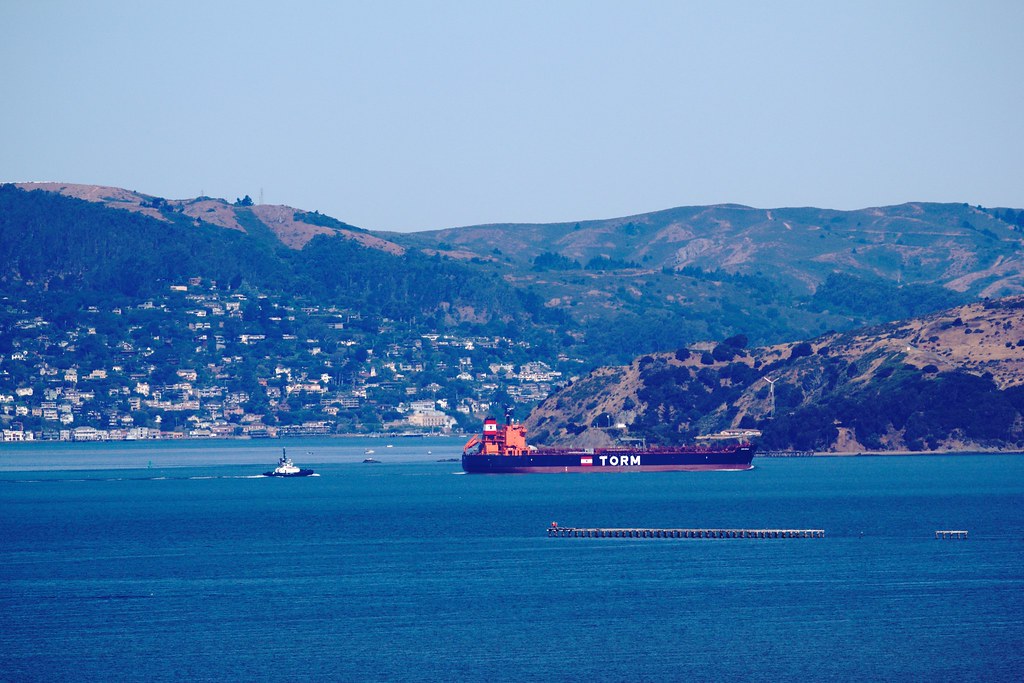
California’s economy doesn’t just lead the nation; it competes on a global stage with independent countries, demonstrating an economic output that few sub-national entities can rival. With an estimated 2024 gross state product of $4.172 trillion as of Q4 2024, it is unequivocally the largest of any U.S. state. This figure alone showcases the sheer magnitude of its economic engine, a testament to its diverse and robust sectors.
If California were to stand as an independent country, its economic prowess would place it as the fourth-largest economy in the world. This astounding ranking puts it behind Germany and, remarkably, ahead of Japan as of 2025 when ranked by nominal GDP. This isn’t just a statistical curiosity; it illustrates California’s pivotal role in global commerce and its capacity to generate immense wealth and innovation, acting as a powerful economic magnet for industries and talent alike.
This economic might is fueled by a dynamic interplay of sectors ranging from cutting-edge technology to entertainment, aerospace, and, as we’ll see, agriculture. The state’s ability to consistently generate such significant economic activity underscores its status as a leading force in the international marketplace, driving forward countless industries and setting global standards for productivity and growth.
2. **Cultural Epicenter: Hollywood, Silicon Valley, and Global Influence**
California is a veritable foundry of popular culture, where trends in entertainment, sports, music, and fashion are not just born but propagated worldwide. The influence of its creative industries is so pervasive that it’s nearly impossible to imagine the global cultural landscape without its contributions. This remarkable output solidifies its position as a cultural epicenter, shaping modern sensibilities and lifestyles.
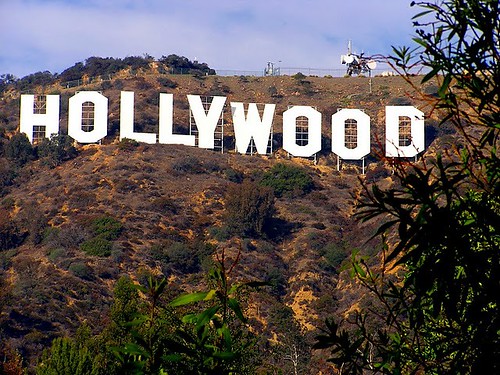
Hollywood, nestled in Los Angeles, stands as the unrivaled center of the U.S. film industry. It is one of the oldest and largest film industries globally, profoundly influencing global entertainment since the 1920s. The magic created in its studios, the stories told on its screens, and the stars it produces resonate with billions, making it a powerful driver of cultural narratives and artistic innovation.
Equally impactful, though in a vastly different realm, is Silicon Valley in the San Francisco Bay Area, which serves as the undeniable center of the global technology industry. This hub of innovation has given birth to companies and technologies that have fundamentally reshaped how we live, work, and communicate. From the launch of the iPhone by Apple founder Steve Jobs in 2007 to countless other breakthroughs, Silicon Valley continuously reinvents the future, cementing California’s dual role as a leader in both entertainment and technological advancement.
3. **Geographic Diversity: A Landscape of Extremes and Wonders**
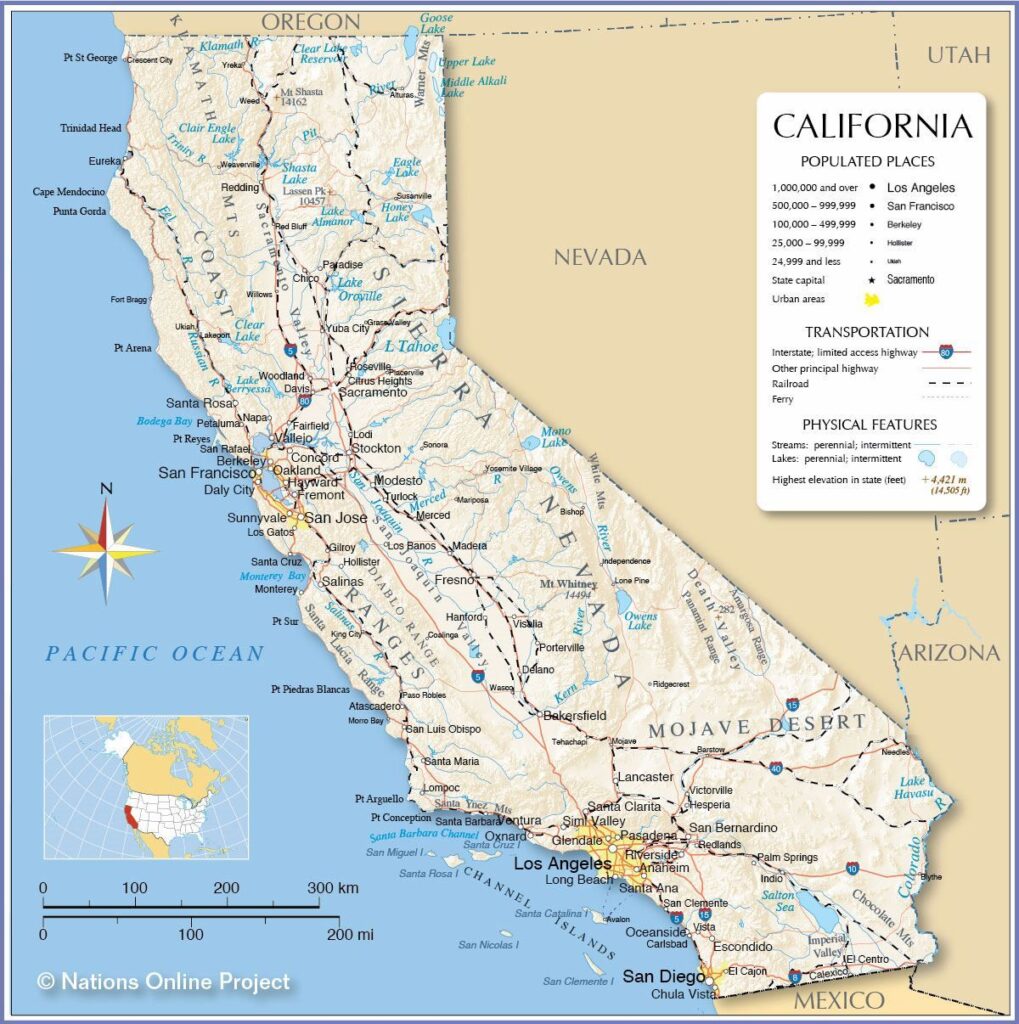
Spanning an impressive area of 163,696 square miles (423,970 km2), California ranks as the third-largest state in the U.S. by area, only behind Alaska and Texas. What truly distinguishes it, however, is not just its size but its extraordinary geographic diversity. This landscape is a compelling testament to nature’s artistry, offering an unparalleled range of environments within a single state.
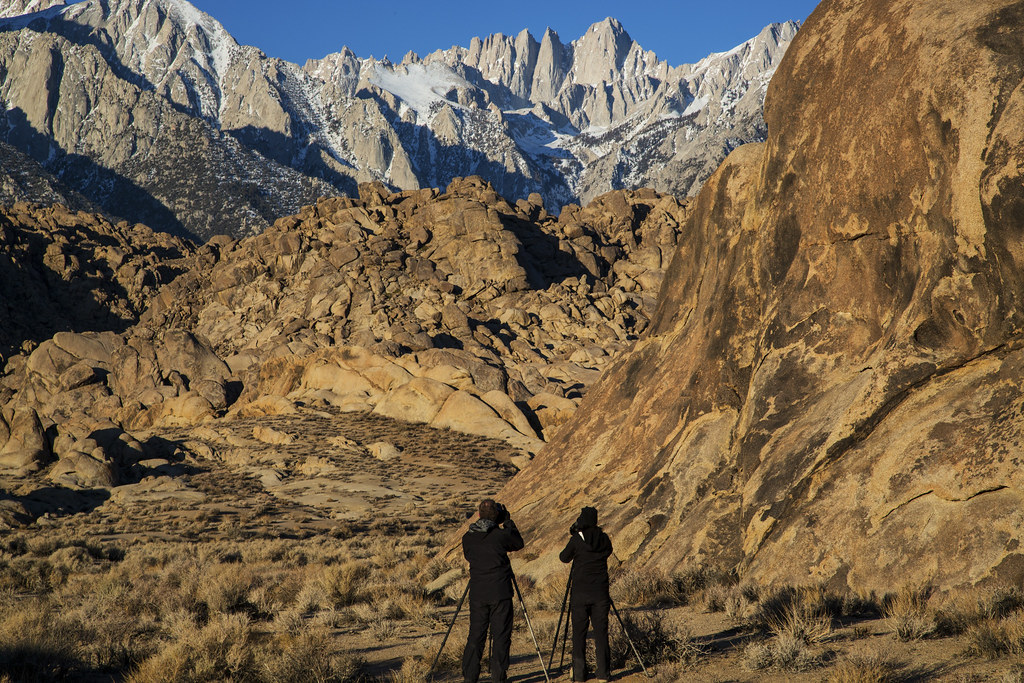
The state’s terrain ranges from the iconic Pacific Coastline, with its dramatic cliffs and sun-drenched beaches, to the towering Sierra Nevada mountains in the east. These majestic peaks, home to Mount Whitney—the highest peak in the contiguous 48 states—embrace wonders like Yosemite Valley with its glacially carved domes and Sequoia National Park, where the largest living organisms on Earth, the giant sequoia trees, stand as ancient sentinels. Deep freshwater treasures like Lake Tahoe, the largest lake in the state by volume, also punctuate this alpine grandeur.
Further east and southeast, the landscape dramatically transforms into the arid expanse of the Mojave Desert, which includes Death Valley, North America’s lowest and hottest place at the Badwater Basin, at −279 feet (−85 m). The stark contrast is breathtaking, as the horizontal distance from the bottom of Death Valley to the top of Mount Whitney is less than 90 miles. To the north, redwood and Douglas fir forests evoke a moist temperate rainforest climate, while the Central Valley provides a vast, fertile agricultural heartland, showcasing a truly incredible spectrum of natural environments.

4. **Agricultural Powerhouse: Feeding the Nation from the Central Valley**
Beneath California’s glamorous façade of Hollywood and high-tech innovation lies another, equally critical, engine of its economy: its agricultural industry. This sector doesn’t merely contribute; it leads the nation in output, demonstrating a productive capacity that is essential for both domestic consumption and global food supply. The sheer volume and diversity of its produce are staggering.
The fertile Central Valley, a vast agricultural area dominating the state’s center, is the heart of this prodigious production. Divided into the Sacramento Valley in the north and the San Joaquin Valley in the south, this region’s rich soil and extensive irrigation systems allow for an incredible bounty. Key among its outputs are dairy products, almonds, and grapes, which are produced on a scale that makes California a national leader.
This agricultural prowess is a result of both ideal growing conditions and sophisticated farming practices. The valley’s natural advantages, combined with significant human investment in water management and cultivation techniques, create an environment where agriculture thrives. The consistency and quantity of California’s farm output underscore its fundamental role in sustaining the nation’s food security and supporting its economic strength.
5. **Historical Crossroads: From Pre-Columbian Diversity to American Statehood**
California’s history is a rich tapestry woven from diverse cultures, dramatic transformations, and pivotal geopolitical shifts. Before European colonization, it was one of the most culturally and linguistically diverse areas in pre-Columbian North America, home to at least 300,000 Indigenous people across more than 70 distinct ethnic groups. These communities developed complex forms of ecosystem management, including forest gardening and controlled burning, demonstrating sophisticated environmental stewardship.
The arrival of European explorers in the 16th and 17th centuries marked the beginning of significant change, leading to colonization by the Spanish Empire. Figures like Juan Rodríguez Cabrillo and Junípero Serra established missions and settlements, laying the foundation for many of California’s major cities. After Mexico’s successful war for independence, the area became part of Mexico in 1821, ushering in a period of ranchos and growing American settlement.
However, this Mexican period was relatively short-lived. Following the Mexican–American War, California was ceded to the United States in 1848. The discovery of gold in the same year sparked the legendary California Gold Rush, triggering massive immigration and unprecedented social and demographic changes. This rapid growth quickly propelled California to statehood, admitted as the 31st state in 1850 as a free state, solidifying its place in the American Union and setting the stage for its modern development.

6. **Engineering Marvels: Building Infrastructure for a Growing State**
The immense growth and burgeoning population of California throughout the 20th century necessitated engineering feats of epic proportions. To meet the needs of a population that grew from fewer than one million in 1900 to the greatest in the Union by 1965, the state embarked on ambitious projects that stand as testaments to human ingenuity and determination. These infrastructure developments are crucial arteries, enabling the state’s continued function and expansion.
Among these colossal achievements are vital water delivery systems like the California and Los Angeles Aqueducts, designed to transport water across vast distances to sustain growing urban centers and agricultural lands. Complementing these are impressive dams such as the Oroville and Shasta Dams, which manage water resources, provide flood control, and generate power, serving as cornerstones of the state’s resource management.
Furthermore, California is home to iconic bridge structures that symbolize its connection and progress, most notably the Bay Bridge and the Golden Gate Bridge. These engineering marvels not only facilitate transportation and commerce but have also become globally recognized symbols of the state itself. Such projects highlight California’s proactive approach to infrastructure development, demonstrating its capacity to build and sustain the complex systems required for a rapidly expanding, high-performance society.
7. **Critical Environmental Challenges: Navigating the Frontiers of Sustainability**
California, for all its dynamism and innovation, finds itself on the front lines of pressing environmental challenges, an arena where the state’s resilience and adaptive capacity are continually tested. The sheer scale and diversity of its geography mean that environmental pressures manifest in complex and often contradictory ways. From persistent droughts that strain vital water supplies to increasingly destructive wildfires fueled by a warming climate, the state is locked in a high-stakes battle to manage its precious natural resources.
One of the most profound tests is water management, a critical concern in a state where a significant portion of its land is naturally arid. The ghost of Tulare Lake, once the largest freshwater lake west of the Mississippi, serves as a stark reminder of historical environmental transformation, having dried up by the early 20th century due to extensive river diversions for agriculture and municipal use. Today, the Sacramento-San Joaquin River Delta remains a vital, yet vulnerable, artery, diverting water across vast distances to sustain nearly 23 million people and extensive farming operations, highlighting the delicate balance between human demand and ecological integrity.
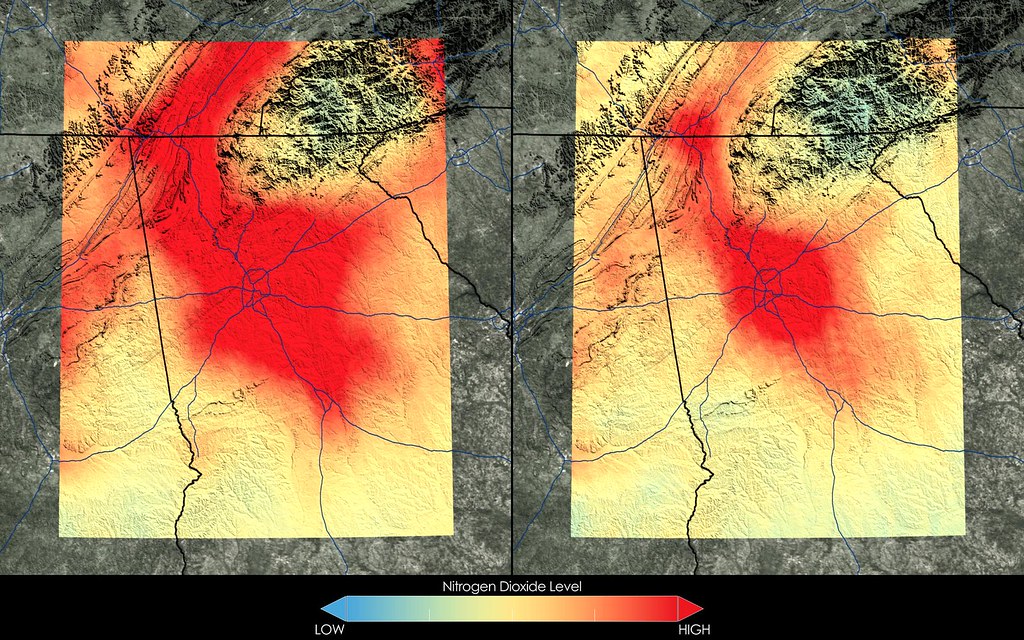
Beyond water scarcity, air quality has been a long-standing issue, particularly in its sprawling urban centers. While significant strides have been made in reducing “smog” through stringent federal and state restrictions on automobile exhaust, health problems associated with pollution persist, necessitating continuous vigilance and innovative solutions. Furthermore, California has faced acute energy crises, such as the rolling blackouts and soaring power rates of 2001, which underscored the complexities of balancing rapidly growing demand with reliable and sustainable power infrastructure, prompting intense scrutiny of utility providers like Southern California Edison and Pacific Gas and Electric Company.
The 21st century has brought intensified climatic volatility, with the state experiencing the worst persistent drought in its recorded history from 2011 to 2017, followed by the deadliest and most destructive wildfire season in 2018. Simultaneously, the increasing prevalence of atmospheric rivers has led to intense flooding events, especially during winter months, presenting a dual challenge of water scarcity and inundation. These extreme weather patterns, increasingly attributed to climate change, demand not just mitigation but proactive adaptation strategies to secure California’s future stability and environmental health.

8. **Unique Seismic Landscape: Engineering Resilience in the Ring of Fire**
California’s dynamic natural environment extends beneath its surface, where the state sits squarely within the Pacific Ring of Fire, a geological phenomenon that brings both awe-inspiring landscapes and significant seismic activity. This unique position means that earthquake risk is not an abstract concept but a daily reality, shaping everything from urban planning to infrastructure development. The state’s complex network of faults, most notably the colossal San Andreas Fault, is a constant reminder of the powerful forces at play beneath our feet.
The statistical reality of this seismic landscape is compelling: an astonishing two-thirds of the nation’s total earthquake risk resides within California’s borders. While a staggering 37,000 earthquakes are recorded each year, the vast majority are imperceptible to residents, serving as a continuous low-level hum of geological adjustment. However, the history of California is also punctuated by truly monumental seismic events, powerful reminders of nature’s formidable capacity for disruption.
Among these, the 1906 San Francisco earthquake stands as a grim benchmark, a catastrophe that reshaped one of the nation’s most vibrant cities and profoundly influenced building codes and emergency preparedness for generations. Equally impactful, though different in its cause, was the 1928 St. Francis Dam flood, a man-made disaster exacerbated by geological instability, which remains among the deadliest in U.S. history. These events underscore the critical importance of understanding and preparing for California’s inherent geological volatility.
Beyond the ground-shaking tremors, California’s position on the Ring of Fire also exposes it to a broader array of geological hazards. The Pacific coastline is susceptible to tsunamis, while its steep, verdant terrains are prone to landslides, particularly after heavy rains. The state also harbors several volcanoes, remnants of its fiery geological past, and experiences the periodic, powerful Santa Ana winds that significantly amplify wildfire risks. Successfully navigating this complex geological terrain requires constant innovation in engineering, urban planning, and public safety.
Read more about: The Echoes of Giants: How Enduring Literature Navigates a Fragmented World and a Shifting Cultural Landscape
9. **The Enduring Legacy and Modern Resurgence of Indigenous Cultures**
Long before its modern identity took shape, California was a vibrant mosaic of Indigenous cultures, representing one of the most culturally and linguistically diverse regions in pre-Columbian North America. Over 70 distinct ethnic groups, comprising at least 300,000 people, thrived across its varied landscapes, from mountains and deserts to islands and redwood forests. These communities were not just inhabitants; they were sophisticated stewards of the land, developing complex forms of ecosystem management, including forest gardening and controlled burning, practices only now being recognized for their sustainable wisdom by modern governmental bodies.
However, the arrival of European explorers in the 16th and 17th centuries heralded a devastating era of colonization. The Spanish Empire’s drive for settlement, marked by figures like Juan Rodríguez Cabrillo and Junípero Serra, brought with it not only new missions and presidios but also disease to which Indigenous populations had no immunity, leading to precipitous declines. This period also saw the systematic suppression of Indigenous cultural practices, including the abhorrent efforts by early Spanish settlers to eliminate “joyas,” individuals referred to as “men who dressed as women,” who held significant societal roles like performing burial rituals.
The transition to American administration post-1848 brought an even darker chapter, often described as the California genocide. Governor Peter Hardeman Burnett’s chilling 1851 declaration about an “inevitable destiny” for the Indigenous race laid the groundwork for state-sanctioned policies of elimination. Between 1846 and 1873, U.S. government agents and private settlers perpetrated numerous massacres, resulting in thousands of deaths, with estimates as high as 100,000. Further compounding this tragedy, the 1850 Act for the Government and Protection of Indians effectively sanctioned the de facto enslavement of “loitering or orphaned Indians,” a policy that shockingly allowed slave auctions to persist in places like Los Angeles for nearly two decades.
Despite this horrific history, the resilience of California’s Indigenous peoples endures, and the 21st century has seen a powerful resurgence of cultural and language revitalization efforts. Tribes across the state are actively reclaiming their heritage, asserting their sovereignty, and leading vital environmental initiatives. A tangible sign of this progress is the increasing movement of land returns to Indigenous stewardship. Most notably, 2022 marked a landmark announcement: the largest dam removal and river restoration project in U.S. history on the Klamath River, a significant victory for California tribes that symbolizes a new era of recognition and ecological justice.
Read more about: From Thespis to Today: Unpacking the Complex Evolution of the Acting Profession Across Eras and Cultures
10. **Perpetual Innovation Hub: The Engine Driving Future Frontiers**
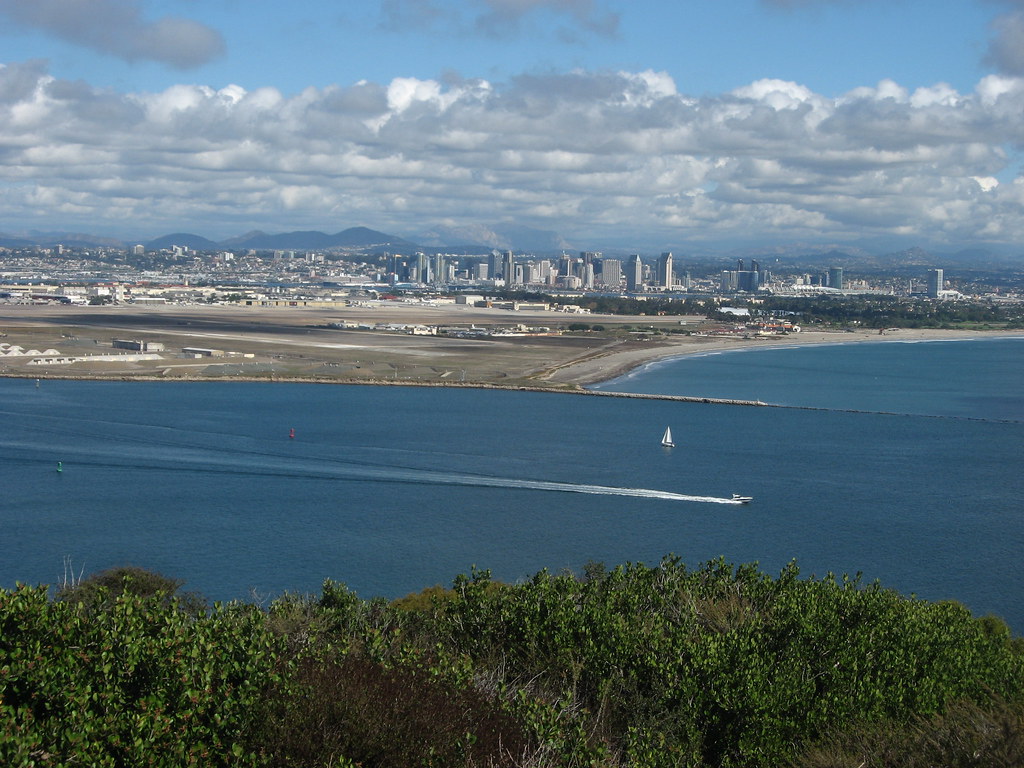
California’s reputation as a global innovation hub is not merely a historical footnote; it is a continuously evolving identity, perpetually pushing the boundaries of what is possible. While Silicon Valley remains the quintessential symbol of this ethos, the state’s innovative spirit permeates far beyond tech, creating a vibrant ecosystem where ideas are forged, refined, and scaled across diverse sectors. This enduring capacity for reinvention is a core component of California’s unparalleled influence.
The genesis of this innovation culture can be traced back to strategic decisions, such as Stanford University’s deliberate encouragement of faculty and graduates to remain in the region and cultivate a high-tech ecosystem. This foresight laid the groundwork for a dynamism that saw California become a significant contributor to national defense during World War II, ranking first in military ship production at its drydock facilities and third in armaments. Post-war, this translated into robust aerospace and defense industries, showcasing a consistent ability to innovate under pressure and adapt to evolving global demands.
The technological revolution that has defined modern life finds its genesis and continues its rapid advancement in California. From the foundational breakthroughs of the early computer age to transformative moments like Apple founder Steve Jobs’ 2007 launch of the iPhone in Silicon Valley, the state has consistently delivered innovations that reshape industries and daily existence. This relentless pursuit of the next big idea, often through cycles of boom and bust, reflects an underlying infrastructure of capital, talent, and entrepreneurial courage that few other regions can match.
Yet, California’s innovation footprint extends beyond the digital realm. It remains a world center for the entertainment and music industries, continually redefining artistic expression and production. Its leadership in engineering is evident in everything from sustainable infrastructure design to advanced agricultural practices, where technology meets tradition to enhance productivity. This broad and deep commitment to forward-thinking solutions ensures California continues to be a fertile ground for breakthroughs, cementing its role as the perpetual engine driving future frontiers.
11. **Dramatic Demographic Shifts: A Tapestry of Unfolding Human Stories**
California’s narrative is, in large part, a story of relentless demographic transformation, a dynamic interplay of migration, conflict, and cultural integration that has continuously reshaped its social fabric. From its earliest days, the promise of opportunity—whether gold or fertile land—has acted as a powerful magnet, drawing people from every corner of the globe and forging a truly unique human tapestry. These dramatic shifts are not merely statistics but represent generations of human experience, aspiration, and struggle.
The pivotal moment for California’s initial demographic explosion was undeniably the Gold Rush, sparked by the discovery of gold in 1848, coinciding with its cession to the United States. This event triggered an unprecedented influx of immigration, rapidly swelling the settler population from a mere 8,000 in 1846 to 100,000 by its statehood in 1850, and over 300,000 by 1854. This wave brought not only U.S. citizens but also Europeans, Middle Easterners, and Chinese immigrants, drastically altering the social landscape and fueling the meteoric rise of cities like San Francisco, which saw its population skyrocket from 500 to 150,000 between 1847 and 1870.
The 20th century continued this pattern of significant migration. Thousands of Japanese people arrived, though they, like the Chinese before them, faced systemic discrimination, including the 1913 Alien Land Act and the horrific internment during World War II, for which California officially apologized in 2020. The completion of transcontinental highways like Route 66 further accelerated migration, particularly from other parts of the U.S., leading to a population growth from under one million in 1900 to the largest in the Union by 1965. This period solidified the state’s diverse profile, which by 1940 was reported as 6% Hispanic, 2.4% Asian, and 90% non-Hispanic white, further diversifying with wartime industrial opportunities.
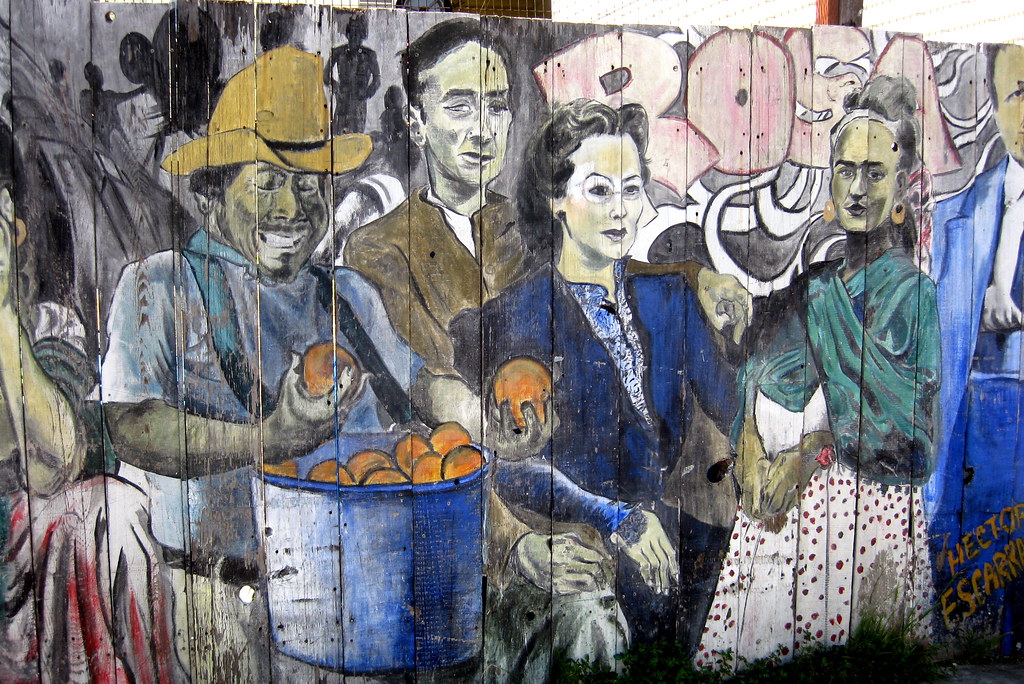
These demographic pressures, alongside persistent issues of inequality, have also fueled significant social and political movements. The mid and late 20th century witnessed race-related incidents such as the 1992 Rodney King riots, highlighting deep-seated tensions. California became a crucible for change, serving as the hub for the Black Panther Party and the organizing efforts of figures like Cesar Chavez, who mobilized Mexican, Filipino, and other migrant farm workers for better pay and civil rights. Today, its major urban regions, including the Greater Los Angeles and San Francisco Bay Areas, continue to be demographic powerhouses, reflecting a complex, evolving society that perpetually grapples with the implications of its own growth and diversity.
12. **Striking Climatic Variations: A State Defined by its Weather Extremes**
California’s colossal geographical footprint gives rise to an extraordinary spectrum of climates, a natural performance that makes it one of the most climatically diverse regions on Earth. This inherent variability is not just a feature; it’s a defining characteristic, shaping everything from its agricultural output to its recreational opportunities, and demanding a robust understanding of its environmental dynamics. The state is a living laboratory of atmospheric interactions, where stark contrasts often lie just a short distance apart.
Predominantly, much of California enjoys a Mediterranean climate, characterized by warm, dry summers and mild, wet winters. However, the influence of the cool California Current offshore creates distinct microclimates, most notably the summer fog that often blankets coastal areas, providing a natural air conditioning system. Venture further inland, and this maritime moderation quickly dissipates, giving way to more extreme continental patterns with significantly colder winters and dramatically hotter summers, a swift transition that showcases the power of geographical barriers.
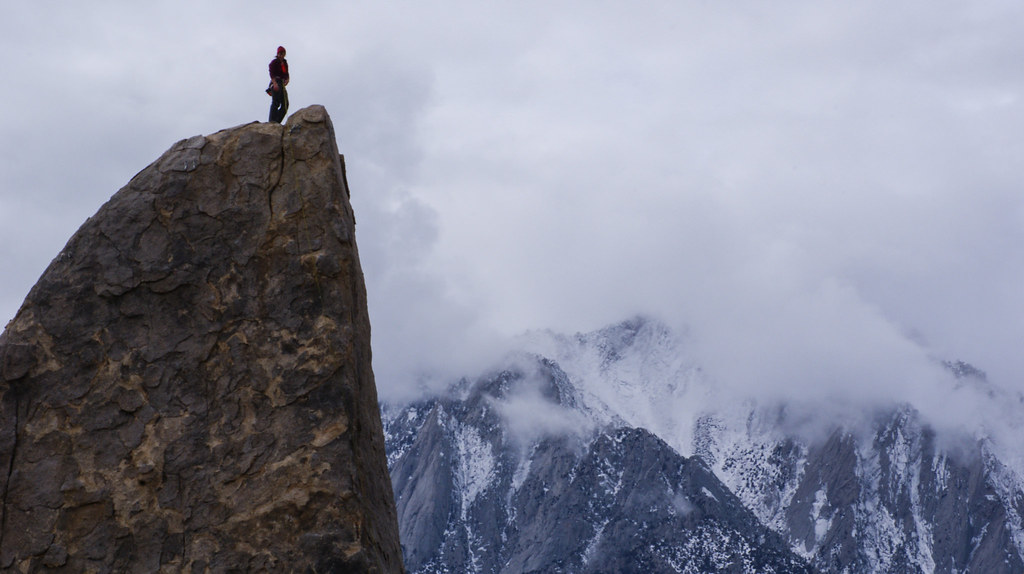
The state’s impressive topography contributes immensely to these climatic extremes. The towering Sierra Nevada mountains, for instance, experience Arctic temperatures during winter and host several dozen small glaciers, including the southernmost glacier in the U.S., the Palisade Glacier. Contrast this with the southeastern expanses of the Mojave Desert, where Death Valley claims the title of North America’s lowest and hottest place, routinely recording extreme high temperatures in summer. It’s truly astonishing that the horizontal distance from Death Valley’s floor to the peak of Mount Whitney is less than 90 miles, yet encompasses such a vast climatic range.
Moving northward, the climate transforms yet again, with the redwood and Douglas fir forests of the northwest exhibiting characteristics of a moist temperate rainforest. Meanwhile, the expansive Central Valley, while vital for agriculture, experiences its own set of seasonal shifts, often marked by heat in summer and dense fog in winter. This incredible array of climatic conditions, from the coastal cool to alpine snow, arid desert, and temperate forests, underscores California’s unique environmental identity, a state that is as varied in its weather as it is in its geography and culture.
California, a state of unparalleled contrasts and relentless ambition, consistently operates at the leading edge of human endeavor. From its relentless pursuit of innovation to its dramatic demographic shifts, and from its ongoing battle with environmental challenges to its foundational geological volatility and astounding climatic range, it stands as a testament to both opportunity and formidable complexity. It is a place that demands the best of its inhabitants, inspiring resilience, adaptation, and an unwavering drive to shape the future. The sheer power and diversity of California’s engines—economic, cultural, natural, and human—continue to make it an exceptional force on the global stage, forever driving forward with an intensity that few can match.