California, a state often at the forefront of policy innovation and societal change, presents a complex and frequently burdensome landscape when it comes to traffic and parking violations. Residents navigating the state’s roads and parking regulations often find themselves entangled in a web of fees and surcharges, transforming seemingly minor infractions into substantial financial liabilities. This intricate system goes far beyond simple base fines, accumulating additional costs that can surprise even the most diligent drivers.
The financial implications of these charges are profound, extending far beyond the initial assessment. As Elisa Della Piana, the legal director of the Lawyers Committee of Civil Rights for the Bay Area, succinctly puts it, traffic and parking tickets “are higher in California than almost anywhere else,” and “They’re so expensive, They’re out of reach for many Californians.” This sentiment is echoed by former State Auditor Elaine Howle, who noted in a 2018 letter to the Governor that these penalties “create a financial burden on drivers, particularly low-income individuals who may be unable to pay them.”
This article undertakes an in-depth examination of the various layers of fines, surcharges, and penalties that comprise California’s traffic and parking violation system. From specific percentage-based surcharges to fixed fees and the cascading effects of missed deadlines, we dissect how these costs accumulate. Furthermore, we explore the historical context, the societal impact on vulnerable communities, and the ongoing efforts by lawmakers and justice advocates to reform a system widely acknowledged to be in need of change.
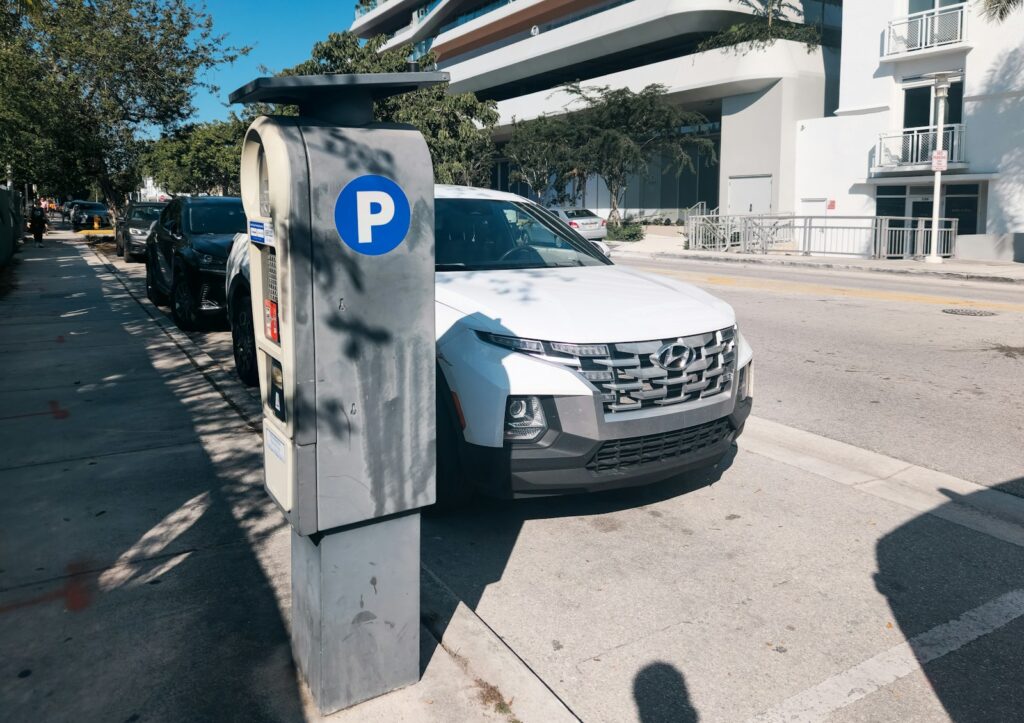
1. **The Sheer Volume and Escalating Cost of California’s Traffic and Parking Fees**Californians are confronted with a remarkable number of additional charges on their traffic violations, making the state’s system one of the most expensive nationally. The context reveals that citizens “pay nearly 20 fees and surcharges on all their traffic violations.” This multitude of charges transforms a simple infraction into a significantly higher financial obligation, often catching individuals unprepared for the final tally.
Consider the example provided: a base $35 ticket for not fully stopping at a stop sign can balloon into a staggering $238 once all the additional fees are appended. This drastic increase highlights the multiplicative effect of the various surcharges and penalty assessments that are automatically applied. Elisa Della Piana emphasizes, “They’re so expensive,” and “They’re out of reach for many Californians,” underscoring the severe financial strain these costs impose.
Further illustrating this escalation, the base fine of a traffic ticket is often merely a fraction of the total amount owed. The intricate structure of California’s traffic fines makes it “difficult to pinpoint due to additional penalty assessment fees and surcharges that vary by county.” This variability adds another layer of complexity, where a “$35 base fine may actually cost you $146,” even without considering potential late fees or other penalties.
This system is not merely about deterrence; it is a significant revenue generator, albeit one that critics argue places an undue burden on the populace. The sheer volume and cost demonstrate a fundamental imbalance between the initial offense and the ultimate financial penalty, leading to widespread calls for a reevaluation of how such violations are managed within the state.
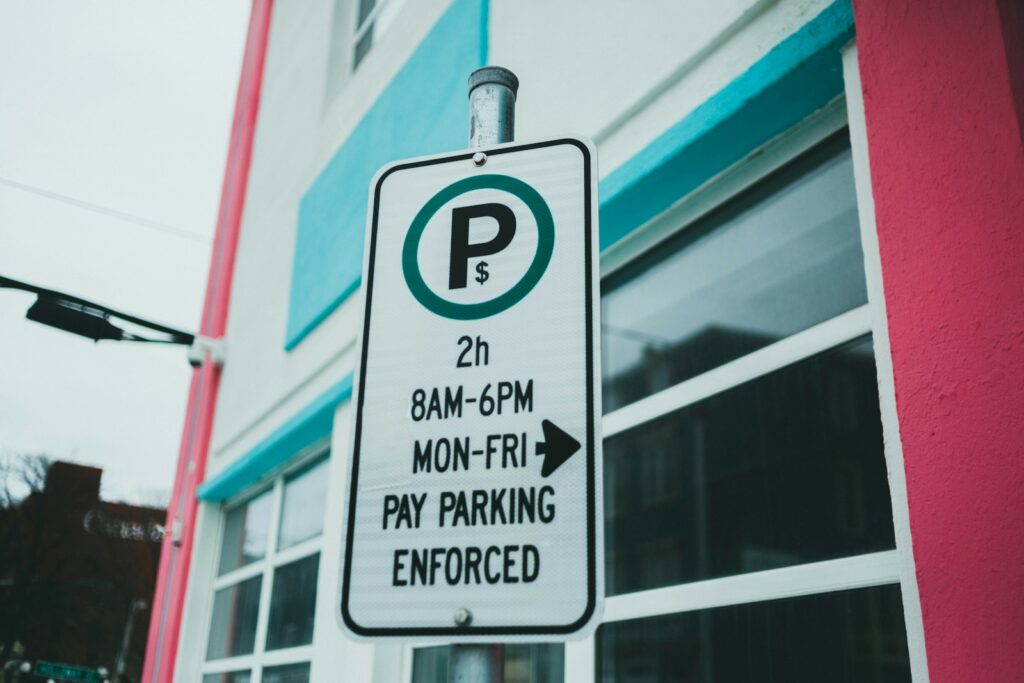
2. **The Notorious 20% State Surcharge and Its Lingering Presence**A critical component of California’s elevated traffic violation costs is a 20% state surcharge, a levy that has sparked considerable debate and controversy. This surcharge, introduced during a period of fiscal difficulty, has persisted long past its intended expiration, becoming a deeply entrenched part of the state’s revenue stream from traffic infractions. Democratic Assemblymember Adam Gray noted that “It was created in 2002 at a time when the state faced a deficit.”
The original intent for this surcharge was to address a state budget deficit, and it was explicitly “supposed to end in 2007.” However, as history shows, “it didn’t.” This failure to sunset the charge as planned has drawn sharp criticism from advocates who argue it represents an ongoing and unfair tax on drivers, particularly those with limited financial resources. Its continuation raises questions about legislative accountability and commitment to temporary fiscal measures.
Elisa Della Piana critically frames the extension of this surcharge, stating, “The legislature essentially decided to balance the budget on the backs of people who are disproportionately likely to get parking and traffic tickets: Black and Brown Californians.” This assertion highlights the perceived social equity implications of the surcharge, suggesting it unfairly targets specific demographic groups who may already face systemic economic disadvantages.
The continued existence of this 20% surcharge is made even more contentious by the state’s current financial outlook. Despite the state potentially facing “a $60 billion dollar surplus,” the surcharge remains in place. This juxtaposition fuels arguments from reformers like Adam Gray, who noted in a statement to the Modesto Bee that, “A state that can set aside $21 billion for a rainy-day fund doesn’t need the minuscule amount added through this surcharge,” challenging the necessity of its perpetuation.
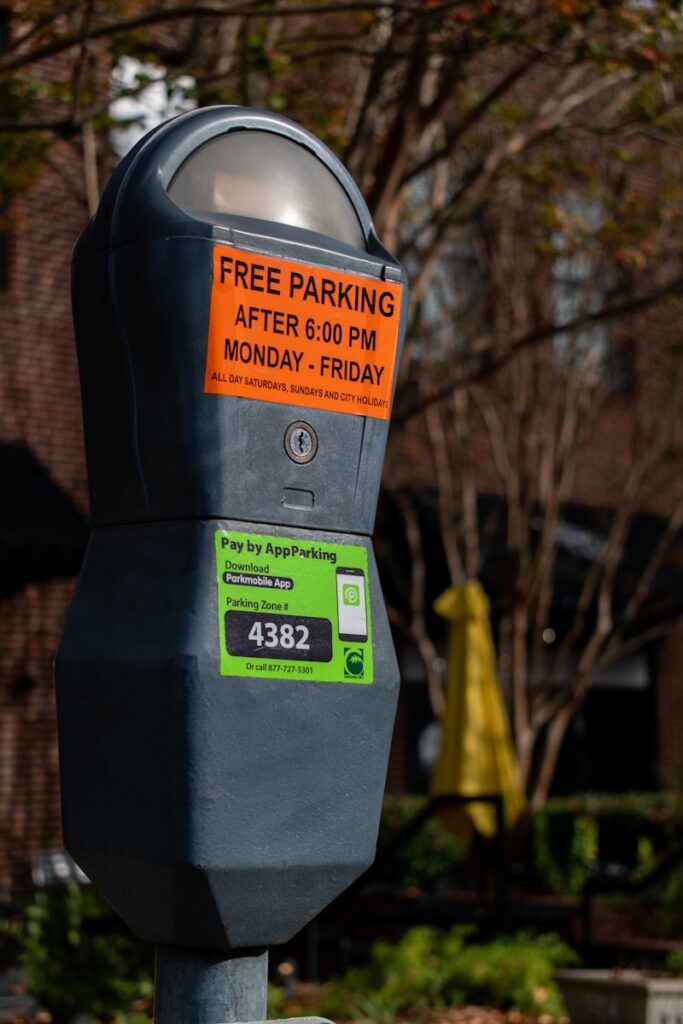
3. **The Specific $12.50 ‘State Surcharge’ on Parking Tickets**Beyond the broader 20% surcharge applied to traffic violations, California also imposes a distinct fixed fee on parking tickets across the state. This specific charge, a “$12.50 ‘State Surcharge’,” is added directly “on top of the cost of the ticket.” While appearing as a relatively small amount compared to other fees, its universal application on all parking tickets ensures it contributes significantly to the cumulative financial burden faced by drivers.
This $12.50 surcharge is an additional layer in the complex fee structure, illustrating how multiple state-level assessments can quickly inflate the final amount due for even minor parking infractions. It is a consistent charge that does not vary based on the original fine amount, ensuring that every parking ticket carries this additional cost regardless of the severity of the violation or the location within the state.
The presence of this specific ‘State Surcharge’ on parking tickets underscores the diverse mechanisms through which the state generates revenue from its citizens’ driving habits. It acts as a baseline increment, ensuring that the cost of parking violations is always higher than the base fine alone. This consistent addition further complicates financial planning for drivers and contributes to the overall perception of California’s ticketing system as exceptionally expensive.
Like other surcharges, this $12.50 fee is often criticized for being an indiscriminate tax rather than a proportionate penalty. It contributes to the feeling among many Californians that the system is designed to extract maximum revenue, rather than solely to regulate traffic or parking behavior, reinforcing the need for reform discussions.

4. **The Punitive Civil Assessment Fee for Delayed Payments**California’s system of fines includes severe penalties for individuals who fail to meet payment deadlines, significantly escalating the financial burden. The most prominent of these is the Civil Assessment Fee, a substantial late charge designed to penalize delayed payments. For traffic violations, specifically, “If you miss the payment deadline, there’s a $300 late fee, also known as a Civil Assessment Fee, added on top of that.”
This fee serves as a powerful disincentive for non-payment, but it also creates an immense hurdle for those already struggling financially. The imposition of such a large penalty can trap individuals in a cycle of debt, particularly if they are unable to pay the initial ticket and subsequent fees promptly. For parking tickets, the consequences of delayed payment are similarly stark, as the cost will “double in cost if I don’t pay it within 21 days,” presenting an equally formidable financial challenge.
Elisa Della Piana strongly criticizes this punitive measure, describing it as “a backdoor way to make money out of people’s pockets.” This perspective suggests that the late fee is less about encouraging timely payment and more about generating additional revenue, particularly from those who are least able to afford the initial fines. The sheer size of the $300 fee makes it difficult for low-income individuals to overcome, perpetuating their financial distress.
Recognizing the severity of this penalty, there has been a proposal for reform. Governor Gavin Newsom’s “2022-23 budget proposes cutting the maximum late fee in half to $150 and allocating $50 million to backfill the loss in revenue for the courts.” This initiative signifies an acknowledgment from the highest levels of state government that the existing late fee may be overly punitive and contributes significantly to the financial woes of many Californians.
5. **The Array of Additional Penalty Assessment Fees**Beyond the headline-grabbing surcharges, California’s traffic and parking violation system is further complicated by a series of specific penalty assessment fees. These individual charges are stacked on top of the base fine and existing surcharges, contributing substantially to the overall cost of a ticket. They represent a detailed breakdown of how various state and local programs are funded, directly or indirectly, through traffic citations.
The context explicitly lists several of these assessments, including the “State Penalty Assessment,” the “County Penalty Assessment,” and the “Court Facility Construction Penalty Assessment.” These fees directly support governmental functions and infrastructure at both state and county levels, illustrating the diverse funding mechanisms tied to traffic violations. Their inclusion ensures that a portion of every ticket contributes to these broader operational costs.
Moreover, specialized funds also draw from these penalty assessments, such as the “DNA Identification Fund Penalty Assessment” and the “Emergency Medical Services (EMS) Penalty Assessment.” These charges highlight how a traffic infraction can indirectly contribute to seemingly unrelated public services, raising questions about the direct correlation between the offense and the use of the collected funds. Former State Auditor Elaine Howle critiqued this structure, noting that “many of the penalties are paying for programs that are not directly related to the traffic offenses for which they are incurred.”
Collectively, these multiple layers of penalty assessments are a primary driver behind the substantial increase in the cost of tickets. Howle’s observation that “the cost of certain traffic offenses increases six-fold after the penalties and fees are included” directly reflects the impact of these numerous individual charges. This complex layering makes understanding the true cost of a ticket difficult for the average citizen and contributes to the perception of an opaque and excessively expensive system.
6. **The Disproportionate Financial Burden on Vulnerable Communities**The intricate and costly nature of California’s traffic and parking fine system has a particularly severe and disproportionate impact on certain segments of the population. Critics and advocates alike point to the fact that these high fees and penalties create a significant “financial burden on drivers, particularly low-income individuals who may be unable to pay them,” as former State Auditor Elaine Howle articulated in 2018. This burden can lead to a cascade of negative consequences.
Elisa Della Piana further emphasizes the social equity dimension, asserting that the legislature’s decision to maintain these surcharges effectively meant “to balance the budget on the backs of people who are disproportionately likely to get parking and traffic tickets: Black and Brown Californians.” This statement highlights concerns that the system exacerbates existing economic inequalities and racial disparities, turning minor infractions into significant financial crises for marginalized communities.
Anne Stuhldreher, director of the Financial Justice Project, leads an organization specifically established to address these inequities. She explains that her project was “set up to assess and reform fines, fees, tickets, financial penalties, that unfortunately can hit people with low incomes really hard.” This mission underscores the widespread recognition among justice advocates that the current system inflicts undue hardship on those least equipped to bear it.
Such financial distress extends beyond the immediate payment, potentially leading to additional late fees, civil assessments, and even impacts on credit and driving privileges. Stuhldreher advocates for a system that can “hold people accountable without putting them in financial distress,” suggesting that the current model often fails this crucial balance. The long-term implications for individuals and families caught in this debt cycle are substantial, affecting their ability to work, access essential services, and maintain financial stability.
Read more about: Unpacking the Unsettling Rise in Car Thefts: A Consumer Reports Guide to Understanding and Protecting Your Vehicle
7. **The Growing Calls for Reform and Legislative Efforts**The widespread acknowledgment of the problems inherent in California’s traffic and parking fine system has fueled a robust movement for reform across various levels of state leadership. There is a palpable consensus that change is necessary, with recognition coming “from everyone, from the chief justice of the State of California to many California legislators and the governor’s office.” Despite this agreement, “The challenge is getting the changes made,” signaling the complexity of systemic overhaul.
Governor Gavin Newsom’s administration has put forth specific proposals aimed at alleviating some of the financial pressure. The “2022-23 budget proposes cutting the maximum late fee in half to $150 and allocating $50 million to backfill the loss in revenue for the courts.” This proposed adjustment, set for review in May, targets one of the most punitive aspects of the current system, offering a measure of relief to those facing delayed payment penalties.
Legislative efforts have also been made to address the issue, particularly concerning the enduring 20% state surcharge. Democratic Assemblymember Adam Gray has been a consistent voice for reform, having “tried passing a bill in 2019 and 2020 that would get rid of the state surcharge, but they failed.” His persistence underscores the difficulty of dismantling established revenue streams, even when their social equity impacts are widely acknowledged.
Gray remains committed to the cause, with his office informing Political Reporter Morgan Rynor “that he’s not giving up on the fight, and he’ll try other avenues to eliminate the ‘ticket tax,’ like the state budget process for example.” He argues strongly against the surcharge’s necessity, noting that a state with “$21 billion for a rainy-day fund doesn’t need the minuscule amount added through this surcharge,” challenging the fiscal justification for its continuation.
These ongoing efforts, from gubernatorial proposals to persistent legislative attempts, highlight a critical moment for California’s approach to traffic and parking fines. While the path to comprehensive reform is fraught with political and financial hurdles, the growing consensus and sustained advocacy suggest that significant changes may eventually reshape a system currently seen as unduly burdensome and inequitable.
Beyond the immediate financial burden of fines and surcharges, California’s traffic violation system imposes a cascade of consequences that can profoundly impact a driver’s life. These repercussions extend far beyond the initial monetary penalties, touching upon driving privileges, insurance rates, and even long-term professional prospects, particularly for commercial drivers. Understanding these broader implications is crucial for any Californian navigating the state’s intricate and often unforgiving legal framework surrounding traffic offenses.
Read more about: Reality TV’s Reckoning: The Legal and Financial Disasters That Threaten Dynasties
8. **The Immediate and Compounding Perils of Unpaid Traffic and Parking Tickets**Failure to address traffic or parking violations promptly in California introduces a new, and often far more onerous, set of financial penalties. The state’s system is designed with steep deterrents for delayed payments, quickly transforming manageable fines into substantial debts. This can trap individuals, especially those with limited resources, in an escalating cycle of financial distress.
For traffic violations, the consequence of missing a payment deadline is particularly severe. A staggering “$300 late fee,” officially known as a Civil Assessment Fee, is automatically “added on top of that.” This punitive charge underscores the state’s aggressive stance on compliance, but it also creates an immense barrier for those already struggling to meet their initial obligations.
Parking tickets also carry significant penalties for delayed payment. The cost of a parking violation will “double in cost if I don’t pay it within 21 days.” This rapid escalation illustrates how minor infractions can quickly become major financial liabilities, impacting individuals who may simply overlook a deadline or face temporary financial hardship.
Elisa Della Piana, legal director of the Lawyers Committee of Civil Rights for the Bay Area, critically views this late fee structure. She describes it as “a backdoor way to make money out of people’s pockets,” suggesting that its primary function may extend beyond simple deterrence to generate additional revenue, often at the expense of vulnerable populations.
Acknowledging the severity of these penalties, Governor Gavin Newsom’s “2022-23 budget proposes cutting the maximum late fee in half to $150.” This proposal, which includes “allocating $50 million to backfill the loss in revenue for the courts,” signals a recognition by state leadership that the current late fees may be excessively punitive and contribute to the financial woes of many Californians.

9. **California’s Point System: A Metric of Driving Risk**Central to California’s enforcement of traffic laws and its system of penalties is the driving record point system. This mechanism serves as a quantifiable measure of a driver’s compliance with regulations, directly linking violations to potential long-term consequences. Accumulating points on a driving record signals an increased risk and often triggers additional punitive actions.
A conviction for a moving traffic violation will invariably bring points to a driver’s California record. The number of points assigned is directly correlated with “the severity of the infraction.” This ensures that more dangerous or negligent driving behaviors result in a greater negative impact on one’s driving history.
California assigns points on a tiered basis to reflect the seriousness of the offense. Minor violations, such as “speeding, making an unsafe lane change or an at-fault accident,” typically incur “1 point.” More serious transgressions, including “reckless driving, hit-and-run, DUI, or driving with a suspended or revoked driver’s license,” are assessed “2 points.”
In certain circumstances, the courts may offer an alternative to having points accrue on a driver’s record. This valuable option often involves the driver completing “a court approved traffic school program.” Successfully completing such a program can result in the court waiving the points, providing an opportunity for drivers to mitigate the long-term impact of a violation.

10. **The Far-Reaching Impact on Driving Records and Future Mobility**The consequences of traffic violations in California extend significantly beyond the immediate fines and surcharges, profoundly affecting a driver’s official record and their future ability to operate a vehicle. The addition of points to a driving record serves as a permanent mark, influencing not only the present but also future interactions with the Department of Motor Vehicles and insurance providers.
One of the direct outcomes of receiving a traffic ticket and being found guilty is the “incur[rence of] points on your driving record.” These points are not merely an abstract notation; they are a tangible indicator of a driver’s history and behavior on the road. The severity of the infraction directly dictates “how long the point or points remain on your driving record,” with more serious offenses having a longer-lasting impact.
The accumulation of points is a critical factor in determining a driver’s standing with the California DMV. A “high number of traffic tickets and/or points could lead to the suspension or revocation of your California driver’s license.” This threat of losing driving privileges underscores the serious nature of these violations, highlighting their potential to restrict an individual’s mobility and independence.
For many, a driver’s license is essential for employment, family responsibilities, and general daily life. Any negative entry on a driving record, particularly one that leads to suspension, can create significant logistical and financial challenges. The system is designed to hold drivers accountable, but the consequences often ripple through various aspects of their lives.
Read more about: Navigating the Electric Highway: What Drivers and Repair Bills Reveal About 15 Problematic EVs for New Owners
11. **Insurance Premiums: The Silent Tax of Traffic Infractions**Among the less immediate but equally impactful repercussions of traffic violations in California is the potential for increased auto insurance rates. While not a direct fee imposed by the state, the rise in premiums acts as a continuous financial penalty, adding a significant long-term cost to what might initially appear as a one-time fine. This financial burden can accumulate substantially over time.
The connection between traffic infractions and insurance costs is direct and well-documented. “Depending on the traffic infraction, one of the penalties may include points being added to your California driving record, resulting in a jump in your car insurance rates.” Insurance companies utilize these driving record points as a key metric to assess a driver’s risk profile.
Drivers with a history of violations and accumulated points are generally perceived as higher risk by insurers. This elevated risk often translates into higher premiums, as companies adjust their rates to offset the increased likelihood of future claims. Therefore, a seemingly minor ticket can result in a recurring “silent tax” on a driver’s finances for years to come.
The financial implications of an insurance rate increase can easily outweigh the initial cost of a traffic ticket. For instance, even a small monthly increase, compounded over several years, can amount to hundreds or even thousands of dollars. This makes understanding the full spectrum of penalties, including indirect ones like higher insurance, critical for California drivers.
Read more about: Beyond the Sticker Price: Uncovering the True Financial Commitment of Car Ownership

12. **Driver’s License Suspensions and Revocations: The Ultimate Consequence**The potential loss of driving privileges stands as one of the most severe penalties a Californian driver can face for traffic violations. Whether a temporary suspension or a permanent revocation, the cessation of legal driving ability carries profound implications for an individual’s independence, employment, and daily life. The state delineates distinct terms for these actions to clarify their scope and duration.
A “License suspension” is defined as “The temporary loss of driving privileges.” This means that after a specified period, typically upon fulfilling certain requirements like paying fines or completing a program, the driver may have their license reinstated. In contrast, “License revocation” signifies “The termination of a person’s driving privileges.” While a new license may be obtained “after the period of revocation,” it represents a more definitive break from previous driving status. “License cancellation” is a less common outcome, described as “The termination of a person driver’s license,” where the individual “may immediately apply for a new CA driver’s license.”
The California DMV has clear thresholds for suspending a driver’s license based on accumulated points. Specifically, the DMV “will suspend your driver’s license for accumulating 4 points or more in 12 months.” This rule serves as a strict warning that a pattern of multiple violations within a short period will lead to direct intervention by state authorities.
Beyond the point system, a court judge possesses the authority to “suspend your driver’s license, regardless of point count,” if a driver is convicted of certain serious offenses. These include “Driving under the influence of alcohol or drugs (DUI),” “Failure to stop as required at a railway grade crossing,” “Driving above the posted speed limit,” “Reckless driving,” “Hit-and-run,” “Assaulting a driver, bicyclist or pedestrian on a highway (road rage),” “Committing a felony or misdemeanor offense,” and “Fleeing a law enforcement officer.” Such offenses highlight the state’s zero-tolerance policy for behaviors that pose a significant risk to public safety.
The loss of a driver’s license, even temporarily, can precipitate a crisis for many. It can jeopardize employment, complicate childcare, limit access to essential services, and disrupt the entire fabric of daily existence. These penalties underscore the state’s commitment to road safety through stringent enforcement.

13. **Heightened Scrutiny: Penalties for Minor Drivers in California**California maintains a more stringent set of regulations and penalties for minor drivers, particularly those holding a Provisional license. This specialized framework is designed to promote safe driving habits among new and young drivers, acknowledging their inexperience and the increased risks associated with adolescent driving. The state grants “less leeway when it comes to fines and penalties” for this group.
Minor drivers face specific additional vulnerabilities to license suspension by either the court or the California DMV. These include situations where a minor “Receive[s] a traffic ticket and fail[s] to appear in court” or “Get[s] a traffic ticket and fail[s] to pay the fine.” These provisions underscore the importance of prompt engagement with the legal system for young drivers.
Furthermore, a minor’s provisional driving privileges can be suspended if they “Have commit a 3rd offense of an at-fault collision or conviction (or any combination) within 12 months.” This rule emphasizes the state’s concern with a pattern of unsafe driving behaviors, seeking to intervene before potentially more serious incidents occur.
Perhaps most critically, minors convicted “of using alcohol or a controlled substance while driving” face immediate and severe consequences. This particular penalty reinforces California’s absolute prohibition on impaired driving for young individuals, highlighting the serious public safety implications of such actions. These tailored penalties aim to instill a strong sense of responsibility in new drivers from the outset.

14. **Commercial Drivers: A Separate Standard with Enduring Consequences**For individuals holding a Commercial Driver’s License (CDL) in California, the ramifications of traffic violations are significantly more severe and far-reaching than for standard license holders. The state imposes a heightened level of accountability on commercial drivers, reflecting the greater responsibility associated with operating large vehicles and transporting goods or passengers. These penalties can impact a driver’s career and livelihood for decades.
A fundamental requirement for commercial drivers is the obligation to “notify your employer within 30 days of conviction of any traffic violations.” This notification is mandatory “Even if you get ticketed while driving your own car,” emphasizing that a commercial driver’s conduct, regardless of the vehicle, impacts their professional standing. If the conviction occurs out-of-state, a specific “Report of Out-of-State Traffic Conviction by a Commercial Driver (Form DL 535)” must be used.
Any violation incurred “while operating a commercial vehicle carries heavier fines and penalties” compared to those in a personal vehicle. Moreover, “many of these violations will remain on your driving record for extended periods of time,” creating a long-term professional shadow. For instance, “Major violations (DUI, hit-and-run)―55 years,” “Out-of-service violations and disqualifying actions―15 years,” and “Collisions―10 years” are examples of these enduring records.
Commercial drivers face specific offenses that lead to the “loss of your CDL for 1 year or longer for the following offenses (1st offense).” These serious infractions include “First conviction for a DUI,” a “BAC of 0.04% or higher while operating a commercial vehicle,” “Refusing a DUI test,” “Leaving the scene of an accident,” “Driving a commercial vehicle with a suspended, revoked, or cancelled CDL,” “Negligent driving causing a fatality,” or “Using your vehicle in a felony involving a controlled substance.” These strict penalties underscore the critical need for absolute sobriety and responsibility for commercial drivers.
Perhaps the most career-ending consequence for commercial drivers is lifetime disqualification from operating a commercial vehicle. This occurs for “subsequent convictions” of severe offenses such as “DUI,” “Leaving the scene of an accident,” “Refusing a DUI test,” a “BAC of 0.04% or higher while operating a commercial vehicle,” “Driving under the influence of a controlled substance,” “Negligent driving causing a fatality,” or “Driving a commercial vehicle with a revoked, suspended, or canceled CDL.” These stringent measures are in place to ensure the highest standards of safety in commercial transportation, with further details available in “California’s Commercial Driver Handbook.”
California’s approach to traffic and parking violations, far from being a simple matter of base fines, reveals a deeply layered system with profound and often disproportionate consequences. From the immediate financial strain imposed by numerous surcharges and late fees to the cascading impacts on driving records, insurance premiums, and specialized licenses, the system touches every facet of a driver’s life. The ongoing calls for reform, championed by justice advocates and some legislators, highlight a growing recognition that accountability should not inherently lead to financial distress or perpetuate systemic inequalities. As the state grapples with its fiscal realities and social responsibilities, the conversation around these penalties will undoubtedly continue to evolve, shaping the future of driving and justice for millions of Californians.