
We all want our cars to last as long as possible. Whether you’re aiming to maximize its resale value or simply looking to avoid the headache and expense of frequent repairs, keeping your vehicle in top shape is a goal shared by every smart car owner. The good news is, achieving ‘car immortality’ isn’t some secret known only to professional mechanics; it’s within your grasp with some straightforward, actionable tips.
Picture this: no more unexpected breakdowns, better fuel economy, and the confidence that your daily commute or family road trip will be smooth and worry-free. Many common vehicle issues can be sidestepped entirely through consistent, proactive maintenance. It’s about more than just fixing things when they break; it’s about empowering yourself with the knowledge to prevent problems before they even start, transforming potentially costly fixes into simple, low-cost preventative measures.
In this comprehensive guide, we’re pulling back the curtain on 15 essential car maintenance tips that anyone can implement. These aren’t complicated procedures requiring specialized tools or advanced degrees; they are practical strategies that will significantly extend your car’s life. From keeping your vehicle spotless to understanding what’s going on under the hood, let’s dive into how you can get more life out of your car and enjoy years of reliable performance.

1. **Wash Your Vehicle Regularly**It might seem counterintuitive to link a clean car with its longevity, but washing your vehicle regularly is an absolutely imperative step in preventing premature wear and tear. This isn’t just about aesthetics; it’s about protecting the very structure of your car from unseen enemies. By consistently cleaning off road salt, accumulated debris, and various contaminants, you actively prevent the formation of rust and corrosion that can wreak havoc on your vehicle’s metal components.
Rust, a chemical reaction that occurs when the iron molecules in your car’s body interact with oxygen, is a destructive force that can significantly devalue your investment. Once it takes hold, rust spreads insidiously, compromising the structural integrity of your vehicle. Repairing rust is notoriously expensive and often requires extensive bodywork, which is why prevention is always your best bet.
Making regular washes a part of your car care routine is a simple yet powerful defense mechanism. It’s especially crucial if you live in an area where road salt is used during winter months or if you frequently drive on unpaved roads. A clean car not only looks better but also signals that you are a meticulous owner, which can fetch a higher resale value when it’s time to part ways with your beloved ride.
Read more about: 15 Van Problems That Make Owners Say ‘Delete From History’ — And How To Fix Them!

2. **Check And Maintain Fluid Levels**Your vehicle is a complex machine, and every single fluid circulating within it serves a vital purpose, ensuring smooth and efficient operation. From the lubrication provided by motor oil to the crucial function of transmission fluid, these liquids are the lifeblood of your car. They cool, clean, lubricate, and protect various systems, and for them to work properly, they must always be at their recommended levels.
This means that periodically checking all of your car’s fluids is non-negotiable. Don’t overlook any of them, even something as seemingly minor as windshield washer fluid. A quick check of your motor oil, coolant, brake fluid, power steering fluid, and transmission fluid can give you an early warning about potential issues. If any fluid appears low, topping off the system promptly is the correct course of action.
However, a consistently low fluid level isn’t just a sign that it needs to be refilled; it could indicate a more serious underlying problem, specifically a leak. If you find yourself frequently topping off a particular fluid, it’s a red flag that needs immediate attention from a professional technician. Addressing leaks quickly prevents greater damage to critical components and keeps your car running optimally.
Read more about: The Ghosts of the Grid: Unearthing 15 Vanished Truck Engines That Left Their Mark on Automotive History
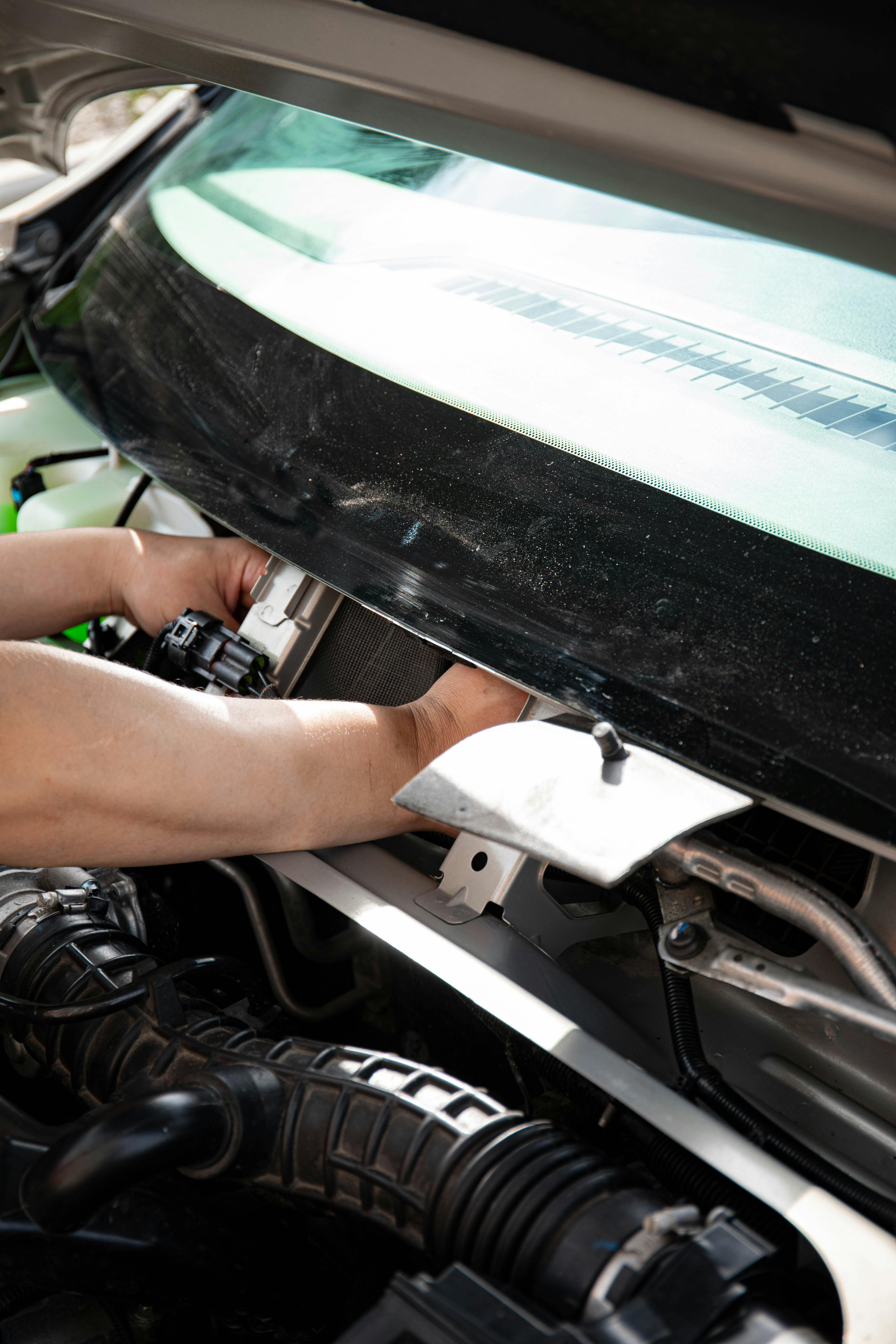
3. **Replace Windshield Wipers**When it comes to vehicle safety, few components are as directly tied to your immediate well-being as your windshield wipers. It’s often easy to forget about them until a heavy downpour or a sudden splash of road grime leaves you struggling to see through a streaky mess. But don’t wait for your visibility to be compromised before taking action.
Windshield wipers are designed to glide seamlessly across your auto glass, clearing away water, snow, and debris without leaving any residue or streaks. Any imperfection in their performance can significantly reduce your visibility, which in turn dramatically increases the risk of an accident. This makes regular replacement not just a convenience, but a critical safety measure.
We generally recommend changing your windshield wipers every year as a standard practice. However, if you frequently encounter extreme weather conditions, such as heavy snow, intense sun, or abrasive road environments, more frequent replacements might be necessary. Staying on top of this simple task ensures you always have a clear view of the road ahead, protecting both yourself and your passengers.
Read more about: The 14 Most Embarrassing Market Misses: When Styling Blunders and Feature Failures Drove Cars Off a Cliff

4. **Rotate The Tires**Your tires are the unsung heroes of your vehicle, constantly taking a beating as they grip the road. To ensure they wear evenly and last for their full lifespan, tire rotation is a crucial maintenance step. Different positions on your car put different stresses on the tires, leading to uneven wear patterns if they’re not periodically moved around.
By rotating your tires every 5,000 to 7,500 miles, you help distribute this wear more uniformly across all four tires. This not only extends the overall life of your tire set but also helps maintain balanced handling and optimal traction. It’s a simple procedure that has significant long-term benefits for both your wallet and your driving experience.
However, it’s important to remember that tire rotation isn’t always a one-size-fits-all task. Different car manufacturers and drivetrain configurations (front-wheel drive, rear-wheel drive, all-wheel drive) require specific rotation patterns. While some cars allow for simple front-to-rear or side-to-side rotations, others may necessitate more complex patterns like the forward cross, X-pattern, or rearward cross. Consulting your owner’s manual or a trusted technician is essential to ensure you’re using the correct pattern for your specific vehicle.
Read more about: Your Comprehensive Guide to Smartly Inspecting a Used Subaru: What Every Buyer Needs to Know

5. **Check And Maintain Tire Pressure**Think about it: your tires are the sole point of contact between your vehicle and the road. This fundamental fact underscores the paramount importance of maintaining appropriate tire pressure. Incorrect tire pressure—whether too high or too low—can have a detrimental impact on everything from your car’s handling and fuel efficiency to the lifespan of the tires themselves, and most critically, your safety.
Driving with improperly inflated tires can lead to uneven wear, reduced traction, and an increased risk of blowouts, which can be extremely dangerous at high speeds. To ensure a safe and efficient ride, you need to know the recommended PSI (pounds per square inch) for your specific vehicle. This vital information is typically found on a label located inside the driver’s side door jamb, not on the tire sidewall itself.
We strongly recommend checking your tire pressures at least once a month, and particularly when ambient temperatures change significantly. Extreme temperature fluctuations can cause tire pressure to drop or rise, so adjustments may be needed to keep them within the recommended range. If you detect any consistent drop in pressure or find a leak in any of your tires, it’s imperative to have it repaired or replaced immediately to prevent further issues and ensure your safety on the road.
Read more about: Gone Too Soon: The Poignant Legacies of 11 Child Stars Who Rose to Fame and Left Us Too Young

6. **Pay Attention To Your Tire Tread**While you’re busy checking and maintaining your tire pressure, take an extra moment to visually inspect your tire tread. The tread on your tires is crucial for providing grip and channeling water away from the tire’s contact patch, which is vital for safe braking and handling, especially in wet conditions. A quick visual inspection can reveal a lot about the health of your tires and potentially alert you to bigger issues.
One key thing to look for is uneven tire wear. If you notice that one part of the tread is wearing down faster than another, it could be a sign of improper alignment, worn suspension components, or issues with tire balance. While a tire rotation might temporarily alleviate the symptom of uneven wear, it’s crucial to identify and fix the underlying cause to prevent recurrence and further damage.
Beyond uneven wear, keep an eye out for any physical damage to the tires. This includes cuts or bulges on the sidewall, which indicate internal damage and a high risk of failure. Also, look for chunks missing from the tread or embedded objects like nails or screws. If you spot any of these more serious issues, do not delay. Have the tire replaced immediately to prevent a dangerous blowout on the highway, which could lead to a severe accident.
Read more about: Your Comprehensive Guide to Smartly Inspecting a Used Subaru: What Every Buyer Needs to Know

7. **Check Your Headlights, Turn Signals, Brake, And Parking Lights**While inspecting your vehicle’s lights might not directly contribute to the engine running better, it is an absolutely critical step in preventing accidents and ensuring your safety on the road. Your car is equipped with a comprehensive set of exterior lights, and each plays an indispensable role in allowing you to see and be seen by other drivers, especially in adverse conditions.
Consider your headlights: they are essential for driving in low-light situations, illuminating the road ahead and allowing you to react to obstacles or hazards. Properly functioning turn signals clearly communicate your intentions to other drivers, preventing unexpected maneuvers that can lead to collisions. Your brake lights alert following vehicles when you’re slowing down or stopping, providing them crucial time to react.
To make sure all your lights are in working order, grab a friend or family member for a quick inspection. Have them stand outside the vehicle while you activate each light system one by one. Run through your headlights (low and high beams), turn signals (front and rear), brake lights, and parking lights. Don’t forget to engage reverse gear to ensure your backup lights are illuminating properly. This simple, collaborative check can significantly enhance your safety and peace of mind on every journey.
Read more about: Your Comprehensive Guide to Smartly Inspecting a Used Subaru: What Every Buyer Needs to Know

8. **Keep The Battery Terminals Clean**Your car’s battery is the silent hero that brings your engine to life every single time you turn the key or push a button. Without a fully functioning battery providing ample voltage, you’re not going anywhere. But it’s not just about the battery itself; the connections are equally vital to ensure that power flows freely.
If these connections become corroded or compromised in any way, that essential voltage can’t flow freely. This interruption can lead to the frustrating scenario of being stranded in an inconvenient location, simply because a small detail was overlooked. Take time to visually inspect your car battery occasionally, proactively looking for any signs of wear.
You are specifically looking for bulges or swelling of the case, which are clear indicators that the battery should be replaced immediately. These physical deformities suggest internal damage and can lead to battery failure. Addressing these signs early can prevent a sudden and inconvenient breakdown.
If you see corrosion on the terminals – often appearing as a white, green, or blue powdery substance – it’s crucial to clean it off. This corrosion obstructs the electrical flow. You can effectively remove it using a simple mixture of baking soda and water, which helps to re-establish a strong and reliable electrical connection, ensuring your car starts consistently and without issue.
Read more about: 9GadgetsTech Fans’ Nightmare: The Hidden Power Drains Making Devices and Cars Fail

9. **Change The Motor Oil**If your car has a heart, it’s definitely the engine, and motor oil is its lifeblood. Changing the oil is arguably one of the most critical maintenance tasks you can perform to keep your car running at its absolute best. It lubricates moving parts, reduces friction, cleans the engine, and helps dissipate heat, all of which are absolutely essential for preventing premature wear and tear.
The frequency of oil changes can vary significantly depending on the type of oil your car uses—whether it’s conventional, synthetic blend, or full synthetic. This means your change interval could range anywhere from every 3,000 miles to a robust 10,000 miles. Always consult your owner’s manual for the manufacturer’s specific recommendations, as these guidelines are tailored precisely to your vehicle’s engine and its operational requirements.
At the same time you change your oil, it’s also the perfect opportunity, and indeed a necessity, to replace the engine oil filter. A clean filter ensures that impurities, metal shavings, and contaminants are effectively trapped and removed from the oil before they can circulate through the engine and cause abrasive damage to its finely machined components. This duo of fresh oil and a new filter works in tandem to maximize engine health.
In between your scheduled oil changes, make it a steadfast habit to regularly check your oil level. This simple check can give you an early warning if your engine is consuming oil or if there’s a developing leak. Monitoring the system for any leaks and addressing them promptly is paramount to protecting your engine’s health and preventing more serious, costly problems down the road.
Read more about: Cruise Nights to Forgotten Rides: Boomer Classics Millennials *Need* to Experience
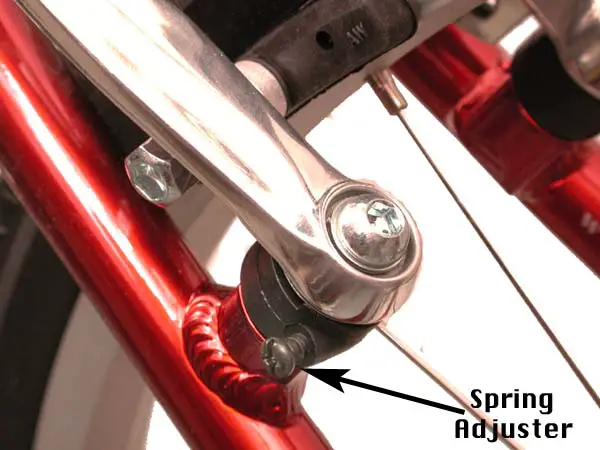
10. **Replace The Brake Pads**Brakes are, without a doubt, one of the most critical safety systems in your vehicle, directly impacting your ability to control and stop your car. When it comes to brake pads, there isn’t a universal, set interval for replacement because their lifespan is highly dependent on your driving habits and environmental factors. If you frequently find yourself in stop-and-go city traffic, for instance, your brake pads might need replacing as early as 25,000 miles due to the constant friction.
Conversely, if your driving is primarily on highways with fewer stops and more gentle braking, your pads could comfortably last up to 75,000 miles. The key takeaway here is to pay close attention to the first signs of wear, rather than relying solely on mileage benchmarks. Your car often gives you auditory cues when something is amiss with its braking system.
As soon as you start hearing tell-tale squealing noises when you apply the brakes, or if you notice any trouble in your car’s ability to stop smoothly, responsively, and effectively, it’s a clear and urgent signal that it’s time for new pads. These noises indicate that the wear indicators built into the pads are doing their job, telling you they are nearing the end of their useful life.
Post-25,000 miles, it’s a particularly smart habit to begin actively monitoring your brake pads and having them inspected regularly. Ignoring worn pads doesn’t just compromise your immediate safety on the road; it can quickly lead to far more expensive and extensive damage to your rotors, calipers, and other vital brake components. What starts as a simple pad replacement can escalate into a much bigger, wallet-draining repair if neglected.
Read more about: Your Comprehensive Guide to Smartly Inspecting a Used Subaru: What Every Buyer Needs to Know

11. **Replace The Cabin Air Filter, Fuel Filter, And Air Filter**Your car is equipped with a sophisticated network of filters, each playing a specialized and critical role in keeping various systems running at their peak, ensuring both vehicle performance and your comfort. These unsung heroes work tirelessly to prevent harmful contaminants – from microscopic dust to larger debris – from reaching critical components and affecting your breathing air. Ignoring these filters is like trying to breathe through a clogged mask – it just doesn’t work efficiently, and your car’s systems suffer.
Each filter type has its own unique recommended replacement interval, and strictly adhering to these schedules is a non-negotiable aspect of comprehensive preventative maintenance. For example, your cabin air filter, which ensures you and your passengers breathe clean, fresh air inside the vehicle, typically needs replacement every 15,000 miles, or annually, to keep allergens and pollutants at bay.
Then there’s the fuel filter, a crucial component for protecting your engine from impurities and sediment present in the fuel. This typically has a recommendation of every 20,000 to 30,000 miles. And let’s not forget the engine air filter, which prevents dirt, dust, and debris from entering your engine’s combustion chamber, ensuring efficient air-fuel mixture. This one generally requires replacement every 12,000 to 15,000 miles.
Failing to follow these manufacturer-specified intervals can lead to a cascade of negative consequences. You might experience reduced fuel efficiency, noticeable decreases in engine performance, and even costly, long-term damage to the engine or other vital components due to increased wear from contaminants. Always consult your car’s owner’s manual or manufacturer’s maintenance schedule to find the precise recommended intervals for your specific vehicle.
Read more about: Gone But Not Forgotten: 14 Classic Truck Features That Modern Pickups Left Behind

12. **Inspect Belts and Hoses**Deep within your car’s engine bay, a complex yet vital web of belts and hoses is constantly at work. These components are responsible for transmitting power, circulating essential fluids, and maintaining critical connections that keep your engine and various accessories functioning smoothly. While these aren’t typically replaced on a rigid schedule like oil or filters, regular and thorough inspection is absolutely crucial to prevent unexpected failures.
During your visual inspections, which many suggest incorporating into your yearly maintenance, keep a keen eye out for any specific signs of wear, damage, or degradation. You’re looking for fraying, visible cracks, splits, bulging, or any softening of the rubber. A hose that feels spongy when squeezed, or one that looks brittle and hardened, is a strong indicator that it’s nearing the end of its reliable life and could burst at any moment.
Whether it’s a small vacuum hose, critical for maintaining proper engine efficiency and emissions, or the robust serpentine belt, which drives multiple vital accessories like the alternator, power steering pump, and air conditioning compressor, a quick visual check can avert a major problem. A failing belt can leave you stranded, while a burst hose can lead to severe engine overheating and costly damage.
Identifying a malfunctioning, torn, or cracked belt or hose sooner rather than later can save you from significant trouble, inconvenient breakdowns, and substantial expense. Proactive inspection allows you to address these issues during routine service appointments, rather than waiting for a catastrophic failure. It’s a simple act of vigilance that pays off immensely in terms of preventing unexpected failures and keeping your vehicle reliably on the road.
Read more about: Your Comprehensive Guide to Smartly Inspecting a Used Subaru: What Every Buyer Needs to Know

13. **Check Brake Pads & Rotors**While we previously discussed the importance of replacing brake pads at the appropriate time, it’s equally important—if not more so—to regularly and proactively check the condition of both your brake pads and rotors. Brakes are constantly exposed to the elements, and it’s surprisingly common for dirt, road debris, and moisture to accumulate and get trapped within the braking system components. This unwelcome intrusion can lead to premature wear, reduced braking efficiency, and a host of mechanical problems.
By staying on top of your brake condition through frequent inspections, you empower yourself to prevent those dreaded, costly repair bills that often arise from neglect. Regular checks allow you to identify minor issues, like debris buildup, early signs of uneven wear on the pads, or subtle scoring on the rotors, before they escalate into serious damage requiring extensive and expensive work. This proactive approach helps you accurately gauge when your pads and rotors genuinely need to be changed, rather than relying solely on mileage estimates or waiting until a problem becomes undeniable.
Beyond visual checks, pay close attention to your car’s behavior. Listen for any unusual sounds – grinding, persistent squealing, or scraping – when you apply the brakes, as these can be strong indicators of wear or trapped debris. Also, feel how your brake pedal responds; if it feels spongy, vibrates, or if the car pulls distinctly to one side when braking, these are significant red flags that demand immediate professional attention. These symptoms often point to underlying issues with the pads, rotors, or even the hydraulic system.
Proactive monitoring means you’re not just reacting to problems; you’re staying several steps ahead of them. This diligence ensures your braking system remains reliably effective and responsive, which is paramount not only for your safety on the road but also for preserving your wallet from unnecessary, emergency repair costs. Don’t underestimate the power of a quick, regular brake inspection.
Read more about: Your Comprehensive Guide to Smartly Inspecting a Used Subaru: What Every Buyer Needs to Know

14. **Lubricate Door Hinges**Is there anything more annoying than a car door that creaks and groans every single time you open or close it? That irritating squeak isn’t just an auditory nuisance; it’s often a direct symptom of dry, neglected door hinges crying out for attention. By applying a suitable lubricant regularly, you can effectively silence these grating noises, ensuring a smooth, quiet, and effortless operation every time you enter or exit your vehicle.
Beyond the noise, dry hinges are actually vulnerable hinges. Without proper lubrication, the constant friction and movement cause them to wear down much faster, leading to degradation, bending, and over time, they can even seize up completely, requiring more complicated and costly repairs. What’s more, door hinges are a very common hotspot for rust to begin, especially in areas exposed to moisture, rain, and corrosive road salt. Regularly lubricating them creates a crucial protective barrier, actively repelling moisture and preventing that insidious corrosion we discussed earlier from taking hold.
When it comes to choosing a lubricant, you have a few excellent and readily available options, each with its own advantages. Lithium grease is a heavy-duty choice, perfect for door hinges due to its excellent adhesion properties and its ability to provide long-lasting protection against degradation and moisture penetration. It forms a thick, durable film.
Silicone spray offers a lighter, cleaner application that is also highly effective at preventing rust and reducing friction without attracting excessive dirt. Teflon or PTFE-based lubricants are another fantastic option; they excel at repelling water and maintaining their performance characteristics exceptionally well in extreme temperatures, making them versatile for various climates. While dry lubricants exist, they often don’t offer the same robust, long-term protection as their wet counterparts, especially in wet or humid conditions, so consider your environment when making a choice.
Read more about: The Long Haul: Wirecutter’s Essential Guide to Scooters Built for Years of Dependable Use, and How to Make Yours Last
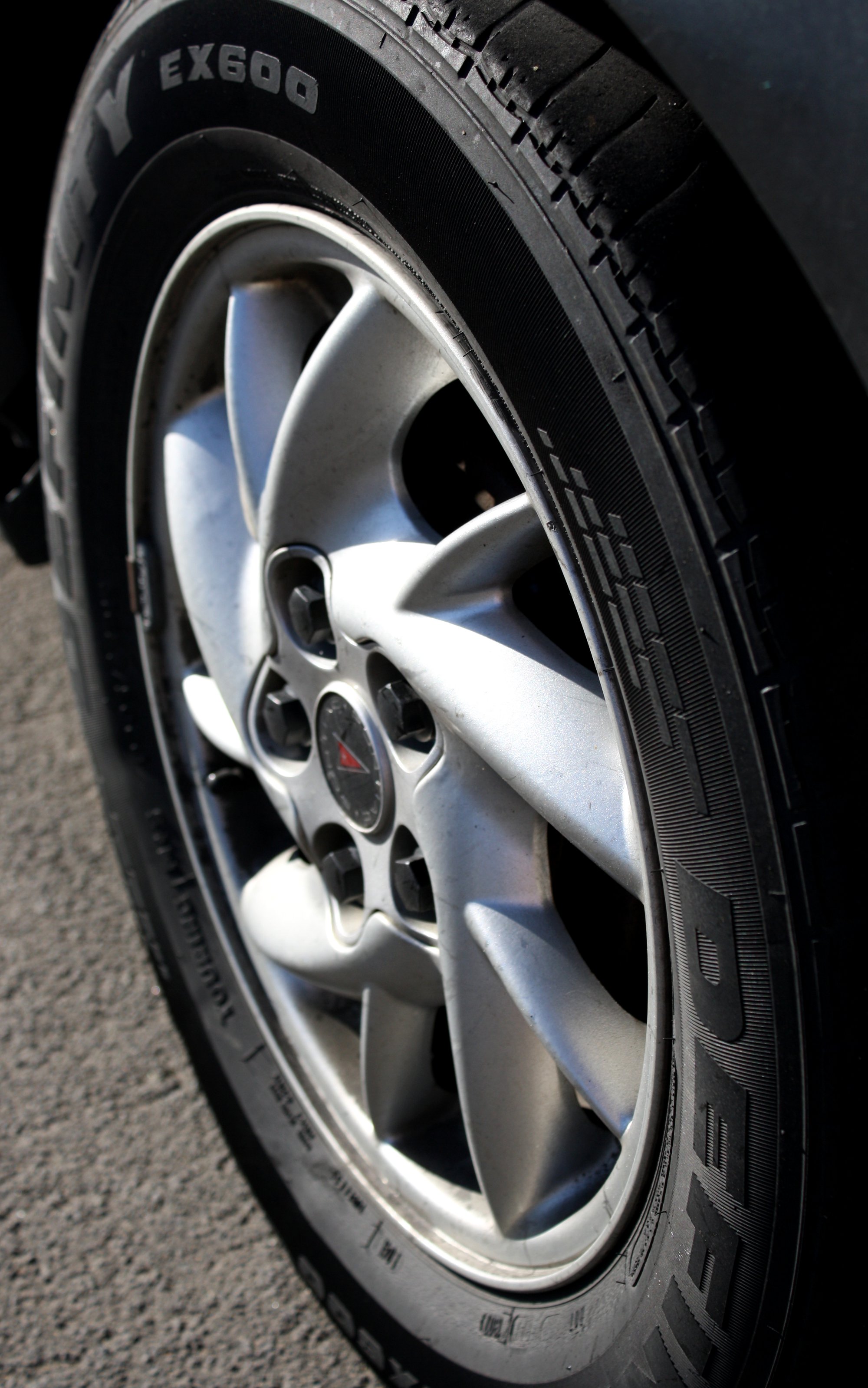
15. **Wheel Alignment Every Two Years**Imagine trying to walk in shoes where one sole is significantly thicker or worn differently than the other – you’d be constantly fighting to stay straight, and your feet would wear unevenly and prematurely. Your car experiences a very similar struggle if its wheels aren’t properly aligned. Wheel alignment refers to the precise adjustment of your vehicle’s suspension system, which dictates the critical angles at which your wheels meet the road and how they interact with each other.
If these angles are even slightly off, the consequences are significant and far-reaching. The most immediate and noticeable impact is uneven tire tread wear, which drastically shortens your expensive tires’ lifespan, forcing you into premature and avoidable replacements. This uneven wear can manifest as feathering, cupping, or excessive wear on one side of the tire, all indicators of a problem.
Even worse, improper alignment can profoundly affect your driving experience and safety. You might feel like you’re constantly fighting your steering wheel to keep the vehicle driving straight down the road, leading to increased driver fatigue and reduced control, especially at higher speeds or in adverse weather conditions. The car might pull noticeably to one side, requiring constant steering corrections.
To combat these issues and ensure your vehicle tracks straight and true, it’s best practice to have your wheels aligned every two years as a standard maintenance measure. Beyond this general interval, it’s absolutely imperative to get an alignment after any significant event that could potentially affect your suspension geometry. This includes changing your wheels or tires, or undergoing any other suspension work, such as replacing struts, shocks, or steering components. A proper alignment ensures your tires wear evenly, your steering is precise and responsive, and your overall driving experience remains safe, efficient, and comfortable for years to come.
Read more about: 2025 Ford F-150 Refresh: A Comprehensive MotorTrend Deep Dive into Changes, Pricing, and Next-Gen Features
There you have it – 15 essential tips, straight from the inner circle of automotive wisdom, designed to help you achieve true car immortality. From the simple act of keeping your battery terminals sparkling clean to the nuanced understanding of fluid management and the vital importance of wheel alignment, each piece of advice empowers you to take control of your vehicle’s destiny. These aren’t just quick fixes; they’re preventative strategies, guarding your car against the ravages of time, wear, and unexpected breakdowns. By embracing these actionable insights, you’re not just extending your car’s lifespan; you’re safeguarding your investment, enhancing your safety, and enjoying the undeniable peace of mind that comes with a reliable, well-cared-for ride. So go ahead, put these tips into practice today, and embark on years of smooth, worry-free driving, knowing you’ve given your vehicle the best chance at a long and healthy life!