

In the annals of our planet, there are places that whisper tales of ancient times, lands so vast and rich in history and nature that the possibility of uncovering a thriving prehistoric paradise seems not just a fantasy, but an inevitability. China, with its staggering geographical diversity, its deep historical roots stretching back millions of years, and its unparalleled biodiversity, stands as one such enigmatic realm, a veritable treasure trove awaiting continuous exploration.
Indeed, the very essence of China is one of profound antiquity and boundless natural wonder, a tapestry woven from majestic mountains, sprawling deserts, life-giving rivers, and a vibrant mosaic of life forms. It is a land where the footprints of early hominids are still discernible, where ancient dynasties laid the foundations of a global civilization, and where unique ecosystems persist, harboring species found nowhere else on Earth. This inherent character positions China as a place where the veil between the known and the unknown is constantly thin, promising new revelations with every intrepid gaze.
Join us as we embark on an extraordinary journey into the very heart of this incredible nation, not just to marvel at its well-known splendors, but to appreciate the underlying reasons why China remains a frontier of discovery, a place where ‘prehistoric paradises’ are not just stories, but a reflection of its enduring, untamed spirit. We’ll delve into the foundational elements that make China a land of endless fascination and awe-inspiring natural and historical depth, truly a world within itself.

1. **China’s Ancient Origins: A Cradle of Civilization**Long before the dawn of recorded history, China was already a vibrant stage for human endeavor, marking its place as one of the world’s six cradles of civilization. Archaeological evidence vividly paints a picture of early hominids inhabiting this land as far back as 2.25 million years ago, a testament to its deep and continuous human story. Among these earliest residents were Homo erectus, notably the Peking Man, whose mastery of fire nearly 700,000 years ago illuminates a crucial chapter in humanity’s development within this region.
The Yellow River basin, often referred to as the birthplace of Chinese civilization, saw the emergence of the earliest dynastic states by the late 2nd millennium BCE. This area provided the fertile grounds and resources necessary for complex societies to flourish, laying the groundwork for the rich cultural and political traditions that would define China for millennia. The sheer scale of this ancient heritage is awe-inspiring, demonstrating an unbroken lineage of human habitation and cultural evolution.
From these ancient settlements, a profound legacy grew, shaping not only China but influencing its neighbors and distant lands. The innovations, philosophies, and societal structures that emerged from these early origins speak to a persistent spirit of ingenuity and organization. The very ground beneath our feet in China often holds secrets from these primal epochs, hinting at worlds long past but eternally relevant.
The continuous discovery of fossilized teeth of Homo sapiens, dated as far back as 125,000 to 80,000 years ago in places like Fuyan Cave, further solidifies China’s role as a vital hub for early human evolution. These findings are not mere historical footnotes; they are windows into an ancient past, reminding us that the land itself is saturated with the echoes of humanity’s earliest endeavors, making it a living museum of our species’ journey.

2. **The Grand Tapestry of China’s Geography**China’s landscape is nothing short of breathtaking in its scale and diversity, a true geological masterpiece that stretches across nearly 9.6 million square kilometers, making it the third-largest country by land area. From the parched expanses of the Gobi and Taklamakan Deserts in the arid north to the lush subtropical forests that dominate its wetter south, the country presents an astonishing array of natural environments that captivate the imagination. This immense geographical variety is a key reason why China holds such potential for undiscovered natural wonders.
Formidable mountain ranges, including the majestic Himalaya, the rugged Karakoram, the towering Pamir, and the expansive Tian Shan, form formidable natural borders, separating China from vast swathes of South and Central Asia. These mountain systems are not just physical barriers; they create unique climatic zones and ecosystems, fostering biodiversity and housing isolated regions that have remained untouched by modern human interference for millennia, preserving ancient conditions.
The eastern regions of China are characterized by extensive and densely populated alluvial plains, particularly along the shores of the Yellow Sea and the East China Sea. These fertile lands, nourished by the deltas of China’s two major rivers, have been the crucible of human civilization and agriculture. In stark contrast, the edges of the Inner Mongolian plateau in the north are dominated by broad grasslands, while southern China unfolds into a panorama of rolling hills and low mountain ranges, each contributing to the country’s diverse natural character.
Further west, the landscape becomes increasingly dramatic with high plateaus and the famously arid conditions of the Taklamakan and Gobi Deserts. This grand tapestry of landforms, from towering peaks to deep depressions, from verdant plains to desolate deserts, ensures that China is a land of continuous geographical revelation. Its vastness means there are countless corners yet to be thoroughly explored, each holding the promise of uncovering something truly extraordinary.
Read more about: Archaeologists Uncover 115,000-Year-Old Human Footprints Where They Shouldn’t Be: A Deep Dive into the Science of Discovery

3. **A Realm of Extreme Altitudes and Depths**Within China’s sprawling geography lie some of the planet’s most extreme points, creating a landscape of profound contrasts that speak to incredible geological forces. These extremes, from the highest peaks to the lowest depressions, often harbor unique environments and isolated ecosystems, presenting prime conditions for the existence of hidden realms that echo prehistoric conditions. Such dramatic topographical variations contribute to the sense of awe and discovery that China inspires.
Dominating the skyline on the Sino-Nepalese border is Mount Everest, the world’s highest point, soaring to an astonishing 8,848 meters. This colossal peak is a testament to the immense power of tectonic movements and stands as a symbol of aspiration and the sublime beauty of nature’s grandeur. Its harsh, inaccessible environment, while challenging to life, also serves as a natural fortress, preserving ancient geological and biological histories within its frozen embrace.
Conversely, the country also plunges to incredible depths, with the dried lake bed of Ayding Lake in the Turpan Depression marking its lowest point at -154 meters. This geological anomaly is also the world’s third-lowest point, creating an environment of extreme heat and aridity. Such deep depressions, often formed over geological epochs, can become isolated basins where unique adaptations occur, or where ancient sediments might hold fossilized records of earlier life.
The juxtaposition of these extreme altitudes and depths within China’s borders is a powerful indicator of the planet’s dynamic processes. These are not merely points on a map; they are environments that push the boundaries of life and survival, creating unique ecological niches that could, in theory, preserve conditions or even isolated biomes reminiscent of ancient, prehistoric eras. The exploration of these dramatic contrasts continues to reveal new insights into Earth’s history.
Read more about: Why the U.S. Navy’s Fastest Ship Can’t Hunt Submarines: An In-Depth Look at ASW’s Enduring Technical Hurdles
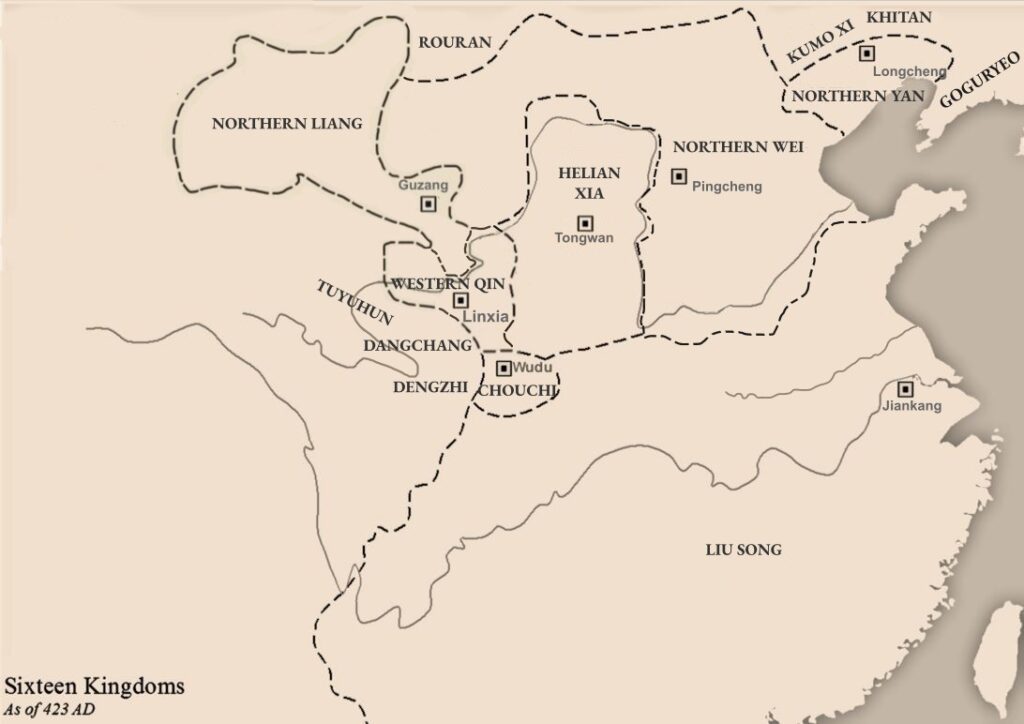
4. **Echoes of Proto-Writing and Early Dynasties**China’s historical narrative is deeply rooted in the emergence of early forms of communication and structured governance, providing a fascinating glimpse into the nascent stages of human civilization. The presence of Chinese proto-writing existing in Jiahu around 6600 BCE, at Damaidi around 6000 BCE, Dadiwan from 5800 to 5400 BCE, and Banpo dating from the 5th millennium BCE, highlights a long tradition of symbolic expression. Some scholars even suggest that the Jiahu symbols constituted the earliest Chinese writing system, pushing back the timeline of literacy significantly.
Following these prehistoric developments, traditional Chinese historiography points to the Xia dynasty, established during the late 3rd millennium BCE, as the beginning of the dynastic cycle. While its historicity was once under scrutiny, archaeological discoveries, such as sites belonging to the Erlitou culture, have been characterized by some as the remains of the historical Xia, offering tangible links to this foundational era. These early societal structures laid critical groundwork for future political and cultural sophistication.
The Shang dynasty, which traditionally succeeded the Xia, holds the distinction of being the earliest for which there are both contemporary written records and undisputed archaeological evidence. Ruling much of the Yellow River valley until the 11th century BCE, the Shang era is illuminated by the oracle bone script, attested from approximately 1250 BCE. This ancient script represents the oldest known form of written Chinese and is recognized as the direct ancestor of modern Chinese characters, linking present-day communication directly to these distant ancestors.
These early periods of proto-writing and dynastic rule offer more than just historical facts; they provide a profound sense of continuity and evolution that has shaped the land and its people. They demonstrate an early, sophisticated human interaction with the environment and the development of complex social systems. Exploring these ancient echoes allows us to appreciate the enduring legacy that has flowed through Chinese history, deeply embedding the past within the present landscape.
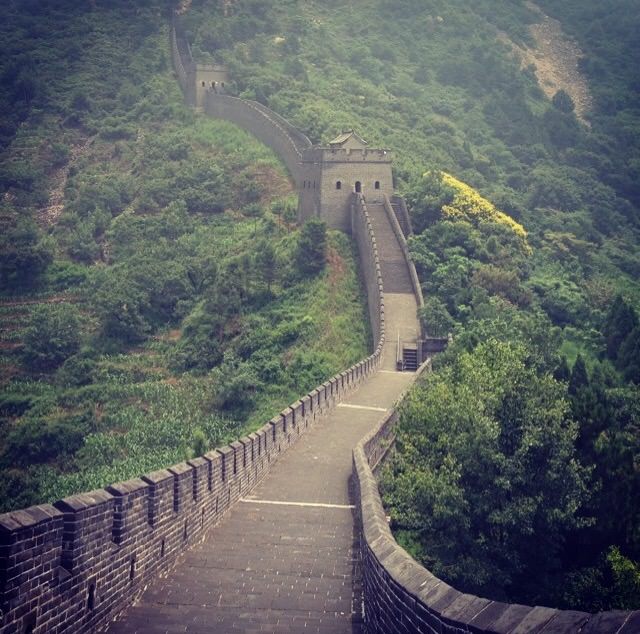
5. **The Great Wall: A Monument to Ancient Ambition**Standing as a breathtaking testament to human ingenuity and monumental ambition, the Great Wall of China is one of the most iconic structures ever conceived. Its origins trace back to the Warring States period, when various states constructed walls for defense. However, it was China’s first emperor, Qin Shi Huang, who is famed for having united these disparate fortifications, creating a cohesive defensive system and symbolizing the unification of the land under a single, dominant order. This colossal undertaking speaks volumes about the early imperial drive and organizational capacity.
While its initial construction dates back over two millennia, much of the present, awe-inspiring structure of the Great Wall dates to the Ming dynasty. This later period saw extensive rebuilding and reinforcement, transforming it into the architectural marvel we largely recognize today. The scale of the labor involved, the sheer length of the wall traversing mountains and plains, and its strategic placement across the northern frontier evoke a profound sense of the past, making it feel like a timeless sentinel.
More than just a military fortification, the Great Wall represents a powerful cultural symbol—a physical manifestation of China’s enduring spirit of resilience, its pursuit of unity, and its capacity for grand, collective endeavors. It is a monument that literally shapes the landscape, winding like a dragon across thousands of miles, inviting contemplation on the passage of time and the ambitions of ancient rulers. Walking its weathered stones, one can almost hear the echoes of past armies and builders.
The wall’s construction reflects not only military strategy but also sophisticated engineering knowledge for its time. It is a potent reminder of the ingenuity that characterized China’s imperial periods. The Great Wall stands as a truly unique wonder, connecting the distant past with the present, and embodying the profound historical depth embedded within the very fabric of the Chinese land, guarding not just a border, but a civilization.
Read more about: China’s Great Wall: A Monument to History, Sacrifice, and Enduring Power

6. **A Megadiverse Sanctuary of Life**China is not only a historical powerhouse but also an ecological marvel, rightfully recognized as one of the 17 megadiverse countries on Earth. Its geographical position, straddling two of the world’s major biogeographic realms—the Palearctic and the Indomalayan—contributes immensely to its extraordinary variety of life. This unique confluence of ecological zones has resulted in China being the third-most biodiverse country globally, a true sanctuary for an astonishing array of animal and plant species.
The sheer numbers are staggering: China boasts over 34,687 species of animals and vascular plants. This incredible richness means that its landscapes are teeming with life, from the smallest microorganisms to the largest mammals, each playing a vital role in intricate ecosystems. Such immense biodiversity implies hidden corners and undiscovered species, maintaining a continuous sense of wonder and the potential for new scientific revelations.
This vibrant biological heritage is a profound treasure, reflecting millions of years of evolutionary history and ecological development. The varied climates, from alpine to tropical, and the diverse terrain, from deserts to dense forests, create countless niches where life can thrive in unique and often isolated ways. It is a living, breathing testament to the complexity and resilience of the natural world, constantly evolving and adapting.
Being a party to the Convention on Biological Diversity, China has formally committed to safeguarding this precious natural endowment, as evidenced by its National Biodiversity Strategy and Action Plan received by the convention in 2010. This commitment underscores the recognition of its invaluable biological capital and the ongoing efforts to protect the countless species that call this magnificent land home, ensuring that these megadiverse sanctuaries continue to flourish for future generations.
Read more about: Unpacking America: 14 Mind-Blowing Facts About the USA You Absolutely Need to Know!
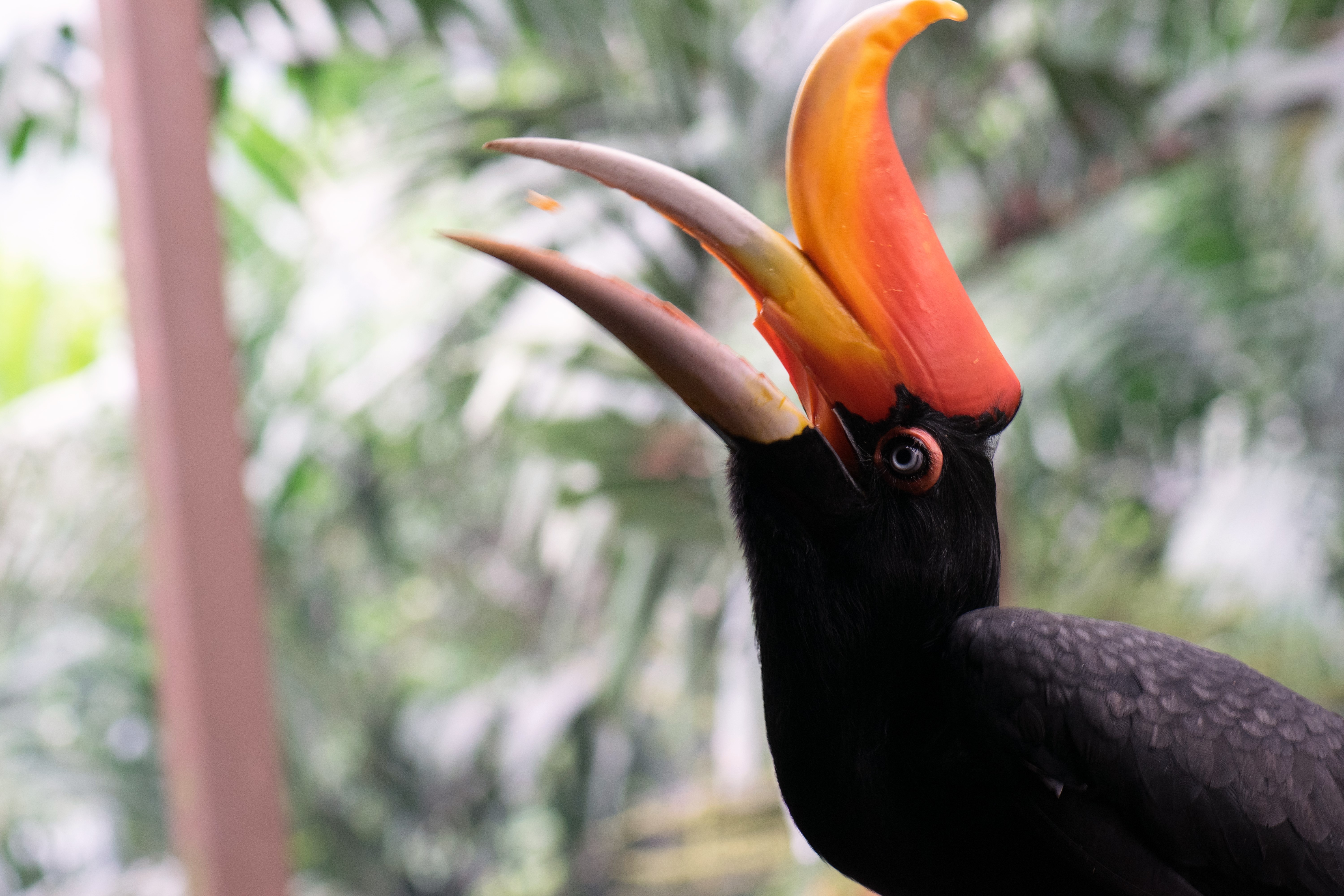
7. **The Iconic and the Endangered: Wildlife Wonders**Within China’s megadiverse ecosystems reside some of the world’s most iconic and, regrettably, most endangered animal species, making it a focal point for global conservation efforts. The giant panda, undoubtedly China’s most famous and beloved endemic species, symbolizes the country’s unique natural heritage and the fragility of many of its creatures. Its existence is a powerful reminder of the delicate balance within these ancient ecosystems.
Beyond the panda, China is home to an impressive number of other animal species, including at least 551 species of mammals (ranking third in the world), 1,221 species of birds (eighth), 424 species of reptiles (seventh), and 333 species of amphibians (seventh). This vast array of wildlife includes majestic creatures like moose and the Asian black bear, particularly thriving in the cold coniferous forests of the north, alongside over 120 bird species that fill the skies.
However, this rich wildlife shares its habitat with one of the world’s largest human populations, leading to acute pressures. Tragically, at least 840 animal species in China are categorized as threatened, vulnerable, or in danger of local extinction. This perilous situation is primarily due to human activities such as rampant habitat destruction, pervasive pollution, and the persistent practice of poaching for food, fur, and traditional Chinese medicine. The loss of such species represents an irreplaceable diminishment of our planet’s natural legacy.
Recognizing this critical challenge, China has implemented extensive legal protections for its endangered wildlife. As of 2005, the country had established over 2,349 nature reserves, collectively covering an impressive 149.95 million hectares, which accounts for 15 percent of China’s total land area. These reserves are vital bastions for survival, particularly in the mountainous south and west, where wild animals have fared better, allowing these precious wildlife wonders to continue to inspire awe and hope for their future.”
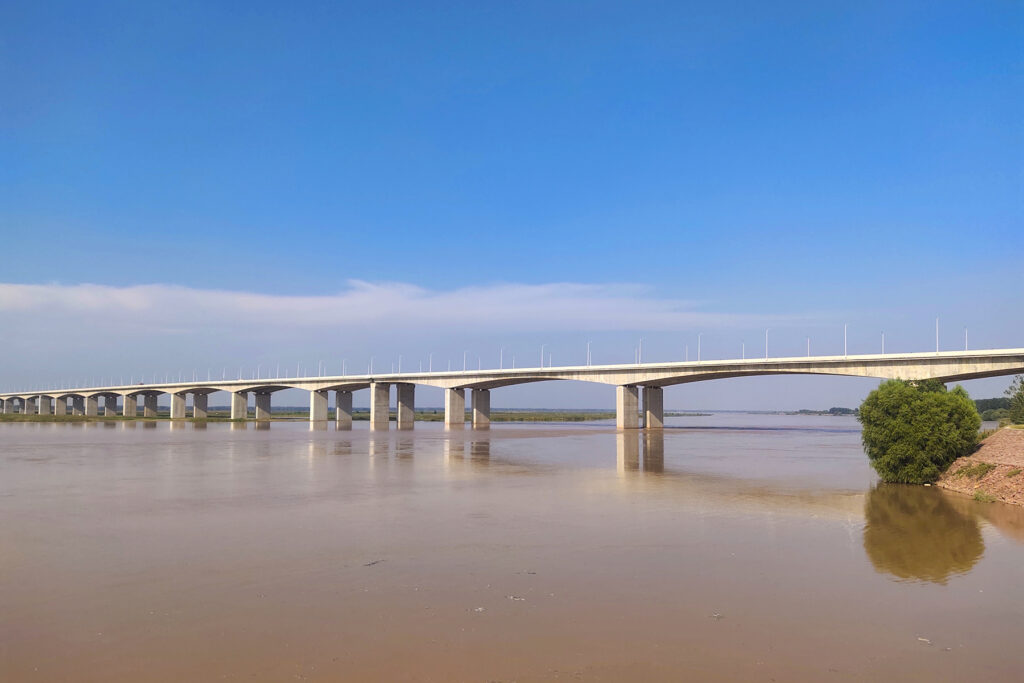
8. **The Lifeblood of the Land: China’s Mighty Rivers**China’s vast and varied landscapes are crisscrossed by a network of rivers that have, for millennia, served as the very lifeblood of its civilization and ecosystems. Among these, the Yangtze and Yellow Rivers stand out as monumental arteries, ranking as the third and sixth-longest rivers in the world respectively. Originating from the majestic Tibetan Plateau, these powerful waterways carve their paths eastward, nourishing extensive and densely populated alluvial plains along the shores of the Yellow Sea and the East China Sea. Their deltas, rich with fertile sediments, have been the crucible for agriculture and human settlement, fundamentally shaping the course of Chinese history and sustaining life across vast regions.
These aren’t merely channels of water; they are dynamic ecosystems in themselves, teeming with diverse aquatic life, including endemic species. The annual ebb and flow of these rivers have not only dictated agricultural cycles but also fostered unique cultural practices and regional identities along their banks. The immense power of these rivers, harnessed for irrigation, transportation, and increasingly for hydroelectric power—with engineering marvels like the Three Gorges Dam standing as modern testaments to this interaction—reflects an enduring and evolving relationship between the Chinese people and their natural environment.
The Yellow River basin, often referred to as the birthplace of Chinese civilization, underscores the profound historical significance of these waterways. It was along these fertile banks that the earliest dynastic states emerged by the late 2nd millennium BCE, benefiting from abundant resources. This area provided the essential conditions for complex societies to flourish, laying the groundwork for the rich cultural and political traditions that would define China for millennia, deeply embedding the rivers into the national identity.
Beyond these iconic rivers, China is also home to other significant waterways, including the Xi, Mekong, Brahmaputra, and Amur. Each contributes to the grand hydrological tapestry, fostering distinct environments and supporting a kaleidoscope of life across different climatic zones. This confluence of mighty rivers with China’s diverse topography creates unique microclimates and isolated pockets of biodiversity, making them crucial elements in the country’s potential to harbor undisturbed natural realms, echoing environments from a prehistoric past.
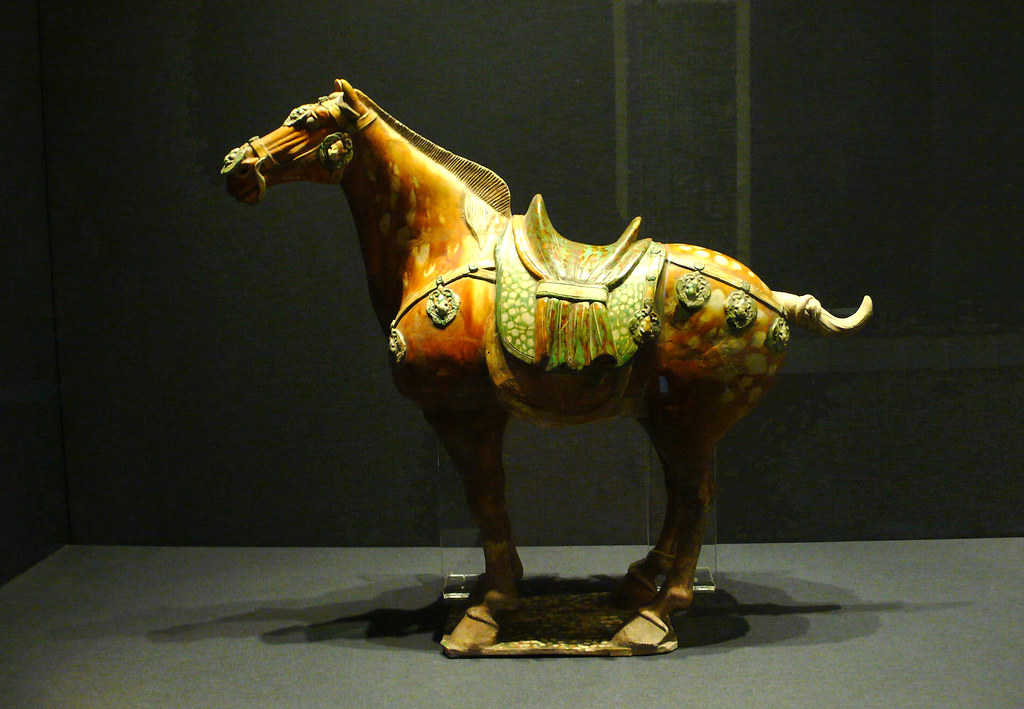
9. **Golden Ages of Innovation: Tang and Song Dynasties**Stepping further into China’s rich historical narrative, we encounter magnificent periods characterized by unparalleled ingenuity and cultural flourishing—the golden ages of the Tang and Song dynasties. These eras, spanning from the 7th to the 13th centuries CE, witnessed an explosion of economic, technological, and cultural advancements that not only cemented China’s position as a global powerhouse but also left an indelible mark on human civilization. The brilliance of these times hints at a society deeply connected to discovery, innovation, and the refinement of human experience.
The Tang dynasty, in particular, maintained control of the fabled Western Regions and the vital Silk Road. This unprecedented reach transformed its capital, Chang’an, into a vibrant, cosmopolitan urban center, a melting pot of cultures, ideas, and goods, with trade reaching as far as Mesopotamia and the Horn of Africa. It was a time when poetry, painting, and sculpture reached new heights of artistic expression, embodying a spirit of openness and grandeur that resonated throughout the empire and beyond.
Following the Tang, the Song dynasty ushered in another period of remarkable progress, often considered a second Chinese commercial revolution. It was during the Song that the world saw the first government to issue paper money, a revolutionary economic innovation that dramatically reshaped commerce. This was a testament to sophisticated economic thought and administrative capacity, facilitating trade across its vast empire.
Furthermore, the Song polity established a permanent navy, supported by an advanced shipbuilding industry, showcasing an early mastery of naval technology and fostering extensive sea trade. Alongside these practical marvels, philosophy and the arts flourished, with a revival of Confucianism and a blossoming of landscape art and porcelain brought to new levels of complexity. These cultural achievements reflected a profound appreciation for beauty and intellectual depth, marking the Song as a period of profound enlightenment and innovation that still inspires awe.
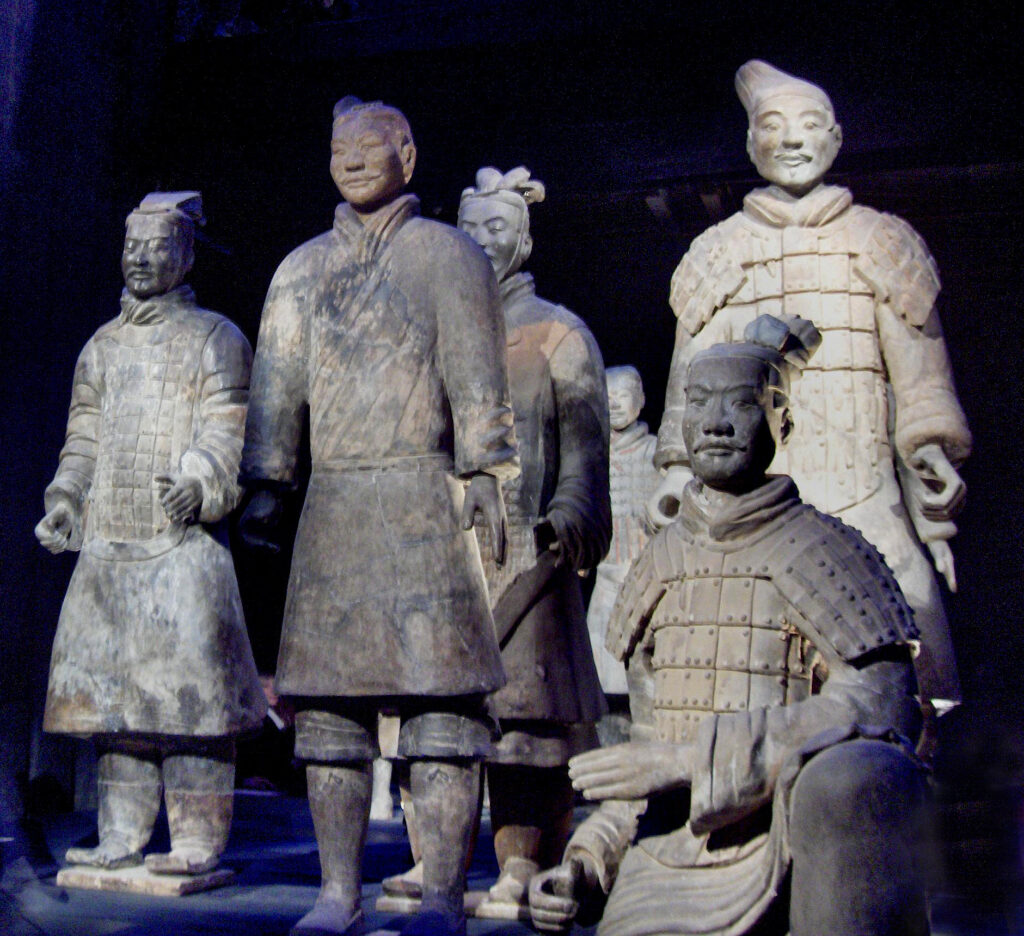
10. **A Legacy of Imperial Grandeur: Expansive Dynastic Reach**China’s story is one of relentless expansion and consolidation, a testament to the grand ambitions of its imperial dynasties that dramatically shaped its vast territory and influence. While the Great Wall symbolized defense and unification, the narrative of China’s imperial reach extends much further, demonstrating a powerful drive to unite and expand its domain across diverse landscapes and cultures. This continuous forging of an empire across such a large landmass showcases an incredible historical dynamic.
The Han dynasty, which followed the short-lived Qin, significantly expanded the empire’s territory. Through robust military campaigns, its influence stretched deep into Central Asia, Mongolia, Korea, and Yunnan, even recovering regions like Guangdong and northern Vietnam. This immense territorial growth not only solidified China’s borders but also helped establish critical trade routes, including the land route of the Silk Road, linking East and West. The Han’s expansion laid the groundwork for a vast and enduring empire, creating a cultural identity still resonant in the modern ethnonym of the Han Chinese.
Later imperial periods continued this legacy of territorial and cultural expansion. The Qing dynasty, from 1644 to 1912, dramatically enlarged the empire through significant military conquests, notably adding Mongolia, Tibet, and Xinjiang. These expansions incorporated vast new territories and diverse ethnic groups into the imperial fold, creating one of the largest empires in world history by land area and bringing with it immense logistical challenges and opportunities for cultural synthesis.
The Qing’s consolidation of these regions meant extending administrative and cultural influence across a mosaic of climates, topographies, and peoples. This continuous definition and redefinition of its boundaries, over more than two millennia of imperial rule, deeply embedded the past within the present landscape. The legacy of these vast imperial expansions speaks to a nation whose history is deeply intertwined with the land itself, constantly shaping and being shaped by its diverse geographical and human elements.
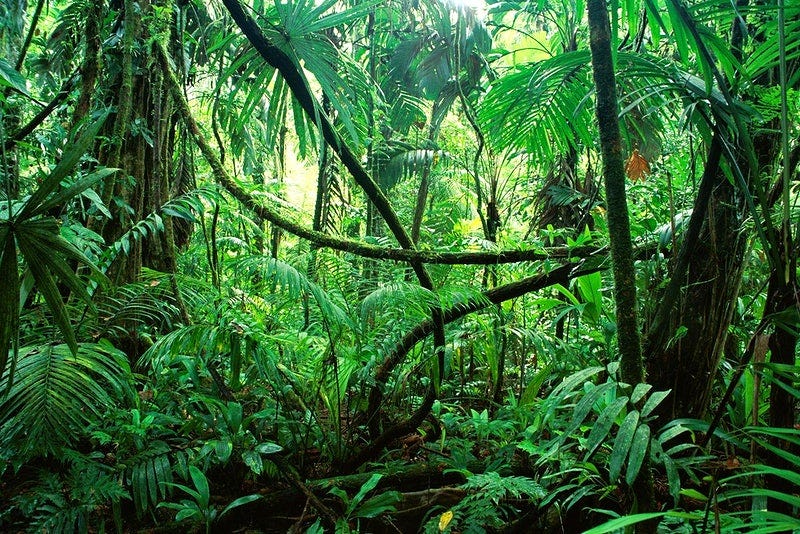
11. **Guardians of Green: China’s Diverse Forest Ecosystems**As we delve deeper into China’s natural wonders, we uncover a remarkable array of forest ecosystems, each a vibrant tapestry of life and a potential haven for undiscovered species. These “guardians of green” are crucial to China’s status as a megadiverse country, offering a glimpse into ancient botanical lineages and demonstrating the incredible adaptability of nature across diverse climatic zones. The sheer variety and density of these forests evoke a sense of stepping into a primeval world, a living testament to Earth’s enduring capacity for life.
In the northern reaches of the country, cold coniferous forests dominate the landscape, standing tall and resilient against harsh winters. These towering woodlands provide critical habitats for robust animal species such as the majestic moose and the elusive Asian black bear, alongside a stunning diversity of over 120 bird species. The understory of these moist conifer forests often harbors thickets of bamboo, adding to their unique character, while in higher montane stands of juniper and yew, the bamboo gracefully yields to vibrant rhododendrons, painting the slopes with splashes of color.
Moving towards central and southern China, the climate shifts, giving rise to sprawling subtropical forests. These verdant realms are characterized by an extraordinarily high density of plant species, including numerous rare endemics found nowhere else on Earth. These forests are vital for their ecological services, acting as crucial lungs for the planet and home to a delicate balance of life that has evolved over millions of years, adapting to a warmer, wetter environment.
Further south, confined primarily to Yunnan and Hainan, are the country’s precious tropical and seasonal rainforests. Though geographically smaller in extent, these rainforests are astonishingly rich, harboring an astounding one-quarter of all the animal and plant species found within China’s vast borders. Their complex canopy layers and incredible biological productivity make them biodiversity hotspots, truly indispensable for global ecological health and representing invaluable repositories of genetic diversity, hinting at undisturbed enclaves reminiscent of ancient, prehistoric eras.
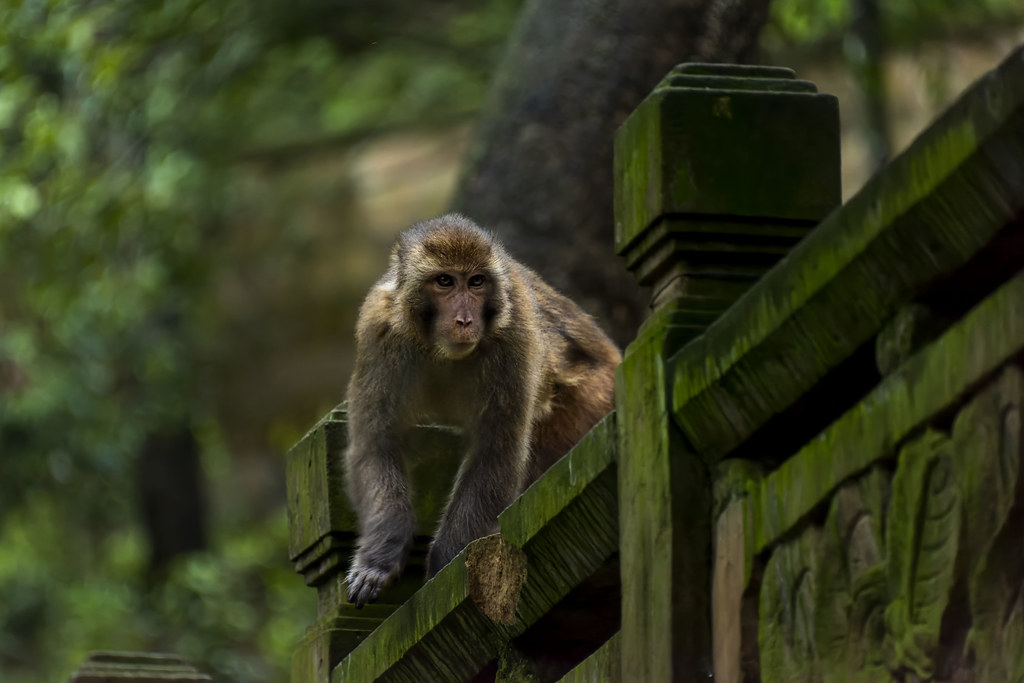
12. **A Commitment to Conservation: Protecting Precious Biodiversity**In recognition of its extraordinary natural wealth, China has demonstrated a significant and growing commitment to conservation, actively working to protect its precious biodiversity for future generations. This dedication is not merely a theoretical stance but a practical, ongoing endeavor to safeguard the invaluable ecological heritage that contributes to its megadiverse status. Such concerted efforts are crucial for preserving the delicate balance of ecosystems, including those that might harbor yet-to-be-discovered prehistoric paradises within their pristine confines.
As a party to the Convention on Biological Diversity (CBD), China has formally committed to this global cause, further solidifying its resolve with the National Biodiversity Strategy and Action Plan, received by the convention in 2010. This comprehensive strategic framework guides the nation’s multi-faceted approach to ecological protection, aiming to mitigate threats to biodiversity and promote the sustainable use of its abundant natural resources. This proactive engagement underscores a deep understanding of the intrinsic value of its natural endowment.
Tangible evidence of this commitment can be seen in the establishment of a vast and expanding network of nature reserves across the country. As of 2005, China boasted over 2,349 nature reserves, collectively spanning an impressive 149.95 million hectares—an area equivalent to 15 percent of China’s total landmass. These protected areas serve as vital bastions for the survival of countless species, particularly in the mountainous south and west where wild animals have historically fared better. These reserves are dedicated spaces where nature can thrive, shielding pockets of ancient, undisturbed life from human encroachment.
These efforts are critical given that wildlife in China shares its habitat with, and bears acute pressure from, one of the world’s largest human populations. Tragically, at least 840 animal species are categorized as threatened, vulnerable, or in danger of local extinction, primarily due to human activities like habitat destruction, pollution, and poaching. China’s legal protections for endangered wildlife, coupled with the expansion of these nature reserves, offer a beacon of hope for its magnificent wildlife wonders.
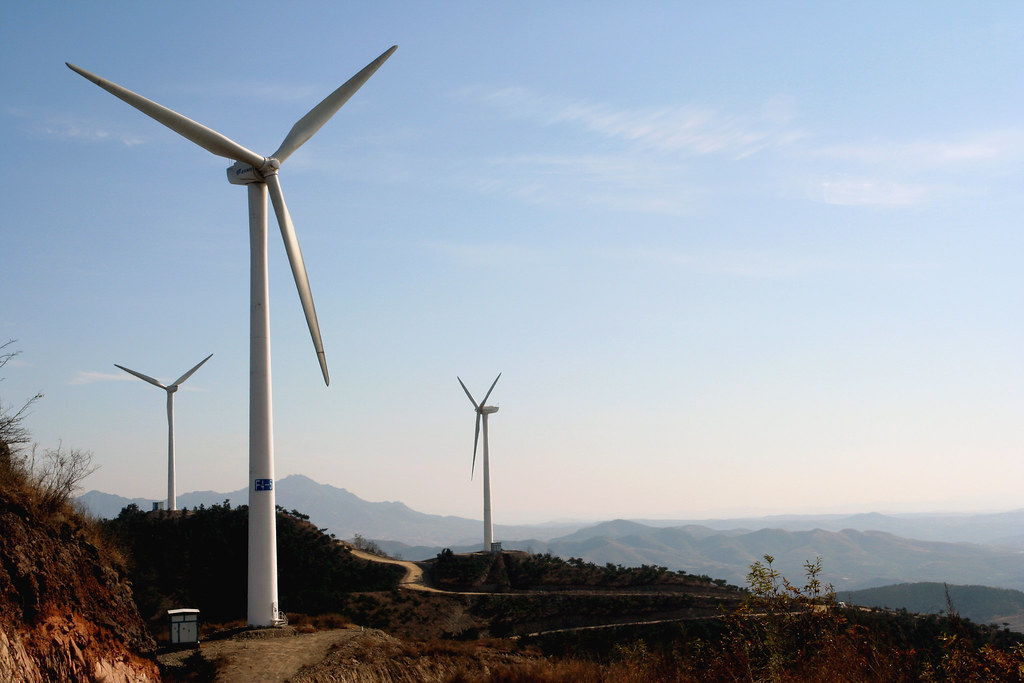
13. **Forging a Sustainable Future: Environmental Stewardship**Beyond protecting specific habitats and species, China is actively engaged in a broader, ambitious mission of environmental stewardship, recognizing the critical link between ecological health and a sustainable future for its vast population. This comprehensive approach to environmental challenges, from rigorous pollution control to proactive climate action and massive reforestation, demonstrates a powerful commitment to harmonizing rapid development with ecological preservation. These ambitious efforts are essential for nurturing the very conditions that could allow a “prehistoric paradise” to flourish.
A significant focus has been placed on mitigating the effects of industrialization and its resultant pollution. China has prioritized clamping down on environmental degradation, leading to a notable decrease in air pollution throughout the 2010s. Furthermore, the nation has set ambitious climate goals, announcing in 2020 its aims to reach peak emissions levels before 2030 and achieve carbon neutrality by 2060, aligning with the Paris Agreement. These targets, according to analyses, represent one of the largest single reductions ever estimated, showcasing a profound shift towards greener policies.
China is also a global leader in renewable energy and its commercialization. In 2022 alone, it invested a staggering $546 billion in renewable energy, making it the world’s leading investor in this critical sector. It is also the world’s leading manufacturer of renewable energy technologies and invests heavily in local-scale renewable energy projects, with a significant percentage of its electricity now derived from clean sources like hydroelectric, wind, and solar power. This monumental shift away from historical reliance on non-renewable sources is transforming its energy landscape.
This monumental investment in clean energy is coupled with a dedicated and successful effort to expand forest coverage across the nation. The government reports that forest coverage grew from a mere 10% of the overall territory in 1949 to an impressive 25% in 2024. These initiatives, from massive tree-planting campaigns to the widespread adoption of clean energy technologies, are actively reshaping the landscape, creating a more resilient and environmentally sound future for China’s unique natural heritage, truly a beacon of hope for preserving its pristine natural realms.
Read more about: Unveiling the Powerhouse: Exploring the Foundational Strengths Behind America’s Advanced Naval Capabilities
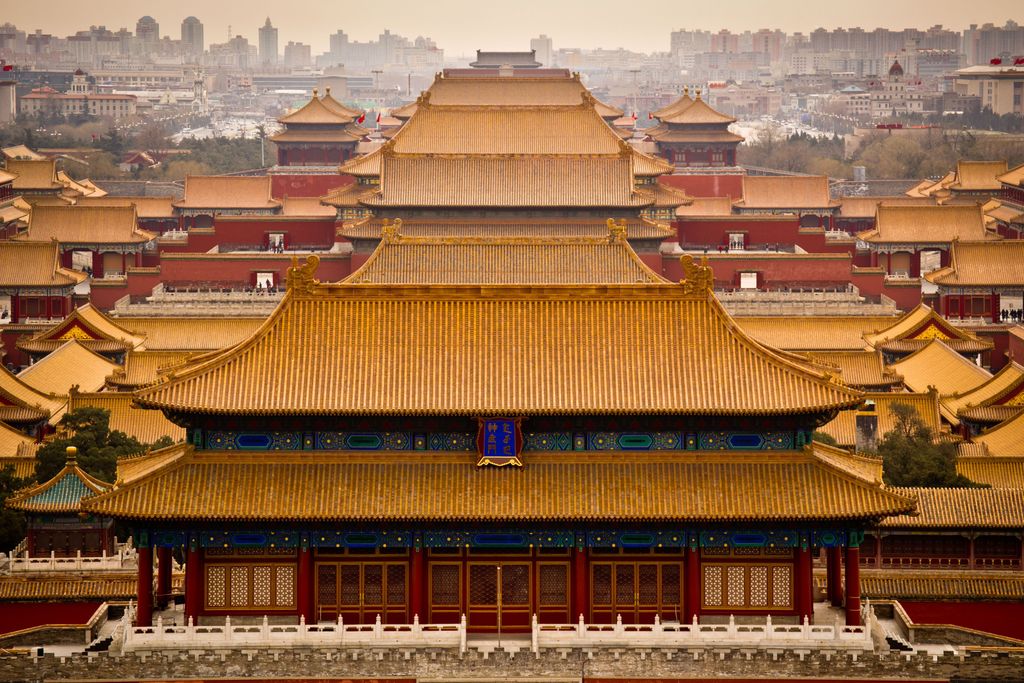
14. **UNESCO World Heritage: Preserving Natural and Cultural Wonders**China’s deep reverence for its heritage, both natural and cultural, is perhaps best exemplified by its impressive collection of UNESCO World Heritage Sites. With 60 sites, China holds the second-highest number of any country globally, a remarkable testament to the unparalleled richness of its landscapes, profound historical achievements, and vibrant living traditions. Each of these sites is a recognized treasure, a jewel in the crown of global heritage, and collectively they underscore China’s profound capacity for preserving wonders, both ancient and ecologically significant.
These sites encompass a breathtaking diversity, showcasing the full spectrum of China’s unique character. From sacred mountains and intricate cave complexes to the majestic Forbidden City and vast natural reserves like the Karst landscapes of Southern China, each designation highlights an area of outstanding universal value. The criteria for these listings often include geological significance, exceptional natural beauty, and the presence of significant habitats for biodiversity and endangered species, directly linking them to the theme of preserving unique, undisturbed environments.
The comprehensive commitment to safeguarding these World Heritage Sites ensures that these natural and cultural marvels are protected from degradation, allowing their intrinsic value to be maintained for generations to come. This ethos of preservation, applied across a staggering number of sites and regions, reinforces the idea that China is a land where ancient echoes resonate strongly, and where ‘prehistoric paradises’ are not just a possibility, but a tangible reality being consciously protected through national and international efforts.
And so, our extraordinary expedition through the heart of China culminates not with an end, but with a profound understanding. From the life-giving flow of its mighty rivers, whose ancient currents shaped civilization, to the soaring heights of its imperial innovations that influenced the world, and from the verdant depths of its ancient forests that teem with life, to its unwavering commitment to conservation and environmental stewardship, China is a land where the past breathes alongside the present. The recent discovery of a thriving prehistoric paradise within a sinkhole is not an isolated miracle, but a thrilling manifestation of this deep-seated reality – a testament to China’s inherent capacity to guard untold wonders, hidden in plain sight. It reminds us that even in our modern age, the Earth still holds its secrets, waiting for the intrepid spirit of discovery to unveil them, and in China, these revelations continue to emerge, inspiring awe and forever beckoning us deeper into its magnificent, untamed heart.


