The rock music world recently marked the passing of Chris Dreja, a pivotal figure in the history of influential English rock band The Yardbirds. A co-founder of the group and a co-writer on many of its memorable songs, Dreja died at the age of 79, a loss that resonated deeply within the music community and was confirmed by both his sister-in-law, Muriel Levy, and former bandmate Jimmy Page. His legacy extends far beyond his musical contributions, encompassing a significant career as a photographer and an enduring influence on generations of musicians.
Jimmy Page, who shared the stage with Dreja in The Yardbirds, conveyed his sadness on Instagram, stating, “I heard today of the passing of musician Chris Dreja, who passionately played with the iconic Yardbirds, on rhythm guitar and then the bass.” Page added, “I hadn’t seen him in a while, and I wish I had. RIP Chris.” These sentiments reflect the profound impact Dreja had on his peers and the music landscape, highlighting the respect and affection he garnered throughout his long and varied career.
Muriel Levy further elaborated on Threads, sharing her deep sadness and noting that her “brother-in-law Chris Dreja, former member of legendary band the Yardbirds, rhythm guitarist and also bass player has passed away after years of health problems.” She shared the pain with her sister Kate, who cared for him, and his daughter Jackie. This article delves into the remarkable life and career of Chris Dreja, chronicling his instrumental role in shaping one of rock’s most innovative bands and his multifaceted journey through music and photography, exploring the first half of his indelible mark on popular culture.
1. Early Life and Musical Beginnings
Christopher Walenty Dreja was born on November 11, 1945, in Surrey, England, to Polish immigrant parents, and was raised in Kingston upon Thames. From an early age, Dreja displayed a strong inclination towards music, a passion that would eventually define a significant portion of his life and career. This early gravitation towards musical expression laid the groundwork for his future contributions to the nascent British rock scene, setting him on a path of creative pursuit.
His entry into the world of professional music was serendipitous, facilitated through a family connection. His brother attended a pre-college art program alongside Anthony “Top” Topham, who would become the original lead guitarist of The Yardbirds. This connection proved crucial, bringing Dreja and Topham together in a collaborative musical effort soon after their initial meeting, forging a bond that was both personal and artistic.
These two musicians quickly found common ground, sharing an inspiration drawn from influential artists such as Chuck Berry, Hubert Sumlin, and Duane Eddy. These formative influences helped shape their musical direction and style, underpinning their early creative endeavors. Their shared passion and collaborative spirit were the catalysts for their decision to take the stage and embark on a musical journey that would soon lead to the formation of a legendary band.
Read more about: America Unveiled: A Deep Dive into the United States’ Enduring Story, Landscapes, and Institutions
2. Formation of The Yardbirds (Metropolitan Blues Quartet)
In 1963, still in their teenage years, Chris Dreja and Anthony “Top” Topham formally joined forces with other budding talents from the burgeoning London music scene. This initial lineup included singer Keith Relf, bassist Paul Samwell-Smith, and drummer Jim McCarty, marking the official inception of what was then known as the Metropolitan Blues Quartet. This collective of young musicians harbored ambitions to make their mark in the vibrant blues and rock landscape, pooling their diverse talents.
The Metropolitan Blues Quartet quickly recognized the need for a more distinctive and memorable identity as they began to establish themselves within the competitive club circuit. Consequently, the group made the strategic decision to rename themselves The Yardbirds. This new moniker would soon become synonymous with innovation, laying the groundwork for a band that would profoundly influence rock music for decades to come through its experimental sound.
Dreja, McCarty, and Relf would notably remain with the original group throughout its entire lifespan, from its formation in 1963 until its eventual split in July 1968. Their continuous presence underscored a foundational stability within the band’s core, even as other key members, particularly the lead guitarists, would rotate through its ranks during its highly dynamic early years, showcasing their enduring commitment.
3. Eric Clapton’s Tenure and Early Success
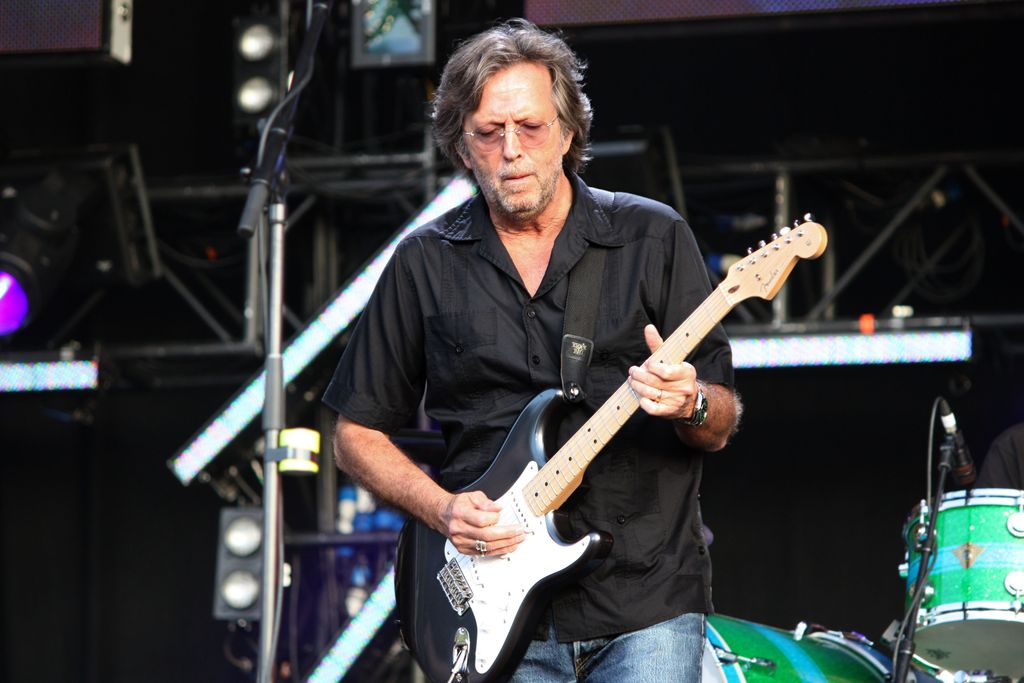
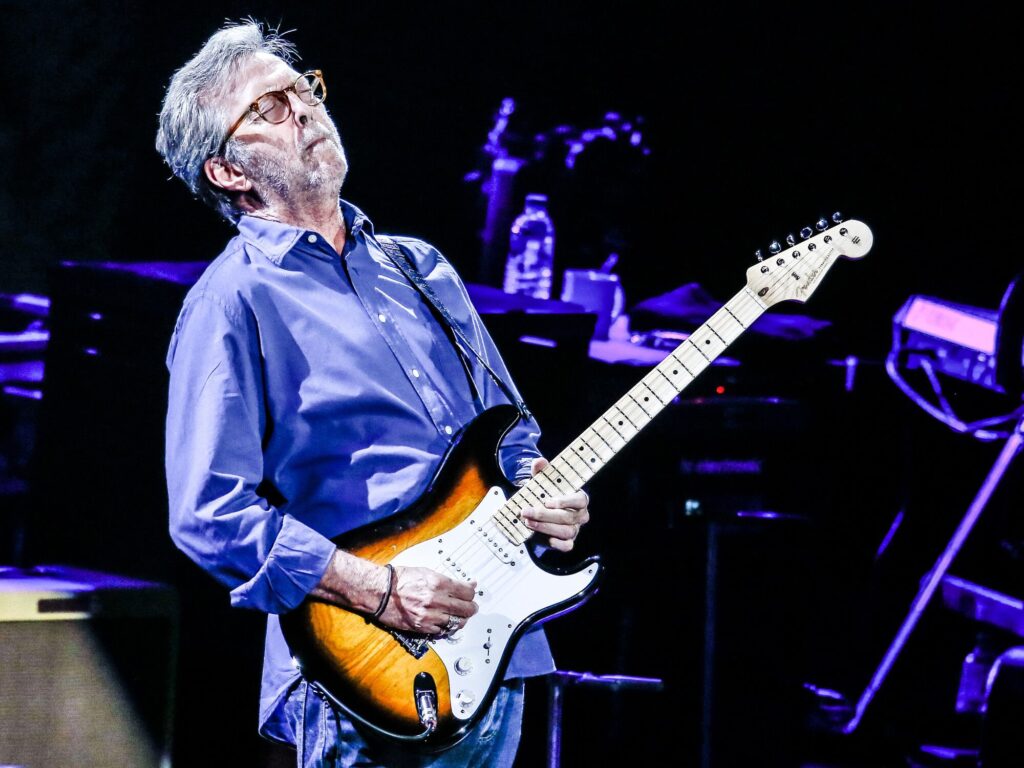
The Yardbirds experienced an early lineup change when Anthony “Top” Topham departed the group not long after its formation. This departure, occurring just weeks into their journey, opened the door for a guitarist who would soon become one of rock’s most celebrated figures: Eric Clapton. Clapton’s arrival injected a fiery new energy into the band, significantly boosting their reputation on the London club circuit with his distinctive playing.
With Clapton’s profound contributions, The Yardbirds quickly rose to prominence, solidifying their presence within London’s competitive music scene. In late 1963, they achieved a significant milestone by taking over the coveted residency at London’s legendary Crawdaddy Club, a spot previously held by none other than the Rolling Stones. This move underscored their growing influence and burgeoning popularity among music enthusiasts, signaling their ascendancy.
The band’s dynamic live performances during this early blues-rock period were immortalized on their 1964 album, “Five Live Yardbirds.” Recorded at London’s Marquee Club and released via Columbia Records, this album captured the raw energy and vibrant sound that characterized their sets. It provided a crucial snapshot of The Yardbirds in their formative years, showcasing their prowess as a live act and their deep roots in the blues tradition.
Read more about: Will Jennings, Maestro of Melodies: A Life Etched in Song, From Texas Classrooms to Global Stages
4. Clapton’s Departure and Jeff Beck’s Arrival
The Yardbirds’ initial foray into commercial success also brought about a significant turning point in their lineup. With their first hit single, “For Your Love,” the band began to shift towards a more pop-oriented direction, a creative pivot that ultimately led to Eric Clapton’s disenchantment. His passion lay firmly in bluesier material, prompting his departure to play with John Mayall’s Bluesbreakers, leaving a considerable void in the band’s lead guitar slot.
In their search for a replacement, The Yardbirds initially approached Jimmy Page, who at the time was enjoying a highly lucrative career as a session musician. However, Page declined the offer, demonstrating his commitment to his established and financially rewarding session work. Instead, he recommended his longtime friend, Jeff Beck, recognizing Beck’s exceptional talent and suitability for the role of lead guitarist.
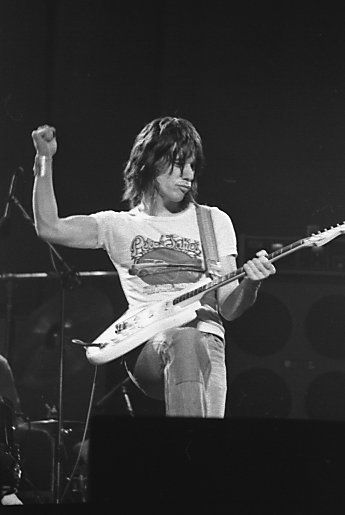
Beck’s subsequent arrival marked the beginning of what would become the group’s most commercially successful and artistically innovative era. His distinctive and experimental playing style seamlessly integrated with The Yardbirds’ evolving sound, propelling them into new sonic territories. The transition from Clapton to Beck signaled a new chapter, promising fresh creative avenues and a refined musical identity for the band that would define their next phase.
5. Commercial Zenith with Jeff Beck
With Jeff Beck firmly established as their lead guitarist, The Yardbirds entered a period of remarkable commercial and artistic ascendancy. Beck’s innovative playing style became a hallmark of the band’s sound, providing a powerful embellishment to their increasingly experimental musical direction. This era is widely recognized for its peak achievements in terms of both popular appeal and creative exploration, yielding some of their most iconic work.
This commercially successful period saw the release of several iconic singles that solidified The Yardbirds’ place in rock history. Tracks such as “Heart Full of Soul,” “Shapes of Things,” “Evil Hearted You,” “Still I’m Sad,” and a memorable cover of Bo Diddley’s “I’m a Man” showcased their evolving sound. “Shapes of Things” was particularly notable, later dubbed the “first psychedelic rock classic” and contributing significantly to the emerging psychedelic rock genre with its innovative use of feedback and distortion.
The artistic output of this era also included the critically acclaimed 1966 self-titled album, often referred to as “Roger the Engineer” due to its Chris Dreja-illustrated cover. This album, along with “Having a Rave Up with the Yardbirds,” earned a spot on Rolling Stone’s list of the 500 Greatest Albums of All Time, underscoring the profound impact of Beck’s contributions and the band’s collective creativity during these influential years.
Read more about: America’s Unfolding Story: Some Defining Moments That Forged a Global Power and Shaped a Nation
6. Samwell-Smith’s Departure and Jimmy Page’s Initial Role
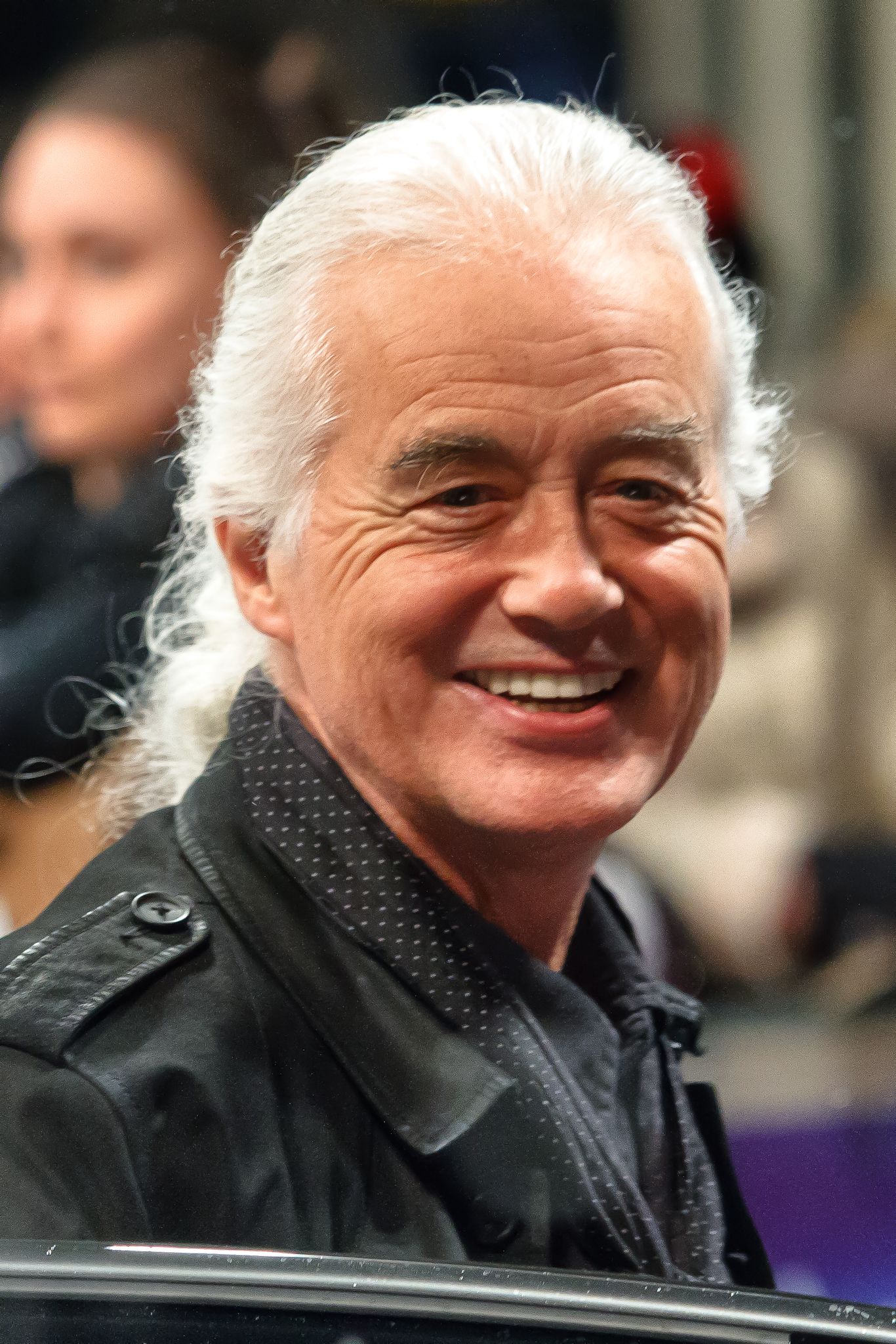
Mid-1966 brought another significant shift in The Yardbirds’ lineup with the departure of bassist Paul Samwell-Smith. This created an immediate need for a new instrumentalist, leading once again to Jimmy Page being approached by the band. This time, Page accepted the invitation, initially joining the group on bass, marking his official entry into The Yardbirds and another pivotal moment in the band’s history.
Page’s arrival necessitated a rearrangement of the band’s instrumental roles to accommodate the new member. Chris Dreja, who had been the band’s rhythm guitarist since its inception, made a crucial transition, switching instruments to take over the bass duties. This move showcased Dreja’s versatility and commitment to the band’s continued evolution, ensuring a seamless integration of Page into the lineup and maintaining the group’s musical coherence.
The period immediately following these changes was dynamic, featuring a short-lived but highly impactful configuration of the band. With Page initially on bass and Beck on lead guitar, the stage was set for further musical experimentation and creative development. Dreja’s adaptability in switching to bass was vital in allowing this new and exciting lineup to take shape, enabling the band to continue its trailblazing trajectory.
7. The Legendary Beck and Page ‘Dueling Guitars’ Lineup
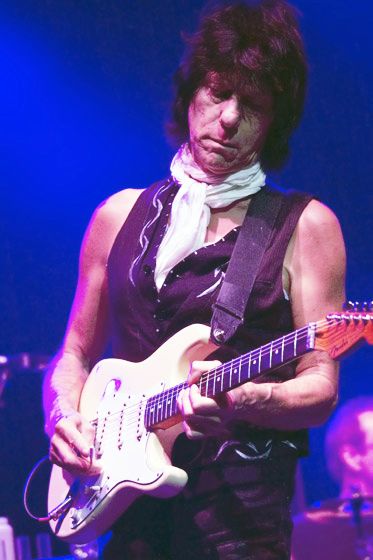
Following Chris Dreja’s transition to bass, a truly legendary, albeit brief, lineup of The Yardbirds emerged, featuring Jeff Beck and Jimmy Page on dueling lead guitars. This configuration of two of rock’s most innovative guitarists playing side-by-side created a potent and electrifying sound that captivated audiences and influenced countless musicians. Their collaboration marked a unique moment in rock history, brimming with creative energy and technical prowess.
This iconic lineup’s output is notably documented on a limited number of recordings, making their collaborations all the more revered and historically significant. Among these are three crucial songs, most notably the innovative single “Happenings Ten Years Time Ago.” Their combined talents also produced a distinctive version of “Stroll On,” a reworking of “Train Kept A-Rollin’,” which was prominently featured in Michelangelo Antonioni’s critically acclaimed film *Blow-Up*.
The band’s appearance in *Blow-Up* provided a lasting visual record of this exceptional lineup. The film includes a memorable scene where the Beck-Page Yardbirds mime to “Stroll On” at a rock club, culminating in Jeff Beck smashing his guitar. This scene, which proved prescient of Beck’s eventual exit, not only captured their raw energy but also showcased their distinctive stage presence, solidifying their iconic status in both music and cinematic history.
8. Dreja on Bass: The ‘Little Games’ Era and Evolving Sound
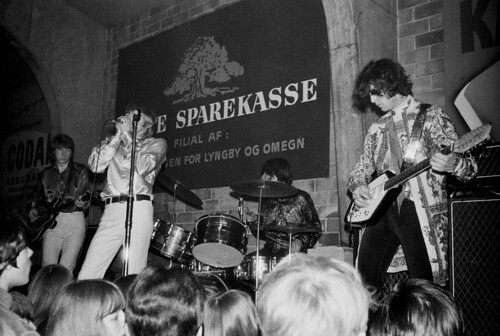
Following the departure of Jeff Beck in 1966, The Yardbirds found themselves at another crucial juncture in their dynamic history. With Jimmy Page transitioning to the role of sole lead guitarist, Chris Dreja, who had already demonstrated his adaptability by moving to bass, became a permanent fixture in the rhythm section. This solidified a new lineup that continued to push the boundaries of rock music, even as the psychedelic movement began to unfold around them.
This configuration of the band, featuring Page and Dreja on bass, went on to record ‘Little Games,’ an album released in 1967. Despite the band’s extensive touring in the U.S. during this period, an era vibrant with the burgeoning psychedelic scene, ‘Little Games’ did not achieve significant commercial success on either side of the Atlantic. It proved to be a somewhat disappointing album in terms of critical and popular reception, marking a departure from their earlier commercial peaks.
While the album itself might not have been a smash hit, its production still offered glimpses into the band’s innovative spirit. The influence of the psychedelic movement was evident in the band’s evolving wardrobe and stage presence during their extensive American tours. Although this influence didn’t fully permeate their sound on ‘Little Games’ as much as some might have expected, tracks like ‘Glimpses’ and Jimmy Page’s ‘Think About It’ did hint at the band’s continued exploration of new sonic textures.
Chris Dreja’s steady presence on bass during this period was vital, providing a consistent anchor as the band navigated shifting musical landscapes. His ability to seamlessly switch instruments, first from rhythm guitar to bass, showcased a deep commitment to the band’s artistic direction. This adaptability was a testament to his dedication and ensured the group could continue performing and recording, even as their lineup continued its famous rotations.

9. The Yardbirds’ Disbandment and Final Shows
The relentless touring and the challenges of maintaining creative momentum eventually took their toll on The Yardbirds. Despite their groundbreaking influence and a string of hit singles, the group found themselves increasingly dispirited by mid-1968. This internal weariness ultimately led to the decision to disband, marking the end of an era for one of rock’s most innovative and influential bands.
Chris Dreja, alongside Keith Relf and Jim McCarty, remained a constant through the band’s entire original lifespan, from its formation in 1963 until its official split in July 1968. Their enduring presence provided a foundational stability that allowed the band to evolve through numerous lineup changes and musical explorations. However, even their steadfast commitment couldn’t overcome the collective exhaustion and artistic frustrations that had accumulated over years of intense work.
The final chapter for the original Yardbirds concluded with a series of performances in the United States. These shows served as a poignant farewell, bringing to a close a period of immense creativity and pioneering sound. Interestingly, despite the decision to disband, the group had already committed to a Scandinavian tour for the upcoming fall, a commitment that would ultimately be honored by a new iteration of musicians.
This disbandment was a significant moment in rock history, as it not only concluded The Yardbirds’ run but also set the stage for one of rock’s most legendary new beginnings. The legacy they forged, though ending in 1968, would continue to ripple through the music world, influencing countless artists and genres for decades to come.
Read more about: Beyond the Legends: 14 Iconic ’60s Music Groups Who Burned Bright and Faded Fast

10. The Road Not Taken: Declining Led Zeppelin
As The Yardbirds concluded their final shows in the U.S. and officially disbanded, a new chapter was poised to begin for Jimmy Page, one that would redefine rock music. Page, faced with a booked Scandinavian tour under The Yardbirds’ name, decided to form a new group. He extended an invitation to Chris Dreja to continue playing together, offering him a role in what would eventually become one of the biggest bands in history: Led Zeppelin.
However, Dreja made a deeply personal and career-altering decision: he declined Page’s offer. At the time, Dreja was already nurturing a profound interest in photography, a passion that had been developing since his art school days. He viewed this as an opportunity to take control of his own life and pursue a creative path distinct from the demanding world of a touring rock musician. His decision allowed Page to recruit new members — bassist-keyboardist John Paul Jones, singer Robert Plant, and drummer John Bonham — who would go on to form The New Yardbirds before famously renaming themselves Led Zeppelin.
Reflecting on this pivotal moment years later, Dreja expressed no regrets about his choice, despite Led Zeppelin’s monumental success. In an interview with Classic Rock Radio, he candidly stated, “At art school I had got involved with photography. I obviously had no idea that Led Zeppelin was going to be as huge as it was. I had made the decision that I was going to be in control of my own life when I woke up in the morning… I could see it was going to be a solid outfit, but by that time I must be honest the love I had for music had transferred itself to photography. I don’t regret it. The next 32 years were spent organizing my own life.”
This statement underscores Dreja’s conviction and clarity of purpose. He prioritized personal autonomy and a burgeoning artistic passion over the potential superstardom that awaited with Led Zeppelin. His choice allowed him to forge a successful career in another creative field, proving that his artistic talents extended far beyond the realm of music.

11. A New Calling: A Successful Career in Photography
Having made the pivotal decision to step away from full-time musicianship, Chris Dreja embarked on a highly successful career as a professional photographer. This wasn’t merely a hobby; it was a deeply ingrained passion that had captivated him since his art school days. His shift from rhythm guitarist and bassist to visual artist allowed him to explore a different facet of his creative sensibilities, capturing moments and personalities through a lens.
Dreja quickly established himself as a respected photographer, often capturing the very world he had just left. Over the years, his portfolio grew to include an impressive array of iconic subjects, spanning across music, art, and culture. He photographed legendary artists such as Andy Warhol, the prolific pop artist; folk icon Bob Dylan; the soulful duo The Righteous Brothers; and the electrifying Ike and Tina Turner, among many others, documenting a vibrant era of cultural change.
One of his most notable photographic contributions came in a rather ironic twist of fate. Having declined to join Led Zeppelin, Dreja was still closely connected to his former bandmate Jimmy Page and the new supergroup. He was responsible for shooting the band photo that graced the back cover of Led Zeppelin’s game-changing 1969 debut album, an enduring visual testament to his talent and connection to rock history.
In his own words, Dreja articulated the depth of his satisfaction with this career path. He told Classic Bands, “I personally have done the two things I love the most, which was both music and photography. I have no regrets, I must be honest. The passion, the love for the art form did provide me with a living and that’s all you need really.” His dedication to photography during his years on tour with The Yardbirds had already yielded many striking photos of 1960s-era America, foreshadowing the successful career he would cultivate.
Read more about: Prepare to Be Shocked: 15 Celebs Whose Plastic Surgery Went Seriously Wrong
12. Return to Music: Box of Frogs and The Yardbirds Revival
While Chris Dreja found immense satisfaction in his photography career, his connection to music, particularly The Yardbirds, remained an integral part of his identity. After decades immersed in the visual arts, the allure of the stage eventually called him back. This led to his return to music in the 1980s, rejoining forces with former bandmates for new projects and eventually leading a significant revival of The Yardbirds.
His initial return to music came through the formation of Box of Frogs in the early 1980s. This supergroup featured Dreja alongside other original Yardbirds members, Jim McCarty and Paul Samwell-Smith, rekindling their collaborative spirit. Fronted by vocalist John Fiddler, the quartet released their eponymous debut album in 1984, which notably scored an FM radio hit in the U.S. with the track “Back Where I Started,” featuring none other than Jeff Beck on guitar, adding a layer of historical significance to their reunion.
The 1990s witnessed an even more significant musical comeback for Dreja, as he spearheaded a revival of The Yardbirds itself. While the superstar guitarists Eric Clapton, Jeff Beck, and Jimmy Page, along with the late Keith Relf (who passed away in 1976), were not part of this iteration, the revitalized band aimed to honor their legacy and introduce their influential sound to new generations. This period was a testament to the enduring power and influence of The Yardbirds’ musical heritage.
This revived incarnation of The Yardbirds, with Dreja at its core, continued to perform and record. In 2002, they released the album ‘Birdland,’ which further showcased their continued musical vitality. The album featured an impressive roster of guest appearances from contemporary rock legends, including Queen’s Brian May and Guns N’ Roses’ Slash, highlighting the respect and admiration The Yardbirds continued to command within the music industry.
13. Rock & Roll Hall of Fame Induction: Acknowledging Influence
The enduring impact and pioneering spirit of The Yardbirds received significant institutional recognition in 1992 when the band was formally inducted into the Rock & Roll Hall of Fame. This prestigious honor acknowledged their profound influence on generations of artists and their instrumental role in shaping diverse genres, cementing their place among music’s most revered figures. Chris Dreja, as a co-founder and constant member of the original lineup, was a key figure in this momentous induction.
The Rock & Roll Hall of Fame specifically highlighted The Yardbirds’ innovative contributions to music, stating, “Short-lived but highly influential, 1992 Inductees, the Yardbirds’ innovations in feedback and distortion shaped such diverse genres as psychedelic rock, progressive rock, and punk.” This tribute perfectly encapsulates the band’s forward-thinking approach and their willingness to experiment with sound, which laid groundwork for future musical movements.
Dreja’s integral role as initially the band’s rhythm guitarist and later its bassist was crucial to these innovations. His consistent presence throughout the band’s various evolutionary phases ensured a continuity of its core sound and creative vision. The induction was not just a recognition of the guitar heroes who passed through their ranks, but a celebration of the collective artistry, with Dreja being a vital component.
Following news of Dreja’s passing, the Rock Hall paid further tribute, posting a throwback video of The Yardbirds’ acceptance speech. This act underscored the lasting esteem in which the institution held the band and Dreja’s contributions. The induction firmly cemented his legacy, not just as a musician but as a pivotal architect of rock and roll’s foundational sounds.

14. Health Challenges, Retirement, and Lasting Legacy
Despite his lifelong dedication to music and photography, Chris Dreja’s later years were marked by significant health challenges. In 2012 and 2013, he suffered a series of strokes, which ultimately necessitated his retirement from active music. In 2013, he officially departed the revived Yardbirds, with original lead guitarist Anthony “Top” Topham returning to replace him, bringing his active musical career to a close.
These health issues were a difficult period, and his sister-in-law, Muriel Levy, shared the depth of care provided by his sister Kate and daughter Jackie during these years. Muriel Levy stated, “This is with a deep sadness that I have to announce that my brother-in-law Chris Dreja, former member of legendary band the Yardbirds, rhythm guitarist and also bass player has passed away after years of health problems… I share the pain with my sister Kate who took care of him during all those years and his daughter Jackie… May he RIP.”
Yet, even in retirement, Dreja maintained a sense of profound contentment regarding his life and career. In an interview with Classic Bands, he reflected, “I personally have done the two things I love the most, which was both music and photography. I have no regrets, I must be honest. The passion, the love for the art form did provide me with a living and that’s all you need really.” This sentiment perfectly encapsulates a life well-lived, driven by genuine artistic passion.
Chris Dreja’s passing at the age of 79 leaves a significant void in the rock music world. His journey, from co-founding The Yardbirds and contributing to their groundbreaking sound, to forging a successful career as a photographer, and later returning to music, embodies a multifaceted artistic spirit. While The Yardbirds may not have achieved the commercial magnitude of some contemporaries, their immense influence on rock music, acknowledged by the Rock and Roll Hall of Fame, ensures that Dreja’s legacy will continue to resonate through countless artists and genres his music helped inspire, echoing through time.
Read more about: The 1 Rule That All Hollywood Agents Must Follow When Negotiating a Contract
Chris Dreja’s story is a compelling testament to the power of artistic versatility and personal conviction. He was not merely a musician in one of rock’s most influential bands; he was a co-architect of a sound that defined an era and a visionary who carved out a parallel career in photography. His decision to follow his passion, even when it meant declining an offer from a band that would become Led Zeppelin, speaks volumes about his character and his unwavering pursuit of what truly moved him. His memory will undoubtedly continue to inspire those who dare to forge their own path, leaving an indelible mark on both the sonic and visual landscapes of our cultural history.