In the sprawling, intricate tapestry of filmmaking, there’s a fundamental truth that often escapes the casual moviegoer: movies are almost never shot in chronological order. This isn’t some esoteric secret, but rather a widely accepted industry standard, a pragmatic ballet of logistics, finance, and scheduling that dictates the very rhythm of a production. From the outside, it might seem counterintuitive—how can a coherent narrative be pieced together from scenes filmed wildly out of sequence? Yet, this nonlinear approach is the bedrock upon which Hollywood’s efficiency is built, a testament to the complex problem-solving inherent in bringing stories to the silver screen.
Understanding the basics of nonlinear filming reveals a landscape primarily shaped by practicalities rather than artistic whim. Imagine a film requiring ten scenes at a specific beach house on the Jersey shore; from a cost-effectiveness standpoint, it’s simply not feasible to rent that location ten separate times as the story progresses. Instead, all ten scenes, regardless of their placement in the final narrative, would be grouped and shot together. This principle extends to everything from location rental costs, like blocking all ornate hotel scenes in one go as exemplified by *The Lord of the Rings* trilogy’s simultaneous, location-based shooting across all three films, to managing the impossibly tight schedules of A-list actors. Key players in *Harry Potter and the Sorcerer’s Stone* or the massive ensemble of *Avengers: Endgame* had their scenes condensed and captured out of sequence to accommodate their myriad commitments.
Beyond budget and availability, factors like unpredictable weather, intricate makeup and costume transformations—think Tom Hanks’ dramatic weight loss hiatus for *Cast Away*—and the demands of post-production also dictate a nonlinear schedule. Editors can begin working on CGI-heavy sequences for films like *Star Wars: Episode III – Revenge of the Sith* while other scenes are still being filmed, streamlining the entire pipeline. However, amidst this backdrop of calculated efficiency, a handful of visionary directors have dared to defy the norm, opting for the logistical nightmare of a chronological shoot. Their reasons are almost always rooted in a profound artistic conviction, a belief that true emotional resonance and unparalleled performances can only be achieved when actors and story unfold in real time. These are the mavericks, the artists who prioritized authenticity over convenience, crafting iconic films that perhaps would not be the same if not for their audacious choices.
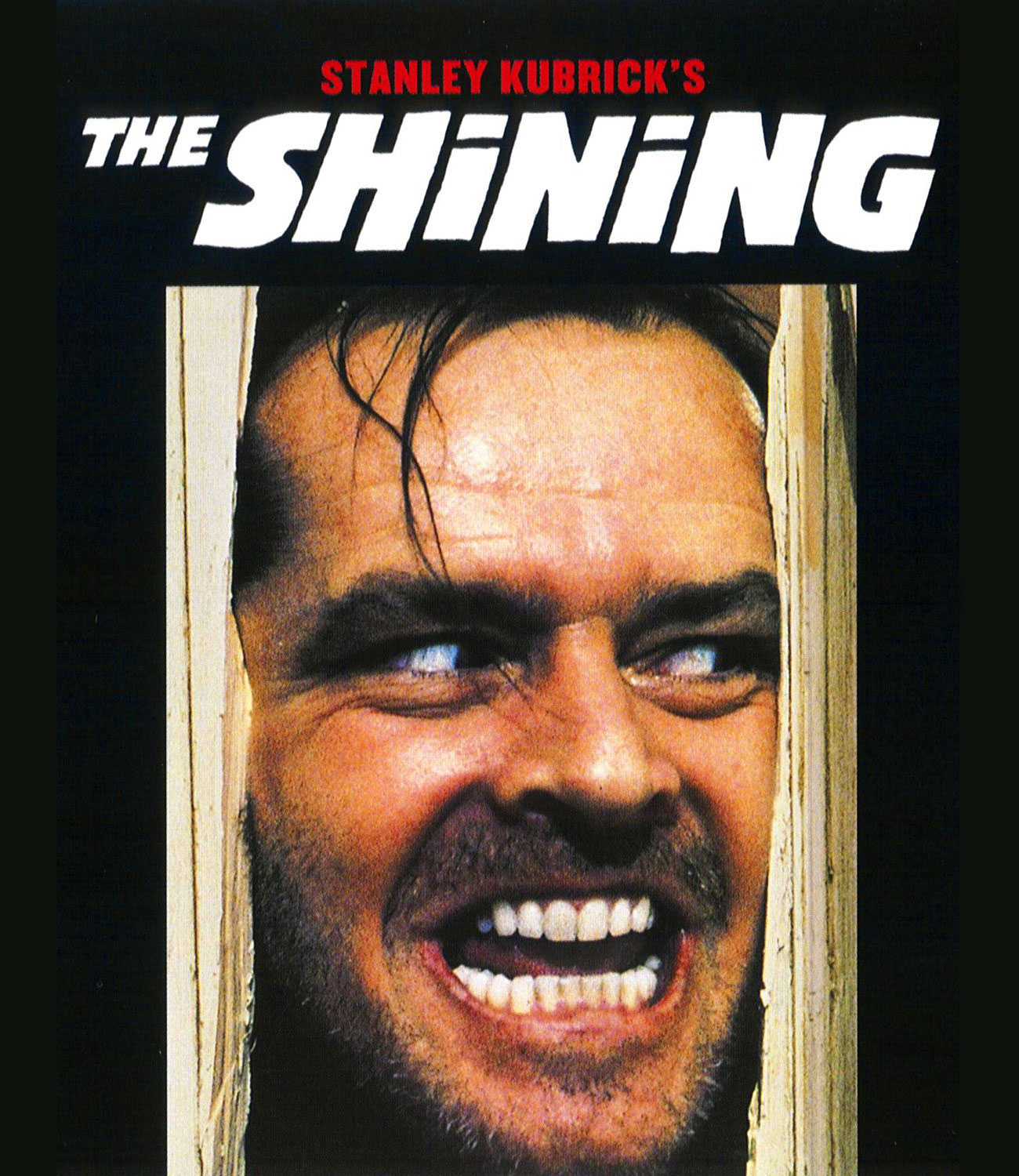
1. **The Shining**There are few directors in cinematic history as famously meticulous and relentlessly perfectionistic as Stanley Kubrick. His pursuit of detail and an uncompromising vision often translated into gruelling, extended productions, and *The Shining* stands as a chilling testament to his methods. Kubrick consciously chose to film this horror masterpiece in chronological order, driven by a desire to allow the narrative to organically evolve and to afford himself the flexibility to make changes and refinements as the shoot progressed.
This deliberate, sequential approach had a profound and often devastating impact on the cast, particularly Shelley Duvall. Accounts from the set describe a director so compulsive about everything that he pushed his lead actress to the brink. Her portrayal of a fragile, broken woman by the film’s conclusion wasn’t merely acting; it was, in many ways, a raw reflection of her actual state after a harrowing 250-day shoot that had originally been slated for just 100. Kubrick’s dedication to chronological filming, coupled with his demanding techniques, ensured a performance steeped in genuine distress, contributing immeasurably to the film’s enduring psychological terror.
Read more about: Bye, Bye Tinseltown: 13 Famous Faces Who Traded Hollywood’s Glitz for a Totally Different Life
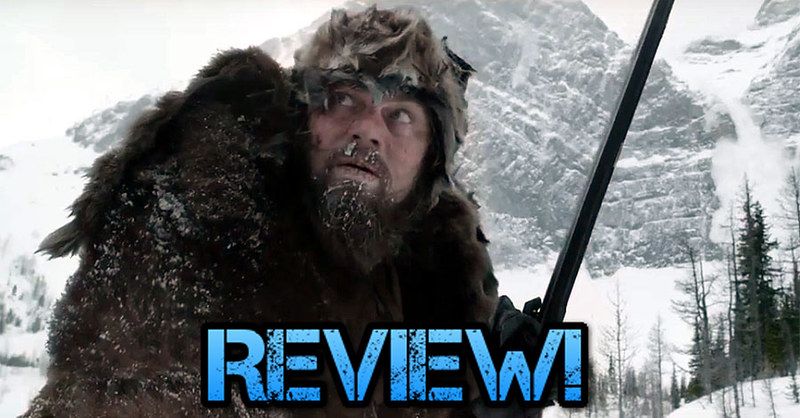
2. **The Revenant**Alejandro G. Iñárritu’s *The Revenant* is synonymous with an arduous production, a brutal odyssey through unforgiving landscapes that captivated audiences and finally earned Leonardo DiCaprio his long-awaited Best Actor Oscar. Much has been said about the extreme weather conditions and environmental challenges faced by the crew, but adding another layer of formidable difficulty was Iñárritu’s insistence on shooting the entire film in chronological order.
For Iñárritu, this decision was deeply rooted in an artistic conviction: he wanted the story to grow and evolve organically, believing that both the actors’ performances and the narrative itself would benefit from a sequential unfolding. By forcing the cast and crew through Hugh Glass’s ordeal in the order it occurred, the emotional and physical toll became palpable, infusing the film with a visceral authenticity that likely would have been unattainable otherwise. This commitment to chronological storytelling, despite the immense logistical hurdles, ultimately paid off in a film celebrated for its immersive intensity and raw human drama, earning Iñárritu his second consecutive Best Director Oscar.
Read more about: Beyond the Limelight: 12 Global Icons Who Defined the Peak of Their Acting Careers and Remain Unforgettable
3. **American Graffiti**Long before he transported audiences to a galaxy far, far away, George Lucas captivated them with *American Graffiti*, a poignant coming-of-age drama that unfolds over a single, transformative night. This film, which effectively put Lucas on the map, presented a unique opportunity for a chronological shoot, a choice made by the director to subtly enhance the performances and the film’s overarching mood.
Lucas opted for this sequential filming strategy so that his young cast, undoubtedly tired from the gruelling production schedule that mirrored the long night depicted, would genuinely *look* more fatigued as the story wore on. This subtle yet effective method allowed the natural weariness of the actors to seamlessly blend with their characters’ dwindling energy, adding an authentic layer to their late-night adventures. It was a clever use of the production process to serve the narrative, capturing the essence of youthful exhaustion and the fading magic of a single, memorable evening.
Read more about: Harrison Ford: a Legend’s Enduring Passions, Late Career Resurgence, and Future Flight Path
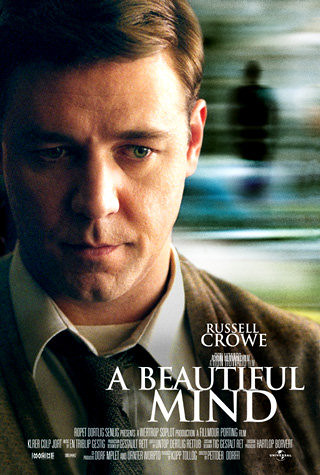
4. **A Beautiful Mind**Following his experience working with George Lucas on *American Graffiti*, director Ron Howard adopted a similar chronological filming strategy for his Oscar-winning drama, *A Beautiful Mind*. This decision was primarily driven by the nuanced and challenging character arc of John Nash, a brilliant mathematician whose life is increasingly consumed by schizophrenia. Howard needed to allow his lead actor, Russell Crowe, the space to depict this complex progression organically.
By shooting the film in order, Crowe was given the invaluable opportunity to inhabit Nash’s evolving mental state, from his early days of intellectual brilliance to his gradual descent into erratic behaviour and the profound challenges of his illness. This sequential unfolding enabled Crowe to meticulously chart the character’s psychological deterioration, ensuring that each stage of Nash’s journey felt earned and authentic. The strategy undeniably paid off, as *A Beautiful Mind* garnered four Academy Awards, including Best Director for Howard, a powerful validation of the artistic merits of this unconventional approach to storytelling and performance.” , “_words_section1”: “1960
Continuing our deep dive into the compelling world of chronological filmmaking, we now turn our attention to another seven remarkable instances where directors bravely veered from convention. These are the films where the unfolding of the story in real-time, both on screen and behind the scenes, became an intrinsic part of their artistic fabric, unlocking unparalleled emotional depth, character transformations, and narrative intensity that might have been impossible to achieve through traditional methods.
Read more about: Prepare for Tears: 14 Movie Character Deaths That Absolutely Crushed Our Souls, From Iconic Sacrifices to Unforgettable Goodbyes
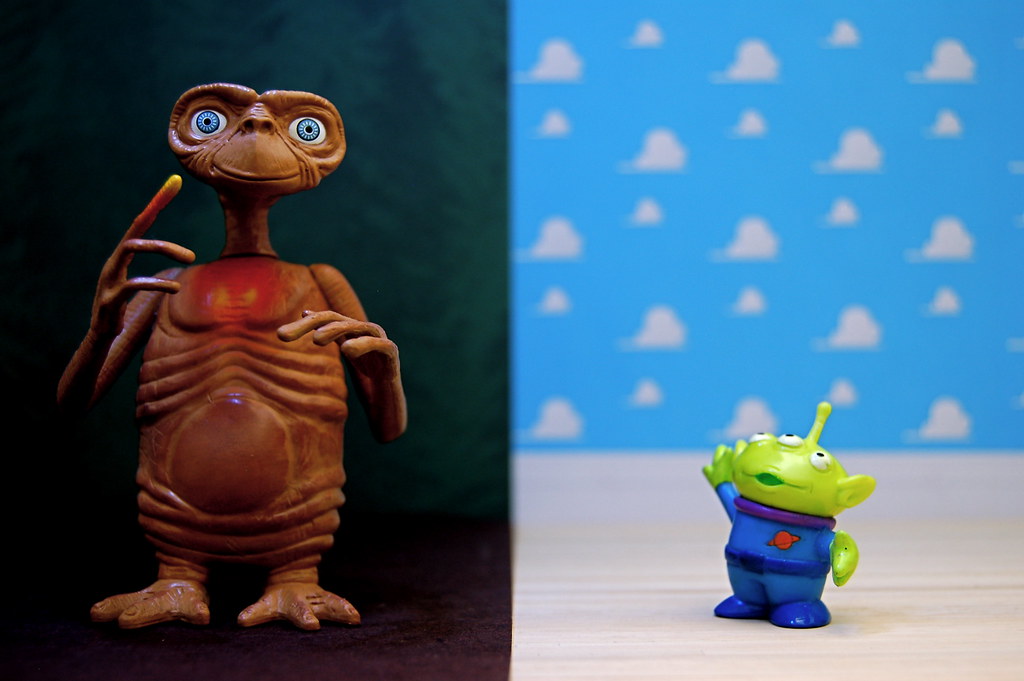
5. **E.T. the Extra-Terrestrial**Steven Spielberg, a director synonymous with crafting indelible childhood memories, masterfully leveraged chronological filming to extract raw, unforgettable emotion from his young cast in *E.T. the Extra-Terrestrial*. The film’s poignant climax, where the beloved alien friend prepares to depart, hinged entirely on the genuine feelings of loss and sadness from Henry Thomas and Drew Barrymore. Spielberg understood that true heartbreak couldn’t be faked, particularly with child actors.
His strategic decision to film E.T.’s farewell scene on the absolute last day of production was a stroke of what some might call ‘evil genius.’ The young performers, having spent months immersed in their roles and forging real-life bonds with the crew, were not merely acting. They were legitimately experiencing the imminent separation from their on-set family, mirroring the profound goodbye their characters were enacting. This created a powerful confluence of narrative and reality.
The tears and raw emotion witnessed on screen during E.T.’s departure were not manufactured; they were a direct, authentic outpouring of the children’s feelings about the movie ending and saying goodbye to everyone they had come to know. This deliberate approach ensured that the film’s emotional core remained utterly truthful, solidifying its status as a timeless classic and demonstrating Spielberg’s profound understanding of human psychology, especially that of his youngest collaborators.
Read more about: Totally Rad! The 8 Directors Who Ruled ’80s Action and Owned the Box Officeo their creation.
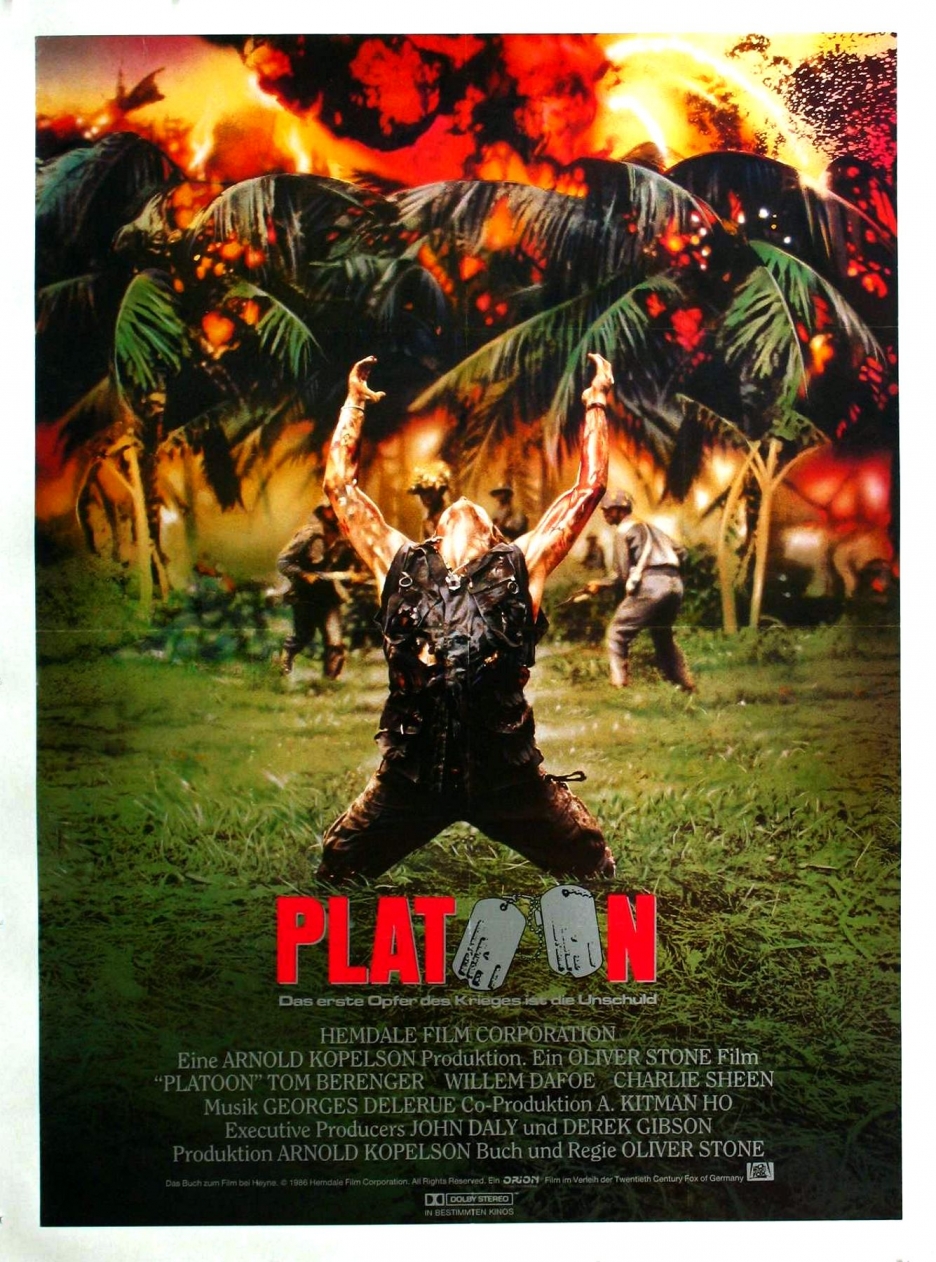
6. **Platoon**Oliver Stone’s *Platoon* is more than just a war film; it’s a raw, unflinching chronicle deeply rooted in Stone’s personal experiences as an Army combat infantryman in Vietnam. To convey the sheer, unadulterated chaos and brutality of the conflict—what he termed a ‘show’—Stone opted for a largely chronological shoot. This wasn’t merely a logistical choice but a profound artistic strategy aimed at extracting every ounce of genuine emotion from his cast.
Stone’s approach was designed to immerse the actors in the escalating horror of war, making their performances less about acting and more about visceral experience. A particularly impactful and rather brutal aspect of this production was the treatment of characters who died in battle: once an actor’s character was killed on screen, they were literally sent home, permanently leaving the set. This reinforced the finality and gravity of death, a stark reality for the remaining cast members.
The grueling filming process, which mirrored the arduous conditions of actual combat, culminated in Charlie Sheen’s euphoric helicopter scene at the film’s conclusion. His palpable relief and joy in that moment were entirely authentic, born from the knowledge that this scene signified his character’s, and indeed his own, long-awaited departure from the relentless intensity of the Philippines set. This commitment to chronological, immersive filmmaking imbued *Platoon* with an unparalleled realism, making its depiction of the Vietnam War both harrowing and deeply impactful.
Read more about: Totally Rad! The 8 Directors Who Ruled ’80s Action and Owned the Box Office
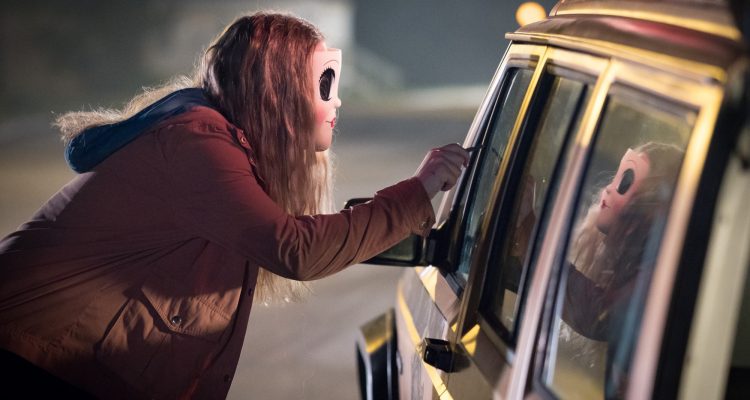
7. **The Strangers**Bryan Bertino’s chilling horror film *The Strangers* draws its unnerving premise from a real-life incident the director experienced as a child: mysterious individuals knocking on doors in his neighborhood, asking for people who didn’t live there, only to later break into homes. To amplify the psychological terror and dread, Bertino deliberately chose to shoot the film chronologically, allowing the mounting fear of the couple to progress organically.
This sequential approach was critical in meticulously charting the terrifying progression of the protagonists’ despair and fear. As the home invasion unfolds, the actors were able to authentically build their reactions, from initial confusion and unease to raw panic and desperation, in the exact order their characters would have experienced them. This ensured that every escalating moment of dread felt earned and visceral, rather than piecemeal.
By having the actors live through the nightmarish events in sequence, Bertino crafted an atmosphere of suffocating suspense that feels incredibly real. The chronological shoot allowed the performances to deepen in authenticity as the characters’ world unravels, trapping the audience alongside them in a palpable sense of encroaching terror. It’s a testament to how sequential filming can elevate a horror narrative, transforming it into a truly immersive and harrowing experience.
Read more about: The Perpetual Motion Machine: Why Hollywood Can’t Quit Its ‘It Boy’ Obsession and the Seven Faces Dominating Your Screens

8. **W**Oliver Stone returned to the chronological method for his biographical drama *W*, a film that presented a unique and demanding challenge, particularly for its lead actor, Josh Brolin. Tasked with portraying former President George W. Bush across different stages of his life, Brolin faced a physical transformation hurdle that Stone’s chosen filming order made all the more intense.
Brolin was required to lose weight to embody a younger, college-aged Bush, and then, within the remarkably tight 46-day shooting schedule, rapidly regain weight to depict a middle-aged Bush. This rapid physical alteration, compressed into such a short timeframe, highlights the sheer intensity demanded by chronological production, especially when tied to specific character arcs and appearances.
Filming chronologically meant there was no reprieve, no luxury of shooting all ‘young Bush’ scenes together and then all ‘older Bush’ scenes later. Brolin had to physically transform in lockstep with the narrative’s progression, a demanding regimen that undoubtedly contributed to the raw authenticity of his portrayal. It’s a powerful example of how chronological shooting can amplify the physical and mental demands on an actor, pushing them to inhabit their character’s journey with unparalleled dedication.
Read more about: Why Your Tire Pressure Light Stays On: A Deep Dive into Common Causes and Solutions for Every Driver
These films, each a testament to a director’s unwavering artistic vision, collectively illustrate that while nonlinear filming remains Hollywood’s pragmatic default, the audacious choice to shoot in chronological order can unlock profound narrative depths and astonishingly authentic performances. From the genuine terror etched on Shelley Duvall’s face to the palpable claustrophobia endured by Ryan Reynolds, these productions prove that sometimes, the most challenging path yields the most extraordinary and unforgettable results. They stand as enduring examples of cinematic alchemy, where the very process of creation becomes an integral part of the art itself, leaving an indelible mark on both their casts and the audiences who continue to be captivated by their magic. The legacy of these production gambits reminds us that breaking the rules, when guided by a clear artistic purpose, can redefine what’s possible on screen.