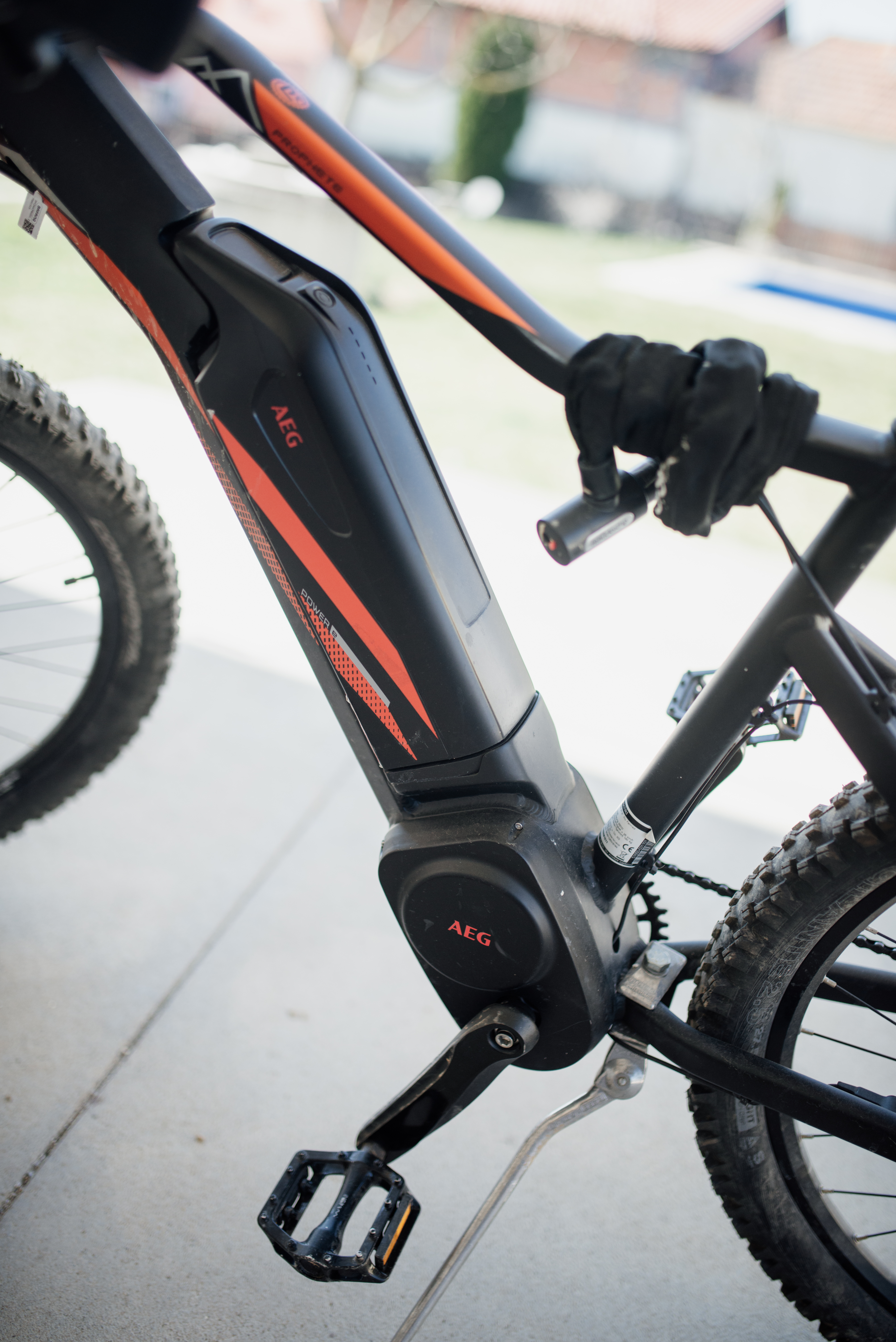
Electric bikes have revolutionized personal transportation, offering a blend of convenience, sustainability, and sheer enjoyment. At the heart of every e-bike’s performance, range, and reliability lies its battery—the unsung hero that dictates how far you can go and how long your adventure truly lasts. With a growing market and a dizzying array of options, making an informed choice about your e-bike battery is more crucial than ever.
For many riders, the lifespan of an e-bike battery is a primary concern, directly impacting the long-term value and practicality of their investment. The industry often measures this longevity in ‘charge cycles,’ a metric that helps predict how many times a battery can be fully charged and discharged before its capacity significantly degrades. Our focus today is on batteries most likely to endure ‘nearly 1000 charging cycles,’ offering years of dependable service and robust performance.
Navigating the complexities of battery types, specifications, and maintenance can feel overwhelming. Drawing on a commitment to thorough research and practical, user-focused insights, this guide aims to simplify that decision-making process. We’ll delve into the foundational battery chemistries and specific models that stand out for their durability and long-term value, ensuring you’re equipped to power your rides efficiently and sustainably.

1. **Lithium-Ion (Li-ion)**
When you delve into the world of electric bike batteries, one name consistently rises to the top: Lithium-Ion (Li-ion). These batteries have not merely gained popularity but have utterly dominated the e-bike market, establishing themselves as the benchmark for performance, efficiency, and overall user satisfaction. Their widespread integration across virtually all segments of the e-bike industry, from entry-level commuters to high-end performance models, speaks volumes about their versatility and the robust balance of features they offer to a broad spectrum of riders.
A core strength of Li-ion technology lies in its impressive ‘high energy density,’ typically measured between 150 and 275 Wh/kg. This technical specification translates directly into tangible benefits for the rider: a lighter battery pack that still delivers significant power and extended range. This optimal power-to-weight ratio is crucial for maintaining the bike’s agility and ensuring a dynamic, enjoyable riding experience, whether you’re navigating urban streets or tackling challenging off-road trails. It allows e-bikes to offer substantial assistance without feeling cumbersome.
Beyond their energetic capabilities, Li-ion batteries are also celebrated for their practicality, particularly their ‘fast-charging’ times. Most Li-ion packs can achieve a full charge within 2 to 5 hours, a crucial convenience for riders who depend on their e-bike daily or need to quickly top up power between rides. This efficiency minimizes downtime, allowing for more spontaneous outings and reducing the logistical hassle often associated with electric vehicle ownership. The ability to rapidly replenish power is a significant factor in their widespread appeal.
For those evaluating long-term value, the lifespan of Li-ion batteries is a key consideration. They are rated for a substantial ‘500–1,500 cycles,’ a range that comfortably encompasses and often surpasses the ‘nearly 1000 charging cycles’ goal for reliable longevity. This impressive durability means an investment in a Li-ion powered e-bike can yield years of consistent performance. Many reputable Li-ion battery packs incorporate cells from leading manufacturers such as ‘Samsung, LG, and Panasonic,’ which are synonymous with quality control and advanced cell technology, further assuring their robust build and reliable operation over time.
This combination of high energy output, quick charging, and excellent longevity makes Li-ion batteries ‘ideal for commuters, trail riders, and everyday use.’ They strike an excellent balance between performance and practicality, catering to the diverse needs of the modern e-bike user. To ensure you maximize the ‘500–1,500 cycles’ potential, practical advice, as highlighted in maintenance guidelines, suggests keeping the battery between 20%–80% charge for daily use and avoiding extreme temperatures, ensuring consistent and long-lasting power delivery.
Read more about: Used Hybrid Battery Reliability: Decoding 10 Models – The Ones That Endure and the Ones That Don’t

2. **Lithium Iron Phosphate (LiFePO₄)**
When the conversation turns to uncompromising durability and an extended service life in electric bike batteries, Lithium Iron Phosphate (LiFePO₄) technology consistently emerges as the leading contender. While perhaps not as universally common as standard Li-ion, LiFePO₄ batteries are specifically designed and chosen for applications where thermal stability and an exceptionally high number of charge cycles are paramount. For riders focused on a long-term investment that minimizes battery replacement frequency, LiFePO₄ offers a distinct and highly advantageous proposition.
The most compelling characteristic of LiFePO₄ batteries is their truly remarkable ‘lifespan: Up to 2,200+ cycles.’ This figure is not just impressive; it sets a new standard for longevity, far exceeding the ‘nearly 1000 charging cycles’ many riders aspire to, potentially delivering a decade or more of reliable service depending on usage patterns. Equally significant is their ‘thermal stability,’ which contributes to a safer operating profile, making them less susceptible to thermal runaway compared to some other lithium chemistries. This enhanced safety is a key benefit, especially for batteries that undergo frequent charging and discharging cycles.
However, the superior endurance of LiFePO₄ technology does come with practical trade-offs that are important for consumers to understand. LiFePO₄ battery packs are inherently ‘heavier and bulkier than standard Li-ion’ equivalents. This increased physical footprint and weight can influence the overall dynamics and aesthetic integration of the e-bike, potentially making it less nimble or challenging to mount in certain frame designs. Riders prioritizing a lightweight setup for agility might find this aspect a significant point of comparison.
Another specification to consider is their ‘lower energy density,’ typically ranging from approximately ’80–150 Wh/kg.’ In practical terms, this means that to achieve the same total Watt-hours (Wh) of energy storage—which directly correlates to an e-bike’s range—a LiFePO₄ battery pack will need to be physically larger or heavier than a Li-ion pack. For riders prioritizing maximum range from a compact or lightweight battery, this is a critical distinction that requires careful evaluation against the benefits of their exceptional lifespan and thermal stability.
Given their robust construction, exceptional cycle life, and inherent safety, LiFePO₄ batteries are particularly ‘great for high-load or cargo e-bikes.’ These applications often demand consistent, reliable power over extended periods and prioritize durability over minimal weight. The ability to withstand numerous charge cycles makes them an economically sound choice for commercial e-bike fleets or riders who put thousands of miles on their bikes annually. While requiring a larger investment upfront, the long-term cost savings from reduced replacement frequency make LiFePO₄ a powerhouse for serious, long-lasting e-bike performance.

3. **Lithium-Polymer (Li-Po)**
Beyond the powerhouses of Li-ion and LiFePO₄, Lithium-Polymer (Li-Po) batteries occupy a specific, albeit niche, position within the electric bike market. Unlike their more robust counterparts, Li-Po batteries are often selected when design aesthetics, sleek integration, and a flexible form factor are paramount to the e-bike’s overall vision. This makes them a favored choice for manufacturers aiming to create bikes where the battery is either discreetly hidden or contributes positively to the bike’s streamlined appearance, particularly in the burgeoning urban and commuter segments.
The defining characteristic of Li-Po technology is its ‘slimmer, more flexible design.’ This attribute allows for innovative battery placements within the e-bike frame, enabling designs that are not feasible with the rigid cylindrical cells found in most other lithium batteries. For ‘design-focused urban bikes,’ this means the battery can be seamlessly integrated, contributing to a clean aesthetic and a more conventional bicycle look. This flexibility in packaging can be a significant draw for consumers who value style and a less obtrusive power source.
However, this design-centric approach typically involves a trade-off in terms of pure longevity. Li-Po batteries are noted for a ‘moderate cycle life,’ generally ranging from ‘300–500 cycles.’ While this falls short of the ‘nearly 1000 charging cycles’ benchmark set by other lithium chemistries, it is still a respectable duration for many casual riders or those with lower mileage requirements. It’s crucial for potential owners to temper expectations regarding lifespan, understanding that convenience and aesthetics are often prioritized over maximum cycle count with this battery type.
A critical consideration for Li-Po battery users is their pronounced ‘sensitive to punctures and temperature.’ These batteries are more vulnerable to physical damage than Li-ion or LiFePO₄ cells, and improper handling or accidental impacts can lead to significant safety risks. Extreme temperatures, both hot and cold, can also degrade performance and lifespan more rapidly. Therefore, diligent care, including protection from sharp objects, avoiding drops, and adherence to recommended operating temperatures, becomes even more vital to ensure both the safety and the extended functional life of the battery.
Li-Po batteries are ‘used in some design-focused urban bikes’ where their capacity for slim, integrated profiles is a distinct advantage. They are best suited for riders prioritizing a sleek, aesthetically pleasing e-bike for light to moderate urban commuting, rather than heavy-duty, long-range, or off-road adventures. For these users, the convenience of a lightweight, beautifully integrated battery might outweigh the trade-offs in ultimate longevity and robustness, provided they are committed to the necessary meticulous care and attention this advanced, yet delicate, technology demands.
Having established a solid understanding of the various battery chemistries that power today’s electric bikes, we now shift our focus to specific, high-performance battery models that consistently deliver exceptional longevity, often reaching nearly 1000 charging cycles or more. This segment will delve into some of the top picks for 2025, offering detailed insights into their specifications and ideal applications, helping you make a truly informed decision for your e-bike investment. We’ll also unpack critical specifications that matter across all e-bike batteries and provide essential advice for extending their lifespan.
Before we dive into specific models, understanding a few key specifications is paramount for evaluating any e-bike battery. Voltage (V) directly dictates the power output and potential speed of your e-bike, with 36V being common for standard riding, 48V offering more torque and acceleration, and 52V reserved for high-performance setups. It’s crucial to remember the tip to “Always match voltage to your e-bike motor/controller” to ensure compatibility and optimal performance.
Beyond voltage, Amp-Hours (Ah) measures how much current a battery can supply, with a higher Ah rating directly correlating to a longer range. Common ranges typically fall between 10Ah and 20Ah. More comprehensively, Watt-Hours (Wh) provides the most accurate metric for overall energy storage, calculated by multiplying voltage by amp-hours (Voltage × Amp-hours = energy storage). For context, a 500Wh battery can typically provide 20–40 miles of range, though this varies significantly based on assist level, terrain, and rider weight.
Battery placement also plays a role in your riding experience. Downtube (frame) placement is lauded for offering the “Best balance and weight distribution,” contributing to a more natural ride feel. Rear rack-mounted batteries offer “Easier access but can feel top-heavy,” which might impact handling. Integrated batteries, sleekly “hidden in the frame,” provide a clean aesthetic but can often be “harder to remove” for charging or service, balancing visual appeal with practicality.

4. **Bosch PowerPack 500**
The Bosch PowerPack 500 stands as a testament to reliability and widespread compatibility within the e-bike battery landscape. It’s a consistently top-rated choice, particularly for riders who value a seamless integration into many existing e-bike systems, thanks to its broad acceptance by numerous manufacturers. Its appeal lies in its proven performance and the trust associated with the Bosch brand, making it a go-to option for those seeking dependable power.
This battery operates at a standard 36V, offering 13.4 Ah and a robust 500 Wh of energy storage. These specifications translate into an estimated range of 25–56 miles, providing ample power for daily commutes, weekend explorations, and moderate trail rides. Charging the PowerPack 500 is also efficient, typically taking around 4.5 hours to reach a full charge, minimizing downtime between your adventures.
A significant advantage of the Bosch PowerPack 500 is its lightweight design, weighing approximately 2.7 kg. This makes it an excellent choice for maintaining the bike’s agility and ensuring easy handling. Its strength lies in offering a “great balance of power and portability,” making it highly versatile for a wide array of e-bike users who need a reliable energy source without adding unnecessary bulk.
5. **Shimano STEPS BT-E8035**
For riders invested in the Shimano e-bike ecosystem, the Shimano STEPS BT-E8035 battery presents an exceptional choice, engineered for high capacity and reliable performance. This model is designed for seamless integration with Shimano mid-drive systems, which translates into optimized communication between the battery, motor, and controller. This ensures a cohesive and efficient power delivery that enhances the overall riding experience, particularly for demanding applications.
Boasting a 36V voltage with a substantial 17.5 Ah and 630 Wh, the BT-E8035 pushes the boundaries of range, offering an impressive estimated span of 30–70 miles on a single charge. This higher capacity makes it particularly well-suited for extended rides, touring, or for users who simply want the peace of mind of a greater energy reserve. Charging takes approximately 5 hours, a reasonable duration for its considerable capacity.
The “very reliable” nature of the Shimano STEPS BT-E8035 is a key selling point. Its robust construction and intelligent design ensure consistent power output and long-term durability, a characteristic that Wirecutter-style analysis emphasizes for user confidence. This battery is ideal for those seeking a high-capacity solution that integrates flawlessly with a respected drivetrain system, making it a powerhouse for serious e-bike enthusiasts.

6. **Samsung Cell 52V 20Ah Kit**
Stepping into the realm of truly high-performance and long-range capabilities, the Samsung Cell 52V 20Ah Kit stands out as a formidable option. Unlike integrated batteries, this typically refers to a battery pack built with high-quality Samsung cells, offering a robust and customizable power solution. It caters to riders for whom maximum power and extended mileage are non-negotiable, particularly those embarking on extensive tours or requiring superior range for daily commuting.
With a powerful 52V voltage and an impressive 20 Ah, this kit delivers a staggering 1,040 Wh of energy storage. These specifications translate into an estimated range of 60–100+ miles, positioning it as a top contender for covering vast distances with significant power assistance. While providing such monumental capacity, the charge time is around 6 hours, which is expected for a battery of this size, ensuring a full charge overnight for the next day’s epic ride.
The Samsung Cell 52V 20Ah Kit is explicitly highlighted as “Best for those seeking serious power and mileage,” making it an ideal choice for “touring and long-range commuters.” Its higher voltage provides a more dynamic riding experience with enhanced torque and acceleration, while its massive capacity reduces range anxiety considerably. For riders who push the limits of their e-bike’s endurance, this kit provides the raw capability to go farther and faster.
**Battery Charging, Maintenance & Longevity Tips**
Maximizing the lifespan and performance of your e-bike battery goes beyond selecting a high-quality model; it crucially depends on diligent charging and maintenance practices. While lithium-ion batteries typically offer 500–1,000 full cycles (equating to 2–5 years of use), LiFePO₄ can last up to 2,200+ cycles (5–8 years). Understanding these lifespans helps manage expectations and guides optimal care to ensure your investment lasts as long as possible.
One of the most impactful tips for extending battery life is to “Keep battery between 20%–80% charge for daily use.” This sweet spot minimizes stress on the battery cells, preserving their overall capacity over time. It is equally important to “Avoid full discharges or leaving it at 100% for long periods,” as both extremes can accelerate degradation and reduce the battery’s overall cycle life.
For charging, always prioritize using “only the charger provided by the manufacturer.” Using incompatible or unregulated chargers can damage the battery, compromise its safety, and void warranties. Beyond charging, storage conditions are also vital; aim to “Store in a cool, dry location (15–25°C ideal)” to protect the battery from environmental stressors.
Crucially, “Don’t ride or charge in extreme heat or freezing temperatures,” as these conditions can severely impact battery performance and longevity. If your e-bike battery goes unused for extended periods, it’s beneficial to “Perform a full charge/discharge every 30–60 days” to maintain cell health and prevent deep discharge, which can be detrimental. Consistent adherence to these simple guidelines can significantly prolong your battery’s service life, ensuring years of reliable power.
**Can You Upgrade Your E-Bike Battery?**
Yes, upgrading your e-bike battery is often possible and can dramatically increase your range and, in some cases, performance. However, it’s not a plug-and-play process; careful consideration of several factors is required. The most critical compatibility points include matching the voltage, ensuring the physical mounting style fits your frame, verifying BMS (Battery Management System) communication, and confirming the connector type aligns with your e-bike’s system.
If these criteria are met, upgrading to a higher Amp-hour (Ah) or Watt-hour (Wh) battery can indeed unlock significantly longer rides. For the best and safest results, it is always recommended to “consult your e-bike manufacturer or a certified technician.” They can provide specific advice and ensure that any upgrade maintains the integrity and safety of your e-bike’s electrical system, preventing potential issues with the motor or controller.
**Where to Buy Electric Bike Batteries**
When it comes to purchasing a new or upgraded e-bike battery, you have several reliable avenues. “Online Retailers” offer a wide selection and competitive pricing, often stocking batteries from various manufacturers. For a more personalized experience and expert advice, “Specialty E-Bike Shops” are invaluable, as they can provide precise compatibility checks and installation services. Additionally, “Local Bike Shops” that cater to e-bikes often carry popular battery brands and can assist with your purchase, especially for common models.
**Final Thoughts**
The electric bike battery is undeniably the lifeblood of your e-bike’s performance, range, and overall reliability. From the high energy density of Lithium-Ion to the exceptional longevity of Lithium Iron Phosphate and the sleek design of Lithium-Polymer, understanding the nuances of battery types and their key specifications empowers you to make a choice that truly aligns with your riding needs. By prioritizing models known for durability, like the Bosch PowerPack 500, Shimano STEPS BT-E8035, or the powerful Samsung Cell 52V 20Ah Kit, and coupling that with meticulous maintenance, you’re not just buying a battery; you’re investing in years of enjoyable, efficient, and extended e-bike adventures.