In the vast, silent expanse of the cosmos, stars stand as incandescent beacons, colossal spheres of plasma that ignite the darkness with their fervent glow. These celestial titans are not merely distant points of light; they are the architects of the universe, forging the very elements that constitute planets, life, and everything we know. From their explosive birth in nebulae to their dramatic, often cataclysmic, demise, each star embarks on a journey of billions of years, a narrative written in the language of nuclear fusion and gravitational might.
Our Milky Way galaxy alone hosts more than 100 billion of these majestic bodies, and astronomers estimate the observable universe could contain up to one septillion stars—a staggering number that humbles the imagination. These are not static entities but dynamic, evolving systems, each with its unique life cycle, its properties shifting and transforming with the passage of cosmic time. To understand stars is to grasp the fundamental mechanics of existence, to peer into the heart of creation itself.
This in-depth exploration invites us on a grand tour through the stellar lifecycle, from the swirling nurseries where baby stars first flicker into being, through their long, stable main sequence, to the spectacular finales that redistribute their enriched material back into the interstellar medium. We will unveil the intricate processes that govern their lives, the profound influence of their mass on their destiny, and their indispensable role in the ongoing cosmic ballet of element creation.
1. **The Universe’s Luminary Legacy: A Galactic Introduction to Stars**To begin our cosmic odyssey, we must first appreciate the sheer, breathtaking scale of the stellar population. As noted, the universe is home to an estimated one septillion stars—that is, a ‘1’ followed by 24 zeros, a number almost incomprehensible to the human mind. Our own celestial neighborhood, the Milky Way, proudly harbors over 100 billion of these fiery orbs, among them our closest and most intimately studied star, the Sun. These are the engines of the cosmos, the sources of light and heat that define galaxies.
At their core, stars are giant balls of intensely hot gas, predominantly hydrogen, laced with a significant amount of helium and trace amounts of other elements. This fundamental composition, combined with their immense self-gravity, allows them to maintain their luminous, spheroid form. Each star, from the smallest red dwarf to the most colossal supergiant, follows a distinct life cycle, its duration spanning from a mere few million years to an astonishing trillions of years, with its characteristics constantly changing as it ages through its various phases.
What truly defines a star is its nature as a luminous spheroid of plasma, held together by the relentless pull of its own gravity. While countless stars are visible to the eye, appearing as mere pins of light in the night sky, their immense distances from Earth mask their true grandeur. These distant suns have, for millennia, served as fixed points of light, inspiring awe, guiding navigation, and shaping the myths and cultures of civilizations across our planet.

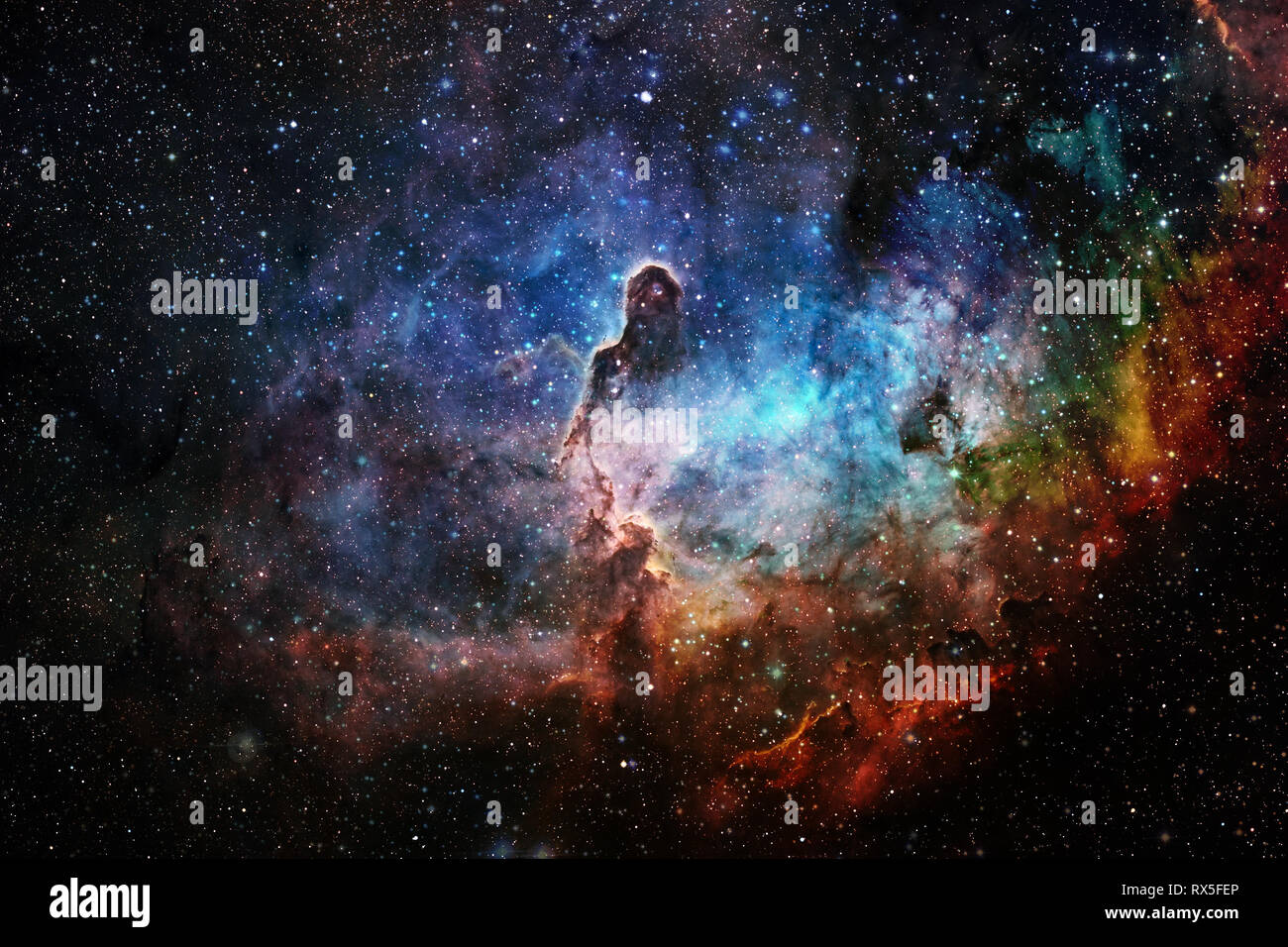
2. **The Genesis of Giants: Unraveling Star Formation in Molecular Clouds**The birth of a star is a process of majestic cosmic convergence, unfolding within immense clouds of gas and dust known as molecular clouds. These stellar nurseries are not uniform; they can range from 1,000 to a monumental 10 million times the mass of our Sun and stretch across hundreds of light-years of space. It is within these vast, cold repositories of cosmic material that the conditions for stellar genesis are meticulously set.
Within the frigid embrace of molecular clouds, gas begins to clump, forming high-density pockets. These nascent clumps are often subject to collisions or gather additional matter, which progressively strengthens their gravitational force as their mass expands. Eventually, the inexorable pull of gravity causes some of these concentrated clumps to collapse inward. This gravitational collapse is the catalyst, generating immense friction that in turn heats the material, culminating in the birth of a protostar—the embryonic stage of a new star.
Such newly formed stars frequently emerge in batches, giving rise to what astronomers call stellar clusters, which populate the vibrant and active molecular clouds dubbed stellar nurseries. A breathtaking example of this phenomenon is the edge of NGC 3324, a stellar nursery nestled at the northwest corner of the Carina Nebula, captured in an iconic image by the James Webb Space Telescope, its “mountains” and “valleys” vividly illustrating the dynamic environment of star birth.
This process is initiated by gravitational instability, often triggered by external forces such as radiation from massive stars, expanding bubbles in the interstellar medium, or even galactic collisions. As a region reaches sufficient density to meet the criteria for Jeans instability, it begins its collapse. The individual conglomerations of dense dust and gas that emerge are termed “Bok globules,” and within them, gravitational energy converts to heat, eventually forming a protostar at the core in a state of hydrostatic equilibrium. These pre-main-sequence stars, sometimes encircled by protoplanetary disks, are primarily powered by the conversion of gravitational energy for millions of years, often expelling powerful jets of gas that shape their surroundings and contribute to the formation of binary systems.
Read more about: Stellar Genesis to Galactic Finale: An Industry Deep Dive into the Dramatic Lives of Cosmic Stars
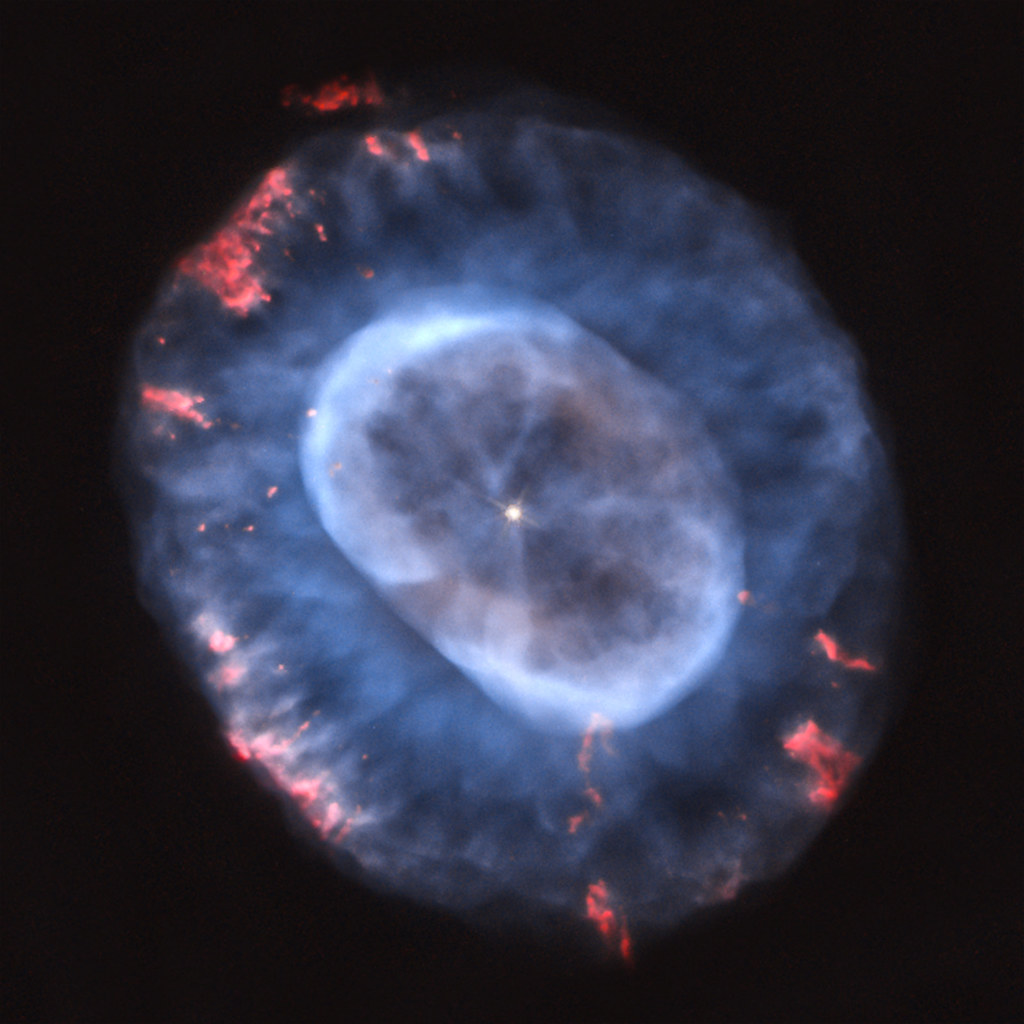
3. **Main Sequence Majesty: The Enduring Reign of Hydrogen Fusion**After its tumultuous birth, a star enters the most stable and longest phase of its existence: the main sequence. During this extended period, which accounts for approximately 90% of a star’s lifetime, the celestial body shines due to the profound process of nuclear fusion occurring within its core. Here, under immense pressures and temperatures, the nuclei of hydrogen atoms are relentlessly squeezed together, forming helium and unleashing a colossal amount of energy.
This continuous release of energy is the star’s lifeblood, generating an outward pressure that precisely counteracts the inward pull of gravity, thereby preventing the star from further collapsing. Astronomers categorize stars undergoing this stable fusion of hydrogen into helium as main sequence stars. Our own Sun is a quintessential example, currently residing comfortably in the middle of its main sequence stage, having undergone this process for billions of years.
Over the course of its main sequence phase, a star’s luminosity, size, and temperature undergo subtle, slow changes. For instance, our Sun is estimated to have increased its luminosity by approximately 40% since it first embarked on its main sequence journey 4.6 billion years ago. While a star emits a continuous stellar wind of particles, resulting in a gradual outflow of gas into space, for most stars, like our Sun (which loses about 10⁻¹⁴ solar masses annually), this mass loss is largely negligible over their entire lifespan.
However, for truly massive stars, this stellar wind can be a significant factor, with some losing between 10⁻⁷ to 10⁻⁵ solar masses each year. This substantial mass loss can profoundly influence their evolutionary trajectory, with stars initially exceeding 50 solar masses potentially shedding over half their total mass while still in their main sequence phase, showcasing the dynamic nature even of the seemingly stable main sequence.
4. **The Weight of Destiny: How Stellar Mass Governs a Star’s Lifespan**The ultimate fate and longevity of a star are overwhelmingly determined by one crucial factor: its initial mass. This intrinsic property dictates how rapidly a star consumes its internal fuel supply. Lower-mass stars are the universe’s most frugal burners; they consume their hydrogen at a remarkably slow rate, allowing them to shine for trillions of years—a span even longer than the current age of the universe itself. These stellar ancients are dimmer and cooler, yet their endurance is unparalleled.
Conversely, their more massive counterparts are profligate spenders of fuel. To counteract the immense gravitational forces threatening to collapse their substantial weight, massive stars must fuse hydrogen at an exceedingly high rate, generating tremendous energy. This rapid consumption means their lives are dramatically shorter, often lasting only a few million years before they exhaust their primary fuel supply and embark on their final, often spectacular, acts.
Stars with masses below 0.5 M☉, known as very low-mass stars or red dwarfs, are fully convective, meaning they efficiently distribute helium throughout their entire structure while on the main sequence. This prevents them from ever undergoing shell burning or becoming red giants. Upon exhausting their hydrogen, they simply contract into helium white dwarfs and slowly cool. Given their extraordinarily long lifetimes, no such star has yet reached the white dwarf stage within the current age of the universe.
Stars like our Sun, categorized as low-mass stars (between 0.5 M☉ and ~2.25 M☉), follow a different, more dramatic path. Once their core hydrogen is depleted, they expand into red giants, eventually igniting helium in a process known as a helium flash. They then develop a degenerate carbon-oxygen core, culminating in the ejection of their outer shell as a planetary nebula, leaving behind a white dwarf core. Intermediate-mass stars, between ~2.25 M☉ and ~8 M☉, experience similar evolutionary stages but ignite helium without a flash, spending time in a ‘red clump’ before forming a degenerate carbon-oxygen core, ultimately also ending as white dwarfs after a planetary nebula phase. For truly massive stars, generally above 8 M☉, the path veers towards far more violent and complex finales, as we shall soon see.
5. **The Gentle Farewell: The Evolution and Demise of Low-Mass Stars**For stars of at least 0.4 solar masses, the beginning of the end commences when their core’s hydrogen supply is exhausted. Without the outward pressure generated by hydrogen fusion, the core begins to collapse under gravity, simultaneously increasing its temperature and pressure. This internal thermal increase causes the star’s outer layers to slowly puff up, expanding and cooling as the star transitions into a subgiant or, more commonly, a red giant.
Within the expanded red giant, helium fusion into carbon can begin in the core, providing a temporary reprieve. For stars up to 2.25 solar masses, the helium core may become degenerate before fusion ignites explosively in a “helium flash.” Some of these giants become inherently unstable, entering a pulsating phase where they periodically inflate and eject portions of their atmospheres. This process continues until, eventually, all the star’s outer layers are gently blown away, creating a beautiful, expanding cloud of dust and gas known as a planetary nebula.
The Helix nebula, vividly imaged and located 650 light-years away in the constellation Aquarius, serves as a classic and stunning example of such a planetary nebula. This ethereal shroud is formed from the ejected material, a rich mixture of elements synthesized within the star. What remains after this celestial exhalation is merely the star’s core, now a white dwarf—a roughly Earth-sized stellar cinder that has exhausted its nuclear fuel and will gradually cool over billions of years, fading into cosmic obscurity.
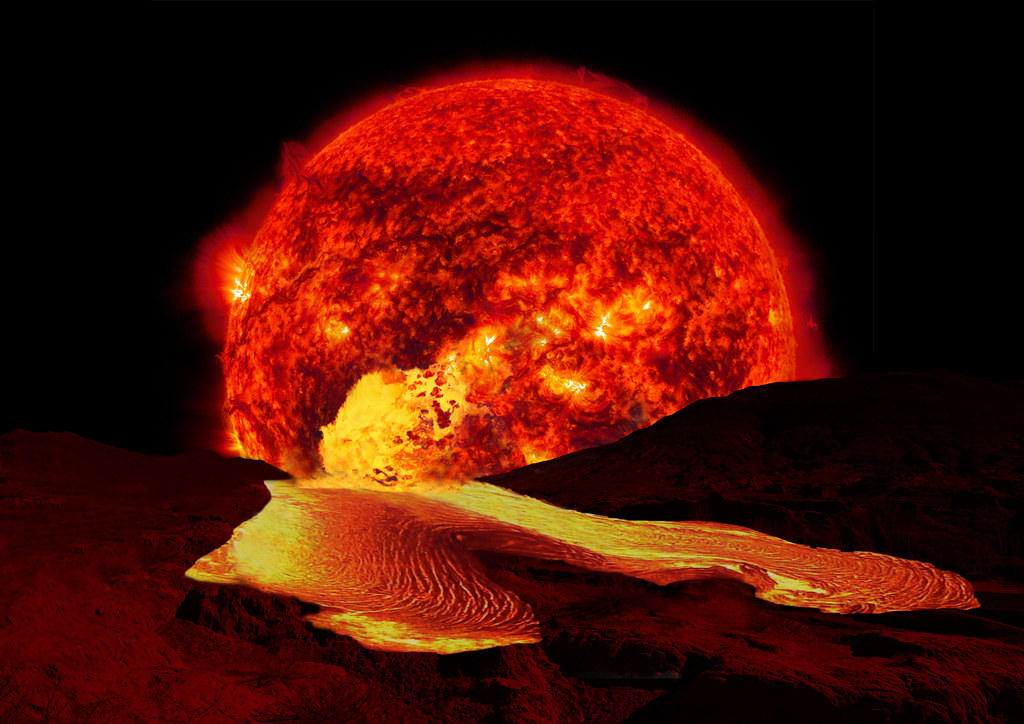
Our own Sun, in several billion years, is destined for this very fate. It will expand dramatically during its red giant phase, reaching a maximum radius of approximately one astronomical unit (150 million kilometers)—about 250 times its current size. In this process, it will shed a significant portion of its mass, estimated to be around 30% of its current total, enriching the interstellar medium with its former constituents. This mass loss is crucial for the ongoing cycle of cosmic enrichment.
During the asymptotic giant branch (AGB) phase, low to intermediate mass stars experience thermal pulses due to instabilities, causing luminosity variations and further mass ejection. This ejected material, significantly enriched with fusion products like carbon and oxygen dredged up from the core, forms the planetary nebula, which ultimately disperses. Thus, the very elements that form new stars, planets, and even life itself, are the “star stuff” generously provided by the expiring generations of stars.
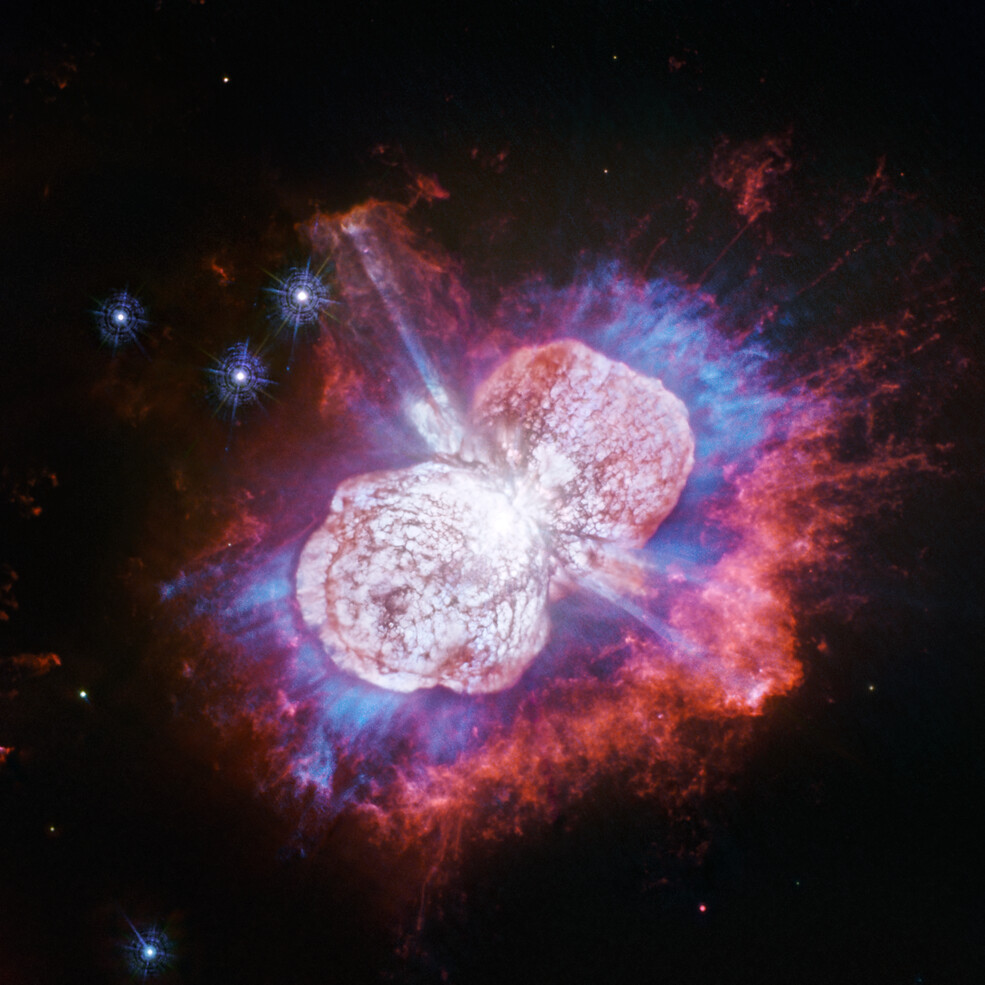
6. **Spectacular Swan Song: The Explosive Death of Massive Stars**The final act for high-mass stars is far more dramatic and violent than that of their lower-mass cousins. Once helium is exhausted in their core, these titans continue their relentless march through nucleosynthesis, fusing carbon into progressively heavier elements such as oxygen, neon, and magnesium. For the most colossal stars, this chain of fusion culminates with silicon fusing into iron, a process that buys them less and less time with each new fuel source.
This rapid succession of fusion stages occurs across a relatively short span, typically just a few million years. However, a critical turning point is reached when silicon fuses into iron. Unlike all previous fusion reactions, which release energy, fusing iron into any heavier element actually *requires* energy. At this juncture, the star’s core runs out of viable fuel in a matter of days, triggering an irreversible catastrophic collapse.
With no outward pressure to counteract gravity, the star’s iron core collapses inwards with astonishing speed. This inward implosion continues until the forces between the atomic nuclei push back, causing the core to rebound violently. This rebound generates an immense shock wave that propagates outward through the star’s layers, culminating in a colossal explosion known as a supernova—an event that can briefly outshine an entire galaxy. The remnant of the supernova observed in 1572, studied by Tycho Brahe and located about 13,000 light-years away in Cassiopeia, stands as a testament to these powerful cosmic events.
What remains after such an unfathomable explosion is an incredibly dense stellar remnant: either a neutron star or, if the initial mass was sufficiently great, a black hole. Furthermore, some particularly luminous and unstable massive stars, known as luminous blue variables, can violently shed their mass in events termed supernova impostors, becoming significantly brighter without fully exploding as a true supernova, as famously demonstrated by Eta Carinae’s Great Eruption in the 19th century.
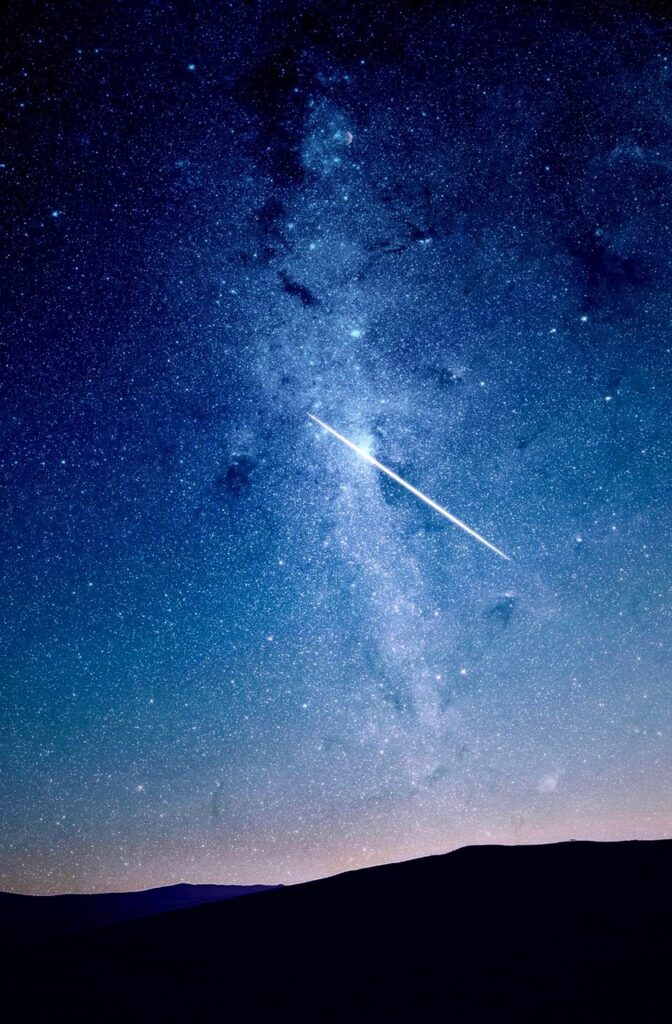
7. **Celestial Alchemy: How Stars Forge Elements and Enrich the Cosmos**Beyond their incandescent beauty, stars are the universe’s most prodigious alchemists, responsible for the creation of nearly all naturally occurring chemical elements heavier than lithium. This fundamental process, known as stellar nucleosynthesis, unfolds within their fiery cores and during their explosive deaths, fundamentally shaping the chemical composition of the cosmos and providing the raw materials for future generations of celestial objects.
Throughout their lives, and especially during their dramatic finales, stars return chemically enriched material to the interstellar medium. This occurs through various mechanisms: the steady outflow of stellar winds, the periodic ejections from pulsating giants, the gentle dispersal of planetary nebulae, and, most spectacularly, the cataclysmic explosions of supernovae. These cosmic events act as recycling plants, scattering the newly forged heavier elements back into the vastness of space.
These recycled elements—ranging from carbon and oxygen, enriched in planetary nebulae, to iron and even heavier elements forged in supernovae—are not lost to the void. Instead, they become incorporated into future molecular clouds. These newly enriched clouds then serve as the raw material for the next generation of stars, planets, and moons. This elegant cosmic cycle ensures that each successive generation of celestial bodies is chemically richer than the last, building upon the legacy of its predecessors.
Indeed, the elements that constitute our planet, the oxygen we breathe, the carbon in our bodies, and the iron in our blood, all originated within the fiery furnaces of ancient stars. We are, quite literally, made of “star stuff,” a profound truth that underscores the intricate and interconnected relationship between stellar lives and the emergence of complexity in the universe. The death of one star is, in essence, the birthright of another, a continuous, enriching symphony of creation and renewal across cosmic time.
Having journeyed through the intricate lives and deaths of stars, from their fiery births to their magnificent finales and their profound role as cosmic alchemists, our gaze now turns Earthward. For millennia, humanity has looked to the night sky, not just in awe, but with an insatiable curiosity that has woven stars into the very fabric of our cultures, guided our journeys, and spurred our scientific endeavors. This second section chronicles that enduring human fascination, charting the historical and cultural significance of stars and tracing the remarkable evolution of our understanding, from ancient observations to the cutting-edge astrophysics of today. We’ll explore how early civilizations used stars for navigation and timekeeping, how scientific inquiry gradually peeled back their mysteries, and the sophisticated systems developed to classify and measure these distant suns.
Read more about: Beyond the Blink: Unpacking the Multibillion-Year Epic That Costs the Universe Everything – The Life and Times of Stars

8. **Ancient Cosmic Chronicles: Stars in Early Civilizations and Mythology**From the earliest flickers of consciousness, stars captivated human imagination, becoming integral to the nascent civilizations that dotted our planet. Across diverse cultures, these celestial beacons were not merely points of light but potent symbols, woven into the fabric of religious practices, divination rituals, and rich mythologies that sought to explain the universe. For countless generations, the unchanging patterns of the ‘fixed stars’ provided a sense of cosmic order, contrasting with the more enigmatic ‘wandering stars,’ or planets, whose noticeable movements suggested a different, perhaps divine, agency.
This deep engagement with the night sky led to stars becoming indispensable tools for survival and societal organization. They served as primary guides for celestial navigation, allowing ancient mariners and travelers to chart courses across vast, featureless landscapes and oceans. More crucially, the apparent motion of the Sun against the background stars, coupled with their seasonal appearances, provided the foundational mechanism for tracking the passage of time and defining calendars. This stellar-based calendrical system was vital for regulating agricultural practices, ensuring harvests were planted and gathered at optimal times, a practice that continues to influence the Gregorian calendar we use today, based on Earth’s axial tilt relative to our Sun.
The foundational influence of stars is beautifully preserved in historical records, offering glimpses into humanity’s earliest astronomical observations. The oldest accurately dated star chart, for instance, hails from ancient Egyptian astronomy in 1534 BC, demonstrating a sophisticated understanding of stellar positions. Building on this, the ancient Babylonian astronomers of Mesopotamia meticulously compiled some of the earliest known star catalogues during the late 2nd millennium BC, specifically in the Kassite Period. These early documentations underscore how vital and deeply ingrained astronomical observation was to the intellectual and practical lives of these foundational civilizations.
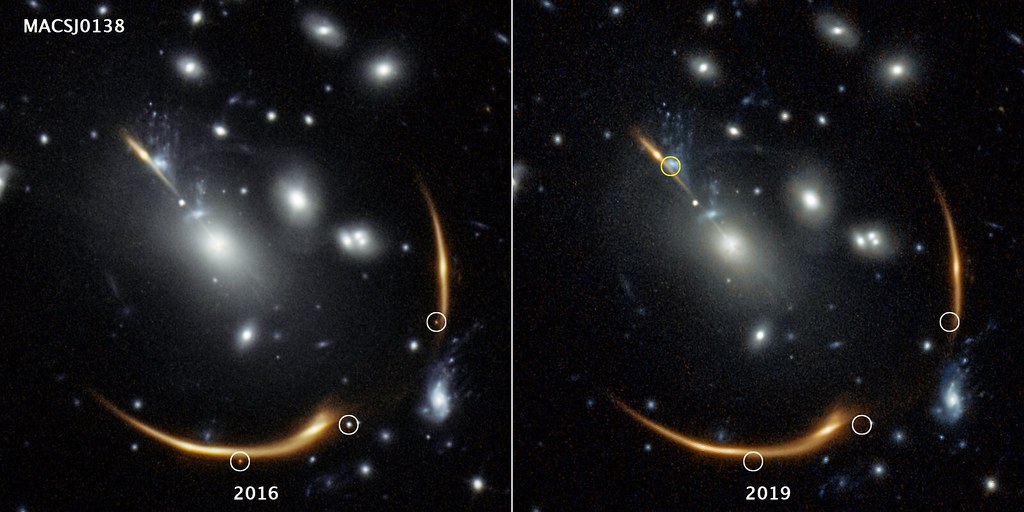
9. **The Dawn of Stellar Cartography: Greek and Islamic Astronomical Legacies**The systematic study of stars continued to flourish with the ancient Greeks, who began to formalize astronomical observation and cataloging. In approximately 300 BC, Aristillus, with the assistance of Timocharis, created the first star catalogue in Greek astronomy, a significant leap forward in documenting the heavens. This tradition reached a zenith with Hipparchus in the 2nd century BC, whose comprehensive catalogue included an impressive 1,020 stars and formed the basis for Ptolemy’s later, highly influential star catalogue. Hipparchus’s legacy also includes the groundbreaking discovery of the first recorded nova, or “new star,” challenging the prevailing belief in an immutable celestial sphere and hinting at the dynamic nature of the cosmos.
Across the globe, other civilizations were also pushing the boundaries of stellar knowledge. Chinese astronomers, renowned for their meticulous record-keeping, independently recognized that new stars could indeed appear. They were the first to observe and document a supernova in 185 AD, now famously known as SN 185, predating European recognition of such phenomena. This was followed by observations of the brightest stellar event in recorded history, the SN 1006 supernova, meticulously detailed by Egyptian astronomer Ali ibn Ridwan and various Chinese astronomers, and later, the SN 1054 supernova, which birthed the iconic Crab Nebula, also observed by Chinese and Islamic scholars. These observations underscored a universal human capacity for precise astronomical inquiry.
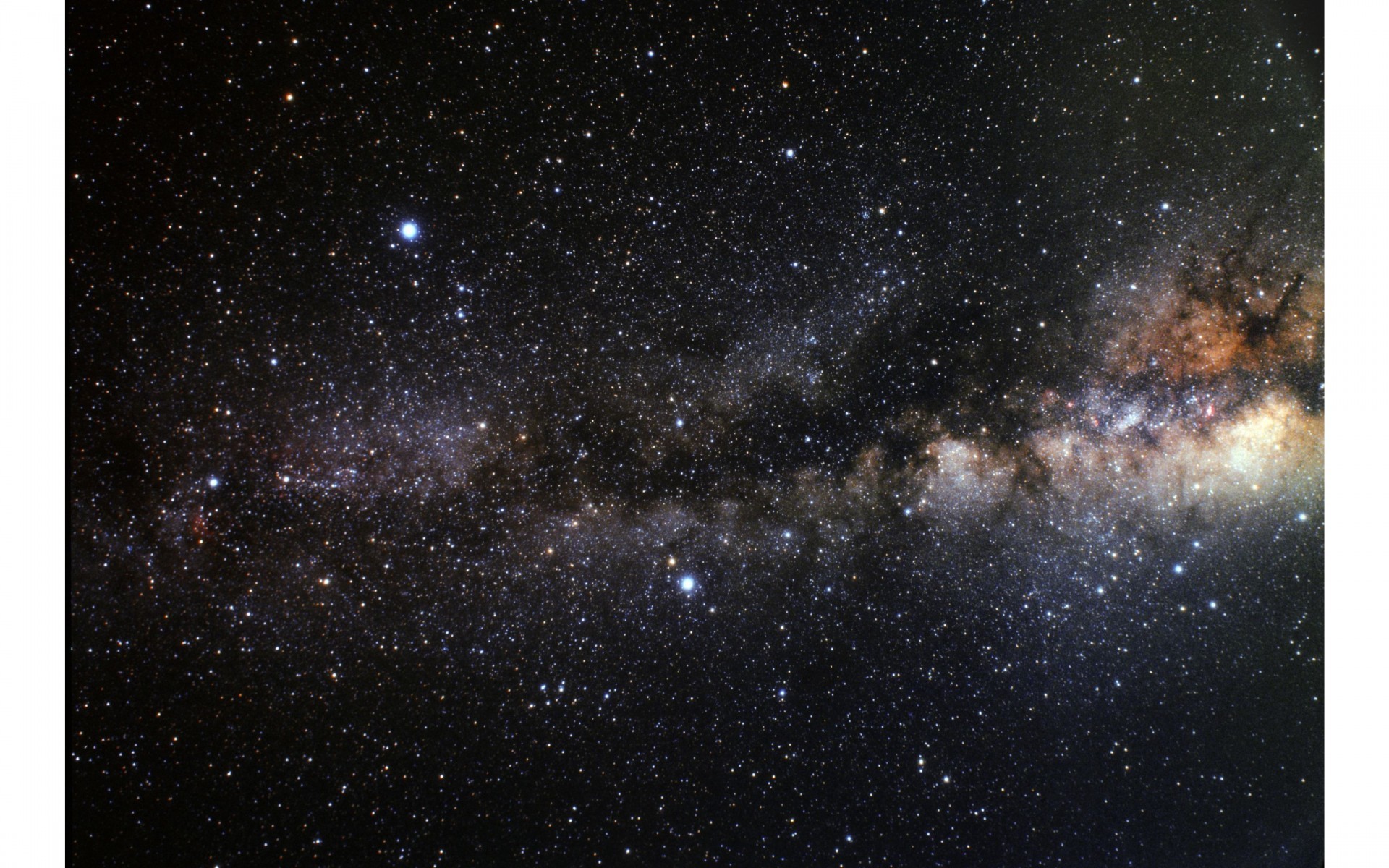
During the medieval Islamic Golden Age, astronomical advancements reached unprecedented heights, building upon and expanding ancient knowledge. Islamic astronomers bequeathed Arabic names to numerous stars that persist in use today, enriching our celestial vocabulary. They innovated a wealth of astronomical instruments crucial for computing stellar positions and established the first large observatory research institutes, primarily for the creation of meticulous Zij star catalogues. Among these monumental works was the “Book of Fixed Stars” (964 AD) by the Persian astronomer Abd al-Rahman al-Sufi, who documented star clusters like Omicron Velorum and Brocchi’s Clusters, and even observed galaxies like the Andromeda Galaxy, demonstrating a remarkable grasp of celestial objects beyond individual stars. Further, scholars like Abu Rayhan Biruni and Ibn Bajjah speculated on the nature of the Milky Way, envisioning it as a multitude of closely packed stars.
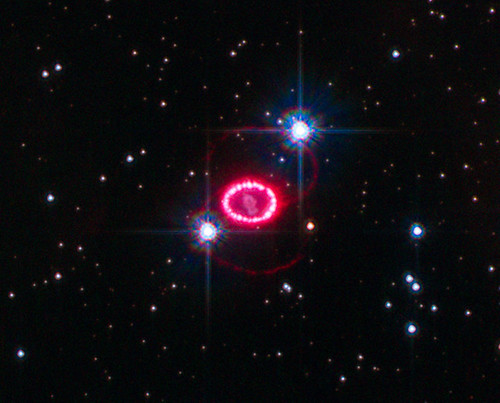
10. **Unveiling the Celestial Dynamics: From Renaissance Insights to Herschel’s Surveys**As Europe emerged from the Middle Ages, the re-engagement with scientific inquiry spurred new perspectives on the nature of stars, challenging long-held dogmas. Early European astronomers like Tycho Brahe made significant contributions by identifying ‘new stars’ (novae), further reinforcing the idea that the heavens were not immutable, as once believed. This observational evidence fueled philosophical shifts, notably articulated by Giordano Bruno in 1584. Bruno controversially suggested that stars were not merely celestial decorations but were suns like our own, potentially orbited by other planets, some perhaps even Earth-like—an idea previously contemplated by ancient Greek philosophers and medieval Islamic cosmologists, but which gained new traction in his era.
The conceptual understanding of stars continued to deepen, transitioning from philosophical conjecture to scientific consensus. By the 17th century, the idea that stars were distant suns had gained widespread acceptance among astronomers. To reconcile this with observations, Isaac Newton, prompted by theologian Richard Bentley, proposed that stars were uniformly distributed in every direction throughout the cosmos, an attempt to explain the absence of a net gravitational pull on our Solar System. This period also saw the first measurements of variability and motion in stars. In 1667, Italian astronomer Geminiano Montanari recorded observations of variations in the luminosity of the star Algol, an early hint at intrinsic stellar dynamics.
Building on these foundations, the 18th century witnessed groundbreaking systematic surveys that began to map the stellar landscape. Edmond Halley published the first measurements of the proper motion of nearby “fixed” stars, providing concrete evidence that their positions had indeed shifted since the time of ancient Greek astronomers. William Herschel, a pivotal figure, pioneered efforts to determine the distribution of stars in the sky. Through extensive “gauges” in 600 directions, counting stars along each line of sight, he deduced that stellar density increased towards the Milky Way core. His son, John Herschel, extended these surveys to the southern hemisphere, confirming his father’s findings. Crucially, William Herschel also discovered that some stars were not just optically aligned but were physical companions forming binary star systems, revealing a new layer of celestial organization.

11. **The Language of Light: Stellar Spectroscopy and Classification**As the 19th century dawned, a revolutionary tool emerged that would transform our understanding of stars: stellar spectroscopy. This technique, pioneered by visionaries such as Joseph von Fraunhofer and Angelo Secchi, allowed astronomers to dissect the light from stars, revealing their hidden chemical fingerprints. By comparing the spectra of prominent stars like Sirius with that of our own Sun, scientists identified distinct differences in the strength and number of absorption lines – the characteristic dark lines in stellar spectra caused by the absorption of specific frequencies by elements in the star’s atmosphere. This opened up an entirely new avenue for understanding stellar composition.
Secchi, recognizing the patterns in these spectral lines, took a monumental step in 1865 by beginning to classify stars into spectral types based on their observed spectra. This pioneering work laid the groundwork for modern stellar classification. Over several decades, this field matured, culminating in the early 20th century with Annie J. Cannon’s development of the modern stellar classification scheme. Her system, a monumental effort of categorizing hundreds of thousands of stars, organized them by temperature and spectral characteristics, providing a standardized framework that remains fundamental to astrophysics today.
The profound implications of stellar spectroscopy extend beyond mere classification; it provides the very means to determine the chemical composition of stellar atmospheres. Advances in quantum physics in the early 20th century further illuminated the physics behind these spectral lines, allowing astronomers to deduce not only the presence but also the abundance of various elements in distant stars. This ability to “read” the chemical makeup of stars from their light has been instrumental in understanding stellar evolution, the origin of elements, and the chemical enrichment of the cosmos, connecting the light of a star directly to its elemental heritage.
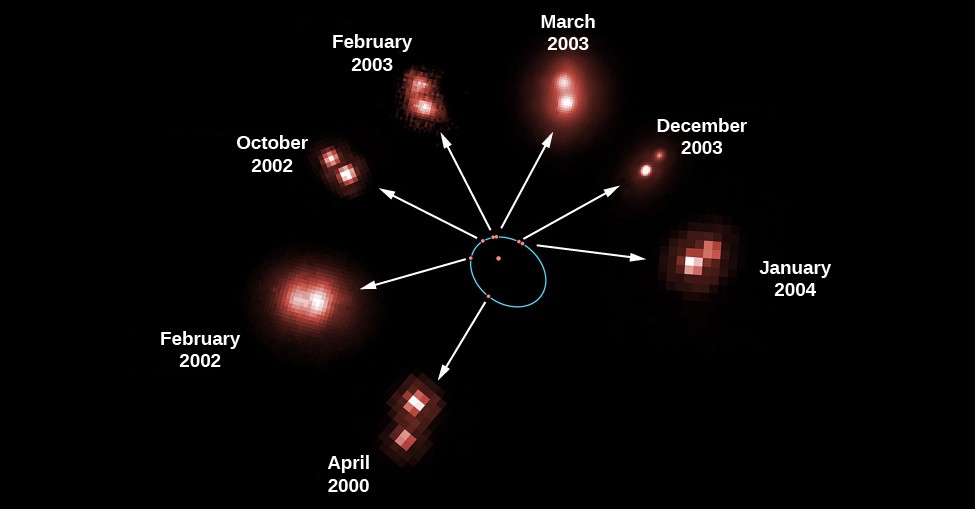
12. **Measuring the Unfathomable: Parallax, Binary Orbits, and Stellar Dimensions**Beyond understanding their composition and classification, a critical challenge for astronomers has always been to measure the intrinsic properties of stars – their distances, masses, and physical sizes. For centuries, the vast distances to stars rendered direct measurement seemingly impossible, but the 19th century brought forth ingenious techniques that began to bridge this cosmic divide. The first direct measurement of the distance to a star, 61 Cygni, was achieved in 1838 by Friedrich Bessel, utilizing the parallax technique. This method, based on the apparent shift of a star against a more distant background as Earth orbits the Sun, conclusively demonstrated the immense separation of stars and provided the first accurate cosmic yardstick.
The study of binary stars, those physical companions orbiting a common center of mass, proved equally revelatory, particularly for determining stellar masses. Observations of double star systems gained increasing importance, allowing astronomers to apply Newtonian mechanics to their orbital elements. In 1834, Friedrich Bessel observed changes in the proper motion of Sirius, inferring the existence of a hidden companion, later confirmed as a white dwarf. The discovery of the first spectroscopic binary by Edward Pickering in 1899, through the periodic splitting of Mizar’s spectral lines, provided another powerful method. Meticulous observations by astronomers like Friedrich Georg Wilhelm von Struve and S. W. Burnham, coupled with Felix Savary’s 1827 solution for deriving binary star orbits, finally enabled the computation of individual stellar masses – a monumental achievement that transformed our understanding of stellar structure and evolution.
As the 20th century unfolded, technological advancements allowed for even more precise and direct measurements of stellar attributes. Photography became an invaluable astronomical tool, and Karl Schwarzschild’s discovery that a star’s color (and thus temperature) could be determined by comparing its visual and photographic magnitudes further refined observational techniques. The development of the photoelectric photometer enabled highly precise measurements of stellar magnitude across multiple wavelength intervals. A particularly impressive feat was achieved in 1921 when Albert A. Michelson, using an interferometer on the Hooker telescope at Mount Wilson Observatory, made the first direct measurements of a stellar diameter, revealing the true physical sizes of these distant suns.

13. **Standardizing the Heavens: Stellar Designation and Naming Conventions**From time immemorial, humans have sought to impose order on the seemingly chaotic canvas of the night sky, grouping stars into patterns and assigning them meaning. The concept of constellations, known since the Babylonian period, saw ancient sky watchers imagine prominent arrangements of stars, associating them with aspects of nature or their myths. Notably, twelve of these formations lay along the ecliptic, becoming the foundation of astrology. Beyond these groupings, many individual, more prominent stars were given proper names, often with Arabic or Latin origins, reflecting the diverse cultures that observed them.
As systematic astronomy developed, a need for standardized designation systems became apparent. Around 1600, German astronomer Johann Bayer created a series of star maps, applying Greek letters as designations to the stars within each constellation, a system still widely used today (e.g., Alpha Centauri). Later, a numbering system based on a star’s right ascension was introduced and added to John Flamsteed’s star catalogue in his “Historia coelestis Britannica,” becoming known as Flamsteed designation or numbering. These systematic approaches brought order to the celestial sphere, allowing astronomers worldwide to refer to specific stars unambiguously.
Today, the internationally recognized authority for naming celestial bodies, including stars, is the International Astronomical Union (IAU). The IAU maintains the Working Group on Star Names (WGSN), which is responsible for cataloging and standardizing proper names for stars, ensuring consistency and scientific accuracy globally. However, it’s important to note that a number of private companies offer to “sell” names of stars to individuals, a practice that is not recognized by the IAU, professional astronomers, or the wider amateur astronomy community. Organizations like the British Library and the New York City Department of Consumer and Worker Protection have flagged this as an unregulated commercial enterprise, even issuing violations for deceptive trade practices, underscoring the distinction between official astronomical nomenclature and commercial ventures.
14. **The Universe’s Yardsticks: Understanding Stellar Measurement Units**As our scientific understanding of stars grew, so did the necessity for precise and standardized units of measurement to quantify their extraordinary properties. While fundamental SI units or Gaussian units can be used, astronomers often find it most convenient to express stellar parameters such as mass, luminosity, and radii in ‘solar units,’ relating them directly to the characteristics of our Sun, which serves as a familiar reference point. This approach simplifies comparisons across the vast diversity of stars in the cosmos.
To ensure consistency in these measurements, the IAU took a significant step in 2015 by defining a set of nominal solar values. These are established as SI constants, free from observational uncertainties, and are used for quoting stellar parameters. For instance, the nominal solar luminosity (L☉) is set at 3.828 × 10^26 W, and the nominal solar radius (R☉) at 6.957 × 10^8 m. While the solar mass (M☉) itself wasn’t explicitly defined due to the relative uncertainty of the Newtonian constant of gravitation (G), the IAU did define the nominal solar mass parameter (G M☉) to a much greater precision: 1.327 1244 × 10^20 m^3/s^2.
This nominal solar mass parameter, when combined with the latest CODATA estimate of G, allows for the derivation of the solar mass, approximately 1.9885 × 10^30 kg. It’s crucial to understand that while future observations might refine the exact empirical values for the Sun’s luminosity, radius, and mass, the IAU’s nominal constants will remain fixed SI values, serving as stable benchmarks for quoting and comparing stellar data. For immense distances, such as the radius of a giant star or the separation in a binary system, the astronomical unit (AU) is frequently employed, defined by the IAU in 2012 as an exact length of 149,597,870,700 meters, representing the approximate mean distance between the Earth and the Sun. These standardized units are indispensable, providing a universal language for astrophysicists to unravel the universe’s stellar tapestry.
Read more about: Unlocking the Cosmos: 14 Incredible Star Facts That Are Out of This World!
Our journey through the stars, from their explosive births to their quiet demises, and humanity’s age-old quest to understand them, reveals a profound truth: the cosmos is an interconnected symphony of creation and discovery. From the ancient awe-inspired gaze to the precision of modern astrophysics, stars have not only illuminated our nights but have also illuminated our minds, pushing the boundaries of knowledge and reminding us of our own place within this grand, evolving narrative. As we continue to gaze skyward, armed with ever-more sophisticated instruments and theories, the stars will undoubtedly continue to offer new revelations, deepening our connection to the universe and inspiring future generations to unravel their enduring secrets.