
Motorcycles have always held a special place in the human imagination, symbolizing freedom, adventure, and a certain rebellious spirit. This mystique, however, often comes hand-in-hand with a host of myths and misconceptions that can cloud the reality of riding. From tales spun by seasoned riders to assumptions made by those who’ve never experienced the thrill of two wheels, these ideas often misinform the public and, more critically, can put riders at unnecessary risk. It’s time we tackle these persistent narratives head-on.
As a community of enthusiasts and experts, our responsibility is to ensure that the facts rise above the folklore. Debunking these motorcycle myths isn’t just an academic exercise; it’s about fostering a safer, more informed riding culture. Understanding the truth behind common beliefs can empower both new and experienced riders, enhance public perception of motorcycling, and ultimately, save lives. By shedding light on these misconceptions, we aim to equip you with knowledge that transcends rumor and anecdote.
So, let’s embark on a journey to separate fact from fiction. We’re diving deep into some of the most enduring motorcycle myths, providing the authoritative and detailed insights you’ve come to expect from MotorTrend. Prepare to challenge long-held beliefs and gain a clearer understanding of what motorcycling is truly about, ensuring every ride is not only exhilarating but also informed and secure.
1. **Motorcycles Are Always More Dangerous Than Cars**The blanket statement that motorcycles are nothing but rolling death traps is not only misleading but also fails to acknowledge the complexities of road safety. While it’s true that motorcycling does involve more inherent risk than driving a car, the notion that danger is guaranteed is simply incorrect. The reality is that factors like rider training, experience, and mindset are what truly make the biggest difference in safety outcomes. A motorcycle demands focus, but with the right preparation and attitude, it can be as safe as many other outdoor sports, offering a rewarding and often practical mode of transport.
Consider countries in parts of Europe and Asia where motorcycling is a primary mode of transport for millions. These regions do not see nearly the same accident rates per rider as the U.S., which suggests that culture, training, and rider habits play a significant role. Research consistently shows that trained riders who adopt defensive habits have significantly fewer accidents. This data underscores that while motorcycling carries risks, rider behavior and comprehensive training are powerful mitigators, transforming the riding experience from a perceived gamble into a calculated and manageable endeavor.
Ultimately, portraying motorcycles as inherently dangerous overlooks the significant impact of responsible riding practices. Wearing proper safety gear, diligently following traffic laws, and ensuring regular maintenance of your motorcycle are all crucial for safe riding. While motorcycling undoubtedly requires respect and continuous responsible practices, it can indeed be a safe and highly enjoyable mode of transportation, especially when riders prioritize education and preparedness, allowing them to confidently navigate the road ahead.
Read more about: Unmasking the Titans: A Deep Dive into History’s Deadliest Trucks, Motorcycles, and SUVs on U.S. Roads
2. **Loud Pipes Save Lives**This particular myth is so ingrained in motorcycle culture that it has practically become a bumper sticker slogan, with many riders adamantly insisting that loud exhausts make them more noticeable to drivers. However, the science behind sound propagation and driver perception tells a significantly different story. While the idea of increased auditory presence might offer a perceived sense of security, relying on noise for safety can create a dangerous false sense of security, diverting attention from truly effective visibility strategies.
The fundamental issue lies in how exhaust sound travels. Exhaust noise is primarily projected behind the bike, not in front, which is where most potential threats from cross-traffic or merging vehicles originate. In dense traffic situations, by the time a driver hears a loud pipe, the motorcycle is often already alongside or even past their vehicle, rendering the noise ineffective as an early warning system. Furthermore, many modern cars are well-insulated, and drivers are frequently distracted by in-car entertainment, phone calls, or simply have their windows closed, further diminishing the impact of exhaust noise.
Studies have consistently demonstrated that real visibility is best achieved through a combination of proactive measures. Reflective gear, auxiliary lighting, and smart lane positioning are far more effective at making a rider noticed by other road users than noise alone. These visual cues provide drivers with a direct and undeniable indication of a motorcycle’s presence, allowing them more time to react. While loud pipes might contribute to a rider’s sense of presence, they are unequivocally not a substitute for these proven, visibility-enhancing strategies, as confirmed by organizations like NHTSA in their motorcycle safety guidelines.
Read more about: Steer Clear: The Critical Muscle Car Upgrades You’ll Seriously Regret in 2024, According to the Experts
3. **Helmets Restrict Vision and Hearing / Helmets Do More Harm Than Good**For decades, anti-helmet proponents have claimed that wearing a helmet restricts peripheral vision, blocks out vital traffic sounds, and even causes neck injuries, asserting that helmets do more harm than good. These harmful motorcycle safety myths often deter riders from using essential protective gear, putting them at unnecessary risk. However, scientific evidence and extensive research consistently debunk these claims, highlighting the critical safety benefits of modern helmet technology and rigorous design standards.
In reality, modern helmet safety standards are meticulously designed to ensure optimal vision. They require a minimum field of vision of at least 210 degrees, which is almost identical to natural human vision and certainly ample for safe riding. A properly fitted helmet should not obstruct a rider’s peripheral view, allowing for a comprehensive awareness of the surrounding environment. Moreover, a meta-analysis in Preventive Medicine Reports specifically found that full-face helmets reduce the risk of head injuries by 64% and neck injuries by 36% compared to open-face helmets, with their faceshields providing a clear view and vital facial protection.
Regarding sound, helmets are engineered to cut down irritating wind roar and turbulence, which can significantly contribute to rider fatigue, without significantly blocking crucial traffic noises. In fact, many riders report that they can hear sirens, car horns, and other important environmental sounds more clearly without the overwhelming blast of wind interference. Scientific studies, including those by the CDC and the Hurt Report, consistently confirm that helmets improve focus, reduce fatigue, and, most importantly, save lives, showing zero scientific evidence to support claims of increased neck injuries or reduced awareness.
Multiple studies from the CDC and NHTSA confirm that helmeted riders are far less likely to suffer fatal head injuries, with helmets reducing the risk of death by 37% and brain injury by nearly 70%. These statistics underscore that wearing a helmet is not merely common sense but is statistically proven to be a life-saving measure. A full-face helmet’s fully enclosed design also reduces noise by up to 30 decibels, enhancing comfort and overall safety by mitigating auditory fatigue, further solidifying their role as an indispensable piece of riding gear.
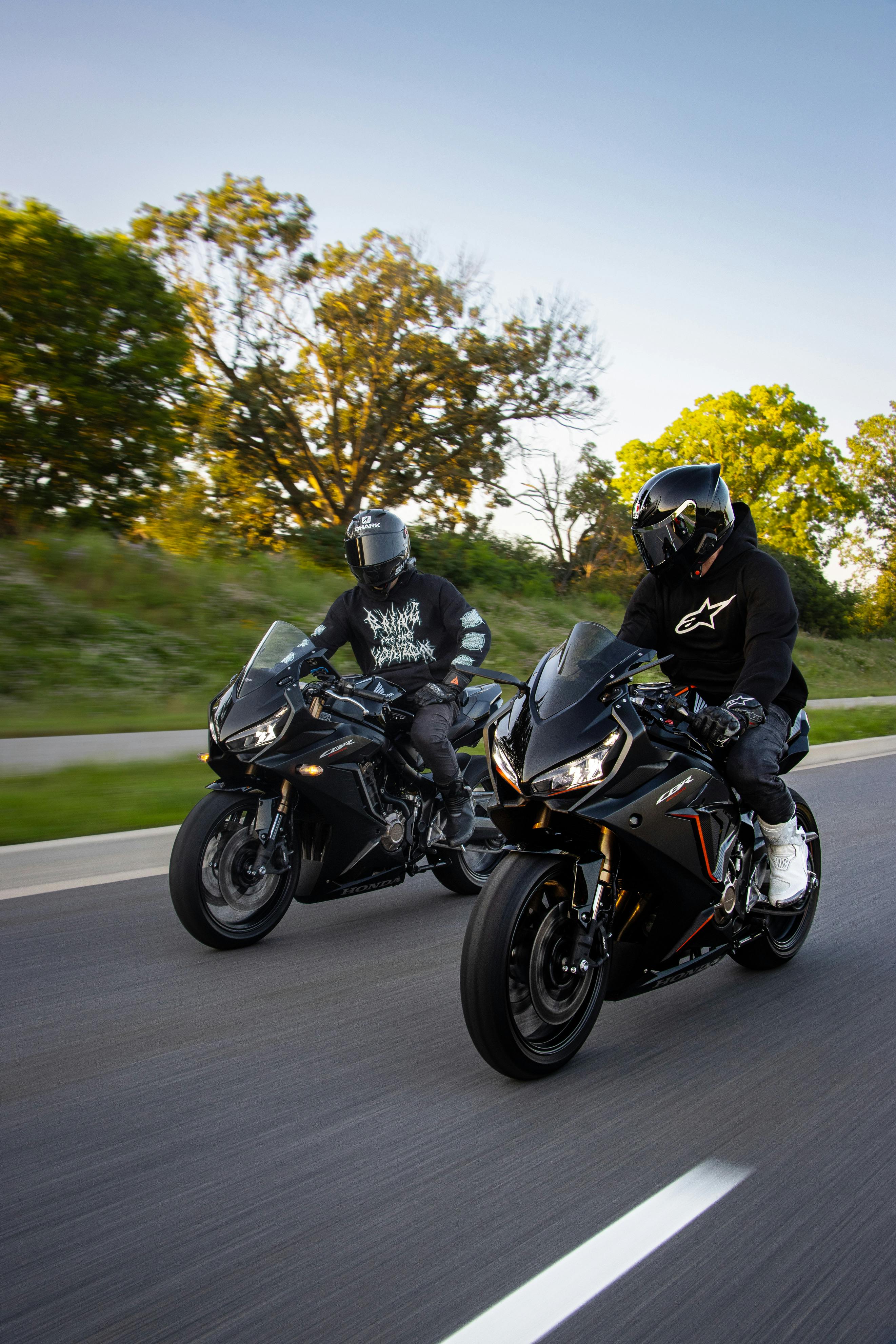
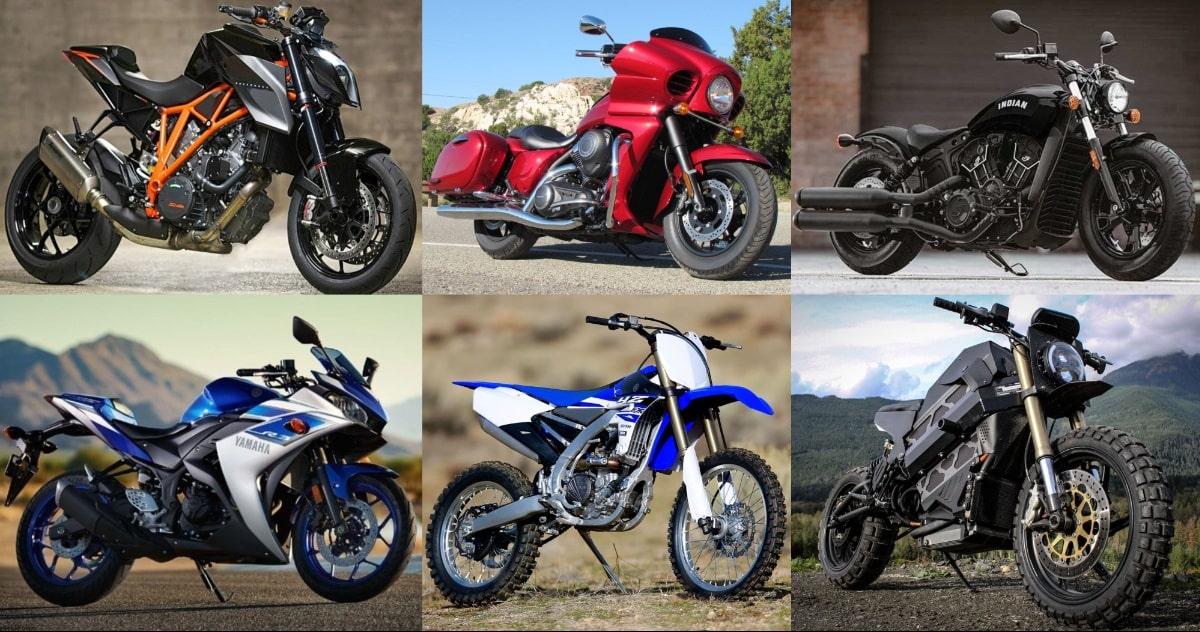
4. **Only Sportbikes Are Fast**The stereotype that serious speed is exclusive to brightly painted sportbikes ignores the remarkable reality of modern motorcycle engineering across various categories. Many non-sportbike machines are incredibly capable, often surprising drivers of high-performance cars. This misconception stems from a narrow view of what constitutes “fast” and overlooks the diverse performance envelopes of today’s motorcycles, which have advanced significantly in recent decades.
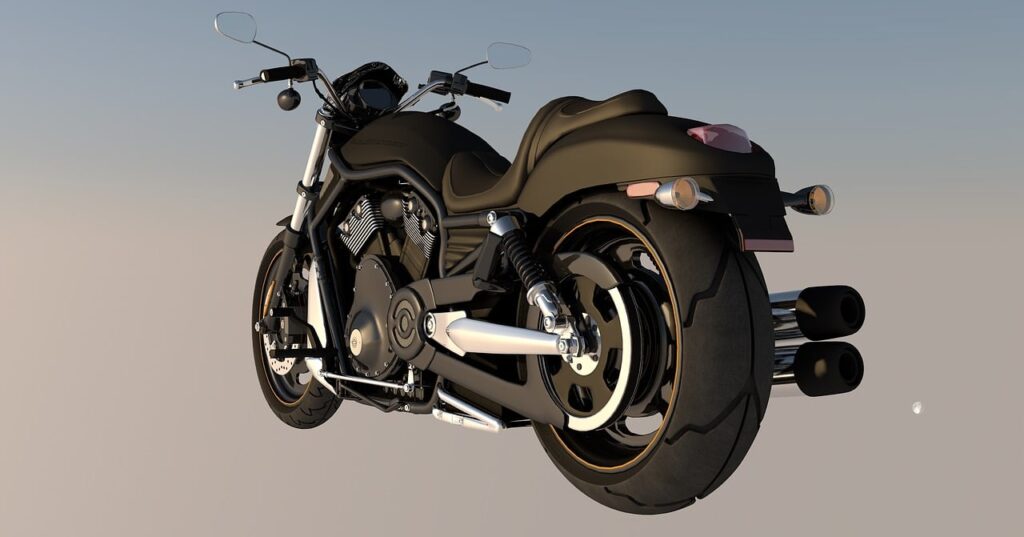
It’s time to recognize that speed is not the sole domain of sportbikes. Cruisers, often perceived as slower machines, can deliver serious power; for example, Harley-Davidson’s V-Rod is known for its impressive acceleration. Touring bikes, such as the BMW K1600, combine luxurious comfort with effortless highway passing power. Even adventure machines like the KTM 1290 Super Adventure possess the raw horsepower to outrun most cars with ease, demonstrating versatile performance capabilities that belie their utilitarian appearance.
Furthermore, even a mid-range bike, like the Yamaha MT-07, accelerates faster than many performance sedans, offering a thrilling ride without the full-faired aggression of a sportbike. Speed and rapid acceleration are baked into the DNA of most modern motorcycles, regardless of their specific category. Believing that only sportbikes are truly fast drastically underestimates just how capable and exhilarating even modest-looking machines can be, and it also disregards the impressive off-the-line acceleration capabilities of many dirt bikes compared to their street-oriented counterparts.
Read more about: Powering the Ride: A Deep Dive into the World’s 15 Largest Motorcycle Brands and Their Global Impact
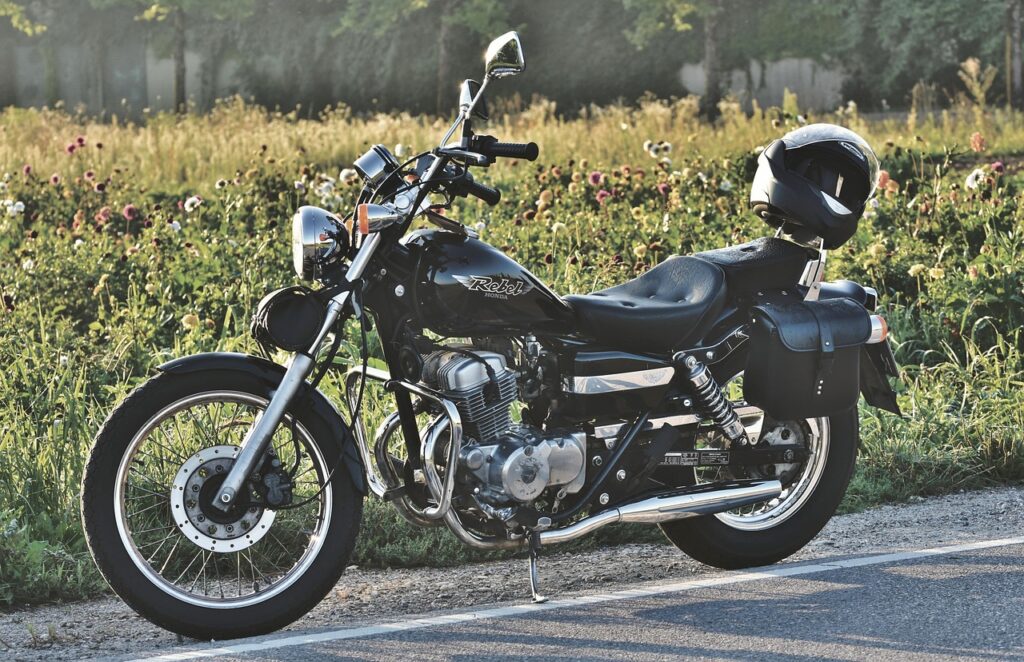
5. **Lane Splitting Is Always Illegal / Lane splitting is dangerous**Many drivers, and even some riders, still firmly believe that lane splitting—the practice of riding a motorcycle between lanes of slow or stopped traffic—is unequivocally illegal across North America and inherently dangerous. This widespread misconception often leads to tension on the roads and a misunderstanding of a practice that, when done properly, can offer significant benefits for both motorcyclists and overall traffic flow. The reality, however, is far more nuanced and geographically varied than this blanket assumption suggests.
In truth, the legality of lane splitting is not universal. California has fully legalized it, recognizing its practical advantages. Beyond California, states such as Arizona, Utah, and Montana have also passed laws allowing lane filtering under specific conditions, indicating a growing acceptance and understanding of the practice. While lane splitting is still prohibited nationwide in Canada, European countries like France, Italy, and the UK not only allow it but also expect riders to utilize it to navigate congested urban environments, highlighting a global precedent for its integration into traffic management.
When executed properly and at low speeds, studies have consistently shown that lane splitting offers tangible safety and efficiency benefits. Research, including a notable study by the University of California Berkeley, found that lane splitting reduces traffic delays by up to 40%. More importantly, it can actually be safer for motorcyclists because it significantly reduces the likelihood of being involved in rear-end collisions, which are a common and often severe type of accident for bikes in stopped or slow-moving traffic. The Berkeley study also found no increased risk of crashes for motorcyclists who practice it safely and responsibly, thereby debunking the notion that it is inherently dangerous.
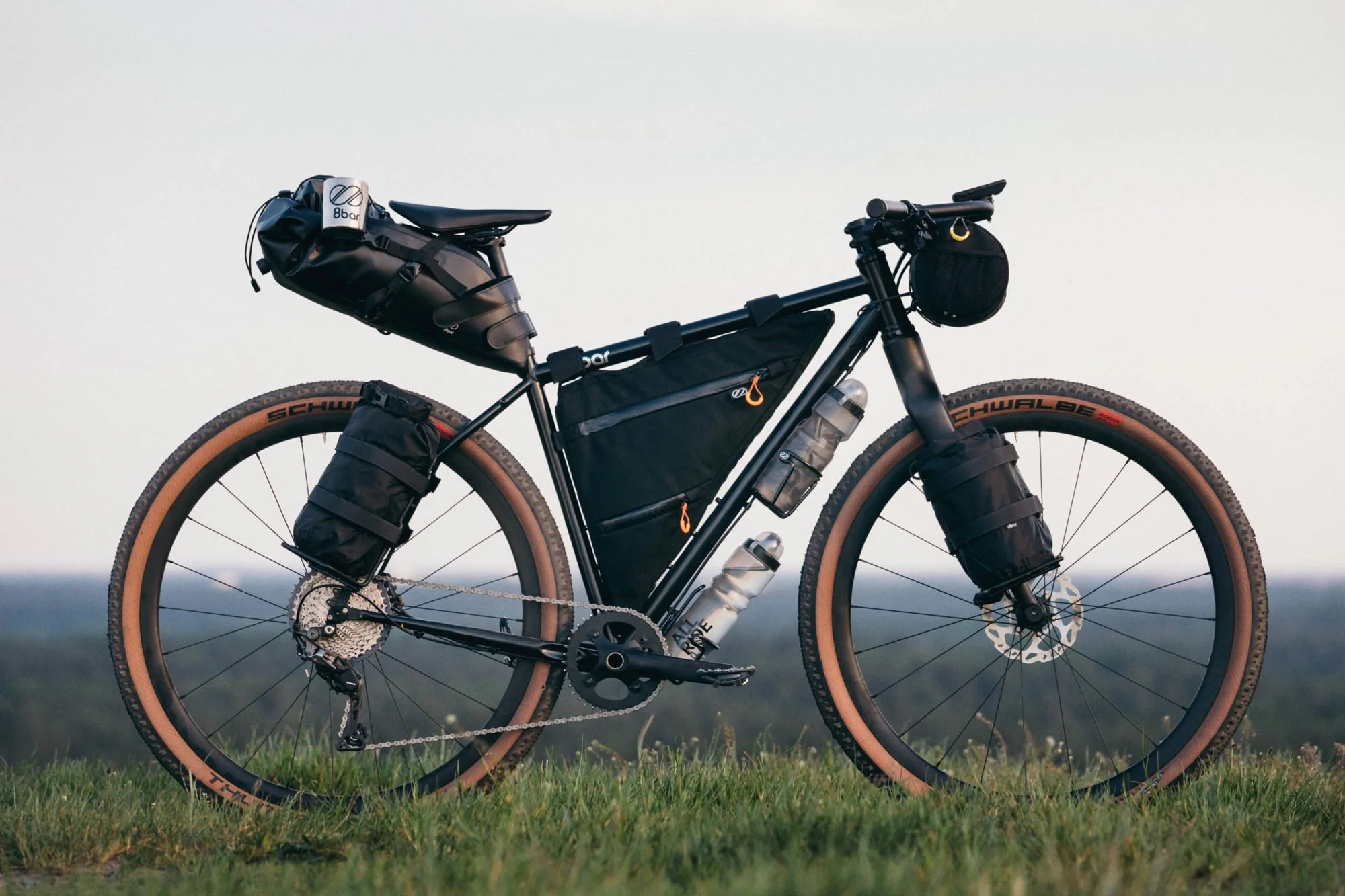
6. **You Need a Big Bike to Tour**The idea that cross-continent touring on a motorcycle necessitates a massive 1200cc machine, complete with oversized saddlebags and a full fairing, is a pervasive myth that can unnecessarily intimidate aspiring long-distance riders. While large touring bikes certainly offer a luxurious and comfortable experience for highway cruising, they are far from the only, or even necessarily the best, option for embarking on long-distance adventures. The spirit of touring is about the journey itself, not the displacement of your engine.
Indeed, history is replete with examples of intrepid riders who have circled the globe on surprisingly humble machines. There are countless stories of individuals conquering continents on 250cc dual sports, navigating vast distances on vintage 400cc standards, and even completing epic journeys on scooters. What truly matters for successful long-distance travel on two wheels isn’t sheer engine size or lavish amenities, but rather factors like a bike’s reliability, the efficiency of its luggage setup, and, crucially, rider comfort and endurance. A well-maintained smaller bike with thoughtful modifications can be just as capable, if not more so, than a massive tourer.
In many scenarios, a lightweight bike can prove to be significantly easier to manage, particularly on rough roads, challenging terrain, or in the often-tiring stop-and-go of city traffic. These smaller, more nimble machines can be less fatiguing over extended periods and allow riders to explore paths that larger bikes simply cannot access. Some of the most legendary travel stories in motorcycling involve riders on humble, small-displacement bikes, eloquently proving that true touring is fundamentally about human endurance, meticulous planning, and the sheer joy of the open road, rather than being dictated by engine size.
Read more about: 12 Legendary Laugh-Out-Loud Comedies from the Last 50 Years You NEED to Rewatch (Some Are Even Ranked!)

7. **Motorcycles Are Hard to Learn / You Have To Be Strong To Ride a Motorcycle**New riders often approach motorcycling with a preconceived notion that it requires incredible balance, exceptional athletic ability, or significant brute strength. These perceptions can create an unnecessary barrier to entry, discouraging many who might otherwise find immense joy and practicality in riding. The reality, however, is that while riding a motorcycle is a skill that demands respect and practice, its basics are far more straightforward and accessible than often assumed, proving that it’s more about technique than raw power.
In truth, the fundamentals of motorcycle operation are quite manageable. Modern motorcycle safety courses are specifically designed to break down the learning process step-by-step, guiding beginners through controlled environments to build confidence and competence gradually. Most new riders, with dedicated instruction and practice, find themselves confidently handling a motorcycle within a matter of days. This structured approach, combined with the forgiving nature of beginner-friendly bikes, demystifies what many perceive as an arduous challenge.
Furthermore, modern motorcycles come equipped with advanced features that make them easier and safer to handle than ever before. Technologies such as Anti-lock Braking Systems (ABS), traction control, and even quickshifters assist riders in maintaining control and stability, significantly reducing the physical demands and steep learning curve of older machines. While physical strength can certainly be helpful, particularly with heavier bikes, motorcycling is fundamentally more about balance, technique, and mental discipline than brute force. Many smaller and less physically strong individuals ride without issues, demonstrating that with proper learning and technique, anyone can master the art of riding, just as learning to drive a manual car is more about coordination than strength.
Motorcycling is a lifestyle rich with exhilarating experiences, but as we continue our journey to separate fact from fiction, it’s imperative to explore the often-overlooked nuances of rider experience, essential maintenance practices, how the public perceives us, and the crucial role of proper gear. These additional myths, deeply ingrained in both rider culture and public imagination, can profoundly impact safety, enjoyment, and the ongoing evolution of motorcycling. By dissecting these persistent fallacies, we empower riders with a comprehensive understanding that elevates their knowledge and contributes to a more informed and respectful riding community.
Read more about: Unmasking America’s 14 Most Wanted: The Cars Thieves Can’t Resist (and How to Protect Yours!)
8. **Riding Gear Is Only for Long Trips**It’s a familiar sight: a rider zipping off for a quick errand in shorts, a T-shirt, and sneakers. The prevailing myth here is that full protective gear is an overreaction for short jaunts or low-speed city riding, deemed only necessary for extensive highway miles. This casual approach often assumes that danger lurks only on long, high-speed adventures, leading many to forgo crucial protection when they feel they’re just “going three blocks to the store.”
The stark reality, however, is that most motorcycle accidents do not occur on remote highways at breakneck speeds. Instead, a significant number happen surprisingly close to home and, critically, at lower speeds. A fall at a seemingly innocuous 30 mph without adequate gloves or proper boots can still result in severe injuries, from shredded skin and road rash to broken bones. The consequences of such an oversight can be devastating, underscoring that protective gear is not a luxury reserved for epic journeys, but a necessity for every single ride.
Thankfully, modern riding gear has evolved significantly, offering options that are both highly protective and remarkably comfortable, even for brief trips. Lightweight, casual-looking designs are now readily available, making it easier than ever to prioritize safety without sacrificing convenience or style. Organizations and experienced riders universally advocate for the ‘ATGATT’ philosophy—All The Gear, All The Time—emphasizing that protective gear is an integral part of riding, regardless of whether it’s a cross-country tour or simply a quick coffee run.
Read more about: Prettiest or Ugliest? The 8 Most Divisive and Visually Offensive Ford Trucks That Stirred the Pot
9. **Car Drivers See Motorcycles Clearly / Car drivers see motorcycles and will stop for you**One of the most perilous assumptions a motorcyclist can make is that if their bike is visible, other drivers will automatically notice and react to their presence. This widespread misconception, often rooted in a driver’s own experience with larger vehicles, dangerously overestimates how much attention a car driver actually pays to motorcycles on the road. The truth, unfortunately, reveals a phenomenon known as “inattentional blindness,” where drivers look directly at a motorcycle yet fail to consciously register its presence.
Motorcycles are inherently smaller and occupy less visual space than cars, making them more susceptible to being overlooked by drivers who are typically scanning for other full-sized vehicles. This diminished visual footprint, coupled with a driver’s cognitive biases and often distracted states, means that merely being in a driver’s line of sight doesn’t guarantee they will actually ‘see’ you. This inherent vulnerability demands a proactive and defensive mindset from every rider.
This is precisely why defensive riding habits are not just recommended, but absolutely critical for survival. Techniques such as headlight modulation, wearing bright and contrasting protective gear, and strategically positioning your motorcycle within the lane to maximize your visibility in mirrors are all designed to combat this inattentional blindness. As one seasoned rider wisely puts it, it’s essential to ride with the mindset that “my bike and I are wrapped in an invisibility cloak and no one can see me,” always expecting cars to pull out in front and having a ‘Plan B’ ready. Assuming a motorcycle being visible guarantees it is seen is a dangerous gamble that no rider should ever take.
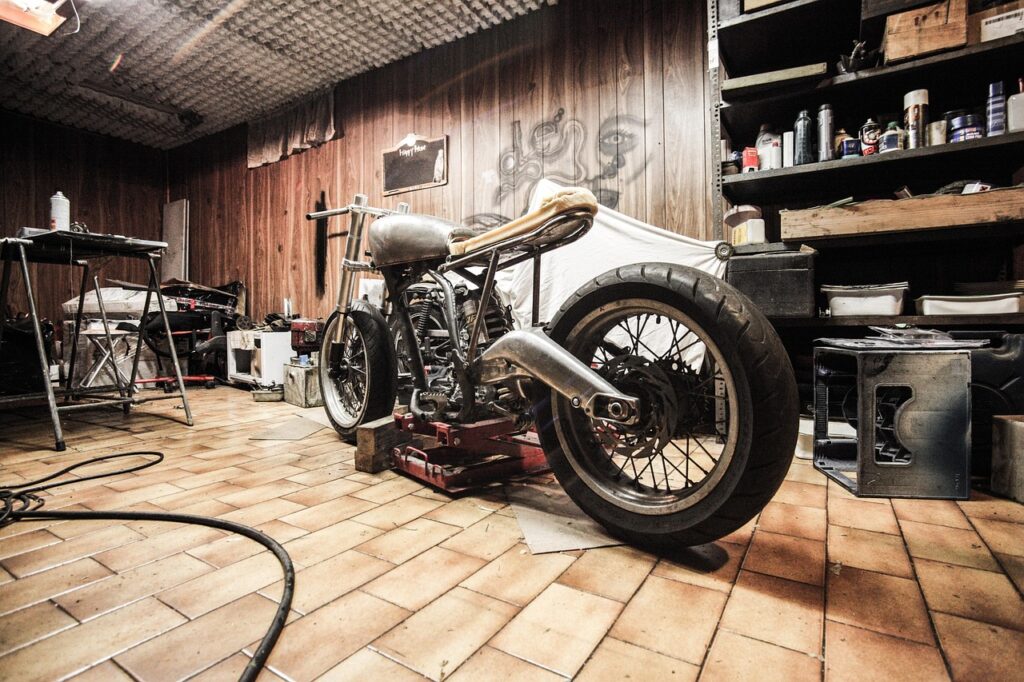
10. **Older Bikes Are Easier to Maintain**There’s a strong current of nostalgia surrounding older motorcycles, often accompanied by the belief that their simpler mechanics, lack of electronics, and perceived ease of backyard maintenance make them superior to modern machines. This romanticized view, fueled by images of vintage bikes being easily tinkered with, suggests a world where a wrench and a basic understanding are all you need to keep a classic running smoothly. While there’s an element of truth to the simplicity of certain components, this myth largely overlooks the practical realities of owning and maintaining older motorcycles.
The reality often involves a trade-off. While lacking complex electronic systems, older bikes typically demand far more frequent and involved mechanical attention. Riders of vintage models often face regular carburetor tuning, painstaking valve adjustments, and a constant vigilance for worn-out components that require specialized knowledge to diagnose and repair. Furthermore, sourcing parts for certain vintage models can become a significant challenge, often leading to expensive searches for rare components or relying on custom fabrication, which can quickly erode any perceived cost savings.
In stark contrast, modern motorcycles, equipped with advanced features like fuel injection, electronic ignition, and sophisticated engine management systems, often require significantly less regular upkeep. These technological advancements mean they run reliably with minimal intervention, often requiring little more than routine oil changes and tire checks for extended periods. While the charm of an older bike is undeniable, from a purely practical standpoint, they are rarely easier to live with on a day-to-day basis compared to the reliability and reduced maintenance demands of a contemporary machine.
Read more about: Stop Dieting: Can Daily Cycling Transform Your Body? Unpacking 15 Profound Changes & The Recovery Secrets to Unlock Your Best Physique.

11. **Leather Motorcycle Apparel Offers the Best Protection**Leather has long been the quintessential material for motorcycle gear, synonymous with classic style, rugged durability, and, most importantly, superior protection. Many riders firmly believe that nothing beats leather when it comes to safeguarding against road rash and impact during a fall. While leather’s excellent abrasion resistance is undeniable and has been proven over decades, the assertion that it *always* offers the absolute best protection is a myth that needs to be updated with modern material science.
The truth is that advancements in textile technology have introduced materials that can perform equally well, if not superiorly, in certain protective aspects. Synthetic materials like Kevlar, which is five times stronger than steel, and Cordura, a highly durable nylon known for its exceptional abrasion resistance, are now widely used in motorcycle apparel. These advanced textiles are specifically engineered to withstand the rigors of a slide, often incorporating woven structures and impact zones that rival or even surpass traditional leather.
Beyond pure abrasion resistance, these modern textile alternatives offer distinct practical advantages. They typically weigh less than heavy leather, contributing to reduced rider fatigue on longer journeys. Crucially, many textile garments are designed to be more breathable and often come with integrated waterproof membranes, providing a significant benefit in hot or wet weather conditions where leather might prove uncomfortable. Ultimately, the most effective protective gear is the gear that riders consistently choose to wear, making the comfort and versatility of modern textiles a compelling argument for their widespread adoption across all riding conditions.
Read more about: The Apex of All-Terrain: 14 Expert-Vetted Off-Road Machines Engineered for Snow, Mud, and Rocks

12. **Being a Passenger on a Motorcycle Is Just Like Being a Rider**For many riders, especially those new to carrying a pillion, there’s a tendency to overlook the unique experience and impact of having a passenger. The myth is that a passenger simply occupies space, passively enjoying the ride without significantly affecting the motorcycle’s dynamics or requiring specific interaction. This oversight can lead to an uncomfortable, or even dangerous, experience for both the rider and their companion, highlighting a critical aspect of shared riding.
In reality, a passenger’s presence profoundly alters the motorcycle’s handling, balance, and braking characteristics. The added weight, positioned higher and often further back on the bike, shifts the center of gravity and requires the rider to adjust their inputs for steering, acceleration, and deceleration. More critically, a passenger’s movements—whether intentional or unconscious—can directly influence the bike’s stability, making smooth coordination and clear communication between rider and passenger absolutely essential for a safe and enjoyable journey.
Indeed, an experienced rider once shared how an article about riding with passengers became one of their most requested reprints, underscoring the critical nature of understanding this dynamic. A passenger’s perspective on a motorcycle is vastly different from the rider’s, and gaining this insight often comes from experiencing it firsthand from the pillion seat. While riding with a cooperative and understanding passenger can be a wonderful shared experience, navigating the road with someone who is scared, unfamiliar with how a motorcycle handles, or who makes sudden, uncommunicated movements can quickly turn an outing into a total disaster.
Read more about: Unmasking America’s 14 Most Wanted: The Cars Thieves Can’t Resist (and How to Protect Yours!)
13. **”I Had to Lay It Down” / Laying the Bike Down Prevents Injury**This phrase, “I had to lay it down,” refers to a controversial and often fatal myth where a motorcyclist intentionally drops their bike onto its side while still moving, under the misguided belief that this action will prevent a more serious crash or reduce injury. This concept, often perpetuated in popular media and outdated folklore, represents a desperate act of panic and a fundamental misunderstanding of modern motorcycle capabilities and emergency handling.
The premise behind “laying down the bike” stems from an era when motorcycles lacked the advanced braking and traction control systems that are standard today. In those times, with poor emergency handling, it might have seemed like a last-ditch option. However, modern motorcycles are engineered with powerful brakes and sophisticated tire compounds that provide incredible grip, allowing riders to maintain control and achieve significantly shorter stopping distances by remaining upright and applying progressive braking. Intentionally giving up control by dropping the bike eliminates all braking and steering capabilities, effectively ensuring an uncontrolled slide.
Experienced riders and all reputable safety organizations, including the Motorcycle Safety Foundation (MSF), emphatically state that “laying the bike down” is unequivocally dangerous and should never be attempted. Every millisecond spent braking while upright reduces speed and thus the severity of any potential impact. Sticking with the motorcycle, attempting to control it, and having faith in its ability to stop or rapidly change direction is nearly always the better choice. Deliberately crashing results in road rash, broken bones, and a significantly higher risk of severe injury or even death, making this myth one of the most hazardous misconceptions a rider can embrace.
14. **Once You Set the Correct Tire Pressure on Your Bike, You Can Forget It**Many riders, once they’ve checked and adjusted their tire pressure, assume that this crucial maintenance task is a ‘set it and forget it’ affair. The myth is that tire pressure remains constant for extended periods, only needing to be revisited sporadically. This oversight, however, neglects the dynamic nature of motorcycle tires and the fundamental impact that correct inflation has on nearly every aspect of riding performance and safety.
The reality is that motorcycle tires, like all tires, inherently lose air pressure over time due to factors such as temperature fluctuations, microscopic leaks, and the simple permeability of rubber. This gradual deflation, if left unchecked, can profoundly influence a motorcycle’s handling, stability, and braking performance. Incorrect tire pressure—whether too high or too low—can lead to reduced traction, compromised stability, uneven tire wear, and even a measurable decrease in fuel efficiency.
Therefore, it is absolutely imperative for riders to make checking tire pressure a regular habit, ideally before every ride, or at the very least, before any significant journey. Keeping both tires at their manufacturer-recommended pressure ensures the best possible ride quality, maximizes traction, enhances stability and control, and contributes to the longevity of the tires themselves. This simple, quick check is a foundational element of pre-ride preparation, akin to a pilot’s flight pre-check, and serves as a critical, ongoing safety measure that no rider should ever overlook.
The world of motorcycling is constantly evolving, blending thrilling freedom with the responsibility of knowledge. As we’ve seen, the road is paved with more than just asphalt; it’s also lined with persistent myths that, while often well-intentioned, can lead to dangerous practices or unnecessary anxieties. From the protective power of modern gear to the subtle art of managing a passenger, and from the true costs of maintenance to the crucial mechanics of emergency maneuvers, separating fact from fiction isn’t just an academic exercise. It’s about empowering every rider with the authoritative insights they need to make informed decisions, enhance their skills, and truly enjoy the open road with unparalleled confidence and safety. By challenging long-held beliefs, we foster a culture where every journey is not only exhilarating but also intelligently prepared and inherently secure.


