
Ensuring the safety of our children on the road is a paramount responsibility for every parent, guardian, and caregiver. From daily commutes to longer journeys, the proper use and installation of child safety seats are the single most effective measures we can take to protect our youngest passengers. Navigating the myriad of regulations, safety features, and installation methods can seem daunting, but understanding these fundamental principles is crucial for preventing injuries and saving lives. Indeed, buckling up is repeatedly highlighted as the most effective action to protect occupants in a crash.
While specific mandates on automakers often operate behind the scenes, the resulting universal standards and safety requirements profoundly shape vehicle design and child safety seat technology. These standards ensure compatibility and effectiveness across a wide range of vehicles, allowing parents to make informed decisions. Unfortunately, thousands of children are injured or killed each year because their child passenger safety seats are not installed properly, often within a mile of home, underscoring the urgent need for comprehensive knowledge and correct application of safety measures.
This in-depth guide delves into 12 essential standards that are not merely suggestions but foundational rules governing child passenger safety, many rooted in stringent legal requirements like California’s vehicle code. We will explore how these standards dictate everything from car seat selection based on age, weight, and height, to the proper utilization of modern anchoring systems like LATCH, and critical considerations for airbag safety. Our goal is to empower caregivers with the knowledge to make confident, life-saving decisions every mile of the way.

1. **Mandatory Rear-Facing for Infants and Toddlers**California law establishes a clear, non-negotiable standard for the youngest passengers, dictating that “Children under 2 years of age shall ride in a rear-facing car seat unless the child weighs 40 or more pounds OR is 40 or more inches tall.” This legal requirement underscores the critical importance of keeping infants and toddlers in a rear-facing position for as long as safely possible, aligning with expert recommendations for optimal protection during development.
This specific legal framework is designed to leverage the unique protective advantages of rear-facing car seats. For infants and toddlers whose heads are proportionally larger and whose neck and spinal structures are still developing, a rear-facing seat provides superior support. In the event of a frontal crash, the seat cradles the child, distributing the immense crash forces across their entire back and minimizing stress on their fragile head and neck. Research unequivocally demonstrates that “Car seats reduce the risk of fatal injury by up to 71% for infants.”
Crucially, parents must adhere to the specific height and weight limits set by their car seat’s manufacturer. The law explicitly states that “The child shall be secured in a manner that complies with the height and weight limits specified by the manufacturer of the car seat.” It is vital not to rush a child into the next stage prematurely. Safety experts consistently advise that “children should remain rear-facing until they reach the maximum height or weight allowed by the car seat. Most children won’t reach those limits until they are two years old or more.” This extended rear-facing period offers the highest level of protection.
Making the decision to “graduate” a child to a forward-facing seat too soon can have serious consequences. Each transition to a less restrictive restraint system inherently involves a reduction in the level of protection. Therefore, keeping a child rear-facing for as long as they fit within the manufacturer’s guidelines, typically well past their second birthday, is a critical safety practice that significantly reduces the risk of serious injury or fatality in a crash.
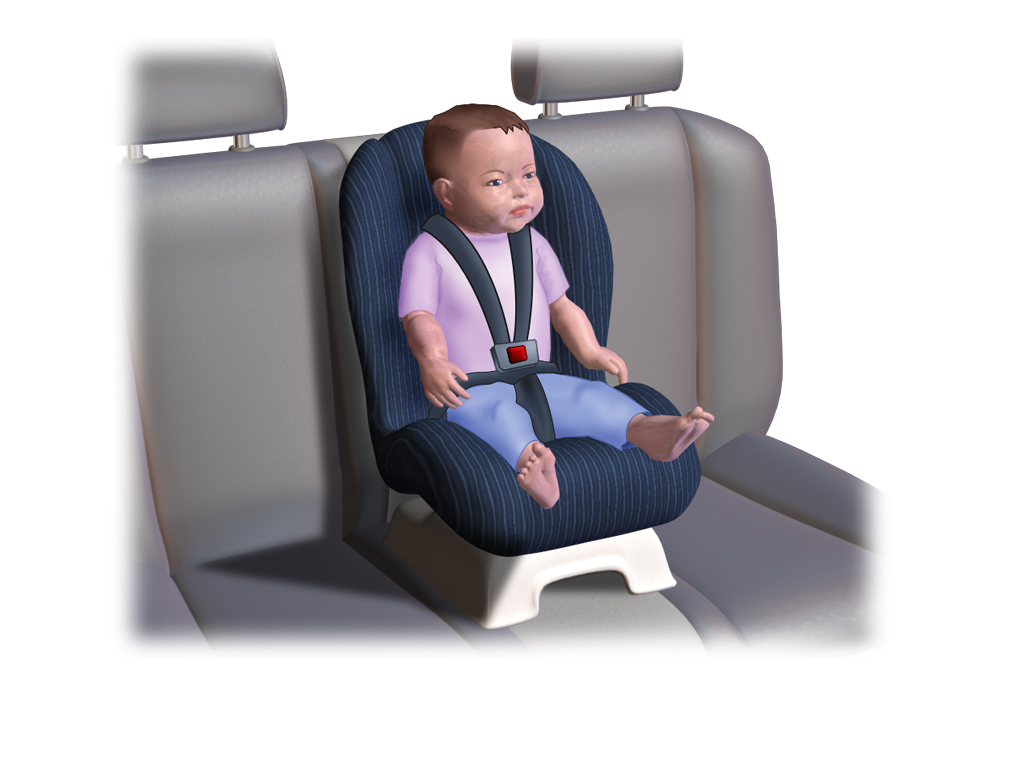
2. **Car Seat or Booster Seat for Children Under 8**Building upon the foundation of infant safety, California law extends its protective reach to slightly older children: “Children under the age of 8 must be secured in a car seat or booster seat in the back seat.” This mandate applies specifically “if the belt does not fit properly,” recognizing that adult seat belts are not designed for the unique physical dimensions of young children. This rule ensures a continuous layer of age-appropriate protection as children grow.
The transition from a rear-facing to a forward-facing car seat, and subsequently to a booster seat, marks a crucial developmental stage. Each step is carefully considered to match the child’s growing body and evolving safety needs. An adult seat belt, when used alone on a young child, often positions the lap belt over the abdomen instead of the hips, and the shoulder belt across the neck rather than the shoulder. This improper fit can cause severe internal injuries or neck trauma in a crash, making a car seat or booster indispensable.
For children under eight, being “secured in a car seat or booster seat” means utilizing a restraint system that correctly positions the vehicle’s safety belt or provides its own internal five-point harness. This ensures that the child’s body is properly restrained and protected against the powerful forces of a collision. Furthermore, the explicit requirement for these children to ride “in the back seat” reinforces a foundational principle of child passenger safety, keeping them away from the dangers of frontal airbags.
Adhering to this standard significantly bolsters a child’s safety profile. Research indicates that “Car seats reduce the risk of fatal injury by … 54% for toddlers,” a testament to the effectiveness of these devices when used correctly. Ensuring that the belt fits properly—or using an appropriate car seat or booster if it doesn’t—is a fundamental layer of protection that adjusts to a child’s needs throughout their early years, safeguarding them against the preventable tragedies of improperly restrained travel.
Read more about: Forgotten Road Rules: Uncovering Vital Driving Laws & State-Specific Enforcement Across the Nation

3. **Back Seat Mandate for Children Under 13**A universal recommendation, solidified by law in many regions, states that “All children under 13 years old should ride in the back seat, which is the safest place in the vehicle.” This guideline is not merely a suggestion but a critical safety protocol designed to shield children from one of the most significant in-vehicle hazards: frontal airbags. Placing children in the rear seat proactively mitigates risks associated with collision dynamics.
The primary rationale behind this back seat mandate centers squarely on the dangers posed by frontal airbags. These life-saving devices are calibrated to protect adults, rapidly deploying with immense force. For a child, particularly one under the age of 13, this deployment can be catastrophic. As explicitly stated in the context, “Frontal airbags can be fatal” for children, and “for children under 13 years of age, sitting in front of an airbag doubles their risk of serious injury.” This statistic alone underscores the imperative of the back seat rule.
While the back seat is unequivocally the safest position, certain unavoidable situations, such as driving a pickup truck without a rear seat or carrying more children than can fit in the back, may necessitate a child riding in the front. In such rare instances, stringent precautions must be taken. The vehicle seat “must be moved as far back as possible,” and the child must be “correctly restrained” in their appropriate car seat or booster. Importantly, if a rear-facing child must ride in such a vehicle, the front airbag “must be turned off” to prevent severe injury or death, a feature sometimes available in these specific vehicle types.
Despite improvements in airbag technology since the 1980s, the risk of fatal or critical injury for children in the front seat remains high. The back seat provides a vital zone of protection, buffering children from frontal impact forces and the explosive deployment of airbags. This consistent and evidence-backed recommendation from safety experts serves as a cornerstone of child passenger safety, ensuring that every child travels in the safest possible environment within the vehicle.
Read more about: Navigating the New Road Ahead: How Sweeping U.S. Traffic Law Reforms Will Impact Millions of American Drivers Starting July 1, 2025
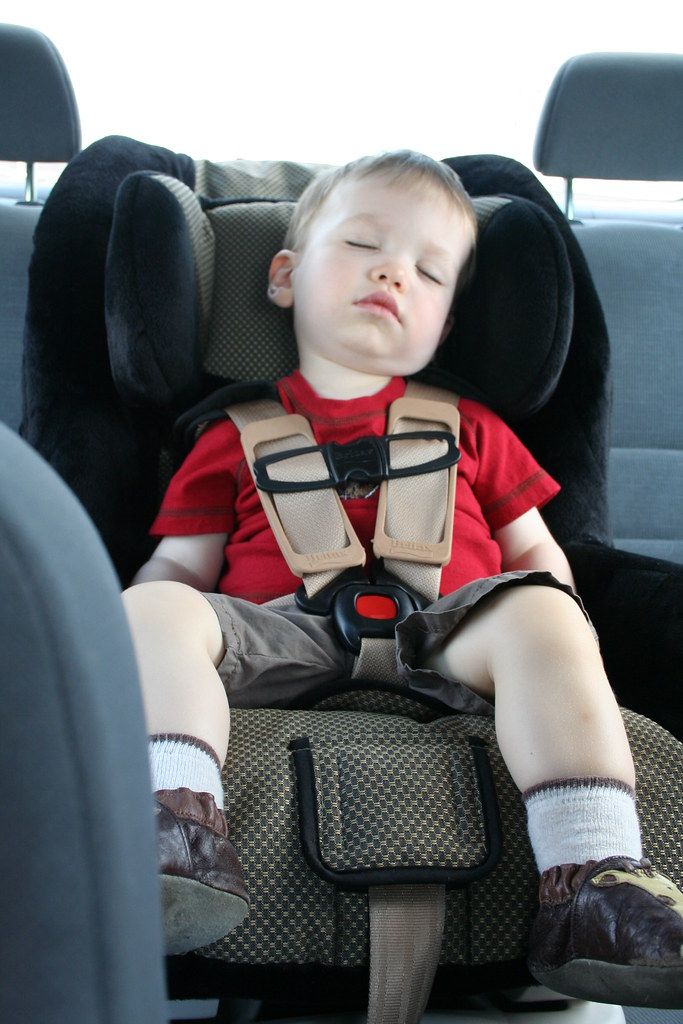
4. **LATCH System Standardization**The evolution of child passenger safety saw a significant leap forward with the development and widespread adoption of the LATCH system. The acronym LATCH, standing for “Lower Anchors and Tethers for Children,” represents a standardized attachment system designed specifically to simplify and improve the installation of child safety seats. Its primary goal was to provide an alternative to the vehicle’s seat belt, which many parents found challenging to use correctly.
A key “rule” that underpins this standardization is its mandatory inclusion in vehicle manufacturing. As the context states, “Nearly all passenger vehicles and all car safety seats made on or after September 1, 2002, are equipped to use LATCH.” This federal mandate effectively ensures that vehicles and car seats are designed with a common, user-friendly interface for securing child restraints. It eliminates much of the guesswork and reduces the common error of improper installation, which is a leading cause of preventable injuries.
Structurally, the LATCH system comprises two main components in the vehicle. “Lower anchors are small horizontal bars that are found in the rear seat of the car where the seat back and bottom seat cushions meet.” Additionally, “tether anchors are located behind the seat, either on the panel behind the seat (in sedans) or on the back of the seat, ceiling, or floor (in most minivans, SUVs, hatchbacks, and pickup trucks).” LATCH-equipped child safety seats have corresponding “two LATCH attachments that connect to the lower anchors” and, for forward-facing seats, “one top tether strap that connects to the tether anchor.”
Despite its ease of use, it’s crucial to understand that “The seat belt and LATCH systems are equally safe, so caregivers should use one or the other—whichever works best for them, their car safety seat, and their vehicle.” The goal is a tight installation, and LATCH often makes achieving that easier. However, it’s vital to confirm that you are using only one system unless explicitly permitted by both car seat and vehicle manufacturers, ensuring that the standardized system functions as intended to provide maximum protection.
Read more about: Beyond the Dashboard: Unveiling 9 Life-Saving Car Features Drivers Don’t Use or Even Know Exist
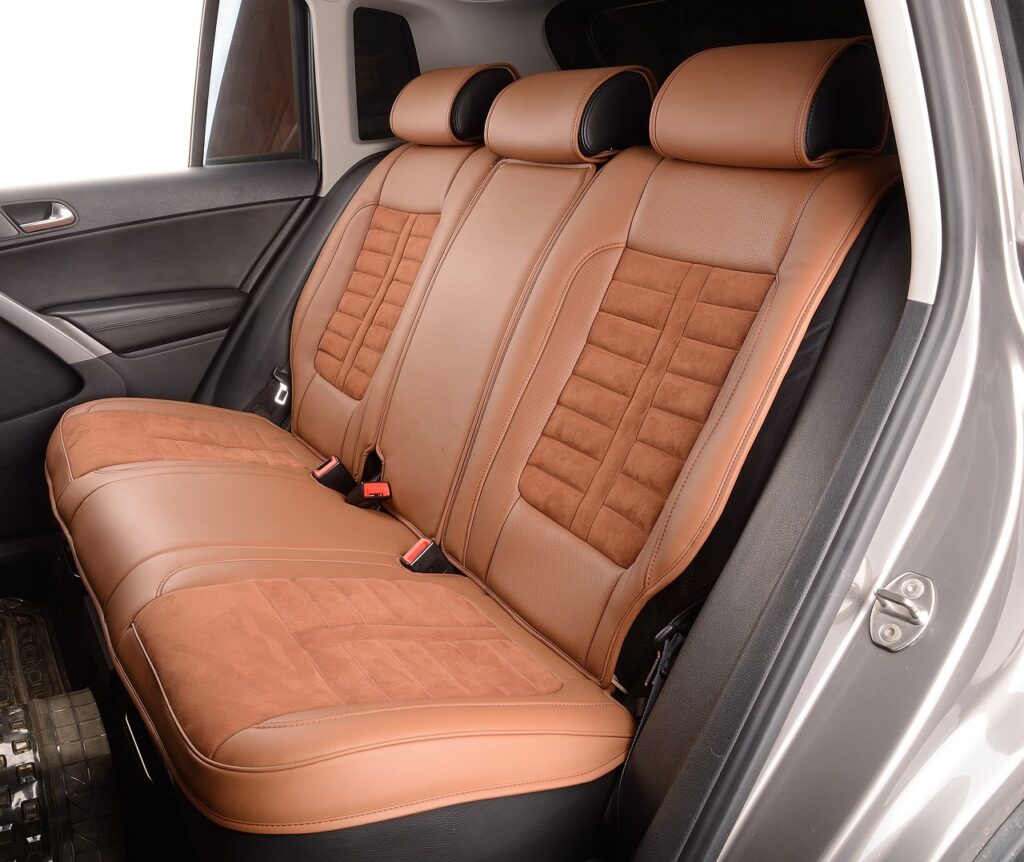
5. **LATCH Weight Limits**While the LATCH system offers a standardized and often simpler method for car seat installation, it is crucial for caregivers to be aware of and strictly adhere to its inherent limitations, particularly regarding weight. A fundamental “rule” of LATCH usage dictates that “All lower anchors are rated for a maximum weight of 65 pounds (total weight includes car safety seat and child).” This is a critical design specification that ensures the integrity and effectiveness of the anchor system in a crash.
Understanding and respecting this weight limit is paramount for safety. Caregivers must proactively “check the car safety seat manufacturer’s recommendations for maximum weight a child can be to use lower anchors.” Newer car safety seats typically have this vital information clearly printed on their labels, making it easier for parents to determine if their child and car seat combination falls within the safe operating parameters of the LATCH system. Consulting both the vehicle owner’s manual and the car seat manual is essential for complete accuracy.
Exceeding the 65-pound combined weight limit for the lower anchors can compromise the safety system’s ability to perform effectively during a collision. If a child, combined with their forward-facing car seat, surpasses this threshold, a crucial adjustment must be made: caregivers “must use your vehicle seat belt to install your child’s forward facing car seat.” This transition ensures that the car seat is secured using a restraint system capable of safely accommodating the higher weight.
Strict adherence to these LATCH weight limits is not just a recommendation but a non-negotiable aspect of child passenger safety. Ignoring these specifications can lead to a failure of the lower anchors in a crash, significantly increasing the risk of serious injury or fatality for the child. Regular checks of the child’s weight and the car seat’s specifications, coupled with knowledge of the vehicle’s LATCH limits, are essential practices for maintaining optimal safety as a child grows.
Read more about: Commuting in Those Luxury Crossovers? What Valets Secretly Notice When You Hand Over the Keys.
6. **Top Tether for Forward-Facing Seats**An indispensable component of the LATCH system, and a critical “rule” for securing forward-facing child safety seats, is the consistent use of the top tether. This anchor point is often overlooked but plays a vital role in protecting children during a frontal impact. The standard is unequivocal: “The top tether should always be used with a forward-facing seat, whether you use a seat belt or lower anchors to secure it.”
The top tether serves a very specific and crucial function: it is designed to significantly reduce the forward movement of a child’s head and upper body in a crash. By fastening “the top of the car seat to a special tether anchor in your vehicle,” the tether acts as a critical stabilizing force. This action “greatly reduce[s] the amount of head movement a forward-facing child may experience in a crash,” thereby mitigating the risk of head, neck, and spinal injuries, which can be severe.
Vehicle manufacturers are mandated to provide these tether anchors, though their exact locations can vary. “Tether anchors are located behind the seat, either on the panel behind the seat (in sedans) or on the back of the seat, ceiling, or floor (in most minivans, SUVs, hatchbacks, and pickup trucks).” Identifying and correctly utilizing these anchors is fundamental. Consulting your vehicle’s owner’s manual will provide precise information on the location of tether anchors in your specific car model.
Failing to connect the top tether for a forward-facing car seat is a common installation error that compromises a child’s safety. Without this crucial attachment, the car seat can pitch forward more aggressively upon impact, increasing the potential for head excursion and contact with the vehicle’s interior. Therefore, making the top tether a mandatory part of every forward-facing car seat installation, regardless of whether lower LATCH anchors or the vehicle’s seat belt are used, is a non-negotiable step in ensuring maximum protection for young passengers.
Navigating the complexities of child passenger safety extends beyond initial seat selection and LATCH installation. A comprehensive approach requires understanding various aspects, from how to properly lock a seat belt for secure installation to crucial laws protecting children from being left alone in vehicles, and the nuanced safety protocols surrounding airbags. This section continues our exploration of the essential rules that ensure every child’s journey is as safe as possible, empowering caregivers with the knowledge to address these critical considerations with confidence. Each detail, from harness adjustment to booster seat readiness and ongoing registration, forms another vital layer of protection.
Read more about: Road-Tested Comfort: A Definitive Guide to the 12 Best Car Seats for Your Family’s Peace of Mind in 2025

7. **Proper Seat Belt Locking Mechanisms for Car Seat Installation**While the LATCH system has streamlined car seat installation for many, the vehicle’s seat belt remains an equally safe and often necessary method for securing child safety seats, especially as children grow and approach LATCH weight limits. A fundamental requirement for using a seat belt for installation is ensuring it locks properly to hold the car seat tightly in place. This locking mechanism is critical; without it, the car seat can shift significantly during a collision, compromising its protective function.
For caregivers installing a car safety seat using the vehicle’s seat belt, it is imperative to “make sure the seat belt locks to hold the seat tightly.” In many newer vehicles, achieving this locked mode is straightforward: the seat belt should be pulled all the way out from the retractor, and then allowed to retract. This action typically switches the seat belt into a locked mode, which will keep it taut around the car safety seat until it is unbuckled.
It is important to recognize that seat belt locking mechanisms can vary by vehicle model and year. Caregivers should “Refer to the vehicle owner’s manual for details about how your seat belt locks.” Additionally, many modern car safety seats are equipped with “built-in lock-offs,” which provide a mechanism to secure the seat belt tightly without needing to rely solely on the vehicle’s seat belt retraction system. These lock-offs simplify installation and reinforce a tight, stable fit.
Regardless of the method used—whether relying on the vehicle’s locking retractor or the car seat’s built-in lock-offs—the ultimate goal is a secure installation. A properly locked seat belt prevents the car seat from moving more than one inch side-to-side or front-to-back at the belt path. Achieving this tight fit is non-negotiable for the car seat to effectively protect a child in the event of a crash, ensuring that the child is brought to a more gradual stop with the vehicle, significantly reducing injury risk.
Read more about: Why Every Man Needs a Swiss Army Knife: A Comprehensive Guide to this Essential Tool for Modern Preparedness

8. **Kaitlyn’s Law: Protecting Children from Being Left Alone in Vehicles**Beyond the mechanics of car seat installation, child safety extends to critical regulations governing how and when children can be left unattended in a vehicle. “Kaitlyn’s Law (California Vehicle Code Section 15620)” stands as a vital legal safeguard, specifically enacted to protect children from the silent but deadly danger of heatstroke inside parked vehicles. This law underscores a profound responsibility that all caregivers bear: never to leave a child unattended in situations that pose a risk to their safety.
This crucial legislation dictates that “It is illegal in California to leave a child 6 years old or younger alone in a car without the supervision of someone at least 12 years old.” The law identifies specific conditions under which this prohibition applies: “if the engine is running or the keys are in the ignition – or if there’s a significant risk to the child’s safety.” This comprehensive phrasing covers scenarios from accidental lock-ins with running engines to situations where the ambient temperature or other hazards could endanger a child.
The primary concern addressed by Kaitlyn’s Law is the rapid and extreme temperature rise inside a parked vehicle. The context highlights that “Even on a mild day, temperatures inside a car can rise to deadly levels in minutes.” Children are particularly vulnerable to these conditions because “Children can’t regulate their body temperature as effectively as adults.” This physiological difference makes them susceptible to heatstroke, which can lead to severe injury or fatality in a very short amount of time.
Adherence to Kaitlyn’s Law is not merely a legal obligation but a life-saving practice. The explicit instruction to “Never leave a child alone in a vehicle – not even for a minute” is a direct response to countless preventable tragedies. Caregivers are encouraged to set “phone reminders to check the back seat before walking away” and to “talk to grandparents, babysitters, and other caregivers about the law” to ensure this critical safety measure is universally understood and practiced.
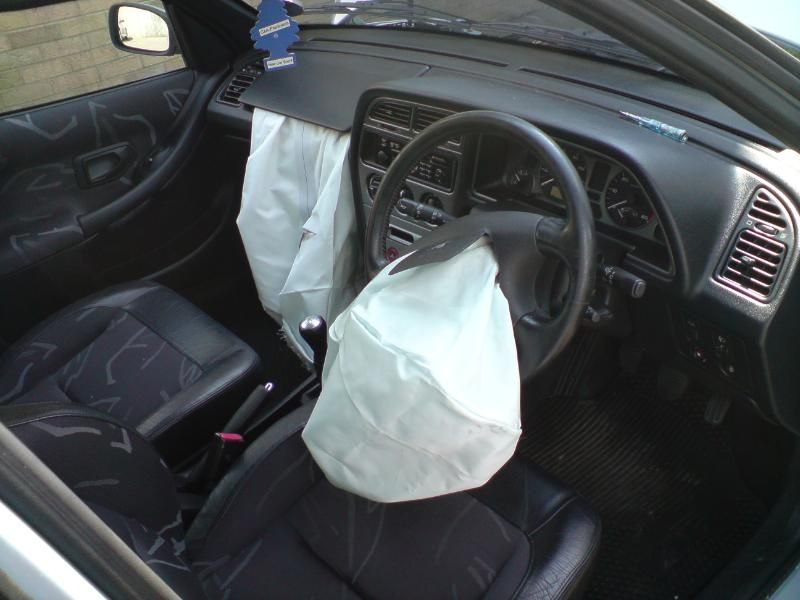
9. **Comprehensive Protocols for Airbag Safety**Airbags are undeniably life-saving innovations, designed to protect adult occupants during frontal crashes by providing a cushioned impact. However, the very force and speed of their deployment that protects adults can pose significant and even fatal risks to children. Therefore, stringent protocols regarding airbag safety are paramount, forming a cornerstone of child passenger protection. The most critical directive is straightforward: “All children under 13 years old should ride in the back seat, which is the safest place in the vehicle.”
The inherent danger of frontal airbags for children is a well-documented concern. As stated, “for children under 13, frontal airbags can be fatal,” and “for children under 13 years of age, sitting in front of an airbag doubles their risk of serious injury.” These devices inflate with immense force, and for a child whose body is still developing, this can result in severe head, neck, and spinal trauma. Even with improvements in airbag technology since the 1980s, “the risk of fatal or critical injury for children remains high” in the front seat.
While the back seat is the preferred and safest location, exceptional circumstances may necessitate a child riding in the front. These rare scenarios include driving vehicles without a rear seat, such as pickup trucks, or when the number of children exceeds the rear seating capacity. In such unavoidable situations, strict precautions must be taken: the “vehicle seat must be moved as far back as possible,” and the child must be “correctly restrained” in an age and size-appropriate car seat or booster.
A particularly critical measure applies to rear-facing children in front seats. For these specific cases, if a child must ride in such a vehicle, the front airbag “must be turned off” to prevent severe injury or death from the airbag striking the back of the car seat. It is vital to remember to reactivate the airbag for adult passengers once the child is no longer in the front seat. Additionally, while side airbags are smaller, children should be taught “not to lean against the door,” and caregivers should “Consult your owner’s manual to learn if it is safe for children to sit next to a side airbag in your vehicle.”
Read more about: Unpacking Automotive Catastrophes: 12 Infamous Engineering Failures That Reshaped Car Safety
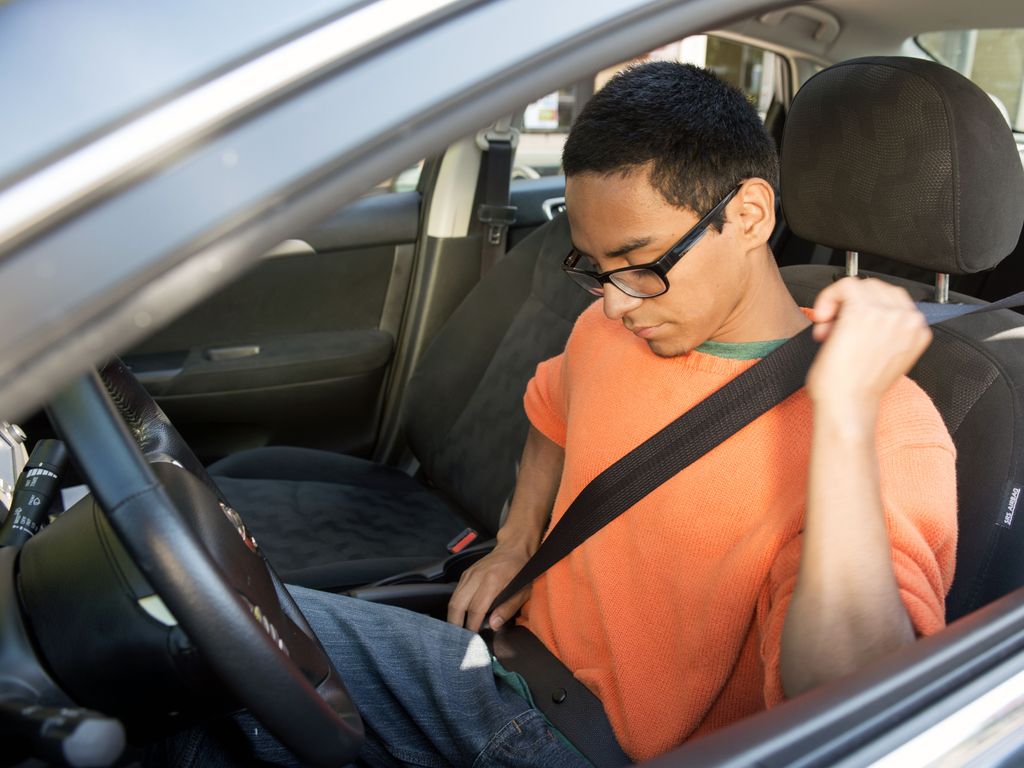
10. **Essential Techniques for Harness Adjustment**The car seat’s internal harness system is the primary mechanism that restrains a child, ensuring they are held securely and safely within the seat during a collision. A correctly installed car seat is only half of the safety equation; the harness must also be properly adjusted to effectively protect the child. Incorrect harness adjustment is a common error that can severely compromise the seat’s ability to perform its life-saving function, highlighting the necessity of understanding essential adjustment techniques.
For children riding in a forward-facing car seat, the position of the harness straps relative to the child’s shoulders is critical. The rule is clear: “When forward-facing, the straps should always be at or above your child’s shoulders.” This positioning ensures that crash forces are distributed across the child’s strongest points, specifically their shoulders and chest, rather than allowing their upper body to move excessively forward, which could lead to severe injury.
Beyond correct strap height, the tightness of the harness is equally important. Caregivers can use a simple yet effective “pinch test” to ensure adequate tightness: “If you can pinch a fold at the shoulders, the straps are too loose.” When properly tightened, “The harness should lie in a straight line with no slack.” This means the straps should be snug against the child’s body, preventing any significant movement while remaining comfortable.
Furthermore, the context advises that caregivers “make sure your child wears light clothing every time they are in the car seat,” noting that “Puffy jackets aren’t safe” as they create too much space between the child and the harness, rendering the harness ineffective. Developing a habit of regularly checking and adjusting the harness “every time you strap your child in and adjust as needed” is crucial. This consistent vigilance ensures that the child is optimally protected on every journey, adapting to their growth and varying clothing.
Read more about: Decoding Failure: 15 Critical Assembly Line Flaws That Impacted Millions of Vehicles
11. **Specific Criteria for Booster Seat Graduation**As children grow, their safety restraint needs evolve, leading to the transition from a harnessed car seat to a belt-positioning booster seat. This “graduation” is a significant step in child passenger safety, but it must be timed correctly to maintain maximum protection. Emphatically, safety experts advise, “do not rush to move a child into a booster seat before they’re ready.” Each stage provides tailored protection, and premature advancement reduces the overall safety level for the child.
A child is deemed ready for a booster seat once they have “outgrown the weight or height limit of their forward-facing harnesses, which is typically between 40 and 65 pounds.” This usually occurs when children are “between 8 and 12 years old” and have reached “at least 4’9” in height.” These criteria are essential because booster seats are designed to correctly position the vehicle’s adult seat belt on a child’s body, which is too small for the belt alone.
The necessity of booster seats stems from the fact that “Safety belts are designed for 165-pound male adults.” Consequently, when used on a young child, poorly fitting adult belts can be highly dangerous. Research shows that “poorly fitting adult belts can injure children,” often causing the lap belt to ride up over the soft abdomen instead of the hips, and the shoulder belt to cross the neck instead of the chest. This improper fit can lead to severe internal injuries, neck trauma, or allow the child’s upper body and head to fly forward in a crash.
A belt-positioning booster seat effectively addresses these issues by raising the child so that “the lap shoulder belt is properly positioned across the center of the chest and low on the hips, touching the thighs.” The “shoulder belt should fit across the center of the shoulder and chest and should not cross or touch your child’s neck.” This correct alignment ensures that in a crash, the belt system functions as intended, distributing forces across the strongest parts of the child’s body.
Caregivers should consistently use a booster seat with both a lap and shoulder belt until their child meets the height and age requirements for safely using the vehicle’s seat belt alone. Continuous adherence to these guidelines, alongside consulting the booster seat’s owner’s manual, is vital for providing continuous, age-appropriate protection.
12. **Importance of Continuous Car Seat Registration for Safety Updates**Child passenger safety is an ongoing commitment that extends beyond the initial purchase and installation of a car seat. A crucial, yet often overlooked, aspect of this commitment is continuously registering the car seat with its manufacturer. This simple action serves as a vital link in the safety chain, directly connecting caregivers to critical safety information and updates that can prevent potential harm.
The primary benefit of car seat registration is to “get safety recall updates.” Just like any manufactured product, car seats can be subject to recalls due to newly discovered defects, design flaws, or evolving safety standards. These recalls are issued to rectify potential hazards that could compromise a child’s safety in a crash or even in routine use. Without registration, manufacturers have no direct way to contact individual owners, leaving children potentially vulnerable to unaddressed safety issues.
Registering a car seat is typically a straightforward process, often involving filling out a postage-paid card included with the car seat or completing a quick online form. This small investment of time ensures that the caregiver receives direct notifications about any safety notices, warnings, or recall information pertaining to their specific car seat model. Such timely communication allows for prompt action, whether it involves replacing a faulty component, receiving a repair kit, or obtaining an entirely new seat if necessary.
Ultimately, car seat registration is a proactive measure that embodies the principle of continuous vigilance in child passenger safety. It reinforces the understanding that protecting children on the road is a dynamic responsibility requiring ongoing attention. By staying informed through manufacturer updates, caregivers contribute significantly to reducing risks and ensuring that their child’s safety seat remains in optimal condition to provide maximum protection for every single journey.
Read more about: Navigating the New Road Ahead: How Sweeping U.S. Traffic Law Reforms Will Impact Millions of American Drivers Starting July 1, 2025
These 12 foundational rules collectively form a comprehensive framework for child passenger safety. From the earliest rear-facing days to the transition into booster seats and beyond, each standard plays an indispensable role in safeguarding our most precious passengers. Understanding and diligently applying these regulations is not just about legal compliance; it is about making informed decisions that dramatically reduce the risk of injury and fatality. Empowering ourselves with this knowledge, and consistently putting it into practice, ensures that every journey is a testament to our commitment to a child’s safety and well-being. Together, we can create a safer environment for all children on our roads, mile after crucial mile.