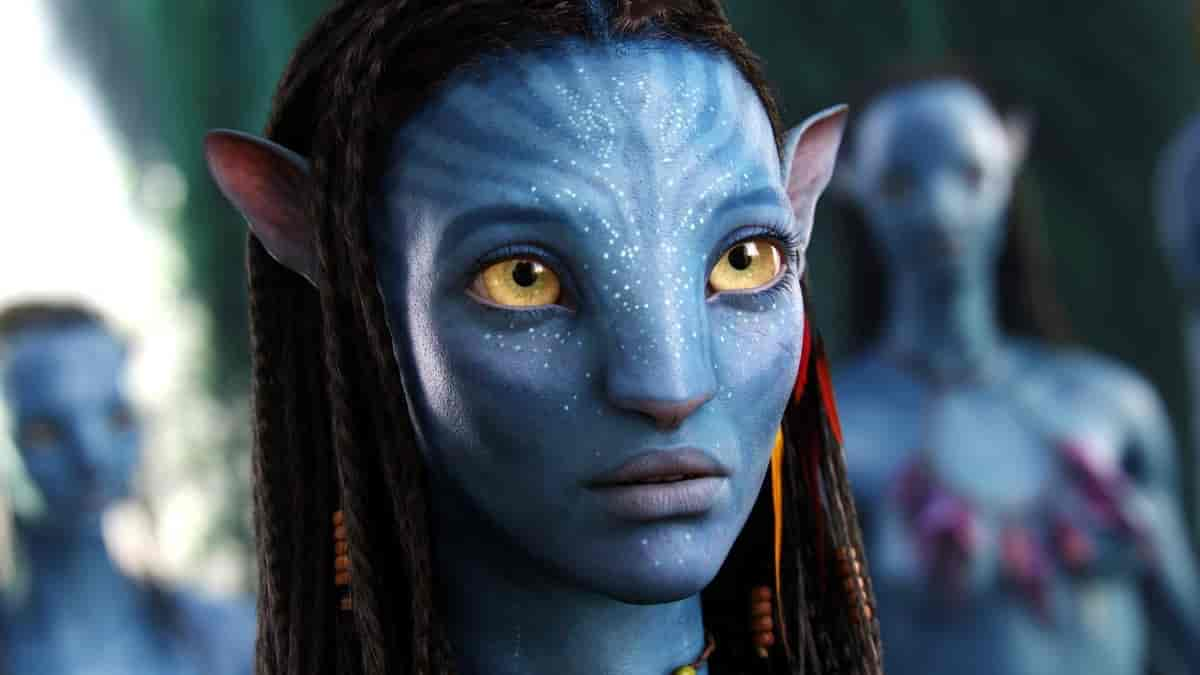
In the annals of cinematic history, few films have etched as indelible a mark as James Cameron’s *Avatar*. When it premiered in 2009, it wasn’t merely a movie; it was a phenomenon, a technological marvel that redefined the boundaries of immersive storytelling and set new benchmarks for visual effects. The journey to Pandora captivated audiences worldwide, establishing a mythology that continues to expand with subsequent installments.
Yet, beneath the glittering surface of its box office dominance and critical acclaim lies a meticulously constructed narrative and an unprecedented production saga. For industry professionals and devoted fans alike, a deep dive into the original film’s detailed plot, its creative genesis, and the strategic choices made in its casting and early development reveals the blueprint of a cultural touchstone. Understanding these foundational elements is crucial to appreciating the film’s enduring legacy and its continued influence on the entertainment landscape.
This authoritative analysis aims to unpack the intricate details that made *Avatar* a cinematic triumph, offering a comprehensive look at the plot points, character arcs, and the visionary decisions that shaped its initial creation. From Cameron’s earliest inspirations to the selection of its pivotal cast members, we dissect the layers of innovation and storytelling that forged Pandora, offering an unparalleled view into the making of a modern classic.
1. **The Genesis of Pandora: Concept and World-Building**The origins of *Avatar* trace back to the vivid imagination of director James Cameron, a testament to a vision conceived long before the technology existed to fully realize it. In 1994, Cameron penned an 80-page treatment for the film, drawing profound inspiration from a childhood steeped in science fiction literature. He cited classic adventure novels by Edgar Rice Burroughs and H. Rider Haggard as key influences, weaving their spirit of exploration and exotic discovery into his nascent universe.
Perhaps most remarkably, parts of the movie’s fantastical world sprung directly from a dream Cameron experienced at the age of 19. He recounted a vision of a bioluminescent forest, adorned with fiber-optic trees and home to fan lizards, a river alive with bioluminescent particles, and a purple moss that illuminated with every step. Upon waking, he sketched this ethereal scene, a drawing that would later become a foundational visual element in the film.
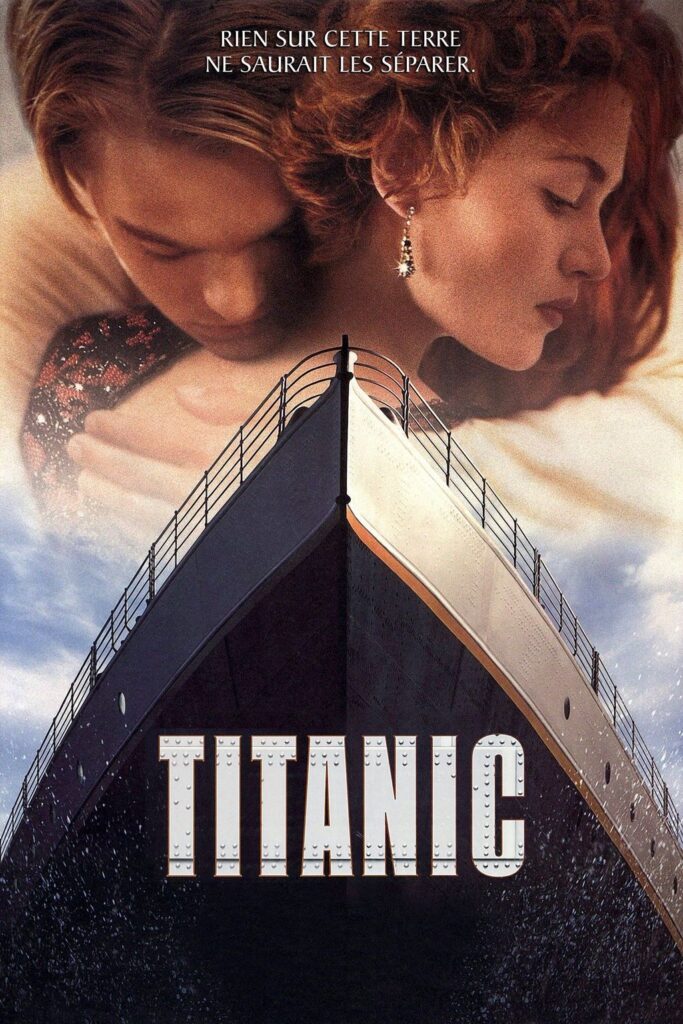
Cameron initially announced in August 1996, after completing *Titanic*, that he would film *Avatar* for a planned 1999 release, intending to utilize synthetic, computer-generated actors. The project was budgeted at $100 million and envisioned six lead actors who would “appear to be real but do not exist in the physical world.” However, his vision outpaced the technological capabilities of the time, leading him to postpone the project and concentrate on documentaries and refining the necessary technology over the subsequent years.
The project was resurrected in February 2006, when Cameron revealed that his film Project 880 was, in fact, “a retooled version of Avatar,” a film he had attempted to make years prior. He explicitly cited significant technological advances in the creation of computer-generated characters like Gollum from *The Lord of the Rings*, King Kong, and Davy Jones from *Pirates of the Caribbean* as enabling factors, finally aligning technology with his ambitious creative intent.
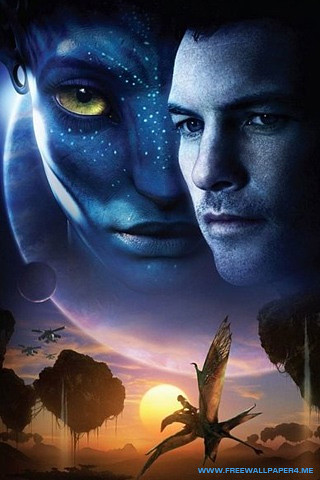
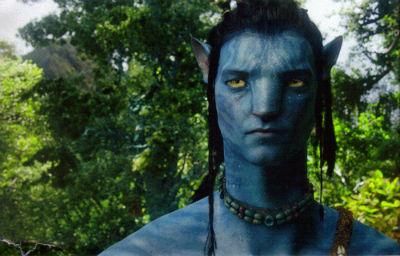
2. **Jake Sully’s Unlikely Journey: From Paraplegic Marine to Na’vi Leader**At the heart of *Avatar*’s narrative is Jake Sully, a disabled former Marine whose journey to Pandora becomes a profound saga of transformation and leadership. His initial recruitment into the Avatar Program is prompted by tragedy, as he replaces his deceased identical twin, who had already signed up to be an operator. This unexpected entry into a new world immediately sets the stage for his unique path.
Dr. Grace Augustine, the pragmatic head of the Avatar Program, initially harbors reservations about Jake, considering him inadequate for the delicate diplomatic mission. Despite her misgivings, she accepts him into the program, a decision that inadvertently plants the seeds for unforeseen developments on Pandora.
Jake’s arrival is quickly complicated by Colonel Miles Quaritch, the formidable head of RDA’s security force. Quaritch leverages Jake’s vulnerability, promising the restoration of his legs’ use if he provides critical intelligence about the Na’vi and the location of their sacred Hometree, which, unknown to the Na’vi, sits atop a rich deposit of the valuable mineral unobtanium. This coercive bargain places Jake in a morally compromising position, forcing him to serve as a spy against the indigenous population he is meant to understand.
However, as Jake immerses himself in the Na’vi culture, guided by Neytiri, his perspective begins to shift dramatically. He falls deeply in love with Neytiri and undergoes a profound initiation into the tribe, learning their ways and forging a deep connection to Pandora. His ultimate transformation is symbolized by his ability to connect his mind to the Toruk, a revered dragon-like creature, a feat that regains the Na’vi’s trust and empowers him to unite the disparate clans against the encroaching RDA, leading them in a desperate battle for survival. Ultimately, his commitment to Pandora and its people is made permanent as he is transferred into his avatar body with the aid of the Tree of Souls, Neytiri, and Mo’at.
3. **Neytiri and the Omaticaya: Culture, Spirituality, and Resistance**Neytiri te Tskaha Mo’at’ite stands as the fierce, empathetic, and pivotal figure in Jake Sully’s journey and the heart of the Na’vi resistance. As the daughter of the Omaticaya clan leader and heir to its spiritual guide, she embodies the deeply interconnected culture of her people. Her initial attraction to Jake stems from his bravery, yet she is frequently exasperated by what she perceives as his human naiveté and foolishness, highlighting the vast cultural chasm he must bridge.
It is Neytiri’s mother, Mo’at, the Omaticaya’s spiritual leader, who instructs her daughter to initiate Jake into their society. This directive, born of spiritual wisdom, thrusts Neytiri into the role of Jake’s guide and mentor, allowing him to gradually shed his human preconceptions and embrace the Pandoran way of life. Through their bond, Jake begins to understand the profound spirituality and ecological harmony that defines the Na’vi.
The Na’vi themselves are portrayed as 10-foot-tall, blue-skinned, sapient humanoids who exist in a profound, symbiotic relationship with nature. Their existence is intrinsically linked to Eywa, their deity, through a complex biological neural network that encompasses all Pandoran life. This connection is most powerfully manifested through the Tree of Souls, a sacred site that serves as a direct conduit to Eywa and allows the Na’vi to communicate with their ancestors and their living world.
This spiritual connection is not merely passive; it proves to be their ultimate defense. When Jake prays to Eywa via the Tree of Souls, the Pandoran wildlife unexpectedly rises to join the Na’vi in battle, overwhelming the technologically superior human forces. Neytiri interprets this incredible intervention as Eywa answering Jake’s prayer, a divine validation of his leadership and the Na’vi’s cause, cementing the deep spiritual dimension of their struggle and their ultimate triumph.

4. **Colonel Quaritch and the RDA: The Unyielding Corporate Threat**Colonel Miles Quaritch serves as the embodiment of the relentless, destructive force threatening Pandora—the head of the mining operation’s security detail. His character is meticulously crafted to reflect a profound and unyielding disregard for any form of life not recognized as human. This stark worldview is consistently evident, not only in his brutal actions but also in his dehumanizing language towards Pandora’s indigenous inhabitants.
Quaritch’s ruthless pragmatism is immediately apparent in his interactions with Jake Sully. He capitalizes on Jake’s paraplegia, promising him the restoration of his legs in exchange for intelligence crucial to the RDA’s mining objectives. This calculated manipulation highlights his willingness to exploit personal vulnerabilities for corporate gain, establishing him as a formidable and morally bankrupt antagonist whose sole focus is the extraction of unobtanium, regardless of the cost.
His disregard for Pandoran life extends to a terrifying extreme when Administrator Parker Selfridge, despite his own initial reluctance, orders the destruction of Hometree. This decision is driven by Quaritch’s unwavering conviction that such an act is necessary to secure the valuable mineral deposits beneath it. He dismisses Dr. Grace Augustine’s urgent warnings about the irreparable damage Hometree’s destruction would inflict upon the biological neural network that underpins all life on Pandora.
Quaritch’s ultimate confrontation with Jake is emblematic of his unyielding nature. Even after his aircraft crashes during the climactic battle, he emerges in an AMP suit, determined to eliminate Jake and destroy the Na’vi. His final, desperate act is to break open the avatar link unit containing Jake’s human body, exposing him to Pandora’s toxic atmosphere. This act of cold-blooded resolve culminates in his death at the hands of Neytiri, a decisive moment that underscores the brutal, personal stakes of the conflict.
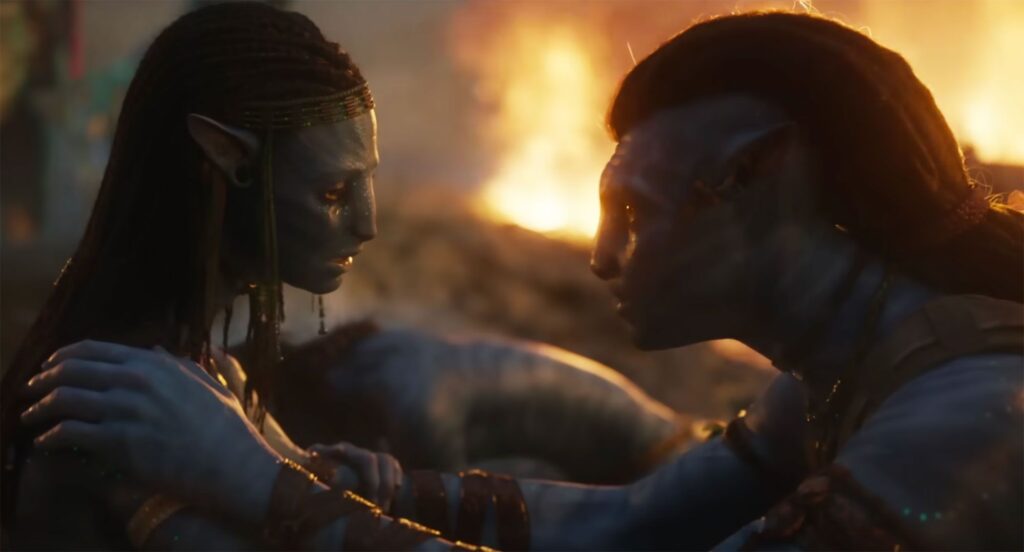
5. **The Battle for Pandora: Unobtanium, Hometree, and the Tree of Souls**The central conflict in *Avatar* is driven by a familiar yet devastating premise: resource exploitation versus indigenous survival. The Resources Development Administration (RDA) arrives on Pandora to mine unobtanium, a valuable room-temperature superconductor mineral, which is desperately needed on an Earth suffering from resource exhaustion and ecological collapse. This corporate objective directly threatens the continued existence of the local Na’vi tribe, setting the stage for an epic confrontation.
Hometree, the colossal dwelling of the Omaticaya clan, becomes the focal point of this conflict. Unbeknownst to the Na’vi, a rich deposit of unobtanium lies directly beneath this sacred gathering place. Administrator Parker Selfridge, under pressure from Quaritch, eventually orders Hometree destroyed, despite Dr. Grace Augustine’s eloquent argument that its destruction would severely damage the biological neural network encompassing all Pandoran life. The subsequent assault by Quaritch’s soldiers results in devastating casualties, including Neytiri’s father, the clan chief, deepening the Na’vi’s resolve for revenge.
Parallel to Hometree’s destruction, the Tree of Souls represents the spiritual and existential core of the Na’vi. This magnificent, neurologically connected tree serves as their direct link to their deity, Eywa, and their ancestors. Recognizing its profound importance to Na’vi morale and survival, Quaritch orchestrates a strike against the Tree of Souls, aiming to demoralize the indigenous population and break their will to fight.
However, the Tree of Souls also becomes the conduit for salvation. Before the climactic battle, Jake Sully, now fully integrated with the Na’vi, prays to Eywa via a neural connection with the Tree of Souls. In a pivotal moment of the war, the Na’vi are miraculously rescued when Pandoran wildlife unexpectedly joins the attack, overwhelming the human forces. Neytiri interprets this extraordinary intervention as Eywa directly answering Jake’s prayer, solidifying the spiritual stakes of the war and confirming the profound interconnectedness of all life on Pandora, a truly divine intervention against overwhelming technological might.

6. **Casting Pandora: Key Actors and Audition Insights**Bringing the complex characters of *Avatar* to life required a meticulous casting process, led by James Cameron’s discerning eye. For the pivotal role of Jake Sully, Cameron undertook a worldwide search for promising young actors, strategically preferring relative unknowns to manage the film’s substantial budget. Sam Worthington, an Australian actor who was reportedly living in his car at the time, ultimately secured the role, despite his initial frustration during the audition process. He eventually signed on for potential sequels, a testament to Cameron’s belief that his relatively fresh face would imbue the character with a “quality that is really real,” someone audiences would “want to have a beer with” who would transform into a leader.
The casting process for Jake Sully also saw several high-profile names considered. Matt Damon was famously offered the role, along with a significant 10% stake in the film’s profits, but declined due to commitments to *The Bourne Ultimatum*. Other notable actors like Chris Pratt, Chris Pine, and Jake Gyllenhaal (who chose to focus on *Prince of Persia: The Sands of Time*) were also in the running. Ultimately, Channing Tatum, Chris Evans, and Worthington were the three finalists, with Cameron making the definitive choice for Worthington.
Zoe Saldana was cast as Neytiri te Tskaha Mo’at’ite early in production, a strategic decision that allowed her to actively participate in screen-testing actors auditioning for Jake Sully, including her eventual co-star Worthington. Before Saldana, the character was initially known as “Zuleika Te Kaha Polenoma” in earlier drafts. Charisma Carpenter was considered during early development, but by 2006, she was deemed too old for the role. Q’orianka Kilcher was also considered, and Emily Blunt auditioned, highlighting the extensive search for the right talent to embody the Na’vi princess. Saldana’s performance, entirely computer-generated through performance capture, made the character iconic.
Stephen Lang took on the chilling role of Colonel Miles Quaritch. Lang had previously auditioned unsuccessfully for a role in Cameron’s *Aliens* in 1986, but the director clearly remembered his presence and actively sought him for *Avatar*. Michael Biehn, a frequent collaborator with Cameron on films like *Aliens*, *The Terminator*, and *Terminator 2: Judgment Day*, was also briefly considered, reading the script and viewing 3-D footage before Lang was ultimately cast.
Michelle Rodriguez, whom Cameron had wanted to work with since seeing her in *Girlfight*, was cast as Captain Trudy Chacón, the combat pilot sympathetic to the Na’vi. Sigourney Weaver, a Cameron veteran, portrayed Dr. Grace Augustine, the exobiologist and head of the Avatar Program. Weaver even dyed her hair red for the part, with her character at one point named “Shipley.” She found Grace to be “very driven and very idealistic,” characteristics she felt reminded her of Cameron himself. The ensemble cast was rounded out by talents such as Giovanni Ribisi as Parker Selfridge, Joel David Moore as Dr. Norm Spellman (with Josh Gad as a runner-up), CCH Pounder as Mo’at, Wes Studi as Eytukan, Laz Alonso as Tsu’tey, Dileep Rao as Dr. Max Patel, and Matt Gerald as Corporal Lyle Wainfleet, each contributing to the rich tapestry of characters in Pandora.
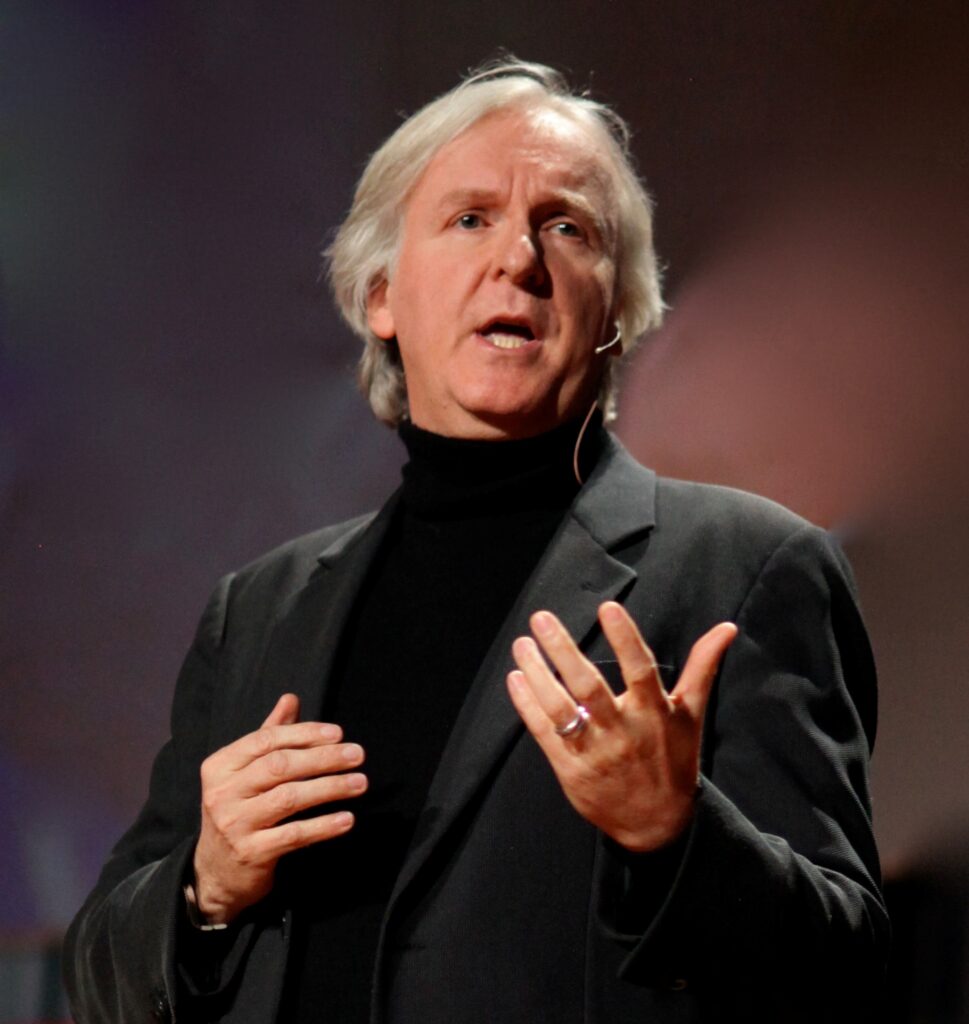
7. **The Art of Na’vi Language and Culture Development**The immersive quality of *Avatar* stems from its meticulously constructed culture and unique language. From January to April 2006, James Cameron dedicated himself to crafting the script and developing an entire cultural framework for the Na’vi, laying the groundwork for a world that felt both alien and profoundly real, essential for the film’s authenticity.
A cornerstone of this world-building was the Na’vi language, created by Paul Frommer, a linguist at USC. Frommer developed a lexicon of approximately 1000 words, a robust foundation augmented by Cameron with some 30 additional words, tailoring the language further to narrative needs.
The Na’vi tongue is notable for unique phonemes, including ejective consonants—like “kx” in “skxawng”—characteristic of Amharic, and an initial “ng” possibly from Māori. This linguistic precision allowed actors to truly embody characters, lending credibility to interactions and rituals. Beyond language, the film’s biological authenticity was paramount.
To this end, Sigourney Weaver and set designers consulted Jodie S. Holt, a professor of plant physiology. They focused on botanical methods for studying plants and depicting intricate communication systems between Pandora’s organisms, cementing the world’s profound interconnectedness.

8. **Behind the Scenes: The Herculean Production Challenges**Bringing *Avatar* to the screen faced significant challenges, including securing commitment from 20th Century Fox. The studio initially wavered due to cost overruns and delays on Cameron’s previous epic, *Titanic*. This apprehension necessitated strategic maneuvering to keep the ambitious project afloat, highlighting immense financial risks.
A visual metaphor for the film’s uncertain future was Cameron installing a traffic light, perpetually amber, outside co-producer Jon Landau’s office. Landau, a key collaborator, played a vital role in navigating these turbulent waters, eventually being credited by Cameron as “the heart of the Avatar family” and “the center of gravity of our little bubble universe.”
In mid-2006, Fox declined to produce the film, leading Cameron to shop it to other studios, including Walt Disney Studios. However, Fox exercised its right of first refusal after Ingenious Media agreed to back the film, significantly reducing Fox’s financial exposure to less than half of the official $237 million budget. This financial restructuring was the turning point.
The official budget was $237 million, plus $150 million for promotion. Industry estimates ranged higher, but $30 million in tax credits helped mitigate the burden. It was a gamble that ultimately paid off, despite considerable executive trepidation.

9. **Filming Innovation: Cameron’s Virtual Camera System**James Cameron’s *Avatar* pioneered a hybrid production, blending traditional filmmaking and cutting-edge digital techniques. Principal photography began in April 2007, with Cameron aiming for a seamless fusion where audiences wouldn’t distinguish between live-action and CGI. The film utilized a modified 3D Fusion Camera System, though filmed at 24 frames per second. Cameron stated it comprised “60% computer-generated elements and 40% live action, as well as traditional miniatures.”
Motion-capture photography, crucial for digital characters, spanned 31 intensive days, followed by 31 days of live-action filming. Over a thousand individuals contributed to the production. Rigorous cast preparation included combat, horsemanship, Na’vi language coaching, and immersive experiences in Hawaiian tropical rainforests, ensuring authentic performances deeply connected to Pandora’s environment.
A standout innovation was Cameron’s virtual camera system, revolutionizing motion-capture filmmaking. It allowed the director to see actors’ virtual counterparts in real-time within digital environments, functioning “like a big, powerful game engine.” This offered unparalleled creative control, letting Cameron manipulate elements and perspectives as if shooting live action. The system emphasized continuous performance, deemed “a form of pure creation,” and was tested by Steven Spielberg and Peter Jackson.
Further augmenting this was the “simulcam,” a hybrid system merging the 3D fusion and virtual cameras. It enabled real-time filming of live action with CGI images superimposed over the feed, akin to augmented reality. This immediate visual feedback allowed precise instructions for actors interacting with virtual elements, vital for seamlessly integrating Pandora’s digital and practical aspects.
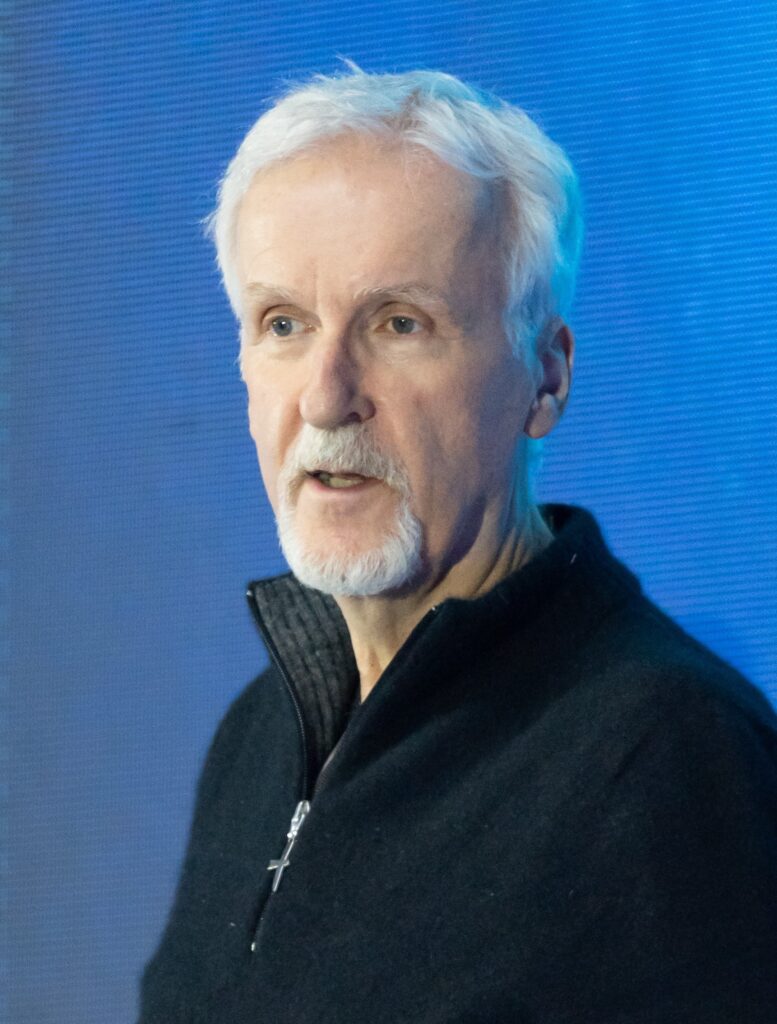
10. **Revolutionary Visual Effects and Weta Digital’s Prowess**The visual effects in *Avatar* were revolutionary, pushing cinematic realism to new heights. Cameron deliberately delayed the film since the 1990s, awaiting technological advancements that matched his grand vision, enabling photorealistic CGI characters through refined motion-capture animation. Innovations included a specialized camera on a 6-inch boom for minute facial expression capture, a novel lighting system, and a motion-capture stage six times larger than any previously utilized.
The improved method for facial expression capture was a significant breakthrough, enabling full performance capture. Actors wore custom skull caps with tiny cameras, transmitting detailed information to computers. Cameron affirmed this allowed “100% of the actors’ physical performances to their digital counterparts,” supported by numerous reference cameras. A complex scene where CGI Neytiri held live-action Jake showcased meticulous attention to subtle interactions of shadows and light.
The formidable task of bringing Pandora to life was entrusted to Weta Digital, employing a staggering 900 people. The immense data volume necessitated Microsoft’s Gaia, a bespoke cloud computing and Digital Asset Management system, enabling vast international crews to seamlessly track digital processing. Weta’s render farm was a computational marvel, with 4,000 HP servers, 35,000 processor cores, 104 terabytes of RAM, and three petabytes of storage, consistently ranking among the world’s most powerful supercomputers.
Additionally, The Foundry, collaborating with Weta, developed Mari software. The digital creation required over a petabyte of storage, with each minute of final footage consuming 17.28 gigabytes. To ensure timely completion, Industrial Light & Magic (ILM) worked alongside Weta on battle sequences, developing effects for vehicles and CGI explosions, a collaborative effort underscoring the commitment to Cameron’s ambitious vision.
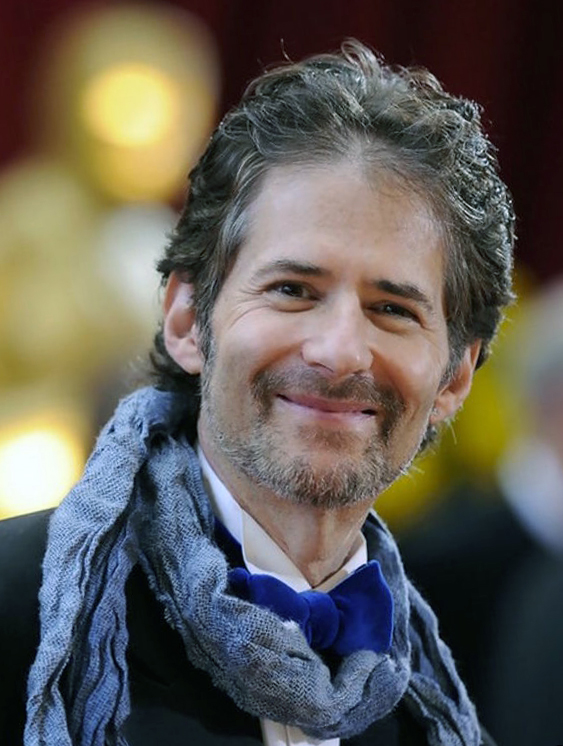
11. **The Orchestration of Sound and Score: James Horner’s Legacy**The immersive experience of *Avatar* was profoundly enhanced by its evocative score from acclaimed composer James Horner. This marked Horner’s third partnership with James Cameron, building on their history. Horner approached *Avatar* with unparalleled dedication, reportedly promising Cameron exclusive focus and working tirelessly. He described it as “the most difficult film I have worked on and the biggest job I have undertaken.”
The immersive experience of *Avatar* was profoundly enhanced by its evocative score from acclaimed composer James Horner. This marked Horner’s third partnership with James Cameron, building on their history. Horner approached *Avatar* with unparalleled dedication, reportedly promising Cameron exclusive focus and working tirelessly. He described it as “the most difficult film I have worked on and the biggest job I have undertaken.”
Horner’s genius lay in scoring *Avatar* as two distinct scores, seamlessly merged. He first crafted a score reflecting the unique “Na’vi way of sound,” drawing from the alien culture. This indigenous sonic landscape was then interwoven with a “traditional” orchestral score, propelling the narrative and evoking universal emotions, creating a rich, layered auditory experience.
To ensure authenticity, Horner collaborated with ethnomusicologist Wanda Bryant, developing culturally distinct musical elements. Parts of the score were recorded with a small chorus singing in the constructed Na’vi language in March 2008, further cementing the film’s immersive vision.
Adding a final, poignant touch was the theme song, “I See You,” performed by Leona Lewis. This powerful ballad, with its accompanying music video, premiered just days before the film’s release, encapsulating *Avatar*’s emotional core and serving as a memorable auditory signature.

12. **Themes, Legacy, and Enduring Cultural Impact**At its core, *Avatar* is an action-adventure journey of self-discovery, intricately woven with themes of imperialism and deep ecology. James Cameron cited childhood sci-fi and Edgar Rice Burroughs’ *John Carter* series as inspirations. He acknowledged parallels with films exploring clashes between cultures, such as *Princess Mononoke* and *Dances with Wolves*, where protagonists transform.
Cameron’s 2012 legal declaration detailed “the genesis of the ideas, themes, storylines, and images that came to be Avatar,” connecting the narrative to historical events, his own life, and unproduced projects. He affirmed that *Avatar*’s core concepts—a world mind, intelligence in nature, avatar use, alien colonization, corporate greed, the triumph of the weaker, and the good scientist—were “established and recurrent themes” from his earlier works, including *Aliens*, *The Abyss*, and *Terminator* films.
Upon its London premiere on December 10, 2009, and US release on December 18, *Avatar* garnered overwhelmingly positive critical reviews. While groundbreaking visual effects received widespread praise, some criticism noted the story’s derivative nature. Nevertheless, the film’s impact on audiences was undeniable, heralding a new era of cinematic possibility.
During its monumental theatrical run, *Avatar* shattered numerous box office records, swiftly becoming the highest-grossing film of all time. Though briefly surpassed by *Avengers: Endgame*, a strategic re-release in China saw *Avatar* reclaim its title. Adjusted for inflation, it stands as the second-highest-grossing movie ever, trailing only *Gone with the Wind*, with a colossal total exceeding $3.5 billion. It also became the first film to gross over $2 billion and the best-selling video title of 2010 in the United States.
The film’s critical acclaim secured nine nominations at the 82nd Academy Awards, winning three. Beyond awards, *Avatar*’s success influenced entertainment and popular culture. It spurred electronics manufacturers to release 3D televisions and significantly boosted 3D film popularity, altering how audiences consumed cinema. This unprecedented triumph laid the foundation for the *Avatar* franchise, expanding with sequels like *The Way of Water* (2022) and *Fire and Ash* (2025), ensuring Pandora’s enduring legacy.
Read more about: Beyond the Stage: 11 Unseen Revolutions That Forged Rock Music’s Soul
From its conceptualization in a director’s dream to global dominance and expansion, *Avatar* stands as a monumental achievement in cinematic storytelling and technological innovation. It proved that profound world-building, coupled with a relentless pursuit of visual perfection, could captivate billions and fundamentally reshape filmmaking. The journey to Pandora remains an indelible chapter, a testament to James Cameron’s visionary spirit and the collaborative brilliance of thousands who dared to dream a new reality onto the silver screen.