The automotive world is currently undergoing one of its most profound transformations in history. As manufacturers accelerate their pivot towards electrification and consumer preferences increasingly favor SUVs, a distinct shift is occurring that sees many beloved and iconic luxury models quietly—or sometimes dramatically—bowing out of production. This year marks a particularly poignant moment in automotive history, as we witness the departure of several long-running nameplates and performance vehicles that have, for decades, defined the pinnacle of automotive luxury and engineering.
This dramatic shift is not merely a transient trend; it’s a fundamental reorientation driven by stricter emissions regulations, evolving consumer tastes, and automakers’ ambitious strategic commitments to an all-electric future. While the excitement around new electric offerings and versatile SUVs is palpable, it’s also a time to reflect on the magnificent machines we’re leaving behind. Many luxury car models we know and love are quietly slipping out of production, making way for what the industry believes is the next generation of motoring.
Join us as we take a journey through the storied careers and unfortunate farewells of 14 luxury models that have been taken out of the lineup. These vehicles, from high-revving supercars to opulent grand tourers, each tell a unique story of innovation, market dynamics, and the inexorable march of progress. We’ll delve into their defining features, the performance they offered, and the strategic decisions that ultimately led to their departure, ensuring their legacy is remembered even as the roads they once graced are filled with newer, quieter, and often taller alternatives.
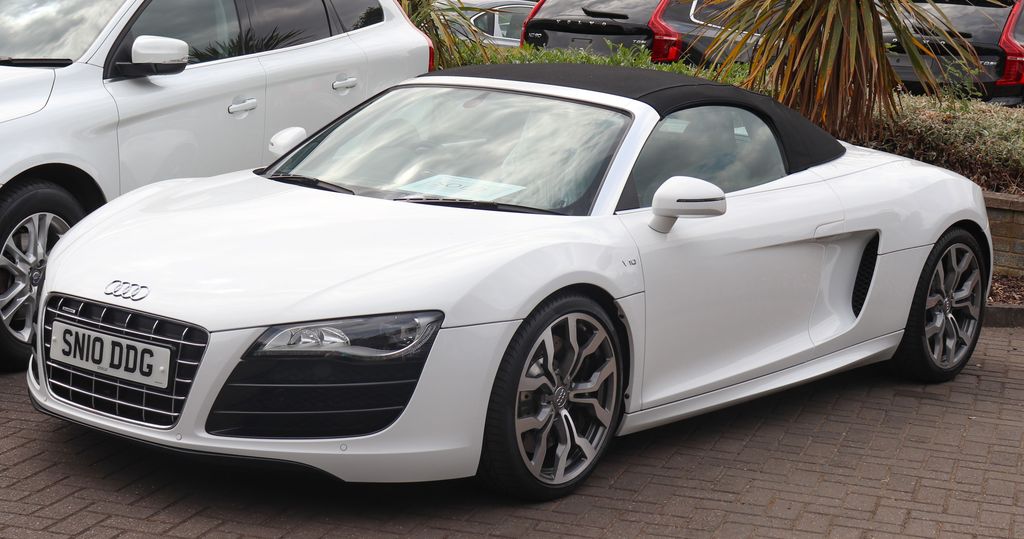
1. **Audi R8**
The Audi R8, a name synonymous with thrilling performance and striking design, has long commanded respect and adoration in the luxury sports car market. Its signature feature was undoubtedly its high-revving V10 engine, an engineering masterpiece capable of unleashing up to 602 horsepower, paired with Audi’s iconic all-wheel-drive system. This combination didn’t just offer an exhilarating driving experience; it defined a segment, making the R8 a favorite among enthusiasts who craved supercar performance blended with everyday usability.
The R8’s sleek supercar design was instantly recognizable, a harmonious blend of aggressive aesthetics and sophisticated lines that turned heads wherever it went. For years, it stood as the torchbearer for Audi’s performance lineup, demonstrating the brand’s capability to produce a vehicle that could rival the best in the world. Its presence on the road was undeniable, a testament to its engineering prowess and design brilliance that made it a true icon of modern sports car manufacturing.
However, even legends must contend with the changing tides of the industry. With Audi’s assertive transition towards an entirely electric model portfolio, the R8’s future, intertwined with its powerful gas-powered engine, became increasingly bleak. Its discontinuation marks the end of an era for Audi’s traditional performance vehicles, as the brand consciously pivots towards more sustainable, electrified alternatives. It’s a bittersweet farewell to a car that delivered pure, unadulterated driving joy, yet a clear signal of Audi’s commitment to a greener future.
Car Model Information: 2023 Audi R8 V10 performance RWD S tronic
Caption: Audi R8 V10 Plus (Type 4S)
Manufacturer: Audi
Production: June 2006 – March 2024,(45,949 Units)
Class: Sports car
BodyStyle: coupé
Layout: Longitudinal engine,Mid-engine design,rear-wheel-drive
Sp: uk
ModelYears: 2007–2024
Categories: 2010s cars, 2020s cars, All articles with unsourced statements, Articles with short description, Articles with unsourced statements from March 2019
Summary: The Audi R8 is a mid-engine, 2-seater sports car, which uses Audi’s trademark quattro permanent all-wheel drive system. It was introduced by the German car manufacturer Audi AG in 2006. Production ended in the first quarter of 2024.
The car is exclusively designed, developed, and manufactured by Audi AG’s private subsidiary company manufacturing high performance automotive parts, Audi Sport GmbH (formerly quattro GmbH), and was inspired by the Lamborghini Gallardo albeit the second generation is built using the Huracán platform. The fundamental construction of the R8 is based on the Audi Space Frame, and uses an aluminium monocoque which is built using space frame principles. The car is built by Audi Sport GmbH in a newly renovated factory at Audi’s ‘aluminium site’ at Neckarsulm in Germany. At the time it was introduced in 2006, the R8 became the first production car with full-LED headlamps.
Get more information about: Audi R8
Buying a high-performing used car >>>
Brand: Audi Model: R8
Price: $179,999 Mileage: 1,305 mi.
Read more about: The Deep Dive: Unpacking Why Banks Now Hold 9 Out of 10 New Car Titles and What It Means for You

2. **Mercedes-Benz S-Class Coupe and Cabriolet**
The Mercedes-Benz S-Class Coupe and Cabriolet represented the zenith of luxury and automotive refinement, embodying the very pinnacle of Mercedes’ design and engineering capabilities. These two-door variants of the esteemed S-Class offered an unparalleled blend of powerful V8 engines, delivering effortless performance, and plush, meticulously crafted interiors that epitomized opulence. Every detail, from the finest materials to the advanced technology, was designed to provide an experience of ultimate comfort and sophistication.
These models were more than just cars; they were statements of prestige and indicators of discerning taste. They served as icons of comfort and performance, combining grand touring capabilities with the serene luxury expected from a Mercedes-Benz flagship. Their presence on the road exuded an air of elegant power, captivating onlookers with their graceful lines and undeniable presence, establishing them as benchmarks in the luxury segment for years.
Despite their undeniable appeal and status, these magnificent two-door models are now facing discontinuation. This decision is part of a broader strategy by Mercedes-Benz to streamline its luxury segment, focusing its resources on an increasingly all-electric future. The phasing out of less popular body styles, such as large luxury coupes and cabriolets, signals a clear shift in focus for Mercedes, clearing the path for an electrified lineup that promises to redefine luxury for the modern era.
Car Model Information: 2025 Genesis GV80 2.5T
Name: Mercedes-Benz C-Class
Caption: W206 sedan
Manufacturer: Daimler-Benz
Production: 1992–present
Class: Compact executive car
Layout: Front-engine, rear-wheel-drive
Predecessor: Mercedes-Benz W201
Categories: 2000s cars, 2010s cars, All-wheel-drive vehicles, Articles with short description, CS1: long volume value
Summary: The Mercedes-Benz C-Class is a series of compact executive cars produced by Mercedes-Benz Group AG. Introduced in 1993 as a replacement for the 190 (W201) range, the C-Class was the smallest model in the marque’s line-up until the W168 A-Class arrived in 1997. The C-Class has been available with a “4MATIC” four-wheel drive option since 2002. The third generation (W204) was launched in 2007 while the current W206 generation was launched in 2021.
Initially available in sedan and a station wagon configurations, a fastback coupé (SportCoupé) variant followed and was later renamed to Mercedes-Benz CLC-Class. It remained in production until 2011 when a new W204 C-Class coupé replaced it for the 2012 model year.
Get more information about: Mercedes-Benz C-Class
Buying a high-performing used car >>>
Brand: Mercedes-Benz Model: S-Class Coupe and Cabriolet
Price: $54,355 Mileage: 19,781 mi.
Read more about: Forget ‘Zero Return’: 10 Modern Classic Cars That Are Unexpectedly Skyrocketing in Value!

3. **BMW i8**
The BMW i8 burst onto the scene as a truly revolutionary plug-in hybrid sports car, immediately setting itself apart with its futuristic design and groundbreaking technology. It was an audacious statement from BMW, pushing the boundaries of what a performance vehicle could be. Its lightweight carbon-fiber construction was not just an engineering marvel but a testament to BMW’s commitment to innovation, contributing significantly to its agile handling and efficiency.
The heart of the i8 was its innovative hybrid powertrain, a sophisticated combination of a modest yet spirited three-cylinder engine and an electric motor. Together, they produced a respectable 369 horsepower, a figure that, while not reaching traditional supercar levels, was remarkable for its efficiency and the seamless way power was delivered. This powertrain allowed for a unique driving experience, offering both electric-only urban commuting and exhilarating hybrid performance on demand.
Having already ended production, the BMW i8 leaves a notable gap in the brand’s performance lineup. While its hybrid technology was once the flagship, it has since set the stage for BMW’s broader electric future. With the brand now heavily focused on developing and launching all-electric models, such as the impressive i4, the i8’s hybrid approach, though pioneering, is no longer the cutting edge. It remains a memorable, albeit retired, icon that showcased BMW’s foresight in electrification.
Car Model Information: 2016 BMW i8 Base
Name: BMW i8 (I12/I15)
Manufacturer: BMW
Production: April 2014 – June 2020 , (20,465 units)
Assembly: Saxony,Leipzig
Predecessor: BMW ActiveE
Successor: BMW 8 Series (G15),BMW M8
Class: Sports car
BodyStyle: coupé
Layout: Transverse engine,mid-engine,all-wheel-drive
Motor: 131 hp
Order: EPA
Abbr: on
Engine: turbocharged,I3 engine
Battery: kWh,lithium-ion battery
Transmission: Aisin,AWTF-80 SC
Drivetrain: Plug-in hybrid
Wheelbase: Convert
Length: Convert
Width: Convert
Height: Convert
Weight: Convert
Range: 500 km
ElectricRange: 37 km
Related: BMW i3
Designer: Vision EfficientDynamics
Doors: Butterfly doors
Powerout: 369 hp
ModelYears: 2014–2020
Categories: All articles containing potentially dated statements, All articles that are excessively detailed, All articles with style issues, Articles containing potentially dated statements from October 2016, Articles containing potentially dated statements from September 2016
Summary: The BMW i8 is a plug-in hybrid sports car developed by BMW. The i8 was part of BMW’s electrified fleet and was marketed under the BMW i sub-brand. The production version of the BMW i8 was unveiled at the 2013 Frankfurt Motor Show and was released in Germany in June 2014. Deliveries to retail customers in the U.S. began in August 2014. A roadster variant was launched in May 2018. Production ended in June 2020.
The 2015 BMW i8 accelerated from 0 to 100 km/h (62 mph) in 4.4 seconds and had an electronically limited top speed of 250 km/h (155 mph). The 2015 model year i8 had a 7.1-kWh lithium-ion battery pack that delivered an all-electric range of 37 km (23 mi) under the New European Driving Cycle. Under the U.S. EPA cycle, the range in EV mode was 24 km (15 mi). The battery capacity of both the BMW i8 Roadster and the i8 Coupe was increased to 11.6 kWh in 2018, allowing the NEDC electric range to rise to 55 km (34 mi) for the coupé and 53 km (33 mi) for the roadster.
The BMW i8 coupé had a fuel efficiency of 2.1 L/100 km (134.5 mpg‑imp; 112.0 mpg‑US) under the NEDC test with carbon emissions of 49 g/km. The EPA rated the i8 combined fuel economy at 76 MPGe (2.1 L gasoline-equivalent/100 km; 91 mpg-imp gasoline-equivalent) and 29 miles per gallon (6.7L/100 km) when running in pure gasoline mode.
Get more information about: BMW i8
Buying a high-performing used car >>>
Brand: BMW Model: i8
Price: $49,999 Mileage: 57,285 mi.
Read more about: Behind the Badge: 8 Unexpected Car Pairings That Secretly Share Engine Technology
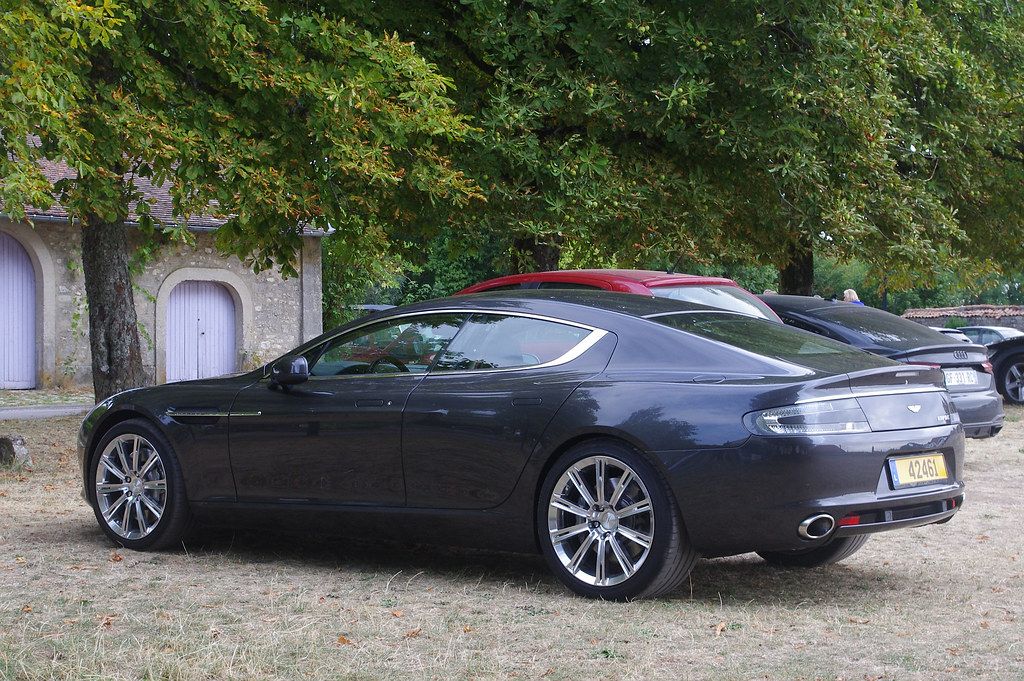
4. **Aston Martin Rapide**
The Aston Martin Rapide, a luxurious four-door sedan, stood as a unique offering within the hallowed halls of British automotive excellence. It defied convention by blending the exquisite craftsmanship and performance expected of an Aston Martin with the practicality of four doors. Powered by a robust V12 engine, it delivered formidable performance, making it a staple of Aston Martin’s lineup for those who desired both speed and space, wrapped in classic British styling.
The Rapide’s elegant lines and powerful stance made it instantly recognizable, a true grand tourer capable of covering vast distances in utmost comfort and speed. It was a car that perfectly encapsulated the essence of Aston Martin: a blend of high performance, sophisticated design, and an undeniable sense of occasion. For a specific segment of luxury buyers, it offered an appealing alternative to traditional sports coupes, providing a more versatile yet equally prestigious motoring experience.
However, the demand for four-door sports cars, particularly in the Rapide’s segment, has been waning. This shift in market preference, combined with Aston Martin’s strategic move towards more popular segments like SUVs—exemplified by the successful DBX—and the development of new electric offerings, has placed the Rapide on the verge of discontinuation. Its retirement will undoubtedly leave a noticeable gap for enthusiasts who cherished the combination of classic, high-powered sedan luxury with Aston Martin’s distinctive charm.
Car Model Information: 2025 Genesis GV80 2.5T
Name: Aston Martin Rapide
Caption: 2014 Aston Martin Rapide S
Alt: A 2014 Rapide S V12 in a light silver
Manufacturer: Aston Martin
Designer: Marek Reichman
Production: May 2010 – 2020
Assembly: Graz,Gaydon, Warwickshire
BodyStyle: liftback
Doors: Swan doors
Class: Executive car
Layout: Front mid-engine, rear-wheel drive layout,Rear-motor, rear-wheel-drive
Platform: Aston Martin VH platform
Related: Aston Martin DB9,Aston Martin Virage,Aston Martin Vanquish (2012),Aston Martin Rapide Bertone Jet 2+2,Lagonda Taraf
Engine: Aston Martin V12 engine,V12 engine
Transmission: ZF 6HP transmission#6HP 26
Battery: kWh,Lithium-ion battery
Wheelbase: 117.7 in
Abbr: on
Order: flip
Length: 197.6 in
Width: 75.9 in
Height: 53.5 in
Weight: convert
Sp: uk
Categories: 2010s cars, All Wikipedia articles written in British English, Articles with hAudio microformats, Articles with short description, Aston Martin vehicles
Summary: The Aston Martin Rapide ( rə-PEED) is an executive saloon car that was produced by the British carmaker Aston Martin from 2010 until 2020. Aston Martin began development of the Rapide in 2005 as the company’s first series produced four-door automobile. The initial design was completed in about seven weeks by Marek Reichman. After more than four months of development, a prototype was completed and displayed at the 2006 North American International Auto Show. The production version of the Rapide debuted at the 2009 International Motor Show Germany, and manufacture began in May 2010 at the Magna Steyr facility in Graz, Austria.
The “vertical/horizontal” (VH) platform, which the Rapide uses, extensively incorporates aluminium throughout the body, reducing weight. In 2012, Aston Martin ended its partnership with Magna Steyr and shifted production to Gaydon, a Warwickshire village where the other VH platformed cars—including the DB9, the DBS, the Vantage and the second-generation Vanquish—were produced. In 2015, Aston Martin debuted an electric concept version, the Rapide E. The production-ready model debuted in 2019 but was never series-produced.
Get more information about: Aston Martin Rapide
Buying a high-performing used car >>>
Brand: Aston Martin Model: Rapide
Price: $54,355 Mileage: 19,781 mi.
Read more about: The 14 Most Embarrassing Automotive Design Flops That Taught the Industry Hard Lessons
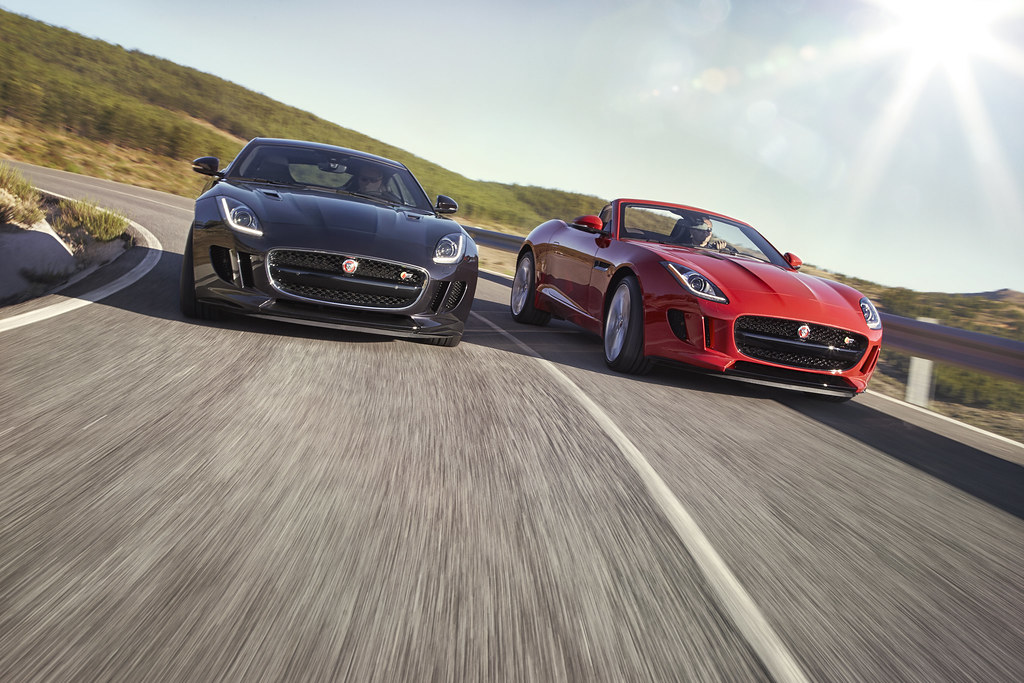
5. **Jaguar F-Type**
The Jaguar F-Type, with its captivating muscular design and the thrilling roar of its V8 engine, quickly established itself as a modern classic in the sports car world. It was heralded as the spiritual successor to the legendary E-Type, a weighty legacy that it carried with grace and impressive performance. The F-Type combined traditional British sports car values—think agile handling and an intimate connection to the road—with thoroughly modern performance capabilities, making it a favorite among enthusiasts.
Its supercharged V8 engine was a masterpiece, delivering visceral power and an intoxicating soundtrack that was central to its appeal. Coupled with its sleek design, which was both elegant and aggressive, the F-Type carved out a unique identity, making it one of the most appealing cars in its class. Whether in coupe or convertible form, it offered an exhilarating driving experience that was distinctly Jaguar, passionate and engaging.
Yet, this powerful combustion engine icon may soon be retired as Jaguar embarks on an ambitious journey to go all-electric by 2025. The F-Type’s reliance on its gas engine, however magnificent, no longer aligns with Jaguar’s bold sustainability goals and its commitment to a fully electrified future. Its discontinuation marks the end of an era for Jaguar’s pure internal combustion sports cars, paving the way for a new generation of all-electric models that aim to redefine British luxury performance.
Car Model Information: 2021 Jaguar F-TYPE R-Dynamic AWD Automatic
Name: Jaguar F-Type (X152)
Caption: Jaguar F-Type R-Dynamic coupé
Manufacturer: Jaguar Land Rover
ModelCode: X152
Aka: Lister LFT
Production: 2013–2024
ModelYears: 2014–2024
Assembly: Birmingham,England
Designer: Ian Callum,César Pieri (Project 7)
Class: Sport car
BodyStyle: unbulleted list
Platform: Jaguar Land Rover car platforms#D6a
Related: Jaguar C-X16
Layout: Front-engine, rear-wheel-drive layout
Engine: ubl
Powerout: ubl
Abbr: on
Transmission: ubl
Wheelbase: Convert
Length: 4470 mm
Width: 1923 mm
Height: 1308 mm
Weight: convert
Sp: uk
Predecessor: Jaguar XK
Categories: All Wikipedia articles written in British English, All articles with failed verification, All articles with unsourced statements, Articles with failed verification from April 2025, Articles with short description
Summary: The Jaguar F-Type (X152) is a series of two-door, two-seater sports cars manufactured by British car manufacturer Jaguar Land Rover under their Jaguar Cars marque from 2013 to 2024. The car’s JLR D6a platform is based on a shortened version of the XK’s platform. It is the so-called “spiritual successor” to the E-Type.
The car was launched initially as a 2-door soft-top convertible, with a 2-door fastback coupé version launched in 2013. The F-Type underwent a facelift for the 2021 model year. It was unveiled in December 2019, featuring a significantly restyled front end and dashboard, and simplified drivetrain options. Jaguar announced that the F-Type will be discontinued after the 2024 model year. Production ended in June 2024, by which time 87,731 examples had been built.
Get more information about: Jaguar F-Type
Buying a high-performing used car >>>
Brand: Jaguar Model: F-Type
Price: $54,900 Mileage: 24,765 mi.
Read more about: Avoid the Auction Shame: How to Master Selling 10 Prized Collector Cars from Hagerty’s Hot List

6. **Lexus LC Convertible**
The Lexus LC Convertible stands out as an undeniably eye-catching luxury sports car, distinguished by its striking design and meticulous attention to detail. Beneath its sculpted hood resides a refined 5.0-liter V8 engine, delivering a smooth yet potent performance that perfectly complements its luxurious demeanor. This car was engineered to offer a top-down driving experience that is truly hard to beat, combining open-air exhilaration with the serene comfort Lexus is renowned for.
Known for its exceptional build quality, the LC Convertible’s interior is a sanctuary of luxury, featuring premium materials and an intuitive layout that enhances the driving pleasure. Its smooth ride and precise handling contribute to a grand touring experience that makes every journey feel special. It represents a harmonious balance between performance, elegance, and reliability, a hallmark of Lexus’s approach to luxury vehicles, particularly in its niche segment.
However, even such a beautiful machine isn’t immune to market shifts. With Lexus actively realigning its lineup and increasingly focusing on the booming segments of SUVs and hybrid vehicles, the LC Convertible finds itself in a precarious position. As Lexus shifts away from niche models to concentrate on broader market appeal, this elegant convertible may no longer have a place in its future plans, making its potential discontinuation a sad moment for fans of bespoke, luxurious open-top motoring.
Car Model Information: 2025 Genesis GV80 2.5T
Name: Lexus LC
Caption: Lexus LC 500 (URZ100)
Manufacturer: Toyota
ModelCode: Z100
Production: March 2017 – present
ModelYears: 2018–present
Assembly: Toyota City
Designer: Edward Lee (LF-LC concept),Tadao Mori (chief designer),Pansoo Kwon (production exterior: 2013)
Class: Grand tourer
BodyStyle: unbulleted list
Layout: Front-engine, rear-wheel-drive
Platform: Toyota TNGA-L platform
Related: Lexus LS (XF50)
Engine: unbulleted list
Motor: 132 kW
Abbr: on
Powerout: unbulleted list
Transmission: unbulleted list
Drivetrain: Hybrid vehicle drivetrain#Parallel hybrid
Wheelbase: 2870 mm
Length: convert
Width: 1920 mm
Height: convert
Weight: convert
Predecessor: Lexus SC
Categories: 2+2 coupés, 2020s cars, Articles containing Japanese-language text, Articles with short description, Cars introduced in 2017
Summary: The Lexus LC (レクサス・LC, Rekusasu LC) is a grand tourer manufactured by Lexus, a luxury division of Toyota. Based on the 2012 LF-LC Concept, it was revealed at the 2016 North American International Auto Show in Detroit. It replaced the SC, which was produced from 1991 to 2010. The LC is the first Lexus model to utilize the GA-L platform, which, along with other components, is shared with the full-size XF50 series LS sedan. According to Lexus, the name “LC” stands for “Luxury Coupe”.
Get more information about: Lexus LC
Buying a high-performing used car >>>
Brand: Lexus Model: LC Convertible
Price: $54,355 Mileage: 19,781 mi.
Read more about: The Hidden Software Crisis: Examining the Most Impactful Automotive Glitches and Their Costly Consequences
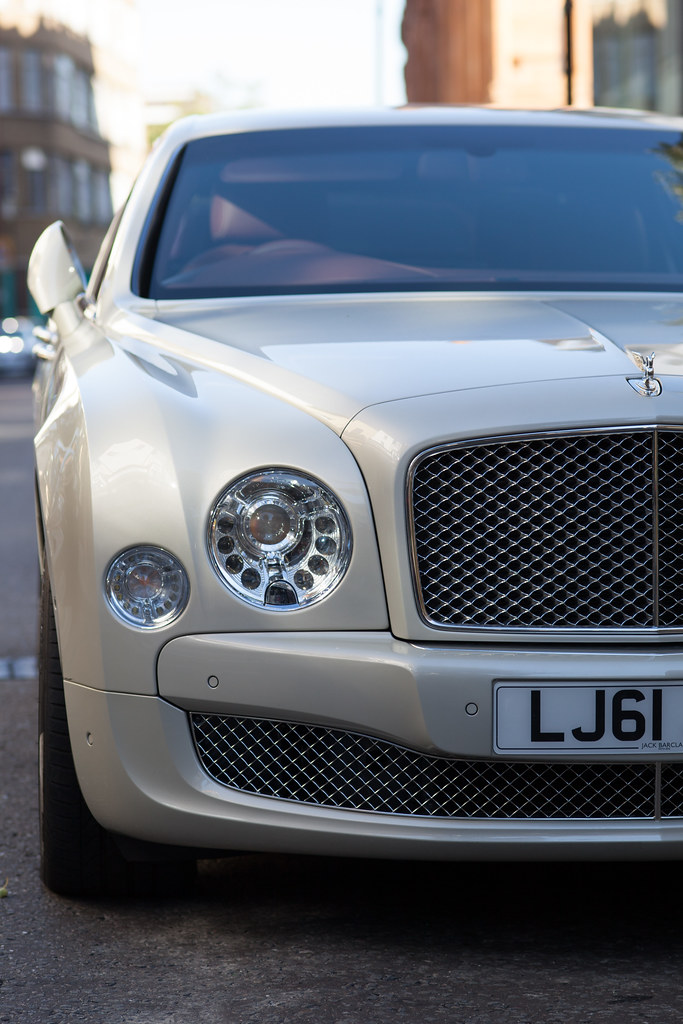
7. **Bentley Mulsanne**
The Bentley Mulsanne, a revered nameplate in the realm of ultra-luxury sedans, was a quintessential staple of British luxury, representing the absolute zenith of Bentley’s craftsmanship and engineering prowess. This grand automobile was officially discontinued in 2020, leaving a significant void for enthusiasts of full-size, chauffeur-driven luxury sedans. Its presence was commanding, its elegance undeniable, and its reputation for opulence unassailable.
At the heart of the Mulsanne was its magnificent, hand-built 6.75-liter V8 engine, an iconic powerplant that delivered immense torque and seamless power, embodying the traditional Bentley experience. The interior was a masterclass in bespoke luxury, offering an opulent environment where every surface, from the rich leather to the polished wood veneers, spoke of unparalleled quality and artistry. It truly represented the ultimate expression of Bentley’s heritage and commitment to excellence.
The decision to end production of the Mulsanne reflected a critical strategic shift for Bentley. The company is now placing a renewed focus on sustainability and actively transitioning towards a future dominated by hybrid and electric vehicles. The Mulsanne’s exit from the lineup, while regrettable for purists, highlights the broader luxury market’s evolution, moving away from classic, large-displacement sedans towards more modern, tech-forward, and environmentally conscious alternatives. It marks a significant moment in the narrative of luxury motoring, signaling a changing guard.
Car Model Information: 2014 Bentley Mulsanne Base 4dr Sedan
Name: Bentley Mulsanne
Manufacturer: Bentley Motors
Production: March 2010 – June 2020
ModelYears: 2011–2020
Assembly: Crewe
Designer: Dirk van Braeckel
Class: Full-size,luxury car
BodyStyle: Sedan (automobile)
Layout: Front-engine, rear-wheel-drive layout
Engine: twin-turbocharged,Rolls-Royce–Bentley L-series V8 engine
Transmission: ZF 8HP
Wheelbase: 3266 mm
Abbr: on (EWB)
Length: 5575 mm
Width: Convert
Height: 1521 mm
Weight: cvt,convert
Predecessor: Bentley Arnage
Sp: uk
Categories: All Wikipedia articles written in British English, Articles with short description, Bentley vehicles, CS1 errors: bare URL, CS1 errors: missing title
Summary: The Bentley Mulsanne is a full-size luxury car that was manufactured and marketed by British automaker Bentley Motors from March 2010 to June 2020. It served as the flagship automobile for the company during its production run. Honorifically, the Mulsanne was referred to as “The Grand Bentley” during its development.
Replacing the Rolls-Royce-based Arnage, the Mulsanne was Bentley’s first independently-built automobile since the 8 Litre, which W. O. Bentley conceived. Unveiled initially at the Pebble Beach Concours d’Elegance, the Mulsanne retained two key elements from the Arnage—rear-wheel drive with the front axle centerline optimally positioned forward, and a 6.75-litre push-rod V8 engine equipped with twin-turbochargers. The individualistic headlamps were designed to resemble those of the Jaguar S-Type from the 1960s. Throughout its ten-year manufacturing period, Bentley produced approximately 7,900 examples at the Crewe facility. The Mulsanne has generally been well received, with Jeremy Clarkson claiming that the ride is quiet and the torques were great while criticising the number of switches and the fact that it was less “tasteful” than a Rolls-Royce Ghost.
In 2005, development work on the Mulsanne officially commenced under the codename “Project Kimberley”, the name of which was inspired by the Kimberley diamond originating from South Africa. Styled by Belgian automobile designer Dirk van Braeckel, the Mulsanne is a four-door sedan which was offered in two body lengths: short- and extended-wheelbase. Incorporating various internal and external elements from the Arnage, it employs a blend of high-strength steel and lightweight aluminium. The team that assembles the Mulsanne is composed of 298 Bentley employees. The interior was designed under the direction of British automobile designer Robin Page, who also led that of the second-generation Continental GT. Each individual unit undergoes a meticulous process that takes 400 hours (2 weeks), of which 136 hours (five days) are dedicated to interior trimming.
Production of the Mulsanne concluded on 25 June 2020, signifying not only the end of its ten-year manufacture but also the end of Bentley’s 6¾-litre engine after a consecutive 61-year production period. The 6¾-litre V8 engine, introduced in 1959 and heavily revised and updated in 2010, could not be updated any further to meet the increasingly stringent emission regulations, namely CO2 emissions. No replacement for either Mulsanne or 6¾-litre V8 engine is planned. Instead, the third generation Flying Spur would succeed the Mulsanne as Bentley’s flagship model.
Get more information about: Bentley Mulsanne (2010)
Buying a high-performing used car >>>
Brand: Bentley Model: Mulsanne
Price: $72,777 Mileage: 34,157 mi.
Read more about: Beyond the Blink: How a Ford Camera Glitch Uncovers Systemic Engineering Failures and the Lingering Shadows of Automotive Design Mistakes
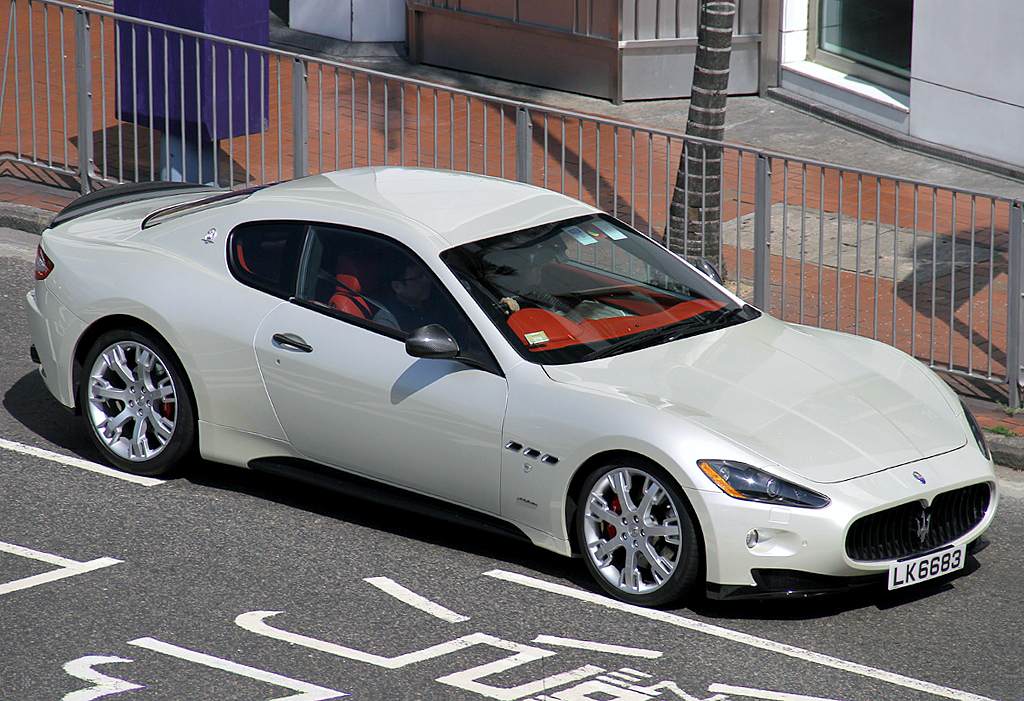
8. **Maserati GranTurismo**
The Maserati GranTurismo, a name that evokes Italian flair and passionate engineering, has long been celebrated for its exquisite blend of timeless design and exhilarating performance. This beloved grand tourer, known for its iconic Italian styling and powerful V8 engine, consistently delivered an driving experience that was both luxurious and intensely engaging, making every journey feel like a special occasion.
Its powerful V8 engine provided that signature Maserati growl and compelling acceleration, a true testament to the brand’s racing heritage. The interior, much like its exterior, was a masterclass in elegant craftsmanship, featuring premium materials and an ergonomic layout that perfectly balanced comfort with a sporting ambiance, cementing its status as a desirable luxury coupe.
However, even such a cherished icon must adapt to the relentless march of automotive progress. Maserati is now engaged in a significant modernization of its entire lineup, a strategic pivot that prioritizes electrification and future-forward propulsion systems. This commitment means making difficult decisions about venerated models that don’t align with the brand’s new direction.
The discontinuation of the GranTurismo, while marking a poignant farewell to its traditional V8 heart, unequivocally signifies Maserati’s resolute move towards electrified alternatives. This transformation is best exemplified by the eagerly anticipated upcoming GranTurismo Folgore, an all-electric iteration that promises to carry the torch of luxury grand touring into a new, more sustainable era. Its retirement therefore marks the definitive end of a legacy for Maserati’s purely V8-powered lineup.
Car Model Information: 2012 Maserati GranTurismo MC
Name: Maserati GranTurismo,Maserati GranCabrio
Manufacturer: Maserati
Production: 2007 – December 2019 (40,520 produced),April 2023 – present
ModelYears: 2008–2019,2023–present
Class: Grand tourer
BodyStyle: 2+2 (car body style),coupé
Predecessor: Maserati Coupé
Categories: 2010s cars, All articles lacking reliable references, All articles with unsourced statements, Articles lacking reliable references from October 2024, Articles with hAudio microformats
Summary: The Maserati GranTurismo and GranCabrio are a series of grand tourers produced by the Italian manufacturer Maserati, succeeding the Maserati Coupé and Spyder.
The first generation GranTurismo (M145) was introduced at the 2007 Geneva Motor Show and was produced from 2007 to December 2019. It set a record for the fastest development of a car, going from design to production in just nine months. The model featured a 4.2-litre V8 engine initially, which was later upgraded to a 4.7-liter engine in the GranTurismo S variant. The GranTurismo MC, a racing version developed for the FIA GT4 European Cup, and the GranTurismo MC Sport Line, a customisation programme, were also part of the lineup.
The GranTurismo Sport, introduced in 2012, replaced the GranTurismo S and featured a revised 4.7-litre engine. The GranTurismo MC Stradale, unveiled in 2010, is a more track-focused version inspired by a race variant. The GranCabrio convertible version was unveiled at the 2009 Frankfurt Motor Show and produced from 2010 to 2019. The GranCabrio Sport was introduced in 2011 and the GranCabrio MC was launched in 2013, the latter featuring improved aerodynamics and a light bump in power.
The second generation, GranTurismo II (M189), was revealed in 2022 and began production in April 2023. It offers three models: Modena, Trofeo, and Folgore (electric). Based on the Giorgio Sport platform, petrol engined models feature a newly-developed 3.0-litre Nettuno twin-turbocharged V6 engine, with the Trofeo variant being the most powerful at 550 PS (405 kW; 542 hp). The Folgore model is a battery electric version with a range of 450 km (279.6 mi).
Get more information about: Maserati GranTurismo
Buying a high-performing used car >>>
Brand: Maserati Model: GranTurismo
Price: $39,999 Mileage: 24,295 mi.
Read more about: The Great Automotive Reset: Unpacking Why Car Brands Are Ditching Sedans, Hatchbacks, and More for 2025 and Beyond
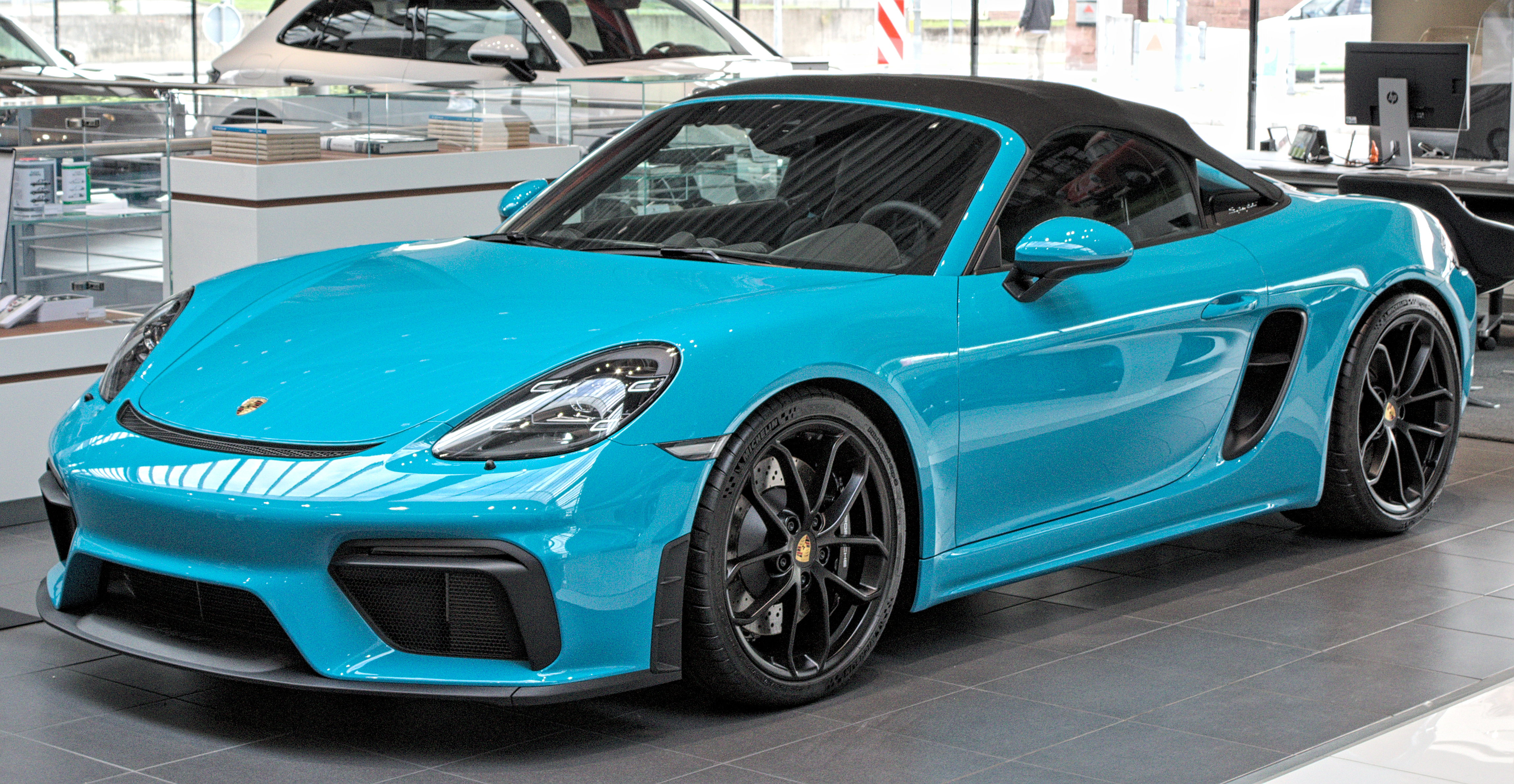
9. **Porsche 718 Cayman/Boxster**
The Porsche 718 Cayman and Boxster, enduring staples in the world of mid-engine sports cars, have captivated enthusiasts for years with their precise handling, perfectly balanced compact design, and genuinely potent engines. These vehicles are not just cars; they are celebrated for delivering an unadulterated, tactile driving experience that few others can match, embodying Porsche’s core philosophy of performance.
Their mid-engine layout ensures exceptional agility and direct steering feedback, allowing drivers to feel intimately connected to the road. Whether in coupe (Cayman) or convertible (Boxster) form, they offered exhilarating performance, making them immensely popular among a dedicated segment of Porsche aficionados who cherish pure, analogue driving dynamics.
Yet, the automotive landscape is shifting dramatically, and even the most revered models are not immune to evolution. Whispers and more substantial rumors from Stuttgart suggest that the 718 series may soon embark on an electrifying transformation, with future iterations poised to adopt an all-electric platform. This potential change reflects a strategic commitment to innovation and sustainability.
Porsche’s ambitious plans for electrification indicate a significant shift for the 718 series, moving away from its traditional internal combustion engines towards a more sustainable powertrain. Their eventual discontinuation in their current form, therefore, represents a pivotal step in Porsche’s broader commitment to its sustainable mission, ensuring the brand remains at the forefront of high-performance automotive technology.
Car Model Information: 2025 Genesis GV80 2.5T
Name: unbulleted list
Caption: Porsche Boxster Spyder (718)
Manufacturer: Porsche
Aka: unbulleted list
Production: unbulleted list
Assembly: unbulleted list
Class: Sports car
BodyStyle: unbulleted list
Related: unbulleted list
Layout: Rear mid-engine, rear-wheel drive layout
Predecessor: Porsche 968
Categories: All Wikipedia articles written in British English, All articles needing additional references, All articles with dead external links, All articles with unsourced statements, Articles needing additional references from August 2025
Summary: The Porsche Boxster and Cayman are mid-engine two-seater sports cars manufactured and marketed by German automobile manufacturer Porsche across four generations—as a two-door, two-seater roadster (Boxster) and a three-door, two-seater fastback coupé (Cayman).
The first generation Boxster was introduced in 1996; the second generation Boxster and the Cayman arrived in late 2005; and the third generation launched in 2012. Since the introduction of the fourth generation in 2016, the two models have been marketed as the Porsche 718 Boxster and Porsche 718 Cayman.
The nameplate Boxster is a portmanteau of boxer, a reference to its flat or boxer engine, and Speedster, a nod to the original Porsche Speedster of the 1950’s. The nameplate Cayman is an alternative spelling of caiman, a member of the alligator family.
In May 2025 Porsche North America confirmed the rumours that global “production for all current 718 Boxster and 718 Cayman variants, including RS models, is scheduled to end in October of” 2025. Porsche CEO Oliver Blume has confirmed future production of full-electric replacements but said they will arrive in the “medium term.”
Get more information about: Porsche Boxster and Cayman
Buying a high-performing used car >>>
Brand: Porsche Model: 718 Cayman/Boxster
Price: $54,355 Mileage: 19,781 mi.
Read more about: 14 Luxury Cars Quietly Going Out of Style: An In-Depth Look at Automotive Evolution
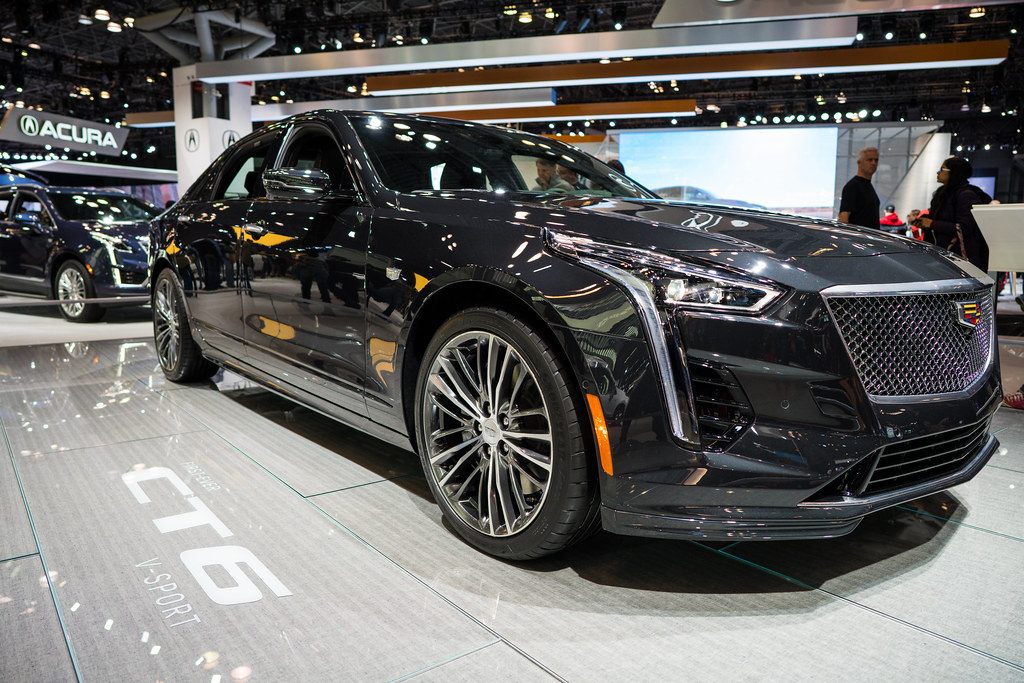
10. **Cadillac CT6**
The Cadillac CT6, a bold foray into the full-size luxury sedan segment, offered American elegance and robust performance, quickly garnering attention for its spacious, tech-filled interior and a powerful engine lineup. Designed to compete with the established European marques, the CT6 provided a distinctively American take on high-end executive transport, blending comfort with contemporary technology.
This sedan, with its refined ride and comprehensive suite of advanced features, genuinely catered to luxury sedan enthusiasts who sought ample space, sophisticated amenities, and a commanding presence on the road. It represented Cadillac’s commitment to re-establishing its prominence in the premium sedan market, offering a compelling alternative to more traditional choices.
However, the North American market has witnessed an undeniable and accelerating pivot towards SUVs and increasingly, electric models. As a direct consequence of this shift, the Cadillac CT6 has been officially discontinued in the region, a decision driven by declining sedan sales in favor of taller, more versatile alternatives.
Cadillac’s strategic focus has unequivocally shifted to high-demand segments, where profitability and consumer interest are currently concentrated. The retirement of the CT6 underscores a broader, industry-wide trend that sees automakers prioritizing SUVs and emergent electric vehicles over traditional luxury sedans, marking a significant re-evaluation of product portfolios across the industry.
Car Model Information: 2019 Cadillac CT6-V Blackwing
Name: Cadillac CT6
Manufacturer: General Motors
Production: January 2016–present
ModelYears: 2016–2020 (North America),2016–present (China)
Class: Full-size,luxury car
BodyStyle: Sedan (car)
Sp: us
Successor: Cadillac Celestiq
Categories: 2010s cars, 2020s cars, All-wheel-drive vehicles, Articles with Chinese-language sources (zh), Articles with short description
Summary: The Cadillac CT6 (short for Cadillac Touring 6) is a full-size luxury car manufactured by Cadillac between 2016 and 2020 over two generations. The first generation CT6 was introduced at the 2015 New York International Auto Show and went on sale in the U.S. in March 2016. It is the first car to adopt the brand’s revised naming strategy, as well as the first rear-wheel drive full-size Cadillac sedan since the Fleetwood was discontinued in 1996.
In 2020, the CT6 was discontinued in the United States, to be replaced by the forthcoming Cadillac Celestiq liftback sedan.
Get more information about: Cadillac CT6
Buying a high-performing used car >>>
Brand: Cadillac Model: CT6
Price: $57,600 Mileage: 58,568 mi.
Read more about: Beyond the Showroom: Unveiling 14 Visionary Vehicle Prototypes That Never Saw Production
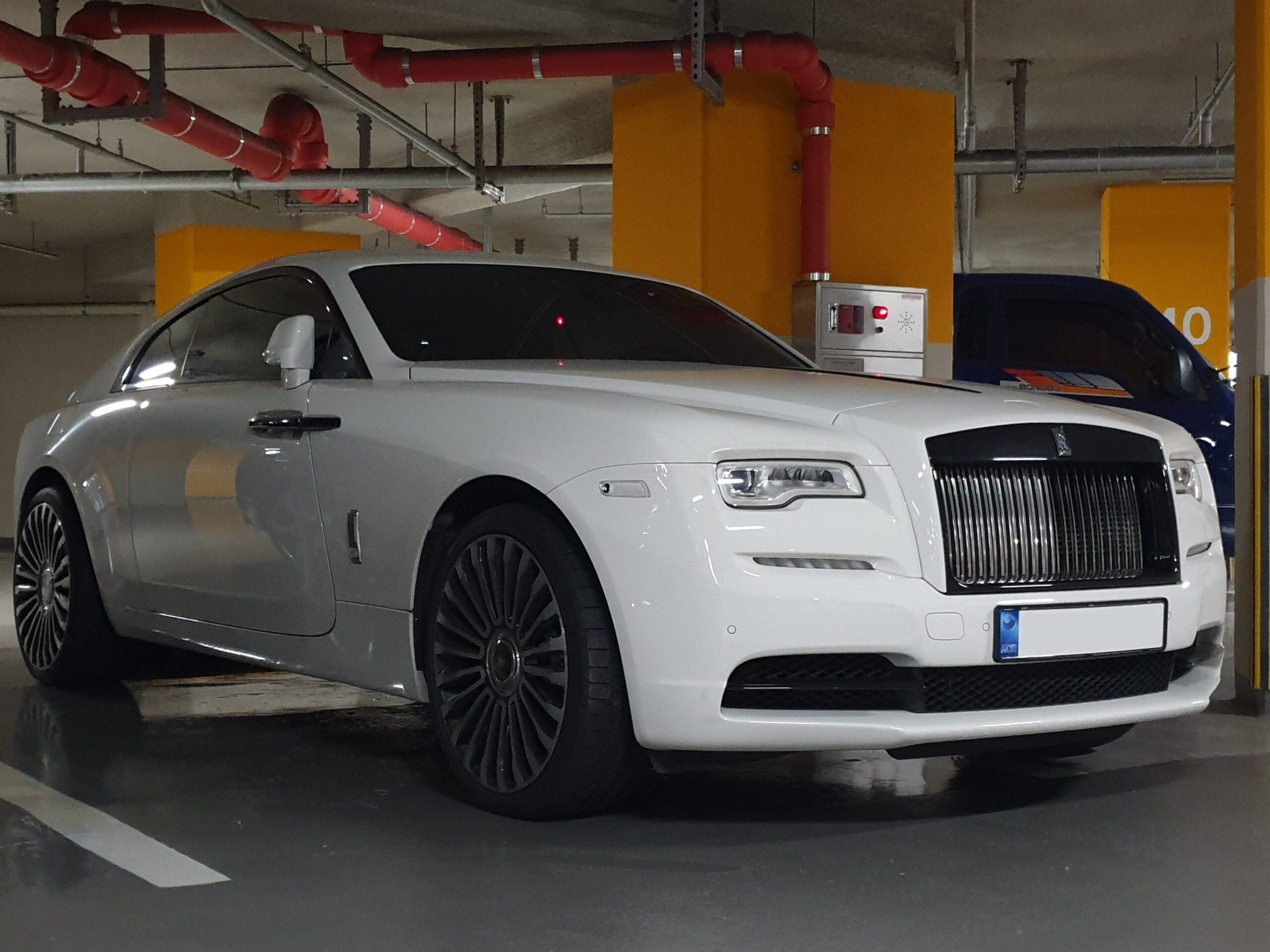
11. **Rolls-Royce Wraith**
The Rolls-Royce Wraith, an embodiment of opulent grandeur and imposing design, has for years stood as a definitive statement in the ultra-luxury coupe segment. Its formidable presence, combined with a suite of unparalleled luxury features, created an aura of exclusivity and sublime refinement that is quintessential Rolls-Royce.
At its core, the Wraith was powered by a mighty V12 engine, meticulously engineered to deliver seamless, effortless power and a driving experience defined by serenity and immense capability. Every detail of its interior, from the starlight headliner to the exquisite handcrafted veneers, spoke volumes of bespoke craftsmanship and an uncompromising pursuit of perfection, solidifying its status as a true luxury coupe.
However, even the most revered purveyors of luxury are navigating a rapidly transforming automotive landscape. The Rolls-Royce Wraith is now in the process of being phased out, a strategic decision that aligns with the marque’s ambitious pivot towards an all-electric future, exemplified by the upcoming Spectre. Changing market demands are demonstrably driving Rolls-Royce to significantly update its entire lineup.
This significant investment in cutting-edge electric technology signals a profound reorientation for the brand, ensuring its legacy of ultimate luxury endures in the new era. The discontinuation of models like the Wraith, therefore, symbolizes the poignant yet inevitable end of an era for Rolls-Royce’s classic, fuel-powered vehicles, making way for a new generation of silent, electrifying opulence.
Read more about: From Roaring V12s to Iconic Silhouettes: A High-Octane Tour of 15 Coolest Cars from Automotive History’s Golden Era
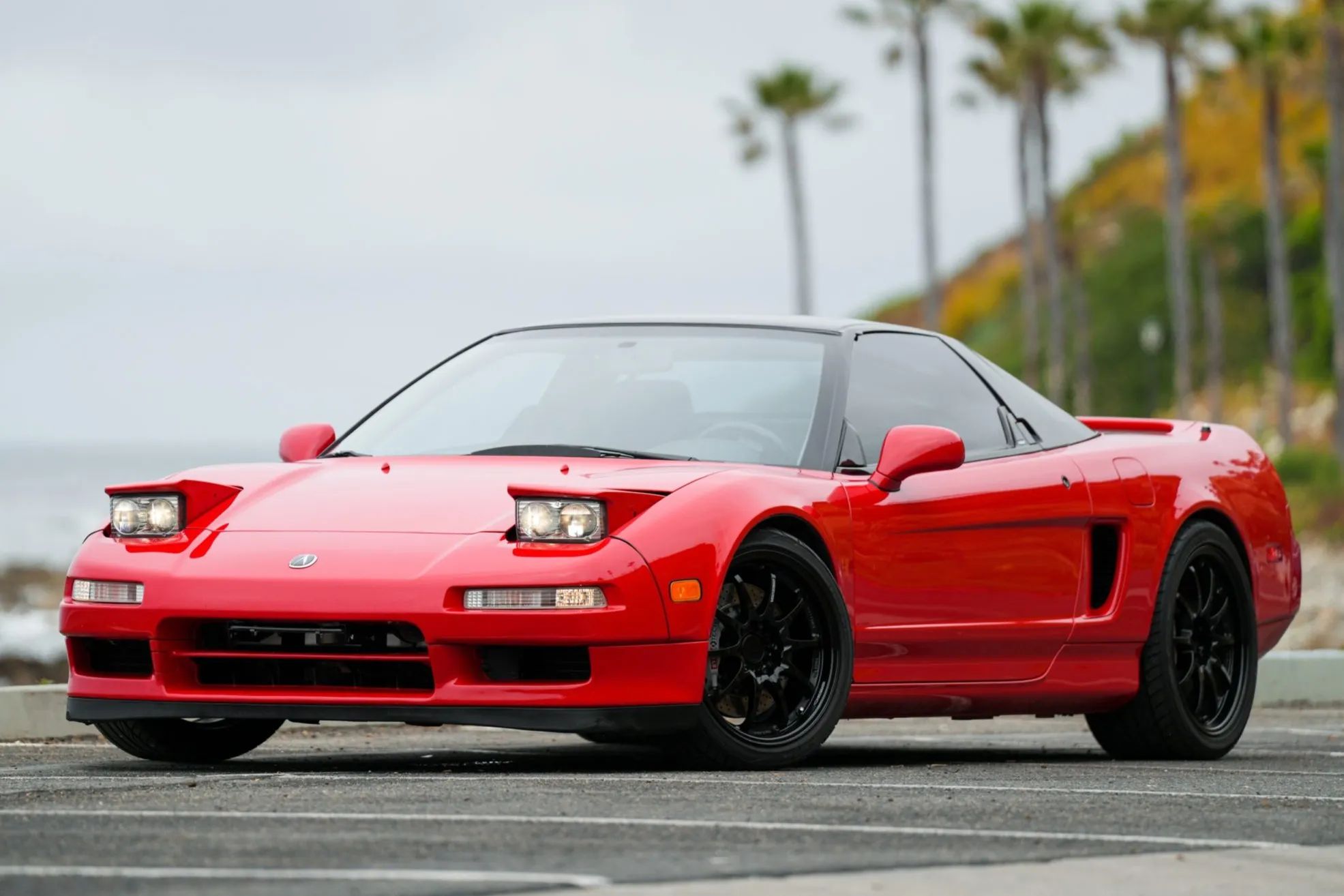
12. **Acura NSX**
The Acura NSX, a marvel of modern engineering, burst onto the scene as a groundbreaking hybrid supercar, immediately distinguishing itself with sharp handling, an innovative hybrid powertrain, and an exotic design that turned heads. It was a bold declaration of intent from Acura, representing a significant leap into the realm of high-performance and advanced automotive technology.
Its sophisticated hybrid powertrain combined a potent twin-turbo V6 engine with three electric motors, delivering instantaneous torque and impressive overall performance, all while pushing the boundaries of efficiency in a supercar. This unique blend of power and precision allowed the NSX to offer an exhilarating and incredibly responsive driving experience.
Despite its technological prowess and critical acclaim, the NSX is now set to be discontinued as the brand strategically shifts its focus towards other high-performance electric models. The rapid pace of technological innovation in the automotive sector means that the NSX’s pioneering hybrid technology has, quite swiftly, been eclipsed by newer, even more advanced electric breakthroughs.
Acura’s decision to retire the NSX, while a bittersweet moment for enthusiasts, emphatically highlights its unwavering commitment to innovating within the burgeoning electric performance space. It signifies a forward-looking strategy that prioritizes the development of a new generation of electric-driven high-performance vehicles, promising to redefine Acura’s role in the future of fast motoring.
Car Model Information: 1992 Acura NSX Base
Name: Honda NSX
Caption: Acura NSX (first generation, NA2) along with some NA1 NSX cars
Manufacturer: Honda
Aka: Acura NSX (North America)
Production: 1990–2006 (NA1/2),2016–2022 (NC1/2)
Class: Sports car
ModelYears: 1991–2006,2017–2023
Categories: 2000s cars, 2010s cars, 2020s cars, 24 Hours of Le Mans race cars, All-wheel-drive vehicles
Summary: The Honda NSX, marketed in North America as the Acura NSX, is a two-seater, rear mid-engined, rear-wheel drive sports car manufactured by Honda.
The origins of the NSX trace back to 1984, with the HP-X (Honda Pininfarina eXperimental) concept, for a 3.0 L (180 cu in) V6 rear mid-engine, rear-wheel drive sports car. Honda, with the intention of meeting or exceeding the performance of the then V8 engine Ferrari range, committed to the project, aiming at both reliability and a lower price. The concept evolved and had its name changed to NS-X, which stood for “New”, “Sportscar” “eXperimental”, although the production model launched as the NSX.
Get more information about: Honda NSX
Buying a high-performing used car >>>
Brand: Acura Model: NSX
Price: $93,999 Mileage: 62,145 mi.
Read more about: Six-Figure Dreams: 14 Iconic 1990s Cars That Are Now Worth a Fortune

13. **Infiniti Q60 Coupe**
The Infiniti Q60 Coupe, with its undeniably sleek design and robust twin-turbo V6 engine, presented a compelling and stylish option within the luxury sport coupe segment. It was crafted to offer a blend of refined performance and sophisticated aesthetics, appealing to buyers who sought both dynamic driving characteristics and a distinctive visual presence.
The powerful twin-turbo V6 engine delivered an engaging driving experience, providing ample power and responsive acceleration that was well-suited for both spirited drives and comfortable cruising. Its elegantly sculpted lines and well-appointed interior underscored Infiniti’s ambition to offer premium two-door motoring.
However, the market for luxury coupes has experienced a significant downturn in recent years, leading to a noticeable slowdown in the Q60’s sales and a diminished overall market appeal. This trend, combined with Infiniti’s broader strategic repositioning, strongly suggests that the Q60 Coupe is likely to be discontinued.
Infiniti’s clear shift towards electric platforms means that the Q60, with its traditional internal combustion powertrain, no longer seamlessly fits into the brand’s evolving lineup and future vision. Its likely discontinuation, therefore, represents Infiniti’s decisive realignment towards more sustainable, forward-looking vehicles, adapting to the imperative demands of the modern automotive industry.
Car Model Information: 2025 Genesis GV80 2.5T
Categories: All-wheel-drive vehicles, All Wikipedia articles written in American English, All articles with dead external links, Articles with dead external links from September 2024, Articles with dead external links from September 2025
Summary: The Infiniti Q60 is a 2-door luxury coupe manufactured by Japanese automaker Nissan. It is the successor to the Infiniti G coupe and convertible. The Q60 nameplate was first used as a rebadging of Infiniti G Line. A new version was introduced in early 2016, as a 2017 model.
Get more information about: Infiniti Q60
Buying a high-performing used car >>>
Brand: Infiniti Model: Q60 Coupe
Price: $54,355 Mileage: 19,781 mi.
Read more about: The 11 Best Small Cars for City Driving That Have a Turning Radius Under 30 Feet

14. **Mercedes-Benz CLS**
The Mercedes-Benz CLS, often credited with pioneering the “four-door coupe” segment, has long been celebrated for its elegant and distinctive design, combining the emotional appeal of a coupe with the practicality of a sedan. It offered a unique aesthetic, a lineup of potent turbocharged engines, and a plush, highly luxurious interior, establishing itself as a stylish and alluring alternative within Mercedes’ expansive lineup.
Its innovative styling, which dramatically swept the roofline to create a coupe-like silhouette, set a new trend in luxury automotive design, influencing countless other models. Coupled with the refined performance delivered by its turbocharged engines and the undeniable comfort of its cabin, the CLS offered a sophisticated and exclusive driving proposition.
Despite its iconic status and continued appeal to a niche audience, the CLS now faces discontinuation as Mercedes-Benz undertakes a comprehensive effort to streamline its extensive sedan offerings. This strategic decision is part of a larger plan to optimize product portfolios and focus resources on the brand’s best-selling and most profitable models, particularly in the burgeoning SUV and electric vehicle categories.
The planned phasing out of the CLS, therefore, makes it one of the likely casualties in Mercedes’ restructuring, underscoring a significant industry trend. This trend sees major automakers increasingly prioritizing the development and production of high-demand SUVs and next-generation electric vehicles over more niche, traditional sedan segments, signaling a clear path forward for the luxury giant.
***
Read more about: What Your High-Mileage Wagon Says About You: The Used Car Dealer’s Secret Thoughts on These 10 Gems!
The farewells to these luxury models aren’t merely about individual cars disappearing; they narrate a grander story of seismic shifts reshaping the entire automotive landscape. From the exhilarating V10 roars giving way to the silent surge of electric power, to the elegant lines of coupes and sedans transforming into the robust profiles of SUVs, the market is undeniably in flux. While we celebrate the ingenuity and sheer passion that brought these magnificent machines to life, their departure also highlights a collective industry commitment to a more sustainable, electrified, and forward-thinking future. It’s a bittersweet moment, certainly, but one that promises an exciting new chapter for luxury motoring, where innovation continues to drive the dream, albeit with a different kind of horsepower.