Hey there, fellow movie buffs and history hounds! Ready to dive deep into the cinematic trenches and discover some of the most gut-wrenching, thought-provoking, and downright unforgettable war epics ever committed to film? We’re talking about those movies that don’t just show you explosions and battle lines, but truly capture the brutal reality of conflict, forcing us to confront themes like loyalty, sacrifice, and the messy, complicated morality of it all.
Forget your average action flick; the best war movies transcend mere entertainment. They honor storytelling that masterfully balances historical accuracy with jaw-dropping cinematic artistry, guiding everyone from seasoned cinephiles to casual viewers toward narratives that stick with you long after the credits roll. These aren’t just movies; they’re experiences, reflections, and sometimes, stark warnings about the human condition under unimaginable pressure.
We’ve scoured the battlefields of cinema history, pulling together a list that reflects the passion of over 52,000 filmgoers’ votes to crown the absolute top contenders in this intense genre. So, buckle up, grab your popcorn (or maybe a stress ball), because we’re about to embark on an epic journey. Does your rank match ours? It’s time to find out as we kick off our countdown of must-see war movies that will absolutely shock you!

1. **Full Metal Jacket (1987)**Coming in strong at #4 on our list, Stanley Kubrick’s 1987 masterpiece, *Full Metal Jacket*, is an absolute must-see if you want a no-holds-barred look at the war machine. This isn’t just a movie about combat; it’s a chilling exposé on how soldiers are made, and often, unmade. Kubrick, known for his incisive critiques of society, decided three decades after his poignant anti-war statement *Paths of Glory* to “say it louder for the imperialists in the back.” And boy, did he ever.
The film brilliantly splits its narrative, creating an almost unbearable tension between the initial boot camp brutality and the subsequent chaos of Vietnam. What makes it so shocking isn’t just the overt violence, but the insidious psychological conditioning portrayed in the first half. It’s set in basic training, and frankly, it’s “even more nightmarish than the bombings and firefights that follow.” This intentional focus highlights how the desensitization process itself is a core point of the film, transforming individuals into cogs in a larger, brutal system.
We witness the heartbreaking transformation of Vincent D’Onofrio’s tormented Private Pyle, a character whose descent into madness is both terrifying and utterly compelling. His “hollow eyes” at his “endpoint” are a stark visual representation of the war machine’s dehumanizing effect. By showing us this internal devastation so profoundly, the film makes “the more impersonal atrocities of militarized conflict seem like a stroll through the tu,” amplifying its condemnation of the entire war machine.
*Full Metal Jacket* isn’t content with just showing the horrors of the battlefield; it actively critiques the entire system that funnels young men into such situations. It’s a sharp, often unsettling, look at military indoctrination and the profound psychological toll of conflict. This film stays with you, prompting reflection on the cost of war far beyond the visible casualties, and cementing its place as a truly essential war epic.
Read more about: Beyond the Big Screen: 14 Visionary Directors Who Revolutionized Filmmaking Forever
2. **Starship Troopers (1997)**Alright, alright, stop snickering! We know what you’re thinking – a sci-fi action flick about giant bugs, high on a list of serious war epics? But trust us, sitting pretty at #5, Paul Verhoeven’s *Starship Troopers* is here for a very real, very shocking reason. This isn’t just popcorn entertainment; it’s a brilliant, audacious, and deeply subversive comment on Hollywood’s own “fascist impulses.” Verhoeven, the director, was absolutely cackling all the way to the box office, and once you get its true genius, you’ll be laughing (and thinking) too.
What makes this movie so utterly fascinating is how it leverages “the monied apparatus of Hollywood” to deliver its critical punch. On the surface, it’s all “gorgeous, empty-headed bimbos” and hunky heroes exterminating alien insects. It’s flashy, over-the-top, and incredibly entertaining, making it easy to miss the layers of satirical brilliance initially. But Verhoeven plays with the genre’s tropes masterfully, serving up what looks like enthusiastic pro-military propaganda while subtly undermining it at every turn.
The context points out that “when Neil Patrick Harris showed up near the end of the movie in a full-length Nazi trench coat, the in-joke was practically outed.” This isn’t subtle, but it drives home the film’s core message: it’s a critique of unquestioning militarism and popular tastes. Source novelist Robert Heinlein’s “militaristic tale” was meant “sincerely,” but Verhoeven’s “blithe destruction of humankind on display here could only be intended as a sharp critique, both of soldiering and of popular tastes.”
So, if you’ve only seen it as a fun, bug-blasting romp, it’s time to “Return to it with fresh eyes.” *Starship Troopers* might seem like an odd choice for a “most shocking” list, but its audacious satire and deep, often uncomfortable, political commentary make it genuinely eye-opening. It’s a shocking must-see because it forces you to question what you’re watching, and more importantly, *why* you’re enjoying it.
Read more about: The Cult ’90s Gem Quietly Conquering Netflix: Deconstructing ’10 Things I Hate About You’ and Other Essential Watch-Worthy Classics
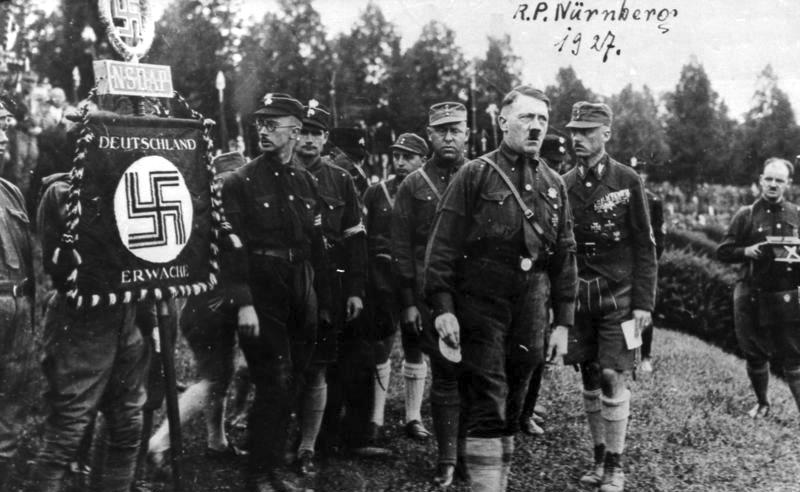
3. **Army of Shadows (1969)**Prepare to be enthralled by a rediscovered gem that truly deserves its place at #6: Jean-Pierre Melville’s *Army of Shadows*. This film, brought back into the spotlight with much fanfare in 2006, was practically a lost classic, and its re-evaluation has only solidified its status. Melville, previously known for his “chilly, remote gangster pictures like Le Samouraï (1967),” showcases a stunning expansion of his canvas here, diving into the intensely personal and political world of French Resistance fighters during World War II.
What you get is a “cool-blue portrait” that builds “a beautiful case for honor among wanted men.” Forget explosive battlefield sequences; this is a more nuanced, internal kind of warfare. The narrative weaves through “Back-room beatings and drive-by shootings” but primarily unfolds as a “mostly conversational film about the sacrifice of spies.” It’s about the quiet, agonizing decisions, the constant threat of betrayal, and the profound personal cost of fighting for freedom when you are literally operating in the shadows.
The reason this masterpiece was “ignored in the first place” is quite telling: “Fashionable French critics had dismissed it as too pro-De Gaulle.” Ah, the politics of film criticism! But time, as it often does, has proven them wrong. Melville’s “revelation” in tackling “national politics” with such depth and gravitas has resonated powerfully with new generations of viewers, revealing the true heroism and complex moral landscape of the Resistance.
Melville himself was “a member of the French Resistance during World War II,” which undoubtedly lends an unparalleled authenticity and emotional weight to the film. *Army of Shadows* isn’t about grand gestures; it’s about the relentless, grinding struggle, the quiet acts of courage, and the unwavering commitment to a cause. It’s a captivating, deeply human, and utterly shocking look at resistance that captivates you from start to finish.
Read more about: From Haunting Epics to Surreal Journeys: Unpacking the Top 12 Greatest War Movies of All Time That Will Blow Your Mind
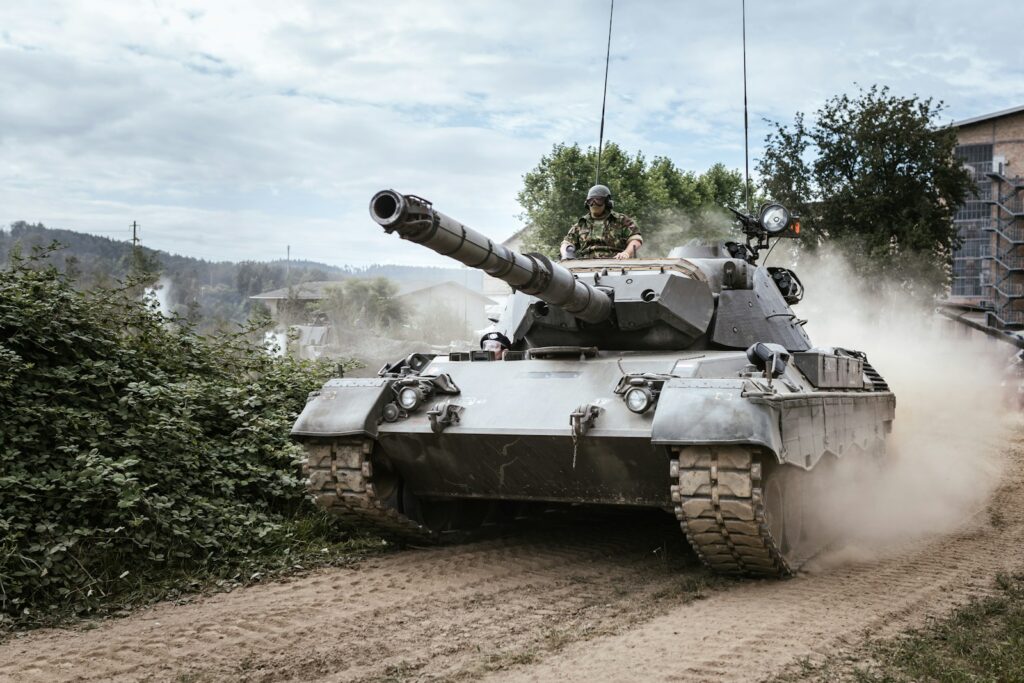
4. **Come and See (1985)**Are you ready for a film that will truly test your limits, both emotionally and visually? Then brace yourself for *Come and See*, Elem Klimov’s #7 ranked Russian director’s terrifying WWII epic, focusing on the harrowing Nazi occupation of Belarus. Let’s be clear: “It’s likely you’ll want to avert your eyes” during this one, but its power is undeniable, weaving “a mesmerizing spell” from its very first frames.
The film begins with two children “digging in a field for abandoned rifles,” setting a chilling tone. One of these boys is soon “taken from his home by partisans to fight the Germans,” kickstarting “a nine-circles-of-hell odyssey” that plunges him into an escalating nightmare. This is not a film that shies away from depicting the unspeakable, presenting “a staggering succession of atrocities (ear-shattering explosions, corpses piled high, a village systematically destroyed).” It’s an overwhelming onslaught of horror.
What prevents it from being simply “unbearable” is the film’s “entrancing, near-surreal aesthetic.” Klimov masterfully uses sound, imagery, and pacing to create a dreamlike, almost hallucinatory experience that pulls you into the protagonist’s shattered reality. The journey culminates “with a dreamlike encounter with the ultimate persecutor,” leaving an indelible mark on your psyche.
It’s interesting to note that “The original title of the film was ‘Kill Hitler’,” a name Soviet authorities forced Klimov to change. This detail only underscores the raw, visceral anger and despair that permeate every frame. *Come and See* is a shocking, unflinching portrayal of war’s dehumanizing impact, particularly on the innocent. It’s a difficult watch, but one that is absolutely essential for understanding the depths of human suffering during conflict.
Read more about: Digital Immortality or Unsettling Impersonation? The High-Stakes Legal and Ethical Battle Over Actors’ Faces in the CGI Era
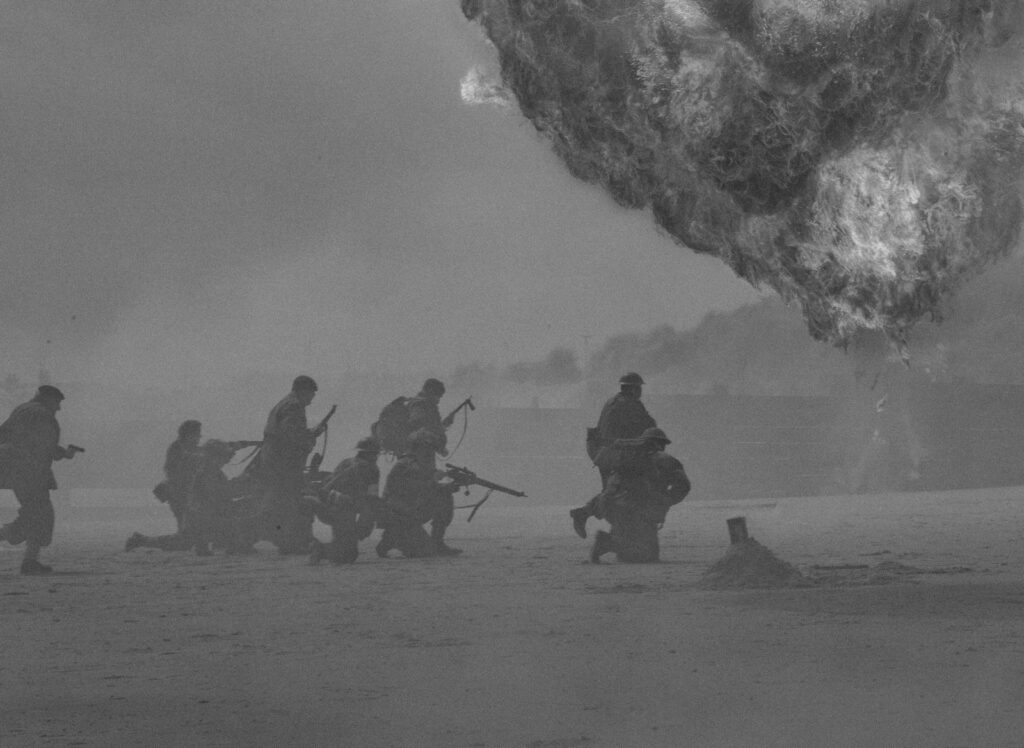
5. **Fires on the Plain (1959)**Rounding out the first half of our shocking countdown at #8 is Kon Ichikawa’s *Fires on the Plain*, an “unblinking depiction of the Imperial Japanese Army’s collapse in 1945.” This is another film that, much like *Starship Troopers*, often gets misread initially. The studio, Daiei Film, “initially greenlit” it “on the misapprehension that it would be an action movie.” But oh, how wrong they were, and how fortunate for cinema that Ichikawa had a far more profound vision.
While “there is at least one scene of actual combat in there, if you look closely enough,” the film is primarily a “broken, tubercular soldier’s weary trudge through a hellish landscape.” It’s a stark, brutal survival story stripped of any false heroism. Critics at the time “dismissed it as a vision just too bleak to digest,” finding its relentless focus on suffering too intense. However, over time, it has rightly “evolved into an anti-war classic” for its unflinching honesty.
What makes it so powerful is its blend of “stark humanity and bone-dry wit,” finding moments of dark observation even in the most desperate circumstances. The context highlights “The Charlie Chaplin-esque shot of a pair of disintegrating army boots passing from one pair of feet to another,” calling it “as striking a metaphor for the degrading effect of war as any on screen.” This single image encapsulates the film’s powerful message about loss, destitution, and the sheer pointlessness of it all.
The commitment of its lead actor, Eiji Funakoshi, adds another layer to its raw authenticity; he “willingly starved himself during filming to get into character,” to the point of collapse, halting production for two weeks. This dedication underscores the film’s profound commitment to portraying the ugly truth of war. *Fires on the Plain* is not an easy watch, but its unique perspective and relentless honesty make it a truly shocking and unforgettable entry into the pantheon of war films.
Okay, movie lovers, we’ve journeyed through some truly intense cinematic battlefields, from the psychological drills of boot camp to the terrifying landscapes of occupied Belarus. But guess what? We’re not done yet! The fight for cinematic supremacy continues as we unveil more incredible war epics that offer unique perspectives, showcase individual heroism, and hit you right in the feels with the human cost of conflict. Get ready for these next contenders, because they’re about to shock and inspire you in entirely new ways!
Read more about: Alain Delon, The ‘Grand Fauve’ of French Cinema, Dies at 88: A Retrospective on a Life of Cinematic Brilliance and Personal Turmoil

6. **Sergeant York (1941)**Coming in at #9 on our epic list, Howard Hawks’ massively popular 1941 drama, *Sergeant York*, delivers a profound and truly unique take on wartime heroism that will have you thinking for days. Released just months before America entered World War II, this film doesn’t preach; instead, it dives deep into the sincere struggle of real-life First World War soldier Alvin York. He was a Tennessee simpleton hoping to avoid enlistment on genuine grounds of his religiosity and pacifism, and that ethical core is what makes this film so compelling.
His request to avoid the draft denied, York finds himself on the battlefield, where he uncovers a startling, almost divine gift: he’s a singularly talented sharpshooter. This isn’t your typical gung-ho war hero story; it’s about a man wrestling with the “killing gift God has given him.” Gary Cooper’s tortured, Oscar-winning performance as York isn’t just acting; it’s a masterclass in portraying a deeply conflicted soul. You feel every ounce of his internal struggle, making his eventual actions all the more impactful.
*Sergeant York* is far from imperialist propaganda; it’s a film that bravely acknowledges no truly great war film can strike a tone of total conviction. Instead, it sparks a vital conversation about “situational ethics,” forcing viewers to confront the complex moral questions inherent in conflict. It asks: how do you reconcile deeply held beliefs with the brutal realities of war? This movie isn’t just history; it’s a timeless philosophical query wrapped in an utterly captivating true story.
The film’s impact is undeniable, even extending to a heartbreaking moment when the actual Alvin York, visiting the set, broke down sobbing when asked how many people he had killed. This anecdote underscores the raw authenticity and emotional weight that *Sergeant York* carries, ensuring its place as a shocking must-see that goes beyond mere battlefield heroics to explore the true cost of moral compromise.
Read more about: From Haunting Epics to Surreal Journeys: Unpacking the Top 12 Greatest War Movies of All Time That Will Blow Your Mind
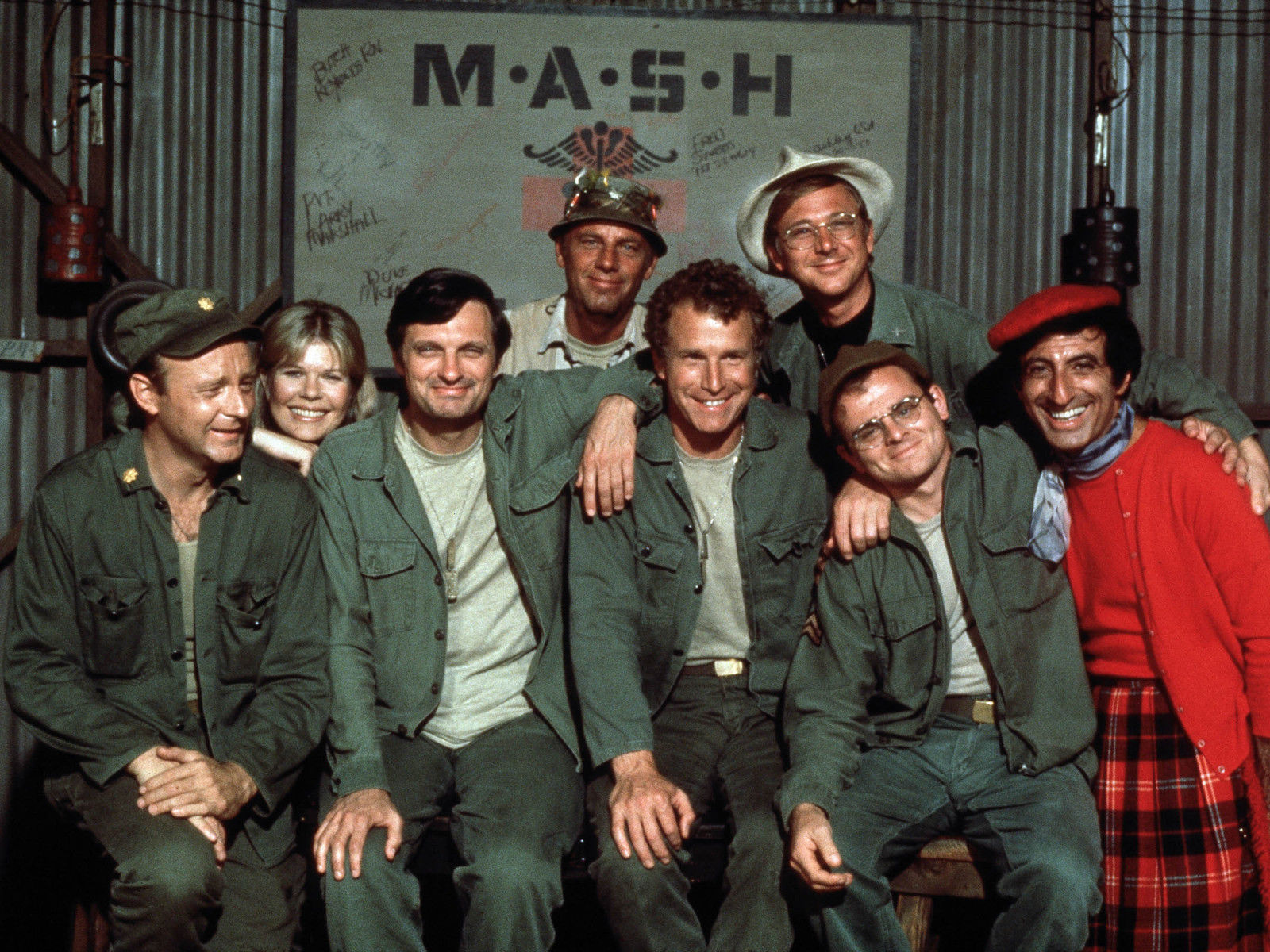
7. **MASH (1970)**Prepare for a laugh-out-loud, yet utterly scathing, cinematic experience with Robert Altman’s groundbreaking classic, *MASH*, claiming its spot at #10. Now, before you start thinking about the beloved TV show or that ubiquitous laugh track, let’s get one thing straight: the movie is a whole different beast. It’s a riotous, subversive comedy that completely upended traditional war film tropes, proving that humor could be just as potent a weapon as any rifle in critiquing conflict.
What makes *MASH* so revolutionary, and frankly, shocking, is its audacious departure from conventional war dramas. While other films of its era might have focused on “misunderstood geniuses of carnage” or “somber vindication of the asshole-in-charge,” Altman’s vision threw all that out the window. This movie notably “has no battle scenes whatsoever,” instead culminating in a “climactic, zany football game.” It’s an insane, brilliant move that perfectly highlights the absurdity and chaos of war from a truly unique perspective.
Altman, known for his unconventional approach, “threw out Ring Lardner Jr.’s conventional script and inspiring his ensemble to play.” This improvised, ensemble-driven style led to “an entirely new on-set process that would change American satire forever.” The film, unbelievably, came from the same studio as the more traditional *Patton*, showcasing a radical shift in how war could be depicted on screen. It’s not just a comedy; it’s “the first real film of the 1970s,” boldly paving the way for a new kind of cinematic storytelling.
The movie’s influence is so profound that even its stars, Elliott Gould and Donald Sutherland, “tried to have Altman fired on account of him spending too much time filming secondary characters.” This just goes to show how revolutionary his approach was at the time! *MASH* is a shocking must-see not just for its humor, but for its pioneering spirit in using comedic subversion to critique the madness of war, offering a fresh and unforgettable take that lingers long after the laughter fades.
Read more about: M*A*S*H’s Enduring Ensemble: Unpacking the Roles, Legacies, and Impact of Its Iconic Cast Members

8. **They Were Expendable (1945)**Next up, a film that might just force you to completely rethink your perceptions of Hollywood legends and the very nature of wartime sacrifice: John Ford’s *They Were Expendable*, landing at #11 on our comprehensive list. This assiduous, unshowy portrait of the fighting men of the Philippines during WWII is an absolute masterclass in building quiet, profound impact through small, keenly observed moments. It’s a film that truly delivers an “aching humanity” even in the face of massive destruction and chaos.
The movie brilliantly sets its tone by depicting its heroes, primarily John Wayne’s junior-grade lieutenant, “wind away the small hours in Manila, waiting for an assignment to the fight.” This seemingly innocuous start belies a looming tragedy; they don’t realize these are “the good times.” The narrative takes a stark turn “when news comes of the attack on Pearl Harbor,” shifting into a “stoic ode to workmanlike sacrifice.” It captures that profound sense of impending doom and the quiet dignity with which ordinary men faced extraordinary circumstances.
What makes this film so remarkable is seeing director John Ford, usually known for his sentimental flair, “reigns in his impulses” here, delivering a grounded, authentic portrayal. And John Wayne, often seen as the epitome of the larger-than-life hero, “shows depths that hadn’t been tapped” at this point in his career. It’s a powerful testament to the film’s ability to draw out nuanced performances and tell a human story that resonates deeply.
The authenticity is further cemented by the fact that star Robert Montgomery, who commanded a PT boat during the war, actually took over directing for three weeks when Ford broke his leg during filming. This kind of behind-the-scenes detail speaks volumes about the commitment to realism and the shared experiences that shaped this powerful work. *They Were Expendable* is a shocking reminder of the quiet, yet immense, sacrifice made by those who knew they might not return, making it an essential entry for any serious war film enthusiast.
Read more about: From Haunting Epics to Surreal Journeys: Unpacking the Top 12 Greatest War Movies of All Time That Will Blow Your Mind
9. **Empire of the Sun (1987)**Hold onto your hats, because our next entry at #12, Steven Spielberg’s *Empire of the Sun*, offers a truly unique coming-of-age story amidst the chaos of World War II that will absolutely captivate you. Starring a then-12-year-old Christian Bale in his debut, who beat out 4,000 other kids for the role, this film showcases an astounding level of talent from its young lead. It’s a surreal Shanghai drama that paints a vivid, often unsettling, picture of war through innocent eyes.
Bale’s character, Jim, is utterly fascinating: a boy “obsessed with war planes” who initially perceives his internment camp as a “playground.” This perspective is both heartbreaking and thought-provoking, highlighting the innocence lost and the strange adaptability of children in extreme circumstances. While Jim finds moments of almost childlike wonder, he is “not above fear,” and by the film’s poignant end, he’s irrevocably “lost his innocence.” It’s a powerful journey of a boy navigating unimaginable hardship.
The film stands out as a “strange outlier” in Spielberg’s oeuvre, offering a perspective on war that focuses not on the battlefield but on the civilian experience and psychological impact on a young mind. It’s a masterful blend of the fantastical and the brutal, capturing the dreamlike quality of memory and trauma. The fact that cinematic legend David Lean was originally slated to direct and worked on the film for nearly a year before turning the reins over to Spielberg speaks volumes about the project’s ambition and scope.
*Empire of the Sun* is a shocking must-see because it forces us to consider the profound and lasting effects of war on the most vulnerable. It’s not about grand battles but about the personal struggle for survival, hope, and identity when an entire world collapses around a child. This film is a testament to the resilience of the human spirit, even when facing unimaginable horrors, making it an unforgettable addition to our list.
Read more about: Beyond the Script: Deconstructing the Singular Imperative Steven Spielberg Instills in His Actors for Unparalleled On-Screen Authenticity

10. **The Hurt Locker (2008)**And finally, to cap off our list of most shocking war epics, we have Kathryn Bigelow’s history-making Oscar-winner, *The Hurt Locker*, exploding onto our screen at #13! If you thought you knew tension, prepare to have your definition rewritten. Bigelow, already a master of orchestrating high-adrenaline action, takes bomb defusal in Iraq to “a whole other level of tension,” putting you right in the shoes of those who stare death in the face every single day.
This film is a relentless, visceral experience that operates on a constant, nail-biting question: “is Jeremy Renner about to get blown up?” Every scene is a pulse-pounding tightrope walk, driving home the intense personal toll and the psychological burden of a job where one wrong move means instant oblivion. It’s a profound exploration of addiction to adrenaline, the camaraderie forged under extreme pressure, and the struggle to readjust to normalcy after living in a perpetual state of heightened alert.
Bigelow’s direction is nothing short of masterful, making you feel “every bullet and bomb blast through visceral storytelling.” The sheer intensity of the bomb disposal sequences is so gripping that, no matter how many times the scenario repeats itself, “you’ll need a reminder to breathe through it all.” It’s a raw, unflinching look at modern warfare and the unique kind of heroism required in a theater of operations defined by unseen threats.
The fact that the film was shot in Jordan and famously employed Iraqi refugees as extras only adds another layer of heartbreaking authenticity to its powerful narrative. *The Hurt Locker* is a shocking must-see not just for its white-knuckle suspense, but for its deep dive into the psyche of soldiers who volunteer for the most dangerous missions, reminding us of the profound sacrifices made beyond the traditional front lines. It’s a fitting finale to our journey through the most unforgettable war epics of all time.
Read more about: From Haunting Epics to Surreal Journeys: Unpacking the Top 12 Greatest War Movies of All Time That Will Blow Your Mind
Wow, what a journey through the cinematic battlegrounds, right? From the psychological warfare of boot camp to the quiet heroism of the Resistance, and from subversive comedies to the heart-stopping intensity of bomb disposal, these films aren’t just entertainment. They’re windows into the human spirit under immense pressure, offering insights into courage, sacrifice, and the often-conflicted morality of conflict. They challenge us, provoke us, and ultimately, leave an indelible mark on our understanding of war and its profound impact. Whether your list matched ours exactly or not, one thing’s for sure: these are films that demand to be seen, discussed, and remembered. So go forth, revisit these masterpieces, and keep the conversation going!