
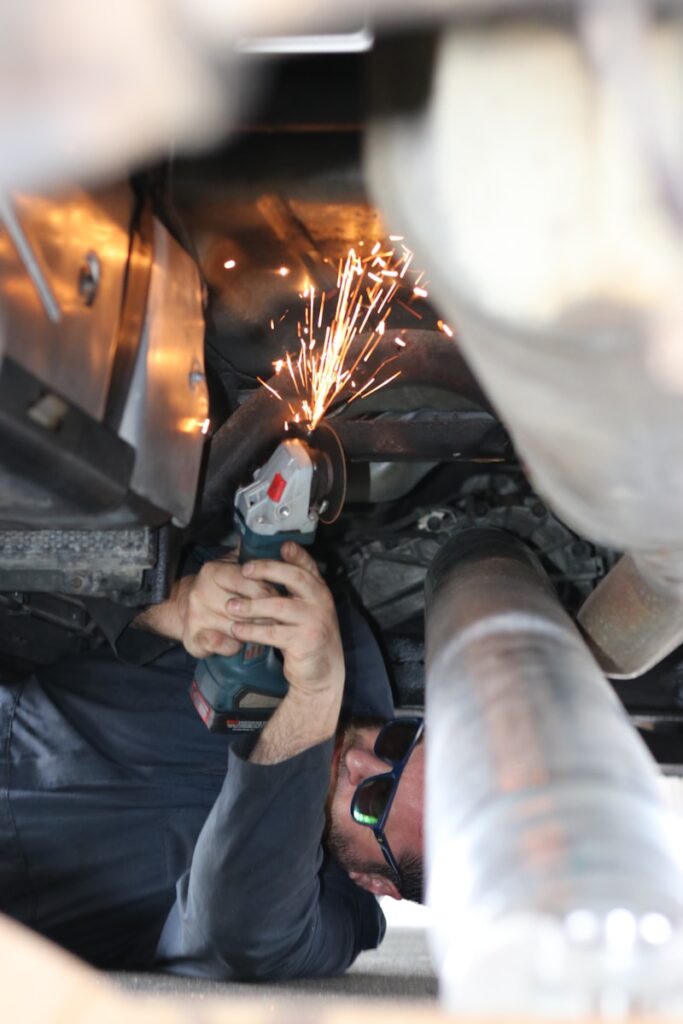
There’s a certain pride that comes from being able to fix things on your own. For many car owners, the idea of do-it-yourself (DIY) car repairs can be incredibly tempting, offering the promise of saved money and the satisfaction of a job well done. Indeed, for routine tasks like topping off fluids or perhaps even changing a tire, DIY approaches can be both practical and empowering.
However, it is crucial for every vehicle owner to understand that not all car repairs are suited for the average home mechanic. While the internet is rife with tutorials, the reality is that some repairs are so complex, dangerous, or specialized that attempting them yourself could lead to bigger problems—or worse, serious injury. Without proper tools and expertise, repairs may be incomplete or incorrect, leading to further damage, voiding warranties, and creating significant safety concerns.
Our aim here is to provide clear, useful advice for consumers. This in-depth guide will highlight 13 specific auto repairs that you should definitely avoid attempting at home in 2025 and beyond. These tasks demand specialized tools, advanced knowledge, and carry a high risk of personal injury or catastrophic vehicle damage if not executed with precision by trained professionals. Prioritizing safety, reliability, and cost-effectiveness in the long run is paramount.
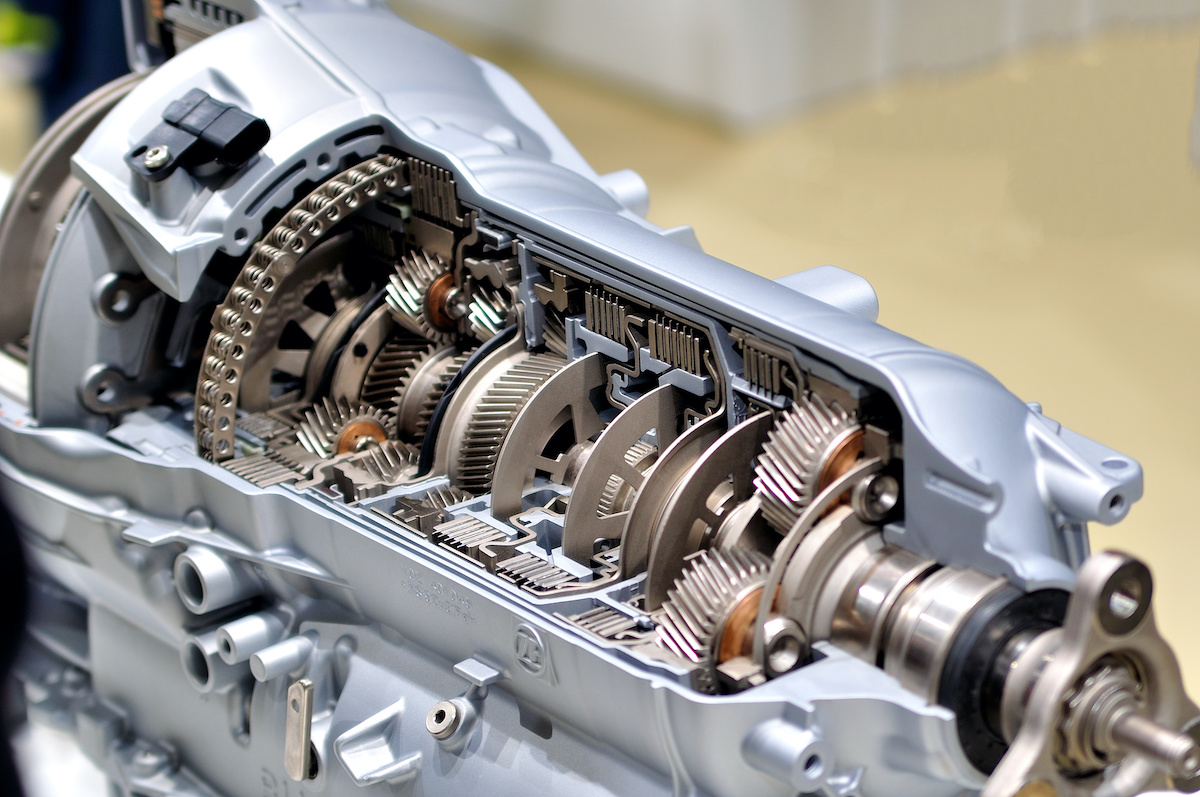
1. **Transmission Repair: A Technical Minefield**Your car’s transmission is arguably one of the most intricate and complex components in the entire vehicle. Its fundamental role is to transfer power from the engine to the wheels, a process that relies on a seamless interaction of hundreds of moving parts. Modern automatic transmissions, in particular, are notorious for their sheer mechanical complexity and sophisticated electronic controls.
Attempting to repair or replace a transmission without the requisite expertise can easily lead to disaster. As the context points out, an average automatic transmission has roughly 800 parts, including gears, pumps, clutches, and a torque converter. A misstep can result in misaligning gears, damaging key components, or even worsening the original problem, transforming a manageable issue into an exorbitantly expensive catastrophe. The repair cost for transmissions can range from $1,000 to $4,000, but a botched DIY attempt could inflate these figures dramatically.
Diagnosing transmission issues accurately is a specialized skill that frequently requires proprietary diagnostic tools, which are generally unavailable to most DIY mechanics. Symptoms such as grinding noises, the car revving higher between automatic gear shifts, poor driving performance, or the vehicle refusing to move when placed in gear are all clear indicators that professional intervention is necessary. These are not problems to troubleshoot with a generic wrench set and online videos; they demand the authoritative insight of a certified mechanic.

2. **Engine Diagnostics or Repair: The Heart of Your Vehicle**The engine stands as the undisputed heart of your vehicle, a complex system meticulously designed to operate with extreme precision. When an engine overhaul is required, it signifies a task far beyond a simple “remove and replace” operation. It involves the intricate process of taking the engine apart, dealing with sensitive components such as pistons, valves, bearings, and precise timing mechanisms, all of which must be installed with exacting accuracy during the rebuilding phase.
Unless you possess the qualifications of a certified mechanic, along with access to a complete array of professional tools and specialized equipment, engine overhauls are unequivocally best entrusted to experts. Even a seemingly minor error in reassembly or an incorrectly installed component can have cascading effects, impacting how other systems operate and potentially leading to serious damage or, in the worst-case scenario, the complete ruin of the engine. The costs of professional engine rebuilds typically range from $2,500 to $4,000, yet the financial repercussions of a DIY error could far exceed this investment.
Recognizing the signs that your engine requires professional attention is critical for both safety and preventing further damage. If you begin to hear knocking sounds, experience a loss of power, notice an oil pressure warning light, or if the check engine light illuminates, these are all urgent signals. Engine misfires, rough idling, the car failing to start, or overheating are also symptoms that demand immediate and authoritative diagnostic and repair services from a qualified professional. Attempting to fix these complex issues at home is a gamble with incredibly high stakes.
3. **Airbag Replacement: A Critical Safety System**Airbags are unequivocally among the most vital safety devices installed in modern vehicles, engineered to deploy with immense force during collisions to provide crucial protection for occupants. Despite their life-saving function, working on airbag systems is fraught with extreme danger and complexity, making DIY replacement an inadvisable endeavor. The operation of airbags is intricately linked to the vehicle’s electrical system and a network of sensitive sensors, demanding specialized knowledge and tools for any intervention.
Any mistake made during the repair or replacement process can trigger an accidental airbag deployment. Such an event is not merely an inconvenience; it can cause severe personal injury or, at the very least, incur substantial costs to rectify. The context explicitly warns that airbags “can explode if handled improperly,” underscoring the serious risks involved. Furthermore, once airbags have deployed, they require not just replacement but also precise reinstallation and meticulous recalibration. This process necessitates specific tools and a depth of knowledge that extends well beyond typical home garage capabilities.
Improper installation carries a grave consequence: the airbags might fail to deploy in a future accident, thereby compromising passenger safety in a critical moment. Therefore, if your airbag light is illuminated on the dashboard, or if your vehicle has been involved in an accident that resulted in airbag deployment, the only responsible course of action is to consult a certified technician. Their expertise ensures that this essential safety feature is functioning correctly and reliably, protecting you and your passengers on the road.
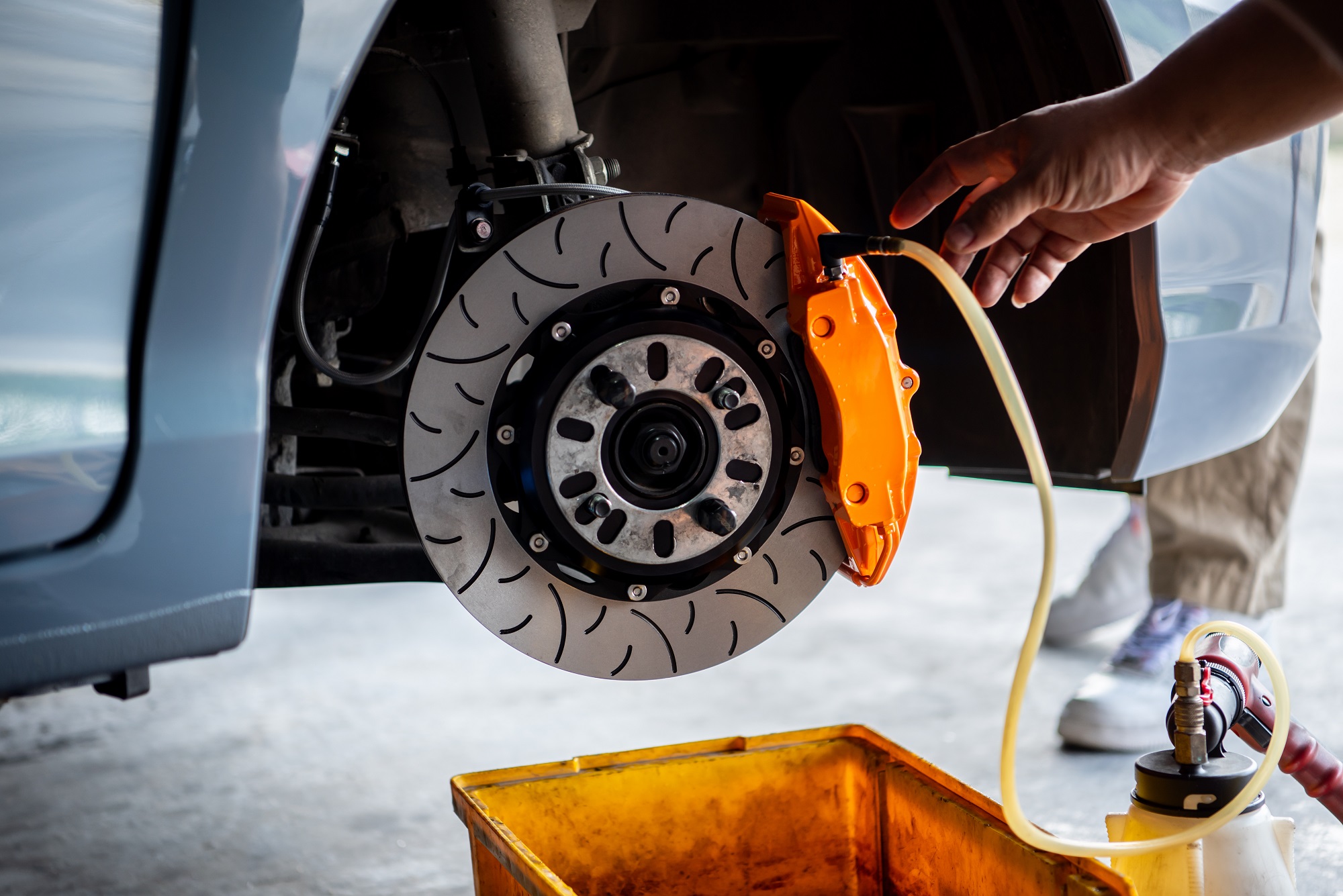
4. **Brake System Component Replacement: Not Worth the Risk**Your vehicle’s braking system is, without question, its most critical safety feature. While tasks such as replacing brake pads or rotors are often considered common DIY endeavors for experienced hobbyists, repairs involving brake lines or the comprehensive bleeding of the brake fluid system present an entirely different level of complexity and risk. Brake lines are responsible for carrying the hydraulic fluid that enables your brakes to function effectively, and any compromise to their integrity can have devastating consequences.
A fundamental error in repairing or replacing brake lines could directly lead to brake failure, a scenario that is inherently dangerous for you, your passengers, and all other drivers on the road, potentially culminating in a serious accident. Beyond the lines themselves, failing to properly bleed the brakes after any repair can introduce air bubbles into the brake lines. This results in a spongy brake pedal and severely reduced braking performance, significantly increasing stopping distances, which can be particularly hazardous in emergency situations.
Professional mechanics possess the specialized expertise and dedicated tools necessary to execute this delicate job safely and correctly. This includes ensuring precise connections, proper torque settings, and the meticulous bleeding of air from the system to guarantee optimal braking efficiency. Modern vehicles, with their electronic parking brakes, add an extra layer of complexity that further underscores the need for professional intervention. If you observe fluid leaking from your brake lines, or if your brake pedal feels spongy or unresponsive, it is imperative to schedule a brake service appointment immediately. Symptoms such as squealing or grinding sounds when braking, an increased distance required to stop, or the illumination of the BRAKE, ABS, or brake pad wear warning lights are clear signals that your brakes are on their way out and require expert attention.
Read more about: A Budget Breaker on Four Wheels: 7 Electric Cars Buyers Say Require Costly Battery Replacements

5. **Fuel System Repairs: High Pressure, High Danger**The fuel system is one area of your car where caution must be exercised at all times, making DIY attempts without proper training exceedingly risky. This system operates under high pressure, and even a seemingly minor mistake during a repair can precipitate dangerous fuel leaks or, in the most extreme cases, lead to fires. The various components, including the gas tank, fuel filter, fuel pump, fuel lines, and injectors, are all interconnected and vital to the safe operation of your vehicle.
Attempting to repair or replace any of these components on your own can compromise the entire system, creating significant safety hazards and potentially damaging other integral parts of your vehicle. Fuel systems are not just high-pressure; they are also intricate and demand precise calibration to function correctly. Any error can adversely affect your car’s fuel efficiency, emissions performance, or overall operational capabilities. The high volatility of gasoline elevates the inherent danger, rendering this one of the most perilous systems to work on without strict safety precautions and professional expertise.
For these reasons, repairs involving the fuel pump, fuel injectors, or fuel lines should invariably be performed by professionals. If you detect the smell of gasoline, experience difficulty starting your car, or notice a sudden decrease in fuel efficiency, these are critical indicators. Other warning signs include a strange noise emanating from your gas tank, the engine sputtering, or the vehicle experiencing unexpected power surges. Consulting a professional mechanic is the only prudent course of action to diagnose and safely rectify these serious issues.
Read more about: Beyond the Sticker Price: Uncovering the True Financial Commitment of Car Ownership
6. **Timing Belt or Chain Replacement: Precision Required for Engine Life**The timing belt or chain plays an absolutely critical role within your engine, synchronizing the rotation of the crankshaft and camshafts to ensure that the engine’s valves open and close at precisely the right moments during each cylinder’s intake and exhaust strokes. This meticulous timing is paramount for engine performance and longevity. While the belt itself might appear to be a relatively inexpensive component, the complexity of its replacement makes it a task strictly reserved for certified professionals.
Replacing a timing belt or chain requires extensive disassembly of various engine components, which typically includes removing the timing cover, water pump, and multiple pulleys. The reinstallation process demands unparalleled precision: if the belt or chain is even one tooth off in its alignment, it can lead to catastrophic engine failure, particularly in interference engines where pistons can collide with valves, causing irreparable internal damage. The context explicitly states that “an improperly installed timing belt or chain could leave just as many if not more parts of your vehicle damaged or inoperable, including your engine!”
Beyond the potential for immediate and severe damage, incorrect tension or alignment can also lead to poor engine performance over time. This repair is typically time-consuming and labor-intensive, and any mistake will inevitably result in substantial costs that far outweigh any perceived DIY savings. If your vehicle’s timing belt is due for replacement—often recommended at specific mileage intervals—or if you notice symptoms such as rattling noises from your engine, multiple engine misfires, the malfunction indicator light illuminated with related timing codes, or if your vehicle simply isn’t starting, it is imperative to seek out a certified mechanic. They possess the specialized tools, extensive experience, and authoritative knowledge required to handle this critical job correctly and safely, preserving the integrity of your engine.
Continuing our in-depth examination, we now turn our attention to seven additional automotive repairs that, despite their potential appeal for the DIY enthusiast, unequivocally demand the specialized skills and precision of certified professionals. These tasks, ranging from intricate system overhauls to critical safety component replacements, carry significant risks that far outweigh any perceived cost savings when attempted without the proper expertise and equipment. Prioritizing your safety, your vehicle’s longevity, and ultimately, your financial well-being, remains our core message.
7. **AC System Repair: More Than Just a Recharge**The convenience of a properly functioning air conditioning system is a modern vehicle luxury many take for granted. When your AC begins to falter, perhaps blowing only warm air, the immediate thought might be to reach for an over-the-counter AC recharge kit as a simple, economical fix. However, this seemingly straightforward solution can mask more serious underlying problems and introduce significant risks.
It is crucial to understand that refrigerants, while typically low in toxicity, are chemical compounds that demand careful handling. Their misuse or improper management can pose dangers to your personal health and have adverse environmental impacts. Moreover, a vehicle’s AC system is designed as a closed loop; if your refrigerant levels are low, it almost certainly indicates a leak or a more substantial issue within the system. Simply adding more refrigerant without addressing the root cause is often a temporary and wasteful endeavor.
Professional technicians possess the specialized equipment and diagnostic tools necessary to accurately identify the source of an AC system problem, whether it’s a leak, a faulty compressor, or another component failure. They can safely recover and recycle refrigerants, repair the underlying issue, and then properly recharge the system to factory specifications. If your car is consistently blowing hot air, making unusual noises when the AC is engaged, or only delivering cold air intermittently, these are clear signals that a professional inspection is warranted.
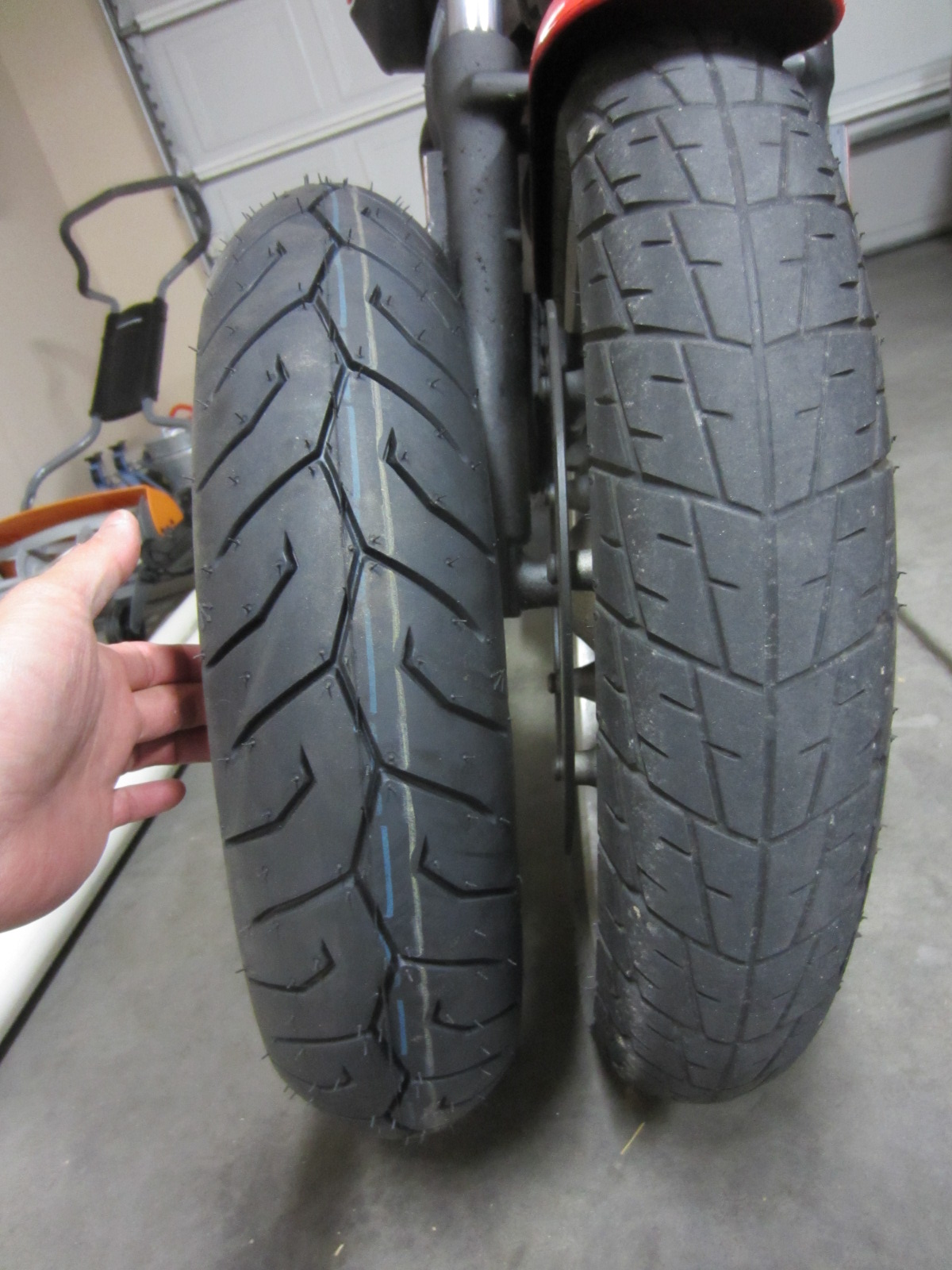
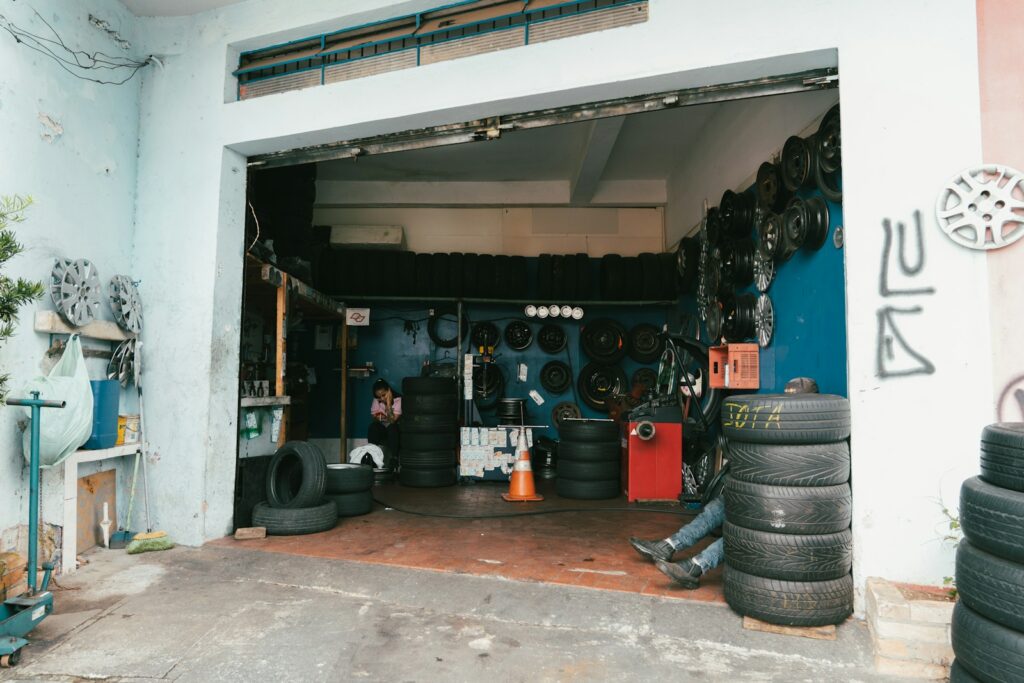
8. **Tire Mounting or Balancing: Precision for Safety**While changing a flat tire on the side of the road is a fundamental skill for many drivers, the tasks of mounting new tires onto rims or precisely balancing them are entirely different operations best left to professionals. These procedures require specialized machinery and expertise to ensure optimal vehicle performance and, more importantly, your safety on the road. Improperly executed, these tasks can introduce significant hazards.
Incorrect tire mounting, for instance, can lead to catastrophic consequences, including sudden flat tires or even tire separation at speed. Such failures not only endanger the occupants of your vehicle but also pose severe risks to other drivers. The precision involved in seating a tire bead correctly and safely on a rim cannot be overstated; it’s a delicate balance of pressure and proper technique that home setups rarely achieve.
Similarly, an improperly balanced tire will cause excessive vibrations throughout the vehicle, leading to an uncomfortable ride and accelerated wear on critical suspension and steering components. Over time, this imbalance can diminish vehicle handling, reduce fuel efficiency, and necessitate further costly repairs. Professional tire centers utilize calibrated balancing machines to detect and correct even the slightest imbalances, ensuring smooth operation and extending the lifespan of your tires and other vehicle parts. For optimal safety and performance, entrust tire mounting and balancing to certified experts.
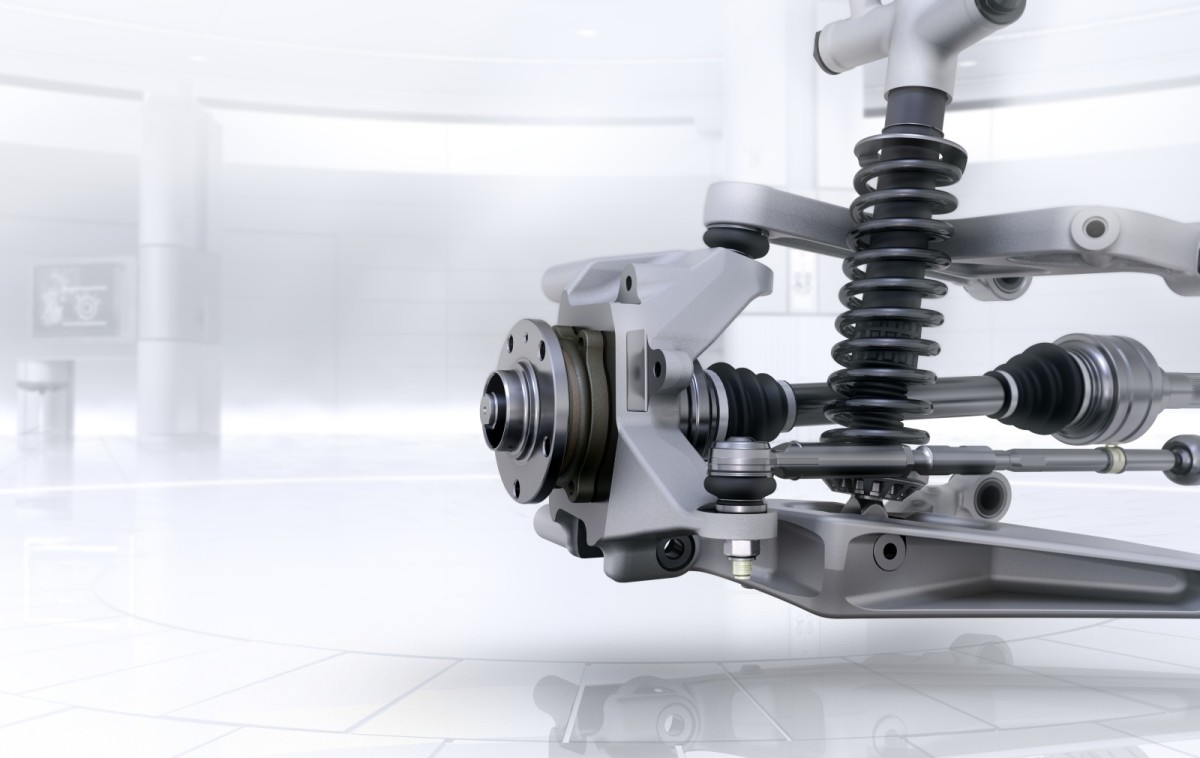
9. **Suspension Components Replacement: Critical for Stability and Control**Your vehicle’s suspension system is a complex network of components—including shocks, struts, coil springs, control arms, and ball joints—designed to absorb road impacts, maintain tire contact with the road, and ensure a stable, comfortable ride. When these components are damaged or malfunctioning, the integrity of your vehicle’s handling and safety is directly compromised. While some parts may appear accessible, replacing them correctly requires more than just mechanical aptitude.
Certain suspension elements, most notably the coil springs, are under immense compression and store a significant amount of potential energy. Mishandling these components without the specialized tools (like spring compressors) and proper safety protocols can lead to serious personal injury or even death, in addition to causing extensive damage to the vehicle itself. The context explicitly warns of the dangers of mishandling parts like coil springs due to immense pressure.
Moreover, accurate alignment is paramount after any significant suspension work. An incorrect installation can throw off your vehicle’s geometry, leading to poor handling, uneven tire wear, compromised braking, and the premature failure of other related components. Symptoms such as excessive bouncing over bumps, the car lunging forward when braking, oil leaking from shocks or struts, or the vehicle sitting lower on one side are clear indicators that professional intervention is urgently needed. Expert technicians have the specialized tools and knowledge to diagnose issues, safely replace components, and perform the precise alignment necessary to restore your vehicle’s stability and control.

10. **Electrical System Repairs: Navigating Modern Vehicle Circuitry**Modern automobiles are intricate marvels of engineering, increasingly reliant on sophisticated electronic systems that manage everything from engine performance and safety features to infotainment and navigation. What might seem like a simple electrical glitch on the surface is often a symptom of a deeper, more complex issue within a vast network of wires, sensors, and computer modules, making DIY electrical repairs a significant gamble.
Attempting to troubleshoot or repair electrical problems without the appropriate diagnostic tools and a comprehensive understanding of complex wiring diagrams can lead to serious consequences. A single wrong move, such as an improperly connected wire or an accidental short circuit, can easily damage expensive electronic control units (ECUs) or even incapacitate the entire vehicle. These repairs are not just about replacing a fuse; they involve intricate diagnostics to pinpoint the precise fault within a system that may have hundreds of interconnected circuits.
Furthermore, many modern vehicle electrical systems require specialized software and proprietary diagnostic equipment, often exclusive to dealerships or highly specialized auto repair shops, to accurately identify and rectify faults. Overlooking electrical connections, allowing corrosion to build up, or failing to secure wiring properly can result in intermittent issues or complete component failure. Professionals are equipped to perform accurate diagnostics, make secure connections, and ensure all electrical systems are functioning harmoniously and safely.

11. **Windshield Replacement: Integral to Vehicle Structure and Safety**A crack or chip in your windshield might seem like a cosmetic nuisance, but the windshield is far more than just a piece of glass; it plays a critical, often overlooked, role in your vehicle’s overall structural integrity and occupant safety. Attempting to replace a windshield without the correct tools, high-quality materials, and specialized knowledge can lead to severe compromises in both areas.
Improper installation can result in a multitude of problems, including persistent leaks that can damage the vehicle’s interior electronics and upholstery. More critically, poor adhesion or incorrect placement significantly weakens the windshield’s structural contribution, especially during a rollover accident where it prevents the roof from collapsing. In a collision, an improperly installed windshield might even pop out, removing a vital barrier between occupants and the outside environment, and potentially rendering the passenger-side airbag ineffective.
Professional auto glass specialists are trained in the precise techniques required for safe and effective windshield replacement. They use specific high-quality adhesives, follow strict manufacturer guidelines for precise placement, and ensure the new windshield forms a secure, airtight bond with the vehicle’s frame. This meticulous process guarantees that the windshield can withstand the stresses of daily driving and provide the intended level of protection in the event of an impact, a level of assurance that DIY attempts simply cannot match.

12. **Car Seat Repair: Beyond Aesthetics to Safety and Structure**When a car seat becomes loose, uncomfortable, or damaged, the inclination might be to attempt a DIY fix for comfort or aesthetic reasons. However, repairs to car seats, particularly those involving their mounting and structural integrity, are far from simple cosmetic adjustments and carry significant safety implications that make them unsuitable for home mechanics. The secure fastening of car seats is critical for occupant safety.
A common pitfall in DIY car seat repair involves the improper handling of the bolts that secure the seat to the vehicle’s frame. A DIYer unfamiliar with precise torque specifications and proper removal techniques might inadvertently damage these bolts. This could manifest as stripped threads, rendering the bolts useless for their intended purpose, or even bent bolt heads, which severely weakens their integrity and ability to hold the seat securely in place during a sudden stop or collision.
The consequences of a compromised car seat mounting can be dire. If the seat is not firmly anchored, it cannot adequately protect occupants, especially in an accident. The entire mechanism, including any integrated safety features, relies on its structural soundness. For these profound safety reasons, any repairs to a car seat’s attachment points or structural components should be exclusively entrusted to qualified professionals who possess the knowledge and tools to ensure the seat is reinstalled safely and to manufacturer specifications, preserving its crucial role in passenger protection.

13. **Exterior Bodywork (Rust/Damage): A Job for Specialized Techniques**Addressing exterior rust or body damage on your vehicle might seem like a manageable cosmetic project for a DIY enthusiast. The idea of sand-blasting away rust and applying a fresh coat of spray paint can be tempting for cost savings. However, professional auto body repair is a highly specialized craft that goes far beyond surface aesthetics, demanding specific techniques and a depth of knowledge that home mechanics typically lack.
Auto body shops are equipped with specialized tools and possess the expertise to perform proper sandblasting, body filling, and painting techniques. A DIYer attempting sandblasting without adequate experience risks damaging more than just surface rust, potentially compromising the underlying metal and exacerbating the problem. Achieving a durable, seamless finish that matches the original paint and prevents future corrosion requires environmental control, precise paint application, and expert blending skills that are difficult to replicate in a home garage.
Furthermore, superficial fixes often fail to address deeper structural issues that can be hidden beneath the paint or rust. Incorrect bodywork can also lead to poor resale value and continued deterioration of the vehicle’s exterior. For effective, long-lasting repairs that maintain your vehicle’s appearance, structural integrity, and protect against further damage, professional auto body specialists are the undeniable choice. They ensure that repairs are not only aesthetically pleasing but also structurally sound and durable, providing genuine value and protection.
While the allure of saving money and the satisfaction of a DIY repair project are undeniable, certain automotive tasks transcend the capabilities and safety parameters of the average home mechanic. The 13 repairs we’ve highlighted—from the complex internals of a transmission to the critical safety of an airbag system, and the structural integrity of a windshield—all underscore a fundamental truth: some jobs demand specialized tools, advanced knowledge, and rigorous adherence to safety protocols. Entrusting these high-risk, high-complexity repairs to certified professionals is not merely a recommendation; it is an imperative. It ensures your vehicle remains safe, reliable, and performs as intended, protecting both your investment and, most importantly, everyone who travels in it. In the long run, choosing professional expertise for these critical repairs is almost always the more cost-effective and responsible decision, guaranteeing peace of mind on every journey.