Alright, gearheads and casual drivers alike, let’s talk Ford. We all know the Blue Oval has cranked out some absolute legends over the years – trucks that conquer the job site, muscle cars that define American performance, and family haulers that get the kids to soccer practice, mostly on time. But here’s the thing about any titan in the auto industry: for every home run, there’s bound to be a few foul balls, maybe even a couple of whiffed strikes that leave a truly bitter taste in the mouth of owners. And let’s be honest, those are the stories we love to dissect, the ones that spark heated debates over a greasy diner breakfast or late-night forum posts.
So, while Ford’s sales numbers still climb past two million vehicles annually in the U.S., proving their market dominance, it’s crucial to acknowledge that not every Ford wears its badge with unblemished pride. Whether you’re scouring the used car market for a bargain or just curious about which models have a habit of turning dreams into costly nightmares, some Fords just aren’t built for the long haul – or sometimes, even the short one. Many buyers, deep down, might just be harboring a secret regret about their purchase, whether it’s the never-ending repair bills or just a fundamental failure to live up to expectations.
Today, we’re pulling back the curtain on the real issues, digging into the specific models and widespread flaws that have earned Ford a less-than-stellar reputation in certain circles. Forget the glossy brochures and the catchy commercials; we’re talking about the cold, hard truths that emerge from owner complaints, investigations, and those dreaded recalls. So, buckle up, because we’re about to explore the Ford models and features that drivers secretly regret buying, starting with some absolute stinkers from their recent-ish past.
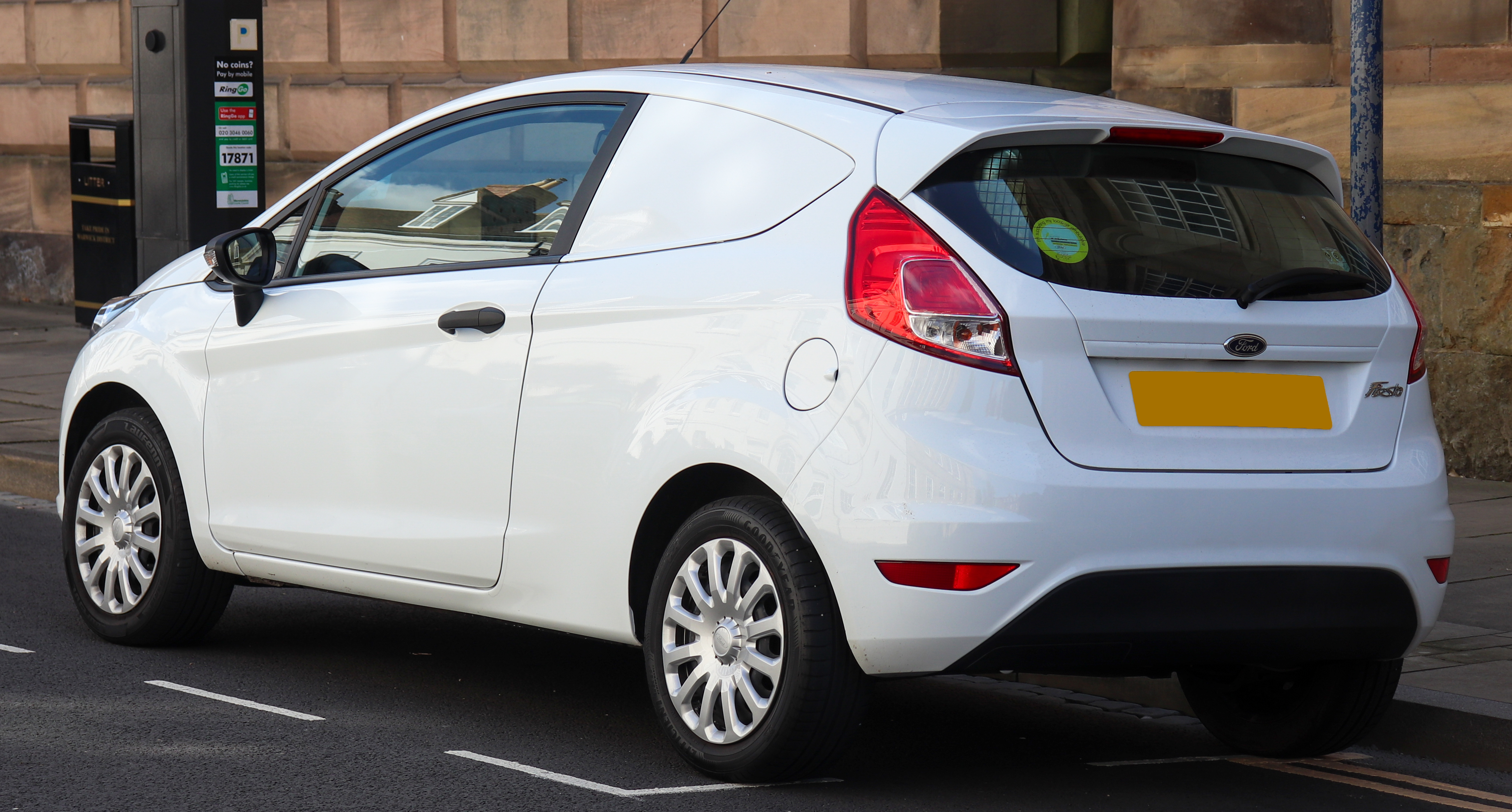
1. **Ford Fiesta (2011-2016)**Ah, the Ford Fiesta. For a time, it was a perfectly popular compact car, offering a supposedly zippy, economical option for city dwellers and those who preferred something on the smaller side. Ford brought it into its lineup in 2011 and kept it going until 2019, but, like a bad relationship, some years proved to be significantly more trouble than they were worth. Specifically, if you’re ever eyeing a used compact, auto mechanics almost universally advise you to steer clear of the Ford Fiesta models produced between 2011 and 2016. Consider this a public service announcement.
So, what exactly turns these particular Fiesta model years from a potential urban warrior into a garage-bound headache? The biggest villain in this story is undoubtedly the transmission. We’re talking about the notorious PowerShift transmission, a piece of engineering that became less of a power shift and more of a power *struggle*. Drivers have reported everything from rough, hesitant shifting to outright failures, transforming daily commutes into anxiety-inducing lottery draws.
But the transmission isn’t the only ghost in the machine. These Fiestas also reportedly suffer from misfiring engines, which is about as fun as a flat tire on the freeway, and various leaks that can quickly turn minor maintenance into a major money pit. It’s a trifecta of mechanical misery that cemented these years as a “significant barrier to greatness.” The silver lining? Models after 2016, though fewer in number before the Fiesta’s eventual discontinuation, are generally considered to be some of the better recent Ford vehicles. Just make sure you’re getting one of those, not one of the regrettable early birds.
Car Model Information: 2012 Ford Fiesta SE
Name: Ford Fiesta
Manufacturer: Ford Motor Company
Production: June 1976 – July 2023
Class: Supermini
BodyStyle: hatchback
Layout: Front-engine, front-wheel-drive layout
Successor: Ford Puma (crossover)
ModelYears: 1978–1980, 2011–2019 (North America)
Categories: 1980s cars, 1990s cars, 2000s cars, 2010s cars, 2020s cars
Summary: The Ford Fiesta is a supermini car that was marketed by Ford from 1976 to 2023 over seven generations. Over the years, the Fiesta has mainly been developed and manufactured by Ford’s European operations, and had been positioned below the Escort (later the Focus).
Ford had sold over 15 million Fiestas from 1976 to July 2011, making it one of the best-selling Ford nameplates behind the Escort and the F-Series. It has been manufactured in the United Kingdom, Germany, Spain, Brazil, Argentina, Venezuela, Mexico, Taiwan, China, India, Thailand, and South Africa.
The Fiesta was discontinued in 2023, after over 22 million units had been made. The final Ford Fiesta rolled off the production line on 7 July 2023.
Get more information about: Ford Fiesta
Buying a high-performing used car >>>
Brand: Ford Model: Fiesta
Price: $3,900 Mileage: 125,000 mi.
Read more about: From Showroom Shine to Garage Grind: 15 Vehicles That Left Owners Longing for a Refund
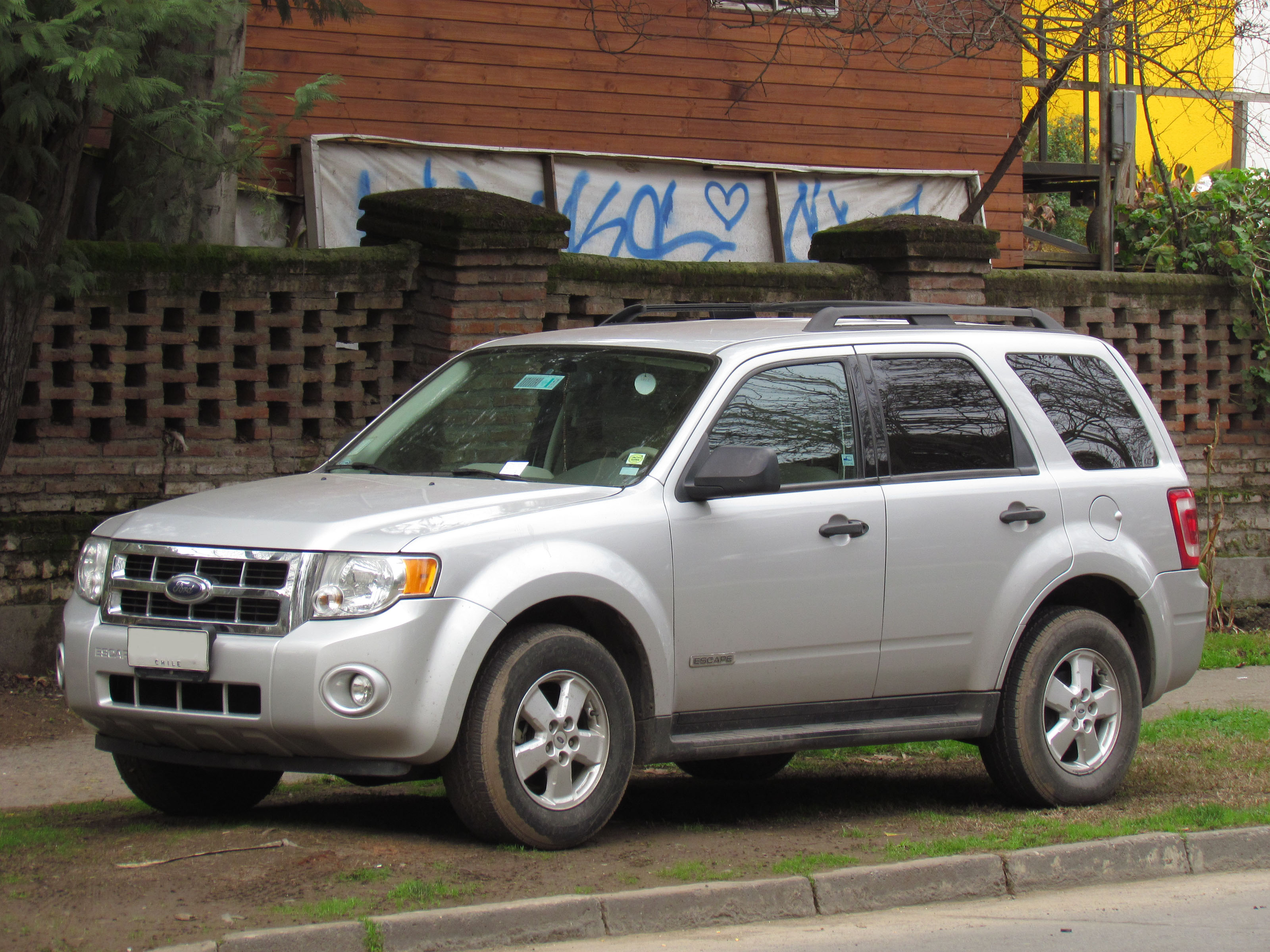
2. **Ford Escape (2008, 2013, 2014)**Ford’s Escape has long been a go-to for many folks hunting for a compact SUV, and it generally boasts a decent reputation for being a versatile family hauler. Naturally, with so many people looking for reliable used SUVs, the Escape often pops up on the radar. However, like any popular kid, there are a few years that just didn’t quite make the grade. When it comes to the Ford Escape, the models from 2008, 2013, and 2014 are the ones that industry insiders, particularly auto mechanics, consistently recommend leaving right where they are: on the used car lots.
Why the cold shoulder for these specific model years? Well, much like its smaller sibling, the Fiesta, the troublesome transmission rears its ugly head once more. Owners of the 2008, 2013, and 2014 Escapes have reported a litany of transmission problems, suggesting a recurring Achilles’ heel in Ford’s engineering playbook from that era. These aren’t just minor hiccups; we’re talking about issues that can dramatically impact the vehicle’s driveability and, more importantly, your wallet.
Beyond the transmission troubles, these particular Escapes have also been dinged for notable engine issues. And as anyone who’s ever owned a car knows, when the engine decides to throw a tantrum, it’s rarely a cheap fix. To add insult to injury, Ford itself acknowledges that the 2014 model year alone was subject to “a number of car recalls,” which is usually a pretty strong indicator that things weren’t exactly peachy on the production line. While the Escape has rebounded to become a beloved vehicle, these specific years are best approached with extreme caution, if at all.
Car Model Information: 2024 Ford Escape Active
Name: Ford Escape
Caption: 2021 Escape Hybrid (US)
Manufacturer: Ford Motor Company
Aka: Unbulleted list
Production: 2000–present
ModelYears: 2001–present
Class: Compact crossover SUV
BodyStyle: SUV
Layout: Unbulleted list
Predecessor: Nissan Terrano II
Successor: Ford Territory (China)
Categories: 2010s cars, 2020s cars, All-wheel-drive vehicles, All Wikipedia articles written in American English, All articles with dead external links
Summary: The Ford Escape is a compact crossover SUV manufactured and marketed by the Ford Motor Company since the 2001 model year. The first Ford SUV derived from a car platform, the Escape fell below the Ford Explorer in size; the Escape was sized between the Ford EcoSport and Ford Edge. The 2005 model year Ford Escape Hybrid was the first hybrid-electric vehicle from Ford, and the first hybrid produced as an SUV.
The first two generations of the Escape used the Ford CD2 platform (jointly developed with Mazda), leading to the release of the rebadged variants, the Mazda Tribute and Mercury Mariner; as with the Escape, both the Tribute and Mariner were marketed in North America (the Mariner was never marketed in Canada). In Europe, the Escape was initially branded as the Ford Maverick from 2001 to 2008 (replacing a Nissan-produced SUV).
Under the mid-2000s “One Ford” globalization strategy, the third and fourth-generation designs of the Escape have been unified with the Ford Kuga, designed by Ford of Europe. Sharing a common body and chassis underpinnings (and several engines), the Escape and Kuga are manufactured in their home markets. As with previous generations, the fourth-generation Escape is offered with gasoline, hybrid, and plug-in hybrid options. Outside of North America, the Ford Escape is marketed in Australia, China, and Taiwan.
In August 2025, it was announced that Ford will be discontinuing the Escape after the 2026 model year.
Get more information about: Ford Escape
Buying a high-performing used car >>>
Brand: Ford Model: Escape
Price: $19,256 Mileage: 47,663 mi.
Read more about: The Double Life: 15 Celebrities Who Hid Their Intense Military Service From the Public—Why the Secrecy?
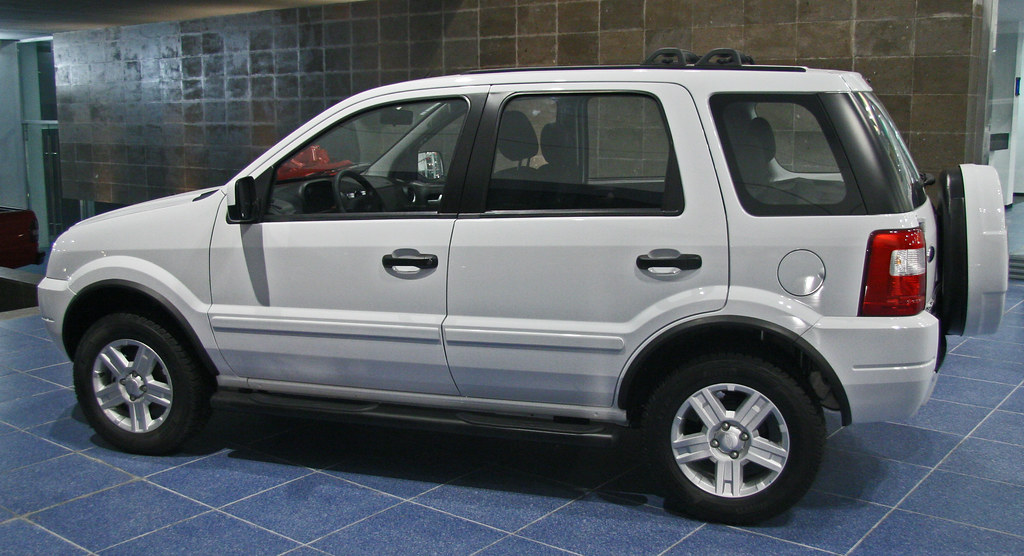
3. **Ford EcoSport (2014, 2018-2022)**Few Ford vehicles have stirred up as much debate in recent years as the EcoSport. This subcompact SUV is truly a polarizing machine; you either love its quirky size and urban maneuverability, or you think it’s an absolute mess of an automobile. There’s really no in-between. But even amongst its fans, there’s a strong consensus about which model years are particularly… well, *awful*. And that consensus points directly at the 2014 model and the more recent 2018 to 2022 iterations.
The 2014 Ford EcoSport seems to hold the undisputed title of “worst in the lineup.” And if you’re wondering what made it earn that dubious honor, the answer, unfortunately, is a familiar one: transmission problems. Reports of rough shifting plagued the early EcoSport, making for an unpleasant and potentially unreliable driving experience. It’s one thing to have a car with quirks; it’s another entirely when those quirks involve the fundamental way it moves down the road.
Fast forward a few years, and while the transmission issues might have been somewhat addressed, the later models from 2018 to 2022 still didn’t escape criticism. These newer EcoSports were largely disliked due to their perceived performance limitations. In an increasingly competitive subcompact SUV market, a vehicle that feels underpowered or sluggish is simply not going to cut it, especially when other brands are offering more spirited and refined options. While some drivers might have stellar experiences, the sheer volume of criticism surrounding these model years underscores the importance of thorough research, including professional inspections and detailed vehicle histories, before taking the plunge.
Car Model Information: 2021 Ford EcoSport SES
Name: Ford EcoSport
Manufacturer: Ford Motor Company
Production: 2003–2022
ModelYears: 2014–2022 (Europe) ,2018–2022 (North America)
Class: Subcompact crossover SUV
BodyStyle: Sport utility vehicle
Layout: Front-engine, front-wheel-drive layout
Categories: 2010s cars, 2020s cars, All-wheel-drive vehicles, All articles with bare URLs for citations, All articles with unsourced statements
Summary: The Ford EcoSport ( EK-oh-sport) is a subcompact crossover SUV (B-segment) manufactured by Ford between 2003 and 2022.
The first-generation model was developed and built in Brazil by Ford Brazil since 2003, at the Camaçari plant. The second-generation model was launched in 2012, which was assembled in factories in India, Thailand, Russia and Romania. The vehicle entered the European market in 2014 and the North American market in 2018. It was sold in both until its discontinuation after the 2022 model year. Throughout its existence, the EcoSport shared its platform with the Fiesta.
Get more information about: Ford EcoSport
Buying a high-performing used car >>>
Brand: Ford Model: EcoSport
Price: $14,682 Mileage: 61,146 mi.
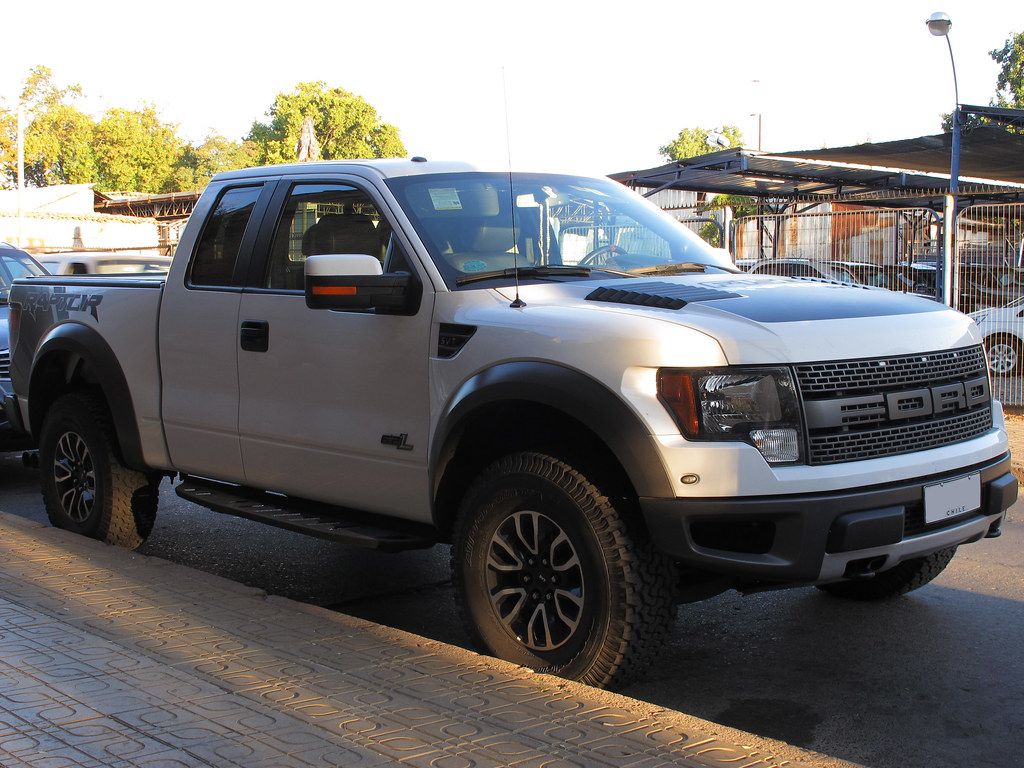
4. **2013 Ford F-150**When you talk about Ford, it’s only a matter of time before the F-150 comes up. It’s America’s best-selling vehicle, a workhorse, a legend. But even legends have their off days, or in this case, a seriously questionable model year. The 2013 Ford F-150, despite being just three years old at the time, became the subject of an NHTSA investigation into reports of malfunctioning brakes. Ford, to their credit, eventually issued a recall for the affected vehicles to address the issue. You’d think that would be the end of it, right? Oh, how wrong you’d be.
Owners continued to barrage the NHTSA with complaints, but this time for an entirely different, and arguably more terrifying, problem: the truck’s transmission had a nasty habit of suddenly slamming into first gear, even when the vehicle was traveling at considerable speeds. Imagine cruising down the highway, and your truck unexpectedly decides it wants to be in the lowest possible gear. That’s a recipe for disaster, or at least a very sudden, bone-jarring deceleration.
This alarming issue led to yet another investigation, and then two more recalls were issued in an attempt to rectify the errant transmission. However, as of April 2025, the NHTSA is *still* receiving a torrent of complaints about this very same transmission problem. The exact reason for the persistent issues remains a bit of a mystery. It could be that some recalled trucks didn’t receive the correct repair, or perhaps the recall itself wasn’t a comprehensive fix, or even that it didn’t encompass all the vehicles that were actually affected by the fault. Whatever the underlying cause, the continuous flow of complaints makes one thing crystal clear: when it comes to the 2013 F-150, staying away is probably the smartest play.
Car Model Information: 2024 Ford F-150 XLT
Name: Ford F-Series
Caption: 2022 Ford F-150 Lariat Luxury
Manufacturer: Ford Motor Company
Aka: Ford Lobo (Mexico, 1992–present)
Production: 1948–present
Class: Pickup truck#Full-size pickup truck
Layout: Front-engine, rear-wheel-drive layout,rear-wheel drive
Predecessor: 1941 Ford
Categories: All-wheel-drive vehicles, All Wikipedia articles written in American English, All articles that may contain original research, All articles with unsourced statements, Articles that may contain original research from September 2020
Summary: The Ford F-Series is a series of light-duty trucks marketed and manufactured by the Ford Motor Company since model year 1948 as a range of full-sized pickup trucks — positioned between Ford’s Ranger and Super Duty pickup trucks. Alongside the F-150 (introduced in 1975), the F-Series also includes the Super Duty series (introduced in 1999), which includes the heavier-duty F-250 through F-450 pickups, F-450/F-550 chassis cabs, and F-600/F-650/F-750 Class 6–8 commercial trucks.
Get more information about: Ford F-Series
Buying a high-performing used car >>>
Brand: Ford Model: F-150
Price: $46,750 Mileage: 31,239 mi.
Read more about: The Hidden Cost: 14 Popular Trucks and Vehicles Prone to Major Repairs Before 100,000 Miles
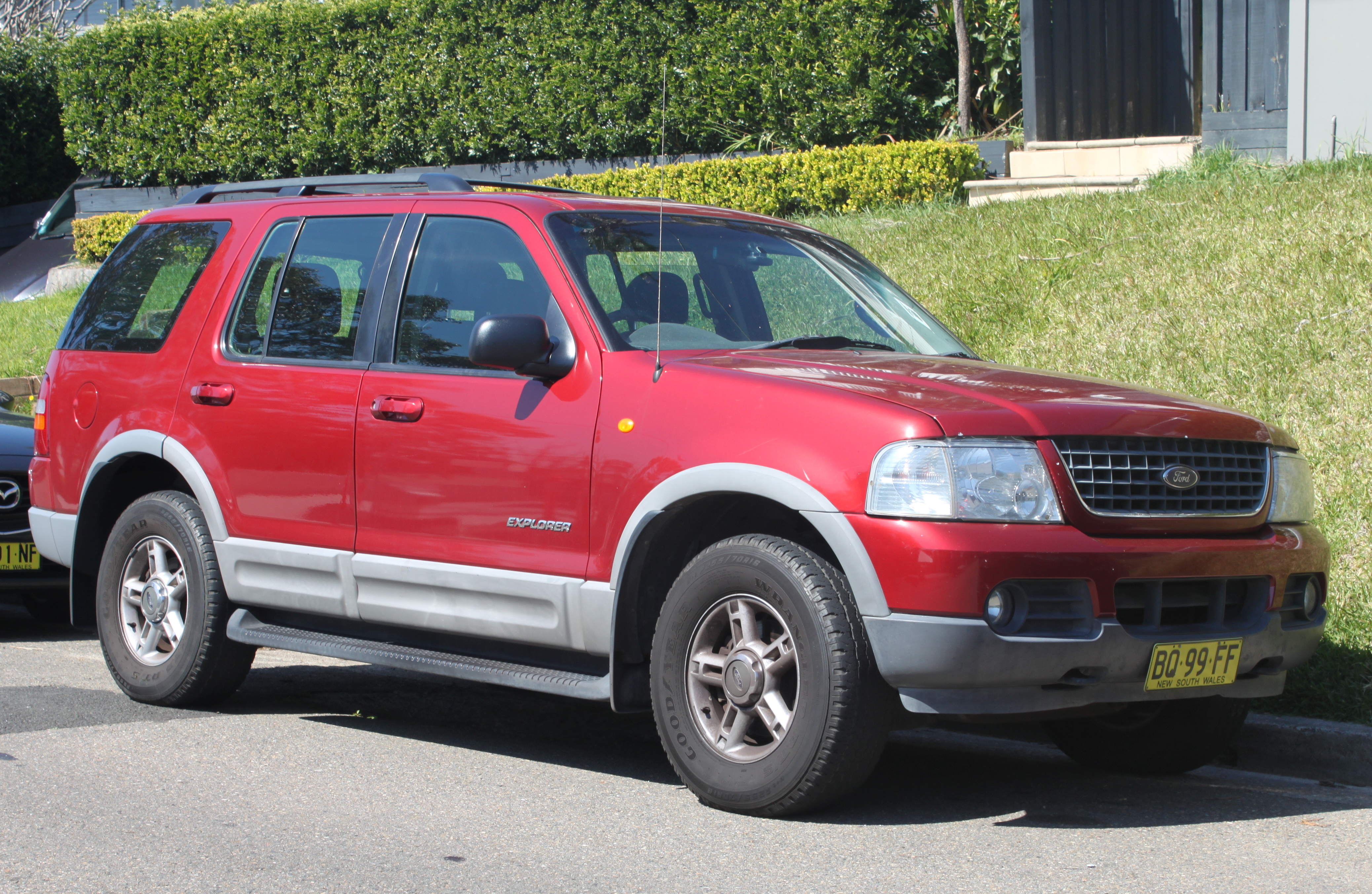
5. **2002 Ford Explorer**Few vehicles arrive on the scene with as much baggage as the 2002 Ford Explorer. This particular model year seemed to be problematic from the get-go, earning a reputation for unreliability almost as soon as it rolled off the assembly line. The National Highway Traffic Safety Administration (NHTSA) opened its first investigation into the Explorer’s airbags as early as December 2001, just months after its release. While that specific inquiry didn’t lead to a recall, it was a worrying harbinger of things to come, with many owners reporting persistent airbag issues all the way through to 2024.
However, the real showstopper, the undeniable star of the 2002 Explorer’s parade of horrors, was its powertrain, particularly the transmission. We’re not talking about a handful of disgruntled owners here; as of now, there have been an astonishing “more than 1,500 powertrain complaints made to the NHTSA.” That’s not just a red flag; that’s a whole damn scarlet banner flapping in the wind, screaming ‘trouble!’ These issues often translated into significant repair bills and a severe lack of confidence in the vehicle’s ability to get you from point A to point B without a mechanical meltdown.
But wait, there’s more! The problems didn’t stop at the engine and transmission. The 2002 Explorer also suffered from significant suspension issues, leading to a less-than-pleasant ride and concerns about handling. On top of that, there were a slew of problems tied to the vehicle’s basic build quality. Multiple complaints about the structure even mentioned the back window glass cracking or shattering spontaneously, even when the car was peacefully parked and completely unoccupied. And if those weren’t enough reasons to run for the hills, owners also reported issues with the gas pedal sticking, sunroofs detaching themselves, and the steering locking up while driving. With such an extensive laundry list of serious faults, finding a 2002 Explorer that reliably works as intended is likely a rare occurrence, and if someone claims theirs has been trouble-free, it’s wise to approach that claim with a healthy dose of skepticism.
Car Model Information: 2022 Ford Explorer Platinum
Name: Ford Explorer
Caption: Sixth-generation Ford Explorer
Manufacturer: Ford Motor Company
Production: 1990–present
ModelYears: 1991–present
Class: unbulleted list
Chassis: unbulleted list
Predecessor: Ford Bronco II
Successor: Ford Territory (Australia)
Categories: 2000s cars, 2010s cars, 2020s cars, All-wheel-drive vehicles, All Wikipedia articles in need of updating
Summary: The Ford Explorer is a range of SUVs manufactured by the Ford Motor Company since the 1991 model year. The first five-door SUV produced by Ford, the Explorer, was introduced as a replacement for the three-door Bronco II. As with the Ford Ranger, the model line derives its name from a trim package previously offered on Ford F-Series pickup trucks. As of 2020, the Explorer became the best-selling SUV in the American market.
Currently in its sixth generation, the Explorer has featured a five-door wagon body style since its 1991 introduction. During the first two generations, the model line included a three-door wagon (directly replacing the Bronco II). The Ford Explorer Sport Trac is a crew-cab mid-size pickup derived from the second-generation Explorer. The fifth and sixth generations of the Explorer have been produced as the Ford Police Interceptor Utility (replacing both the Ford Crown Victoria Police Interceptor and the Ford Police Interceptor Sedan).
The Explorer is slotted between the Ford Edge and Ford Expedition within North America’s current Ford SUV range. The model line has undergone rebadging several times, with Mazda, Mercury, and Lincoln each selling derivative variants. Currently, Lincoln markets a luxury version of the Explorer as the Lincoln Aviator.
For the North American market, the first four generations of the Explorer were produced by Ford at its Louisville Assembly Plant (Louisville, Kentucky) and its now-closed St. Louis Assembly Plant (Hazelwood, Missouri). Ford currently assembles the Explorer alongside the Lincoln Aviator and the Police Interceptor Utility at its Chicago Assembly Plant (Chicago, Illinois).
Get more information about: Ford Explorer
Buying a high-performing used car >>>
Brand: Ford Model: Explorer
Price: $33,399 Mileage: 35,792 mi.
Read more about: Don’t Get Ripped Off: Unmasking the 14 Sneaky Hidden Fees Car Rental Companies Hope You Miss, and How to Never Pay Them Again
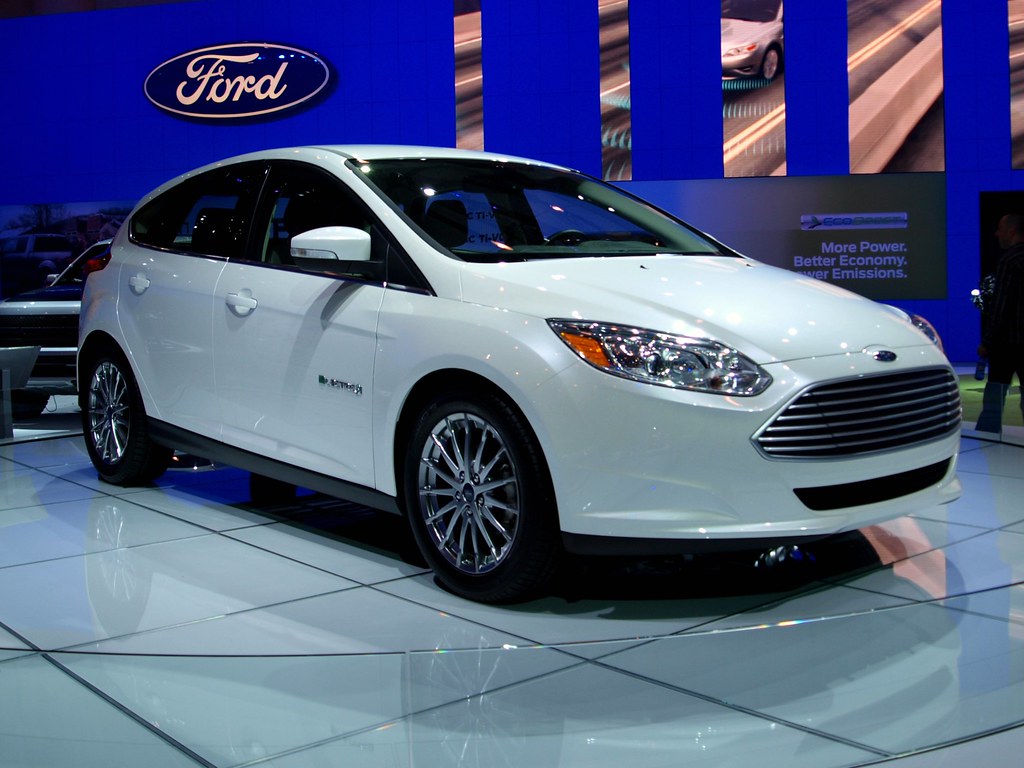
6. **2012 Ford Focus**Yet another contender in the Ford hall of shame, the 2012 Ford Focus is a prime example of how a popular model can be utterly sabotaged by a single, critical flaw: its automatic transmission. Specifically, multiple years of the Ford Focus are infamous for serious issues with their automatic transmissions, and the 2012 model sits firmly in the crosshairs. A lawsuit filed in 2019 even alleged that Ford was fully aware of these faulty transmissions but continued to sell the cars anyway. While that lawsuit eventually reached a settlement, it hasn’t stopped owners of 2012 to 2016 Focus models from continuing to report significant ongoing troubles with their vehicles.
The 2012 Focus, in particular, has garnered a truly substantial number of complaints, with the transmission problem leading the charge. This isn’t just about a rough shift here and there; it’s about a fundamental lack of reliability that turned many owners’ daily drives into a stressful gamble. Imagine constantly wondering if your car will actually respond when you hit the gas or if it’ll just shudder and hesitate, leaving you in a lurch. It’s not the kind of suspense anyone wants on their morning commute.
As if the transmission woes weren’t enough, many owners also reported a host of problems with the electrical system, which can manifest in all sorts of frustrating ways. A particularly concerning electrical issue centered around the electric steering, with numerous drivers stating that the power steering either locked up or completely failed while they were actively driving. This isn’t a minor inconvenience; it’s a terrifying safety hazard. Unfortunately, because there hasn’t been an NHTSA investigation or a Ford recall for this specific steering problem, drivers who’ve faced these failures have been left to foot the bill for costly repairs themselves. It’s a harsh lesson in relying on a model year known for its widespread mechanical shortcomings.
Car Model Information: 2017 Ford Focus ST Base
Name: Ford Focus
Caption: 2018 Ford Focus ST-Line X
Manufacturer: Ford Motor Company
Production: 1998–2025
Class: Small family car
BodyStyle: hatchback
Layout: Front-engine, front-wheel drive,Front-engine, four-wheel-drive
Predecessor: Ford Escort (Europe)
ModelYears: 2000–2018 (North America)
Categories: 2000s cars, 2010s cars, 2020s cars, All articles with specifically marked weasel-worded phrases, All articles with unsourced statements
Summary: The Ford Focus is a compact car (C-segment in Europe) manufactured by the Ford Motor Company from 1998 until 2025. It was created under Alexander Trotman’s Ford 2000 plan, which aimed to globalize model development and sell one compact vehicle worldwide. The original Focus was primarily designed by Ford of Europe’s German and British teams. Production of the fourth generation Focus began in 2018 in Germany and China. In 2025, Ford announced that the Focus will no longer be built, in line with an announcement made in 2022.
Get more information about: Ford Focus
Buying a high-performing used car >>>
Brand: Ford Model: Focus
Price: $15,645 Mileage: 97,277 mi.
Read more about: The Hidden Cost: 14 Popular Trucks and Vehicles Prone to Major Repairs Before 100,000 Miles
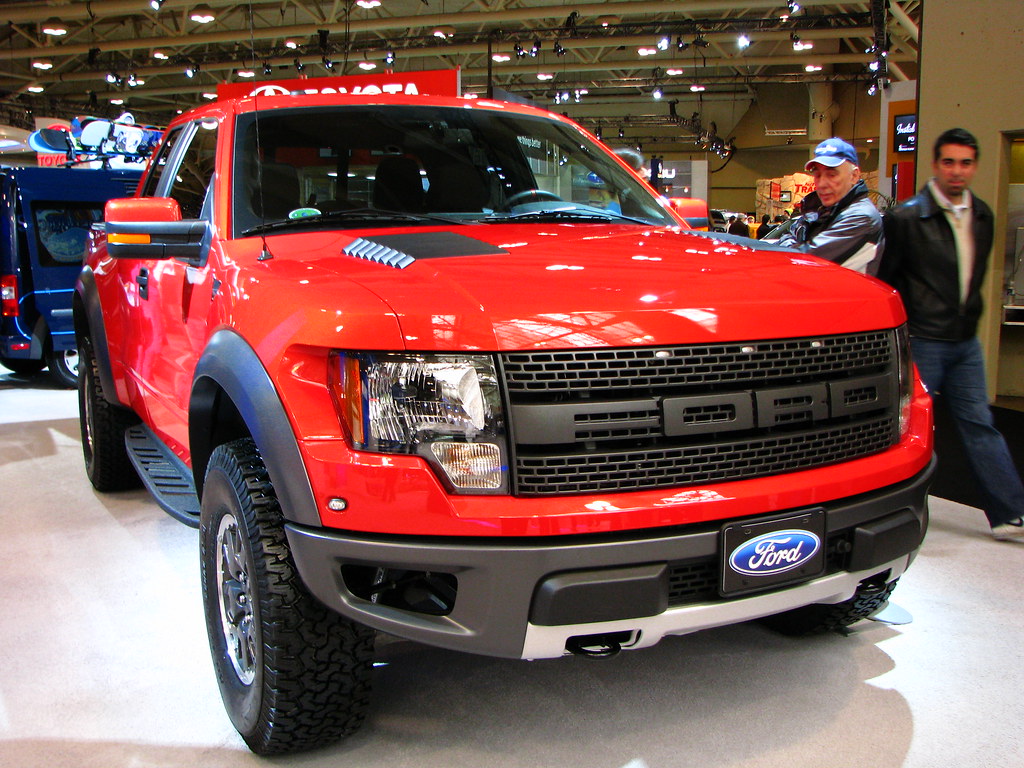
7. **1997 Ford F-150**Back in 2023, a ranking of every generation of the Ford F-Series placed the tenth-generation truck, which debuted in 1997, firmly at the bottom of the pile. And let’s be clear, earning the title of the ‘worst’ F-Series generation is no small feat; it implies some truly significant failings. A major contributor to this abysmal rating was the disproportionately high number of recalls and owner complaints compared to other generations, with the 1997 model year specifically posting some of the most concerning results. This wasn’t just a few isolated incidents; it was a symphony of issues that plagued early owners.
Owners of the 1997 F-150 recounted a motley mix of problems, ranging from vexing electrical system glitches that could leave you scratching your head to outright transmission breakdowns that stranded drivers. But perhaps the most alarming and terrifying reports involved trucks spontaneously catching fire while parked. Yes, you read that right – *while parked*. This kind of incident goes beyond mere inconvenience; it raises serious questions about fundamental safety and design.
One potential culprit identified for these terrifying fires was a faulty fuel tank strap, which Ford did eventually recall in 2011. However, the fact that reports of fires and fuel tank problems continued to surface *after* the recall suggests that either some trucks never received the necessary repair, or the fix itself wasn’t entirely effective. Furthermore, this problematic F-150 generation also faced a host of complaints regarding its suspension, brakes, and even its tires, pointing to a broader lack of quality control. The good news is that later models from the same generation saw a reduction in complaints, and given that all these trucks are quite old now, those less problematic later versions won’t cost much more to acquire. This makes the 1997 F-150 an easy choice for the ‘avoid at all costs’ list, especially if you prefer your truck not to spontaneously combust in the driveway.
Alright, we’ve dragged a few of Ford’s mechanical misfires into the daylight, but the Blue Oval’s laundry list of potential regrets doesn’t end with a broken transmission or a dodgy fuel tank strap. Beyond the specific model-year calamities, there are broader, systemic issues that might make you pause before signing on the dotted line for a new, or even used, Ford. These are the underlying currents that can turn a seemingly good deal into a long-term headache, impacting everything from your wallet to your daily driving pleasure.
We’re talking about the significant drawbacks of Ford ownership that extend beyond a single bad batch of vehicles. These are the factors that collectively suggest Ford might not always be the best bet when you consider the whole package – long-term costs, innovation, and whether you’re truly getting a competitive, modern machine. So, let’s dive into the remaining reasons why some drivers secretly regret their Ford purchase, exploring the often-overlooked aspects that can sour the entire ownership experience.
Car Model Information: 2018 Ford F-150 XLT
Name: Ford F-Series
Caption: 2022 Ford F-150 Lariat Luxury
Manufacturer: Ford Motor Company
Aka: Ford Lobo (Mexico, 1992–present)
Production: 1948–present
Class: Pickup truck#Full-size pickup truck
Layout: Front-engine, rear-wheel-drive layout,rear-wheel drive
Predecessor: 1941 Ford
Categories: All-wheel-drive vehicles, All Wikipedia articles written in American English, All articles that may contain original research, All articles with unsourced statements, Articles that may contain original research from September 2020
Summary: The Ford F-Series is a series of light-duty trucks marketed and manufactured by the Ford Motor Company since model year 1948 as a range of full-sized pickup trucks — positioned between Ford’s Ranger and Super Duty pickup trucks. Alongside the F-150 (introduced in 1975), the F-Series also includes the Super Duty series (introduced in 1999), which includes the heavier-duty F-250 through F-450 pickups, F-450/F-550 chassis cabs, and F-600/F-650/F-750 Class 6–8 commercial trucks.
Get more information about: Ford F-Series
Buying a high-performing used car >>>
Brand: Ford Model: F-150
Price: $22,345 Mileage: 70,866 mi.
Read more about: The Hidden Cost: 14 Popular Trucks and Vehicles Prone to Major Repairs Before 100,000 Miles

8. **High Long-Term Ownership Costs**Let’s face it, no one wants to feel like they’re pouring money into a bottomless pit, and unfortunately, that can be the reality for some Ford owners when you factor in the entire cost of ownership. It’s not just the initial sticker price, which can often be steeper than competitors; it’s the insidious drip-drip of ongoing expenses that truly drains the bank account. From maintenance and repairs to insurance and, yes, even how much your ride is worth when it’s time to move on, Ford vehicles can sometimes hit harder in the long run.
Maintenance and repair costs, in particular, can be quite the gut punch. Modern Ford vehicles, with their increasingly complex systems, often demand specialized parts and labor that don’t come cheap. Take the F-150, for instance; while it’s America’s darling, its aluminum body panels require specific equipment and training for repairs, jacking up the bill substantially. High-performance variants, like certain Mustangs, also come with powerful engines and bespoke components that translate directly into hefty repair bills when things go south.
Then there’s the dreaded depreciation. Automotive research firms like Kelley Blue Book and Edmunds consistently tell us that Ford cars and trucks often shed their value faster than comparable models from brands like Toyota, Honda, and Subaru. Studies by iSeeCars.com have even revealed that several Ford models, including the Fiesta, Fusion, and Taurus, experienced above-average depreciation rates, with some losing over 50% of their value within five years. That rapid loss in value means a bigger financial hit when you eventually sell or trade in your Ford, making that initial investment feel a lot less sound.
Even insurance premiums can play a cruel trick on Ford owners. Certain models, especially high-performance Mustangs or larger trucks, tend to incur higher rates. This is often due to factors like their repair costs, theft rates, and even their potential for causing more damage in an accident. All these elements combined paint a picture where the total cost of ownership for a Ford can be significantly higher than anticipated, making budget-conscious buyers and those who plan to keep their vehicles for years seriously reconsider their options.
Read more about: The Hidden Cost: 14 Popular Trucks and Vehicles Prone to Major Repairs Before 100,000 Miles

9. **Limited Innovation and Modern Features**In an automotive landscape constantly pushing the boundaries of technology and design, some Ford models can feel a bit like they’re stuck in a time warp. While the company has certainly made strides in certain areas, particularly with its latest electric offerings, there’s a noticeable lag in innovation and a pervasive sense of datedness across various segments that leaves many buyers feeling shortchanged. This isn’t just about minor aesthetic quibbles; it’s about a fundamental failure to keep pace with rivals in crucial areas like infotainment, driver assistance, and overall design philosophy.
Let’s talk tech. Ford’s SYNC infotainment system, despite iterations and improvements, still trails behind the intuitive interfaces offered by competitors. Many drivers find Ford’s systems clunky, less user-friendly, and plagued by frustrating glitches, ranging from unresponsive touchscreens to unreliable voice commands. Updates are often slow to roll out, leaving owners with an infotainment experience that feels years behind, making you long for the simplicity of a manual knob rather than grappling with a frozen display.
Beyond the screen, there’s a serious “lack of driver assistance features in lower trim levels.” In today’s world, advanced safety and convenience features like adaptive cruise control, lane-keeping assist, and automatic emergency braking are becoming expected necessities, not just luxuries. Yet, Ford frequently reserves many of these crucial systems for its pricier, higher trim levels, forcing budget-conscious buyers to either shell out more cash or miss out entirely. This can be a significant deterrent, especially when other brands offer these features as standard across a broader range of their lineup.
And then there’s the aesthetics and overall design. While some Ford models have received modern updates, others in their lineup can look decidedly ancient compared to their rivals. The now-discontinued EcoSport, for example, was lambasted for its dated exterior and interior design. Even popular vehicles like the Ford Edge have faced criticism for interior designs that don’t quite align with the more contemporary looks found elsewhere. It’s a slow pace of innovation in certain segments that makes you question if Ford is truly committed to pushing boundaries, or simply content to rest on its laurels, leaving buyers wanting more ‘future’ in their ride.
Read more about: Driving into Tomorrow: The 11 Best New SUVs & Crossovers Redefining the Road for 2025-2026

10. **No Options for Sedans and Compact Cars**Remember when Ford had a diverse lineup, offering something for everyone from city slickers to suburban families? Well, if you’re in the market for a traditional sedan or a compact car in North America, Ford has largely left you out in the cold. Their strategic decision to pull the plug on most of their sedan and compact car models, like the beloved Focus, Fusion, and Taurus, has created a massive void in their lineup. It’s a stark reminder that the blue oval has decidedly shifted its focus, leaving a significant portion of the car-buying public without a direct Ford option.
This isn’t just a minor reshuffling of models; it’s a fundamental change in strategy that prioritizes SUVs and trucks above all else. While these larger vehicles dominate sales charts, the absence of smaller, more fuel-efficient options is a real problem for many. Urban dwellers, who often grapple with tight parking spaces and congested streets, find larger vehicles less practical for their daily grind. It’s a clear signal that if you’re navigating the concrete jungle, Ford might not have the nimble, space-saving solution you need.
Furthermore, this pivot alienates a substantial segment of the market, particularly those on tighter budgets. Compact cars and sedans traditionally offer more affordable entry points into vehicle ownership, providing economical transportation without breaking the bank. By abandoning these segments, Ford essentially tells these buyers to look elsewhere, inadvertently boosting the sales of competitors who still cater to this essential demographic. It’s a bold move, but one that undeniably limits choices and drives potential customers away.
For many, the appeal of a sedan or a compact car lies in its balanced handling, comfortable ride, and generally superior fuel economy compared to an SUV. The practicality of a sedan for daily commutes, the ease of maintenance, and often lower insurance costs are factors that influence many purchase decisions. Without these offerings, Ford’s lineup feels incomplete, forcing loyal customers and new buyers alike to compromise or, more likely, simply seek out a different brand that still understands the enduring appeal and necessity of a good old-fashioned car.
Read more about: The Hidden Cost: 14 Popular Trucks and Vehicles Prone to Major Repairs Before 100,000 Miles
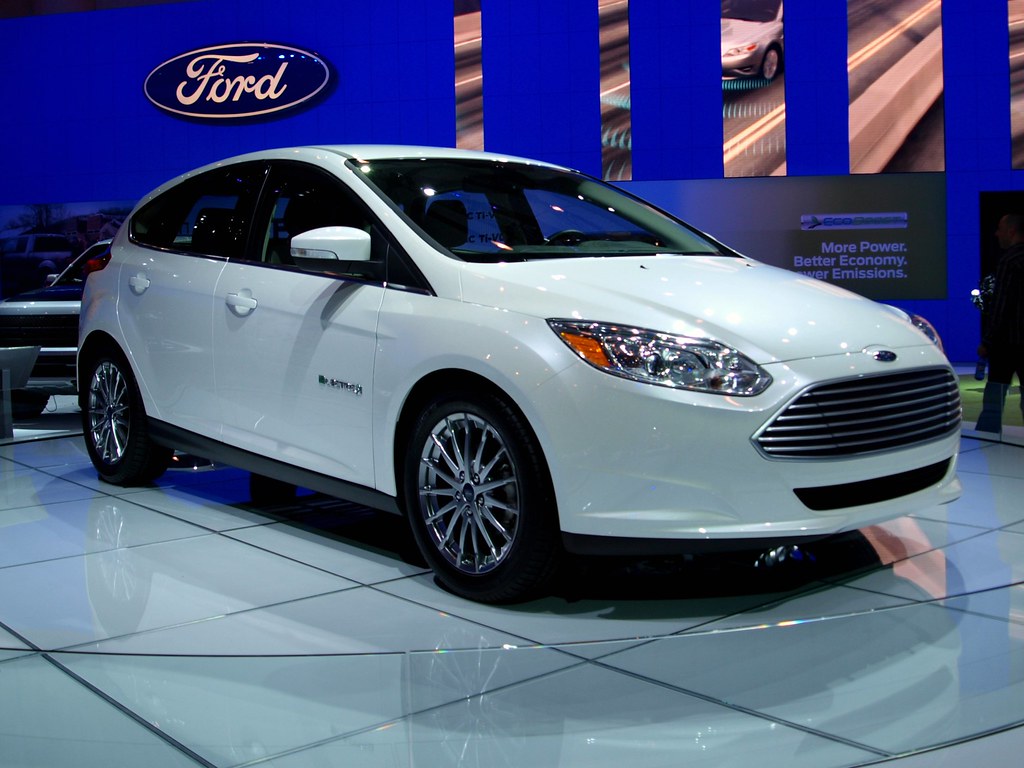
11. **Limited Electric Cars Available**In an era where the automotive world is rapidly electrifying, Ford’s transition to electric vehicles (EVs) has, frustratingly, been slower than many of its competitors. While they’ve certainly made headlines with marquee offerings like the Mustang Mach-E and the F-150 Lightning, the reality is that their electric lineup remains surprisingly limited, leaving environmentally conscious buyers and those eager to reduce their fuel consumption with a distinct shortage of choices. It’s a classic case of ‘too little, too late’ for a brand of Ford’s stature.
The current landscape of Ford’s EV offerings simply doesn’t stack up against rivals who boast a much more diverse and comprehensive electric portfolio. Unlike Tesla, Volkswagen, or even newer entrants, Ford notably lacks a compact electric car designed for urban commuters, a segment that’s rapidly gaining traction. If you’re looking for a small, efficient, zero-emission vehicle to navigate city streets, Ford’s options are virtually non-existent, forcing you to look at other badges.
This scarcity of diverse electric body styles means that potential buyers with specific needs or preferences for an EV might find themselves with no choice but to look elsewhere. It’s not just about the number of models; it’s about the breadth of segments covered. For example, while the F-150 now offers a hybrid, the popular Explorer SUV, surprisingly, won’t be offering a hybrid option for some time. This is especially frustrating given the consistently high fuel costs that customers are seeing across the country, making hybrid and EV alternatives more attractive than ever.
Moreover, the charging infrastructure for Ford’s EVs, while growing, isn’t as extensive or seamlessly integrated as some rivals, potentially leading to ‘range anxiety’ for drivers contemplating longer journeys. The lack of variety and the slower rollout of truly competitive, segment-leading electric options is a significant drawback. It means buyers looking to jump fully into the EV future might find Ford’s current offerings a bit behind the curve, failing to provide the comprehensive electrified ecosystem that many consumers are now expecting from a major automaker.
Read more about: The Hidden Cost: 14 Popular Trucks and Vehicles Prone to Major Repairs Before 100,000 Miles

12. **Customer Service Issues**You’ve bought the car, and now you need support. Unfortunately, for many Ford owners, this is where the relationship can hit a serious snag. A significant number of customers have voiced palpable dissatisfaction with Ford’s customer service, citing a range of frustrating challenges when trying to resolve issues or simply get timely assistance. It’s not just an isolated incident here and there; reports of lengthy wait times, unresponsive communication, and general difficulty getting problems addressed seem to be a recurring theme.
Imagine needing an appointment at a Ford service center, only to be told you’ll be waiting for weeks, if not months. This sort of delay for routine maintenance or crucial repairs is not just inconvenient; it can throw a serious wrench into your daily life, especially when your vehicle is your lifeline. Furthermore, owners frequently report struggling to connect with knowledgeable support staff who can actually provide meaningful help, leading to endless transfers and a growing sense of exasperation. Getting repairs scheduled and completed, once you finally get in, can also be a painfully protracted process.
The frustration doesn’t stop at the dealership level. Many customers have expressed outright exasperation with the responsiveness of Ford’s corporate customer service channels. There are far too many instances of unreturned phone calls or emails, particularly when it comes to warranty claims or more complex vehicle complaints. It feels like shouting into a void, with little hope of a timely or satisfactory resolution, leaving owners feeling unheard and undervalued.
In an industry where customer loyalty is paramount, such widespread dissatisfaction with after-sales support can be a deal-breaker. When you invest in a vehicle, you expect a certain level of backing from the manufacturer, a sense that they stand behind their product. However, these persistent customer service issues suggest a significant disconnect, potentially eroding trust and making buyers think twice before committing to a brand that might leave them hanging when they need help the most. It’s a rough ride, even when the car is stationary.
Read more about: Stop Overpaying: 12 Common Hardware Store Rip-Offs You’re Falling For (And How to Avoid Them)

13. **Questionable Long-Term Durability**While Ford has undoubtedly made efforts to improve its quality control and manufacturing processes, a nagging doubt still lingers over the long-term durability of many of its vehicles when pitted against some of its fiercest rivals. It’s not always about outright breakdowns, but a pervasive perception that Ford vehicles might not hold up quite as well over the years, leading to a host of minor (and sometimes major) issues that chip away at owner confidence. This perception is rooted in persistent reports and surveys that highlight recurring concerns.
Consumer reports and reliability surveys, for instance, frequently indicate that while Ford has made strides, competitors like Toyota and Honda often continue to outperform in long-term reliability assessments. This isn’t just anecdotal evidence; it’s data-driven insights that suggest Fords might develop issues at a faster rate or require more frequent, significant interventions as they age. From prematurely worn components to the persistent transmission problems that have plagued certain models for years, these issues contribute to a pervasive skepticism about the brand’s enduring quality.
The concerns extend beyond just mechanical longevity. Owners sometimes report issues that point to an overall lack of robust build quality over time, such as rattling trim pieces, paint jobs that don’t hold up as well as expected, or interior materials that show wear and tear earlier than they should. While Ford has implemented measures aimed at enhancing durability, including material improvements and stricter quality checks, the shadow of past issues and ongoing feedback means some consumers remain understandably cautious.
This ‘questionable long-term durability’ isn’t just an inconvenience; it translates directly into higher ownership costs down the line and can significantly impact resale value. Nobody wants a vehicle that feels like it’s falling apart after just a few years, or one that constantly needs attention from the mechanic. For buyers seeking a truly set-it-and-forget-it kind of reliability, one that lasts for well over a decade with minimal fuss, Ford’s track record in this department might just make them pump the brakes and explore other, more consistently durable options.
Read more about: The Hidden Cost: 13 Popular Trucks and Vehicles Prone to Major Repairs Before 100,000 Miles
Navigating the used car market, especially when considering a Ford, truly demands a sharp eye and a dedication to thorough research. While many Fords will serve you faithfully, turning a blind eye to these documented pitfalls could turn your automotive dream into a budget-breaking nightmare. In the end, it’s all about making an informed choice, knowing the good, the bad, and the downright ugly, so your next vehicle acquisition isn’t a secret regret, but a genuine source of joy on the open road. Choose wisely, gearheads, because your wallet and your sanity will thank you for it.