

The dread of a car repair bill is a feeling most drivers know all too well. It’s a classic scenario: you take your vehicle in for what you think is a straightforward fix, only to be presented with a daunting list of unexpected, expensive repairs. Since most of us aren’t intimately familiar with the inner workings of our cars, we’re often left in a tough spot, wondering whether to trust the mechanic implicitly or risk bigger problems by questioning their recommendations.
This uncomfortable dilemma leads many to feel intimidated, stressed, and even ripped off, with surveys showing a significant percentage of drivers feeling exactly this way. The truth is, while the vast majority of mechanics are honest professionals dedicated to quality service, there are enough unscrupulous actors out out there to make vigilance a necessity. They might recommend a new transmission when it’s not truly needed, or subtly create new work for themselves.
But here’s the good news: you don’t need to become an automotive expert to protect yourself. A little bit of knowledge and awareness can go an incredibly long way in helping you avoid inflated repair bills and ensure you’re getting a fair deal. This guide is designed to empower you with practical, actionable tips, offering simple checks you can do to determine if your mechanic is overcharging you. Let’s dive into the essential strategies that will help you navigate the repair shop with confidence.
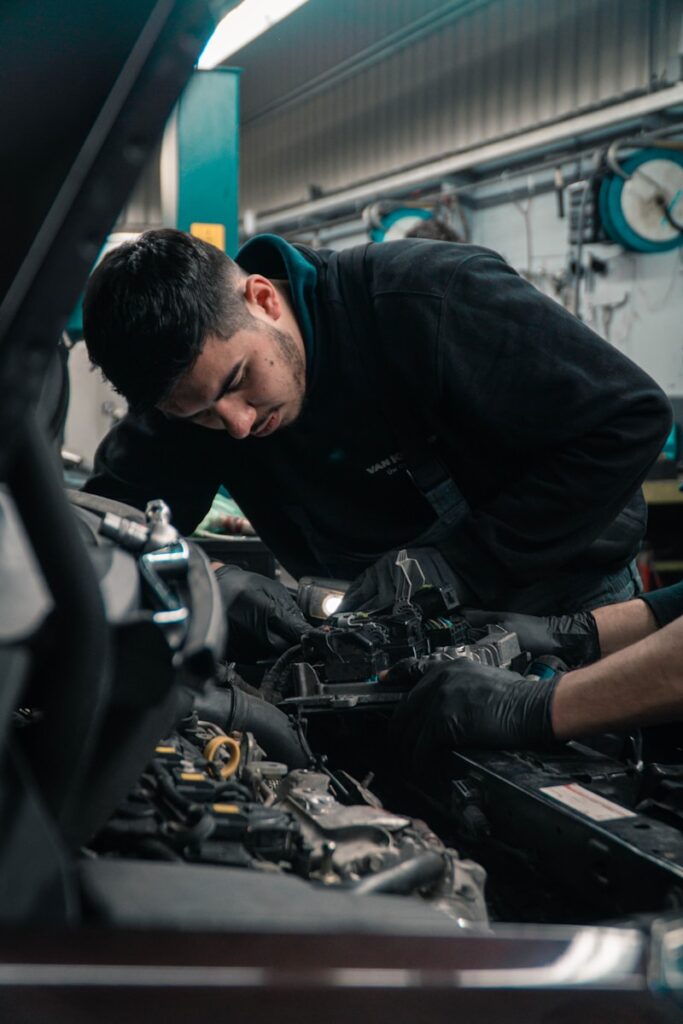
1. **Know the Standard Labor Time**One of the most foundational steps you can take is to understand the industry-standard labor time for common repairs. Every routine service, from a simple oil change to more complex tasks like replacing brake pads, has an estimated time associated with it, often sourced from professional databases like Chilton or ALLDATA. This standardized timing helps ensure that mechanics charge a fair amount for their work, preventing arbitrary estimations.
For instance, if your vehicle needs new brake pads on a single axle, the industry norm suggests this job should take between 1 to 1.5 hours. If you receive an invoice that charges you for three hours of labor for what should be a basic job like this, that’s a significant red flag worth challenging. This discrepancy could indicate that the shop is either inefficient or intentionally overcharging for their time.
Fortunately, this information isn’t a secret. You can easily access labor estimates for your specific vehicle and the required repair online. Platforms such as RepairPal, YourMechanic, and AutoMD are excellent resources. They provide average labor times and even cost ranges tailored to your ZIP code, giving you a powerful benchmark to compare against your mechanic’s quote.
Armed with this knowledge, you can approach your mechanic with informed questions. Asking them to justify a labor charge that significantly exceeds the industry standard puts you in a position of strength, making it clear that you’re not an “unknowledgeable customer” to be taken advantage of. It helps you distinguish between an honest day’s work and inflated billing practices.
Read more about: Revisiting the Shadows: 10 Underrated Women of Classic Cinema We Should All Know
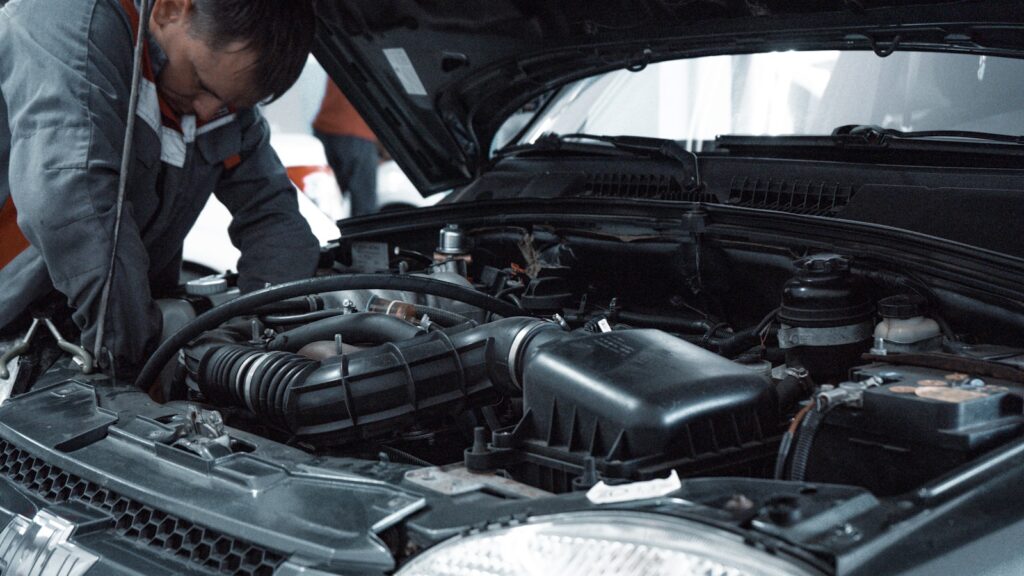
2. **Compare Parts Prices**Beyond labor, parts are another significant component of your repair bill where overcharging can occur. While it’s completely normal and expected for a repair shop to apply some markup on parts – typically ranging from 25 to 50 percent – excessive margins should immediately raise your suspicion. This markup often covers things like warranties, fast local availability, and the shop’s operational costs, which is fair.
The trick is to know what constitutes a reasonable markup versus an exploitative one. If you find that a specific part costs $60 when searched online, but your mechanic’s invoice lists it for $200, that’s a substantial difference that warrants a detailed explanation. This kind of discrepancy signals that the shop might be padding your bill excessively, far beyond what’s considered acceptable industry practice.
Just as with labor times, you have access to valuable online resources to check retail prices for automotive parts. Websites like RockAuto, AutoZone, NAPA, and Advance Auto Parts are excellent places to start. By quickly checking these platforms, you can gain a solid understanding of the market rate for the parts your car needs, enabling you to gauge the fairness of your mechanic’s pricing.
Don’t hesitate to ask your mechanic about any significant differences in parts pricing. A reputable shop will be transparent about their markup and be able to justify it. If they are evasive or unwilling to explain, it’s a strong indicator that you might be paying too much, and it gives you leverage to negotiate or seek an alternative service provider.
Read more about: Expert Warning: 14 New 2025 Cars That Could Financially Cripple Buyers
3. **Watch for Vague or Padded Invoices**Transparency is key in any honest business transaction, and auto repair is no exception. A legitimate invoice should always provide a clear and detailed breakdown of all charges. This includes itemizing each part used, precisely stating the labor hours charged, listing any shop fees, and clearly showing applicable taxes. Anything less than this level of detail is a cause for concern.
Be particularly wary of invoices that feature vague terms or generic descriptions. Phrases like “miscellaneous labor,” “shop materials,” or “sundries” accompanied by high dollar amounts, without any specific breakdown of what these charges entail, are major red flags. If you encounter such ambiguities, it is absolutely within your right to ask for a thorough clarification. A trustworthy mechanic will be able to explain every line item in detail.
Another common tactic of unscrupulous shops is duplicated charges. This can manifest in several ways, such as listing the same part twice on the invoice or inflating labor hours by charging for labor per individual part when those parts are typically replaced as a set. For example, charging separate full labor times for both brake pads and rotors is suspicious, as these components are almost always serviced together, meaning much of the labor overlaps.
When reviewing your invoice, take your time and examine it carefully. Don’t be afraid to ask questions until you fully understand every charge. A mechanic who makes excuses or avoids providing clear explanations for ambiguous or duplicated charges is likely trying to obscure inflated costs, and that’s a clear sign you might be getting overcharged.
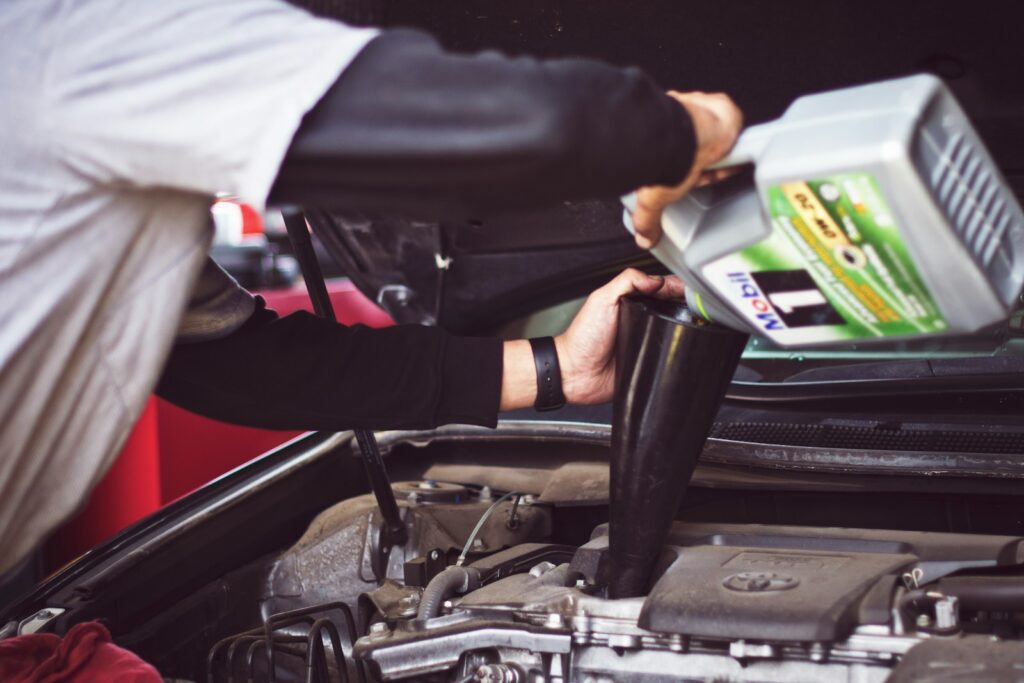
4. **Be Cautious with High-Pressure Upsells**It’s a common occurrence: you bring your car in for a specific issue, and suddenly, you’re hit with a laundry list of additional recommended services. While it’s true that mechanics often discover other issues once a vehicle is on the lift, the manner in which these recommendations are presented makes all the difference. Be highly skeptical if you’re suddenly told your vehicle needs multiple urgent, expensive repairs, especially for items you’ve never had trouble with before.
High-pressure upsells are a classic tactic to get you to pay for services or parts that aren’t immediately necessary, or in some cases, aren’t needed at all. Red flags include claims that your brakes or tires are dangerously worn when they recently passed inspection, or multiple fluid flushes (coolant, power steering, transmission) being pushed during the same visit without clear justification. Battery replacement suggestions without any supporting test data are also suspect.
Recognizing the difference between helpful advice and aggressive sales tactics is crucial. A trustworthy mechanic will educate you on what’s critical versus what can wait, respecting your timeline and budget. They won’t pressure you into an immediate decision, especially for major expenses. If a mechanic insists on immediate approval for an expensive fix without allowing you time to think or get a second opinion, that’s a significant warning sign.
When faced with a list of recommended repairs, always ask to see the problem in person. If you’re not at the shop, request photos or videos that clearly document the issue. Reputable shops using digital vehicle inspections (DVIs) provide this level of transparency, allowing you to “see what we see.” Without this proof, you’re operating on trust alone, and a dishonest shop may take advantage of that vulnerability.
Read more about: Save Thousands: The 12 ‘Mandatory’ Car Dealer Fees You Can Easily Refuse and How to Fight Back

5. **Get Multiple Quotes**One of the simplest yet most effective ways to safeguard yourself against overcharging is to seek multiple estimates for the same repair. This strategy gives you a vital benchmark, allowing you to see how different shops price the identical service. It can quickly highlight if one mechanic’s quote is significantly out of line with the competition, indicating potential overcharging or inefficient practices.
The process is straightforward: call two or three other shops and ask for a quote on the exact same repair. To ensure a fair comparison, be consistent in your description of the problem and the specific parts you’re inquiring about. Providing the same details across all inquiries will help you compare apples to apples, revealing true price discrepancies rather than differences based on varying diagnostic assumptions.
Chain stores like Midas, Firestone, or Pep Boys can often provide quick ballpark quotes over the phone, giving you a rapid initial reference point. Independent shops might take a bit more time to provide an estimate, sometimes requiring you to bring the car in, but they often offer more transparent pricing and personalized service. Don’t shy away from asking for a written estimate for each quote you receive, as this provides concrete evidence for comparison.
By comparing estimates, you gain valuable leverage. If your original mechanic’s quote is significantly higher, you can use the other estimates to negotiate or simply choose a more reasonably priced option. This practice empowers you as a consumer, ensuring that you’re not locked into an inflated price simply because you didn’t know other options were available or how much the repair should actually cost.
Read more about: Bertone’s Bold Revival: A MotorTrend Deep Dive into the Enduring Legacy of Pop-Up Headlights
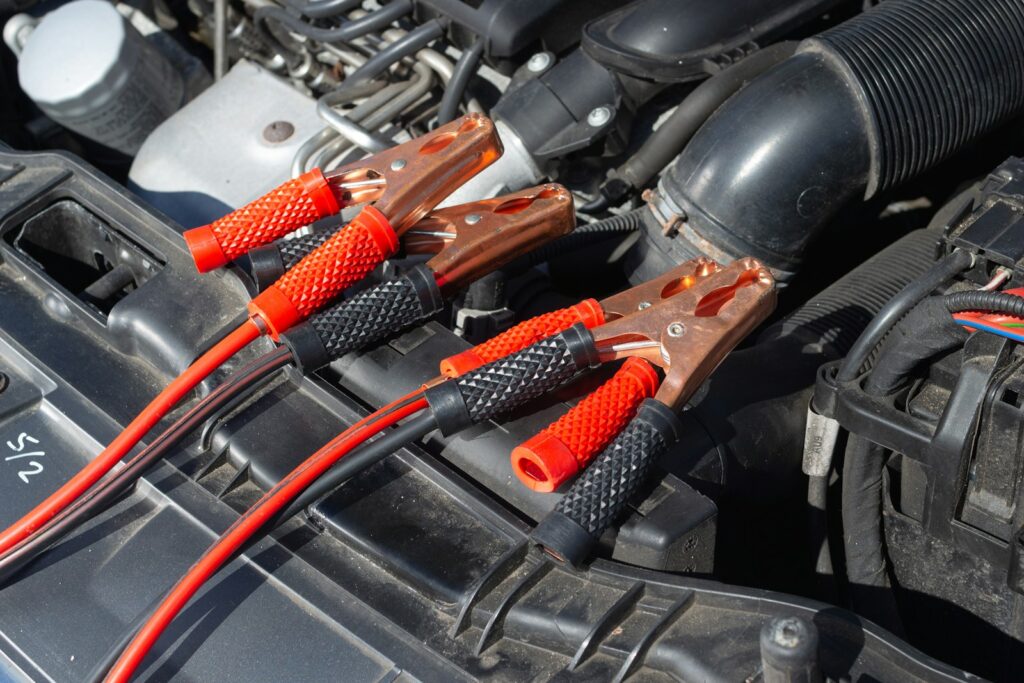
6. **Know Your Car’s History**Your vehicle’s maintenance history is one of your most powerful tools against unnecessary repairs and overcharging. Keeping detailed records of all services performed on your car allows you to challenge any recommendations for repairs that might be redundant or prematurely suggested. If a mechanic tells you a part needs replacing, but your records show it was changed recently, you’re in a strong position to question their advice.
Many parts, such as timing belts or spark plugs, have specific service intervals, often requiring replacement only every 60,000 to 100,000 miles. Familiarize yourself with these manufacturer-recommended schedules, which can typically be found in your vehicle’s owner’s manual. If a mechanic recommends one of these services and your odometer doesn’t align with the suggested mileage, it’s a clear signal to ask for clarification and justification.
Maintaining a log of your car’s maintenance history, including dates, mileage, and the specific work performed, creates a transparent record. This documentation serves as undeniable proof against duplicate charges or early repairs. It helps you identify if a mechanic is attempting to upsell you on something that simply isn’t due or has already been addressed, thereby protecting your wallet from unwarranted expenses.
This knowledge not only helps you avoid paying for work you don’t need but also puts you in a more informed and confident position during discussions with your mechanic. An honest mechanic will appreciate an informed customer, while a dishonest one will find it much harder to trick you when you have your car’s complete service history at your fingertips. It transforms you from an unsuspecting customer into a savvy car owner who knows their vehicle inside and out.
Read more about: The 2025 Lemon List: 14 Cars to Avoid That Mechanics Already Dread Seeing
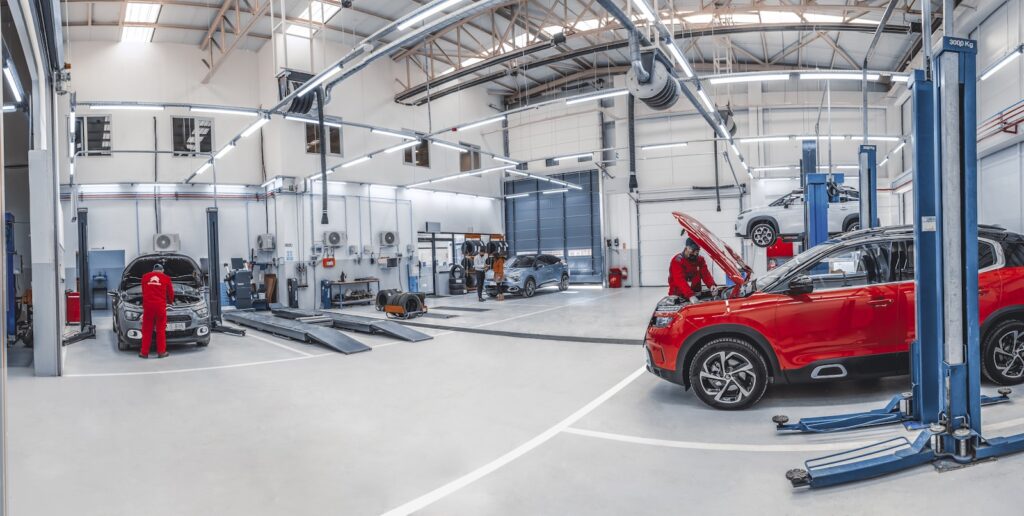
7. **Leverage Online Reviews and Certifications**In today’s interconnected world, one of your most accessible tools for vetting a mechanic is the power of online reviews. Before committing to any significant repair, take a few minutes to search for the shop’s reputation on platforms like Google, Yelp, or RepairPal. Look for consistent patterns in customer feedback, especially concerning pricing, transparency, and communication. A long history of positive reviews, particularly those mentioning fair pricing and clear explanations, can be a strong indicator of a trustworthy establishment.
Beyond general customer feedback, look for professional certifications, primarily from the Automotive Service Excellence (ASE) program. ASE certification signifies that a mechanic has passed rigorous, industry-recognized exams, demonstrating their competence and commitment to professional standards. Many reputable shops proudly display their ASE certifications, indicating a dedication to quality work and ethical practices. This credential acts as a benchmark for technical expertise, reassuring you that your vehicle is in capable hands.
Shops that consistently overcharge or engage in questionable practices often leave a trail in their online footprint. Pay close attention to reviews that repeatedly mention discrepancies between estimates and final bills, vague explanations, or aggressive sales tactics. While an occasional negative review is normal for any business, a consistent theme of complaints regarding financial transparency should be a major red flag. Trust your instincts and the collective experience of other consumers when making your choice.
Making an informed decision about where to take your car starts long before you even set foot in a garage. By proactively checking certifications and diving into online reviews, you can significantly reduce your chances of encountering an unscrupulous mechanic. This simple due diligence empowers you to choose a shop that values integrity as much as quality service, ensuring you get a fair deal every time.
Read more about: The Ultimate Consumer Guide: Exposing 15 Dirty Car Maintenance Scams to Protect Your Wallet and Your Ride
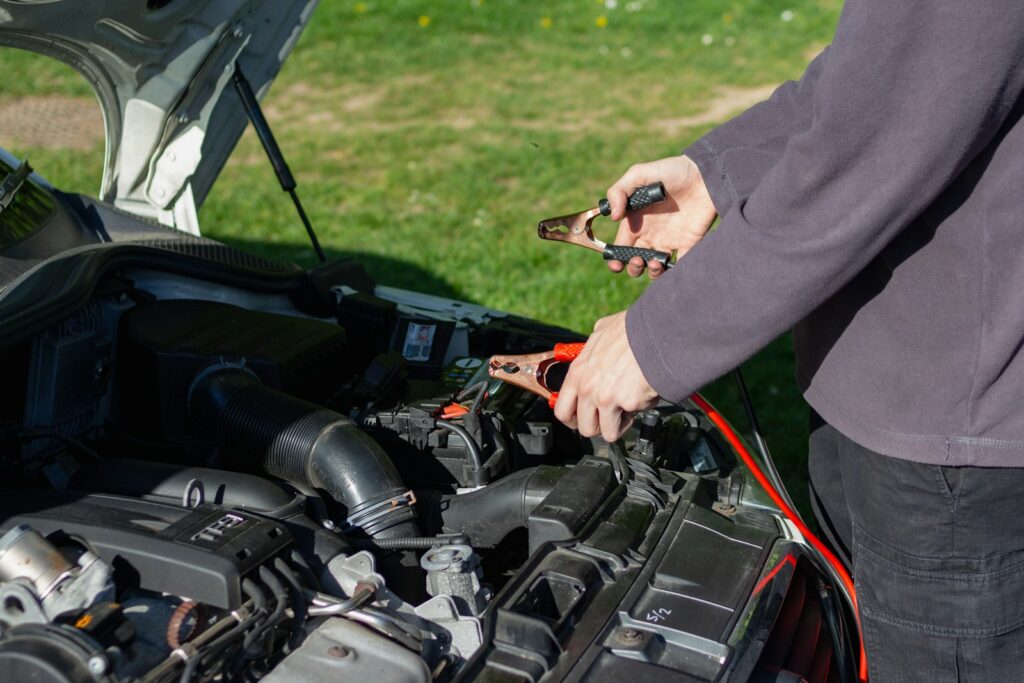
8. **Spot Inconsistent Diagnoses**Imagine bringing your car to one shop for a mysterious engine light, only to be told it’s a minor sensor issue. Then, you seek a second opinion and suddenly, it’s a “catastrophic transmission failure.” This scenario of inconsistent diagnoses is a major red flag, potentially leading to unnecessary repairs and a significant drain on your bank account. If different mechanics offer wildly different explanations for the same problem, or if your mechanic can’t provide a straightforward answer, it should immediately raise your suspicions.
A reliable mechanic approaches vehicle problems systematically, utilizing advanced diagnostic tools and their years of hands-on experience to pinpoint the root cause. Their process eliminates guesswork, ensuring that the issue is correctly identified the first time. They should be able to articulate their diagnosis clearly, explaining the problem and the proposed solution in a way that you, the car owner, can easily understand. This level of clarity is a hallmark of an honest and competent service provider.
If you find yourself facing conflicting diagnoses, or if your mechanic offers vague, overly technical, or evasive explanations, don’t hesitate to ask for a detailed breakdown. A trustworthy professional will welcome your questions and be able to justify their assessment. On the other hand, a mechanic who avoids answering your questions or struggles to provide a coherent explanation for a complex issue might be trying to obscure a lack of expertise or, worse, an attempt to recommend unwarranted services. This inconsistency can waste your money and leave your car’s true problem unresolved.
Read more about: The $50,000 Mistakes: Essential Rules to Master Before Buying Your Dream Classic Car

9. **Identify Fabricated Repairs**One of the most insidious ways dishonest mechanics take advantage of customers is by intentionally creating work for themselves. This unethical practice involves subtly damaging a vehicle or simulating problems during an inspection or routine service. For instance, a mechanic might cut a fan belt or rip a CV boot in a way that makes the damage appear to be normal wear and tear, necessitating an immediate and costly replacement. These actions are designed to look accidental or natural, making them incredibly difficult for the average car owner to detect.
The deceit doesn’t stop there. Unscrupulous mechanics might also spray oil on parts or create small punctures to simulate leaks and damage that weren’t present when you dropped off your car. You might suddenly be told your power steering rack is leaking due to what appears to be dirty oil, when in reality, the “leak” was artificially introduced. These underhanded strategies are particularly problematic because they convince you that something is genuinely wrong with your car, leading you to authorize unwarranted repairs or part replacements, significantly driving up your out-of-pocket costs.
Since these scams are often so subtle and hard to detect, a wise strategy is to be highly skeptical of any extensive list of “new” problems discovered during a routine visit. Instead of immediately agreeing to all recommended extra work, especially if the issues were not present before, only get the work done that you know you genuinely need. Then, drive your car for a few weeks and pay close attention. If the supposed “urgent” problem doesn’t manifest, there’s a strong chance your mechanic was attempting to trick you into paying for repairs that were either fabricated or simply unnecessary.
Read more about: The 13 Widespread Warranty Scams That Have Cost Companies and Consumers Billions
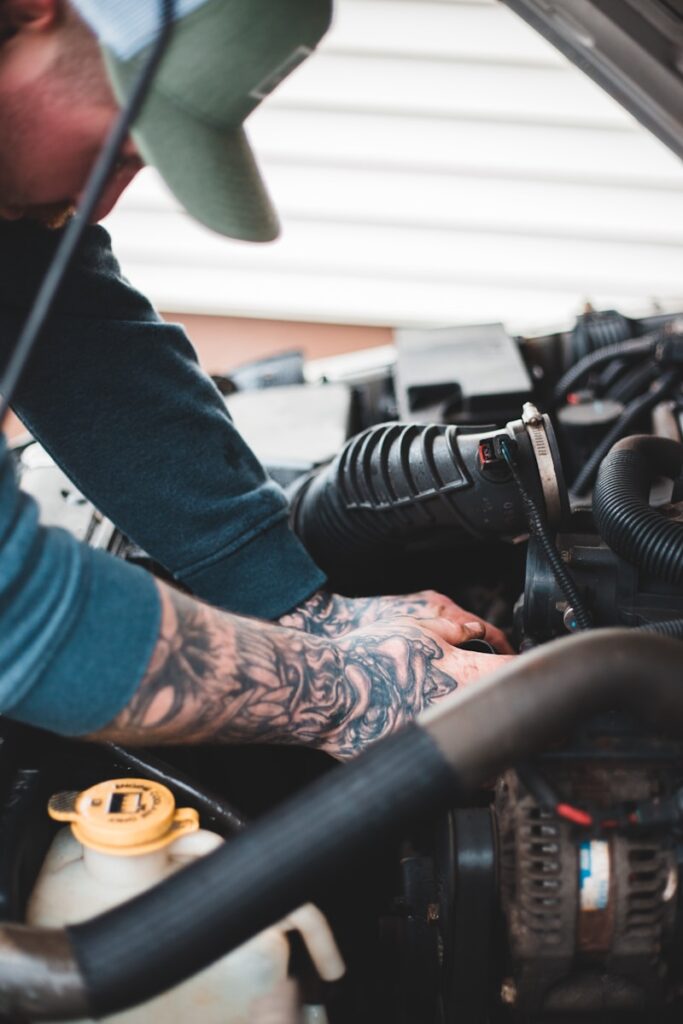
10. **Recognize Poor Communication and Evasiveness**Clear and straightforward communication is the bedrock of trust in any service industry, and auto repair is certainly no exception. If your mechanic struggles to explain what’s wrong with your car in terms you can understand, or if they become evasive when you press for details, consider it a significant warning sign. You shouldn’t need a degree in automotive engineering to comprehend the issues affecting your vehicle or the repairs being proposed. A trustworthy mechanic will prioritize your understanding, making complex information accessible.
Be particularly wary of mechanics who use overly technical jargon without breaking it down, or those who dismiss your questions with phrases like, “It’s too complicated,” or “You wouldn’t understand.” These responses often mask a lack of transparency or, in some cases, an attempt to hide inflated costs or unnecessary services. An honest professional understands that an informed customer is a confident customer and will take the time to walk you through the diagnosis, patiently answering your queries until you feel comfortable and fully understand the situation.
A truly reputable shop will not only explain the problem verbally but will often go the extra mile to *show* you the issue. This might involve pointing out the worn part on your vehicle, providing photos or videos (especially with modern Digital Vehicle Inspections), or even showing you the new part alongside the old one. If your mechanic is reluctant to provide visual evidence or avoids direct questions about the repair, it suggests they might be trying to obscure something. Insist on clear, simple explanations and visual proof to ensure you’re making an informed decision, not just blindly trusting.
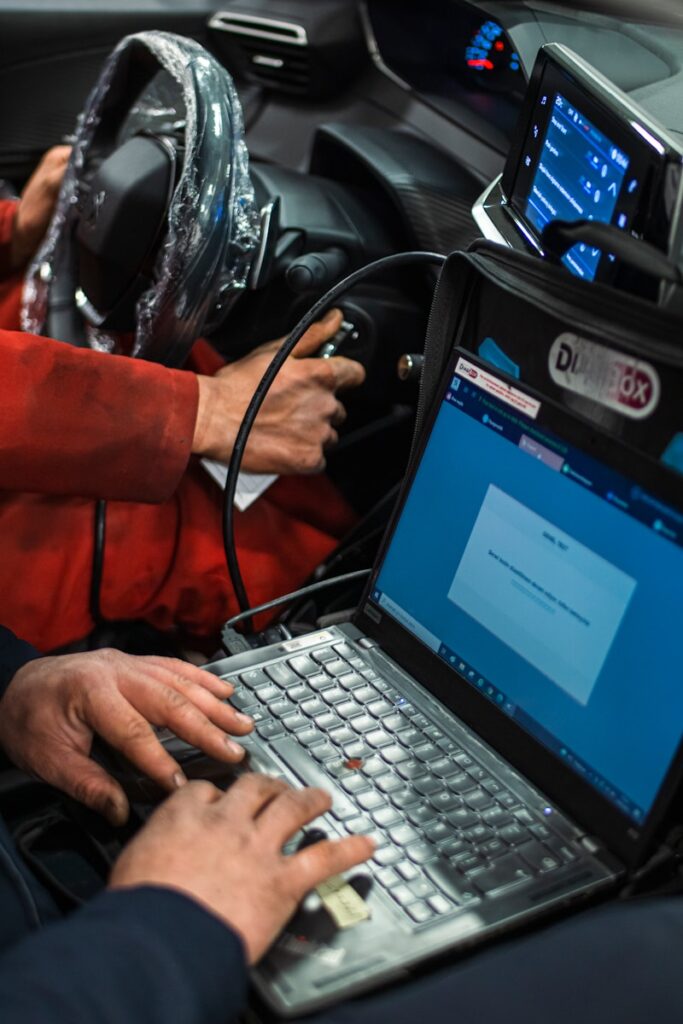
11. **Demand to See the Old Parts**When you authorize a repair that involves replacing a part, you have an absolute right to inspect the old, removed component. This simple request is a powerful tool against potential scams. Mechanics who refuse to show you the worn parts, or who claim they’ve already disposed of them, should immediately raise your suspicions. This refusal is a major red flag, as it could indicate that the part was never actually replaced, or that the old part wasn’t truly defective. You’re paying for a service, and seeing the tangible evidence of that service is a reasonable expectation.
Reputable shops understand and respect this consumer right. They will typically either present the worn parts to you immediately after removal or hold onto them for your inspection before disposal. Many even take photographs to document the problem with the original component, especially as part of a digital inspection process. This practice demonstrates transparency and accountability, ensuring you can visually confirm that the work you’re being charged for has indeed been performed and was necessary.
This practice becomes even more crucial when dealing with expensive components like transmissions, engines, suspension parts, or catalytic converters. For these high-cost items, the potential for fraudulent replacement is greater. Always make it clear before work begins that you expect to see the old parts. If a mechanic makes excuses or seems hesitant, it’s a strong signal to question their integrity and potentially seek service elsewhere. Your ability to inspect the replaced parts is a direct line of defense against paying for phantom repairs.
Read more about: The 12 SUVs Built to Last: Our Definitive Guide to Vehicles Guaranteed for 250,000 Miles
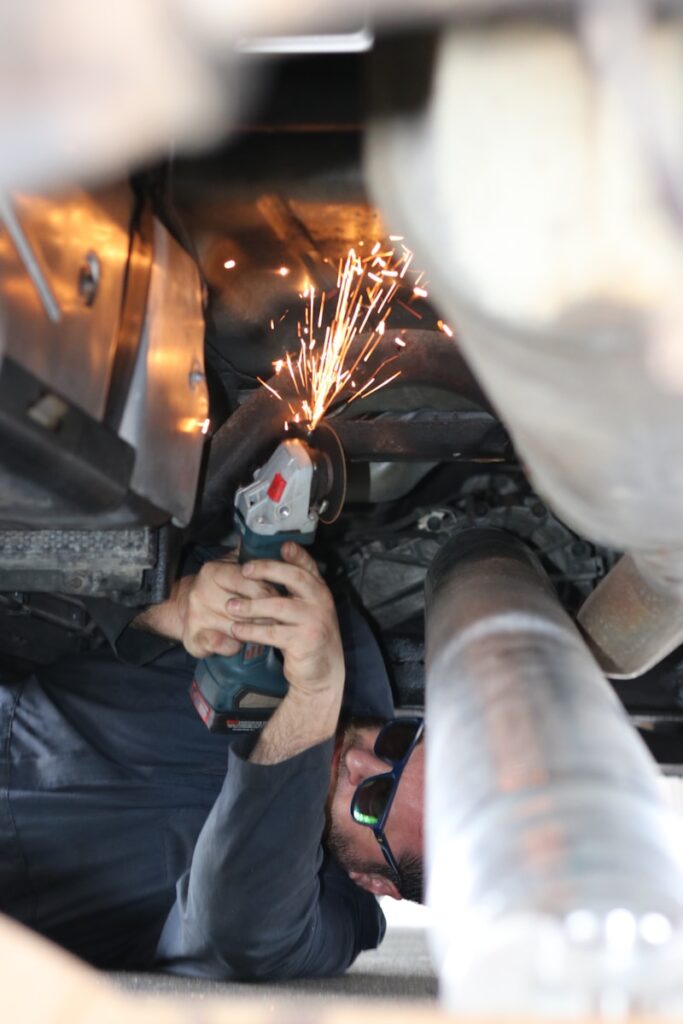
12. **Addressing Unexpected Final Invoices and Knowing Your Recourse**The jolt of an unexpectedly high final invoice can be incredibly frustrating and disheartening. If the bill presented to you is significantly more than your initial estimate, or includes charges you don’t understand, it’s vital to address it head-on, calmly and systematically. Your first move should always be to stay composed and gather all relevant documentation, including your written estimates, itemized invoices, and any records of prior communications. This organized approach creates a strong foundation for discussion and problem-solving, allowing you to clearly articulate your concerns and seek justification for every discrepancy.
Once you’re prepared, politely but firmly request a detailed explanation for the additional charges from your mechanic or service advisor. Ask specific questions, such as, “I see the final price is higher than my estimate; could you please explain the reason for these new charges?” If this initial conversation doesn’t provide a satisfactory resolution, don’t hesitate to ask to speak with the shop manager or owner. They possess the authority to review the charges, provide clearer explanations, or even adjust the bill to align with fair practices. Ensure you present your documentation and clearly outline the differences between what was quoted and what is being charged.
If direct discussions with the shop management fail to yield a fair outcome, you have further avenues for recourse. Consider informing them that you may dispute the charges with your credit card company, a step that often motivates shops to reconsider. Concurrently, you should file a formal complaint with the Better Business Bureau (BBB). The BBB acts as a mediator, helping resolve disputes between consumers and businesses, and your detailed complaint, backed by all your collected evidence, will prompt them to investigate and facilitate a resolution.
Should the matter remain unresolved, your state’s Attorney General’s office is another critical resource. Many states have specific regulatory bodies that oversee automotive repair practices, and they can investigate complaints of unfair pricing or deceptive conduct. Accessing their official website will provide direct links and instructions for filing a complaint, ensuring your concerns are heard by a higher authority. Throughout this entire process, meticulous record-keeping is paramount; save all emails, notes from phone calls (including dates, times, and names), and any correspondence from the repair shop or regulatory bodies.
Empowering yourself with these steps means you’re not helpless when facing an unfair bill. By understanding your rights, documenting every interaction, and knowing who to contact for assistance, you can confidently challenge overcharging and work towards a just resolution. Your vehicle maintenance should be about trust and transparency, and these actions help ensure you receive the service you pay for without unnecessary financial surprises.
Navigating the world of auto repair doesn’t have to be a journey filled with anxiety and uncertainty. By arming yourself with these simple yet powerful checks, you transform from an unsuspecting customer into an informed, savvy car owner. Remember, a reputable mechanic thrives on transparency and trust, and they will welcome your questions and efforts to understand your vehicle’s needs. Don’t be afraid to assert your rights, ask for explanations, compare quotes, and utilize the many resources available to you. Your hard-earned money and the safety of your vehicle are too important to leave to chance. Drive confidently, knowing you have the tools to ensure every repair is fair, honest, and truly necessary.