The automotive landscape is constantly evolving, with manufacturers striving for greater efficiency across their lineups. From compact crossovers to full-size behemoths, the trend generally points towards better miles per gallon, thanks to advancements in hybrid technology, smaller turbocharged engines, and more aerodynamic designs. However, amidst this drive for efficiency, a select group of SUVs continues to defy the trend, clinging to power-hungry engines and specifications that make them notorious for their abysmal fuel economy. For consumers looking to make smart financial decisions, understanding which vehicles will drain their wallets at the pump is more critical than ever.
Our comprehensive analysis, relying on the latest EPA fuel economy ratings for the 2025 model year, reveals a stark reality: big horsepower numbers, often provided by hefty V6s, V8s, and even V12s, tend to be paired with truly abysmal numbers at the gas station. These aren’t just minor fluctuations; we’re talking about substantial differences that translate into thousands of dollars in extra fuel costs over just a few years of ownership. While these powerful SUVs certainly pack a punch under the hood, they come with running costs that are far from subtle, especially considering the ever-changing landscape of fuel prices.
So, if you’re in the market for a new SUV in 2025 and want to avoid the painful sting of constant fill-ups and excessive fuel bills, pay close attention. We’ve compiled a definitive list of the most fuel-inefficient SUVs, detailing their specific mileage ratings, engine configurations, and the financial impact they’ll have on your budget. This isn’t just about saving a few bucks; it’s about making an informed decision that aligns with your long-term financial health and practical daily driving needs. Let’s dive into the first half of our list, uncovering the vehicles that demand the most from your wallet.
1. **2025 Ferrari Purosangue: The Ultimate Fuel Hog, Price Tag and All**When the name Ferrari is mentioned, it typically evokes images of breathtaking speed, unparalleled automotive artistry, and an exclusive price of admission. Seldom, if ever, does fuel efficiency enter the conversation. The 2025 Purosangue, a name that translates elegantly to “thoroughbred” in Italian, marks a significant departure for the legendary marque as its first-ever four-door, four-seat SUV. Despite its functional configuration, its sleek, sports car-like profile and cleverly concealed rear doors might initially lead one to question its SUV designation. However, what remains unequivocally clear is that this vehicle, true to its Ferrari lineage, delivers an immense and thrilling power experience, but at an astronomical cost—not just in purchase price, but in its voracious appetite for fuel, claiming the undesirable distinction of being the most fuel-inefficient SUV available, and indeed, one of the worst mileage performers across all vehicle categories.
Under the Purosangue’s exquisitely sculpted hood beats the heart of a truly magnificent engine: a 6.5-liter V12. This particular powerplant holds a unique position on our list as the sole naturally aspirated engine, meaning it achieves its monumental power without the aid of turbochargers or superchargers. It generates a staggering 715 horsepower and a robust 528 lb-ft of torque, figures that promise an utterly exhilarating and uncompromised driving experience. While the absence of forced induction often implies a more linear power delivery, in an engine of this displacement and power, it also means a continuous and substantial demand for premium fuel, a fundamental characteristic that directly influences its placement at the pinnacle of our gas-guzzling list.
The Environmental Protection Agency (EPA) has thoroughly evaluated the 2025 Ferrari Purosangue, and its official fuel economy ratings are stark. It achieves a dismal 12 mpg combined, with city driving plunging to just 11 mpg and highway cruising offering only a marginal improvement to 15 mpg. These numbers aren’t just low; they underscore a vehicle designed for performance above all else, where efficiency takes a distant back seat. To illustrate the immediate financial impact, the EPA estimates that driving a mere 25 miles in this Italian masterpiece will necessitate an expenditure of approximately $8.25 in gasoline – a figure that quickly compounds into significant costs over time.
For the exclusive clientele considering a Purosangue, where the starting price comfortably exceeds $400,000, the ongoing fuel costs might seem like a secondary consideration. However, from a practical consumer standpoint, it’s vital to recognize the sheer scale of this recurring expense. The EPA projects that over a five-year ownership period, Purosangue owners can expect to spend an astonishing $16,500 more on fuel compared to the average new car owner, whose vehicle achieves around 28 mpg. This substantial sum vividly illustrates that for the Ferrari Purosangue, the initial, breathtaking sticker price is unequivocally just the initial step in what will be a consistently spendy new Italian adventure, requiring both premium fuel and a ready wallet – or perhaps, as the context wryly notes, a dedicated personal assistant to handle the frequent trips to the fuel station.
Car Model Information: 2023 Ferrari Purosangue
Name: Ferrari Purosangue
Manufacturer: Ferrari
ModelCode: F175
Production: 2023–present
Assembly: Maranello,Emilia-Romagna
Designer: Flavio Manzoni
Class: Mid-size,luxury vehicle,crossover SUV
Related: Ferrari Roma
BodyStyle: SUV
Doors: Suicide door
Engine: ubl
Powerout: 533 kW
Abbr: on
Transmission: Magna PT,Dual clutch transmission
Layout: Mid-engine design#FM4
Wheelbase: 3018 mm
Length: 4973 mm
Width: 2028 mm
Height: 1589 mm
Weight: 4784 lb
Order: flip
Sp: uk
Categories: 2020s cars, Articles with short description, Cars introduced in 2022, Commons category link from Wikidata, Ferrari vehicles
Summary: The Ferrari Purosangue (Type F175) is a high-performance luxury SUV by Italian automobile manufacturer Ferrari that was introduced on 13 September 2022. It is Ferrari’s first production 4-door vehicle and sport utility vehicle, and competes with other high-performance SUVs, such as the Lamborghini Urus and Aston Martin DBX.
The Purosangue is based on the same platform as the Ferrari Roma coupe and features fastback reminiscent styling. It has front-opening rear doors (with a fixed B-pillar), a configuration which aids ingress and egress of the rear seat. On multiple occasions, Ferrari has denied building an SUV; the Purosangue is strictly referred to by the manufacturer as FUV (Ferrari Utility Vehicle).
The Purosangue was awarded the Compasso d’Oro industrial design award in 2024.
Get more information about: Ferrari Purosangue
Buying a high-performing used car >>>
Brand: Ferrari Model: Purosangue
Price: $529,790 Mileage: 2,801 mi.
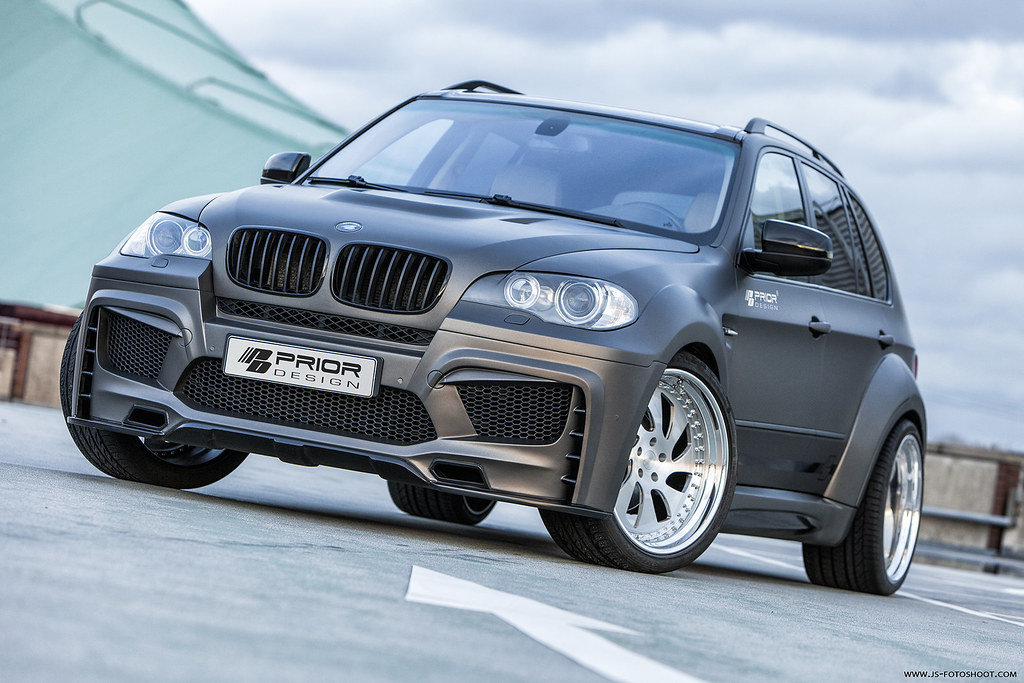
2. **2025 Cadillac Escalade-V: Luxury, Supercharged Power, and a Bottomless Tank**The 2025 Cadillac Escalade-V uniquely blends the aggressive spirit of an American muscle car with the opulent spaciousness of a three-row SUV. It positions itself as the ultimate luxury family transporter, albeit one that conceals a ferocious punch beneath its hood. This blend of refined experience and staggering performance is precisely why it earns a prominent spot on our list of the most fuel-hungry SUVs. Its extreme power, combined with significant size, directly influences its high fuel consumption.
At the heart of the Escalade-V’s immense capabilities is a supercharged 6.2-liter V8 engine, generating a whopping 682 horsepower and a robust 653 lb-ft of torque. The supercharger unit itself boasts a remarkable 2.3 liters of displacement, a size larger than many compact four-cylinder engines. This massive forced induction system is key to its performance, but also to its significant thirst for premium fuel. The vehicle’s substantial dimensions and weight further exacerbate its fuel economy challenges, with curb weights reaching up to 6,519 pounds for the longer ESV model.
The Environmental Protection Agency (EPA) assessments confirm these expectations, revealing that the 2025 Cadillac Escalade-V achieves a mere 13 mpg combined. Its city fuel economy is particularly low at 11 mpg, with highway driving improving slightly to 17 mpg. While its combined rating ties with another entry on our list, its inferior city mileage earns it the unenviable second spot for worst fuel efficiency. These figures underscore the trade-off between luxurious power and practical running costs.
The financial implications are considerable: the EPA estimates that over five years, Escalade-V owners will spend an additional $14,500 on fuel compared to someone driving an average vehicle (28 mpg). This makes the Escalade-V a stunning choice for luxury and power, but a consistently costly one at every stop at the gas pump, emphasizing the ongoing financial commitment beyond the initial purchase.
Car Model Information: 2020 Cadillac Escalade Platinum
Name: Cadillac Escalade
Caption: Fifth generation Cadillac Escalade
Manufacturer: Cadillac
Production: 1998–present,2002–present (ESV),2001–2013 (EXT),2008–2013 (Hybrid)
ModelYears: 1999–2000,2002–present
Class: Full-size,luxury car,sport utility vehicle
Related: ubl
Layout: Front-engine, rear-wheel drive layout,Front-engine, four-wheel drive layout
Categories: 2000s cars, 2010s cars, 2020s cars, All-wheel-drive vehicles, All Wikipedia articles in need of updating
Summary: The Cadillac Escalade is a full-size luxury SUV manufactured by General Motors and marketed by Cadillac as its first major entry into the SUV market. The Escalade was introduced for the 1999 model year in response to an influx of new luxury SUVs in the late 1990s including the Mercedes-Benz M-Class, Range Rover, Lexus LX, and Ford’s 1998 debut of the Lincoln Navigator. The Escalade project went into production only ten months after it was approved. The Escalade is built in Arlington, Texas.
The term “escalade” refers to a siege warfare tactic of scaling defensive walls or ramparts with the aid of ladders or siege towers. More generally, it is a French word which is the noun-equivalent form of the French verb escalader, which means “to climb or scale”.
The Escalade is currently sold in North America and select international markets (Europe and Asia) where Cadillac has official sales channels. The Escalade ESV (Escalade Stretch Vehicle) is sold in North America, Russia, and the Middle East, but is only available by special order in some international markets. The right-hand-drive Escalade and Escalade ESV are available through third-party conversion specialists without official agreement with Cadillac in Australian, Oceanic, and Japanese markets.
On August 8, 2023, GM presented the Escalade IQ, an all-electric version of the Escalade, and the third model in Cadillac’s EV line, after the Celestiq, and Lyriq. It is expected to go on sale in late 2024 for the 2025 model year, with a starting price of $130,000.
The Escalade has gone through five generations, the most recent (the fifth) prsented in 2021, noted for its technology and self-driving capability. The fifth generation Escalade is nearly two metres high, and was criticized by The Verge for its excessive size and hazard to pedestrians.
Get more information about: Cadillac Escalade
Buying a high-performing used car >>>
Brand: Cadillac Model: Escalade-V
Price: $43,991 Mileage: 90,884 mi.
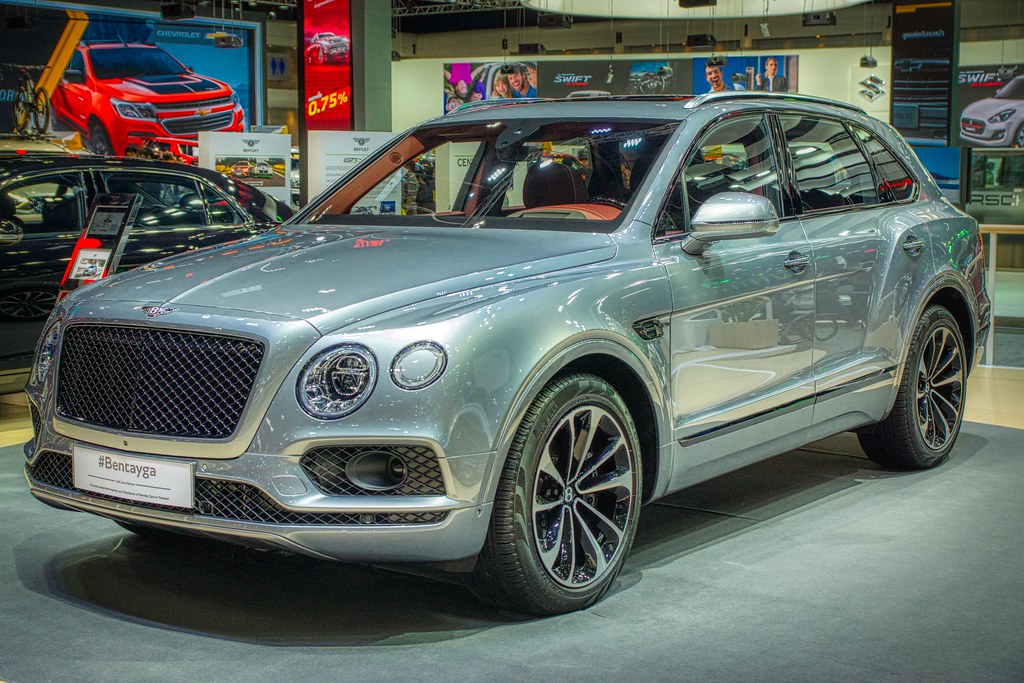
3. **2025 Dodge Durango Hellcat: The Enduring Muscle SUV’s Thirsty Roar**The 2025 Dodge Durango Hellcat is a defiant outlier in today’s automotive market, an unapologetically “old school” machine. It boasts a supercharged 6.2-liter V8 engine, delivering an astounding 710 horsepower and 645 lb-ft of torque. This legendary Hellcat powertrain once animated a host of other iconic Dodge and Ram vehicles, all of which have since been discontinued. Yet, the Durango Hellcat proudly carries on, preserving its signature supercharger whine and its formidable, fuel-hungry performance, making it a unique and costly proposition.
The audacity of housing such a potent engine within a three-row SUV like the Durango truly sets it apart. While it might be a “spicy and expensive way to get the kids to school,” it offers a unique blend of thrill and utility. This combination of family-hauling capability and raw, unbridled muscle car power is precisely what contributes to its position on our list of the least fuel-efficient SUVs available in 2025. It’s a vehicle that prioritizes excitement and brute force over economical operation.
The Environmental Protection Agency (EPA) has provided a clear picture of the Durango Hellcat’s fuel consumption, estimating it at a combined 13 mpg. When broken down, its performance in city driving drops to 12 mpg, while highway cruising sees a slight improvement to 17 mpg. These figures are a direct reflection of the massive power output and the substantial demands placed on the engine, particularly the constant effort of moving such a large vehicle. Premium fuel (91 or 93 octane) is also a necessity, further adding to the expense.
The financial implications of running a Durango Hellcat are substantial. The EPA estimates that driving just 25 miles in this SUV will cost approximately $7.62 in gasoline. More broadly, the annual fuel cost is projected to be a significant $4,550, assuming 15,000 miles of driving per year. For anyone considering this powerful family vehicle, it’s crucial to factor these ongoing fuel expenses into your budget, recognizing that the thrill of the Hellcat comes with a notable cost at the pump, making every journey a more expensive endeavor.
Car Model Information: 2023 Hyundai SANTA FE SEL 2.4
Categories: All Wikipedia articles needing clarification, All articles needing additional references, All articles to be expanded, All articles with unsourced statements, Articles needing additional references from June 2010
Summary: The Chrysler Hemi engine, known by the trademark Hemi or HEMI, is a series of high-performance American overhead valve V8 engines built by Chrysler with hemispherical combustion chambers. Three generations have been produced: the FirePower series (with displacements from 241 to 392 cu in (3.9 to 6.4 L) from 1951 until 1958; a 426 cu in (7.0 L) race and street engine from 1964 through 1971; and family of advanced Hemis (displacing between 5.7 and 6.4 L (348 and 391 cu in) since 2003.
Although Chrysler is most identified with “Hemi” as a marketing term, many other auto manufacturers have incorporated Hemispherical cylinder head designs.
During the 1970s and 1980s, Chrysler also applied the term Hemi to their Australian-made Hemi-6 Engine, and a 4-cylinder Mitsubishi 2.6 L engine installed in various North American market vehicles.
Get more information about: Chrysler Hemi engine
Buying a high-performing used car >>>
Brand: Dodge Model: Durango Hellcat
Price: $19,256 Mileage: 56,972 mi.
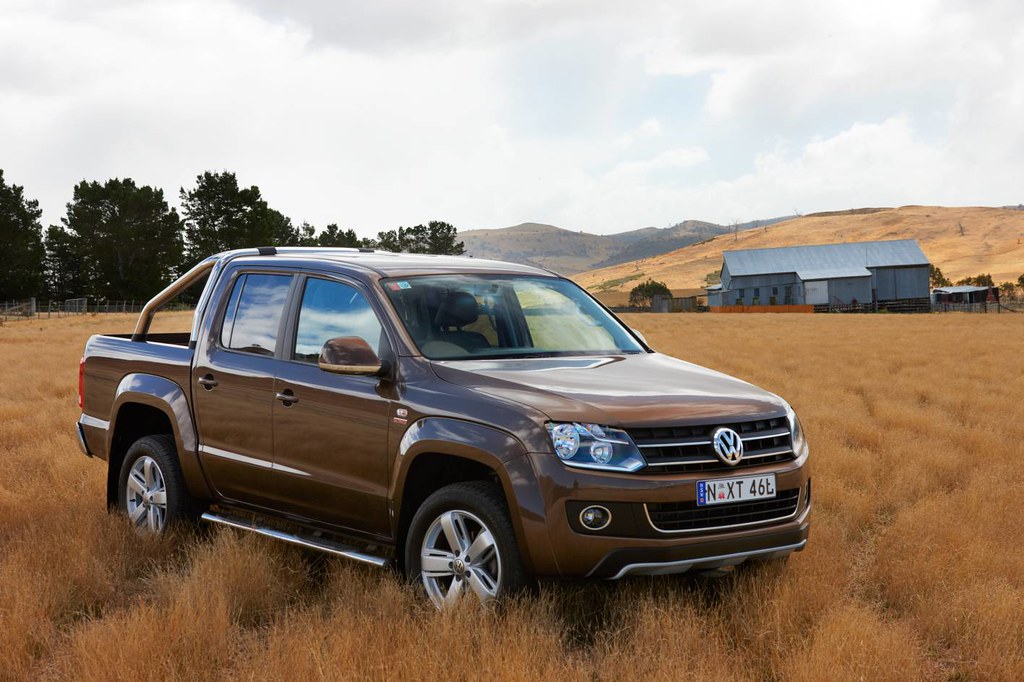
4. **2025 Rolls-Royce Cullinan: Supreme Luxury, Unabated Thirst at the City Limits**In the ultra-luxury SUV segment, the 2025 Rolls-Royce Cullinan stands as the epitome of opulence and exclusivity. Yet, even this pinnacle of automotive grandeur cannot escape the fundamental laws of physics when it comes to fuel consumption. The Cullinan distinguishes itself by housing the largest-displacement engine on our list, a significant detail considering the other fuel-hungry giants it competes against. This fact alone foreshadows its considerable demand for fuel, cementing its prominent place in our discussion of gas-guzzling SUVs that will lighten your wallet.
The magnificent heart of this vehicle is a twin-turbo 6.8-liter V12 engine, an engineering marvel designed to deliver colossal power with the silken, effortless smoothness characteristic of every Rolls-Royce. In its standard configuration, this V12 produces 563 horsepower and 627 lb-ft of torque, with the Black Badge models pushing these figures higher to 600 horsepower and 664 lb-ft. These formidable powerplants are tasked with effortlessly moving a vehicle that, even in its base form, commands the scales at a substantial 6,069 pounds. This intrinsic combination of immense power and significant curb weight invariably translates into a pronounced impact on its overall fuel economy figures.
The official ratings from the Environmental Protection Agency (EPA) clearly delineate this reality. Regardless of the version, both Cullinan models consistently yield a combined fuel economy of 14 mpg. While this combined figure places it on par with another robust SUV on our list, the Cullinan differentiates itself with a particularly abysmal city fuel economy rating of just 12 mpg. It is this specific and notably low urban efficiency that strategically positions the 2025 Rolls-Royce Cullinan firmly in the fourth spot among the most egregious offenders in terms of gas mileage, highlighting its profound inefficiency in the often stop-and-go conditions of urban driving.
For the discerning few whose budgets accommodate a vehicle nearing $400,000, annual fuel costs might seem negligible. However, for a complete financial overview, the EPA estimates an annual fuel cost of $4,250 for individuals driving 15,000 miles each year. Over a typical five-year ownership period, Cullinan owners are anticipated to incur an additional $13,000 in fuel expenses when compared to the average new vehicle buyer. While this burden will likely not deter its affluent clientele, it undeniably underscores the Cullinan’s inherent nature as a truly magnificent, yet consistently thirsty, luxury SUV, demanding premium fuel at every opportunity.
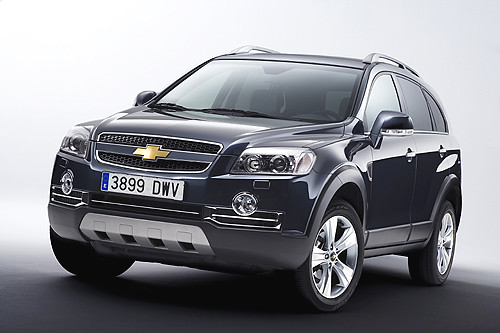
5. **2025 Ineos Grenadier Trailmaster: Purpose-Built Capability, Uncompromising Fuel Costs**The 2025 Ineos Grenadier Trailmaster is an unmistakably bold and purpose-driven vehicle, meticulously engineered to dominate the toughest terrains. With its striking retro Land Rover Defender aesthetics, the Grenadier is a quintessential boxy, off-road-oriented SUV, designed with zero compromises in its unwavering mission for performance and rugged capability. Its singular focus is immediately apparent, from its prominent snorkel to its aviation-style interior switches. This commitment to extreme capability, while admirable, directly impacts its fuel economy, solidifying its place on our list of fuel-hungry vehicles.
Interestingly, unlike many high-consumption SUVs on this list powered by massive V8s, the Grenadier Trailmaster uses a powertrain sourced from BMW: a turbocharged 3.0-liter V6 engine, generating 282 horsepower and 332 lb-ft of torque. One might logically ponder why a V6 engine still yields such notably poor fuel economy. The answer lies in a confluence of design choices and inherent physical characteristics integral to its extreme off-road purpose, not just raw engine size.
A primary factor contributing to the Grenadier’s inefficiency is its distinctive boxy, un-aerodynamic silhouette. While perfect for off-road utility and its iconic aesthetic, this design generates considerable aerodynamic drag, forcing the engine to work harder. Furthermore, the vehicle’s substantial inherent weight, exceeding 6,000 pounds, demands significant energy to accelerate and maintain momentum. The Trailmaster trim also comes equipped with aggressive all-terrain tires, which inherently exhibit higher rolling resistance compared to standard road-focused tires, further reducing fuel efficiency.
The Environmental Protection Agency’s (EPA) meticulous ratings confirm these operational challenges. While the standard Grenadier model achieves a combined rating of 15 mpg, the specialized Trailmaster version performs marginally worse, consistently registering a 14 mpg across its combined, city, and highway driving cycles. The financial implications are still considerable: the EPA estimates driving 25 miles will incur approximately $7.07 in gasoline. Over five years, Grenadier Trailmaster owners are anticipated to spend an additional $13,000 on fuel compared to the average new vehicle, reinforcing its status as a robust performer that comes with a robust fuel bill.
Car Model Information: 2024 INEOS Grenadier Fieldmaster Edition
Name: Ineos Grenadier
Manufacturer: Ineos Automotive
Production: October 2022 – present
Assembly: Hambach, Moselle
Designer: Toby Ecuyer (head of design)
Class: Mid-size SUV,Mid-size car
BodyStyle: ubl
ModelYears: 2023–present
Layout: Front-engine, four-wheel drive
Engine: Petrol engine,BMW B58,Diesel engine,BMW B57
Transmission: ZF 8HP transmission
Wheelbase: ubl
Abbr: on
Length: ubl
Width: ubl
Height: ubl
Weight: 2700 kg
Sp: uk
Categories: All-wheel-drive vehicles, Articles with short description, CS1 French-language sources (fr), Cars introduced in 2020, Commons category link is on Wikidata
Summary: The Ineos Grenadier is an off-road utility vehicle designed and produced by Ineos Automotive. It went into production in October 2022. The Grenadier was designed to be a modern replacement for the original Land Rover Defender, with boxy bodywork, a steel ladder chassis, beam axles with long-travel progressive-rate coil spring suspension (front and rear), and powered by a petrol BMW B58 or diesel BMW B57 inline six turbocharged engine.
Get more information about: Ineos Grenadier
Buying a high-performing used car >>>
Brand: Ineos Model: Grenadier
Price: $75,000 Mileage: 8,841 mi.
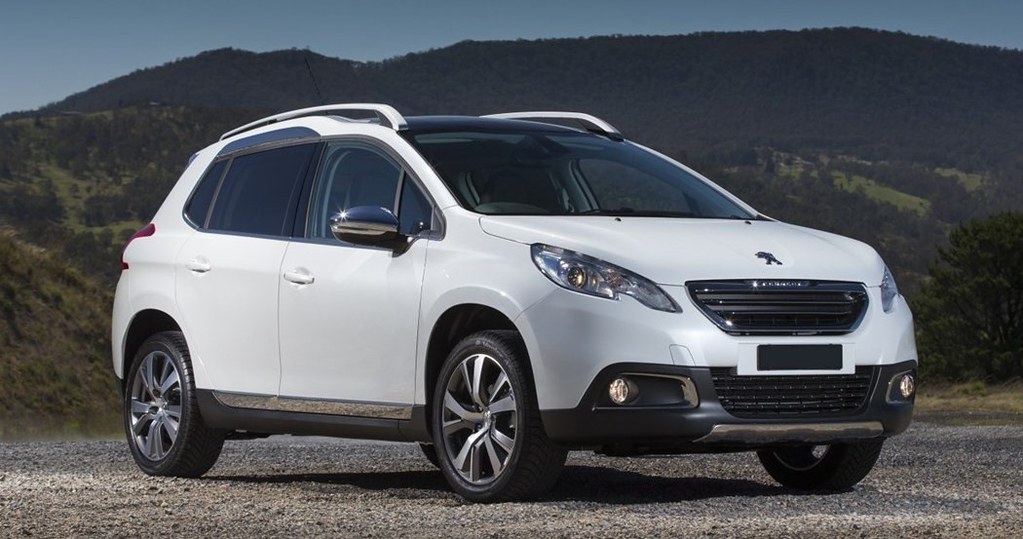
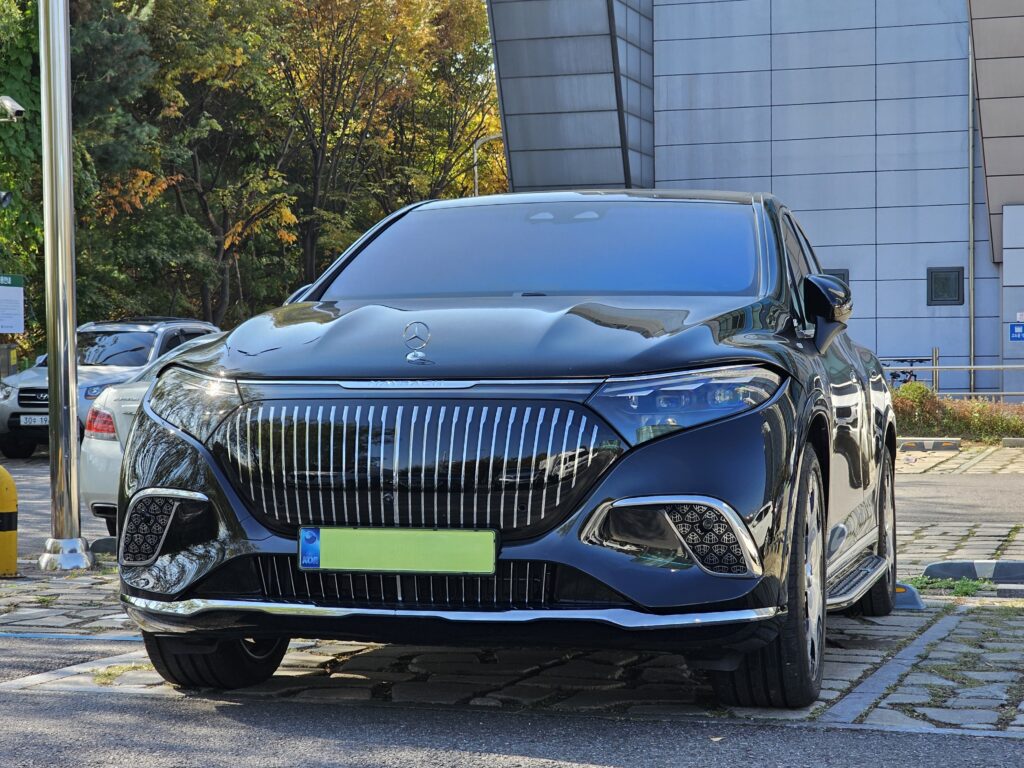
6. **2025 Mercedes-Benz GLS600 Maybach: Luxury’s Costly Thirst**While the top spots for fuel inefficiency are often occupied by ultra-performance or ultra-luxury behemoths, the 2025 Mercedes-Benz GLS600 Maybach also proudly earns its place among the most fuel-hungry SUVs. As the embodiment of Mercedes’ ultimate luxury, the GLS600 Maybach promises unparalleled comfort and refinement, but this opulence comes with an expectedly high price tag at the pump. It ties with several other high-performance SUVs for a combined 15 mpg, demonstrating that even with modern mild-hybrid technology, sheer power and lavish dimensions take a significant toll on efficiency.
Under its sophisticated hood, the GLS600 Maybach is powered by a robust twin-turbo V8 engine, meticulously paired with a 48-volt mild-hybrid system. This advanced powertrain produces a substantial 550 horsepower, ensuring effortless acceleration and a commanding presence on the road. Despite the inclusion of a mild-hybrid system, which typically aids in efficiency, it simply isn’t enough to counteract the demands of moving such a large, heavy, and luxuriously appointed vehicle, thus placing it squarely on our list of least efficient SUVs available today.
The Environmental Protection Agency (EPA) estimates the 2025 GLS600 Maybach delivers a combined fuel economy of 15 mpg. This rating is consistent across several other high-performance SUVs that share the sixth spot for worst mileage, including the BMW X6 M Competition, BMW X5 M Competition, Mercedes-Benz AMG G63, and Mercedes-Benz GLS63. While city and highway figures may vary slightly among these, the common thread is their demanding fuel consumption. Owners can anticipate an annual fuel cost of approximately $3,950, based on 15,000 miles of driving per year.
The financial impact extends significantly over time, with the EPA projecting that over five years, GLS600 Maybach owners will spend an additional $11,500 on fuel compared to the average new vehicle (which achieved 28 mpg in 2024). Furthermore, like most vehicles boasting big, powerful engines, the GLS600 Maybach exclusively requires premium fuel, typically 91 or 93 octane. This means there’s no opportunity for cost-saving by opting for cheaper gasoline, reinforcing that luxury in this segment undeniably comes with an ongoing and considerable financial commitment for fuel.
Car Model Information: 2023 Hyundai SANTA FE SEL 2.4
Name: Maybach
Logo: Maybach (logo).png
Type: Subsidiary
Successor: Mercedes-Maybach
Founder: Wilhelm Maybach
Fate: Daimler-Benz
Industry: Automotive industry
Products: Luxury vehicle
Parent: Mercedes-Benz
Foundation: [object Object]
Location: Stuttgart
Defunct: Daimler-Benz
Homepage: https://maybach.com/
Categories: Aircraft engine manufacturers of Germany, All articles containing potentially dated statements, All articles with vague or ambiguous time, Articles containing potentially dated statements from 2021, Articles with German-language sources (de)
Summary: Maybach (German: [ˈmaɪbax] , MY-baakh) is a German luxury car brand owned by and a part of Mercedes-Benz. The original company was founded in 1909 by Wilhelm Maybach and his son Karl Maybach, originally as a subsidiary of Luftschiffbau Zeppelin GmbH, and it was known as Luftfahrzeug-Motorenbau GmbH until 1999.
In 1960, Maybach was acquired by Daimler-Benz. The name returned as a standalone ultra-luxury car brand in 2002, sharing significant components with Mercedes-Benz cars. In 2013, after slow sales, Maybach ceased to be a standalone brand. In 2015, it became a sub-brand of Mercedes-Benz, which the Mercedes-Benz Group owns. As of 2021, Daimler produces an ultra-luxury edition of the Mercedes-Benz S-Class, the Mercedes-Benz EQS SUV, the Mercedes-Benz GLS-Class, and the Mercedes-Benz SL under the Mercedes-Maybach name.
Get more information about: Maybach
Buying a high-performing used car >>>
Brand: Mercedes-Benz Model: GLS600 Maybach
Price: $19,256 Mileage: 56,972 mi.
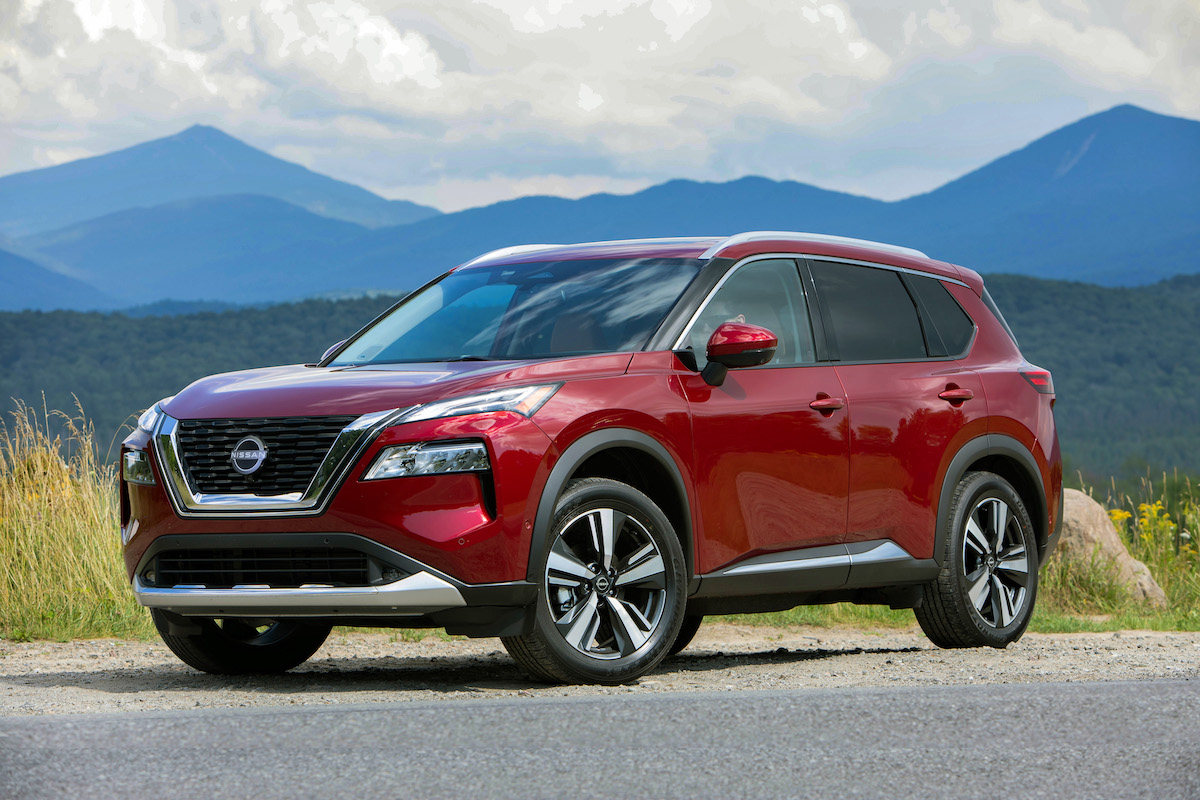
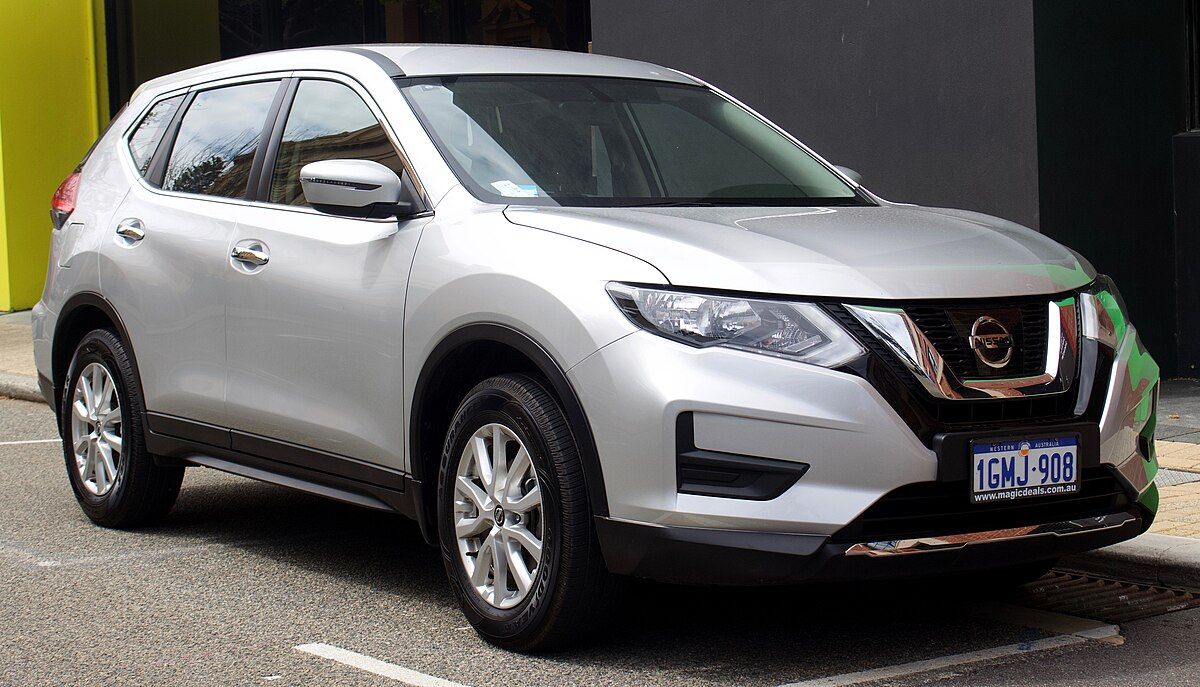
7. **Nissan Armada: Dated Power Meets Abysmal Economy**Transitioning from the ultra-exclusive to more mainstream, albeit still full-size, options, the Nissan Armada makes a notable appearance on our list due to its remarkably poor fuel economy and other inherent design flaws that make it less appealing for 2025. While it presents itself as a capable family hauler with a robust V8, this traditional powertrain choice proves to be a significant detriment in an automotive market increasingly focused on efficiency. Its dated engine technology is a primary culprit for its gas-guzzling habits.
The 2024 Armada’s powertrain is centered around a substantial 400-horsepower V8 engine. While this offers ample power for towing and hauling, it operates with dated technology that contributes to its abysmal fuel economy. In an era where even large SUVs are adopting more sophisticated and efficient engine designs, the Armada’s reliance on this thirsty V8 places a considerable burden on owners’ wallets, especially with fluctuating gas prices. This older engine design inherently struggles to deliver competitive efficiency.
Beyond its fuel consumption, the Armada’s interior, despite being spacious, suffers from poor space utilization and incorporates dated design elements. The infotainment system, in particular, feels significantly behind the curve when compared to its modern competitors, lacking the intuitive interfaces and advanced features that are now standard in its price range. These interior shortcomings, combined with practical challenges like a high load floor that complicates cargo loading and cramped third-row seating, limit its utility as a true eight-passenger vehicle.
Its cumbersome size and compromised maneuverability further detract from its appeal as a daily driver. When considering its premium price point, these limitations—most notably its abysmal fuel economy—become increasingly difficult to justify. For consumers seeking a modern, efficient, and user-friendly full-size SUV in 2025, the Nissan Armada represents a costly compromise between power and practicality, emphasizing that a robust engine alone isn’t enough to make a vehicle a smart purchase anymore.
Car Model Information: 2011 Nissan Armada SV
Caption: 2023 Nissan Armada
Manufacturer: Nissan
Aka: Nissan Patrol
Production: 2003–present
ModelYears: 2004–present
Class: Full-size,sport utility vehicle
BodyStyle: SUV
Layout: Front-engine, rear-wheel-drive layout
Categories: 2010s cars, 2020s cars, All-wheel-drive vehicles, All Wikipedia articles written in American English, All articles with unsourced statements
Summary: The Nissan Armada (originally badged as the Nissan Pathfinder Armada) is a full-size SUV manufactured by Nissan for the North American market, since 2003 for the 2004 model year.
From 2003 to 2015, the first-generation Armada was assembled in Canton, Mississippi based on the Nissan Titan. From mid-2016 onwards, the second-generation Armada is built in Yukuhashi, Kyushu, Japan. It shares the same platform as the Nissan Patrol, with American-specific modifications, and went on sale in mid-2016 as a 2017 model. A luxury version of the Armada has been sold as the Infiniti QX80 (originally QX56).
Get more information about: Nissan Armada
Buying a high-performing used car >>>
Brand: Nissan Model: Armada
Price: $8,645 Mileage: 149,775 mi.
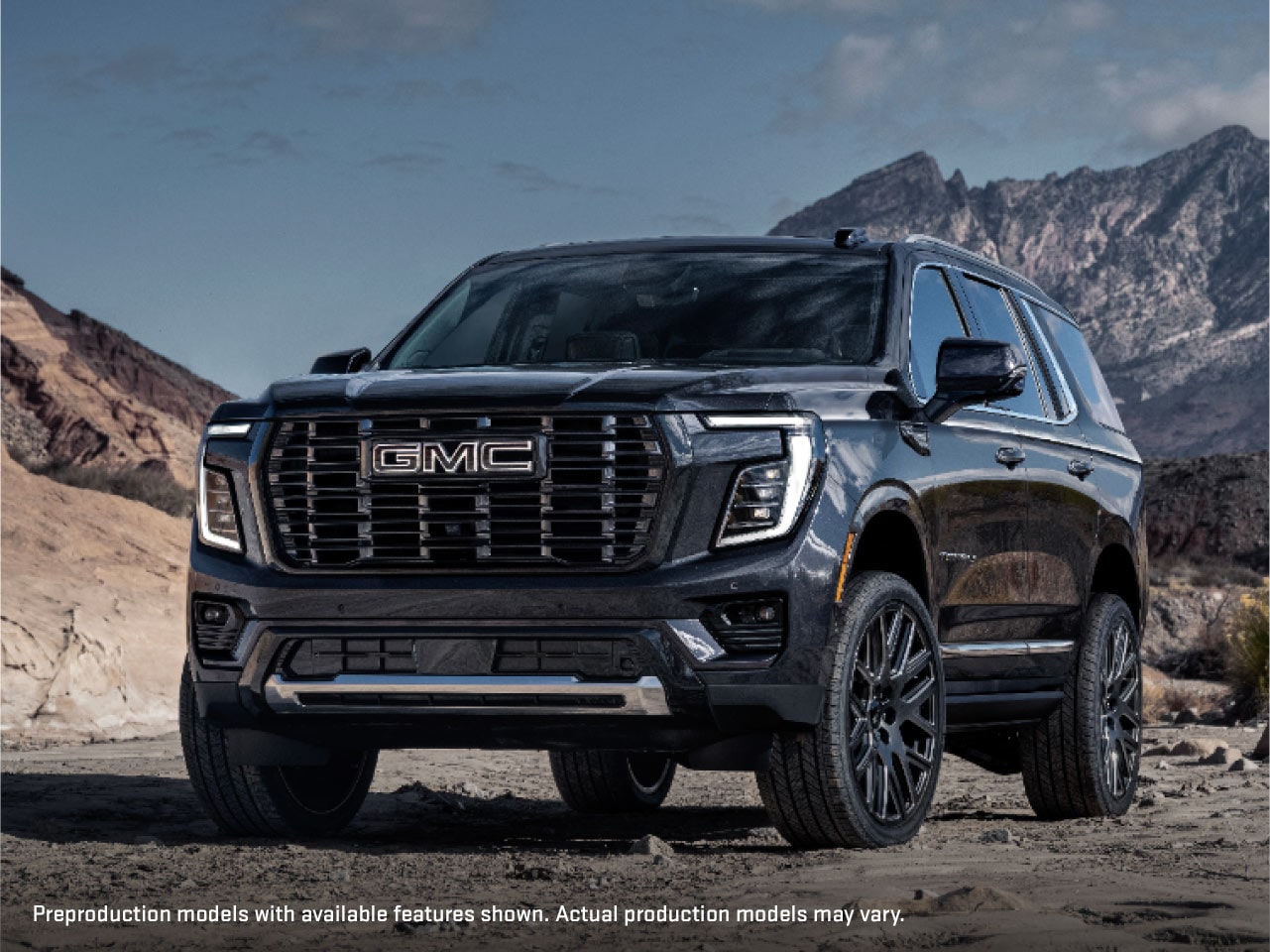
8. **GMC Yukon XL: The Staggering Price of Space**The GMC Yukon XL embodies the classic American full-size SUV, offering immense space and undeniable road presence, yet its premium positioning is significantly undercut by a staggering total cost of ownership. For consumers in 2025, considering the Yukon XL means preparing for substantial financial outflows far beyond the initial purchase price, making its seemingly attractive attributes come with a significant catch. This vehicle illustrates how luxury and size often translate directly into formidable long-term expenses, with fuel being a significant component.
One of the most concerning aspects of the GMC Yukon XL is its overall financial burden. Over a mere five-year ownership period, the total cost of ownership can reach an eye-watering $92,343. This alarming figure is composed of several major expenditures, including a massive depreciation of $45,316, substantial insurance costs totaling $12,555, and significant fuel expenses that clock in at $16,229. While maintenance costs are relatively standard for its class at $2,885, they still contribute to the escalating financial commitment.
From a fuel perspective, the Yukon XL’s efficiency ratings are particularly problematic in today’s market. It delivers a combined fuel economy of just 16-17 MPG. In an automotive landscape where even large SUVs are under increasing pressure to improve efficiency, these numbers are noticeably low. This poor fuel economy not only inflates running costs but also limits the vehicle’s practical range, necessitating more frequent and costly stops at the gas station during longer trips, diminishing its appeal as a long-distance family cruiser.
While the Yukon XL undoubtedly offers impressive interior space, particularly for larger families, and considerable towing or cargo capability, these advantages are heavily offset by its exorbitant long-term costs. The combination of high depreciation, costly insurance, and particularly problematic fuel efficiency makes the GMC Yukon XL a financially demanding proposition. For savvy buyers in 2025, the sheer expense associated with owning and operating this SUV makes it a difficult recommendation, especially when more efficient and cost-effective alternatives are increasingly available.
Car Model Information: 2023 Hyundai SANTA FE SEL 2.4
Name: Chevrolet Suburban,GMC Yukon XL
Caption: 2015 Chevrolet Suburban 1500 LTZ
Manufacturer: General Motors
Aka: Chevrolet Veraneio (Brazil, 1964–1995),GMC Carryall (1960–1972),GMC Suburban (1937–1999),GMC Yukon XL (from 2000),Holden Suburban (Australia/New Zealand, 1998–2001)
Production: 1934–present
Class: Full-size,station wagon
Layout: Front-engine, rear-wheel-drive layout,rear-wheel drive
Related: ubl
Categories: 1940s cars, 1950s cars, 1960s cars, 1970s cars, 1980s cars
Summary: The Chevrolet Suburban is a series of SUVs built by Chevrolet. The longest-produced automobile nameplate in the world, the Suburban has been made since 1934, and is currently in its twelfth generation (2021–present). Beginning life as one of the first metal-bodied station wagons, the Suburban is the progenitor of the modern full-size sport utility vehicle, combining a wagon-style body with the chassis and powertrain of a pickup truck. Alongside its Advance Design, Task Force, and C/K predecessors, the Chevrolet Silverado currently shares chassis and mechanical commonality with the Suburban and other trucks.
Traditionally one of the most profitable vehicles sold by General Motors, the Suburban has been marketed through both Chevrolet and GMC for nearly its entire production. Along sharing the Suburban name with Chevrolet, GMC has used several nameplates for the model line; since 2000, the division has marketed it as the GMC Yukon XL, while since 2003 Cadillac has marketed the Suburban as the Cadillac Escalade ESV. During the 1990s, GM Australia marketed right-hand drive Suburbans under the Holden brand.
The Suburban is sold in the United States, Canada, Mexico, Central America, Chile, Dominican Republic, Bolivia, Peru, Philippines, and the Middle East (except Israel), while the Yukon XL is sold only in North America (exclusive to the United States, Canada, and Mexico) and the Middle East territories (except Israel).
A 2018 iSeeCars.com study identified the Chevrolet Suburban as the car that is driven the most each year. A 2019 iSeeCars.com study named the Chevrolet Suburban the second-ranked longest-lasting vehicle. In December 2019, the Hollywood Chamber of Commerce unveiled a Hollywood Walk of Fame star for the Suburban, noting that the Suburban had been in “1,750 films and TV shows since 1952.”
Get more information about: Chevrolet Suburban
Buying a high-performing used car >>>
Brand: GMC Model: Yukon XL
Price: $19,256 Mileage: 56,972 mi.
Read more about: 10 Cars That Seem Like a Steal But Are Really Money Pits Waiting to Happen
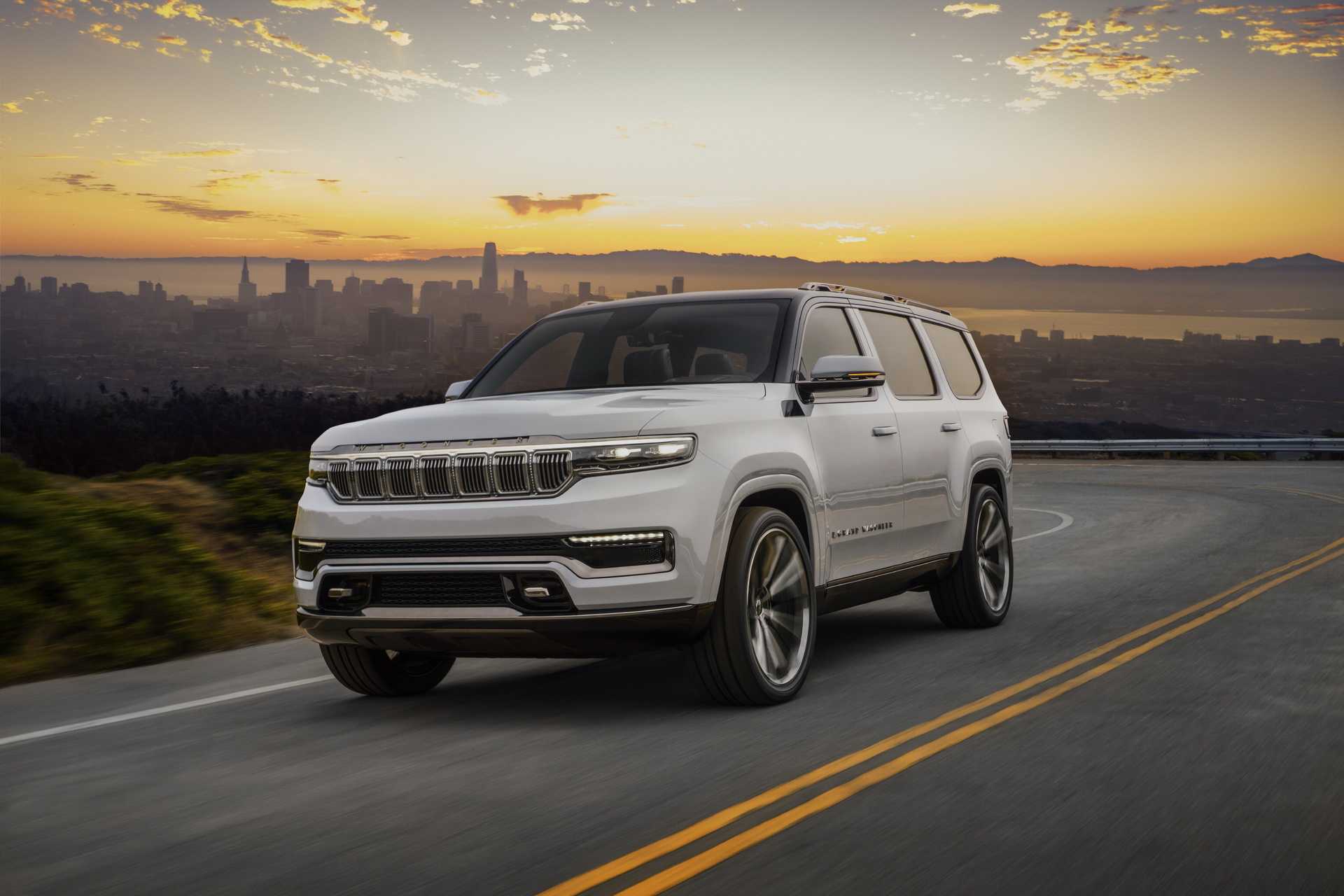
9. **Jeep Grand Cherokee: Off-Road Prowess, On-Road Woes**The Jeep Grand Cherokee has long been celebrated for its blend of rugged off-road capability and everyday refinement, a formula that has resonated with many SUV buyers. However, the allure of adventure and perceived luxury is increasingly being overshadowed by a concerning total cost of ownership and persistent reliability issues that demand serious consideration from potential 2025 owners. What appears to be a versatile vehicle can quickly become a financial headache, making it a critical entry on our list of SUVs to approach with caution.
The financial commitment for the Grand Cherokee extends significantly beyond its sticker price, with its total cost of ownership reaching $70,241 over just five years. This substantial sum encompasses a depreciation of $28,727, insurance costs of $11,425, and notably high fuel expenses totaling $17,023. Additionally, interest payments of $9,652, coupled with maintenance costs of $3,415, paint a clear picture of a vehicle that, despite its initial appeal, imposes a considerable and ongoing financial burden on its owners, diminishing its long-term value.
Adding to the financial strain, the 2024 model year introduced a significant base price increase of $8,925 while simultaneously removing previously standard features like Quadra-trac II and trailer-sway damping, which now require additional investment. This strategic shift means buyers are paying more for less, fundamentally altering the value proposition. Furthermore, the Grand Cherokee is plagued by a history of reliability problems, including common issues with erratic electronic shifting, engine stalling, alternator failures, and problematic ignition switches, all of which can lead to expensive and unexpected repairs.
While marketing materials often portray an upscale interior, the reality can fall short of expectations, with actual materials and build quality proving less impressive than advertised. Moreover, excessive road noise further detracts from its premium aspirations, undermining the driving experience. The combination of soaring ownership costs, particularly in fuel and depreciation, along with documented reliability concerns and a diminished feature set for a higher price, makes the 2025 Jeep Grand Cherokee a compelling candidate for an SUV that buyers might want to reconsider.
Car Model Information: 2023 Hyundai SANTA FE SEL 2.4
Name: Jeep Grand Cherokee
Manufacturer: Jeep
Production: 1992–present
ModelYears: 1993–present
Class: unbulleted list
BodyStyle: sport utility vehicle
Layout: unbulleted list
Chassis: Vehicle_frame#Uniframe
Categories: 2000s cars, 2010s cars, 2020s cars, All-wheel-drive vehicles, All Wikipedia articles written in American English
Summary: The Jeep Grand Cherokee is a range of mid-sized sport utility vehicles produced by American manufacturer Jeep. At its introduction, while most SUVs were still manufactured with body-on-frame construction, the Grand Cherokee has used a unibody chassis from the start.
Get more information about: Jeep Grand Cherokee
Buying a high-performing used car >>>
Brand: Jeep Model: Grand Cherokee
Price: $19,256 Mileage: 56,972 mi.
Read more about: 12 Vehicles That Will Test Your Patience (and Your Wallet) with Never-Ending Electronic Glitches
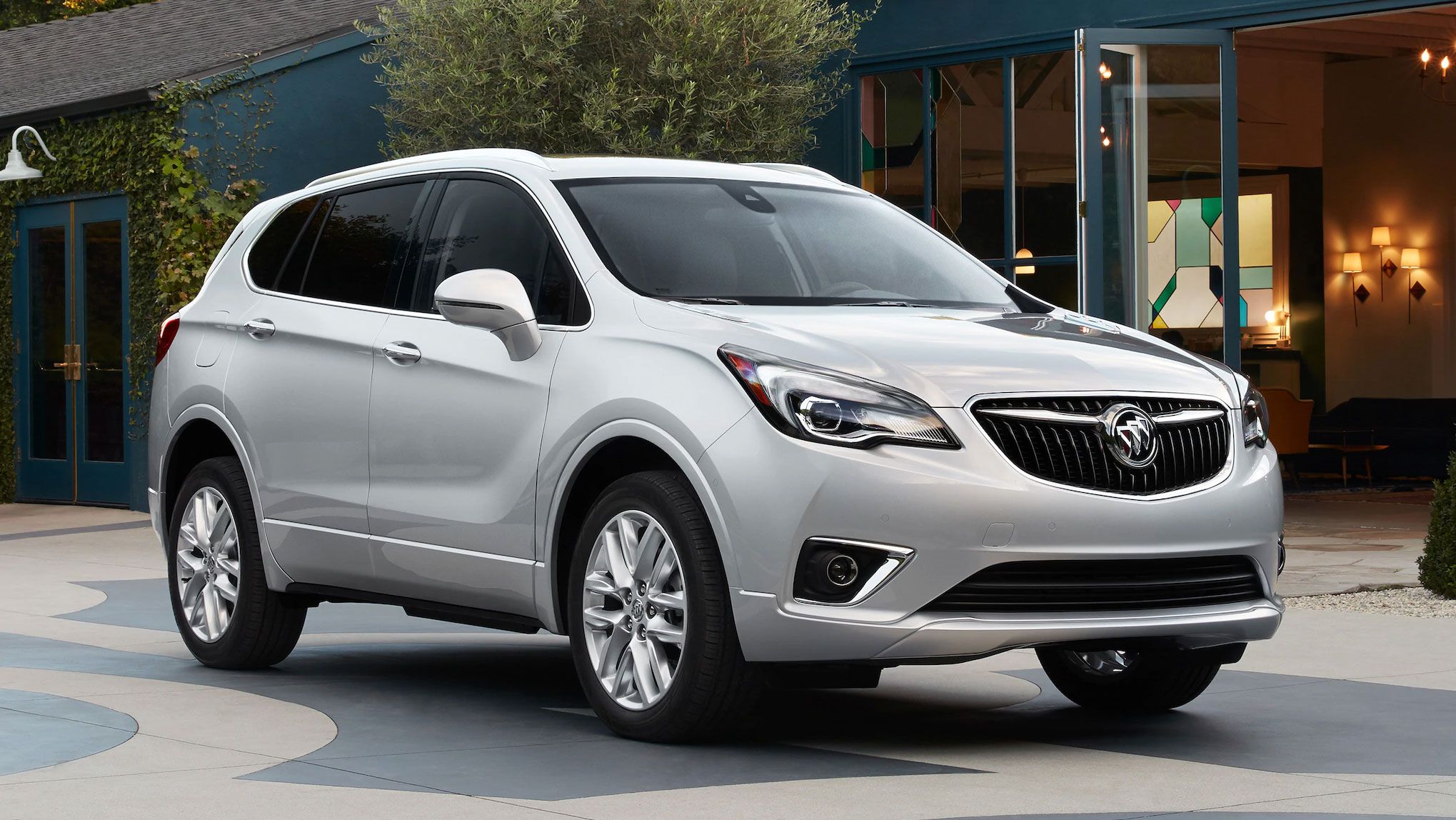
10. **Buick Enclave: Premium Aspirations, Subpar Efficiency and Value**The Buick Enclave attempts to carve out a niche in the premium SUV segment, offering a comfortable and spacious experience. However, a closer look reveals several significant shortcomings that fundamentally undermine its value proposition, making it an SUV that discerning buyers in 2025 might be better off avoiding. Its blend of pricing, feature availability, and notably its fuel efficiency, falls short of expectations for a vehicle aiming for a luxurious feel, highlighting a misalignment between brand promise and practical execution.
A primary concern with the Enclave begins with its pricing strategy. With a base MSRP of $43,900 for the 2024 model, Buick controversially restricts many advanced safety features to higher trim levels. This forces consumers to invest even more to access safety technologies that are increasingly becoming standard equipment across the industry, even in less expensive vehicles. This approach dilutes the perceived value, especially when the interior materials and overall build quality fail to distinguish themselves sufficiently from non-luxury competitors, making its premium price difficult to justify.
Crucially for our list, the Enclave’s fuel efficiency significantly lags behind other V6-powered competitors in its class. This subpar mileage adds another layer to its long-term cost of ownership, making it less economical than many alternatives that offer similar or superior comfort and features. In a market segment where efficiency is becoming a key differentiator, the Enclave’s thirstier nature is a notable disadvantage, contributing to higher running costs that consumers often overlook in initial purchase decisions.
While the Enclave does offer comfortable seating and adequate cargo space, these positive attributes are frequently overshadowed by its uninspiring driving dynamics and a general lack of refinement. The driving experience, rather than feeling premium and engaging, often feels bland and unremarkable. Ultimately, the overall package suggests that buyers are largely paying a premium for the Buick badge itself, rather than for truly superior quality, cutting-edge features, or competitive fuel economy, making it a questionable investment for the conscious consumer.
***
Car Model Information: 2008 Buick Enclave CXL
Name: Buick Enclave
Manufacturer: Buick
Production: April 2007–present
ModelYears: 2008–present
Class: Full-size crossover SUV
BodyStyle: SUV
Layout: Front-engine, front-wheel-drive layout
Predecessor: Buick Rainier,Buick Rendezvous,Buick Terraza
Categories: 2010s cars, 2020s cars, All-wheel-drive vehicles, All Wikipedia articles written in American English, All articles with dead external links
Summary: The Buick Enclave is a three-row full-size crossover SUV produced by General Motors since 2007. It was previewed at the 2006 North American International Auto Show, officially as a concept car, making it the first Lambda vehicle to be displayed. The Enclave is partially based on the Buick Centieme concept shown at the 2003 Detroit Auto Show.
The first-generation Enclave, the Saturn Outlook, the original GMC Acadia, and the first-generation Chevrolet Traverse all shared the GM Lambda platform.
The Enclave replaced both of Buick’s SUVs, the minivan-based Rendezvous and the truck-based Rainier, as well as the Terraza minivan. The second-generation Enclave was officially revealed at the 2017 New York International Auto Show.
Get more information about: Buick Enclave
Buying a high-performing used car >>>
Brand: Buick Model: Enclave
Price: $8,830 Mileage: 102,525 mi.
As we navigate the increasingly complex automotive landscape of 2025, the choices we make at the dealership have profound long-term financial and practical implications. While the allure of immense power, luxurious amenities, or rugged capability can be undeniable, our deep dive into these ten SUVs reveals a clear pattern: the immediate thrill often comes hand-in-hand with persistent, substantial costs that extend far beyond the showroom floor. From the eye-watering fuel bills of the Ferrari Purosangue to the hidden reliability woes and soaring depreciation of models like the Jeep Grand Cherokee and GMC Yukon XL, it’s evident that some vehicles demand more than just their sticker price. Making an informed decision means looking beyond the marketing gloss, evaluating real-world fuel economy, considering the full spectrum of ownership costs, and prioritizing a vehicle that truly aligns with your financial health and daily needs. Your wallet, and perhaps your peace of mind, will thank you for driving clear of these particularly demanding SUVs.