The prospect of selling your car privately often brings the promise of a better return compared to a trade-in, yet it also comes with a unique set of challenges. From navigating complex paperwork to ensuring a safe transaction, the path to a successful private sale is riddled with potential pitfalls that, if overlooked, could easily lead to significant financial losses or legal headaches. Indeed, failing to follow proper procedures can transform a profitable endeavor into a “$25,000 Mistake,” underscoring the critical importance of preparedness and adherence to established guidelines.
This comprehensive guide is designed to equip you with the actionable knowledge and authoritative advice you need to sell your vehicle with confidence. We’ll cut through the red tape, clarify state-specific requirements, and provide a structured approach to ensure every step of your private car sale is handled correctly. Our aim is to empower you to avoid common errors, maximize your vehicle’s value, and protect yourself from potential liabilities, making the entire process as smooth and secure as possible. Let’s delve into the essential rules that form the bedrock of a successful private car sale.

1. Secure Your Title Certificate (Proof of Ownership)
When selling your vehicle privately, the certificate of title stands as the single most critical document you possess. Think of your car’s title like a house deed; it’s the one document that unequivocally proves you actually own the thing you’re trying to sell. While some car-buying companies might buy cars without titles in specific situations, private buyers almost always require one to ensure a legitimate transfer of ownership. This document is the cornerstone of the entire transaction, without which a legal sale cannot proceed.
The status of your title is also paramount. If you still owe money on your car, your lender holds the title, which is known as a lien title. In such cases, you’ll need to pay off the loan first or work directly with both the buyer and the bank to handle the payoff at closing. Your lender will then provide a lien release once the loan is satisfied, converting it into a clean title that is ready for transfer.
Accidentally losing your title doesn’t have to derail your sale. Most states offer a straightforward process to obtain a duplicate for a fee, typically ranging from $5 to $60. Just be sure to budget about 7-10 business days for processing. If you are in California and don’t have a certificate of title, you can simply fill out the relevant sections of the Application for Duplicate or Paperless Title (Form REG 227) and supply it to the buyer. This form verifies you as the original owner and establishes the buyer as the new owner.
Finally, ensuring all signatures are correct and complete is vital. Some states require notarization for the title transfer, while others do not. The official transfer happens when you properly sign the title over to the buyer. Make absolutely certain you fill out every blank correctly, as even minor mistakes can delay the sale or, worse, create significant legal headaches for you down the road. Double-checking these details prevents future complications.
Read more about: Your Definitive, Step-by-Step Guide to Buying a Used Car: Avoid Pitfalls and Drive Away with Confidence
2. Obtain All Required State Certifications (Smog, Safety, Odometer)
Navigating state-specific certifications is a non-negotiable step in preparing your car for a private sale, particularly in states with stringent environmental and safety regulations. As the seller, you are often legally obligated to provide the buyer with a valid smog certificate at the time of sale. For instance, California has very strict laws, and you must ensure you meet these requirements, as buyers expect these certifications where they are mandated.
Smog certifications typically have a limited validity period, often 90 days or less from the date they are issued. You must complete the sale within this timeframe or risk needing to get re-tested. However, not all vehicles require a smog certificate. In California, for example, vehicles that are four years old or less, or those manufactured in 1975 or earlier, are exempt from this requirement. Hybrid, electric, diesel, or natural gas cars also frequently qualify for exemptions, so it’s essential to check your specific vehicle’s status against your state’s current rules.
Beyond smog, other certifications like safety inspections are common requirements in various states. These inspections meticulously check critical components such as brakes, lights, and tires to ensure the vehicle is roadworthy and safe. Emissions tests are also frequently required in many urban areas, costing typically between $20 and $100 and taking about an hour. While seemingly annoying, completing these tests upfront demonstrates your compliance and helps streamline the buyer’s registration process, as some states won’t allow registration without current certificates.
Another critical certification is the odometer disclosure. If your car is less than 10 years old, federal law mandates that you must disclose the exact mileage. This requirement is not optional anywhere in the U.S. The odometer information can sometimes be recorded directly on the certificate of title, or a separate form may be required, such as the Vehicle/Vessel Transfer and Reassignment (Form REG 262) in California. The key is to be entirely honest about the mileage and to note if anything seems off with the odometer, ensuring full transparency with potential buyers.
3. Prepare a Comprehensive Bill of Sale
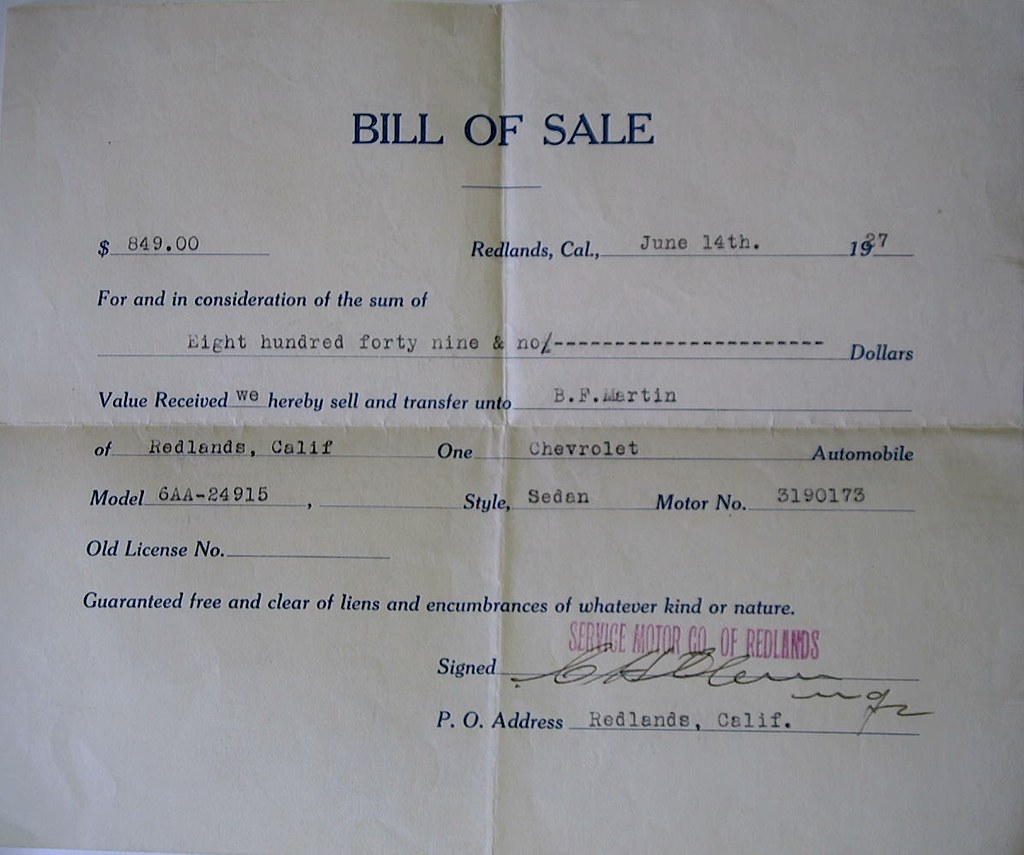
Understanding the necessity and contents of a bill of sale is crucial, although its legal standing can be confusing due to state-by-state variations. Some states explicitly require a bill of sale for private vehicle transactions, while others make it optional, and a few may not need one at all for the official transfer. Despite these differences, always consider drafting one as a protective measure for both parties involved in the sale.
Should you decide to prepare a bill of sale, it must be comprehensive and include specific details to be effective. Essential information includes both your full name and address, as well as the buyer’s full name and address. Furthermore, it needs to detail the vehicle’s specifics, such as its year, make, model, and Vehicle Identification Number (VIN). The exact sale price, even if it’s a nominal amount for a family member, and the date of sale are also mandatory. Crucially, if you are not offering any warranties, the bill of sale should explicitly include “as-is” language.
Even if your state doesn’t legally require a bill of sale, having one is a savvy move that protects both you and the buyer if any problems arise later. Consider it your official receipt that legally documents and proves the transaction happened, specifying the terms of the sale. This simple document can prevent potential disputes over the vehicle’s condition or agreed-upon price after the sale is complete. In California, if you do not need to disclose the odometer reading (e.g., car older than 10 years), you may download and print a Bill of Sale REG 135 (PDF) form to serve this purpose.
Read more about: The Oracle’s Blueprint: 15 Timeless Principles Warren Buffett Shared for Young Entrepreneurs and Aspiring Leaders

4. File Your Release of Liability Promptly
The Release of Liability form might be the most important piece of paperwork you’ve never heard of, yet it offers crucial protection after you’ve sold your car. This document notifies your state’s Department of Motor Vehicles (DMV) that you are no longer the owner of the vehicle. By doing so, it legally absolves you of responsibility for what happens with the car once it’s in the buyer’s hands, shielding you from potential tickets, accidents, or other violations incurred by the new owner.
Filing this form promptly is key, as different states have varying deadlines. For instance, in California, you must complete the online Notice of Transfer and Release of Liability within 10 days of the sale, with some sources even suggesting a 5-day window. Texas allows 30 days, while most other states fall somewhere between 5 and 30 days. Waiting too long to file this document can leave you legally exposed to incidents that occur after you’ve relinquished possession of the vehicle.
The Release of Liability form typically requests essential information to complete the transfer accurately. This includes the buyer’s full name and address, the exact date of sale, the vehicle’s VIN, and its license plate number. Often, it also asks for the odometer reading at the time of sale. Most states offer convenient ways to file this form, with online submission generally being the fastest and most efficient method available.
Failing to properly handle or forgetting to file the Release of Liability form is one of the biggest mistakes private sellers make. This oversight can leave you directly on the hook for anything the new owner does with the car, from parking tickets to serious accidents. It’s a simple but vital step to ensure your legal and financial protection, making it an indispensable part of your post-sale responsibilities.
Read more about: From Spark Plugs to Blown Gaskets: The 10 Biggest Truck Engine Blunders That Angered Owners and Destroyed Reputations

5. Handle Registration and License Plates Correctly
Distinguishing between your vehicle’s title and its registration card is crucial when preparing for a private sale. Your registration card isn’t the same as your title; while the title proves ownership and is transferred to the buyer, the registration simply shows the car is legally registered to drive and stays with whoever currently owns it. Buyers often want to see your current registration as verification that you are indeed the person listed as the owner and that the car is legally compliant before they commit to a purchase.
When a buyer reviews your registration card, they will typically look for a few key details. They’ll want to ensure your name on the registration matches the title, confirming you are the rightful seller. It’s also important that your registration isn’t expired, though some states do allow grace periods. While some states now accept digital registration documents, bringing paper copies to showings is always a safer practice, ensuring all information is readily accessible and verifiable for potential buyers.
Regarding license plates, a common misconception is that they stay with the car. In most states, license plates legally belong to you, the seller, not the vehicle. This means you should remove them when you sell the car. There are important reasons for this: if you leave them on, you could still be held liable for any tickets, tolls, or violations the new owner incurs. Additionally, fraudsters could potentially clone your plates for other cars, leading to serious complications, and some states will even fine you for not removing them.
After removing your license plates, you have several options depending on your state’s regulations. You might be able to transfer them to your new car, turn them in to your local DMV, or, in some states, even sell specialty plates online. However, always verify your current state’s specific rules, as these policies can change and a few states, like Minnesota, have different regulations where plates may remain with the car. Taking these steps ensures your legal separation from the vehicle after the sale.

6. Organize and Present Value-Adding Documentation (Maintenance, History, Warranty)
Beyond the legally required paperwork, presenting optional but highly informative documentation can significantly enhance your car’s appeal and value to private buyers. Buyers are keen to see evidence that you’ve diligently taken care of the car, and a well-maintained vehicle commands a higher price. This includes a comprehensive collection of maintenance records, such as oil change receipts, major repair invoices, inspection reports, and documentation for any warranty work performed. Even if you’ve handled some maintenance yourself, maintaining a simple log showing regular service, like “Changed oil every 5,000 miles,” tells buyers you are the kind of owner they want to buy from.
Investing a small amount, typically $25-$40, for a vehicle history report before listing your car is a smart seller’s move. While it might seem counterintuitive to spend money upfront, it serves two critical purposes: first, you’ll become aware of any potential problems or red flags before buyers discover them, allowing you to address or explain them proactively. Second, providing the report upfront demonstrates transparency and shows you have nothing to hide. Utilizing an NMVTIS-approved provider like Carfax or AutoCheck for a clean report gives you serious credibility during negotiations, building trust with potential buyers.
If your car still has any warranty coverage, highlighting this can be a huge selling point and add substantial value to your offer. Factory bumper-to-bumper and powertrain warranties usually transfer automatically with the vehicle. Certified pre-owned warranties also typically transfer with ease. However, third-party extended warranties or certain manufacturer restrictions, especially on high-performance models, might require specific paperwork or have transfer limitations. It’s wise to dig up your warranty booklet and any associated transfer forms, as buyers are often willing to pay more for a car that offers continued coverage and peace of mind.
Lastly, obtaining a pre-sale inspection report from a trusted mechanic, costing around $100-$150, can offer significant returns. A clean report provides buyers with immense confidence, potentially speeding up negotiations and justifying your asking price, especially for higher-value cars ($10,000+) or older vehicles where buyers might harbor concerns about hidden problems. While some buyers may still opt for their own pre-purchase inspection, having one readily available from a reputable third party instantly builds professional credibility and demonstrates your commitment to transparency. This proactive step can easily set your car apart in a competitive market, solidifying its perceived value and accelerating the sale. It’s all about empowering the buyer with confidence.
To manage all these critical documents effectively, creating a detailed checklist based on your state’s requirements is a smart first step. Gather all essential documents—clear title, current registration, a blank release of liability form, a bill of sale template, and any required inspection certificates—before you even list the car. For showings, organize everything neatly in a folder. Always bring the originals for verification but have copies ready for serious buyers to review. Remember, a crucial safety tip: never hand over original documents until the funds have officially changed hands and the transaction is complete, safeguarding your interests throughout the process.
Now that you’ve meticulously prepared your vehicle and all its essential paperwork, the next phase of a successful private car sale involves the crucial steps of interacting with potential buyers and securing a legitimate transaction. This stage is where vigilance and strategic planning pay off, safeguarding your interests and ensuring a smooth transfer of ownership. Adhering to these final rules will help you navigate buyer interactions, test drives, payments, and post-sale procedures with confidence, transforming what could be a high-stakes encounter into a secure and profitable exchange.

7. Screen Potential Buyers Thoroughly
The initial inquiries about your car are your first opportunity to screen potential buyers effectively. Whether you’re listing on a platform like Kelley Blue Book’s Private Seller Exchange, which is shared with Autotrader, you’ll receive emails, texts, and calls. It’s highly advisable to insist on speaking with serious buyers over the phone before committing to a test drive, as a direct conversation allows you to assess their genuine interest and preparedness. This interaction is invaluable for understanding their needs and confirming if they have their financing already arranged, while also inviting them to ask questions to gauge their seriousness.
Be cautious of anyone offering to purchase your vehicle without seeing it in person. While selling to someone local is generally simpler, the reality of today’s market often involves out-of-state buyers. Services like Kelley Blue Book’s Private Seller Exchange are designed to streamline such transactions by managing fund and title transfers securely. For your personal protection, always verify your insurance policy extends coverage to other drivers, and clearly communicate over the phone that you will require a prospective buyer to show a valid driver’s license before they get behind the wheel.
When preparing to meet a prospective buyer, ensure your personal safety is paramount. Share your meeting plans, location, and the buyer’s contact information with a trusted friend or family member. Bring only essentials like your driver’s license, proof of insurance, phone, and the car key. A proactive approach to screening can filter out time-wasters and potential fraudsters, making your selling experience much more efficient and secure.
Read more about: The 12 SUVs Built to Last: Our Definitive Guide to Vehicles Guaranteed for 250,000 Miles
8. Take Precautions With the Test Drive
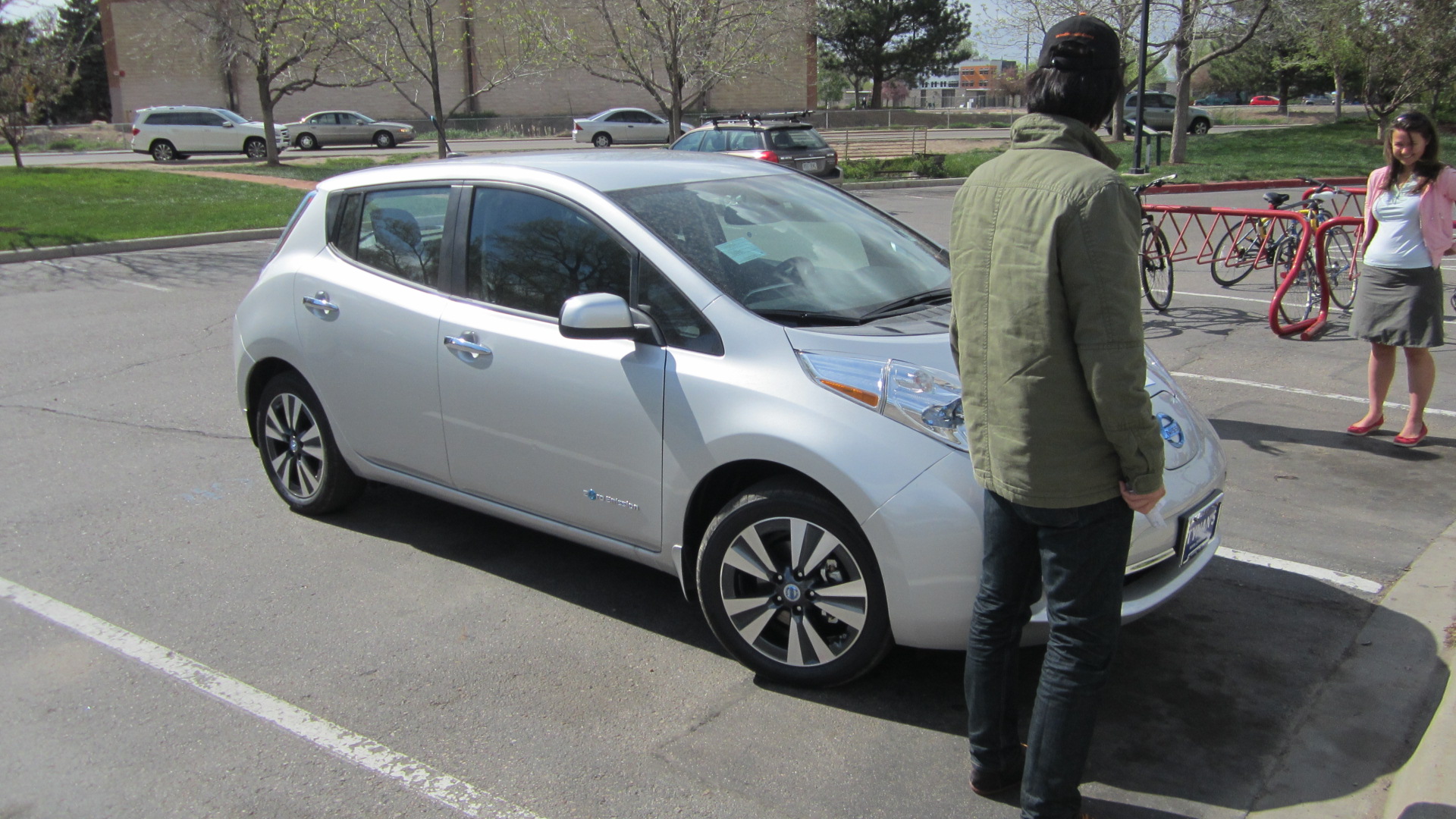
Should a caller appear legitimate and ready to proceed, arranging a test drive is the next logical step. Always choose a safe, central location in a public area for your meeting, ideally one that’s convenient to a suitable test drive route. Popular choices include parking lots of police stations, busy malls, or even near the buyer’s bank. Parking your car in a high-traffic area ensures visibility and adds an extra layer of security.
Before handing over the keys, it is imperative to ask to see the prospective buyer’s driver’s license to verify their identity and ensure they are legally permitted to drive. It is always advisable to accompany the driver during the test drive, regardless of any collateral they might offer. Plan a route that is relatively short and stays within populated areas, covering both streets and potentially a highway section to give the buyer a fair impression of the car’s performance. Most buyers don’t anticipate an overly long drive, but be prepared for them to ask for more time if they truly want it.
An agreed-upon test drive route also helps establish a clear timeframe for your return, adding another layer of control to the situation. By taking these straightforward yet crucial precautions, you eliminate much of the guesswork associated with test drives, ensuring a more secure and predictable experience for both parties involved.
Read more about: Under-Desk Treadmills: A Deep Dive into Benefits, Usage, and Whether They Outperform a Daily Stroll

9. Ensure a Safe Transaction and Secure Payment
Once a buyer expresses serious interest, price negotiation will likely ensue. It’s best to discuss payment methods in advance to avoid last-minute complications. Throughout this stage, remain firm in refusing any unusual requests, such as being asked to drive the buyer to an alternate location, perhaps to arrange financing or retrieve funds. Instead, politely instruct the buyer to make their own arrangements and contact you when they are fully prepared to finalize the sale.
Furthermore, it is a critical safety measure to avoid having test drives or sales discussions conclude at your personal residence. All necessary paperwork should be prepared beforehand, but ensure your car’s title remains unsigned and out of sight until the transaction is complete and verified. For those not using a dedicated service like Kelley Blue Book’s Private Seller Exchange, verifying the legitimacy of the payment method is paramount. Cashier’s checks are generally considered safer than certified checks, offering less susceptibility to fraud. For vehicles within certain cost parameters, touchless payment options such as Zelle, Venmo, PayPal, or CashApp can facilitate secure direct transfers, though it’s crucial to be aware of any transaction limits these platforms may impose.
When considering escrow services, exercise extreme caution as fraudulent entities are prevalent. While Kelley Blue Book’s Private Seller Exchange incorporates a secure escrow service, if you’re engaging in a peer-to-peer sale without such a service, independently verify any proposed escrow company. Be highly suspicious of any service claiming affiliation with well-known brands like KBB.com or TRUSTe, as these companies do not operate independent escrow services. Always verify an escrow service’s legitimacy with state regulators, conduct thorough independent research, and never click on links provided by the seller; instead, use a search engine to access the website. If you are uncertain about an escrow service, it is always wise to decline the transaction.
Before agreeing to any escrow service, inquire about their fees, who is responsible for paying them, and the precise conditions that must be met before payment is released to you. Any email or website that implies affiliation with Kelley Blue Book by displaying its logo or through other means should be promptly reported to KBB.com and law enforcement. The goal is to ensure that your funds are transferred securely, completely, and without any risk of financial trickery.
Read more about: Consumer Alert: Unmasking the 13 Car Dealership Scams That Cost Buyers Thousands

10. Maintain a Meticulous Paper Trail and Complete Title Transfer
Maintaining a comprehensive paper trail is an indispensable part of selling your car privately. Unlike dealership sales where the paperwork is typically managed for you, when you sell to an individual, the responsibility for proper title transfer and documentation rests squarely on your shoulders. Diligently handling this upfront legwork prevents significant headaches and potential legal complications down the road.
Each state has specific requirements for legally transferring a title, but most necessitate that both the seller and buyer complete and sign certain forms. If you’re utilizing a service like Kelley Blue Book’s Private Seller Exchange, the title transfer process will be handled securely for you. However, for direct private sales, the seller typically signs the back of the existing title, including the date of sale, the agreed sales price, and the exact odometer reading, before handing it over to the buyer. Always make a copy of the signed title, both front and back, for your personal records. An accurate odometer reading at the moment of sale is particularly critical, as it definitively marks the point in time the car ceases to be legally yours, protecting you from potential liability for incidents that occur even a short distance after the sale.
Beyond the title, most states strongly recommend or require sellers and buyers to complete a bill of sale and a release of liability form. These documents provide indisputable proof of the transaction and are crucial for protecting the seller from future tickets, violations, or any other issues associated with the vehicle once it’s no longer in their possession. It is imperative that you send the signed release of liability form to your state’s DMV promptly. Furthermore, in many states, you are required to remove the license plates from the vehicle before the buyer takes possession and either turn them into the DMV, securing a receipt, or transfer them to a new vehicle, effectively canceling the registration in your name.
Finally, while the buyer is responsible for registering the car and paying transfer fees and state taxes, your role in completing the title transfer as the seller is to provide a correctly signed title and any required recent vehicle smog check or state inspection certificate. Some states even advise notifying the county tax assessor’s office of the sale, adding an extra layer of protection if the new owner fails to properly title the vehicle. The overwhelming majority of private car sales are successful, often yielding a better return than a trade-in. However, vigilance and meticulous documentation are your best allies in ensuring every step is executed flawlessly.
Read more about: America Unveiled: A Deep Dive into the United States’ Enduring Story, Landscapes, and Institutions

11. Safeguard Personal Information and Prevent Fraud
Before you hand over any service records or the owner’s manual to the buyer, it is absolutely essential to block out any personal information that could be used for identity theft. Use a black permanent marker to obscure details you don’t want public, such as your home address, phone numbers, or any financial specifics. If you purchased the car from a dealer, diligently check the glove compartment and owner’s manual for any original contracts or credit applications, as these documents often contain sensitive data like your social security number and previous addresses. Removing and redacting this information is a crucial step in protecting your identity.
Beyond document security, proactive measures are vital to avoid scams and fraud during the selling process. When meeting for test drives, always prioritize safety by choosing a busy, well-lit public place during daylight hours and bringing a trusted friend along. Share your meeting plan and the buyer’s information with someone you trust. Carry only essentials—your driver’s license, insurance, phone, and car key. Before the test drive, ask for the potential buyer’s information and proof of insurance, and agree on a specific route in advance that includes both streets and highways to give a comprehensive impression of the car while establishing a clear time frame for your return.
Protecting your finances and legal standing also requires specific precautions. Always ask for the driver’s proof of insurance to ensure liability coverage in case of an accident. Get every detail of the sale in writing, including payment terms, vehicle information, and title transfer details; if a buyer hesitates or refuses to provide this, you should be prepared to walk away. Crucially, do not transfer ownership until you have received full, verified payment, insisting on a cashier’s check or confirmed electronic transfer. Maintain your car insurance until the title and registration are officially in the buyer’s name to avoid any coverage gaps. Always complete the necessary paperwork, checking your state’s DMV or BMV rules, and consider going with the buyer to finalize the paperwork if required.
The safest payment method for private car sales is typically a direct bank transfer or wire transfer, as this requires bank verification that funds have cleared before you transfer ownership, making the transaction traceable and less susceptible to fraud. Be highly skeptical if a buyer offers to pay more than your asking price and then requests a refund for the difference, as this is a common fraud tactic. If a buyer insists on paying in cash, arrange to complete the transaction at your local bank, where the authenticity of the funds can be immediately verified. Always remember that safety is paramount. Trust your instincts, proceed cautiously, and if any aspect of the deal feels off or suspicious, do not hesitate to walk away. Your peace of mind and financial security are worth more than any quick sale.
Read more about: Beyond the Showroom Shine: Unmasking the Controversial Seat Features Driving SUV Owners to Court
Selling your car privately doesn’t have to be a daunting task rife with “$25,000 Mistakes.” By diligently following these 11 essential rules, from meticulous paperwork preparation to executing safe transactions and protecting your personal information, you empower yourself to navigate the process with confidence and authority. Each step is designed to maximize your vehicle’s value, ensure legal compliance, and safeguard you from potential pitfalls. Embrace these guidelines, and you’ll not only achieve a successful sale but also gain the peace of mind that comes from knowing you’ve handled every detail like a seasoned professional. Happy selling!