As we cruise into 2025, the automotive landscape is undergoing significant changes, with manufacturers making tough decisions about which car models to retire. This pivotal year is shaping up to see several car models phased out, from compact sedans to once-popular SUVs, marking the end of an era for some well-known names. These strategic decisions are driven by a complex interplay of shifting consumer demands, the accelerating push toward electric vehicles, and evolving market strategies, ensuring that many familiar rides won’t be making it to dealership lots next year.
The trend of discontinuing car models is becoming more pronounced as automakers respond to changing industry dynamics and consumer preferences. This isn’t a random occurrence; it’s a strategic realignment to a rapidly evolving landscape. The global push for sustainability, for instance, has put electric vehicles at the forefront of automotive development, causing manufacturers to reallocate resources from traditional combustion-engine models to invest heavily in EVs, often at the cost of discontinuing older, less aligned offerings.
Beyond electrification, factors such as declining market demand for specific segments, increasingly stringent regulatory pressures, and the rapid pace of technological advancements all contribute to these farewells. Models that fail to capture sufficient consumer interest or can’t be economically updated to meet stricter emissions and safety standards often face the axe. Automakers are streamlining their portfolios, focusing on high-margin and high-demand models, all while consumer preferences continue to evolve globally, prompting manufacturers to discontinue underperforming models in specific markets. This comprehensive round-up will explore the precise reasons behind these decisions and their broader implications for the market.

1. **Audi A5, S5, and RS5 Coupe and Convertible**For years, the Audi A5 lineup, encompassing the elegant A5 Coupe and Convertible, alongside the high-performance S5 and formidable RS5 variants, has stood as a distinct symbol of luxury and sportiness within the automotive landscape. These models masterfully blended an elegant design with powerful engines and the allure of convertible options, catering to a discerning segment of drivers. They appealed specifically to those who sought a stylish, yet undeniably exhilarating, driving experience, setting a benchmark for premium two-door vehicles.
The reasons behind the discontinuation of these beloved Audi models are multifaceted, reflecting significant shifts within the broader automotive market. Most notably, the market for coupes and convertibles has experienced a considerable contraction in recent years, with consumers increasingly gravitating towards the practicality and versatility offered by SUVs and crossovers. This widespread preference has created an undeniable challenge for traditional two-door luxury vehicles, impacting their sales viability.
Furthermore, Audi’s overarching brand strategy plays a crucial role in this decision. The manufacturer is heavily focused on expanding its electric vehicle lineup under the prominent “e-tron” brand. The A5, S5, and RS5 Coupe and Convertible models, being traditional internal combustion engine vehicles, simply do not align with these aggressive electrification goals. Their discontinuation frees up valuable resources that can be redirected towards developing future-forward electric and more versatile crossover offerings.
Ultimately, the declining demand for these two-door vehicles has rendered them less profitable, a critical factor for any major automaker. While enthusiasts will undoubtedly mourn the loss of these iconic models, their discontinuation represents a strategic pivot for Audi. It allows the brand to channel resources toward innovative electric and crossover vehicles that are better suited to current consumer preferences and future regulatory landscapes. Audi plans to continue its focus on electric sedans and SUVs, such as the Q8 e-tron, while also exploring performance-focused EVs that could eventually carry forward the high-octane legacy of the RS5.
Car Model Information: 2025 Audi A5 Sportback 45 S line quattro Premium
Name: Audi A5
Caption: Audi A5 B10, 2024
Manufacturer: Audi AG
Production: 2007–present
Layout: Front-engine, front-wheel-drive layout
Class: Compact executive car
Related: Audi A4
Categories: 2010s cars, 2020s cars, All-wheel-drive vehicles, Articles with short description, Audi vehicles
Summary: The Audi A5 is a series of compact executive and grand touring coupé cars produced by the German automobile manufacturer Audi since June 2007. The A5 range also includes the coupe, cabriolet, and “Sportback”—a five-door liftback with a fastback roofline—derived from the Audi A4 saloon and estate models.
Under Audi’s internal platform numbering convention, the A5 is a member of the B-platform series of vehicles, sharing its platform designation with the A4 saloon and Avant. The first generation A5 (Type 8T) belongs to the B8 family, while the second-generation model (Type 8W6) is based on the B9. Both generations are derived from the Volkswagen MLB (Modular Longitudinal Matrix) architecture.
Get more information about: Audi A5
Buying a high-performing used car >>>
Brand: Audi Model: A5
Price: $37,991 Mileage: 28,395 mi.
Read more about: Beyond the Badge: 12 Japanese Icons That Deliver More Driving Thrills Than A Porsche 911
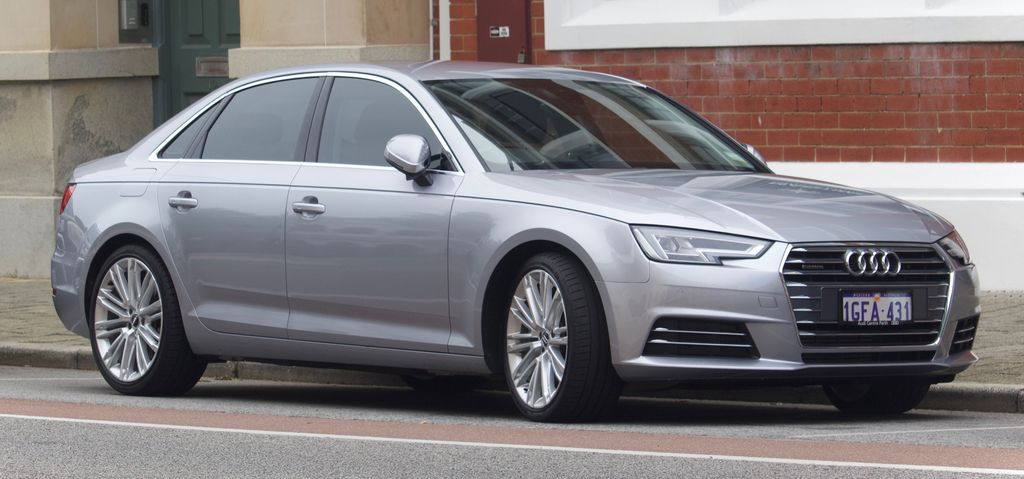
2. **Audi A4 Sedan**The Audi A4 Sedan has long been recognized as a cornerstone of the luxury compact sedan segment, consistently delivering a sophisticated blend of technology, performance, and understated elegance for decades. It established itself as a go-to choice for consumers seeking premium features and a refined driving experience in a more compact and accessible package. Its consistent presence helped define the segment, offering a compelling alternative to larger luxury vehicles.
However, even a stalwart like the A4 Sedan is not immune to the seismic shifts occurring in the automotive market. A primary reason for its discontinuation stems from prevailing market trends. The ascendancy of SUVs and electric vehicles has led to a significant dip in demand for traditional compact sedans. Consumers are increasingly prioritizing higher ride height, greater cargo capacity, and the allure of electrification, which has undeniably impacted the sales performance of models like the A4.
In alignment with this, Audi’s brand strategy is undergoing a profound realignment. The manufacturer is aggressively refocusing its efforts on electric vehicles and larger, more versatile models that resonate more strongly with contemporary consumer preferences. This strategic pivot necessitates difficult decisions about long-standing models that, despite their legacy, no longer fit the envisioned future product portfolio. The A4’s departure is a clear indication of this broader strategic move.
The impact on both the Audi brand and its loyal consumers is significant. The A4’s exit undeniably leaves a noticeable gap for those who have a preference for compact luxury sedans, a niche that has been faithfully served by this model for so long. However, Audi is proactively aiming to fill this void with cutting-edge electric vehicles and advanced hybrid alternatives, promising similar levels of luxury and sophistication in a sustainable package. The brand is specifically expected to concentrate on electrified alternatives such as the A6 e-tron, which is designed to offer comparable luxury features within a more environmentally conscious framework.
Read more about: The 10 Most Regrettable New Cars to Buy Now: A Deep Dive into High Repair Costs and Ownership Burdens
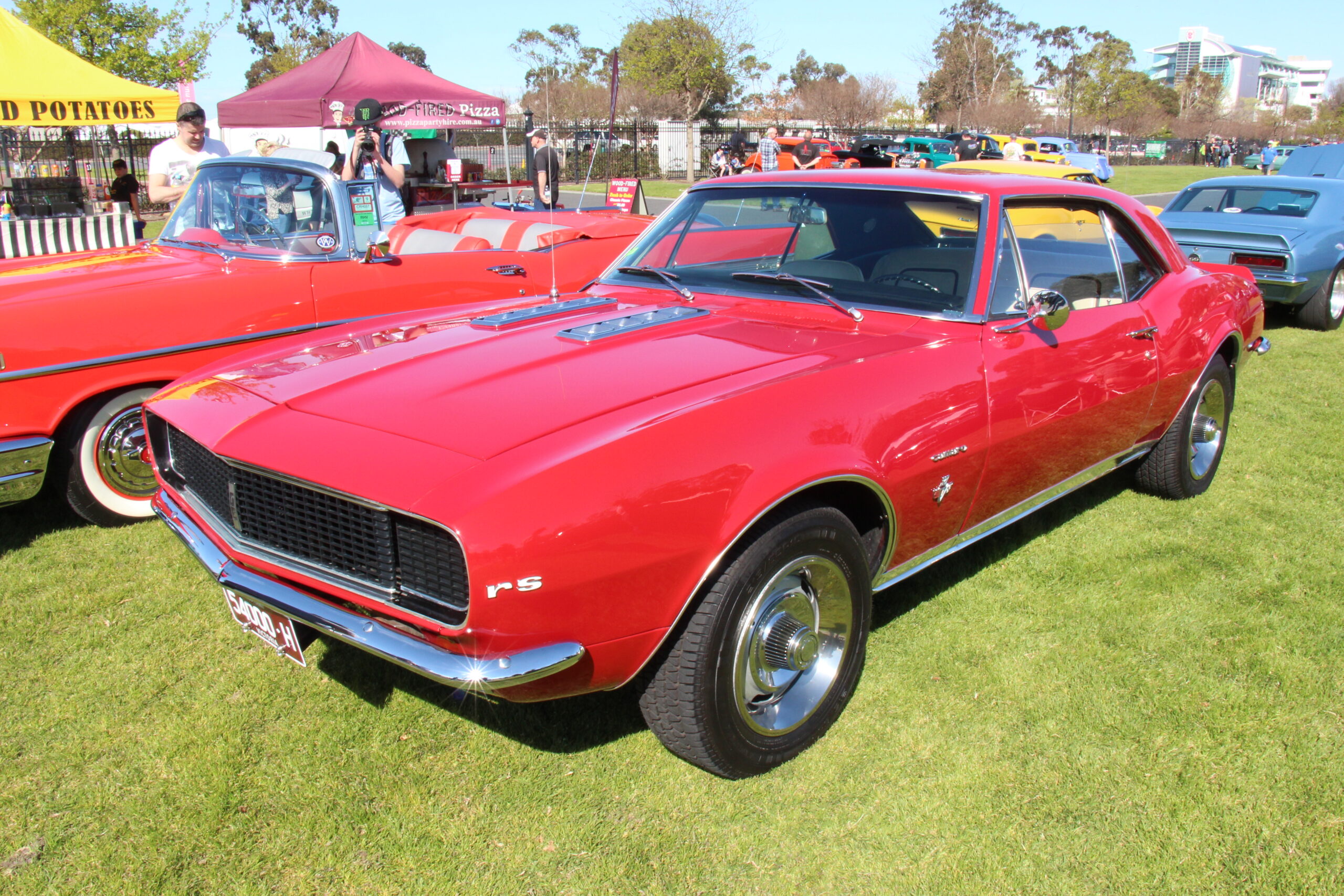
3. **Chevrolet Camaro**The Chevrolet Camaro has been an undisputed staple of the American muscle car scene for well over five decades, carving out an indelible legacy rooted in power, performance, and iconic styling. Known for its aggressively sculpted aesthetics, an array of powerful engine options, and a rich, storied heritage, the Camaro engaged in fierce competition with legendary rivals such as the Ford Mustang and Dodge Challenger. Its presence on the asphalt and in popular culture captivated car enthusiasts worldwide, solidifying its status as an automotive icon.
Despite its strong legacy and fervent fan base, the Camaro is now set to drive off into the sunset for several compelling reasons. A significant factor is the undeniable shift in overall market trends. Sales of traditional muscle cars have experienced a notable decline as the automotive market has increasingly become dominated by the pervasive popularity of SUVs and the burgeoning segment of electric vehicles. This broad shift in consumer preference has created an uphill battle for models rooted in conventional performance.
Furthermore, the Camaro’s sales performance, while historically robust, has been overshadowed in recent years by its direct rivals and, notably, by internal competition from Chevrolet’s own highly popular SUVs and trucks. In an era where automakers prioritize efficient resource allocation, models that struggle to maintain competitive sales figures often become candidates for discontinuation. This internal competition highlights a broader strategic decision to consolidate resources where demand is highest.
Chevrolet’s brand strategy also plays a pivotal role in this decision. The manufacturer is actively reallocating substantial resources toward the extensive development of electric vehicles, with ambitious plans to significantly expand its electric lineup. This includes the intention to introduce performance-oriented electric models that could potentially carry forward the spirit of the Camaro into a new, electrified era. Fans are understandably mourning the loss of this icon, with many expressing deep disappointment over what feels like the end of a very significant era in American automotive history.
However, Chevrolet has hinted at honoring the Camaro’s powerful legacy with a potential EV successor, aiming to ensure that its performance DNA continues to thrive in a future-forward format. The brand is focused on introducing a high-performance electric vehicle in the coming years, which could serve as a spiritual successor. Simultaneously, Chevrolet is heavily investing in and focusing on its Silverado EV and other electrified models, signaling a clear strategic direction for its future product portfolio.
Car Model Information: 2018 Chevrolet Camaro 1LS
Name: Chevrolet Camaro
Manufacturer: Chevrolet
Production: 1966–2002,2009–2023
ModelYears: 1967–2002,2010–2024
Class: Pony car
BodyStyle: coupe,convertible
Platform: GM F platform,GM Zeta platform,GM Alpha platform
Layout: Front-engine, rear-wheel-drive layout
Categories: 1970s cars, 1980s cars, 1990s cars, 2+2 coupés, 2000s cars
Summary: The Chevrolet Camaro is a mid-size American automobile manufactured by Chevrolet, classified as a pony car. It first went on sale on September 29, 1966, for the 1967 model year and was designed to compete with the Ford Mustang. The Camaro shared its platform and major components with the Firebird, produced by General Motors’ Pontiac division that was also introduced for the 1967 model year.
Four distinct generations of the Camaro were developed before production ended in 2002. The nameplate was revived on a concept car that evolved into the fifth-generation Camaro; production started on March 16, 2009.
Production of the sixth generation of the Camaro ended in December 2023, for the 2024 model year.
Get more information about: Chevrolet Camaro
Buying a high-performing used car >>>
Brand: Chevrolet Model: Camaro
Price: $18,785 Mileage: 69,196 mi.
Read more about: Beyond the Red Carpet: Dissecting the Iconic Cars Celebrities Drive and the PR Machine Behind Their Public Persona
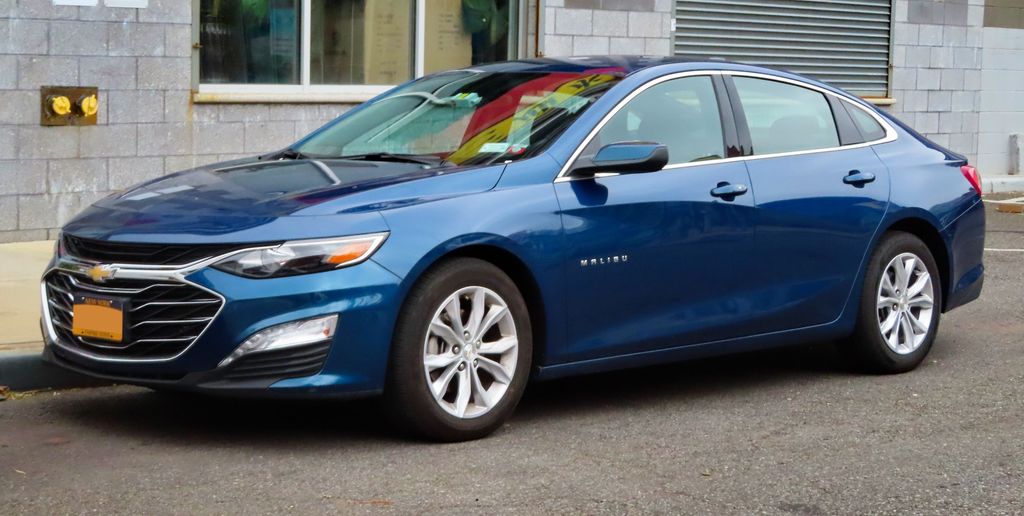
4. **Chevrolet Malibu**The Chevrolet Malibu has long held its position as a persistent contender within the highly competitive midsize sedan market. Throughout its storied history, first introduced in the 1960s, it consistently offered a commendable balance of affordability, comfort, and unwavering practicality. Over the decades, the Malibu evolved into a dependable family car, successfully catering to a wide and diverse range of buyers seeking reliable daily transportation without excessive frills, establishing itself as a trustworthy option for many American households.
However, the landscape of consumer preferences has undergone a dramatic transformation in recent years, presenting significant challenges for traditional sedans like the Malibu. The overwhelming shift toward SUVs and crossovers has made it increasingly difficult for midsize sedans to compete effectively for market share. This pronounced change in buyer behavior is a primary driver behind the Malibu’s impending discontinuation, as its segment continues to shrink under the weight of larger, more versatile alternatives.
Consequently, the Malibu has faced a consistent struggle with declining sales volumes, a direct result of buyers increasingly favoring larger and more adaptable vehicles that offer greater utility and perceived value. For automakers operating in a highly competitive global market, models that experience sustained declines in sales often become candidates for retirement. This ensures that production resources are channeled into segments with higher demand and greater profitability.
Chevrolet’s brand strategy is also undergoing a significant realignment, with a clear focus on emphasizing electric vehicles and high-demand segments such as SUVs and trucks. The discontinuation of the Malibu is an integral part of this broader strategy to streamline the brand’s lineup and dedicate resources to areas that promise greater growth and align with future automotive trends. This strategic move aims to fortify Chevrolet’s position in emerging and currently dominant market segments.
While the Malibu has certainly been a reliable and often beloved option for countless families and daily commuters, its departure is a reflection of a broader industry-wide movement away from traditional sedans. For loyal customers, this absence may leave a void in the market, necessitating a search for new alternatives. However, Chevrolet is confidently doubling down on future-forward innovations, with plans to expand its electric lineup. Models such as the all-electric Equinox and Blazer are specifically expected to capture the attention of the Malibu’s former audience, offering modern, electrified solutions to their evolving transportation needs.
Car Model Information: 2022 Chevrolet Malibu FWD LT
Name: Chevrolet Malibu
Manufacturer: Chevrolet
ModelYears: 1964–1983,1997–2025
Class: Mid-size car
Layout: Front-engine, rear-wheel-drive layout
Predecessor: Chevrolet Chevelle
Successor: Chevrolet Celebrity
Caption: Ninth generation Chevrolet Malibu
Categories: 1970s cars, 1980s cars, 1990s cars, 2000s cars, 2010s cars
Summary: The Chevrolet Malibu is a mid-size car that was manufactured and marketed by Chevrolet from 1964 to 1983 and from 1997 to 2025. The Malibu began as a trim-level of the Chevrolet Chevelle, becoming its own model line in 1978. Originally a rear-wheel-drive intermediate, GM revived the Malibu nameplate as a front-wheel-drive car in 1997.
Named after the coastal community of Malibu, California, the Malibu has been marketed primarily in North America, with the eighth generation introduced globally. Malibu production in the US ended in November 2024, as the Fairfax plant is being retooled for the upcoming second-generation Chevrolet Bolt. The Malibu is now the last sedan to have been sold by Chevrolet in the US.
Get more information about: Chevrolet Malibu
Buying a high-performing used car >>>
Brand: Chevrolet Model: Malibu
Price: $16,697 Mileage: 67,370 mi.
Read more about: The 15 Most Disappointing New Cars of 2025: Concrete Data Reveals Which Models to Skip
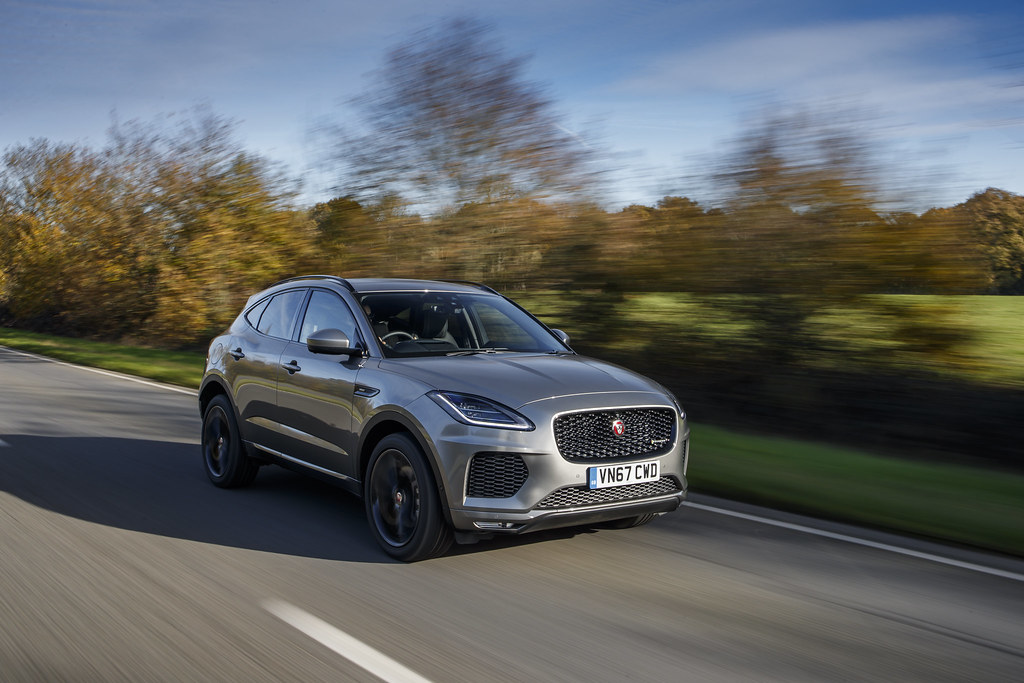
5. **Jaguar E-Pace**Introduced with aspirations to capture a younger, urban demographic, the Jaguar E-Pace arrived as the brand’s compact luxury SUV. It was designed to offer an enticing gateway into the prestigious Jaguar lineup, boasting a stylish design that exuded contemporary sophistication and sporty handling characteristics. This combination was intended to appeal to drivers seeking a premium experience in a more agile and city-friendly package, carving out a new niche for the esteemed British marque.
However, the luxury compact SUV segment is an intensely competitive arena, populated by formidable offerings from well-established rivals. Despite its initial promise, the E-Pace found itself overshadowed by these stronger competitors, struggling to differentiate itself effectively in a crowded marketplace. This intense pressure inevitably impacted its market performance, leading to the model falling short of Jaguar’s internal expectations concerning both sales volumes and broader market penetration.
A pivotal reason for the E-Pace’s discontinuation is deeply rooted in Jaguar’s bold and ambitious strategic transformation. The brand has publicly committed to an aggressive transition, aiming to become an entirely all-electric portfolio by the year 2025. This forward-looking vision necessitates a significant streamlining of its current offerings, phasing out models like the E-Pace that, being traditional internal combustion engine vehicles, simply do not align with this overarching and profound electrification goal.
The exit of the E-Pace, therefore, represents a critical step in Jaguar’s radical reinvention, signaling a decisive move away from its traditional internal combustion engine models. While this marks a bittersweet change for loyal fans who appreciated its blend of luxury and sportiness, it underscores Jaguar’s unwavering commitment to a sustainable, electrified future. Looking ahead, Jaguar is poised to launch an entirely new range of luxury electric SUVs and crossovers, meticulously designed to align with its vision of becoming an exclusively all-electric brand by the stated target of 2025.
Car Model Information: 2021 Jaguar E-PACE SE P250 AWD Automatic
Name: Jaguar E-Pace (X540)
Caption: E-Pace (D180 AWD trim, Germany)
Manufacturer: Jaguar Land Rover
ModelCode: X540
Production: 2017–2024
Assembly: ubl
Designer: Ian Callum
Class: Subcompact luxury crossover SUV
BodyStyle: Sport utility vehicle
Platform: Jaguar Land Rover car platforms#PTA
Related: ubl
Engine: ubl
Motor: ubl
Transmission: ubl
Layout: ubl
Drivetrain: Mild Hybrid
Battery: Kilowatt-hour,Lithium-ion battery
Wheelbase: cvt
Length: cvt
Width: cvt
Height: cvt
Sp: uk
Categories: 2020s cars, All articles with dead external links, All stub articles, Articles with dead external links from February 2023, Articles with permanently dead external links
Summary: The Jaguar E-Pace (X540) is a subcompact luxury crossover SUV (C-segment in Europe) produced by the British car manufacturer Jaguar Land Rover (JLR) under their Jaguar marque. It was officially revealed on 13 July 2017 and was the second production Jaguar SUV.
The car is built in Graz, Austria, by Magna Steyr and from 2018 by Chery Jaguar Land Rover, JLR’s joint venture with partner Chery, in Changshu, China.
Get more information about: Jaguar E-Pace
Buying a high-performing used car >>>
Brand: Jaguar Model: E-Pace
Price: $23,990 Mileage: 38,136 mi.
Read more about: Watch Out! 15 Cars That Could Drain Your Wallet with Costly Repairs Down the Line
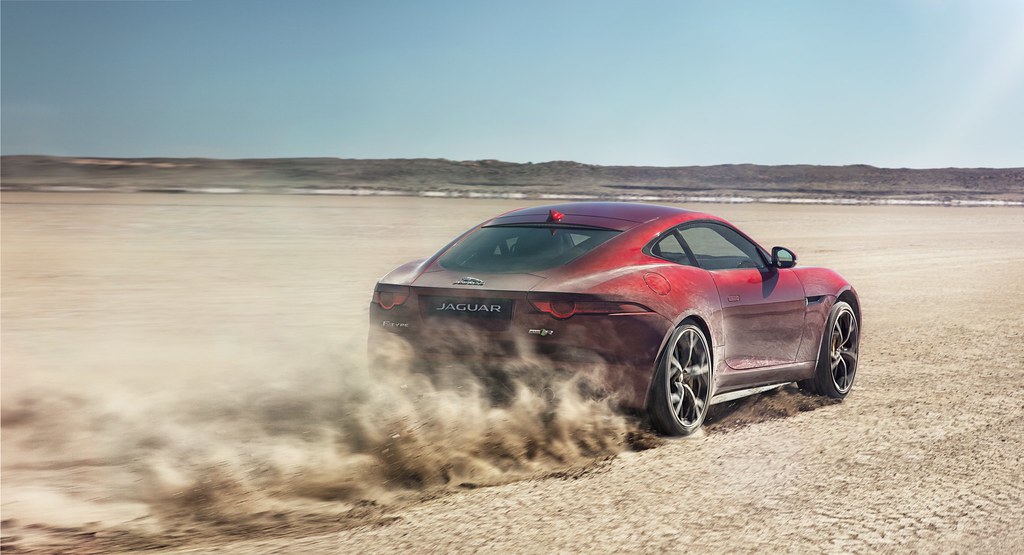
6. **Jaguar F-Type**The Jaguar F-Type stands as a true modern icon, a stunning sports car renowned globally for its breathtakingly elegant design and exhilarating performance capabilities. Available in both coupe and convertible configurations, it swiftly captivated enthusiasts, earning its place as a quintessential representation of Jaguar’s rich heritage in crafting high-performance, aesthetically arresting vehicles. The F-Type embodied a perfect synthesis of sophisticated luxury and raw, unadulterated power, delivering a driving experience that was both visceral and refined.
Despite its celebrated status, the F-Type now faces an impending discontinuation, largely influenced by shifting automotive landscape dynamics. The market for dedicated sports cars has progressively evolved into a more niche segment, particularly as the widespread preference for versatile SUVs continues its dominance over consumer choices. This broader trend has inevitably impacted sales for traditionally focused sports cars, creating an challenging environment for models like the F-Type to maintain their commercial viability.
Furthermore, the F-Type’s sales performance has experienced a noticeable slowdown in recent years, making its continued production less economically viable for Jaguar. This decline is exacerbated by the brand’s profound strategic pivot toward an all-electric future. Jaguar’s commitment to electrification, a cornerstone of its long-term vision, leaves increasingly less room in its product portfolio for traditional, purely internal combustion-powered sports cars.
The discontinuation of the F-Type marks a poignant end of an era for Jaguar enthusiasts, particularly those who have long cherished its unique balance of sophisticated luxury and thrilling performance. Its departure symbolizes a broader industry-wide transition. However, Jaguar is reportedly already hard at work developing cutting-edge electric performance cars. These future-forward vehicles are intended to serve as spiritual successors to the F-Type, ensuring that the brand’s revered sporty heritage is not only preserved but dynamically reinvented in a sustainable, electrified format.
Car Model Information: 2015 Jaguar F-TYPE R
Name: Jaguar F-Type (X152)
Caption: Jaguar F-Type R-Dynamic coupé
Manufacturer: Jaguar Land Rover
ModelCode: X152
Aka: Lister LFT
Production: 2013–2024
ModelYears: 2014–2024
Assembly: Birmingham,England
Designer: Ian Callum,César Pieri (Project 7)
Class: Sport car
BodyStyle: unbulleted list
Platform: Jaguar Land Rover car platforms#D6a
Related: Jaguar C-X16
Layout: Front-engine, rear-wheel-drive layout
Engine: ubl
Powerout: ubl
Abbr: on
Transmission: ubl
Wheelbase: Convert
Length: 4470 mm
Width: 1923 mm
Height: 1308 mm
Weight: convert
Sp: uk
Predecessor: Jaguar XK
Categories: All Wikipedia articles written in British English, All articles with failed verification, All articles with unsourced statements, Articles with failed verification from April 2025, Articles with short description
Summary: The Jaguar F-Type (X152) is a series of two-door, two-seater sports cars manufactured by British car manufacturer Jaguar Land Rover under their Jaguar Cars marque from 2013 to 2024. The car’s JLR D6a platform is based on a shortened version of the XK’s platform. It is the so-called “spiritual successor” to the E-Type.
The car was launched initially as a 2-door soft-top convertible, with a 2-door fastback coupé version launched in 2013. The F-Type underwent a facelift for the 2021 model year. It was unveiled in December 2019, featuring a significantly restyled front end and dashboard, and simplified drivetrain options. Jaguar announced that the F-Type will be discontinued after the 2024 model year. Production ended in June 2024, by which time 87,731 examples had been built.
Get more information about: Jaguar F-Type
Buying a high-performing used car >>>
Brand: Jaguar Model: F-Type
Price: $47,591 Mileage: 15,327 mi.
Read more about: The 10 Most Regrettable New Cars to Buy Now: A Deep Dive into High Repair Costs and Ownership Burdens
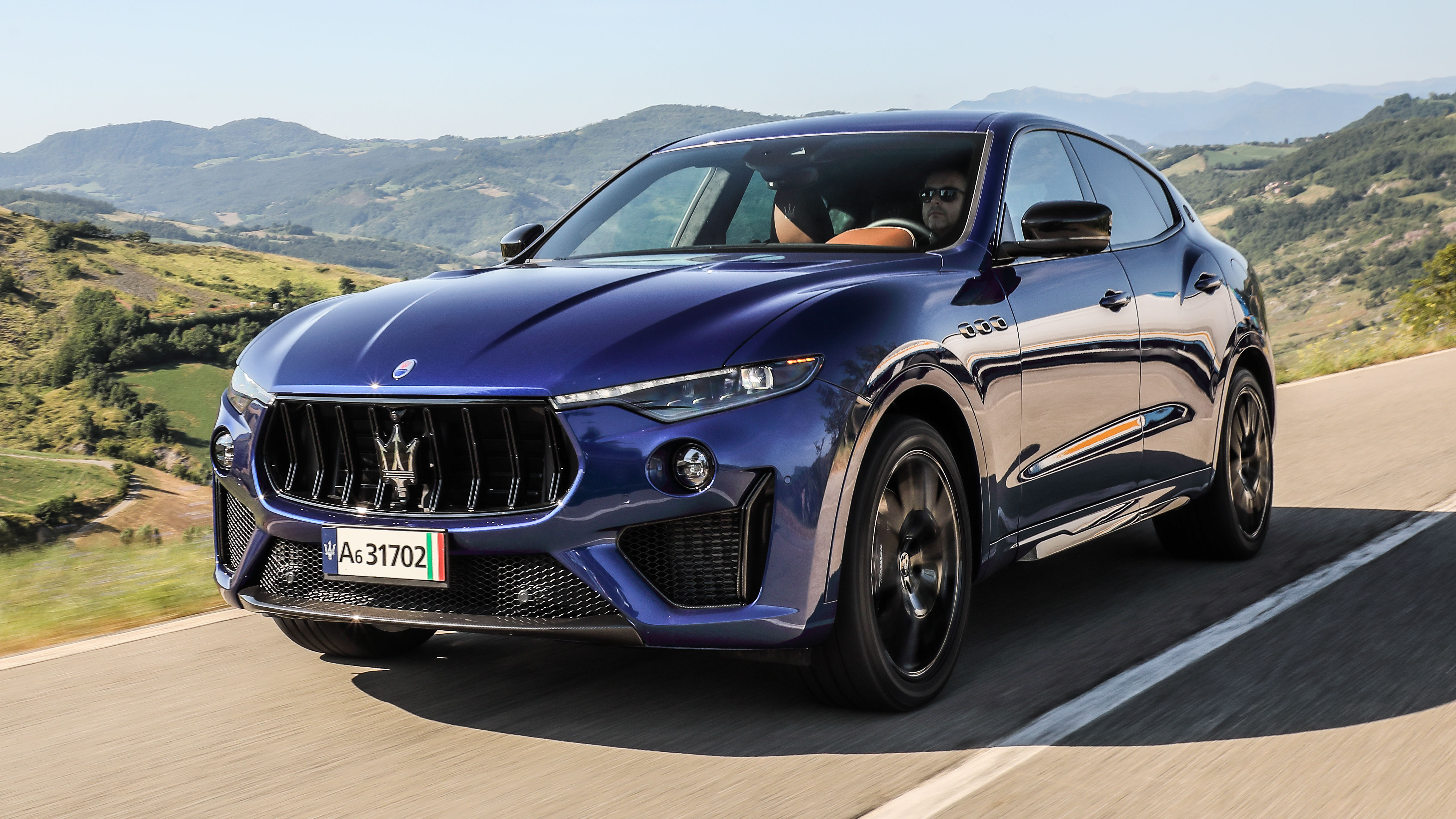
7. **Maserati Ghibli, Levante, and Quattroporte**For decades, the Maserati Ghibli, Levante, and Quattroporte models have been the luxurious and performance-focused pillars of the Maserati lineup, each representing distinct yet complementary offerings. The Ghibli and Quattroporte, elegant sedans known for their distinctive Italian styling, have provided a sophisticated driving experience. Meanwhile, the Levante SUV carved out a place in the luxury utility segment. All three have been celebrated for their powerful engines and an undeniable sense of prestige, making them mainstays for discerning customers globally.
The reasons for the strategic discontinuation of these iconic models are deeply rooted in Maserati’s comprehensive adaptation to the global shift towards electrification and the evolving demands of today’s luxury car market. Maserati recognizes the imperative to modernize its offerings and streamline its lineup, ensuring that its future vehicles are aligned with contemporary consumer preferences and environmental mandates. This decision reflects a decisive move to position the brand for long-term success in a rapidly changing industry.
As a crucial component of this forward-thinking brand strategy, the retirement of the Ghibli, Levante, and Quattroporte enables Maserati to profoundly reposition itself within the competitive luxury market. By phasing out these traditional combustion engine models, the company frees up substantial resources and bandwidth to focus entirely on developing and introducing cutting-edge technology, particularly in hybrid and electric vehicle powertrains. This strategic realignment is poised to redefine Maserati’s appeal, ushering in an era of sustainable luxury and high performance.
Looking ahead, Maserati is making substantial investments in its ambitious Folgore electric line. This innovative division is set to include a new generation of luxury sedans and SUVs, meticulously designed to draw inspiration from the rich legacy of its departing models while fully embracing electric propulsion. These upcoming Folgore vehicles are expected to carry forward Maserati’s signature blend of Italian flair, exhilarating performance, and opulent comfort, but within a fully electrified framework, promising a thrilling future for the storied brand.
Car Model Information: 2015 Maserati Ghibli S Q4
Name: Maserati Ghibli
Caption: 2018 Maserati Ghibli GranLusso
Manufacturer: Maserati
Assembly: Modena,Grugliasco,Turin
Class: Grand tourer,Executive car
BodyStyle: fastback,coupé,Roadster (automobile),Sedan (automobile)
Production: AM115: 1967–1973,AM336: 1992–1998,M157: 2013–2023
Categories: 1970s cars, 1990s cars, 2010s cars, Articles with short description, CS1 Italian-language sources (it)
Summary: Maserati Ghibli is the name of three different cars produced by Italian automobile manufacturer Maserati: the AM115, a V8 grand tourer from 1967 to 1973; the AM336, a V6 twin-turbocharged coupé from 1992 to 1998; and the M157, an executive saloon from 2013 to 2023.
Ghibli is the Libyan Arabic name for the hot dry south-westerly wind of the Libyan desert.
Get more information about: Maserati Ghibli
Buying a high-performing used car >>>
Brand: Maserati Model: Ghibli
Price: $16,498 Mileage: 74,452 mi.
Read more about: Who Crafts the Soul of the Trident? A Deep Dive into Maserati’s Engine Evolution Beyond Ferrari
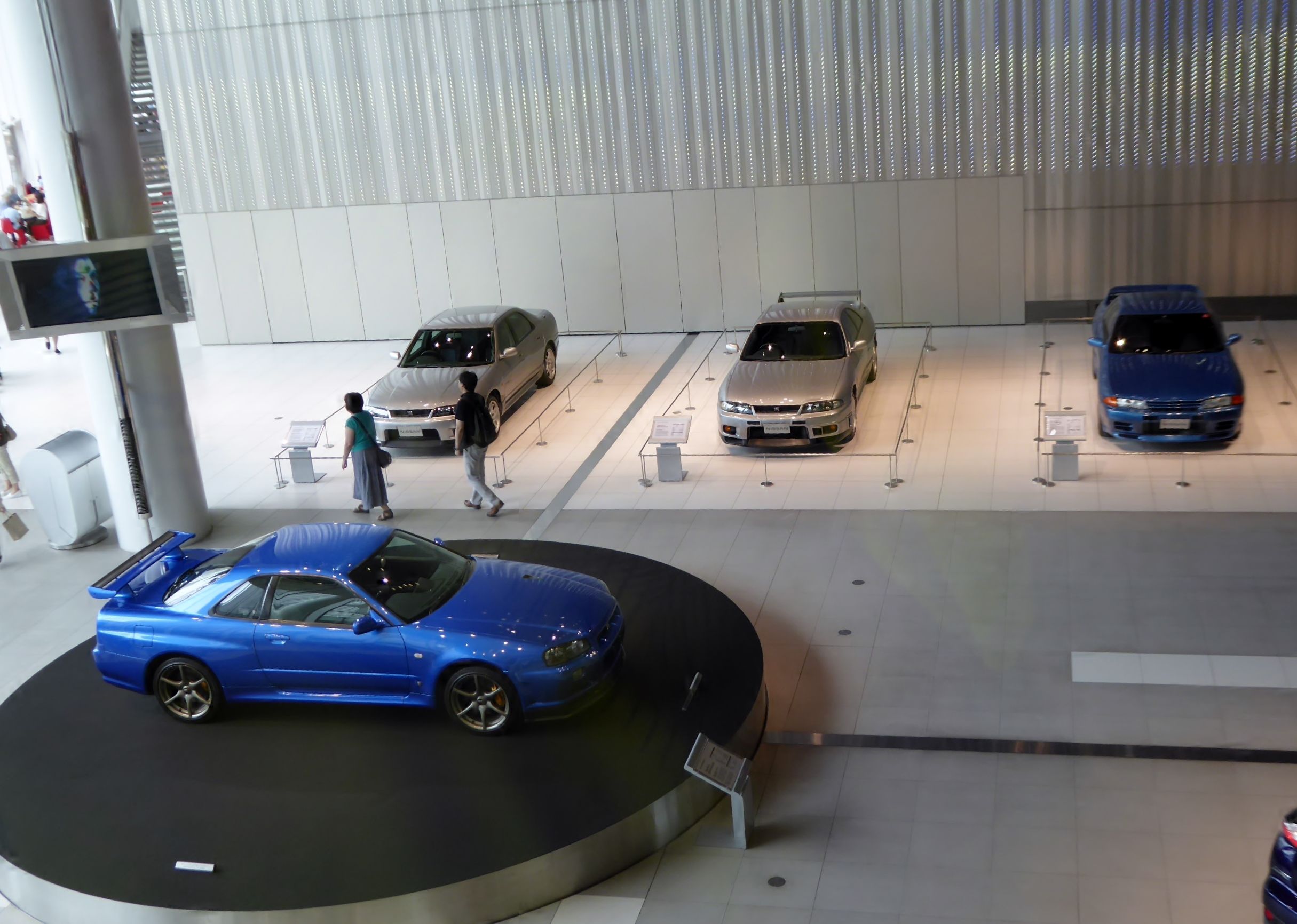
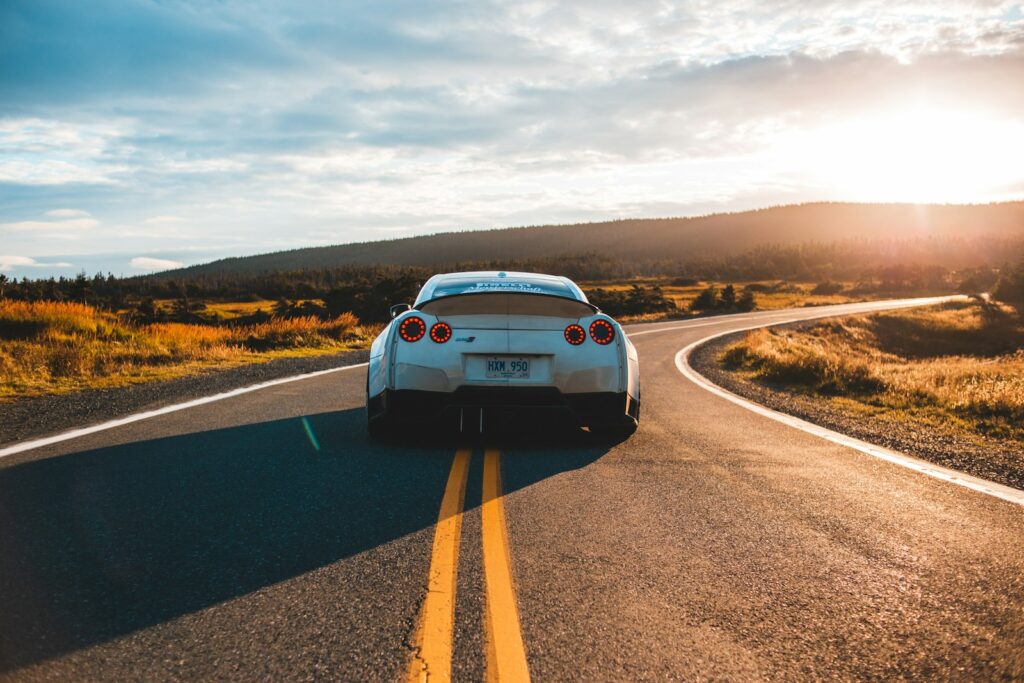
8. **Nissan GT-R**Affectionately dubbed “Godzilla” by its fervent fanbase, the Nissan GT-R is far more than just a car; it’s a legendary sports machine. Since its reintroduction, it has been universally renowned for its cutting-edge technology and blistering performance, consistently pushing the boundaries of what a production vehicle can achieve. The GT-R has served as a formidable flagship model, proudly showcasing Nissan’s exceptional engineering prowess and unwavering commitment to high-octane innovation.
However, even a titan like the GT-R is not immune to the pervasive shifts occurring within the automotive landscape. The demand for high-performance internal combustion engine sports cars has been noticeably waning, a direct consequence of the accelerating momentum of electrification across the industry. Furthermore, the GT-R faces increasing pressure from global regulatory challenges, with stricter emissions and safety standards making it progressively more difficult and costly to update the vehicle without substantial financial investment and significant re-engineering.
Nissan’s brand strategy is increasingly centering on the development of electric and hybrid performance vehicles, signaling a clear shift away from its traditional, petrol-powered sports car lineage. This strategic pivot reflects the company’s commitment to a sustainable and technologically advanced future. While this direction is critical for long-term viability, it creates undeniable challenges for iconic models like the GT-R, whose very essence is tied to its powerful internal combustion engine.
The impending discontinuation of the GT-R has elicited widespread mourning from fans globally, who recognize the profound loss of one of the most iconic performance cars in automotive history. Its absence will undoubtedly leave a noticeable void in Nissan’s performance lineup, a segment it has dominated for years. Yet, there is a glimmer of hope: Nissan has tantalizingly hinted at developing an electric successor to the GT-R, explicitly stating its intention to ensure that the “Godzilla” spirit not only endures but thrives vibrantly in the burgeoning electric vehicle era. This prospective new chapter promises to carry forward its legacy of innovation and raw power into a sustainable future.
Car Model Information: 2020 Nissan GT-R Premium Dual-clutch 6-Speed Transmission
Name: Nissan GT-R
Manufacturer: Nissan
ModelCode: R35
Production: December 2007 – August 2025
ModelYears: 2009–2024 (North America)
Assembly: Kaminokawa, Tochigi
Designer: unbulleted list
Class: Sports car
BodyStyle: 2+2 (car body style)
Layout: front-engine, four-wheel-drive layout
Platform: Nissan Premium Midship
Related: Nissan Juke-R
Engine: Nissan VR engine#VR38DETT,V6 engine
Powerout: unbulleted list
Abbr: on
Order: flip
Transmission: BorgWarner
Wheelbase: 2780 mm
Length: unbulleted list
Width: unbulleted list
Height: unbulleted list
Weight: unbulleted list
Predecessor: Nissan Skyline GT-R
Sp: uk
Categories: 2010s cars, 2020s cars, All-wheel-drive vehicles, All Wikipedia articles written in British English, Articles with hAudio microformats
Summary: The Nissan GT-R (Gran Turismo–Racing; model code: R35; Japanese: 日産・GT-R; Nissan GT-R) is a sports car, built by Japanese marque Nissan from 2007 to 2025. It has a 2+2 seating layout and is also considered a grand tourer. The engine is front-mid mounted and drives all four wheels. It succeeds the Nissan Skyline GT-R, a high-performance variant of the Nissan Skyline. Although this model was the sixth-generation to bear the GT-R name, it is no longer part of the Skyline line-up. The car was built on the PM platform, derived from the FM platform used in the Skyline and Nissan Z models. Production was conducted in a shared production line at Nissan’s Tochigi plant in Japan.
As per Nissan’s intention of creating a world beating sports car, the GT-R brand was revived as part of the Nissan Revival Plan. Overall development began in 2000, following seven years of development and testing, including the introduction of two concept models in 2001 and 2005. The production version of the GT-R was unveiled at the 2007 Tokyo Motor Show. The GT-R was a brand-new car built on the PM platform, and featured innovative concepts and technologies, such as advanced aerodynamics, the VR38DETT engine, an active suspension system and the ATTESA E-TS Pro all-wheel-drive system; it the first ever rear mounted independent transaxle all-wheel-drive vehicle. It was one of the first production cars to feature launch control and a dual-clutch transmission. The overall body was made out of steel, aluminium and carbon-fibre.
Unlike its predecessors, the GT-R was offered worldwide. It received various facelifts and updates comparable with the competition, and several special editions were offered during its prolonged production span. The car is used in motorsports, notably winning championships in the FIA GT1 World Championship, Super GT and in various GT3 racing series, including the GT World Challenge. It is well received among enthusiasts and automotive publications, British motor magazine Top Gear claimed it as “one of the most incredible cars of any kind ever built”, due its exceptional performance and practicality given at an affordable price. Being one of the fastest production cars—as it set the record for the fastest accelerating four-seater production car—it has won numerous notable accolades such as the World Performance Car of The Year among many others.
Sales in the Australian market were discontinued due to new side impact regulations. The European market, including the United Kingdom, were also suspended, with new noise regulations. Followed by the suspension of sales in North America, sales in Japan and other markets remained until August 2025, ending production of the GT-R after 18 years and nearly 48,000 units produced.
Get more information about: Nissan GT-R
Buying a high-performing used car >>>
Brand: Nissan Model: GT-R
Price: $144,995 Mileage: 11,932 mi.
Read more about: Get a Deal? 10 Cars That Sit on Dealership Lots Too Long
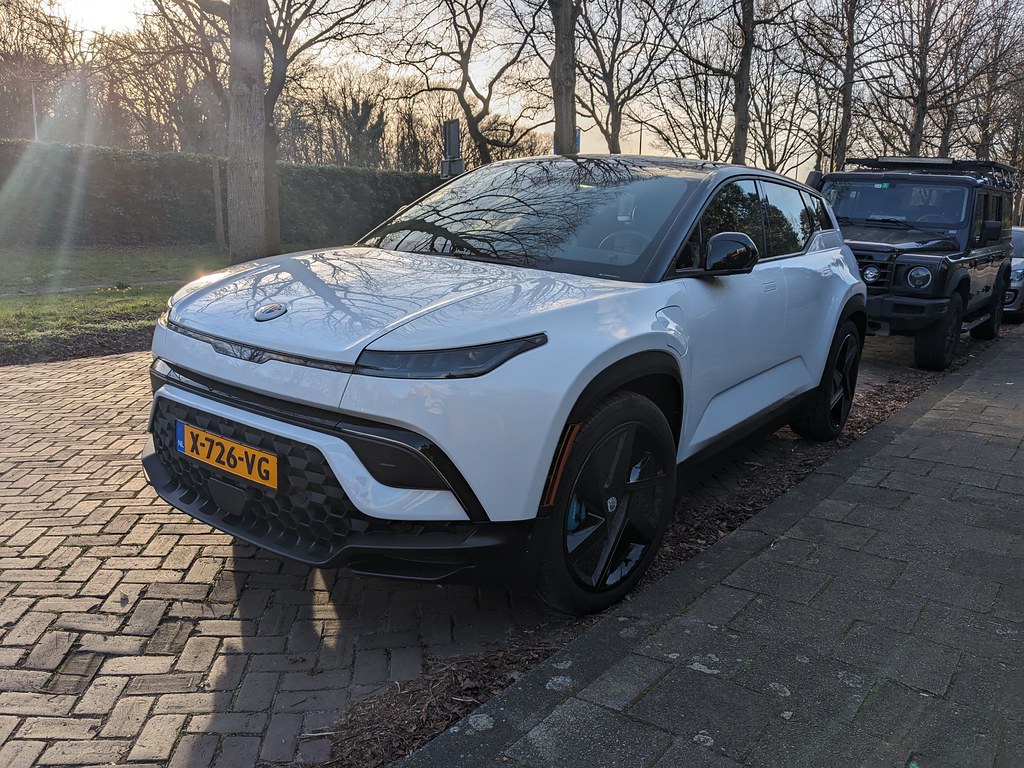
9. **Fisker Ocean**The Fisker Ocean was conceived as an ambitious electric SUV, promising a captivating blend of cutting-edge design and an array of sustainability features. It entered the rapidly expanding electric vehicle (EV) market with the clear intention of carving out a distinctive niche, positioning itself as a compelling alternative to established players. The Ocean aimed to deliver not just zero-emission driving, but also an eco-conscious ownership experience, aligning with the values of environmentally aware consumers.
Despite its innovative aspirations, the Fisker Ocean encountered significant headwinds in the market. The EV segment, while growing, is intensely competitive, with a multitude of established automakers and agile newcomers vying for market share. This fierce competition, coupled with various internal production challenges, ultimately hindered the Ocean’s ability to achieve widespread success. These obstacles proved formidable, impacting everything from manufacturing scale to delivery timelines.
In response to these substantial market and operational challenges, Fisker is likely undertaking a strategic redirection of its valuable resources. This involves focusing efforts on the development of new, more viable EV models and, crucially, addressing the scaling difficulties that plagued the Ocean’s production. Such strategic adjustments are common for newer automakers as they navigate the complexities of establishing themselves in a capital-intensive and rapidly evolving industry like electric vehicles.
The discontinuation of the Ocean underscores the inherent difficulties faced by smaller, independent automakers attempting to penetrate a market largely dominated by well-capitalized, established players. For enthusiasts and early adopters who were drawn to Fisker’s innovative approach and commitment to sustainability, the news of the Ocean’s retirement is undoubtedly a source of disappointment. However, Fisker remains committed to its core mission. The company plans to continue developing its electric vehicle lineup, with future models expected to place a strong emphasis on enhanced sustainability and broader affordability, hoping to learn from the Ocean’s journey and build a more resilient future.
### The Road Ahead: Navigating the Automotive Industry’s Transformation
The discontinuation of these car models, from iconic muscle cars to promising electric SUVs, is more than just a series of farewells; it serves as a powerful testament to the profound and accelerating transformation within the automotive industry. This pivot is fundamentally reshaping how consumers interact with vehicles and how manufacturers strategize for the future, signaling a clear trajectory towards innovation, sustainability, and technological advancement that will redefine the driving experience for everyone.
For consumers, these changes present a complex landscape. While loyalists to specific models may lament fewer choices in certain traditional segments, this shift also ushers in an era of compelling opportunities. The market frequently sees significant discounts on outgoing models as dealerships clear inventory, offering budget-conscious buyers a chance to acquire a piece of automotive history at an attractive price point. Moreover, the evolution of vehicle technology means that newer alternatives often come equipped with superior safety features, advanced infotainment systems, and improved fuel efficiency, compelling buyers to embrace progress.
The narrative around resale value and collector interest is also evolving. While some discontinued models might experience an initial dip in value, particularly those that struggled with sales or appeal, others are poised for a resurgence. Iconic vehicles, especially performance cars like the Nissan GT-R or Chevrolet Camaro, and luxury marques such as the Jaguar F-Type or Maserati Quattroporte, could very well become prized collectibles over time. Their discontinuation often imbues them with an air of exclusivity, making well-maintained examples increasingly desirable for dedicated enthusiasts and collectors who appreciate their unique place in automotive history.
This broad industry movement also subtly, yet powerfully, encourages a significant shift in consumer behavior. The departure of these familiar models gently nudges buyers to adapt to new trends, compelling them to explore the rapidly emerging technologies that are defining the next generation of vehicles. Whether it involves meticulously searching for a rare gem among the final production runs or boldly embracing the cutting-edge innovations that promise a different, more sustainable driving future, car buyers will undoubtedly be prompted to rethink and redefine their automotive preferences in the years ahead.
The future of the automotive industry is undeniably being steered by a global push towards electrification and hybrid solutions. Governments and regulatory bodies worldwide are imposing increasingly stricter emission standards, effectively compelling automakers to prioritize the development and adoption of electric vehicles (EVs) and advanced hybrids. This has led to massive investments in research and development aimed at enhancing EV battery efficiency, expanding charging infrastructure, and significantly extending driving ranges. Hybrid models, in this evolving landscape, are serving as a vital transitional phase, providing a crucial bridge for consumers who may still be hesitant about fully committing to an all-electric future.
Looking ahead, the market is ripe for transformative changes and exciting predictions. We can anticipate the rise of more affordable EVs, making electric mobility accessible to a much wider audience, with major players like Chevrolet actively working on entry-level options. Luxury and performance brands, including Maserati and Nissan, are expected to significantly expand their electric lineups, blending sustainability with high-end appeal. Beyond electrification, autonomous driving technology is set to become a cornerstone of future vehicles, and cars will seamlessly integrate with digital ecosystems, featuring AI-driven personal assistants and constant over-the-air updates. Expect sleeker, more aerodynamic designs, prioritizing efficiency, alongside interiors focused on spaciousness and sophisticated digital interfaces.
Car Model Information: 2023 Fisker Ocean Ultra
Name: Fisker Ocean
Manufacturer: Fisker Inc
Production: Cite web
Assembly: Graz
Designer: Henrik Fisker
Class: Mid-size crossover SUV
BodyStyle: SUV
Layout: unbulleted list
Transmission: 1-speed EVT
Motor: 349 kW
Battery: 113.00 kWh
Abbr: on
ElectricRange: unbulleted list
Wheelbase: 2921 mm
Disp: flip 22″ Wheel
Length: 4774 mm
Width: 1982 mm
Height: unbulleted list
Sp: us
Weight: cvt
Categories: All Wikipedia articles written in British English, Articles with short description, CS1 maint: bot: original URL status unknown, Cars discontinued in 2024, Cars introduced in 2021
Summary: The Fisker Ocean is a discontinued battery electric mid-size crossover SUV that was manufactured and marketed by Fisker, which filed for bankruptcy protection in June 2024. Released in 2023, the Ocean was intended to be the first of three models in a lineup of mass-market all-electric vehicles designed by Henrik Fisker.
Get more information about: Fisker Ocean
Buying a high-performing used car >>>
Brand: Fisker Model: Ocean
Price: $17,998 Mileage: 6,826 mi.
Read more about: The 15 Most Disappointing New Cars of 2025: Concrete Data Reveals Which Models to Skip
Ultimately, while bidding farewell to beloved models can stir feelings of nostalgia and even a touch of sadness, the road ahead for the automotive industry is undeniably filled with immense promise and groundbreaking innovation. This seismic shift towards electrification, sustainability, and advanced technology is not merely a change in product; it is a fundamental redefinition of the driving experience itself. The legacies of the discontinued models will continue to resonate, inspiring new designs and fostering an enduring passion for automotive excellence as we accelerate into an exciting, electrified future.