Alright, gearheads, welcome back! The Black Sheep is here, revving up for a topic so hotly debated it makes political discussions look like a calm Sunday drive. We’re talking about the age-old, tire-smoking, turbo-whining showdown: American Muscle versus the Import Tuner. For us auto enthusiasts who aren’t quite ready to fork out supercar cash, these are the two primary options for getting that adrenaline fix and true driving satisfaction. It’s a battle as old as, well, the late 1940s, and believe me, the opinions are as varied and loud as a custom exhaust note at full throttle.
Now, before you reach for your pitchforks, start typing angry comments, or defend your ride like it’s your firstborn, let me tell you, I’ve sat down with a bunch of passionate enthusiasts from both sides of the fence. We really hashed out this highly controversial topic in the car world. And here’s the absolute truth we landed on: neither is inherently “better” than the other. Both categories are absolutely great, offering their own distinct set of thrills and perks, and ultimately, the choice truly depends on your specific taste and what genuinely ignites your automotive soul. But the real question is, what do those import guys *really* think when they see you rumbling past, or struggling to hit that apex, in your iconic American V8 behemoth?
We’re not here to crown a king, folks, but rather to intimately explore the distinct philosophies, the engineering marvels, and the raw cultural power that separates these automotive titans. We’ll delve deep into the core differences, examining everything from how they’re physically constructed to how they brutally perform on the asphalt, and even how much they’re destined to lighten your wallet. So, buckle up tight, because we’re about to unpack some seriously fascinating insights that might just change the way you look at the other side of the garage, and maybe even your own.
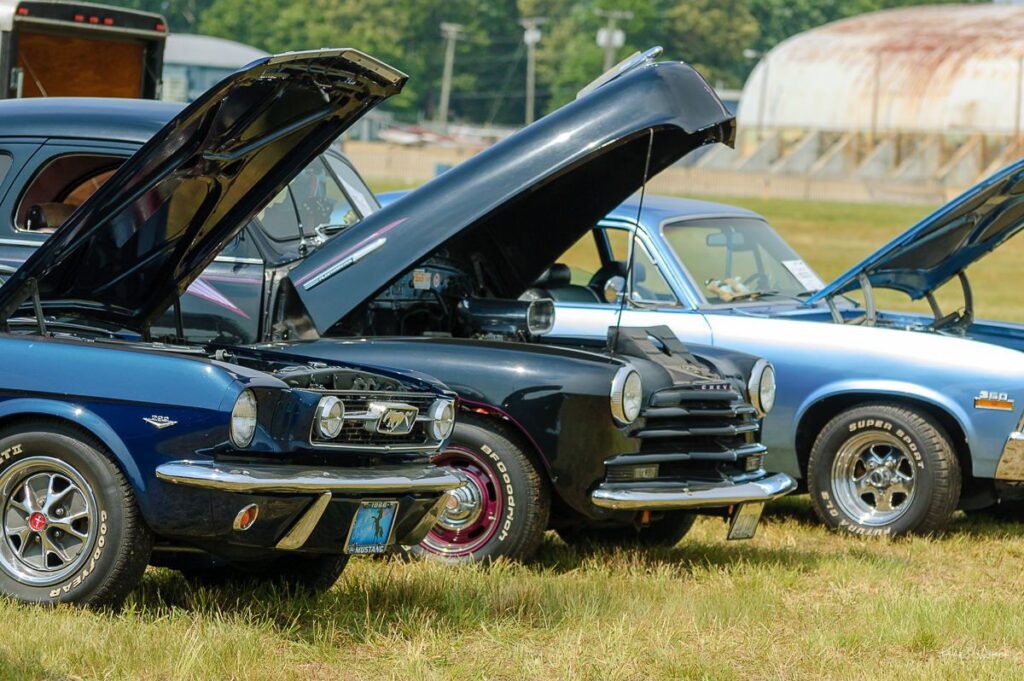
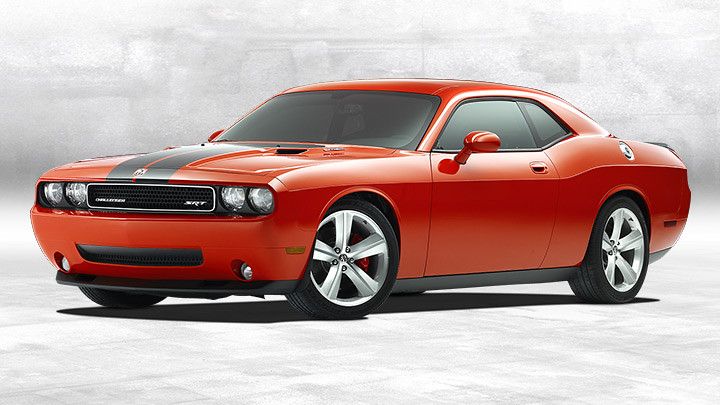
1. **The Core Identity: Muscle vs. Tuner Definitions**Let’s kick things off with the absolute basics, because understanding precisely what we’re even talking about is genuinely half the battle in any car debate. When we throw around the term “American Muscle Car,” we’re intrinsically referring to high-performance vehicles that, in their glorious inception, were typically larger iterations of 4-door sedans, becoming legends known for their truly powerful engines and the visceral engagement of a manual transmission. These magnificent beasts first roared onto the scene in the late 1940s and 1950s, ingeniously shoehorning powerful V8 engines into relatively light coupe bodies.
As the name, quite emphatically, suggests, the muscle car is a quintessential American invention. Its very DNA is forged by the vast, open highways and sweeping landscapes that are so characteristic of the U.S. This isn’t just some marketing slogan; it’s a fundamental design principle. It’s a genuinely rare sight for an auto manufacturer from a foreign country to even attempt to conceive or produce such a vehicle, unless their explicit mission is to specifically sell it within the American market, where its purpose is understood.
There’s often a swirling cloud of confusing ideas about the proper, definitive definition of a muscle car. But I’ll tell you, that elusive difference becomes absolutely crystal clear the instant you buckle up and get behind the wheel. They embody a spirit of unbridled, raw power and an almost defiant performance, with a heritage deeply rooted in the iconic 1960s and 1970s – a glorious era when automotive performance was truly synonymous with pure, brutal straight-line speed and an abundance of horsepower that would make lesser cars weep.
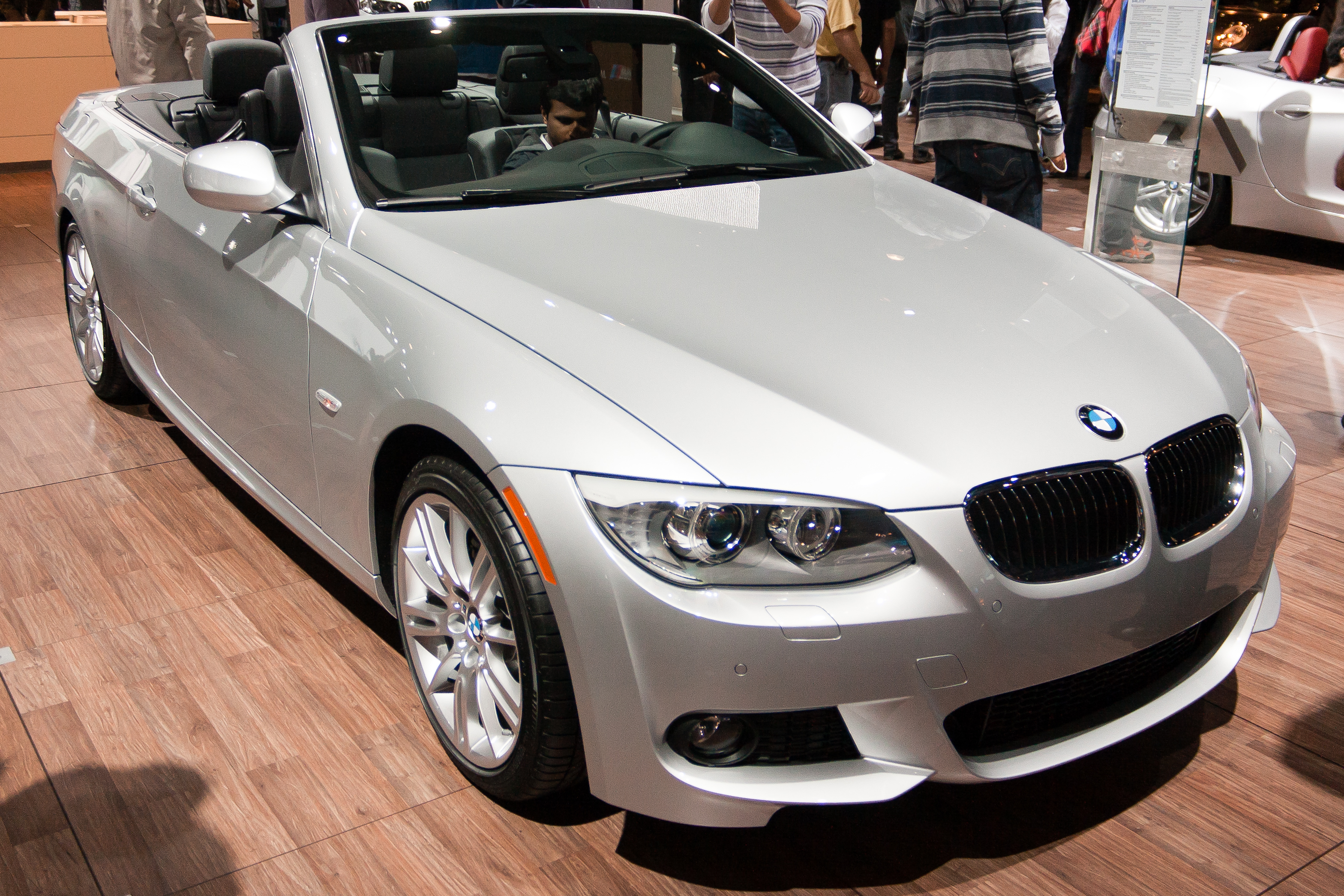
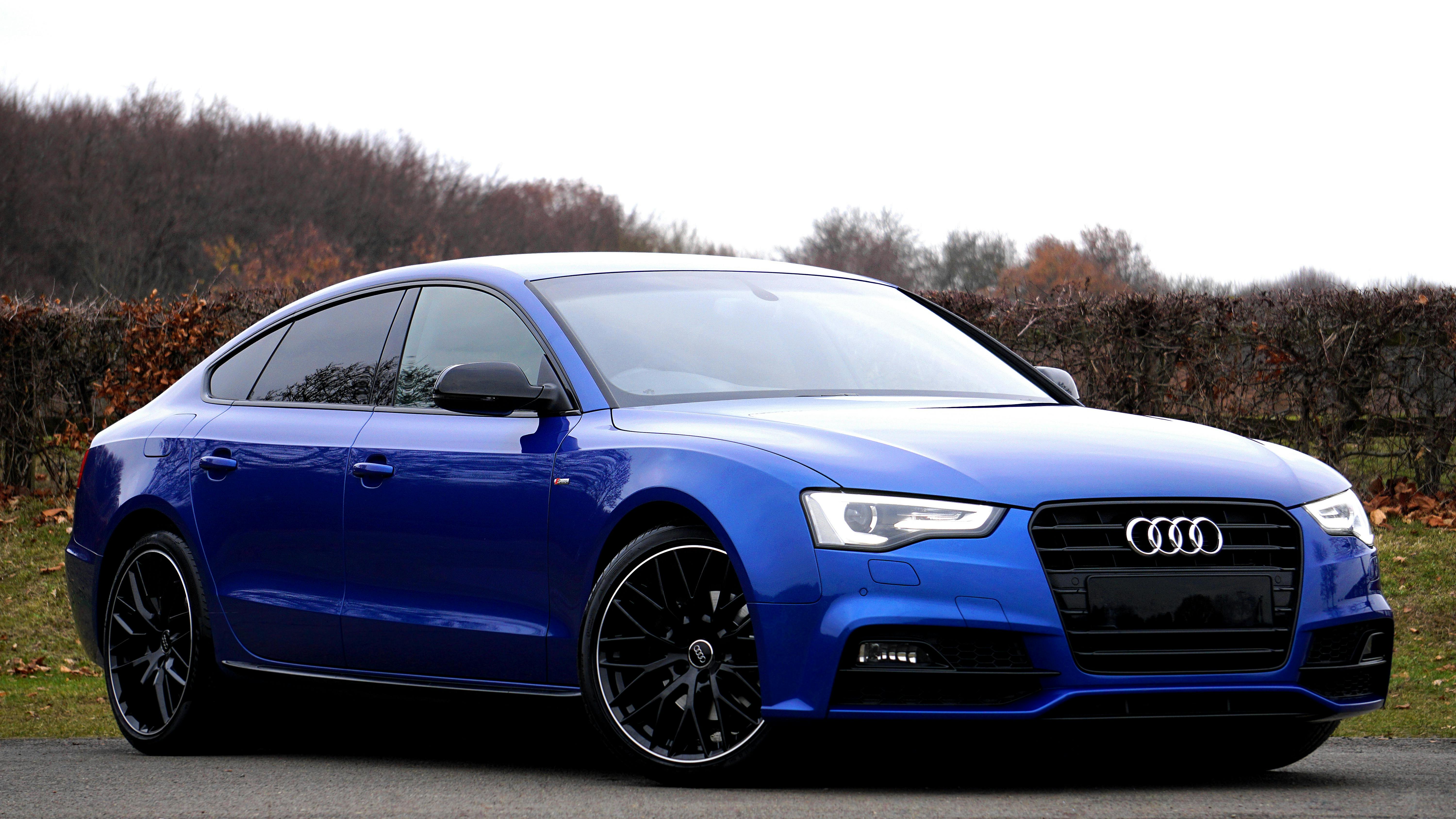
On the opposing side of this automotive spectrum, we encounter “Import Sports Cars,” also universally known simply as imports or, more affectionately, foreign tuners. These captivating sports machines are meticulously manufactured all around the globe, with the most popular and coveted examples generally hailing from the meticulous engineering hubs of Europe or the precision-focused factories of Japan. While enthusiasts could, and frequently do, spend countless hours debating the minutiae of features and aspects that truly constitute an import car, a few defining characteristics consistently stand out with undeniable clarity.
Imports are almost invariably lighter and notably smaller than their American muscle counterparts, typically offering a more compact and intimate cabin space. But please, do not for a single second let their comparatively diminutive size mislead you; these cars absolutely, unequivocally excel at handling, a trait that’s often prioritized above all else. The vibrant tuner culture itself has organically blossomed around the transformative idea of personalization, where performance enhancements aren’t solely about simply boosting raw power, but also meticulously improving handling, sharpening acceleration, and refining aesthetics through thoughtful modification and cutting-edge technological advancement.
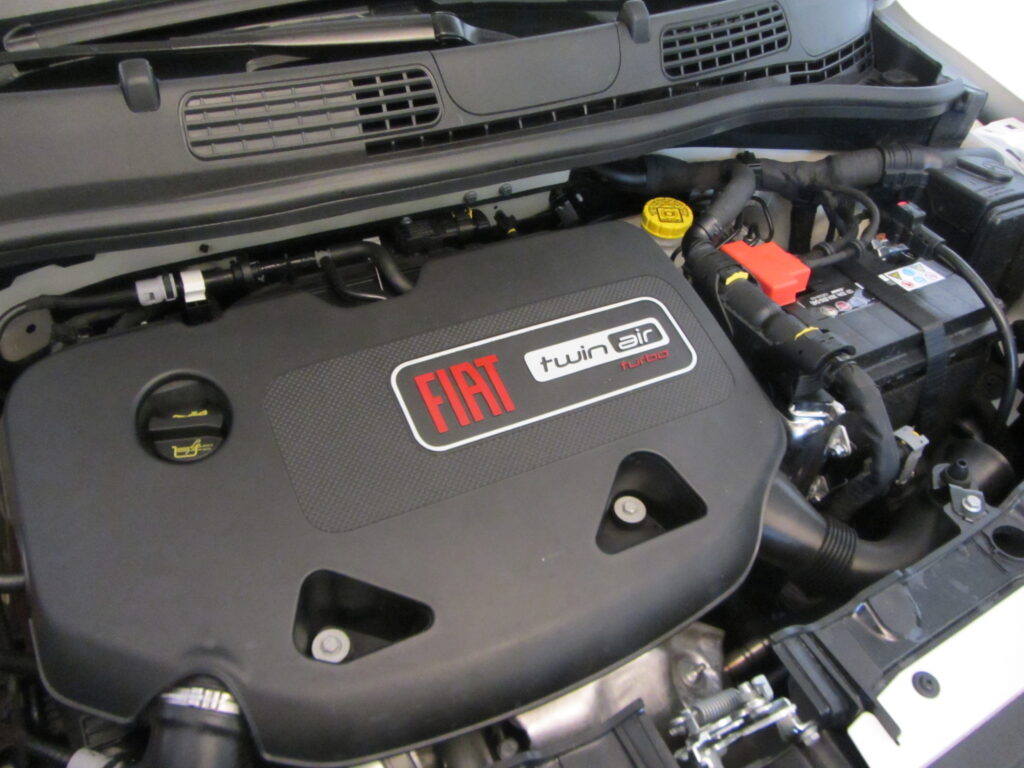
2. **Roaring Power vs. Precision Engineering: Engines and Torque**Now, let’s get right down to the throbbing, mechanical heart of any car: the engine. This, my friends, is precisely where American muscle and import cars embark on fundamentally divergent paths, because, frankly, they are meticulously engineered to accomplish utterly different objectives. American muscle cars, in their purest essence, are almost always about packing massive, powerful V8 engines, designed explicitly to deliver colossal amounts of torque. This incredibly high torque, which is predominantly focused on the rear wheels, is the foundational, primary reason why legions of enthusiasts gravitate towards muscle cars in the first place.
Now, let’s get right down to the throbbing, mechanical heart of any car: the engine. This, my friends, is precisely where American muscle and import cars embark on fundamentally divergent paths, because, frankly, they are meticulously engineered to accomplish utterly different objectives. American muscle cars, in their purest essence, are almost always about packing massive, powerful V8 engines, designed explicitly to deliver colossal amounts of torque. This incredibly high torque, which is predominantly focused on the rear wheels, is the foundational, primary reason why legions of enthusiasts gravitate towards muscle cars in the first place.
This singular focus on torque means they can accelerate with breathtaking rapidity in a straight line, making them the undisputed, crown-wearing kings of the drag strip. They aren’t just fast; they’re explosively quick off the line. As the wisdom goes, “purists will say that real muscle cars must be fitted with a V8 engine,” and frankly, that’s a sentiment I mostly agree with. For a truly complete package, a muscle car simply has to be equipped with a V8. It doesn’t necessarily have to be the absolute most powerful V8 ever conceived, but if it’s potent enough to shred some tires and propel the car forward with exhilarating speed, then it’s undeniably “more than worth it.”
This enduring tradition of large displacement V8s translates directly into generating significant horsepower and, crucially, monumental torque. Take, for example, the Chevrolet Camaro ZL1, a prime specimen equipped with a supercharged 6.2-liter V8, violently pushing out 650 horsepower. This utterly warrants its fierce reputation for devastating straight-line speed. These powertrains aren’t built with fuel efficiency as their guiding star; they are about raw, untamed, unadulterated power, pure and simple, delivered with a guttural roar.
Imports, on the other hand, feature an engine philosophy that is deliberately designed to be lighter and smaller. But for the love of all things automotive, do not, under any circumstances, mistake “smaller” for “weaker” or less capable. These engines are exquisitely engineered for fast rotations, which, in turn, grants them an impressive amount of horsepower, often achieving power outputs that can squarely rival American V8s, but doing so from fewer, more compact cylinders. Japanese and European manufacturers, in particular, have masterfully honed the art of extracting the absolute maximum power and efficiency from an engine block, even from 4 or 6-cylinder units, a testament to their precision.
What makes these engines so remarkably effective is their unwavering focus on efficiency through advanced technology, frequently incorporating sophisticated features like turbochargers or meticulously designed advanced exhaust systems to dramatically boost their performance. For instance, a Subaru WRX STI, especially one that has been extensively tuned, can exhibit an absolutely impressive power-to-weight ratio and truly superior handling dynamics that can, without a doubt, challenge and even humble many vehicles that might appear more powerful on paper. This isn’t merely about raw, brute force; it’s a celebration of intelligent, meticulously engineered performance, delivered with a refined, yet aggressive, mechanical symphony.
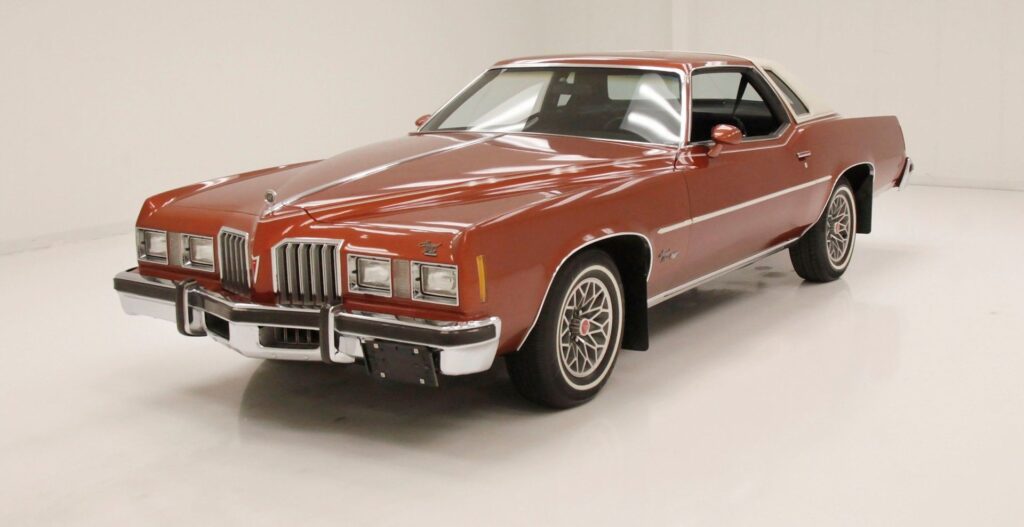
3. **The Aesthetics Game: Boxy Brutes vs. Aerodynamic Art**When it comes to the sheer visual impact, the aesthetic difference between American muscle cars and import cars is not just significant; it’s almost a philosophical divide, a clash of automotive cultures laid bare. Muscle cars unapologetically flaunt a design language that overtly exudes power, aggression, and an almost defiant presence. Envision those bold, undeniable body lines, the massive, imposing front grilles that seem capable of swallowing lesser vehicles whole, and inevitably, that long, commanding bonnet, proudly housing the beastly engine beneath. They are meticulously built to *look* powerful, characterized by sharp, deliberate angles and a distinctly box-like, resolute design.
This aggressive aesthetic emanates a quintessentially American bravado, a visual signature found in “none other than the 1970’s American Muscle Car.” Every element serves a purpose, both stylistic and functional. Features like the formidable wheels, often adorned with classic designs such as the iconic 15-inch Rallye wheels, further amplify their muscular prowess and ground-shaking presence. These “power factories on wheels” may certainly possess their individual quirks and idiosyncrasies, but their unmistakable, overtly aggressive design is beyond reproach. It has transcended mere automotive design, blossoming into a niche culture and an icon in its own right, emblazoned on everything from nostalgic kids’ bedroom wallpapers to the silver screens of blockbuster movies.
Import tuner cars, conversely, present a strikingly different visual narrative; they are frequently characterized as aerodynamic, futuristic, and gracefully sleek. Their sweeping, sloping curvatures imbue them with an almost ethereal sense of modernity and cutting-edge design. In many profound ways, a tuner car is not just a vehicle; it’s a living, breathing canvas for personal expression, heavily influenced by compact and lightweight designs that are inherently predisposed to extensive and creative customization. Aerodynamics, here, is far more than mere window dressing; it plays an absolutely critical, functional role. Modifications such as meticulously designed body kits and performance spoilers are explicitly engineered not just for looks, but to significantly improve downforce and handling prowess at screaming high speeds.
This distinctive styling is a direct reflection of a global culture deeply invested in customization and relentless technological advancements. In this world, performance enhancements extend far beyond simply boosting raw engine power. They encompass a holistic approach to automotive excellence, meticulously improving handling, refining acceleration, and elevating aesthetics through a nuanced blend of thoughtful modification and state-of-the-art technology. The initial design ethos of imports, predominantly from the engineering powerhouses of Europe or the innovative spirit of Japan, is firmly rooted in this philosophy, resulting in vehicles that not only perform with exceptional grace but also embody a modern, often futuristic, visual appeal that starkly differentiates them from their rugged American counterparts.
4. **Cornering Kings vs. Straight-Line Speed Demons: Handling Dynamics**Alright, folks, let’s get right down to the nitty-gritty of how these magnificent machines truly behave when the road isn’t just a perfectly monotonous, endless straight line. And honestly, this is where the import tuners typically step up to claim their well-deserved crown. American muscle cars, in their storied tradition, were meticulously built with an almost singular, laser-like focus: accelerating with brutal efficiency and terrifying speed on those long, sweeping, open straight highways that characteristically feature very few turns. While it’s absolutely true that modern muscle models have significantly upped their game in this department, the older, pre-2000 muscle cars are famously, and perhaps even infamously, known for their undeniably poor handling characteristics.
This reputation isn’t just some urban legend or casual hearsay; it’s a point of contention that “did not come from the US, but rather from Europe, where the terrain isn’t flat and has a lot of corners, as opposed to the near-infinite straights of the US.” You simply couldn’t, and honestly still can’t, extract much dynamic joy from an older muscle car on a track day if that particular track involves a generous helping of twists, turns, and tight apexes. Even today, while some contemporary muscle models certainly offer notably improved handling, they still “are nowhere near the superior handling that the import cars offer.” It’s an inherent, philosophical trade-off, a conscious sacrifice made at the altar of raw, straight-line dominance.
Import cars, however, emerge as the undisputed, clear winners in the supremely critical handling sector. They are meticulously engineered to be lightweight and are specifically designed from the ground up to perform with exceptional prowess around corners. Their inherently aerodynamic design isn’t just for show; it’s a crucial component that allows them to turn easily, maintaining an unwavering connection and keeping their wheels firmly grounded even through the most aggressive and demanding maneuvers. This unwavering focus on agility, precise control, and unparalleled cornering capability is profoundly influenced by the demanding worlds of circuit racing and the art of drifting, disciplines where a meticulous balance between lightness, rigidity, and responsive stiffness is absolutely paramount.
Indeed, “Nobody does this better than the Europeans, at least not in the present,” when it comes to this intricate dance of balance and performance. With an import sports car, you’re not just buying a vehicle; you’re essentially acquiring a track-ready machine right out of the showroom, one that is not only capable of achieving breathtaking speeds on the straights but, arguably, performing even faster and more dynamically through the challenging corners. It represents a driving philosophy that fundamentally prioritizes precise control, razor-sharp steering response, and dynamic responsiveness, collectively making them an unadulterated joy to pilot when the road finally decides to get beautifully, exhilaratingly twisty.
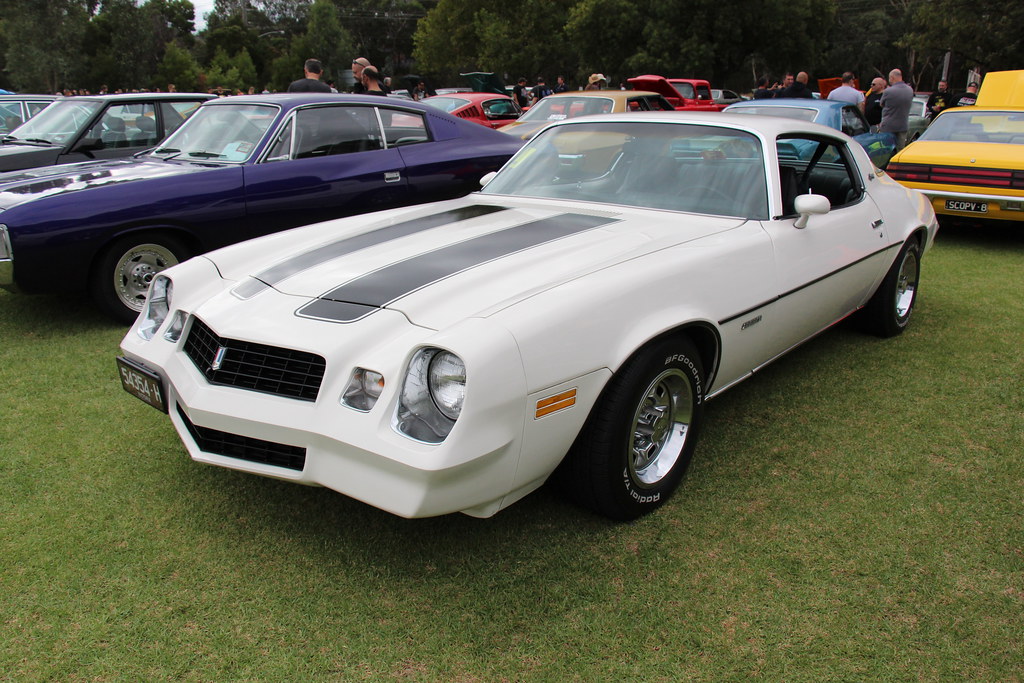
5. **The Price of Admission: Affordability vs. Exclusivity**Alright, let’s get down to the cold, hard brass tacks: what’s it truly going to cost you to get one of these magnificent beasts into your garage and officially call it your own? For American muscle cars, one of their often-underappreciated, yet undeniably massive strengths, is their remarkable relative affordability, especially when juxtaposed against the often-stratospheric price tags of many import sports cars. Some of the persistent criticism leveled at muscle cars frankly fails to acknowledge the compelling fact that these performance vehicles can be surprisingly accessible to a broader demographic of enthusiasts. A brand-new Chevrolet Camaro, for instance, in its entry-level trim, can start at a refreshingly reasonable $26,000 – a price point you might typically expect to find on a completely innocuous small family car.
While it’s absolutely true that this comparatively lower price point does, as is always the case in the automotive world, necessitate its own particular set of tradeoffs—such as the “Budget Construction” interior often noted as being rather minimalist—it remains an overwhelming positive for countless enthusiasts who crave that raw power experience without completely liquidating their savings. The lingering misconception that muscle cars were originally conceived as luxury sports cars largely stems from the absurdly high prices commanded by vintage models today. In their prime, however, they were, in reality, often “budget cars with great looks and a beast of an engine,” rather than opulent, high-end luxury machines. This inherent affordability throws open the doors for the visceral thrill of a powerful V8 to a significantly wider audience, which, in my enthusiastic opinion, is an absolutely massive “pro.”
Now, I’d suggest you firmly brace your wallets, because American imports generally reside on a distinctly different, far more expensive side of the financial spectrum. And no, when we talk about imports here, we’re not casually discussing your everyday, run-of-the-mill Audi A4s or BMW 3-Series sedans; we are unequivocally referring to their high-performance S4, M-Spec counterparts, and other purpose-built vehicles that are engineered from the very ground up with pure, unadulterated performance squarely in mind. As the context plainly states, “none of that comes for free – the cheapest import sports cars being at least $50,000 brand new, with a more realistic cost of $75,000, but there really is no upper limit” when you start delving into the truly exotic and highly customized examples.
Their undeniable “Exotic Appeal” and crucially, their “Limited Availability,” particularly within the vast American market, are significant factors that contribute directly to their higher initial purchase price and, quite often, their impressive ability to hold their resale value remarkably well, assuming they are meticulously maintained and kept in good condition. You are, in essence, not merely paying for a car; you are making a substantial investment into “great performance, luxury, and all the benefits that go with an American import,” a comprehensive package that inherently, and quite rightly, commands a considerable premium. So, while American muscle cars proudly offer a symphony of raw power often delivered on a surprisingly accessible budget, imports frequently represent a much more significant financial commitment into the rarefied world of high-spec engineering, cutting-edge technology, and an undeniable aura of exclusivity.
Car Model Information: 2018 Chevrolet Camaro 1LS
Name: Chevrolet Camaro
Manufacturer: Chevrolet
Production: 1966–2002,2009–2023
ModelYears: 1967–2002,2010–2024
Class: Pony car
BodyStyle: coupe,convertible
Platform: GM F platform,GM Zeta platform,GM Alpha platform
Layout: Front-engine, rear-wheel-drive layout
Categories: 1970s cars, 1980s cars, 1990s cars, 2+2 coupés, 2000s cars
Summary: The Chevrolet Camaro is a mid-size American automobile manufactured by Chevrolet, classified as a pony car. It first went on sale on September 29, 1966, for the 1967 model year and was designed to compete with the Ford Mustang. The Camaro shared its platform and major components with the Firebird, produced by General Motors’ Pontiac division that was also introduced for the 1967 model year.
Four distinct generations of the Camaro were developed before production ended in 2002. The nameplate was revived on a concept car that evolved into the fifth-generation Camaro; production started on March 16, 2009.
Production of the sixth generation of the Camaro ended in December 2023, for the 2024 model year.
Get more information about: Chevrolet Camaro
Buying a high-performing used car >>>
Brand: Chevrolet Model: Camaro
Price: $18,785 Mileage: 69,196 mi.

6. **Long-Term Relationships: Maintenance and Reliability**Owning a car, any car for that matter, is never just about the initial adrenaline rush of the purchase; it’s about committing to a long-term relationship. How much will this passion project consistently pinch your pocket for routine maintenance, and, perhaps more critically, how often will you find yourself utterly stranded on the side of the road, questioning all your life choices? Muscle cars, perhaps surprisingly to some who might only see their raw power, often boast a well-earned reputation for being quite reliable and, crucially, relatively cheap to maintain. Car manufacturers back in the golden era, and even somewhat today, frequently utilized many of the same tried-and-true parts on their muscle cars as they did on their standard production vehicles, which, despite potentially limiting some ultra-high-performance aspects, inherently ensured a robust degree of longevity and dependability.
This pervasive commonality of parts, coupled with a typically less complex engineering philosophy, genuinely makes them “quite cheap and easy to maintain.” It’s not uncommon at all to spot muscle cars being driven not merely as weekend joyride toys, but as legitimate, hardworking regular daily drivers, a living testament to their inherent robustness and surprising practicality. Modern muscle cars, adding another layer of confidence, also typically come standard with manufacturer warranties, offering prospective owners a predictable level of reliability and, perhaps more soothingly, transparent maintenance costs. Their fundamental simplicity, especially when contrasted with the intricate complexity often found in many imports, frequently contributes to them being more robust and enduring workhorses in the grand scheme of long-term ownership.
On the decidedly more intricate flip side, American imports, while undeniably offering intoxicating “High-Spec Engines” and a tantalizing array of “Luxury Features,” often arrive accompanied by a “High Maintenance Cost” that can make even the most dedicated and deep-pocketed enthusiast wince in financial agony. The initial challenge of simply acquiring one is often tough enough, but the ongoing saga of keeping it running perfectly can, for many, prove to be an even greater and more demanding challenge. “Parts availability is one problem,” a very real and frustrating hurdle for many, “but then you’ve got a limited number of mechanics that can install them,” often leading to exorbitantly priced dealership repairs, “especially if the car comes from Germany,” where specialized knowledge commands a premium.
Furthermore, the often-cited “Limited Durability” is a legitimate and often overlooked concern for many high-spec imports. While this isn’t a universal truth applicable to every single sports car, the general rule of thumb often dictates that the more high-spec and intensely engineered a car is, the fewer miles it can realistically accumulate before it begins to demand significant, often costly, attention and intervention. “Given the way they’re driven and the complexity of the powertrain,” these advanced imports typically shouldn’t be expected to comfortably exceed “100,000 to 150,000 miles at most” without requiring substantial and, you guessed it, expensive upkeep and component replacements. It’s an undeniable commitment to a truly premium performance experience, but one that unequivocally demands a commensurate premium in ongoing, meticulous care and financial outlay.
Alright, gearheads, if your ears aren’t already ringing from the theoretical rumble of V8s and the precise whine of turbos, then prepare yourselves, because we’re diving even deeper into the soul of these machines! We’ve dissected their core makeup, their beating mechanical hearts, their dazzling aesthetics, their dance moves on the asphalt, and even how they impact your hard-earned cash. But a car, my friends, is far more than just a spec sheet and a price tag; it’s an experience, a statement, and often, a canvas. Now, let’s peel back the layers and truly understand what makes these two automotive titans tick in the realm of raw sensation and cultural phenomenon, exploring what those import tuners might *really* be thinking when your muscle car thunders by.
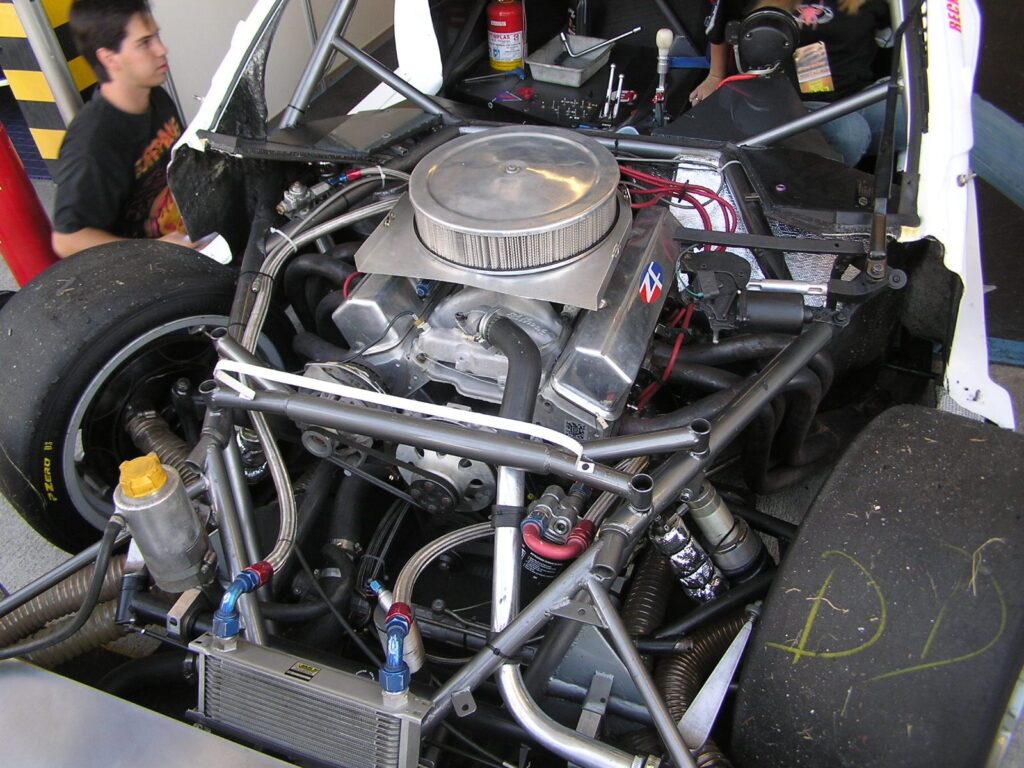
7. **The Symphony of Speed: Exhaust Notes**Let’s talk about the soundtrack to your drive, shall we? For American muscle cars, the exhaust note isn’t just a sound; it’s a declaration. There’s truly nothing quite like the guttural roar of a V8 engine, a deep, resonant rumble that vibrates through your chest and turns heads faster than a supercar sighting. It’s a primal, untamed symphony of raw power, a signature that transcends mere automotive appreciation and simply makes you feel alive.
This isn’t just about noise for noise’s sake; it’s an integral part of the muscle car identity. That distinctive V8 growl, especially when matched with the car’s undeniably aggressive design, creates “one hell of a head-turner.” It’s an auditory feast that even those who aren’t deeply immersed in car culture can appreciate, a sonic signature that instantly communicates brute force and unadulterated American bravado. It’s an experience, pure and simple, that connects driver and machine on a visceral level, transforming every acceleration into an event.
On the other side of the garage, import tuners offer a decidedly different, yet equally captivating, mechanical chorus. While they might not possess the thunderous bass of a large-displacement V8, their engines are often exquisitely engineered for “fast rotations,” creating a sharper, higher-pitched, and often more intricate exhaust note. These cars frequently boast advanced exhaust systems and turbochargers, which don’t just boost performance but also contribute to a distinct, often more refined yet aggressive, mechanical symphony.
The sound of an import tuner is less about brute force and more about precision and technological sophistication. It’s the sound of an engine working efficiently and powerfully, a testament to the art of extracting maximum performance from smaller, more compact cylinders. Whether it’s the distinctive rumble of a Subaru WRX STI or the high-revving wail of a finely tuned Honda, import exhaust notes are an intoxicating part of their appeal, telling a story of meticulous engineering and agile prowess.
Read more about: The Real Cost of Speed: 14 Sports Cars & What Financial Experts REALLY Think About Your Investment
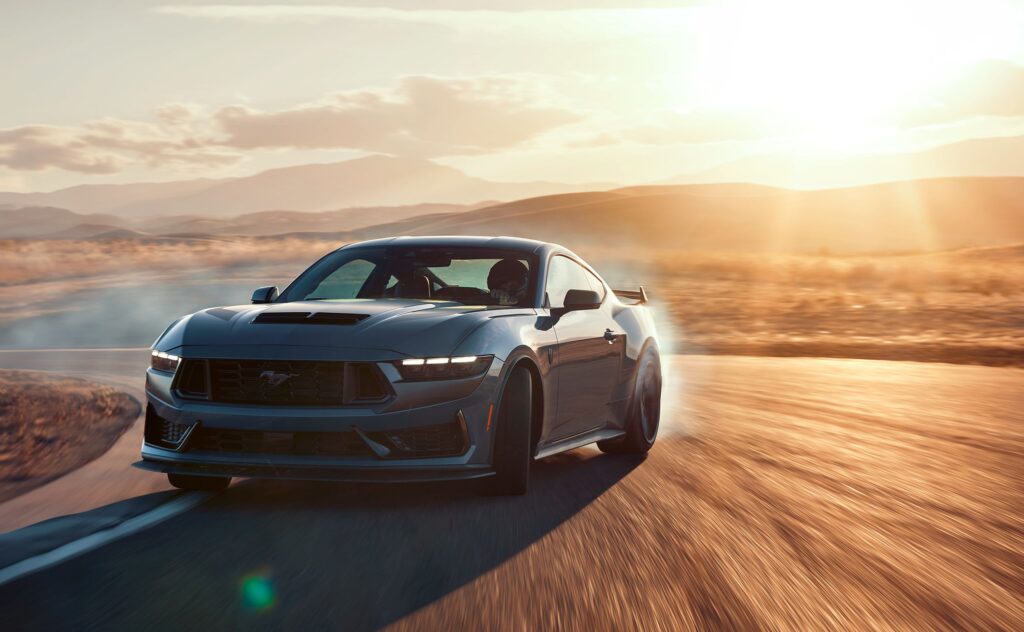
8. **The Thrill Factor: Overall Driving Experience**Now, let’s get personal with these machines – how do they *feel* when you’re behind the wheel, carving up the asphalt? The American muscle car driving experience is, in a word, visceral. It’s about raw, unbridled power delivered with a punch, making every straight stretch of road an opportunity for explosive acceleration and tire-shredding fun. You feel the torque, the immense power pushing you back into the seat, embodying that spirit of “unbridled, raw power and an almost defiant performance” that is deeply rooted in its heritage.
While modern muscle cars have indeed made significant strides in handling, the quintessential muscle car experience still leans heavily into that glorious, straight-line dominance. It’s a connection to the vast, open highways that defined its very inception, offering a thrilling, albeit sometimes less refined, journey. You’re not just driving; you’re commanding a beast, feeling every horsepower surge, and reveling in the sheer, unapologetic force it unleashes.
Conversely, the import tuner offers a driving experience that prioritizes precision, agility, and a profound connection to the road. These lightweight marvels are engineered from the ground up to be “track-ready,” excelling not just on the straights but “even faster and more dynamically through the challenging corners.” It’s an intricate dance of balance, razor-sharp steering, and immediate responsiveness that makes every twist and turn an exhilarating test of skill and machine.
This isn’t about raw brute force but about intelligent performance, where the meticulously engineered chassis and aerodynamic design work in harmony to deliver a symphony of control and feedback. As our conversations often reveal, “the differences between older cars are far more substantial,” but even with modern options, the import experience still fundamentally prioritizes that intimate, controlled engagement, making them an unadulterated joy to pilot when the road gets beautifully, exhilaratingly twisty.
While both categories have evolved, offering improved handling in muscle cars and incredible power in imports, the core philosophies persist. The ultimate thrill, as always, comes down to “personal preference” and what truly ignites *your* automotive soul. Whether you crave the raw, tire-burning might of a V8 or the surgical precision of a finely tuned chassis, both are designed to deliver that “adrenaline fix and true driving satisfaction.”
Read more about: Beyond the Hype: A Consumer’s Definitive Guide to Small SUVs, Value, and Smart Buying
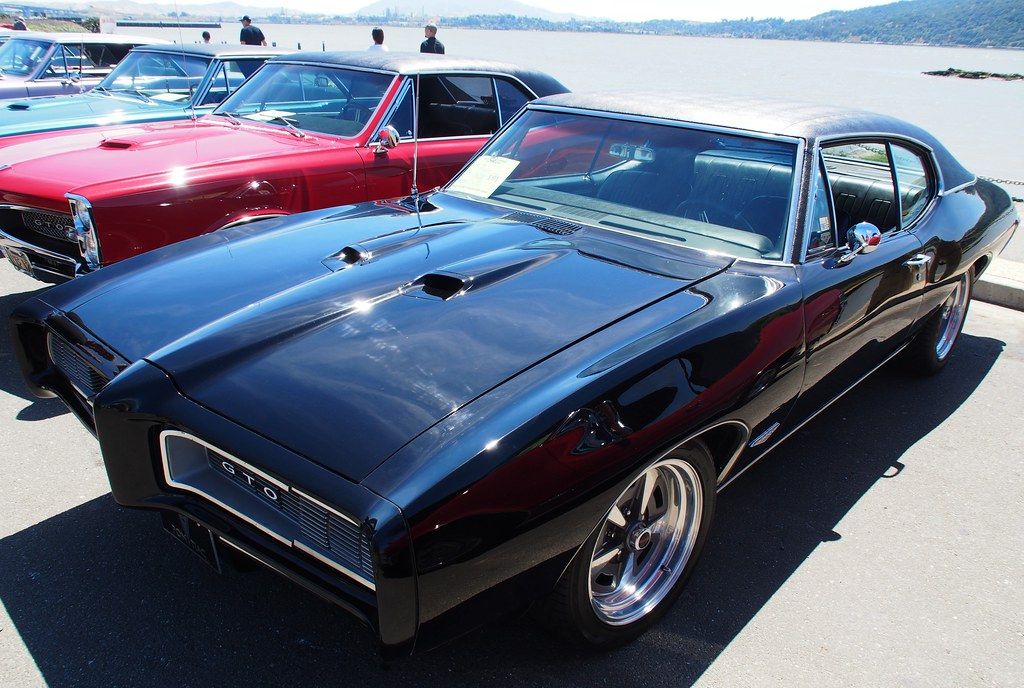
9. **Customization Nation: The Modification Culture**One of the most compelling aspects of both muscle cars and import tuners is the vibrant, almost obsessive, culture of modification that surrounds them. These aren’t just vehicles; they’re canvases, platforms for personal expression and performance pursuit. For muscle car enthusiasts, the customization often circles back to amplifying that inherent power and aggression. Think engine swaps, massive superchargers, upgraded brakes to rein in the beasts, and tweaks focused on optimizing “straight-line speed.”
The goal is to take what’s already powerful and make it undeniably, brutally *more* powerful, enhancing that V8 supremacy. It’s a culture rooted in enhancing the visceral, making the roar louder, the acceleration fiercer, and the presence even more commanding. Aesthetic modifications also play a role, ensuring these “power factories on wheels” look every bit as formidable as they perform, staying true to their “timeless design” and aggressive visual signature.
Import tuner culture, however, blossoms around the transformative idea of personalization, where performance enhancements aren’t solely about simply boosting raw power. It’s a holistic approach, meticulously improving handling, sharpening acceleration, and refining aesthetics through thoughtful modification and cutting-edge technological advancement. This encompasses a broader spectrum, from turbocharging and intricate suspension upgrades to vital weight reduction and aerodynamic enhancements like body kits and performance spoilers, explicitly engineered to “significantly improve downforce and handling prowess at screaming high speeds.”
What ties both of these modification cultures together are the robust aftermarket communities and the ingrained tradition of DIY and home tuning. Online forums buzz with shared knowledge, local meetup groups coordinate group purchases for those rare parts, and countless enthusiasts leverage detailed guides to undertake tasks like exhaust system installations or intricate ECU tuning themselves. This hands-on involvement isn’t just about saving money; it “enhances one’s understanding of their vehicle’s operation, fostering a deeper connection between driver and car.” It’s a testament to the passionate spirit that drives both worlds.

10. **Legends on Wheels: Iconic Models that Define an Era**Every great automotive narrative is built upon the legends that grace its pages, and both American muscle and import tuners boast an enviable roster of iconic models that have not only stood the test of time but have profoundly shaped car culture. These are the machines that inspire dreams, adorn bedroom walls, and ignite passionate debates at every car meet. They are “revered for their performance, distinct style, and cultural impact.”
For the American muscle car, the pantheon includes names that echo with history and horsepower. The **Ford Mustang**, especially the legendary 1967 Shelby GT500, is the quintessential American muscle car, celebrated for its “raw power and classic design” and its enduring V8 supremacy. Then there’s the **Chevrolet Camaro**, which burst onto the scene in 1966 as a “fierce competitor,” with models like the SS and Z/28 becoming synonymous with American performance. The **Dodge Challenger** continues its formidable presence, known for its “brawny engines and retro-modern style,” while the **Pontiac GTO** is often hailed as a true pioneer of the muscle car era, delivering potent performance that collectors covet. These are not just cars; they are symbols of American engineering and daring.
Turning our gaze to the global stage, notable tuner vehicles showcase a different kind of brilliance. The **Toyota Supra** boasts a storied reputation for being “highly customizable with a robust engine capable of significant performance upgrades.” The **Mazda RX-7** is renowned for its “unique rotary engine and sleek design,” making it a tuner favorite for its lightweight build and handling proficiency. Then there’s the **Nissan Skyline**, particularly the GT-R, with a rich legacy that “command[s] respect on both streets and tracks.”
The **Subaru Impreza WRX** is cherished for its “rally heritage, all-wheel-drive system, and turbocharged power,” carving out an indelible niche. And we can’t forget the **Honda Civic and S2000**, enduring tuner platforms due to their “reliable engineering and vast aftermarket support.” Even European excellence gets a nod with the **BMW 3 Series (E46)**, highlighted as a tuner-friendly vehicle admired for its “impeccable balance of luxury and performance potential.” Each of these models, in their own right, represents a pinnacle of their respective philosophies.
Read more about: The Horsepower Haze: Performance Vehicles Assessed on Actual Output – From Dyno Kings to Paper Tigers
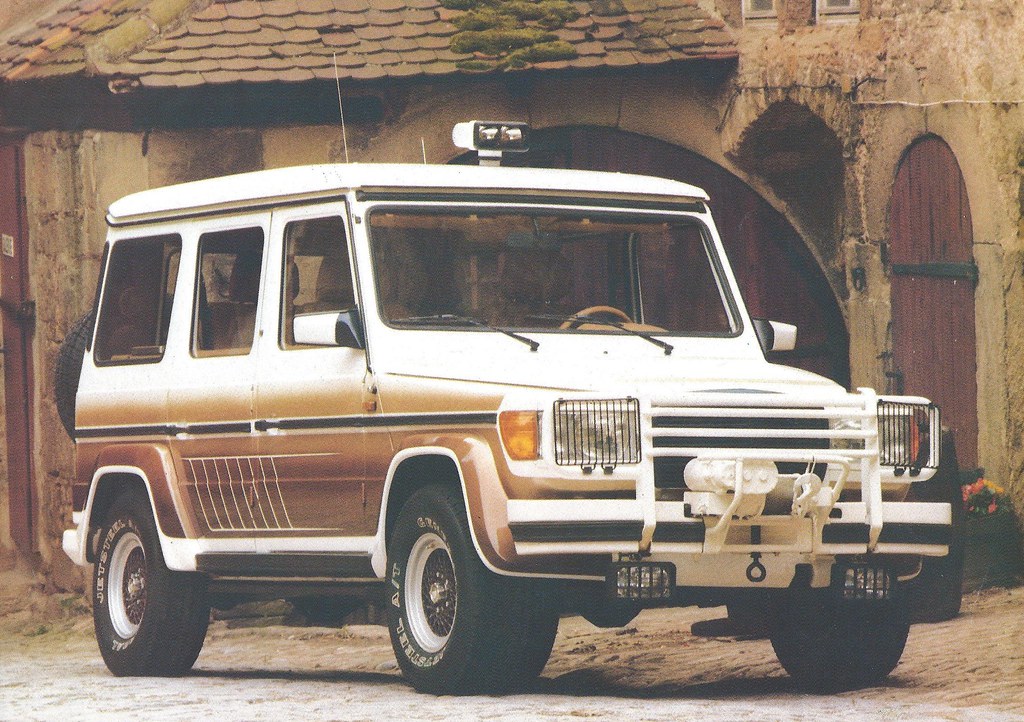
11. **Beyond the Asphalt: Cultural Impact and Future Trends**The influence of muscle cars and tuners extends far beyond the confines of racetracks and open roads; they’ve profoundly permeated popular culture, leaving an indelible mark on everything from cinema to gaming and shaping the very trajectory of automotive design. Muscle cars, with their inherent symbolism of “rebellion and performance,” have long been icons in American cinema. Films often feature the “roar of a V8 engine” accompanying protagonists, solidifying the Ford Mustang, Chevrolet Camaro, and Dodge Charger as “staples” and “symbols of a bygone era making a modern comeback on-screen.”
Meanwhile, tuners have absolutely exploded in the digital realm, becoming immensely popular in video games. Franchises like “Need for Speed” have made “customization and performance tuning… core gameplay elements,” allowing players to virtually experience the thrill of enhancing compact cars. This virtual engagement has, in turn, deeply “influenced the car culture off-screen,” showcasing the powerful, mutual impact between entertainment and the tuner scene.
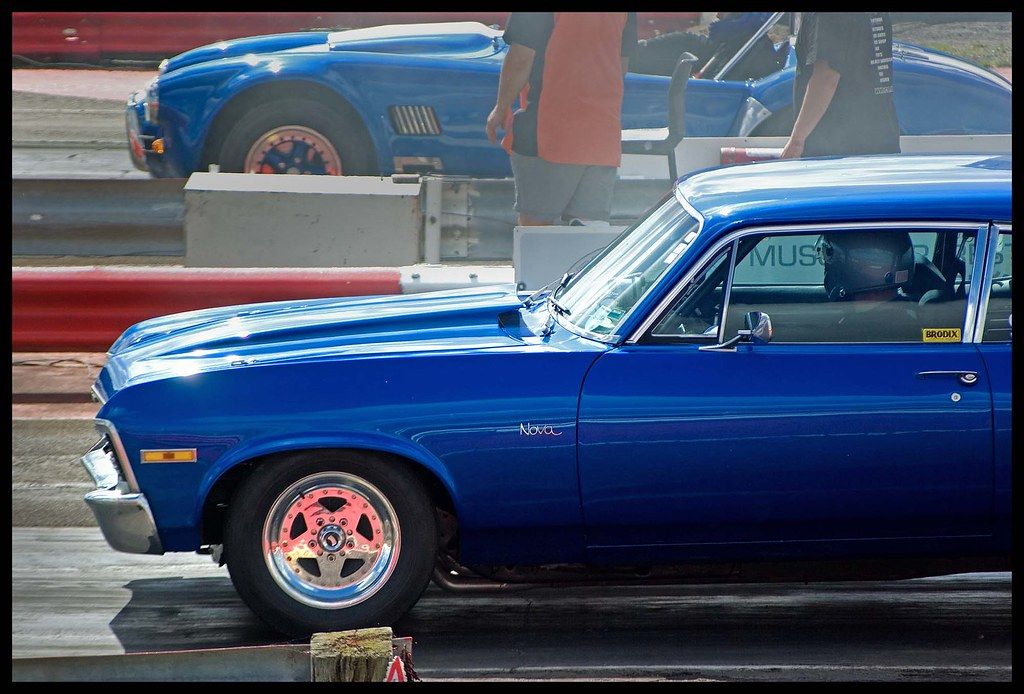
In motorsports, their distinct philosophies play out on different stages. Drag racing is intrinsically “synonymous with the spectacle of muscle cars,” with their powerful, large-displacement engines built to dominate the quarter-mile. Tuners, conversely, have been instrumental in popularizing drifting, a technique demanding “precision and agility over sheer power,” fostering a discipline where vehicles are designed for lateral control and stability.
Looking ahead, both segments are navigating a rapidly evolving automotive landscape. We’ve seen the “evolution into mainstream,” with even iconic models like the Chevrolet Camaro ceasing production, signaling shifting consumer preferences. The “electrification of the automotive industry is undeniable,” with concepts like the Dodge Daytona SRT demonstrating muscle’s embrace of electric power, while tuners are already harnessing “electric motors to elevate performance.” Globalization has further “melded the distinction” – think the Toyota Supra with its BMW-sourced engine – creating vehicles that resonate globally. Finally, “environmental considerations” are shaping future designs, demanding a balance between thrilling performance and reduced emissions, ensuring these beloved machines continue to thrill in a more sustainable future.
Car Model Information: 2008 Ford Mustang GT Premium
Name: Ford Mustang
Caption: 2018 Ford Mustang GT 5.0
Aka: Ford T5 (Germany)
Manufacturer: Ford Motor Company
Production: March 1964 – present
ModelYears: 1965–present
Class: Unbulleted list
BodyStyle: Unbulleted list
Layout: Front-engine, rear-wheel-drive layout
Categories: 1970s cars, 1980s cars, 1990s cars, 2+2 coupés, 2000s cars
Summary: The Ford Mustang is an American automobile manufactured and marketed by Ford since 1964, as Ford’s longest nameplate in continuous production. Currently in its seventh generation, it is the fifth-best selling Ford car nameplate. The namesake of the “pony car” automobile segment, the Mustang was developed as a highly styled line of sporty coupes and convertibles derived from existing model lines, initially distinguished by its pronounced “long hood, short deck” proportions.
Originally predicted to sell 100,000 vehicles yearly, the 1965 Mustang became the most successful vehicle launch since the 1927 Model A. Introduced on April 17, 1964 (16 days after the Plymouth Barracuda), over 400,000 units were sold in its first year; the one-millionth Mustang was sold within two years of its launch. In August 2018, Ford produced the 10-millionth Mustang; matching the first 1965 Mustang, the vehicle was a 2019 Wimbledon White convertible with a V8 engine.
The success of the Mustang launch led to multiple competitors from other American manufacturers, including the Chevrolet Camaro and Pontiac Firebird (1967), AMC Javelin (1968), and Dodge Challenger (1970). It also competed with the Plymouth Barracuda, which was launched around the same time. The Mustang also had an effect on designs of coupes worldwide, leading to the marketing of the Toyota Celica and Ford Capri in the United States (the latter, by Lincoln-Mercury). The Mercury Cougar was launched in 1967 as a unique-bodied higher-trim alternative to the Mustang; during the 1970s, it included more features and was marketed as a personal luxury car.
From 1965 until 2004, the Mustang shared chassis commonality with other Ford model lines, staying rear-wheel-drive throughout its production. From 1965 to 1973, the Mustang was derived from the 1960 Ford Falcon compact. From 1974 until 1978, the Mustang (denoted Mustang II) was a longer-wheelbase version of the Ford Pinto. From 1979 until 2004, the Mustang shared its Fox platform chassis with 14 other Ford vehicles (becoming the final one to use the Fox architecture). Since 2005, Ford has produced two generations of the Mustang, each using a distinct platform unique to the model line.
Through its production, multiple nameplates have been associated with the Ford Mustang series, including GT, Mach 1, Boss 302/429, Cobra (separate from Shelby Cobra), and Bullitt, along with “5.0” fender badging (denoting 4.9 L OHV or 5.0 L DOHC V8 engines).
Get more information about: Ford Mustang
Buying a high-performing used car >>>
Brand: Ford Model: Mustang
Price: $16,785 Mileage: 81,832 mi.
Read more about: You Won’t Believe How These 9 Golden Age Actresses Fell Off Hollywood’s Radar!
So, there you have it, folks. From the moment you hear that unmistakable rumble or that precise whine, to the thrill of a perfect corner or a blistering straight, and from the deep-rooted cultures of modification to their enduring presence in popular media, American muscle cars and import tuners are more than just metal, rubber, and gasoline. They are expressions of engineering prowess, cultural identity, and an unyielding passion for driving. Whether you’re leaning into the raw, unapologetic power of a classic American V8 or embracing the agile, technologically advanced spirit of an import, one thing is abundantly clear: the automotive world is richer, louder, and infinitely more exciting because of this magnificent, ongoing rivalry. And that, my friends, is something we can all agree on, no matter which side of the garage you park your dreams.