Ever wonder what the brilliant minds behind your favorite boxy SUV are really thinking when you drive it off the lot? Well, buckle up, because we’re about to peel back the layers and reveal some of those unspoken insights! It’s not just about getting from A to B anymore; every design choice, every added feature, and every robust curve on your ride has a story, and often, a silent message about *you*, the driver.
The world of automobiles is incredibly complex, filled with fascinating innovations and surprising trends. From the very first steam-powered road vehicles in the late 1700s to today’s electric marvels, cars have evolved to meet, and often shape, our needs and desires. And when it comes to SUVs, especially those boxy, commanding ones, there’s a whole psychological playbook at work that designers are intimately familiar with. They’re not just drawing lines; they’re understanding aspirations, navigating market demands, and, yes, perhaps even subtly judging your lifestyle choices.
So, get ready to dive deep into the unspoken truths and secret designer thoughts behind your decision to pilot one of these imposing vehicles. We’ve dug through the gears and chassis of car design philosophy, straight from the context of how cars are made and used, to bring you the first half of what those creative geniuses are *really* observing about drivers like you. Prepare for some playful revelations – it’s all in good fun, of course!
1. **You Love That Commanding View (and Bulk!):**Let’s be real: when you choose a boxy SUV, part of the appeal is undoubtedly the sheer presence it commands on the road. Car designers know this deep down. They understand that drivers often seek a feeling of being elevated and substantial, and a vehicle like the Chevrolet Suburban extended-length SUV, which weighs a hefty 3,300 kilograms (7,200 lb) gross weight, delivers exactly that. It’s not just about the space inside; it’s about the feeling of occupying more space outside, too.
This preference for larger vehicles isn’t just a fleeting trend; it’s a significant shift in automotive tastes. Cars, in general, have seen an increase in weight over the late 20th and early 21st century. This is due to things like batteries in newer models, modern steel safety cages, anti-lock brakes, airbags, and even more-powerful, yet more efficient, engines. It all adds up to a vehicle that feels robust and unyielding.
Designers also observe that cars have become wider, further emphasizing that sense of dominance and interior roominess. When they craft those broad shoulders and imposing grilles, they’re tapping into a subconscious desire for a substantial, confidence-inspiring ride. They know that you appreciate the visual impact and the tangible feeling of driving something mighty. It’s a design language that speaks volumes without a single word.
Car Model Information: 2020 Chevrolet Suburban LT
Name: Chevrolet Suburban,GMC Yukon XL
Caption: 2015 Chevrolet Suburban 1500 LTZ
Manufacturer: General Motors
Aka: Chevrolet Veraneio (Brazil, 1964–1995),GMC Carryall (1960–1972),GMC Suburban (1937–1999),GMC Yukon XL (from 2000),Holden Suburban (Australia/New Zealand, 1998–2001)
Production: 1934–present
Class: Full-size,station wagon
Layout: Front-engine, rear-wheel-drive layout,rear-wheel drive
Related: ubl
Categories: 1940s cars, 1950s cars, 1960s cars, 1970s cars, 1980s cars
Summary: The Chevrolet Suburban is a series of SUVs built by Chevrolet. The longest-produced automobile nameplate in the world, the Suburban has been made since 1934, and is currently in its twelfth generation (2021–present). Beginning life as one of the first metal-bodied station wagons, the Suburban is the progenitor of the modern full-size sport utility vehicle, combining a wagon-style body with the chassis and powertrain of a pickup truck. Alongside its Advance Design, Task Force, and C/K predecessors, the Chevrolet Silverado currently shares chassis and mechanical commonality with the Suburban and other trucks.
Traditionally one of the most profitable vehicles sold by General Motors, the Suburban has been marketed through both Chevrolet and GMC for nearly its entire production. Along sharing the Suburban name with Chevrolet, GMC has used several nameplates for the model line; since 2000, the division has marketed it as the GMC Yukon XL, while since 2003 Cadillac has marketed the Suburban as the Cadillac Escalade ESV. During the 1990s, GM Australia marketed right-hand drive Suburbans under the Holden brand.
The Suburban is sold in the United States, Canada, Mexico, Central America, Chile, Dominican Republic, Bolivia, Peru, Philippines, and the Middle East (except Israel), while the Yukon XL is sold only in North America (exclusive to the United States, Canada, and Mexico) and the Middle East territories (except Israel).
A 2018 iSeeCars.com study identified the Chevrolet Suburban as the car that is driven the most each year. A 2019 iSeeCars.com study named the Chevrolet Suburban the second-ranked longest-lasting vehicle. In December 2019, the Hollywood Chamber of Commerce unveiled a Hollywood Walk of Fame star for the Suburban, noting that the Suburban had been in “1,750 films and TV shows since 1952.”
Get more information about: Chevrolet Suburban
Buying a high-performing used car >>>
Brand: Chevrolet Model: Suburban
Price: $23,957 Mileage: 135,405 mi.
2. **You’re Prioritizing Your Personal Safety (Maybe Too Much?):**It’s an undeniable fact presented by the engineers and safety experts: heavier cars are inherently safer for *the driver* from a crash perspective. This is a key design consideration. When you opt for a larger, boxier SUV, designers recognize that you’re likely making a conscious or subconscious choice to prioritize your own protection and the safety of your passengers. The robust structure and greater mass provide a sense of security in the event of an impact.
However, here’s where the secret designer thought gets a little nuanced. While a heavier car offers significant protective benefits to its occupants, the context also points out that these same vehicles can be “more dangerous for other vehicles and road users.” This creates a design conundrum, a balancing act between protecting those inside and impacting those outside. Designers are keenly aware of this trade-off.
So, while they appreciate your desire for safety, they also ponder the broader implications. They know that standard tests for safety in new cars, like the Euro and US NCAP tests, and insurance-industry-backed tests by the Insurance Institute for Highway Safety (IIHS), “not all such tests consider the safety of people outside the car, such as drivers of other cars, pedestrians and cyclists.” Your choice of a larger vehicle signals a priority, and designers are constantly grappling with how to mitigate the external effects of increased vehicle size and weight.
3. **You’re Not *Really* Thinking About Fuel Bills (Or Emissions):**Let’s face it, the fuel economy of a large, boxy SUV isn’t usually its strongest selling point. Car designers know that while efficiency is a buzzword, the immediate satisfaction of power and presence often trumps the long-term cost savings for many drivers. The weight of a car directly influences its fuel consumption and performance, with more weight inevitably resulting in increased fuel consumption and decreased performance. When you choose a heavier SUV, designers understand that you’re often accepting this compromise.
Furthermore, designers are acutely aware of the larger environmental picture. They see that “a growing demand for large SUVs is driving up emissions from cars.” This trend means that, despite advancements in engine efficiency, the overall shift towards larger vehicles is offsetting some of the potential benefits for the planet. Your choice, while individual, contributes to this significant aggregate effect.
So, what’s the secret thought here? Designers might internally sigh a little, knowing that their efforts to make engines more efficient are being challenged by the market’s pull towards bigger, thirstier machines. They understand that for many drivers, the immediate benefits of space, comfort, and a commanding ride outweigh the abstract concerns of fuel economy or carbon footprints. It’s a pragmatic acceptance of consumer priorities that shapes their design directions.
4. **You’re Part of a Bigger Trend, Even If You Don’t Know It:**Car designers, as industry insiders, are always tracking the big picture. And one undeniable trend from the context is that “Trucks’ share of US vehicles produced, has tripled since 1975.” This massive shift hasn’t happened in a vacuum; it’s a direct result of changing consumer preferences, and your boxy SUV is a perfect example of this. Designers aren’t just creating vehicles; they’re responding to, and in turn, shaping these colossal market movements.
The interesting paradox here, which designers are very much aware of, is that “Though vehicle fuel efficiency has increased within each category, the overall trend toward less efficient types of vehicles has offset some of the benefits of greater fuel economy and reductions in pollution and carbon dioxide emissions.” This means that while individual SUV models might be more efficient than their predecessors, the collective impact of *more people buying larger vehicles* negates some of that progress.
So, when a designer sees you driving that boxy SUV, they don’t just see *your* vehicle; they see you as a data point in a much larger demographic shift. You’re a vital part of a trend that has profound implications for the automotive industry and beyond. They recognize that their work must cater to this overwhelming demand for larger vehicles, even as they simultaneously try to innovate for efficiency within those categories.
5. **You Need Space for *Everyone* (And Their Stuff!):**One of the most straightforward and compelling reasons designers understand for your boxy SUV choice is simple utility: you need space. Lots of it! The context clearly states that “Full-size cars and large sport utility vehicles can often carry six, seven, or more occupants depending on the arrangement of the seats.” This functional requirement is a driving force behind the design of these vehicles. You’re not just buying a car; you’re buying a mobile command center for your family, friends, or even your pet army.
Designers spend countless hours perfecting the interior architecture to accommodate these needs. They know that the differing demands for passenger capacity, along with luggage or cargo space, are paramount. This understanding has led to the availability of a wide variety of body styles, of which the SUV has become a dominant choice for those who need maximum versatility, often surpassing sedans or even minivans in perceived capability and storage.
When designers look at your boxy SUV, they see a reflection of your busy life, your family adventures, and your practical demands. They know you appreciate the flexible seating, the cavernous cargo area, and the ability to haul everything from soccer gear to camping equipment. It’s a design built from the inside out to satisfy your real-world requirements for carrying people and things, efficiently and comfortably, across all your journeys.

6. **You Expect All the Bells and Whistles:**Let’s be honest, who doesn’t love a car packed with cool tech and comfort features? Designers totally get this, especially when it comes to SUVs. The context highlights that “Over the decades, additional features and controls have been added to vehicles, making them progressively more complex.” When they sketch out a new SUV interior, they’re not just thinking about where the seats go; they’re envisioning a high-tech cocoon of convenience.
Think about it: the modern car, and especially a larger SUV, is a hub of sophisticated gadgetry. These include “rear-reversing cameras, air conditioning, navigation systems, and in-car entertainment.” And it doesn’t stop there. More costly upper-class and luxury cars, often embodied by premium SUVs, are even equipped with features like massage seats and collision avoidance systems. Designers know you’re not just buying transport; you’re investing in an experience.
The secret thought? Designers know that these features are massive selling points. They understand that you expect a seamless, comfortable, and entertaining journey, whether you’re commuting or embarking on a long road trip. From the ambient interior lighting that can be toggled manually or set to light up automatically with doors open, to multiple auxiliary power outlets for charging your devices, every detail is considered to enhance your driving and passenger experience. You want it all, and designers are here to deliver.
Read more about: 12 Classic Movie Remakes Set to Wow Audiences in 2025: Nostalgia with a Modern Twist!
7. **You Value Independence Above All Else:**There’s a deep, fundamental human desire for freedom and autonomy, and car designers know that your boxy SUV taps into this perfectly. The context points out that “Personal benefits include on-demand transportation, mobility, independence, and convenience.” A large SUV amplifies these benefits, giving you the power to go where you want, when you want, without constraints.
This isn’t just about practical logistics; it’s about the psychological freedom a personal vehicle provides. The ability to move flexibly from place to place has far-reaching implications for the nature of societies, and for individuals, it means an unparalleled sense of control. Designers craft these vehicles understanding that they are not merely machines, but enablers of your personal liberty, allowing you to explore, commute, and simply *be* independent.
The secret thought in the design studio? They are designing for your aspirations. They understand that a vehicle, especially one as capable and versatile as a boxy SUV, represents more than just a ride. It’s a key to unlocking new possibilities, a symbol of self-reliance, and a practical tool for seizing opportunities. Your choice tells them that you prioritize the freedom of movement and the convenience of having your own transport ready whenever adventure calls, or even when you just need to run to the grocery store.
Okay, so we’ve already peeked behind the curtain at what car designers might be thinking about *your* personal reasons for loving that boxy SUV. But hold onto your steering wheel, because we’re about to take an even deeper dive! Your trusty ride isn’t just about your daily commute or weekend adventures; it’s actually sparking some pretty big ripple effects that touch everything from the planet to policy.
Get ready to uncover the broader canvas your SUV paints on, because designers are definitely noticing. From the environmental footprint to the subtle societal shifts, your choice in a big, bold vehicle has implications that extend far beyond your driveway. Let’s get into the nitty-gritty of how your boxy ride shapes the world around us, and what those savvy designers are truly pondering.
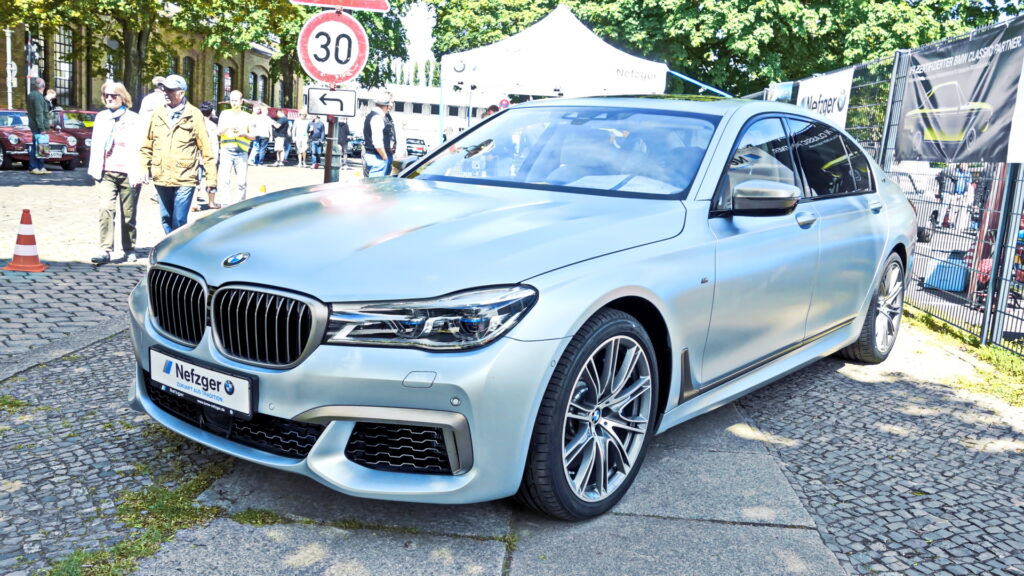
8. **You’re Contributing to the Emissions Puzzle (Even if You’re Not Trying To!).**Ever think about your SUV as part of a giant global puzzle? Well, car designers sure do! They’re acutely aware that the growing demand for large SUVs is actually driving up emissions from cars. It’s a bit of a head-scratcher, right? Especially when you consider all the amazing tech going into making engines more efficient.
Here’s the thing: while individual vehicle fuel efficiency has seen improvements within each category, the big picture shows an overall trend towards less efficient types of vehicles, like your beloved boxy SUV. This means that some of the benefits from greater fuel economy and reductions in pollution are getting, well, *offset*. Designers see this as a significant challenge.
In fact, the numbers are pretty striking. Experts have noted that if it weren’t for the significant shift towards SUVs, the energy used per unit distance could have dropped an additional 30% from 2010 to 2022. And, to put it into perspective, cars and vans alone were responsible for a whopping 10% of energy-related carbon dioxide emissions in 2022. So, while you’re enjoying your ride, designers are also grappling with how to balance consumer preference with global environmental goals. It’s a delicate dance!
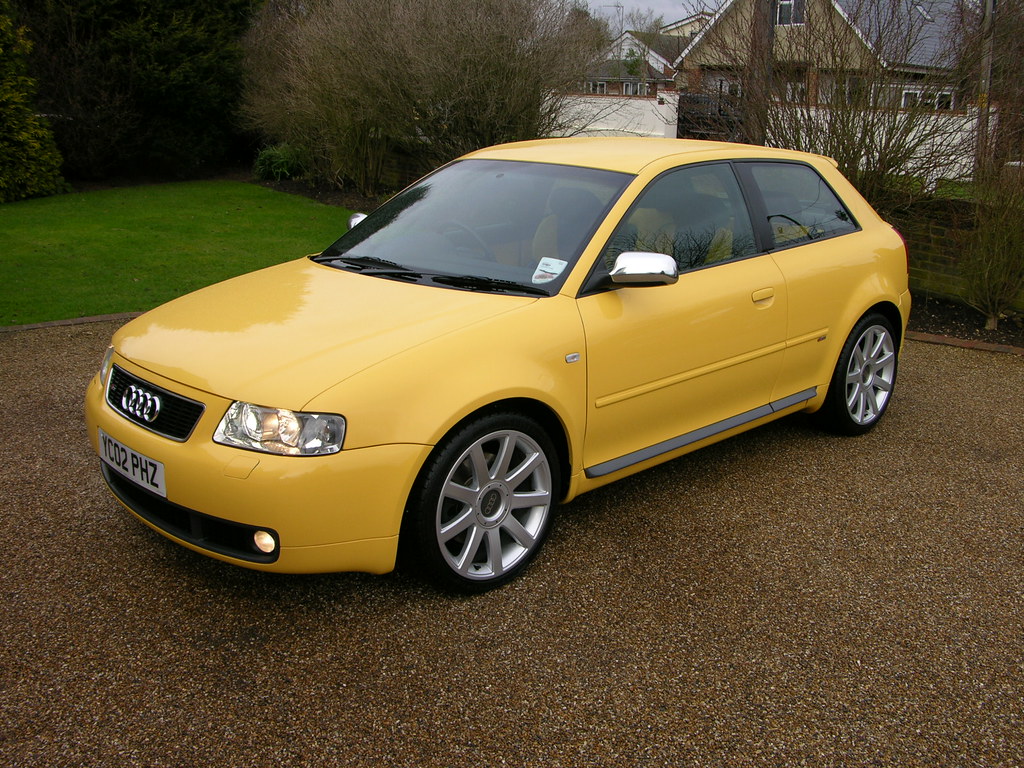
9. **Your Ride Impacts Road Safety Beyond Your Bubble.**Let’s talk safety. You know that feeling of security you get when you’re cruising in your substantial SUV? Designers totally get that, and they build it right in. They understand that heavier cars are, from a crash perspective, generally safer for *the driver*. It’s a core tenet of modern vehicle engineering – more mass often means more protection for occupants in an impact.
But here’s a secret thought that keeps designers up at night: while your heavy car is a fortress for you, it can be “more dangerous for other vehicles and road users.” That’s a tough pill to swallow, right? This isn’t just about other cars; it includes pedestrians and cyclists, too. It’s a complex ethical dilemma embedded right into the physics of vehicle design.
Designers are wrestling with this trade-off constantly. They know that current standard tests for new car safety, like the Euro and US NCAP tests, and even those backed by the Insurance Institute for Highway Safety (IIHS), “not all such tests consider the safety of people outside the car, such as drivers of other cars, pedestrians and cyclists.” So, while your SUV offers you peace of mind, designers are aware that its very presence shifts the safety equation for everyone else sharing the road. It’s a bigger responsibility than most drivers realize!
Read more about: Why Your Tire Pressure Light Stays On: A Deep Dive into Common Causes and Solutions for Every Driver
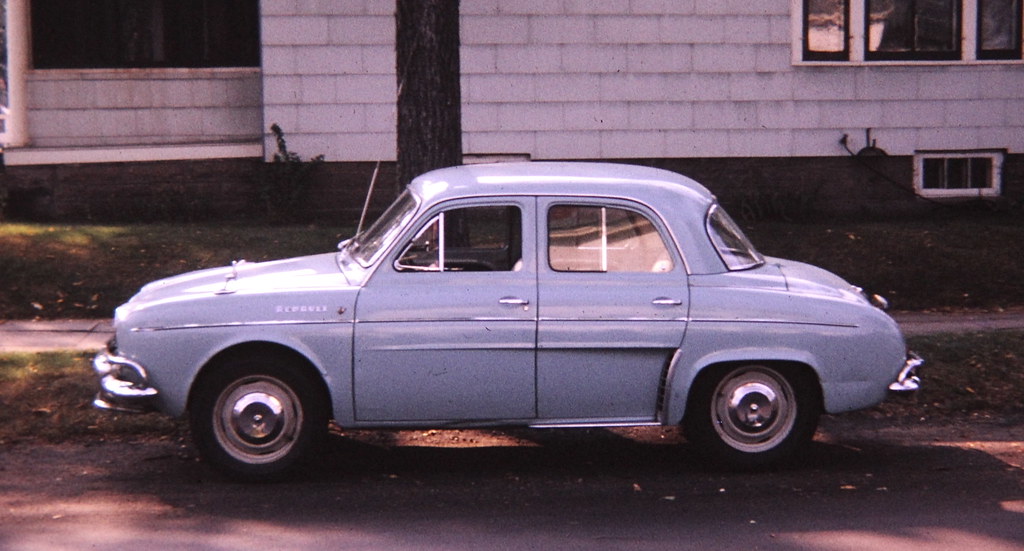
10. **You’re Fueling the Fight Against Air Pollution.**When you think about pollution, your mind might jump straight to tailpipe emissions. And you’d be right, as car exhaust gas is a significant contributor to local air pollution, especially from diesel and petrol cars. But those clever car designers know there’s more to the story of how your SUV impacts the air we breathe.
It turns out that “larger cars pollute more” across the board. This isn’t just about what comes out of the exhaust. There’s also the often-overlooked pollution stemming from “dust from brakes, tyres, and road wear.” Every time you brake or your tires hit the pavement, tiny particles are released into the environment, and guess what? Larger, heavier vehicles contribute more of these insidious pollutants.
And it gets even more nuanced: “Heavy metals and microplastics (from tyres) are also released into the environment.” Yes, your tires are literally shedding microplastics as you drive! Designers are trying to innovate here, but the sheer size and weight of many SUVs mean an unavoidable increase in these non-exhaust emissions. So, while you’re focused on your destination, they’re considering the microscopic particles your ride is adding to the atmosphere. Wild, right?
Read more about: 14 Cinematic Villains Whose Stories Will Break Your Heart When You See Their Side of the Screen

11. **Your SUV Might Be Boosting City Congestion (Oops!).**Ever stuck in gridlock, wondering why there are so many cars on the road? Well, designers are, too! They’ve noticed a direct link between the popularity of personal motor vehicles, especially larger ones like your boxy SUV, and the frustrating reality of “road congestion” that plagues countless major cities globally.
It’s a collective phenomenon. While each individual car offers “on-demand transportation, mobility, independence, and convenience,” the aggregate effect of millions of cars, many of them spacious SUVs, is a significant societal cost. Designers see this in the urban planning challenges and the constant demand for more infrastructure to accommodate the sheer volume of traffic.
Think about places like Moscow, Istanbul, Bogotá, Mexico City, and São Paulo – these were ranked among the world’s most congested cities in 2018. Your SUV, as part of this larger trend, contributes to those packed roads. Designers are constantly balancing the desire for personal mobility with the very real implications for urban living and the efficiency of transportation systems. They’re designing for both the individual driver and the collective, often contradictory, needs of society.
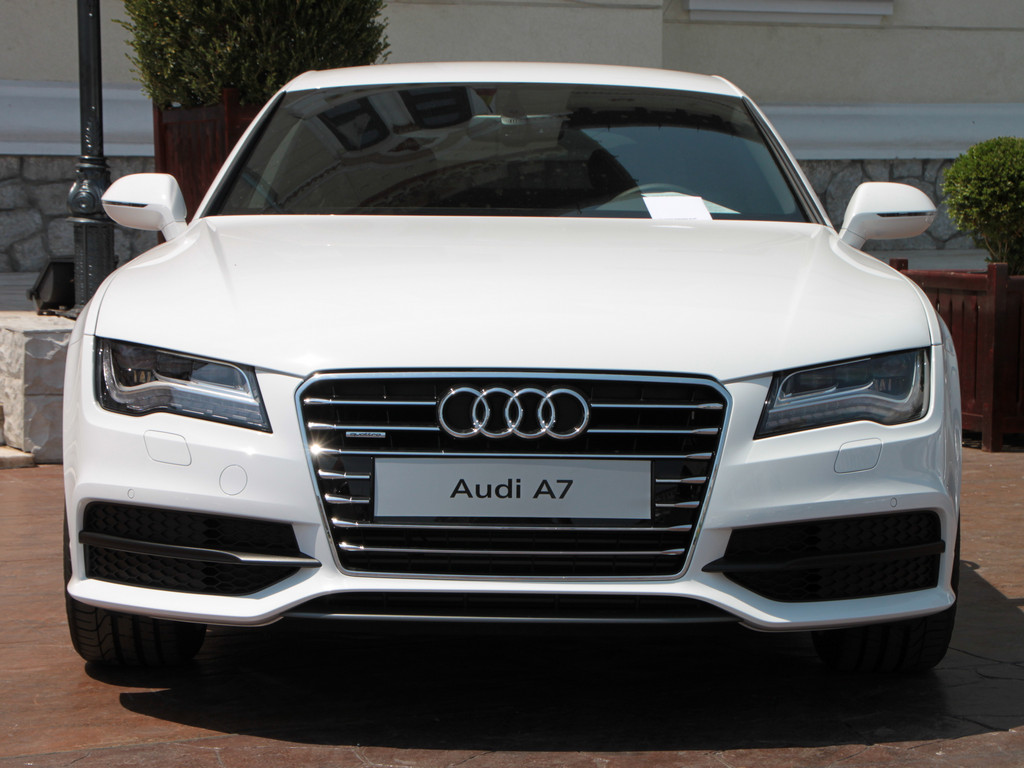
12. **You’re Part of the Urban Sprawl Story.**Ready for another deep thought from the design studio? Your boxy SUV plays a role in how our cities are shaped – literally. Designers are well aware that “cities planned around cars are often less dense,” which has its own cascade of effects. Less density often means further distances between homes, shops, and workplaces, making walking or cycling less feasible.
This design philosophy, catering to the car, “leads to further emissions, as they are less walkable for instance.” It creates a cycle: cars enable sprawl, and sprawl necessitates more car travel. This is a significant consideration for designers, as they’re not just creating vehicles; they’re creating tools that influence urban development and lifestyle choices.
The context even mentions that “The growth in popularity of the car allowed cities to sprawl, therefore encouraging more travel by car, resulting in inactivity and obesity, which in turn can lead to increased risk of a variety of diseases.” So, when you choose that spacious SUV, designers might be picturing you not just on a highway, but also as a factor in the broader pattern of how communities grow and how healthy their residents are. It’s a powerful connection between vehicle choice and the very fabric of our living spaces.
Read more about: The Unseen Terrors: How the Making of ‘Seven’ Challenged Hollywood and Its Stars, Including Morgan Freeman
13. **Your Car’s Weight Could Mean More Taxes for You (and a Push for New Materials!).**Who loves taxes? Probably no one, but car designers know they’re a reality, especially when it comes to heavier vehicles. They’re observing a trend where “Some places tax heavier cars more.” This isn’t just about revenue; it’s a strategic move by governments, with designers understanding its dual purpose.
One aim of taxing heavier cars more is to encourage manufacturers to innovate. How? By pushing them to “use materials such as recycled aluminium instead of steel” to reduce overall vehicle weight. Lighter cars mean less fuel consumption and potentially less emissions, even for big SUVs. So, your tax bill might secretly be nudging the entire industry towards more sustainable material choices.
Furthermore, designers are constantly looking at how policy shapes their work. The context hints that “one benefit of subsidising charging infrastructure is that cars can use lighter batteries,” implying that even future electric SUVs could benefit from lighter components. The quest for less weighty, more eco-friendly alternatives is ongoing, with “new materials which may replace steel car bodies include aluminium, fiberglass, carbon fiber, biocomposites, and carbon nanotubes.” Your heavy ride isn’t just a car; it’s a data point influencing material science and fiscal policy!
14. **You’re Unintentionally Affecting Health and Wildlife.**Okay, this one might hit a little different, but car designers are thinking about it, and so should you! Your boxy SUV, as part of the broader automotive landscape, has some pretty significant, albeit often unintended, impacts on both public health and the natural world around us. It’s a heavy thought, but one worth considering.
First, let’s talk health. Air pollution, a byproduct of cars, has some serious consequences. It “increases the risk of lung cancer and heart disease.” And for the littlest humans, it’s even more concerning: air pollution “can also harm pregnancies: more children are born too early or with lower birth weight.” Designers know that when more large vehicles are on the road, these health risks amplify.
Children are particularly vulnerable, with their developing bodies. “Air pollution in children is linked to the development of asthma, childhood cancer, and neurocognitive issues such as autism.” Plus, when cities prioritize cars, children “have fewer opportunities to go places by themselves, and lose opportunities to become more independent.” It’s a hidden cost of car-centric planning that designers are very much aware of.
Then there’s the wildlife. Animals and plants are often “negatively affected by cars via habitat destruction and fragmentation from the road network and pollution.” And, sadly, we can’t forget the heartbreaking reality of “roadkill,” where animals are killed every year. Designers are now incorporating “environmental mitigation” in new road designs, like green bridges, to help wildlife, but your vehicle’s presence is still part of this larger ecosystem challenge. It’s a reminder that every journey has a footprint, both seen and unseen.
So, there you have it! From the commanding view to the complex web of emissions, safety, and societal impact, your boxy SUV is more than just a ride; it’s a statement, a contributor, and a key player in the ever-evolving story of how we move through the world. Car designers aren’t just sketching cool lines; they’re pondering the profound ripple effects of every vehicle choice, yours included. So next time you hop into your big, beautiful box on wheels, maybe spare a thought for all the secret considerations that went into making it, and all the ways it shapes our shared future!