The world of Toni Morrison’s Pulitzer Prize-winning novel, *Beloved*, is one steeped in the profound echoes of a brutal past. Set in the period after the American Civil War, this powerful narrative takes us into the Cincinnati home of Sethe, a formerly enslaved woman, and her daughter Denver, a space haunted not just by a malevolent spirit, but by the insidious, enduring scars of slavery itself. It’s a story that compels us to confront the unspeakable, to bear witness to the psychological devastation wrought by an institution that sought to deny humanity itself.
Morrison’s brilliance lies in her ability to illuminate how freedom, while legally granted, could never fully erase the deep-seated wounds—physical, mental, and spiritual—inflicted upon those who endured enslavement. Her narrative, inspired by the harrowing life of Margaret Garner, who chose death over a return to chains for her children, doesn’t just recount history; it *remembers* it, forcing us to grapple with the “Sixty Million and more” Africans and their descendants lost to the Atlantic slave trade. The novel stands as a poignant memorial, a “bench by the road” for those whose lives were shattered and forgotten.
In this deep dive, we’ll journey through some of the most profound losses and transformations explored in *Beloved*, focusing on twelve pivotal aspects – six in this first section – that reveal how individuals and communities were forever altered, their very selves often becoming “no longer with us” in the conventional sense. These aren’t just characters; they are embodiments of the tragic aftermath of a system designed to dismantle identity, sever bonds, and erase history. Prepare to witness the enduring legacy of a pain so deep, it literally fragments the soul.
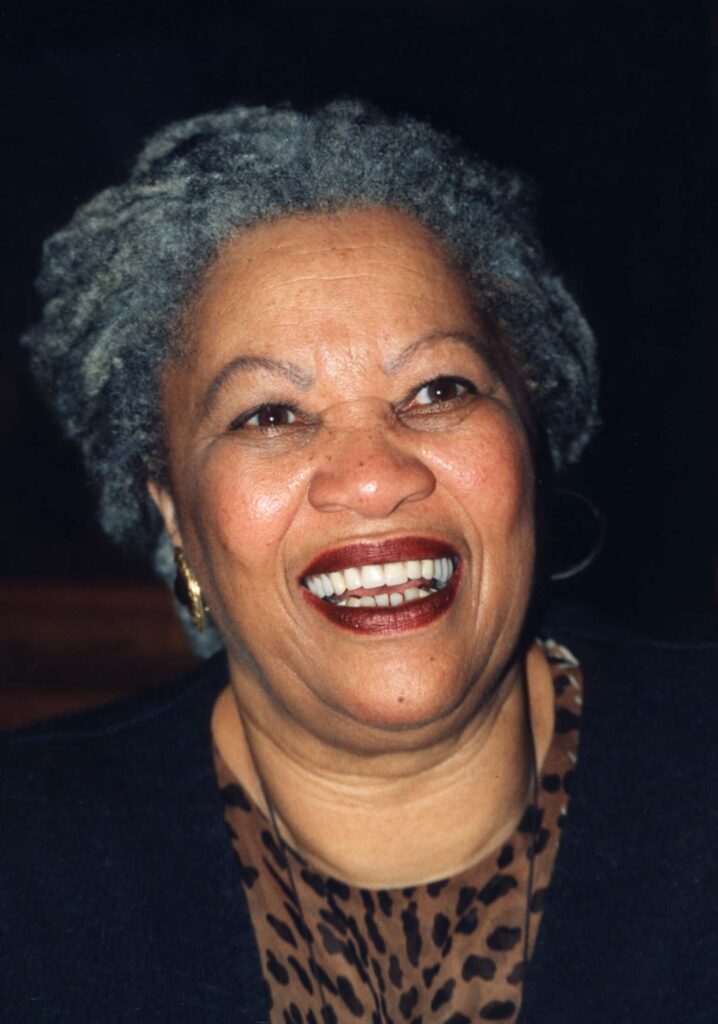
1. **The True Self Under Slavery: The Loss of Coherent Identity**One of the most devastating, yet often invisibly inflicted, casualties of slavery was the very essence of an individual’s self. The novel *Beloved* vividly portrays how the institution of slavery shattered the coherent identity of its victims, leaving them with what the text describes as “a fragmented figure.” This isn’t merely a metaphorical wound; it’s a deep existential rupture where “the identity, consisting of painful memories and unspeakable past, denied and kept at bay, becomes a ‘self that is no self’.” Imagine living in a state where your own being is not truly your own, where your past is too horrific to acknowledge, and your future, once a dream, is now a void. This fundamental loss of a unified, whole self is a central tragedy that permeates the lives of Sethe, Paul D, and Baby Suggs, long after their chains are broken.
The continuous violence, dehumanization, and stripping away of personal autonomy under slavery meant that one’s self was constantly being “made and unmade.” Identity became something defined by others, a “self” located not within one’s own spirit, but “in a word, defined by others.” This external definition, imposed by the brutal system, denied enslaved individuals the right to self-determination and self-perception. Characters like Sethe, with her “tree on her back” scars, carry not just physical marks, but the indelible imprints of how their bodies and spirits were claimed and violated, rendering their inherent selves unrecognizable even to themselves. The struggle to reclaim this lost self, to redefine identity on their own terms, becomes a lifelong battle that many are ill-equipped to win without profound help.
The narrative emphasizes that to truly heal and become “humanize[d],” one must “constitute it in a language, reorganize the painful events, and retell the painful memories.” However, for many, the desire for an “uncomplicated past” and the paralyzing “fear that remembering will lead them to ‘a place they couldn’t get back from'” acts as an insurmountable barrier. Sethe, Paul D, and Baby Suggs all struggle with this. They try to keep their pasts “at bay,” not realizing that this repression only perpetuates the fragmentation. The true self, therefore, remains elusive, a ghost haunting the present, an entity that is tragically “no longer with us” in its original, whole form. Their journey is one of attempting to reconstruct what slavery had so ruthlessly demolished.
Read more about: Beyond the Finale: 8 Beloved Cast Members Who Never Spoke to the Creator Again

2. **Childhood Innocence and Security: A Dream Denied**For the children in *Beloved*, the concept of a safe, innocent childhood free from the shadows of slavery is a dream tragically denied. Sethe’s sons, Howard and Buglar, are prime examples, driven away from home “by the age of 13” because of the ghost believed to haunt 124 Bluestone Road. This isn’t just a simple case of sibling rivalry with a spectral presence; it’s a profound manifestation of the psychological burden placed upon children born into or living through the immediate aftermath of slavery. Their departure speaks volumes about the pervasive fear and unease that made a normal, nurturing environment impossible, effectively robbing them of their formative years and forcing them into premature independence and isolation.
Denver, Sethe’s surviving daughter, also epitomizes this tragic loss. She is introduced as “shy, friendless, and housebound,” her entire world confined to the haunted dwelling and her mother’s presence. While the ghost initially provides her with “her only companion,” this companionship is born of isolation, not healthy social development. Her inability to interact with the outside world, to forge friendships, and to experience the joys of a typical childhood underscores how the traumas of the past, even those not directly experienced by her, cast a long, suffocating shadow over her youth. Her isolation is a direct consequence of the community’s rejection of Sethe, further compounding the denial of a normal upbringing.
The ultimate, most horrific example of lost childhood innocence is, of course, the murdered baby herself, Beloved. Sethe’s desperate act of infanticide, committed “in hopes of sparing them from being returned to slavery,” is a testament to the unimaginable choices forced upon enslaved mothers. The baby’s life was cut short, her future stolen, her very existence transformed into a haunting spirit. Her story embodies the utter destruction of childhood potential and security, a stark reminder that for many, merely surviving was considered a form of mercy, even if it meant sacrificing the promise of a life unburdened by the past. The innocence that should be every child’s birthright was brutally snatched away.
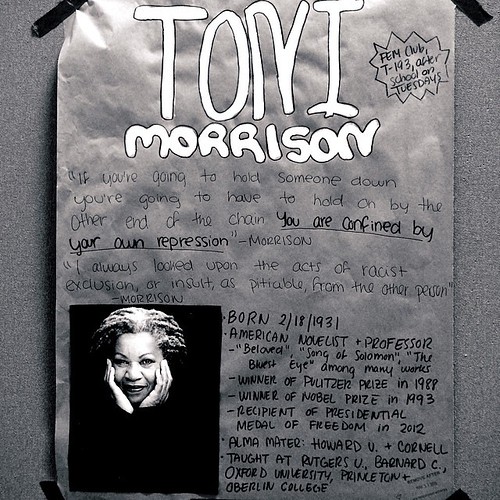
3. **Undistorted Maternal Bonds: The Shattered Promise of Motherhood**The maternal bond, often idealized as a source of unconditional love and protection, is depicted in *Beloved* as profoundly warped and often destructive due to the trauma of slavery. Sethe, the protagonist, embodies this tragic distortion. Her love for her children, while fierce and undeniable, is described as a “dangerous maternal passion that results in killing one daughter.” This horrific act, driven by an intense desire to protect her children from the unspeakable horrors of slavery, highlights how the institution so thoroughly corrupted even the most fundamental human connections. Her “fantasy of the future” for her children was one free from chains, a future she was willing to ensure through the ultimate sacrifice, tragically severing the very bond she sought to protect.
A significant aspect of Sethe’s impaired motherhood stems from the violation of her own body and the theft of her “milk,” which physically and symbolically prevented her from forming the natural “bond between herself and her daughter by feeding her.” This act of violence at Sweet Home wasn’t just physical assault; it was an attack on her ability to nurture, to connect, to fulfill a fundamental maternal role. This trauma leaves her “emotionally impaired,” unable to recognize Denver’s need for community interaction for “individuation and to enter into womanhood.” Instead, her love becomes “too thick,” suffocating rather than liberating, a consequence of her own unhealed wounds.
Baby Suggs, Sethe’s mother-in-law, offers another perspective on this shattered maternal landscape. Having lost many of her own children to slavery, she coped by “refusing to become close with her children and remembering what she could of them.” This pragmatic, albeit heartbreaking, approach contrasts sharply with Sethe’s desperate struggle to hold onto and fight for her children. Both women, however, illustrate the profound impact of slavery on mother-child relationships, transforming what should be a source of strength and comfort into a realm of immense pain, loss, and difficult choices. The simple, unburdened maternal bond, as it should be, is a precious thing “no longer with us.”

4. **Paul D’s Sense of Manhood: A Foundation Undermined**Paul D’s journey in *Beloved* is a poignant exploration of how the brutal realities of slavery systematically eroded the very definition and experience of manhood for enslaved men. His “reduced manhood emerges in relation to a discourse of animality,” where the system actively sought to strip Black men of their dignity, agency, and virility. The intimate and horrifying experiences he endured, particularly his time in a chain gang where “ual violence inflicted upon him and the other men” was commonplace, left him with deep, internal scars. These experiences were designed to break spirits, to transform men into commodities, effectively “stripping him of his masculinity” and altering his perception of himself.
The physical and psychological torments Paul D suffered are symbolized by his “neck jewelry — its three wands, like attentive baby rattlers, curving two feet into the air.” Morrison uses this powerful metaphor to compare the “iron bit” to a “rattlesnake,” highlighting its “venomous influence” that “strikes in three different ways, damaging physical, cognitive, and emotional abilities.” This constant reminder of his past bondage, even after emancipation, continues to haunt him, making it difficult to fully reclaim a sense of self-worth and masculinity. He contains these painful memories within his “tobacco tin” heart, a mechanism of repression that keeps his true self fragmented and his emotional capacity stifled.
Despite his resilience and his efforts to forge a new life, Paul D struggles to meet the “norms and values of white culture” regarding manhood, which were inaccessible to him and other Black men of his era. Scholar Zakiyyah Iman Jackson observes that Paul D is often seen “sitting on a base of some sort or a foundation like a tree stub or the steps, for instance.” This imagery powerfully “exemplifies his place in society,” symbolizing how Black men were forced to be the “foundation of society” through their “hard labor,” yet were simultaneously deemed “lower-status” and denied the full fruits of their efforts. His dreams and goals, “so high that he will never be able to achieve them because of racism,” represent a profound loss—the loss of the equitable opportunity to define and live out one’s manhood.
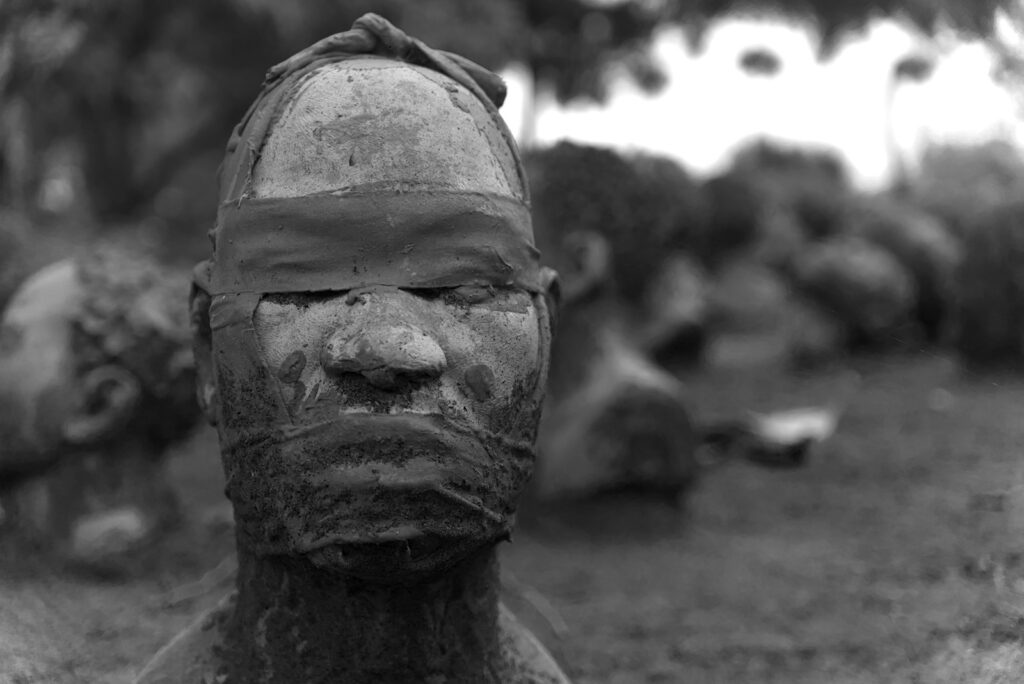
5. **The Unified and Secure Family Unit: A Cruel Disassembly**The institution of slavery was a master of systematic dehumanization, and one of its most devastating attacks was on the African-American family unit. *Beloved* powerfully illustrates how “family relationships are an instrumental element… which help visualize the stress and the dismantlement of African-American families in this era.” Enslaved people were systematically denied rights to themselves, their partners, and most cruelly, their children. This fundamental denial meant that families could be, and often were, broken apart at the whim of slave owners, leading to a pervasive sense of insecurity and perpetual loss that echoed through generations. Sethe’s own family becomes a tragic microcosm of this widespread devastation.
Sethe’s desperate act of killing her infant daughter was, in her eyes, “a peaceful act because Sethe believed that killing her daughter was saving her” from the unspeakable fate of re-enslavement. While an act of love born of despair, it irrevocably “divided and fragmented” her family, a direct reflection of the “broken and bruised” state of formerly enslaved families after the Emancipation Proclamation. Her sons, Howard and Buglar, run away, leaving Denver isolated. Halle, her husband, is “presumed to have gone mad” and disappears, leaving Sethe alone with her deep grief and the haunting presence of her murdered child. The dream of a complete, intact family unit, flourishing in freedom, is utterly shattered.
The haunting presence of Beloved, who is “murdered at the hands of her mother Sethe,” serves as a constant, visceral reminder of this fragmentation. Her appearance at 124 Bluestone Road, and Sethe’s belief that she is her returned daughter, highlights the “mental strife the protagonist faces” and the deep, unhealed wounds within the family. The very home, meant to be a sanctuary, becomes a site of internal conflict and further unraveling. The idea of a stable, whole, and secure family—one where all members are present, safe, and psychologically intact—is tragically “no longer with us” for Sethe and many others like her, a profound and enduring legacy of slavery’s cruelty.

6. **The Haunting Power of “Rememory”: The Past as Ever-Present**Toni Morrison introduces a profound concept in *Beloved*: “rememory.” This isn’t just about recalling past events; it’s about the past existing as a tangible, ever-present force, a psychological landscape that characters can literally “stumble into” and relive. Sethe explains that “nothing ever dies” and that “places change; people change; but ‘what happened always *there*’.” This terrifying idea goes beyond simple recall, suggesting that the suffering of slavery is not relegated to history but continues to inhabit the present, making true escape almost impossible for those who experienced its horrors. It’s a crushing weight, ensuring that unforgotten memories dictate current realities.
This constant presence of the past acts as a significant barrier to healing and self-reintegration for characters like Sethe, Paul D, and Denver. They are caught in a cycle where they cannot fully “constitute” their fragmented selves in language or reorganize painful events because these events aren’t truly “over.” The narrative highlights that “the barrier that keeps them from remaking of the self is the desire for an ‘uncomplicated past’ and the fear that remembering will lead them to ‘a place they couldn’t get back from’.” This paralyzing fear prevents them from confronting and processing their traumas, instead leading to repression and dissociation, which only perpetuates their internal suffering.
The very structure of the novel, with its non-linear flashbacks and interwoven perspectives, mirrors this concept of “rememory.” Readers, like the characters, are often plunged into the past without warning, experiencing the raw, unfiltered pain of slavery. This isn’t just a stylistic choice; it’s a deliberate way to demonstrate how trauma transcends time, proving that the horrors inflicted upon “Sixty Million and more” Africans and their descendants remain a living, breathing part of their legacy. It suggests that healing requires more than just forgetting; it demands a radical engagement with the persistent specter of what was.
Read more about: Beyond the Finale: 8 Beloved Cast Members Who Never Spoke to the Creator Again

7. **The Enigmatic Presence and Disappearance of Beloved: A Materialized Memory**The character of Beloved herself is perhaps the most visceral manifestation of the novel’s central themes, embodying the “ephemeral nature of presence” while simultaneously representing the unacknowledged trauma of the past. Her mysterious arrival at 124 Bluestone Road, soaking wet and disoriented, signals a turning point. Many, including Denver, come to believe she is the ghost of Sethe’s murdered baby, finally returned. This belief is cemented by the fact that the house’s haunting abruptly ceases with her appearance, intertwining her physical presence with the cessation of a spectral one, making her a living embodiment of a lost child and an unhealed wound.
Beloved’s character is intentionally ambiguous, leaving readers to debate whether she is a literal ghost, a formerly enslaved woman suffering from amnesia, or a psychological manifestation of Sethe’s repressed guilt and the collective memory of the enslaved. Scholar Elizabeth B. House suggests that “Beloved is not a ghost, and the novel is actually a story of two probable instances of mistaken identity.” Regardless of interpretation, her presence acts as a powerful catalyst, forcing Sethe, Paul D, and Denver to confront their “repressed memories,” pushing them towards a painful but necessary reintegration of their fragmented selves. She serves as a living, breathing question mark, an insistent demand for remembrance.
However, Beloved’s presence quickly shifts from a source of comfort and catharsis to one of intense emotional and physical drain on Sethe. As Beloved grows “bigger and bigger, eventually taking the form of a pregnant woman,” she metaphorically consumes Sethe’s life, demanding all her time, money, and emotional energy. Her “angry and demanding” nature and “tantrums” illustrate the destructive power of unaddressed grief and the past’s insatiable hunger. Her eventual, collective exorcism by the community women and Denver’s intervention marks her second “disappearance,” leaving Sethe devastated but ultimately paving the way for a possibility of genuine healing, signifying the end of the past’s parasitic grip.

8. **Halle’s Tragic Disappearance and Descent into Madness: A Shattered Hope**Halle, Sethe’s devoted husband and Baby Suggs’s son, represents a profound “disappearance” and one of the most heartbreaking struggles for a future unburdened by the past. He is the quiet, hardworking man who tirelessly labored to purchase his mother’s freedom, a testament to his profound love and sense of family. He embodies a lost hope, a potential for a complete, reunited family that slavery cruelly snatches away. His “presumed to have gone mad” state and subsequent disappearance after witnessing the unspeakable violation of Sethe at Sweet Home highlight the unbearable psychological toll of slavery, even on those who, like him, desperately tried to protect their loved ones.
Halle’s fate is a silent, enduring wound for Sethe. While she grapples with the visible manifestation of Beloved, Halle’s absence is a constant, unfillable void, a stark reminder of the perfect family unit that could never be. His madness, sparked by the unimaginable brutality he witnessed, signifies a complete breakdown of his spirit and his ability to function. Paul D’s memory of seeing Halle “churning butter at Sweet Home” after Sethe’s violation suggests a man utterly broken, reduced to a state of profound despair and detachment from reality, a haunting image of what slavery could do to even the strongest of wills.
His “disappearance” is more than just a physical absence; it’s the loss of a supportive partner, a loving father, and a crucial piece of Sethe’s own identity and potential for a future. The novel leaves his ultimate fate ambiguous, but the implication of his madness and separation from his family underscores the systematic destruction of Black families under slavery. Halle’s story is a poignant testament to the fact that freedom, for many, did not automatically equate to healing or reunion, but often ushered in new forms of suffering and a future forever marked by profound, inescapable loss.

9. **The Loss of Public Acceptance and Community: Isolation’s Heavy Toll**After Sethe’s horrific act of infanticide, her family becomes profoundly isolated from the wider Black community in Cincinnati. This communal rejection forms another significant “struggle” and a crucial absence in their lives, further compounding the psychological scars of slavery. The context explains that the community isolates them “because of envy of Baby Suggs’ privilege and horror at Sethe killing her two-year-old daughter.” This ostracization transforms 124 Bluestone Road from a potential sanctuary into a literal and emotional prison for Sethe and Denver, denying them the collective support vital for healing and moving forward.
Baby Suggs, once a revered spiritual leader who “preach[ed] for the Black people to love themselves because other people will not,” experiences the brunt of this communal withdrawal. Her influence “turns sour” after the “feast” incident, which stirred “envy,” and then decisively after Sethe’s “act of infanticide,” which the community found morally abhorrent. This rejection drives Baby Suggs into her bed, where she retreats into a world of “pretty colors,” effectively losing her public role and her vibrant spirit. Her isolation prefigures the deeper, more prolonged solitude Sethe and Denver would experience, stripping them of a crucial external source of strength.
The absence of community support leaves Sethe and Denver vulnerable to Beloved’s parasitic demands. It’s only when Denver, in a courageous act of breaking her own isolation, reaches “out to the Black community for help” that the cycle begins to shift. The subsequent arrival of the “village women” at 124, who united their voices in an exorcism, marks a powerful re-engagement of the community. This collective act of spiritual warfare not only helps banish Beloved but also symbolizes the slow, arduous process of reclaiming communal ties and rebuilding the bridges that Sethe’s trauma had so brutally burned. It underlines the essential role of collective memory and support in overcoming individual suffering.

10. **Denver’s Fight for Individuation and a Future: Breaking the Cycle**Denver, Sethe’s surviving daughter, initially embodies the profound “struggle” of a child growing up under the immense shadow of her mother’s trauma and the house’s haunting. Described as “shy, friendless, and housebound,” her early life is characterized by extreme isolation, her only companion being the ghost of her sister. She is a direct casualty of Sethe’s inability to recognize her “need for interaction with the Black community to enter into womanhood,” a consequence of Sethe’s own “emotionally impaired” state due to slavery. Denver’s entire world is defined by the confines of 124, a poignant representation of a future stunted by the past.
However, Denver’s journey is one of remarkable transformation, a true “quest for a future unburdened by the past.” She eventually steps out of her isolation, fueled by a growing realization that “neither Beloved nor Sethe seemed to care what the next day might bring. Denver knew it was on her. She would have to leave the yard; step off the edge of the world, leave the two behind and go ask somebody for help.” This pivotal moment marks her embrace of personal independence and her burgeoning heroism. Her decision to seek aid from the ostracizing community is a monumental act of courage, breaking a long-standing cycle of fear and self-imposed imprisonment.
Through her actions, Denver not only secures “her personal independence” but also actively “fights… for her mother’s wellbeing.” She becomes the catalyst for the community’s re-engagement and the eventual exorcism of Beloved, effectively rescuing Sethe from the “suppressive grip of the past.” Morrison portrays Denver as an “unlikely hero” whose heroism is defined by her “courageous intent to overcome the assertive preconceptions of society” and to positively influence others. Denver’s successful “individuation” and her emergence as a “working member of the community” exemplify the possibility of forging a new future, free from the direct tyranny of “rememory,” inspiring hope that the devastating legacies of slavery can, through determined effort, be overcome.

11. **The Healing of Paul D’s “Tobacco Tin” Heart: Reclaiming Emotional Wholeness**Paul D, a man who has endured unimaginable brutalities, carries his trauma within a metaphorical “tobacco tin” for a heart, a hardened shell designed to contain his “painful memories” and stifle emotion. His journey from Sweet Home to 124 Bluestone Road, and eventually beyond, is a powerful “struggle” to reclaim emotional wholeness and embrace a future unburdened by the specific horrors of the chain gang and the constant dehumanization he experienced. His initial inability to fully understand Sethe’s “too thick” love stems from his own deeply ingrained coping mechanisms, which prioritize survival over deep emotional connection.
Beloved’s enigmatic presence, however disruptive, inadvertently serves to pry open Paul D’s emotional tin. While the encounter is deeply unsettling, filling his mind with “horrific memories from his past, including the ual violence inflicted upon him and the other men while in a chain gang,” it also forces him to confront what he had so assiduously repressed. His subsequent departure from 124, while painful, is part of a larger process of reckoning with his past, making him question his own definitions of masculinity and his capacity for love. Sethe’s unspoken understanding of his pain, her “tenderness about his neck jewelry,” allows him to retain his sense of manhood despite its symbolic violation.
Ultimately, Paul D’s return to Sethe after Beloved’s disappearance signifies a profound step towards healing and a shared future. When Sethe, devastated by Beloved’s absence, calls her “my best thing,” Paul D offers a transformative counter-narrative: “You your own best thing, Sethe.” This simple yet powerful statement encourages Sethe to recognize her inherent worth, separate from her trauma and her children. For Paul D, his return and his ability to articulate this liberating truth signify that his “tobacco tin” heart is finally opening, allowing for a genuine, reciprocal love. Their potential relationship at the novel’s end represents a hard-won victory in the quest for a future where love and self-acceptance can begin to mend the deepest wounds, affirming that even after profound loss, there is hope for emotional restoration.
And so, as we reflect on these twelve profound aspects of loss and endurance within *Beloved*, we are left with a powerful, unsettling, yet ultimately hopeful truth. Toni Morrison’s masterpiece is not just a story of a haunted house; it is a profound exploration of how the past, particularly the trauma of slavery, indelibly shapes individual and collective futures. Each character’s struggle, their lost selves, their shattered bonds, and their fight to reclaim what was stolen, reminds us that the “Sixty Million and more” echoes not just as a statistic, but as a living, breathing testament to an enduring spirit. It shows us that while some things are tragically “no longer with us,” the human capacity for resilience, for remembrance, and for the courageous pursuit of a future unburdened by the past, truly lives on. It’s a journey not of forgetting, but of profoundly remembering in order to finally begin to live.