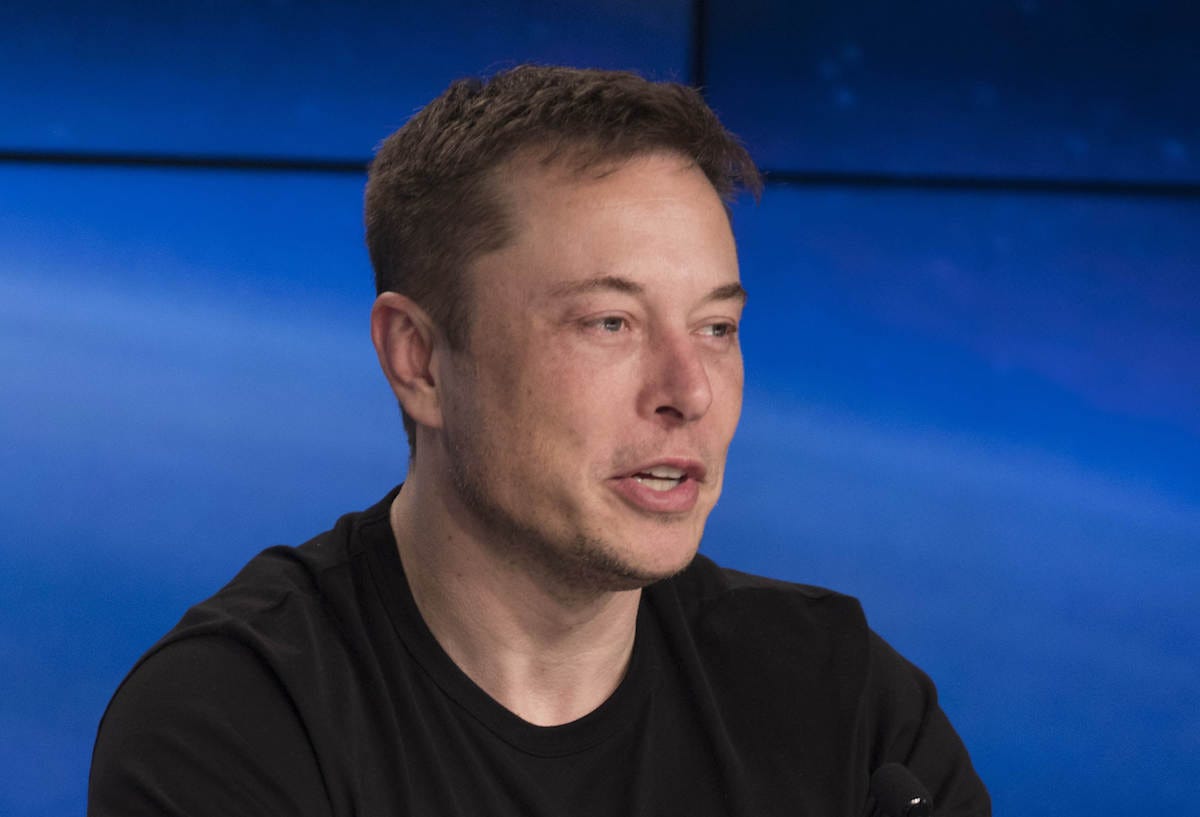
In a political landscape often defined by unwavering stances and unyielding rhetoric, the recent public apology from Elon Musk, the world’s wealthiest individual and owner of the social media platform X (formerly Twitter), directed at President Donald Trump, stands as a moment of profound and uncharacteristic contrition. This isn’t merely a minor retraction; it marks a significant pivot from a figure known globally for his blunt, unfiltered pronouncements and steadfast refusal to back down, even in the face of widespread criticism or legal challenge.
Musk’s expression of regret comes after a weeks-long, highly public war of words with President Trump, a dispute that captivated Washington and Wall Street alike. The spat saw the billionaire entrepreneur swing from being one of the Oval Office’s staunchest supporters to one of its most vocal critics, escalating to personal attacks and controversial allegations. Such a public reversal, particularly directed at a prominent political figure, is almost unheard of for Musk, whose past interactions with other world leaders have been marked by defiance rather than diplomacy.
This article delves into the unprecedented apology to Donald Trump, examining the specific events and provocations that led to this rare moment of public regret. We will also analyze other instances where Musk has found himself compelled to issue apologies or walk back controversial statements, providing a comprehensive look at the complex interplay between his outspoken communication style, his business interests, and the rare moments he acknowledges having gone “too far.”
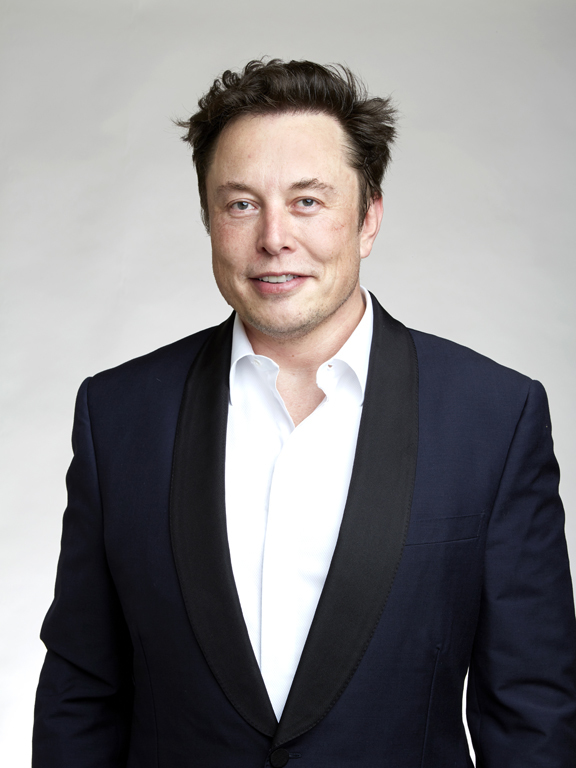
1. **The Explicit X Apology to Donald Trump**In the early hours of a recent Wednesday morning, Elon Musk took to X to express a rare public regret, stating, “I regret some of my posts about President Donald Trump last week. They went too far.” This concise declaration marked an abrupt end to a contentious six-day exchange that had drawn considerable attention. The apology was a direct acknowledgment that the rhetoric had crossed a line, signaling a significant de-escalation in the high-stakes feud between two of the world’s most influential figures.
For Musk, such a direct and public apology to a political figure is notably uncharacteristic. Historically, his responses to political criticism have been defiant, often dismissive. The context provides clear examples of this: he previously told former Canadian Prime Minister Justin Trudeau that it “doesn’t matter what you say,” called for British Prime Minister Sir Keir Starmer to face imprisonment, labeling him “evil,” and similarly advocated for the imprisonment and removal of U.K. parliamentary undersecretary MP Jess Phillips. In none of these instances did Musk issue any form of apology, underscoring the exceptional nature of his retraction concerning President Trump.
This 180-degree turn from the richest man on the planet likely stems from a confluence of factors, as suggested by critics and observers. A primary driver appears to be the previously firm partnership between Musk and Trump, which began on the campaign trail with significant financial backing from the billionaire. Furthermore, the potential “pain the White House can inflict on Musk’s private interests” — particularly his companies like Tesla and SpaceX, which rely on government contracts and favorable regulatory environments — is a compelling consideration that likely influenced this rare act of contrition.
Indeed, President Trump himself seemed open to reconciliation following Musk’s gesture, stating in a pre-recorded podcast interview that same day, “Look, I have no hard feelings.” He added, “I was really surprised that that happened. He went after a bill that’s phenomenal … He just — I think he feels very badly that he said that, actually.” This response from Trump suggested a swift acceptance of Musk’s olive branch, indicating a mutual desire to diffuse tensions after what had been a tumultuous period.
Read more about: The Shocking Truth Behind Late-Night TV’s Free Speech Showdowns: 14 Untold Tales of Executive Pressure and Comedian Crackdowns
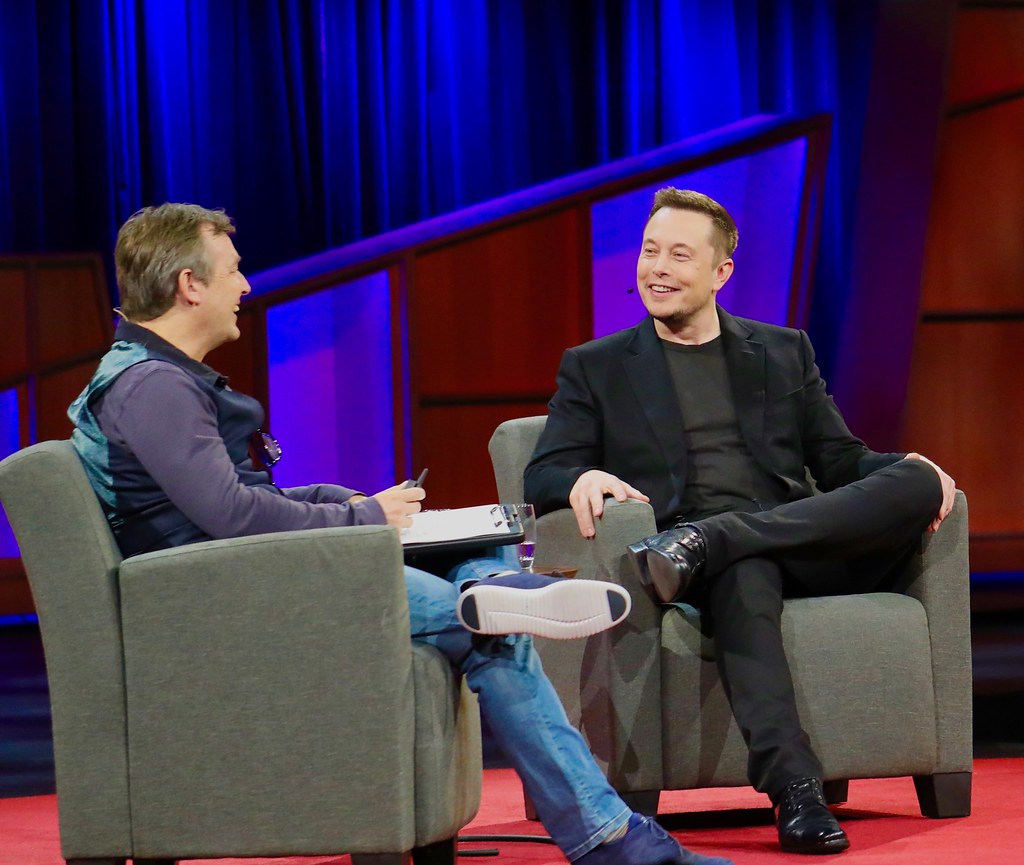
2. **The “Disgusting Abomination” Critique of Trump’s Bill**The genesis of the recent, bitter feud between Elon Musk and President Donald Trump can be traced directly to Musk’s scathing condemnation of Trump’s signature tax and spending package. Just days after his 130-day tenure leading the Department of Government Efficiency (DOGE) as a government employee concluded on May 30, Musk began a vocal campaign against the legislative proposal, warning that it would significantly inflate the national debt. His criticism was swift and unsparing.
Musk’s initial outburst on X labeled the bill a “disgusting abomination.” He wrote, “I’m sorry, but I just can’t stand it anymore. This massive, outrageous, pork-filled Congressional spending bill is a disgusting abomination.” This strong language set the tone for the escalating conflict. His posts went further, directly challenging those who supported the legislation: “Shame on those who voted for it: you know you did wrong. You know it.”
This public repudiation of a key presidential initiative by a former insider, who had reportedly understood the “inner workings of this bill better than almost anybody,” caught the White House off guard. Behind the scenes, the president was reported to be quickly “losing patience” with Musk’s intervention and “confused” by his animosity. This sentiment was publicly voiced by Trump while hosting German Chancellor Friedrich Merz at the White House, where he expressed his disappointment that Musk, despite his previous involvement, had suddenly developed a problem with the bill.
Trump’s public reaction highlighted his perception of a betrayal. He stated, “I’m very disappointed because Elon knew the inner workings of this bill better than almost anybody sitting here, better than you people. He knew everything about it. He had no problem with it. All of a sudden, he had a problem.” This public statement underscored the personal nature of the disagreement for Trump, setting the stage for the subsequent exchange of increasingly sharp criticisms.
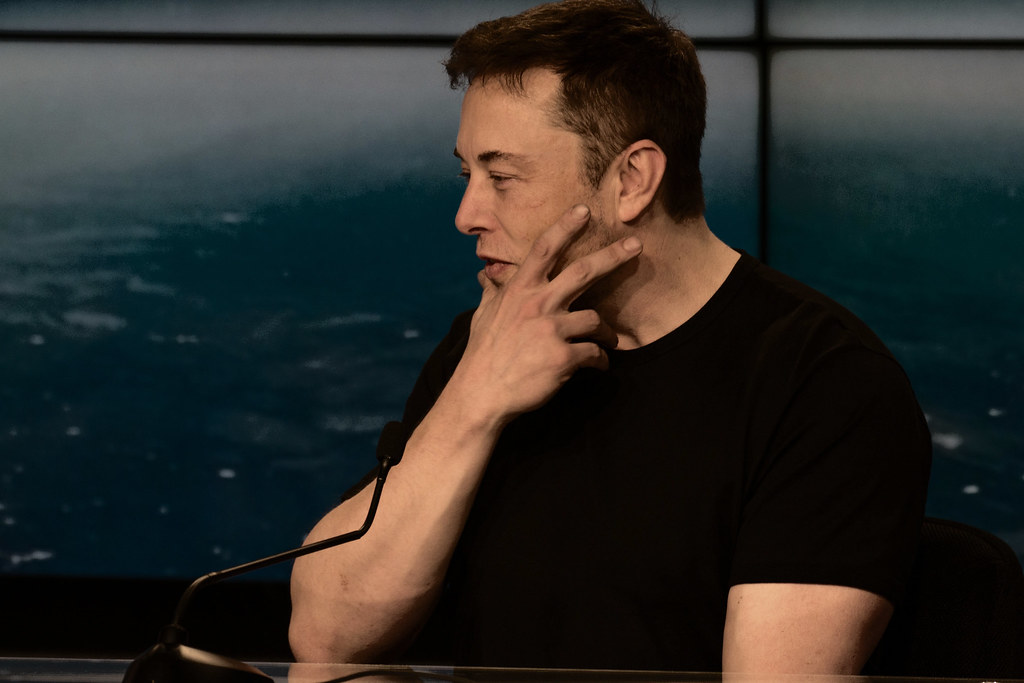
3. **The “KILL the BILL” Public Call**Following his initial denunciation of President Trump’s spending package, Elon Musk intensified his opposition with a more direct and activist call to action. A day after labeling the bill a “disgusting abomination,” he launched a fresh appeal on X, imploring his millions of followers to actively intervene. His message was unambiguous and urgent: “KILL the BILL,” he wrote, underscoring his fervent desire to see the legislation halted.
Musk’s call for public pressure included specific instructions, urging citizens to contact their elected officials. He reminded his followers to communicate to their representatives and senators that “bankrupting America is NOT ok!” This move transformed his personal critique into a public campaign, leveraging his considerable social media influence to mobilize opposition against a critical legislative effort by the sitting administration. It represented a significant escalation from mere criticism to active political agitation.
The Tesla CEO further justified his aggressive stance by linking it to his previous efforts within the Department of Government Efficiency (DOGE). He argued that the spending bill would negate any fiscal achievements made by his team, stating, “[The bill] more than defeats all the cost savings achieved by the @DOGE team at great personal cost and risk.” This argument positioned his opposition as a principled stand against what he viewed as irresponsible government spending, undermining his own contributions to fiscal prudence.
Such a public and forceful intervention from a private citizen, albeit a highly influential one, created a direct challenge to the President’s agenda. It underscored the depth of Musk’s dissatisfaction with the bill and his willingness to use his platform to rally public sentiment against it. The “KILL the BILL” campaign was a clear demonstration of Musk’s readiness to engage directly in political battles, a move that undoubtedly contributed to the growing friction with the White House and ultimately necessitated a broader reconsideration of his confrontational approach.
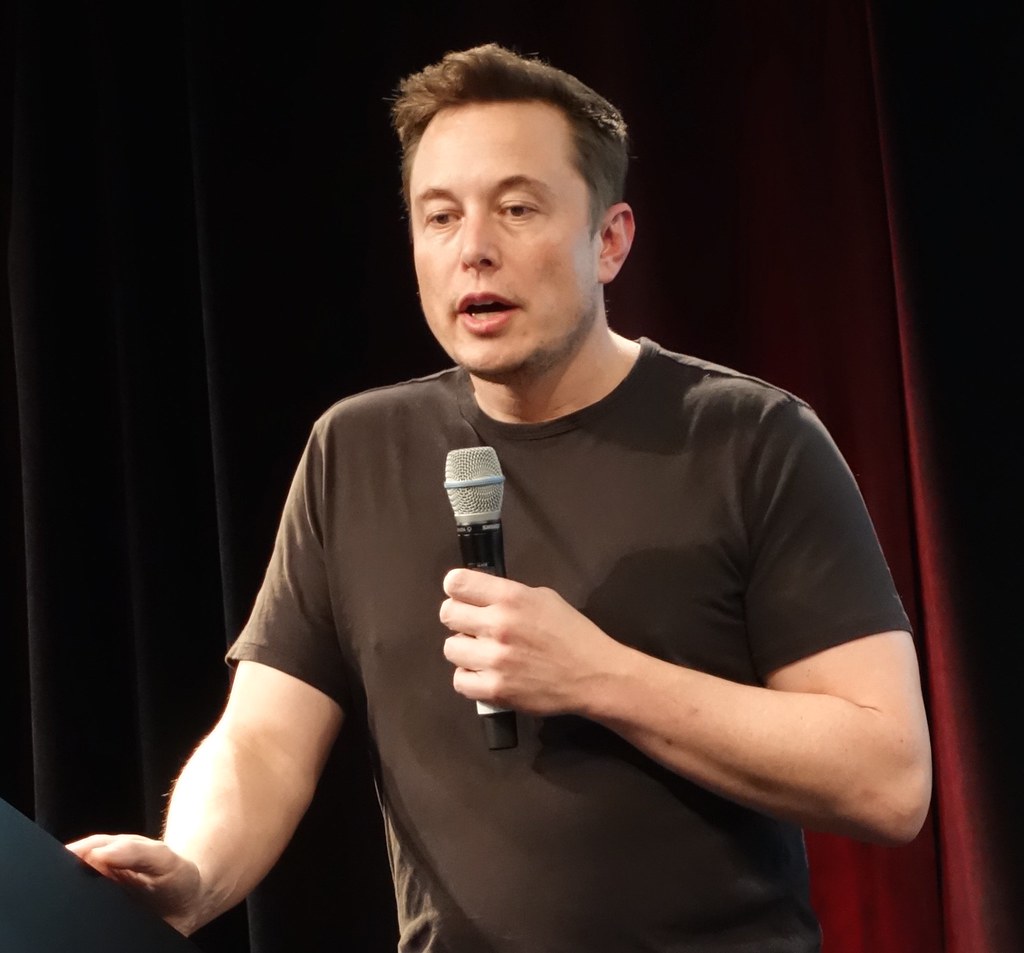
4. **The Claim of Deciding Trump’s Election Victory**As the war of words intensified, Elon Musk escalated his personal attacks against President Donald Trump, moving beyond policy disagreements to make a highly contentious claim about his political influence. In response to Trump’s public disappointment and assertion that he could have won Pennsylvania without Musk’s help, the billionaire entrepreneur shot back with a provocative statement, directly challenging the President’s narrative of his electoral success.
Musk explicitly asserted his pivotal role in Trump’s past electoral performance, writing on X, “Without me, Trump would have lost the election, Dems would control the House and the Republicans would be 51-49 in the Senate.” This claim, made “without evidence” according to the context, was a direct and personal challenge to Trump’s political standing and legacy. It framed their relationship not merely as a partnership but as one where Musk believed he held significant leverage and impact on critical outcomes.
The assertion was quickly followed by another post that conveyed a sense of personal grievance: “Such ingratitude.” This additional remark underscored Musk’s perception that his contributions to Trump’s political career were not being adequately recognized or appreciated. It transformed the policy dispute into a deeply personal one, characterized by perceived slights and a public accounting of past favors, further entrenching the animosity between the two powerful figures.
This particular claim marked a significant shift in the tone of the feud, moving from criticisms of policy to a direct assault on Trump’s political achievements and, by extension, his legitimacy. By suggesting that his support was indispensable to Trump’s victory, Musk not only highlighted his own perceived influence but also directly questioned the President’s ability to succeed independently. Such a bold and personal attack undoubtedly contributed to the White House’s growing frustration and led to a period of “vicious exchange of barbs” between the billionaires, escalating the conflict to unprecedented levels.
Read more about: Robert F. Kennedy Jr.’s Divisive Path: Examining His Controversial Public Health Stances Amidst His Role as Secretary of Health and Human Services
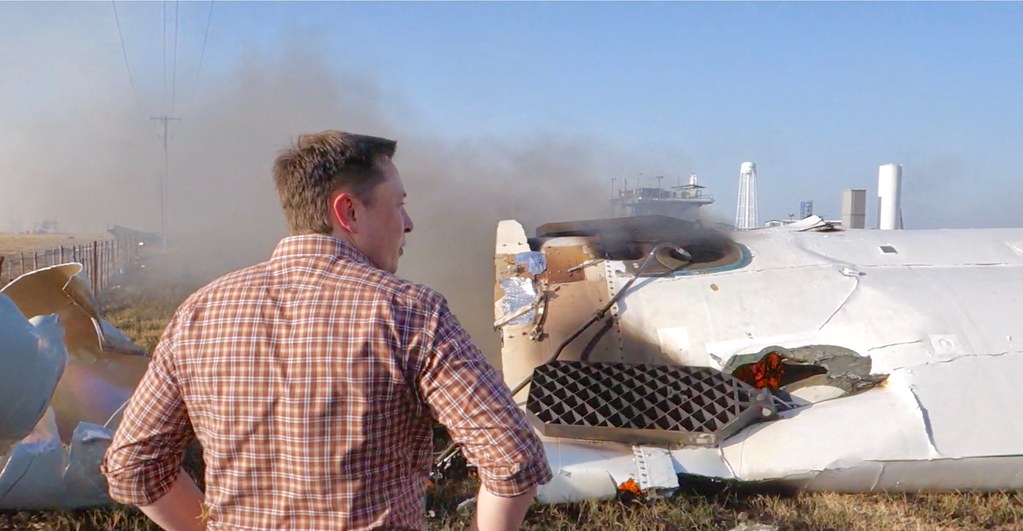
5. **The Threat to Decommission SpaceX Dragon**In a dramatic escalation of the public feud, the exchange of criticisms between Elon Musk and President Donald Trump moved from social media barbs to serious threats involving critical infrastructure and government contracts. As Trump warned that Musk’s company had been “wearing thin” and accused him on Truth Social of going “CRAZY,” while also threatening to revoke lucrative government contracts, Musk responded with an equally audacious and alarming counter-threat, targeting one of his own flagship projects with significant national implications.
Musk, via X, threatened to decommission SpaceX’s Dragon spacecraft. The Dragon is a crucial asset, used to ferry astronauts to and from the International Space Station, representing a vital component of the United States’ capabilities in space exploration and its commitments to international partners. This threat was not merely symbolic; it implied a willingness to disrupt essential government operations as a direct response to political pressure and perceived attacks on his business interests.
The gravity of this threat cannot be overstated. A move to decommission the Dragon spacecraft would have immediate and severe consequences for NASA and the U.S. space program, potentially impacting astronaut safety, supply chains to the ISS, and America’s standing in the global space community. It represented a dangerous blurring of lines between private business interests and national strategic assets, demonstrating the extreme lengths to which Musk was willing to go in his confrontation with the White House.
This specific escalation illustrated the high stakes involved in the feud. The prospect of Trump potentially cutting government subsidies and contracts from Musk companies, which include SpaceX as a “big NASA contractor,” seemed to prompt this severe reaction. The threat to decommission Dragon underscored Musk’s defiant stance and his willingness to use his company’s critical role in national infrastructure as leverage, further inflaming an already tense relationship and pushing the conflict into uncharted and risky territory.

6. **The Jeffrey Epstein Files Allegation**Among the most shocking and incendiary claims made by Elon Musk during his public spat with President Donald Trump was an allegation linking the President to the late pedophile Jeffrey Epstein. This claim, delivered without evidence, took the already personal and highly publicized feud into sensational and potentially defamatory territory, marking a significant low point in the exchange of barbs between the two powerful figures.
Musk’s allegation suggested that the true reason for the government withholding top-secret files on Jeffrey Epstein was that Trump was mentioned within them. This was an exceptionally grave accusation, aiming to imply a connection between the sitting President and a convicted offender. Such a claim, regardless of its veracity, was designed to inflict maximum reputational damage and inject a highly toxic narrative into the public discourse surrounding the conflict.
To lend credence to his baseless claim, Musk further posted visual “evidence” on X. This included a picture of Trump and Epstein together, as well as a video from 1992 that depicted the two New Yorkers chatting at a house party. While these images and videos merely showed past social interactions, Musk presented them in a context meant to substantiate his explosive allegation, fanning speculation and outrage across the internet.
However, in a clear move towards de-escalation that preceded his formal apology, Musk subsequently deleted these controversial posts about Trump and Epstein. This deletion was a critical part of his broader “walking back” of comments, indicating an acknowledgment that the allegation had gone too far and was unfounded. The removal of such incendiary content was a tangible sign of his shift in strategy, suggesting a recognition of the significant repercussions that such unsubstantiated claims could have, particularly in the context of the intense public and political scrutiny he was facing.
Continuing our examination of Elon Musk’s public communication, we pivot from his unprecedented apology to Donald Trump to delve into a broader pattern of his previous retractions and moments of contrition. These instances offer critical insights into his distinctive communication style, the pressures influencing his public statements, and the rare occasions he deems it necessary to walk back controversial remarks. Understanding these prior apologies provides essential context for the recent de-escalation with President Trump, revealing the underlying forces that compel even the world’s most outspoken billionaire to acknowledge missteps.
Read more about: Sarah Ferguson’s Epstein Emails: A Deep Dive into Royal Scandal and Compromised Credibility
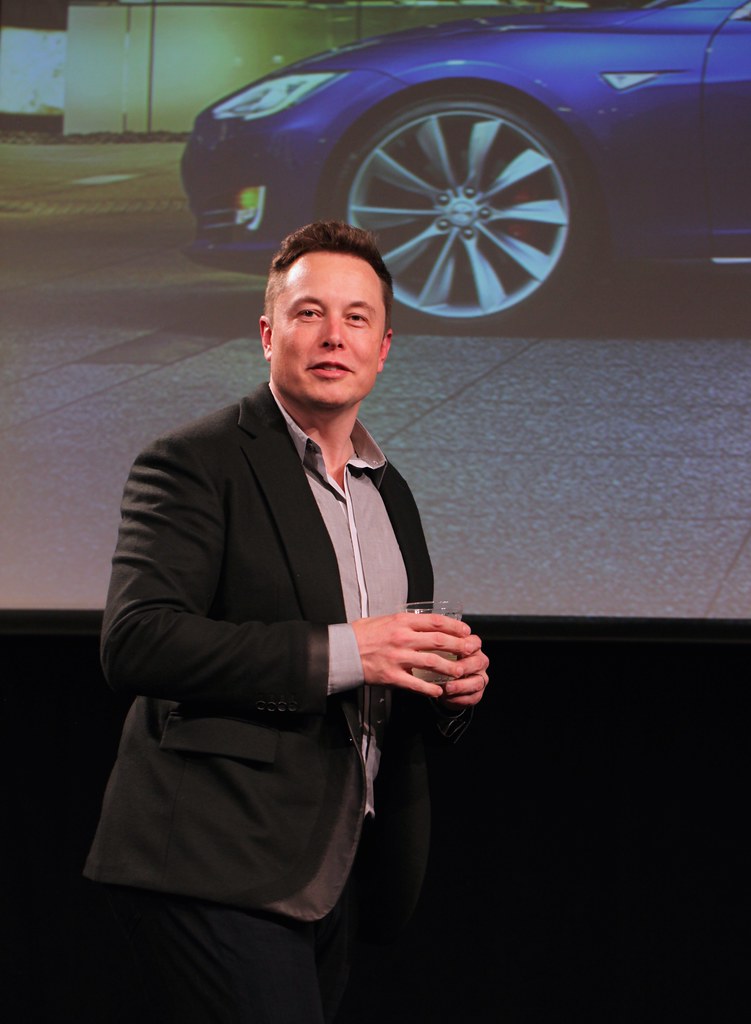
7. **His Feud with Peter Navarro**Prior to his recent feud with President Trump, Elon Musk engaged in public sparring with key administration figures, notably Peter Navarro, a top Trump advisor. Navarro publicly challenged Musk’s status, claiming he was not a “car manufacturer” but merely a “car assembler,” aiming to diminish Tesla’s innovative perception and Musk’s engineering contributions. Musk swiftly retaliated on X, labeling Navarro “truly a moron,” highlighting his low tolerance for criticism, especially concerning his companies’ achievements. Such a direct confrontation with a presidential advisor underscored Musk’s willingness to engage in verbal skirmishes irrespective of political standing.
The feud escalated as Musk used the “fake news” line against Navarro in April, asserting his claims about Tesla were “demonstrably false.” Despite the high-profile nature of this sparring, the White House initially treated the situation lightly, with Press Secretary Karoline Leavitt commenting, “Boys will be boys,” signaling a reluctance to intervene directly in what they presented as a personal disagreement.
Musk’s critiques extended to substantial policy disagreements. He publicly opposed Trump’s tariff plans, advocating instead for a “zero tariff situation—effectively creating a free trade zone between Europe and North America.” This statement, made to Italy’s Deputy Prime Minister Matteo Salvini, directly challenged a core economic policy of the Trump administration, demonstrating Musk’s willingness to engage on matters impacting global commerce and his international business operations.
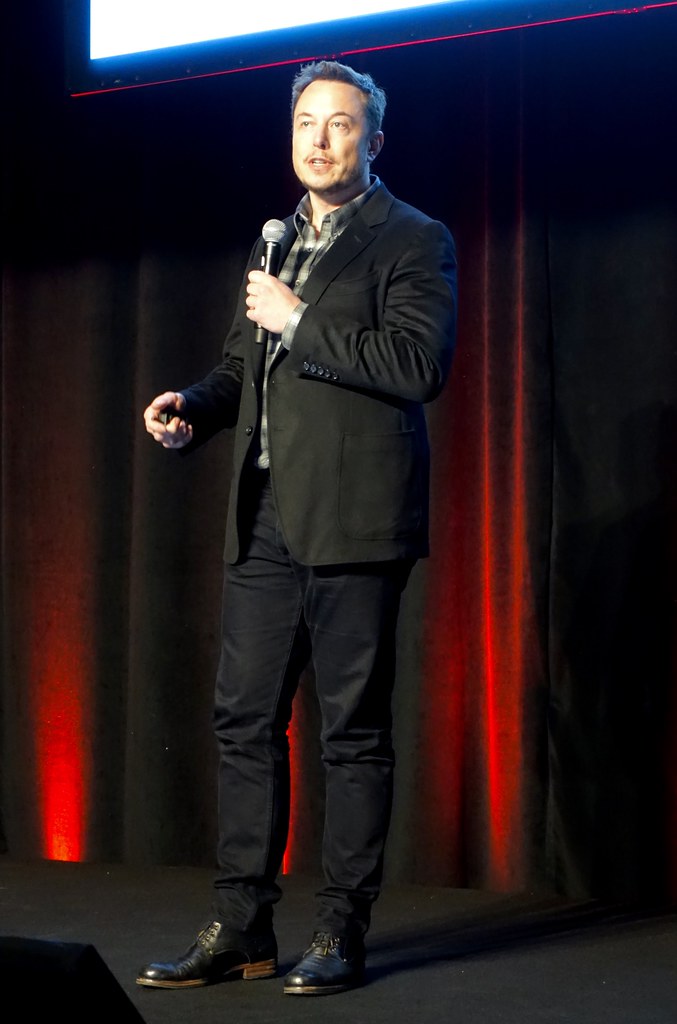
8. **The 2016 Tesla Customer Service Apology**In 2016, amidst Tesla’s rapid expansion and burgeoning demand, the company faced a critical operational challenge: its customer service responsiveness. As production scaled and the customer base broadened, the support infrastructure struggled to keep pace, leading to growing frustration among owners who often shared their experiences online. This widespread concern eventually prompted a direct and public acknowledgment from the CEO.
Musk addressed these concerns head-on via Twitter, offering a rare moment of corporate humility. “I apologize for being slow—the Tesla team is under heavy pressure right now,” he posted. This candid admission acknowledged the company’s shortcomings in customer support and transparently explained the immense internal pressures Tesla experienced during a critical growth phase, as it scaled manufacturing and expanded its service network.
This apology was notable for its directness and the personal responsibility Musk assumed. By engaging directly with customers on a public platform and explaining the reasons without evasion, he reinforced a perception of openness and commitment to customer satisfaction. This hands-on approach, a hallmark of Musk’s leadership, helped mitigate frustrations, reassuring many that the company was aware of its struggles and actively working to improve, thereby maintaining brand loyalty.
Read more about: The Unvarnished Truth: 15 Cars That Left Owners Fuming With Performance Failures and Reliability Nightmares
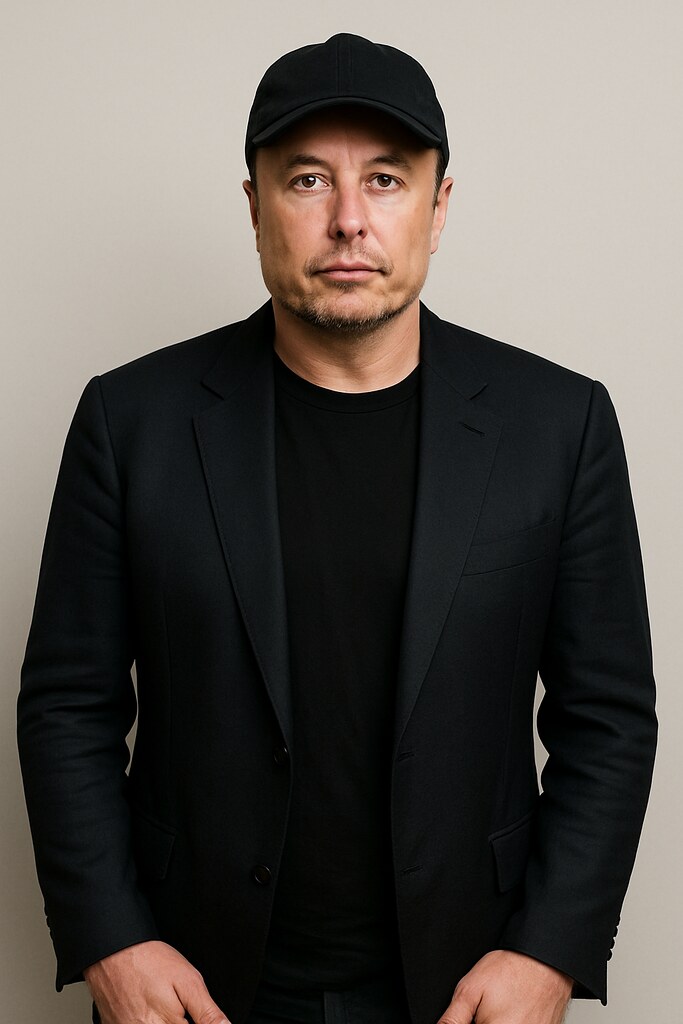
9. **The 2018 “Unexpected Funds” Tweet Retraction**July 2018 marked a significant inflection point in Elon Musk’s public communication, leading to profound repercussions. The controversy originated when Musk tweeted about potentially taking Tesla private at $420 per share, stating, “Am considering taking Tesla private at $420. Funding secured.” This audacious announcement, made on a public platform, sent shockwaves through financial markets, causing significant volatility and instantly drawing the intense scrutiny of the Securities and Exchange Commission (SEC).
As investigations commenced, the veracity of Musk’s “funding secured” claim quickly came under question. It became apparent that the funding was not as firmly secured or formalized as his tweet had implied. The ambiguity and perceived misleading nature of the statement created considerable uncertainty for investors, prompting a necessary clarification and ultimately an apology from Musk to address the ensuing confusion and legal jeopardy.
Musk issued an apology in a detailed blog post on Tesla’s website, admitting his tweet had not been “well-thought-out” and clarifying he had no intention to mislead investors. He explained his confidence stemmed from conversations with Saudi Arabia’s sovereign wealth fund, which he genuinely believed indicated strong interest. He expressed regret for the confusion his impulsive tweet had caused among shareholders and the broader financial community.
This pivotal incident led to substantial legal and governance repercussions for Musk and Tesla. The SEC filed a lawsuit for securities fraud, resulting in a settlement where Musk was required to step down as chairman of Tesla’s board for three years, and both he and Tesla paid substantial fines totaling $40 million. This retraction serves as a stark reminder of the immense responsibility and regulatory oversight governing public pronouncements from a CEO of a publicly traded company.
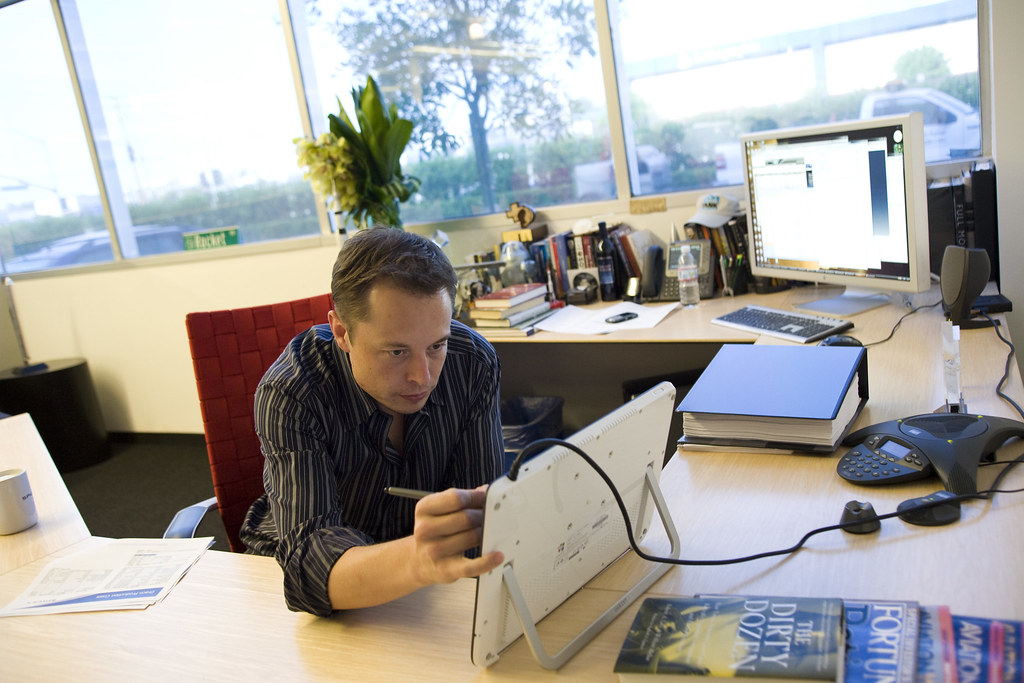
10. **The 2019 “Pedo Guy” Defamation Trial Apology**In 2019, Elon Musk was embroiled in a highly personal defamation lawsuit, highlighting the perils of impulsive social media commentary. The controversy ignited after Musk made a deeply offensive and unsubstantiated remark about Vernon Unsworth, a British cave diver prominent in the Thai cave rescue. Musk referred to Unsworth as “pedo guy” in a tweet, an accusation that drew widespread condemnation and prompted legal action.
The inflammatory remark followed an exchange where Unsworth publicly dismissed Musk’s offer of a mini-submarine as a “PR stunt.” Incensed by Unsworth’s critique, Musk lashed out on Twitter. The gravity of such a baseless allegation, made without evidence, prompted Unsworth to file a defamation lawsuit seeking damages for harm to his reputation.
During the high-stakes defamation trial, Musk expressed clear regret for his choice of words. He publicly acknowledged his tweet was not based on any factual information and stated he did not intend for the derogatory term to be taken literally. Musk admitted his words were “ill-considered” and explained he had acted out of anger “in the heat of the moment,” offering a rare glimpse into the emotional impulses driving his public pronouncements.
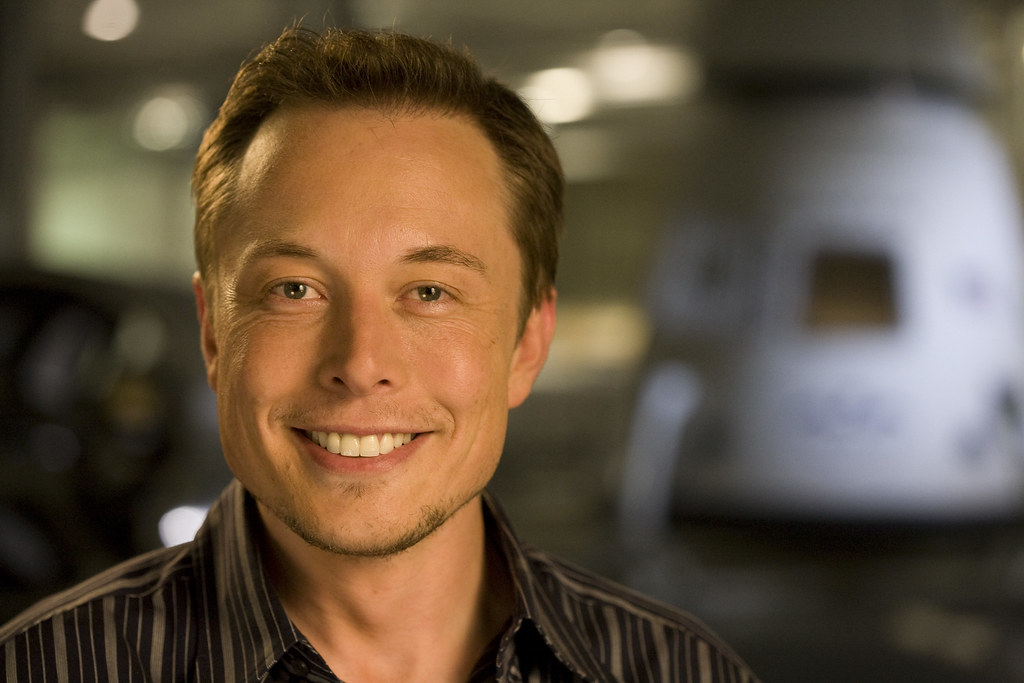
11. **The Strategic Deletion of Inflammatory Posts Related to Donald Trump**Beyond formal apologies, Elon Musk has demonstrated a strategic pattern of retraction through the proactive deletion of inflammatory posts, particularly those targeting Donald Trump. This action, often undertaken quietly, serves as a crucial component of his de-escalation strategy, complementing formal apologies by physically removing contentious content from the public record on X. This pattern became strikingly evident during the recent feud with President Trump.
The most prominent instance involved Musk’s baseless allegations concerning Trump’s supposed connection to Jeffrey Epstein. After initially posting a picture of Trump and Epstein and a 1992 video clip, Musk later consciously “deleted these controversial posts about Trump and Epstein” as part of his broader “walking back” of comments. This removal signaled a tangible acknowledgment that the allegations had gone “too far” and were politically unsustainable to maintain in the public domain.
This pattern extends beyond the Epstein allegations, reflecting a general approach to managing controversies that threaten his business interests or political relationships. In a further move towards de-escalation prior to his formal apology, Musk shared a positive reaction to the White House’s response to the Los Angeles protests. His conciliatory “cool” response on X to Vice President JD Vance’s suggestion for de-escalation also underscored this strategic shift from confrontation to a more amenable posture.
The motivations behind such strategic deletions are multifaceted, intertwining with Musk’s vast business interests and political pressures. His companies, Tesla and SpaceX, are heavily reliant on government contracts, favorable regulatory environments, and positive public sentiment. Sustaining a hostile relationship with the administration poses a significant risk. Thus, removing incendiary content is a pragmatic move to mitigate potential “pain the White House can inflict on Musk’s private interests.”
These actions underscore the complex interplay between Musk’s unfiltered communication and his pragmatic business acumen. While his initial impulse may be aggressive, strategic deletion, alongside explicit apologies, highlights his capacity for self-correction when faced with significant repercussions. It reveals a pattern where even deep defiance can give way to calculated retraction, demonstrating that while Musk pushes boundaries, he also understands when to pull back from the brink to protect his broader interests and relationships.
Elon Musk’s journey through public apologies and strategic retractions offers a revealing lens into the intricate dynamics of power, influence, and accountability in the digital age. From customer service issues at Tesla to high-stakes political feuds, his moments of contrition, however rare, illuminate a complex figure. They reveal a leader whose outspokenness often leads to controversy, but who, when confronted with significant repercussions, demonstrates a capacity for reconsideration and the calculated withdrawal of inflammatory statements. These instances collectively paint a nuanced portrait of a billionaire entrepreneur navigating an increasingly scrutinizing public sphere, where even the most influential individuals are occasionally compelled to acknowledge their missteps and recalibrate their approach.
:max_bytes(150000):strip_icc()/InStyle-November-Kristen-Stewart-Lead-Social-3-2000-3df0d52122904eaca75fab6c226a38b9.jpg "From Twilight’s Bella to Hollywood Royalty: Kristen Stewart’s Stunning Evolution and Enduring Legacy")