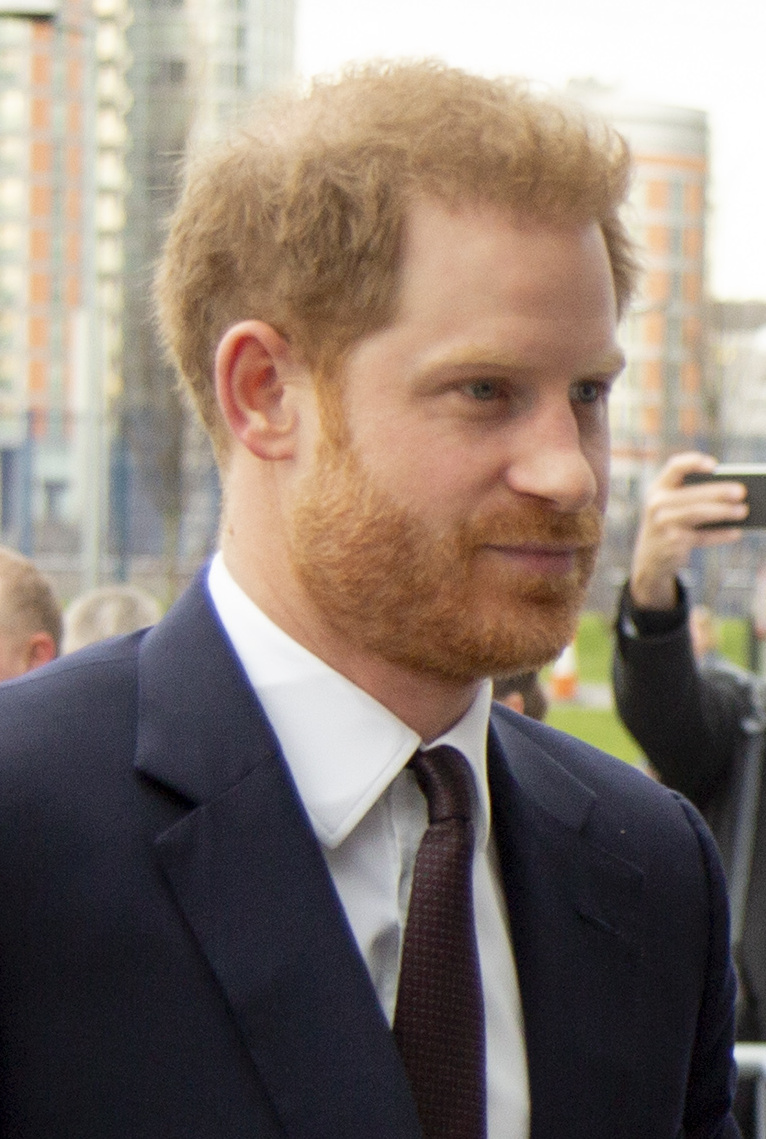
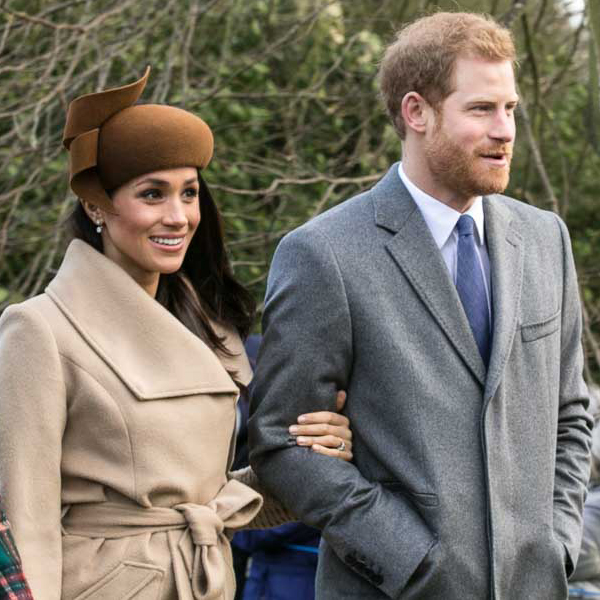
The landscape of modern royalty is undeniably intricate, a delicate balance between ancient tradition and contemporary public expectation. Few figures have found themselves at the heart of this evolving narrative quite like Prince Harry, Duke of Sus, and Meghan, Duchess of Sussex. Their decision to step back from royal duties and forge a new path in Montecito, California, has been a saga of global fascination, marked by both profound personal shifts and an unprecedented level of media engagement.
At the epicenter of much of this public discourse stands Oprah Winfrey, a titan of media and a figure whose own journey of influence and insight is unparalleled. Her relationship with Harry and Meghan has been a unique blend of personal friendship and professional alliance, culminating in moments that have redefined the couple’s public narrative. From their groundbreaking interview that sent shockwaves through the monarchy to the seemingly casual remarks that hint at deeper dynamics, Oprah’s voice has consistently offered a rare, insider perspective on the Suses’ world.
Recently, in a series of candid exchanges, Oprah shared observations and, notably, a singular piece of advice that encapsulates the wisdom she imparts to the couple navigating their complex new reality. This counsel, delivered with her characteristic blend of empathy and pragmatic clarity, speaks volumes about the challenges and choices facing Harry and Meghan as they endeavor to reconcile their personal well-being with their public roles, particularly concerning monumental events like a royal coronation. Let us delve into the layers of this evolving friendship and the profound implications of Oprah’s guidance.
1. **Oprah’s Direct Counsel on the Coronation**
When the question of Prince Harry and Meghan Markle’s attendance at King Charles III’s coronation arose, speculation reached a fever pitch. It was a moment laden with historical significance and intense personal implications for the Suses and the wider royal family. Amidst this swirl of anticipation, Oprah Winfrey, a confidante to the couple, was asked for her perspective by her longtime friend and CBS Mornings co-host, Gayle King. The query was direct: “Do you think they should go, do you think they should not go? Is it something you’d like to comment on? I’m listening.”
Oprah’s response, delivered with an air of thoughtful consideration, was both succinct and deeply profound, steering clear of any definitive directive. She articulated, “I think they should do what they feel is best for them and for their family. That’s what I think. That’s what the bottom line it comes down to. What do you feel like is the right thing for you?” This advice, while seemingly simple, underscored a fundamental principle of autonomy and self-determination, a philosophy Oprah herself has championed throughout her illustrious career.
It was a powerful statement about prioritizing personal well-being and family unity above external pressures or expectations, a theme that has resonated deeply throughout Harry and Meghan’s post-royal journey. Oprah clarified that the couple had not explicitly sought her opinion on the matter, emphasizing that her counsel was offered as a general guiding principle rather than a direct instruction. This subtle distinction highlights the nature of their bond: one of mutual respect and understanding, where wisdom is shared without imposition.
Her words, broadcast across global platforms, served not as a prediction of their decision, but as a testament to the core values she believes should guide such significant life choices. In a world constantly scrutinizing their every move, Oprah’s advice was a resounding affirmation of their right to make choices rooted in their own perceived best interest. It offered a moment of clarity amidst the relentless public debate, suggesting that true discernment comes from an internal compass.
This perspective aligns perfectly with the narrative Harry and Meghan have consistently presented: a quest for agency and the freedom to define their lives on their own terms. Oprah’s advice became a public endorsement of their right to carve out a path that feels authentic to them, even if that path diverges significantly from royal tradition. It was a reminder that at the heart of their choices lie deeply personal considerations, far removed from the headlines.
2. **The Weight of the Coronation Invitation**
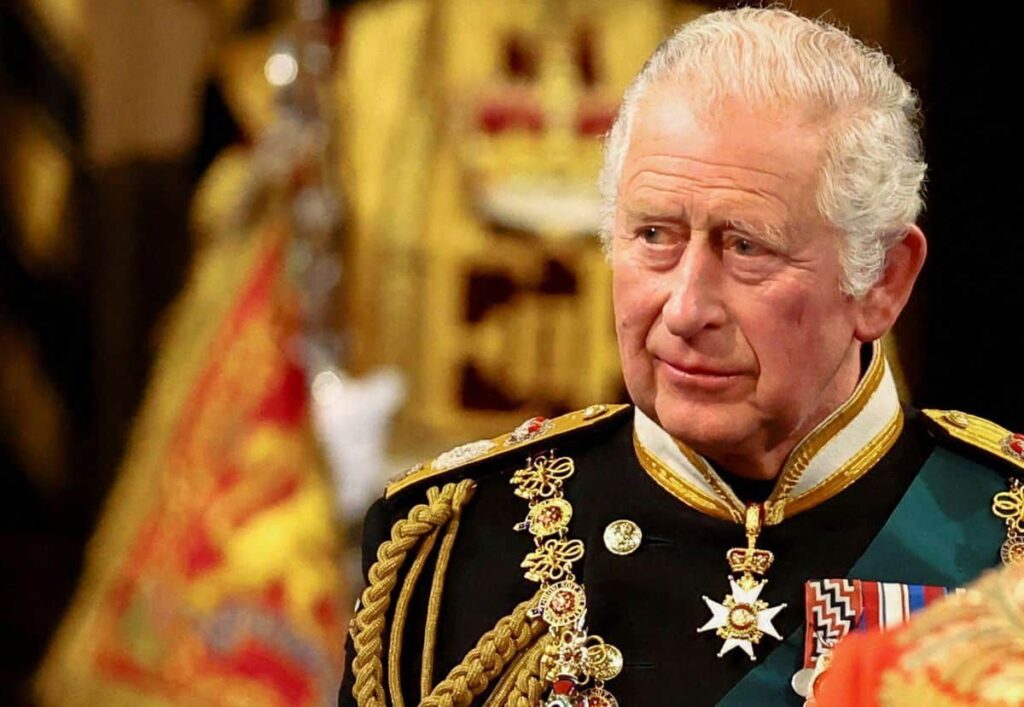
The invitation to King Charles III’s coronation on May 6 carried immense symbolic weight, arriving amidst months of swirling speculation and strained relations within the royal family. For Prince Harry and Meghan, it represented a pivotal moment, an opportunity to potentially bridge widening rifts or, alternatively, to affirm their independent trajectory. The very existence of the invitation confirmed the King’s desire for his son’s presence, despite the public pronouncements and revelations that had created significant distance.
However, the date itself added another layer of complexity: May 6 also marked the fourth birthday of their son, Prince Archie. This coincidence immediately presented a dilemma, forcing a choice between a historic family event and a cherished personal milestone. It amplified the narrative that Harry and Meghan frequently find themselves balancing: the demands of their public roles versus the sanctity of their private family life.
A spokesperson for the couple confirmed receipt of the “email correspondence from His Majesty’s office regarding the coronation,” but notably stated, “An immediate decision on whether The Duke and Duchess will attend will not be disclosed by us at this time.” This measured response underscored the gravity of their decision-making process, suggesting careful consideration rather than a hasty reaction. The world waited, keenly aware that their attendance, or absence, would speak volumes.
The invitation itself was a gesture from the King, signaling a potential openness to reconciliation, as articulated by a palace insider who reportedly told People that “It is such a momentous occasion for Charles, and he would want his son to be at the coronation to witness it. He would like to have Harry back in the family.” This sentiment highlighted the personal stakes for King Charles, who reportedly sought for the situation to “calm down” before his ascension. The weight of this royal desire rested heavily on the Suses’ shoulders.
For Harry and Meghan, accepting or declining was not merely a logistical choice but a statement about their future relationship with the monarchy and their perceived standing within the wider institution. The invitation, and their eventual response, became a barometer of how much distance they wished to maintain from their former lives. It symbolized the enduring tension between duty and personal freedom, a struggle they have openly discussed since their departure from senior royal roles.
Read more about: Olivia de Havilland: Unearthing the Darker Realities Behind a Golden Age Icon’s Glamorous Persona
3. **The “Suses” Linguistic Jab**
In the ever-watchful gaze of the media, even the most seemingly innocuous remarks can ignite a blaze of speculation, particularly when they involve figures as high-profile as Prince Harry and Meghan. Such was the case during Oprah Winfrey’s appearance on Kelly Ripa’s “Let’s Talk Off Camera” podcast, where a playful linguistic jab at the couple’s chosen surname, “Sus,” reportedly caused a ripple of discontent for the Duke and Duchess.
During the conversation, Oprah recounted a humorous story involving Harry, Meghan, and a chaotic duck rescue (which we will delve into further). As she referred to the couple, she playfully elongated their collective title, pronouncing “Suses” with “several extra syllables.” This lighthearted embellishment, seemingly made in jest, became a focal point of discussion. The context for the jab arose from Meghan’s insistence on no longer going by “Markle,” but rather “Sussex,” a move seen as solidifying their new identity.
While Oprah reportedly “meant no harm” with her comedic pronunciation, insiders, as reported by Rob Shuter’s #ShuterScoop, indicated that Harry and Meghan were “stung” by the joke. The couple, it was revealed, are “sensitive” to anything that “make them sound like a meme.” This particular reaction shed light on their acute awareness of how they are portrayed in the public sphere and their keen desire to maintain a certain gravitas and respect, even amongst friends.
The sensitivity stemmed from their perception of Oprah as a “trusted media ally.” This status implied a degree of protection and understanding, a relationship built on shared confidences and mutual support, especially in navigating the treacherous waters of public opinion. For a close ally to inadvertently contribute to a narrative that felt mocking, even playfully so, was evidently a source of discomfort for the couple, challenging the unspoken rules of their alliance.
This incident, though minor in the grand scheme of royal affairs, provided a fascinating glimpse into the fragile nature of their public image. It underscored how vigilantly Harry and Meghan guard their narrative and how easily even well-intentioned humor can be misconstrued or felt as a slight. The phrase “the Suses probably aren’t clucking with joy,” as an insider quipped, humorously captured the underlying tension that the seemingly innocent joke had created, revealing the intricate dynamics at play within their inner circle.
4. **The Comedy of the Duck Rescue**
Amidst the weight of royal expectations and public scrutiny, sometimes a moment of pure, unadulterated comedy can unexpectedly emerge, offering a glimpse into the lighter side of even the most high-profile friendships. Oprah Winfrey herself provided just such a narrative, recounting a truly amusing anecdote involving Prince Harry, Meghan, and an unexpected avian dilemma that unfolded on their respective Montecito properties.
Oprah delightfully recalled receiving a call from Prince Harry on Easter Saturday, a call that began with the rather unusual preamble, “‘Sorry to bother you, O, but we have a duck problem here.'” It appeared a mama duck had decided the Suses’ yard was the perfect spot to lay her eggs, resulting in a brood of baby chicks. The problem? The couple’s “pond is a stream, we don’t have a pond,” as Harry explained, necessitating a relocation for the new family.
Their solution involved Oprah’s property, which, conveniently, boasted a pond. What followed, however, turned into a scene worthy of a slapstick comedy. As Harry attempted to transport the baby ducks in a box, the mama duck, displaying a strong maternal instinct, “flies out” of the box. Suddenly, “We’re chasing the mama duck who is in the front yard and has flown to the other side. We’ve got her ducks. Harry’s running after, Meghan gets out, she’s running after, chasing the mom and trying to get her to come back to her ducks.”
The entire escapade, involving the trio scrambling across the yard in pursuit of the errant avian mother, was etched in Oprah’s memory as an immensely entertaining event. “And for like half an hour, we’re running around with the ducks in a box. We have video. It’s the funniest thing I’ve ever seen,” she laughed. This vivid recounting offered a rare, authentic peek into the informal, candid nature of their friendship, far removed from the formal protocols of royal life.
This shared experience, full of unexpected chaos and laughter, humanized the trio, painting a picture of genuine camaraderie and shared silliness. It revealed a dimension of their relationship that public interviews and official statements rarely capture: a bond forged in mutual aid and spontaneous humor. The duck story, therefore, stands as a charming testament to the personal connection that underpins Oprah’s role in their lives, beyond her status as a media icon.
Read more about: Blink and You’ll Miss Them: 14 Movie Star Cameos That Defined Pop Culture Moments
5. **Oprah as a “Trusted Media Ally”**
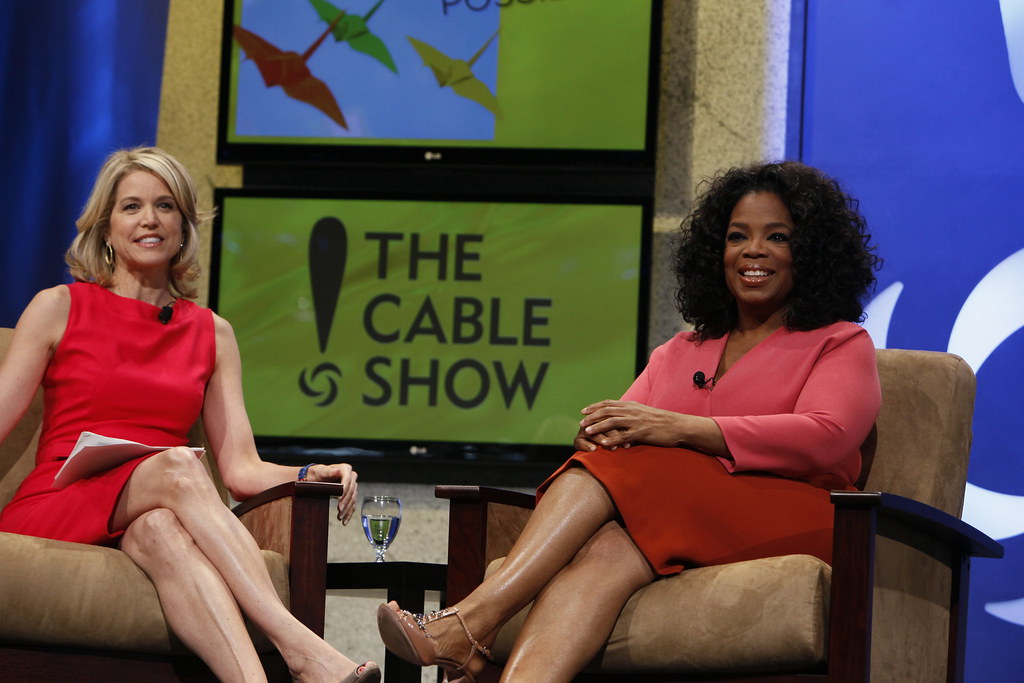
The relationship between Oprah Winfrey and Prince Harry and Meghan Markle transcends the typical celebrity-interviewer dynamic; it has evolved into a strategic alliance, particularly within the challenging landscape of global media. Oprah has not merely reported on the couple; she has been a consistent presence, a “trusted media ally” whose influence and platform have been instrumental in shaping their public narrative since their departure from royal duties.
Her role as an ally began symbolically with her attendance at their extravagant royal wedding at Windsor Castle in 2018, where she was seated in the St George’s Chapel quire stalls, a position usually reserved for close family. This early indication of intimacy set the stage for a deeper connection, hinting at the trust the couple placed in her. Later, her friend Gayle King attended Meghan’s baby shower for Archie in 2019, further solidifying the social ties within their inner circle.
The pinnacle of this alliance came in March 2021, when Oprah conducted their first joint in-depth interview since they stepped back as senior royals. This bombshell conversation, aired globally, provided Harry and Meghan an unparalleled platform to articulate their reasons for leaving the monarchy, their experiences with the press, and allegations against the palace, including “worries from someone about how ‘dark’ their first baby Archie would be.” This interview irrevocably altered the public perception of the royal family and cemented Oprah’s status as their principal media confidante.
Through this powerful platform, Oprah allowed the couple to present their narrative largely on their own terms, offering an exclusive channel for their voices to be heard without filter. This positioning has made her a crucial figure in their communication strategy, enabling them to bypass traditional media channels they often criticize. Her very presence and endorsement lend credibility to their claims and stories, leveraging her immense global trust and influence.
The implication of being a “trusted media ally” means more than just conducting interviews; it suggests a protective stance, a willingness to understand their perspective and to facilitate their narrative in a sympathetic light. This alliance is not just about friendship, but about strategy in managing their public image and ensuring their story resonates with a broad audience, making any perceived misstep, like the “Suses” joke, all the more impactful due to the depth of their reliance on this trust.
6. **The Couple’s Sensitivity to Public Perception**
In the aftermath of their departure from royal duties and relocation to the United States, Prince Harry and Meghan Markle have cultivated a public image defined by their quest for privacy, yet paradoxically, they have also leveraged global media platforms to share their story. This delicate balance has rendered them acutely “sensitive” to public perception, particularly to anything that might “make them sound like a meme,” as insiders have observed. Their journey is one of meticulously crafting their narrative, making any deviation from this carefully constructed image a source of genuine concern.
This sensitivity is not merely about vanity; it stems from a deeper understanding of how quickly public opinion can turn, and how easily their chosen narrative can be undermined by perceived mockery or trivialization. Having faced relentless scrutiny and criticism from certain elements of the British press, the couple is hyper-aware of the insidious power of media portrayals. Jokes, even from trusted allies like Oprah, can echo the very caricatures they strive to dismantle.
Their insistence on being referred to as “Sus” rather than “Markle,” for instance, reflects a desire to assert a new identity, independent of their past lives. Therefore, Oprah’s playful pronunciation, which added “several extra syllables” to “Sussexes,” was not just a minor slip. It was a moment that, to them, risked reducing their carefully chosen identifier into a subject of jest, potentially undermining the seriousness with which they approach their re-branding.
This vigilance over their image is also linked to their reported efforts towards reconciliation with the British royal family. With Harry having expressed a desire to “get my father and brother back,” and King Charles reportedly anxious for the situation to “calm down” before his coronation, the optics of their public presentation are paramount. Any perceived misstep could complicate these delicate negotiations, reinforcing negative stereotypes or fueling further familial estrangement.
Ultimately, the couple’s sensitivity to public perception is a testament to the high stakes involved in their current life. They are not just private individuals but global figures navigating complex relationships, both personal and institutional. Every comment, every joke, every headline contributes to a mosaic that they are constantly, and often painstakingly, attempting to control. Their reaction to Oprah’s “Suses” joke serves as a potent reminder of this ongoing, high-wire act of self-definition in the public eye.
Read more about: Priscilla Presley’s Untold Story: The Real Reasons Behind Her Iconic Relationships and Life Beyond Elvis
7. **The Enduring Strain on Royal Relations Since Their Departure**
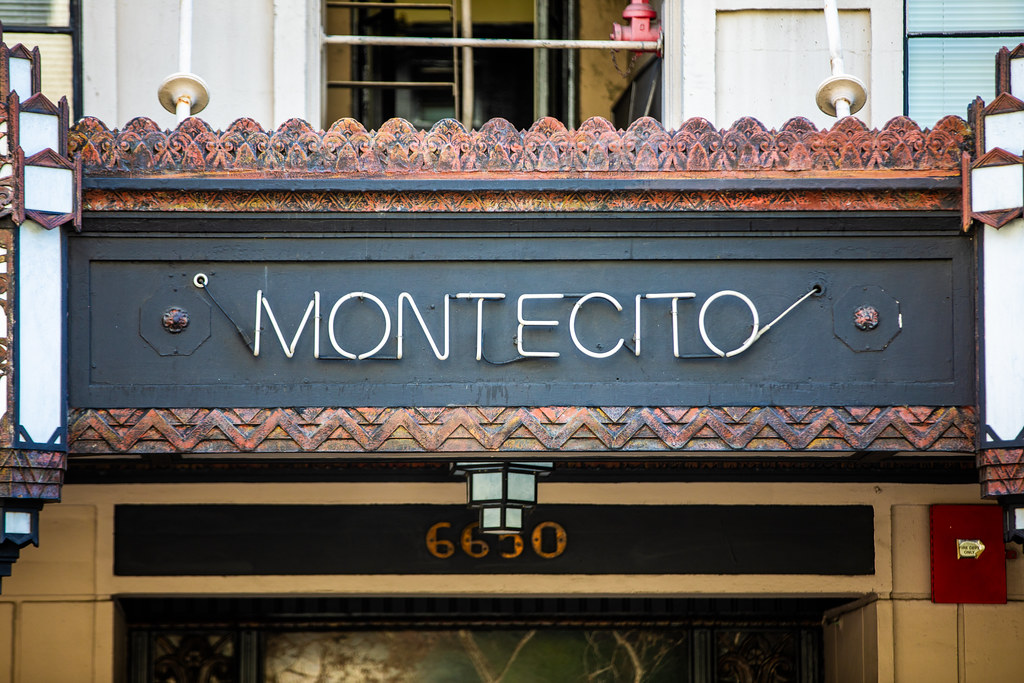
The decision by Prince Harry and Meghan to step away from their senior royal duties in 2020, and their subsequent relocation to Montecito, California, initiated a profound shift in the dynamics of the British monarchy. This ‘Megxit,’ as it was colloquially dubbed, was far from a quiet departure; it marked the beginning of an era characterized by palpable tension and an undeniable strain on their relationship with the wider Royal Family. Insiders have openly acknowledged that the couple has ‘burned some bridges’ since their move across the pond, indicating a rupture that goes beyond mere geographical distance.
This continuous strain has been a recurring theme in reports emanating from palace sources and close observers alike. Despite Harry’s expressed desire for reconciliation and King Charles’s reported anxiety for the situation to ‘calm down,’ particularly before his ascension, the reality on the ground suggests otherwise. Relations between the Suses and the royal family have, in fact, ‘become increasingly strained in recent years,’ transforming from familial disagreements into a deep-seated feud that has captivated global attention.
The public pronouncements and revelations stemming from the couple’s post-royal ventures have consistently widened this chasm. Each interview, each documentary, and each memoir has, in the eyes of many, served to underscore the fundamental differences in perspective and experience between the Suses and the institution they left behind. This ongoing tension illustrates the immense difficulty in reconciling the personal grievances of individuals with the unyielding traditions and expectations of a centuries-old monarchy.
Indeed, despite various attempts, overtures, and speculated efforts, the consistent narrative has been one of ‘no advancement in mending fences.’ The deeply personal feud, particularly between Harry and his father and brother, remains a poignant backdrop to every public appearance and decision made by the Suses. It highlights a painful truth: that even in the most prominent families, some rifts prove extraordinarily challenging to bridge, leaving enduring scars on a once-unbreakable bond.
Read more about: The Unforgettable Journey of Disco’s Queen: Unpacking Sylvester’s Trailblazing Life and Legacy
8. **The Impact of ‘Spare’ and the Netflix Docuseries**
While their groundbreaking interview with Oprah Winfrey in 2021 undoubtedly sent shockwaves through the monarchy, Prince Harry and Meghan continued to strategically leverage global media platforms to articulate their narrative, profoundly impacting public perception and further straining royal relations. This strategic communication culminated in two significant, highly anticipated releases: Harry’s tell-all memoir, *Spare*, published in January, and their Netflix documentary series, which premiered late last year. Both projects provided unprecedented access to their lives and perspectives, unleashing a torrent of new allegations and personal revelations.
*Spare*, in particular, became a record-breaking memoir, meticulously detailing Harry’s experiences within the Royal Family, from childhood grievances to the profound struggles he and Meghan faced leading up to their departure. It offered an intimate, often raw, account of palace life, revealing deeply personal anecdotes and frustrations that had previously been confined to private circles. The book’s candidness was a deliberate act of narrative control, allowing Harry to present his ‘series of corrections to stories already out there,’ as he described it, often challenging established narratives and perceptions.
Similarly, their Netflix documentary series served as a visual companion to their verbal testimonies, weaving together interviews, personal footage, and archival material to present a comprehensive, narrative-driven account of their journey. Both the memoir and the docuseries contained ‘further allegations of mistreatment by the palace,’ painting a picture of an institution that, in their view, failed to support them, particularly Meghan, during their most vulnerable moments.
The combined effect of these projects was profound, not only on the Royal Family but also on public discourse surrounding the monarchy. The topics discussed, ranging from personal emotional struggles to claims of institutional failings, ‘dominated news coverage around the world.’ They forced a global conversation about tradition, modernity, and the personal cost of public life, irrevocably altering the public’s understanding of the Suses’ motivations and experiences. These media ventures were not merely about sharing stories; they were powerful tools in redefining their public identity and asserting their independence from the royal establishment.
Read more about: Prince Harry at a Crossroads: Unpacking the Royal Return, Marriage Tensions, and Search for Purpose
9. **The Nuance of ‘Unconscious Bias’ Versus Racism**
One of the most incendiary allegations to emerge from Prince Harry and Meghan Markle’s interview with Oprah Winfrey in 2021 was the suggestion of racially insensitive comments within the Royal Family. Meghan had revealed ‘worries from someone about how ‘dark’ their first baby Archie would be,’ leading to widespread media interpretation that the couple had accused the monarchy of racism. This particular claim fueled intense ‘anti-racist criticism of the monarchy’ and prompted a rare, carefully worded response from Queen Elizabeth II’s Buckingham Palace, acknowledging that ‘While some recollections may vary, they are taken very seriously and will be addressed by the family privately.’
However, in a significant clarification that added a crucial layer of nuance to the debate, Prince Harry later addressed this perception while promoting his memoir, *Spare*, in 2023. During an interview with ITV’s Tom Bradby, Harry explicitly denied that he or Meghan had ever accused the Royal Family of racism. When challenged by Bradby, who stated, ‘in the Oprah interview you accused members of your family of racism,’ Harry countered unequivocally: ‘No I didn’t. The British press said that. Did Meghan ever mention that they’re racist?’
Harry elaborated on his perspective, explaining that the issue, while serious, was more accurately understood through the lens of ‘unconscious bias.’ He acknowledged Meghan’s statement that ‘there were troubling comments about Archie’s skin color’ and ‘there was—there was concern about his skin color.’ Yet, he differentiated this from outright racism. Having ‘lived within that family,’ Harry conveyed that he didn’t consider the comments racist, but rather an instance where a family member needed to ‘work on’ their unconscious biases. This distinction was vital in reframing the discussion, moving it from direct accusation to a more complex understanding of systemic issues.
This recharacterization of the accusation from racism to ‘unconscious bias’ reflected a sophisticated understanding of subtle, ingrained prejudices that can exist without malicious intent. It allowed for a more nuanced interpretation of the incident, yet it did little to diminish the public scrutiny or the ongoing debate surrounding racial sensitivity within traditionally homogenous institutions. Harry’s clarification underscored the intricate nature of these discussions and the profound impact of language in shaping public perception, particularly when addressing such sensitive and deeply personal experiences.
10. **Prince Harry’s Open Plea for Reconciliation**
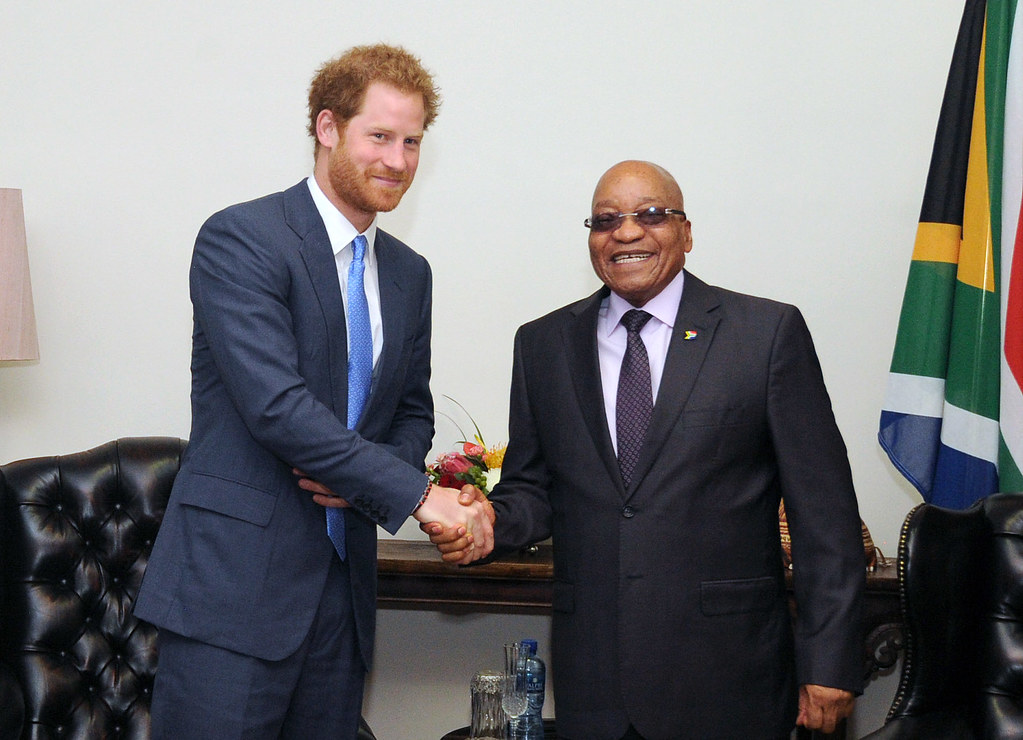
Amidst the ongoing complexities and strained relations that have characterized his post-royal life, Prince Harry has consistently voiced a profound desire for reconciliation with his family, particularly his father, King Charles, and his brother, Prince William. Despite the deep-seated feud and the public disagreements that have played out on a global stage, Harry’s expressed wish for mending fences remains a poignant and consistent theme. His statements reflect a longing to heal the rifts that have separated him from the very heart of his familial bonds.
In a candid interview, Harry articulated his weariness with the conflict, stating, “There’s no point in continuing to fight anymore.” This sentiment speaks volumes about the emotional toll the estrangement has taken, suggesting a deep-seated wish to move beyond the protracted public battles. He underscored the fragility of life and the importance of familial connection, adding, “Life is precious. Forgiveness is 100 percent a possibility because I would like to get my father and brother back.” This direct appeal reveals the personal anguish beneath the public persona, highlighting that despite the institutional disagreements, his fundamental desire is for a restored family unit.
His declaration, “I want a family. Not an institution,” succinctly encapsulates the core tension that has driven much of his narrative since stepping back from royal duties. It illuminates his struggle to reconcile his personal needs and emotional well-being with the rigid demands of the monarchy. While acknowledging the differences, Harry has also stated that ‘They’ve shown absolutely no willingness to reconcile,’ indicating a perception that the initiative for mending bridges has largely fallen upon his shoulders, or at least, has not been reciprocated to his satisfaction.
This open yearning for reconciliation places immense pressure on all parties involved. It transforms what might have been a private family matter into a public drama, with the world watching to see if and how these profound familial wounds can be healed. Harry’s continued expression of this desire underscores his hope for a future where personal connections transcend institutional divides, even as the path to such a resolution remains fraught with challenges and unaddressed grievances.
11. **King Charles’s Hopes for Calm and Family Unity**
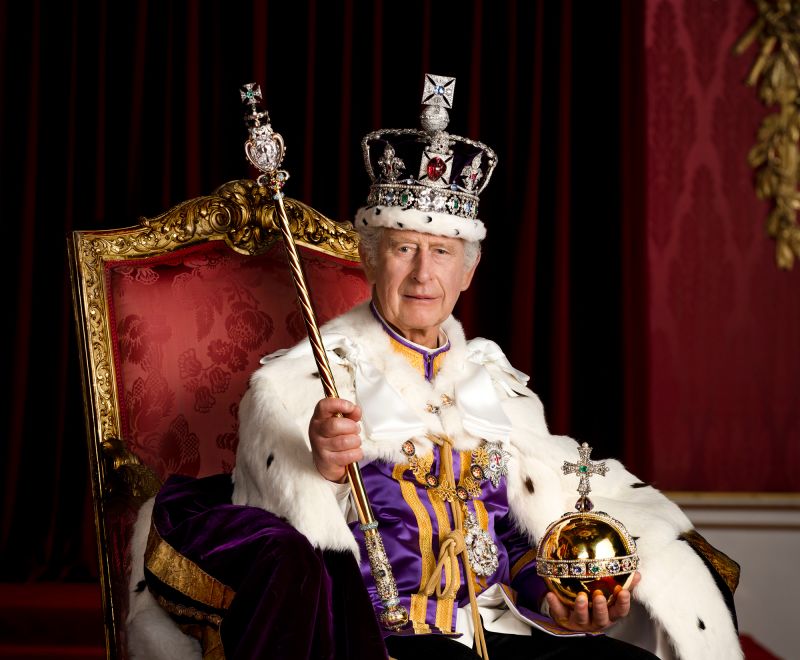
The deep-seated tensions between the Suses and the Royal Family have cast a long shadow over King Charles III’s early reign, creating a personal and public dilemma for the new monarch. As he ascended the throne, particularly in the lead-up to his coronation, King Charles was reportedly ‘anxious for the situation to ‘calm down’,’ signaling a clear desire to foster an atmosphere of unity and stability within his family and the monarchy as a whole. This aspiration for tranquility speaks to the personal impact of the family feud on the King, who seemingly wishes to avoid a reign marked by ongoing discord.
A palace insider reportedly conveyed the King’s profound desire for his son’s presence at the historic event, stating, “It is such a momentous occasion for Charles, and he would want his son to be at the coronation to witness it. He would like to have Harry back in the family.” This sentiment underscores not just a formal invitation, but a deeply personal plea for familial solidarity. The coronation, a symbol of national unity and royal continuity, presented a crucial opportunity for a symbolic reconciliation, or at least a temporary truce, within the fractured family.
The King’s concern extends beyond personal feelings; it also touches upon his public image and historical legacy. The source added, “If they don’t sort it out, it will always be part of the King’s reign and how he has left his family disjointed. He has had a reputation as a distant parent, and it would be awful for him for that to continue.” This revelation highlights the immense pressure on King Charles to demonstrate an ability to unite his family, both for his personal peace of mind and for the perception of his reign. The public saga of Harry and Meghan affects not just their own narratives, but the narrative of the entire institution.
Ultimately, King Charles’s hopes for calm and family unity reflect a monarch grappling with the dual responsibilities of leading a nation and nurturing his own family. His desire for reconciliation with Harry and Meghan, particularly during such a pivotal moment as the coronation, was a testament to the enduring bond he sought to preserve, even in the face of unprecedented public scrutiny and personal challenges. It reveals a monarch who, despite the weight of his office, yearns for his family to stand together.
Read more about: Princess Kate’s Unprecedented Year: Health Battles, Family Strength, and a Royal New Chapter Unfolds
12. **Redefining Their Public Narrative and Harry’s ‘No Regrets’**
Prince Harry and Meghan Markle’s journey since stepping back from royal duties has been a continuous exercise in redefining their public narrative, often in direct opposition to the portrayals disseminated by certain elements of the media. This effort involves not only sharing their own stories through carefully chosen platforms but also firmly asserting their emotional state and convictions. Harry’s resolute stance on his happiness in the United States, despite persistent media implications of misery, exemplifies this active re-branding and insistence on self-definition.
During an interview with The Guardian, Harry directly challenged the media’s assumptions about his well-being, stating, “I think parts of the British press want to believe that I am miserable, but I’m not. I am very happy with who I am and I like the life that I live.” This declaration is more than just a personal statement; it’s a strategic assertion designed to counteract a pervasive, often negative, narrative. He further suggested a disconnect between media portrayals and public sentiment, asserting, “I feel a lot of support from the British public. Even now, when I feel like I have been destroyed by certain members of the British press.” This highlights his belief in the public’s ability to discern truth independently of media sensationalism.
Central to their redefined narrative is Harry’s steadfast ‘no regrets’ attitude concerning his public comments about the Royal Family. When questioned about the impact of his revelations, particularly those in his memoir, he remained unyielding. ‘I know that [speaking out] annoys some people and it goes against the narrative,’ he conceded, yet firmly justified his actions. ‘The book? It was a series of corrections to stories already out there. One point of view had been put out and it needed to be corrected.’ This perspective frames his disclosures not as airing ‘dirty laundry’ but as a necessary act of journalistic correction and personal integrity.
His conviction is further cemented by his belief that he handled a difficult message ‘in the best way possible,’ concluding with a clear conscience. This unwavering stance, despite the acknowledged ‘continuous strain’ on his family relationships and the ‘burned bridges,’ underscores a profound commitment to authenticity and self-preservation above all else. Harry and Meghan’s efforts to redefine their public image are therefore not merely cosmetic; they are a fundamental part of their quest for autonomy and their chosen path, characterized by a refusal to be silenced or misrepresented, even if it means bearing the weight of ongoing familial estrangement and relentless media scrutiny.
In the unfolding saga of Prince Harry and Meghan, Duchess of Sus, Oprah Winfrey’s singular piece of advice—to simply do what feels ‘best for them and for their family’—echoes with profound resonance. It is a counsel that encapsulates the very essence of their post-royal journey: a relentless pursuit of agency and authenticity in a world perpetually scrutinizing their every move. From the humorous chaos of a duck rescue to the sobering weight of royal invitations, and from linguistic jabs to the intricate dance of reconciliation, their path is a testament to the complex interplay between personal well-being and public expectation. The enduring strain, the bombshell revelations, the nuanced debates, and the persistent desire for familial healing all converge around a couple determined to forge their own narrative, one defined by conviction and an unyielding resolve to live on their own terms, no matter the bridges burned or the scrutiny faced. As their story continues to unfold, it remains a captivating exploration of love, duty, and the enduring quest for a life truly their own.”