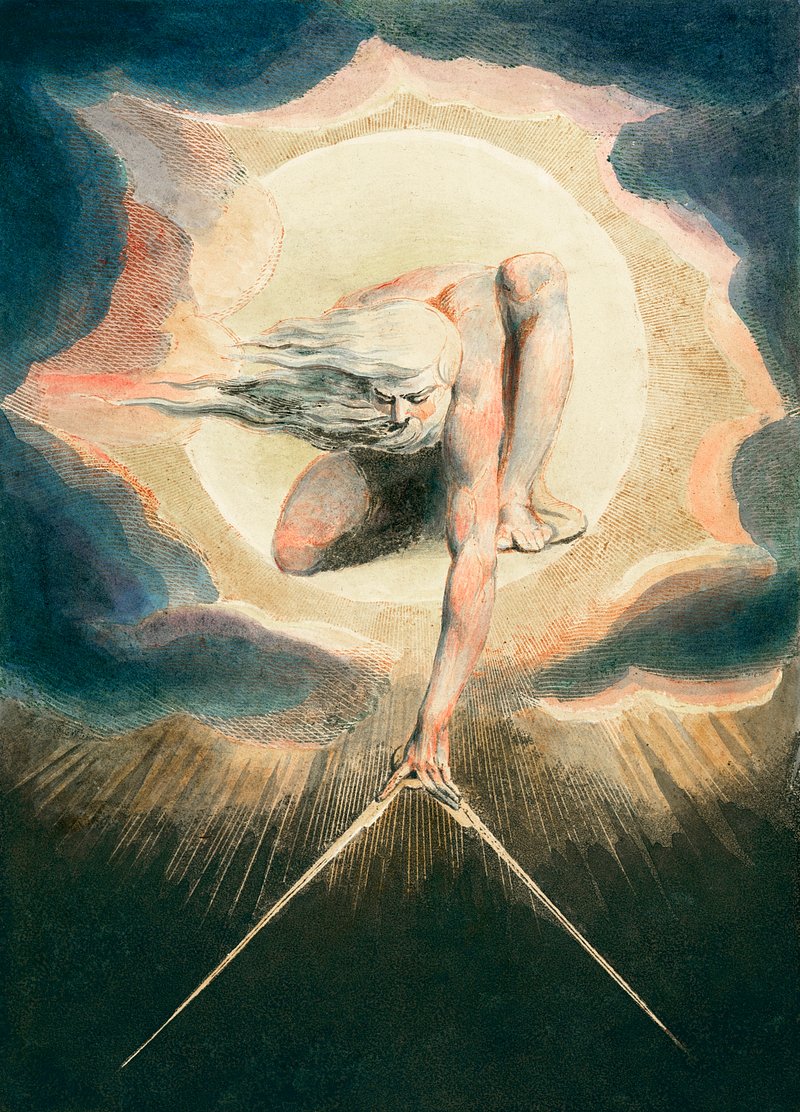
Stepping into the world of William Blake is akin to entering a meticulously crafted dwelling, where every detail, every stroke, and every verse tells a story of unparalleled vision and revolutionary spirit. Often unrecognised during his lifetime, Blake, an English poet, painter, and printmaker, has since become a seminal figure, celebrated for his expressiveness, creativity, and the philosophical and mystical currents that run deep within his diverse body of work. His life, a tapestry woven with profound experiences, intense influences, and audacious innovations, offers an inspirational journey for anyone keen to understand how a singular mind shaped its own reality and, in doing so, offered a unique lens through which to view human existence itself.
Like walking through the halls of an extraordinary home, we’ll explore the distinct ‘rooms’ of Blake’s life and career, each revealing another facet of his genius. From the earliest sparks of his imagination that ignited in a Soho household to the ground-breaking techniques he pioneered to bring his ‘prophetic works’ to life, we discover how his environment, both physical and intellectual, profoundly influenced his artistic and spiritual development. This is more than just a historical account; it’s an invitation to appreciate the intricate design of a life dedicated to art and vision, and to draw inspiration from his unwavering commitment to his own truth.
Prepare to be captivated by the spaces, both literal and metaphorical, that housed Blake’s extraordinary mind. We’ll delve into the foundational moments that forged his unique artistic voice, showcasing how his early experiences and radical viewpoints blossomed into some of the most distinctive and influential art and poetry ever created. Each ‘look inside’ offers not just historical facts, but an understanding of the aesthetic and functional choices that defined his creative journey, much like appreciating the thoughtful design of a truly beautiful and livable space.
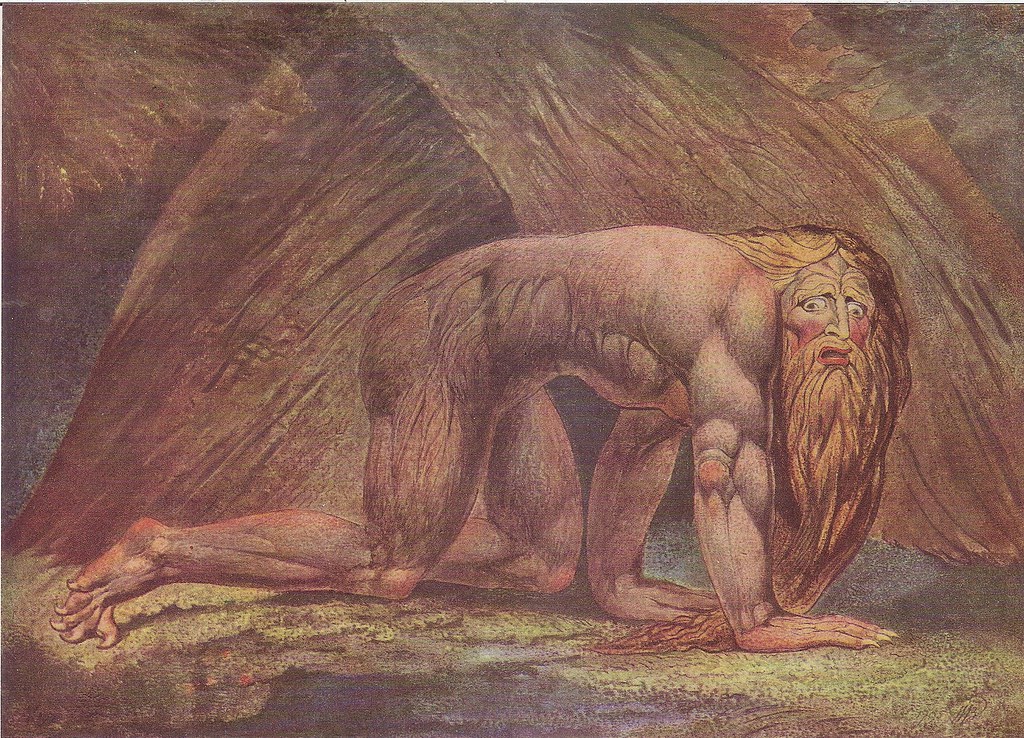
1. **Early Life and Influences: The Foundations of a Visionary**Our exploration begins in 1757 at 28 Broad Street in Soho, London, the birthplace of William Blake, the third of seven children. This home, though demolished in 1965, was the initial canvas for a mind that would later challenge conventions and redefine artistic expression. His father, James, a hosier, and his mother, Catherine, provided a home environment that, at least for a time, suggested a comfortable wealth, enabling them to purchase drawings of Greek antiquities that became William’s first exposure to classical forms through the masters like Raphael and Michelangelo.
Educated primarily at home by his mother after leaving school at age 10, Blake’s early intellectual diet was largely self-selected, leading him to avidly read subjects of his own choosing. The Bible, in particular, exerted an early and profound influence, remaining a constant source of inspiration throughout his life. This foundational spiritual immersion, coupled with his self-directed learning, fostered a unique inner world from which his later mystical and philosophical works would spring.
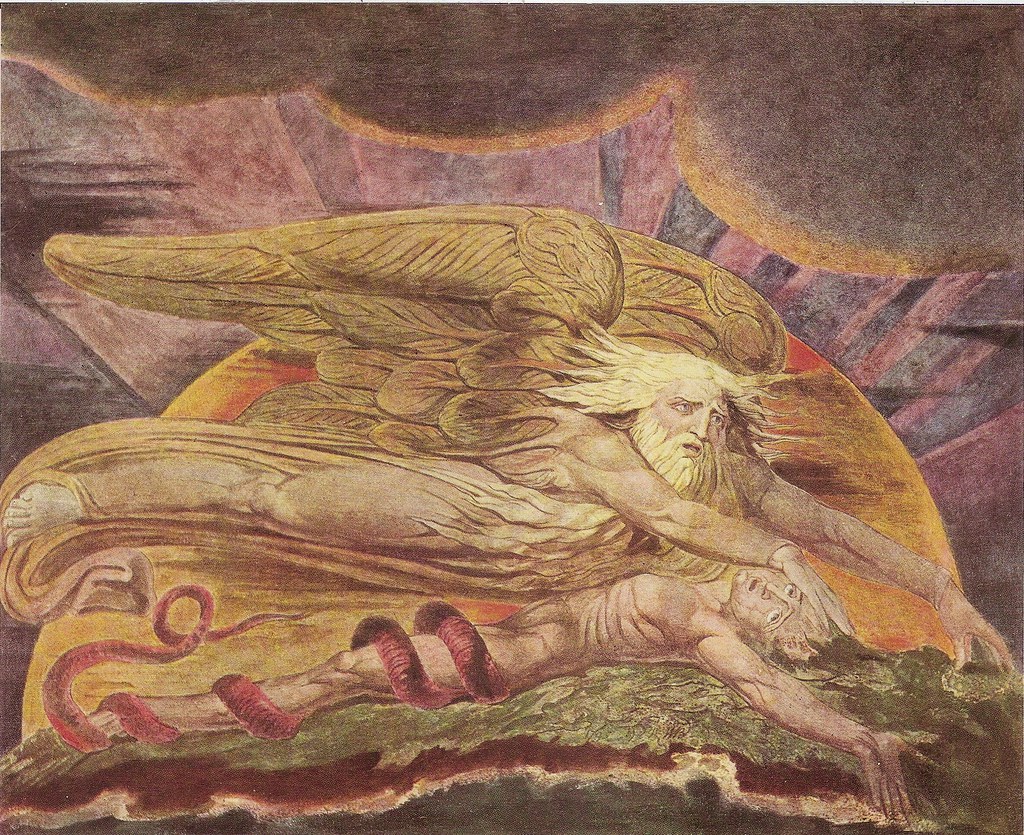
Even as a child, Blake reportedly experienced mystical religious visions. He spoke of ‘beholding God’s face pressed against his window,’ ‘seeing angels among the haystacks,’ and even ‘being visited by the Old Testament prophet Ezekiel.’ These experiences were not mere imaginings but formative encounters that deeply imbued his perception of reality, setting the stage for a life where the spiritual and the material were inextricably linked. These early visions became the literal and metaphorical ‘design elements’ of his future artistic output, shaping his unique perspective.
It was this blend of early classical exposure, intense biblical study, and direct mystical experiences that laid the groundwork for Blake’s distinctive artistic identity. His parents, recognizing his ‘headstrong temperament,’ chose drawing classes over traditional schooling, a decision that undoubtedly allowed his unique talents to flourish unconstrained. This early environment, far from conventional, cultivated the fertile ground for the visionary genius that would challenge the artistic and philosophical norms of his era.
2. **Apprenticeship and the Gothic Immersion: Forging a Unique Artistic Style**At the age of 14, in 1772, Blake embarked on a seven-year apprenticeship with engraver James Basire of Great Queen Street. This period, though later subtly marked by Blake as having artistic adversaries, was instrumental in shaping his technical skills and artistic sensibilities. Basire’s style of line-engraving, considered somewhat old-fashioned at the time, ironically provided Blake with a precise foundation that he would later adapt and revolutionize, distinguishing his work from the flashier trends of the day.
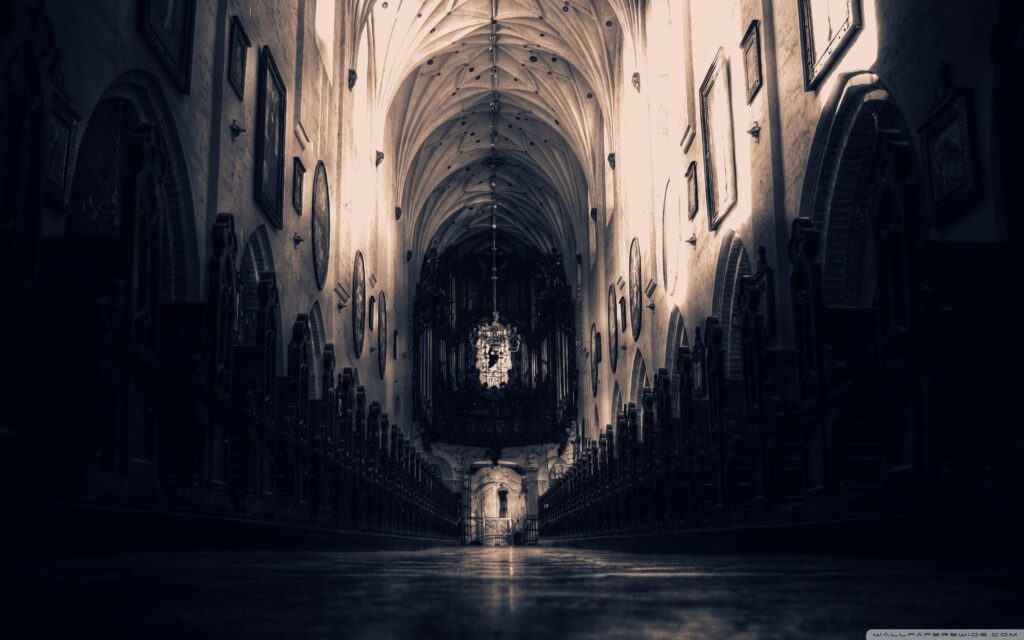
Crucially, after two years, Basire sent Blake to copy images from London’s Gothic churches, most significantly Westminster Abbey. This seemingly mundane task turned into a profound artistic pilgrimage. The Abbey, with its suits of armour, painted funeral effigies, and varicoloured waxworks, left an immediate impression of ‘faded brightness and colour’ on the young artist. This close study of Gothic art, which Blake perceived as ‘the living form,’ indelibly marked his developing style, infusing it with a sense of the sublime and the historically resonant.
The long afternoons spent sketching in the Abbey were not only about technical reproduction; they were also periods of intense spiritual and visionary experience. Blake claimed to have seen Christ with his Apostles and a ‘great procession of monks and priests,’ hearing their chant within the ancient walls. These visions in such an historically charged setting reinforced his earlier mystical encounters, further cementing the inextricable link between his artistic output and his profound inner world. The Abbey became a studio and a sanctuary for his burgeoning spiritual awareness.
Even an altercation with teasing schoolboys, which led to Blake knocking one off a scaffold, highlights his intense focus and perhaps his burgeoning sense of self as an artist. His subsequent complaint to the Dean, leading to the withdrawal of the schoolboys’ privilege, underscores a certain gravitas even in his youth. This period of immersion in Gothic forms and spiritual visions was a critical chapter, providing the aesthetic grammar and symbolic vocabulary that would characterize his masterpieces, making his art not just beautiful but deeply meaningful.
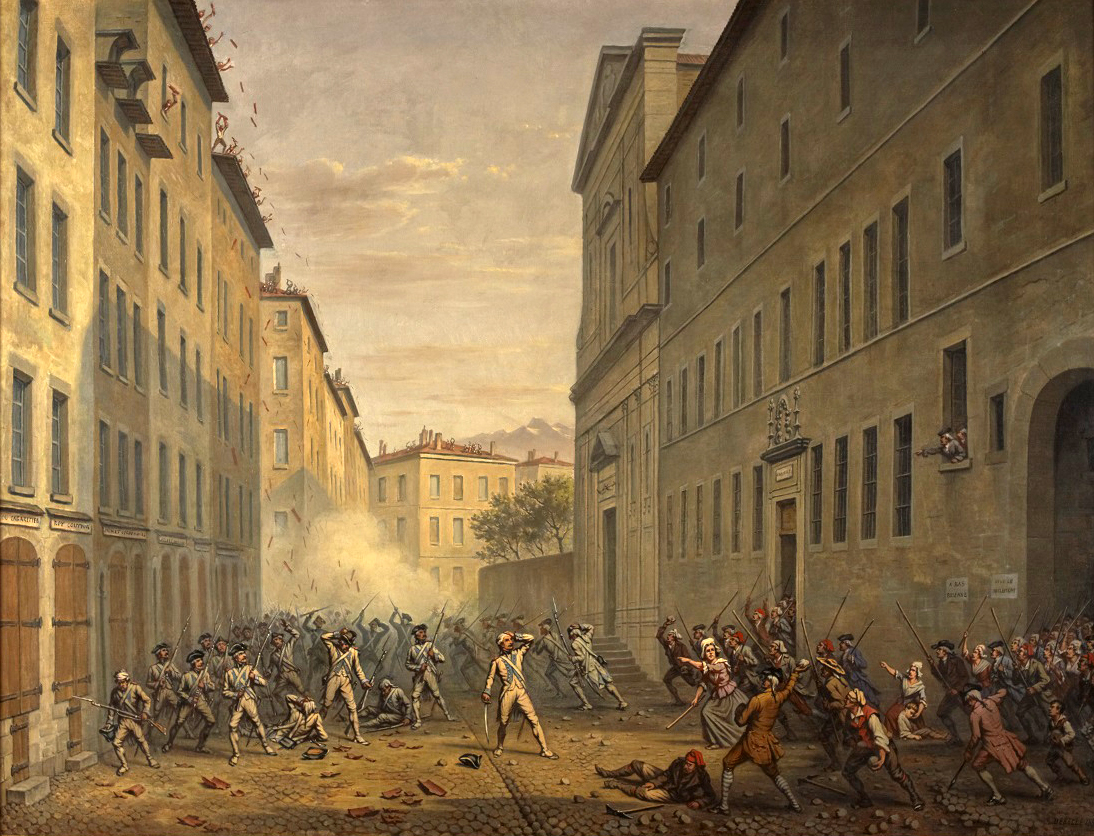
3. **Royal Academy and Artistic Rebellion: Challenging the Establishment**In 1779, Blake became a student at the Royal Academy, a pivotal step that initially seemed conventional but soon revealed his inherent rebellious spirit. While his studies required no payment, he was expected to supply his own materials, a minor detail overshadowed by his profound disagreement with the prevailing artistic philosophies championed by the Academy’s first president, Joshua Reynolds. This intellectual clash was a testament to Blake’s conviction and refusal to conform to popular trends.
Blake came to detest Reynolds’s approach to art, particularly his pursuit of ‘general truth’ and ‘general beauty.’ Reynolds’s declaration that ‘the disposition to abstractions, to generalising and classification, is the great glory of the human mind’ directly contradicted Blake’s core artistic belief. Blake famously retorted in his personal copy of Reynolds’s Discourses: ‘To Generalize is to be an Idiot; To Particularize is the Alone Distinction of Merit.’ This bold statement encapsulated his rejection of academic generalization in favor of precise, individual vision, a cornerstone of his unique aesthetic.
His antagonism extended to Reynolds’s fashionable oil painting, which Blake viewed as an ‘unfinished style.’ Instead, he gravitated towards the ‘Classical precision’ of his early influences, Michelangelo and Raphael. This preference was not merely stylistic; it was philosophical, reflecting his belief in art as a medium for embodying particularized divine visions rather than generalized human abstractions. Blake’s stance was a powerful assertion of his individual artistic integrity against the dominant currents of his time.
While Blake was not entirely averse to exhibiting at the Royal Academy, submitting works on six occasions between 1780 and 1808, his critical marginalia and outspoken views solidified his position as an outsider. He befriended John Flaxman, Thomas Stothard, and George Cumberland during his first year, individuals who shared his radical views, suggesting that while he challenged the institution, he also found allies in his intellectual journey. His time at the Royal Academy, therefore, was less about assimilation and more about the crystallisation of his distinctive, counter-cultural artistic philosophy.
4. **Marriage and Creative Partnership with Catherine Boucher: A Life Woven Together**In 1781, William Blake met Catherine Boucher, a meeting that marked the beginning of one of the most remarkable creative partnerships in art history. Recovering from a prior heartbreak, Blake found solace and connection with Catherine, marrying her on 18 August 1782. Their union, despite Catherine being five years his junior and initially illiterate, blossomed into a successful and deeply symbiotic relationship, where she became his ‘partner in both life and work.’
Catherine’s contribution to William’s artistry was profound and instrumental. She undertook significant roles as an engraver and colourist, actively participating in the creation of many of his iconic illuminated books. According to the Tate Gallery, Catherine meticulously mixed and applied his paint colours, a crucial step in bringing his intricate designs to vibrant life. This collaborative spirit was vividly highlighted in the Tate Britain’s 2019 exhibition, which specifically focused on her indispensable role, acknowledging her as an artist and printer in her own right.
Her dedication extended beyond technical assistance; she was deeply involved in the entire process. As William Blake’s 1863 biographer, Alexander Gilchrist, noted, ‘The poet and his wife did everything in making the book – writing, designing, printing, engraving – everything except manufacturing the paper: the very ink, or colour rather, they did make.’ This statement paints a picture of a truly shared creative endeavor, a domestic studio where two minds and four hands worked in unison to realize a singular artistic vision.
One of Catherine’s most recognized individual contributions is the colouring of the cover for William’s book *Europe: A Prophecy*. This highlights her artistic eye and skill, proving her to be more than just a helper, but a true collaborator whose aesthetic choices enhanced Blake’s original designs. The strength of their marriage, described as ‘close and devoted until his death,’ formed an unshakeable foundation for Blake’s demanding creative output, making their home a crucible of artistic production and mutual support.
5. **Early Career and Radical Connections: A Beacon of Revolutionary Thought**Around 1783, Blake’s first collection of poems, *Poetical Sketches*, was printed, marking his formal entry into the literary world. A year later, following his father’s death, he partnered with former apprentice James Parker to open a print shop, signifying his venture into independent artistic enterprise. This period was characterized by his engagement with radical publisher Joseph Johnson, whose house was a vibrant hub for some of England’s leading intellectual dissidents of the era.
Johnson’s circle included luminaries such as theologian Joseph Priestley, philosopher Richard Price, artist John Henry Fuseli, and the pioneering feminist Mary Wollstonecraft, alongside revolutionary Thomas Paine. Blake found intellectual kinship within this group, sharing profound hopes for the French and American Revolutions. His solidarity with these revolutionary ideals was evident in his wearing of a Phrygian cap, a symbol of liberty, indicating his deep engagement with the political and social transformations sweeping across the world.
His artistic output during this time also reflected his radical views. Blake illustrated Mary Wollstonecraft’s *Original Stories from Real Life* and, in *Visions of the Daughters of Albion* (1793), he unequivocally condemned ‘the cruel absurdity of enforced chastity and marriage without love.’ This work articulated his powerful defense of ‘the right of women to complete self-fulfilment,’ demonstrating his progressive stance on ual equality and individual liberty, often aligning with Wollstonecraft’s own philosophies.
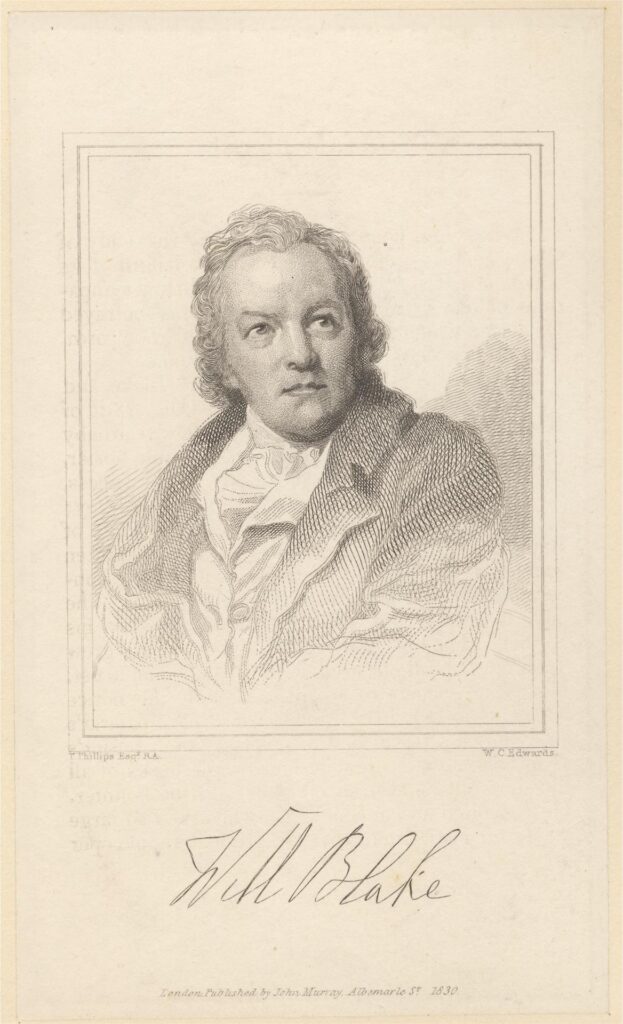
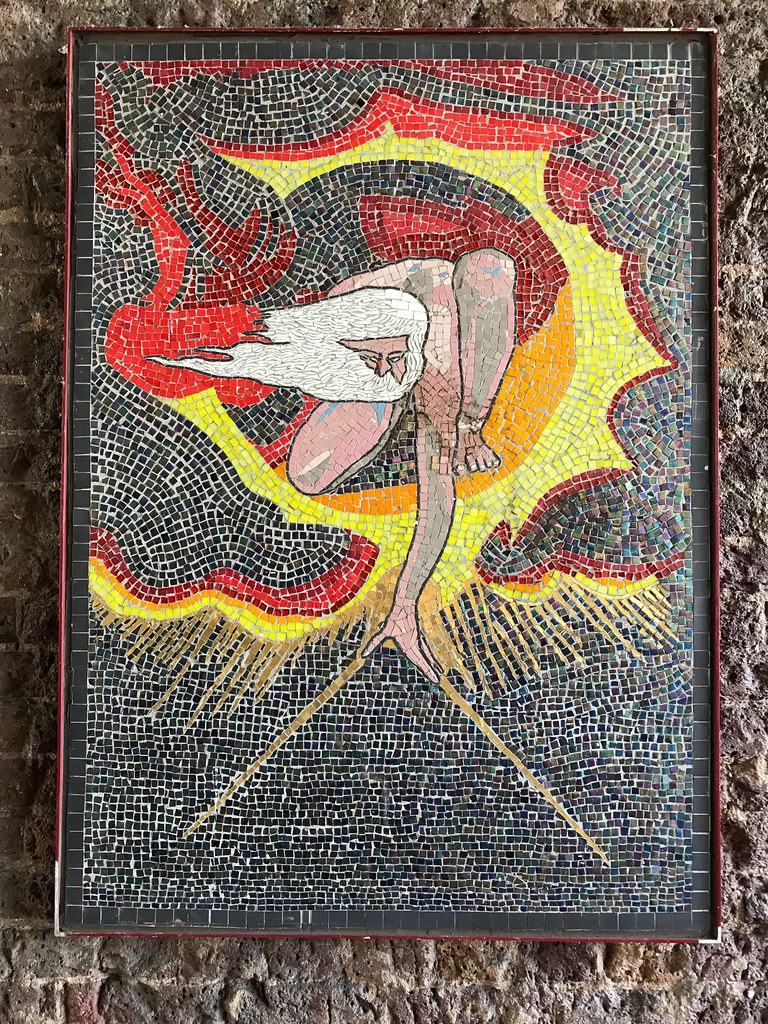
Though his initial optimism for the French Revolution waned with the rise of Robespierre and the Reign of Terror, Blake’s core beliefs in freedom and justice remained unshaken. Living in North Lambeth at 13 Hercules Buildings from 1790 to 1800, a site now commemorated by a plaque and a series of 70 mosaics in Waterloo Station, he continued to weave his social and political critiques into his art. These early career connections and radical viewpoints firmly established Blake as a visionary not just in art, but in thought, whose work consistently championed the liberation of the human spirit.
6. **Innovation: Relief Etching and Illuminated Printing – A New Artistic Language**In 1788, at the age of 31, William Blake embarked on a revolutionary artistic experiment: relief etching. This innovative method became the cornerstone of most of his books, paintings, pamphlets, and poems, defining what he termed ‘illuminated printing.’ The finished products, known as illuminated books or prints, were a unique synthesis of text and image, reminiscent of ancient illuminated manuscripts but produced with a distinctly modern, personal touch.
The process of illuminated printing involved writing the text of his poems and drawing illustrations directly onto copper plates using an acid-resistant medium. Crucially, he then etched the plates in acid to dissolve the untreated copper, leaving the design, both words and images, standing in relief. This technique was a radical departure, a reversal of the standard intaglio etching method where the lines of the design are exposed to the acid. Blake’s innovation allowed him to print both text and imagery from a single plate, seamlessly integrating the two elements of his vision.
Blake’s intent behind this arduous, yet ultimately more efficient, method was to produce his illuminated books more quickly than through the laborious intaglio process. He even referred to relief etching as ‘stereotype’ in *The Ghost of Abel*, though his technique was fundamentally different from the 1725 stereotype process of making metal casts from wood engravings. This unique approach allowed him a direct and intimate control over the entire production of his works, from conception to final print.
The pages printed from these relief-etched plates were then meticulously hand-coloured in watercolours, often by his wife Catherine, before being stitched together to form a volume. This intricate, multi-step process resulted in works of extraordinary beauty and profound personal expression. Many of his most celebrated works, including *Songs of Innocence and of Experience*, *The Book of Thel*, *The Marriage of Heaven and Hell*, and *Jerusalem*, were brought to life through this pioneering technique, forever cementing relief etching as Blake’s signature artistic language.
7. **Commercial Work: Intaglio Engraving and the Intersection with Commerce**While William Blake is perhaps most renowned for his innovative relief etching, his commercial work largely consisted of intaglio engraving, the prevalent and standard process of the 18th century. This method involved incising an image directly into a copper plate, a complex and painstaking technique that often required ‘months or years to complete’ a single plate. Despite its laboriousness, intaglio engraving offered artists like Blake a vital ‘missing link with commerce,’ enabling them to reach a mass audience, and it became an immensely important activity by the close of the 18th century.
Blake’s skill in intaglio is exemplified by works such as *Europe Supported by Africa and America*, an engraving held in the University of Arizona Museum of Art. This piece was created for *The Narrative of a Five Years Expedition against the Revolted Negroes of Surinam* (1796) by his friend John Gabriel Stedman. The engraving depicts three women in an embrace, with Black Africa and White Europe holding hands ‘in a gesture of equality,’ beneath which ‘the barren earth blooms.’ Europe is adorned with pearls, while her sisters, Africa and America, are depicted wearing ‘slave bracelets,’ a powerful juxtaposition of freedom and bondage.
This particular engraving has sparked considerable academic discussion. Some scholars interpret the bracelets as representing the ‘historical fact’ of slavery, while the handclasp symbolizes Stedman’s ‘ardent wish’ for human unity: ‘we only differ in color, but are certainly all created by the same Hand.’ Others suggest it ‘expresses the climate of opinion in which the questions of color and slavery were, at that time, being considered, and which Blake’s writings reflect,’ indicating its relevance to contemporary social discourse and Blake’s own anti-slavery sentiments.
Beyond commissioned works, Blake also employed intaglio engraving for his own significant projects, most notably his *Illustrations of the Book of Job*, completed shortly before his death. A 2009 study of his surviving plates revealed his frequent use of ‘repoussage,’ a technique for correcting mistakes by hammering the back of the plate. Such laborious methods, typical of the era’s engraving work, stand in stark contrast to the fluid nature of his relief etching, underscoring the demanding precision required for his commercial and later personal intaglio masterpieces.” , “_words_section1”: “1947
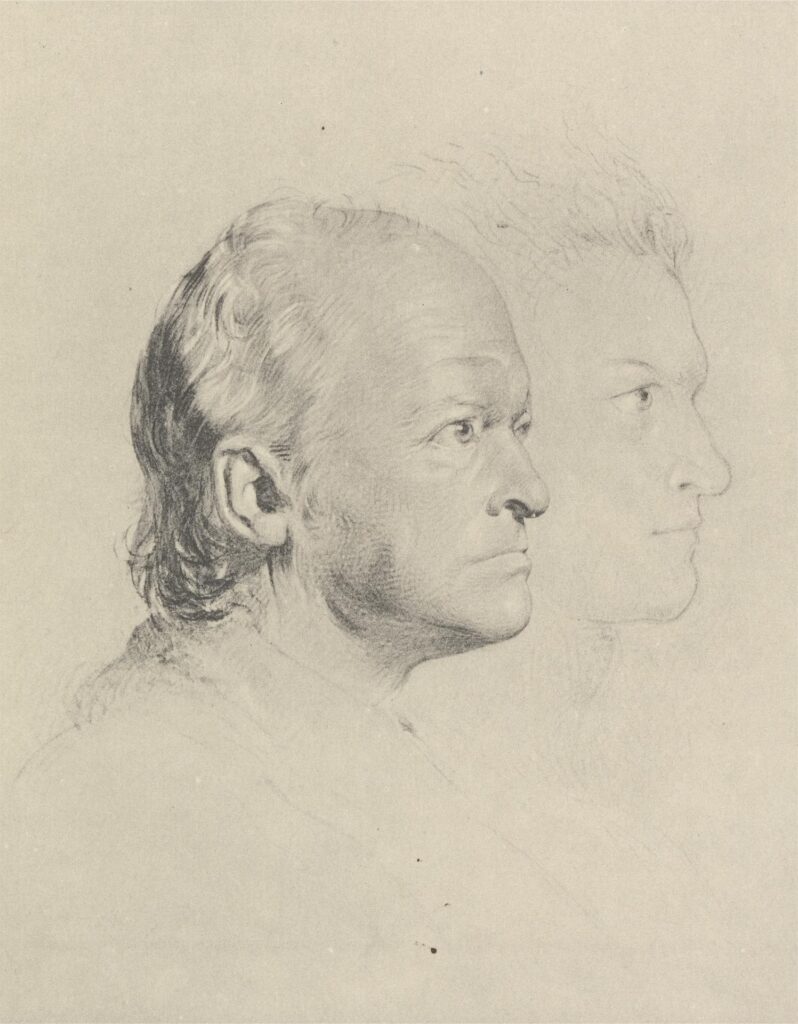
Having journeyed through the foundational ‘rooms’ of William Blake’s early life and revolutionary artistic methods, we now move deeper into the unique architecture of his later years. This second section, ‘Unveiling Blake’s Prophetic Path,’ invites us to explore the profound philosophical core and enduring controversies that defined his later masterpieces, his deeply individual political and religious views, and the lasting legacy he built, brick by visionary brick. Prepare to be inspired by the intricate design of a spirit that steadfastly carved its own reality, unveiling the inner sanctum of a true visionary.
 ‘‘
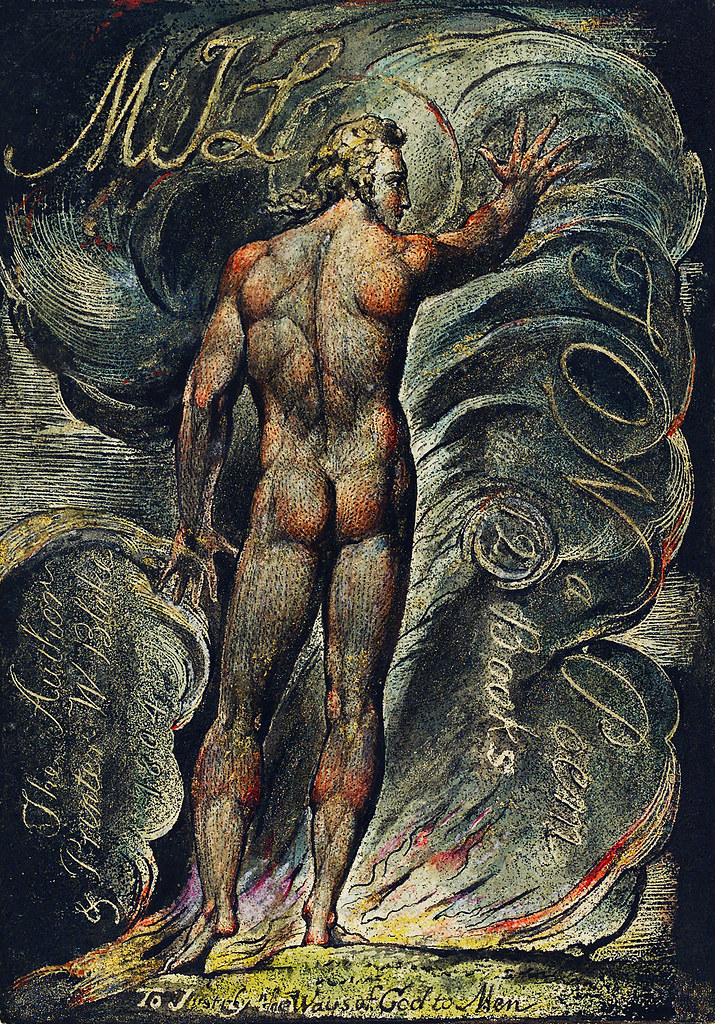
‘‘8. **Felpham Years: New Beginnings and Burgeoning Disenchantment**In 1800, Blake embarked on a new chapter, relocating to a charming cottage in Felpham, Sus, a change of scenery that initially promised fresh inspiration and stability. This move was prompted by an opportunity to illustrate the works of William Hayley, a minor poet and a patron who seemed to offer a much-needed financial anchor. It was within the walls of this Felpham dwelling that Blake began one of his most significant works, *Milton*, with its title page dated 1804, a profound creation he would continue to refine until 1808.
This period also saw the genesis of one of Blake’s most enduring poetic contributions: the preface to *Milton* contains the immortal lines beginning “And did those feet in ancient time,” which would later become the words for the revered anthem, “Jerusalem.” This cottage, therefore, was not merely a residence but a crucible where an iconic piece of English cultural heritage was forged. Yet, like a beautiful home whose foundations eventually reveal a subtle flaw, Blake’s initial optimism began to wane.
As time progressed, Blake found himself growing increasingly resentful of his patron, William Hayley. He perceived Hayley as being more interested in the ‘meer drudgery of business’ rather than genuinely appreciating true artistry, a clash of visions that deeply affected the sensitive artist. This growing disenchantment is widely believed to have influenced the very narrative of *Milton: a Poem*, where Blake famously articulated his growing conviction that ‘Corporeal Friends are Spiritual Enemies,’ a powerful statement born from personal experience.
The tensions of this period culminated in a significant confrontation in August 1803, when Blake was involved in a physical altercation with a soldier named John Schofield. This incident escalated dramatically, leading to Blake being charged not only with assault but also with uttering seditious and treasonable expressions against the king. While he was ultimately cleared of the charges in the Chichester assizes, the episode underscores the independent, sometimes volatile, spirit of Blake, who later depicted Schofield wearing ‘mind forged manacles’ in an illustration to *Jerusalem: The Emanation of the Giant Albion*, a poignant commentary on perceived societal and intellectual bondage.
9. **The Grand Return: London’s Canvas for Prophetic Works**Following the tumultuous Felpham years, Blake returned to London in 1804, re-entering the vibrant, if often unforgiving, artistic landscape of the capital. This homecoming marked the beginning of his most ambitious undertaking, the epic poem *Jerusalem* (1804–20), a monumental work that would become a cornerstone of his prophetic vision. It was a return to the intellectual and spiritual ‘home’ where his deepest artistic expressions could truly flourish, unconstrained by the commercial demands of a patron.
During this period, Blake, inspired by Chaucer’s *Canterbury Tales*, approached the dealer Robert Cromek with a proposal to market an engraving based on his unique vision of the characters. However, Cromek, perhaps judging Blake too eccentric for popular appeal, controversially commissioned Blake’s friend, Thomas Stothard, to execute the concept instead. Upon discovering this betrayal, Blake severed ties with Stothard, a painful rupture that highlighted the commercial pressures and personal rivalries within the art world.
In a powerful assertion of his artistic integrity and independence, Blake responded by setting up his own exhibition in his brother’s haberdashery shop at 27 Broad Street. This independent showcase was designed to market his own version of the *Canterbury* illustration, famously titled *The Canterbury Pilgrims*, alongside a range of his other profound works. It was a bold act of defiance, reclaiming his vision from the hands of those who sought to commercialize or dilute it.
Accompanying this exhibition, Blake penned his *Descriptive Catalogue* (1809), a remarkable text containing what Anthony Blunt lauded as a ‘brilliant analysis’ of Chaucer, a piece of literary criticism still regularly anthologized today. This catalogue also provided detailed explanations of his other paintings, offering an invaluable window into his artistic intentions and complex symbolism. Though the exhibition itself was poorly attended, selling none of his temperas or watercolours and receiving a hostile review, it stands as a testament to Blake’s unwavering commitment to his unique aesthetic, much like a meticulously designed home, even if initially unappreciated by the masses, holds intrinsic value.
 ‘‘
‘‘10. **Patrons and Fellow Visionaries: The Sustaining Hand of Friendship**Despite the ongoing challenges of recognition and financial stability, Blake’s later life was illuminated by significant friendships and the steadfast support of sympathetic patrons, creating a vital ‘community’ within the broader, often indifferent, artistic world. A pivotal introduction came in 1818, facilitated by George Cumberland’s son, when Blake met the young artist John Linnell. This connection proved to be immensely fruitful, leading to a vibrant collaboration and intellectual exchange that would sustain Blake through his final years.
Through Linnell, Blake was introduced to Samuel Palmer and a group of like-minded artists who called themselves the Shoreham Ancients. This collective of young idealists shared Blake’s profound rejection of prevailing modern trends and his deep-seated belief in a spiritual and artistic ‘New Age.’ For Blake, finding these kindred spirits was akin to discovering a beautifully designed haven where his unconventional views were not just tolerated, but celebrated and understood. Their shared vision created a powerful artistic echo chamber, allowing his unique genius to resonate.
It was at the age of 65 that Blake embarked on one of his most celebrated projects: the magnificent *Illustrations for the Book of Job*. These intricate engravings, later admired by luminaries such as John Ruskin—who favorably compared Blake to Rembrandt—and Ralph Vaughan Williams, who based his ballet *Job: A Masque for Dancing* on the illustrations, stand as a testament to his enduring power and meticulous skill. This work exemplifies the enduring ‘functionality’ of his art: to convey profound spiritual truths through exquisite visual design.
Throughout his later life, Blake also continued to sell a considerable number of his works, particularly his Bible illustrations, to Thomas Butts. Butts, a steadfast patron, saw Blake more as a cherished friend than an artist whose work held mainstream commercial merit, reflecting the prevailing opinions of Blake during his lifetime. This enduring patronage, though perhaps not born of widespread artistic acclaim, provided a crucial lifeline, allowing Blake to continue his tireless creative output within the quiet, supportive ‘walls’ of friendship and mutual respect.
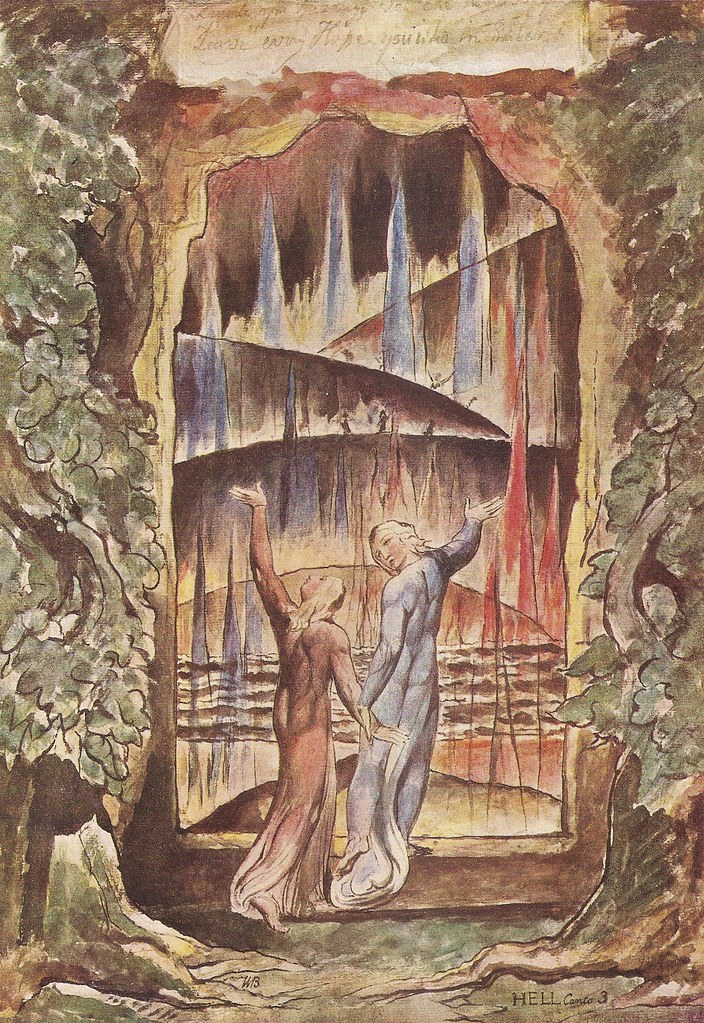
11. **Confronting the Inferno: Blake’s Visionary Interpretation of Dante**The apex of Blake’s later commissioned work, and indeed one of his most ambitious projects, arrived in 1826 through John Linnell: the monumental task of illustrating Dante’s *Divine Comedy*. The aim was to produce a series of engravings that would visually interpret Dante’s epic journey through Hell, Purgatory, and Paradise. This commission offered Blake a vast, architecturally complex narrative to engage with, a challenge he approached with an almost feverish dedication, pouring his last ounces of energy into its realization.
However, Blake’s death in 1827 tragically cut short this grand enterprise. Only a handful of the watercolours were completed, and a mere seven of the intended engravings reached proof form. Yet, even in their unfinished state, these Dante watercolours have garnered immense praise. Critics recognize them as ‘among Blake’s richest achievements, engaging fully with the problem of illustrating a poem of this complexity,’ showcasing a mastery of watercolour that reached an even higher level than before, used ‘to extraordinary effect in differentiating the atmosphere of the three states of being in the poem.’
More than mere accompanying works, Blake’s illustrations of the *Divine Comedy* reveal a critical engagement, almost a philosophical revision, of Dante’s text. In the margin of his *Homer Bearing the Sword and His Companions*, Blake’s personal commentary is stark: ‘Every thing in Dantes Comedia shews That for Tyrannical Purposes he has made This World the Foundation of All & the Goddess Nature & not the Holy Ghost.’ This suggests a profound dissent from Dante’s worldview, particularly his admiration for ancient Greek poetic works and the apparent glee with which punishments are allotted in Hell.
Nonetheless, Blake found common ground with Dante in their shared distrust of materialism and the corrupting nature of power, clearly relishing the opportunity to pictorially represent the dark atmosphere and vivid imagery of the *Inferno*. This project became his central preoccupation even as he neared death; it is said he spent one of his last shillings on a pencil to continue sketching. This powerful, yet incomplete, series represents a profound spiritual and artistic dialogue, an intricate ‘design’ of interpretation that continues to fascinate and challenge viewers, embodying the very essence of Blake’s visionary spirit.
12. **Political Soul: A Prophet Against Empire and Injustice**While William Blake never aligned himself with any established political party, his poetry and art consistently embody a powerful spirit of rebellion against the abuse of class power, marking him as a singular voice for social justice. David Erdman’s seminal study, *Blake: Prophet Against Empire: A Poet’s Interpretation of the History of His Own Times*, meticulously documents this aspect of his work, positioning him as a fierce critic of the prevailing societal structures. His artistic output was, in essence, a grand design for a more equitable and humane world.
Blake was acutely concerned with the devastating impacts of ‘senseless wars’ and the blighting effects of the Industrial Revolution, recognizing the human cost of unchecked ambition and mechanization. Much of his prophetic poetry symbolically allegorized the profound societal transformations wrought by the French and American Revolutions. Though he eventually became disillusioned with their political outcomes, believing they had merely replaced monarchy with ‘irresponsible mercantilism,’ his core commitment to freedom remained unshaken.
A significant, yet often overlooked, dimension of Blake’s political thought was his deep opposition to slavery. Erdman argues that some of Blake’s poems, frequently interpreted primarily as championing ‘free love,’ had their anti-slavery implications ‘short-changed,’ suggesting a broader, more radical critique of all forms of human bondage. Peter Marshall’s *William Blake: Visionary Anarchist* (1988) even classifies Blake and his contemporary William Godwin as intellectual forerunners of modern anarchism, highlighting his radical stance against hierarchical power.
British Marxist historian E. P. Thompson, in his final finished work, *Witness Against the Beast: William Blake and the Moral Law* (1993), further illuminates how Blake was inspired by dissident religious ideas rooted in the thinking of radical opponents of the monarchy during the English Civil War. Blake’s political views were not merely abstract principles but woven into the very fabric of his artistic expression, a testament to his belief that art could be a powerful tool for challenging injustice and designing a better human society.

13. **Unorthodox Faith: The Mystical Core of Blake’s Religious Vision**William Blake’s approach to conventional religion was, like many aspects of his genius, deeply idiosyncratic, marked by biting satire and profound irony, especially concerning established dogma. His viewpoints are powerfully illustrated and summarized in *Vala, or The Four Zoas*, one of his uncompleted prophetic books begun in 1797, which serves as a grand, sprawling ‘blueprint’ of his unique mythic universe, detailing the interactions of its demi-mythological and demi-religious main characters.
At the heart of *Vala* are the Four Zoas (Urthona, Urizen, Luvah, and Tharmas), created by the fall of Albion in Blake’s rich mythology. These Zoas represent four fundamental aspects of the Almighty God: Tharmas (sense), Luvah (love), Urthona (imagination), and Urizen (reason), the latter originally of divine substance but representing Satan in his fallen form. Each Zoa is paired with an Emanation, such as Vala (nature from the heart) and Enitharmon (inspiration from the loins), completing a complex spiritual cosmology unique to Blake.
Blake firmly believed in a twofold identity within each person, encompassing both good and evil, a dynamic explored through characters like Orc and The Eternal Man in *Vala*. He sought to overcome this inner battle, fearing the loss of his artistic abilities, concerns that infused the character of Los (imagination), connecting him to the image of Christ and integrating a powerful Christian element into his mythic world. In the revised *Vala*, Blake describes Los experiencing a regenerative vision of the Lamb of God, set against the antagonistic figures of Urizen and the Synagogue of Satan, from whom Deism is born.
Crucially, Blake rejected the notion of a body distinct from the soul, asserting instead that the body is an extension of the soul, derived from the ‘discernment’ of the senses. This led him to abhor self-denial, particularly ual repression, which he associated with religious repression, famously stating, ‘He who desires but acts not breeds pestilence.’ He viewed the concept of ‘sin’ as a societal ‘trap to bind men’s desires’ and did not subscribe to the doctrine of God as a separate, superior entity, boldly declaring of Jesus Christ: ‘He is the only God… and so am I, and so are you.’ This conviction, that ‘All deities reside in the human breast,’ encapsulates the profoundly human-centered ‘design’ of his spiritual philosophy.
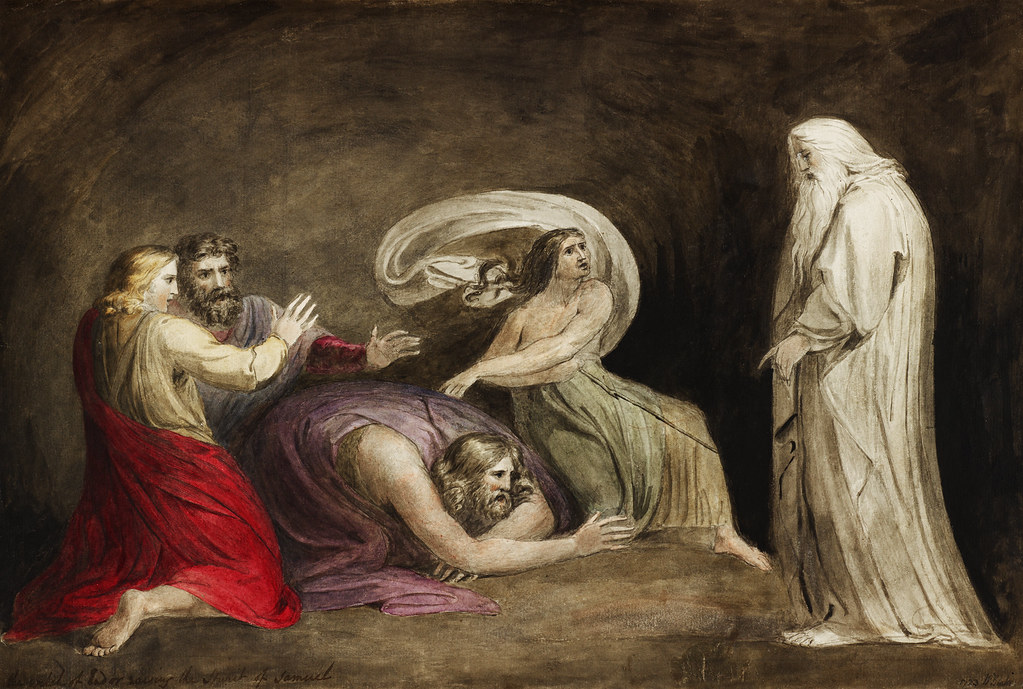
14. **Challenging Enlightenment: The Primacy of Imagination Over Reason**William Blake’s relationship with the Enlightenment philosophical movement was complex and often adversarial, driven by his unwavering championing of the imagination as the paramount element of human existence. This fundamental belief stood in stark contrast to the Enlightenment’s dominant ideals of rationalism and empiricism, which prioritized objective reason and sensory experience. Blake, in his unique design for understanding reality, saw the imagination not just as a faculty, but as ‘the body of God’ or ‘human existence itself,’ a divine conduit.
His visionary religious beliefs naturally led him to oppose the Newtonian view of the universe, which sought to explain the cosmos through mechanical laws and empirical observation. Blake critiqued this ‘single-vision’ of scientific materialism, seeing it as reductive and spiritually limiting. This mindset is vividly reflected in his *Jerusalem*, where he writes: ‘I turn my eyes to the Schools & Universities of Europe / And there behold the Loom of Locke whose Woof rages dire / Washd by the Water-wheels,’ a powerful metaphorical rejection of the mechanistic worldview.
Blake’s famous engraving, *Newton* (1795), visually encapsulates his opposition to this narrow, materialist perspective. In this iconic image, Newton is depicted fixing his eye on a pair of compasses, recalling Proverbs 8:27, an important passage for Milton, meticulously writing upon a scroll that seems to project from his own head. The illustration serves as a potent critique of a mind confined to measurable reality, highlighting the limitations of a purely rational approach that misses the boundless spiritual dimensions.
This artistic and philosophical antagonism extended to the prevailing academic art philosophies of his day. Recalling his earlier clashes with Joshua Reynolds, Blake gave vigorous expression to his views in an extensive series of polemical annotations to Reynolds’s *Discourses*, denouncing the Royal Academy as a fraud. He famously proclaimed, ‘To Generalize is to be an Idiot,’ emphasizing his conviction that true merit lay in the particular, the individual, and the unique vision—a deeply personal ‘design aesthetic’ that prioritized profound spiritual insight over abstract, generalized truths.
15. **Enduring Echoes: Legacy, Rediscovery, and Eternal Resonance**William Blake’s final years, spent at Fountain Court off the Strand, were a testament to his unyielding artistic dedication, culminating in his feverish work on the Dante series even on the very day of his death, 12 August 1827. His unwavering commitment to his vision, even as he neared the end of his earthly journey, illuminates the enduring strength of his spirit. In a poignant moment, he ceased working and turned to his tearful wife, Catherine, reportedly crying, ‘Stay Kate! Keep just as you are – I will draw your portrait – for you have ever been an angel to me.’ This final, lost portrait encapsulates the tender, artistic partnership that sustained him.
Upon completing this last drawing, Blake laid down his tools, and, it is said, began to sing hymns and verses, departing peacefully at six that evening after promising Catherine he would be with her always. George Richmond’s account describes his death as ‘most glorious,’ with Blake expressing happiness and hope for salvation, his ‘Countenance became fair. His eyes Brighten’d and he burst out Singing of the things he saw in Heaven.’ A female lodger present at his expiration remarked, ‘I have been at the death, not of a man, but of a blessed angel,’ underscoring the profound spiritual aura that surrounded him.
Catherine, a true partner until the very end, paid for Blake’s funeral with money lent by John Linnell. Blake’s body was laid to rest five days later in a shared plot at the Dissenter’s burial ground in Bunhill Fields, a site that also held his parents’ remains. After his death, Catherine continued to sell his illuminated works and paintings, but remarkably, she entertained no business transaction without first ‘consulting Mr. Blake’s spirit,’ believing he continued to guide her, a beautiful and enduring testament to their bond.
The path of Blake’s legacy, however, was not without its shadows. Frederick Tatham, who took possession of Blake’s works after Catherine’s death, later burned manuscripts he deemed heretical, and William Michael Rossetti also destroyed works he considered lacking in quality. Even John Linnell erased ual imagery from some drawings. Yet, crucial works like his notebook and *An Island in the Moon* were preserved by friends, preventing total erasure. His grave, long lost, was precisely rediscovered in 2018 by a Portuguese couple after 14 years of dedicated investigation, and a permanent memorial slab now marks the spot, inscribed ‘Here lies William Blake 1757–1827 Poet Artist Prophet’ above a verse from *Jerusalem*. In 1949, The Blake Prize for Religious Art was established in Australia in his honor, and memorials stand in Westminster Abbey and St James’s Church, Piccadilly, ensuring that though he sold fewer than 30 copies of *Songs of Innocence and of Experience* during his lifetime, the unique, meticulously ‘designed’ home of William Blake’s mind and vision will inspire for eternity. His profound insights, radical spirit, and unparalleled artistry have, through the centuries, become an indispensable part of the fabric of human creativity, continuing to resonate deeply and illuminating pathways for future generations to explore within the beautiful architecture of their own spirits.