
Language, in its vast and intricate tapestry, continually presents us with curiosities that challenge our perceptions of structure and meaning. Among these, the phenomenon of exceptionally long words stands out, drawing both fascination and debate. What truly constitutes a “word,” and at what point does a string of letters transcend linguistic convention to become a lexical titan? These questions underscore a deeper inquiry into the boundaries of communication and the ingenious, sometimes deliberate, ways in which words are formed across diverse cultures and specialized fields.
The concept of “length” itself is not as straightforward as it might appear. While most commonly measured by the number of written letters—an orthographic assessment—alternative interpretations can include phonology, focusing on spoken sounds, or the number of phonemes. The journey through the world’s longest words requires an understanding of these nuances, as well as an appreciation for their varied origins, which range from natural linguistic evolution to highly specialized technical coinage and even whimsical creation. Such extensive terms are often not found in everyday discourse, emerging instead from scientific nomenclature, ancient literature, or even modern popular culture.
This article embarks on an in-depth exploration of some of the most remarkable long words known to humanity. Drawing exclusively from established linguistic and factual accounts, we will delve into the contexts, meanings, and often surprising stories behind these lexical giants. From the staggeringly complex chemical names of proteins to historically significant political terms and the deliberately constructed place names, each example offers a unique window into the rich and expansive nature of language. Our aim is to provide a comprehensive, factual, and objective understanding of these fascinating linguistic achievements.

1. **Methionylthreonylthreonylglutaminylalanyl…isoleucine**This gargantuan sequence, comprising a staggering 189,819 letters, represents the chemical name for titin, the largest known protein found in the human body. Its immense length is not arbitrary but is a direct consequence of the systematic approach scientists employ to name proteins. Each amino acid in the protein’s complex sequence is listed in full, creating what is, by a considerable margin, the longest known word overall. This method of nomenclature transforms a biochemical description into a single, albeit unwieldy, linguistic entity.
The sheer scale of this word poses significant challenges, not least in its pronunciation. Attempts to articulate the entire word have been documented to take anywhere from two to three and a half hours, highlighting its practical impossibility for verbal communication. While technically precise, its status as a “word” in the conventional sense remains a subject of considerable academic and linguistic debate, particularly as it is not found in standard dictionaries and functions more as a scientific formula than a lexical item.
Its existence underscores the remarkable capacity of scientific nomenclature to generate arbitrarily long terms, particularly within organic chemistry. Unlike words that evolve organically through common usage, the chemical name for titin is a constructed term, designed for precision in scientific documentation rather than ease of articulation or general understanding. This distinction is crucial in understanding its unique position in the pantheon of long words, setting it apart from words found in everyday language or literature.
Read more about: Beyond ‘Supercalifragilisticexpialidocious’: Unpacking 6 of the Longest, Wildest, and Most Wondrous Words in the English Language

2. **Sanskrit Compound Word**Emerging from a 16th-century work titled *Varadāmbikā Pariṇaya Campū* by Tirumalāmbā, this Sanskrit word is a remarkable example of linguistic agglutination, containing 195 Sanskrit characters, which translate to an astounding 428 letters in the Roman alphabet. Recognized by Guinness World Records as the “longest word ever to appear in literature,” its monumental structure allows it to convey a rich, descriptive narrative within a single lexical unit.
The word’s intricate construction meticulously describes a scene where travelers are refreshed by water-carrying girls near mango trees. Its full English translation details how “the distress, caused by thirst, to travellers, was alleviated by clusters of rays of the bright eyes of the girls; the rays that were shaming the currents of light, sweet and cold water charged with the strong fragrance of cardamom, clove, saffron, camphor and musk and flowing out of the pitchers (held in) the lotus-like hands of maidens (seated in) the beautiful water-sheds, made of the thick roots of vetiver mixed with marjoram, (and built near) the foot, covered with heaps of couch-like soft sand, of the clusters of newly sprouting mango trees, which constantly darkened the intermediate space of the quarters, and which looked all the more charming on account of the trickling drops of the floral juice, which thus caused the delusion of a row of thick rainy clouds, densely filled with abundant nectar.” This vivid imagery compressed into a single word showcases the poetic and descriptive power inherent in highly inflected languages like Sanskrit.
This literary marvel is a testament to the flexibility and compounding capabilities of Sanskrit, a language renowned for its ability to combine multiple elements into complex expressions. It differs significantly from the chemically derived name of titin, representing a deliberate artistic and narrative creation rather than a purely technical designation. Its enduring recognition highlights the ancient and profound linguistic traditions that have pushed the boundaries of word formation for millennia.
Read more about: The Enduring Spirit: Exploring the World of Comedic Stars Amidst Hollywood’s Tragic Echoes
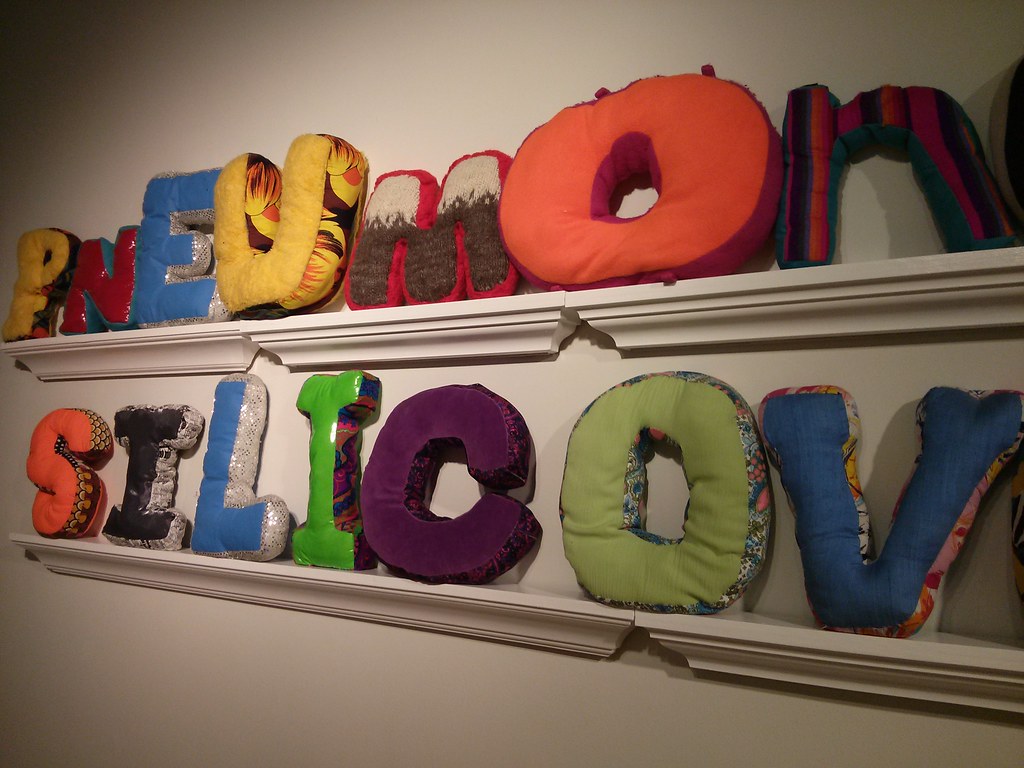
3. **Pneumonoultramicroscopicsilicovolcanoconiosis**At 45 letters, *pneumonoultramicroscopicsilicovolcanoconiosis* holds the distinction of being the longest word found in most major English language dictionaries. This term refers to a specific lung disease, medically identical to silicosis, which is contracted from the inhalation of very fine silica particles, particularly those originating from a volcano. Its inclusion in dictionaries, despite its deliberate coinage, lends it a unique legitimacy in the English lexicon.
The origin of this formidable word is notable: it was “deliberately coined around 1935 to be the longest word.” This self-referential creation by members of a puzzle league was a conscious effort to establish a new benchmark for lexical length. While its genesis was artificial, the word has since seen usage in contexts that approximate its intended medical meaning, thereby acquiring a degree of practical validity beyond its initial playful purpose. This trajectory from a contrived coinage to a recognized, albeit specialized, term is quite distinctive.
The word serves as a prime example of how technical terminology can extend linguistic limits. While it might not appear in casual conversation, its established presence in major linguistic repositories such as the Oxford English Dictionary solidifies its claim as a legitimate, if often cited for its length, part of the English vocabulary. It represents a boundary where medical precision meets linguistic ambition, illustrating the capacity of language to expand for specialized descriptive needs.
Read more about: Beyond ‘Supercalifragilisticexpialidocious’: Unpacking 6 of the Longest, Wildest, and Most Wondrous Words in the English Language

4. **Hippopotomonstrosesquippedaliophobia**Measuring 36 letters, *hippopotomonstrosesquippedaliophobia* is a term that directly and ironically describes the “fear of long words.” Its very length provides a meta-linguistic commentary, embodying the phobia it names. This self-referential humor is a key characteristic of the word, making it a favorite among those who appreciate linguistic wit and the playful side of language construction.
The coinage of this word appears to have been a deliberate act of cleverness. The context notes, “Someone thought it would be hilarious to make the word for ‘fear of long words’ ridiculously long.” This intention speaks to a certain joy in linguistic invention, where the form of the word itself reinforces its meaning in a conceptually amusing way. While not a naturally evolved term, its widespread recognition stems from this ingenious design.
Despite its humorous and contrived nature, the word effectively communicates its meaning, albeit to those who can master its pronunciation. It exemplifies how language can be used not just for direct communication but also for intellectual play and conceptual artistry. Its ironic structure ensures its memorability and secures its place in discussions about unusual and lengthy English words, even if it is not universally included in all dictionaries as a formal entry.

5. **Supercalifragilisticexpialidocious**Famously introduced to the world through the enchanting 1964 Walt Disney film *Mary Poppins*, *supercalifragilisticexpialidocious* is a 34-letter word that has captivated audiences for decades. Though entirely fictional in its origin, having been created by songwriters Robert and Richard Sherman, it has permeated popular culture to such an extent that it now appears in several dictionaries, typically defined in reference to the song title from which it sprang.
The word’s attributed meaning is somewhat fluid and whimsical. As articulated by Mary Poppins herself, it is “a word that you say when you don’t know what to say,” or generally understood as a positive adjective implying something extraordinary or fantastic. This ambiguity in definition, coupled with its memorable sound and association with a beloved film, has cemented its status as an iconic piece of modern coined vocabulary. Its usage often evokes a sense of joy, wonder, and the magical possibilities associated with the film.
While it lacks a deep etymological history or technical application, *supercalifragilisticexpialidocious* showcases the profound influence of popular culture on language. It highlights how creative endeavors can introduce new words into the collective consciousness, even if their dictionary presence is primarily as a proper noun referring to their fictional source. It stands as a testament to the power of storytelling and song to enrich and expand the lexicon in unexpected ways.
Read more about: Beyond ‘Supercalifragilisticexpialidocious’: Unpacking 6 of the Longest, Wildest, and Most Wondrous Words in the English Language

6. **Floccinaucinihilipilification**Comprising 29 letters, *floccinaucinihilipilification* holds the distinction of being cited as the longest non-technical word in major English dictionaries. Its precise definition is “the act of estimating something as worthless.” This term’s formidable length is derived from its composition: “a series of Latin words meaning ‘nothing’,” underscoring its etymological roots and the deliberate construction that underpins its meaning.
The word’s history traces back to 1741, indicating a remarkably long and intriguing presence within the English language. Unlike many other lengthy words that remain in obscure academic or scientific realms, *floccinaucinihilipilification* has, on occasion, made its way into formal discourse. Notable instances include its usage in the proceedings of the United States Senate by Senator Robert Byrd in 1991 and at the White House by press secretary Mike McCurry in 1995, albeit sarcastically in the latter case.
These rare but significant public appearances illustrate the word’s unique position: a term of considerable length and academic pedigree that, despite its infrequent use in general text, surfaces in specific contexts to convey a precise and somewhat grandiloquent meaning. It encapsulates a blend of historical linguistic tradition and an occasional, almost performative, deployment in modern political rhetoric, making it a compelling study in word usage.
Read more about: Unpacking the Giants: A Definitive Exploration of the Longest Words in the English Language
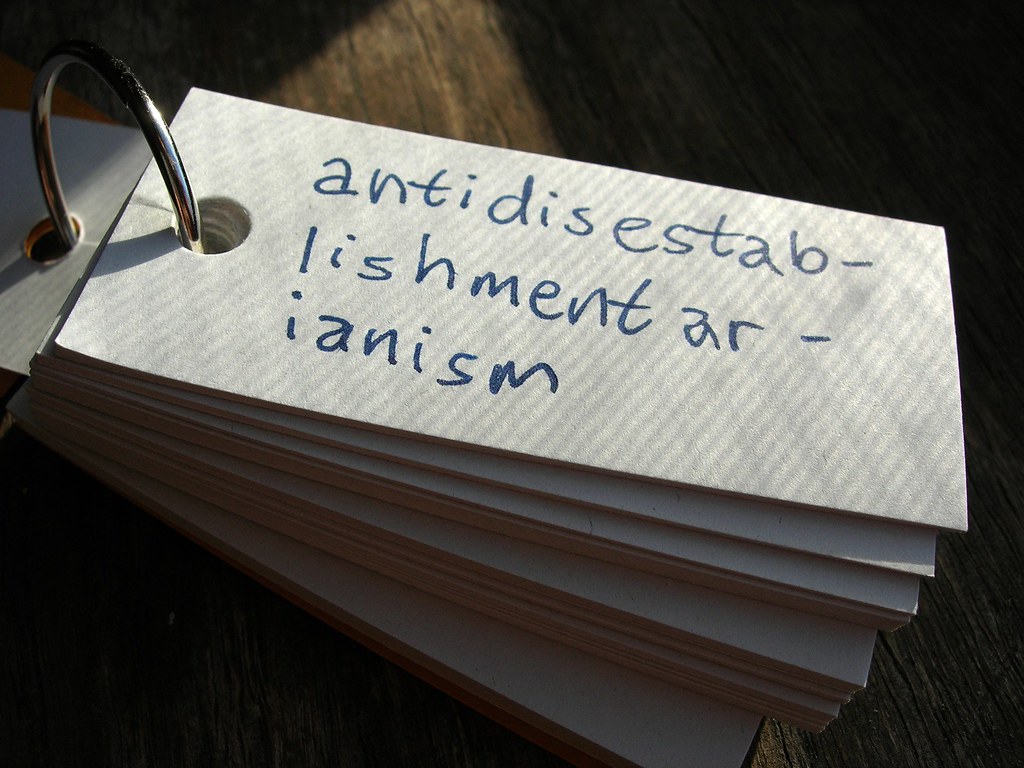
7. **Antidisestablishmentarianism**Frequently, though inaccurately, cited as the longest word in the English language, *antidisestablishmentarianism* is a 28-letter term with a rich historical and political context. It refers to “the political position of opposing disestablishment,” specifically related to the 19th-century movement in England that advocated against the separation of the Church of England from state patronage. Its long form directly reflects the layered nature of the political debate it describes.
Despite its historical significance and common recognition, not all dictionaries universally accept *antidisestablishmentarianism* due to what some editors perceive as a “lack of usage” in its original meaning in contemporary language. For instance, Merriam-Webster’s Collegiate Dictionary notably omits it, stating that its editors found “no widespread, sustained usage of the word.” This highlights the dynamic criteria by which words gain or lose their place in authoritative linguistic records.
As a non-contrived and non-technical word, it stands out for its organic development within a specific sociopolitical environment. Its protracted length is a product of combining prefixes and suffixes (anti-, dis-, establishment, -arian, -ism) to articulate a complex ideological stance. The ongoing debate about its dictionary inclusion further underscores the fascinating interplay between historical context, political discourse, and the evolving standards of lexical legitimacy in the English language.
Continuing our in-depth examination of the world’s longest words, we transition from the realms of scientific precision and modern coinage to historical literary creations, unique geographical identifiers, a record-setting personal name, and striking examples from other languages. These examples further illuminate the diverse strategies human languages employ for word-building, whether through elaborate compounding, descriptive narratives, or administrative directives.
Our journey extends beyond English, showcasing how different linguistic traditions push the boundaries of lexical expression, often reflecting unique cultural and functional necessities. Each word, no matter how daunting its length, tells a story of linguistic ingenuity, historical context, or sometimes, a playful defiance of brevity.
Read more about: Beyond ‘Supercalifragilisticexpialidocious’: Unpacking 6 of the Longest, Wildest, and Most Wondrous Words in the English Language

8. **Lopadotemachoselachogaleokranioleipsanodrimhypotrimmatosilphiokarabomelitokatakechymenokichlepikossyphophattoperisteralektryonoptekephalliokigklopeleiolagoiosiraiobaphetraganopterygon**
This extraordinary word, comprising 171 letters in its original Ancient Greek (or 183 in transliteration), hails from the comedic genius of Aristophanes. Appearing in his play *Assemblywomen* (*Ecclesiazousae*), this colossal term is not merely a string of syllables but a meticulously constructed description of a fictional dish, combining an extensive list of its ingredients into a single linguistic entity. Its creation showcases the remarkable agglutinative capacity of Ancient Greek, allowing for complex culinary specifications to be articulated in an unbroken flow.
As a literary construct, this word is widely recognized as the longest ever coined by a major author. It stands as a testament to Aristophanes’ linguistic inventiveness and his ability to use the structure of language for humorous and descriptive effect. Unlike words that evolve organically, this term was a deliberate artistic choice, designed to evoke a sense of grandiosity and perhaps overwhelming complexity, much like the dish it describes.
Despite its impressive length and literary provenance, this word is categorized as a “contrived nonce word” and does not appear in standard dictionaries. Its status as an Ancient Greek transliteration further distinguishes it from conventional English entries, underscoring the specialized nature of its origin and purpose within a specific literary context. It remains a fascinating example of how artistic expression can push the boundaries of word formation.
Read more about: Unpacking the Giants: A Definitive Exploration of the Longest Words in the English Language
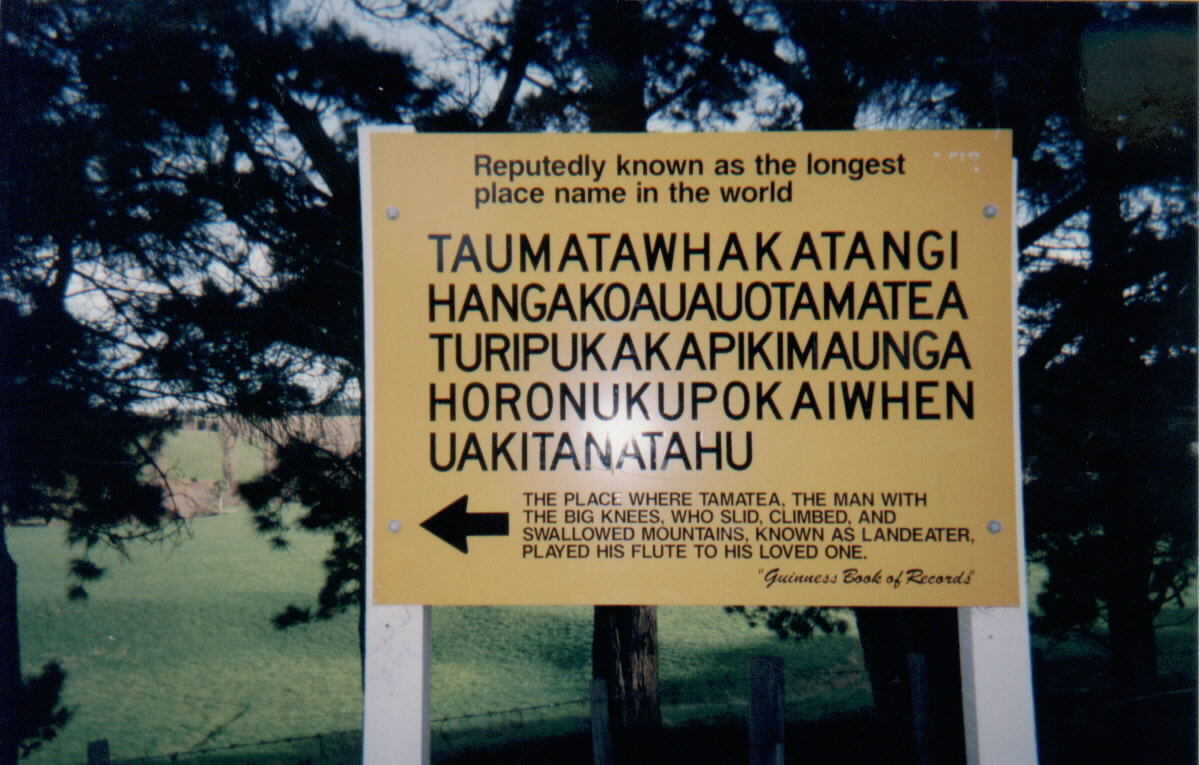
9. **Taumatawhakatangihangakoauauotamateaturipukakapikimaungahoronukupokaiwhenuakitanatahu**
Venturing into geographical nomenclature, we encounter this formidable 85-letter place name, which designates a hill in New Zealand. Written in the Māori language, it holds the distinction of being the longest officially recognized place name in any English-speaking country. Its extensive length is not an anomaly but a characteristic feature of Māori place names, which often function as descriptive phrases detailing the location’s history, features, or significant events.
The full name translates to a narrative describing the hill: “The summit where Tamatea, the man with the big knees, the slider, earth-eater and climber of mountains, played on his nose flute to his beloved.” This rich, storytelling quality is embedded directly into the name itself, offering a profound cultural insight into Māori linguistic practices. While variant spellings exist, some even longer, the officially recognized form remains an iconic symbol of New Zealand’s unique heritage.
It is important to note the orthographic conventions of the Māori language, where digraphs such as ‘ng’ and ‘wh’ are treated as single letters. This linguistic nuance highlights how the perception of “word length” can vary significantly across different writing systems and cultural contexts. The sheer descriptive power packed into this single name serves as a compelling example of language as a carrier of history and identity.
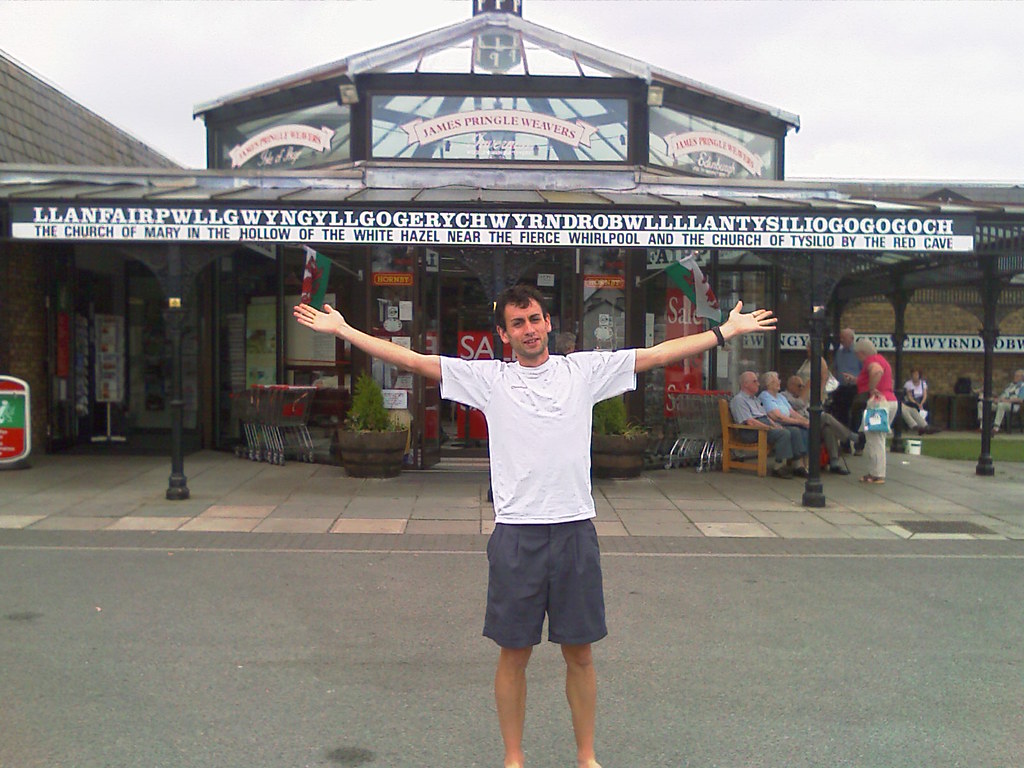
10. **Llanfairpwllgwyngyllgogerychwyrndrobwllllantysiliogogogoch**Across the globe, another iconic geographical leviathan is the 58-letter name of a town situated on Anglesey, an island off the coast of Wales. This particular place name is famed for its length, though its notoriety stems from a deliberate mid-19th-century contrivance, adopted solely to establish it as the longest town name in Britain. This intentional act of lexical inflation demonstrates a unique blend of local pride and playful linguistic ambition.
When viewed through the lens of the traditional Welsh alphabet, the name’s effective length is reduced to 51 letters, owing to the treatment of certain digraphs (such as ‘ll,’ ‘ng,’ and ‘ch’) as single letters. Despite its ceremonial extended form, the town’s official name is simply Llanfairpwllgwyngyll, commonly abbreviated to the more manageable Llanfairpwll or Llanfair PG for everyday use. This distinction between its formal, elongated identity and practical usage underscores its dual nature as both a record-holder and an actual inhabited location.
Interestingly, the unique characteristics of this location have extended its linguistic influence into unexpected scientific domains. The bacterium *Myxococcus llanfairpwllgwyngyllgogerychwyrndrobwllllantysiliogogogochensis*, discovered in soil collected from this very Welsh town, holds the record for the longest accepted binomial name for an organism. This curious connection further solidifies Llanfairpwllgwyngyllgogerychwyrndrobwllllantysiliogogogoch’s place in the broader narrative of remarkably long words.
Read more about: Unpacking the Giants: A Definitive Exploration of the Longest Words in the English Language
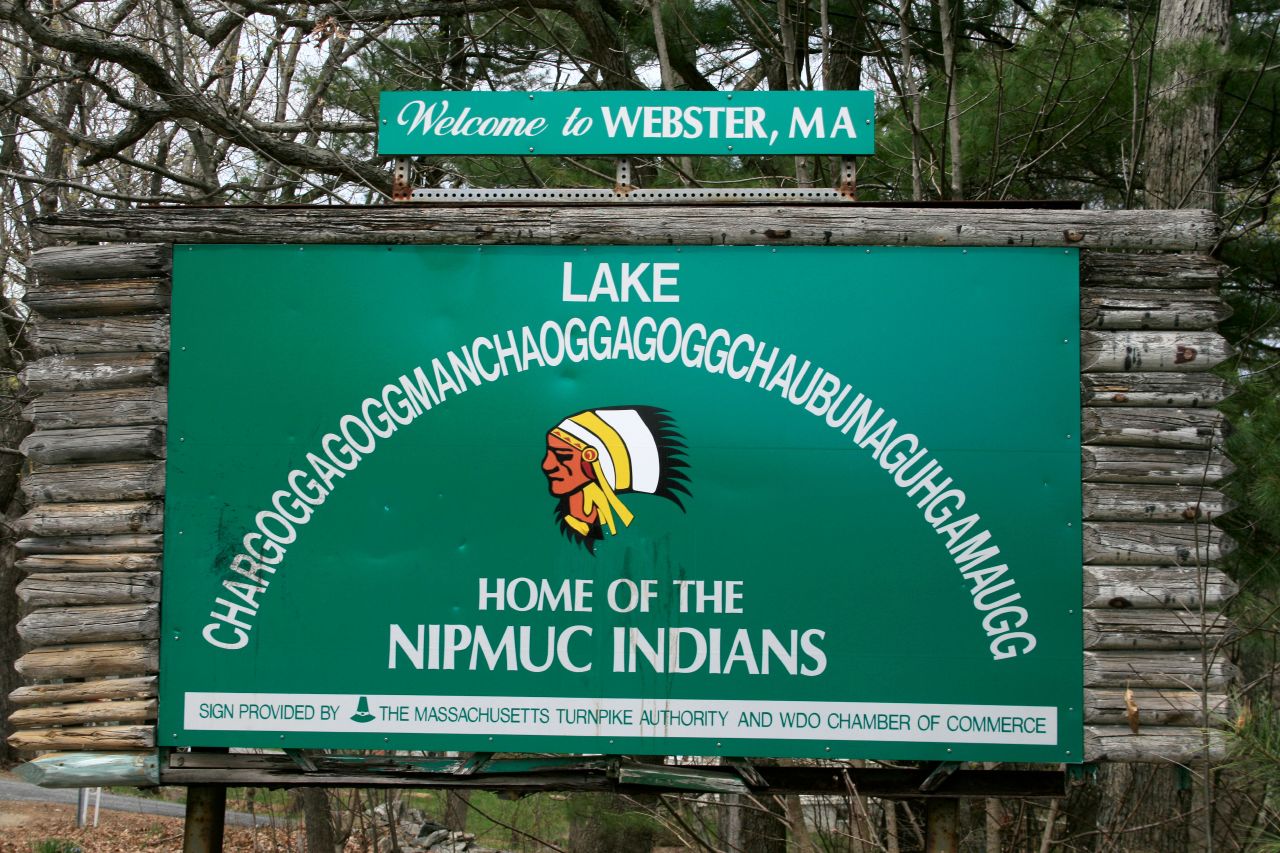
11. **Chargoggagoggmanchauggagoggchaubunagungamaugg**Returning to the English-speaking world, the United States presents its own contender for the longest place name: the 45-letter name of a lake in Webster, Massachusetts. This impressive moniker, often abbreviated or referred to simply as Webster Lake, is steeped in Native American linguistic tradition, reflecting a rich history and a descriptive approach to naming natural features.
The indigenous meaning of Chargoggagoggmanchauggagoggchaubunagungamaugg translates to a compelling phrase: “Fishing Place at the Boundaries – Neutral Meeting Grounds.” This original interpretation speaks to the lake’s historical significance as a shared territory and a site for inter-tribal interaction. The name thus serves as a linguistic artifact, preserving the cultural heritage and historical geography of the region.
Popular culture has also embraced this word, often rendering a more whimsical, albeit facetious, translation: “you fish your side of the water, I fish my side of the water, nobody fishes the middle.” While not historically accurate, this humorous rendition highlights the word’s captivating quality and its capacity to engage the public imagination. It exemplifies how lengthy place names can become embedded in local lore and wider linguistic curiosities.

12. **Adolph Blaine Charles David Earl Frederick Gerald Hubert Irvin John Kenneth Lloyd Martin Nero Oliver Paul Quincy Randolph Sherman Thomas Uncas Victor William Xerxes Yancy Zeus Wolfeschlegelsteinhausenbergerdorffvoralternwarengewissenhaftschaferswessenschafewarenwohlgepflegeundsorgfaltigkeitbeschutzenvonangreifendurchihrraubgierigfeindewelchevoralternzwolftausendjahresvorandieerscheinenwanderersteerdemenschderraumschiffgebrauchlichtalsseinursprungvonkraftgestartseinlangefahrthinzwischensternartigraumaufdersuchenachdiesternwelchegehabtbewohnbarplanetenkreisedrehensichundwohinderneurassevonverstandigmenschlichkeitkonntefortpflanzenundsicherfreuenanlebenslanglichfreudeundruhemitnichteinfurchtvorangreifenvonandererintelligentgeschopfsvonhinzwischensternartigraum, Senior**
In the realm of personal identification, this staggering 746-letter name once held the Guinness World Record for the longest personal name used, a distinction it maintained from approximately 1975 to 1985. More commonly known by the abbreviated “Wolfe+585, Senior,” this name represents an extreme example of how individuals or their parents can push the boundaries of nomenclature, often for deeply personal reasons or as a form of protest against restrictive naming laws.
While its sheer length makes it impractical for everyday use, the existence of such a name highlights the extraordinary lengths to which people will go to assert individuality or make a statement through naming conventions. The Guinness World Records category was briefly awarded to a newborn girl with an even longer name after 1985, before the category itself was removed, reflecting the often-contrived nature of such records and the challenges in defining “personal name” for such purposes.
The phenomenon of exceptionally long birth names, as exemplified by Wolfe+585, Senior, offers a unique insight into cultural practices and individual expression. It demonstrates that the concept of a “word” can extend beyond traditional dictionary entries to encompass formal designations, even when those designations are designed more for impact and uniqueness than for practical communication.

13. **Rindfleischetikettierungsüberwachungsaufgabenübertragungsgesetz**Shifting our focus to other European languages, German provides a compelling illustration of agglutinative word-building with this 63-letter behemoth. Meaning “beef labeling supervision duties delegation law,” this word was not merely a linguistic curiosity but an actual law in Germany until its repeal in 2013. Its existence as a formal legislative term underscores the German language’s remarkable capacity for precise and comprehensive lexical compounding.
German’s structure allows for the seamless combination of multiple smaller words and concepts into a single, often highly specific, compound noun. This linguistic mechanism, akin to building with linguistic Lego blocks, enables the creation of terms that encapsulate complex bureaucratic or technical concepts without recourse to hyphenation or separate words. The result is a level of descriptive exactitude embedded within the word itself.
The repeal of this particular law, and consequently the obsolescence of its name, serves as a poignant reminder that language is dynamic and responsive to societal changes. While the word may no longer be in active legal use, it remains a celebrated example of German’s robust word-building capabilities and its unique approach to encapsulating detailed administrative functions within a single lexical unit.

14. **Epäjärjestelmällistyttämättömyydellänsäkäänköhänkään**Our final linguistic exploration takes us to Finnish, another agglutinative language, which presents the 48-letter word *Epäjärjestelmällistyttämättömyydellänsäkäänköhänkään*. This complex term translates to “I wonder if—even with his/her quality of not having been unsystematized,” offering a profound glimpse into the intricate grammar and expressive potential of Finnish morphology.
Finnish constructs words by adding numerous suffixes to a root, each affix subtly modifying the meaning to convey highly nuanced concepts, grammatical relations, and even emotional inflections. This process allows for an extraordinary density of meaning to be packed into what appears to be a single word, reflecting a different philosophy of lexical construction compared to more analytical languages.
The word’s structure highlights the difference between word length defined by individual letters and the semantic units they represent. Each appended ending contributes a distinct layer of meaning, demonstrating how Finnish creates precision and complexity through its unique grammatical architecture. It stands as a powerful testament to the diversity of human language and the ingenious ways in which abstract ideas can be encapsulated in a single, formidable linguistic expression.
As we conclude this comprehensive survey of the world’s longest words, it becomes evident that lexical length is far more than a mere curiosity. These linguistic titans, whether scientific formulae, ancient literary constructs, whimsical coinages, or culturally rich place names, reflect the boundless creativity, precision, and narrative power inherent in human language. They challenge our assumptions about what constitutes a ‘word’ and remind us that every language, in its unique way, seeks to encapsulate the vastness of human experience, one extraordinary syllable at a time. The spectrum of these words, from the arbitrarily constructed to the organically evolved, offers a profound appreciation for the multifaceted nature of communication and the enduring fascination with pushing its furthest limits.