American music, a vibrant tapestry woven from countless influences, has always been a crucible for unparalleled talent, where unique voices and groundbreaking artistry have sculpted the very landscape of sound. From the soulful depths of the blues to the rebellious energy of rock and roll, the United States has given the world an extraordinary pantheon of musicians whose impact resonates across generations, shaping not just genres but global culture itself. These artists, with their innovative spirit and profound connection to the human experience, have achieved immortal status, their contributions becoming cornerstones of musical history.
Yet, amidst this dazzling legacy of creativity and triumph, there lies a somber, often discussed facet: the careers of certain iconic figures whose brilliance, though undeniable, was tragically cut short or marked by deeply challenging circumstances. The stories of these artists, while brimming with artistic innovation and cultural significance, also serve as poignant reminders of the fragile interplay between genius, fame, and fate. Their untimely departures or the profound difficulties they faced only amplify the power of the music they left behind, compelling us to reflect on the immense gifts they bestowed upon the world, often against incredible odds.
In this in-depth exploration, we delve into the lives and enduring legacies of some of America’s most celebrated musicians, whose journeys, despite their immense contributions, were undeniably marked by tragedy. While the specter of “fatal flight” often brings to mind specific, dramatic ends, we examine how the metaphorical flight of their careers, soaring to incredible heights, was sometimes brought down by circumstances beyond their control, or by the inherent pressures of their extraordinary lives. We celebrate their artistry while acknowledging the profound losses that forever altered the trajectory of American music, leaving an indelible void that only their timeless recordings can begin to fill.
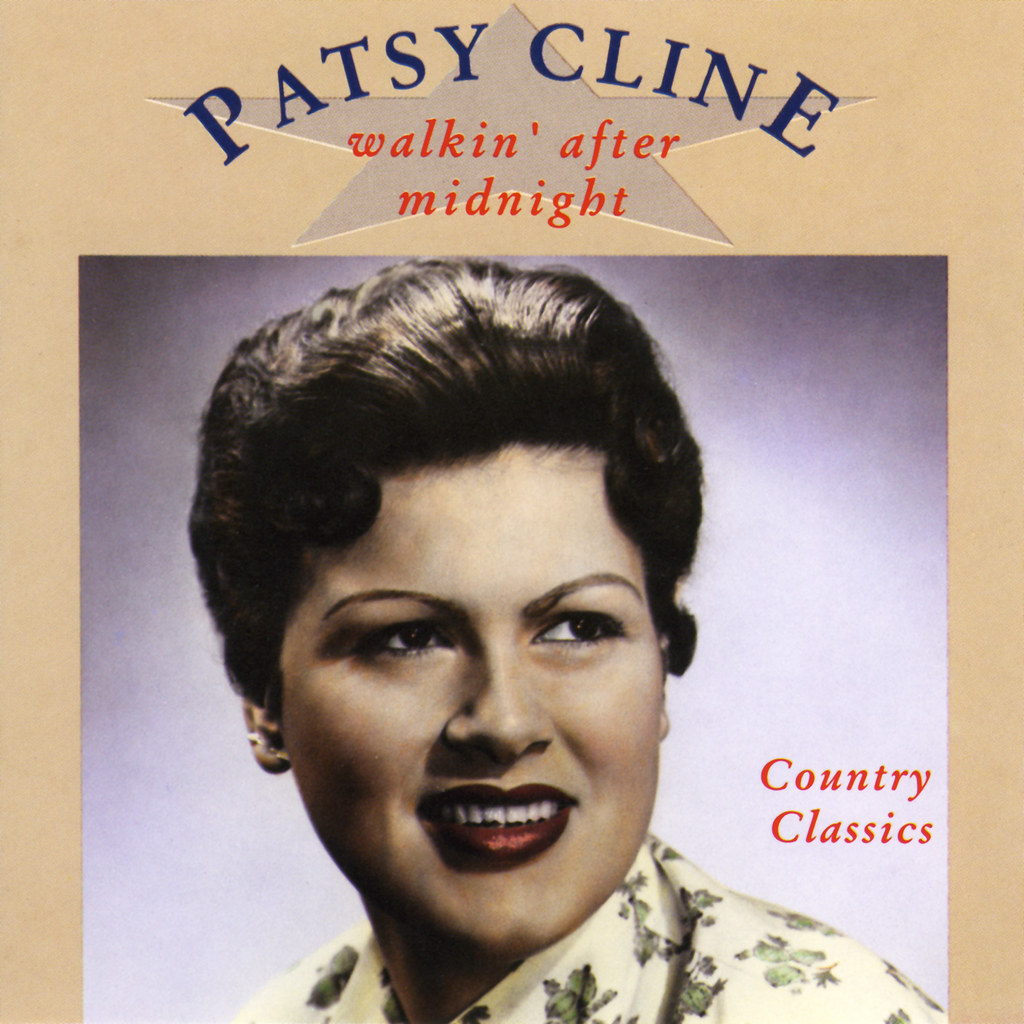
1. Patsy Cline
Patsy Cline, born Virginia Patterson Hensley in Winchester, Virginia, in 1932, emerged as one of the most profoundly influential and beloved vocalists in country music history. Her voice, rich and emotive, possessed an unparalleled ability to convey deep emotion, setting her apart from her contemporaries and firmly establishing her as a trailblazing female star. Cline wasn’t just a singer; she was a storyteller, her performances imbued with a raw honesty that resonated with audiences far beyond the traditional country music base. Her enduring appeal lies in this authentic connection, a quality that cemented her status as a legend.
Cline’s career truly took flight in the late 1950s and early 1960s, a pivotal era when her distinctive sound began to capture national attention. Hits like “Walkin’ After Midnight,” “I Fall to Pieces,” and “Crazy” became instant classics, demonstrating her versatility and capacity to blend traditional country sensibilities with a sophisticated pop sheen. This ability to cross over into the pop charts was groundbreaking for a country artist of her time, significantly broadening her appeal and paving the way for future generations of female vocalists to transcend genre boundaries and achieve mainstream success. She brought an unprecedented level of glamour and artistry to country music.
Her signature sound was characterized by a powerful yet nuanced delivery, often described as a blend of country, blues, and pop, creating something entirely new and captivating. When Cline sang, every word felt deeply felt, every note imbued with a sense of genuine experience. Her rendition of “Crazy,” penned by Willie Nelson, is a masterclass in vocal interpretation, showcasing her incredible control and the profound emotional depth she could extract from a lyric. These songs were not merely catchy tunes; they were poignant narratives that spoke to universal themes of love, heartbreak, and resilience, securing their place in the American musical canon.
Tragically, Patsy Cline’s phenomenal career, which promised even greater heights, was abruptly cut short. On March 5, 1963, while flying back from a performance in Kansas City, her private plane crashed near Dyersburg, Tennessee. She was only 30 years old. This devastating event not only silenced one of music’s most extraordinary voices but also robbed the world of a visionary artist at the peak of her powers. Her untimely death sent shockwaves through the industry and left an immeasurable void, yet her brief but brilliant career continues to serve as a beacon, inspiring countless artists and solidifying her status as a revered figure in country music and beyond. The legacy of her vocal brilliance and pioneering spirit remains undiminished.
Read more about: Why the Trail Went Cold: Tracing the Retreat of Country Firebrand Gretchen Wilson from the Limelight
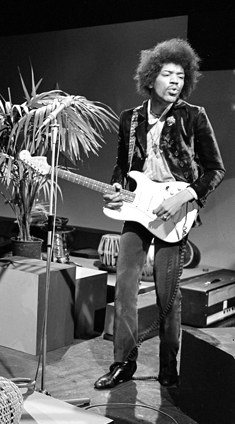
2. Jimi Hendrix
Jimi Hendrix, born Johnny Allen Hendrix in Seattle, Washington, in 1942, stands as an undisputed titan of rock music, widely heralded as the greatest guitarist in history. His name alone conjures images of electrifying performances, searing solos, and a sound that redefined what the electric guitar could achieve. Hendrix wasn’t merely a musician; he was an alchemist, transforming conventional rock and blues into an entirely new sonic language. His innovative approach, characterized by feedback, distortion, and a mastery of expressive techniques, shattered existing boundaries and set an impossibly high bar for all who followed.
Before ascending to global superstardom, Hendrix navigated the challenging landscape of the early 1960s music scene, honing his craft as a backup guitarist for various R&B acts, including the Isley Brothers and Little Richard. Despite his raw talent, widespread recognition proved elusive in the United States. It was upon moving to England that his destiny truly unfolded. There, in 1966, he formed the Jimi Hendrix Experience with bassist Noel Redding and drummer Mitch Mitchell, a trio that would swiftly take the European music scene by storm with their raucous, psychedelic take on American R&B and blues.
The band’s 1967 debut album, *Are You Experienced*, remains an essential touchstone in rock history, a groundbreaking work that introduced the world to Hendrix’s astonishing sonic palette. Tracks like “Purple Haze,” “Hey Joe,” and “The Wind Cries Mary” weren’t just songs; they were revolutionary statements, showcasing his ability to bend and sculpt sound in ways previously unimagined. His virtuosity extended beyond mere technical skill; he played with an emotional intensity that allowed the guitar to truly sing, scream, and weep, creating a deeply immersive and visceral listening experience.
Hendrix’s ascent continued with legendary performances that cemented his status as a cultural icon. His incendiary set at the 1967 Monterey Pop Festival, culminating in the burning of his guitar, became an instant legend. Two years later, his iconic rendition of “The Star-Spangled Banner” at the 1969 Woodstock Festival, performed with a searing, distorted sound that evoked the chaos and conflict of the Vietnam War era, solidified his place as a voice for the counterculture. These moments weren’t just musical; they were powerful cultural statements, capturing the spirit of an era defined by rebellion and transformation.
Despite his meteoric rise and unparalleled influence, Jimi Hendrix’s brilliant career was tragically cut short at the age of 27 in September 1970. His untimely death left the music world in shock, mourning the loss of a genius who had barely begun to explore the depths of his musical potential. Yet, his legacy is not one of what might have been, but of what fundamentally changed. Hendrix expanded the very possibilities of rock music and guitar playing, influencing countless musicians across genres and generations. He remains a profound pioneer, an artist whose spirit and sound continue to inspire awe and ignite creativity to this day.
Read more about: The Enduring Legacy: A Deep Dive into Rock Music’s Transformative Eras

3. Kurt Cobain
Kurt Cobain, the enigmatic frontman, guitarist, and primary songwriter for Nirvana, became an accidental icon and a reluctant spokesperson for a generation during the 1990s. Born in Aberdeen, Washington, in 1967, Cobain, alongside bassist Krist Novoselic, formed Nirvana in 1987, a band that would inadvertently spearhead the grunge movement, fundamentally reshaping the landscape of rock music. His raw, emotionally charged performances and introspective lyrics tapped into a widespread sense of disillusionment, offering a voice to those who felt unheard in an increasingly commercialized world. Nirvana’s impact was not just musical; it was a cultural earthquake.
The band’s sophomore effort, 1991’s *Nevermind*, proved to be a seismic shift in popular music. Its breakout single, “Smells Like Teen Spirit,” became an anthem for Generation X, a furious and anthemic rejection of mainstream sensibilities that resonated globally. The song, along with the album’s raw energy and melodic hooks, propelled Nirvana from underground darlings to global superstars almost overnight. Cobain’s distinctive, often agonized vocals and the band’s dynamic shifts from quiet introspection to explosive noise created a sound that was both accessible and deeply challenging, capturing the angst of a new era.
Cobain’s songwriting was characterized by its profound introspection and a powerful ability to articulate feelings of alienation, frustration, and vulnerability. His lyrics, often cryptic and poetic, delved into themes of identity, societal critique, and personal struggle, providing a stark contrast to the often superficial pop music of the time. This authenticity, combined with his band’s explosive sound, created a profound connection with millions of fans. However, the immense success brought with it a suffocating pressure that Cobain openly struggled with, finding the demands of fame increasingly at odds with his artistic and personal integrity.
Despite Nirvana’s stratospheric success and their critical role in defining the sound of the 90s, Cobain’s personal battles with addiction, chronic pain, and the overwhelming weight of celebrity became increasingly public and agonizing. His sensitive and tormented spirit found itself at odds with the demands of an industry that commodified his angst. Tragically, these internal struggles culminated in his death in April 1994, at the age of 27. Kurt Cobain’s profound influence on music and culture endures, making him a poignant symbol of artistic integrity, the bittersweet nature of success, and the enduring power of raw, honest expression that continues to resonate with new generations.
Read more about: Guitar Queens: 12 Loudest Most Iconic Rock Anthems Ever Shredded by Female Artists

4. Janis Joplin
Janis Joplin, an American rock and blues singer, was a force of nature, known for her raw, powerful, and utterly soulful voice that left an indelible mark on the countercultural movement of the late 1960s. Born in Port Arthur, Texas, in 1943, Joplin’s vocal delivery was an electrifying conduit for deep emotion, drawing heavily from the blues and infusing it with an unbridled rock and roll spirit. She was more than just a singer; she was an experience, embodying the freedom and intensity of her era with every guttural cry and soaring note, captivating audiences with her unapologetic authenticity.
Joplin first rose to prominence as the magnetic lead singer of Big Brother and the Holding Company, a San Francisco psychedelic rock band. Their breakout performance at the 1967 Monterey Pop Festival catapulted them into the national spotlight, with Joplin’s astonishing vocal prowess being the undeniable highlight. Her rendition of “Ball and Chain” at the festival is legendary, showcasing her ability to channel profound blues influences and raw emotional intensity into a rock context. The band’s 1968 album *Cheap Thrills* solidified her status as a major figure, becoming a defining record of the psychedelic rock era.
Following her departure from Big Brother and the Holding Company, Joplin embarked on a solo career, further cementing her status as a rock icon. With albums like *I Got Dem Ol’ Kozmic Blues Again Mama!* and the posthumously released *Pearl*, she continued to explore her unique blend of blues, soul, and rock. Hits such as “Piece of My Heart,” “Summertime,” “Me and Bobby McGee,” and “Cry Baby” became synonymous with her name, each delivered with an intensity that few could match. Her performances were characterized by a visceral connection to the music, leaving audiences spellbound by her vulnerability and power.
Despite her meteoric success and her profound impact on music, Janis Joplin’s life was tragically shadowed by personal struggles, particularly with addiction, which were unfortunately common among the era’s rock stars. These internal battles ultimately led to her untimely death in October 1970, at the age of 27, just weeks after Jimi Hendrix. Her passing was a devastating loss to the music world, silencing one of rock’s most distinctive and influential voices. Joplin’s legacy, however, is immense; she remains an enduring symbol of the 1960s rock scene, a pioneer who broke barriers for women in rock music, demonstrating that female artists could be as powerful, raw, and impactful as any male counterpart. Her spirit and music continue to inspire defiance and passion.
American music, an ever-evolving narrative of innovation and emotion, continues its journey through the lives of artists who soared to unimaginable heights, only to encounter their own profound, often tragic, conclusions. As we press forward, we encounter more titans whose ‘fatal flights’ were not always literal, but rather the challenging, sometimes overwhelming, paths their extraordinary talents carved for them. These stories are a testament to their enduring artistry and the complex interplay of genius, fame, and the human condition. Their legacies, far from diminishing, continue to resonate, reminding us of the immense power and often heartbreaking cost of true artistic brilliance.
Read more about: Shredding the Stereotype: The Top 11 Hard-Hitting Rock Tracks That Prove Female Artists Rule the Airwaves!

5. Prince
Prince Rogers Nelson, born in Minneapolis, Minnesota, in 1958, was an American singer, songwriter, and multi-instrumentalist whose genre-bending genius redefined the sound of a generation. With an eclectic style that seamlessly blended elements of rock, funk, pop, and R&B, Prince crafted a musical language that was uniquely his own. His boundless creativity and fearless experimentation made him one of the most influential musicians of his era, consistently pushing artistic boundaries and captivating audiences worldwide with his innovative vision.
His meteoric rise to global superstardom began with the album *1999* in 1982, but it was the monumental *Purple Rain* in 1984 that firmly cemented his iconic status. This landmark album, which also served as the soundtrack to the acclaimed film of the same name, unleashed a torrent of unforgettable hits like “When Doves Cry” and “Let’s Go Crazy.” These tracks, brimming with his signature blend of raw energy and pop sensibility, not only topped charts but also showcased his unparalleled ability to compose and perform across a dazzling array of styles, establishing him as a singular force in popular music.
Beyond his prodigious recording output, Prince was legendary for his electrifying live performances, which were spectacles of musical virtuosity and flamboyant showmanship. His stage presence was magnetic, his fashion choices daring, and his artistic integrity unyielding. He consistently challenged the norms of the music industry, fiercely protecting his creative autonomy and pushing against conventional expectations. His groundbreaking work earned him seven Grammy Awards and propelled him to sell over 100 million records worldwide, making him one of the best-selling artists of all time.
Prince’s ability to constantly innovate and defy categorization made him a true iconoclast. His influence stretched far beyond mere record sales, inspiring countless musicians to explore new sonic landscapes and embrace their unique artistic voices. However, the pressures of his relentless creativity and demanding career, combined with undisclosed health battles, brought his magnificent ‘flight’ to a challenging end with his death in 2016. Though he departed too soon, his profound legacy continues to echo through the corridors of music, a vibrant and enduring testament to a true musical visionary.
Read more about: Mind-Bending Moments: 14 Movie Plot Twists That Will Leave You Saying ‘Just Happened?’
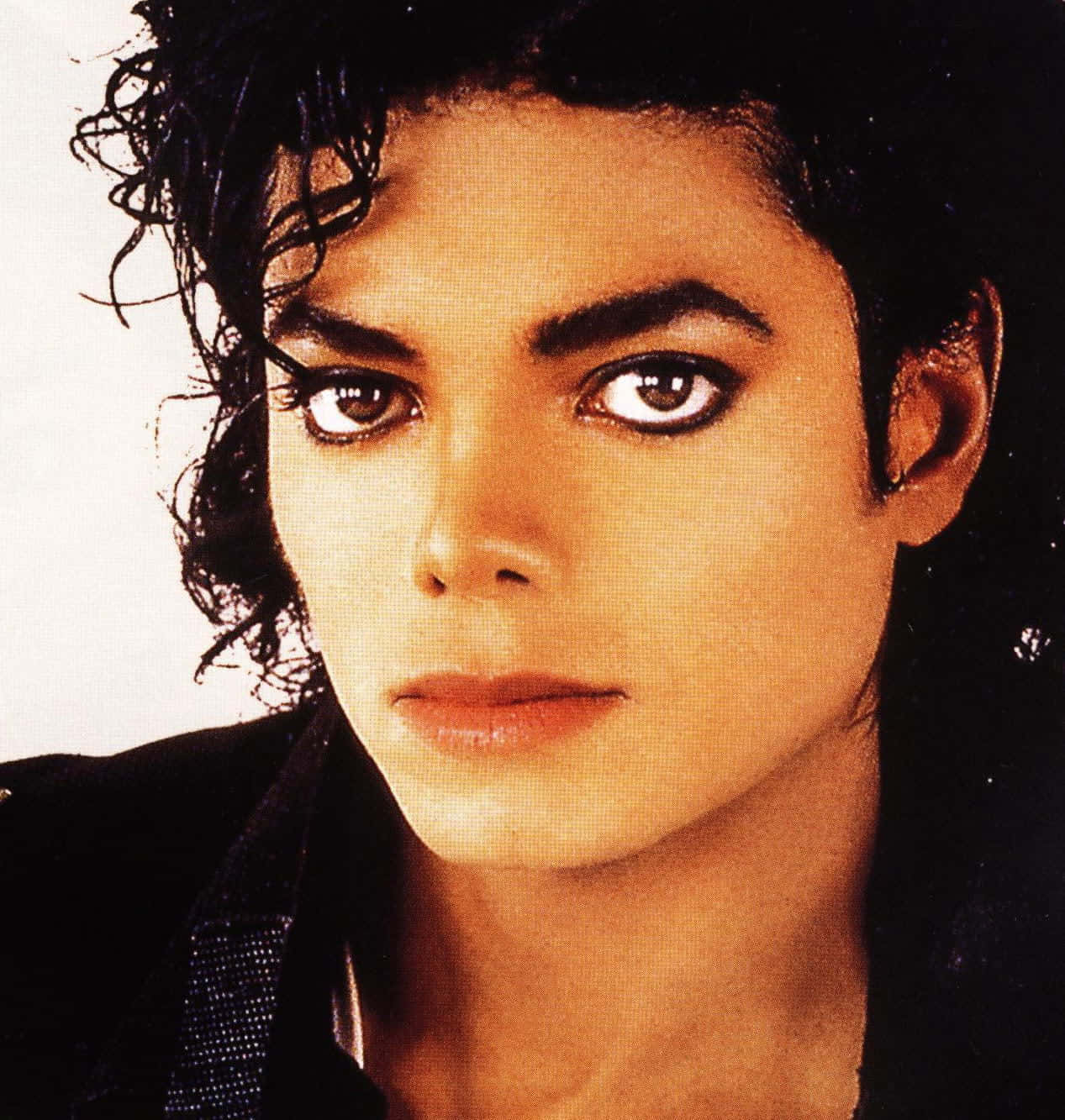
6. Michael Jackson
Michael Jackson, universally revered as the “King of Pop,” stands as one of the most successful and influential entertainers in the annals of music history. Born in Gary, Indiana, in 1958, Jackson’s journey to stardom began remarkably early as the charismatic lead singer of the Jackson 5, a group that captivated audiences and achieved immense popularity throughout the 1970s. His extraordinary talent was evident from childhood, setting the stage for a solo career that would fundamentally redefine the landscape of pop music.
Upon launching his solo career, Jackson unleashed a series of groundbreaking albums that forever altered the genre. *Off the Wall*, *Thriller*, and *Bad* weren’t just records; they were cultural phenomena. His music was characterized by an innovative sound, intricate production, and a dynamic vocal style that seamlessly blended pop, R&B, soul, and funk. This unique fusion, coupled with his unparalleled showmanship, revolutionized the way pop music was conceived and consumed globally, propelling him into an unprecedented realm of superstardom.
*Thriller*, released in 1982, remains the best-selling album of all time, a testament to its monumental impact and enduring appeal. It spawned an array of iconic hits, including “Billie Jean,” “Beat It,” and the titular track, each a masterclass in pop perfection. Jackson’s influence, however, extended far beyond his musical compositions. His pioneering music videos, such as the cinematic masterpieces for “Thriller” and “Bad,” set entirely new standards for visual storytelling in the industry, transforming music videos into an essential art form and a powerful tool for cultural expression.
Despite the controversies that shadowed his later years, Michael Jackson’s profound impact on music, dance, and popular culture remains unparalleled and undeniable. He inspired generations of artists to dream bigger, dance bolder, and create with unbridled passion. His legacy, built on an foundation of groundbreaking artistry and a relentless pursuit of perfection, continues to inspire artists worldwide, cementing his status as a transcendent figure whose musical ‘flight,’ though marked by a complex and ultimately tragic landing, reshaped the very fabric of entertainment.
Read more about: Shredding the Stereotype: The Top 11 Hard-Hitting Rock Tracks That Prove Female Artists Rule the Airwaves!
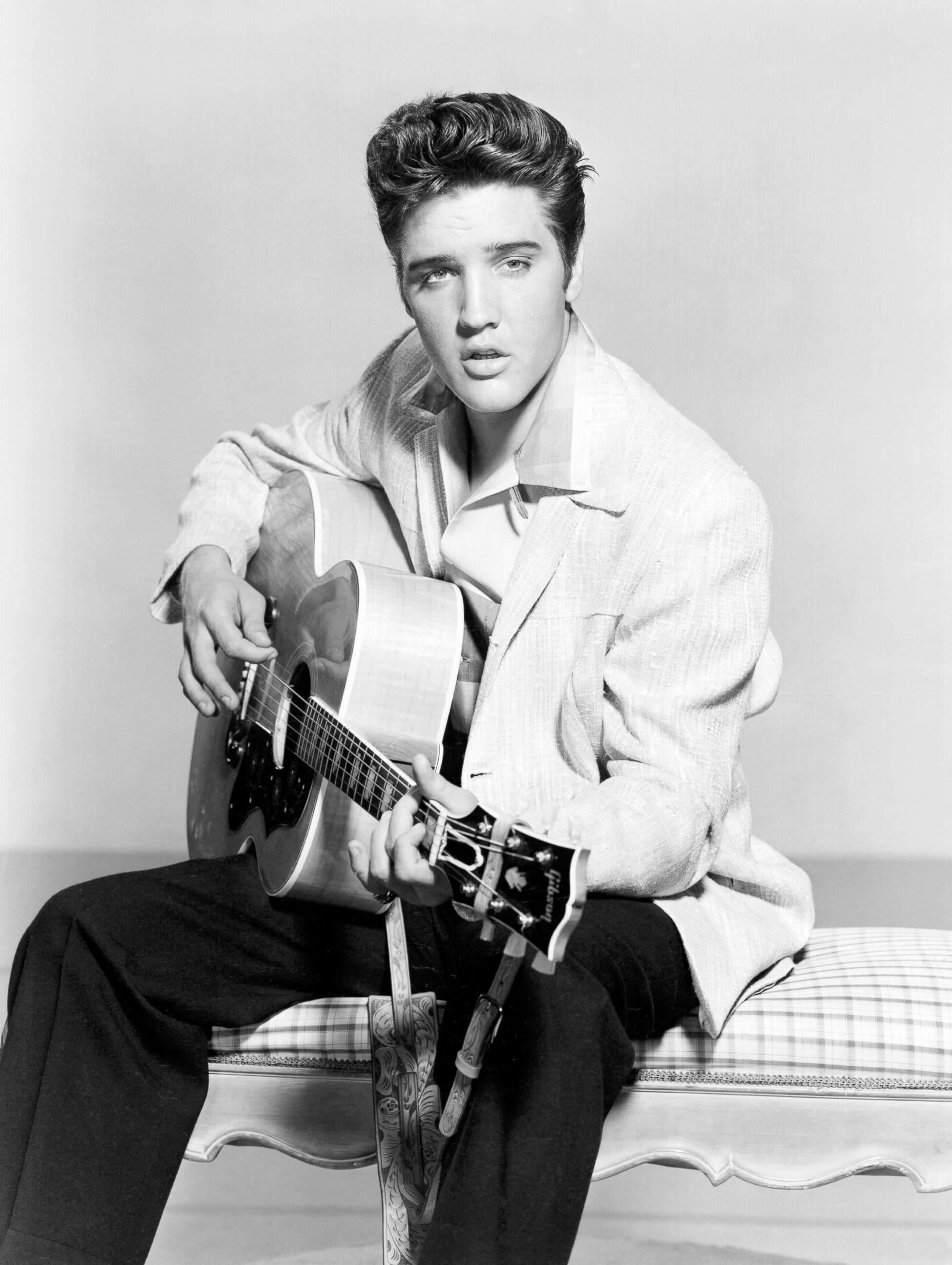
7. Elvis Presley
Elvis Presley, affectionately known as the “King of Rock and Roll,” carved out an indelible legacy as one of the most influential cultural icons of the 20th century. Born in Tupelo, Mississippi, in 1935, Presley embarked on his music career in the nascent years of the 1950s, a pivotal time when American music was poised for a revolution. His genius lay in his ability to blend distinct genres—gospel, blues, and country—into a fiery new sound that would electrify and redefine popular music forever.
His groundbreaking work with Sun Records in the mid-1950s was instrumental in introducing traditionally Black music styles to a broader white audience, challenging racial barriers in the process. With his first hit, “Heartbreak Hotel,” released in 1956, Elvis was catapulted to unprecedented fame. His dynamic stage presence, undeniable charisma, and a unique, expressive voice captivated teenagers and simultaneously shocked and intrigued adults across the nation, establishing him overnight as a global sensation and a symbol of rebellious youth culture.
Elvis’s impact resonated far beyond the realm of music; he became the quintessential emblem of the rebellious spirit of the 1950s and 1960s. Throughout his prolific career, he released a staggering number of hit albums and singles, each contributing to his colossal popularity. His magnetic appeal also extended to the silver screen, where he starred in over 30 films, further cementing his status as an early and potent example of the hyper-stardom that would become a defining characteristic of American culture by the close of the century.
Even in the twilight of his career, Elvis remained a beloved figure, his voice and persona deeply ingrained in the collective consciousness. Presley passed away in 1977, marking a somber end to a life lived in the searing glare of the public eye, a true ‘fatal flight’ fueled by the intense pressures of unparalleled fame and personal struggles. Yet, his legacy as the King of Rock and Roll continues to endure, an eternal testament to his revolutionary impact and his permanent place at the very core of American music history.
Read more about: The Name Graveyard: 10 Once-Defining ’50s Moments That Have Totally Died Out
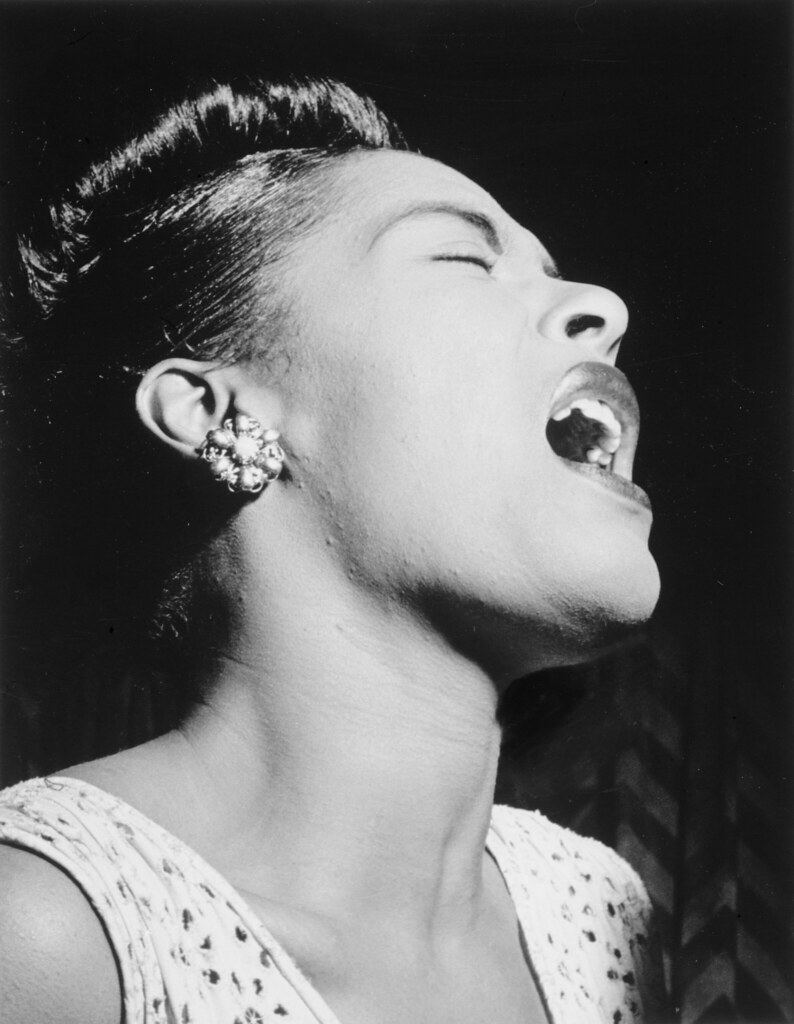
8. Billie Holiday
Billie Holiday, born Eleanora Fagan in Philadelphia in 1915, is widely revered as one of the greatest jazz singers of all time, a true artist whose deeply emotive voice could convey a universe of profound feeling. Her career blossomed in the 1930s, a golden era for jazz, during which she began recording with legendary jazz greats such as Benny Goodman and Count Basie. Holiday’s unique phrasing and unparalleled ability to transform even the simplest melodies into deeply personal and resonant stories set her apart from all her contemporaries.
Her voice, often described as vulnerable yet powerful, possessed an uncanny knack for expressive storytelling, making every lyric feel intensely lived and profoundly felt. She didn’t just sing songs; she inhabited them, infusing each note with a raw honesty that was both heartbreaking and beautiful. This distinctive approach, coupled with her innovative improvisational style, solidified her place as a pivotal figure in jazz, influencing generations of vocalists across various genres and firmly establishing her as a trailblazer.
Holiday’s signature songs stand as powerful testaments to her unparalleled artistry and her willingness to confront challenging realities. “Strange Fruit,” a haunting and poignant protest song, courageously addressed the horrors of lynching, cementing her legacy as an artist unafraid to use her platform for social commentary. Similarly, “God Bless the Child” became another enduring classic, showcasing her capacity for profound emotional depth and lyrical interpretation, resonating with universal themes of self-reliance and sorrow.
Despite her monumental musical achievements and profound cultural impact, Holiday’s life was tragically marred by intense personal struggles, particularly with addiction and persistent legal troubles. These battles ultimately led to her untimely death in 1959, ending her ‘fatal flight’ at the age of 44. Even so, her immense influence on jazz and popular music remains undiminished, and her legacy as a pioneering force for women in music—a voice that was both beautiful and defiant—continues to resonate, proving that true artistry transcends even the most challenging endings.
Read more about: Beyond the Red Carpet: 14 Celebrities Who Are Absolutely Obsessed with Thrifting and Secondhand Style!
As we conclude this profound journey through the lives of these eight iconic musicians, it becomes clear that their ‘fatal flights’ were not merely about the mechanics of a plane crash, but the myriad ways in which their extraordinary journeys were tragically cut short or profoundly challenged. From Patsy Cline’s pioneering country sound silenced by an actual plane crash, to the internal battles that defined the challenging ends of Kurt Cobain and Billie Holiday, each artist’s story underscores the fragile dance between genius and adversity. Jimi Hendrix’s revolutionary guitar, Janis Joplin’s raw blues-rock, Prince’s genre-bending artistry, Michael Jackson’s pop superstardom, and Elvis Presley’s rock and roll revolution—all left an indelible mark, their legacies echoing across time. Their music continues to speak volumes, a vibrant testament to the enduring power of American artistry that, despite tragic final acts, remains immortal and forever inspiring.