The silver screen has long been a stage for extraordinary talent, where actors embody characters who inspire, entertain, and provoke thought. We see them as larger-than-life figures, often forgetting the profound journeys and foundational experiences that forged their indelible presence. Before the spotlights of premieres, the roar of adoring crowds, or the weighty embrace of Oscar statuettes, many of these titans of acting wore a different uniform, serving their countries with a dedication that predates their cinematic renown.
This is not merely a collection of biographical footnotes; it is a deeper exploration into the crucible of military service that shaped the very essence of some of Hollywood’s most revered personalities. Whether by choice or conscription, these individuals stepped away from nascent dreams or burgeoning talents to answer a higher call, often gaining invaluable life experience that would later inform their most iconic roles and define their unwavering character. Their time in uniform, far from a mere interlude, became an integral chapter in their personal sagas, imbuing them with discipline, grit, and a unique perspective on the human condition.
In the following profiles, we delve into the military careers of these remarkable actors, uncovering the branches they served, the duties they performed, and the transformative lessons they gleaned. We examine how these often-demanding experiences, ranging from the front lines of combat to the quiet discipline of a technical role, directly contributed to the commanding presence, emotional depth, and authentic resilience that would later captivate audiences worldwide. Their stories remind us that heroism takes many forms, and for these stars, it began long before the cameras rolled.
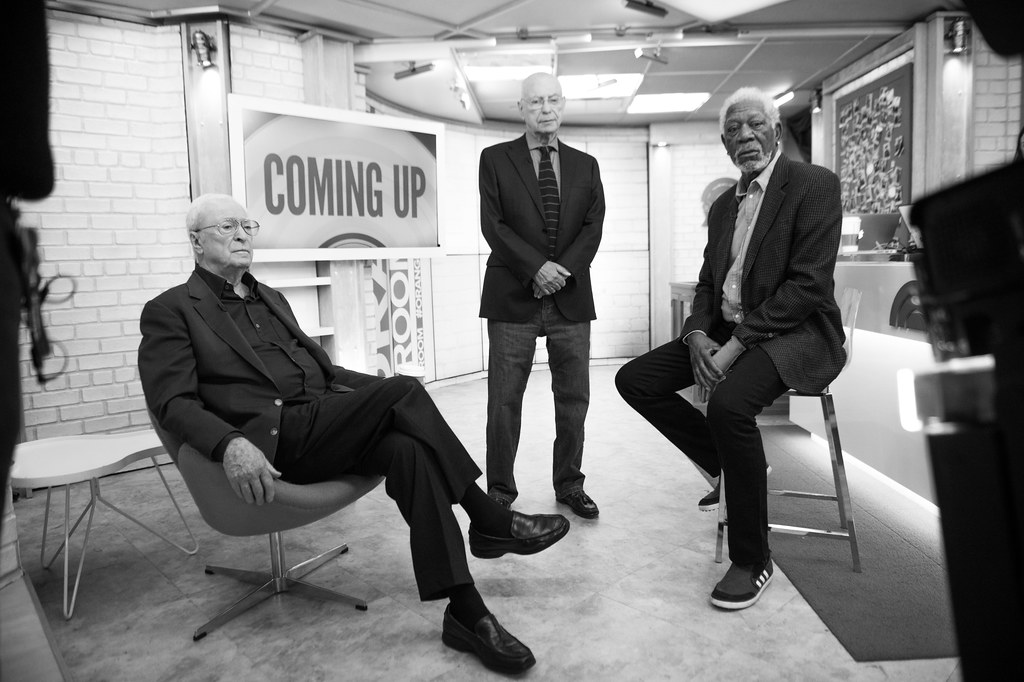
1. **Morgan Freeman**Morgan Freeman, a name synonymous with gravitas and an almost ethereal wisdom on screen, embarked on his journey not with an audition, but with an enlistment. Right after high school, he joined the U.S. Air Force, driven by a powerful aspiration to become a fighter pilot, an ambition that speaks to a desire for precision and command even at a young age. This initial dream, however, diverged from his eventual path in the cockpit.
For four pivotal years, Freeman served diligently as a radar technician, an experience that, while not fulfilling his aerial combat dreams, instilled in him a different, yet equally crucial, set of skills. The meticulous nature of radar work, demanding structure and precision, became foundational. These traits would later resonate powerfully in his acting, grounding his often-commanding on-screen presence with an undeniable authority and clarity.
Upon leaving the military, Freeman redirected his formidable discipline towards acting, slowly cultivating a career that is now defined by its sheer depth and insight. While the world knows him as a brilliant detective, the voice of God, or a beacon of moral authority in countless films, few truly grasp that his very first uniform, the one that began shaping his disciplined approach to life, was indeed military issue. His service laid an unseen but vital groundwork for the iconic figure he would become.
Read more about: Driving These Boxy SUVs? Here’s What Car Designers Secretly Think About You.
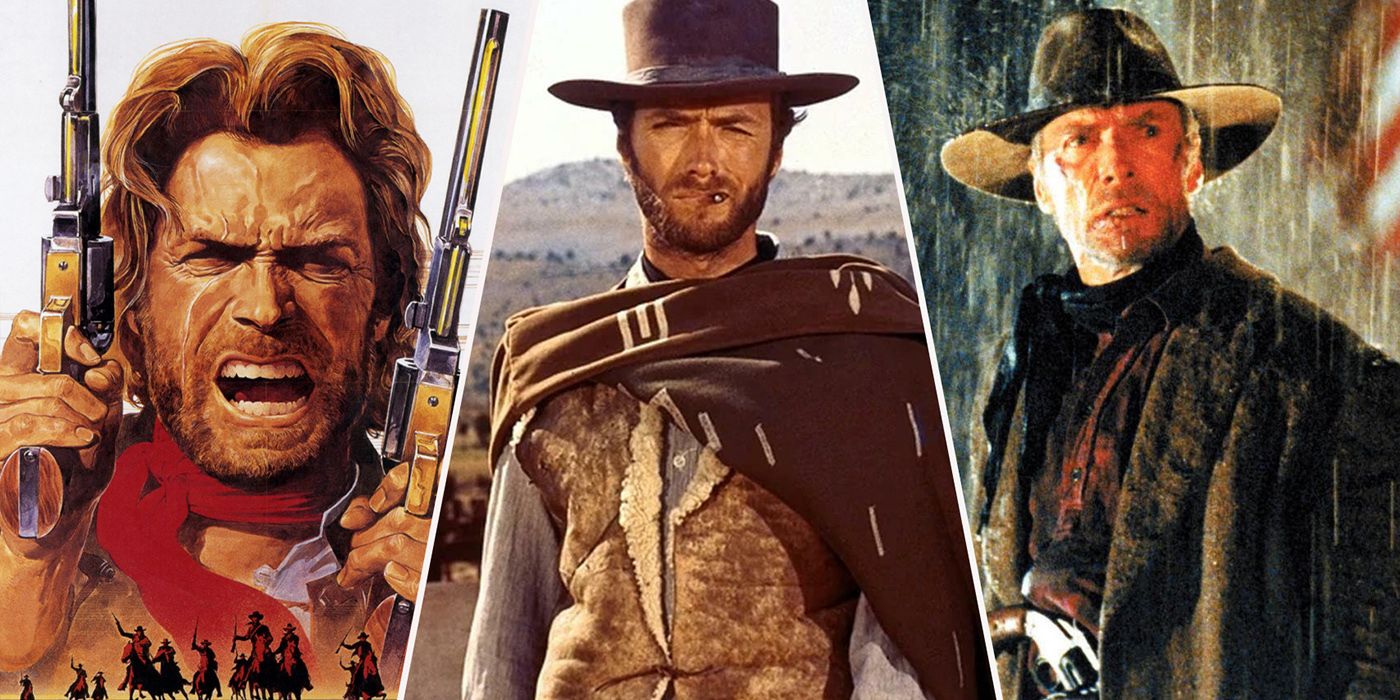
2. **Clint Eastwood**Before he carved out his legend as the quintessential American Western hero, a man of few words and unwavering resolve, Clint Eastwood found himself drafted into the U.S. Army during the Korean War era. His assignment took him to Fort Ord in California, a posting that, while stateside and not directly on the Korean front lines, was far from uneventful. Here, he channeled his rugged physicality into roles as a swimming instructor and lifeguard.
It was during this period that Eastwood experienced a truly harrowing event, one that speaks volumes about his inherent resilience: he famously survived a plane crash. His military transport aircraft plunged into the Pacific, forcing him to swim over a mile through treacherous waters to safety. This extraordinary act of grit and endurance was not just a personal triumph but a profound experience that would later directly inform the tough, silent, and often indestructible heroes he brought to life on screen.
Eastwood’s military background didn’t just provide him with a GI Bill to further his studies; it imbued his performances with an authenticity that transcended mere acting. The quiet determination and unyielding spirit he showcased in films like ‘Dirty Harry’ and ‘The Good, the Bad and the Ugly’ were not merely crafted; they were, in many ways, an extension of the survival instincts and discipline forged during his time in uniform. His service added an undeniable layer of realism to the roles that cemented his status as a cinematic icon.
Read more about: David Janssen: The Enduring Legacy of a Hardworking Actor Whose Life Was Cut Short at 48 – A Retrospective
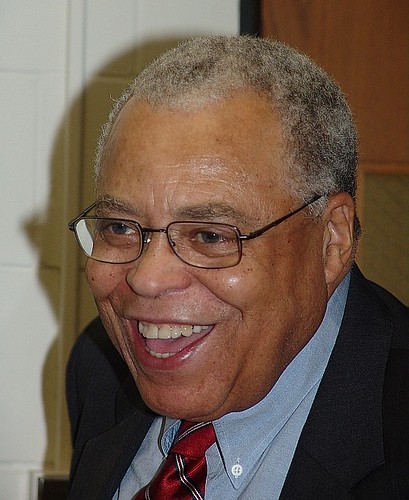
3. **James Earl Jones**The baritone voice that has commanded respect and struck fear into the hearts of audiences, arguably the most recognizable voice in modern cinema, belongs to James Earl Jones. Yet, long before he gave life to Darth Vader or Mufasa, Jones served as a U.S. Army officer during the Cold War. After completing his studies at the University of Michigan, he was commissioned and stationed at Fort Benning, embarking on a path of structured military life.
Although his service did not involve direct combat, the rigorous environment of military life provided an unexpected, yet invaluable, personal triumph for Jones. He had struggled with a lifelong stutter, and the discipline and confidence demanded by his officer duties proved instrumental in helping him manage and ultimately overcome this challenge. The military built a foundation of self-assurance and control that would be crucial for his future career.
The power and resonant depth of Jones’s voice, which would become his signature, was undeniably nurtured by his time in uniform. From the authoritative commands of a military officer to the iconic pronouncements of cinematic villains and kings, Jones brought an unparalleled sense of command to every line he delivered. His military service was a quiet, yet profoundly impactful, chapter that contributed directly to the powerful vocal presence that made him a legend.
Read more about: Remembering the Icons: We Bid Farewell to 13 American Figures Who Left an Indelible Mark in 2024

4. **Adam Driver**Adam Driver’s journey from a rebellious teenager to a highly disciplined Marine and then to an acclaimed actor is a testament to transformation and purpose. Following the tragic events of 9/11, Driver, driven by a profound sense of duty, enlisted in the U.S. Marine Corps. His commitment was absolute, serving nearly three years as an infantryman with the 1st Battalion, 1st Marines.
The sudden end to his military career, however, was born from an accident rather than choice. While preparing for deployment to Iraq, a mountain biking incident resulted in a medical discharge, a devastating turn for a man deeply committed to his service. This unexpected pivot, though initially heartbreaking, redirected his focus and spurred him to pursue acting with a newfound intensity and seriousness.
His time in the Marines imbued him with a unique emotional depth and an unwavering sense of purpose, qualities that are strikingly evident in his nuanced and intense performances. Whether it’s the complex vulnerability in ‘Marriage Story’ or the raw physicality in the ‘Star Wars’ sequel trilogy, Driver’s characters often carry a weight and authenticity that many attribute to his military experience. He himself credits the Corps with providing him with the focus and meaning he needed to navigate civilian life and excel in his demanding creative career.
Read more about: Is Your Sim Racing ‘Project’ a Blunder? 14 Digital Rides That Might Be Better Left Scrapped.
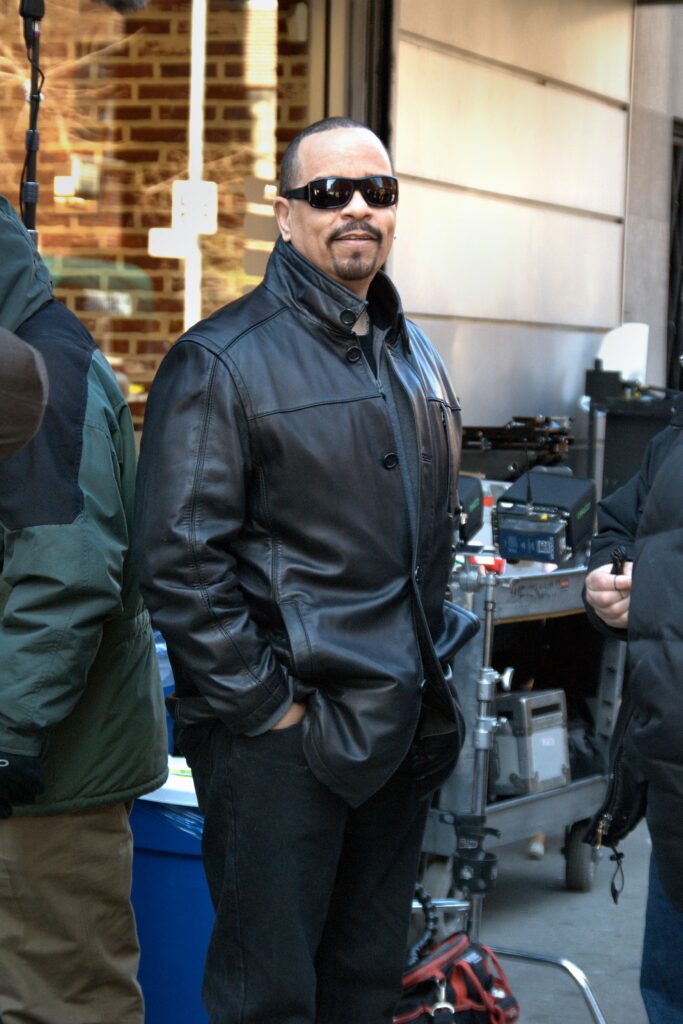
5. **Ice-T**Tracy “Ice-T” Marrow, a formidable figure in both rap and acting, found his way into the U.S. Army out of sheer financial necessity, a decision that would profoundly shape his future. He served for four years, including a period stationed in Hawaii with the 25th Infantry Division, an experience that immersed him in a structured yet distant world from his challenging upbringing.
It was during his military service, in an unexpected twist, that he began to discover and cultivate his burgeoning love for storytelling. Through music and performance, he found a powerful outlet for expression, using the discipline and resources gained from his time in uniform to fuel his artistic ambitions. He wisely invested his military pay in equipment, laying the practical groundwork for what would become a groundbreaking rap career.
This unique blend of a tough upbringing and structured military service infused Ice-T’s artistic output with an unparalleled authenticity, a raw edge that resonated deeply with audiences. His transition from music to impactful roles in film and television, most notably his long-running, iconic role on ‘Law & Order: SVU’, showcases a performer whose credibility and distinctive presence were undeniably forged in the crucible of his early life and military discipline.
Read more about: Beyond Basic: 11 Oversized Blazer Styling Missteps That Won’t Fly in 2025

6. **Chuck Norris**The name Chuck Norris conjures images of unyielding strength, martial arts mastery, and an almost mythical physical prowess. Yet, the genesis of this legendary persona can be traced directly back to his military service. He began his journey as an Air Policeman in the U.S. Air Force, a role that took him far from home, to South Korea, a posting that would prove to be truly transformative.
It was in South Korea that Norris first encountered and began training in Tang Soo Do, a pivotal discovery that would irrevocably define the course of his life. This immersion in martial arts was not just a hobby; it was the spark that ignited a lifelong passion and discipline. The military environment, with its inherent emphasis on structure and physical conditioning, provided the ideal crucible for him to hone these nascent skills.
After his honorable discharge, Norris dedicated himself to professional martial arts, rising to become a champion before transitioning into an iconic action star. His time in the military wasn’t merely about developing discipline; it was the direct catalyst for the unique career path that would make him a global icon of physical prowess and an enduring symbol of justice on screen. The disciplined warrior was born in uniform.
Read more about: The 14 ’70s Celebrities Who Were Once Everywhere (But You Definitely Forgot About)
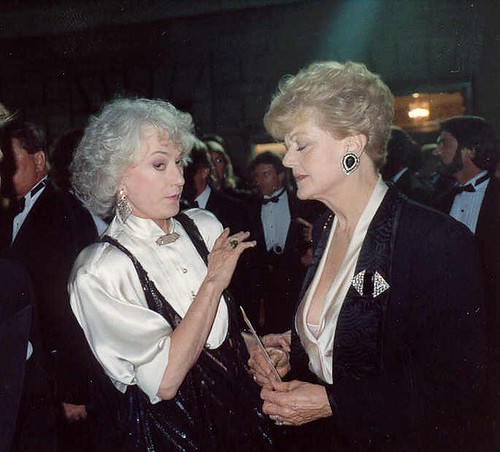
7. **Bea Arthur**Long before she became known for her iconic, dry-witted roles as Maude Findlay or Dorothy Zbornak in ‘The Golden Girls’, Bea Arthur broke ground in a different, equally significant arena. Enlisting in 1943 during World War II, she became one of the first female Marines in U.S. history, a pioneering step that highlighted her trailblazing spirit even at a young age.
Her service saw her contribute in vital support roles, working as a typist and a truck driver. This period of service, often in a male-dominated environment, undoubtedly contributed to the formidable confidence and commanding presence that would later define her acting. Despite her later denial of her service in interviews, military records unequivocally confirm her honorable service and her attainment of the rank of Staff Sergeant.
Arthur’s groundbreaking path through Hollywood, marked by her ability to embody strong, independent women, arguably found its roots in the self-assurance and resilience she cultivated during her time in the Marines. The discipline and experience of service, even in seemingly mundane roles, provided a foundation for the unflappable, sharp-tongued characters who would captivate millions and make her a beloved television legend. Her early military role was a quiet but powerful prelude to her iconic career.
Read more about: America Unveiled: A Deep Dive into the United States’ Enduring Story, Landscapes, and Institutions
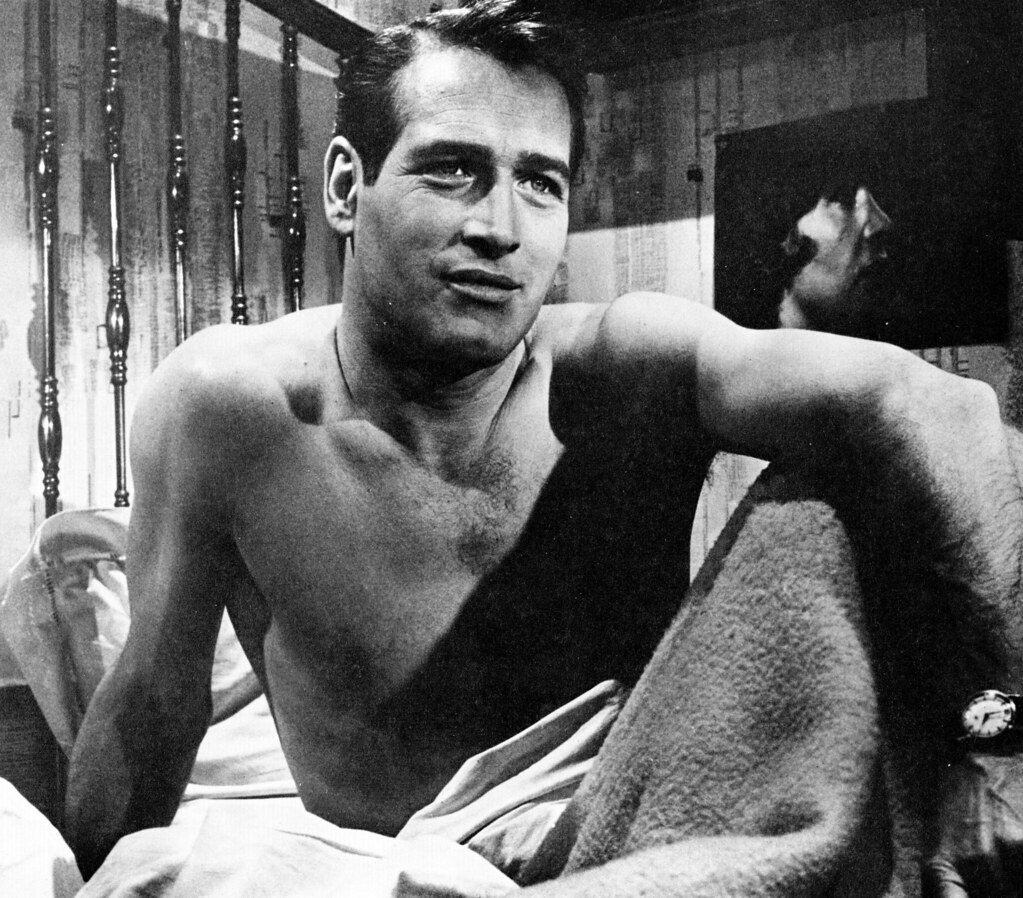
8. **Paul Newman**Paul Newman, with his piercing blue eyes and undeniable charisma, became one of Hollywood’s most enduring leading men. Yet, before his face graced movie screens and captivated audiences, Newman answered his nation’s call during World War II, enlisting in the U.S. Navy in 1943. His initial aspiration, like many young men of his generation, was to become a pilot, enrolling in the Navy’s V-12 pilot training program.
However, a twist of fate—the discovery of his color blindness—disqualified him from flying, redirecting his path within the service. Instead of the cockpit, Newman became a radioman and a rear gunner on torpedo bombers, a crucial role that placed him directly in the heart of the Pacific theater’s intense naval warfare. This experience, while not the one he envisioned, undoubtedly provided a profound and formative perspective on life and conflict.
In a truly remarkable turn of events, a stroke of pure luck intervened during his deployment aboard the USS Bunker Hill. Just before his unit was scheduled to depart for the Okinawa campaign, Newman’s pilot developed an ear infection. This seemingly minor ailment kept them from flying that particular mission, inadvertently sparing them the tragic fate of the rest of the ship, which was later destroyed in the battle, claiming the lives of many sailors on board.
This brush with mortality, coupled with the inherent dangers of his service, imbued Newman with a grounded, world-weary edge that would subtly inform his most iconic performances. Discharged in 1946, having earned the American Area Campaign medal, the Good Conduct Medal, and the World War II Victory Medal, he carried the emotional depth and resilience forged in uniform into his legendary roles in films like “Cool Hand Luke” and “The Hustler,” where his authenticity resonated deeply with both critics and the public.
Read more about: Hollywood’s Pantheon: We’re Debating the 12 Most Beloved Male Actors of All Time – Is Your Fave Here?
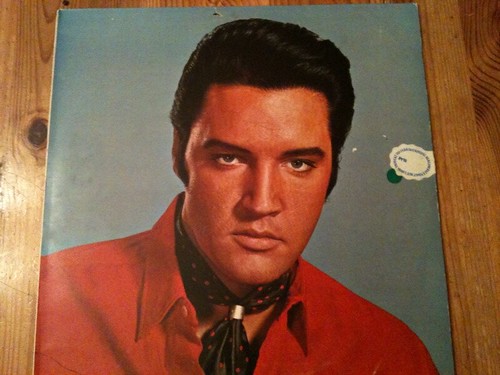
9. **Elvis Presley**The King of Rock and Roll, Elvis Presley, was at the absolute zenith of his unparalleled fame when he made a decision that astonished the world: he put his skyrocketing career on hold to serve his country. Drafted into the U.S. Army in 1958, Presley’s choice to embrace military service, rather than seek special treatment or an easy assignment, spoke volumes about his character and sense of duty.
After completing basic training, he was stationed in Germany for nearly two years, immersing himself in the life of a regular soldier. This period, far from the glare of spotlights and screaming fans, allowed him to experience a degree of normalcy that was otherwise impossible for a global phenomenon. It was a time of personal growth, away from the carefully constructed image of stardom.
Presley’s insistence on serving as any other recruit not only helped to humanize him in the eyes of the public but also exposed him to new cultural and personal influences, including meeting his future wife, Priscilla Beaulieu. Furthermore, his time abroad and among diverse individuals undoubtedly enriched his understanding of the world, providing a fresh perspective that would later manifest in his music and performances.
His military service ultimately marked a pivotal turning point in his life, serving as a crucible that shaped the more mature and nuanced performer who triumphantly returned home. The discipline and broader worldview gained during his time in uniform contributed to an enduring appeal, cementing his legacy not just as a musical icon but also as a figure who, despite unimaginable celebrity, answered a higher call.
Read more about: Steering Clear of Shame: 14 ‘Deals’ at Lowe’s That Professionals Laugh At—And Why They’re Still Selling Them
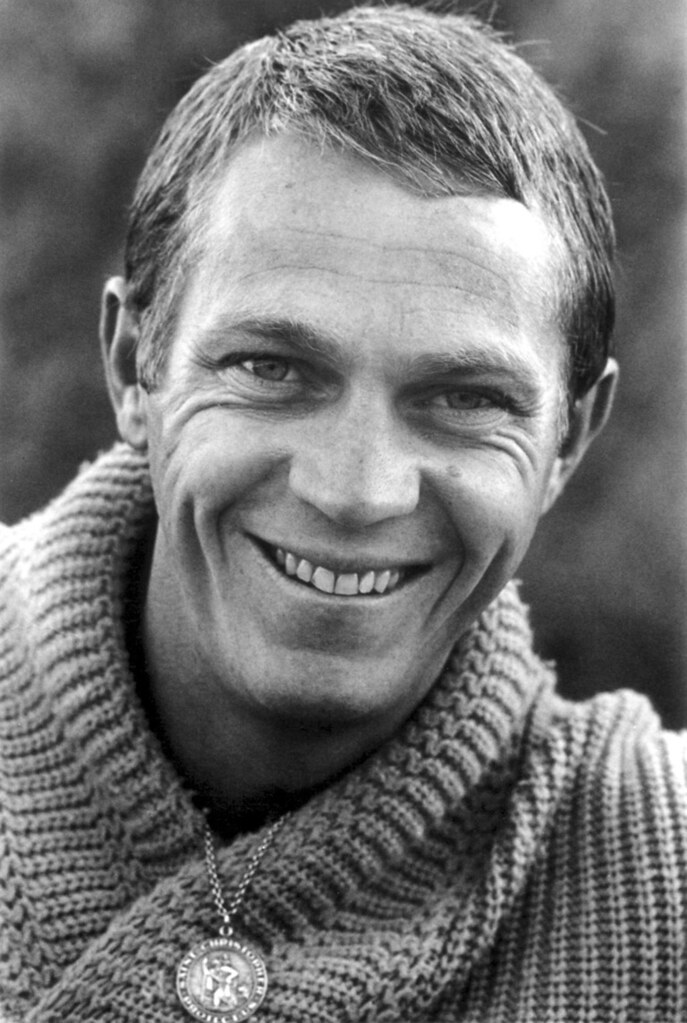
10. **Steve McQueen**Known as the “King of Cool,” Steve McQueen’s rebellious spirit and rugged charm were hallmarks of his cinematic persona, yet these very qualities were tempered and forged in the crucible of his early life, specifically during his enlistment in the U.S. Marine Corps. His journey into the Marines was far from conventional; a troubled youth often led him down paths that eventually landed him in the brig more than once, earning him a reputation as a difficult recruit.
Despite his initial struggles with military discipline, McQueen gradually began to find his footing, transforming from a rebellious individual into a soldier who discovered a profound sense of pride in his service. This period of self-correction and adaptation within the structured environment of the Marines was foundational, teaching him resilience and the value of collective effort, traits that would later define his on-screen presence.
A defining moment during his service occurred during an Arctic training exercise when McQueen heroically saved the lives of several fellow Marines. This act of courage, born out of quick thinking and decisive action in a perilous situation, demonstrated the deep-seated integrity and leadership potential that lay beneath his cool exterior. It was a testament to the profound personal growth he experienced while in uniform.
McQueen himself often credited the Marines with saving his life, providing him with the structure and purpose he desperately needed. The rugged edge, unwavering determination, and rebellious charisma that became his trademarks in classics like “Bullitt” and “The Great Escape” were not merely acted; they were, in many ways, an authentic extension of the man forged by his challenging, yet transformative, military experience.
Read more about: Unsung Powerhouses: The Ford Engines That Quietly Redefined Performance and Stole the Mustang’s Thunder
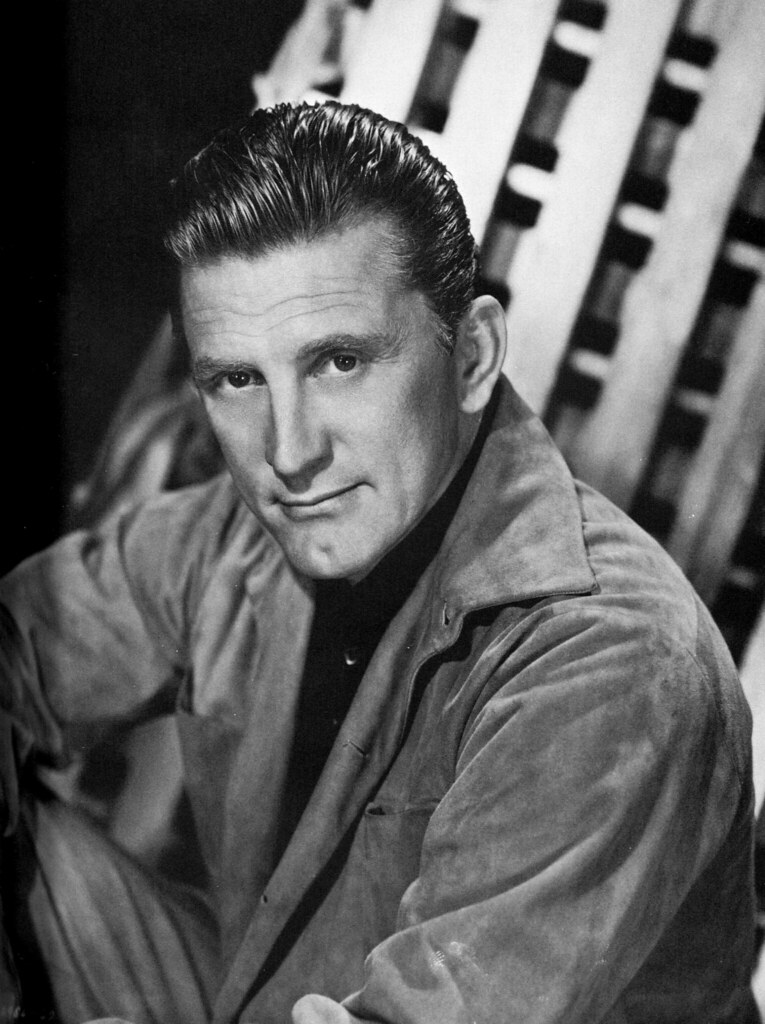
11. **Kirk Douglas**Kirk Douglas, a titan of the silver screen whose career spanned decades, was celebrated for portraying characters of immense strength, complex morality, and unyielding resolve. Before he epitomized strength in “Spartacus” or navigated the moral ambiguities of “Paths of Glory,” Douglas served his country with distinction in the U.S. Navy during World War II, a period that deeply influenced the man and the actor he would become.
Enlisting in 1942, Douglas served as a communications officer on anti-submarine patrols in the perilous Pacific theater. This role demanded meticulous attention to detail, clear communication under pressure, and a constant state of vigilance, essential skills that contributed to the disciplined focus he later brought to his acting craft. The inherent dangers of wartime service on the high seas left an indelible mark on his psyche.
His military career was ultimately cut short due to an injury sustained from a depth charge explosion, leading to a medical discharge. While physically challenging, this experience further instilled in him a profound appreciation for resilience and the fragility of life. Douglas’s characters often embodied these very qualities—strength, perseverance, and a fighting spirit—qualities he knew firsthand from the battlefields of the Pacific.
Upon returning from the war, Douglas pursued acting with a newfound sense of determination and urgency, channeling his experiences into performances that were both commanding and deeply authentic. His time in the Navy was not just a chapter in his biography; it was a foundational experience that fortified his inner resolve and contributed significantly to the powerful, commanding presence that made him one of Hollywood’s most enduring figures.
Read more about: Behind the Velvet Ropes: Unmasking the Blacklist’s Ban on Hollywood Directors
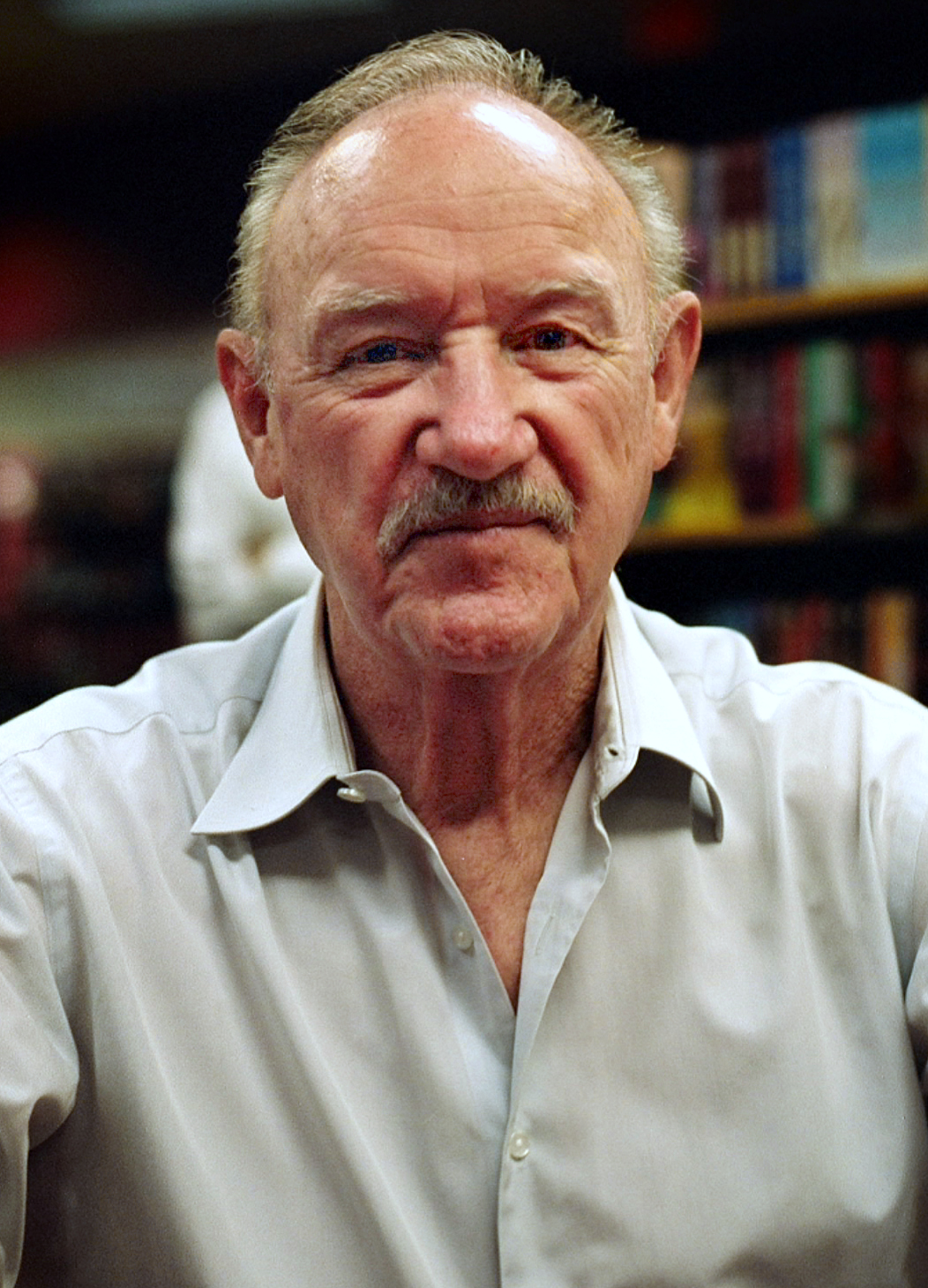
12. **Gene Hackman**Gene Hackman, a name synonymous with understated intensity and a raw, unflinching authenticity, embarked on his life of purpose long before becoming an Academy Award-winning actor. At the tender age of 16, Hackman, driven by a desire for independence and a penchant for risk, lied about his age to enlist in the U.S. Marine Corps. This early act of bold determination set the stage for a life defined by perseverance.
He served as a field radio operator, a role that took him across China and the Pacific. These formative years in the Marines instilled in him an extraordinary sense of discipline, self-reliance, and an ability to operate effectively under pressure. The diverse environments and demanding nature of his service were a rigorous training ground, shaping his character with an unwavering resolve that would prove invaluable.
After his honorable discharge, Hackman faced considerable struggles in the initial stages of his acting career, enduring rejection and skepticism. However, the same tenacity and grit forged during his military service prevented him from ever giving up. This unyielding spirit, honed in the Corps, fueled his relentless pursuit of his craft, ultimately leading him to breakthrough roles that would define an era.
His grounded, no-nonsense style and compelling realism, evident in celebrated films like “The French Connection” and “Unforgiven,” became his signature. Hackman’s military background provided him with an authentic depth and a pragmatic approach to his characters, making him a beloved and respected figure in Hollywood who consistently brought a compelling, unvarnished truth to the screen.
Read more about: Keanu Reeves Broke His Silence On Rumors That He Secretly Wed Alexandra Grant
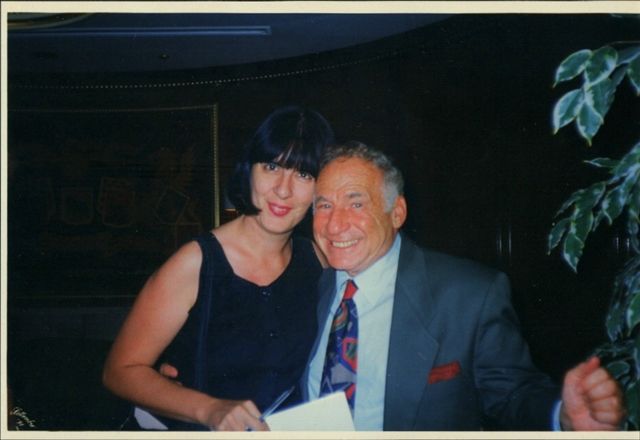
13. **Mel Brooks**Before he became a legendary master of comedic satire, crafting uproarious parodies that poked fun at everything from authoritarianism to classic monster movies, Mel Brooks experienced the stark realities of war. During World War II, Brooks served with distinction as a combat engineer in the U.S. Army, facing direct conflict in Europe, including the brutal Battle of the Bulge, and later serving in Germany.
His duties were far from humorous, involving the dangerous and critical task of defusing landmines. This frontline experience, filled with immense peril and the grim realities of combat, offered Brooks a firsthand understanding of the absurdities and horrors of war. It was a crucible that profoundly shaped his worldview, even as he found ways to maintain levity amidst the darkness.
Remarkably, even in the midst of war, Brooks’ innate comedic genius shone through. He often found opportunities to make his fellow soldiers laugh, using humor as a vital coping mechanism and morale booster during unimaginably difficult times. This ability to inject levity into grave situations would become a defining characteristic of his illustrious career.
His firsthand experience with authoritarianism and the absurdity of conflict directly informed his later work, particularly his groundbreaking film “The Producers,” which brilliantly satirized Nazism. Behind the laughs and sharp wit was a man who had faced genuine danger, a man who possessed the unique insight to transform pain and experience into punchlines that resonated deeply, making him an enduring icon of comedic genius.
Read more about: The ‘Ultimate Failure’: 10 Celebrities Who Got Real About Their Biggest Divorce Regrets
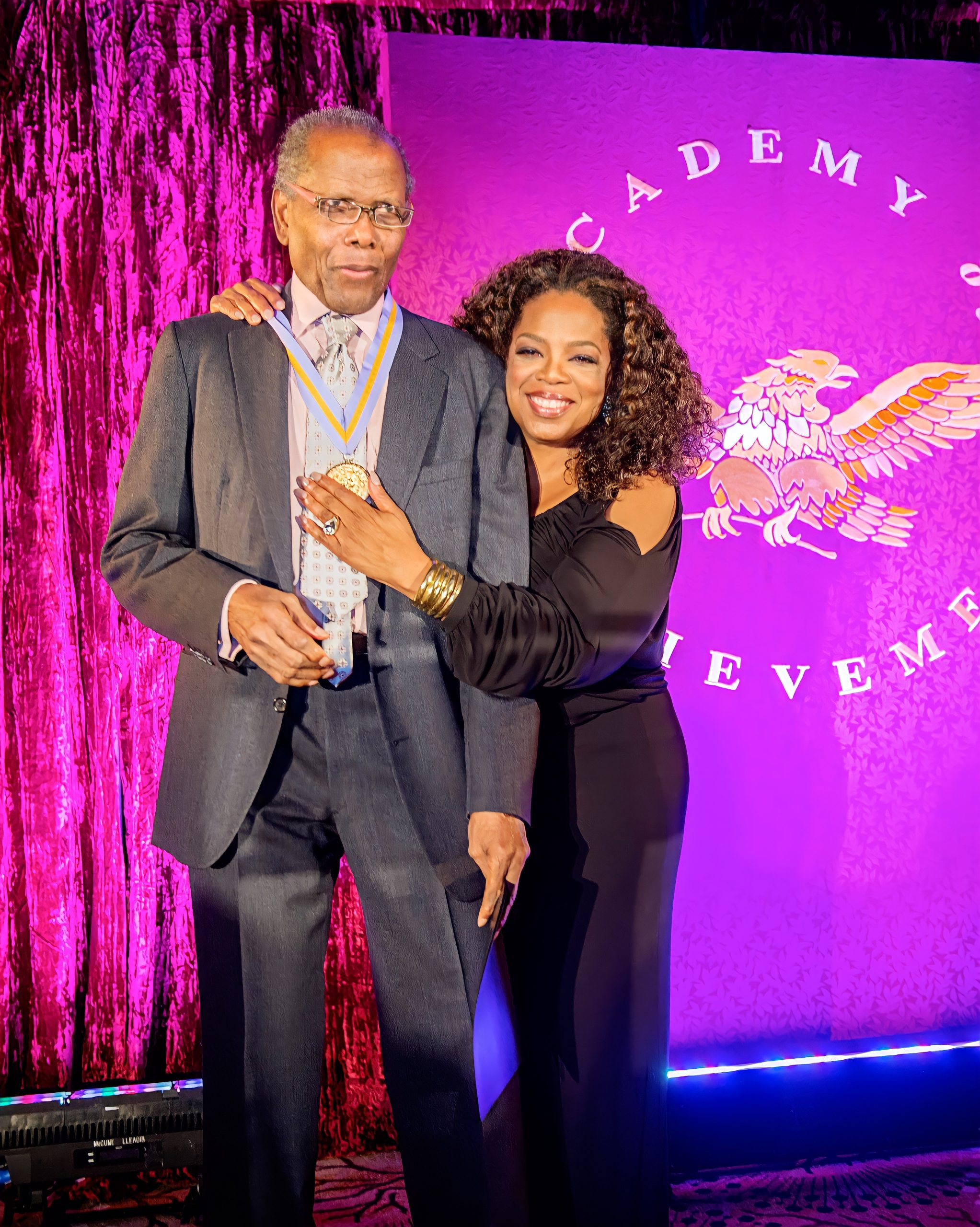
14. **Sidney Poitier**Sidney Poitier, a true pioneer whose elegant presence and trailblazing career shattered racial barriers in Hollywood, embarked on a less conventional path to find his calling. At the remarkably young age of 16, driven by an unclear future and perhaps a naive sense of adventure, Poitier lied about his age and enlisted in the U.S. Army, a decision that would prove to be a brief but pivotal detour.
His military assignment was far from glamorous: he worked as a medical attendant at a psychiatric hospital. The experience quickly revealed that this was not the path for him. Confronted with the realities of the institution and feeling a profound misalignment with his duties, Poitier realized he was unsuited for the military environment and sought an alternative direction for his life.
In a move that speaks to his resourcefulness and determination, he reportedly faked mental illness to secure a discharge. While controversial, this desperate act allowed him to pivot sharply. Upon leaving the Army, Poitier, with a newfound clarity about what he *didn’t* want, gravitated toward the arts, eventually joining the American Negro Theatre in New York—a decision that marked the true genesis of his illustrious career.
His brief, challenging military stint, though not a source of traditional heroic tales, was instrumental in helping Poitier find the clarity and drive he needed to pursue acting with purpose. It was a formative experience that, through its discomfort, solidified his resolve, setting him on the path to become not only an iconic, Oscar-winning actor but also a powerful civil rights advocate whose impact resonated far beyond the screen.
Read more about: Denzel Washington’s Next Chapter: Unpacking the Speculation Around His Illustrious Career and Final Acts
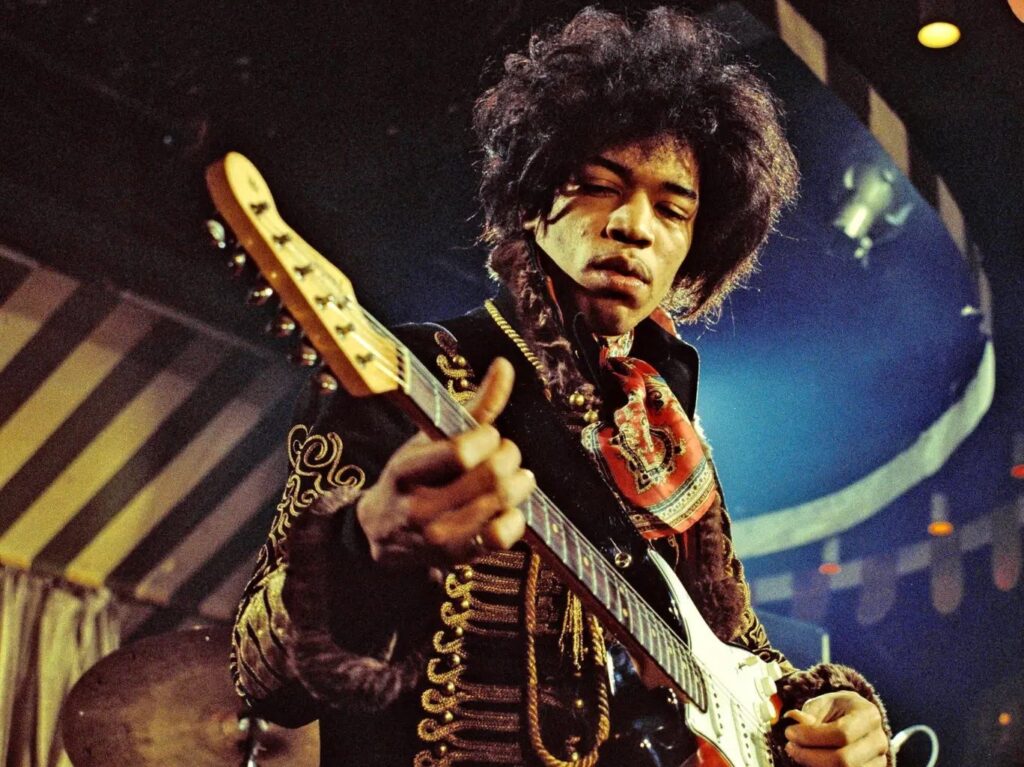
15. **Jimi Hendrix**Jimi Hendrix, universally celebrated as one of the most innovative and electrifying guitarists in music history, had a chapter in his life that predated his legendary status as a rock icon: his military service. In 1961, Hendrix enlisted in the U.S. Army, a decision that placed him within the highly disciplined ranks of the 101st Airborne Division, where he trained as a paratrooper.
However, the rigid structure and demands of military life proved to be a challenging fit for Hendrix’s free spirit and burgeoning artistic inclinations. He was reportedly not a model soldier, frequently found sleeping on duty or, perhaps more tellingly, playing his guitar when he should have been focused on training. His passion for music was already an undeniable force, often clashing with military protocols.
His time in the Army was short-lived, concluding with a discharge for “unsuitability.” While this chapter may have been brief and perhaps less illustrious than his musical career, it was nonetheless a significant turning point. Upon his discharge, Hendrix was free to turn his full, undivided attention to music, dedicating himself entirely to the craft that would soon revolutionize the sound of rock and roll.
The discipline, or perhaps the *lack* of fit with discipline, encountered during his military service, coupled with his innate talent, ultimately propelled him further into his musical destiny. His time in the Army, though not a story of conventional heroism, adds another intriguing layer to the mythos of one of music’s most electrifying and enigmatic figures, demonstrating that even divergent paths can lead to legendary achievements.
Read more about: The Transformative Fifties: Unpacking a Decade of Global Shifts and Television’s Golden Age
As we reflect on these incredible individuals, it becomes abundantly clear that the journey to iconic status in Hollywood often involves a far deeper narrative than just talent and luck. For these fifteen actors, the uniform they wore before the bright lights of the Oscars represented a crucible of experience, shaping not only their character but imbuing their performances with an authenticity and gravitas that resonates to this day. Their service, whether on the battlefield or in support roles, forged a profound inner resilience, discipline, and understanding of the human condition that transcended mere acting, making them not just stars, but truly iconic figures whose legacies are rooted in a foundational commitment to something larger than themselves.