The names alone conjure vivid images in our minds: Betelgeuse, Edward Scissorhands, Mrs. Doubtfire, Jack Sparrow. These iconic characters, etched into cinematic history, owe their unforgettable appearances to the transformative artistry of Hollywood’s most talented makeup professionals. Ve Neill, a three-time Oscar winner with eight nominations, stands as a powerful testament to the central role these artists play in the “Hollywood dream factory,” meticulously bringing complex concepts to stunning life on screen, often making the impossible seem real.
For those with a zeal for makeup and big Hollywood dreams, the path to becoming a successful artist in this demanding industry is both exhilarating and challenging. It requires far more than just raw talent; it demands unwavering dedication, a willingness to do some serious grinding, and the ability to finesse your way around obstacles that would deter the faint of heart. This journey, while arduous and highly competitive, promises the profound satisfaction of creating dreams and witnessing your artistry unfold on the grandest stages of film and television.
To help aspiring artists cut through the noise and establish a strong foothold, we’ve distilled essential insights from seasoned professionals like Ve Neill, Ashley Hines, Ally McGillicuddy, and Jennifer “JQ” Quinteros. This guide presents their collective wisdom in the form of 12 non-negotiable rules, offering practical, actionable advice designed to empower and prepare you for a thriving, sustainable career in the dazzling, yet often tough, world of Hollywood makeup artistry. Let’s delve into the first six foundational principles that will unequivocally set you on the right path.

1. **Don’t Quit Your Day Job (and Embrace Unpaid Work)**The glittering promise of Hollywood often masks a stark financial reality for newcomers: you will almost certainly work for free in the beginning. Your initial gigs will frequently be on amateur student films or independent projects, typically with crews that are either just starting out themselves or operate with little to no budget. These early experiences, while uncompensated, are absolutely invaluable for learning the ropes, building practical experience, and beginning to assemble a fundamental portfolio.
This means that aspiring artists must be pragmatic about their finances. It can take “well over a year before you find a production willing to pay you for your work,” as an educator notes. Even then, initial compensation might only cover a “kit allowance” for your makeup supplies, which must be negotiated clearly at the outset. Maintaining a steady income stream through a “day job” becomes not just advisable, but essential for covering living expenses while you build your industry career.
Ally McGillicuddy, who took about seven years to transition to working full-time as a makeup artist, vividly put it: “Although it’s easier said than done, where do you want to be? Do you want to be a server? Or do you want to be in the film industry?” In their early stages, McGillicuddy wisely took “any job that came their way — including unpaid gigs.” This commitment to seizing every opportunity, even if initially uncompensated, demonstrates unwavering dedication and builds crucial on-set experience in an intensely competitive field.
2. **Invest in Formal Training (School and Hands-On Experience)**While online tutorials abound, Ve Neill, a titan in the field, emphatically stresses that “there is nothing that replaces hands-on experience — especially in the fabrication of the prosthetics used for some makeup effects.” Formal training, whether in a dedicated makeup school or a related arts program, provides a fundamental understanding of critical elements like lighting, media, continuity, historical period styles, and specialized techniques for diverse applications. This comprehensive knowledge base is what truly sets professional artists apart.
Ashley Hines, a student at the esteemed Cinema Makeup School in Los Angeles, directly attests to the profound value of this significant investment, stating, “I’m learning from some of the best in the business.” While the financial outlay can be substantial, potentially exceeding $30,000 for a comprehensive education, the access to unparalleled instruction and industry-standard practices provides an invaluable edge. You learn how to expertly work with varying “lighting choices, camera angles, and how to chart, execute, and organize a movie’s make-up plan character by character, scene by scene, by working with the script.”
It’s also important to note that the path isn’t singular. Ally McGillicuddy, for instance, didn’t attend a specialized makeup school, instead pursuing an internship with a working makeup artist after studying communications and fine arts. Regardless of the specific educational route chosen, the underlying principle remains steadfast: “some training in the art is a must for this line of work,” as reiterated by Neill. It’s about acquiring a deep well of knowledge and practical skills that form an unshakeable professional foundation.
3. **Master the Art of Networking (Building Crucial Connections)**In Hollywood, connections aren’t just important; they are unequivocally “your ticket in,” as the legendary Ve Neill so succinctly puts it. She recalls, “Back then, we didn’t call it networking… It was word of mouth. I got a job because I knew the five other people that did makeup effects.” This foundational truth persists: building a robust, authentic network of peers and mentors is absolutely paramount. It’s about forming genuine, trust-based relationships that will inevitably lead to opportunities, collaborations, and essential referrals.
Most likely, you will begin your professional journey as someone’s assistant. This role is a prime, invaluable opportunity to “build rapport” with working professionals, which, as Ashley Hines confirms, will often “turn into job opportunities.” The harder you work, both in training and crucially on set, the more likely you are to be noticed and brought along by professors or senior artists working on productions. These early gigs are not simply about gaining experience; they are fundamentally about integrating yourself into the community, demonstrating your reliability and strong work ethic.
Beyond individual artists, it’s absolutely crucial to “network with production companies and photographers.” Production crews tend to prefer using the same trusted individuals for all of their projects, valuing not just talent, but also a “similar work philosophy” and the proven ability to “gel” seamlessly as a team. Diversifying your connections across various production companies is also strategically vital, as you should never rely on just one crew for consistent work. Photographers, often overlooked, can also be extraordinarily effective resources, often loyal to specific makeup artists and able to provide invaluable introductions to actors and other industry professionals.
4. **Become a Jack-of-All-Trades (Diversity Your Skill Set)**In the hyper-competitive landscape of Hollywood, being a “makeup and style jack-of-all-trades is your best bet for getting into and staying in the business,” unequivocally advises Ve Neill. The versatile ability to confidently perform a wide array of tasks—encompassing everything from sophisticated beauty makeup and intricate special-effects makeup to skilled hair styling and even a foundational understanding of costuming—can dramatically “set you apart from other applicants.” This broad, multifaceted skill set significantly increases your marketability and the sheer volume of diverse job opportunities.
Ashley Hines further corroborates the strategic importance of this approach, noting that during her training at the Cinema Makeup School, she is diligently “learning how to do all aspects of makeup work.” This comprehensive training regimen is designed to “open her to a much wider scope of job opportunities than would be available to someone who wants to specialize in one thing.” The dynamic nature of film and television productions frequently requires artists to seamlessly pivot between vastly different looks and technical demands, making versatility essential for securing consistent employment.
Jennifer “JQ” Quinteros beautifully exemplifies this imperative for versatility in her acclaimed work on shows like “Outer Range” and “Clemency,” which she describes as a complex “merge of many makeup looks, from beauty, period and character to prosthetics and special effects.” The demands on a Hollywood makeup artist are incredibly varied, ranging from meticulously applying facial hair, requiring “an extremely high level of dexterity, very steady hands, and an ability to remain calm,” to expertly handling complex prosthetics and working with “every skin type and color, every ethnicity.” Being well-versed in this broad spectrum of techniques is a fundamental requirement for sustained success.
5. **Build a Professional Portfolio (Showcase Your Best Work)**In an industry that thrives on visual impact, a robust and meticulously curated professional portfolio serves as your single most essential visual resume. “Every time you work a gig, or experiment with a new technique, snap a picture and log it into your portfolio,” meticulously advises the anonymous educator. This comprehensive documentation is absolutely critical for effectively demonstrating your artistic range, technical skill, and unique creative vision to every potential employer. A well-organized, high-quality portfolio speaks volumes about your capabilities, often communicating your talent far more eloquently than words alone.
The approach to portfolio building in the digital age must embrace contemporary tools. The educator suggests creating “slideshows on YouTube and have demo reels, just like an actor.” These video assets can provide dynamic, moving representations of your work, particularly for time-based effects or intricate transformations. Beyond video content, it is imperative to “receive stills (photographs taken during film shooting) from every photographer on set and make sure that you have copies of your best work.” These high-quality still images are vital, showcasing your artistry under professional lighting and production conditions, providing concrete proof of your ability to consistently deliver cinematic results.
Your portfolio should not be a static collection; it should be a living, evolving document that reflects your growth and newest achievements. Maintaining both “digital formats as well as hard copies of your portfolio to hand to directors, producers, and assistant directors when interviewing for a film” is a strategic move. A professionally presented, easily accessible portfolio will undoubtedly help you “stand out” from the competition. Furthermore, a strong visual record of your expertise will “give you leverage to ask for what you are worth” when negotiating compensation, allowing you to confidently advocate for fair rates based on your demonstrated skill and value.
6. **Understand Set Etiquette and Hierarchy (Know Your Role)**The intricate inner workings of a film or television set are governed by a complex, often unspoken, web of rules, established protocols, and a clear hierarchy. “Usually you have to learn by hard knocks,” candidly notes the anonymous educator, highlighting the steep learning curve. However, being “ignorant of the basic rules can get your ass canned and blacklisted,” underscoring the critical importance of mastering this unwritten code. Understanding precisely “who’s who on set and basic production etiquette” is absolutely paramount to your longevity, professional reputation, and continued employment.
A truly effective makeup artist is characterized by their professional conduct and their nuanced understanding of communication channels. As the educator points out, a good makeup artist is “always close at hand, but never standing in the light.” This means being present and available for touch-ups or adjustments, but never interfering with camera shots or drawing undue attention. You must thoroughly understand “who you report to, or whether or not you’re allowed to talk to the director during filming.” While some of these rules might seem trivial, they are an integral “part of the industry.” Adhering to these protocols ensures you operate seamlessly within the team, demonstrating professionalism and respect.
Perhaps one of the most severe consequences of disregarding professional conduct is the dreaded “blacklist.” This “terrible BLACKLIST” is a very real threat for those who demonstrate a profound lack of professionalism or repeatedly burn bridges. The most common and direct way to get blacklisted is to “walk during filming, or to leave a film or television production before it’s wrapped for the day without permission.” This is universally considered a ” move,” and it is unequivocally “not easily forgiven or forgotten.”
The advice is clear, direct, and non-negotiable for maintaining an impeccable professional reputation: “Finish EVERY gig you start, be professional, do your job, don’t sleep with the crew/actors, stay sober on set, and don’t be a hot mess to work with.” These unwavering tenets are crucial for ensuring a continuous stream of future opportunities within Hollywood. Showing respect for the craft, the crew, and the production itself is not just good manners; it’s smart career management.
Now that we’ve navigated the essential groundwork—from embracing initial unpaid gigs to understanding the intricate dance of set etiquette—it’s time to shift our focus. The journey doesn’t end with getting your foot in the door; it’s about sustaining that spark, ensuring long-term growth, and building a career that is both creatively fulfilling and financially sound. This next set of rules delves into the critical elements that will allow you to not just survive but thrive, transforming initial momentum into a flourishing, enduring career in the dazzling, ever-evolving world of Hollywood makeup artistry.
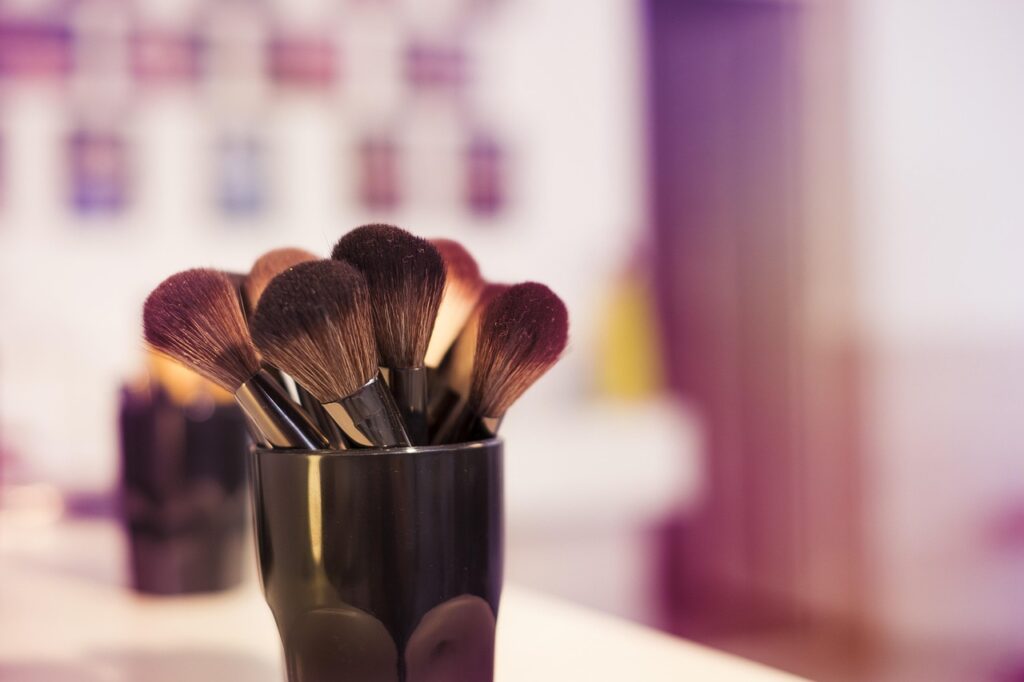
7. **Build Your Kit Smart, Not Lavishly (Strategic Kit Building)**When you’re first starting out, it’s incredibly tempting to believe that success hinges on having a kit overflowing with the most expensive, brand-name makeup. We’ve all seen the stunning displays at high-end beauty counters or on social media, making us think that M.A.C. or other prestige labels are the *only* way to go. But here’s a reality check: as one anonymous educator wisely advises, “Everybody thinks that M.A.C. brand is the ONLY brand to use when they first start. It’s not. It’s just a label and excellent marketing.” This isn’t to say these brands aren’t fantastic, but for a beginner, it’s about smart investment, not lavish spending.
The truth is, a beginner has “no business droppings loads of cash for a brand name kit.” The core components of virtually all cosmetics are fundamentally the same – “crushed rocks and minerals in different combinations to create colors and textures.” It’s the skill and artistic vision that truly transform a look, not merely the label on the palette. Focus your energy on understanding product types, textures, and how they perform, rather than getting caught up in the hype of marketing. This pragmatic approach frees up valuable financial resources, allowing you to invest where it truly counts: in your education and foundational tools.
To build a truly effective and economical kit, savvy artists recommend exploring alternative avenues. Instead of emptying your wallet at department stores, try visiting “esthetic tradeshows and beauty supply stores for better quality and way better prices.” These often overlooked resources can be goldmines for discovering professional-grade products that deliver exceptional results without the premium price tag. The goal is to “build your kit wisely not lavishly,” ensuring that every item serves a purpose and contributes meaningfully to your growing repertoire of skills. This thoughtful curation prevents unnecessary expenditures and allows your budget to stretch further as you amass a comprehensive and diverse collection.
As your skills advance and your experience deepens, you’ll naturally gravitate towards specific “true performance brands” that cater to advanced techniques and specialized needs. These elite products are often not even available to the general public, as they “only sell to professionals with experience and a portfolio.” This progression highlights a crucial point: your initial focus should be on mastering techniques with reliable, accessible products, letting your expertise naturally guide future investments. A well-built, functional kit, regardless of brand prestige, is a testament to your resourcefulness and practical understanding of your craft.
8. **Master the Business Side (Financial Savvy, Contracts, Marketing)**The allure of Hollywood makeup artistry often revolves around the creative process—the brushes, the colors, the transformation. However, to truly build a sustainable career, understanding the intricate business side is just as, if not more, critical. As Ally McGillicuddy succinctly puts it, “Makeup isn’t just about applying makeup. It’s about marketing yourself and branding yourself. And doing the accounting, how to make your contracts. All of that stuff is equally as important as physically putting the makeup on.” This isn’t just about being a talented artist; it’s about being a savvy entrepreneur in a highly competitive freelance market.
One of the most immediate and often intimidating aspects of being a freelance artist is managing your finances, especially taxes. It’s not a glamorous topic, but it’s absolutely essential. The anonymous educator’s advice is clear and direct: “Seriously, talk to an accountant.” A knowledgeable tax professional can reveal surprising deductions and credits specific to freelance artists, helping you optimize your earnings and avoid costly errors. Understanding what you can legitimately “write off” – from your kit supplies to transportation for gigs – can make a significant difference in your annual income, but only if you file everything correctly and meticulously.
Maintaining impeccable financial records isn’t just about tax season; it’s about professional peace of mind and long-term security. “It’s important to stay on top of financial records because getting audited as an amateur free-lancer can turn into a nightmare from hell!” This isn’t hyperbole; the complexities of self-employment mean that without clear documentation, you can easily find yourself in a stressful and time-consuming situation. Implementing a simple system for tracking income, expenses, and invoices from day one will save you immense headaches down the line, allowing you to focus more on your artistry and less on administrative panic.
Beyond personal finance, understanding industry compensation structures and union benefits is paramount. Remember the ‘kit allowance’ mentioned earlier? Negotiating such terms upfront is part of being business-smart. As you progress, joining the Make-Up Artists and Hair Stylists Guild (Local 706 of IATSE) can significantly impact your earning potential. However, there are specific entry requirements, like showing proof of 30 days on union sets or 60 days on nonunion sets within the last year. Jennifer “JQ” Quinteros warns against a common pitfall: “If you are trying to earn your days to get into the union, a job that is below minimum wage actually won’t qualify.” Ensuring you meet minimum wage requirements for those crucial ‘union days’ is a strategic financial decision that will open doors to higher wages and more opportunities down the line.
9. **Strategic Location and Focus (Geographic Hubs)**While talent and dedication are universal, the entertainment industry is heavily concentrated in specific geographic hubs, and for makeup artists aspiring to work in film, one location stands out above all others. The anonymous educator strongly advises, “Do Go To California.” This isn’t just about the sunshine; it’s about being where the vast majority of productions, and consequently, the career opportunities, are located. “The best make-up schools and career opportunities for film are in California,” with some even offering the invaluable perk of guaranteed job placement upon graduation. For those committed to a lifelong career in film, making the move to Los Angeles or a similar Californian hub is often a strategic, almost necessary, step.
However, the world of film and television is expanding, and while California remains a powerhouse, other regions offer specialized opportunities that budding artists should consider. “A few other areas to consider are New York for photography and theater work, and Vancouver, Canada for television work.” Each city has its own distinct industry ecosystem, cultivating specific types of projects and requiring different skill sets. New York, with its vibrant fashion and theater scenes, provides a rich landscape for beauty and stage makeup, while Vancouver has become a significant hub for television series and special effects production, often attracting major studio projects.
Understanding these geographic nuances allows you to tailor your career path and target your efforts effectively. It’s not simply about being *in* a major city, but about aligning your artistic aspirations with the prevalent industry demands of that locale. For instance, if your passion lies in intricate prosthetics and creature design, the resources and studios in Los Angeles or Vancouver might offer more direct pathways. Conversely, if high-fashion editorial work or Broadway shows call to you, New York City presents a more focused environment.
Even in an age where remote work is increasingly common in many industries, the hands-on, collaborative nature of film and television production means that physical presence in these hubs is still a significant advantage. Being local allows for spontaneous networking opportunities, quick availability for last-minute gigs, and the chance to integrate fully into the professional community. While you can start your career from anywhere, strategically positioning yourself in a key production city dramatically increases your exposure to a wider range of projects and the chance to build a robust, sustainable career.
10. **Embrace Mentorship (Guidance and Growth)**In an industry as complex and dynamic as Hollywood, navigating the path to success can feel overwhelming. This is where the invaluable role of a mentor comes into play. As the sage advice suggests, “Seek a mentor.” The legendary Ve Neill, a true titan in the field, embodies this principle perfectly, stating that she “welcomes new talent with open arms, as she has trained many over the years.” A mentor offers more than just advice; they provide a roadmap, sharing wisdom gleaned from years of experience, steering you away from common pitfalls, and opening doors to opportunities you might not discover on your own.
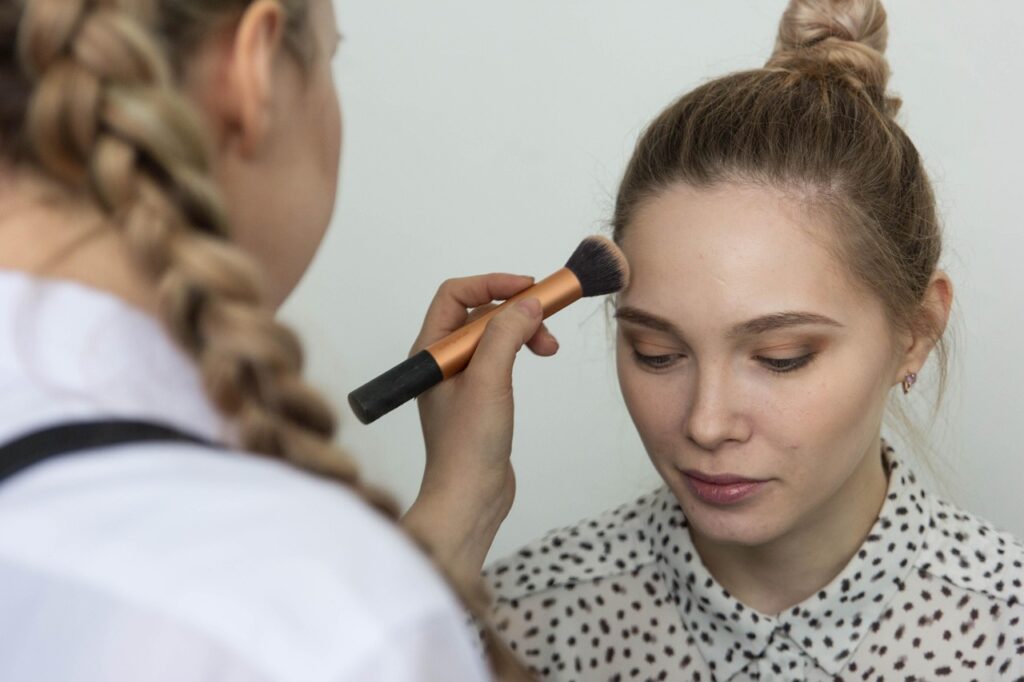
Mentorship can take various forms, from informal guidance to structured educational programs. Ve Neill herself has formalized her commitment to nurturing new talent by cofounding Legends Makeup Academy, making training a direct extension of her illustrious career. This highlights the profound impact that seasoned professionals can have, not just on individual artists but on the industry as a whole. Engaging with such programs or seeking out working professionals who are willing to share their knowledge provides an unparalleled educational experience, blending theoretical learning with real-world insights and practical application.
The structure of the makeup department on set, as described by Jennifer “JQ” Quinteros, is less of a rigid hierarchy and more of a fluid “bubble” that grows or shrinks with each production. In this ever-changing landscape, mentors become essential guides. They can help you understand the nuances of set dynamics, the unspoken rules, and how to effectively collaborate within a team that prioritizes efficiency and a shared “work philosophy.” Their guidance can demystify the unwritten codes of the industry, teaching you how to ‘gel’ with a crew and build the kind of professional rapport that turns into consistent work.
Moreover, mentors can offer crucial perspectives on industry evolution. Neill, a 50-year veteran, has seen makeup techniques transform from “foam latex instead of the new skin-like prosthetics.” A mentor can help you understand these shifts, from the impact of digital cameras highlighting imperfections that older film cameras ‘kissed’ away, to navigating the recent explosion of social media influencers entering the field. While JQ Quinteros has “nothing against raw talents who get their start online,” she stresses the importance of understanding set decorum, a crucial lesson a mentor can provide, ensuring you’re not ‘on your phone’ when your job is being a makeup artist on set.
11. **Prioritize Your Well-being (It’s Okay to Say No)**The hustle culture in Hollywood can be relentless, often pushing aspiring artists to believe they must accept every single gig that comes their way, regardless of the circumstances. However, Ally McGillicuddy offers a crucial counter-narrative to this pervasive mindset: “Although there is a certain amount of hustling involved in starting your career, don’t listen to the people who tell you to take every gig that comes your way. It’s always OK to say ‘no’ to a job.” This empowering advice reminds us that your well-being and professional integrity are not negotiable, even when faced with the intense pressure of a highly competitive industry.
There are profoundly valid reasons to decline a job offer, and recognizing them is a sign of strength, not weakness. McGillicuddy is crystal clear: “If something makes you feel unsafe or uncomfortable, or you feel that you aren’t being fairly compensated, those are all valid reasons to turn down a job.” Whether it’s a questionable environment, unreasonable demands, or pay that simply doesn’t cover your time and expenses (especially when considering union qualifications), your intuition and self-worth should guide your decisions. Protecting yourself from exploitation or burnout is a long-term investment in your career.
The ultimate cost of constantly saying “yes” can be far greater than a missed opportunity. As McGillicuddy emphasizes, “no gig is worth compromising your wellness.” This wisdom extends beyond physical safety to mental and emotional health, which can easily be eroded by an all-or-nothing approach. While side hustles like working at a coffee shop or selling clothes on platforms like Depop might be necessary to “make ends meet” in the early stages, they should never be overshadowed by gigs that compromise your fundamental well-being. Knowing your boundaries and having the courage to enforce them is essential for longevity in such a demanding industry.
The “red carpet industrial complex,” particularly during awards season from January to March, can account for up to 70% of a glam squad member’s yearly income, making the pressure to accept jobs incredibly high. Lilly Keyes, a makeup artist for major talents, acknowledges this reality while also highlighting the importance of diverse clients in music and fashion to balance income. Despite the financial incentives and the desire to build a robust resume, a healthy career requires a sustainable pace and a firm understanding of when to prioritize self-care and respect over the relentless pursuit of every single job.

12. **Cultivate Your Craft and Passions (Continuous Exploration & Longevity)**Beyond the structured training and professional duties, a truly successful and fulfilling career in Hollywood makeup artistry hinges on a continuous commitment to exploration, experimentation, and a passionate connection to your craft. The advice, “Do Explore, Experiment, and Play with Make-Up Between Gigs,” captures this perfectly. It’s not just about doing the work; it’s about nurturing the artistic spirit that drew you to makeup in the first place. Think of it like those captivating nature shows where they observe, “‘Play amongst cubs is not just for fun, but important to learning survival skills needed as adults.’” For makeup artists, playful experimentation is essential for honing survival skills in a fast-changing industry.
Breaks between gigs are not merely downtime; they are invaluable opportunities for growth. “Practicing on yourself, friends, and even drawing out new looks on paper will help you improve your speed, accuracy, and detail when on set.” This dedicated practice refines your technical abilities, allowing you to execute complex designs with greater precision and efficiency under pressure. More than that, these periods of self-directed learning are ideal for “creating new looks and diversifying your skills,” ensuring you remain adaptable and relevant as trends and techniques evolve, preparing you for anything a dynamic script might demand.
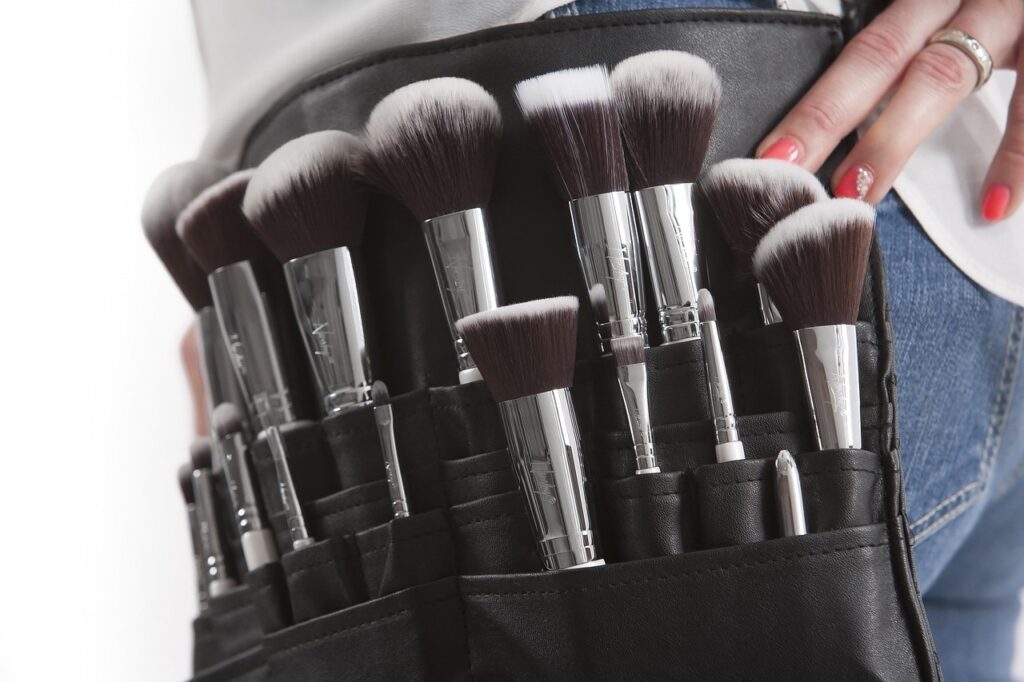
Crucially, “fooling around with your make-up is a great reminder as to why you chose make-up as a career.” In the midst of demanding schedules, intense competition, and the often-unseen grind, it’s easy to lose sight of the joy that sparked your initial passion. These moments of unpressured creativity allow you to “reflect on why I love my brushes so much. It reminds me that we are artists, in the truest sense, and our canvas is the human face.” Reconnecting with this artistic core fuels your resilience and provides a vital wellspring of motivation, preventing burnout and keeping your creative spirit alive.
Finally, while the dream of Hollywood success is powerful, it’s essential to approach this path with a balanced perspective, acknowledging that not every journey follows a straight line. The anonymous educator offers a candid but ultimately empowering piece of advice: “Don’t Give Up on Your Other Passions.” They acknowledge that “the chances are, you will fail in this career” not due to lack of talent, but because of the sheer financial demands and intense competition. Their counsel? “Be open to letting make-up artistry become a hobby as you pursue another career.” This isn’t a defeatist view but a realistic one, emphasizing that your passion can still be a vibrant, rewarding part of your life, even if it doesn’t always pay the bills. It underscores the importance of a multifaceted life, ensuring that your joy in makeup remains pure, unburdened by financial pressure, and capable of bringing you profound satisfaction for years to come.
So there you have it, aspiring artists: the 12 indispensable rules for carving out your niche and creating a lasting legacy in the mesmerizing world of Hollywood makeup. This journey, while demanding, is also incredibly rewarding. It’s a path less traveled, one that requires not just artistic flair but also grit, business acumen, unwavering professionalism, and a profound commitment to continuous learning and self-care. It’s about showing up, delivering excellence, and never losing sight of the magic you’re capable of creating. With these rules as your guide, you’re not just pursuing a job; you’re building a dream, one incredible face at a time. The world is ready for your artistry—go out there and make some movie magic!