The dazzling lights of Hollywood often cast a long shadow, obscuring the often humble and unexpected beginnings of the legends we revere. Before the red carpets, the blockbuster deals, and the iconic roles, many of our most beloved public figures walked a different path, one less glamorous but no less foundational: the community college campus. It’s a narrative far removed from the typical “discovery” story, yet profoundly impactful, revealing a deeper truth about ambition, resilience, and the power of accessible education.
In an industry often perceived as exclusive, where pedigree and connections seemingly pave the way, the journey of these stars offers a compelling counter-narrative. They are testaments to the idea that raw talent, coupled with the right educational opportunities, can propel anyone from anonymity to global recognition. These institutions, often a stepping-stone for many, provided not just academic learning but also crucial life skills, a testing ground for burgeoning talents, and sometimes, the very spark that ignited a lifelong passion.
Join us as we delve into the untold stories of some of Hollywood’s most influential luminaries, from Oscar-winning actors to visionary directors and tech titans, who found their footing, refined their craft, or discovered their true calling within the unpretentious halls of community colleges. Their stories are a rich tapestry of determination, serendipity, and the transformative power of an education that truly is for everyone, proving that greatness can indeed emerge from the most unexpected of places.
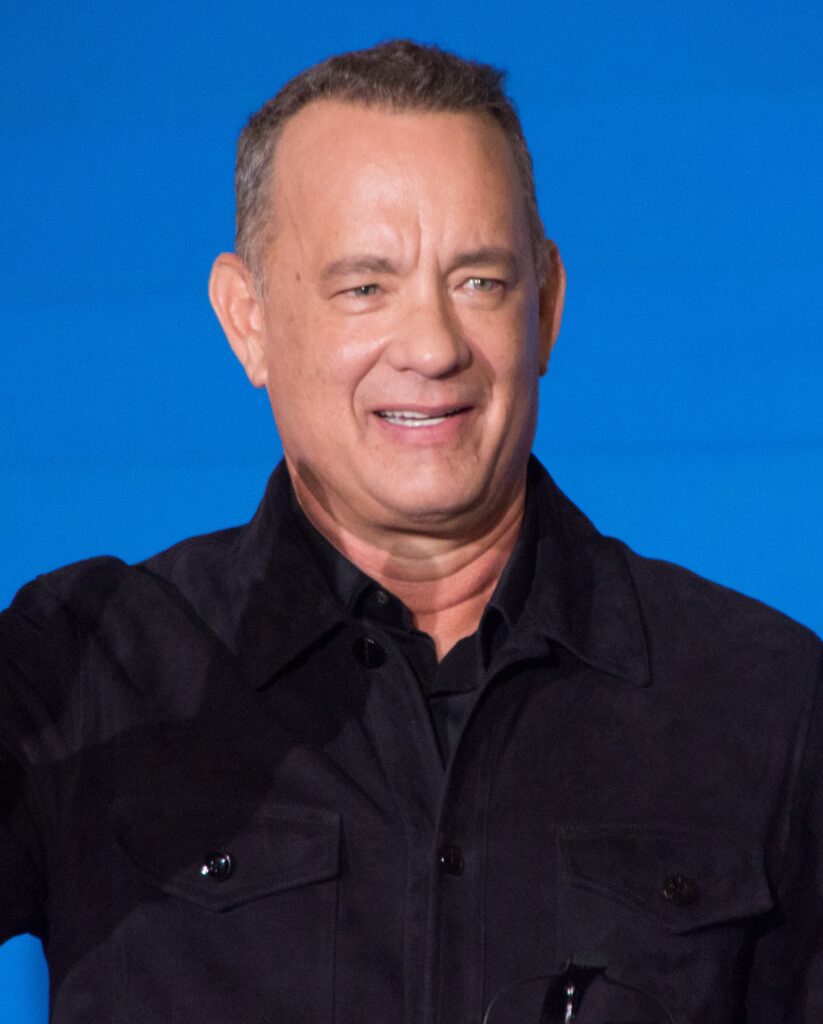
1. **Tom Hanks: The Accidental Auteur’s Foundation**Long before he became universally recognized as “America’s Dad” and an indelible icon of cinema, Tom Hanks embarked on an educational journey that few would associate with Hollywood royalty. Following what he candidly described as “lousy SAT scores,” the future two-time Academy Award winner found his initial academic home at California’s Chabot College. It was an accessible and financially pragmatic choice, a decision that would profoundly shape his trajectory.
Within the welcoming environment of Chabot, Hanks immersed himself in a remarkably diverse curriculum, a testament to the broad intellectual curiosity that would later define his multifaceted career. From health and film studies to oral interpretation and even zoology, he absorbed a wide array of knowledge. These foundational experiences weren’t just academic exercises; they equipped him with a versatile toolkit of skills that he would subtly, yet effectively, deploy across his extensive filmography, enriching his performances with a genuine depth.
It was specifically within the theatre program at Chabot that the nascent actor truly began to blossom. Here, he took his first significant steps onto the stage, notably portraying George in a school production of “Our Town.” This early immersion in dramatic arts provided him with the practical experience and confidence necessary to pursue his passion. After two invaluable years, Hanks leveraged his credits to seamlessly transfer to California State University in Sacramento, where he continued to hone his craft, specializing in theater.
Tom Hanks remains a passionate and vocal advocate for the enduring value of community colleges, often referring to Chabot as “the place [that] made me what I am today.” In a powerful op-ed for *The New York Times*, he underscored their critical role, noting how “High school graduates without the finances for a higher education can postpone taking on big loans and maybe luck into the class that will redefine their life’s work. Many lives will be changed.” His own story stands as compelling proof of this transformative potential, a testament to how accessible education can unlock unparalleled success.
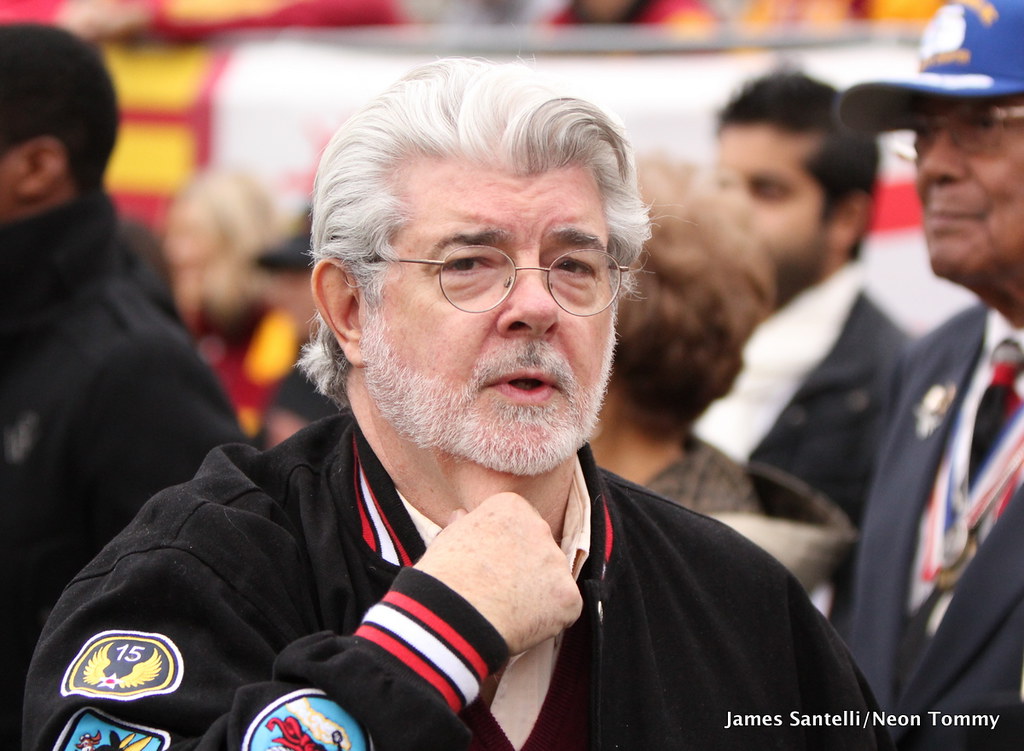
2. **George Lucas: The Crash That Charted a New Course**The visionary architect of the *Star Wars* and *Indiana Jones* universes, George Lucas, initially harbored a dream far removed from cinematic storytelling: he aspired to be a professional race car driver. This passion was vividly alive during his high school years, driving him towards a future on the track. However, fate intervened dramatically just days before his high school graduation when a near-fatal car crash abruptly extinguished this aspiration, irrevocably altering his path.
With his racing dreams sidelined, Lucas pivoted, enrolling at Modesto Junior College. It was within these academic confines that he began to explore new intellectual landscapes, taking classes in subjects as diverse as anthropology, sociology, and literature. While these might seem distant from filmmaking, they undoubtedly broadened his understanding of human nature and societal structures, elements that would later infuse his epic narratives with profound thematic depth and universal appeal.
Crucially, Modesto Junior College also became the crucible where Lucas first actively engaged with the craft that would define his legacy. It was there that he began experimenting with an 8mm camera, a formative experience that ignited his passion for visual storytelling. This hands-on exploration was the nascent stage of his career as a director, providing him with the practical foundation to eventually create two of the most enduring and beloved film franchises in cinematic history.
Armed with this newfound direction and a burgeoning skill set, Lucas furthered his education by transferring to the prestigious University of Southern California (USC) School of Cinematic Arts. This transition solidified his commitment to filmmaking, allowing him to refine his artistry in a specialized environment. Though his initial dream was tragically cut short, his detour through community college ultimately led him to a destiny far grander, transforming a personal setback into a global cultural phenomenon.
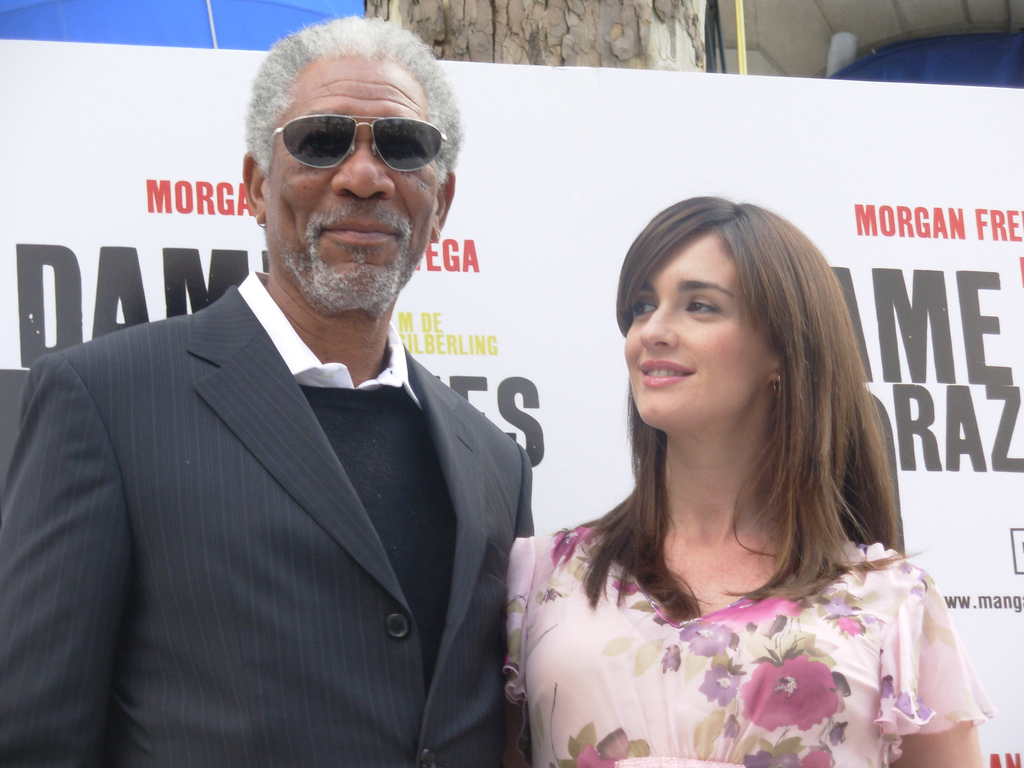
3. **Morgan Freeman: The Voice of Authority Forged in Community Halls**Before his iconic voice became synonymous with wisdom, gravitas, and divine narration, Morgan Freeman spent four formative years serving in the United States Air Force. Upon completing his military service, he sought a new direction, initially planning to enroll in acting classes at the esteemed Pasadena Playhouse. However, a pragmatic opportunity arose that would unexpectedly redefine his entry into the performing arts.
Freeman secured a position as a transcript clerk at Los Angeles City College (LACC), a move that proved serendipitous. It was there he discovered that the college boasted a remarkably robust — and, perhaps most importantly, free — theater program. This revelation altered his initial plans, prompting him to immerse himself fully in LACC’s offerings, enrolling in theater classes, alongside speech and diction, and even French.
The speech and diction classes, in particular, proved to be an invaluable foundation for the actor’s burgeoning career, directly contributing to the development of his distinctive and commanding vocal presence. Freeman himself recounted the profound impact of these lessons during a speech at the college, observing, “Most people speak in a voice too high, and in the class, we learned how to speak in a lower voice. Most people speak too fast, so we learned how to slow down.” This meticulous training endowed him with the vocal control that would become one of his most recognizable trademarks.
The skills honed at LACC were instrumental in paving the way for Freeman to become one of the most acclaimed and respected actors of his generation, lauded for his versatility and profound screen presence. His legacy at the institution is so deeply cherished that Los Angeles City College has proudly named its theatre after him, a lasting tribute to the profound impact of his time there and a testament to the power of accessible education in shaping legendary careers.

4. **Guy Fieri: The Culinary King’s Community College Roots**Before he became the iconic “Mayor of Flavortown,” a recognizable face synonymous with bold flavors and American diners, drive-ins, and dives, celebrity chef Guy Fieri embarked on his culinary and academic journey through the corridors of community college. His educational path was unique, involving not one, but two such institutions, showcasing his dedication to learning and his pragmatic approach to building a career.
Fieri diligently pursued classes at both American River College and College of the Redwoods, accumulating foundational knowledge and practical skills that would later serve as the bedrock of his gastronomic empire. These experiences provided an accessible entry point into higher education, allowing him to explore his interests and refine his capabilities before making the significant leap. This multi-campus approach exemplifies the flexibility and breadth of options community colleges offer aspiring professionals.
His community college tenure culminated in a transfer to the University of Nevada, Las Vegas, where he ultimately earned a bachelor’s degree in hospitality management, solidifying his professional credentials. Fieri remains an ardent champion of community colleges, demonstrating his unwavering support through tangible actions, such as campaigning for the fundraising of a culinary academy at American River College. He powerfully articulated his belief, stating, “As someone who has personally benefited from experiences at American River College, I can suggest that there is no better investment than an investment in a culinary future.” His advocacy highlights the critical role these institutions play in fostering diverse talents, from the stage to the kitchen.
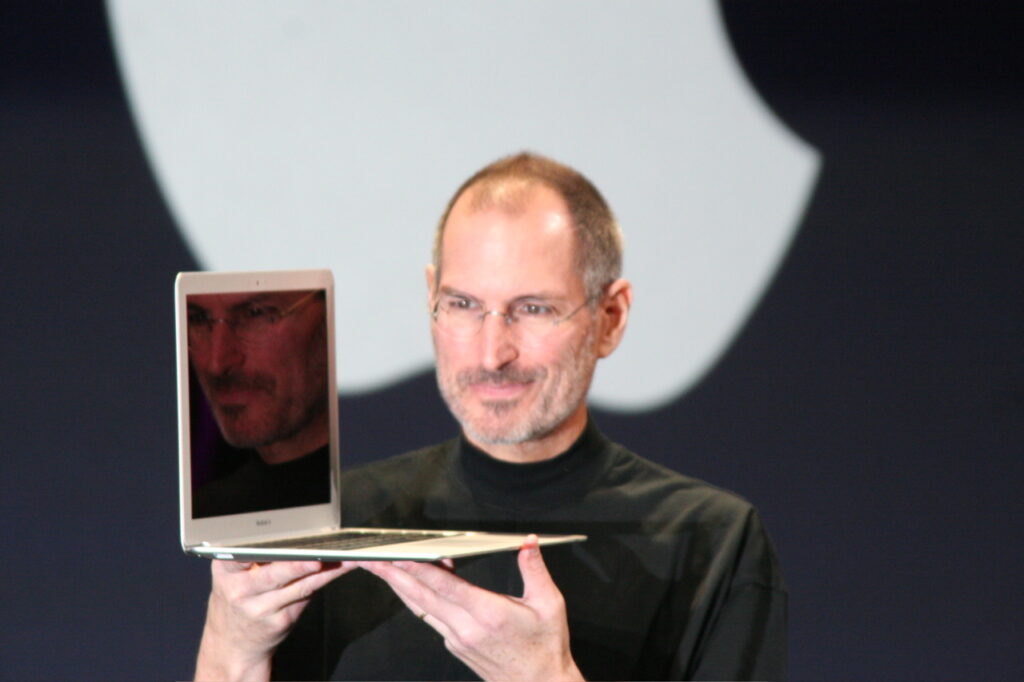
5. **Steve Jobs: The Tech Visionary’s Detour Through De Anza**Steve Jobs, a name synonymous with innovation and the co-founder of Apple, revolutionized the technological landscape with groundbreaking products like the MacBook, iPhone, iPod, and iPad. While his narrative is famously intertwined with dropping out of Reed College in Portland, Oregon, a lesser-known but equally significant chapter of his academic journey unfolded within the California community college system.
Before definitively charting his own course outside traditional academia, Jobs spent two semesters taking classes at De Anza College in California. This period, often overshadowed by his more dramatic departure from Reed, offered him a different kind of educational experience, one that likely provided an informal yet influential environment for intellectual exploration. It was a place where ideas could be freely exchanged and unconventional paths considered.
Intriguingly, Apple co-founder Steve Wozniak also attended De Anza College, suggesting a shared early educational experience between the two visionaries. While Jobs’s genius was often characterized by his unconventional approach, his brief stint at community college underscores the accessible nature of these institutions as incubators for diverse talent, even for those destined to forge entirely new industries. It reminds us that even the most revolutionary minds often touch upon conventional educational settings in their formative years.
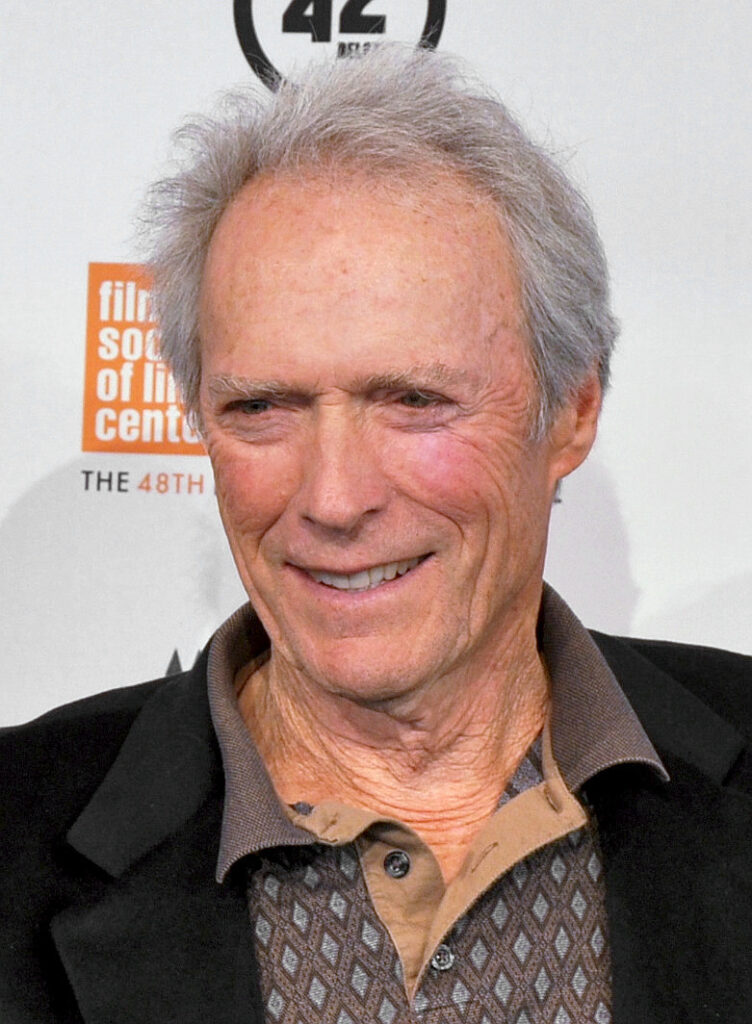
6. **Clint Eastwood: The Rugged Icon’s Brief Academic Detour**Clint Eastwood, a legendary figure of American cinema renowned for his stoic demeanor and impactful directorial vision, faced considerable academic struggles during his early years. His high school experience was far from stellar, marked by challenges that included being held back a grade in junior high due to poor academic performance, hinting at a path not yet clearly defined.
After being drafted into the military, a pivotal moment arrived when Eastwood sought to further his education, opting to enroll in classes at Los Angeles City College (LACC). This decision reflected a desire for self-improvement and potentially a structured environment following his military service. However, his tenure at LACC was brief, spanning only two semesters before a more powerful calling began to emerge.
Eastwood ultimately chose to leave LACC to fully dedicate himself to pursuing an acting career, a courageous leap of faith that would irrevocably alter the course of his life. This audacious decision proved remarkably prescient: within a mere year, he secured his first minor role, a crucial stepping stone that soon led to his breakthrough part in the iconic Western television series, *Rawhide*. His story illustrates how, for some, formal education serves as a temporary springboard, providing just enough structure before an undeniable passion takes precedence.
As we’ve journeyed through the foundational experiences of many luminaries, it becomes clear that community colleges offer a diverse and adaptable launchpad for greatness. The narratives we’ve explored thus far only scratch the surface of the myriad ways these accessible institutions have shaped the destinies of cultural icons. Now, let us continue our exploration, delving into the lives of seven more extraordinary individuals whose early educational detours through community college unexpectedly paved the way for unparalleled success, from political powerhouses to animation pioneers and comedic maestros.

7. **Arnold Schwarzenegger: From Santa Monica to Sacramento and Beyond**Arnold Schwarzenegger’s journey to becoming a global icon, encompassing bodybuilding, Hollywood stardom, and political leadership, began far from the glamour of Los Angeles, in the humble halls of Santa Monica College. Having moved from his native Austria to the United States to further his burgeoning bodybuilding career, Schwarzenegger quickly recognized the critical need to refine his English language skills to truly thrive in his new home. This pragmatic decision led him to enroll in a series of classes designed to strengthen his command of the language, a foundational step for any ambitious immigrant.
His time at Santa Monica College was more than just about language acquisition; it was a strategic investment in his future. On the advice of a counselor, Schwarzenegger wisely diversified his academic pursuits, engaging with mathematics and business classes. These subjects, seemingly disparate from the physical demands of bodybuilding, were in fact crucial building blocks, equipping him with a comprehensive understanding of finance and management that would prove invaluable in managing his increasingly complex career and business ventures.
In a poignant commencement speech delivered in 2005, the future Governor of California openly reflected on his initial trepidation upon entering the community college environment. “I started by taking English as a Second Language, because I knew if I wanted to make it in America, I needed to speak English well,” he candidly admitted. “I was scared when I first drove up to Santa Monica College – scared I wouldn’t fit in, scared that I would look like an idiot.” His honest recounting reveals the universal anxieties many students face, underscored by the unique challenges of an immigrant navigating a new cultural and educational landscape.
Yet, this initial fear was quickly overcome by his determination and the supportive environment of the college. Schwarzenegger not only excelled, earning an associate’s degree from Santa Monica College, but also leveraged these credits to pursue further studies, ultimately earning a bachelor’s degree in business administration and marketing from the University of Wisconsin–Superior as a distance education student. His flexible, ambition-driven educational pathway stands as a powerful testament to how community colleges can serve as vital launchpads for those destined for the highest echelons of public life.
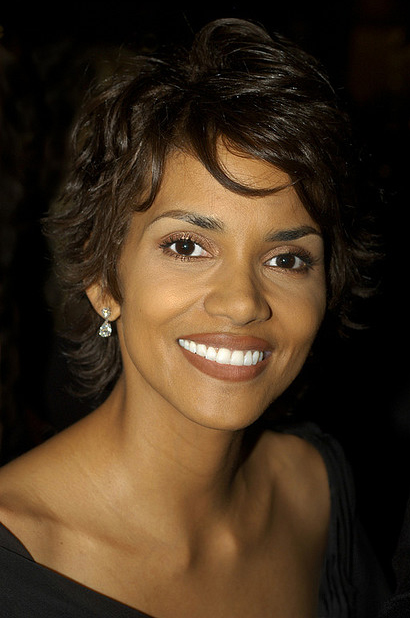
8. **Halle Berry: Journalism to Hollywood Stardom**Long before Halle Berry graced the silver screen as an Academy Award-winning actress and became a symbol of Hollywood glamour, her formative years were marked by a clear ambition for entertainment. As a child, she pursued this conviction through beauty pageants in the 1980s, clinching titles like Miss Teen Ohio and Miss Teen America, and placing second in the 1985 Miss USA pageant. These early successes provided valuable experience in poise and presentation, setting the stage for her future.
Following these early triumphs, Berry made a deliberate choice to further her education, enrolling at Cuyahoga Community College in Ohio. Here, she immersed herself in the study of journalism, a discipline that, while seemingly distinct from acting, offered invaluable training in communication, research, and public narrative. This academic detour provided a robust foundation in understanding how stories are told and consumed, skills that would indirectly inform her future acting career, allowing her to better inhabit characters and convey their truths.
The knowledge and experiences gained at Cuyahoga Community College proved to be a pivotal stepping stone. Soon after her time there, Berry transitioned fully into the world of modeling, leveraging her pageant experience and newfound confidence. This quickly propelled her to New York, where she strategically positioned herself to pursue her deeper aspirations in acting.
Halle Berry’s journey culminated in groundbreaking achievements, most notably becoming the first African American woman to win the Best Actress Oscar for her mesmerizing role in “Monster’s Ball.” Her career then soared, encompassing numerous big-screen blockbusters and cementing her status as one of the highest-paid actresses in the industry, commanding nearly $14 million per movie. Her story is a vibrant illustration of how a seemingly conventional educational path can unexpectedly lay the groundwork for an extraordinary and trailblazing career in the arts.
Read more about: Halle Berry at 58: Decoding the Bold Career Moves and Enduring Influence of a Hollywood Icon

9. **Teri Hatcher: Engineering Logic to Dramatic Flair**Teri Hatcher, a name now intimately associated with iconic roles in beloved television series like “Desperate Housewives” and “Lois & Clark: The New Adventures of Superman,” embarked on an academic path that might surprise many of her fans. Her initial post-high school interests were far removed from the dramatic arts, signaling a deeply analytical and logical mind at play before the allure of acting took hold.
Upon graduating high school, Hatcher chose to delve into the demanding fields of mathematics and engineering, enrolling in specialized classes at De Anza College. This period of study provided her with rigorous intellectual discipline, honing her problem-solving abilities and fostering a methodical approach to complex challenges, skills undoubtedly transferable to character dissection in acting.
Her time at De Anza College offered a foundational exploration of her capabilities before she pivoted her focus, making the bold decision to pursue formal acting training at the prestigious American Conservatory Theater in San Francisco. This transition from the structured logic of engineering to the expressive world of performance highlights how diverse academic backgrounds can unexpectedly converge to create a truly multifaceted talent, with community college providing that initial accessible intellectual framework.

10. **Walt Disney: The Animator’s Early Sketch in Missouri**Walt Disney, a name synonymous with pioneering animation, imaginative storytelling, and the creation of an enduring global entertainment empire, stands as a testament to boundless creativity and relentless vision. He remains the individual film producer with the most Oscars to his name, his legacy etched into the very fabric of childhood, responsible for countless beloved films.
Yet, the early academic journey of this creative titan took an unconventional route; it is widely believed he did not officially graduate from high school, a detail underscoring the self-taught nature of many creative geniuses. However, this did not deter his pursuit of knowledge, as he chose to attend Metropolitan Junior College in Missouri for community college classes.
This period at Metropolitan Junior College, while not extensively documented, likely provided Disney with an accessible environment for foundational learning, perhaps allowing him to explore subjects or refine skills contributing to his artistic and entrepreneurial endeavors. His journey highlights how even brief engagements with accessible educational institutions can contribute to the development of minds destined to reshape industries and captivate the world, proving that genius can emerge from diverse backgrounds.
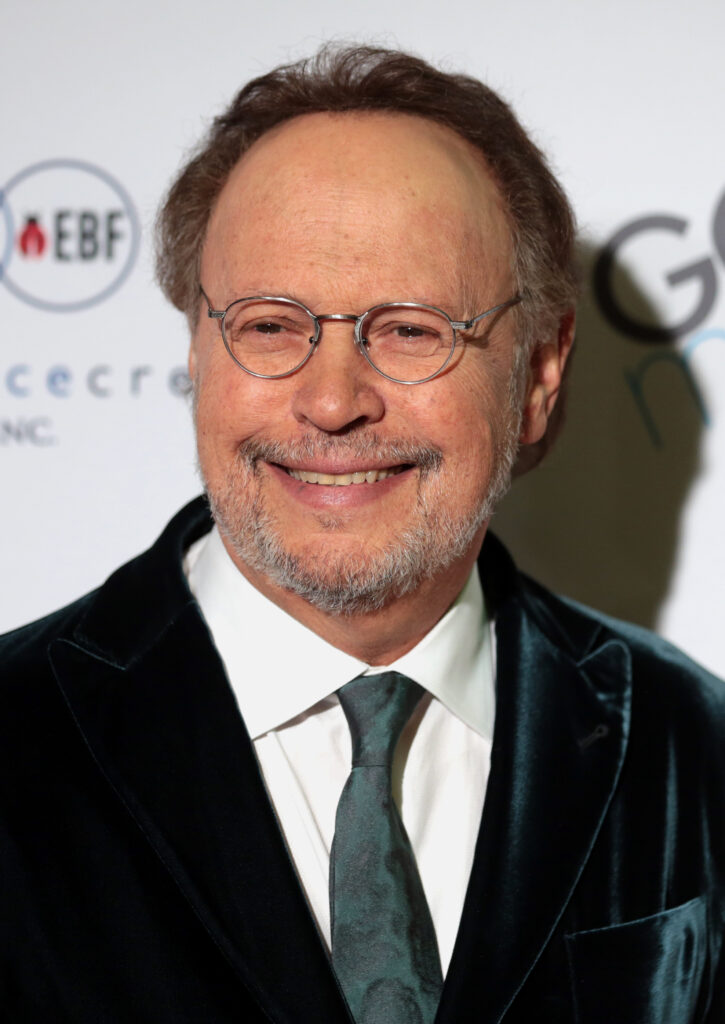
11. **Billy Crystal: A Comedic Path Through Nassau Community College**Billy Crystal, the beloved comedic legend and versatile star of films like “When Harry Met Sally,” embarked on an academic journey initially rooted in sports, only to pivot dramatically toward his true calling. His higher education began at Marshall University in Huntington, West Virginia, on a baseball scholarship, though the program’s suspension prevented him from playing.
This unexpected turn of events, coupled with a desire to remain close to his future wife, Janice Goldfinger, prompted Crystal not to return for his sophomore year at Marshall. Instead, demonstrating a thoughtful commitment to both his personal life and ongoing education, he enrolled alongside Janice at Nassau Community College in New York, which became a formative setting for his intellectual development.
After his time at Nassau Community College, Crystal transferred to New York University, where he continued to refine his academic and creative pursuits. Upon graduating, he fully dedicated himself to a career in comedy, a decision that, as fans worldwide can attest, “worked out pretty well” for the multi-talented performer, underscoring how community colleges offer crucial interim stages for life’s unexpected turns.

12. **Eddie Murphy: The Sprint from Nassau to Stardom**Eddie Murphy, a Brooklyn-born comedic titan whose infectious laughter and unparalleled talent have captivated audiences for decades, embarked on his educational path with an initial stop at Nassau Community College. Even in his high school days, Murphy’s prodigious comedic routines hinted at the global phenomenon he would become, his mission in life already clear: to bring joy and laughter to people’s faces, leading his mother to insist on his enrollment.
However, Murphy’s tenure at Nassau Community College was notably brief, a matter of mere weeks, as his departure wasn’t due to disinterest but the irresistible pull of destiny. A life-changing opportunity presented itself: he landed a coveted spot on the iconic sketch comedy show, “Saturday Night Live,” a pivotal moment that dramatically altered his academic trajectory.
The decision to leave college for “Saturday Night Live” was a bold and audacious gamble that paid off spectacularly, quickly establishing him as one of the brightest stars in comedy. From his groundbreaking work on “SNL” to his Grammy-nominated stand-up and blockbuster film roles, his rise was meteoric, proving that raw, undeniable talent can accelerate a career beyond conventional academic timelines, with community college serving as an accessible, albeit brief, touchpoint.
As our journey through the formative years of these exceptional individuals concludes, a singular truth emerges with resounding clarity: the path to unparalleled success is rarely linear, and often, it begins in the most accessible and unassuming of places. From the practical education sought by a future governor to the journalism studies of an Oscar-winning actress, from the engineering classes that preceded a dramatic career to the brief, impactful detours of animation legends and comedic maestros, community colleges have consistently served as fertile ground. They are not merely stepping stones but vibrant incubators of talent, resilience, and ambition, offering a flexible and democratic pathway to discover one’s true calling. These stories remind us that brilliance can be nurtured anywhere, proving unequivocally that a solid foundation, often laid on a local campus, can indeed propel anyone to reshape industries, inspire millions, and leave an indelible mark on the world. The echoes of their early classroom experiences resonate through their legacies, a powerful testament to the transformative, often understated, impact of accessible education.