Iggy Azalea. The name alone conjures images of a whirlwind ascent, a lightning-fast rise from Australian outsider to global hip-hop phenomenon. She burst onto the scene with a brazen confidence and a distinctive sound that quickly captivated millions, topping charts and redefining what a female rapper could achieve. For a fleeting moment, it seemed she was untouchable, carving out a unique space in a genre often resistant to newcomers, especially those from unexpected corners of the world.
Yet, as is often the case with stars who burn so brightly, the trajectory wasn’t without its turbulence. Beneath the dazzling lights of Grammy nominations and multi-platinum hits, a different narrative began to simmer – one of mounting controversies, critical missteps, and a growing chorus of fans and critics alike who started to question her authenticity, her choices, and ultimately, her place in the cultural landscape. The adoration, once so fervent, gradually gave way to scrutiny, chipping away at her carefully constructed public image.
This article takes an unflinching look back at the pivotal moments that transformed Iggy Azalea from an undeniable force into a figure increasingly at odds with her audience. We’re delving into the “bad taste” performances, the questionable lyrical choices, the frustrating career detours, and the broader cultural debates that collectively illustrate how and why fans began to turn on the artist once hailed as a fresh voice in hip-hop. It’s a journey through the highs and the challenging lows of a career that, despite its undeniable commercial success, was frequently entangled in public debate.
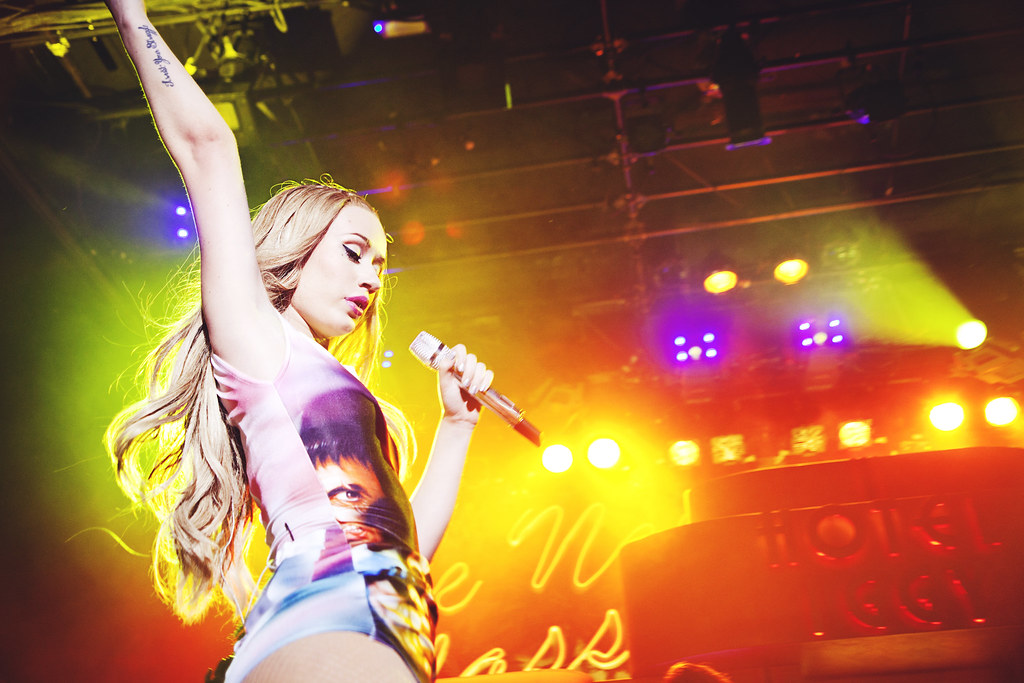
1. **Early YouTube Recognition and “Pussy”**Before the global chart domination and the household name recognition, Iggy Azalea was Amethyst Amelia Kelly, a determined Australian transplant chasing a dream in the United States. She moved across the world at 16, drawn by the magnetic pull of hip-hop, a genre she felt a profound connection to, feeling like an “outsider in her own country.” It was this raw ambition that led her to post early music videos for tracks like “Pussy” and “Two Times” on YouTube, quickly garnering public recognition and planting the seeds for what would become a polarizing career.
These early tracks were raw, unapologetic, and explicit, showcasing a provocative style that was both a draw and a precursor to future criticisms. The track “Pussy,” in particular, lived up to its title, employing confrontational language and imagery that, while perhaps intended to be empowering or attention-grabbing, also set a certain tone. This early work was part of her debut mixtape, “Ignorant Art” (2011), an explicit statement from an artist who aimed to “make people question and redefine old ideals.”
While these videos effectively put her on the map, signaling her arrival with a defiant roar, they also introduced the underlying tension that would dog her career. The aggressive uality and directness, combined with her “unusual” origins for a rapper, immediately put her under a microscope. It was an early taste of the kind of content that would later be scrutinized for its impact and artistic intent, laying the groundwork for the perception of “bad taste” in certain quarters.
Read more about: Pop Culture’s Most Polarizing Personalities: The 15 Actors Audiences Love to Dislike (and Why)
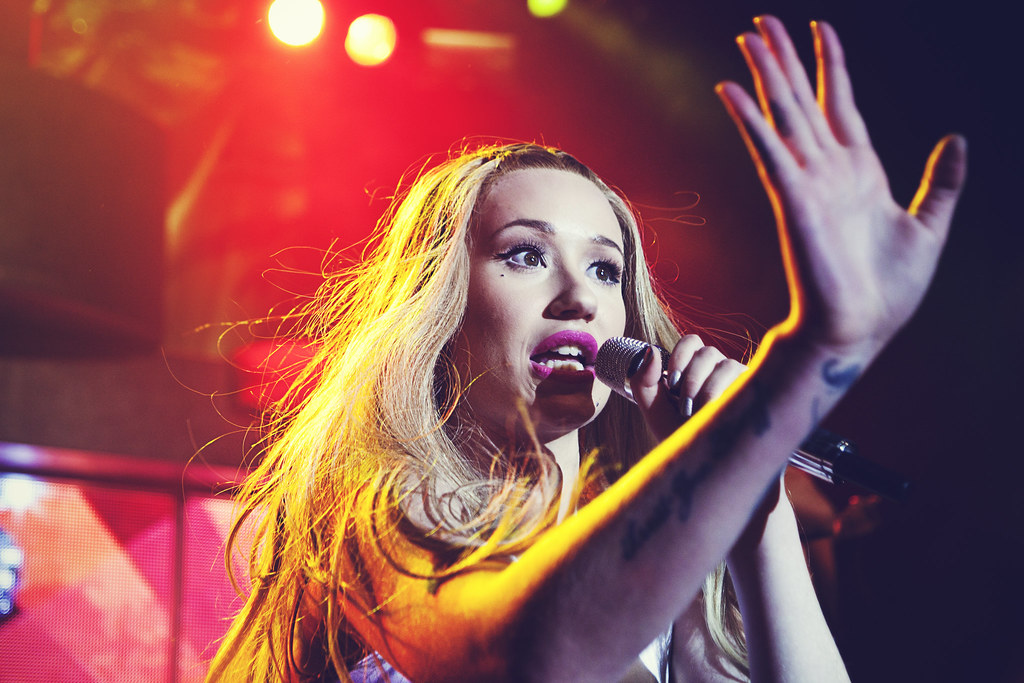
2. **The “D.R.U.G.S” Lyric Controversy and Apology**The conversation around Iggy Azalea’s artistry and public perception intensified dramatically with the controversy surrounding her song “D.R.U.G.S.” This track, a remix of Kendrick Lamar’s “Look Out for Detox,” featured a lyric that would ignite a firestorm: “When the relay starts, I’m a runaway slave / Master.” This choice of words, immediately perceived as deeply insensitive and culturally tone-deaf, sparked widespread outrage and accusations of racism.
The backlash was swift and severe, hitting Azalea hard early in her career. Critics pointed to a profound lack of understanding regarding the historical weight and painful connotations of such language, particularly within the context of American hip-hop, a genre born from Black culture and experience. It wasn’t just a misstep; for many, it was a glaring example of cultural appropriation, demonstrating a perceived disregard for the very origins of the music she was performing.
In response to the mounting pressure, Azalea released a public apology online, acknowledging that it was a “tacky and careless thing to say.” While the apology was an attempt to mitigate the damage, the incident left an indelible mark. It highlighted a recurring criticism that would follow her for years, cementing the narrative that her presence in hip-hop was often fraught with problematic cultural insensitivities, leading many fans and observers to begin questioning her authenticity and the appropriateness of her artistic expressions.
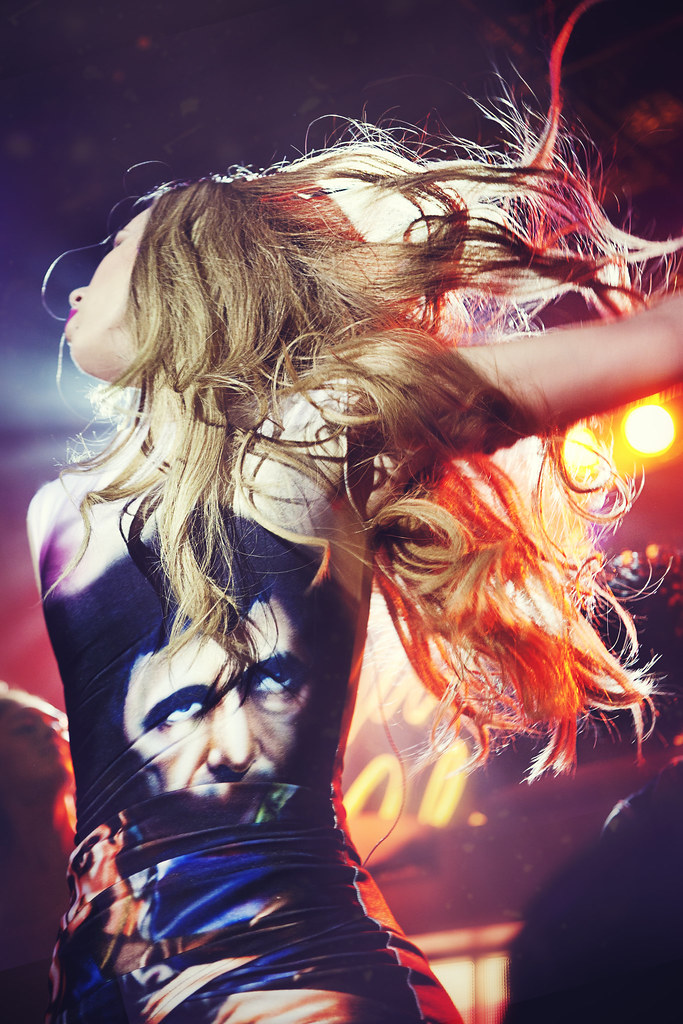
3. **Breakthrough with “Fancy” and Chart Dominance**Amidst the early rumblings of controversy, Iggy Azalea achieved a level of mainstream success that few could have predicted, solidifying her status as a global pop-rap sensation. Her single “Fancy,” featuring Charli XCX, released in February 2014, became an inescapable anthem, propelled by a vibrant music video inspired by the iconic 1995 film “Clueless.” The song wasn’t just a hit; it became a cultural phenomenon, dominating airwaves and climbing charts worldwide.
“Fancy” soared to number one on the US Billboard Hot 100, making Azalea only the fourth solo female rapper ever to achieve this feat. Her success was further compounded when she was featured on Ariana Grande’s single “Problem,” which, concurrently with “Fancy,” reached number two on the Hot 100. This unprecedented achievement made Azalea the only artist since The Beatles to rank at numbers one and two simultaneously with their first two respective Hot 100 entries, a truly historic moment in popular music.
This period marked the undeniable peak of her commercial power. Her debut album, “The New Classic” (2014), debuted at number three on the Billboard 200, becoming the highest-charting female rap album since Nicki Minaj’s “Pink Friday: Roman Reloaded.” The sheer magnitude of her success during this era was staggering, demonstrating her ability to craft catchy, mainstream-friendly hits that resonated with a massive audience. However, this very mainstream appeal and crossover success would also later become a point of contention, as some critics argued it diluted the genre and further complicated her position within hip-hop.
Read more about: Beyond the Pump: Unveiling the Unexpected Fuel Sources Powering Our Future
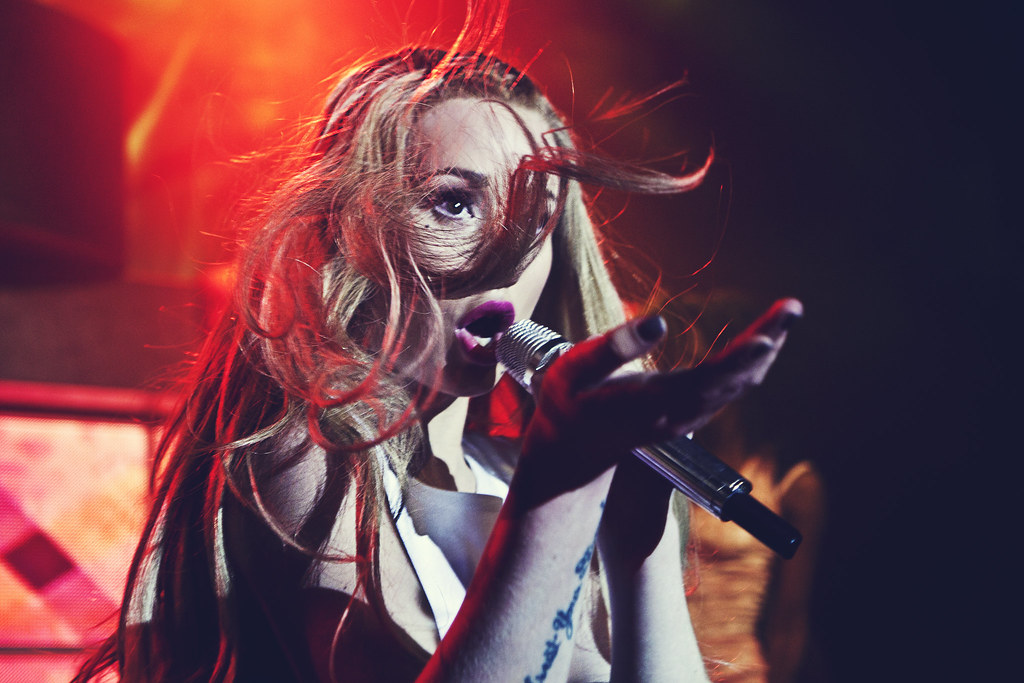
4. **”Beg for It” SNL Performance with MØ**As Iggy Azalea solidified her mainstream presence, the pressure of live performance under the intense scrutiny of a national audience brought another moment that invited widespread criticism. On October 25, 2014, Azalea made her debut on “Saturday Night Live,” hosted by Jim Carrey, where she performed “Black Widow” with Rita Ora and “Beg for It” with MØ. While the “Black Widow” performance was generally well-received, it was her rendition of “Beg for It” that quickly became a talking point, and not in a good way.
The performance of “Beg for It” garnered mostly negative feedback, with much of the criticism aimed at MØ’s execution of the chorus. Entertainment Tonight famously dubbed it “one of the most cringe-worthy live moments in recent history,” specifically highlighting MØ’s “nervous dancing and offbeat singing” as the primary culprits. The live television format, known for its unforgiving nature, amplified every perceived flaw, and the public and critics did not hold back.
This particular incident proved to be a significant blow to Azalea’s burgeoning mainstream credibility. While the criticism largely focused on her collaborator, it inherently reflected poorly on the overall production and Azalea’s ability to deliver a compelling live show consistently. For many, it exposed a perceived weakness in her live performance capabilities, contrasting sharply with the polished, high-budget music videos that had defined her rise. It was a moment that chipped away at the polished facade, reminding audiences that live music is a different beast entirely.
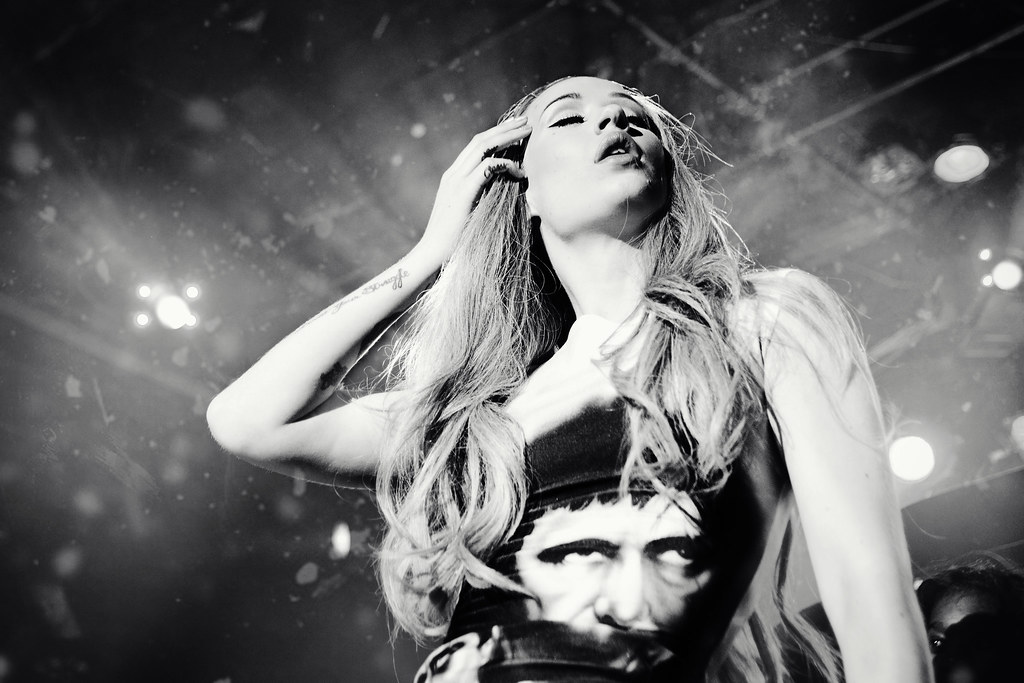
5. **The Great Escape Tour Cancellation**Following her explosive success in 2014, Iggy Azalea announced ambitious plans for a major arena tour in 2015, titled The Great Escape Tour. She envisioned herself as “a musical escape artist for people,” a concept that tied into her upcoming second studio album. The tour was meant to be a triumphant victory lap, cementing her status as a headlining act capable of filling large venues across the nation. However, what was promised as a grand spectacle ultimately culminated in disappointment for thousands of fans.
After months of anticipation, the tour was abruptly canceled in May 2015, sparking immediate speculation and frustration. While initially, there were reports of a new tour being planned around a new album for 2016, Azalea herself later offered a more candid explanation. She clarified that she “had a different creative change of heart” and felt the need to take a break to “figure out the progression she wanted for her sound and visuals.” This revelation, while honest, did little to soothe the disappointment of those who had purchased tickets and eagerly awaited her performances.
The cancellation of The Great Escape Tour was a significant setback for Azalea’s relationship with her fanbase. It demonstrated a lack of stability in her artistic direction and signaled a potential struggle behind the scenes to maintain the momentum generated by her debut. For many fans, it felt like a betrayal of expectation, leading to accusations of unprofessionalism and a growing sense that her career was beginning to unravel, further contributing to the narrative of public dissatisfaction and a turning tide of popular opinion.
Read more about: Driving Off Into the Sunset: The Definitive List of Cars and SUVs Discontinued in 2025
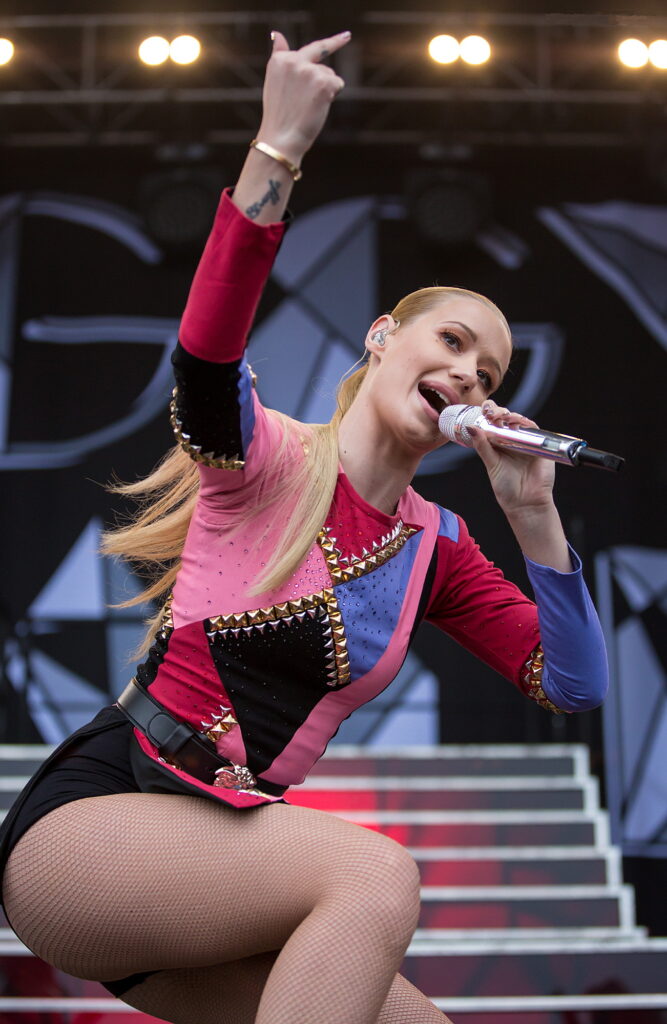
6. **The Digital Distortion Saga and Label Conflicts**The period following her debut album and the canceled tour became a turbulent chapter marked by an ultimately aborted album project: “Digital Distortion.” Announced in October 2015 as the initial title for her second album, this era was plagued by a series of internal and personal conflicts that severely hampered its release and ultimately led to its cancellation, providing further fodder for critics and testing the patience of her fanbase.
A buzz track, “Azillion,” was made available for free streaming in January 2016, followed by the lead single “Team” in March 2016. “Team” performed moderately well, peaking at number 42 on the Billboard Hot 100 and earning a Gold certification. However, despite these efforts, the album’s release date was continually pushed back. In September 2016, Azalea explained she was delaying the album to 2017, citing personal reasons after ending her relationship with fiancé Nick Young. She expressed a desire to record new songs that reflected her current mindset, not the one she had when she “was about to get married.”
The struggles continued, with new singles like “Mo Bounce” and “Switch” released in 2017, followed by an announcement that she couldn’t release music until January 2018 due to signing with a new label. The album title was changed to “Surviving the Summer,” then eventually reduced to an EP. This protracted, frustrating saga of delays, label changes, and scrapped projects painted a picture of an artist struggling to navigate the industry and her personal life, all while under intense public scrutiny. It culminated in her departure from Island Records and a decision to become an independent artist, a move signaling deep-seated issues that left many fans questioning her ability to deliver consistent new material. This prolonged period of creative stagnation and logistical hurdles certainly contributed to the perception that her career was losing its way.
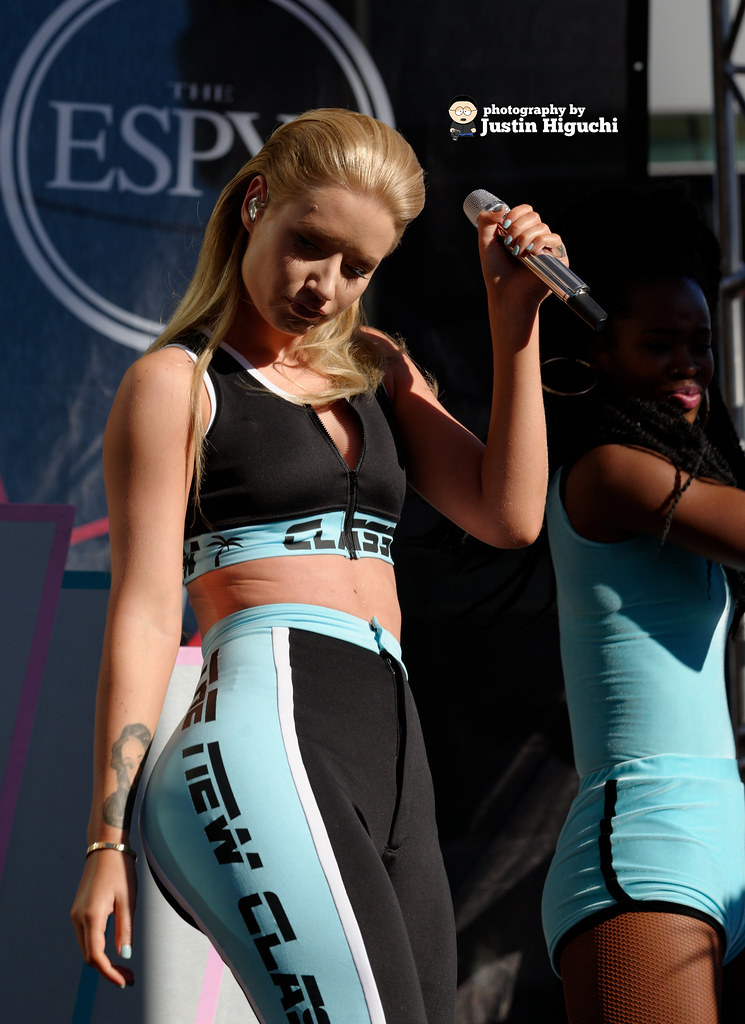
7. **Embracing Independence: The Bad Dreams Label**As the dust settled on the tumultuous “Digital Distortion” era, Iggy Azalea made a bold, defiant move that underscored her growing frustration with the traditional music industry: she severed ties with Island Records and declared herself an independent artist. This wasn’t merely a change of address; it was a fundamental shift in philosophy, a reclamation of control over her creative output and destiny. By late 2018, she announced the establishment of her own record label, initially named New Classic Records, a direct nod to her debut album, before rebranding it as Bad Dreams in January 2019.
This decision wasn’t taken lightly, especially given the considerable financial and logistical hurdles of independence. However, Azalea secured a significant $2.7 million dollar distribution deal with Empire Distribution, a strategic partnership that allowed her to retain ownership of her masters, a crucial element for artists seeking long-term autonomy and financial control. This move signaled a mature understanding of the business side of music, aiming to circumvent the label conflicts that had plagued her previous projects and given her a sense of renewed agency.
Despite the newfound independence and strategic alliances, the journey was far from smooth. This pivot, while empowering, also placed the full weight of responsibility squarely on her shoulders, from creative direction to marketing and distribution. It represented a crucial turning point, a definitive statement that Azalea was determined to forge her own path, even if it meant stepping away from the familiar, often stifling, embrace of major labels that had both propelled and hindered her career.
Read more about: Defying Fate: The Electrifying Life and Enduring Legacy of Disco Icon Sylvester
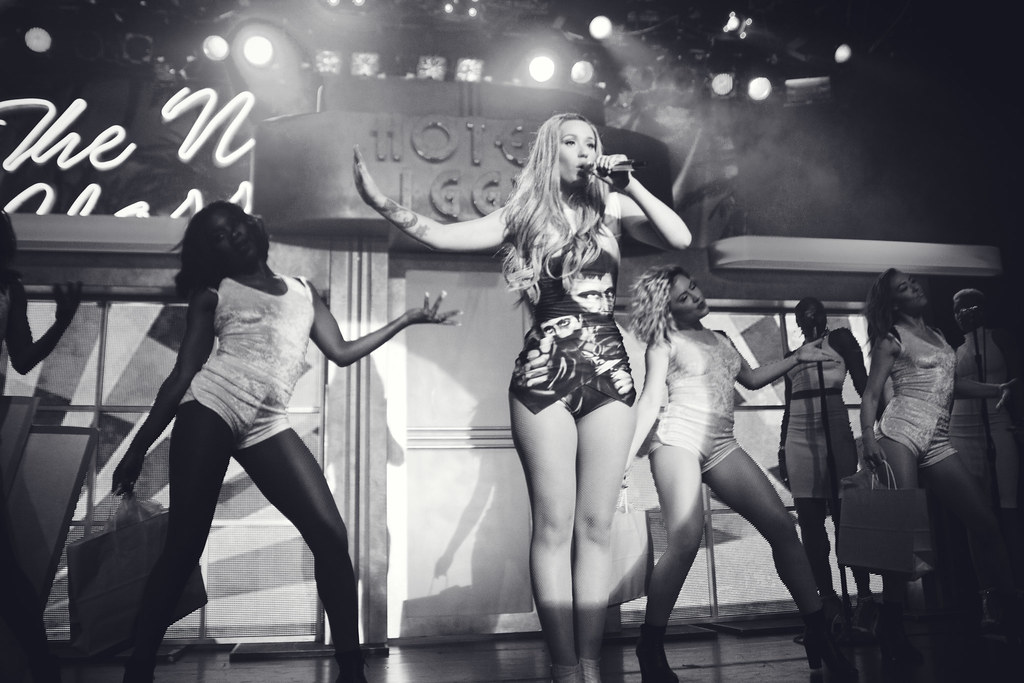
8. **The Maracanã On-Stage Incident: A Moment of Unnerving Calm**Just as Azalea was navigating the waters of independence, a chilling incident on December 28, 2018, at the Maracanã Stadium in Rio de Janeiro, ignited a fresh wave of public scrutiny. During her performance, one of her dancers suffered a seizure onstage, a harrowing moment that brought the spectacle to an abrupt, disorienting halt. In the immediate aftermath, Azalea paused to call for an ambulance, a necessary and compassionate response, but then, under immense pressure, controversially continued her performance.
The decision to resume singing immediately sparked a fierce online backlash, with critics and fans alike questioning her judgment and perceived lack of empathy. The images and videos of the dancer convulsing while Azalea continued to perform quickly went viral, fueling accusations of callousness and prioritizing the show over human well-being. It was a raw, unforgiving spotlight on the often-brutal expectations of live entertainment and an artist’s response under duress.
Azalea later offered an explanation, revealing her immediate thought was that the dancer had merely fallen or twisted an ankle. She expressed her feelings of being “constantly under public pressure,” implying a complex dynamic of needing to maintain composure and the flow of the show, even in the face of an unexpected crisis. This incident became a stark illustration of the intense scrutiny celebrity actions receive in the digital age, where every decision, particularly under duress, is magnified and dissected, often with little room for nuance or human error.
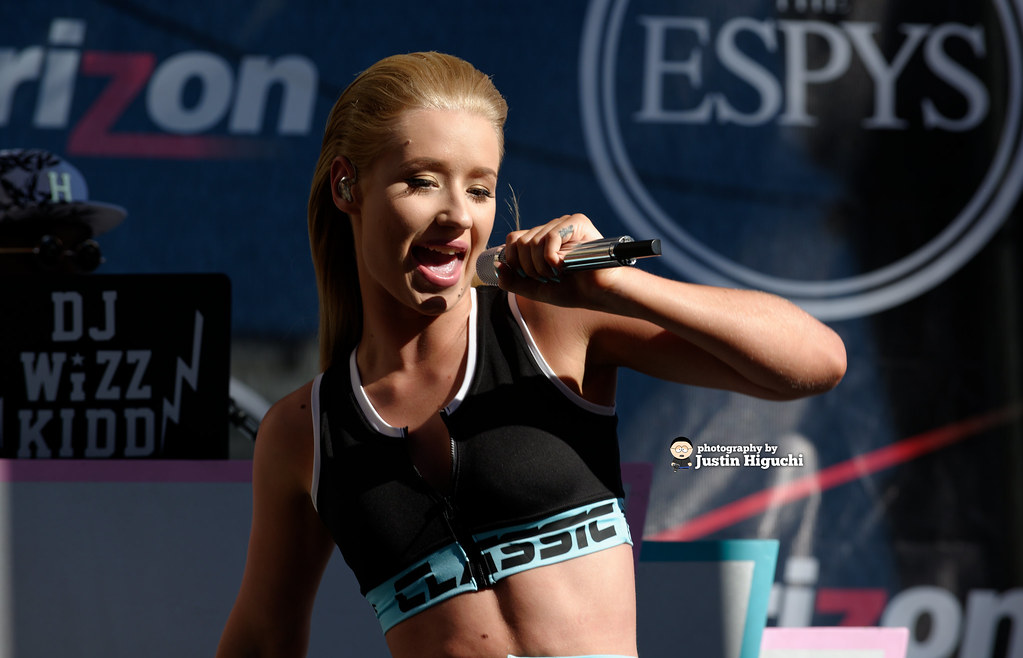
9. **The Enduring Echoes of Cultural Appropriation**Long after the initial “D.R.U.G.S” lyric controversy, accusations of cultural appropriation continued to dog Iggy Azalea, becoming a persistent and often defining critique of her career. This wasn’t just about a single insensitive lyric; it evolved into a broader, more academic discussion around her presence in hip-hop as a white Australian woman adopting an African-American English accent and stylistic elements born from Black culture. Critics like Salon writer Brittney Cooper pointed to her “co-optation and appropriation of sonic Southern Blackness, particularly the sonic Blackness of Southern Black women,” igniting a debate about authenticity and respect within the genre.
These criticisms often extended to comparisons with “blackface,” framing her artistic persona as part of a “broad, vague area of white people pretending to be black: those who do it culturally, rather than cosmetically.” The debate was complex, with supporters emphasizing the importance of inclusivity in hip-hop, while critics demanded a greater acknowledgment and respect for the genre’s African-American pioneers. It forced a cultural reckoning about who has the right to participate in and profit from certain cultural expressions, especially when historical power dynamics are at play.
Linguistics professor David Crystal weighed in, suggesting Azalea might unconsciously adopt an American rapping style to accommodate the genre. He noted a “mixed accent” in her speaking voice, a result of her travels. Azalea herself responded to the criticisms, acknowledging that disapproval based on her American accent as a non-American rapper was “valid on some level.” However, she firmly denied “trying to sound black,” attempting to reframe the narrative around personal artistic expression rather than cultural theft. Yet, for many, the conversation remained unresolved, contributing significantly to the perception that her artistry, despite its commercial success, frequently existed in a state of problematic cultural insensitivity.
Read more about: Beyond the Blue Pill: Unpacking The Matrix’s Deepest Controversies, Cultural Echoes, and Mind-Bending Realities
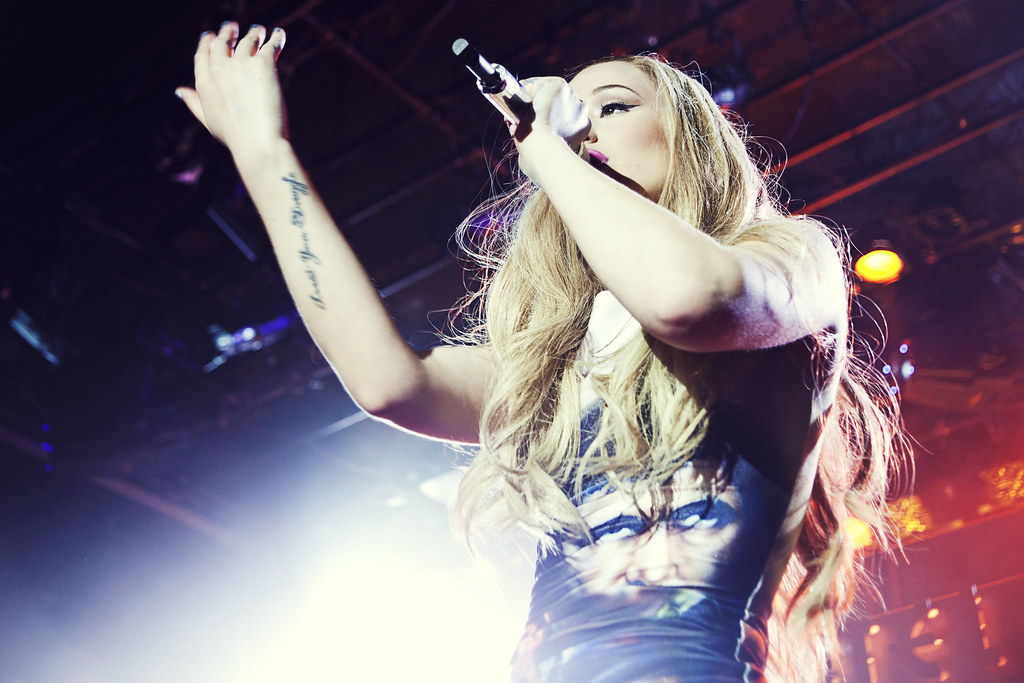
10. **Post-Debut Album Struggles: In My Defense and The End of an Era**Despite her newfound independence and determination, Azalea’s subsequent album releases struggled to recapture the commercial heights and critical acclaim of her debut. Her second studio album, *In My Defense*, released in 2019 under her Bad Dreams label, was an attempt to assert her artistic autonomy, but it met with mixed reception. Singles like “Sally Walker” and “Started” showed glimpses of her earlier swagger, with “Sally Walker” achieving moderate chart success and YouTube views, but they didn’t resonate with the same widespread impact as her previous hits. The album was followed by an EP, *Wicked Lips*, later that same year, signaling a continuous effort to put out new material.
The pattern of underperformance continued with her third studio album, *The End of an Era*, announced in the summer of 2020. The original lead single, “Dance Like Nobody’s Watching” with Tinashe, failed to connect with audiences and was ultimately scrapped from the project. A new lead single, “Sip It” with Tyga, was released in April 2021, but also struggled to make a significant impact. This era was characterized by a sense of creative searching and a struggle to find a new sound or narrative that would resonate with a broad audience in a rapidly evolving music landscape.
By July 2021, following these lukewarm releases, Azalea announced her intention to take a hiatus from music after *The End of an Era* was released. This declaration, coming after a period of consistent effort but diminishing returns, highlighted the immense pressure and challenges she faced in maintaining a prominent presence in the music industry. It underscored a growing disconnect between her output and public reception, hinting at a potential shift in her career path long before an official retirement was declared.
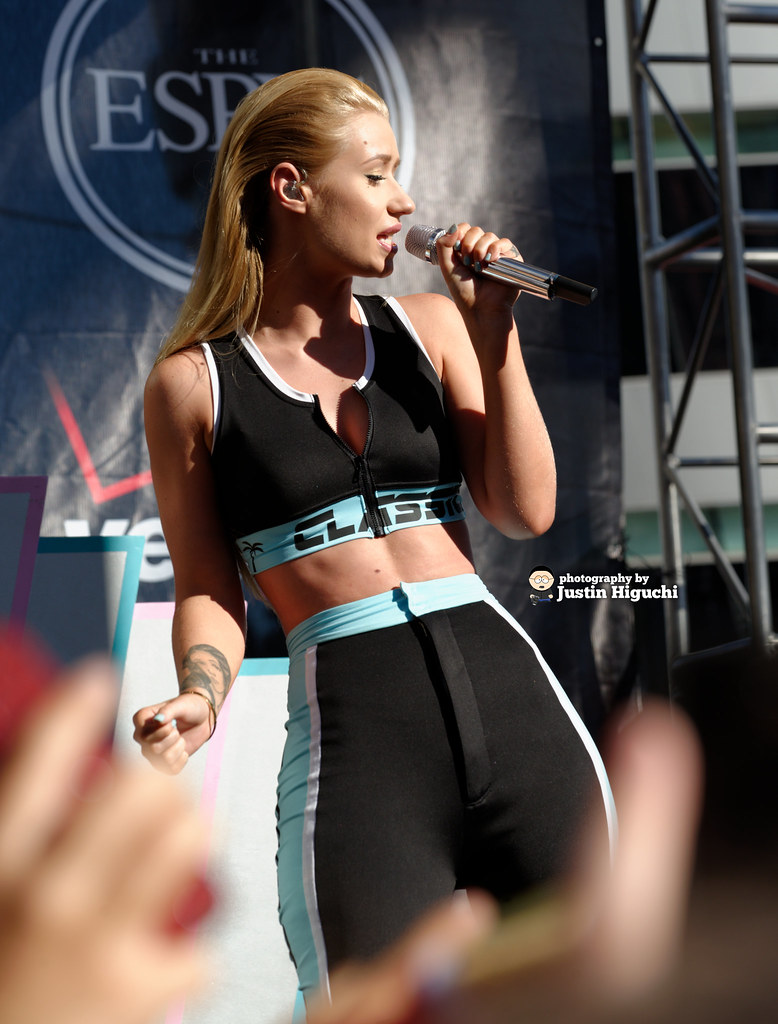
11. **The Tory Lanez Letter Controversy: A Divisive Stance**In 2022, Iggy Azalea once again found herself embroiled in a significant controversy, this time due to her association with Canadian rapper Tory Lanez. After announcing he would produce her upcoming fourth album, the project was put on hold following Lanez’s involvement in the highly publicized shooting of fellow rapper Megan Thee Stallion. This connection alone drew scrutiny, but the situation escalated dramatically in 2023 during the sentencing phase of Lanez’s trial.
Azalea chose to write a letter to the judge, requesting a reduced sentence for Lanez. When this letter became public, it sparked immediate and widespread outrage, particularly given the sensitive nature of the case and the victim’s prominence. Critics saw her intervention as a betrayal of solidarity with female artists and a dismissive stance towards the severity of violence against women in the industry, fueling accusations of tone-deafness and insensitivity at a critical moment for justice.
In response to the fierce backlash, Azalea defended her decision, explaining that her letter was rooted in a belief in “prison reform.” She stated, “[…] I am not in support of throwing away ANY ones [sic] life if we can give reasonable punishments that are rehabilitative instead. I support prison reform. Period.” While attempting to frame her stance as a broader ethical position, many perceived it as an ill-timed and misplaced intervention that further alienated portions of her fanbase and reinforced the narrative of an artist frequently stumbling into controversial social and cultural debates, regardless of her intentions.
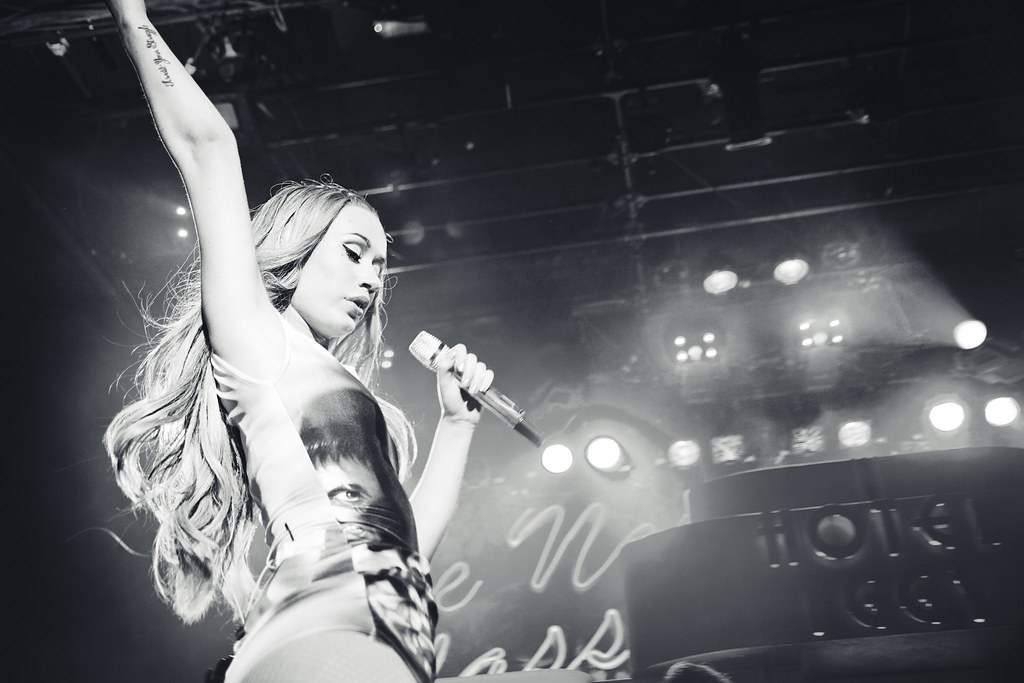
12. **The End of an Era: Retirement from Music and New Horizons**The culmination of years of industry battles, creative struggles, and public scrutiny finally led Iggy Azalea to a definitive pivot: her retirement from music. In 2024, she officially announced her departure from the music scene, dispelling rumors that she was “bullied away” from the industry. Instead, Azalea offered a candid explanation, stating that she felt “more passionately about design and creative direction than [about] songwriting,” signifying a deliberate shift in her artistic and professional focus.
This retirement wasn’t a sudden, isolated event but rather the natural progression of a journey that saw her exploring various non-musical ventures even before her official announcement. In January 2023, she launched an OnlyFans account, initially promoting her then-planned fourth album, *Hotter Than Hell*. This move itself generated considerable discussion, reflecting a willingness to explore alternative platforms and revenue streams outside of traditional music releases.
Her post-music career has quickly blossomed into a diverse portfolio of entrepreneurial endeavors. In 2024 alone, Azalea launched $MOTHER, a memecoin on the Solana blockchain, showcasing an interest in emerging digital economies. She also ventured into the telecommunications sector with Unreal Mobile, a non-contract service, and introduced “Dream Vault,” a crowdfunding platform. These ventures collectively paint a picture of an artist who, despite a turbulent musical career, possesses an undeniable drive for creative control and business innovation, redirecting her considerable energy and entrepreneurial spirit towards new, uncharted territories beyond the recording studio.
Read more about: From Austrian Oak to Global Statesman: An In-Depth Chronicle of Arnold Schwarzenegger’s Enduring Legacy
From the audacious beginnings that promised a new voice in hip-hop to a career often defined by its controversies, Iggy Azalea’s journey is a compelling study in the volatile nature of celebrity and the unforgiving gaze of public opinion. She arrived with a fierce independence, battled relentless criticism over cultural appropriation, navigated the labyrinthine music industry, and ultimately, chose to redefine her own path away from the spotlight of mainstream music. Her story isn’t just about the songs she made; it’s a vibrant, often contentious, narrative of a self-made artist who, for better or worse, consistently dared to do things her own way, leaving behind a legacy as complex and polarizing as the controversies that shadowed her every step.”