Microsoft. Just saying the name probably conjures up a whole host of memories, doesn’t it? From the satisfying click of a Windows startup sound to those endless PowerPoint presentations, this tech giant has been interwoven into the very fabric of our digital lives for decades. It’s hard to imagine a world without their software, hardware, or cloud services, but how did a company founded by two childhood friends become one of the most valuable brands globally, influencing everything from how we work to how we play video games?
It’s been a wild ride, packed with relentless innovation, fierce competition, and a few dramatic turns that reshaped the entire technology landscape. You might think you know the story, but trust us, there are some truly pivotal moments and strategic masterstrokes that set Microsoft on its path to becoming the “Big Tech” powerhouse we recognize today, standing shoulder-to-shoulder with names like Apple, Alphabet, Amazon, Nvidia, and Meta.
We’re about to dive deep into the thrilling saga of Microsoft, pulling back the curtain on the key decisions, groundbreaking products, and visionary leadership that transformed a tiny startup into a world-dominating corporation. Get ready to explore a dozen moments that weren’t just big for Microsoft, but for the entire tech world, shaping the digital age as we know it!

1. **The Genesis: From Traf-O-Data to Altair BASIC (1972-1975)**Before Microsoft became the global behemoth it is today, our intrepid founders, Bill Gates and Paul Allen, were already deeply immersed in the world of computer programming. These childhood friends shared an insatiable passion for technology, which led them to establish their first venture in 1972, a company named Traf-O-Data. This wasn’t some glamorous consumer gadget, but a rudimentary computer system designed for a very specific niche: tracking and analyzing automobile traffic data. It was a humble beginning, but it showcased their early entrepreneurial spirit and technical prowess.
While Gates was diligently pursuing his studies at Harvard University and Allen had moved on to work at Honeywell, a serendipitous event occurred that would alter the course of their lives and the future of computing. The January 1975 issue of *Popular Electronics* magazine featured Micro Instrumentation and Telemetry Systems’ (MITS) groundbreaking Altair 8800 microcomputer. Allen, ever the visionary, immediately suggested to Gates that they could develop a BASIC interpreter for this exciting new device.
What followed sounds like the stuff of startup legends. Gates, with characteristic boldness, called MITS and, without actually having a finished product, claimed they possessed a fully functional BASIC interpreter. This audacious bluff sparked a furious period of intense development: Allen tirelessly worked on creating a simulator for the Altair, allowing Gates to develop the interpreter itself. Against all odds, their combined efforts paid off, and the demonstration in March 1975 in Albuquerque, New Mexico, went off without a hitch. MITS was profoundly impressed, leading to an agreement to distribute their interpreter, marketing it as Altair BASIC. This crucial success provided the momentum and validation they needed. On April 4, 1975, Bill Gates and Paul Allen officially established Microsoft, with Gates assuming the role of CEO. It was Allen who, with a stroke of linguistic genius, coined the name “Micro-Soft,” a clever abbreviation for micro-computer software. And just like that, the foundation for a global technology empire was laid, built on a blend of innovation, calculated risk, and relentless execution.
2. **MS-DOS and IBM PC Dominance (1980-1981)**By 1980, Microsoft had firmly planted its flag in the software landscape, even venturing into the operating system business with its own version of Unix, known as Xenix. This was an important step, but the true game-changer, the moment that would catapult Microsoft into an unassailable position of power, arrived later that year with a monumental deal involving a computing giant: IBM.
In a move that would define the personal computer era, IBM awarded a crucial contract to Microsoft in November 1980. The task was to provide a version of the CP/M operating system to be used in the groundbreaking IBM Personal Computer (IBM PC). This was an opportunity of colossal proportions, a chance to embed Microsoft’s software into what was destined to become the defining machine for personal computing for decades to come. The stakes were incredibly high, and Microsoft was ready to deliver.
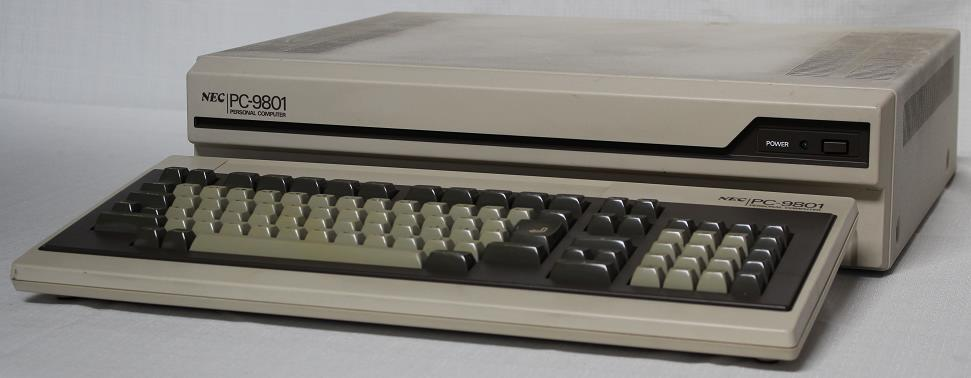
Here’s where Microsoft’s strategic brilliance truly shone through. Rather than developing a new OS from scratch, they made a shrewd acquisition. Microsoft purchased a CP/M clone called 86-DOS from Seattle Computer Products. They then rebranded this acquired software as MS-DOS, although IBM would later market it as IBM PC DOS. The crucial detail, the masterstroke that secured Microsoft’s future, was that Microsoft retained full ownership of MS-DOS after the IBM PC’s highly anticipated release in August 1981. This retention of ownership was a stroke of genius with far-reaching implications. IBM had copyrighted its own PC BIOS, but no such restriction applied to the operating system. This strategic loophole allowed Microsoft to license MS-DOS to countless other hardware manufacturers, transforming them into the undisputed leading PC operating systems vendor. This single deal solidified Microsoft’s dominance and laid the groundwork for its subsequent rise to global power.
3. **The Dawn of Windows 1.0 (1985)**As the personal computer landscape evolved in the mid-1980s, a new paradigm began to emerge: the graphical user interface (GUI). The command-line interfaces that had defined computing up to that point, while functional, were seen as a barrier to broader adoption. Users yearned for a more intuitive, visual way to interact with their machines, and Microsoft was keenly aware of this growing demand, positioning itself to lead the charge.
On November 20, 1985, Microsoft took a significant leap forward by releasing Windows 1.0. This wasn’t a standalone operating system in the modern sense; rather, it functioned as a graphical extension for the ubiquitous MS-DOS. It was designed to provide a much-needed visual shell over the text-based environment, introducing concepts that would eventually become fundamental to personal computing. Imagine the excitement of seeing a mouse cursor for the first time, navigating through colorful windows instead of typing cryptic commands!
This initial version, though rudimentary by today’s sophisticated standards, was groundbreaking for its time. It brought features like drop-down menus, tiled windows, and, crucially, full mouse support to the masses. These elements, which we now take for granted, represented a radical shift, making computers more accessible and user-friendly. Windows 1.0 laid the essential groundwork for the graphical revolution, signaling Microsoft’s commitment to a more intuitive computing experience. Interestingly, this occurred concurrently with another significant project: Microsoft had already begun jointly developing OS/2 with IBM in August of that same year, showcasing Microsoft’s complex strategic maneuvering. Windows 1.0 may have been an early iteration, but it was Microsoft’s bold and decisive first step into a world that would soon be defined by graphical interfaces.
Read more about: John Amos: Celebrating the Enduring Legacy of a Groundbreaking Actor and Cultural Icon
4. **Going Public: The IPO and its Millionaires (1986)**By the mid-1980s, Microsoft was already a recognized and rapidly expanding force in the software industry, but 1986 marked a monumental year that would fundamentally transform the company’s financial structure and create an unprecedented wave of wealth. This was the year Microsoft made its grand entrance onto the public stage, an event that resonated throughout the burgeoning tech sector.
The proceedings began with a significant logistical shift: on February 26, 1986, Microsoft officially relocated its corporate headquarters from Bellevue to its now-famous campus in Redmond, Washington. Just a few short weeks later, on March 13, the company made history by going public with its initial public offering (IPO) on the NASDAQ exchange. This was more than just a financial transaction; it was a declaration of Microsoft’s soaring ambition and confidence in its future, setting the stage for phenomenal growth.
The impact of this IPO was nothing short of legendary. The subsequent, rapid rise in Microsoft’s share price did something truly extraordinary: it created an estimated four billionaires and a staggering 12,000 millionaires among its employees. Imagine being an early team member, holding shares that transformed into life-changing fortunes overnight! This story became a powerful emblem of the boundless opportunities available in the nascent tech industry, inspiring dreams of innovation and financial success across the nation. Beyond the individual wealth generated, the IPO provided Microsoft with a massive and critical influx of capital, instrumental in empowering the company to aggressively pursue further research and development and expand its global operations.
5. **Office Suite and Windows 3.0 Ascendancy (1990)**The year 1990 stands out as a dual triumph for Microsoft, a period where the company solidified its market dominance in not one, but two crucial areas: operating systems and application software. This era saw the introduction of products that would become indispensable tools for businesses and individuals worldwide, forever changing how people interacted with their personal computers.
It was in 1990 that Microsoft made a brilliant strategic move by introducing the Microsoft Office suite. This wasn’t just a collection of programs; it was a carefully curated bundle of separate, yet complementary, powerful applications like Microsoft Word for word processing and Microsoft Excel for spreadsheet management. By offering these essential tools together, Microsoft created a comprehensive productivity solution that quickly proved to be greater than the sum of its parts. This integration streamlined workflows, standardized document creation, and became the de facto standard for office productivity, a position it holds to this day.
But the innovations didn’t stop there! On May 22, 1990, Microsoft launched Windows 3.0, a significant evolutionary leap for its graphical user interface. This version was a true game-changer, boasting dramatically streamlined user interface graphics that made it far more visually appealing and intuitive. Crucially, it also featured improved protected mode capability for the Intel 386 processor, which translated into better performance, enhanced stability, and the ability to run multiple applications more effectively. Windows 3.0 marked a pivotal moment for the widespread adoption of graphical operating systems among mainstream users. Coupled with the robust and increasingly popular Microsoft Office suite, the company achieved unparalleled market dominance in both its core operating system and its productivity applications, creating a powerful ecosystem that cemented its place at the heart of personal computing.
6. **The Internet Tidal Wave: Windows 95 and Beyond (1995)**If there’s one year that encapsulates Microsoft’s strategic brilliance, its adaptability, and its sheer marketing prowess, it has to be 1995. This was the year that Bill Gates famously circulated his “Internet Tidal Wave memo” on May 26, a stark and visionary declaration that the company needed to rapidly and aggressively redefine its offerings and expand its product line into the burgeoning realms of computer networking and the World Wide Web. It was a clear call to action, and Microsoft responded with remarkable speed.
While many established technology companies of the era were slow to recognize or adapt to the seismic shift brought by the internet, Microsoft stood apart. With only a few exceptions of agile new companies like Netscape, Microsoft was one of the only major, established players to jump into the World Wide Web virtually from its inception. This incredible agility and foresight proved absolutely crucial, allowing Microsoft to quickly capture and consolidate market dominance in the dawning internet age, seizing an opportunity that many others missed.
The crowning achievement of this period was the release of Windows 95 on August 24, 1995. This operating system was nothing short of revolutionary. It introduced groundbreaking features like pre-emptive multitasking, a completely redesigned user interface complete with the now-iconic “Start” button, and full 32-bit compatibility. This was a massive leap forward from previous Windows versions, making personal computing far more accessible, powerful, and enjoyable for millions around the globe. Backed by what *The New York Times* described as “the splashiest, most frenzied, most expensive introduction of a computer product in the industry’s history,” Windows 95 was an instant and undeniable success, profoundly shaping how millions experienced the internet and ensuring Microsoft’s continued centrality in the digital world.
Alright, so we’ve journeyed through Microsoft’s foundational years, seen how they pretty much took over the PC world with MS-DOS and Windows, and even rode that ‘Internet Tidal Wave’ with Windows 95. But what happened next for this tech titan? Did they just rest on their laurels? Absolutely not! Get ready, because the next chapter is all about daring diversifications, embracing massive shifts like cloud computing, and making some truly jaw-dropping strategic moves under fresh leadership. It’s a rollercoaster of innovation, competition, and some seriously big bets that kept Microsoft at the very forefront of the digital revolution! Let’s dive into the next phase of their incredible saga.
7. **Steve Ballmer Takes the Helm and Xbox Enters the Arena (2000-2006)**Talk about a big moment! January 13, 2000, wasn’t just another day; it marked a monumental shift in leadership. Bill Gates, the visionary founder, handed over the CEO reins to his old college friend and long-time employee, Steve Ballmer. Gates didn’t disappear though; he carved out a new role for himself as Chief Software Architect, keeping his hands firmly in the tech pie. Ballmer, known for his energetic presence, was ready to steer the ship into the new millennium.
Now, if you thought Microsoft was just about boring spreadsheets and operating systems, think again! They made a huge splash in 2001 by unleashing the Xbox, diving headfirst into the fiercely competitive video game console market. This wasn’t a small dip in the pool; they were challenging giants like Sony and Nintendo directly. The original Xbox was a graphically powerful machine, boasting a 733 MHz Intel Pentium III processor, essentially putting a powerful PC under your TV.
That same year, Microsoft dropped Windows XP, a monumental release that finally unified the company’s various operating system lines under one robust NT codebase. This was a game-changer for stability and performance, quickly becoming a beloved OS for millions. However, it wasn’t all smooth sailing; 2000 also saw a judgment in the United States v. Microsoft Corp. case, where the company was controversially called an “abusive monopoly.” They later settled with the U.S. Department of Justice in 2004, but the legal drama continued with the European Union imposing fines in 2004 for abusing its dominance with the Windows OS, even requiring new versions without Windows Media Player. Ouch.
But Microsoft wasn’t just about software and consoles; they continued to dabble in hardware. By 2006, they released the Zune series of digital media players, a direct successor to their Portable Media Center platform. And let’s not forget their established success with PC accessories. As of 2007, Microsoft was selling the best-selling wired keyboard (the Natural Ergonomic Keyboard 4000), mouse (IntelliMouse), and desktop webcam (LifeCam) in the United States. They even launched the Surface “digital table,” later rebranded as PixelSense, showing an early flair for interactive tech.
8. **The Azure Cloud Rises and Gates’ Farewell (2007-2010)**Okay, so the 2000s were really heating up! January 2007 brought us Windows Vista, a version of Windows that put a heavy emphasis on flashy new features, enhanced security, and a completely redesigned user interface dubbed ‘Aero.’ And if that wasn’t enough, Microsoft Office 2007 dropped at the same time, shaking things up with its now-famous ‘Ribbon’ user interface. Both products were a hit, leading to a record profit for Microsoft in 2007. Go, Microsoft!
However, the legal battles weren’t entirely in the rearview mirror. The European Union hit Microsoft with another hefty fine of €899 million (that’s about $1.4 billion!) in February 2008. They claimed Microsoft was charging rivals unreasonable prices for crucial information about its server products. Microsoft, of course, countered by saying they were in compliance and that these fines were “about the past issues that have been resolved.” It seems the antitrust drama was a persistent challenge.
June 27, 2008, marked another significant leadership transition. Bill Gates officially retired from his role as Chief Software Architect, though he stuck around as an advisor on key projects. It was the end of an era, but not the end of his influence! This period also saw Microsoft seriously committing to new computing architectures, establishing a multi-core unit, recognizing the shift in how hardware was evolving.
But here’s where things get *really* interesting for the future of Microsoft: October 27, 2008, saw the launch of the Azure Services Platform. This was Microsoft’s monumental leap into the burgeoning cloud computing market for Windows. They were essentially saying, “Hey developers, build your stuff here!” This strategic move would prove to be absolutely critical for the company’s long-term trajectory, securing its place in the next big wave of computing.
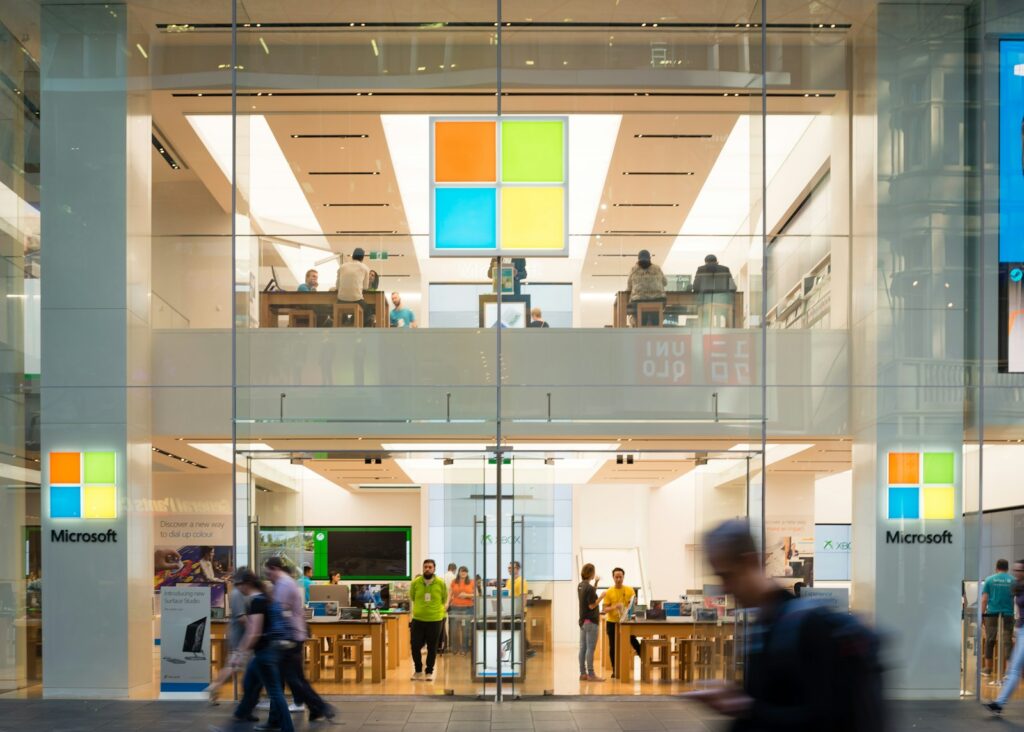
And amidst all this cloud action, Microsoft was still refining its bread and butter. October 22, 2009, brought us Windows 7, which largely focused on polishing Vista’s features, boosting performance, and making things even easier to use. No extensive reworks, just solid enhancements. That same day, the first retail Microsoft Store opened its doors in Scottsdale, Arizona, signaling a new approach to consumer engagement. They also revamped their aging Windows Mobile OS, replacing it with the sleek new Windows Phone OS in October 2010, hoping to catch up in the booming smartphone market.
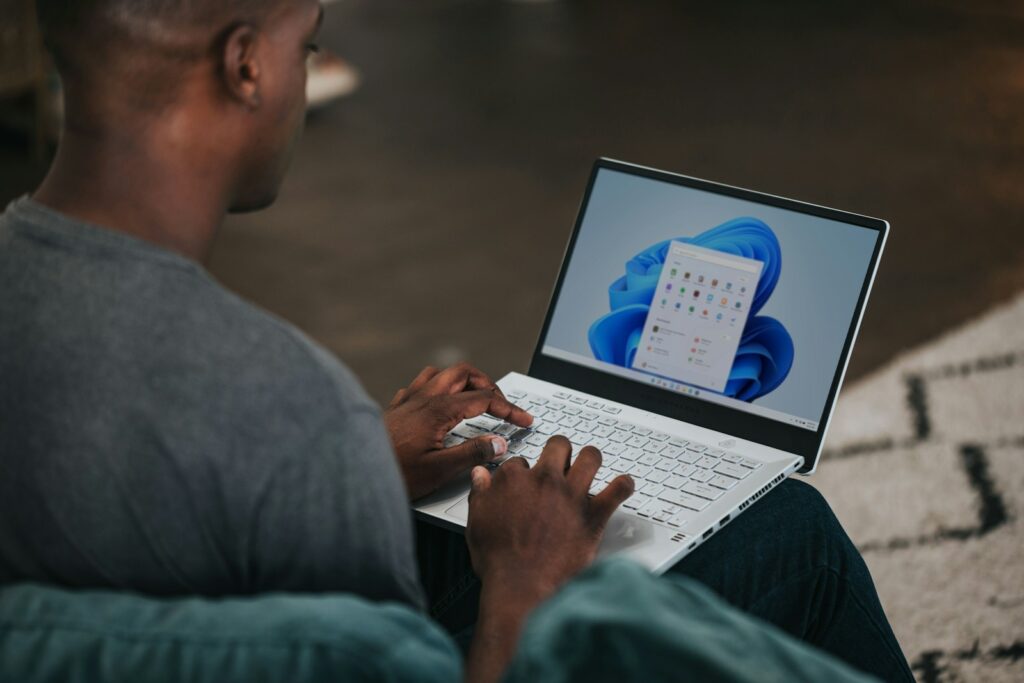
9. **Rebranding, Tablets, and Mobile Acquisitions (2011-2013)**Get ready for a visual refresh! The early 2010s were all about a gradual rebranding across Microsoft’s entire product line. We’re talking logos, products, services, and websites – all adopting the minimalist, sleek principles of the ‘Metro’ design language. It was a bold new look that aimed for consistency across everything Microsoft touched. Suddenly, everything felt fresh and modern.
June 2011 brought another exciting unveiling: Windows 8! This wasn’t just any operating system; it was designed to power both traditional personal computers AND the hot new tablet computers. It was a bold attempt to bridge the gap between desktop and touch, a developer preview dropping in September 2011, followed by a consumer preview in February 2012. Microsoft was clearly thinking about the future of computing, and it looked very, very touch-friendly.
Then came a truly historic moment on June 18, 2012: Microsoft unveiled the Surface! This was HUGE, marking the very first time in the company’s history that it manufactured its *own* computer hardware. They weren’t just making software anymore; they were building the whole darn device. And the acquisitions kept coming: July 2012 saw Microsoft buy the social network Yammer for $1.2 billion, followed by the launch of the Outlook.com webmail service to compete with Gmail on July 31. They were diversifying like crazy!
But wait, there’s more! In July 2012, Microsoft sold its 50% stake in MSNBC, which had been a joint venture with NBC since 1996, signaling a shift in their media strategy. October 26, 2012, was another big day: Windows 8 and the Microsoft Surface officially launched to the public. Just three days later, Windows Phone 8 hit the streets. To handle all this new demand, Microsoft even opened a bunch of “holiday stores” to complement their growing brick-and-mortar presence. They were really going all-in on consumer hardware and services.
Then came the Xbox One console in 2013, with an upgraded Kinect motion-sensing device. These new capabilities included an ultra-wide 1080p camera, infrared sensors for dark environments, and the ability to detect fine movements and even a user’s heart rate by looking at their face! Seriously, that’s wild! However, 2013 also brought some tough news: Microsoft stocks took a massive hit after Windows 8 and the Surface tablet showed poor showings, resulting in a loss of over $32 billion. Ouch! Despite the bumps, Microsoft regrouped, reorganizing its business into four new divisions and agreeing to acquire Nokia’s mobile unit for $7 billion in September 2013, solidifying its hardware ambitions.
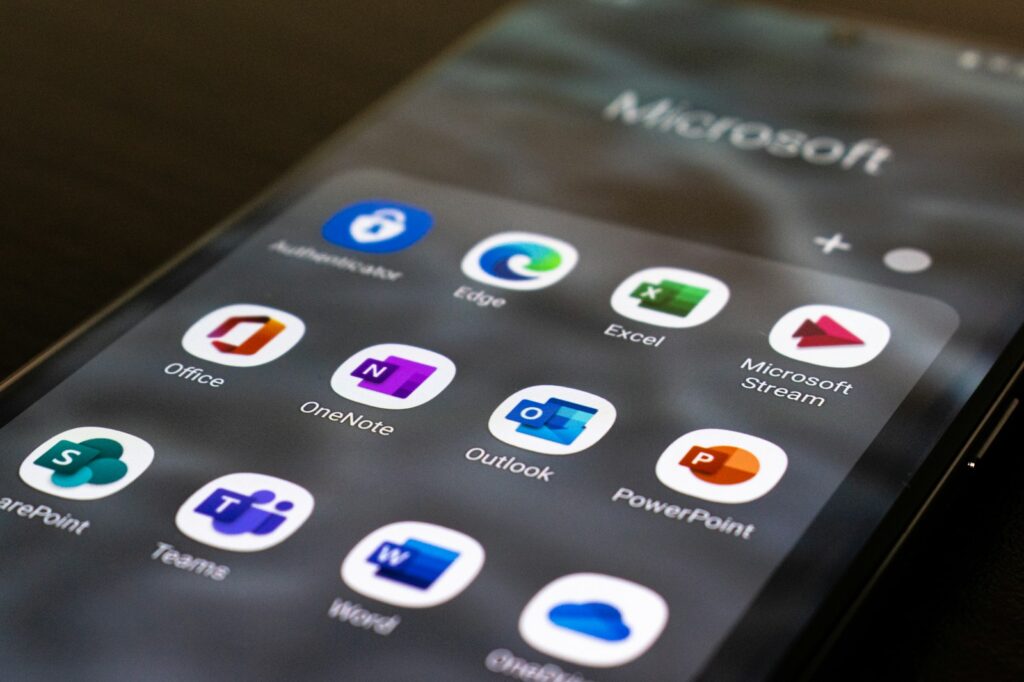
10. **Nadella’s Vision: Cloud First, Mobile First, Open Source (2014-2016)**February 4, 2014, was another landmark date for Microsoft. Steve Ballmer officially stepped down, and Satya Nadella, who previously led Microsoft’s Cloud and Enterprise division, took the CEO hot seat. This was a clear signal of Microsoft’s future direction! John W. Thompson also became chairman, with Bill Gates staying on as a technology advisor. A new era, indeed!
Nadella’s leadership immediately leaned into a “cloud-first, mobile-first” strategy. On April 25, 2014, Microsoft completed the acquisition of Nokia Devices and Services for $7.2 billion, renaming it Microsoft Mobile Oy. This further cemented their ambition in the mobile hardware space. But then, on September 15, 2014, they made a move that delighted millions of gamers worldwide: Microsoft acquired Mojang, the brilliant minds behind *Minecraft*, for a cool $2.5 billion. Talk about a strategic play to capture a massive and passionate audience!
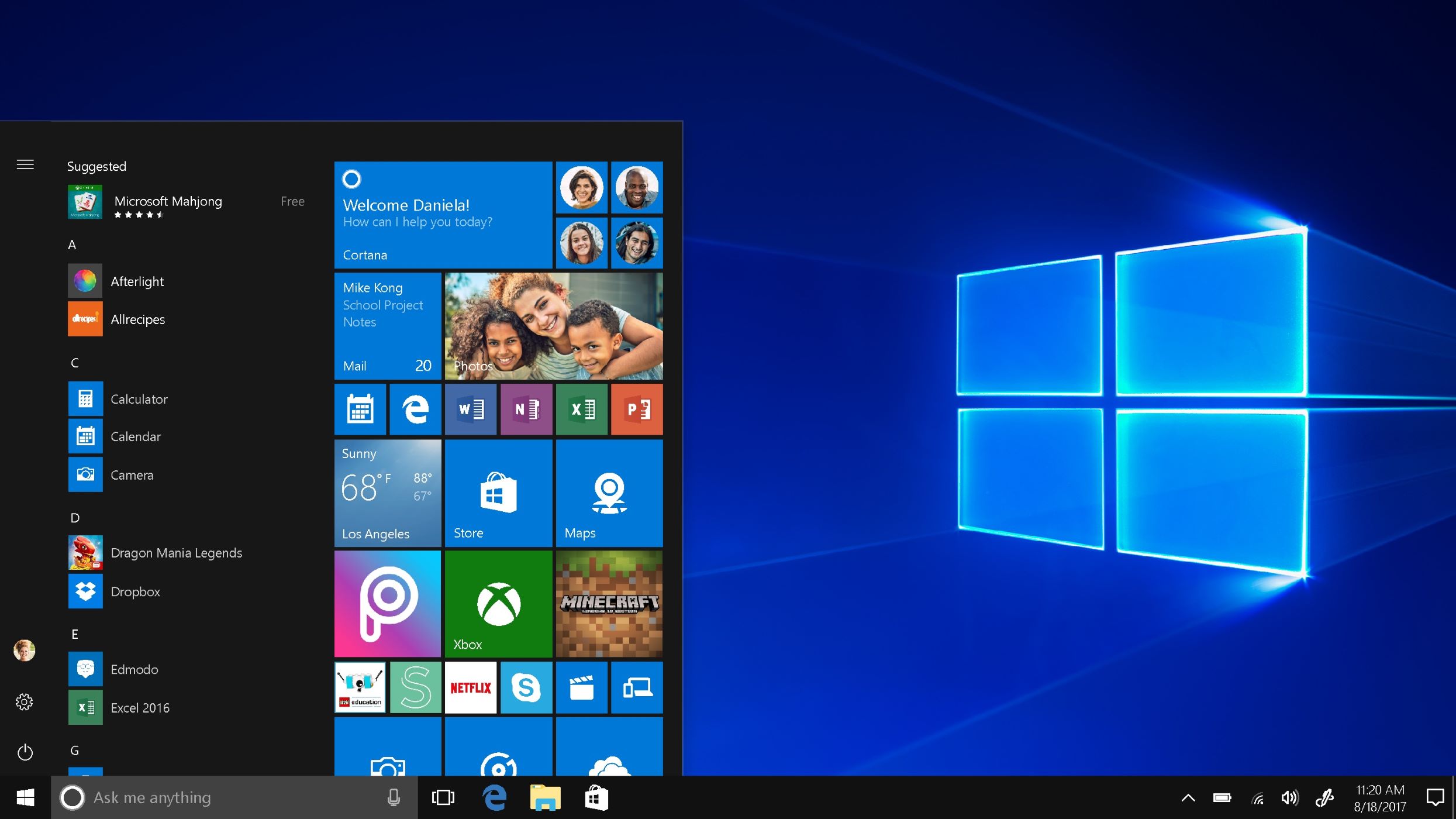
July 29, 2015, saw the highly anticipated release of Windows 10, a sort of ‘greatest hits’ of previous Windows versions designed to work across all devices. However, despite the excitement, Microsoft’s smartphone journey hit some major speed bumps. In Q1 2015, while they were the third-largest maker of mobile phones globally, only a fraction of those ran Windows Phone. By summer 2015, the company had lost $7.6 billion related to its mobile-phone business, resulting in 7,800 layoffs. It was a tough lesson in the competitive mobile market.
But Microsoft kept pivoting! March 1, 2016, brought the merger of its PC and Xbox divisions, with Phil Spencer announcing that Universal Windows Platform (UWP) apps would be the focus for Microsoft’s gaming going forward. This meant more integration and a unified experience. Another 1,850 workers were laid off in May 2016, with a restructuring charge of $950 million, as the company continued to streamline its operations. It was a time of significant change and adjustment.
In June 2016, Microsoft announced Azure Information Protection, aiming to help businesses protect their data wherever it went. But perhaps the most mind-blowing news for many tech observers came in November 2016: Microsoft *joined the Linux Foundation* as a Platinum member! You heard that right! This was deemed unthinkable just a decade prior, especially after former CEO Steve Ballmer famously called Linux “cancer” in 2001. Talk about an incredible shift towards embracing open source. The times, they were a-changin’!

11. **AI, Strategic Partnerships, and More Acquisitions (2017-2019)**Microsoft was on a roll, and their focus on education and enterprise tools was undeniable. January 2017 saw them showcase Intune for Education, a new cloud-based service for managing applications and devices in schools. They were serious about supporting the next generation of tech users! Meanwhile, Azure Information Protection was there to help enterprises keep their data locked down, moving securely between servers and devices. Security, education, and cloud were clearly top priorities.
By early 2018, Microsoft was wrestling with some big tech challenges, like patching Windows 10 for CPU issues related to Intel’s Meltdown security breach. It was a wild time for cybersecurity! But they also showed their commitment to broader platforms, releasing PowerShell Core 6.0 for macOS and Linux operating systems. However, a chapter closed in February 2018 when Microsoft ceased notification support for its Windows Phone devices, effectively ending firmware updates for the discontinued line. Sad face for Windows Phone enthusiasts.
Microsoft continued to embrace open source in fascinating ways. In April 2018, they released the source code for Windows File Manager under the MIT License, celebrating the program’s 20th anniversary. And then, they announced Azure Sphere, their *own* derivative of the Linux operating system! Whoa, Microsoft and Linux teaming up? The tech world was truly upside down. This willingness to embrace open standards and even competitor technologies showed a profound strategic shift.
Strategic partnerships were also key. May 2018 saw Microsoft team up with 17 American intelligence agencies to develop cloud computing products for “Azure Government,” with ties to the Joint Enterprise Defense Infrastructure (JEDI) surveillance program. On the acquisition front, June 4, 2018, brought the announcement of the acquisition of GitHub for a staggering $7.5 billion, a deal that closed later that year. This was a massive win for Microsoft, bringing the world’s largest code hosting platform under its wing! They also unveiled the Surface Go and made Microsoft Teams gratis, showing a push for collaboration and accessibility.
Their work in AI was also quietly making waves. In August 2018, Toyota Tsusho partnered with Microsoft to create fish farming tools using the Microsoft Azure application suite for Internet of Things (IoT) technologies. Imagine AI counting fish on a conveyor belt and optimizing water flow – that’s some next-level tech! Meanwhile, in November 2018, Microsoft agreed to supply 100,000 Microsoft HoloLens headsets to the United States military, aiming to “increase lethality by enhancing the ability to detect, decide and engage before the enemy.” This move, however, sparked protests from some employees in February 2019, who cited concerns about “war profiteering.”
12. **Gaming Dominance and AI Investments (2020-Present)**The 2020s kicked off with Microsoft making some serious acquisition plays! March 26, 2020, saw them acquire Affirmed Networks for about $1.35 billion. Then, in September 2020, they announced their intent to acquire video game company ZeniMax Media (the parent company of Bethesda Softworks, creators of *Fallout* and *Elder Scrolls*) for about $7.5 billion, a deal that finalized for $8.1 billion in March 2021! This was a clear signal of Microsoft’s intensifying commitment to gaming.
The world was also grappling with the COVID-19 pandemic, which saw Microsoft close all its retail stores indefinitely. But the digital world boomed! On November 10, 2020, Microsoft unleashed the Xbox Series X and Xbox Series S video game consoles, bringing next-gen gaming to the masses. They were also busy behind the scenes, securing an exclusive license to use OpenAI’s GPT-3 artificial intelligence language generator in September 2020 – a technology that made headlines for being “too dangerous to release.” Talk about cutting-edge!
Cloud computing continued to be a massive focus. In February 2021, Microsoft released Azure Quantum for public preview, offering access to quantum software and even quantum hardware like trapped ion and superconducting systems. They were going all-in on the future of computing! April 2021 brought another major acquisition, Nuance Communications, for approximately $16 billion, completed in March 2022. This move significantly bolstered Microsoft’s presence in AI-powered healthcare and customer engagement.
The pandemic proved to be a tailwind for Microsoft. Increased demand for remote work and distance education drove their cloud computing and gaming sales through the roof. By 2021, Microsoft’s valuation had soared to nearly $2 trillion! Amidst this growth, June 24, 2021, brought a surprise announcement: Windows 11! This came with some head-scratching, as Microsoft had previously stated Windows 10 would be the last version of the OS. It officially launched on October 5, 2021, with a sleek new design and features.
Acquisitions weren’t slowing down. In September 2021, they acquired Takelessons, an online platform connecting students and tutors, and Clipchamp, a video editing software company. October 2021 saw the rollout of end-to-end encryption (E2EE) support for Microsoft Teams calls, a crucial step for secure business communication. They also acquired Ally.io, a software service for measuring companies’ progress against OKRs, integrating it into their Viva family of employee experience products. It was all about creating comprehensive ecosystems.
But the biggest news in gaming dropped on January 18, 2022: Microsoft announced its acquisition of Activision Blizzard for an astounding $68.7 billion in an all-cash deal! This was a monumental move, bringing franchises like *Call of Duty*, *Warcraft*, and *Candy Crush Saga* under the Xbox umbrella. Phil Spencer, the head of Xbox, was named CEO of the newly established Microsoft Gaming division. Many saw this as a strategic play for the “metaverse,” positioning Microsoft directly against Meta Platforms. The deal officially closed on October 13, 2023, solidifying Microsoft’s massive footprint in the gaming world.
In December 2022, Microsoft inked a 10-year deal with the London Stock Exchange Group, which included acquiring about 4% of LSEG and using Microsoft Azure. January 2023, however, brought some tough news with CEO Satya Nadella announcing layoffs of some 10,000 employees. Yet, the investment in AI continued unabated. That same month, Microsoft announced a new multi-year, multi-billion-dollar investment deal with ChatGPT developer OpenAI, deepening their groundbreaking partnership. They also launched Azure Quantum Elements in June 2023, combining AI, high-performance computing, and quantum computing for molecular simulations, complete with an AI Copilot!
As 2023 wrapped up, Microsoft unveiled custom-designed computing chips: the Maia chip for large language models and the Cobalt CPU for general cloud services on Azure. In a dramatic turn, Sam Altman and Greg Brockman from OpenAI briefly joined Microsoft to lead a new AI research team, only to return to OpenAI a few days later amid pressure from employees and investors. But Microsoft wasn’t done! In March 2024, they “acqui-hired” nearly the entire 70-person workforce of Inflection AI to form Microsoft AI, paying $650 million to license its technology. By January 2024, Microsoft became the most valued publicly traded company, showcasing the immense success of its strategic pivots.
And the AI investments just keep coming! In April 2024, Microsoft poured $1.5 billion into the Emirati AI firm G42, which committed to using the Azure platform. Later that month, they announced plans to invest $1.7 billion in Indonesia for AI and cloud infrastructure, followed by a massive $3.3 billion investment to build an artificial intelligence hub in southeast Wisconsin. From a humble BASIC interpreter to a global AI powerhouse, Microsoft’s journey has been nothing short of extraordinary. They’re not just building the future; they’re continuously redefining it, one groundbreaking innovation and strategic acquisition at a time. It’s a testament to relentless vision, adaptability, and an unyielding commitment to shaping the digital world, forever keeping us on the edge of our seats for what they’ll do next!