The history of Hollywood is a rich tapestry woven with threads of individual star power, visionary directors, and, crucially, the undeniable magic that happens when a perfectly assembled cast comes together. From the golden age, where individual stars were idolized by an entire nation, to the modern era where directorial auteurs gained much more recognition, the universal love and allure of a captivating ensemble have only grown stronger over time. It’s a fascinating dynamic: while a great cast isn’t the sole ingredient for a phenomenal movie, it undeniably possesses the power to elevate a good film to greatness, and sometimes, even transform a mediocre one into a cinematic triumph, promising cinematic dynamite with a terrific ensemble.
There’s something uniquely exhilarating about watching a group of talented actors, each a star in their own right, harmonizing to bring a narrative to life. These films aren’t just about a single lead performance, championed by promotion based on their main actors; they’re symphonies of acting, where every player, from the central figures to those in the smallest supporting roles, contributes an indispensable note to the overall masterpiece. Such meticulously crafted ensembles ensure an immersive experience, creating unforgettable characters and moments that resonate long after the credits roll, cementing their place in film history.
In this deep dive, we’re going beyond the conventional “top picks” to explore 15 films that truly exemplify the art of ensemble casting. These are the movies where the blend of talent, chemistry, and perfect character alignment resulted in something truly special, sometimes even catching us off guard with their collective brilliance, fulfilling the promise that “a great cast can elevate a mediocre movie into a great one.” Prepare to rediscover some of the most star-studded productions that masterfully utilized every ounce of their actors’ potential without wasting their talents.

1. **Don’t Look Up (2021)**Adam McKay’s satirical disaster comedy, *Don’t Look Up*, may have polarized audiences on its final result, but its utterly stacked cast garnered universal praise. The film brought together an astonishing array of Hollywood’s biggest names, creating a constellation of talent that, for many, was the primary draw. It’s a testament to a star-studded lineup that, even amidst divisive reviews, the collective brilliance of the actors shone through undeniably.
At its core, the film is anchored by Leonardo DiCaprio, delivering a performance that shifts seamlessly between comedic panic and dramatic gravitas. He finds spectacular support in Jennifer Lawrence, whose portrayal of disillusioned Ph.D. candidate Kate Dibiasky provides much of the film’s cynical heart, and Rob Morgan, who grounds the narrative with relatable concern. These three form the central nervous system, deftly navigating the film’s unique blend of sci-fi, drama, and pointed humor.
The true marvel lies in its extended ensemble, where an almost unbelievable number of high-caliber actors appear. Meryl Streep, Mark Rylance, Jonah Hill, Kid Cudi, Ariana Grande, Cate Blanchett, Tyler Perry, Ron Perlman, and Timotheé Chalamet all make significant, memorable contributions. Each star expertly delivers their assigned comedic beats or dramatic monologues. The casting effectively utilized this immense talent pool, with “each scene packed with at least two of these stars at any given time,” fostering dynamic interplay. It’s a prime example of an ensemble making full use of its talent, ensuring no potential was wasted.
Read more about: The Untouchable Narratives: Why Hollywood Directors Are Obsessed with ‘Unfilmable’ Books and the Masterpieces Born from the Challenge
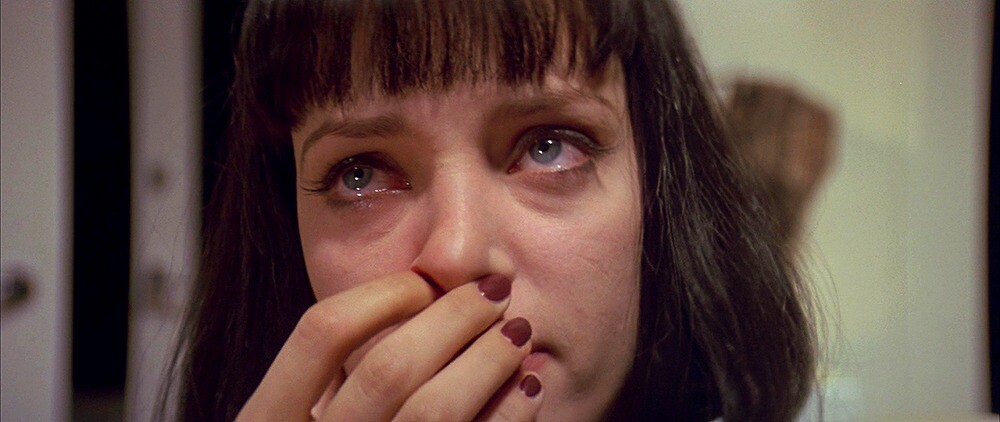
2. **Pulp Fiction (1994)**Quentin Tarantino’s *Pulp Fiction* is a cinematic phenomenon, so iconic its title speaks volumes and has become shorthand for a particular brand of cool, non-linear storytelling. Only Tarantino’s second feature, its impact was profound, solidifying his narrative voice and showcasing a revolutionary ensemble cast. This movie didn’t just feature stars; it redefined them, breathing new life into established careers and launching others into superstardom.
The film is masterfully led by the magnetic duo of John Travolta and Samuel L. Jackson, whose legendary chemistry as hitmen forms the narrative backbone. Their philosophical debates and electrifying performances became instant pop culture touchstones, earning them critical acclaim. What truly sets *Pulp Fiction* apart is its sprawling, non-linear structure, allowing a multitude of other stars to emerge as protagonists in their own right, each segment feeling like a self-contained film.
The depth of talent is staggering, with brilliant turns from Tim Roth, Uma Thurman, Ving Rhames, Steve Buscemi, Christopher Walken, Bruce Willis, and Harvey Keitel. Even writer-director Tarantino makes a memorable appearance. *Pulp Fiction* cemented his reputation and showcased his uncanny ability to assemble star-studded casts that perfectly serve his distinct cinematic universe, remaining a masterclass in ensemble acting where every performance, no matter how brief, contributes significantly.
Read more about: Beyond the Screen: The Most Infamous Cinematic Moments That Ignited Chaos in Theaters and Triggered Real-World Turmoil
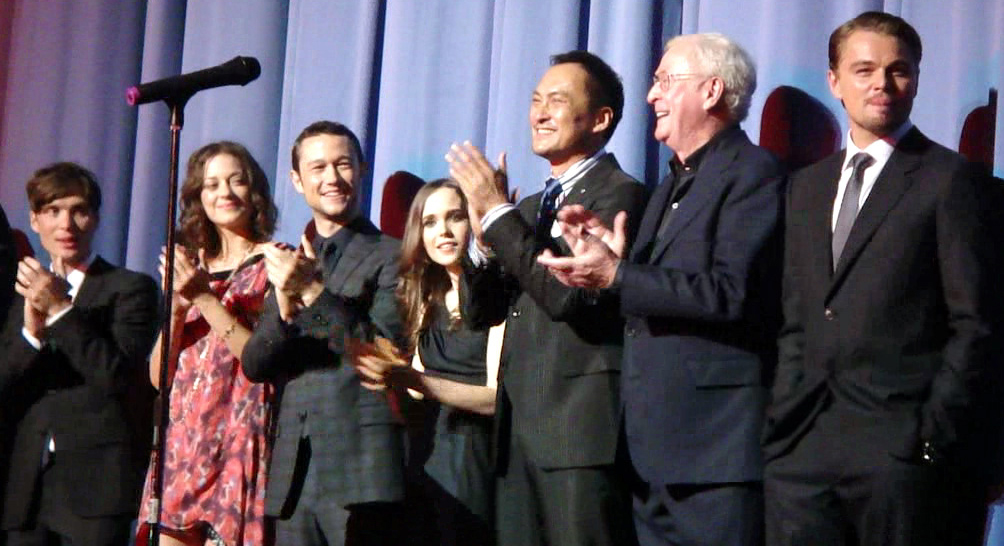
3. **Inception (2010)**Christopher Nolan’s mind-bending *Inception* isn’t just a triumph of complex storytelling; it’s a prime example of how a meticulously curated ensemble cast elevates a sophisticated narrative. Heist films offer a brilliant canvas for diverse Hollywood stars, but *Inception* distinguishes itself by seamlessly combining sheer acting talent with unparalleled quality and ambition.
Leonardo DiCaprio anchors the film, portraying the haunted dream extractor Cobb with gravitas and emotional depth. His performance provides a crucial human element amidst intricate dreamscapes and psychological warfare. Surrounding him is an expertly assembled crew, each member bringing unique skills and personality to the dream-infiltration operation, mirroring real-world heist teams.
The supporting cast is phenomenal, making the impossible feel tangible: Joseph Gordon-Levitt, Tom Hardy, Ken Watanabe, Elliot Page, Marion Cotillard, Dileep Rao, Lukas Haas, and the late Pete Postlethwaite. Nolan’s frequent collaborators, Cillian Murphy and Michael Caine, add seasoned talent. This “fun cast” is a testament to brilliant casting, making *Inception* an unforgettable cinematic experience that leverages every star’s capability to perfection.
Read more about: Decoding the Labyrinth: 10 Complicated Movies That Left Audiences Asking ‘What Just Happened?’

4. **Anchorman: The Legend of Ron Burgundy (2004)***Anchorman: The Legend of Ron Burgundy* features prominently in the pantheon of great comedy films, beloved for its absurdist humor. Much of its enduring charm and comedic genius is attributed to one of the finest comedic entourages ever assembled, a true ensemble that understood the assignment of being hysterically over-the-top.
Will Ferrell, in an electric, career-defining performance as Ron Burgundy, leads this vibrant chaos. He’s perfectly supported by the unforgettable Channel 4 News Team: David Koechner as Champ Kind, Steve Carell as Brick Tamland, and Paul Rudd as Brian Fantana. Their collective chemistry is impeccable, driving the narrative with relentless comedic energy. Christina Applegate shines as Ron’s ambitious rival, Veronica Corningstone, providing a sharp counterpoint.
However, *Anchorman* truly distinguishes itself through its extraordinary roster of cameos. Judd Apatow, Seth Rogen, Jack Black, Danny Trejo, Fred Willard, Kathryn Hahn, Adam McKay, Tim Robbins, and Chris Parnell all elevate scenes. The film also cleverly incorporates members of the famed “Frat Pack,” with Luke Wilson, Ben Stiller, and Vince Vaughn. This astonishing depth of talent creates a vibrant, endlessly rewatchable film, proving a stellar ensemble makes a comedy legendary.
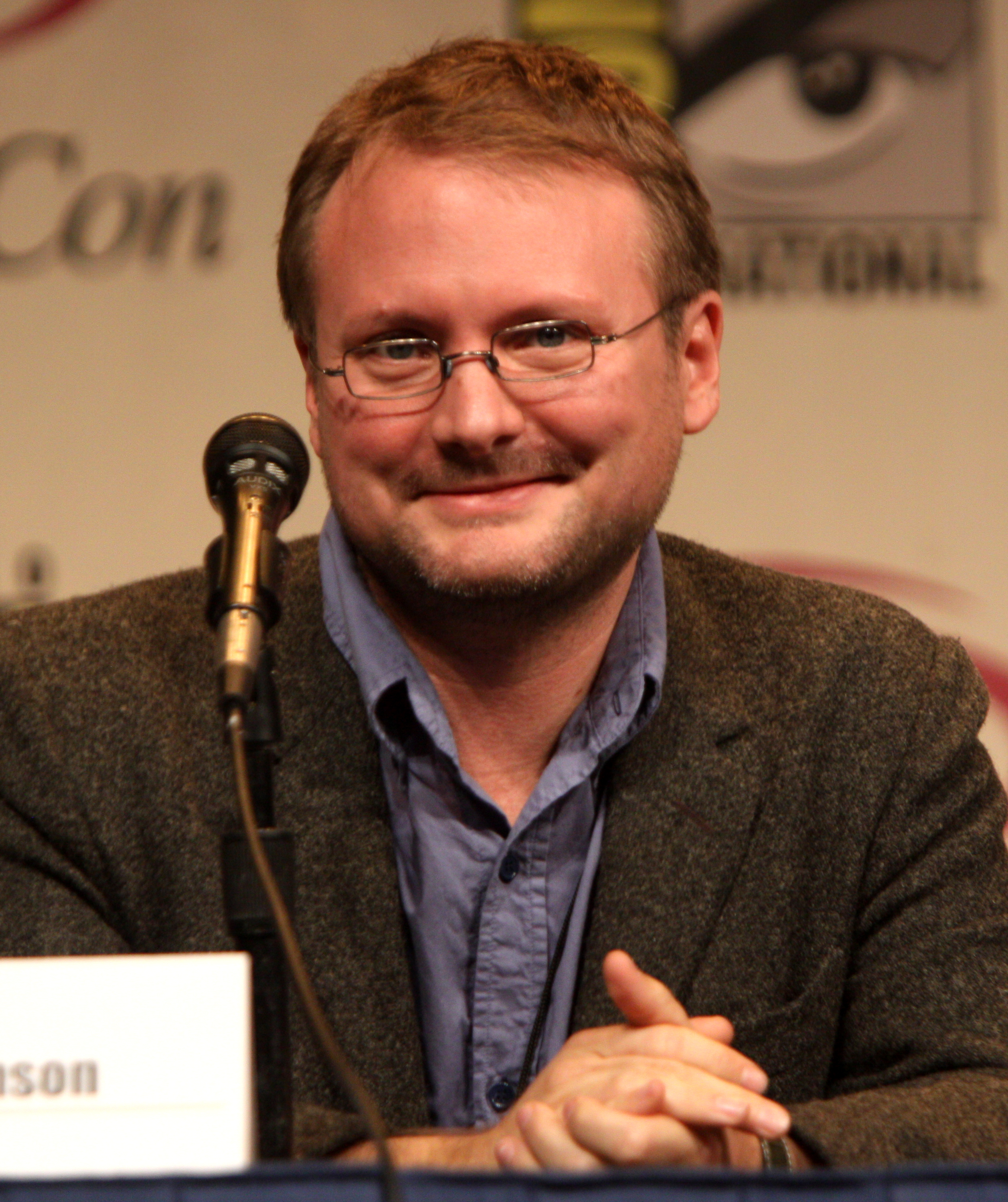
5. **Knives Out (2019)**Rian Johnson’s *Knives Out* proved the classic whodunnit murder mystery formula is still compelling, especially with an impeccably chosen, all-star ensemble. An effective mystery requires each character to be distinct, memorable, and “eye-catchingly distracting” to keep the audience guessing about motives. Filling every significant role with recognizable, skilled actors achieves this perfectly.
The film sets its intricate stage with the victim, Harlan Thrombey, portrayed with gravitas by Christopher Plummer. The central figure, enigmatic private detective Benoit Blanc, is played with delightful Southern charm by Daniel Craig. Supporting the investigation is LaKeith Stanfield as Lieutenant Elliot, while Frank Oz offers a brief, memorable turn as the family’s attorney.
Ana de Armas truly shines as Marta Cabrera, Harlan’s kind-hearted personal helper, offering a performance central to the plot and deeply empathetic. The colorful, often comically dysfunctional Thrombey family of suspects includes Chris Evans, Michael Shannon, Toni Collette, Jamie Lee Curtis, Katherine Langford, Jaeden Martell, and Don Johnson. With “every single actor and actress in this film has had their own leading role at some point,” their collective strength ensures a clever mystery and a rich character study.
Read more about: Get Ready to Rewind: 11 Iconic Movie Fights Where Every Hit Landed Hard!

6. **Gosford Park (2001)**Robert Altman’s *Gosford Park* is another magnificent whodunnit, much like *Knives Out*, but with its own charm and an equally sprawling, star-studded cast. This film masterfully avoids a single central protagonist, instead following a vast array of characters interchangeably, both upstairs and downstairs, offering a panoramic view of intricate social dynamics and the unfolding murder.
The sheer depth of talent on display is astounding, a veritable “who’s-who” of iconic British actors, both revered veterans and promising rising stars. The upper crust includes Maggie Smith, Michael Gambon, Derek Jacobi, Charles Dance, and Helen Mirren, delivering nuanced performances that reveal complexities and hypocrisies. Their interactions, laced with wit and tension, are a constant delight.
Beneath the stairs, the staff is brought to life by “newer blood (at the time)”: Kristen Scott Thomas, Richard E. Grant, Emily Watson, Eileen Atkins, Tom Hollander, Stephen Fry, Bob Balaban, Jeremy Northam, Alan Bates, and Kelly MacDonald. Clive Owen and Ryan Phillippe also assume leading roles. While the “epic cast feels squashed due to the film’s 137-minute runtime,” it’s still a triumph of ensemble acting, earning its comparison to a modern mini-series due to the talent on display.
Read more about: Sir Michael Gambon, the Distinguished Actor Who Enchanted Audiences as Dumbledore, Dies at 82: A Legacy of Stage and Screen Mastery

7. **Boogie Nights (1997)**When it comes to orchestrating a magnificent ensemble cast, few directors possess the prowess and unique vision of Paul Thomas Anderson. While *Magnolia* (1999) is celebrated, *Boogie Nights* arguably benefits most from its vibrant, larger-than-life personas, showcasing Anderson’s extraordinary ability to weave multiple character arcs within an expansive tapestry. This film is a definitive statement on the power of collective performance.
Even with just the core trio of Burt Reynolds, Mark Wahlberg, and Julianne Moore, *Boogie Nights* would be a great film. Reynolds delivers a career-reinvigorating performance as Jack Horner, while Wahlberg embodies Dirk Diggler, and Moore portrays Amber Waves with a blend of resilience and vulnerability. Their interactions form the emotional bedrock of a story rooted in the 1970s adult film industry.
Anderson expands this stellar lineup with an incredible array of supporting actors, each delivering indelible performances that are integral to the film’s rich texture. Heather Graham, John C. Reilly, Philip Seymour Hoffman, Luis Guzmán, Philip Baker Hall, Don Cheadle, William H. Macy, and Alfred Molina all contribute significantly. “Nothing ever feels rushed, and everyone gets just as much screen time as they need.” This thoughtful allocation ensures each character feels complete, making it a captivating experience.
Read more about: From “Stupid Parts” to Stardom: 12 Electrifying Performances That Proved Burt Reynolds Was a True Force of Nature!
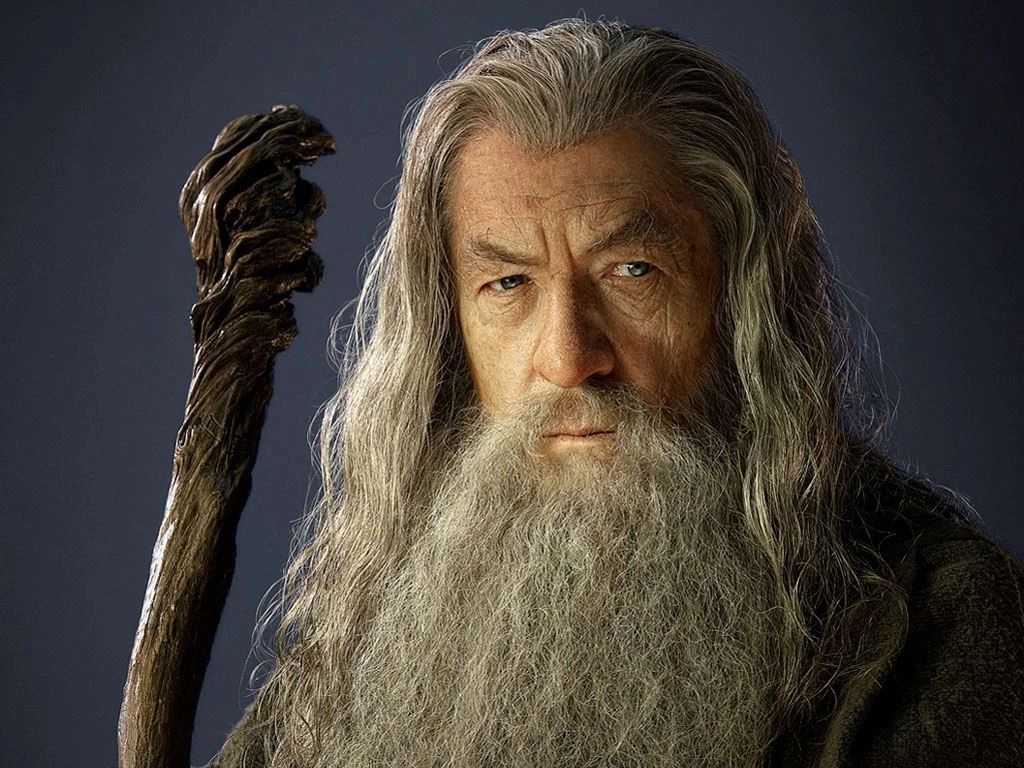
8. **The Lord of the Rings: The Fellowship of the Ring (2001)**No other epic film series has yet achieved the monumental level of success and critical acclaim seen with *The Lord of the Rings*. This groundbreaking trilogy, beginning with *The Fellowship of the Ring*, became a benchmark for fantasy cinema, largely thanks to its ability to seamlessly weave an intricate narrative with an extraordinarily talented and expansive cast. The film series captivates audiences, allowing them to truly immerse themselves in Middle-earth.
The initial installment deftly navigates between iconic performances from seasoned actors and emerging talents. We seamlessly transition from the gravitas of Ian McKellen as Gandalf and the regal presence of Viggo Mortensen as Aragorn to the earnestness of Elijah Wood as Frodo and the loyalty of Sean Astin as Sam. This ensemble creates a rich, believable tapestry of characters, each essential to the overarching quest.
As the journey unfolds, the plot broadens, eventually introducing more formidable presences such as Orlando Bloom’s Legolas and John Rhys-Davies’ Gimli, often seen racing across the landscape alongside Karl Urban’s Éomer. The film also features outstanding, transformative performances from Andy Serkis as Gollum and Brad Dourif as Gríma Wormtongue. Christopher Lee’s portrayal of Saruman remains as iconic as ever, bringing a formidable villain to life with chilling precision.
The depth of talent extended even further, with remarkable contributions from Hugo Weaving, Liv Tyler, Ian Holm, Dominic Monaghan, Cate Blanchett, Miranda Otto, Sean Bean, and Billy Boyd, among others. This entire cast magically conveyed the majestic quality of J.R.R. Tolkien’s original books, making *The Lord of the Rings: The Fellowship of the Ring* one of the most revered and best book-to-film adaptations of all time.
Read more about: 21 Beloved Movies & Shows That Can’t Escape Hollywood’s Classic Clichés
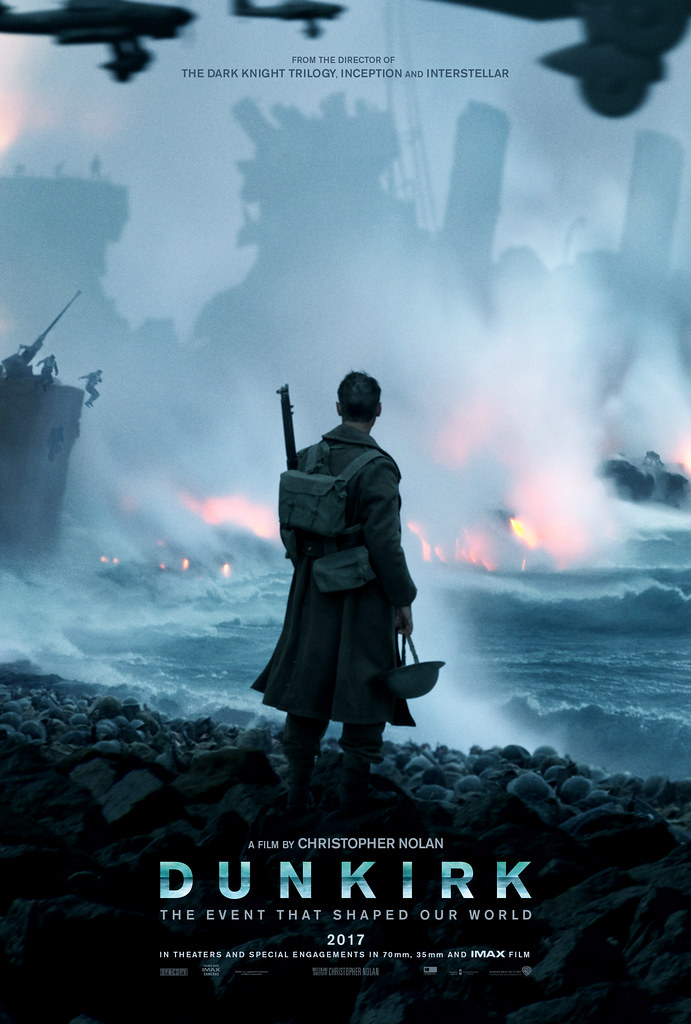
9. **The Thin Red Line (1998)**Terrence Malick’s *The Thin Red Line* stands as a powerful testament to the often-overlooked heroism of the individual soldier in war, whose stories are rarely remembered amidst the grand narratives of conflict. In a stroke of visionary, and somewhat ironic, casting, Malick deliberately populated his film with an astonishing number of big names, often for relatively small, yet impactful, parts, underscoring the universal nature of the struggle.
The film is brimming with iconic actors who deliver compelling performances, even when their screen time is limited. Jim Caviezel, Sean Penn, Elias Koteas, Ben Chaplin, and John Cusack each provide lead performances that anchor different facets of the narrative. While many of these actors would go on to win Oscars or dominate the box office in other projects, within *The Thin Red Line*, they are presented as mere pawns in the larger, impersonal machinery of war.
What truly sets this ensemble apart is the sheer volume of high-caliber talent that appears, often in what could be considered significant cameos. The film features brief but memorable turns from George Clooney, Adrien Brody, Nick Stahl, Tim Blake Nelson, Miranda Otto, Jared Leto, Nick Nolte, John Travolta, Woody Harrelson, and John C. Reilly. This constellation of stars ensures that every face, every brief interaction, carries a weight of recognition and unspoken history.
Few films have ever managed to match this selection of big names and their collective willingness to serve a singular artistic vision, rather than individual stardom. The results speak for themselves, creating a profound and haunting cinematic experience where the power of the ensemble enriches the film’s philosophical exploration of war and humanity, rather than distracting from it.
Read more about: Prepare to Be Shocked: 15 Celebs Whose Plastic Surgery Went Seriously Wrong
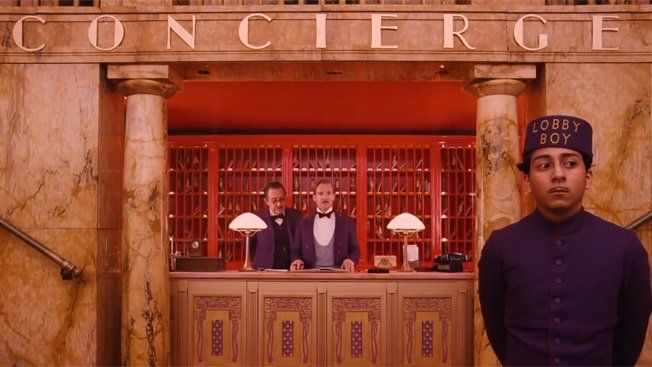
10. **The Grand Budapest Hotel (2014)**Director Wes Anderson possesses a truly distinctive eccentricity, a signature style that isn’t solely reflected in his meticulously crafted visual aesthetic, but also profoundly in his choice of casts. Over his prolific career, Anderson has consistently delivered numerous features brimming with large ensembles of big names, each contributing to his unique cinematic worlds.
Among his impressive filmography, *The Grand Budapest Hotel* arguably hits the mark better than any other when it comes to a perfectly orchestrated cast. The film is anchored by a charismatic lead performance from Ralph Fiennes as Gustave H., the concierge, and a wonderfully funny Tony Revolori as his loyal protégé, Zero Moustafa. Their dynamic is the comedic and emotional heart of the story, demonstrating Anderson’s keen understanding of comedic timing and character chemistry.
The ensemble quickly grows to immense proportions, encompassing a breathtaking roster of talent that includes Tom Wilkinson, Willem Dafoe, Saoirse Ronan, Adrien Brody, Bob Balaban, Lucas Hedges, Léa Seydoux, Harvey Keitel, F. Murray Abraham, Mathieu Amalric, Jude Law, Jeff Goldblum, and Tilda Swinton. Each actor, whether in a major or minor role, contributes a unique brushstroke to Anderson’s vibrant canvas, making every character instantly memorable.
The film is also notable for featuring many of Wes Anderson’s frequent collaborators in memorable cameo appearances, such as Jason Schwartzman, Edward Norton, Bill Murray, and Owen Wilson. This diversity of actors, spanning generations and comedic and dramatic prowess, is truly representative of Anderson’s eclectic storytelling style. It stands out as a prime example, arguably the best ensemble cast ever assembled and put to film, perfectly capturing the whimsical and poignant spirit of his vision.
Read more about: Beyond the Screen: 13 Visually Stunning Films Every Artistic Movie Lover Needs to See Right Now

11. **One Flew Over The Cuckoo’s Nest (1975)**The casting of *One Flew Over The Cuckoo’s Nest* is nothing short of legendary, a testament to the brilliant work of casting director Jane Feinberg. Her résumé speaks for itself, having cast iconic films such as *The Godfather: Part 2*, *Back to the Future*, *Aliens*, and *Blade Runner*. For *Cuckoo’s Nest*, she was just beginning to hit her stride, assembling what many consider the best collection of lovable misfits ever seen on screen.
This film is packed with talented actors, many of whom had yet to be widely discovered, making their performances feel fresh and groundbreaking. It marked the film debut for several notable actors, including Brad Dourif, Christopher Lloyd, and Will Sampson, who famously played Chief Bromden. The story of Sampson’s discovery is truly remarkable, a complete fluke that brought an authentic presence to the screen. The commitment to realism was so deep that most of the extras were genuinely patients, further enhancing the film’s raw authenticity. Many still wonder about the nascent career of Danny DeVito at this pivotal time.
Beyond these emerging talents, the cast also featured the distinct presence of Vincent Schiavelli, known for his unique look, along with Scatman Crothers and Sydney Lassick as the unforgettable Cheswick. Michael Berryman, now a staple in many films, owes his career start to *Cuckoo’s Nest*, which led to his casting in Wes Craven’s *The Hills Have Eyes* the very next year, solidifying his unique appeal in cinema.
It’s almost impossible to imagine any other actors inhabiting these iconic roles; every character feels perfectly cast. Jack Nicholson’s portrayal of Randall P. McMurphy and Louise Fletcher’s chilling performance as Nurse Ratched are simply perfect, earning them both Academy Awards. Brad Dourif also received a nomination for his staggering, stammering performance as Billy Bibbitt, cementing the film’s legacy as a masterpiece of ensemble acting and individual brilliance.
Read more about: Get Ready to Feel It All: 14 Stars Who Delivered the Most Powerful Emotional Performances in Film and TV
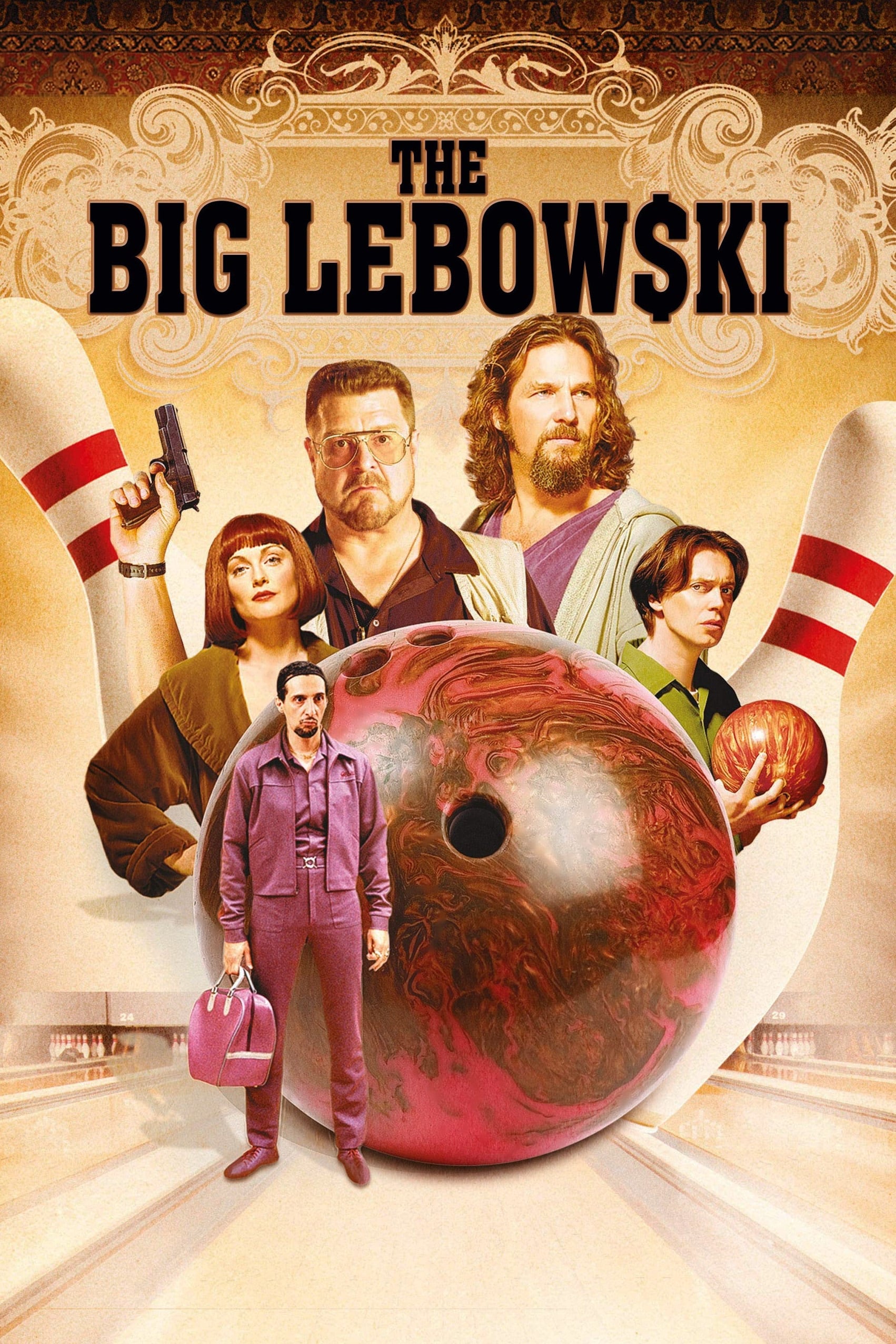
12. **The Big Lebowski (1998)**From the very first scene, depicting The Dude nonchalantly writing a check for a mere $0.67 to buy milk for his beloved White Russians, it became clear that Jeff Bridges was born to embody this role. His performance was so intrinsically tied to the character that he even used his own personal wardrobe, including the now-famous Pendleton Westerly sweater and his clear Jellies sandals, a testament to the perfect synergy between actor and role.
The Coen Brothers, masters of distinctive characterization, specifically wrote the screenplay with Jeff Bridges, John Goodman, Steve Buscemi, and Sam Elliott in mind. This foresight ensured that every single role was clearly defined and tailored for these actors, allowing them to effortlessly step into their parts and deliver unforgettable performances that felt entirely natural and lived-in.
The film also features brilliant turns from Julianne Moore and John Turturro, adding further layers to its rich tapestry of eccentric characters. Julianne Moore perfectly captured the essence of Maude, an apathetic yet eloquently spoken artist. John Turturro, in his memorable purple onesie, complete with accessories and a long, coke-crusted pinky-nail, created a Jesus Quintana that audiences certainly wouldn’t want to cross, playfully dubbed “a pederass, dude” in the film’s irreverent humor.
We cannot possibly discuss this film’s cast without highlighting John Goodman’s indelible portrayal of Walter Sobchak. With his constant mood swings and unique perspective, Walter is anything but “perfectly calm.” Seeing the world through his yellow-tinted glasses, it’s no wonder he frequently refers back to Vietnam. John Goodman, sporting his distinctive flattop and military vest, will forever be synonymous with Walter, a character so deeply ingrained in pop culture.
There truly will never be another film quite like *The Big Lebowski*, celebrated for its flawless characters, impeccable casting choices, and endlessly quotable lines. Its narrative, which begins as a Homer-like odyssey in search of a rug that truly tied the room together, is a stroke of pure brilliance. *The Big Lebowski* continues to abide, remaining a timeless cinematic experience in an ever-changing world.
Read more about: Prepare to Be Shocked: 15 Celebs Whose Plastic Surgery Went Seriously Wrong

13. **Glengarry Glen Ross (1992)***Glengarry Glen Ross* stands as another sterling example of a film boasting a truly perfect cast, a feat made possible by David Mamet’s bulletproof script. The dialogue is so sharp and incisive, it could cut through any critical scrutiny, creating a tense, exhilarating atmosphere that demands stellar performances. Each character is meticulously defined, and every line is delivered with precision and impact.
The film brings together an incredible array of talent, featuring powerhouse actors such as Jack Lemmon, Al Pacino, Alec Baldwin, Alan Arkin, Ed Harris, and Kevin Spacey. The camaraderie on set was so strong that actors, even on their days off, would show up just to watch their colleagues perform. Jack Lemmon himself proclaimed that this cast was “the greatest acting ensemble he had ever been part of,” a high praise from a seasoned veteran.
Remarkably, none of the roles in this film were auditioned; each actor was specifically offered their individual part, a testament to the casting director’s clear vision. Alec Baldwin, in his brief yet incredibly powerful monologue, as Blake, appears all too comfortable belittling his counterparts, making them feel like mere pieces of a greater sales machine. No one else could have delivered that fire-spitting speech with such conviction, as if he were born to play the role. Al Pacino, as Ricky Roma, delivers one of the most memorable lines of his career, asking if one has ever “take a dump that made you feel like you’d just slept for 12 hours?”
Watching *Glengarry Glen Ross* immerses you in the desperate, cutthroat world of these salesmen, creating a sense of urgency and empathy for their struggle to survive a hostile environment. Every performance is genuine and perfectly executed, from Kevin Spacey’s subtle yet impactful portrayal of a manager grappling with his emotions to the fast-talking, quick-biting Shelley Levene, brilliantly played by Jack Lemmon. Lemmon’s nuanced performance, oscillating between nervous chuckles and manipulative tactics, cements his role as the heart of this perfect ensemble cast.
Read more about: Alan Arkin, Oscar Winner and Versatile Force, Dies at 89: A Legacy of Wit, Depth, and Unforgettable Performances

14. **Network (1976)**To truly appreciate *Network*, one must acknowledge the visionary genius of Paddy Chayefsky, whose script began as a dark comedy but evolved into one of the most prophetic and biting satires of all time. Chayefsky initially considered numerous esteemed actors for the role of Howard Beale, including Henry Fonda, Cary Grant, James Stewart, Paul Newman, George C. Scott, and Glenn Ford, but the part ultimately went to Peter Finch, a decision that proved to be legendary.
Finch delivered a performance for the ages as Howard Beale, surpassing many of his great works with a power and memorability that remains unmatched. He famously won an Oscar for the role, though tragically, he died shortly after. His iconic declaration, “…he wasn’t going to take this anymore,” resonated deeply, becoming a cultural touchstone that, while not broadcast nationally in real life, captured the zeitgeist of societal frustration.
Then there’s William Holden, who delivered one of his most charged and unforgettable roles. Throughout much of his career, Holden was known for his laid-back demeanor, often with a cigar and an intelligent one-liner. In *Network*, however, he transforms into a man on the edge, his neck veins throbbing, seemingly ready to burst with rage. The sheer volume of yelling must have cleared out decades of cigar smoke, yet he also masterfully delivered cutting words in a whisper, showcasing a brilliant dance of emotional extremes. Holden poured everything into this performance, reportedly still hoarse when he passed away shortly after filming.
Robert Duvall also added an intense, concentrated ball of testosterone to the film. He seemed destined for a life channeling his passion, whether as a baseball coach, a high school gym teacher, or, wisely, an actor. His role was perfectly placed to inject even more electricity into the already highly charged film. Faye Dunaway, a model turned actress, was absolutely crucial as Diana Christensen, embodying “television incarnate. Indifferent to suffering; insensitive to joy.” Her brisk walk and hyper-focus on the next big thing disconnected her from those around her. It was a role that allowed Dunaway to spread her wings and truly soar. Ned Beatty, not to be overlooked, delivered a speech that remains as poignant and true today as it was then. Emotionally healing from a victimized past, Beatty crafted a Shakespearean monologue that fluctuated perfectly, revealing his incredible range. The cast of *Network* was spot on, with the chops to handle the script’s extreme emotional swings, leading to Oscar nominations galore.
Read more about: Why We Still Adore Them: A Deep Dive into the Most Gloriously Awkward ’80s Cars That Were So Ugly, They Became Icons
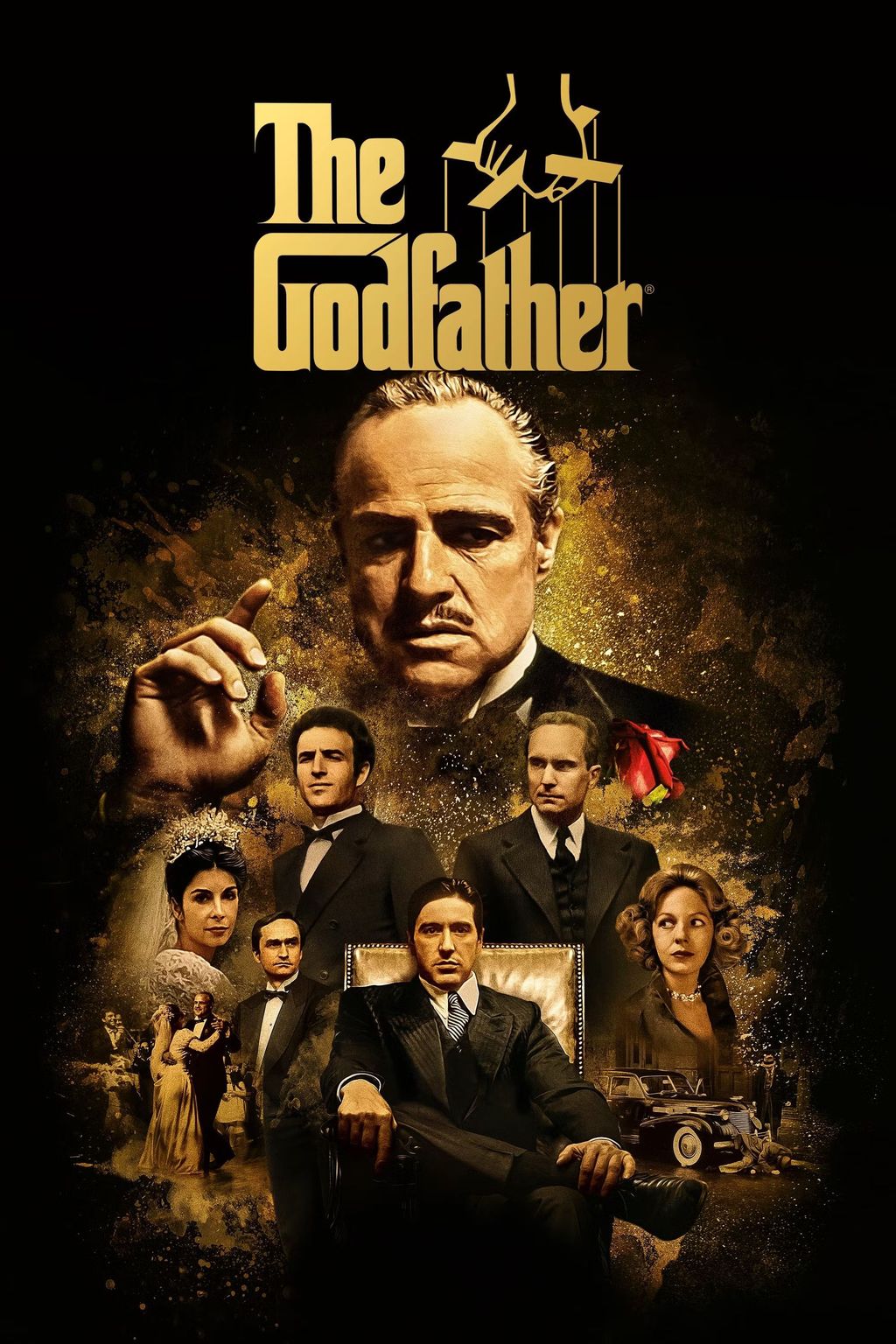
15. **The Godfather (1972)**One might grow weary of endless accolades for *The Godfather*, and the countless imitations of Italian-American friends gesticulating while talking about cannoli. Yet, it’s undeniably almost impossible to argue that its cast isn’t as close to perfect as cinema has ever seen. From every character, no matter how minor, the ensemble is simply outstanding. Louis DiGiamo, the casting director, notably grew up near the most concentrated Italian city in the country, giving him an intrinsic understanding of what he was looking for—a remarkable achievement for what was apparently his very first project.
Marlon Brando IS Don Vito Corleone, the Godfather; there truly is no second choice for this iconic role. Any alternative would be as thin as his hair or the pencil mustache that became his trademark. His gravelly whisper is instantly recognizable and has been mimicked countless times whenever someone is welcomed into a new ‘family.’ Brando masterfully harnesses formidable power into a mere mutter, embodying a patriarch whose very quietude speaks volumes.
Al Pacino, in his performance as Michael Corleone, shoots with the precision of a sniper rifle. It was DiGiamo who discovered Pacino, at the time, in *The Panic in Needle Park*, transforming him with a suit, a haircut, and a job that paved his future with gold, even in Brando’s shadow. Fortunately, the effects of his past roles didn’t reveal themselves until later in his career, before he became the “hoo-ha!” yelling powerhouse. Pacino was unequivocally meant to be in this film.
James Caan delivers a perfect portrayal of Sonny Corleone; nobody speed walks with quite the same furious energy as Caan, which certainly contributed to his great shape. He also impressively sold the brutal scene where he took over 900 bullets to the body, a moment of visceral power. Sterling Hayden, Diane Keaton, and even Abe Vigoda were all incredibly astute casting choices, each contributing vital threads to this intricate tapestry of crime and family.
Read more about: The Untouchable Narratives: Why Hollywood Directors Are Obsessed with ‘Unfilmable’ Books and the Masterpieces Born from the Challenge
Our journey through these remarkable films has highlighted a fundamental truth of cinema: while a great story or a visionary director can carry a film far, the magic often truly ignites when an ensemble cast, each member perfectly embodying their role, comes together. These fifteen movies stand as monumental testaments to this synergy, demonstrating that when actors, whether legendary veterans or breakout talents, align perfectly with their characters and with each other, they don’t just tell a story—they create an enduring legacy. Their collective brilliance reminds us that a truly great cast can elevate a film beyond mere entertainment, transforming it into an unforgettable cultural touchstone. These are the films whose casts, perhaps not fully appreciated in their time, have cemented their place in history as absolute perfection.