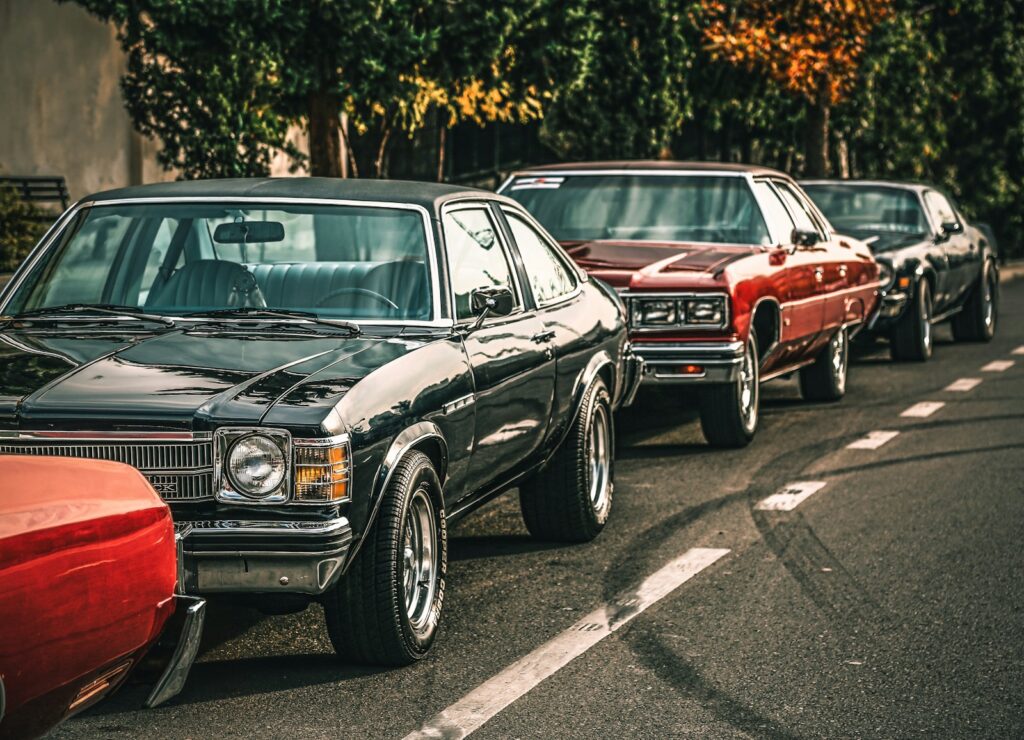
“Don’t call it a comeback… these cars never stopped being great. But for a long stretch, they weren’t getting the love they deserved.” This sentiment perfectly encapsulates the journey of many automotive legends. For years, these vehicles flew under the radar, experiencing the standard trajectory of depreciation and neglect, only to stage a surprise comeback that caught the broader market off guard. They are true testament to how cultural shifts, pop culture moments, and a growing appreciation for authenticity can completely redefine what we consider valuable.
Time, as it often does, has a funny way of rewriting the narrative for these once-overlooked machines. Nostalgia begins to powerfully set in, pop culture reboots old icons, and suddenly, the very vehicles that once seemed ordinary, or even somewhat disposable, are pulling big numbers at auction. They’re turning heads with renewed pride at car shows, reclaiming the spotlight and recognition they genuinely deserved all along. What was once dismissed as an affordable oddball or a beat-up beater has transformed into a highly sought-after classic, proving that beauty and value are often in the eye of the beholder, given enough time and perspective.
Indeed, many of these cherished rides went through a significant phase where they were largely overlooked and underappreciated, often passed over in favor of flashier projects or newer daily drivers. You might have stumbled upon them under neglected tarps on forgotten backroads, gathering dust in a distant relative’s garage, or proudly displayed with a simple “For Sale” sign propped up in front of a weathered barn. But today, the collector market has truly woken up, finally catching up to what some enthusiasts knew all along: these cars harbored something special and unique from their very inception.
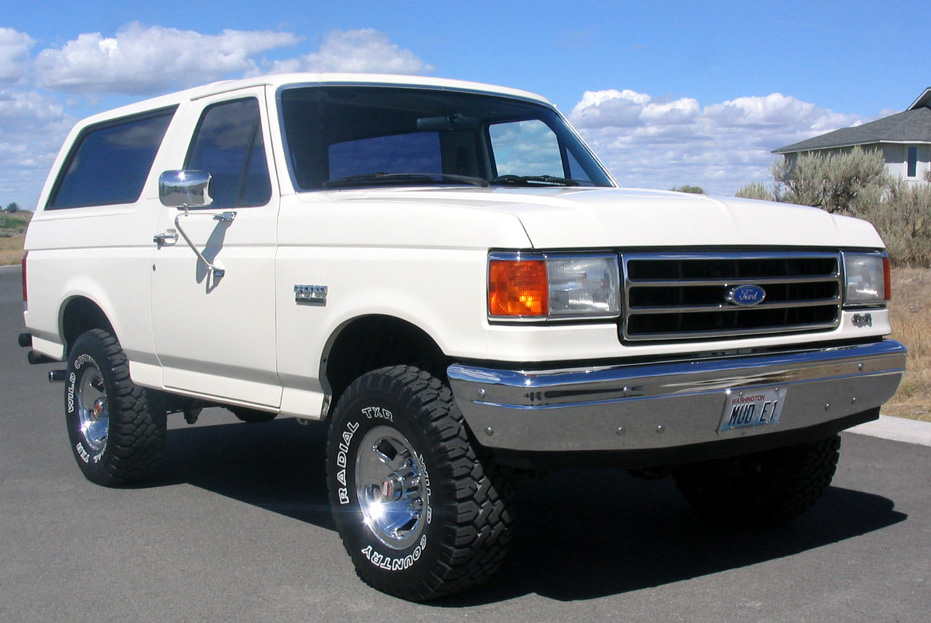
1. **1990 Ford Bronco**The Bronco name has always held significant weight for Ford, standing proudly alongside the Mustang in terms of brand legacy and historical impact. While classic first-generation Broncos from the 1960s have long been regarded as blue-chip collectibles, the big, boxy fifth-generation Bronco of the 1990s wasn’t quite enjoying the same wave of widespread admiration. Sales figures for this generation began to decline as consumer preferences increasingly shifted towards more family-friendly, four-door SUVs, such as the popular Ford Explorer, eventually leading Ford to pull the plug on its production in 1996.
Despite its discontinuation and the changing market tides, the ’90s Bronco never entirely faded from public consciousness. Its unforgettable O.J. Simpson chase cameo deeply burned its distinctive shape into pop culture memory, ensuring its continued relevance in the collective imagination. Furthermore, its formidable off-road capability consistently kept it in high regard among dedicated enthusiasts who understood its rugged prowess. While prices didn’t completely collapse during this period, they certainly softened for many years, especially for well-used examples that showed signs of rust, general wear, or higher mileage readings. These were vehicles often found under tarps on backroads or tucked away in garages, waiting for their moment.
Then, a remarkable shift occurred that dramatically changed everything for this iconic American SUV. When Ford proudly announced the long-awaited return of the Bronco nameplate, collectors and casual buyers alike suddenly took a serious second look at the older models, reigniting interest in their heritage. Values for clean, early-’90s examples have been on a steady upward trajectory over the past six years, steadily climbing as renewed enthusiasm swept through the automotive community. It was as if the market collectively remembered the inherent greatness that had been temporarily forgotten.
While you might not be sending a kid to college by selling a dusty, “ran when parked” barn find today, anyone who had the foresight and keen eye to pick up a good-condition fifth-gen Bronco for a bargain price back in 2010 has undoubtedly earned some serious bragging rights. It’s a testament to the power of anticipation and a renewed appreciation for rugged, capable vehicles that stand the test of time. The market proved that some legends just need the right cultural context to be rediscovered and celebrated once more.
Read more about: 8 Times Ford Went Wild: Uncovering the Blue Oval’s Rarest & Most Experimental Rides
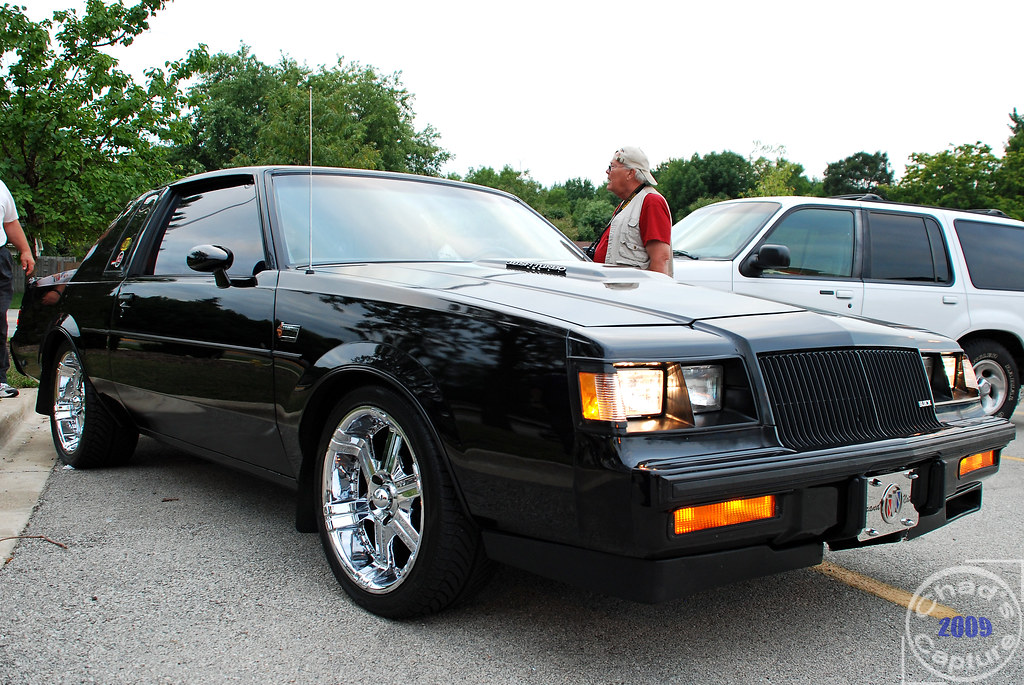
2. **Buick Grand National**Now, let’s address this right from the start, as I can almost feel the emails landing in my inbox already: Yes, the Buick Grand National has always cultivated a fiercely loyal cult following. And yes, it was unequivocally fast, offering a level of performance that genuinely surprised many for its era, pushing boundaries that domestic manufacturers often shied away from. Furthermore, it’s true that a dedicated segment of car enthusiasts never ceased to appreciate its unique blend of attributes, cherishing its dark, muscular presence. Yet, acknowledging these points doesn’t negate the fact that it was significantly underappreciated by the broader automotive market for a considerable period. Whether you personally consider it underrated, overrated, or simply never mainstream enough to begin with, its status as an outlier is undeniable – a car that somehow manages to exist in all these categories simultaneously, defying easy classification.
During its prime in the 1980s, this car was nothing short of a sensation, both literally and figuratively, capturing the imagination of performance enthusiasts. Achieving zero to 60 miles per hour in just over six seconds was considered serious, high-caliber performance back then, placing it firmly in the realm of legitimate sports cars. At one point, it was remarkably possible to acquire a clean example of the Grand National for around $15,000, which made it an absolute steal and a total bargain when compared to many Italian sports cars that boasted similar performance specifications but commanded far higher, often exorbitant, prices for their exotic badges.
Over the ensuing years, the prices for these distinctive machines have slowly but steadily crept upward, reflecting a growing recognition of their unique appeal and intrinsic value among collectors. Nearly a decade ago, online forums and Reddit threads were already buzzing with discussions noting that mint examples were commanding sale prices of $30,000, a significant jump from their previous lows. By 2020, the average sale price had impressively jumped to over $40,000, as reported by ClassicCars.com, and today, that figure is pushing closer to nearly $50,000. It’s important to note, however, that these averages have been significantly influenced by a few truly exceptional examples fetching eye-watering figures at auction, meaning the price growth hasn’t always been a perfectly straight line. In fact, values in recent years have shown a tendency to be relatively flat when juxtaposed against some other vintage collectibles that have experienced more explosive appreciation.
All of these market dynamics simply serve to reinforce the Grand National’s enduring oddball status. It is a vehicle loved deeply and passionately by those who truly understand its essence and appreciate its singular character, yet it still manages to fly somewhat under the radar for the mainstream crowd, maintaining a certain mystique. Then again, perhaps that very characteristic is an integral part of its undeniable charm, an exclusivity born from its unique journey. One thing remains clear: the opportune moment to acquire one of these automotive gems was certainly ten years ago. It leaves one wondering, where is a DeLorean when you truly need one? As you’ll discover later in our journey, time travel might just be the answer for some of these comeback kings, allowing us to revisit those golden opportunities.
Car Model Information: 2020 RAM 1500 Laramie
Name: Buick Regal
Caption: 2020 Regal Sportback
Manufacturer: General Motors
ModelYears: Unbulleted list
Sp: us
Predecessor: Buick Skylark#Second generation (1968–1972),Buick Century
Successor: Buick LaCrosse
Categories: 1980s cars, 1990s cars, 2000s cars, 2010s cars, 2020s cars
Summary: The Buick Regal is a line of mid-size cars marketed by Buick since 1973. Serving as the premium mid-size/intermediate car of the Buick product range for nearly its entire production, the Regal initially served as the divisional counterpart of the Pontiac Grand Prix and Oldsmobile Cutlass Supreme; since the late 2000s, the model line has been derived from the Opel Insignia. The Regal also serves as the basis of the high-performance Grand National, Gran Sport (GS), and Buick GNX coupes.
Through its production, the Regal has been marketed under a wide variety of body styles, including two-door coupes and four-door sedans (currently in production), along with a 5-door liftback sedan and a 5-door station wagon; the latter (the 2018-2020 Regal TourX) was the first Buick station wagon marketed since the retirement of both the Century and Roadmaster Estates after 1996. The turbocharged LD5 3.8L V6 used in the second generation was used to showcase the motorsports presence of the brand; though offered with other vehicles (including Chevrolets and Pontiacs), the turbocharged engine is most commonly associated with the Regal. During the 1990s, the V6 regained forced induction, with a supercharger replacing the turbocharger.
In 1999, General Motors commenced sales of its vehicles in China, with the Buick Regal serving as its introductory model of the joint venture SAIC-GM. After 2004, Buick retired the model line in North America, as it replaced both the Regal and the Century with the Buick LaCrosse. Following the introduction of the second-generation Regal for China for 2008, the model line returned to North America for the 2011 model year, slotted slightly below the LaCrosse. Following the introduction of the sixth-generation Regal (sourced entirely from Opel) for 2018, GM sold Opel to PSA (now Stellantis), ending sales in North America after the 2020 model year. Currently, the Insignia B-derived Regal remains in production by SAIC-GM.
Get more information about: Buick Regal
Buying a high-performing used car >>>
Brand: Buick Model: Grand National
Price: $36,995 Mileage: 64,342 mi.
Read more about: When Innovation Stalled: Unearthing the 1940s’ Most Overlooked and Underperforming Automobiles
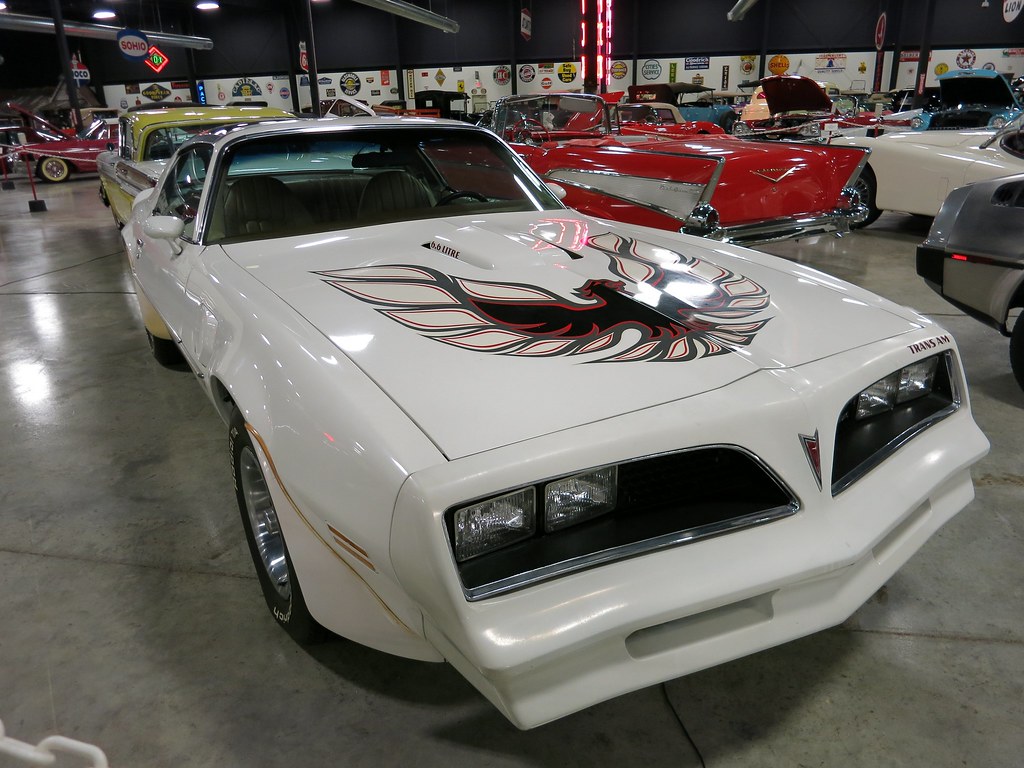
3. **1977 Pontiac Firebird Trans Am**The second-generation Trans Am made its debut on the market at what could only be described as an unfortunate juncture in American automotive history. By 1977, stringent emissions regulations had effectively neutered the raw power of most muscle cars, significantly diminishing their performance. The Trans Am’s formidable 400 cubic inch V8 engine was producing a rather modest 180 horsepower – a far cry from the fire-breathing monsters that had dominated the late 1960s, a golden era for unbridled muscle. Critics were quick to dismiss it as a vehicle that was “all show and no go,” with its undeniably flashy graphics package and the iconic “Screaming Chicken” hood decal often perceived as merely compensating for its now-lackluster performance capabilities.
Throughout the subsequent decades of the 1980s and 1990s, these cars experienced significant depreciation, falling sharply in market value. Insurance companies, due to their perceived association with young, aggressive drivers, frequently labeled them as high-risk vehicles, further driving up ownership costs and making them less attractive to the average buyer. Consequently, many examples were subjected to harsh treatment, often thrashed, wrecked, or modified poorly, which further diminished their appeal and structural integrity. By the early 2000s, it was quite possible to pick up a decent Trans Am for a modest $8,000 to $12,000, positioning it more as accessible transportation for teenagers rather than a coveted collector’s piece for serious enthusiasts.
The pivotal turning point for the 1977 Pontiac Firebird Trans Am arrived around 2007, a date that serendipitously coincided with the 30th anniversary of the release of the legendary film “Smokey and the Bandit.” Suddenly, Burt Reynolds’ iconic black and gold Trans Am was no longer merely a movie prop; it was instantly re-established as a potent cultural icon, deeply embedded in the collective consciousness of car lovers and film buffs alike. Following this resurgence in pop culture relevance, the values of these vehicles began to climb steadily, and this appreciation accelerated even further after Reynolds’ passing in 2018, as a wave of nostalgic sentiment swept through the enthusiast community, recognizing his indelible connection to the car.
Today, pristine examples boasting original Nocturne Blue or Starlight Black paint, coupled with intact Special Edition packages, command impressive prices, often ranging from $25,000 to $40,000. Exceptional, unrestored survivors have even managed to reach six-figure sums at auction, a testament to their renewed desirability and scarcity. The market has finally caught up and recognized what dedicated enthusiasts had known all along: the ’77 Trans Am, regardless of its horsepower figures, represents the last glorious hurrah of a distinct American muscle car era, solidifying its place as a historically significant and highly collectible piece of automotive heritage.
Car Model Information: 2020 RAM 1500 Laramie
Name: Pontiac Firebird
Caption: The second, third, and fourth generations of,the Pontiac Firebird Trans Am
Manufacturer: Pontiac (automobile)
Production: February 23, 1967 – August 30, 2002
ModelYears: 1967 – 2002
Class: Pony car,Muscle car
Platform: GM F platform
Related: Chevrolet Camaro
Layout: Front engine, rear-wheel-drive layout
Categories: 1970s cars, 1980s cars, 1990s cars, 2000s cars, All articles with dead external links
Summary: The Pontiac Firebird is an American automobile built and produced by Pontiac from the 1967 to 2002 model years. Designed as a pony car to compete with the Ford Mustang, it was introduced on February 23, 1967, five months after GM’s Chevrolet division’s platform-sharing Camaro. This also coincided with the release of the 1967 Mercury Cougar, Ford’s upscale, platform-sharing version of the Mustang.
The name “Firebird” was also previously used by GM for the General Motors Firebird series of concept cars in the 1950s.
Get more information about: Pontiac Firebird
Buying a high-performing used car >>>
Brand: Pontiac Model: Firebird Trans Am
Price: $36,995 Mileage: 64,342 mi.
Read more about: Unleash Your Inner Gearhead: 15 Affordable Muscle Cars That Deserve a Spot in Your Garage
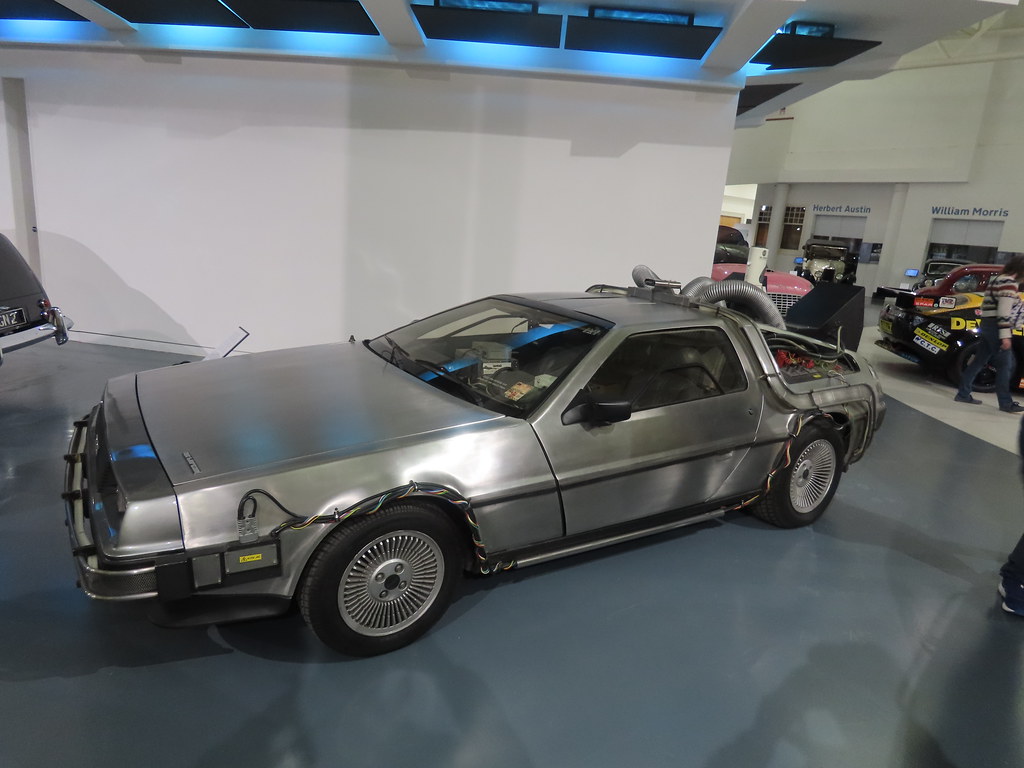
4. **1981 DeLorean DMC-12**John DeLorean’s audacious stainless steel dream, the DMC-12, tragically and rather swiftly devolved into a nightmare, marking the collapse of the company in 1982 amidst a maelstrom of scandal, including cocaine trafficking charges, and widespread quality control issues that plagued its production. The cars themselves were notably underpowered, prone to unreliability, and proved to be prohibitively expensive to maintain, creating a significant burden for early owners. Despite the undeniable coolness of its signature gullwing doors and the captivating futuristic styling that set it apart, most initial buyers felt profoundly burned by the overall ownership experience. The Peugeot-Renault-Volvo (PRV) V6 engine, which powered the vehicle, struggled considerably to move the car’s substantial weight, and its build quality was, at best, inconsistently applied across the production run.
By the mid-1980s, the market for DeLoreans had plummeted, with these distinctive vehicles frequently selling for half of their original $25,000 MSRP. Many dealers found themselves in a difficult position, struggling immensely to even give them away, highlighting the car’s rapid decline in desirability and perceived value. The pervasive stigma surrounding the car persisted well into the 1990s, cementing its reputation as a mechanical joke – an intriguing visual spectacle but an absolute terror to own and operate due to its myriad issues. Parts were notoriously scarce, and finding a mechanic willing or able to work on their unique engineering was a significant challenge. Consequently, many examples languished in garages, too problematic to drive regularly but also too unique to simply scrap for parts. The few vehicles that did see regular use often suffered from expensive, debilitating failures, further reinforcing their unreliable image.
Remarkably, the “Back to the Future” film franchise played an instrumental role in keeping the DeLorean in the public consciousness throughout the 1980s and 1990s, embedding it as a symbol of cinematic time travel. However, it took several decades for the movie’s immense popularity to genuinely translate into serious collector interest. The pivotal turning point for the DMC-12 arrived around 2005, a period when 1980s nostalgia reached a fever pitch, and the remaining cars began to be perceived as genuinely rare. Only approximately 9,000 units were ever built, and a significant number had been lost over the years due to neglect, accidents, or being harvested for desperately needed parts.
The collector market for the DeLorean emerged gradually, then eventually exploded with surprising vigor, revealing its true cult potential. Collectible-quality examples that could be purchased for $15,000 to $20,000 in the early 2000s now frequently command a hefty $40,000 to $60,000, with rare, low-mileage survivors occasionally exceeding the impressive $80,000 mark. The crucial establishment of dedicated restoration shops and specialized parts suppliers has successfully resolved many of the ownership issues that once severely plagued these cars. The DeLorean’s remarkable transformation from a widely criticized failed experiment to an undeniable pop culture icon is now complete, powerfully demonstrating that sometimes, being memorably flawed is ultimately more enduring and celebrated than being merely forgettably competent. Indeed, the future truly is where the DeLorean made its spectacular comeback.
Car Model Information: 1982 Delorean DMC-12
Name: DMC DeLorean
Alt: 1983 DeLorean
Caption: 1983 DeLorean
Manufacturer: DeLorean Motor Company
Production: January 21, 1981 – December 1982
ModelYears: 1981–1983
Assembly: Dunmurry
Designer: Giorgetto Giugiaro
Class: Sports car
BodyStyle: coupé
Layout: Rear-engine, rear-wheel-drive layout
Doors: Gull-wing doors
Engine: 2.85 L
Abbr: on
Powerout: 130 hp
Transmission: 5-speed manual ,3-speed automatic
Wheelbase: 2413 mm
Length: 4267 mm
Width: 1988 mm
Height: 1140 mm
Weight: 1233 kg
Sp: us
Categories: 1980s cars, All Wikipedia articles written in American English, Articles with short description, Automobiles with backbone chassis, Automobiles with gull-wing doors
Summary: The DMC DeLorean is a rear-engine, two-seat sports car manufactured and marketed by John DeLorean’s DeLorean Motor Company (DMC) for the American market from 1981 until 1983—ultimately the only car brought to market by the fledgling company. The DeLorean is sometimes referred to by its internal DMC pre-production designation, DMC-12, although this was not used in sales or marketing materials for the production model.
Designed by Giorgetto Giugiaro, the DeLorean is noted for its gull-wing doors and brushed stainless-steel outer body panels, as well as its lack of power and performance. Though its production was short-lived, the DeLorean became widely known after it was featured as the time machine in the Back to the Future films.
With the first production car completed on January 21, 1981, the design incorporated numerous minor revisions to the hood, wheels and interior before production ended in late December 1982, shortly after DMC filed for bankruptcy and after total production reached an estimated 9,000 units.
Despite the car having a reputation for poor build quality and an unsatisfactory driving experience, the DeLorean continues to have a strong following, driven in part by the popularity of Back to the Future. 6,500 DeLoreans were estimated to still be on the road as of 2015.
Get more information about: DMC DeLorean
Buying a high-performing used car >>>
Brand: DeLorean Model: DMC-12
Price: $129,950 Mileage: 3,145 mi.
Read more about: The 14 Most Embarrassing Market Misses: When Styling Blunders and Feature Failures Drove Cars Off a Cliff
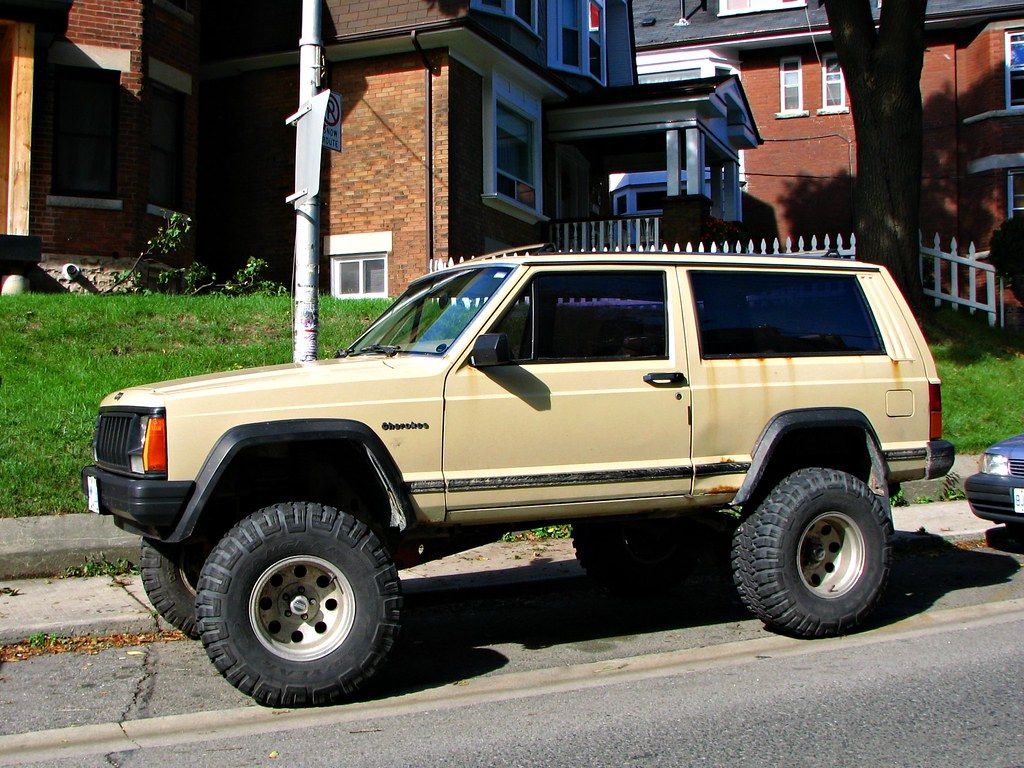
5. **Jeep Cherokee XJ**When Jeep first introduced the Cherokee XJ in 1984, it fundamentally redefined and shook up the burgeoning SUV market with its innovative unibody construction. This was a significant and bold departure from the traditional body-on-frame layout that was prevalent at the time for utility vehicles. Despite this modern approach, the XJ wisely retained solid axles both front and rear, which contributed to its legendary off-road prowess. This combination delivered notably better fuel economy and presented a lighter, more compact footprint compared to its full-size rivals, effectively making it a standout vehicle for both serious off-road performance and practical everyday usability. It quickly cemented its reputation as a true go-wherever machine, boasting genuine 4×4 credentials that few could match.
However, by the 1990s, the Cherokee XJ had transitioned and settled into a somewhat different, albeit equally dependable, role: that of a reliable family workhorse. It was a common sight, with “soccer moms” utilizing them for school runs, and college students frequently inheriting hand-me-down models for navigating winter driving conditions. During this period, very few people considered these utilitarian vehicles as future collectibles or investment pieces. They were widely perceived as tools—functional, resilient, and built for purpose—rather than treasures to be meticulously preserved. This perception, while acknowledging its utility, inadvertently contributed to its later market trajectory by keeping values suppressed.
Throughout the 2000s, the XJ hit its lowest point in terms of depreciation, making it an incredibly affordable option for many. High-mileage models could often be acquired for a mere $2,000 to $4,000, and even remarkably clean, low-mileage Cherokees rarely commanded prices exceeding $8,000. For the majority of buyers, they were increasingly viewed as outdated and boxy, conspicuously lacking the plush interiors, advanced safety features, and refined on-road manners that characterized newer, more modern SUVs entering the market. Consequently, many were driven hard until their mechanical limits were reached, or they were simply passed down as beaters or first cars for new drivers, with little thought given to their long-term value.
A significant shift in market perception began to powerfully manifest after 2015, propelling the values of the XJ sharply upward. Clean, largely unmolested examples that retained their original character now routinely sell for impressive sums, typically ranging from $8,000 to $15,000. Furthermore, exceptionally rare, low-mileage survivors have been known to command figures exceeding $44,000 under special circumstances, demonstrating a fervent demand among a dedicated enthusiast base. Interestingly, two-door models and specific, rare trim levels, such as the Limited, tend to bring even higher prices, appealing to niche collectors. The Cherokee’s remarkable journey from widely available, disposable family transport to a genuinely sought-after classic powerfully proves that sometimes, the most honest, purpose-built vehicles are indeed the most enduring and ultimately valuable, their intrinsic quality finally recognized.
Car Model Information: 2020 RAM 1500 Laramie
Name: Jeep Cherokee (XJ)
Caption: 1984–1996 Jeep Cherokee 2-door
Manufacturer: American Motors Corporation,Chrysler Corporation,DaimlerChrysler
Aka: Jeep Wagoneer Limited (1984–1990),Renault Jeep Cherokee,In China:,Jeep 2500/2700,Beijing BJ2021/BJ7250,BAW Qishi,Shuanghuan SHJZH213
Production: U.S.: 1983–June 2001,China:,Beijing Jeep,1994–1997 (Shuanghuan),BAW,South America,Venezuela: 1987–2001,Argentina: 1996–2000,Egypt: 1992–2001
ModelYears: U.S.: 1984–2001
Assembly: Toledo, Ohio,Beijing,Valencia, Carabobo,Ferreyra, Córdoba,Pademangan,Cairo
Class: Compact SUV,Compact car
BodyStyle: Sport utility vehicle,4-door SUV
Related: Jeep Comanche,Jeep Grand Cherokee (ZJ),Jeep Wrangler (YJ),#XJ in China,BAW Qishi
Layout: Front-engine, rear-wheel-drive layout,rear-wheel drive
Engine: unbulleted list
Abbr: on (BAW Qishi)
Order: VM Motori,List of VM Motori engines#425 OHV
Transmission: Aisin,Aisin,Peugeot,Aisin,New Venture Gear,Chrysler,TorqueFlite#30RH,Aisin
Wheelbase: {{convert,101.4,in,mm,0,abbr=on
Length: 1987–1990: {{convert,165.3,in,mm,0,abbr=on
Width: 1987–1993, BAW Qishi: {{convert,70.5,in,mm,0,abbr=on
Height: 1987–1988 2WD: {{convert,63.4,in,mm,0,abbr=on
Weight: {{convert,3357,lb,kg,abbr=on
Predecessor: Jeep Cherokee (SJ),Jeep Wagoneer (SJ)
Successor: Jeep Liberty (KJ),Jeep Grand Cherokee (ZJ)
Designer: Dick Teague
Categories: 1980s cars, 1990s cars, 2000s cars, All-wheel-drive vehicles, All articles with dead external links
Summary: The Jeep Cherokee (XJ) is a sport utility vehicle developed by American Motors Corporation (AMC) and marketed across a single generation by Jeep in the United States from 1983 (model year 1984) through 2001, and globally through 2014. It was available in two- or four-door, five-passenger, front-engine, rear- or four-wheel drive configurations.
Sharing the name of the original, full-size Cherokee SJ model, the 1984 XJ Cherokee was Jeep’s first all-new design since the 1963 SJ Wagoneer, as well as the first American off-road vehicle built with fully integrated body-and-frame (unibody) design, and formed the mechanical basis for the Jeep Comanche (MJ) pickup truck (1986–1992).
Jeep marketed XJs as Sportwagons, a precursor to the modern sport utility vehicle (SUV) before that term was used. The XJ is credited for spawning competitors, as other automakers noticed the design cannibalizing sales from regular cars, supplanting the role of the station wagon and transforming the vehicle type “from truck to limousine in the eyes of countless suburban owners,” though GM had also launched road-biased, RWD and 4WD compact SUVs, the Chevrolet S-10 Blazer and GMC S-15 Jimmy, one year earlier, initially available in two-door form only.
The 2007 book Jeep Off-Road called the XJ a “significant link in the evolution of the 4×4.” In 2011, Kiplinger magazine selected the XJ as one of the “cars that refuse to die.” Automotive journalist Robert Cumberford, writing for Automobile, called the Jeep XJ one of the 20 greatest cars of all time — for its design, and “possibly the best SUV shape of all time, it is the paradigmatic model to which other designers have since aspired.”
Get more information about: Jeep Cherokee (XJ)
Buying a high-performing used car >>>
Brand: Jeep Model: Cherokee XJ
Price: $36,995 Mileage: 64,342 mi.
Read more about: The Ghosts of the Grid: Unearthing 15 Vanished Truck Engines That Left Their Mark on Automotive History
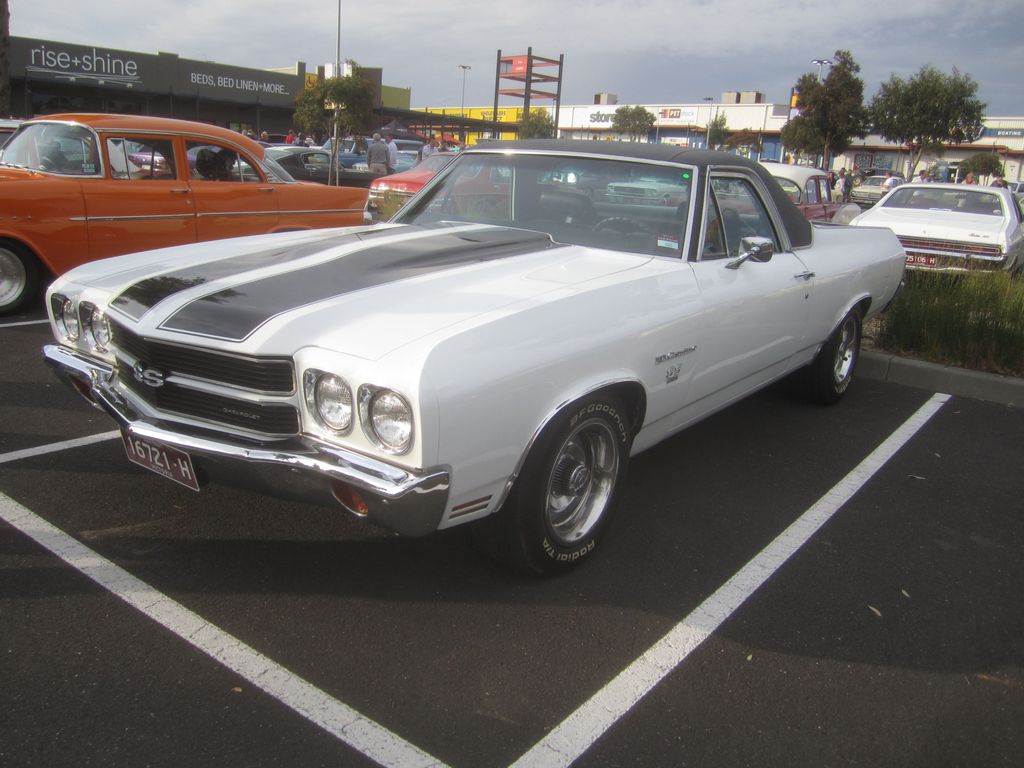
6. **1970 Chevrolet El Camino SS**The El Camino occupied an awkward middle ground that nobody seemed to want during its heyday. Car guys thought it was a truck; truck guys thought it was a car. This identity crisis was reflected in its sales figures and cultural reception, often leaving it in an automotive no-man’s-land. The SS version had legitimate muscle car credentials with its 454 big block option, a powertrain that commanded respect, but the car-truck hybrid concept never gained mainstream acceptance. Most buyers ultimately chose either a proper muscle car like the Chevelle SS or a traditional pickup truck, leaving the El Camino as a niche choice.
By the 1980s, most examples were being used as dedicated work vehicles, dutifully hauling lumber, landscaping supplies, or serving as rugged shop trucks for various businesses. This utilitarian duty accelerated depreciation and led to high rates of modification, rust, and general abuse, often pushing these vehicles to their limits. During the 1990s and early 2000s, El Caminos were undeniably cheap and largely unloved by the broader market. Clean examples sold for a modest $6,000-10,000, significantly less than comparable Chevelles or Camaros from the same era. Many were modified poorly with low-rider aesthetics or simply worn out from their demanding utility duty, further diminishing their perceived value.
The market’s confusion about how to categorize the El Camino consistently worked against its collectibility for many years. Muscle car collectors typically preferred “pure” cars, appreciating unadulterated performance, while truck enthusiasts often saw it as an unsatisfying compromise, lacking the full utility of a traditional pickup. This left the El Camino in a state of automotive limbo, genuinely appreciated by a small group of devoted enthusiasts but largely ignored by the broader collector market.
The pivotal turning point for the El Camino came as traditional muscle car prices soared beyond most enthusiasts’ budgets around 2008, forcing buyers to seek more affordable alternatives that still offered V8 performance. Buyers looking for big-block performance at reasonable prices began reconsidering the El Camino’s often-overlooked merits. Its distinctive utility bed was ingeniously reframed as a unique and practical feature rather than an odd compromise, and its lower production numbers (compared to Chevelles) began to work in its favor, adding a touch of rarity.
The transformation accelerated dramatically after 2012, largely driven by widespread social media exposure and a burgeoning custom car culture that embraced its unique form. Clean SS models now command impressive prices, often reaching $25,000-40,000, with extremely rare combinations like the 1970 SS 454 LS6 even reaching six figures. The El Camino’s former weakness—its hybrid nature—ultimately became its greatest strength in a market increasingly hungry for distinctive classics. What once seemed like automotive indecision now appears refreshingly honest: a vehicle that could haul your stuff with ease and do it with impressive aggression.
Car Model Information: 2020 RAM 1500 Laramie
Name: Chevrolet El Camino
Caption: 1969 El Camino SS
Manufacturer: Chevrolet
ModelYears: 1959–1960 ,1964–1987
Layout: Front-engine, rear-wheel-drive layout,rear-wheel drive
Class: Coupé utility,Muscle car
Categories: 1960s cars, 1970s cars, 1980s cars, All articles lacking reliable references, All articles needing additional references
Summary: The Chevrolet El Camino is a coupé utility vehicle that was produced by Chevrolet between 1959–1960 and 1964–1987. Unlike a standard pickup truck, the El Camino was adapted from the standard two-door Chevrolet station wagon platform and integrated the cab and cargo bed into the body.
Introduced in the 1959 model year in response to the success of the Ford Ranchero coupé utility, its first run, based on the Biscayne’s B-body, lasted only two years. Production resumed for the 1964–1977 model years based on the Chevelle platform, and continued for the 1978–1987 model years based on the GM G-body platform.
Although based on corresponding General Motors car lines, the vehicle is classified in the United States as a pickup. GMC’s badge engineered El Camino variant, the Sprint, was introduced for the 1971 model year. Renamed Caballero in 1978, it was also produced through the 1987 model year.
Get more information about: Chevrolet El Camino
Buying a high-performing used car >>>
Brand: Chevrolet Model: El Camino
Price: $36,995 Mileage: 64,342 mi.
Read more about: Unleash Your Inner Gearhead: 15 Affordable Muscle Cars That Deserve a Spot in Your Garage

7. **1985 Chevrolet C/K Pickup (Square-body Chevy)**Square-body Chevys were an absolute fixture of American roads throughout the 1980s. You saw them everywhere – on sprawling farms, bustling job sites, and tucked into small-town driveways across the nation. They were utilitarian to the core, unapologetically lacking the sleek styling of earlier pickups or the advanced capability and refinement of newer designs, but making up for it in sheer ruggedness and straightforward practicality.
By the early 2000s, these dependable trucks had depreciated to near-worthlessness in the eyes of many. High-mileage examples often sold for a mere $2,000-4,000, and even remarkably clean trucks rarely exceeded $8,000, illustrating their low market standing. The general market viewed them as outdated, uncomfortable, and crude compared to the rapidly evolving modern pickups which offered better fuel economy, more power, and a host of contemporary amenities.
The comeback for the square-body began around 2012, fueled by a powerful mix of cultural nostalgia and shifting buyer priorities that emphasized authenticity. The custom truck scene, in particular, rediscovered the square body’s inherently clean lines and immense modification potential. At the same time, younger enthusiasts, often priced out of both new trucks and pricier vintage classics, began embracing the Chevy’s honest design, mechanical simplicity, and undeniable old-school charm.
Social media played a truly crucial role in accelerating this transformation, connecting enthusiasts across the globe. Instagram accounts specifically dedicated to square-body builds enthusiastically showcased the trucks’ incredible potential for dramatic customization, while countless YouTube channels meticulously documented restoration projects that revealed hidden beauty beneath decades of hard work duty. The #squarebody hashtag quickly became a rallying cry for enthusiasts everywhere, celebrating the design’s unpretentious functionality and enduring appeal.
Values for these trucks climbed steadily throughout the 2010s, then exploded dramatically after 2018, catching many off guard. Clean examples now reach nearly $70,000 if they are of genuine collector quality with impressively low mileage. Short-bed, four-wheel-drive models command particularly premium prices, and even project trucks in need of significant work now sell for more than complete, running examples did a mere decade ago. The square body’s remarkable transformation from a disposable work truck to a highly sought-after classic powerfully proves that sometimes the most honest and straightforward designs are indeed the most enduring and ultimately valuable.
Car Model Information: 2020 Toyota Tacoma TRD Sport
Name: Chevrolet and GMC C/K
Caption: 1986 GMC C-3500 Sierra Classic 3+3
Manufacturer: General Motors
Aka: GMC C/K,Chevrolet/GMC Full-Size Pickup,Chevrolet Silverado (1975–2002),GMC Sierra (1972–2002)
Production: 1959–2002 (United States),1959–2000 (Canada),1965–2002 (Mexico),1964–2001 (Brazil),1975–1982 (Chile), 1960–1991 (Argentina)
Class: Pickup truck,Medium-duty truck
Predecessor: Chevrolet Task Force
Successor: Chevrolet Silverado
ModelYears: 1960–2000 (C/K pickup trucks)
Categories: Articles with short description, CS1 Portuguese-language sources (pt), Cars introduced in 1959, Chevrolet trucks, Commons category link is on Wikidata
Summary: The Chevrolet C/K is a series of trucks that was manufactured by General Motors from the 1960 to 2002 model years. Marketed by both the Chevrolet and GMC divisions, the C/K series encompassed a wide range of vehicles. While most commonly associated with pickup trucks, the model line also included chassis-cab trucks and medium-duty trucks and served as the basis for GM full-size SUVs. Through its entire production, the model line competed directly against the Ford F-Series and the Dodge D series (later the Dodge Ram pickup).
Used for both the model branding and the internal model code, “C” denoted two-wheel drive, while “K” denoted four-wheel drive. Four generations of the C/K series were produced, including the GM monikered second-generation “Action Line” and third-generation “Rounded Line” vehicles (colloquially aka Square-Body trucks). For the fourth-generation (colloquially also known as OBS trucks), Chevrolet kept using the C/K designation while GMC revised its branding, changing to a singular GMC Sierra nameplate (C/K remained as an internal model code).
For South America, the model line was manufactured by General Motors de Argentina from 1960 to 1978, Sevel Argentina from 1986 to 1991, and General Motors Brazil, who produced versions of the model line for Brazil, Argentina, and Chile from 1964 to 2001.
As GM entered the 1990s, the company revised its truck ranges, replacing the medium-duty C/K trucks with the Chevrolet Kodiak/GMC TopKick for 1990. For 1999, GM replaced the fourth-generation C/K pickup trucks with an all-new model line; in line with GMC, Chevrolet dropped the C/K nameplate (in favor of a singular Chevrolet Silverado nameplate). Initially marketed with its successor, the final C/K pickup trucks were produced for the 2000 model year. From 2001 to 2002, the final vehicles of the C/K model line were medium-duty chassis cab trucks.
Get more information about: Chevrolet C/K
Buying a high-performing used car >>>
Brand: Chevrolet Model: C/K Pickup
Price: $37,795 Mileage: 39,984 mi.

8. **1982 Cadillac Eldorado Biarritz**The early 1980s were undeniably dark times for Cadillac, as the iconic luxury brand struggled with both federal downsizing mandates and stringent fuel economy requirements that seemed to compromise everything that had made Cadillacs special for decades. The 1982 Eldorado Biarritz, with its distinctive stainless steel roof and opulent tufted leather interior, arguably represented the peak of malaise-era excess: all show and absolutely no go, powered by a weak V8 that barely managed to move the car’s substantial bulk with any authority.
The Biarritz was, in many ways, the ultimate expression of early-’80s automotive confusion: a luxury car that felt neither truly luxurious nor particularly well-engineered in practice. Its build quality was notoriously questionable, its performance was anemic to the point of being embarrassing, and its styling seemed to apologize for its very existence in a rapidly changing market. By the 1990s, these cars were widely seen as unfortunate relics of poor taste and automotive decline, representing everything that went wrong with American car manufacturing during its lowest period.
For months, these cars often sat unsold on used car lots, carrying a strong association with elderly owners and decidedly outdated luxury concepts that no longer appealed to a broad demographic. Most examples were driven sparingly and stored carefully, often by their original owners, but even incredibly low mileage couldn’t overcome the pervasive stigma of representing Cadillac’s arguably worst era. Clean examples, when they did sell, fetched a meager $8,000-12,000, a fraction of their original $20,000+ sticker price, and even those prices seemed highly optimistic given the car’s dismal reputation among enthusiasts.
The comeback for the Biarritz began subtly around 2015, driven by a wave of millennial nostalgia for 1980s excess and a growing, somewhat ironic, appreciation for automotive camp. What previous generations saw as gaudy ostentation and poor taste, younger buyers began to view as authentic period styling and unapologetic American luxury. The Biarritz’s most over-the-top features—from the distinctive stainless steel roof to the iconic wire wheel covers—were reappreciated as bold, honest expressions of automotive confidence during an otherwise uncertain era.
The transformation accelerated significantly as collectors seeking distinctive alternatives to more mainstream classics discovered these cars’ unexpected rarity and often pristine condition. Most examples, having been carefully garage-kept by meticulous original owners, constituted a valuable supply of pristine survivors that had never been modified, abused, or subjected to daily transportation duties. The car’s association with popular 1980s television shows and movies further added a layer of undeniable pop culture credibility that younger collectors found utterly irresistible. Today, clean Biarritz models will typically set you back a respectable $18,000-28,000, with truly exceptional examples reaching an impressive $57,000+. The car’s remarkable resurrection from automotive pariah to collectible classic powerfully proves that sometimes the most maligned designs become the most celebrated, given enough time and the right cultural context, turning perceived automotive shame into bold period styling that perfectly captured the spirit of its era.
Car Model Information: 2020 Toyota Tacoma TRD Sport
Caption: 1963 Cadillac Eldorado Convertible
Name: Cadillac Eldorado
Manufacturer: Cadillac
Production: 1952–2002
Layout: Front-engine, rear-wheel-drive layout
Aka: Cadillac Fleetwood Eldorado
Class: Personal luxury car
Successor: Cadillac CTS
Categories: 1960s cars, 1970s cars, 1980s cars, 1990s cars, 2000s cars
Summary: The Cadillac Eldorado is a luxury car manufactured and marketed by the Cadillac Motor Car Division of General Motors from 1952 until 2002, over twelve generations.
The Eldorado was at or near the top of the Cadillac product line. The original 1953 Eldorado convertible and the Eldorado Brougham models of 1957–1960 had distinct bodyshells and were the most expensive models offered by Cadillac during those years. The Eldorado was never less than second in price after the Cadillac Series 75 limousine until 1966. Beginning in 1967, the Eldorado retained its premium position in the Cadillac price structure, but was manufactured in high volumes on a unique, two-door personal luxury car platform.
The Eldorado carried the Fleetwood designation from 1965 through 1972, and was seen as a modern revival of the pre-war Cadillac V-12 and Cadillac V-16 roadsters and convertibles.
Get more information about: Cadillac Eldorado
Buying a high-performing used car >>>
Brand: Cadillac Model: Eldorado Biarritz
Price: $37,795 Mileage: 39,984 mi.
Read more about: 12 Iconic Boomer-Era Cars Millennials Are Totally Ignoring (And Why!)

9. **1978 Chevrolet Monte Carlo**The downsized 1978 Monte Carlo represented everything frustrating about late-1970s Detroit automotive design and engineering: smaller, less powerful engines, lighter construction, and compromised styling that seemed to apologize for its very existence. Compared to the muscular, boldly styled earlier generation, the new Monte Carlo felt like an automotive surrender—a personal luxury car that offered neither genuine luxury nor compelling performance to justify its place in the market. The car’s formal styling and substantial size couldn’t adequately hide its fundamental lack of purpose in a rapidly changing automotive landscape.
Throughout the 1980s and ’990s, these cars were cheap and plentiful, often driven primarily by elderly owners who appreciated the car’s smooth, comfortable ride and traditional American styling cues. However, younger buyers widely saw them as boring, unwieldy “boats,” entirely unsuitable for serious driving enthusiasm and conspicuously lacking the performance credentials of true muscle cars. Clean examples typically sold for a modest $4,000-8,000, with high-mileage cars available for even less, reflecting their low standing. The Monte Carlo’s strong association with an older demographic consistently worked against any emerging collector interest.
The car’s persistent reputation as a “grandpa car” was heavily reinforced by its typical ownership pattern: meticulously garage-kept, low-mileage examples driven only to church and the grocery store on Sundays. While this fortunate pattern inadvertently created a healthy supply of incredibly well-preserved survivors, it simultaneously cemented the car’s image as a symbol of automotive irrelevance for serious enthusiasts. Most performance-oriented enthusiasts summarily dismissed the Monte Carlo as a clear symbol of Detroit’s creative bankruptcy during the infamous malaise era.
The revival for the Monte Carlo began subtly around 2010, as the soaring prices of traditional muscle cars climbed beyond most enthusiasts’ budgets, prompting buyers to seek more affordable alternatives that still offered V8 engines and rear-wheel drive. The Monte Carlo’s substantial presence and formal styling were gradually reframed as elegant restraint rather than boring compromise. Custom car builders, with their keen eye for potential, discovered the car’s excellent proportions and solid platform, which provided an ideal foundation for innovative updates and dramatic modifications.
The transformation accelerated significantly as social media platforms enthusiastically showcased dramatic Monte Carlo builds that brilliantly revealed the car’s previously hidden potential for customization and style. The car’s growing association with 1970s culture—from classic Cheech and Chong movies to the vibrant lowrider culture—further added credibility and appeal among younger demographics seeking authentic alternatives to often overpriced traditional muscle cars. Its affordable starting price made extensive modifications economically feasible, fostering a thriving custom car scene. Values began climbing steadily after 2015, with clean examples now commanding $12,000-18,000. Rare options like the SS package or desirable color combinations bring premium prices, while even basic models with good bones now sell for more than complete cars did a decade ago. The Monte Carlo’s journey from a forgotten boat to an appreciated classic eloquently demonstrates how changing perspectives can reveal hidden virtues in the most unlikely candidates, powerfully proving that automotive beauty is often truly in the eye of the beholder.
The Garage Gold You Never Saw Coming
As they say, one man’s trash is another man’s overpriced treasure. If there’s one thing this list proves, it’s that time has a funny way of turning yesterday’s junk into today’s jackpot. Whether it’s driven by nostalgia, rarity, or just a shift in taste, these cars have gone from being written off to being written into auction catalogs.
Car Model Information: 2020 RAM 1500 Laramie
Name: Chevrolet Monte Carlo
Manufacturer: Chevrolet
Production: 1969–1987,1994–2007
ModelYears: 1970–1988,1995–2007
Class: Personal luxury car
BodyStyle: coupé
Layout: FR layout
Caption: 2006 Chevrolet Monte Carlo LS
Categories: 1980s cars, 1990s cars, 2000s cars, All Wikipedia articles written in American English, All articles needing additional references
Summary: The Chevrolet Monte Carlo is a two-door coupe that was manufactured and marketed by the Chevrolet division of General Motors. Deriving its name from the city in Monaco, the Monte Carlo was marketed as the first personal luxury car of the Chevrolet brand. Introduced for the 1970 model year, the model line was produced across six generations through the 2007 model year, with a hiatus from 1989 until 1994. The Monte Carlo was a variant of the Pontiac Grand Prix throughout its production.
From 1970 until 1972, the Monte Carlo rode on the unique “A-Special” platform with the Grand Prix, shifting to the standard A-body intermediate chassis from the 1973 through 1977 model years. For 1978, the Monte Carlo line underwent downsizing, but was still considered a midsized coupe. The rear-wheel drive A-body platform of this generation of Monte Carlo was redesignated as the G-body when GM’s front-wheel drive A-body cars were introduced for the 1982 model year. After an abbreviated 1988 model year, the Monte Carlo was replaced by the two-door Chevrolet Lumina.
For the 1995 model year, the Monte Carlo was revived, replacing the two-door Lumina. It shared the front-wheel drive W-platform with the two-door Grand Prix, and was the largest coupe in the Chevrolet lineup. After the 2002 model year, the Grand Prix coupe was discontinued, the Monte Carlo became the largest two-door model produced by an American auto manufacturer.
In response to declining sales of the model line, Chevrolet discontinued the Monte Carlo after the 2007 model year. During much of its production, the Monte Carlo represented the Chevrolet brand in stock car racing. During the 1980s, the Monte Carlo SS was introduced, featuring aerodynamically enhanced styling; as part of its revival, the Monte Carlo again represented Chevrolet in stock car racing from 1995 through its discontinuation.
Get more information about: Chevrolet Monte Carlo
Buying a high-performing used car >>>
Brand: Chevrolet Model: Monte Carlo
Price: $36,995 Mileage: 64,342 mi.
Read more about: 8 Times Ford Went Wild: Uncovering the Blue Oval’s Rarest & Most Experimental Rides
So before you sell off that old ride or dismiss someone else’s forgotten project, take a second look; you might be staring at the next big thing. Because in the world of vintage cars, value isn’t always about what’s under the hood, it’s about being in the right place at the right time.