There’s an undeniable thrill in watching our favorite action heroes—those stalwarts of justice, courage, and often, explosive charisma—suddenly pivot, stepping away from the light to embrace the deepest shadows. It’s a cinematic trope that not only challenges our perceptions of these beloved figures but also allows audiences to witness the incredible range and versatility of actors who are often typecast in roles that demand heroism and unwavering moral fortitude. This dramatic shift from protagonist to antagonist can be jarring, exciting, and ultimately, profoundly rewarding, offering a fresh perspective on what makes a character truly compelling.
This phenomenon of ‘good guys going bad’ resonates deeply within the fandom, sparking discussions and debates about an actor’s craft and the narrative risks involved. When an actor known for rallying troops, saving the day, or delivering punchlines with perfect timing suddenly embodies pure evil, it creates a powerful dissonance that elevates the cinematic experience. It forces us to reconsider the simplistic notions of black-and-white morality often presented in blockbusters, delving instead into the intricate complexities of human, or even non-human, villainy. The success of such a turn often lies in the actor’s ability to shed their heroic skin entirely, convincing us that the darkness they portray is entirely authentic, even if only for the duration of the film.
Today, we’re embarking on a fascinating journey through some remarkable instances where action icons and leading men have dared to delve into villainous territory. These are the roles that make us gasp, squirm, and ultimately applaud the sheer audacity of an actor willing to redefine their public image. From sadistic plantation owners to cunning thieves and mysterious figures orchestrating vanishing acts, these performances highlight the incredible power of transformation that cinema offers. So, prepare to see some familiar faces in entirely new lights, as we explore the great movies where action heroes embraced their inner villains, leaving an unforgettable mark on the silver screen.

1. Leonardo DiCaprio as Calvin Candie in *Django Unchained*
Leonardo DiCaprio has long been celebrated as one of Hollywood’s top leading men, charming audiences in iconic roles that often portray him as a complex but ultimately sympathetic protagonist. From his early days as a heartthrob in *Romeo + Juliet* and *Titanic*, DiCaprio has consistently taken risks with his choice of roles, showcasing an impressive range as an actor. Whether navigating the treacherous waters of corporate espionage or battling the elements in survival epics, his characters typically maintain a point-of-view and audience sympathy, even when dabbling in morally dubious waters or operating on the wrong side of the law. They might be complicated, sometimes truly heroic, and other times less so, but they are rarely, in cinematic terms, the outright ‘bad guy.’
That all changed with his chilling portrayal of Calvin Candie in Quentin Tarantino’s *Django Unchained*. Candie stands out as one of the only truly villainous characters DiCaprio has ever played, and arguably the first who was wholly and irredeemably evil. Tarantino himself famously stated that Candie was the only character he had ever written that he truly hated, a sentiment that speaks volumes given the filmmaker’s history of creating more than a few vile figures throughout his career. This declaration from the director underscores the profound and visceral wickedness that DiCaprio brought to the role, cementing Candie’s place as one of cinema’s most despicable antagonists.
DiCaprio’s commitment to the role of Calvin Candie was nothing short of extraordinary, crafting a character whose sadism knew no bounds. Candie, a sadistic plantation owner in the antebellum South, took immense pleasure in the suffering of others, a fact vividly illustrated through his horrifying actions. The context explicitly notes his enjoyment in watching his dogs tear slaves to pieces when they attempted to run away, a barbaric spectacle he orchestrated with chilling detachment. Furthermore, he forced his slaves into brutal fights to the death, with one particularly gruesome instance seeing a man rip out his opponent’s eyes, all for Candie’s perverse entertainment.
The layers of Candie’s cruelty extended beyond these public displays of violence. Despite having been raised largely by his family’s slaves and even allowing one of them to more or less run his plantation, he consistently treated them as if they were less than human. This deep-seated dehumanization was a core component of his villainy, showcasing a twisted sense of superiority. In one particularly visceral scene, Candie casually wiped his own blood all over the face of a slave—who tragically turns out to be Django’s long-lost wife—while threatening to smash in her skull with a hammer. This raw, unbridled act of terror perfectly encapsulates the depth of his malevolence and the complete absence of empathy that defined his character.
The performance as Calvin Candie was a definitive moment in DiCaprio’s career, showcasing his fearless ability to transform completely into a character utterly devoid of redeeming qualities. By taking on such a purely evil role, DiCaprio not only shattered audience expectations but also delivered a masterclass in villainous acting. His portrayal of Candie, originally conceived by Tarantino as an older man but later modeled more along the lines of a ‘petulant boy emperor like Caligula,’ was a bold departure that solidified his reputation as an actor willing to push boundaries and explore the darkest facets of the human psyche, leaving an indelible, unsettling mark on cinematic history.
Read more about: Beyond the Script: 13 Actors Who Mastered Method Acting and Refused to Break Character
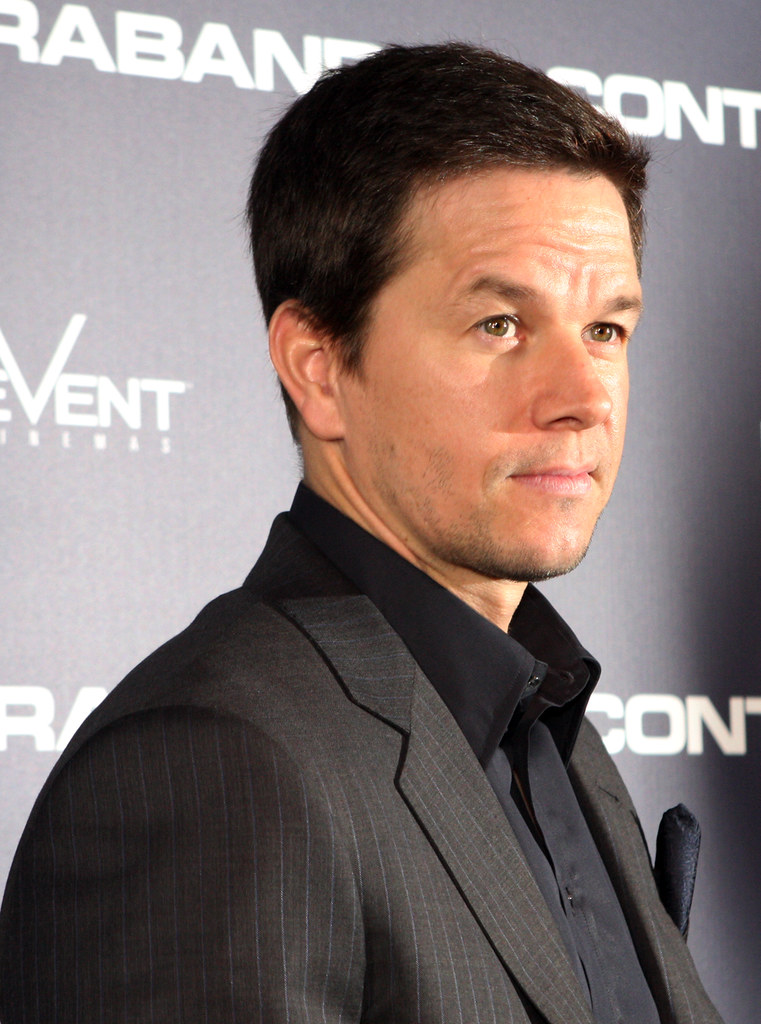
2. Mark Wahlberg as an Expert Thief in *Play Dirty* (2025)
Mark Wahlberg has carved out a formidable career as an action hero, consistently starring in high-octane thrillers and blockbusters where he often plays the resilient, tough-as-nails protagonist. Known for his roles in explosive action sequences and dramatic confrontations, Wahlberg typically embodies characters who fight for what’s right, or at least navigate complex situations with a clear moral compass. His on-screen persona has become synonymous with a certain brand of heroic determination, making him a reliable figure for audiences seeking thrilling, yet fundamentally good-hearted, performances. It’s this established image that makes his upcoming role in *Play Dirty* so intriguing.
The synopsis for *Play Dirty* reveals a significant departure from his usual heroic fare: an expert thief rolls out the biggest heist of his life in this action-packed thriller from director Shane Black. While the term ‘thief’ might, at times, refer to an anti-hero who is ultimately likable, the context of an ‘expert thief rolling out the biggest heist of his life’ strongly suggests a character operating squarely on the wrong side of the law. This isn’t a small-time crook or a misguided individual; this is a professional, high-stakes criminal undertaking a major operation, placing Wahlberg firmly in a role that, by definition, opposes societal norms and often, the heroic figures meant to uphold them.
Watching Wahlberg, an actor typically seen as the hero confronting villains, embody the very essence of a master criminal offers a captivating twist. It challenges the audience to reconcile his established heroic image with the cunning, illicit actions of a professional thief. Such a role allows Wahlberg to explore a different facet of his acting prowess, moving beyond physical bravado to delve into the psychological complexities and moral ambiguities of a character whose primary objective is illicit gain. This shift promises a performance rich in intrigue, forcing viewers to question where their sympathies lie when a familiar heroic face embraces a definitively villainous, or at least antagonistic, persona.
Furthermore, the description of *Play Dirty* as an “action-packed thriller” suggests that this isn’t merely a character study but a high-stakes narrative where Wahlberg’s thief will undoubtedly be at the center of conflict. This implies that his character will likely be an adversary to law enforcement or other forces of justice, positioning him as a clear villain in the traditional sense of a heist film. The thrill here isn’t just in the action, but in the subversion of expectations, as Wahlberg—a star renowned for his heroics—leads the charge in a grand act of defiance against the establishment.
This role in *Play Dirty* presents an exciting opportunity for Wahlberg to expand his dramatic repertoire and for audiences to witness an action icon truly ‘break bad.’ By taking on a character defined by his criminal endeavors and ambition, Wahlberg signals a willingness to challenge his own persona and deliver a performance that moves beyond the conventional hero narrative. It’s a testament to his versatility and commitment to his craft, ensuring that his turn as an expert thief will be a memorable addition to the canon of action stars embracing villainous, or at least morally ambiguous, roles.
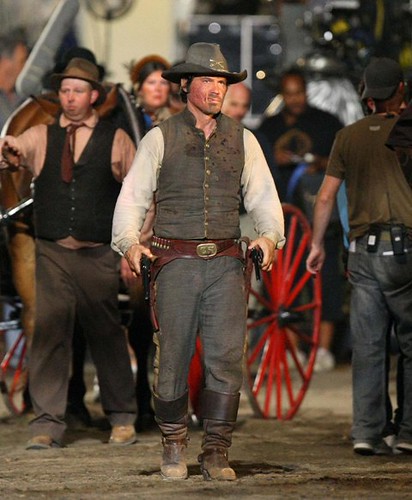
3. Josh Brolin’s Potentially Sinister Role in *Weapons* (2025)
Josh Brolin is an actor whose presence frequently commands the screen, often portraying powerful, formidable characters, whether as a gritty lawman, a troubled hero, or even a universe-altering supervillain in franchises beyond the immediate context. Within the sphere of ‘action heroes,’ Brolin has a distinct gravitas, capable of carrying intense, dramatic weight. His roles typically involve significant stakes and strong, often morally complex, individuals who make impactful choices. This established reputation for playing characters of immense strength and resolve makes any hint of a villainous turn in his filmography particularly compelling and deeply unsettling.
The upcoming film *Weapons*, directed by Zach Cregger, presents a particularly intriguing scenario for Brolin. The synopsis provides a chilling premise: “When all but one child from the same class mysteriously vanish on the same night at exactly the same time.” This immediately conjures an atmosphere of profound mystery and horror, suggesting a sinister force at play. While the context doesn’t explicitly state Brolin’s character *is* the villain, his prominent casting in a story centered around such a horrific event raises the distinct possibility that he could be involved in, or even responsible for, the vanishing children, thus taking on a profoundly villainous role.
Given Brolin’s typical screen persona—a man of action and authority—the prospect of him playing a character behind such a dark, inexplicable event is truly captivating. It subverts the expectation that he would be the hero investigating the disappearances or protecting the remaining child. Instead, if he were to embody the orchestrator of this terror, it would leverage his commanding presence in a profoundly unsettling way, transforming his inherent strength into a source of dread. This ambiguity, where a familiar heroic figure could be the source of such devastation, adds a unique layer of psychological tension to the film’s premise.
*Weapons* is described with critical consensus praising Zach Cregger for spinning an “expertly crafted yarn of terrifying mystery and thrilling intrigue,” solidifying his status as a master of horror. If Brolin’s character is indeed the antagonist, his performance would be pivotal in delivering this sense of terror. Imagine the impact of an actor known for his heroic gravitas portraying someone so deeply disturbing, capable of such unfathomable acts against children. It would be a potent combination of star power and chilling characterization, making his villainy all the more impactful due to his heroic history.
This potential role in *Weapons* highlights the allure of action heroes embracing villainous roles: it allows for a deeper exploration of human nature’s darker side through the lens of a familiar and trusted face. Brolin’s involvement, even with the sparse details provided, suggests a performance that could be both terrifying and thought-provoking, pushing the boundaries of his established image and challenging audience expectations. It’s precisely this kind of bold casting that transforms a compelling mystery into an unforgettable cinematic experience, demonstrating the power of a hero’s dark turn.

4. Ethan Hawke’s Menacing Return in *Black Phone 2* (2025)
Ethan Hawke has long been celebrated in cinema for his nuanced performances, often portraying complex, morally ambiguous yet ultimately sympathetic characters. From intense dramatic roles to leading parts in action thrillers and romantic dramas, Hawke has built a reputation for delivering depth and intelligence. He frequently embodies protagonists grappling with difficult choices, often showcasing vulnerability, integrity, or a quiet heroism that resonates deeply with audiences. His roles typically invite empathy, even when his characters are flawed, establishing him as a compelling presence viewers often find themselves rooting for.
However, Hawke took a chilling and memorable turn in *The Black Phone*, completely transforming himself into “The Grabber,” a truly horrifying antagonist. This role was a stark departure from his usual heroic or anti-heroic fare. Now, he is set to reprise this menacing character in *Black Phone 2*, further cementing his place in the annals of horror villainy. The synopsis for the sequel immediately reinforces his terrifying status: “Four years ago, 13-year-old Finn killed his abductor and escaped, becoming the sole survivor of The Grabber. But true evil…” This opening firmly places Hawke’s character as the embodiment of “true evil,” confirming his role as the terrifying, masked abductor who preys on children.
What makes Hawke’s portrayal of The Grabber so profoundly impactful is how expertly he leverages his established, relatable persona. An actor known for his humanity and often quiet intensity suddenly becomes an almost faceless, utterly inhuman monster. The context of “true evil” and the lingering trauma from Finn’s escape underscore the relentless depth of his malevolence. This is not a villain with a tragic backstory we are meant to sympathize with; The Grabber is pure, unadulterated menace, a predatory force whose return signifies an undeniable escalation of dread and a chilling continuation of the horror that defined the first film. His reprise challenges the audience’s perception of Hawke, forcing us to confront the actor’s fearless willingness to delve into such dark, irredeemable territory.
This re-embrace of a purely villainous character in *Black Phone 2* truly highlights Hawke’s incredible versatility and his audacious commitment to pushing cinematic boundaries. For an actor who could easily remain in the comfort of heroic or anti-heroic roles, his decision to return to a character so universally reviled is a bold statement about his craft. It speaks to a dedication that prioritizes the visceral impact of the role and the chilling narrative over any desire to maintain a conventionally likable public image. His performance promises to solidify The Grabber as a contemporary horror icon, demonstrating that even the most empathetic actors can brilliantly inhabit the darkest corners of the human psyche, leaving audiences profoundly unsettled and genuinely terrified.
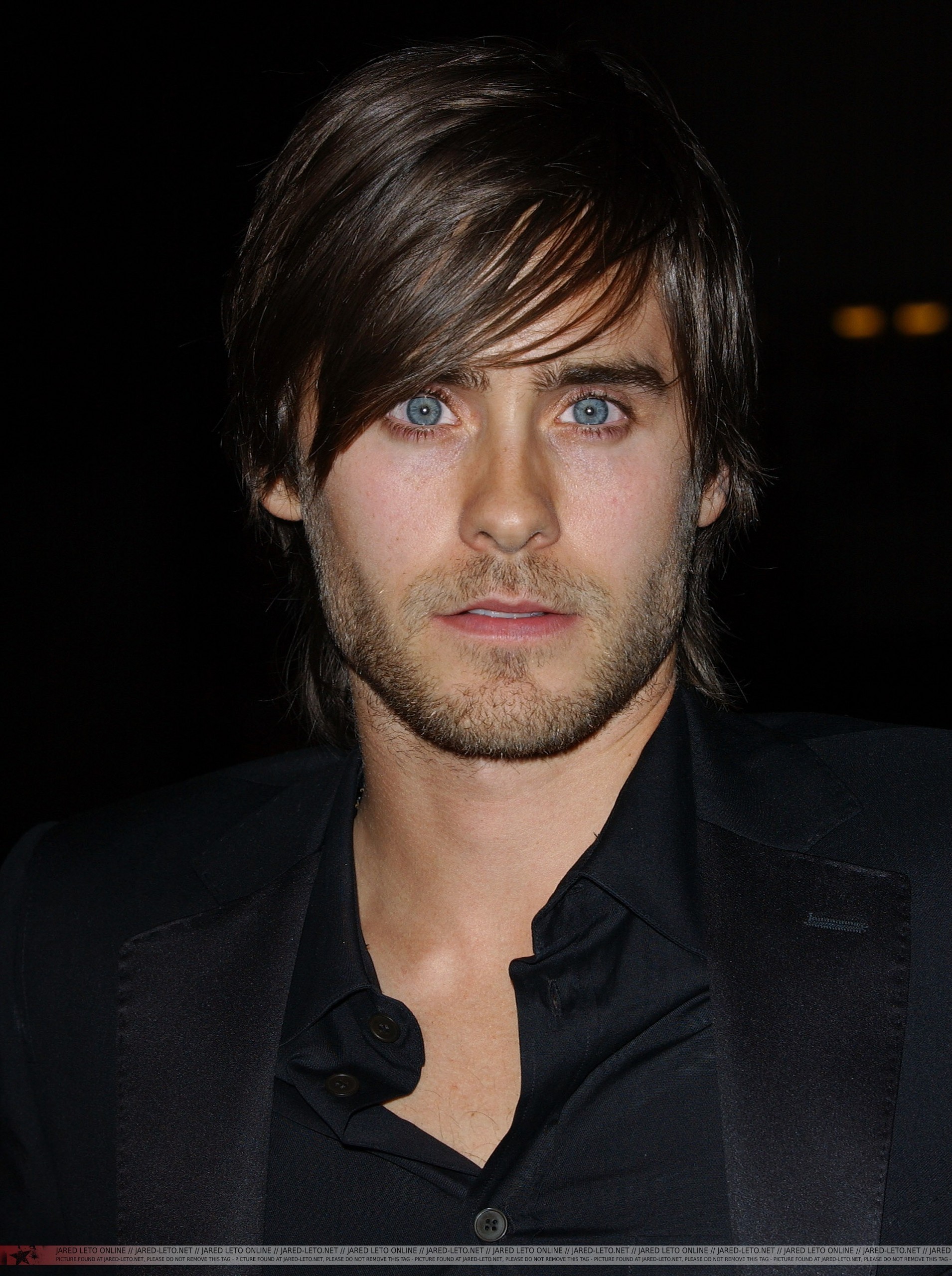
5. Jared Leto’s Enigmatic Program in *TRON: Ares* (2025)
Jared Leto has consistently been an actor drawn to transformative and often intensely distinct roles, frequently portraying characters with a unique edge. Whether deeply troubled, exceptionally brilliant, or powerfully enigmatic, his career is marked by a willingness to explore figures that exist outside traditional heroic archetypes, often leaning into the avant-garde or profoundly complex. Audiences have come to expect him to disappear into roles that demand significant physical and psychological alteration, showcasing a chameleon-like ability that has become a hallmark of his acting style.
His highly anticipated involvement in *TRON: Ares*, as the titular Program, Ares, presents a particularly intriguing case, strongly hinting at a potential villainous or at least antagonistic turn. The synopsis describes Ares as a “highly sophisticated Program, who is sent from the digital world into the real world.” This premise alone suggests a profoundly disruptive force, a powerful entity crossing digital boundaries in a franchise known for its stark conflicts between programs and users, and between differing digital ideologies. The article outline explicitly guides us to consider Leto’s “enigmatic and potentially antagonistic program,” laying the essential groundwork for a character whose motivations and actions may very well place him in direct opposition to established heroes or even humanity itself.
Within the rich, neon-drenched universe of *TRON*, programs crossing into the “real world” typically symbolize a profound and often dangerous threat, or a paradigm-shifting event of immense consequence. If Ares is a “highly sophisticated Program” with the unprecedented capacity to traverse worlds, his true intentions become critically paramount. Given Leto’s established history of portraying characters who challenge the status quo or embody a certain dark, compelling charisma, it’s highly plausible that Ares could emerge as a formidable antagonist. He could very well wield advanced digital power in the human realm with devastating effect. His enigmatic nature means his villainy might not be one of overt aggression but rather a more insidious, manipulative force, utilizing his technological sophistication to achieve unknown, potentially destructive, ends that could unravel both realities.
The allure of witnessing an actor of Leto’s caliber, renowned for his intense and committed performances, embody such a pivotal and potentially destructive digital entity is immense for the devoted *TRON* fandom. It perfectly taps into the ‘what if’ scenarios that ScreenRant thrives on, inviting fervent speculation about the true nature of Ares’s mission and the sheer scale of the threat he poses to both the digital and real worlds. Will he seek to subjugate humanity, merge the realms, or simply dismantle the existing order for his own inscrutable purposes? This kind of role allows Leto to infuse his characteristic intensity into a character who profoundly blurs the lines between artificial intelligence and existential threat, creating a villain whose complexity could fundamentally redefine the very fabric of the *TRON* narrative and leave audiences pondering the far-reaching implications long after the credits roll.

6. The Compelling Antagonist in *The Toxic Avenger* (2023)
*The Toxic Avenger* franchise, celebrated for its unique cult status and often gleefully over-the-top practical effects, reimagines its classic premise with a new film released in 2023. While the core story centers on Winston Gooze, a downtrodden janitor brilliantly portrayed by Peter Dinklage, who is transformed into the titular anti-hero, our outline specifically highlights “the compelling possibility of a familiar face as the antagonist” in this new iteration. This immediately sparks fervent interest among fans, as the original Troma films were famously characterized by their grotesquely memorable villains and the sharp, satirical societal commentary they so effectively embodied. The crucial question then becomes, which familiar face from the stellar cast could step into such a deliciously wicked role, challenging our expectations of their usual heroic or sympathetic portrayals?
Upon examining the impressive cast list—which includes Peter Dinklage as Winston Gooze, Kevin Bacon, Elijah Wood, and Taylour Paige—Kevin Bacon emerges as an incredibly strong and prime candidate for the antagonist. Bacon boasts a long and illustrious career, often starring in a wonderfully diverse range of roles from heroic figures and relatable everymen to more complex, sometimes morally ambiguous characters. While he is certainly a “familiar face” with a celebrated past in iconic films like *Footloose* and *Apollo 13*, Bacon has also masterfully tackled villainous roles throughout his career, showcasing a remarkable ability to pivot into unsettling darkness. This versatile background makes him an absolutely ideal choice to embody the kind of memorable, charismatic, and often over-the-top villain that *The Toxic Avenger* franchise not only demands but thrives upon.
Imagine the sheer cinematic delight of watching Kevin Bacon, known for his intense and charismatic screen presence, fully embracing the role of the primary antagonist against the newly formed Toxic Avenger. His exceptional ability to convey a sense of understated menace or outright gleeful, unhinged villainy would perfectly complement the darkly comedic and action-packed tone of the film. The synopsis explicitly details Winston Gooze’s transformation after a “catastrophic toxic accident,” implying he becomes a hero, or perhaps a hero of a very unique kind, by fighting the nefarious forces that led to his horrific condition or those who seek to exploit it. A powerful, perhaps deeply corrupt corporate mogul or a politically connected, morally bankrupt figure, played with relish by Bacon, would provide a formidable and utterly compelling foe for Gooze, leveraging Bacon’s familiar charm to mask a truly rotten, insidious core.
Such a casting choice wouldn’t just be effective; it would be a true ScreenRant-style ‘what if’ scenario brought vividly to life, captivating fans with the exhilarating spectacle of an action-oriented, beloved actor relishing a villainous turn. It provides a truly unique opportunity for Bacon to play wonderfully against type, or at least, against the more conventionally heroic aspects of his public persona, diving headfirst into the glorious absurdity and brutal satire inherent in *The Toxic Avenger*. His commanding presence as a central villain would undoubtedly elevate the film, providing a recognizable and intensely charismatic foil to the monster hero, making the central conflict all the more engaging and the transformation of a “familiar face” into a memorable villain a highlight of the movie-going experience.
This strategic casting of a recognizable actor as the antagonist profoundly underscores the lasting impact of such bold career choices, which is a pivotal reflection point in our article’s outline. It powerfully demonstrates that actors are increasingly willing to challenge established audience expectations, skillfully using their established heroic images to make villainous roles even more impactful and resonant. When an actor of Kevin Bacon’s caliber, with his extensive history of diverse and memorable roles, commits to playing a definitive villain in a franchise with such a distinct and beloved tone, it not only energizes the film itself but also powerfully reminds us of the vast potential within cinematic storytelling for reinvention and exhilarating surprise. It ensures these dark, unexpected turns continue to deeply resonate with audiences, sparking discussions and leaving an indelible impression.
This exhilarating journey through these captivating performances—from Leonardo DiCaprio’s unsettling sadism to Mark Wahlberg’s cunning thievery, Josh Brolin’s potential orchestrator of terror, Ethan Hawke’s terrifying returning boogeyman, Jared Leto’s enigmatic digital threat, and the compelling villainy a familiar face like Kevin Bacon might embody—underscores a powerful and exciting truth in Hollywood. These dramatic shifts from hero to villain are not merely clever casting tricks designed for shock value; they are profound explorations of an actor’s craft and a director’s daring vision. They challenge our inherent biases, force us to look beyond restrictive typecasting, and ultimately enrich the entire cinematic experience by adding complex, thought-provoking layers to storytelling. When our beloved action heroes bravely dare to step into the deepest shadows, they powerfully remind us that the greatest narratives often emerge from the most unexpected and thrilling transformations, leaving an indelible mark on both the characters they brilliantly play and the audience’s captivated imagination.