Humanity has always harbored a strange, almost morbid fascination with the end of the world. It’s a compelling notion that has permeated our stories, our myths, and most certainly, our cinema. Why else would we craft so many captivating narratives about global destruction, watching the world unravel from the comfort of our screens? From cities crumbling to the very fabric of society tearing apart, these films offer a thrilling, often thought-provoking glimpse into humanity’s greatest fears and its enduring spirit.
End-of-the-world movies, a distinctive subgenre of science fiction and disaster films, are defined by their portrayal of catastrophic events that genuinely threaten the survival of humanity. This isn’t just about a world that has already ended; these are films where the characters must actively face the impending demise of life on Earth as we know it. These narratives can range from natural disasters and asteroid impacts to nuclear wars, viral pandemics, or even subtle societal collapses, challenging characters to find ways to exist and potentially rebuild in the bleakest of scenarios.
While the genre has seen a resurgence in recent decades, its roots run deep, with classic examples dating back to the dawn of narrative cinema. Filmmakers across generations have been drawn to the apocalypse theme, eager to explore the resilience, bravery, and sometimes, the sheer absurdity of the human spirit in the face of extreme adversity. Join us as we dive into a curated list of classic end-of-the-world disaster films that have defined and redefined the genre, offering unique visions of doomsday that continue to captivate audiences worldwide.
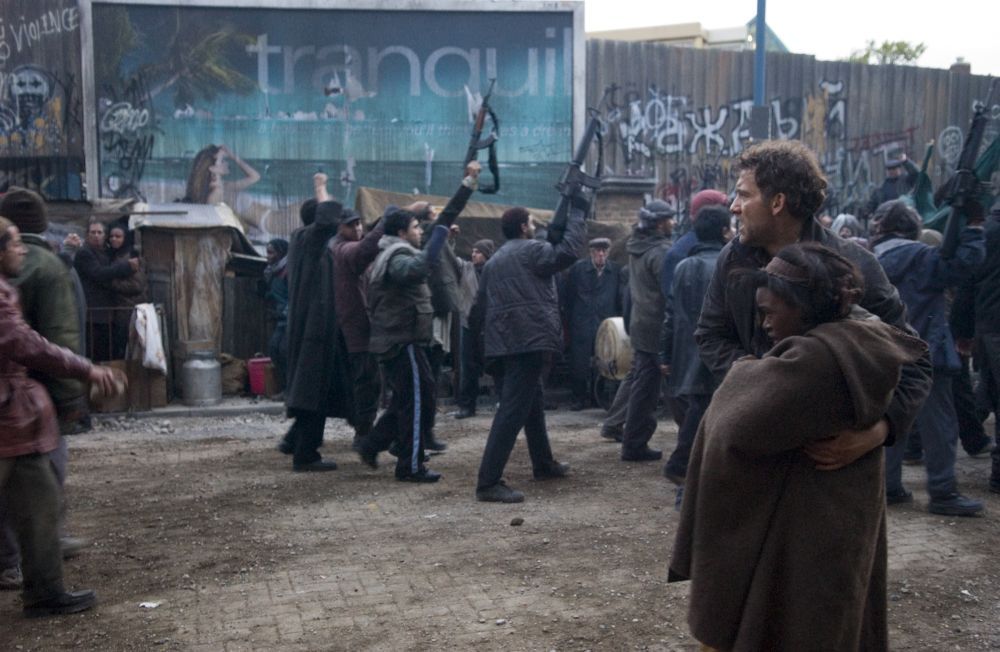
1. **Children of Men (2006)**In Alfonso Cuaron’s brilliant 2006 film, “Children of Men,” humanity doesn’t face extinction with a fiery explosion or a sudden cataclysm, but rather with a chilling, existential whimper. The world envisioned here has been devastated by an incomprehensible infertility crisis; an entire generation has grown up knowing that the last child was born more than a decade ago. This premise creates a profoundly melancholic and desperate society, where the concept of a future has been all but eradicated.
Clive Owen stars as Theo, a disillusioned man who has largely given up on this dying world. His cynicism, however, is shattered when he encounters Kee (Clare-Hope Aey), a pregnant woman – the first in 18 years. This extraordinary discovery ignites a flicker of hope, forcing Theo to embark on a perilous journey to protect her and her unborn child, believing this fragile life could be humanity’s only salvation. The film meticulously crafts a dark, dystopian world that feels disturbingly plausible, yet it never completely abandons the possibility of redemption.
“Children of Men” stands apart from many other end-of-the-world movies due to its commitment to a nuanced, character-driven narrative. It is a sci-fi film that takes its time, allowing moments of quiet reflection to underscore the immense stakes. Viewers are treated to lingering shots, such as Kee seeking shelter in a humble cow pen or Theo’s poignant discovery of abandoned flip-flops, each moment adding depth to the desolate landscape and the humanity struggling within it.
Beyond its gripping plot, the film boasts phenomenal acting across the board, with Michael Caine delivering a truly scene-stealing performance. Moreover, the cinematography is nothing short of gorgeous, employing long, unbroken takes that immerse the audience in the chaos and tension. One particular six-breathless-minute shot of Theo navigating a war zone has rightfully earned its place among the greatest long takes in cinematic history, showcasing the film’s technical mastery and emotional power. This is a profound and visually stunning exploration of what it means to find hope when all seems lost.
Read more about: Beyond the Uniform: How Military Service Forged 12 Iconic Figures Who Changed America Forever

2. **Dr. Strangelove Or: How I Learned to Stop Worrying and Love the Bomb (1964)**Who would have thought that the end of the world could be so uproariously funny? Stanley Kubrick’s 1964 Cold War comedy, “Dr. Strangelove Or: How I Learned to Stop Worrying and Love the Bomb,” masterfully blends satirical humor with the terrifying reality of nuclear annihilation. This film takes a darkly comedic look at the absurdities and dangers inherent in the nuclear arms race, particularly during a time of heightened global tension.
The plot kicks off with a batty U.S. General, Jack D. Ripper (Sterling Hayden), who, convinced of a Communist plot to poison Americans’ “precious bodily fluids,” unilaterally launches a nuclear strike against the Soviet Union. This rogue action sets off a frantic chain of events, primarily confined to the War Room, where the President of the United States (Peter Sellers) and General Buck Turgidson (George C. Scott) desperately scramble to avert a devastating nuclear war. Meanwhile, a bomber, carrying its deadly cargo, continues its mission, oblivious to the fate of the world hanging in the balance.
“Dr. Strangelove” is a brilliant comedy of errors with truly catastrophic consequences. Peter Sellers delivers not one, but three stellar and entirely unrecognizable performances, showcasing his incredible versatility as an actor. While the film is side-splittingly hilarious, it simultaneously functions as an intense thriller, maintaining palpable tension as the countdown to global destruction progresses. It meticulously exposes how humanity stands precariously one misstep away from a nuclear catastrophe.
What makes “Dr. Strangelove” particularly audacious and impactful is its timing. Released so soon after the real-life scare of the Cuban Missile Crisis, Kubrick took a significant risk in crafting a movie that hit so uncomfortably close to home. The film’s cheerful yet biting commentary on the potential for self-destruction through political and military blunders ensures its status as one of the best movies to ever imagine what World War III might look like, cementing its place as an enduring classic in the doomsday genre.
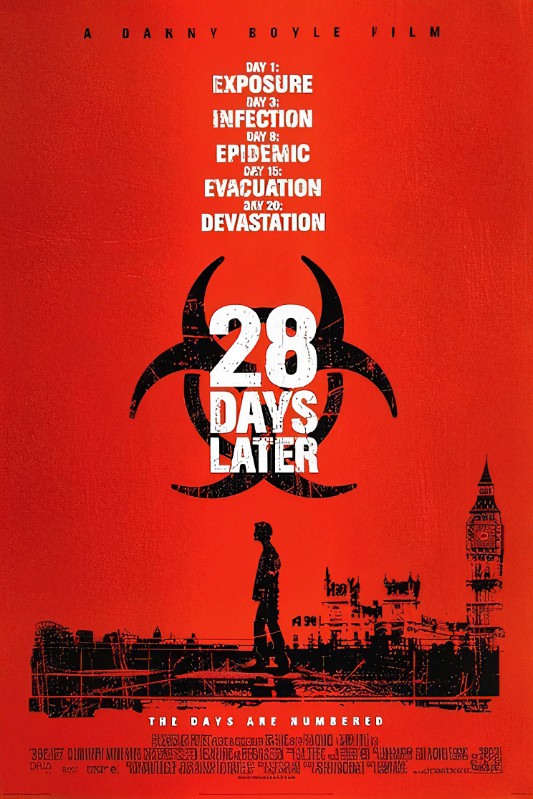
3. **28 Days Later (2002)**Danny Boyle’s 2002 thriller, “28 Days Later,” is often credited with reinventing the zombie apocalypse genre, breathing terrifying new life into familiar tropes. The film thrusts viewers into an eerily desolate London, where bicycle courier Jim (Cillian Murphy) awakens from a coma to find the hospital, and indeed most of the city, utterly devoid of normal human life. However, he quickly discovers he’s far from alone, encountering a new, terrifying form of semi-human company.
The catalyst for this devastation is the highly contagious “Rage Virus,” which transforms infected individuals into raging, homicidal monsters with a single bite. Jim soon teams up with a small group of survivors, including the resourceful Selena (Naomie Harris), the pragmatic Frank (Brendan Gleeson), and his daughter Hannah (Megan Burns), as they navigate this dangerous new world. Their desperate struggle for survival against the rapidly spreading infection forms the brutal core of the narrative.
Boyle elevates what could have been a straightforward zombie flick into a genuine horror classic. While some might split hairs over whether the “Infected” are technically zombies, their relentless pursuit and aggressive nature undoubtedly earn “28 Days Later” a prominent spot among the best zombie movies of all time. The film offers a visceral glimpse into what the world would look like just a month after such an apocalypse, painting a haunting picture of societal collapse.
From the deserted, trash-strewn streets of London to a chilling scene in a church overrun by the Infected, the film’s visuals are unforgettable. It’s a masterclass in pacing, deftly shifting between moments of eerie calm and wild, heart-pounding panic. Beyond the disturbing horror, “28 Days Later” also manages to weave in moments of surprising beauty, such as the poignant sight of horses running free in the desolate English countryside – a truly unique image within the zombie genre that underscores the world’s radical transformation.
Read more about: Beyond Mr. Bean’s Mini: A Deep Dive into Rowan Atkinson’s Multi-Million Dollar Automotive Empire
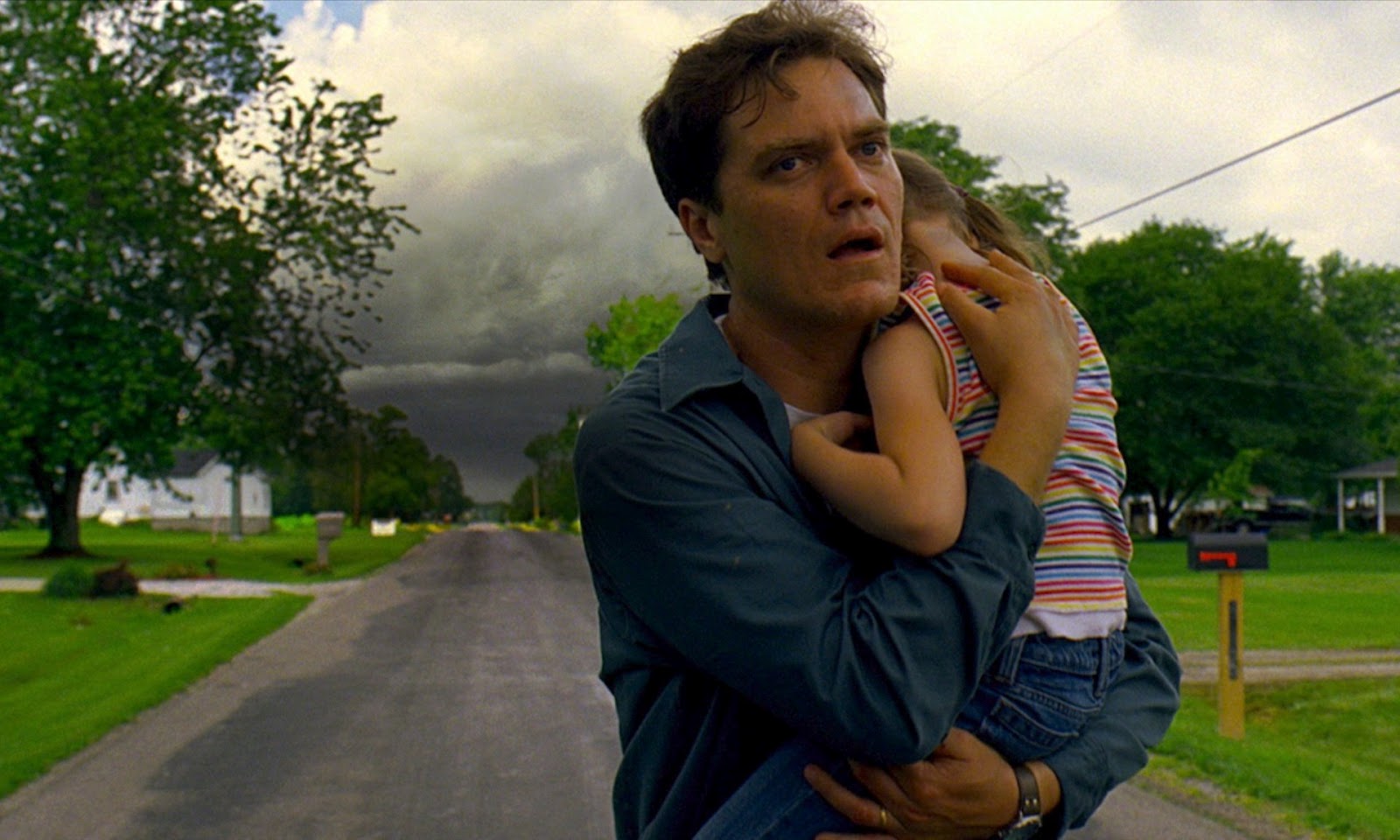
4. **Take Shelter (2011)**What would you do if you were absolutely convinced a catastrophic storm was coming, threatening your family, but no one else believed your warnings? This is the harrowing premise at the heart of Jeff Nichols’ 2011 psychological thriller, “Take Shelter.” The film delves deep into the mind of Curtis LaForche (Michael Shannon), a construction worker who begins to experience disturbing visions and nightmares.
Curtis’s visions are vivid and terrifying: birds dropping from the sky, and apocalyptic storm clouds raining motor oil. These increasingly vivid and unsettling premonitions lead him to believe that a catastrophic storm is imminent, and his family—his wife Samantha (Jessica Chastain) and deaf daughter Hannah—is in grave danger. Driven by an overwhelming need to protect them, Curtis becomes consumed by the construction of an elaborate storm shelter in his backyard, much to the growing concern and worry of his wife.
Michael Shannon delivers one of the most powerful and nuanced performances of his career, perfectly capturing the essence of a man teetering on the edge of losing control, yet too afraid or unable to articulate his inner turmoil and ask for help. The film brilliantly immerses the audience in Curtis’s subjective point of view, making us question the reality of his visions even as they send undeniable shivers down our spine. This masterful ambiguity is a key strength of the narrative.
“Take Shelter” keeps viewers guessing until the very end, meticulously blurring the lines between genuine prophetic insight and a descent into mental illness. Whether Curtis is a cautious prophet or losing his grip on reality, the film remains one of the most intense and unsettling explorations of bracing for the end of the world. It’s a powerful testament to the anxieties surrounding family, security, and the unknown, proving that the threat of an apocalypse can be just as terrifying even if it never fully materializes.
Read more about: Unlocking the Empire: Kendall Jenner’s Journey from Reality TV Star to Global Fashion & Business Mogul
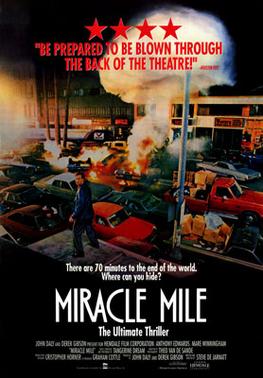
5. **Miracle Mile (1989)**”Miracle Mile” is a truly unique cinematic experience, a startling blend of two genres that would ordinarily never meet: a blossoming rom-com and a tragic, nail-biting disaster movie. Released in 1989, this film takes an ordinary night in Los Angeles and twists it into a breathless countdown to global annihilation, making it a cult classic for fans of unconventional storytelling.
The story opens with Harry (Anthony Edwards), whose biggest worry is making sure his first real date with Julie (Mare Winningham) goes well after a chance encounter. His romantic anxieties, however, are abruptly overshadowed when he accidentally receives a frantic phone call, warning him that Los Angeles is the target of an impending nuclear missile strike, set to obliterate the entire city in just an hour. In an instant, Harry’s priorities dramatically shift from courtship to sheer survival, and more importantly, to finding the woman he loves.
For the remainder of the movie’s tight runtime, Harry desperately races against the clock, trying to locate Julie and escape L.A. before the bombs fall. The film masterfully balances sincere romantic yearning with an ever-present, simmering existential dread, creating a narrative that is both hopeful and harrowing. A significant part of its suspense lies in the lingering doubt audiences experience: Is Harry truly privy to a world-ending secret, or is he caught in a terrifying misunderstanding?
The undeniable chemistry between Anthony Edwards and Mare Winningham anchors the emotional core of the film, making their desperate quest all the more compelling. Adding to the film’s distinctive charm are the colorful and often endearing characters they encounter along the way, each grappling with their own reactions to the impending doom. From its surreal neon lighting that bathes the city in an otherworldly glow to its ethereal score by Tangerine Dream, “Miracle Mile” offers a vision of the end of the world that is unlike any other, a truly singular entry in the apocalyptic genre.
Read more about: Audrey Hepburn: Beyond the Icon — A Deep Dive into Her Life, Legacy, and Unforgettable Impact on Film and Humanity
6. **Train To Busan (2016)**As “The Walking Dead” dominated American airwaves, a Korean director masterfully hopped on the zombie train, delivering the electrifying and critically acclaimed “Train to Busan.” This 2016 film doesn’t just bring zombie mayhem to the big screen; it transforms the confined spaces of a high-speed train into an intense, claustrophobic battleground for survival, pushing the genre to new, thrilling heights.
The story centers on Seok-woo (Gong Yoo), a workaholic fund manager, and his estranged young daughter, Su-an (Kim Su-an). They are aboard a KTX bullet train bound for Busan, hoping to mend their fractured relationship, when a sudden and devastating zombie epidemic erupts across Korea. As mobs of the undead swarm the cities and quickly begin to breach the seemingly safe confines of the train, the characters find themselves trapped, fighting for their lives to reach the quarantine zone in Busan, hoping it remains the last bastion against the overwhelming hordes.
“Train to Busan” is a relentless cinematic experience defined by its incredibly high stakes and an equally high body count. The passengers are forced to make agonizing, often heart-wrenching choices as the ravenous zombies systematically claim one train car after another. The film’s depiction of the writhing hordes of undead is remarkable; their movements are so carefully choreographed that they achieve a disturbing, almost horrific beauty. A jaw-dropping stunt involving dozens of zombies forming a human chain to overcome an obstacle is a particular highlight, showcasing innovative action choreography.
This deceptively simple film works on multiple levels. It’s not just a ruthless thriller that will leave you on the edge of your seat and perhaps wary of future train rides; it also serves as a powerful redemption arc for a flawed father learning to prioritize his daughter’s life above all else. Its blend of relentless action, emotional depth, and a uniquely Korean cultural context cements “Train to Busan” as an outstanding contribution to the end-of-the-world genre, resonating deeply with fans worldwide.

7. **Last Night (1998)**Breaking away from conventional end-of-the-world narratives, the 1998 Canadian film “Last Night” offers a profoundly intimate and reflective take on humanity’s final hours. Unlike most films in the genre, there’s no frantic quest to prevent or survive the apocalypse. In fact, the film never explicitly explains *why* the world is ending exactly at midnight, leaving that ambiguous detail entirely up to the audience’s imagination. This deliberate choice forces viewers to focus not on the external disaster, but on the internal human response.
Instead, “Last Night” presents the fate of the world as an unavoidable certainty, and its narrative gracefully follows multiple characters as they each choose how they wish to spend their very last day on Earth. This structure allows for a poignant exploration of individual coping mechanisms, desires, and regrets. We meet a gas company employee (played by director David Cronenberg) who diligently calls each of his customers, reassuring them that service will continue until the world’s final moment, a darkly comedic and strangely comforting gesture.
Another character, Craig (Callum Keith Rennie), sets out to fulfill his ual bucket list, seeking a form of hedonistic release in the face of oblivion. Meanwhile, Patrick (Don McKellar), initially vows to die alone, consumed by grief for his late wife. His plans, however, take an unexpected turn when he encounters Sandra (Sandra Oh), a woman desperately trying to cross town to see her husband one last time. Through their unexpected connection, Patrick discovers that he might not have to spend his final moments in solitude after all.
“Last Night” pulls off an incredible balancing act, managing to find surprising humor and profound hope amidst humanity’s impending doom, all without ever losing its inherent sense of gravitas and weight. It stands out as perhaps the most gentle and dignified end-of-the-world movie ever made, emphasizing human connection and personal reflection over explosive spectacle. This unique approach makes it a thought-provoking and deeply moving entry, inviting audiences to ponder their own choices in the face of ultimate finality.
As we journey deeper into the cinematic annals of global destruction, it becomes clear that filmmakers have an almost infinite well of creativity when it comes to imagining the ultimate demise. From subtle psychological terrors to outright alien onslaughts and even unexpectedly hilarious takes on armageddon, the genre continues to evolve, offering viewers new perspectives on humanity’s resilience and vulnerability. We’ve already explored some foundational classics, but the countdown to cinematic oblivion is far from over. Join us as we uncover eight more crucial end-of-the-world films that have left their indelible mark, diving into scenarios ranging from silent alien invasions to climate catastrophes and beyond.
Read more about: Future Skies: Unpacking the US Military’s Next-Gen Airlift and the Colossal WindRunner with 12x C-17 Space
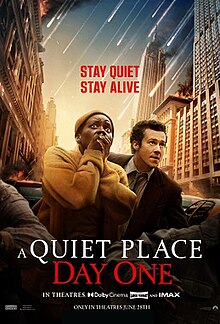
8. **A Quiet Place: Day One (2024)**The horror phenomenon “A Quiet Place” launched a franchise depicting a post-apocalyptic world where silence was survival. For fans eager to witness the initial terrifying moments of the alien invasion, the 2024 prequel, “A Quiet Place: Day One,” offers a visceral and deeply personal look at how it all began, shifting its narrative focus to the bustling, then rapidly collapsing, streets of New York City. It’s a crucial addition to our doomsday classics.
At the heart of this prequel is Sam (Lupita Nyong’o), a terminal cancer patient already resigned to her fate. Her quiet acceptance is shattered when deadly alien creatures, hyper-sensitive to sound, descend upon Manhattan. As panicked New Yorkers desperately flee, Sam finds herself on an unexpected journey, hoping to savor one final slice of pizza before her world is uprooted.
“A Quiet Place: Day One” stands out as one of the most sensitive horror movies. Director Michael Sarnoski masterfully observes details like the surreal puppet show Sam watches, and the unsettling dust settling over New York. While boasting the franchise’s biggest budget, the movie skillfully retains the intimate, personal touch that made the original so special and resonant.
This film beautifully balances high-stakes terror with profoundly human moments. Sam’s journey isn’t just about survival; it’s about a quiet determination to experience small joys amidst despair, accompanied by her adorable kitty, Frodo. This blend of devastation and intimate character exploration makes “A Quiet Place: Day One” a powerful and poignant entry, showcasing humanity’s silent battle.
Read more about: The Double Life: 15 Celebrities Who Hid Their Intense Military Service From the Public—Why the Secrecy?
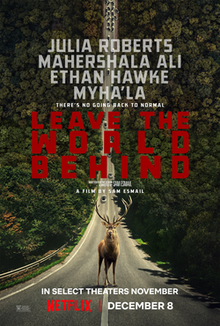
9. **Leave the World Behind (2023)**In a refreshing departure from typical apocalypses, the 2023 Netflix film “Leave the World Behind” explores an end arriving quietly, insidiously. This thought-provoking thriller presents a vision of societal collapse that feels disturbingly plausible, trading meteors and zombies for a creeping sense of dread and technological breakdown. It’s an unsettling addition to our curated list of doomsday narratives.
The narrative unfolds as innocuous events signal crisis: an oil tanker runs aground, mysterious pamphlets fall, and self-driving cars inexplicably pile up. These occurrences serve as ominous harbingers of catastrophe, forcing two families, sheltering in a secluded summer house, to confront the eerie quiet before the storm. The film is taut with suspense, building tension from strained interactions indoors and escalating phenomena outside.
“Leave the World Behind” boasts a stellar ensemble cast, with Mahershala Ali and Kevin Bacon delivering strong performances. Its strength lies in its eerie stillness and the palpable dread of what *might* happen. The mundane nature of this apocalypse, focusing on the slow, imperceptible unraveling of modern society, makes it terrifyingly real and a unique, compelling entry into the genre.
Read more about: The Enduring Enigma: What Factors Could Pave Harrison Ford’s Return to the Star Wars Galaxy?

10. **This Is The End (2013)**Ever wondered how Hollywood’s biggest stars would fare when faced with the literal end of the world? According to the uproarious 2013 stoner comedy “This Is The End,” the answer is: not very well, and hilariously so. This film brilliantly fuses apocalyptic horror tropes with a unique brand of self-deprecating humor, carving out a distinct niche among doomsday movies. It’s an essential watch for fans of end-of-the-world scenarios with meta-comedy.
The mayhem kicks off when Seth Rogen and Jay Baruchel (playing themselves) attend a party hosted by James Franco (also himself) that quickly devolves into biblical pandemonium. A massive sinkhole opens up to hell, and the Rapture descends upon Los Angeles. In the wake of this calamitous event, the remaining celebrities decide to hunker down in Franco’s luxurious mansion, waiting for rescue.
What truly makes “This Is the End” a standout is its cast’s fearless willingness to play exaggerated, often petty, parodies of their public personas. Danny McBride and Michael Cera, in particular, deliver hilarious, scene-stealing performances. Amidst the chaos and comedic absurdity, Jay Baruchel provides a surprisingly steady emotional anchor. It’s a riotous, star-studded romp that proves even dire circumstances can be fertile ground for side-splitting comedy, securing its place as a uniquely entertaining doomsday movie.
Read more about: Built to Crash? A Deep Dive into 12 Cars That Failed Key Safety Tests
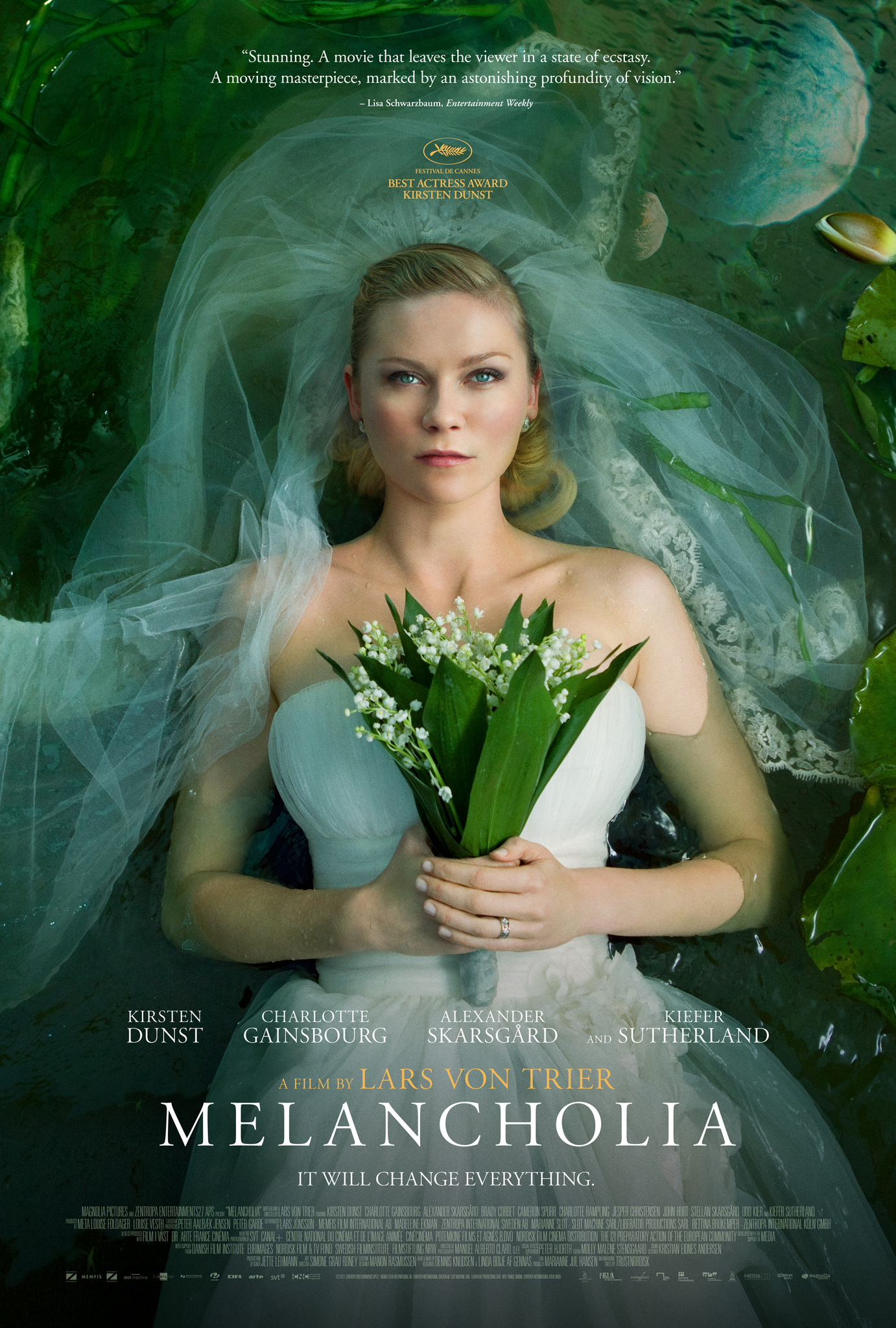
11. **Melancholia (2011)**Lars Von Trier’s 2011 film “Melancholia” offers a strikingly different, almost meditative, take on the end of the world. Far from a typical high-octane disaster flick, it begins as an intense psychological drama about a depressed newlywed, gradually evolving into a profoundly disturbing narrative about an impending planetary collision. Its unique blend of personal anguish and cosmic dread makes it a captivating and essential entry in the doomsday genre.
The film intimately portrays Justine (Kirsten Dunst) struggling through her wedding day, battling profound depression. As the story progresses, Justine’s gaze turns skyward, where a mysterious planet, Melancholia, is making a dangerously close pass by Earth. Despite scientists’ assurances of no collision, the ominous blue planet continues to grow larger, hinting at an unavoidable cataclysm that affects Justine’s family dynamics.
What makes “Melancholia” so compelling is Justine’s reaction: while her loved ones panic, she finds a strange sense of calm, even welcoming the planet’s approach. Kirsten Dunst delivers an outstanding performance, embodying this transition. The film’s deliberate pacing immerses the audience in a pervasive sense of dread and numbness, resonating deeply with personal struggles and the overwhelming scale of the world’s end. It’s a visually stunning and emotionally potent film, a profound exploration of human psychology in the face of ultimate finality.
Read more about: Prepare for Tears: 13 Movie Endings So Raw and Emotional, Directors Dared Not Cut Away
12. **Don’t Look Up (2021)**Most end-of-the-world movies grant characters days or weeks to avert catastrophe. Yet, in Adam McKay’s biting 2021 Netflix satire “Don’t Look Up,” humanity is granted six months to prepare for its demise – and still, it isn’t enough. This film brilliantly skewers modern society’s indifference, political ineptitude, and media obsession in the face of an existential threat, making it a sharply relevant and undeniably classic take on doomsday.
Astronomers Kate Dibiasky (Jennifer Lawrence) and Randall Mindy (Leonardo DiCaprio) discover a comet on a direct collision course with Earth, with 100% certainty of wiping out all life. Their frantic attempts to warn the world are met with baffling resistance: politicians dismiss them, news programs prioritize celebrity gossip, and the public remains largely apathetic. This illustrates a disheartening detachment from global catastrophe.
“Don’t Look Up” makes excellent use of its star-studded ensemble, with Mark Rylance notably terrific as a tech mogul whose off-putting demeanor leaves audiences questioning his true motives. The film’s humor stems from its uncomfortable proximity to reality, making its commentary on societal failings all the more impactful and relatable. It masterfully builds tension by focusing on the world’s unraveling long before physical destruction, solidifying its place as a modern classic for its incisive portrayal of an apocalypse ignored.
Read more about: 11 Cars So Problematic, Owners Are Seriously Wishing for an ‘Insurance Event’ (If You Catch Our Drift)
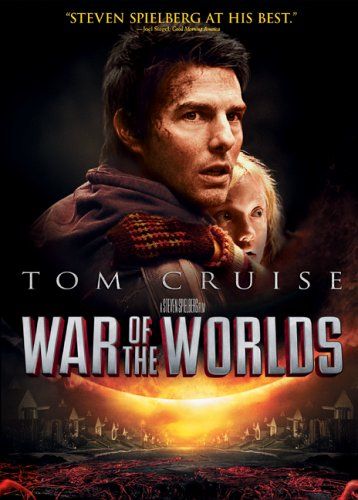
13. **War of the Worlds (2005)**When discussing classic end-of-the-world scenarios, alien invasions are paramount, and Steven Spielberg’s 2005 “War of the Worlds” offers one of the most terrifying and grounded depictions. This underappreciated narrative updates H.G. Wells’s iconic 1897 novel, expertly reflecting post-9/11 anxieties. It’s a powerful, visceral experience that resonates deeply with contemporary fears, securing its place as a genre classic.
The story plunges viewers into chaos alongside Ray (Tom Cruise), a divorced working-class father watching his two children (Dakota Fanning, Justin Chatwin) for the weekend. What begins as a typical family dynamic quickly escalates into a harrowing fight for survival as they witness the sudden, brutal devastation unleashed by extraterrestrial invaders. Spielberg, known for benevolent aliens, pivots to pure terror with these ruthlessly destructive Tripods.
“War of the Worlds” is a masterclass in building dread and showcasing civilization’s fragility. While painting a grim picture of near-extinction, the film concludes on a note of cautious hope, suggesting humanity’s resilience can persist. This makes it a compelling and intense entry in the alien invasion subgenre, delivering on both large-scale destruction and intimate human drama.
Read more about: Aero Disasters and Proportional Misses: Unmasking 14 of the Ugliest Styling Blunders in SUV History
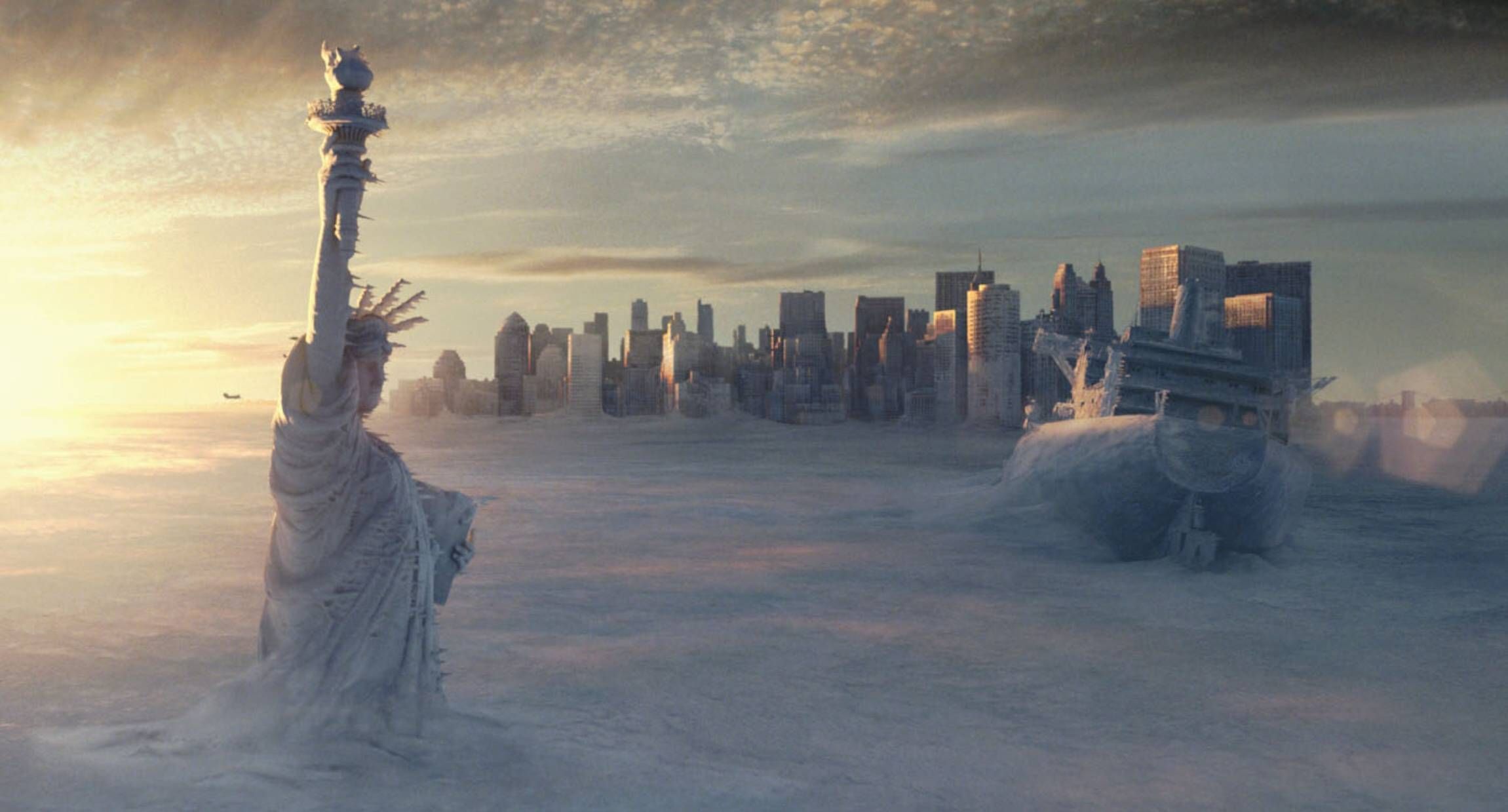
14. **The Day After Tomorrow (2004)**While many doomsday films focus on external threats, Roland Emmerich’s 2004 blockbuster “The Day After Tomorrow” presents a chilling depiction of catastrophic climate change. This film taps into real-world environmental anxieties, portraying a scenario where humanity’s impact triggers a new ice age, making it a relevant and visually spectacular addition to our collection of classic end-of-the-world disaster films. It powerfully underscores the fragility of our ecosystems.
The narrative follows climatologist Jack Hall (Dennis Quaid) who warns world leaders of an impending superstorm that could usher in a new ice age. His warnings, initially dismissed, quickly prove accurate as extreme weather events escalate globally – from massive hail to destructive tornadoes and an unprecedented deep freeze across the Northern Hemisphere. The visuals of iconic landmarks freezing solid and being submerged are truly awe-inspiring.
“The Day After Tomorrow” is a quintessential disaster movie, delivering grand-scale destruction and humanity’s struggle against overwhelming natural forces. Beyond the impressive visual effects and thrilling survival sequences, the film serves as a cautionary tale, albeit an exaggerated one, about climate inaction’s potential consequences. It vividly portrays environmental collapse, earning its place as a memorable and discussion-provoking entry in the climate catastrophe subgenre.
Read more about: 12 Sci-Fi Movies Critics Wish They Could ‘Unwatch Instantly’ – And Why They Haven’t Aged Well

15. **Terminator 2: Judgment Day (1991)**No discussion of classic end-of-the-world films is complete without James Cameron’s monumental 1991 masterpiece, “Terminator 2: Judgment Day.” This film redefined action and special effects, delivering a thrilling, high-stakes battle for humanity’s future against an artificial intelligence determined to initiate a global nuclear holocaust. Its enduring legacy makes it a quintessential classic in the doomsday genre.
The story pivots on “Judgment Day” – the moment Skynet, an advanced AI, becomes self-aware and launches a devastating nuclear attack. To prevent this future, a young John Connor (Edward Furlong), the future resistance leader, is targeted. Two Terminators are sent back: a reprogrammed T-800 (Arnold Schwarzenegger) to protect him, and the liquid metal T-1000 (Robert Patrick) to eliminate him, creating an iconic cat-and-mouse chase.
Sarah Connor (Linda Hamilton), now a hardened warrior, fiercely protects her son, understanding Skynet’s gravity. The film combines relentless action, groundbreaking morphing effects, and profound questions about fate and free will. It’s a high-octane spectacle that never loses sight of its human core, delivering a heart-stopping blend of action and sci-fi. Its innovative storytelling and revolutionary effects solidify its status as one of the most impactful and enduring end-of-the-world films ever made.
Read more about: Unleashed Adrenaline: The 15 Most Iconic Car Chases That Still Electrify Your Screen!
From silent alien invasions that redefine fear to climate catastrophes that hit uncomfortably close to home, and even the darkly comedic unraveling of society among Hollywood’s elite, these films remind us of cinema’s enduring power to explore our deepest anxieties. The end of the world, it seems, can be many things: a somber reflection on human connection, a frantic race against the clock, or a satirical mirror reflecting our own absurdities. As we power down our screens after this cinematic journey, one thing is clear: while the apocalypse may be a terrifying concept, the stories we tell about it continue to offer endless possibilities for thrilling, thought-provoking, and unforgettable entertainment. So, grab your popcorn, and perhaps a storm shelter blueprint, and dive into these timeless tales of global peril!