
Ever sat in a darkened theater, heart pounding, as the curtain rises on a Broadway spectacle, feeling utterly transported to another world? That moment of pure magic, where light, sound, and story converge, feels almost effortless. But, honey, let me tell you, what you see on stage is just the tip of a truly massive, intricate iceberg of ambition, artistry, and more than a few all-nighters!
Behind every dazzling costume, every perfectly timed spotlight, and every goosebump-inducing note, lies a labyrinthine process. It’s a journey filled with sparks of brilliance, nail-biting decisions, and countless hours of dedicated craftsmanship. We’re talking about a collaboration of innovative designers, skilled craftsmen, precise stage managers, and unseen choreographers who all work tirelessly to conjure immersive experiences, transporting audiences to new worlds.
Today, we’re pulling back the velvet curtain to peek into this hidden world. Forget about those whispered rumors of divas demanding specific curtain calls—we’re diving deep into the actual journey of how a Broadway show goes from a mere flicker of an idea to a standing ovation in New York City. Get ready, because we’re about to explore the first five essential steps that bring Broadway’s magic to life, one incredible stage at a time!

1. **The Spark: Where Ideas Begin**Every single Broadway show, from the grandest musical to the most intimate drama, starts with nothing more than a flicker. It’s a flash of brilliance that can hit a writer on a train ride, a composer in the shower, or even a savvy producer scrolling through an old news article. Some of these initial ideas pop like popcorn, bursting forth with immediate energy, while others might simmer for years, carefully tucked away in notebooks or digital voice memos, often labeled with urgent “DO NOT DELETE” warnings.
This initial spark can take many forms. Some productions are born entirely new, spun from pure imagination, much like the acclaimed Dear Evan Hansen or the mythological Hadestown. Then there are those that borrow their bones from familiar tales, deftly adapted from beloved novels, popular movies, intriguing historical headlines, or even, believe it or not, viral tweets. “That’s right—what starts as a quirky tweet could end up belting from Broadway’s biggest stages. Wild, huh?” It’s a testament to creativity’s unpredictable nature.
The creative culprits behind these sparks are often playwrights and lyricists, who get the ball rolling with their initial concepts and narratives. However, producers sometimes ignite the fire too, constantly hunting for compelling stories that have “legs”—meaning, they have the potential to fill seats and consistently earn standing ovations. Composers quickly jump into the fray to transform mere words into profound emotion, ensuring a sad scene becomes a truly “sob-worthy song,” or a pivotal plot twist evolves into a memorable “showstopper.” Everyone involved is relentlessly chasing that magical blend of truth, impeccable timing, and theatrical gold.
At its very core, a Broadway idea requires more than just dazzling razzle-dazzle. It demands heart, a clear vision, and a compelling reason for it to be told *now*. A truly good show doesn’t merely entertain for a couple of hours; “it leaves you buzzing, broken, or both.” It lingers in the mind and heart long after the final bow. All of this incredible journey, this powerful impact, begins with that single, whispered “what if?” – the birth of an idea that dares to dream big.
Read more about: From Garage Startup to Global Phenomenon: The Wild Ride of YouTube, and What It Looks Like Now!

2. **Writing the Show**Once that initial spark takes hold and an idea begins to germinate, the hard work of sculpting a show that truly sings, both literally and emotionally, commences. This is where the fireworks of inspiration meet the concrete framework of theatrical construction. At the very heart of every Broadway production lies “the book”—which is essentially the script. This crucial document defines the characters, outlines the scenes, establishes the overall structure, and crafts every line of dialogue. It’s not just about what is said, but precisely “when and why it’s said,” because on stage, “timing is everything.” A great book possesses “the rhythm of a rollercoaster and the soul of a sonnet,” guiding the audience through every narrative twist and turn.
Then, there’s the score – the very “heartstrings and harmonies” of a musical. Composers dedicate themselves to dreaming up melodies that possess an irresistible catchiness, the kind that might “stick in your head like gum on a shoe (but, you know, in a good way).” Simultaneously, lyricists pour raw emotion and profound meaning into every single word sung. Together, these musical elements are designed to “lift the plot off the ground and into goosebump territory.” Whether it’s the “Miranda’s linguistic lightning in Hamilton” or the “Sondheim’s sly wit in Into the Woods,” the music must relentlessly “move the story forward,” ensuring there’s “no filler. No fluff. Just fire.”
But here’s a secret: “writing is rewriting.” Ask any caffeinated creative, hunched over a red-inked draft, and they’ll confirm it. Shows endure endless revisions, numerous readings, and intensive workshops. During these sessions, industry professionals sit in, sipping their coffee, and provide notes that can both “hurt (and help).” It’s not always the glamorous, spotlight-filled process one might imagine. Often, it involves “folding chairs, fluorescent lights, and actors bravely belting through half-baked scenes,” all in the pursuit of perfection.
The writing team itself can be a solo act, with one brilliant mind taking on all roles, or it can be a “dynamic trio,” like the acclaimed Pasek & Paul, “who weave melody and emotion like musical magicians,” often “paired with a powerhouse book writer.” Collaboration, in this world, is absolutely “the name of the game,” meaning that “egos get checked at the stage door.” The true magic happens “when the right minds meet,” and instead of merely complementing each other, “words and music don’t just complement each other—they combust.”
Read more about: Beyond the Headlines: Unpacking the Social Media Trends Taylor Swift Has Navigated and Challenged

3. **Securing Production: Finding Backers**So, your script finally sings, the score stirs the soul, and your workshop even made “a few folks weep”—congratulations! Now comes the part that absolutely no one likes to romanticize: “the money talk.” Let’s be real, Broadway dreams don’t come cheap. Before dazzling sets can rise and breathtaking lights can glow, you absolutely “got to secure the cash to make it all happen.” And trust us, that in itself is a whole intricate production of its own, demanding strategic thinking and persuasive charm.
“Pitches fly” in this high-stakes environment. Creators embark on a whirlwind of meetings with potential investors, independent producers, and savvy theater-moguls, all armed with slick “vision decks, demo tracks, and infectious enthusiasm.” This intense period can often feel like “Shark Tank meets showbiz,” a thrilling blend of creative passion and sharp financial acumen. Sometimes, the task is “wooing wealthy theatre lovers” who are deeply passionate about the arts. Other times, it involves “charming corporate suits with zero interest in tap shoes—but a keen eye for return on investment.” It’s a delicate dance between art and commerce.
At the helm of this financial odyssey is the lead producer, a true jack-of-all-trades. They are “part financier, part cheerleader, part therapist,” navigating the complex landscape of bringing a show to fruition. They’re the ones tirelessly “making calls, aligning investors, hiring creatives, and signing contracts.” A savvy producer isn’t just “writing checks;” they are actively “guiding the ship through creative tempests and financial whirlpools,” steering the production safely “from pre-production to post-opening.”
The financial scope can “swing wildly” in the world of Broadway. A smaller Off-Broadway show might just “squeak by with under a million” dollars, a significant sum in its own right. However, a full-fledged Broadway behemoth, such as “The Lion King or Spider-Man: Turn Off the Dark (remember that chaos?),” can easily “soar past $20 million.” Every single element, “from cast size to LED screens,” comes with a hefty price tag attached, making securing funds a monumental task.
Not every show is built exclusively on private capital. Some productions gain “a leg up through nonprofit theatre incubators,” like The Public or New York Theatre Workshop, providing crucial funding and visibility for newer concepts. “Grants, donations, and arts councils also help lift lesser-known voices or riskier concepts into the spotlight,” ensuring a diverse range of stories. In essence, “a brilliant script needs a bold backer. And once the backing’s in place, the curtain doesn’t just rise—it roars.”

4. **Assembling the Creative Dream Team**Hold onto your programs, because even with brilliant words and a secured budget, a Broadway show can’t become magic all on its own. Oh no, it needs *people*. A whole lot of them, in fact! And we’re not talking about just *any* people, but a hand-picked “crew of visionaries who can turn a script into a living, breathing spectacle.” Think of this crucial stage like “assembling The Avengers, only with more sequins and fewer capes (well… usually),” bringing together diverse talents for one incredible mission, ensuring the show truly “flies” when they “lock in.”
At the forefront are the visionaries who shape the narrative and movement. The director serves as the show’s “compass, captain, and creative north star,” shaping the tone, pacing, and emotional arcs, elevating the script into something profound. Just look at “Julie Taymor’s puppetry wizardry in The Lion King or Thomas Kail’s clean genius in Hamilton.” Hand-in-hand is the choreographer, who doesn’t just teach steps but “choreographs emotion,” making “every leap, twist, or sly shoulder roll” part of the story, transforming dance into dialogue, like “Bob Fosse’s angular punctuation.”
Next, the indispensable design team works tirelessly to construct the show’s physical and sensory world. Costume designers meticulously “define character before a single line is spoken,” while set designers craft immersive environments. Lighting artists “guide emotion,” and sound engineers “breathe life into silence.” Projection wizards can even “transform a static stage into the cosmos or a Brooklyn stoop in seconds.” Together, they intricately weave “the world the audience lives in for two hours.”
The musical architects then take center stage. Music directors transform the raw score “into a living force,” tirelessly teaching the cast harmonies, collaborating with the pit orchestra, and guaranteeing “every note hits with precision and power.” The orchestrator meticulously arranges these notes for a full ensemble, “translating piano demos into lush, dynamic experiences,” a transformation akin to moving “from a sketch to a full-blown painting.”
Finally, the unsung heroes of backstage coordination, the stage managers, are the ultimate “glue” of the production. They are responsible for “calling the cues, keep everything on schedule, solve problems before they explode, and basically prevent the entire production from descending into delightful chaos.” “Calm in the storm, clipboard in hand, headset always on—they’re the real MVPs backstage,” ensuring a seamless experience for both cast and audience.
Read more about: From Hidden Gems to Iconic Ensembles: 15 Movies Where the Cast Made All the Difference

5. **Casting the Show**With the creative dream team firmly in place, the thrilling, often nerve-wracking, task of finding the perfect “faces—and voices—that’ll bring the story to life” begins. Casting a Broadway show is a fascinating blend of “part puzzle, part gamble, and part gut instinct.” It’s a delicate balance because “the wrong pick? The whole thing can wobble.” But when that magical connection happens, and “the right one” is chosen, “that’s Broadway lightning in a bottle,” a moment that can elevate a show from good to legendary.
The journey to finding these stars, both established and emerging, typically “kicks off with auditions.” These can range from massive, “chaotic open calls with hopefuls lined up around the block,” each dreaming of their big break, to more private sessions meticulously “arranged through agents and casting directors who know who can nail a riff or hold a crowd with one tear-streaked monologue.” As the process unfolds, callbacks become instrumental, narrowing the field. Here, “chemistry reads, movement tests, and cold reads push contenders into the spotlight—or send them packing,” making the competition fierce and exhilarating.
There’s a constant, careful “balancing act between seasoned stars and fresh talent” in the casting room. Major celebrities, with their recognizable names, undoubtedly “sell tickets,” which is why you’ll frequently “see celebs headlining revivals or limited runs.” However, the industry also deeply values newcomers, who “bring hunger, surprise, and often, a breakout moment that no one saw coming.” Broadway, in its essence, is beautifully “built on both,” relying on the magnetism of established performers and the raw, exciting potential of new faces.
All performers, from the leads to the ensemble, must adhere to the stringent “rules of the Actors’ Equity Association,” the powerful union dedicated to protecting “wages, work hours, and safety.” This means navigating complex contracts, adhering to minimum salaries, and ensuring mandatory breaks are taken. This is also where the vital roles of “understudies” come into play. These incredible individuals “learn a lead’s role in full,” standing ready to step into the spotlight “with a moment’s notice—sometimes with only hours (or less!) of warning.”
But wait, there’s more! “Swings are even more mind-blowing.” These exceptional performers “learn multiple ensemble tracks—sometimes a dozen or more—and jump in whenever needed, no panic, no problem.” And finally, the “standbys? They’re the secret weapons waiting just offstage,” prepared to cover “one or two key roles with zero regular performance, but full readiness. Talk about pressure!” Ultimately, casting isn’t solely about “vocal chops or acting range—it’s about chemistry, presence, and spark.” Because “when the right actor slips into the right role, something happens. The room shifts. And that’s when a show really starts to breathe.”
Read more about: Beyond the Stage: An In-Depth Look at the Enduring Evolution of the Actor, Actress, and the Art of Performance

6. **Rehearsals and Workshops**Alright, so you’ve got your superstar cast and your creative squad locked in? Awesome! Now, hold onto your playbills, because this is where the real magic (and maybe a little bit of beautiful chaos) truly begins. Rehearsals are where those flat words on the page suddenly get a voice, some flesh, and a whole lot of movement. It’s exhilarating, it’s intense, and honestly, it’s where creativity often meets frantic problem-solving head-on!
It all kicks off with the famed ‘table read.’ Imagine everyone—cast, creatives, maybe even a few nervous producers—sitting in a room, scripts in hand, reading the entire show aloud for the very first time. You can practically feel the energy! These initial reads are super crucial; they reveal the rhythm of the dialogue, the early sparks of chemistry, and any awkward transitions that need a little finessing. Soon after, it’s all about music rehearsals, where the cast dives into harmonies, melodies, and nailing that perfect timing, essentially learning how to sing their guts out without going flat (or breathless!).
As the weeks fly by, the stage starts to come alive with blocking and choreography. This is where directors precisely shape who moves where, when, and most importantly, why, guiding the performance arcs of every character. Choreographers, meanwhile, design sequences with painstaking detail, from every toe tap to every sly shoulder shimmy, making sure movement becomes a seamless part of the storytelling. This is where the show’s pacing is perfected, those goosebump-inducing moments are discovered, and vital trust is built among the entire cast and crew—and trust us, that happens fast!
Then comes what’s affectionately known as ‘tech week.’ Oh, the legendary stress sandwich! For the very first time, all the intricate layers—lighting cues, sound effects, set movements, and those blink-and-you’ll-miss-them costume quick-changes—collide with a live performance. Scene transitions are tested and re-tested, light cues are timed to the millisecond, and stagehands transform into stealthy ninjas, moving props in absolute blackout silence. Seriously, if someone isn’t crying by day three of tech week, are you even doing it right? It’s intense, but so rewarding.
After all that, it’s time for previews. This is the moment the audience finally enters the equation, and let me tell you, that changes *everything*. Jokes that slayed in rehearsal might not land, emotional beats could suddenly feel off, and scenes that seemed perfectly tight might unexpectedly drag. Creators are glued to their seats, scribbling furiously in the dark, preparing for the overnight changes that inevitably follow. Songs might get cut, dialogues rewritten, and even entire endings reshaped. Talk about working under pressure!
Read more about: Here’s What Really Happened To Elizabeth Berkley: An In-Depth Look at Hollywood’s Toughest Reckonings and Redemption

7. **Design and Technical Production**Now, let’s talk about the unsung heroes of spectacle: design and technical production! These folks may not take a bow at curtain call, but trust me, they are the invisible spine of every single Broadway show. Without their ingenious work, the entire production would fall flatter than a pancake on a parquet floor. Their ultimate goal? To make the absolutely impossible look completely effortless. The truth, however, is that it’s anything but simple.
It all kicks off with scenic design. The set designer is truly an architect of dreams, sketching, modeling, and conjuring up entire worlds—whether it’s a war-torn barricade, a glitzy ballroom, or a mystical haunted wood. Once their vision is approved, carpenters and painters jump into action, building structures that must be not only sturdy and breathtakingly beautiful but also capable of changing in a blink. We’re talking modular pieces, cleverly hidden trap doors, and even massive rotating stages—nothing is off-limits if it helps tell the story.
Meanwhile, lighting designers are busy mapping out every single mood and moment using intricate cue books and detailed lighting plots. They don’t just brighten the stage; they use light to paint emotions and guide the audience’s focus. A perfectly timed fade or a precisely aimed spotlight can make a scene soar or a character disappear into a whisper. It’s less about sheer brightness and more about emotional precision—like painting with electricity, if you can imagine that! And costumes? They’re sketched, meticulously stitched, and then sweat-tested to ensure they look amazing and survive eight shows a week. Then comes the legendary quick changes: rapid, almost athletic wardrobe swaps done in mere seconds, a controlled chaos in the wings where dressers are like pit crews at a Formula 1 race.
Sound design is an art form all its own, working behind the scenes to immerse you completely. Engineers collaborate closely with composers and directors to balance live vocals, the full orchestration, and subtle sound effects. Every tiny detail—from a mic pack’s signal to a character’s footstep or a booming thunderclap—must be crystal clear, perfectly timed, and, most importantly, totally invisible to you, the audience. It’s about creating an aural environment that pulls you deeper into the story without you even realizing it.
And let’s definitely not forget the incredible automation, rigging, and special effects. Ever wanted a massive chandelier to crash dramatically? A witch to soar gracefully across the stage? Or even a full-sized helicopter to land onstage during a scene? Broadway’s got you covered! But pulling off these breathtaking feats requires a symphony of operators, motors, cables, and fail-safes working in perfect harmony. Trust us, one mistimed cue, and things can get spicy real quick backstage! These design and tech wizards are truly the unseen cast members, the silent storytellers, and every standing ovation belongs to them, too.
Read more about: Beyond the Headlines: Unpacking the Social Media Trends Taylor Swift Has Navigated and Challenged

8. **Out-of-Town Tryouts or Off-Broadway Runs**Before a dazzling new show dares to brave the bright lights of Broadway, it usually takes a strategic test drive outside the intense glare of the New York spotlight. These early runs—whether they’re full-blown out-of-town tryouts or an Off-Broadway debut—are like intense Broadway bootcamps. Think of them as a crucial safe space to experiment, fail (gracefully, of course!), adjust bravely, and polish relentlessly, all without the terrifying pressure of a front-page review in *The New York Times* breathing down your neck.
Why dodge Manhattan at first, you ask? Well, feedback is absolutely golden in this business, and a more forgiving crowd in places like Chicago, Atlanta, or San Diego can be a game-changer. These audiences help creators figure out what truly hits and what, unfortunately, flops. These trial runs provide invaluable space to try out wild, boundary-pushing ideas, accurately gauge the pacing, trim any narrative fat, and tweak transitions without sparking press panic or Twitter meltdowns. It’s all about refinement before the big reveal.
Some of Broadway’s biggest juggernauts actually evolved quite drastically during these crucial trial phases. Take *Wicked*, for instance: it famously struggled during its initial San Francisco tryout! Critics weren’t exactly enchanted, and entire scenes had to be reworked from top to tail. Or consider *Hamilton*, which first hit Off-Broadway at The Public Theater. Audiences responded so explosively that producers instantly knew they had lightning in a bottle. Even then, it still underwent significant reshaping before its triumphant Broadway transfer, but the core magic had definitely taken root.
During these previews, the cast performs for real, paying audiences, while the creative team watches intently from the back row, scribbling furiously. Did that joke land as intended? Was that emotional ballad perhaps a bit too long? Should the villain dramatically enter stage left instead of right? Based on these nightly reactions, changes can happen in real-time, often overnight! Songs get swapped out, lines are cut, and entire scenes can disappear between a Wednesday and a Thursday performance. It’s a dynamic, ever-evolving process.
These test runs might be less glamorous, sure, with fewer flashing lights and red carpets, but they are undeniably where a show’s very soul gets sharpened. It’s often messy, certainly nerve-wracking for everyone involved, and absolutely crucial for the ultimate success of the production. Because if a Broadway debut is the grand, glittering opening, then the out-of-town run is the intense dress rehearsal where dreams either stretch to new heights—or, unfortunately, sometimes snap under the pressure.

9. **Opening on Broadway**After what often feels like months—or let’s be real, sometimes years—of crafting, cutting, rewriting, and endless rehearsing, the ultimate moment of truth finally arrives: opening on Broadway! This isn’t just a simple milestone; it’s a high-stakes, high-glamour debut that can literally make or break a show overnight. When that curtain rises, it doesn’t just go up—it explodes with anticipation!
But first things first, producers have to secure a theater. And trust us, that’s no small feat in itself! Broadway houses are surprisingly few, demand is incredibly high, and ownership is largely concentrated among a few powerful organizations like the Shubert, Nederlander, and Jujamcyn groups. The size of the theater also matters immensely. Is it an intimate play that needs a cozy 600 seats? Or a grand, sprawling spectacle requiring room for a full orchestra, flying scenery, and 1,500 roaring fans per night? It’s a strategic puzzle to solve.
Then come the press previews. These are essentially trial performances, but with a twist: they’re specifically for critics and media. And let me tell you, these are *not* casual affairs! Cameras flash, notepads flip, and reputations literally hover in the wings. For weeks leading up to opening night, the creative team holds its collective breath, fine-tuning every single element, every pause, every spotlight cue, before those dreaded (or eagerly anticipated!) first reviews drop. The pressure is palpable.
Opening night itself is an intoxicating blend of show, celebratory party, and intense pressure cooker. Red carpets are ceremoniously unrolled, cast members beam with excitement (though some are secretly panicking inside!), and a star-studded lineup of celebrities packs the house. After the final, triumphant bow, the champagne flows freely, heartfelt speeches are made, and everyone, absolutely everyone, checks their phones just a little too often. It’s a moment of immense relief, joy, and profound anxiety, all rolled into one unforgettable evening.
Because once the show officially opens, the critics weigh in—and *The New York Times* review is often the one that truly counts. A glowing review from them? That’s pure box office gold, practically guaranteeing a long and successful run! A scathing one, however? Well, that could unfortunately spell doom for the production, sometimes leading to a swift closing notice. While social media and word of mouth now play increasingly larger roles, traditional press still holds serious sway, especially with tourists and those crucial investors. It’s a nail-biting waiting game!
Read more about: The Near-Impossible Production: How *The Godfather* Defied Odds and Almost Didn’t Get Made
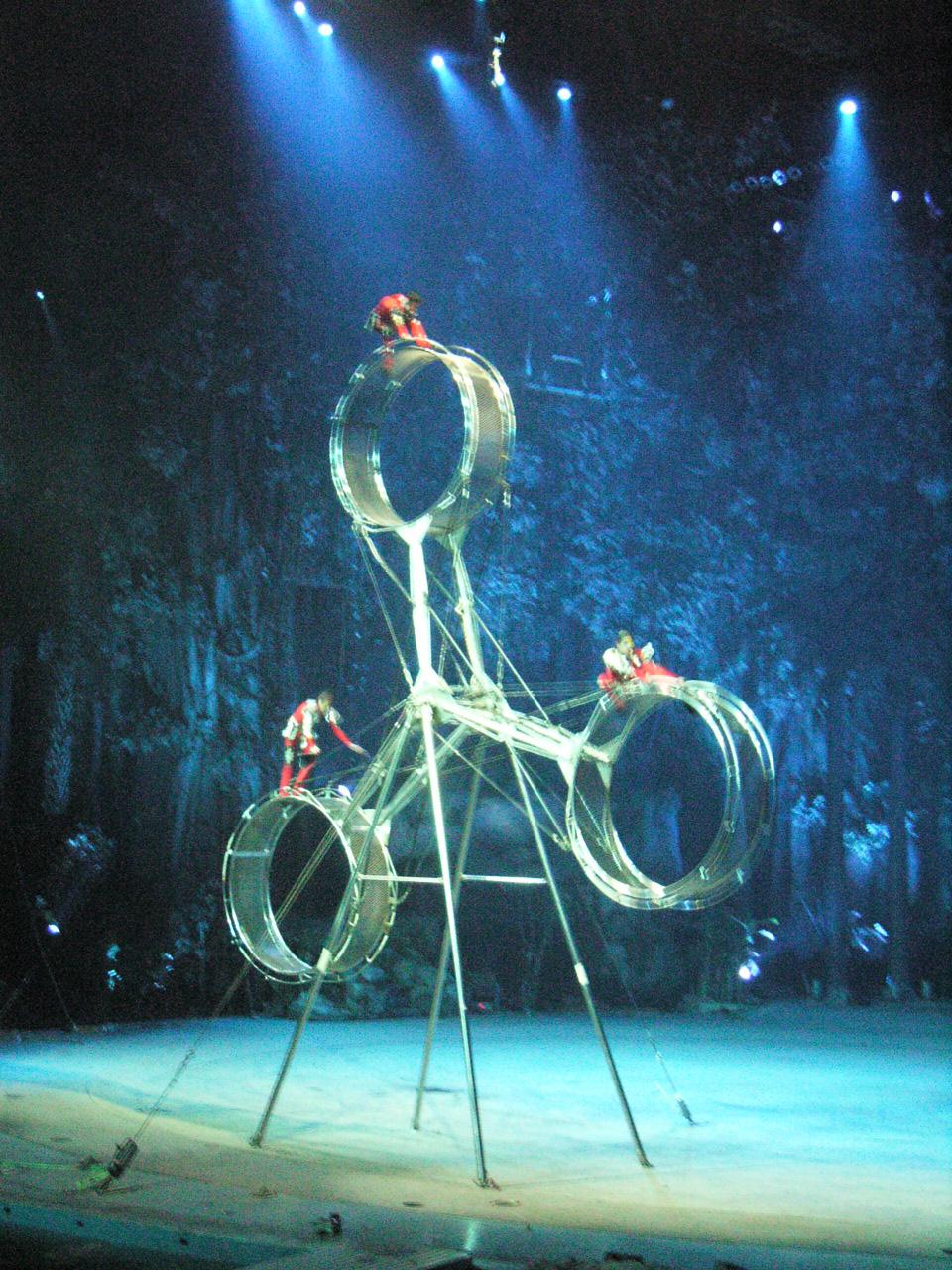
10. **Running the Show Night After Night**Okay, so opening night might be the glittering, emotional peak, but what follows is the true, gritty grind of Broadway life. A Broadway show doesn’t just magically live; it repeats. Night after night. Eight times a week. Come rain or shine, through holidays, matinees, and those precious (but often working) Mondays off. It’s honestly like being in an exhilarating marathon where every mile looks exactly the same, yet each performance has to feel as fresh, spontaneous, and utterly captivating as the very first time.
Most Broadway productions dutifully stick to a set weekly performance schedule—typically Tuesday through Sunday, with matinees usually scheduled on Wednesday and Saturday. Sundays and Mondays might offer a brief reprieve, but for the dedicated cast and crew, rest is always relative. While the audience sees a perfectly seamless, magical show unfold before their eyes, backstage is a whirlwind of hustle, sweat, and what can only be described as meticulously choreographed chaos. It’s a continuous, demanding dance.
Throughout it all, the incredible stage management team is the absolute linchpin, keeping every single element meticulously on track. They’re the ones calling lighting and sound cues with split-second precision, coordinating those lightning-fast costume and set changes, and essentially serving as the calm in the eye of the tactical chaos that constantly swirls backstage. They are the unsung heroes who ensure that no matter what unexpected curveball gets thrown, the show goes on, flawlessly, every single time. It’s a testament to their unwavering dedication and incredible organizational prowess.
Read more about: Unveiling the Hollywood Hierarchy: The Secret Rules and Celebrity Seating Dramas of the Oscars
So there you have it: the epic journey of a Broadway show, from that tiny spark of an idea all the way to years of enchanting audiences night after night. It’s a wild, wonderful ride, powered by countless dedicated individuals who pour their hearts, souls, and often their sleep, into creating those unforgettable moments of magic. The next time you sit in that darkened theater, feeling utterly transported, remember the incredible labyrinth of ambition, artistry, and sheer grit that brought that world to life. It’s a collaborative masterpiece, a testament to what happens when dreams truly take center stage!