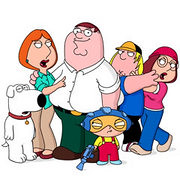
In the sprawling, often unpredictable landscape of television, few shows have navigated a more turbulent path to cultural prominence than Seth MacFarlane’s *Family Guy*. Today, it stands as an enduring adult animated sitcom, celebrated by legions of fans for its distinctive brand of humor and its seemingly permanent fixture in the entertainment zeitgeist. Yet, its journey to this esteemed status was anything but conventional, marked by a relentless barrage of criticisms, multiple network cancellations, and a series of controversies that painted a vivid picture of a program constantly pushing the boundaries and, in turn, frequently inviting intense public and industry scrutiny.
The narrative of *Family Guy*’s early life is one deeply etched with struggle, where creative ambition often collided head-on with network expectations, public sensibilities, and the vigilant oversight of media watchdogs. It wasn’t merely a question of attracting an audience, though that proved a significant hurdle in itself; it was about meticulously, and sometimes controversially, navigating a minefield of content decisions that consistently sparked outrage, led to formal complaints, and frequently positioned the show at the epicenter of contentious cultural debates.
This in-depth exploration delves into the foundational challenges and persistent criticisms that have defined *Family Guy*’s tumultuous network journey, illuminating the multifaceted reasons why it struggled to establish a secure footing during its formative years. We will unpack the core issues that made it a difficult proposition for networks to fully embrace and consistently air, tracing the origins of its distinctive, yet often divisive, comedic style and the subsequent firestorm of resistance it ignited.
1. **Initial Low Ratings and Scheduling Woes***Family Guy*’s debut was, by all accounts, a promising one, strategically positioned in a coveted slot directly after the Super Bowl in 1999. This prime-time launch successfully garnered an impressive 22 million viewers, signaling a potentially strong start for the animated newcomer. However, this initial surge proved to be a fleeting victory, as ratings quickly began to plummet in the weeks and months that followed, prompting Fox to make swift and, at the time, seemingly premature cancellation decisions.
These initial struggles were not isolated incidents but rather a recurring theme in the show’s nascent existence. Fox, clearly unsure of the program’s long-term viability, moved to cancel *Family Guy* not once, but twice, first shortly after its second season began in 1999, and then again after a shortened season. These decisions, driven by the network’s perception that it wasn’t a hit, especially when scheduled against other popular series, created immense frustration and uncertainty among the show’s creators and its dedicated, albeit initially smaller, fanbase.
The impact of these cancellations on the staff was profound, with Dana Walden, chairman of Disney General Entertainment Content, reflecting on the distress felt by the entire team, particularly given the significant internal support the show already enjoyed. Walden, who witnessed these early struggles firsthand, noted that there was “a lot of love for the show at the studio and frankly, a lot of people at the network believed in it too.” The consensus was that *Family Guy* simply needed more time to build its ratings and cultivate a loyal viewership, a luxury not afforded by network executives focused on immediate returns.
Walden also championed the show’s originality as a primary reason for this support, observing that “since ‘The Simpsons,’ we hadn’t really seen an animated show that played on so many different levels—it was smart, had topical humor and was very broad skewing.” Despite this internal advocacy, the paramount issue remained the challenge of establishing a consistent foothold among television audiences. The network’s hurried cancellation decisions, made before fully exploring the series’ prospects for longevity, underscored the precarious nature of *Family Guy*’s early broadcast life, though, in hindsight, these fears ultimately proved unfounded as the show eventually triumphed.
Read more about: Talk About a Plot Twist! 14 Stars Who Walked Away From Their Hit Shows & Major Movie Sequels
2. **Reliance on Cutaway Gags**One of the most defining stylistic hallmarks of *Family Guy* is its pervasive use of cutaway gags, a comedic device that often involves an abrupt diversion from the main narrative to present a brief, often surreal or entirely unrelated, comedic sketch. While this technique became a signature element that resonated with many viewers, it simultaneously emerged as a significant point of contention and criticism, drawing the ire of media analysts and even fellow animators.
Critics frequently panned the show for its over-reliance on these non-sequitur interjections, arguing that they disrupted the narrative flow and often served as a crutch rather than an enhancement to the storytelling. This consistent editorial stance highlighted how the cutaway gag, intended to deliver quick laughs, often undermined the potential for deeper character development and a more cohesive plot, leading to a fragmented viewing experience for some.
The show’s characterization and writing outside of these gags were also often cited as weaknesses, with many commentators suggesting that the show struggled to maintain its comedic edge when not resorting to its favored structural quirk. This specific stylistic choice was not merely a matter of taste but was actively highlighted as a fundamental flaw in the show’s comedic construction by various critics who sought more substantive storytelling and character engagement.
Even other prominent figures in the animation industry weighed in on this particular aspect of *Family Guy*’s writing. For instance, *South Park* creators Trey Parker and Matt Stone openly criticized the show’s writing style, specifically mentioning their dislike for the comparisons drawn between their series and *Family Guy*, which they felt suffered from its reliance on such narrative digressions.
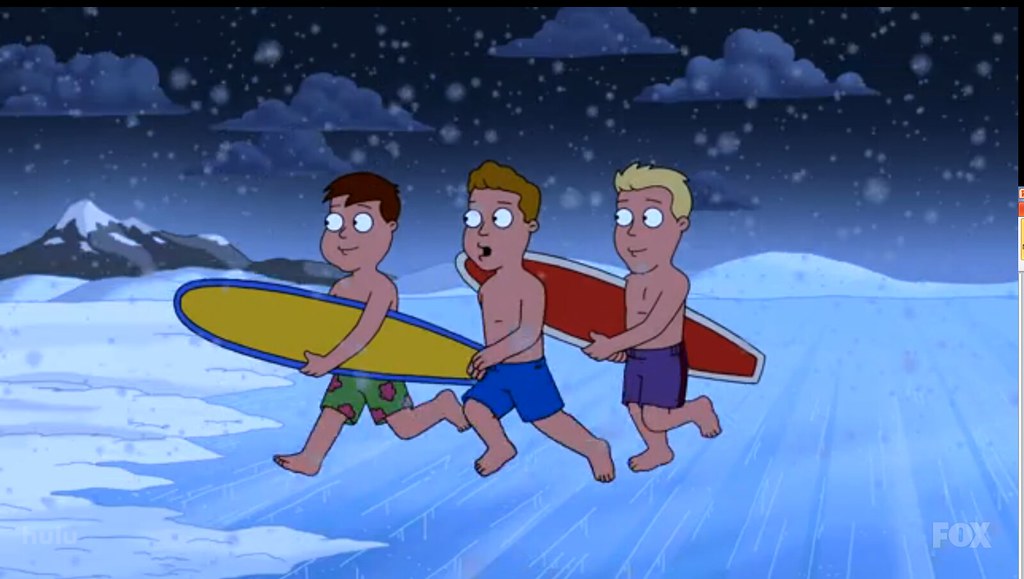
3. **Characterization and Narrative Weakness**Beyond the structural critiques leveled at its cutaway gags, *Family Guy* also faced substantial panning for its broader characterization and the perceived weakness of its narrative development. Critics frequently targeted the writing that existed outside the immediate humor of the cutaways, suggesting a lack of depth and consistency in the overall storytelling. This led to a perception that the show often prioritized isolated jokes over a compelling plot or genuinely evolving characters.
These perceived narrative deficiencies often resulted in *Family Guy* being unfavorably compared to its contemporaries, particularly long-running animated titans like *The Simpsons* and even *Comedy Central’s South Park*. Critics frequently pointed to the more robust character arcs and more integrated humor found in these other series, highlighting *Family Guy*’s struggles to match their narrative sophistication and emotional resonance beyond its more outlandish comedic premises.
Renowned television critic Ken Tucker of *Entertainment Weekly* was a particularly vocal detractor, frequently panning the show and famously assigning it a “D” grade. He even went so far as to name it the worst show of the 1999–2000 television season, a scathing assessment that encapsulated the widespread sentiment among certain media circles regarding its creative shortcomings. Tucker’s consistent negative reviews underscored the show’s struggle to earn critical acclaim for its writing and character work.
Indeed, Tucker’s ongoing disdain for the series was so pronounced that in 2005, he responded to a reader’s question by reaffirming his continued dislike for *Family Guy*. This sustained critical stance from influential media voices contributed significantly to the perception of the show as creatively flawed, making it a challenging sell for networks looking for critical approbation alongside viewership figures.
Read more about: The Bitter Harvest: Will Brad Pitt Finally Settle the Multi-Million Dollar Lawsuit Over His French Vineyard with Angelina Jolie’s Former Company?
4. **Excessive Pop Culture References**Another consistent thread in the critical tapestry surrounding *Family Guy*’s writing style was its propensity for excessive pop culture references. While a staple of many animated sitcoms, the sheer volume and often disconnected nature of these allusions in *Family Guy* became a distinct point of criticism, drawing specific attention from those analyzing the show’s comedic construction. This element was often cited in conjunction with its reliance on cutaway gags, seen as another facet of a writing approach that sometimes privileged fleeting jokes over a more cohesive narrative.
Critics often highlighted how the show’s humor heavily leaned on an audience’s familiarity with a vast array of films, television shows, historical events, and celebrities. While this approach could resonate with a pop-culture-savvy demographic, it also ran the risk of alienating viewers who might not grasp the references, or of making the humor feel dated over time as cultural touchstones faded from public consciousness. This perceived reliance on external cultural knowledge was identified as a stylistic weakness, contributing to the broader critiques of its writing outside of its more structural comedic devices.
The frequent interjection of these references, much like the cutaway gags, contributed to the impression that the show’s narrative was often secondary to its comedic arsenal. It led to commentary suggesting that *Family Guy* occasionally struggled to forge its own comedic identity, instead drawing heavily from a shared cultural lexicon rather than developing internal jokes or character-driven humor that could stand on its own without requiring external context. This characteristic, therefore, played a role in the show’s reputation for a somewhat disjointed and referential comedic style.
Comparisons to *The Simpsons*, which also employs pop culture references, often emerged, with critics suggesting that *Family Guy*’s implementation felt less organic or integrated into its storyline. This distinction further fueled the narrative of *Family Guy* being, at times, derivative or less refined in its comedic execution, positioning its extensive use of pop culture as a noticeable characteristic that contributed to the critical unease surrounding its overall quality and originality.
Read more about: Unseen Marvels: 14 Secret Tesla Features and Easter Eggs Beyond the Dashboard
5. **Dark Humor and Sexual Themes**From its earliest days, *Family Guy* quickly established itself as a purveyor of dark humor and explicit ual themes, a defining characteristic that would become a perpetual source of controversy and lead to significant backlash. This willingness to push boundaries, often delving into taboo subjects with a cynical and edgy comedic sensibility, inevitably attracted the attention of various special interest groups and concerned viewers, setting the stage for ongoing debates about taste and indecency.
The show’s unique blend of humor, which frequently ventured into morally ambiguous territory, prompted a sustained outcry from organizations and individuals who found its content deeply offensive. These themes were not mere background elements but were often central to specific gags and storylines, cementing *Family Guy*’s reputation as a program unafraid to tackle sensitive subjects, regardless of the potential for public condemnation.
Indeed, the explicit nature of its humor and its consistent engagement with ual themes became a primary driver for the numerous complaints filed against the series. Critics and watchdog groups alike cited these elements as prime examples of content that crossed acceptable lines for broadcast television, particularly in prime-time slots where a broader audience, including younger viewers, might be exposed to it. This constant pushing of the envelope directly contributed to its image as a controversial show.
Author Frederick S. Lane, in his 2006 book *The Decency Wars: The Campaign to Cleanse American Culture*, explicitly described *Family Guy* as among several television sitcoms that he believed were “aimed at the darker side of family life.” This observation perfectly encapsulates the show’s thematic leaning, which, while appealing to a segment of the audience, inherently generated a considerable degree of moral and ethical contention, making its acceptance on network television a continuous battle.
Read more about: Beyond the Script: How Michael Shanks’ ‘Together’ Pushed Stars Dave Franco and Alison Brie into an Unprecedented, Viscerally Conjoined Reality
6. **Profanity, Animated Nudity, and Violence**Among the most concrete and frequently cited reasons for *Family Guy*’s contentious reception were its explicit inclusions of profanity, animated nudity, and violent, gory, and disturbing images. These specific content elements were recurrently flagged by watchdog groups like the Parents Television Council (PTC) as direct violations of broadcast decency, forming a core part of their sustained campaign against the show and contributing significantly to its challenging relationship with networks.
The PTC, a conservative non-profit organization, consistently highlighted these elements in its critical assessments of *Family Guy*. They listed the series on their “worst prime-time shows for family viewing” lists in 2000, 2005, and 2006, specifically citing “profanity, animated nudity, and violence” as primary reasons. This repeated identification of objectionable content underscores the consistent nature of these elements within the show and the strong reactions they provoked from a segment of the viewing public.
Over the years, the PTC designated more than forty *Family Guy* episodes as “Worst TV Show[s] of the Week,” a stark indicator of the perceived prevalence of these problematic elements. Furthermore, the series was named the overall worst show of the 2006–2007 season by the council, emphasizing their view that *Family Guy* represented a persistent threat to family-friendly broadcasting standards due to its graphic and adult-oriented content. These condemnations were not isolated incidents but part of a sustained, organized effort.
The controversy extended even to related programming, as a live-action special hosted by Seth MacFarlane and Alex Borstein, titled *Family Guy Presents: Seth & Alex’s Almost Live Comedy Show*, also earned the “Worst TV Show of the Week” label from the PTC. Their reasoning once again focused on explicit content, citing “disgusting jokes, crass Holocaust humor, cruel impersonations of deaf people, and loads of bleeped profanity,” further solidifying the perception that MacFarlane’s comedic ventures consistently ventured into territories deemed offensive and indecent by critical observers.
7. **Accusations of Anti-Religious Sentiments***Family Guy*’s dark humor frequently intersected with religious themes and imagery, a characteristic that consistently drew sharp criticism from religious individuals and organizations. The show’s tendency to portray religious activity in a cynical, satirical, or outright negative light sparked accusations of anti-religious sentiments, particularly if characters like God or Jesus Christ were depicted in ways deemed sacrilegious or disrespectful. This particular vein of controversy proved to be a persistent thorn in the side of the show’s network journey.
Early in its run, the show faced pointed accusations. In 1999, *Entertainment Weekly* TV critic Ken Tucker criticized *Family Guy* for being anti-Semitic. In the same year, L. Brent Bozell III, the founder of the Parents Television Council, expressed his belief that the episode “Holy Crap” actively promoted anti-Catholicism. Following this episode, *Family Guy* was notably pulled from the schedule, purportedly due to low ratings, though the timing of such criticisms undoubtedly contributed to its precarious position on the network.
The Parents Television Council, in particular, consistently lambasted what it perceived as *Family Guy*’s negative treatment of religion. Their 2006 report, *Faith in a Box: Entertainment Television and Religion 2005-2006*, starkly concluded that “mockery of God is a constant” on the show. This report highlighted a fundamental clash between the show’s comedic approach and the values held by religious watchdog groups, ensuring a steady stream of complaints and public condemnation.
Specific examples from episodes fueled these accusations. In “The Courtship of Stewie’s Father,” a cutaway gag depicted God as a “dirty old man having with a prostitute” while brushing off a teen-aged Jesus. Later, the Media Research Center, also founded by Bozell, strongly criticized the 2014 episode “The 2000-Year-Old Virgin” for its portrayal of Jesus emotionally conning people into sexual encounters. These recurring instances of religious satire solidified *Family Guy*’s reputation for pushing, and often exceeding, boundaries of religious reverence, contributing significantly to its controversial status on television.
The preceding seven points have painted a vivid portrait of *Family Guy*’s rocky inception, where creative ambition frequently clashed with network expectations and public sensibilities. Yet, the story of its contentious journey is far from over. As the series dug its heels in and continued to evolve (and often, to provoke), it accumulated a fresh dossier of criticisms, complaints, and legal battles, each adding another layer to its reputation as television’s most unapologetically controversial animated export. From the relentless scrutiny of media watchdogs to the pointed observations of industry peers and the raw nerves struck by its provocative content, the show consistently found itself in the eye of a cultural storm, making its eventual success all the more remarkable.
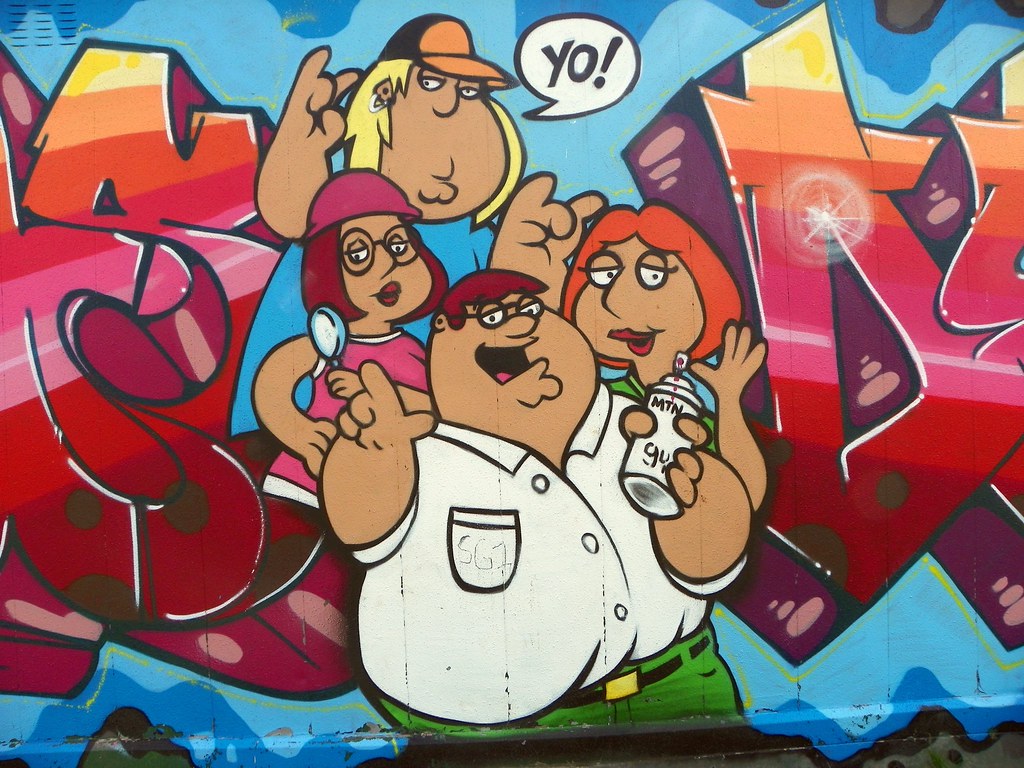
8. **The Parents Television Council’s Unyielding Campaign**While the Parents Television Council (PTC) was quick to pounce on *Family Guy*’s explicit content—profanity, nudity, and violence—their activism extended far beyond simply flagging objectionable material. Their long-running campaign against the show evolved into a sophisticated, multi-pronged attack aimed at diminishing its reach and influence, demonstrating a formidable commitment to their mission of cleansing American culture. They were not merely critics; they were activists with a clear agenda, pushing back against what they saw as a tide of indecency on television.
A key facet of the PTC’s strategy involved scrutinizing Fox’s content ratings. They frequently criticized the network for allegedly failing to include crucial “S” (ual content) and “V” (violence) descriptors for some *Family Guy* episodes, effectively arguing that Fox was understating the show’s mature themes. This raised concerns that parents, relying on these ratings, might inadvertently expose their children to inappropriate content, thereby giving the PTC further ammunition for their sustained protests. The council’s vigilance in this area highlighted their deep commitment to protecting younger audiences.
Beyond rating descriptors, the PTC also aggressively challenged *Family Guy*’s scheduling. They vociferously objected to Fox airing the series during early prime-time hours, fearing that its animation style could deceptively attract younger viewers who might then be exposed to its adult themes. This strategic battle over time slots underscored the council’s belief that *Family Guy* was fundamentally incompatible with family-friendly broadcasting, putting continuous pressure on the network to re-evaluate its programming decisions and shift the show to later time periods.
The council’s influence also extended to the commercial realm. They directly appealed to *Family Guy* sponsors, such as the Wrigley Company and Burger King, urging them to pull their advertisements from the show. The rationale was simple: these companies marketed products appealing to children, and by advertising during a show with “ual activity” and other adult content, they were perceived as implicitly endorsing material deemed inappropriate for their core demographic. This tactic aimed to hit the network where it hurt most—its revenue streams—forcing a direct economic consequence for airing the controversial series.
Intriguingly, the intensity of this decades-long conflict seemingly softened in later years. The PTC president, Tim Winter, even became friends with Seth MacFarlane over a complaint concerning a 2015 episode. This unexpected turn of events, while perhaps not indicative of a full ideological capitulation, suggests a complex and evolving relationship between the show’s creators and its most steadfast critics, a testament to *Family Guy*’s enduring, if often begrudged, presence in the cultural conversation.
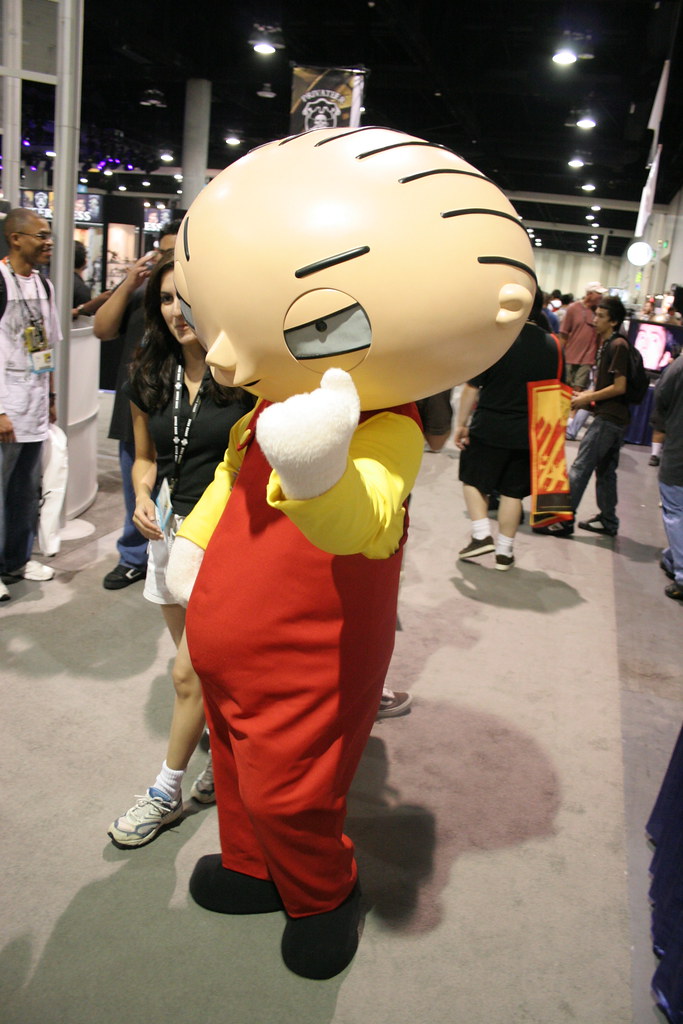
9. **Navigating the Labyrinth of Federal Communications Commission Complaints**The Parents Television Council, formidable in its own right, often channeled its considerable organizational power into a more formal avenue of protest: filing indecency complaints with the United States Federal Communications Commission (FCC). Given the FCC’s mandate to regulate broadcast content, these complaints represented a serious challenge, forcing networks and producers to contend with governmental scrutiny over *Family Guy*’s boundary-pushing humor, transforming cultural debate into official investigation.
The first notable FCC indecency complaint followed a January 2005 rebroadcast of the episode “And the Wiener Is…” This complaint, targeting ually suggestive content, was ultimately denied by the FCC. Their ruling highlighted a nuanced standard: the episode was not “patently offensive” due to “the absence of explicit or graphic descriptions or depictions of any sexual organ, along with the absence of shocking, pandering, and/or titillating effect.” This early decision offered a glimpse into the legal tightrope *Family Guy* walked, often pushing right to the edge of what was legally permissible on broadcast television.
Later that year, during the crucial “sweeps” period, the PTC launched a major campaign, urging its members to file complaints with the FCC specifically targeting “PTV,” an episode that brazenly satirized the very commission they were appealing to. While the PTC expressed some doubt about formally complaining themselves, and ultimately didn’t log complaints through their website, the symbolic defiance of this episode was remarkable. “PTV” was, ironically, later highlighted in a Fox special titled *TV’s Funniest Moments*, with a rerun even earning the “Worst of the Week” label from the PTC, proving the episode’s contentious legacy and the show’s resilience in the face of its critics.
The complaints continued with persistent regularity. On March 11, 2009, the PTC lodged complaints against “Family Gay,” citing “ual content” in violation of indecency law. Later that same year, on December 15, a complaint was filed regarding “Business Guy,” specifically pointing to a scene that included a lap dance as a potential breach of federal broadcast decency laws. Each instance underscored *Family Guy*’s continuous willingness to engage with mature themes, often daring the regulators to act.
In 2010, the PTC took offense to the 150th episode, “Brian & Stewie,” due to “excretory references,” prompting PTC president Tim Winter to famously state, “It seems as though *Family Guy* creator, Seth MacFarlane, carefully reviewed the legal definition of broadcast indecency and set out to violate it as literally as he could.” This pointed accusation highlighted the perception that MacFarlane was deliberately pushing boundaries. Further complaints followed in 2013 for “A Fistful of Meg,” citing “lewd ual content” and “profane jokes on subjects such as child molestation, exploitation, rape, and sexualised use of food,” and in 2015 for “Quagmire’s Mom,” which featured sexually explicit dialogue and jokes about statutory rape, including a controversial scene where Quagmire unknowingly had sex with an underage girl. These numerous and varied FCC complaints collectively illustrate the unrelenting scrutiny *Family Guy* faced, turning many episodes into battlegrounds in the ongoing culture wars.
Read more about: The 13 Widespread Warranty Scams That Have Cost Companies and Consumers Billions
10. **Critiques from Fellow Animators and Media Personalities: A Battle of Creative Philosophies***Family Guy*’s distinctive comedic approach, particularly its narrative structure and animation style, didn’t just ruffle the feathers of conservative watchdog groups; it also drew sharp, often cutting, criticism from within the animation industry itself and among media critics who admired more traditional or sophisticated storytelling. This wasn’t merely a matter of taste but often a clash of creative philosophies, with prominent figures weighing in on the perceived merits and flaws of MacFarlane’s creation, creating an intriguing dialogue about the direction of adult animation.
One notable voice was that of John Kricfalusi, the influential creator of *Ren & Stimpy*. Kricfalusi expressed concern that *Family Guy*’s “simplistic animation” could negatively impact an emerging generation of content creators. This critique suggested that the show’s animation, while serving its comedic purpose, might inadvertently lower the bar for technical and artistic ambition in the broader animation landscape, creating a ripple effect on future productions.
The rivalry with *South Park* was particularly pronounced and often public. Creators Trey Parker and Matt Stone, who previously criticized *Family Guy*’s reliance on cutaway gags, took their disdain to a new level with their “Cartoon Wars” episodes. Following these episodes, Parker revealed they received “support and gratitude” from the staffs of *The Simpsons* and *King of the Hill* for “ripping on *Family Guy*.” This indicated a shared sentiment among parts of the animation community that *Family Guy* represented a stylistic or creative approach that deviated from their own established standards of storytelling and humor, solidifying the idea of an underlying tension between the shows.
Even within *The Simpsons* camp, a show with which *Family Guy* has often been unfavorably compared, criticisms emerged. *The Simpsons* writer/producer Al Jean openly described *Family Guy* in 2003 as “a little too derivative of *The Simpsons*” and asserted that it “should be more original.” While MacFarlane and *Simpsons* creator Matt Groening have stated there’s no serious feud, instances like writer Matt Selman’s joking remark at San Diego Comic-Con—”Come on, Seth MacFarlane does one show three times”—highlighted a persistent perception of similarity and a lack of distinctive identity, though Selman later retracted the comment, emphasizing respect for the shows’ individual merits.
Perhaps one of the most intriguing allegations came from cartoonist Chris Ware, author of *Jimmy Corrigan, the Smartest Kid on Earth*. Ware observed “several similarities” between his title character and *Family Guy*’s Stewie Griffin, noting they were “a little too coincidental to be simply, well, coincidental.” Ware worried about being “accused of being a rip-off of *Family Guy*,” especially given the longevity of his own work. MacFarlane himself, in a 2003 interview, admitted to never having seen Ware’s comic strip but found the similarities “pretty shocking,” acknowledging “how Ware would reach that conclusion.” This particular critique transcended typical media analysis, touching on the very genesis of one of *Family Guy*’s most iconic characters and adding another layer to the creative debates surrounding the show.
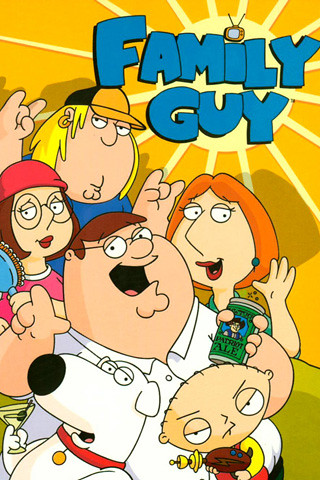
11. **Allegations of Insensitivity: When Humor Crossed the Line for Vulnerable Groups***Family Guy*’s brand of “equal-opportunity offender” humor often collided head-on with the sensitivities surrounding various vulnerable groups, leading to passionate public outcries and accusations of outright insensitivity. While the show’s creators might have viewed these instances as biting satire, for many, the jokes landed as deeply offensive, revealing a consistent pattern of pushing boundaries that, at times, went too far and alienated significant portions of the audience and advocacy organizations. These controversies highlighted the fine line between edgy comedy and outright prejudice.
One prominent instance of this occurred in May 2010 with the episode “Quagmire’s Dad.” The storyline, featuring Glenn Quagmire’s father coming out as a trans woman and undergoing reassignment surgery to become Ida, drew widespread condemnation. Critics like Brent Hartinger of AfterElton.com acknowledged some good points but found the episode’s depiction, particularly Brian’s vomiting after realizing he had sex with Ida and Lois and Peter’s transphobic remarks, “shockingly insensitive.” The Gay and Lesbian Alliance Against Defamation (GLAAD) also issued a statement, sharing “serious concerns” and directly addressing these with Fox, emphasizing the real-world harm caused by such portrayals.
The show also became embroiled in a highly public spat with former U.S. Vice Presidential candidate Sarah Palin in February 2010. The episode “Extra Large Medium” featured a character with Down syndrome who stated her mother was a former Alaska governor. Sarah Palin’s daughter, Bristol, and Palin herself fiercely criticized the show, believing it mocked Palin’s son, Trig, who has Down syndrome. Bristol Palin called the writers “heartless jerks,” while Sarah Palin characterized them as “cruel, cold hearted people.” However, Andrea Fay Friedman, the actress with Down syndrome who voiced the character Ellen, offered a powerful rebuttal, stating the joke was aimed at Sarah, not her son, and accusing Palin of using Trig as a “political prop.” MacFarlane defended the show as an “equal-opportunity offender,” while Friedman directly challenged Palin’s “feigned pity,” asserting her own agency and highlighting the complexities of disability representation.
Another deeply unsettling controversy arose from the 2010 episode “Peter-assment,” which featured Stewie’s preschool class performing a play about Terri Schiavo. The play included lyrics like “Terri Schiavo is kinda alive-o” and referred to her as “the most expensive plant you’ll ever see.” This was widely perceived as a mockery of Schiavo’s disability and death, as she had been in a persistent vegetative state for many years. The episode triggered numerous protests from individuals and groups, including the American Life League and Schiavo’s grieving family, who claimed the program showed prejudice against people with brain injuries, with her brother Bobby Schindler Jr. urging Fox to cancel *Family Guy* altogether, showcasing the profound emotional impact of the show’s comedic choices.
Beyond these specific incidents, *Family Guy* also faced criticism for other portrayals, such as its depiction of the Russian city of Chelyabinsk in a Season 21 finale. A regional deputy from Chelyabinsk, Yana Lantratova, criticized the episode for negatively portraying the city as radiation-contaminated and its citizens as “drunkards and drug users dissatisfied with life.” These cumulative instances reinforce a pattern where *Family Guy*’s commitment to unbridled humor often led it into thorny ethical territory, prompting questions about where the line should be drawn in comedic satire and the responsibility of creators to avoid perpetuating harmful stereotypes or mocking genuine suffering.
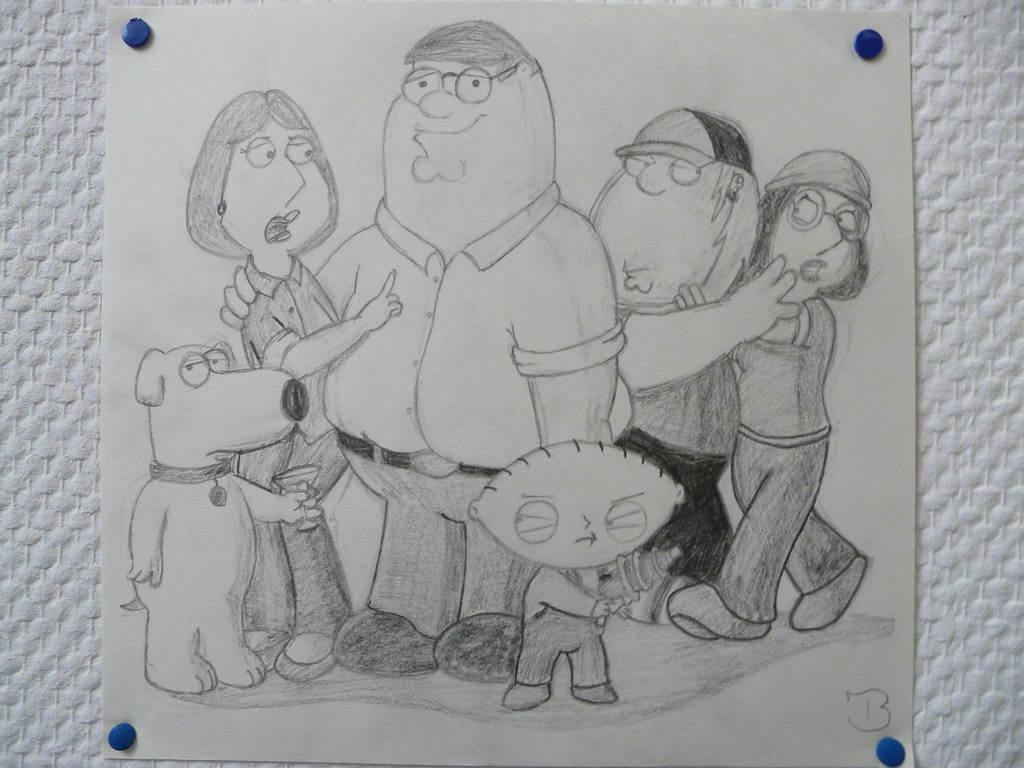
12. **The Disturbing Specter of Domestic Violence and Rape Jokes**Amidst *Family Guy*’s broad spectrum of controversies, its problematic and often explicit depictions of domestic violence and casual rape jokes stand out as particularly troubling, drawing significant condemnation from media analysts, feminist critics, and general audiences alike. These instances highlighted a darker, more gratuitous edge to the show’s humor, pushing it beyond mere “edgy” into territory that many found genuinely unsettling and harmful, questioning the show’s ethical responsibilities in its pursuit of shock value.
The episode “Screams of Silence: The Story of Brenda Q” from Season 10 (2011) sparked an especially intense negative reaction due to its explicit focus on domestic abuse. Media analysts were taken aback, with A. J. Hammer of *Showbiz Tonight* stating, “Like so many other people, I was just shocked by what I saw on *Family Guy* last night… It was really just a depressing half hour of television.” Whitney Jefferson of the feminist website Jezebel echoed this sentiment, describing the episode’s storyline involving Brenda and her abusive boyfriend, Jeff, as “seriously awful” and “Definitely the scariest Halloween special we’ve ever seen,” highlighting the visceral discomfort and moral outrage it provoked among viewers.
Beyond this specific episode, *Family Guy* has faced broader criticism for what many perceive as its “frequent depictions of violence against women.” An analysis cited in the context painfully revealed a consistent pattern: “We counted how many successive episodes we could watch before we found one that didn’t involve an act of violence against a woman. We managed 14. That’s 14 episodes of *Family Guy* before a 20-minute episode that didn’t feature Meg, Lois, or another female character being knocked to the ground, murdered, or slapped.” This alarming frequency underscored a deeper, systemic issue within the show’s comedic framework, suggesting a normalization or trivialization of violence against its female characters.
The show also garnered significant pre-airing controversy for a “rape joke” featured in the trailer for “The Simpsons Guy,” a highly anticipated 2014 crossover episode. In the trailer, after Bart makes a typical prank call, Stewie makes his own disturbing call to Moe, stating his sister is being raped. Tim Winter, president of the Parents Television Council, immediately wrote to Matt Groening, Seth MacFarlane, and Fox, arguing that jokes about rape make it “less outrageous in real life.” While a Fox spokesperson declined comment, MacFarlane defended it as “pretty funny… in context,” and a spokeswoman from the Rape, Abuse & Incest National Network (RAINN) offered a more nuanced view, suggesting the show might be “making it clear that rape is not funny by how they are positioning the joke.” This incident crystallized the ongoing debate about the boundaries of comedic taste and the potential real-world implications of “dark humor” when it touches upon such sensitive and harmful topics.
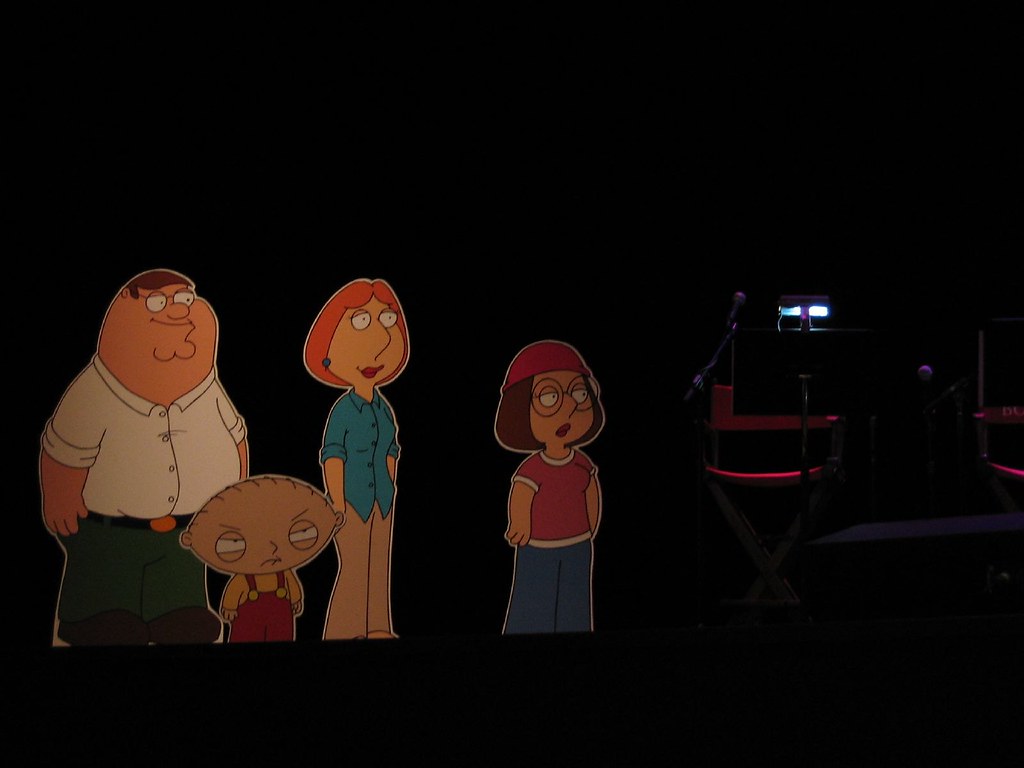
13. **The Unfortunate Coincidence of the Boston Marathon Controversy**In an eerie and ultimately tragic turn of events, *Family Guy* found itself at the center of an unexpected and deeply sensitive controversy following the 2013 Boston Marathon bombing, not because of intentional satire, but due to an unfortunate confluence of timing and content. This incident highlighted the unpredictable nature of live events intersecting with pre-recorded media, forcing a rapid, cautious response from the network and the show’s creators. It served as a stark reminder of the potential impact of pop culture on a grieving public, even when entirely unintentional.
The episode in question, “Turban Cowboy,” had originally aired on March 17, 2013, approximately a month before the real-life tragedy. It contained a particularly graphic cutaway gag where Peter Griffin commits mass murder at the Boston Marathon by plowing his car through a crowd of runners. While intended as an isolated, dark comedic aside, the sheer literalness of the fictional violence suddenly became horrifyingly resonant after the actual bombing on April 15, 2013. The juxtaposition was chilling, turning a darkly humorous scene into something deeply disturbing in the immediate aftermath of a national trauma.
The response from Fox was swift and decisive. Recognizing the profound sensitivity and potential for further distress, the network promptly removed the “Turban Cowboy” episode from its online platforms, including Fox.com and Hulu. They also issued a statement, clarifying that they had “no immediate plans to broadcast the episode again.” This quick action demonstrated a clear understanding of the need to avoid causing additional pain to victims, their families, and a shocked public.
Though the episode was eventually reinstated and back on the air by 2014, the incident served as a powerful, albeit unintended, illustration of how even seemingly innocuous (within the context of *Family Guy*’s typical humor) fictional scenarios can take on profoundly different and offensive meanings when real-world tragedies strike. It was a stark reminder of the delicate balance creators must navigate, not only with intentional satire but also with the unforeseen intersections of art and life, underlining the profound responsibility inherent in mass media production.
14. **The Copyright Battle: “When You Wish Upon a Star” vs. “I Need a Jew”**Beyond the myriad moral and content-related controversies, *Family Guy* also found itself in a legal quagmire, facing a significant copyright infringement lawsuit that tested the boundaries of parody and fair use in popular culture. This particular battle involved a beloved classic song and *Family Guy*’s characteristically irreverent take, creating a high-stakes legal showdown that garnered considerable attention and, ultimately, helped define the legal landscape for comedic transformation.
In October 2007, the Bourne Company publishing house, which held the sole copyright to the iconic song “When You Wish Upon a Star” from Disney’s *Pinocchio*, filed a lawsuit against the makers of *Family Guy*. The core of their claim was copyright infringement, specifically targeting the show’s creation of a parody song titled “I Need a Jew” in an episode. The lawsuit wasn’t just about the unauthorized use of the melody; it explicitly claimed that the “offensive lyrics” of *Family Guy*’s rendition caused harm to the “value of the original song,” suggesting that the parody somehow tainted the revered classic.
This legal challenge placed *Family Guy*’s brand of transformative parody directly under judicial scrutiny, forcing a court to weigh the rights of copyright holders against the creative freedom of satirists. The case centered on whether *Family Guy*’s use constituted fair use, a legal doctrine that allows for limited use of copyrighted material without permission for purposes such as parody, criticism, or commentary. The outcome would have significant implications for how other creators could leverage existing cultural touchstones for comedic effect.
Ultimately, on March 16, 2009, U.S. District Judge Deborah Batts delivered a landmark ruling. She concluded that *Family Guy* “did not infringe Copyright when they transformed the song ‘When You Wish Upon a Star’ for comical use in an episode.” This decision affirmed that the show’s satirical intent, by fundamentally altering the original’s message and context, fell within the protections of fair use. It was a crucial victory for *Family Guy*, underscoring the legal recognition of its often-controversial comedic methodology and providing a valuable precedent for the robust tradition of parody in American entertainment.
The saga of *Family Guy*’s early struggles and enduring controversies is a testament to its singular, often polarizing, place in television history. It’s a show that defied cancellation not once, but twice, only to return and continually push the boundaries of taste, humor, and societal norms. From ratings woes and stylistic critiques to legal battles and relentless attacks from watchdog groups, *Family Guy* has weathered a relentless barrage, emerging as an animated institution defined as much by its capacity for outrageous comedy as by the firestorms it consistently ignites. Its journey, marked by this relentless push and pull, offers a compelling case study in the power of creative persistence, the evolving standards of broadcast content, and the enduring, often uncomfortable, relationship between popular culture and public outcry. Love it or loathe it, *Family Guy* has carved out its own indelible, if sometimes infuriating, legacy in the annals of television.