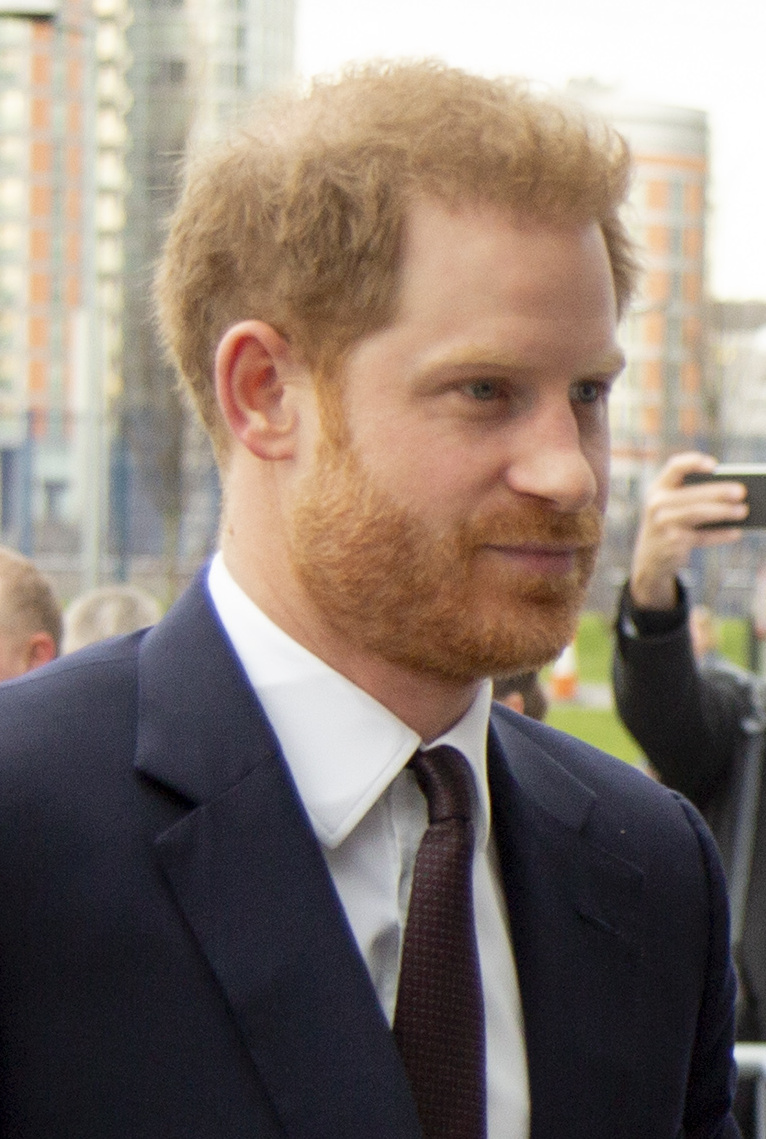
Prince Harry, Duke of Sus, has long captivated the world’s attention, not merely as a member of the British royal family but as an individual whose life journey has been marked by profound personal experiences, significant public service, and a willingness to carve his own unique path. From his earliest days under the intense spotlight to his transformative military career and beyond, his story is one of evolution, resilience, and a deep commitment to causes close to his heart. It’s a narrative rich with moments that have shaped not only his identity but also the modern perception of royalty itself.
This article delves into the extraordinary life of Prince Harry, exploring 14 pivotal moments that have defined him. We’ll navigate through the intricate tapestry of his upbringing, his dedicated service in the armed forces, his personal relationships, and his eventual departure from official royal duties to forge a new life in California. Our focus is to provide a comprehensive, fact-based understanding of the events and decisions that have characterized his journey, offering insights into the man behind the headlines.
Join us as we uncover the formative experiences, monumental challenges, and enduring legacies that Prince Harry has built, illuminating the trajectory of a royal life lived unconventionally. From the hallowed halls of Eton to the battlefields of Afghanistan, and from the emotional intensity of public life to the quiet solace of family, these are the chapters that tell the story of a duke who has consistently defied expectations and redefined his role in the world.

1. **Early Life and Royal Upbringing**Henry Charles Albert David, born on September 15, 1984, at St Mary’s Hospital in Paddington, London, entered the world as the second child of Charles, Prince of Wales (later King Charles III), and Diana, Princess of Wales. Christened on December 21, 1984, at St George’s Chapel, Windsor Castle, he was affectionately known as “Harry” by his family, friends, and the public, while his elder brother, William, affectionately nicknamed him “Harold.”
Harry and William were primarily raised at Kensington Palace in London and Highgrove House in Gloucestershire. Their mother, Diana, Princess of Wales, held a strong desire for her sons to experience a broader range of life and gain a better understanding of ordinary existence than previous royal children. To this end, she took them to diverse venues, ranging from the recreational fun of Walt Disney World and McDonald’s to the stark realities of AIDS clinics and homeless shelters.
His early life was also marked by significant family events. His parents divorced in 1996, and just a year later, in 1997, his mother tragically died in a car crash in Paris while he and William were staying with their father at Balmoral Castle. At the tender age of 12, Harry accompanied his father, brother, paternal grandfather Prince Philip, Duke of Edinburgh, and maternal uncle Charles Spencer, 9th Earl Spencer, in walking behind the funeral cortège from Kensington Palace to Westminster Abbey, a profound and publicly observed moment of grief.
Educationally, Harry followed a path similar to his father and brother, attending private schools. He began at Jane Mynors’ nursery school and the pre-preparatory Wetherby School in London, then moved to Ludgrove School in Berkshire. After passing entrance exams, he was admitted to Eton College, a decision that aligned him with his elder brother and the Spencer family tradition, though it departed from the Mountbatten-Windsors’ practice of sending children to Gordonstoun. During his schooling, an agreement with the royal family and the tabloid press, known as the “pressure cooker agreement,” ensured he could study free from intrusion in exchange for occasional photograph opportunities.
Read more about: From A-Listers to Awkward Phases: 15 Unforgettable Photos of Celebrities Before They Hit the Big Time

2. **Financial Foundations: Inheritances and Royal Funds**The financial legacy that supported Harry’s journey began with his mother, Diana. Upon their respective 30th birthdays, Harry and William inherited the “bulk” of the £12.9 million left by their mother. This sum, a significant figure at the time of her death in 1997, had grown to an estimated £10 million each by 2014, providing them with a substantial degree of financial independence.
In addition to monetary assets, the brothers also received many of Diana’s cherished personal possessions in 2014. These included her iconic wedding dress, a collection of other dresses, diamond tiaras, jewels, letters, and paintings. They also inherited the original lyrics and score of “Candle in the Wind” by Bernie Taupin and Elton John, famously performed by John at Diana’s funeral, further cementing their connection to her legacy.
Further financial provisions came from his paternal great-grandmother, Queen Elizabeth The Queen Mother. A report from The Times in 2002 indicated that Harry would share a disbursement of £4.9 million from trust funds established by her upon his 21st birthday. He was also slated to share a disbursement of £8 million upon his 40th birthday, contributing to his long-term financial security.
Notably, it was reported that Harry would inherit the “bulk of the money” left by the Queen Mother for the two brothers. This distinction was made due to William’s position in the line of succession to the British throne, which would eventually bring him additional financial benefits and responsibilities that Harry, as the younger son, would not directly share.
3. **A Gap Year of Discovery and Service**After successfully completing his education at Eton College in June 2003, where he achieved a grade B in art and a D in geography (having dropped history of art after AS level), Harry embarked on a transformative gap year. This period was far from a mere break; it represented a significant phase of personal growth and an opportunity for global engagement, allowing him to experience life beyond the structured confines of royal and academic expectations.
His journey took him first to Australia, where he immersed himself in a different way of life by working as a jackaroo on a cattle station. This hands-on experience in the rugged Australian outback provided him with practical skills and a taste of agricultural labor, far removed from his royal upbringing. During his time there, he also participated in the Young England vs Young Australia Polo Test match, combining his passion for equestrian sports with his travels.
Following his Australian adventure, Harry traveled to Lesotho, a landlocked kingdom nestled within South Africa. Here, he dedicated his time to working with orphaned children, an experience that profoundly impacted his worldview and commitment to humanitarian causes. This direct engagement with vulnerable communities sowed important seeds for his future charitable endeavors.
His work in Lesotho culminated in the production of a documentary film titled *The Forgotten Kingdom: Prince Harry in Lesotho*. This project not only brought much-needed attention to the plight of orphaned children in the region but also showcased Harry’s burgeoning interest in using his public platform for advocacy and raising awareness about social issues, laying the groundwork for his later philanthropic work.
Read more about: Tesla’s Software Frontier: Unpacking the Promises, Hidden Perks, and Critical Pitfalls for Owners
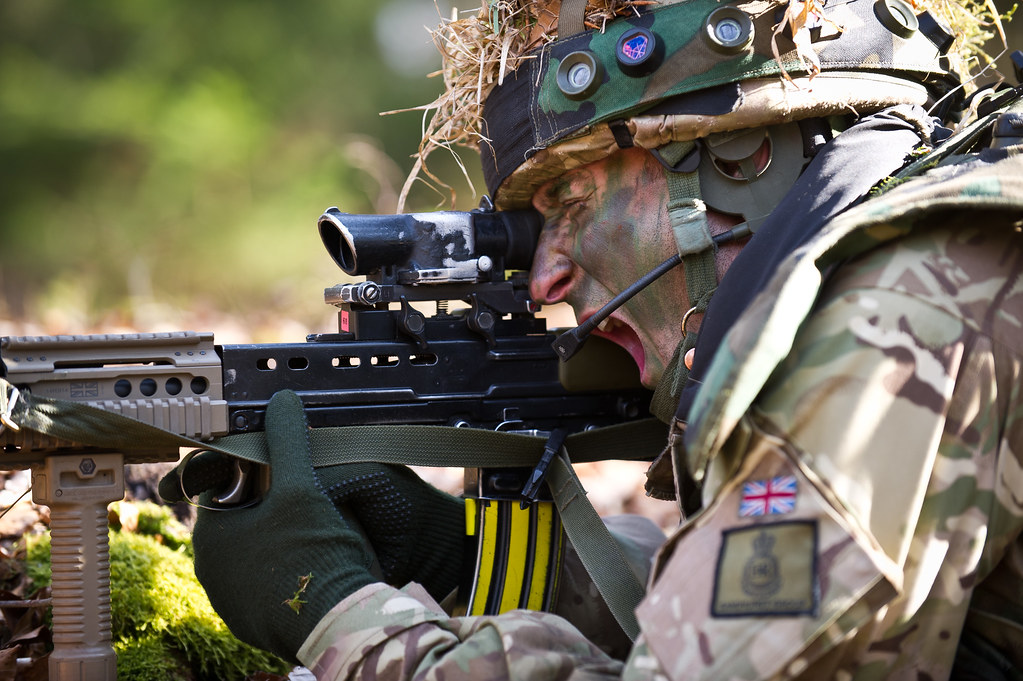
4. **Forging a Military Path: Sandhurst and the Blues and Royals**Demonstrating a profound commitment to military service, Prince Harry successfully passed the Regular Commissions Board (RCB) in September 2004, marking his official entry into a career with the British Armed Forces. He subsequently entered the prestigious Royal Military Academy Sandhurst on May 8, 2005, a significant milestone that aligned him with a long tradition of royal service and rigorous military training.
During his time at Sandhurst, he was known as Officer Cadet Wales and joined Alamein Company. His entry into the academy, however, faced a four-month delay as he recovered from an injury to his left knee, highlighting the physical demands inherent in his chosen path. Despite this setback, Harry successfully completed his officer training in April 2006, proving his dedication and resilience.
Upon graduation, Harry was commissioned as a Cornet (the equivalent of a second lieutenant) in the Blues and Royals, a distinguished regiment of the Household Cavalry within the British Army. His commitment was further recognized on April 13, 2008, when he was promoted to lieutenant, having achieved two years’ seniority within the ranks, signifying steady progression in his military career.
A pivotal moment arrived in 2006 when it was announced that Harry’s unit was scheduled for deployment to Iraq the following year. This sparked a considerable public debate regarding whether he, as a royal, should serve on the front line. Harry, however, was unequivocal in his desire to serve alongside his comrades, famously stating, “If they said ‘no, you can’t go front line’ then I wouldn’t drag my sorry ass through Sandhurst and I wouldn’t be where I am now.” This assertion underscored his determination to be treated as any other soldier and to fulfill his duties without special privilege.
Read more about: Prince Harry at a Crossroads: Unpacking the Royal Return, Marriage Tensions, and Search for Purpose

5. **First Combat Deployment: A Secret Tour in Afghanistan**In the summer of 2007, Prince Harry undertook specialized military training as a joint terminal attack controller (JTAC) at RAF Leeming. This demanding role, which involves coordinating and directing close air support for ground troops, was a crucial step towards his eventual deployment to a combat zone, signaling a commitment to a hands-on and high-stakes operational role rather than a more ceremonial position.
His dedication culminated in a secret deployment as a JTAC to Helmand Province in Afghanistan for ten weeks. This mission, later confirmed in February 2008, marked a significant personal and historical milestone, as Harry became the first member of the British royal family to serve in a war zone since his uncle Prince Andrew during the Falklands War, underlining a personal commitment to active service.
The secrecy surrounding his deployment was a deliberate measure by Canadian and British authorities, meticulously designed to ensure his personal security and, crucially, the safety of his fellow soldiers who would be operating alongside a high-value target. However, this media blackout was inadvertently breached by a German newspaper, *Bild*, and an Australian magazine, *New Idea*, leading to the swift and public revelation of his presence in the combat zone.
Following the widespread media coverage, Harry was immediately pulled out of Afghanistan. The decision was made due to overwhelming fears that the public knowledge of his location would significantly escalate the security risks, not only for himself but for all the personnel around him. Despite the abrupt curtailment of his tour, reports indicated that he was actively involved in operations, including helping Gurkha troops repel an attack from Taliban insurgents and performing patrol duty in hostile areas, demonstrating his direct participation in combat.
For his distinguished service in Afghanistan, Harry was formally recognized in May 2008. His aunt, Princess Anne, presented him with an Operational Service Medal for Afghanistan at the Combermere Barracks, officially honoring his courage and contribution to the military effort in a war zone.

6. **Apache Pilot and Second Afghan Tour**Following his initial deployment, Prince Harry pursued further specialized military training, publicly announcing in October 2008 his intention to learn to fly military helicopters. This path, previously taken by his brother, father, and uncle, represented a significant advancement in his military career, showcasing a commitment to highly technical and demanding roles. He subsequently attended the Defence Helicopter Flying School at RAF Shawbury, joining his brother, Prince William, in this rigorous training.
Despite an initial setback where he failed his pilot’s theory test in February 2009, Harry’s perseverance shone through. He successfully continued his training, and on May 7, 2010, Prince Charles proudly presented him with his flying brevet (wings). His proficiency was further recognized on April 14, 2011, when he was awarded his Apache Flying Badge, a testament to his skill with the advanced attack helicopter. This achievement culminated in his promotion to captain on April 16, 2011.
In June 2011, Clarence House announced that Harry would be available for deployment in current operations in Afghanistan as an Apache helicopter pilot, with the final decision resting with the Ministry of Defence’s senior commanders. After completing extensive helicopter gunship training at a U.S. military base in California, which included live-fire, environmental, and judgment training, he arrived at Camp Bastion in southern Afghanistan on September 7, 2012, as part of the 100-strong 662 Squadron, 3 Regiment, Army Air Corps, for a four-month combat tour.
During this second deployment, Harry served as a co-pilot and gunner for an Apache helicopter, facing direct threats from the Taliban soon after his arrival, who explicitly threatened his life. Although “additional security arrangements” were put in place, Defence Secretary Philip Hammond emphasized that Harry would face “the same risk as any other Apache pilot” in combat. Major General Gregg A. Sturdevant later commented on the security surrounding him, stating, “The night of the attack, he slept through the entire thing. We didn’t do anything special for him. He came and went, and you never would have known he was there” and “the only thing special we did for him was we had a place identified as a safe house in case the base came under attack.”
Harry successfully completed his 20-week deployment, returning home on January 21, 2013, and officially qualified as an Apache aircraft commander on July 8, 2013. In a controversial revelation in his 2023 memoir, *Spare*, Harry disclosed that he flew on six missions that resulted in him killing 25 Taliban members. He wrote that he felt he was trained to not view them as “people” but instead as “chess pieces” that had been taken off the board, adding, “It’s not a number that gave me any satisfaction. But neither was it a number that made me feel ashamed.” These candid admissions prompted significant backlash from both Taliban members and various British political and military figures, raising security concerns for others.
Read more about: Prince Harry at a Crossroads: Unpacking the Royal Return, Marriage Tensions, and Search for Purpose
7. **The Birth of the Invictus Games**In January 2014, Prince Harry transitioned from his front-line military roles to a staff officer position as SO3 (Defence Engagement) in HQ London District. This new role, based at Horse Guards in central London, tasked him with coordinating significant projects and commemorative events involving the Army in the capital. This change allowed him to channel his extensive military experience and deep passion into a broader initiative that would ultimately define a major part of his public service.
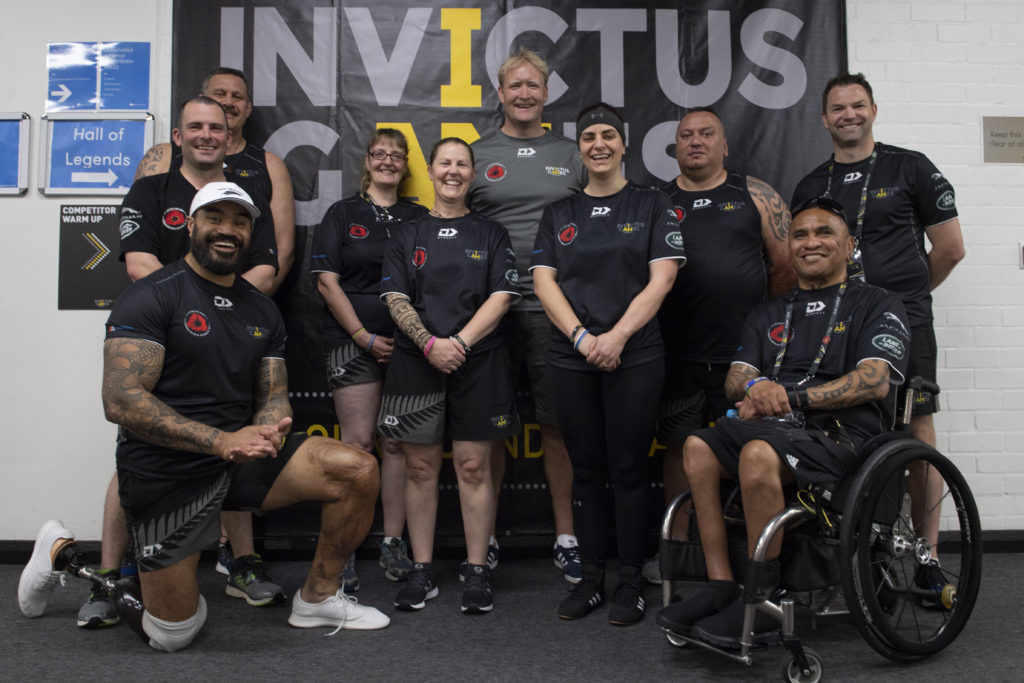
Inspired by his trip to the Warrior Games in the United States, Harry launched the Invictus Games on March 6, 2014. This groundbreaking Paralympic-style sporting event was specifically designed for injured, wounded, and sick servicemen and women. The Games recognized the profound physical and mental sacrifices made by military personnel, offering a powerful platform for their recovery, rehabilitation, and reintegration into civilian life through the power of adaptive sports.
As the founding patron and president of the Invictus Games, Harry dedicated himself fully to ensuring the event’s success. He famously stated, “[The Invictus Games] is basically my full-time job at the moment, making sure that we pull this off,” underscoring his personal investment and commitment. He actively engaged in promotional activities, including interviews with BBC Radio 2’s Chris Evans and attending selection processes for hopeful participants at Tedworth House in Wiltshire.
Harry later penned a poignant article in *The Sunday Times*, sharing his experiences in Afghanistan and candidly describing how these tours directly fueled his commitment to support injured personnel. This reflection highlighted the deeply personal motivation behind creating the Invictus Games, directly linking his combat tours to his fervent advocacy for veterans’ welfare and rehabilitation.
The inaugural Invictus Games, held from September 10–14, 2014, was a resounding success, bringing together legendary artists and passionate supporters to raise crucial funds for essential equipment and mental wellness programs for first responders. Harry’s vision created a global movement that continues to provide vital support and recognition to those who have served. He also became involved in broader recovery initiatives, partnering with organizations like Help for Heroes and the Royal British Legion to ensure wounded personnel received comprehensive care plans through schemes like the MOD’s Defence Recovery Capability program.
Read more about: The Royal Exodus: When Love and Liberty Led Princes and Princesses to ‘Quietly Divorce’ Royal Life in America
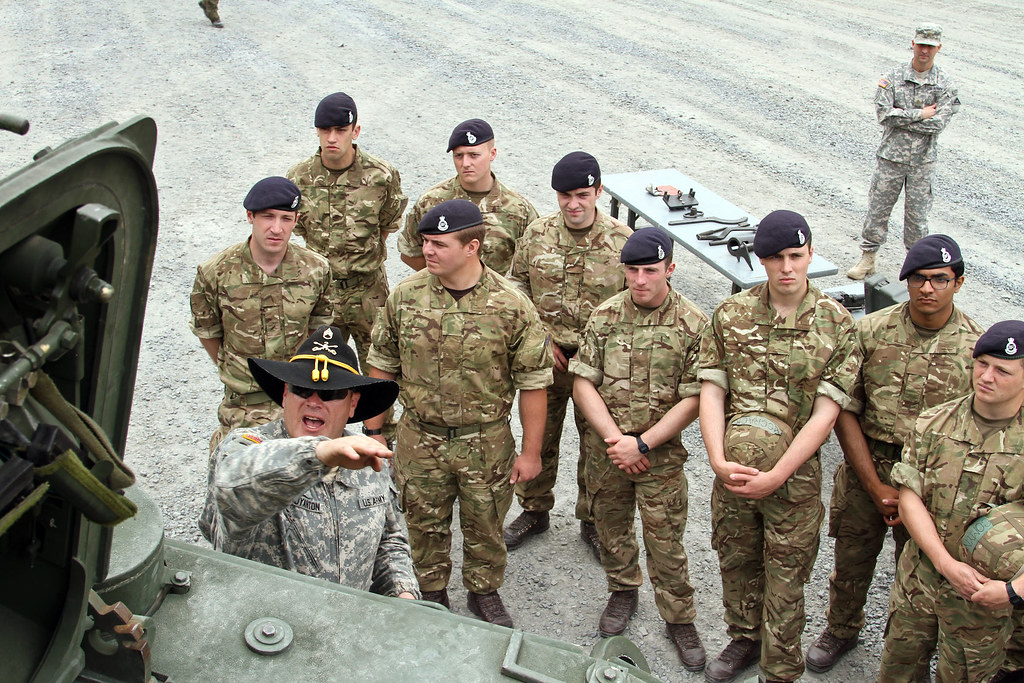
8. **Post-Military Service and Redefining His Role**After dedicating a decade to active military service, Prince Harry embarked on a significant transition, moving beyond the front lines to embrace new forms of public duty. In January 2014, he took on a staff officer role within HQ London District as SO3 (Defence Engagement), a position that tasked him with coordinating major projects and commemorative events for the Army in the capital. This shift was a natural evolution, allowing him to leverage his extensive military background and deep-seated commitment to service in a broader administrative and advocacy capacity. He was based at the historic Horse Guards in central London, marking a new chapter in his royal responsibilities.
His departure from the Armed Forces was officially announced in March 2015, with his short service commission resigning in June of that year. Before fully stepping away, Harry spent four impactful weeks throughout April and May seconded to the Australian Defence Force (ADF), undertaking diverse training at army barracks in Darwin, Perth, and Sydney. These experiences, including detachments to NORFORCE, aviation units, and training with the Special Air Service Regiment (SASR) for live-fire exercises and commando training, provided him with a unique opportunity to engage with international military forces and further hone his skills in a different operational environment.
Even after officially leaving the Army, Harry’s connection to the armed forces remained profoundly strong, with him describing his ten years of service as ‘the happiest times in my life.’ He continued to be deeply involved through the Invictus Games, an initiative he passionately founded, and held various honorary military appointments. However, a pivotal moment arrived in January 2020 when Buckingham Palace announced an agreement for him ‘to step back from Royal duties, including official military appointments,’ a decision solidified in February 2021 when he relinquished his position as Captain General Royal Marines and other honorary titles. This marked a definitive shift in his relationship with the institution that had shaped so much of his early adult life, signaling his intent to forge an independent path while still honoring his military roots.
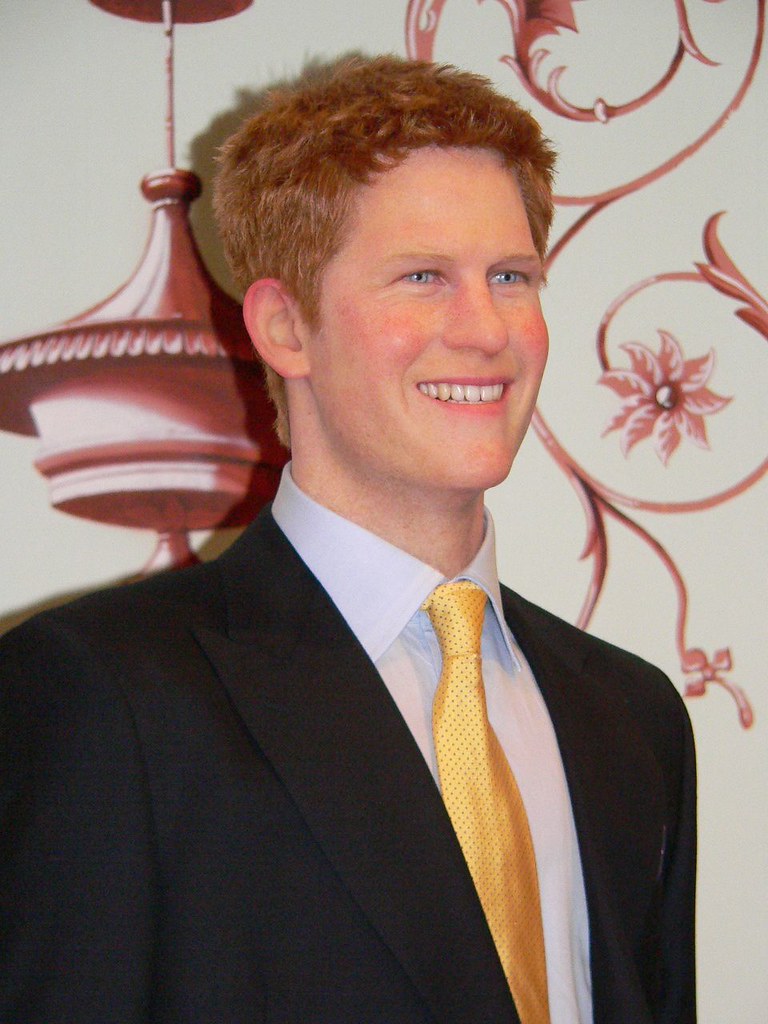
9. **A Bachelor’s Journey: Relationships Under the Spotlight**Before his marriage, Prince Harry’s personal life was frequently a subject of intense media scrutiny, with his relationships often played out in the public eye. One of his most notable long-term relationships was with Chelsy Davy, the daughter of a Zimbabwean South Africa-based businessman. Their romance, which spanned approximately five years, saw Davy present at significant milestones in Harry’s military career, including receiving his Operational Service Medal for Afghanistan and his flying wings from his father. Harry himself, in an interview for his 21st birthday, spoke of his affection for her, acknowledging the challenges of maintaining privacy under the relentless glare of the press.
However, the constant media intrusion eventually took its toll, and reports of their amicable separation emerged in early 2009. The pressure of being in such a high-profile relationship, coupled with the ever-present paparazzi, proved to be an overwhelming burden. Harry later reflected on this in his 2023 memoir, *Spare*, recalling that months after his breakup with Davy, he was introduced to Caroline Flack, whom he found ‘funny,’ ‘sweet,’ and ‘cool.’ Their burgeoning relationship, too, was short-lived, with Harry noting that press intrusion ‘tainted’ their bond ‘irredeemably,’ a sentiment also echoed by Flack in her own autobiography.
Another significant relationship during his bachelor years was with Cressida Bonas, an actress and model introduced to him by his cousin Princess Eugenie in May 2012. Their relationship garnered considerable media attention, fueling speculation about a potential royal engagement. However, in April 2014, it was reported that the couple had parted ways amicably, once again illustrating the immense pressure and challenges faced by those close to the royal family. These experiences undoubtedly shaped Harry’s perspective on privacy and the profound impact of public interest on personal relationships, setting the stage for his future endeavors to protect his loved ones from similar intrusions.
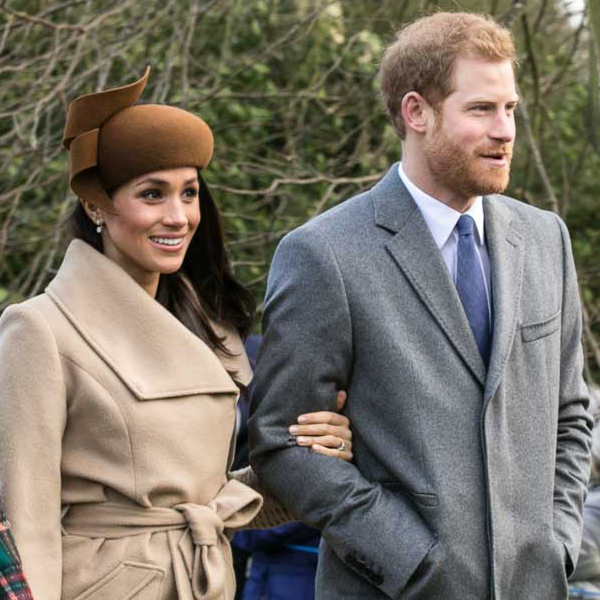
10. **A Modern Romance: Meeting and Engaging with Meghan Markle**In mid-2016, Prince Harry’s life took a significant turn when he began a relationship with American actress Meghan Markle, an event that would irrevocably alter his trajectory. The couple’s initial connection has been described in different ways; they have both shared that they first connected via Instagram, while also stating they were set up on a blind date by a mutual friend in July 2016. Regardless of the exact conduit, their bond quickly deepened, leading to a romance that captivated global attention and signaled a new era for the British monarchy. The sheer intrigue surrounding this transatlantic relationship was immense, bringing a fresh and diverse perspective into the royal fold.
As their relationship became public, the intense media and online scrutiny that had plagued Harry’s previous relationships resurfaced with unprecedented intensity. This time, however, Harry took a decisive and protective stance. On November 8, just eight days after the relationship became widely known, he instructed his communications secretary to issue a rare and strongly worded statement. This unprecedented move expressed his personal concern over the ‘pejorative and false comments’ being made about Meghan by both mainstream media and internet trolls. It underscored his unwavering commitment to shielding her from the invasive and often hostile public gaze, a clear indication of the seriousness of their connection.
Their first public appearance together, a highly anticipated moment, occurred in September 2017 at the Invictus Games in Toronto, a fitting backdrop given Harry’s deep personal investment in the event. This appearance confirmed the solidity of their relationship and further fueled public excitement. The official announcement of their engagement followed on November 27, 2017, made by Harry’s father. This news was met with widespread positive comments, particularly regarding the inclusion of a mixed-race person within the royal family, seen by many as a progressive and significant step for the institution and its relevance in a globalized world.
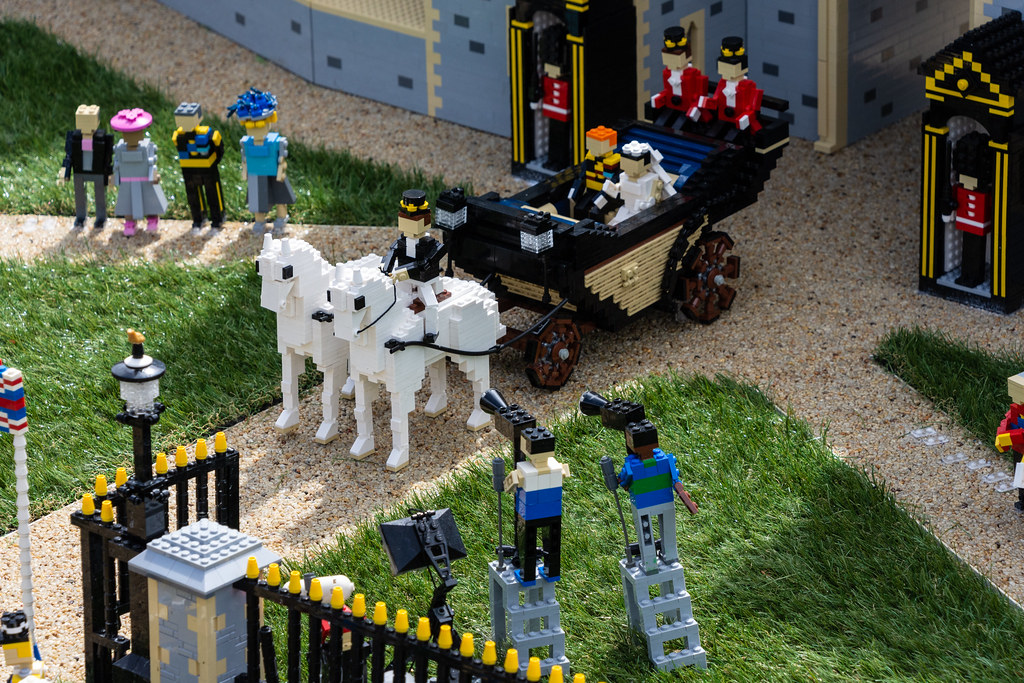
11. **Royal Nuptials and the Dawn of a New Family**The union of Prince Harry and Meghan Markle was celebrated on May 19, 2018, with a beautiful marriage ceremony held at the historic St George’s Chapel, Windsor Castle. On the morning of their wedding, Queen Elizabeth II bestowed upon Harry the title of Duke of Sus, making Meghan the Duchess of Sussex upon their marriage. This traditional conferral of titles marked their official entry as a married couple into the senior ranks of the royal family, complete with heightened expectations and responsibilities. The global audience watched intently, seeing a blend of tradition and modernity unfold.
In a later, much-publicized 2021 television interview, *Oprah with Meghan and Harry*, the couple revealed a deeply personal detail: they had privately exchanged vows in their garden, with the Archbishop of Canterbury present, three days prior to the public ceremony. While this intimate exchange was not an official religious or legally recognized marriage, it underscored the profound personal significance of their commitment to each other beyond the royal spectacle. It offered a glimpse into their desire for a private, deeply meaningful start to their life together, away from the immense public pressure.
Following their wedding, the Duke and Duchess initially resided at Nottingham Cottage within the grounds of Kensington Palace. They also temporarily leased WestfieldLarge on the Great Tew Estate in the Cotswolds, though they eventually gave up this lease after paparazzi photographs of the interior were published, highlighting the persistent challenges to their privacy. They ultimately settled at Frogmore Cottage in the Home Park of Windsor Castle, a residence gifted to them by Queen Elizabeth II. This move involved significant refurbishment, with the Crown Estate covering costs from the Sovereign Grant, and Harry later reimbursing expenses beyond restoration. On May 6, 2019, their family grew with the birth of their son, Archie, adding a new dimension to their roles as parents and members of the royal family.
Read more about: Beyond the Gown: 12 Iconic Royal Fashion Statements That Spoke Volumes Through Hidden Meanings
12. **The Suses’ Seismic Shift: From Royal Duties to Californian Life**January 2020 marked a monumental turning point in Prince Harry’s life, and that of his family, when he and Meghan announced their decision to step down as working royals. This move, widely dubbed ‘Megxit’ by the media, signaled their desire for greater independence and a life away from the relentless scrutiny that came with their roles. Their official office at Buckingham Palace was subsequently closed on March 31, 2020, as the Suses ceased ‘undertaking official engagements in support of the Queen.’ This was a truly unprecedented moment for the modern monarchy, sending shockwaves across the globe and prompting considerable debate about the future of the institution.
Following their departure from the UK, the couple initially spent several months in Canada before making a definitive move to the United States. They temporarily resided in friend Tyler Perry’s Beverly Hills mansion, a high-profile but ultimately transient arrangement. By June 2020, Harry and Meghan had purchased their own home on the former estate of Riven Rock in Montecito, California, establishing a permanent base in Southern California. This new location offered them a blend of privacy and proximity to Meghan’s native roots, a significant shift from their former lives within the royal establishment.
Their time in California brought both joy and profound challenges. In July 2020, Meghan tragically suffered a miscarriage, a deeply personal loss that they later shared publicly, bringing awareness to such sensitive experiences. The family expanded again on June 4, 2021, with the birth of their daughter, Lilibet, completing their immediate family unit. Beyond their personal lives, the couple also ventured into new professional territory, launching Archewell Inc., a Beverly Hills-based mix of for-profit and not-for-profit business organizations. This endeavor showcased their commitment to creating media content and pursuing philanthropic initiatives on their own terms, marking a definitive new chapter in their public and private lives.

13. **Advocacy for Mental Health and Personal Admissions**Prince Harry has emerged as a powerful and candid advocate for mental health, openly sharing his own struggles to encourage others to seek help. In 2017, during an appearance on Bryony Gordon’s podcast *Mad World*, he bravely acknowledged that, with the crucial support of his brother, he had sought counseling years after his mother’s death. He revealed the profound impact of his grief, admitting to struggling with aggression and experiencing severe anxiety during royal engagements, leading him to be ‘very close to a complete breakdown on numerous occasions.’ This raw honesty resonated with countless individuals grappling with similar silent battles.
To cope with his mental stress and ‘letting out aggression,’ Harry later shared that he took up boxing, finding a physical outlet for his emotional turmoil. In other interviews, he disclosed that beyond therapy, he had used alcohol and experimental drugs, including ‘psychedelics, Ayahuasca, psilocybin, mushrooms,’ recreationally to manage his inner pain. He candidly stated that what he experienced after his mother’s death ‘was very much’ post-traumatic stress disorder (PTSD), offering a clinical lens to his prolonged suffering. These revelations, while deeply personal, served to destigmatize mental health challenges and highlight the varied coping mechanisms people employ.
His commitment to mental health advocacy culminated in his 2021 television documentary, *The Me You Can’t See*, co-created with Oprah Winfrey, where he further detailed his four years of therapy, a journey he embarked upon at the encouragement of Meghan. He spoke of suffering from ‘panic attacks [and] severe anxiety’ in his late 20s and the burnout resulting from heavy official duties. In an episode of the *Armchair Expert* podcast, Harry attributed his mental health issues, in part, to the ‘genetic pain and suffering’ passed down in his family, suggesting a lineage of unaddressed trauma. Furthermore, in his 2023 memoir, *Spare*, he described himself as an agoraphobe, adding another layer to his complex struggles. The memoir also contained admissions of past drug use, including cocaine at 17, cannabis at Eton and Kensington Palace gardens, and magic mushrooms in 2016, sparking further public discussion about his personal journey and the pressures he faced.
Read more about: Behind the Spotlight: 14 Stars We’ve Adored Who Committed Shameful Acts That Still Make Us Cringe
14. **Public Statements, Political Engagements, and Legal Battles**Prince Harry’s life post-royal duties has been marked by increasingly public and often controversial political and personal revelations, showcasing his willingness to speak out on issues he deeply believes in. In September 2020, he and Meghan released a video urging American voters to ‘reject hate speech, misinformation and online negativity’ in the 2020 US presidential election. This was widely interpreted as an implicit endorsement of Joe Biden, drawing criticism from those who felt it was an inappropriate political intervention for a royal, even a non-working one. His outspokenness continued during phone calls with Russian pranksters, where he criticized Donald Trump’s stance on climate change and his support of the coal industry, further cementing his progressive political leanings.
In May 2021, his comments on the First Amendment of the US Constitution during the *Armchair Expert* podcast—describing it as ‘bonkers’ and a ‘huge subject’ he didn’t fully understand—sparked significant backlash from conservative Americans and Britons, including figures like Ted Cruz and Nigel Farage. Harry’s intention was to highlight concerns about freedom of speech being exploited, but his phrasing led to misinterpretation and public outcry. He continued to engage with global issues, claiming in November 2021 that he had warned Twitter CEO Jack Dorsey of potential civil unrest a day before the January 6 US Capitol attack, though he received no response. He also voiced support for waiving visa fees for foreign-born UK veterans, emphasizing its ‘moral rightness’ to Conservative MP Johnny Mercer.
Perhaps most notably, in June 2022, Meghan revealed Harry’s ‘guttural’ reaction to the US Supreme Court’s decision to overturn Roe v. Wade, a sentiment Harry himself condemned as a ‘rolling back of constitutional rights’ in his address to the United Nations on Mandela Day in July 2022. These comments drew the ire of Supreme Court Justice Samuel Alito, who publicly criticized foreign figures for commenting on ‘American law.’ Adding to his direct challenges to established norms, Harry broke royal protocol in June 2023 by criticizing the UK government in a court witness statement, asserting that both the British press and government were ‘at rock bottom’ and in a compromising relationship to maintain the status quo. These actions demonstrate his profound conviction to use his platform for social commentary, even if it meant diverging sharply from traditional royal neutrality.
Further legal and personal scrutiny followed his admissions of past drug use in his memoir *Spare*. In March 2023, the Heritage Foundation (HF) sent a dossier on his drug use to government entities, questioning whether he had disclosed this on his U.S. visa application. This escalated to a lawsuit against the U.S. Department of Homeland Security (DHS) in April 2023, demanding his immigration records. In March 2024, a D.C. court ordered the US government to hand over Harry’s visa application details, a decision that stemmed from an earlier failed freedom of information request. Although the case was later closed in September 2024 with sealed orders and a sealed ‘memorandum opinion,’ the HF subsequently requested to ‘vacate’ the ruling and release the confidential information, indicating ongoing legal challenges and public interest in the implications of his candid revelations.
Read more about: Strategic Foundations: Understanding the U.S. Military’s Global Power and Operational Framework
Prince Harry’s journey has been nothing short of extraordinary, marked by a constant evolution from a young royal navigating intense public scrutiny to a dedicated military officer, and now, a global advocate and independent public figure. He has consistently challenged conventions, driven by a deep personal conviction to serve, to heal, and to speak his truth. His life beyond active military service has been defined by a profound commitment to mental health, a willingness to engage with complex social and political issues, and the courageous decision to forge a path that prioritizes his family and personal well-being. From the battlefields of Afghanistan to the quiet solace of California, his story is a testament to resilience, a redefinition of royal duty, and an enduring quest for authenticity in a world that often demands conformity. Harry has, without doubt, charted a unique and influential course, leaving an indelible mark on both the royal narrative and global humanitarian efforts.