The automotive world is currently in the throes of a transformation so profound, it makes your uncle’s mid-life crisis look like a quiet Sunday drive. Between now and 2027, we’re not just watching new models roll off assembly lines; we’re witnessing an industry-wide seismic shift. Electric powertrains are surging, autonomous features are actually, mostly, working, and even the most stoic luxury brands are admitting that the future isn’t fueled by fermented dinosaurs. It’s an exciting time, but like any revolution, there are casualties – the vehicles that just can’t keep up, the ones that become less of a prized possession and more of a rapidly depreciating paperweight.
We’re not talking about your grandpa’s beat-up Ford Pinto here. We’re discussing vehicles that, for various reasons from corporate pivot strategies to outright market rejection, are on a fast track to becoming financial black holes. Some are simply bowing out gracefully, or perhaps, not so gracefully, making way for the electrified future. Others are clinging on, but doing so with a depreciation curve steeper than a Colorado mountain pass, becoming essentially worthless to anyone who values their investment. The signs are clearer than a fresh coat of wax on a Sunday morning: a confluence of changing regulations, shifting consumer preferences, and the relentless march of technological progress is pushing these cars toward the automotive boneyard.
So, buckle up, because we’re about to peel back the layers on 12 models that automotive experts believe will be heading for the great junkyard in the sky – or at least, the “future scrap metal” pile – by 2027. We’ve done the detective work, sifting through sales trends, cryptic corporate statements, and industry whispers to bring you the definitive list. These aren’t just cars; they’re cautionary tales, stark reminders that in the automotive world, the only constant is change, and sometimes, that change means your beloved ride becomes a footnote. Let’s start with those that are simply getting shown the door, no questions asked, as the industry charges forward.
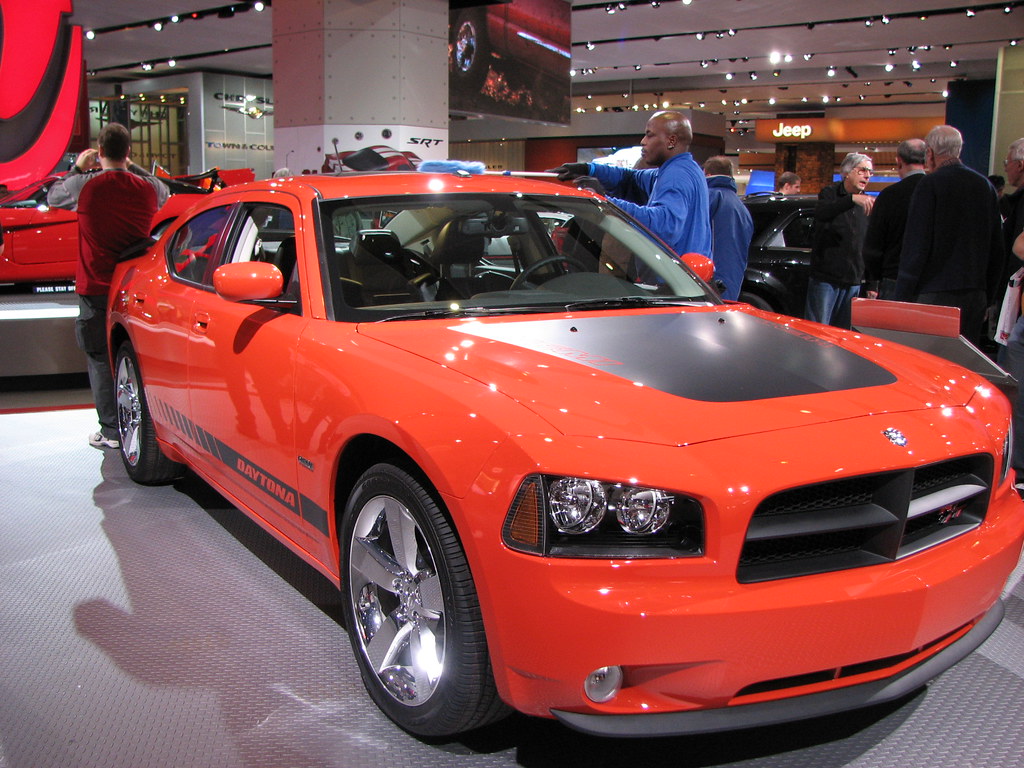
1. **Dodge Charger Daytona**Ah, the Dodge Charger. For decades, this beast was the epitome of American muscle, a glorious symphony of Hemi V8s and supercharged lunacy. It was never enough with the Charger; the horsepower just kept climbing, culminating in monsters like the SRT Jailbreak boasting an absurd 807 hp from its supercharged 6.2-liter HEMI High-Output SRT V8 engine. This was a car that didn’t just make a statement; it ripped a hole in the fabric of space-time every time you stomped on the throttle. It was about raw, untamed aggression and an obsession with horsepower that knew no bounds.
Then came the inevitable: the future is electric, and apparently, it’s terrified of gas-guzzling V8s. The gas-powered Charger was discontinued in 2023, a move that felt like losing a limb for many enthusiasts. But Dodge, in its infinite wisdom, tried to bring it back in spirit with the all-electric “muscle car,” the Daytona. On paper, it sounded like a decent idea: take the iconic body, give it an electric heart, and, for good measure, slap a fake engine sound on it. Yes, you read that right: a fake engine sound. A detail that caused many a Charger stan to cringe so hard their teeth hurt.
Turns out, Charger drivers weren’t just in it for the bulky body and aggressive stance. They wanted the car for its impressive, guttural, and untamed power – the kind that vibrates your chest cavity and makes small children cry. Shockingly, a synthesized approximation just didn’t cut it. After barely a year on the market, Stellantis confirmed the entry-level Daytona would be dropped from 2026 onwards. Right now, only the two-door version is available, with vague promises of a four-door returning “later.” But let’s be real, the future of the EV version is now in serious jeopardy, thanks to rising tariffs and an underwhelming welcome from the very community it aimed to impress.
It’s a tale as old as time: you try to replace a legend, and the market, bless its honest heart, tells you exactly what it thinks. For now, the Sixpack Charger, featuring a Hurricane Twin Turbo I-6, is still on track for a late 2025 release, signaling that the community has, indeed, spoken. Whether the Daytona will share the sales floor after 2026 remains to be seen. We’re crossing our fingers, mostly because we secretly want to see what kind of wild, unexpected plot twist this automotive drama has in store next.
Car Model Information: 2022 Dodge Charger R/T
Name: Dodge Charger
Caption: 1969 Dodge Charger
Manufacturer: Dodge
Production: 1966–1978,1981–1987,2005–present
ModelYears: 1966–1978,1982–1987,2006–present
Categories: 1960s cars, 1970s cars, 1980s cars, 2000s cars, 2010s cars
Summary: The Dodge Charger is a model of automobile marketed by Dodge in various forms over eight generations since 1966.
The first Charger was a show car in 1964. A 1965 Charger II concept car resembled the 1966 production version.
In the United States, the Charger nameplate has been used on mid-size cars, personal luxury coupes, subcompact hatchbacks, and full-size sedans.
Get more information about: Dodge Charger
Buying a high-performing used car >>>
Brand: Dodge Model: Charger
Price: $33,961 Mileage: 44,022 mi.
Read more about: 12 Iconic Rides: The Vintage Cars That Defined the 1980s Automotive Landscape
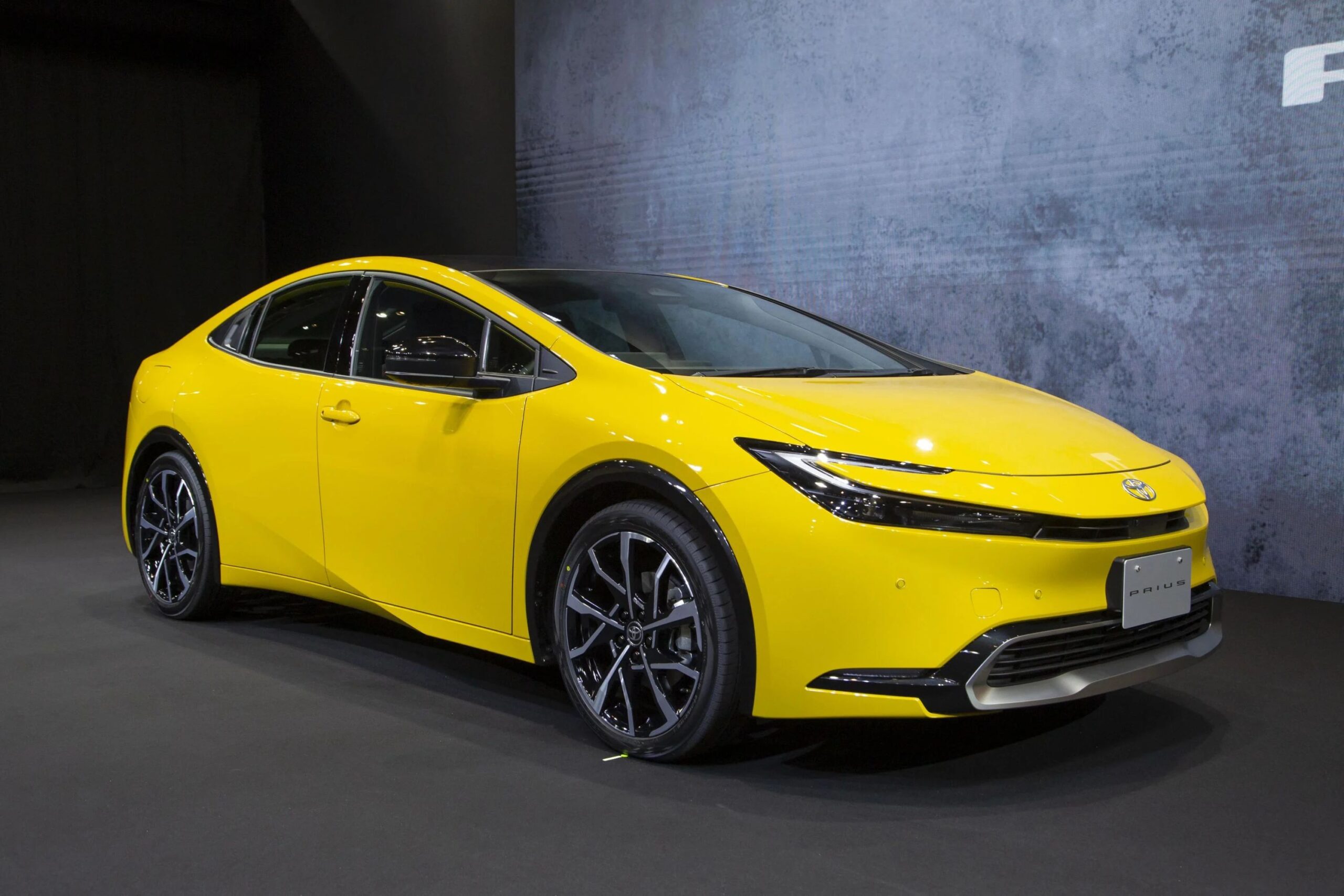
2. **Toyota Prius**Remember when the Toyota Prius was the undisputed king of cool, a four-wheeled symbol of ecological enlightenment? Yeah, me neither. But let’s give credit where credit’s due: the Prius did define hybrid technology, becoming the poster child for eco-friendliness and the preferred ride of Hollywood celebrities who wanted to virtue signal their way down Rodeo Drive. It was revolutionary, innovative, and, for a brief shining moment, genuinely exciting. But even pioneers get old, and the Prius’s time in the limelight appears to be running out faster than a battery pack with too many charge cycles.
Toyota, a company not known for sentimental attachments when market forces are at play, is rapidly shifting its focus toward fully electric platforms. After all, EVs are the new black, the latest accessory for anyone wanting to signal their commitment to the planet. Not only that, but newer, flashier hybrid options – like their RAV4 Hybrid, which actually manages to look good – are stealing the show. All of this leaves the iconic Prius facing an uncertain future, a shadow of its former glory.
Reports are circulating, faster than a politician changing their stance on fuel efficiency, suggesting that by 2027, the model could quietly exit the lineup. Its potential replacements? More modern alternatives, boasting sharper designs and, dare we say it, actual curb appeal. Consumer demand, ever fickle, has decisively pivoted toward crossovers, because apparently, everyone needs to sit higher and pretend they’re ready for an off-road adventure, even if it’s just to the grocery store. Pure EVs are also gobbling up market share, leaving less and less room for a traditional hatchback hybrid that, let’s be honest, often looked like a melted jelly bean.
While the Prius name still carries a certain weight in specific circles – the kind where people ask, “Oh, is that a hybrid?” with an air of mild intrigue – its role as a tech pioneer has faded more rapidly than a vinyl wrap baked in the Arizona sun. If Toyota does indeed decide to retire it, the Prius will be remembered less as a long-term staple and more as a crucial turning point in the brand’s storied history. It’ll be a footnote in the automotive history books, right next to the horse and buggy, existing as one of those things that would surely make a Victorian child have a full-blown aneurysm.
Car Model Information: 2025 Toyota Prius L
Name: Toyota Prius
Caption: Fifth generation Prius (XW60)
Manufacturer: Toyota
Production: December 1997 – present
ModelYears: 2001–present (US)
Class: ubl
BodyStyle: unbulleted list
Layout: unbulleted list
Sp: uk
Categories: 2000s cars, 2010s cars, 2020s cars, All-wheel-drive vehicles, All Wikipedia articles in need of updating
Summary: The Toyota Prius ( PREE-əss) (Japanese: トヨタ・プリウス, Hepburn: Toyota Puriusu) is a compact/small family liftback (supermini/subcompact sedan until 2003) produced by Toyota. The Prius has a hybrid drivetrain, which combines an internal combustion engine and an electric motor. Initially offered as a four-door sedan, it has been produced only as a five-door liftback since 2003.
The Prius was developed by Toyota to be the “car for the 21st century”; it was the first mass-produced hybrid vehicle, first going on sale in Japan in 1997 at all four Toyota Japan dealership chains, and subsequently introduced worldwide in 2000.
In 2011, Toyota expanded the Prius family to include the Prius v, an MPV, and the Prius c, a subcompact hatchback. The production version of the Prius plug-in hybrid was released in 2012. The second generation of the plug-in variant, the Prius Prime, was released in the U.S. in November 2016. The Prius family totaled global cumulative sales of 6.1 million units in January 2017, representing 61% of the 10 million hybrids sold worldwide by Toyota since 1997. Toyota sells the Prius in over 90 markets, with Japan and the United States being its largest markets.
Get more information about: Toyota Prius
Buying a high-performing used car >>>
Brand: Toyota Model: Prius
Price: $35,581 Mileage: 4,291 mi.
Read more about: Consumer Reports: The Top 14 Sedans Engineered to Conquer Over 220,000 Miles with Enduring Reliability

3. **Audi A1 Sportback**Say your goodbyes now, because the Audi A1 Sportback is slated to end production in 2026. This marks the closing of a rather specific chapter for Audi, waving farewell to one of the brand’s most compact and, dare we say, accessible models. The A1 managed to carve out a unique niche, offering an upscale feel in a footprint roughly the size of a really well-dressed shopping cart. It was the little luxury car that could, navigating tight urban parking spots with all the grace and elegance of its larger, more expensive siblings, but without the pesky risk of scraping your precious alloys. The current generation was pretty sharp, too, boasting solid tech (for a small car) and a surprising level of refinement for its diminutive size.
But alas, even good things must come to an end, especially when corporate priorities start shouting louder than an air-cooled engine at full throttle. Read between the lines, and “changing corporate priorities” usually translates to: “we need to make more money on bigger, fancier, more expensive cars.” Add to that the ever-tightening emissions regulations, and the A1 simply became financially unsustainable. Audi has already put the kibosh on a direct successor, confirming that the company will instead focus its efforts on higher-margin vehicles and electrified models. These are the cars that cost more upfront and, let’s be honest, probably involve more irritating subscription services down the line.
As the entire industry shifts inexorably toward larger vehicles – because apparently, bigger is always better, even when you’re just commuting alone – and a fully electrified future, the A1 quietly exits the stage. It’s a well-crafted small car, a testament to what Audi could do in a pint-sized package, but it’s leaving with no replacement in sight. It’s a bit of a shame, really. So, if you see an A1 whizzing by, perhaps pour one out for the tiny Audi that tried so valiantly to be fancy, but ultimately got caught in the crosshairs of profit margins and environmental mandates.
Car Model Information: 2022 Alfa Romeo Stelvio Veloce
Name: Audi A1
Caption: 2019 Audi A1 S Line 1.0 finished in yellow
Manufacturer: Audi AG
Production: 2010–2026
Class: Supermini
Predecessor: Audi 50
Categories: 2020s cars, All-wheel-drive vehicles, All Wikipedia articles in need of updating, All Wikipedia articles written in British English, All articles that are excessively detailed
Summary: The Audi A1 is a luxury supermini car launched by Audi at the 2010 Geneva Motor Show. Sales of the initial three-door A1 model started in Germany in August 2010, with the United Kingdom following in November 2010. The five-door model marketed as the Sportback was launched in November 2011, with sales starting in export markets during early 2012. The second generation was released in 2019; the three-door hatchback model was discontinued in 2018 along with the first generation.
Get more information about: Audi A1
Buying a high-performing used car >>>
Brand: Audi Model: A1 Sportback
Price: $24,995 Mileage: 38,431 mi.
Read more about: 12 Iconic Rides: The Vintage Cars That Defined the 1980s Automotive Landscape
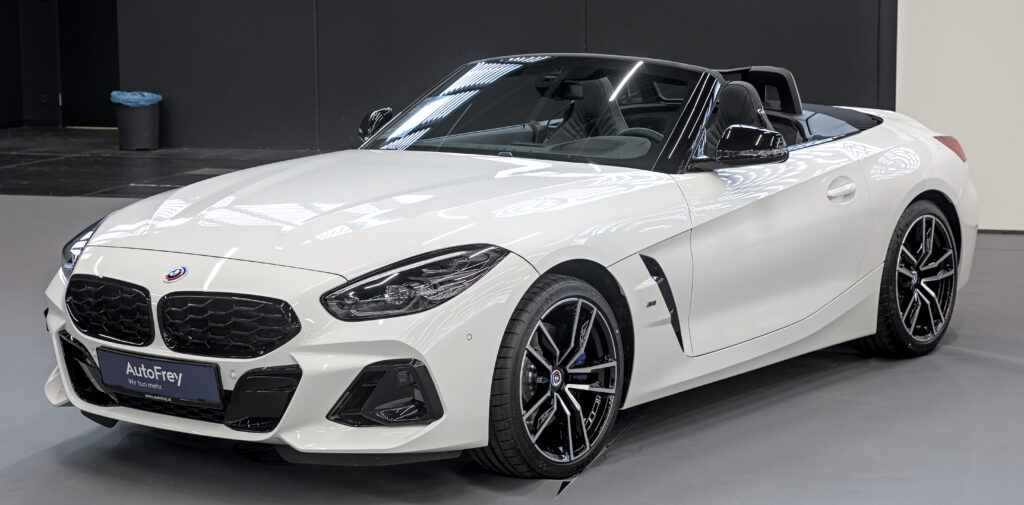
4. **BMW Z4**Rumors, those whispers that travel faster than a leaked Nürburgring lap time, have been circulating with increasing intensity: BMW could potentially discontinue the Z4 roadster by 2027. If true, this marks the end of an era for what has been an iconic, if somewhat niche, sports car in BMW’s illustrious lineup since its debut in 2002. The Z4 always stood out, or at least, it was visually distinctive. But it has faced the cruel reality of declining sales, largely because, it seems, people would rather sit three feet higher in a glorified minivan than experience the pure, top-down motoring bliss of a silky-smooth inline-six engine.
The culprit? The relentless, almost predatory, rise of SUVs and the inexorable march of electric vehicles. They’ve devoured the roadster market like a pack of hungry coyotes descending upon an unsuspecting rabbit. BMW, ever keen to stay ahead (or at least, keep up appearances), has already hinted at a significant shift in focus toward electric and hybrid models. Their future lean is supposedly toward “sustainable, tech-driven designs,” which in plain English usually translates to: “less outright fun to drive and probably more complicated to fix when it inevitably breaks.”
While there’s still no official confirmation – because automakers love to keep us guessing until the very last minute, milking every last drop of suspense – the Z4’s future looks about as certain as a first date going perfectly. BMW is clearly prioritizing its electric and other performance-oriented offerings, and unfortunately for enthusiasts of open-top motoring, that leaves the Z4 out in the proverbial cold. Soon enough, devoted fans may have to bid a melancholic farewell to this beloved roadster, consigning it to memory, or worse, the collector’s market where it’ll be more garage queen than road warrior.
So, if you’ve been contemplating the sheer joy of a spirited drive with the wind in your hair, now might be the absolute last call. Go drive one, truly drive it, before it becomes a dusty relic sitting in the corner of a dealer lot, or an overly polished, rarely driven trophy for someone’s collection. Seize the day, because the Z4’s days are numbered, and once it’s gone, it’s gone.
Car Model Information: 2007 BMW Z4 3.0i Roadster
Name: BMW Z4 (E85/E86)
Production: July 2002 – December 2008
Assembly: Greer, South Carolina
BodyStyle: Roadster (automobile),coupé
Class: Sports car
Layout: Front-engine, rear-wheel-drive
Related: BMW 3 Series (E46),BMW 3 Series Compact#E46/5 (2000–2004)
Engine: Unbulleted list
Transmission: unbulleted list
Wheelbase: 2495 mm
Abbr: on
Length: 4090 mm
Width: 1780 mm
Height: E85: {{convert,1300,mm,in,1,abbr=on
Predecessor: BMW Z3
Successor: BMW Z4 (E89)
Manufacturer: BMW
ModelYears: 2003–2008
Designer: Anders Warming
Categories: All articles with unsourced statements, Articles with short description, Articles with unsourced statements from August 2020, BMW vehicles, CS1 German-language sources (de)
Summary: The first generation of the BMW Z4 consists of the BMW E85 (roadster version) and BMW E86 (coupe version) sports cars. The E85/E86 generation was produced from 2002 to 2008. The E85/E86 replaced the Z3 and is the third model in the BMW Z Series. Initial models were in the roadster (E85) body style, with the coupé (E86) body style being added in 2006. In February 2009, the BMW Z4 (E89) began production as the successor to the E85/E86.
As was its Z3 predecessor, the E85/E86 was manufactured in Greer, South Carolina. The M model, the Z4 M, is powered by the S54 straight-six engine.
Get more information about: BMW Z4 (E85)
Buying a high-performing used car >>>
Brand: BMW Model: Z4
Price: $12,000 Mileage: 74,959 mi.
Read more about: 12 Iconic Rides: The Vintage Cars That Defined the 1980s Automotive Landscape
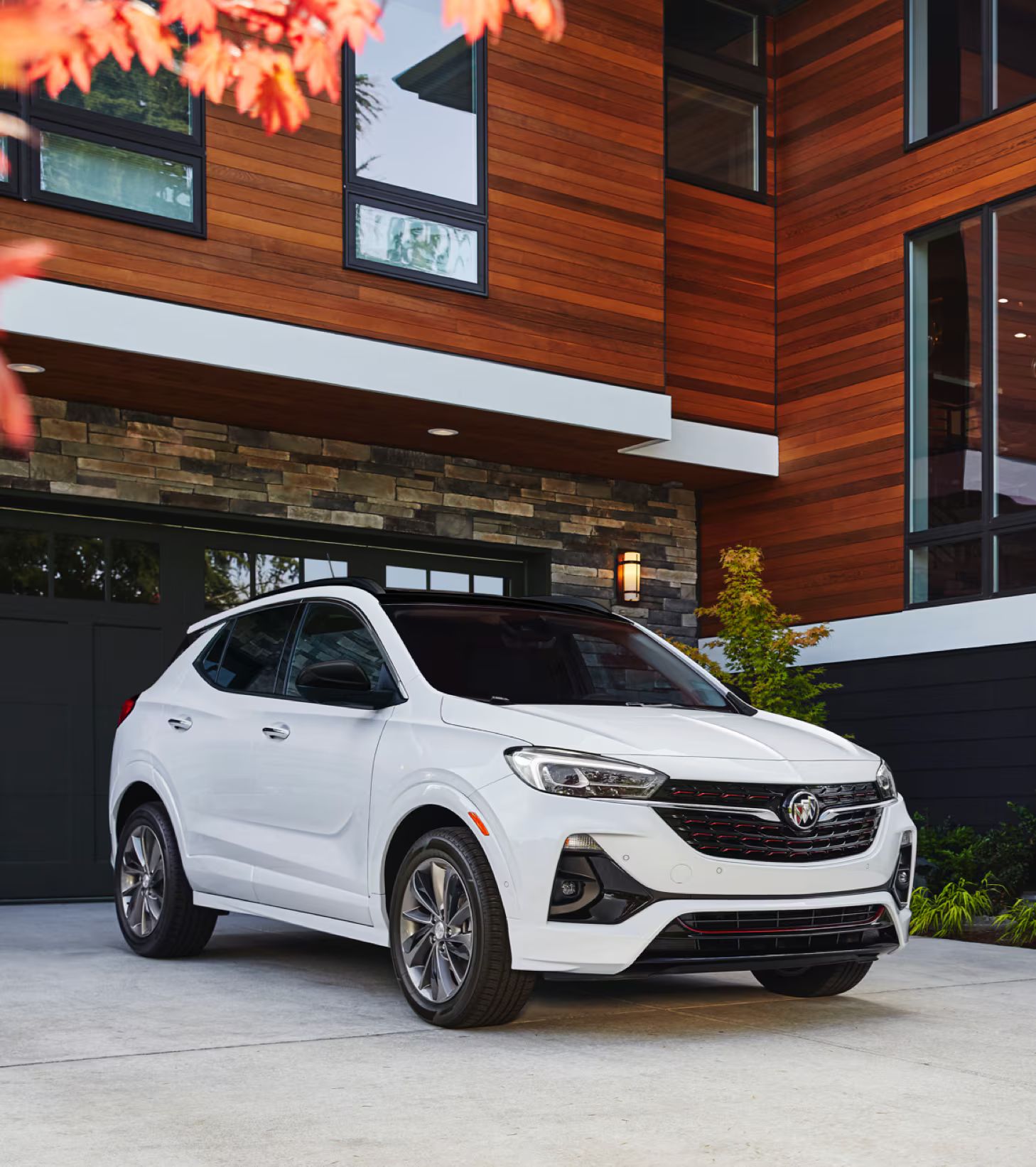
5. **Buick Encore**As the automotive landscape continues to be utterly overrun by crossovers, multiplying across showroom floors like rabbits in springtime, the original Buick Encore is quietly preparing for its final curtain call. In a move that perfectly encapsulates the sometimes-confusing logic of brand strategy, Buick, in its infinite wisdom, has already introduced the Encore GX. This newer, refreshed model carries the name forward with updated styling, improved proportions, and essentially renders its older sibling completely redundant. It’s a classic tale: imagine having a perfectly reliable, if slightly unassuming, older brother, only for a cooler, slightly taller, and undeniably flashier younger brother to come along and steal all the attention. Poor original Encore never stood a chance.
Production of the older Encore has already ceased in several regions, and its availability continues to shrink faster than your patience during a software update. This, of course, means you might just find a smoking deal on one if you’re quick enough to snatch it from the dwindling inventory. The original Encore, bless its heart, earned its praise for its city-friendly size – because trying to park a battleship in a bustling urban environment is a special kind of tough – and its accessible comfort, offering a touch of refinement without breaking the bank. However, the newer models have definitively taken the spotlight, making it clear where Buick’s focus now lies.
Ultimately, the Encore served its purpose with a quiet grace, offering an approachable entry point to the Buick brand for those who wanted something a little more upscale than, say, a Chevy Trax. That mission feels utterly complete, and it accomplished it well. Its farewell has been remarkably calm and uneventful, a soft fade rather than a dramatic exit, but its impact in shaping the brand’s quiet, steady shift toward modern utility vehicles shouldn’t be overlooked. It simply did its job and is now moving on.
It’s the automotive equivalent of that reliable, slightly boring, but always-there friend you could count on. You’ll miss it when it’s gone, but you probably won’t throw a parade.
Car Model Information: 2024 Buick Encore GX Sport Touring
Name: Buick Encore
Manufacturer: General Motors
Production: 2012–2022
ModelYears: 2013–2022
Class: Subcompact crossover SUV
BodyStyle: SUV
Successor: Buick Envista
Categories: 2010s cars, All-wheel-drive vehicles, All Wikipedia articles written in American English, Articles with short description, Buick vehicles
Summary: The Buick Encore is a subcompact crossover SUV built by General Motors from 2012 to 2022. It is subcompact crossover SUV marketed by Buick and its fourth SUV overall after the Rendezvous, Rainier, and Enclave.
The “Encore” designation was previously used by American Motors Corporation (AMC) for the subcompact two and four-door hatchback variants of the U.S.-built front-wheel drive Renault Alliance from 1984 to 1987.
Get more information about: Buick Encore
Buying a high-performing used car >>>
Brand: Buick Model: Encore
Price: $19,950 Mileage: 21,988 mi.
Read more about: Buyer Beware: Identifying 10 SUVs That Endure vs. Those That Become Maintenance Nightmares Past 150,000 Miles
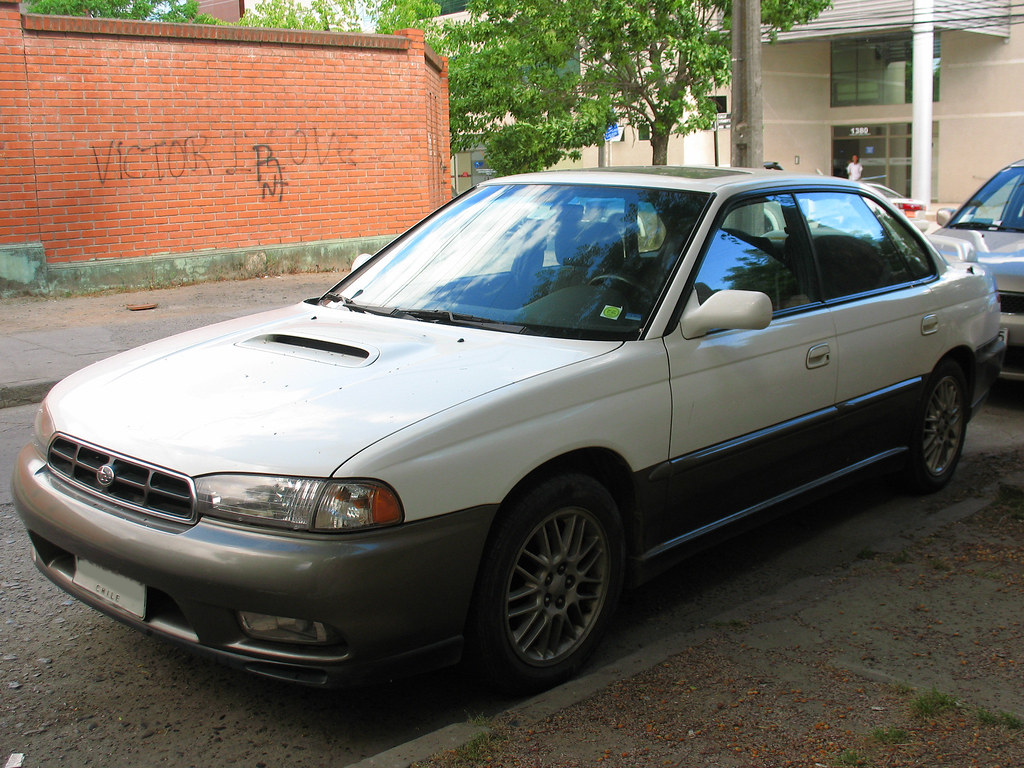
6. **Subaru Legacy**The Subaru Legacy, a sedan that was, by all accounts, actually pretty solid, may be discontinued by 2027. And no, it’s not because it was inherently flawed or unreliable. It’s yet another casualty of those pesky “shifting market demands.” With the SUV and crossover segments now dominating consumer preferences with the ferocity of a celebrity chef dominating a cooking show, traditional sedans like the Legacy are increasingly viewed as outdated. They’re the automotive equivalent of flip phones at a tech conference: functional, but decidedly out of step with the times.
To make matters worse for the Legacy, its own siblings, the formidable Outback and Forester, have completely overshadowed it in sales. They’ve basically hogged all the attention, soaking up the market share and leaving the Legacy to languish in their snowy, symmetrical AWD dust. It’s like being the middle child in a family of superstars – you’re good, but everyone’s too busy applauding your siblings. Adding to this dilemma is Subaru’s noticeable pivot towards electric vehicles (EVs), exemplified by the somewhat awkwardly named Solterra. This strategic shift clearly signals a future where traditional sedans might not fit into the brand’s vision at all. After all, who needs a low-slung car when you can have a battery pack conveniently nestled under your seat, offering a higher vantage point for navigating the urban jungle?
Moreover, consumer tastes have decisively shifted toward vehicles that promise more versatility and “adventure.” In practical terms, this often translates to simply wanting higher ground clearance for those inevitable curb-hopping maneuvers in the mall parking lot. These values are truly embodied by Subaru’s wildly popular crossovers. As other automakers continue to scale back on their sedan offerings as if they’re going out of style – which, frankly, they are – it’s highly probable that Subaru will follow suit. They’ll likely phase out the Legacy to focus on the more in-demand, higher-margin models that align with their evolving brand identity.
So long, sensible sedan; it was nice knowing you. Hello, slightly lifted wagon, because that’s where all the action is now. The Legacy’s quiet exit will mark another chapter closed in the ongoing saga of the sedan’s decline, a testament to how rapidly market preferences can reshape an entire automotive lineup.
Now, as we shift gears, let’s talk about a different kind of automotive oblivion. These aren’t just cars getting a corporate pink slip; these are the ones that cling on, but do so while their value bleeds out faster than a leaky oil pan. We’re diving into the financial black holes of the automotive world, the models that, by 2027, will be worth less than the avocado toast you had for breakfast. These are the vehicles that promise luxury, performance, or cutting-edge tech, only to deliver a cruel lesson in depreciation and ownership costs so crippling, you’ll wish you’d just bought a sensible pair of shoes instead. Buckle up, because the truth about these money pits is about to hit harder than a pothole on a dark road.
Car Model Information: 2025 Subaru Legacy Premium
Name: Subaru Legacy
Caption: 2020 Subaru Legacy (United States)
Manufacturer: Subaru
Aka: Isuzu Aska
Production: 1989–2020 (worldwide),1989–2025 (North America)
Assembly: Ōta, Gunma
Class: Mid-size car
BodyStyle: Sedan (automobile)
Layout: Front-engine, front-wheel-drive
ModelYears: 1990–2025 (North America)
Categories: 1990s cars, 2000s cars, 2010s cars, 2020s cars, All-wheel-drive vehicles
Summary: The Subaru Legacy (Japanese: スバル・レガシィ, Hepburn: Subaru Regashi) is a mid-size car built by Japanese automobile manufacturer Subaru from 1989 to 2025. The maker’s flagship car, it is unique in its class for offering all-wheel drive as a standard feature, and Subaru’s traditional boxer engine.
In 1996, a variant of the Legacy with heightened suspension called the Legacy Outback was introduced to compete in the burgeoning sport-utility vehicle class, and proved to be a sales success for Subaru. The Outback line was split into its own model in 2008, known as the Subaru Outback.
As of 2008, 3.6 million Legacy models have been built since its 1989 introduction.
Production of the Legacy ended in Japan in June 2020, with the sixth-generation Legacy being the last model produced and marketed in Japan. Subaru of America announced in an internal email that 2025 will be the last model year for the Subaru Legacy. The Subaru Outback will remain in production, after being the company’s top selling model in 2023.
The Legacy was sold as the Liberty in Australia out of deference to Legacy Australia, an organisation dedicated to caring for the families of military service veterans.
Get more information about: Subaru Legacy
Buying a high-performing used car >>>
Brand: Subaru Model: Legacy
Price: $27,414 Mileage: 885 mi.
Read more about: Consumer Reports: The Top 14 Sedans Engineered to Conquer Over 220,000 Miles with Enduring Reliability
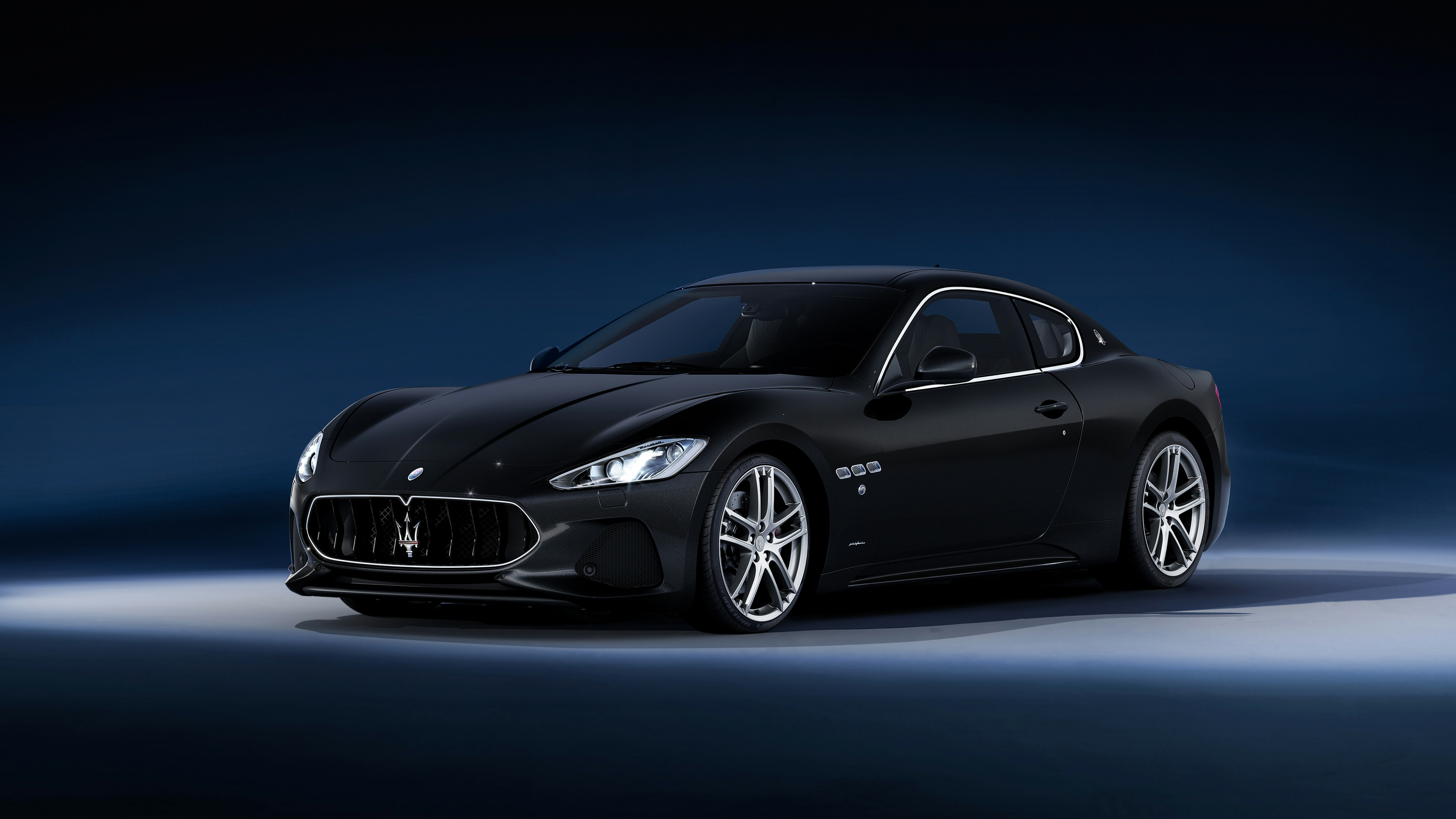
7. **Maserati Levante SUV**Oh, Maserati. The name conjures images of Italian passion, roaring engines, and a certain je ne sais quoi that screams ‘I’ve arrived!’ But for the Levante SUV, what it really screams is ‘I’m depreciating faster than you can say ‘mama mia!” This Italian luxury SUV is a shocking contender in the ‘worthless by 2027’ stakes, depreciating a staggering 63.7%, which translates to nearly $65,000 evaporating from your wallet in just five short years. Think about that for a second: you could buy a brand-new, well-equipped BMW with the cash this thing sheds. It’s an exotic misstep, a vehicle that looks the part of a high-roller but plays the role of a financial anchor.
While the Levante certainly boasts head-turning style and a distinct visual flair that makes it stand out in a sea of German SUVs, its Achilles’ heel is arguably its crippling maintenance costs. Owners, often left stranded or staring down eye-watering repair bills, consistently cite electrical issues as a primary source of frustration. Maserati ownership isn’t just about the purchase price; it’s about specialized technician fees that make your average mechanic’s labor rate look like pocket change. These aren’t just minor glitches; we’re talking about fundamental problems that make owning one post-warranty a gamble only a millionaire with a spare parts factory in their backyard would consider.
The core problem for the Levante isn’t just its high sticker price, but the brand’s questionable reliability reputation when stacked against its luxury competitors. While the badge carries prestige, the market, bless its brutally honest heart, quickly learns which brands will leave you with a constant ache in your wallet. When used car buyers approach a Levante, they’re not just seeing a stylish SUV; they’re seeing a ticking time bomb of potential expenses, and that, my friends, is why the resale value plummets like a stone. It’s the automotive equivalent of a supermodel who demands a seven-figure salary but only shows up for half her engagements.
So, while the Levante might be a stylish choice for those who want to project an image of Italian flair and exclusivity, the hard truth is that it’s a car you buy to lease and return before the inevitable, wallet-shredding repair bills start piling up. It’s a beautifully sculpted financial trap, proving that sometimes, fashion truly is pain, especially for your bank account.
Car Model Information: 2022 Alfa Romeo Stelvio Veloce
Name: Maserati Levante
Caption: 2016 Maserati Levante S (Europe, pre-facelift)
Manufacturer: Maserati
Production: May 2016–2024
ModelYears: 2017–2024
Assembly: Turin
Designer: Centro Stile Maserati
Class: Mid-size crossover SUV#Luxury vehicles
BodyStyle: Sport utility vehicle
Layout: F4 layout
Platform: Maserati M156 platform
Related: Maserati Ghibli (M157),Maserati Quattroporte VI
Engine: unbulleted list
Motor: eBooster 48V (eTorque)
Transmission: ZF Friedrichshafen,ZF 8HP transmission,Automatic transmission
Drivetrain: Mild hybrid
Wheelbase: 3004 mm
Abbr: on
Length: 5003 mm
Width: 1968 mm
Height: 1679 mm
Weight: convert
Sp: uk
Categories: All-wheel-drive vehicles, Articles with short description, Cars introduced in 2016, Luxury crossover sport utility vehicles, Luxury sport utility vehicles
Summary: The Maserati Levante (Tipo M161) is an executive crossover SUV produced by Italian manufacturer Maserati at the Mirafiori factory in Turin from 2016. The Levante went on sale in Europe in May 2016, and in North America in September 2016. Production of the Levante ended in 2024, commemorated with the release of a top-spec 424BHP special edition.
The Levante was named after a warm, easterly wind that blows in the western Mediterranean Sea, southern France, down to the Strait of Gibraltar. The name of the wind, in turn, comes from the Latin word “levare”, which means “to rise”. Its design is based on the Kubang concept car that debuted at the 2011 Frankfurt Auto Show.
Get more information about: Maserati Levante
Buying a high-performing used car >>>
Brand: Maserati Model: Levante SUV
Price: $24,995 Mileage: 38,431 mi.
Read more about: Avoid the Debt: 9 Trucks You Absolutely Should Not Finance in 2026 According to Resale Data
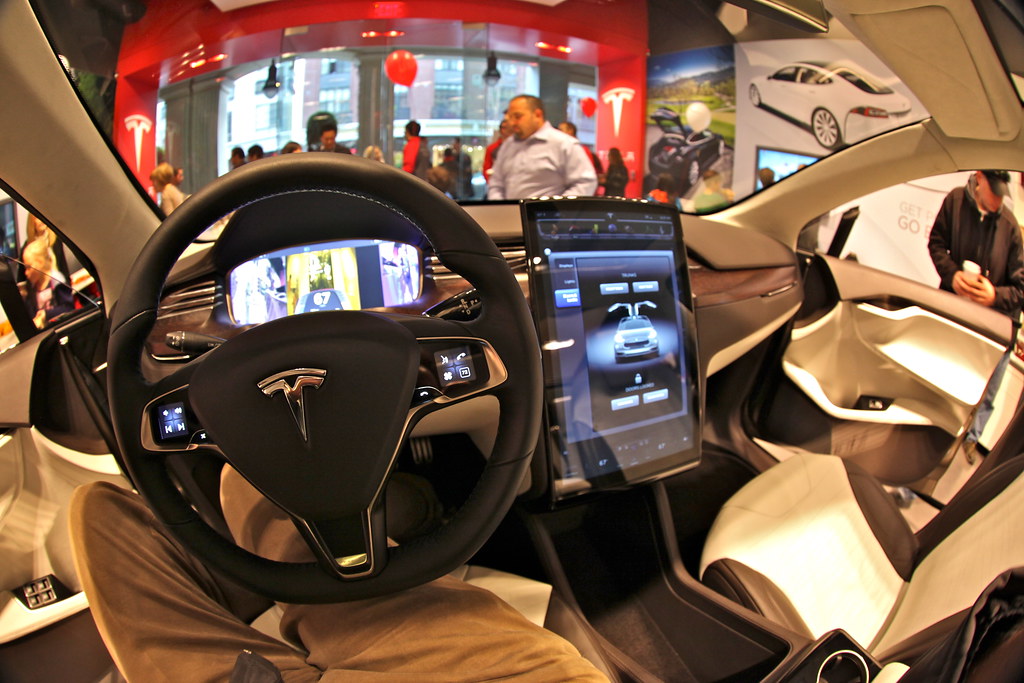
8. **Tesla Model X**Ah, the Tesla Model X. Once the poster child for electric future, a vehicle so cutting-edge it practically drove itself (mostly). But despite its innovative spirit and impressive performance, the Model X is an electric SUV that loses a substantial 63.4% of its value—almost $54,000—in just five years. It’s a sobering reminder that yesterday’s innovation can quickly become today’s outdated, rapidly depreciating asset. For all its futuristic promise, the Model X has proven to be a financial black hole for many first owners, making it a prime candidate for our ‘worthless by 2027’ list.
Now, let’s talk about the infamous ‘Falcon Wing’ doors. They looked cool in the concept videos, didn’t they? Like something out of a sci-fi movie. In reality, these complex, upward-opening doors are notorious for astronomical repair costs, with the context stating repairs can run upwards of an astonishing $30,000 when they inevitably malfunction. That’s not a repair bill; that’s a down payment on another car! Add to this the natural enemy of all EVs: battery degradation, which quietly reduces range over time and adds another layer of financial concern for potential second-hand buyers.
Beyond the door drama, the Model X suffers from rapid technological obsolescence, a brutal reality in the fast-paced EV market. What was cutting-edge five years ago now looks decidedly… well, less cutting-edge. Newer EVs, some from Tesla itself, offer superior range, faster charging, and more features at lower prices. This relentless march of technology, combined with Tesla’s own aggressive price adjustments on new models, severely undercuts the resale value of older generations. The Model X, once a symbol of tomorrow, is now struggling to keep up with today, destined to be seen as a technological footnote rather than a long-term investment.
It’s the paradox of rapid innovation: buy early and you pay a premium, but also experience the steepest drop in value as the next best thing rolls out. The Model X proves that even an EV with groundbreaking features can become a financially challenging proposition when the tech moves faster than its depreciation curve.
Car Model Information: 2022 Alfa Romeo Stelvio Veloce
Name: Tesla Model X
Manufacturer: Tesla, Inc.
Production: 2015–present
Assembly: unbulleted list
Designer: Franz von Holzhausen
Class: Crossover (automobile)
BodyStyle: 5-door SUV
Layout: unbulleted list
Doors: unbulleted list
Related: Tesla Model S
Motor: unbulleted list
Title: Discontinued
Transmission: unbulleted list
Battery: unbulleted list
ElectricRange: FTP-75
Wheelbase: cvt
Length: cvt
Width: cvt
Height: cvt
Weight: unbulleted list
Sp: us
Categories: 2020s cars, All Wikipedia articles in need of updating, All Wikipedia articles written in American English, All articles containing potentially dated statements, All articles lacking reliable references
Summary: The Tesla Model X is a battery electric mid-size luxury crossover SUV built by Tesla, Inc. since 2015. Developed from the full-sized sedan platform of the Tesla Model S, the vehicle uses distinctive falcon wing doors for rear passenger access.
The Model X has an EPA size class as an SUV, and shares around 30 percent of its content with the Model S, half of the originally planned 60 percent, and weighs about 10 percent more. Both the Model X and Model S are produced at the Tesla Factory in Fremont, California. The prototype was unveiled at Tesla’s design studios in Hawthorne, California, on February 9, 2012. First deliveries of the Model X began in September 2015. After one full year on the market, in 2016, the Model X ranked seventh among the world’s best-selling plug-in cars. A refresh of the Tesla Model X was introduced in 2021, offering a new “Plaid” performance model, along with a revised interior, powertrain, and suspension.Another update of the Model X was introduced in June 2025 with a new front bumper camera, new wheel designs, increased third-row space, dynamic ambient lighting, and adaptive headlights. The updates are similar to the Model S, which was updated at the same time.
As of July 2025, the Model X is available as a Long-Range version with an estimated EPA range of 352 miles (566 km) and a high performance “Plaid” version with an estimated EPA range of 335 miles (539 km).
Get more information about: Tesla Model X
Buying a high-performing used car >>>
Brand: Tesla Model: Model X
Price: $24,995 Mileage: 38,431 mi.
Read more about: Under-Desk Treadmills: A Deep Dive into Benefits, Usage, and Whether They Outperform a Daily Stroll
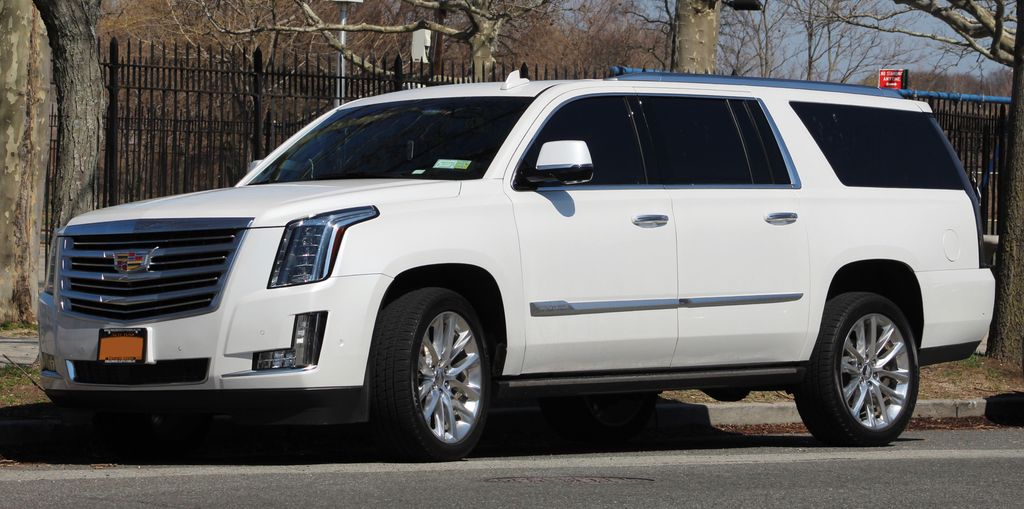
9. **Cadillac Escalade ESV**If the regular Cadillac Escalade is a statement, the ESV version is practically shouting. It’s bigger, bolder, and screams ‘I need all the space for my artisanal kombucha and miniature schnauzers!’ But for all its imposing presence and luxury, the Cadillac Escalade ESV mirrors its sibling’s woes on the depreciation front, losing a massive 62.9% of its value—nearly $57,000—in five years. It’s a harsh reminder that when it comes to automotive investments, size does not, in fact, equate to value retention. In the world of depreciation, the bigger they are, the harder they fall, and the ESV falls with a deafening thud.
This colossal luxury SUV comes with colossal running costs. We’re talking abysmal fuel economy, hovering around 14 MPG, which means your local gas station owner will be sending you holiday cards. And while the initial luxury is impressive, maintenance costs, especially for a vehicle of this complexity and scale, are significant. But a significant factor in its rapid depreciation is the sheer volume of these beasts that flood the used market from rental fleets and car services. Imagine paying a premium for a used luxury SUV, only to realize it’s spent its first few years as a high-mileage taxi, ferrying executives to airports or bachelorette parties to dive bars.
The market gets saturated, and prices inevitably drop. It’s a simple supply-and-demand equation, and the ESV often finds itself on the losing side. While it offers unparalleled comfort and presence, the combination of its thirst for fuel, high upkeep, and the relentless influx of pre-owned models makes it a veritable money pit for anyone thinking of holding onto one for the long haul. It’s a shiny, opulent package that hides a financial ticking time bomb, ready to detonate your bank account.
So, if you’re eyeing a used Escalade ESV, just remember that its initial owners absorbed a massive financial hit, and the reason they sold it might just be sitting in your garage, waiting for its next expensive repair. It’s a status symbol, for sure, but one that comes with a very clear expiration date on its value.
Car Model Information: 2022 Alfa Romeo Stelvio Veloce
Name: Cadillac Escalade
Caption: Fifth generation Cadillac Escalade
Manufacturer: Cadillac
Production: 1998–present,2002–present (ESV),2001–2013 (EXT),2008–2013 (Hybrid)
ModelYears: 1999–2000,2002–present
Class: Full-size,luxury car,sport utility vehicle
Related: ubl
Layout: Front-engine, rear-wheel drive layout,Front-engine, four-wheel drive layout
Categories: 2000s cars, 2010s cars, 2020s cars, All-wheel-drive vehicles, All Wikipedia articles in need of updating
Summary: The Cadillac Escalade is a full-size luxury SUV manufactured by General Motors and marketed by Cadillac as its first major entry into the SUV market. The Escalade was introduced for the 1999 model year in response to an influx of new luxury SUVs in the late 1990s including the Mercedes-Benz M-Class, Range Rover, Lexus LX, and Ford’s 1998 debut of the Lincoln Navigator. The Escalade project went into production only ten months after it was approved. The Escalade is built in Arlington, Texas.
The term “escalade” refers to a siege warfare tactic of scaling defensive walls or ramparts with the aid of ladders or siege towers. More generally, it is a French word which is the noun-equivalent form of the French verb escalader, which means “to climb or scale”.
The Escalade is currently sold in North America and select international markets (Europe and Asia) where Cadillac has official sales channels. The Escalade ESV (Escalade Stretch Vehicle) is sold in North America, Russia, and the Middle East, but is only available by special order in some international markets. The right-hand-drive Escalade and Escalade ESV are available through third-party conversion specialists without official agreement with Cadillac in Australian, Oceanic, and Japanese markets.
On August 8, 2023, GM presented the Escalade IQ, an all-electric version of the Escalade, and the third model in Cadillac’s EV line, after the Celestiq, and Lyriq. It is expected to go on sale in late 2024 for the 2025 model year, with a starting price of $130,000.
The Escalade has gone through five generations, the most recent (the fifth) prsented in 2021, noted for its technology and self-driving capability. The fifth generation Escalade is nearly two metres high, and was criticized by The Verge for its excessive size and hazard to pedestrians.
Get more information about: Cadillac Escalade
Buying a high-performing used car >>>
Brand: Cadillac Model: Escalade ESV
Price: $24,995 Mileage: 38,431 mi.
Read more about: Don’t Get Stuck at the Pump: These 10 Gas-Guzzling SUVs Are Budget-Busters in 2025

10. **Land Rover Range Rover SUV**The Land Rover Range Rover. A name synonymous with British luxury, rugged capability (in theory), and perhaps, a slightly questionable parking job at the private school pick-up line. It’s an iconic SUV, a vehicle that commands respect and, unfortunately, an astronomical amount of cash, both to buy and to keep running. This automotive titan breaks into our top ten of depreciation champions, losing a massive 62.9% of its value—nearly $68,000—in just five years. That’s a sum that could buy you a very nice vacation home, or at least a few years’ supply of artisanal dog food.
Despite its luxurious appeal, the Range Rover is notoriously famous for reliability nightmares. We’re talking about a litany of woes: frequent repairs, collapsing air suspensions (which are not cheap to fix, believe us), random electronic failures that pop up like whack-a-moles, and even engine issues that can leave you stranded faster than a flat tire in the Sahara. The sheer complexity of its systems, designed for both opulent comfort and off-road prowess, ironically makes it a financial ticking time bomb for owners. It’s a sophisticated machine, but one that seems to have a deep-seated desire to visit the dealership more often than you visit your dentist.
This reputation for mechanical fragility is precisely why many owners, savvy or simply tired of the constant financial drain, opt to lease rather than buy. They get the temporary thrill of the badge and the luxury, then hand the keys back before the inevitable, costly repairs begin to pile up. The used market knows these headaches all too well, and that knowledge is baked into the brutal depreciation curve. It’s the ultimate automotive paradox: a vehicle that projects an image of untouchable wealth and capability, but often leaves its owners feeling anything but.
For the true enthusiast, the allure of a Range Rover can be powerful, but the cold, hard financial reality is that it’s often a relationship built on deep pockets and endless patience for workshop visits. Consider yourself warned.
Car Model Information: 2024 Honda Civic Sport
Caption: 2022 Range Rover SE P440e (L460, fifth generation, United Kingdom)
Aka: unbulleted list
Name: Range Rover
Manufacturer: unbulleted list
Production: 1969–present
Assembly: unbulleted list
Class: unbulleted list
Layout: Front-engine, four-wheel-drive layout
Sp: uk
Categories: 1980s cars, 1990s cars, 2000s cars, 2010s cars, 2020s cars
Summary: The Land Rover Range Rover, generally shortened to Range Rover, is a 4WD luxury mid to full size crossover marque and sub-brand of Jaguar Land Rover, owned by India-based Tata Motors. The Range Rover line was launched in 1970 by British Leyland and since 2022 is in its fifth generation.
Additional models have been launched under the Range Rover name, including the Range Rover Sport, Range Rover Evoque, and Range Rover Velar.
Get more information about: Range Rover
Buying a high-performing used car >>>
Brand: Land Rover Model: Range Rover
Price: $27,891 Mileage: 21,809 mi.
Read more about: Don’t Get Stuck at the Pump: These 10 Gas-Guzzling SUVs Are Budget-Busters in 2025

11. **Audi A8L Sedan**Welcome back to the luxury sedan black hole, where premium badges go to shed value faster than a convertible loses heat in winter. The Audi A8L Sedan, Audi’s flagship, is another casualty in this unforgiving segment, hemorrhaging a staggering 62.7% of its value, which translates to a mind-boggling $58,000 disappearing in five short years. This isn’t just depreciation; it’s a value evacuation. When Audi itself says “Vorsprung durch Technik” (progress through technology), for the A8L, it often feels like “Vorsprung durch Reparaturkosten” (progress through repair costs).
The reasons for this freefall are as predictable as a poorly-timed blinker: astronomical maintenance costs, pervasive electronic issues, and a nearly guaranteed air suspension failure after 60,000 miles. Let’s repeat that last part: *guaranteed air suspension failures*. That’s not a possibility; that’s a scheduled expense, and a hefty one at that. While the A8L offers a sublime driving experience and a cabin filled with exquisite materials and advanced tech when new, the moment that factory warranty winks out, your wallet starts prepping for battle.
These predictable, expensive issues make the A8L a notorious trap for second-hand buyers. Who wants to inherit a luxury sedan with a known six-figure mileage problem looming overhead? The initial owner takes the massive depreciation hit, effectively subsidizing the fleeting luxury, while subsequent owners inherit a vehicle that quickly becomes more liability than asset. It’s a car that impresses at first glance, but soon reveals its true, financially draining colors. It’s a statement of success for a very short while, then a monument to poor financial planning.
So, while the A8L might be an engineering marvel, its real-world ownership costs and rapid value decline firmly place it in the ‘avoid if you value your bank account’ category for anyone looking beyond the initial showroom sparkle.
Read more about: Consumer Reports’ Definitive Guide: Unpacking the Most Reliable Midsize SUVs for 2024 and Beyond
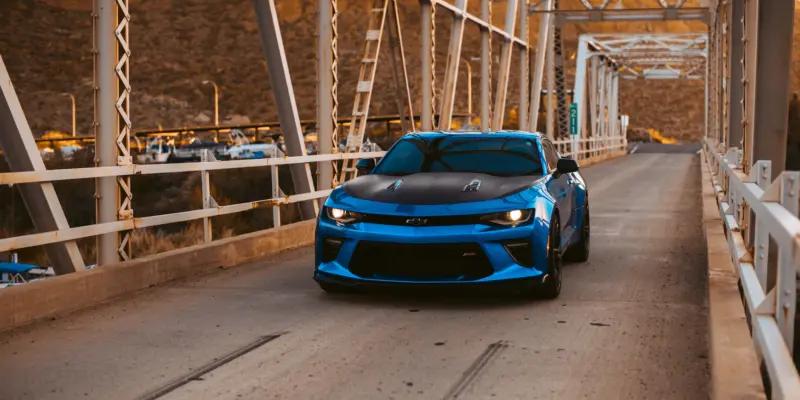
12. **BMW 5 Series Sedan**Once upon a time, the BMW 5 Series sedan was the benchmark for executive sports sedans. It offered a thrilling driving experience, Teutonic precision, and a badge that signaled you were going places, and doing so quickly. Today, however, the 5 Series is a depreciation champion for all the wrong reasons, shedding a whopping 61.7% of its value—over $36,000—in just five years. It’s a tragic tale of how market shifts and maintenance realities can humble even the most storied nameplates, turning a performance icon into a poster child for rapid value loss.
Owners, particularly those who bought new, often commend its performance and handling when fresh off the lot. But the financial pain, oh, the sweet financial pain, truly sets in once the warranty expires. The context provides a chilling list of predictable, expensive failures: control modules costing $1,500+, suspension components exceeding $2,000, and those persistent, infuriating electrical gremlins that BMWs are infamous for. These aren’t minor inconveniences; these are significant, recurring expenditures that quickly eat into any perceived savings from buying a used luxury sedan. It’s like buying a high-performance racehorse that consistently wins, but only after you’ve mortgaged your house to pay for its vet bills.
To add insult to injury, the market is absolutely saturated with off-lease 5 Series models. Everyone who wanted the new car experience for three years and then dumped it back on the dealership lot has created an oversupply that further suppresses resale values. This means both the first owner (who takes the initial depreciation hit) and subsequent owners (who get stuck with the inevitable repair bills) find themselves in a losing financial battle. It’s a car that promises a lot but delivers a bitter pill of financial reality, making it a prime candidate for our ‘worthless by 2027’ list.
So, if you’ve been eyeing that sleek, powerful 5 Series, consider this your final warning. That seemingly good deal on a used model might just be the most expensive mistake you make this decade. Some cars are meant to be driven hard and then quickly offloaded, and the 5 Series, in its current financial reality, certainly fits that bill.
***
And there you have it, folks. A dozen models that, for various reasons ranging from corporate strategy shifts to outright financial self-destruction, are heading for the automotive boneyard, or at least, the “future scrap metal” pile, by 2027. We’ve dissected the corporate maneuvers, the market rejections, and the crippling ownership costs that transform shiny new vehicles into rapidly depreciating liabilities. It’s a brutal world out there on the asphalt, where innovation clashes with practicality, and enthusiast dreams often collide with a bank statement’s harsh reality.
Car Model Information: 2024 Kia Telluride SX Prestige X-Pro
Name: BMW 5 Series
Manufacturer: BMW
Production: 1972–present
Class: Executive car
BodyStyle: Sedan (automobile)
Layout: Front-engine, rear-wheel-drive,Front-engine, all-wheel-drive
Predecessor: BMW New Class
Categories: 1980s cars, 1990s cars, 2000s cars, 2010s cars, 2020s cars
Summary: The BMW 5 Series is an executive car manufactured and marketed by BMW since 1972. It is the successor to the BMW New Class sedans and is currently in its eighth generation. The car is sold as either a sedan or, since 1991, a station wagon (marketed as “Touring”). A 5-door fastback (marketed as “Gran Turismo”) was sold between 2009 and 2017. Each successive generation has been given an internal G-code designation since 2017. Previously, a F-code designation was used between 2010 and 2016, while an E-code designation was used between 1972 and 2010. These are used to distinguish each model and generation from each other.
The first generation of the 5 Series was powered by naturally aspirated four-cylinder and six-cylinder petrol engines. Following generations have been powered by four-cylinder, six-cylinder, V8 and V10 engines that are either naturally aspirated or turbocharged. Since 1982, diesel engines have been included in the 5 Series range.
The 5 Series is BMW’s second-best-selling model after the 3 Series. On 29 January 2008, the 5 millionth 5 Series was manufactured, a 530d sedan in Carbon Black Metallic. It is BMW’s oldest nameplate still in production and the first model line to use “Series” in the name, debuting the three-digit model naming convention still used today. Since the E28, all generations of 5 Series have included an “M” model, called the BMW M5.
Get more information about: BMW 5 Series
Buying a high-performing used car >>>
Brand: BMW Model: 5 Series
Price: $41,500 Mileage: 25,564 mi.
Read more about: Consumer Reports: The Top 14 Sedans Engineered to Conquer Over 220,000 Miles with Enduring Reliability
The takeaway isn’t that all new cars are bad investments; it’s that in this lightning-fast industry, doing your homework is more crucial than ever. The signs are clearer than a perfectly polished windshield: some cars are simply not built for the long haul, financially speaking. So, next time you’re captivated by a sleek design or a promise of cutting-edge tech, remember these cautionary tales. Ask the tough questions, scrutinize the long-term costs, and perhaps, just perhaps, you’ll save yourself from driving a future piece of scrap metal off the lot. The road ahead is electric and uncertain, but with a little foresight, you can navigate it without your wallet spontaneously combusting. Happy motoring, and may your depreciation curves be ever gentle.