
The relentless march of technological innovation, coupled with an ever-evolving global threat landscape, is pushing the U.S. Air Force to envision a bold new future for its strategic airlift capabilities. We stand at a critical juncture where the workhorses of today – the C-17A Globemaster III and the C-5M Galaxy – are approaching the twilight of their service lives, demanding a successor that can not only match their legendary performance but also soar beyond it.
This isn’t just about replacing aging airframes; it’s about redefining what strategic airlift means in the mid-21st century. The Air Force’s Next Generation Airlift (NGAL) program is charting a course for a platform that prioritizes speed, operational flexibility, and an unprecedented ability to defend against sophisticated threats, both in the air and on the ground. It’s a grand vision, a complex puzzle of engineering and strategic foresight.
Into this landscape of ambitious planning emerges a truly colossal contender from the commercial world: Radia’s WindRunner. This ultra-large air cargo aircraft, originally conceived for transporting massive wind turbine blades, has captured the attention of the defense sector with its staggering claim of 12 times more space than the C-17 Globemaster III. It represents a potential paradigm shift in how the military moves its heaviest and bulkiest assets across continents and into austere environments.
1. **The Next Generation Airlift (NGAL) Program: Charting the Future of Military Cargo**The U.S. Air Force is actively laying the groundwork for its Next Generation Airlift (NGAL) program, a pivotal initiative aimed at ushering in a new era of strategic air transport. This ambitious undertaking is designed to supplant both the C-17A Globemaster III and the C-5M Galaxy, with a target timeline for deployment beginning in the mid-2040s. The Air Force is currently immersed in the foundational stages of formulating the precise requirements for this successor platform, emphasizing a comprehensive approach to future operational demands.
General John Lamontagne, the head of Air Mobility Command (AMC), has openly discussed the nascent state of NGAL, highlighting the service’s clear strategic direction. He articulated the Air Force’s primary objectives for the new airlifter: significantly greater speed, enhanced operational flexibility, and a markedly improved capacity to defend against the increasingly sophisticated threats encountered both while airborne and during critical ground operations. This forward-looking approach underscores a commitment to not merely replace, but to substantially elevate airlift capabilities.
This vision for NGAL goes beyond a simple like-for-like replacement. It seeks an integrated platform capable of responding to the complex and rapidly evolving geopolitical landscape. The capabilities-based assessment (CBA) currently underway is meticulously examining every facet, from necessary defense systems and tactical agility to efficient servicing requirements. This detailed evaluation aims to ensure the resulting aircraft is perfectly tailored to future challenges, delivering unprecedented effectiveness and survivability for U.S. military logistics.
Military equipment: KC-46A Tanker
Prime Contractor: Boeing
Categories: Air Force Aircraft, Air Force Equipment, Military Aircraft, Tanker Aircraft, Transport Aircraft
Get more information about: KC-46A Tanker
2. **The Venerable C-17A Globemaster III: A Decades-Long Workhorse**Since its entry into service in 1995, the C-17A Globemaster III has become the backbone of the U.S. Air Force’s strategic airlift fleet. This highly capable aircraft boasts impressive specifications, including a top speed of around 520 miles per hour and a maximum payload capacity of approximately 82 tons. These attributes, combined with its renowned versatility, have solidified its position as an indispensable asset for global military operations for nearly three decades.
A key design feature of the C-17 is its exceptional short and rough field performance, a capability that allows it to deliver substantial payloads even in the absence of fully improved runways. This tactical flexibility has proven crucial for deploying combat-ready forces, including heavy armor like tanks, directly to or near front lines. Furthermore, its ability to airdrop paratroopers into these same areas showcases its multifaceted utility in supporting expeditionary warfare and humanitarian missions alike.
Despite its consistent performance and proven worth, the C-17 fleet, which currently numbers 222 aircraft, is showing the natural signs of its age. With an average age of about 22 years, these aircraft have been under particular strain for some years due to heavy demand resulting from a succession of major global crises. While efforts are ongoing to improve efficiency and performance, and even a potential re-engining has been discussed for beyond the 2040s, the drive for NGAL signifies a strategic imperative to transition to a more modern platform.
Military equipment: C-17 Globemaster III
Manufacturer: Boeing
Categories: Air Force Aircraft, Air Force Equipment, Military Aircraft, Transport Aircraft
Get more information about: C-17 Globemaster III
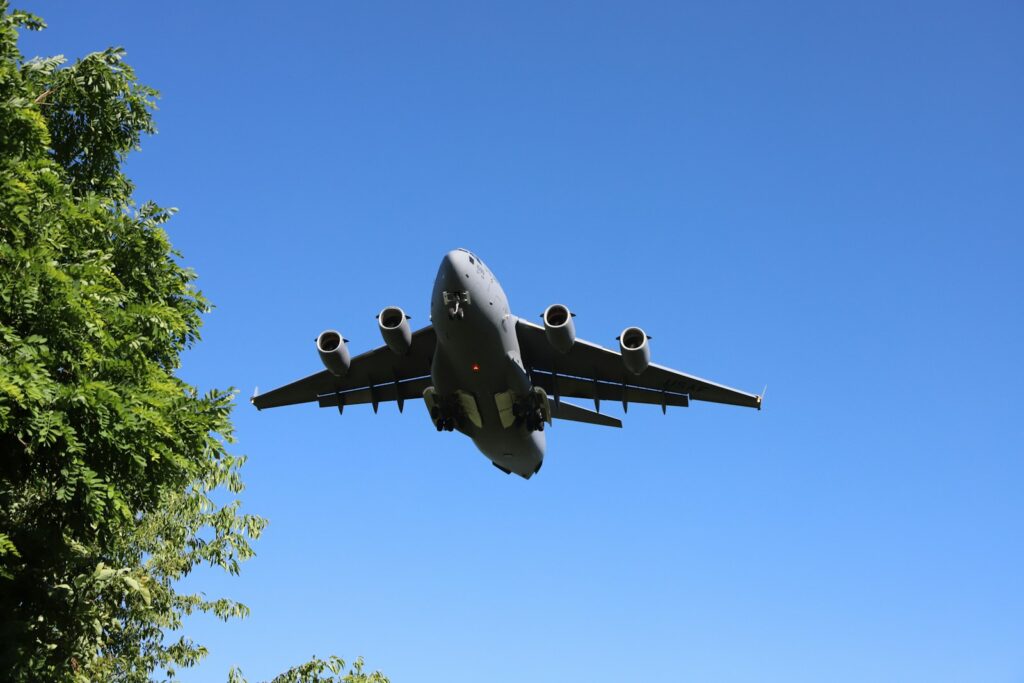
3. **The Mighty C-5M Galaxy: Unmatched in Outsized Cargo Transport**Standing as a true behemoth of military aviation, the C-5M Galaxy represents another critical component of the U.S. Air Force’s strategic airlift capacity. Though its origins trace back to the C-5Bs and Cs of the 1980s, the modernized C-5M offers an even greater payload capacity, capable of transporting up to 135 tons of cargo or personnel at speeds comparable to the C-17. It is in the realm of truly outsized payloads, however, that the C-5M truly distinguishes itself.
What sets the C-5M apart is its unique ability to load cargo and personnel from both its nose and tail ends, often simultaneously. This design feature facilitates the efficient handling of extremely large and unusually shaped items that few other aircraft can accommodate. It has proven invaluable for moving critical assets such as satellites and other space-related equipment, providing a singular capability within the U.S. military’s logistics chain.
With 52 C-5Ms currently in the inventory and an average age of about 37 years, this fleet, like the C-17, is nearing the later stages of its service life. While both types typically cruise at slower speeds, their ability to be refueled in flight significantly extends their range, ensuring global reach for strategic missions. The C-5M’s unparalleled capacity for bulky cargo underscores the significant challenge NGAL faces in trying to consolidate these diverse capabilities into a single replacement aircraft.
Military equipment: Boeing 747
Name: Boeing 747
Alt: A 747-200 in Iberia livery in flight, over land
AircraftType: Wide-body aircraft,jet airliner
NationalOrigin: United States
Manufacturer: Boeing Commercial Airplanes
FirstFlight: [object Object]
Introduction: Pan Am
Status: In cargo service; in limited passenger service
PrimaryUser: Pan Am
MoreUsers: UPS Airlines,Cargolux,Lufthansa
Produced: 1968–2023
NumberBuilt: N7470
Variants: Boeing 747 Supertanker,Boeing 747-400,Boeing 747-8,Boeing E-4,Boeing VC-25
DevelopedInto: Boeing Dreamlifter,Boeing 747SP,Boeing YAL-1,Shuttle Carrier Aircraft
Categories: 1960s United States airliners, Aircraft first flown in 1969, Aircraft with retractable tricycle landing gear, All Wikipedia articles written in American English, All articles containing potentially dated statements
Summary: The Boeing 747 is a long-range wide-body airliner designed and manufactured by Boeing Commercial Airplanes in the United States between 1968 and 2023.
After the introduction of the 707 in October 1958, Pan Am wanted a jet 2+1⁄2 times its size, to reduce its seat cost by 30%. In 1965, Joe Sutter left the 737 development program to design the 747. In April 1966, Pan Am ordered 25 Boeing 747-100 aircraft, and in late 1966, Pratt & Whitney agreed to develop the JT9D engine, a high-bypass turbofan. On September 30, 1968, the first 747 was rolled out of the custom-built Everett Plant, the world’s largest building by volume. The 747’s first flight took place on February 9, 1969, and the 747 was certified in December 1969. It entered service with Pan Am on January 22, 1970. The 747 was the first airplane called a “Jumbo Jet” as the first wide-body airliner.
The 747 is a four-engined jet aircraft, initially powered by Pratt & Whitney JT9D turbofan engines, then General Electric CF6 and Rolls-Royce RB211 engines for the original variants. With a ten-abreast economy seating, it typically accommodates 366 passengers in three travel classes. It has a pronounced 37.5° wing sweep, allowing a Mach 0.85 (490 kn; 900 km/h) cruise speed, and its heavy weight is supported by four main landing gear legs, each with a four-wheel bogie. The partial double-deck aircraft was designed with a raised cockpit so it could be converted to a freighter airplane by installing a front cargo door, as it was initially thought that it would eventually be superseded by supersonic transports.
Boeing introduced the -200 in 1971, with uprated engines for a heavier maximum takeoff weight (MTOW) of 833,000 pounds (378 t) from the initial 735,000 pounds (333 t), increasing the maximum range from 4,620 to 6,560 nautical miles [nmi] (8,560 to 12,150 km; 5,320 to 7,550 mi). It was shortened for the longer-range 747SP in 1976, and the 747-300 followed in 1983 with a stretched upper deck for up to 400 seats in three classes. The heavier 747-400 with improved RB211 and CF6 engines or the new PW4000 engine (the JT9D successor), and a two-crew glass cockpit, was introduced in 1989 and is the most common variant. After several studies, the stretched 747-8 was launched on November 14, 2005, using the General Electric GEnx engine first developed for the 787 Dreamliner (the inspiration for the -8 in the name), and was first delivered in October 2011. The 747 is the basis for several government and military variants, such as the VC-25 (Air Force One), E-4 Emergency Airborne Command Post, Shuttle Carrier Aircraft, and some experimental test aircraft such as the YAL-1 and SOFIA airborne observatory.
Initial competition came from the smaller trijet widebodies: the Lockheed L-1011 (introduced in 1972), McDonnell Douglas DC-10 (1971) and later MD-11 (1990). Airbus competed with later variants with the heaviest versions of the A340 until surpassing the 747 in size with the A380, delivered between 2007 and 2021. Freighter variants of the 747 remain popular with cargo airlines. The final 747 was delivered to Atlas Air in January 2023 after a 54-year production run, with 1,574 aircraft built.
As of August 2025, 64 Boeing 747s (4.1%) have been lost in accidents and incidents, in which a total of 3,746 people have died.
Get more information about: Boeing 747

4. **Defining the Core Requirements for NGAL: Speed, Agility, and Survivability**The U.S. Air Force’s quest for its Next Generation Airlift (NGAL) platform is driven by a clear set of imperatives that transcend mere cargo capacity. General Lamontagne succinctly articulated the core desires for this future aircraft: “we want agility, we want speed, we want to be able to operate in a higher threat environment.” These are not mutually exclusive goals, but rather interlinked requirements essential for operating in the projected operational environment of the mid-2040s and beyond.
Speed is crucial for rapid deployment and minimizing exposure to threats during transit. Agility refers not only to aerodynamic performance but also to the platform’s tactical flexibility, its ability to adapt to dynamic mission requirements and navigate complex operational scenarios. The emphasis on operating in a higher threat environment directly addresses the evolving capabilities of potential adversaries, particularly in the realm of anti-air and surface-to-air missiles.
Crucially, the NGAL must also incorporate advanced defensive systems, including “countermeasures that are effective against those threats that are coming from increasingly longer ranges.” The Air Force has warned of anti-air missile ranges extending up to 1,000 miles by 2050, necessitating robust self-protection capabilities. Furthermore, the future airlifter must be able to “make sense of the environment,” integrating onboard sensors and secure, long-range communications to plug into larger sensor networks and provide air crews with vital situational awareness.
Military equipment: Cougar 6×6 MRAP
Manufacturer: General Dynamics Land Systems
Categories: Air Force Equipment, Air Force Vehicles, Army Equipment, Army Vehicles, Marine Corps Equipment
Get more information about: Cougar 6×6 MRAP
5. **Addressing Ground-Based Threats and Minimizing Exposure: A Critical Vulnerability**While airborne threats are a significant concern, the U.S. Air Force is acutely aware of the heightened vulnerability its airlifters face when on the ground. General Lamontagne highlighted this critical issue, stating, “We’re obviously at a lot of risk on the ground, sitting on the ground somewhere.” The time it takes to load and unload payloads, as well as to refuel, exposes these vital assets to potential enemy fire, particularly from drone threats and other ground-based attacks.
This concern has already prompted proactive measures, with AMC notably issuing a call last year for future defensive systems that could be directly integrated into its cargo planes and aerial refueling tanker fleets. The goal is to shield these aircraft from ever-expanding threats. The ideal scenario, as Lamontagne put it, is drastically reduced ground time: “don’t want to sit on the ground for three hours. If we could refuel in a lot faster timeline than that, not that it takes three hours to refuel a C-17, but, you know, three minutes would be better than 30 minutes.”
The development of new defensive capabilities for aircraft across the command is an ongoing priority, with extensive tests and experimentation already underway to rapidly spiral out effective solutions. This focus on minimizing ground exposure is a testament to the comprehensive approach being taken for NGAL, recognizing that survivability extends beyond aerial engagements and into the critical moments of logistical support on the battlefield.
Military equipment: Flood
Categories: All articles with dead external links, Articles containing Dutch-language text, Articles containing German-language text, Articles containing Gothic-language text, Articles containing Latin-language text
Summary: A flood is an overflow of water (or rarely other fluids) that submerges land that is usually dry. In the sense of “flowing water”, the word may also be applied to the inflow of the tide. Floods are of significant concern in agriculture, civil engineering and public health. Human changes to the environment often increase the intensity and frequency of flooding. Examples for human changes are land use changes such as deforestation and removal of wetlands, changes in waterway course or flood controls such as with levees. Global environmental issues also influence causes of floods, namely climate change which causes an intensification of the water cycle and sea level rise. For example, climate change makes extreme weather events more frequent and stronger. This leads to more intense floods and increased flood risk.
Natural types of floods include river flooding, groundwater flooding coastal flooding and urban flooding sometimes known as flash flooding. Tidal flooding may include elements of both river and coastal flooding processes in estuary areas. There is also the intentional flooding of land that would otherwise remain dry. This may take place for agricultural, military, or river-management purposes. For example, agricultural flooding may occur in preparing paddy fields for the growing of semi-aquatic rice in many countries.
Flooding may occur as an overflow of water from water bodies, such as a river, lake, sea or ocean. In these cases, the water overtops or breaks levees, resulting in some of that water escaping its usual boundaries. Flooding may also occur due to an accumulation of rainwater on saturated ground. This is called an areal flood. The size of a lake or other body of water naturally varies with seasonal changes in precipitation and snow melt. Those changes in size are however not considered a flood unless they flood property or drown domestic animals.
Floods can also occur in rivers when the flow rate exceeds the capacity of the river channel, particularly at bends or meanders in the waterway. Floods often cause damage to homes and businesses if these buildings are in the natural flood plains of rivers. People could avoid riverine flood damage by moving away from rivers. However, people in many countries have traditionally lived and worked by rivers because the land is usually flat and fertile. Also, the rivers provide easy travel and access to commerce and industry.
Flooding can damage property and also lead to secondary impacts. These include in the short term an increased spread of waterborne diseases and vector-bourne diseases, for example those diseases transmitted by mosquitos. Flooding can also lead to long-term displacement of residents. Floods are an area of study of hydrology and hydraulic engineering.
A large amount of the world’s population lives in close proximity to major coastlines, while many major cities and agricultural areas are located near floodplains. There is significant risk for increased coastal and fluvial flooding due to changing climatic conditions.
Get more information about: Flood
6. **The “Two-for-One” Replacement Strategy: A Balancing Act of Capabilities**At the core of the Next Generation Airlift (NGAL) program is a fundamental strategic decision: to replace both the C-17 and the C-5 with a single, unified platform. General Lamontagne explicitly stated, NGAL is “basically a two-for-one to replace both the C-17 and the C-5,” clarifying later that “We won’t get a C-5 replacement and a C-17 replacement. There’ll be one airplane that does strategic airlift.” This approach aims to streamline maintenance, training, and operational logistics, but it also presents a significant design challenge.
The C-17 and C-5 are fundamentally different aircraft, optimized for distinct roles and carrying diverse capabilities. The C-17 excels in short and rough field performance, able to deliver heavy combat-ready forces to austere landing zones. The C-5, on the other hand, provides a unique ‘extra-large’ lift capacity, capable of moving outsized and unusual payloads, including entire satellites, with simultaneous nose and tail loading.
Reconciling these varied requirements into a single airframe demands careful prioritization. Lamontagne acknowledged that the desired capabilities for NGAL “don’t necessarily mix really, really well, and, so, what you prioritize and what you cherish will help define where we go” in terms of a future design. This will inevitably involve compromises, especially concerning the C-5’s unique volumetric and outsized cargo capabilities, which are often lost when seeking a more generalized strategic airlifter.
Military equipment: Medium Tactical Vehicle Replacement MTVR
Manufacturer: Oshkosh Corporation
Variants: 4×4 short bed cargo truck
MK23 standard cargo variant
MK25 standard cargo variant with self-recovery winch
MK27 long wheelbase cargo variant
MK28 long wheelbase cargo variant with self-recovery winch
MK29 dump truck
MK30 dump truck with self-recovery winch
MK31 tractor truck
MK36 wrecker
MK37 HIMARS resupply vehicle
LHS (Load Handling System), 9-ton 6×6
LHS, 16.5-ton 8×8
Categories: Marine Corps Equipment, Marine Corps Vehicles, Military Vehicles, Navy Equipment, Navy Vehicles
Get more information about: Medium Tactical Vehicle Replacement MTVR
7. **The C-141 Starlifter’s Enduring Lesson: Planned Recapitalization is Key**The U.S. Air Force, through General Lamontagne, has clearly articulated a crucial lesson learned from past experiences: the importance of planned recapitalization. He stressed the imperative for the Air Force to eventually retire the C-17 and C-5 on its own terms, rather than being forced by aircraft service life limitations. “The C-17 and C-5 … served us well for decades, but they’re not going to fly forever,” he remarked, emphasizing the need for foresight.
Lamontagne drew a direct parallel to the retirement of the C-141 Starlifter after the Gulf War, noting, “it basically told us when it was done.” This unceremonious end, driven by the airframe’s declining viability, serves as a cautionary tale. The Air Force is determined to avoid a repeat scenario, instead aiming to have “a plan in place so when the service life starts to erode on the C-17, whether it’s wings, engines, or more, we’ve got a competition already going.”
This proactive stance is vital for maintaining continuous strategic airlift capabilities without unexpected gaps. It ensures that as the current fleets age, a robust replacement program is already in motion, preventing logistical vulnerabilities. The NGAL effort, therefore, is not merely about acquiring a new plane but about establishing a sustainable and predictable modernization cycle for one of the military’s most critical assets.
Military equipment: C-5 Galaxy
Manufacturer: Lockheed Martin
Categories: Air Force Aircraft, Military Aircraft, Transport Aircraft
Get more information about: C-5 Galaxy
8. **Radia’s WindRunner: A Colossal Contender for Global Logistics**Amidst the U.S. Air Force’s ambitious plans for its Next Generation Airlift (NGAL) program, a truly groundbreaking contender has emerged from the commercial sector: Radia’s WindRunner. This ultra-large air cargo aircraft is currently on track to become nothing short of the world’s largest aircraft, a title that immediately grabs the attention of anyone invested in logistical capabilities. Its sheer scale promises to redefine what is possible in heavy-lift air transport.
Originally developed by aerospace and energy company Radia for a very specific commercial purpose, the WindRunner has quickly captured the interest of defense strategists. Its most staggering claim is its ability to offer 12 times more internal volume than the venerable Boeing C-17 Globemaster III, an aircraft that has long been synonymous with military strategic airlift. This isn’t just an incremental improvement; it’s a quantum leap in cargo space.
The WindRunner’s development isn’t just about size for size’s sake; it’s about addressing fundamental limitations in current logistics. By offering such an unprecedented cargo volume, Radia envisions a future where transporting even the most immense assets, both commercial and military, becomes far more efficient and less constrained. It presents a fascinating case study in how commercial innovation can unexpectedly offer profound solutions to complex defense challenges.
Military equipment: Wideband Global Satcom
Part of the Wideband SATCOM Division of the Space and Missile Systems Center’s MILSATCOM Directorate, the WGS system is composed of three principal segments: Space Segment (satellites), Control Segment (operators) and Terminal Segment (users). MILSATCOM is responsible for development, acquisition, fielding and sustainment of the WGS Program. Block II follow-on satellites 7, 8, 9 and 10 are anticipated for launch in FY15, FY16, FY17, and FY18 respectively. Satellites are launched either via the Delta IV or the Atlas V Evolved Expendable Launch Vehicles.
Categories: Communications, Electronics Discounts, Electronics
Get more information about: Wideband Global Satcom
9. **Born for Wind Turbines, Desired by the Pentagon: The Dual Role**The genesis of the WindRunner project is a compelling tale of engineering ingenuity driven by a specific industrial need. This four-engine leviathan was initially conceived with a singular, purely civilian mission in mind: to efficiently transport massive wind turbine blades, some nearly 100 meters long, directly to remote installation sites. The sheer scale of modern wind energy components presented a logistical nightmare for traditional overland transport methods.
However, as is often the case with truly innovative designs, the WindRunner’s unique capabilities soon attracted attention from an entirely different, and far more demanding, customer: the defense sector. Its ability to move exceptionally large and unusually shaped items made it an intriguing prospect for military applications, where the movement of outsized war materials is a constant challenge. The project quickly garnered interest beyond its original wind energy scope.
Radia has openly stated that once constructed, the WindRunner would be ideally suited for moving critical military assets. This includes heavy armor like tanks, various types of helicopters, the future Collaborative Combat Aircraft (CCA), and even substantial space rocket boosters. The aircraft’s potential to deliver these large items to austere locations, often with semi-prepared runways, represents a significant strategic advantage that the Pentagon is keen to explore.
Military equipment: Mikoyan-Gurevich MiG-15
Name: MiG-15
Caption: PZL Mielec
Type: Fighter aircraft
NationalOrigin: Soviet Union
Manufacturer: Mikoyan
FirstFlight: 30 December 1947
Introduction: 1949
Status: In limited service with the Korean People’s Army Air Force
PrimaryUser: Soviet Air Forces
MoreUsers: People’s Liberation Army Air Force,Korean People’s Army Air Force
NumberBuilt: 13,130 in the USSR + at least 4,180 under license
DevelopedInto: Mikoyan-Gurevich MiG-17
Categories: 1940s Soviet fighter aircraft, 1940s Soviet military trainer aircraft, Aircraft first flown in 1947, Aircraft with retractable tricycle landing gear, All articles lacking reliable references
Summary: The Mikoyan-Gurevich MiG-15 (Russian: Микоян-Гуревич МиГ-15; USAF/DoD designation: Type 14; NATO reporting name: Fagot) is a jet fighter aircraft developed by Mikoyan-Gurevich for the Soviet Union. The MiG-15 was one of the first successful jet fighters to incorporate swept wings to achieve high transonic speeds. In aerial combat during the Korean War, it outclassed straight-winged jet day fighters, which were largely relegated to ground-attack roles. In response to the MiG-15’s appearance and in order to counter it, the United States Air Force rushed the North American F-86 Sabre to Korea.
When refined into the more advanced MiG-17, the basic design would again surprise the West when it proved effective against supersonic fighters such as the Republic F-105 Thunderchief and McDonnell Douglas F-4 Phantom II in the Vietnam War of the 1960s.
The MiG-15 is believed to have been one of the most produced jet aircraft with more than 13,000 manufactured. The MiG-15 remains in service with the Korean People’s Army Air Force as an advanced trainer.
Get more information about: Mikoyan-Gurevich MiG-15
10. **Unprecedented Volume: Redefining Cargo Capacity**The true marvel of the WindRunner lies in its staggering internal volume, which fundamentally redefines expectations for air cargo. Current military transport aircraft, despite their impressive payload weights, often encounter a critical limitation: they “run out of space before they can lift,” as Radia aptly points out. The WindRunner directly addresses this by offering a cargo hold of approximately 7,650 cubic meters.
To put this into perspective, its volume is truly unprecedented. It boasts seven times the cargo volume of a C-5 Galaxy and a remarkable twelve times that of a C-17 Globemaster III. Furthermore, it offers ten times the volume of a Boeing 777, showcasing its capability to dwarf even large commercial airframes. This colossal capacity allows for the transport of equipment that would typically require extensive disassembly or multiple sorties.
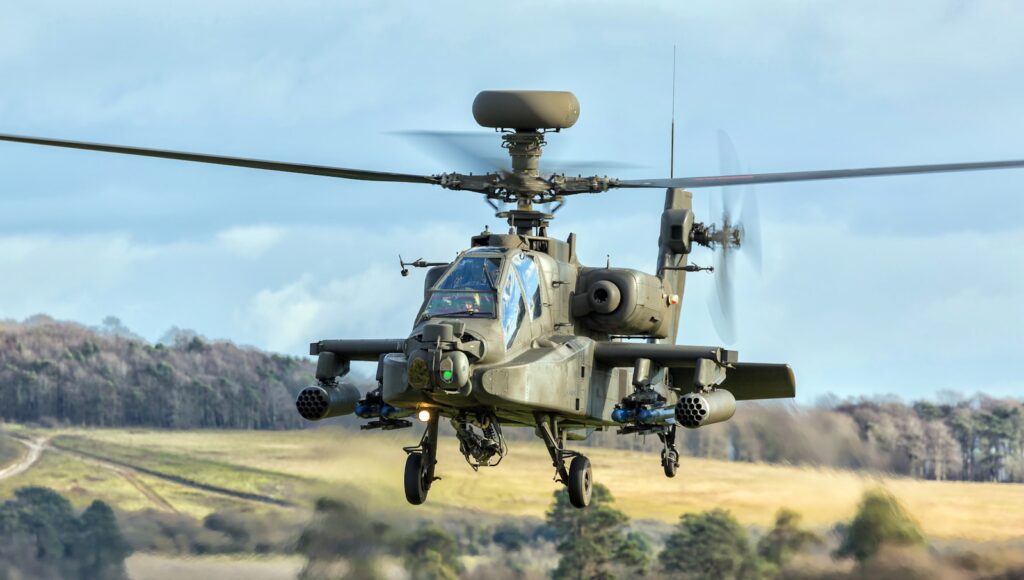
The practical implications for military logistics are profound. The WindRunner is confirmed to offer over 240,139.7 cubic feet of volume, capable of accommodating not just equipment but entire aircraft. For instance, it can transport up to six long-serving CH-47 Chinook helicopters or twelve AH-64 Apache helicopters in a single sortie. This stands in stark contrast to the C-17, which can only carry two Apaches, highlighting the WindRunner’s superior efficiency for specific types of cargo. It can also ferry F-35s, F-16s, and CV-22 Ospreys.
Military equipment: WestJet
Airline: WestJet Airlines Limited
Caption: Boeing 737 MAX 8
Logo: WestJetLogo2018.svg
LogoSize: 280
Iata: WS
Icao: WJA
Callsign: WESTJET
Parent: class=nowrap,Onex Corporation,Delta Air Lines,Korean Air
Founded: [object Object]
Commenced: [object Object]
Aoc: class=nowrap,Canada 8993,United States WJ0F768F
Headquarters: Calgary,Alberta,Canada
Founders: class=nowrap,Clive Beddoe,David Neeleman
KeyPeople: President (corporate title)
Hubs: class=nowrap,Calgary International Airport,Toronto Pearson International Airport,Vancouver International Airport
FocusCities: class=nowrap,Edmonton International Airport,Halifax Stanfield International Airport,Montréal-Trudeau International Airport,St. John’s International Airport,Winnipeg James Armstrong Richardson International Airport
FrequentFlyer: WestJet Rewards
Subsidiaries: class=nowrap,Sunwing Vacations Group,WestJet Cargo,WestJet Encore
FleetSize: 153
Destinations: List of WestJet destinations
NumEmployees: 14,000 (May 2024)
Website: https://www.westjet.com/|westjet.com
Categories: 1994 establishments in Alberta, Air Transport Association of Canada, Airlines established in 1994, All Wikipedia articles written in Canadian English, All articles containing potentially dated statements
Summary: WestJet is a Canadian airline headquartered in Calgary, Alberta. Founded in 1994, it is the second largest airline in Canada and the eighth-largest airline in North America by frequency. It began operations in 1996 with 220 employees, three aircraft, and five destinations, and was launched as a low-cost alternative to the country’s major airlines.
WestJet operates scheduled, charter, and cargo air service, transporting more than 25 million passengers per year in over 100 destinations across North America, Caribbean, Europe, Asia, and Central America. WestJet utilizes Calgary International Airport as its exclusive global connecting hub, with Toronto Pearson International Airport being a strategic secondary hub. The airline has two direct subsidiaries: WestJet Encore, which operates the De Havilland Canada Dash 8, the Q400NextGen, on routes in Western Canada, and WestJet Cargo, which operates three cargo aircraft, all Boeing 737s (800BCF), which were previously used as WestJet passenger aircraft and converted for cargo use.
WestJet is not a member of any major airline alliances, such as Star Alliance, Oneworld, or SkyTeam. However, it utilizes codeshare and interline agreements with various airlines.
Get more information about: WestJet
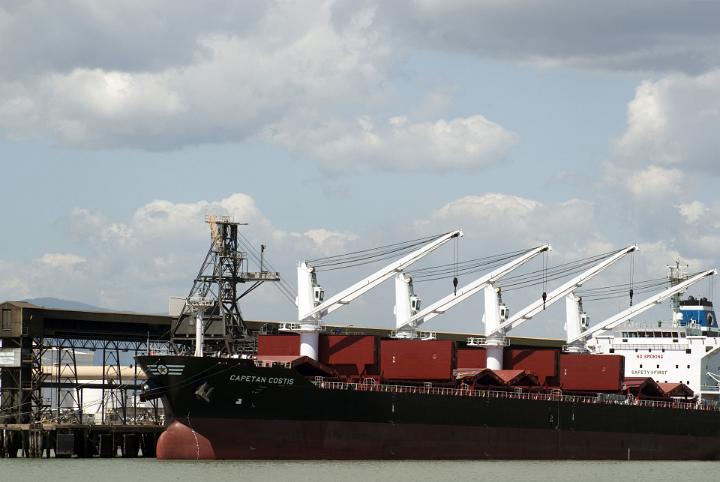
11. **Beyond Weight: The Strategic Advantage of Bulk Cargo**The WindRunner’s design philosophy pivots on a crucial understanding: for many modern military systems, volume, not just weight, is the primary limiting factor in air transport. While the C-5 and C-17 can lift substantial tonnage, their internal dimensions often necessitate the time-consuming and labor-intensive disassembly of large platforms before they can be loaded. This process introduces delays, complexity, and potential points of vulnerability.
One of Radia’s key selling points for the WindRunner is its optimization for volume, which allows it to accommodate a vast array of military systems, platforms, and vehicles without the need for deconstruction. Imagine moving entire mobile hospitals, large long-range radars, or future Collaborative Combat Aircraft (CCAs) without the intricate process of breaking them down and reassembling them. This capability streamlines deployment and significantly reduces the logistical footprint.
The ability to load, transport, and unload these immense equipment packages without specialized facilities or extensive disassembly translates into substantial savings in time and labor. This not only optimizes resource allocation but also shrinks vulnerability windows that open when assets are static and exposed during preparation. The WindRunner offers a strategic advantage by simplifying what has historically been a complex and resource-intensive aspect of military logistics.
Military equipment: Reverse logistics
Categories: All articles needing additional references, All articles with style issues, Articles needing additional references from June 2023, Articles with multiple maintenance issues, Articles with short description
Summary: Reverse logistics encompasses all operations related to the upstream movement of products and materials. It is “the process of moving goods from their typical final destination for the purpose of capturing value, or proper disposal. Remanufacturing and refurbishing activities also may be included in the definition of reverse logistics”. Environmental concerns and the development of green supply chain management practices have increased the relevance of reverse logistics.
Academic and professional interest in reverse logistics has grown considerably in recent decades. The first use of the term “reverse logistics” in a publication was by James R. Stock in a white paper titled Reverse Logistics, published by the Council of Logistics Management in 1992. The concept was further refined in subsequent publications by Stock (1998) in another Council of Logistics Management book, titled Development and Implementation of Reverse Logistics Programs, and by Rogers and Tibben-Lembke (1999) in a book published by the Reverse Logistics Association titled Going Backwards: Reverse Logistics Trends and Practices.
The reverse logistics process includes the management and the sale of surplus items, as well as returned equipment and machines, particularly from the hardware leasing business. Traditional logistics typically involves the forward movement of goods toward the customer, whereas reverse logistics refers to the backward flow of goods in the supply chain. In such cases, resources move at least one step back in the supply chain — for example, from the customer to the distributor or manufacturer.
As of 2023, the global reverse logistics market is estimated to be worth approximately $993.28 billion. This value is projected to increase at a compound annual growth rate (CAGR) of 10.34% from 2023 to 2032.
Get more information about: Reverse logistics
Read more about: Save Your Cash: 8 Entry-Level Models You Absolutely Should Not Buy New in 2026 According to Dealership Staff.

12. **Operational Flexibility: Landing on Austere Strips**Beyond its extraordinary volume, another critical operational advantage of the WindRunner for potential military applications is its impressive short takeoff and landing (STOL) capabilities. The ability to operate from less-than-ideal runways is a cornerstone of effective military airlift, allowing forces to deliver payloads closer to the point of need, especially in austere or contested environments where developed airfields may be unavailable or compromised.
Radia has confirmed that the WindRunner will feature short takeoff and landing capabilities on approximately 6,000 feet (about 1,800 meters) of unpaved runways. This capability is vital for operating in regions or areas that would normally be unsuitable for such large aircraft landings or takeoffs, opening up a wider range of potential forward operating bases or humanitarian aid delivery points. Such flexibility is a non-negotiable requirement for modern strategic airlift platforms.
While the C-17 Globemaster III is renowned for its ability to land on runways as short as 3,500 feet, the WindRunner’s capacity to do so on semi-prepared or unpaved surfaces, despite its colossal size, marks it as a highly adaptable airframe. This combination of unprecedented volume and tactical field performance makes it a compelling option for military planners looking to enhance their global reach and responsiveness, especially when dealing with complex logistical challenges in undeveloped areas.
Military equipment: Lockheed Martin F-35 Lightning II
Name: F-35 Lightning II
AircraftType: Multirole combat aircraft,strike fighter
NationalOrigin: United States
Manufacturer: Lockheed Martin
FirstFlight: Start date and age
Introduction: F-35B: 31 July 2015 (USMC),F-35A: 2 August 2016 (USAF),F-35C: 28 February 2019 (USN)
Status: In service
PrimaryUser: United States Air Force
MoreUsers: United States Navy,United States Marine Corps,#Operators
Produced: 2006–present
NumberBuilt: As of
DevelopedFrom: Lockheed Martin X-35
Categories: 2000s United States fighter aircraft, Aircraft first flown in 2006, Aircraft with retractable tricycle landing gear, All Wikipedia articles in need of updating, All Wikipedia articles written in American English
Summary: The Lockheed Martin F-35 Lightning II is an American family of single-seat, single-engine, supersonic stealth strike fighters. A multirole combat aircraft designed for both air superiority and strike missions, it also has electronic warfare and intelligence, surveillance, and reconnaissance capabilities. Lockheed Martin is the prime F-35 contractor with principal partners Northrop Grumman and BAE Systems. The aircraft has three main variants: the conventional takeoff and landing (CTOL) F-35A, the short take-off and vertical-landing (STOVL) F-35B, and the carrier variant (CV) catapult-assisted take-off but arrested recovery (CATOBAR) F-35C.
The aircraft descends from the Lockheed Martin X-35, which in 2001 beat the Boeing X-32 to win the Joint Strike Fighter (JSF) program intended to replace the F-16 Fighting Falcon, F/A-18 Hornet, and the McDonnell Douglas AV-8B Harrier II “jump jet”, among others. Its development is primarily funded by the United States, with additional funding from program partner countries from the North Atlantic Treaty Organization (NATO) and close U.S. allies, including Australia, Canada, Denmark, Italy, the Netherlands, Norway, the United Kingdom, and formerly Turkey. Several other countries have also ordered, or are considering ordering, the aircraft. The program has drawn criticism for its unprecedented size, complexity, ballooning costs, and delayed deliveries. The decision to start manufacturing the aircraft while it was still in development and testing led to expensive design changes and retrofits. As of July 2024, the average flyaway costs per plane are: US$82.5 million for the F-35A, $109 million for the F-35B, and $102.1 million for the F-35C.
The F-35 first flew in 2006; its variants entered U.S. service in July 2015 (Marine Corps F-35B), August 2016 (Air Force F-35A), and February 2019 (Navy F-35C). The aircraft first saw combat in 2018, during Israeli Air Force attacks on Syria. The F-35 has since been used in combat by the U.S. in Afghanistan, Iran, Iraq, and Yemen; by Israel in Gaza, Iran, Iraq, Lebanon, and Yemen; and by the UK in Iraq and Syria. F-35As contribute to US nuclear forward deployment in European NATO countries. The U.S. plans to buy 2,456 F-35s through 2044, which will represent the bulk of its crewed fixed-wing tactical aviation for several decades; the aircraft is to be a cornerstone of NATO and U.S.-allied air power and operate until 2070.
Get more information about: Lockheed Martin F-35 Lightning II
13. **Developmental Hurdles: Range, Funding, and Certification**While the WindRunner’s capabilities are undeniably impressive, the path from concept to reality is fraught with significant hurdles. One of the primary weaknesses identified is its fully loaded range, estimated at just 1,200 miles (approximately 1,900 km). This is notably less than current strategic airlifters; the C-17 boasts a range of 4,400 km, and the C-5 Galaxy can exceed 9,000 km. Such a limited unrefueled range would severely restrict its utility for intercontinental military operations.
Radia, however, has already envisioned a solution for a potential military version: the integration of an in-flight refueling capability. This is a standard practice for most U.S. transport fleets and would be an acceptable compromise in exchange for the WindRunner’s unprecedented cargo volume. The integration of such a complex system into an entirely new, massive airframe presents its own engineering challenges, but it is a known pathway for extending range.
Beyond technical modifications, the biggest challenge remains financial. Radia has reportedly raised over $150 million, but the company acknowledges that “billions” will be needed to complete development, secure certification, and commence production for an aircraft of this scale. Furthermore, obtaining flight certification from the FAA for an aircraft of such a unique design and size will undoubtedly be a long, complex, and rigorous process, requiring meticulous testing and validation. The need for solid, long-term market contracts, both civilian and military, to justify this immense investment, also looms large.
Military equipment: Spaceport America
Name: Spaceport America
Caption: Spaceport America terminal hangar facility
Faa: 9NM9
Type: Privately held company
OwnerOper: New Mexico Spaceport Authority
Location: Sierra County, New Mexico
Hub: Virgin Galactic
ElevationF: 4,595
ElevationM: 1,401
Website: www.spaceportamerica.com
Coordinates: 32|59|25|N|106|58|11|W|type:airport_region:US-NM,title
PushpinMap: USA New Mexico
PushpinMapCaption: Location within New Mexico
R1Number: 16/34
R1LengthF: 12,000
R1LengthM: 3,657
R1Surface: Concrete
Categories: 2011 establishments in New Mexico, Airports established in 2011, All Wikipedia articles in need of updating, All Wikipedia articles written in American English, All articles containing potentially dated statements
Summary: Spaceport America, formerly the Southwest Regional Spaceport, is an FAA-licensed spaceport located on 18,000 acres (7,300 ha) of State Trust Land in the Jornada del Muerto desert basin 45 miles (72 km) north of Las Cruces, New Mexico, and 20 miles (32 km) southeast of Truth or Consequences. With Virgin Galactic’s launch of the VSS Unity, with three people aboard, on May 22, 2021, New Mexico became the third US state to launch humans into space after California and Florida.
Spaceport America is “the world’s first purpose-built commercial spaceport”, designed and constructed specifically for commercial users, that had not previously been an airport or federal infrastructure of any kind. The site is built to accommodate both vertical and horizontal launch aerospace vehicles, as well as an array of non-aerospace events and commercial activities. Spaceport America is owned and operated by the State of New Mexico, via a state agency, the New Mexico Spaceport Authority. The first rocket launch at Spaceport America occurred on September 25, 2006.
The current tenants working in the U.S. spaceport are HAPSMobile Aerovironment, UP Aerospace, SpinLaunch, and Virgin Galactic.
Spaceport America was officially declared open on October 18, 2011, the visitor center in Truth or Consequences became fully accessible to the general public on June 24, 2015, and after Virgin Galactic completed the interior buildout, the entire facility was deemed ready for operations in August 2019. Visitors can book private tours of the facility via the website or from the Visit Las Cruces organization or the visitors center in Truth or Consequences.
Get more information about: Spaceport America
14. **A Strategic Gap Filler: Addressing the Looming Airlift Shortfall**The WindRunner project emerges at a crucial strategic juncture for the U.S. military. As the Air Force evaluates its Next Generation Airlift (NGAL) program to replace both the C-17s and C-5s with a single platform, an inherent compromise is almost certainly in play. This “two-for-one” approach, while streamlining logistics, could lead to the loss of the unique “extra-large” lift capacity that only the C-5 currently provides, creating a significant capability gap.
Globally, the options for truly outsized cargo transport are also dwindling. The formidable Soviet-designed Antonov An-124s won’t last forever, and the world’s largest cargo plane, the An-225 Mriya, was tragically destroyed during Russia’s invasion of Ukraine. This creates an undeniable capacity void that the WindRunner is uniquely positioned to address, either as a direct acquisition or through commercial charter services.
Even if the WindRunner never formally wears USAF insignia, its existence could offer essential chartered transport capabilities for specific civilian and military missions. It could function as a strategic complement to NGAL, filling a critical niche by moving oversized cargo that the new unified airlifter might not be able to accommodate. This hybrid approach, leveraging commercial assets for specialized military needs, could prove to be a cost-effective and flexible solution to maintaining comprehensive strategic airlift capabilities.
Military equipment: C-5 Galaxy
Manufacturer: Lockheed Martin
Categories: Air Force Aircraft, Military Aircraft, Transport Aircraft
Get more information about: C-5 Galaxy
15. **The Future of Heavy Lift: A Hybrid Military-Commercial Model?**The U.S. military’s quest for next-generation airlift is complex, balancing advanced capabilities with budgetary realities. Radia’s WindRunner, initially conceived for commercial wind energy logistics, has serendipitously presented a compelling, albeit aspirational, solution to some of these challenges. Its potential to transport entire F-35s, multiple Chinooks, or even mobile hospitals in a single sortie speaks to a transformative capability that could redefine military deployment.
As the Air Force continues its capabilities-based assessment for NGAL and prepares for an analysis of alternatives in the coming years, the WindRunner’s unique attributes will undoubtedly factor into discussions. While a direct, full replacement for the C-5 and C-17 with a purely civilian design remains unlikely, its role as a strategic complement for outsized cargo is becoming increasingly clear. The looming capacity gap for truly enormous payloads requires innovative thinking, and Radia offers a bold, if financially demanding, answer.
Military equipment: Sikorsky Aircraft
Name: Sikorsky
Logo: Sikorsky Aircraft Logo.svg
Type: Subsidiary
Foundation: [object Object]
Founder: Igor Sikorsky
LocationCity: Stratford, Connecticut
LocationCountry: United States
KeyPeople: President (corporate title)
Industry: Aviation,Defense industry
Products: Helicopters, other aircraft
NumEmployees: 15,975
NumEmployeesYear: 2014
Parent: unbulleted indent list
Divisions: West Palm Beach, Florida
Subsid: Schweizer Aircraft
Homepage: sikorsky.com
Categories: 1923 establishments in New York (state), 2015 mergers and acquisitions, All articles needing additional references, All articles with dead external links, American companies established in 1923
Summary: Sikorsky Aircraft is an American aircraft manufacturer based in Stratford, Connecticut. It was established by the Russian-American aviation pioneer Igor Sikorsky in 1923, and was among the first companies to manufacture helicopters for civilian and military use. It also produced seaplanes for passenger transport and surface vehicles such as trains and boats.
Sikorsky was owned by United Technologies Corporation until November 2015, when it was sold to Lockheed Martin.
Get more information about: Sikorsky Aircraft
In the not-too-distant future, moving the bulkiest and most complex loads may require a dynamic mix of military and commercial assets. The WindRunner, with its planned first flights by the end of the 2020s, could very well be that crucial commercial leviathan, ready to step in when military logistics demand something truly colossal. Its journey from concept to flight will be a testament to engineering ambition and the evolving interplay between commercial innovation and defense needs, promising a new era for strategic heavy lift.