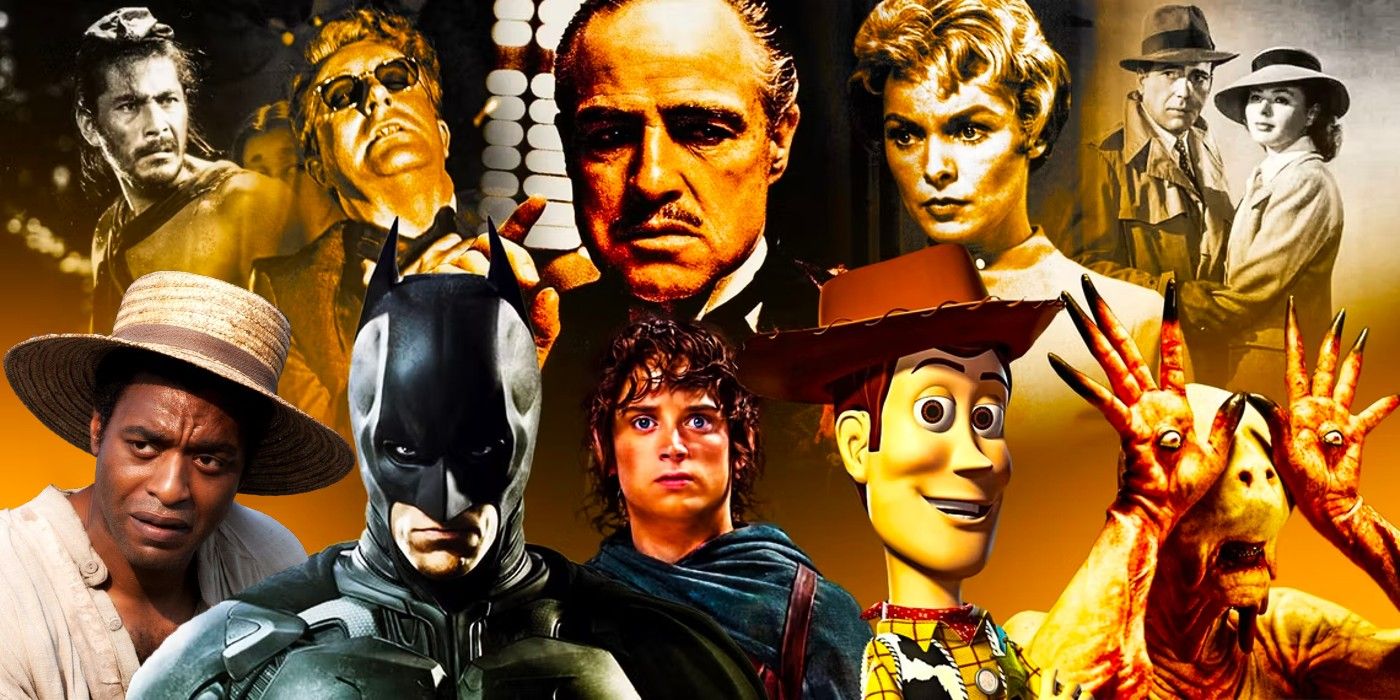
Alright cinephiles, gather ’round, because we’re about to embark on an epic journey through some of the most jaw-dropping, mind-bending, and heart-stirring movies ever committed to celluloid! We’re talking about films that aren’t just good; they’re the absolute G.O.A.T. – Greatest Of All Time – contenders that have shaped how we think about storytelling, character, and the very magic of the silver screen. Each one is a universe unto itself, brimming with unforgettable moments, iconic lines, and performances that will stay with you long after the credits roll.
But here’s the kicker: picking the G.O.A.T. is tougher than finding a comfy seat during a packed premiere! It’s like trying to choose your favorite flavor of ice cream when they’re all artisanal and delicious. These aren’t just movies; they’re cultural touchstones, pieces of art that reflect, challenge, and redefine our world. From groundbreaking narratives to sweeping epics and intimate character studies, each film on our list has earned its place in the pantheon of cinematic legends for compelling reasons.
So, grab your popcorn (or your favorite snack), get cozy, and let’s dive into the first batch of these phenomenal flicks. We’re going to pull back the curtain on what makes these first three masterpieces tick, dissecting their plots, characters, and the sheer audacity of their vision. Prepare to have your perceptions challenged and your love for cinema rekindled as we explore why these films continue to captivate audiences decades later.

1. **Citizen Kane (1941)**Kicking off our G.O.A.T. discussion is none other than the legendary **Citizen Kane**, a film that revolutionized cinema and still sparks debates today! It all begins with the enigmatic death of seventy-year-old newspaper tycoon Charles Foster Kane, who, in his palatial Florida home Xanadu, utters a single, mysterious word: “Rosebud.” This word sets off a relentless quest by reporter Jerry Thompson, who’s tasked with uncovering its meaning, hoping to capture the ‘essence’ of this controversial public figure who built a newspaper empire, married twice, ran for governor, and saw his fortune crumble.
Thompson’s investigation unfolds like a detective story, piecing together Kane’s life through the memories of those closest to him. We learn about his stern guardian, Wall Street financier Walter Parks Thatcher, who first encountered young Charlie in 1871 at his mother’s Colorado boardinghouse. It’s revealed that his mother, suddenly wealthy from mining shares, determined her son would be educated in the East, placing him under Thatcher’s guardianship despite the boy’s protests, sending him away from his sled and his simple life. This early separation profoundly shapes Kane, laying the groundwork for his complex, often isolated personality.
As Kane matures, he takes control of a vast fortune, then unexpectedly decides to run a small, New York newspaper, The Inquirer, turning it into a lively, muckraking publication with the help of his best friend, Jedidiah Leland. He even publishes a powerful “declaration of principles,” vowing to report news honestly and champion readers’ rights. However, as his empire grows, Leland begins to worry that Kane’s approach to news is becoming too similar to his rivals, a subtle hint at the erosion of his initial ideals.
Kane’s personal life is a whirlwind of ambition and heartbreak. His marriage to Emily Monroe Norton, the President’s niece, deteriorates amidst his relentless expansion. He later meets and falls for Susan Alexander, an aspiring opera singer, whose mother wanted her to sing. His attempts to make Susan an opera star, building the Chicago Opera House for her, despite her very poor voice, lead to public ridicule and deeply strained relationships, notably with Leland, whom he fires after finding him writing an unfavorable review of Susan’s performance. The film masterfully portrays Kane’s inability to truly give love, as Leland suggests, leading to the loss of those he cares about, culminating in Susan’s departure from Xanadu after years of boredom and his controlling behavior.
The meaning of “Rosebud” remains elusive to Thompson until the very end, and honestly, even then, its significance transcends a simple definition. As Kane’s vast possessions are inventoried at Xanadu, a workman throws an old child’s sled into a furnace. Painted across the top of the sled, the word “Rosebud” is consumed by flames. It’s a poignant, bittersweet revelation that underlines a man’s longing for lost innocence and the simple joys of childhood, something that all his wealth and power could never replace. It’s a truly powerful moment that continues to resonate with audiences, making **Citizen Kane** a timeless exploration of ambition, loss, and the ungraspable essence of a human life.
Read more about: From Box Office Bombs to Beloved Masterpieces: 15 Movies That Defied Initial Failure to Become Timeless Classics
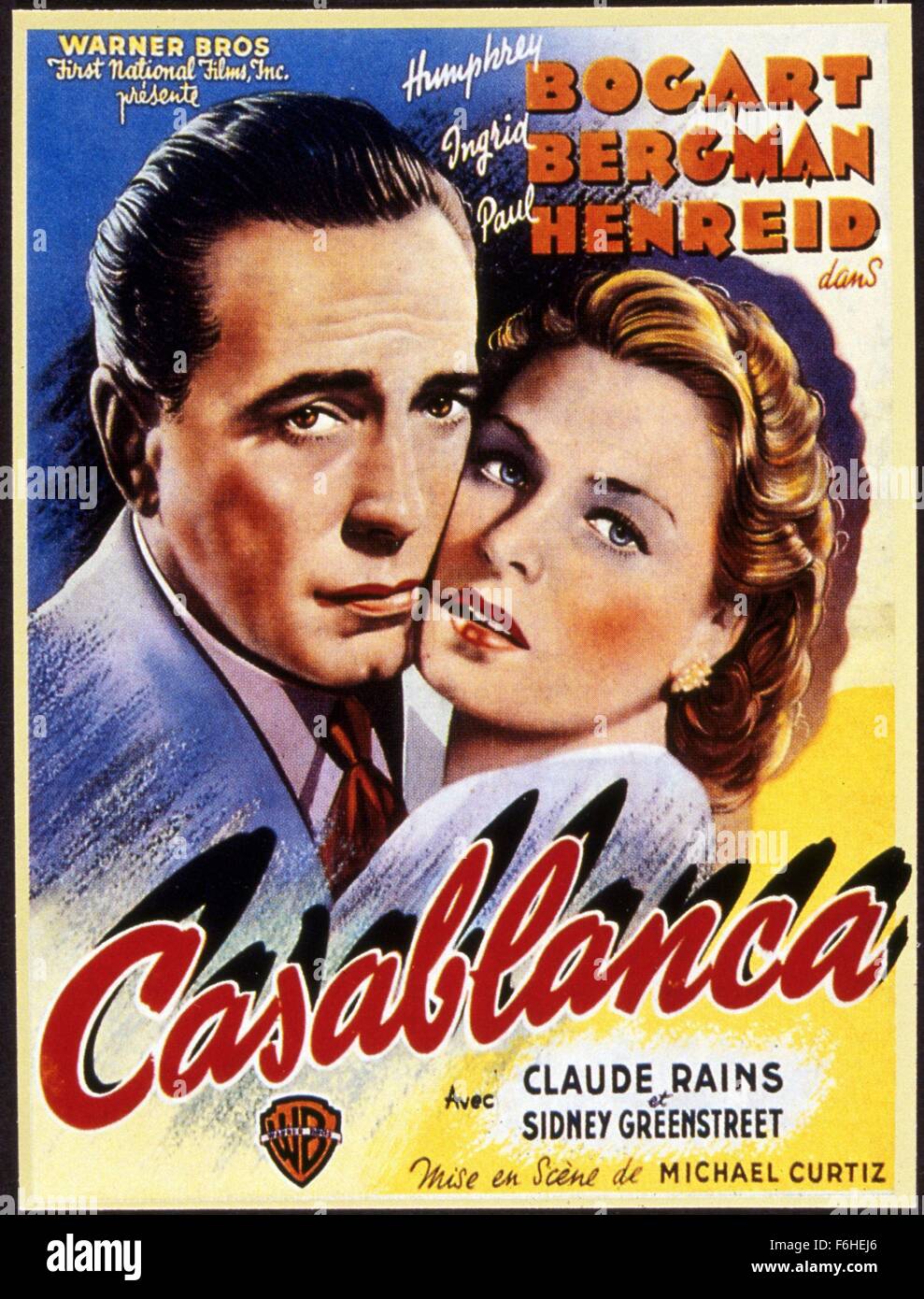
2. **Casablanca (1942)**Talk about a classic! Next up is **Casablanca**, a film that perfectly encapsulates wartime tension, timeless romance, and the eternal struggle between love and duty. Set during World War II, the Moroccan city of Casablanca serves as a desperate waiting point for refugees fleeing Nazi-occupied Europe. The holy grail? Exit visas. So, when two German couriers are murdered and their precious letters of transit — signed by General DeGaulle himself — are stolen, German Major Strasser and police prefect Louis Renault are on high alert, especially with the rumored arrival of Czech resistance leader Victor Lazlo.
Enter Richard Blaine, the mysterious American expatriate who runs Rick’s Café Americain, the hottest spot in town. Rick is a cynical man who famously declares, “I stick my neck out for nobody,” despite his past as a loyalist fighter in Spain. But his carefully constructed world is shattered when Lazlo arrives with his companion, Ilsa Lund. Ilsa instantly recognizes Sam, Rick’s piano player, and insists he play “As Time Goes By.” When Rick storms out of his office, furious that Sam played the forbidden song, he comes face to face with Ilsa – the woman he loved and lost in Paris.
The film masterfully weaves together the past and present, revealing Rick and Ilsa’s passionate love affair in Paris. They shared a brief, happy time before the Nazi invasion. Ilsa, fearing for Rick’s safety, urged him to leave, but he refused without her. She promised to meet him at the train station but never showed, instead sending a farewell note, leaving Rick and Sam to escape just ahead of the Nazis. This heartbreaking history hangs heavy between them, fueled by Rick’s bitterness and Ilsa’s untold truth, adding an incredible emotional depth to their reunion.
As the story unfolds, the stakes rise dramatically. Ugarte, who initially gave Rick the stolen letters, is killed in police custody, further complicating the chase for the precious documents. Lazlo, suspecting Rick has them, tries to buy them, only to be rebuffed. Ilsa, torn between her past love for Rick and her commitment to her husband Lazlo, finally explains her painful secret: Lazlo, whom she had married in secret and believed dead, was alive on the day she was supposed to leave Paris with Rick. Now, with the letters of transit and the looming threat of the Nazis, Rick must make a decision that affects all their lives.
The climax at the airport is pure cinematic gold, a truly heart-wrenching moment of sacrifice. Rick, realizing that Ilsa gives meaning to Lazlo’s vital work, tells her she must leave with her husband. He then masterfully outwits Strasser and Renault, ensuring Lazlo and Ilsa’s escape. After Rick shoots Strasser, Renault, instead of turning Rick in, advises the police to “round up the usual suspects,” cementing an unlikely alliance. As they walk away into the fog, Rick declares, “Louis, I think this is the beginning of a beautiful friendship.” It’s a truly iconic ending, solidifying **Casablanca**’s place as a masterpiece of romance, sacrifice, and the unwavering fight for freedom.
Read more about: Master the Art of Deception: Your Cracked Guide to Faking 15 ‘Best Movies Ever Made’ Conversations
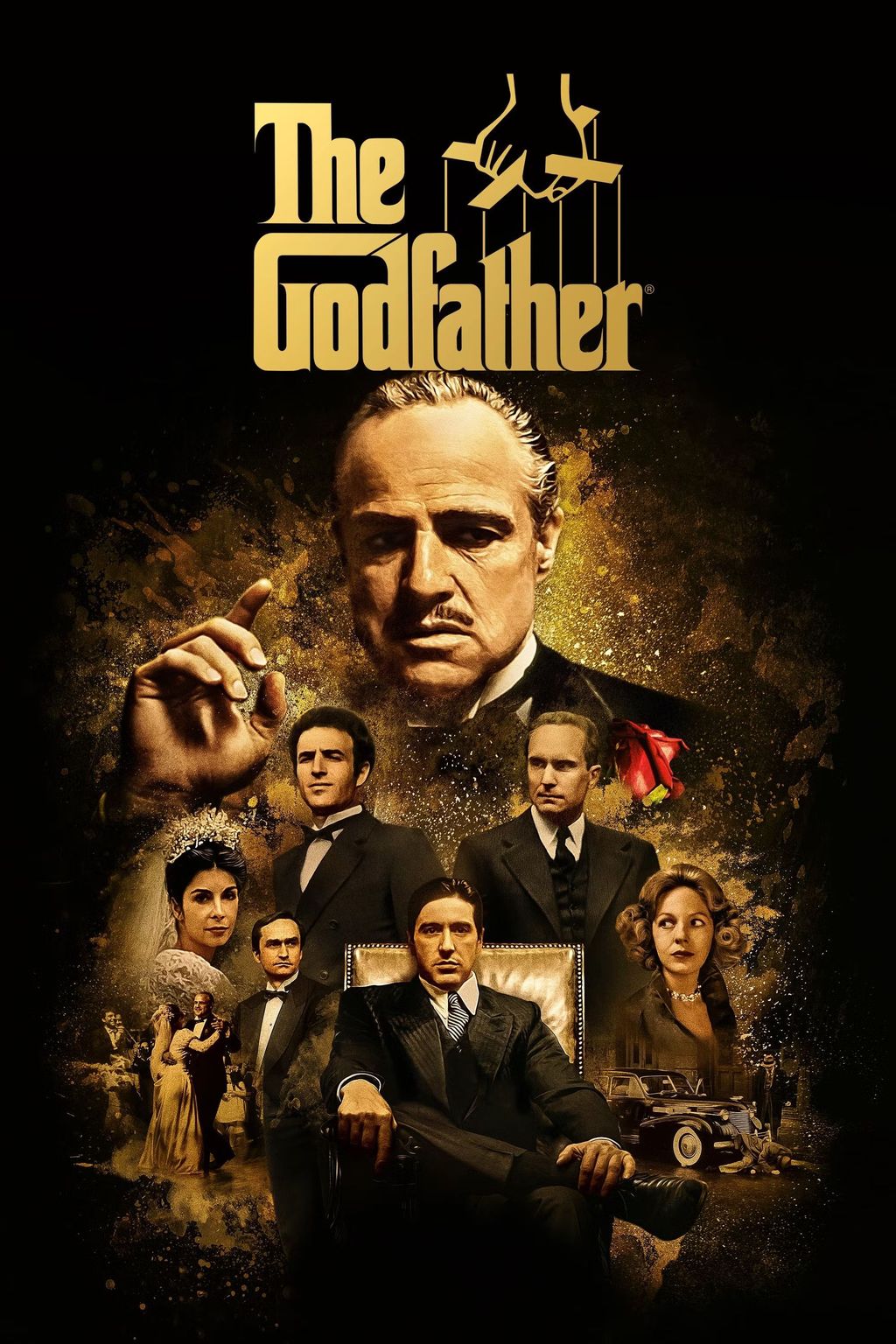
3. **The Godfather (1972)**If we’re talking about G.O.A.T.s, then **The Godfather** absolutely has to be in the conversation. This epic crime saga immerses us in the world of the Corleone family, led by the formidable Don Vito Corleone, the revered “godfather” of the Italian-American community. The film kicks off with the lavish wedding reception of his daughter Connie in August 1945, a scene bustling with hundreds of celebrants and punctuated by Don Vito’s adherence to the Sicilian tradition of granting favors on his daughter’s wedding day. It’s a vivid introduction to a family steeped in tradition, power, and a subtle undercurrent of menace, all while FBI agents jot down license plate numbers outside.
The delicate balance of power begins to shift when Sollozzo “The Turk,” a ruthless gangster backed by the rival Tattaglia family, proposes that the Corleones finance his lucrative drug operations. Despite arguments from his foster son Tom Hagen and his hot-headed son Sonny about narcotics being “the way of the future,” Don Vito firmly refuses, unwilling to risk his political influence by entering the drug trade. This rejection ignites a violent chain of events: Luca Brasi, a fiercely loyal enforcer, is murdered, and Don Vito himself is ambushed and shot, leaving him critically wounded and setting the stage for a brutal war.
This family crisis thrusts Michael Corleone, the college-educated, decorated World War II soldier who initially wanted no part of the family business – famously stating, “It’s my family, Kay, not me” – into the forefront. After his father’s attack, Michael’s transformation begins. Finding his father unguarded in the hospital, he declares, “Pop, I’m with you now.” His cool resolve leads him to volunteer to kill both Sollozzo and the corrupt police captain McCluskey, who is protecting Sollozzo. In a tense, unforgettable scene at an Italian restaurant, Michael retrieves a planted gun and executes both men, marking his definitive entry into the family’s brutal world and forever changing his path.
Michael’s actions force him into exile in Sicily, where he falls deeply in love with Apollonia and marries her. However, the violence follows him, and Apollonia is tragically killed in a car bomb meant for him. Back in New York, the war rages, claiming Sonny’s life in a brutal ambush at a toll booth. Don Vito, recovering but broken by Sonny’s death, calls for peace among the five New York crime families, seeking an end to the bloodshed. It’s during this meeting that he subtly realizes who the real traitor is, a poignant moment of his strategic genius even in decline.
Upon his return, Michael assumes the mantle of Don, taking over as the tacit head of the family. He promises his girlfriend Kay that within five years, the Corleone business will be completely legitimate, a promise he has no intention of keeping. He meticulously plans his revenge, orchestrating a series of assassinations against the rival Dons and those who betrayed the Corleones, including Tessio and Carlo (Connie’s husband). The film culminates in the chilling baptism of Connie’s baby, for whom Michael is godfather, juxtaposed with the violent eradication of his enemies. As Kay watches Michael’s lieutenant kiss his ring and address him as “Don Corleone,” the study door closes, symbolizing Michael’s complete and terrifying embrace of his new identity. **The Godfather** is a powerful, almost operatic study of power, betrayal, and the corrupting nature of ambition, leaving an indelible mark on cinematic history.
Alright, cinema lovers, if you thought the first three films set the bar high, just wait until you see what’s next on our G.O.A.T. list! We’re continuing our incredible journey through movie history, celebrating more masterpieces that have etched themselves into our collective consciousness. These aren’t just films; they’re experiences that sweep you away, make you ponder, and leave an indelible mark on your soul.
Get ready to traverse sweeping historical landscapes, venture into grand biographical sagas, and embark on magical, whimsical adventures. Each one of these next three films is a titan in its own right, showcasing storytelling that pushes boundaries and creates unforgettable worlds. So, let’s not waste another second—it’s time to unveil the next batch of contenders for the Greatest Of All Time!
Read more about: Master the Art of Deception: Your Cracked Guide to Faking 15 ‘Best Movies Ever Made’ Conversations
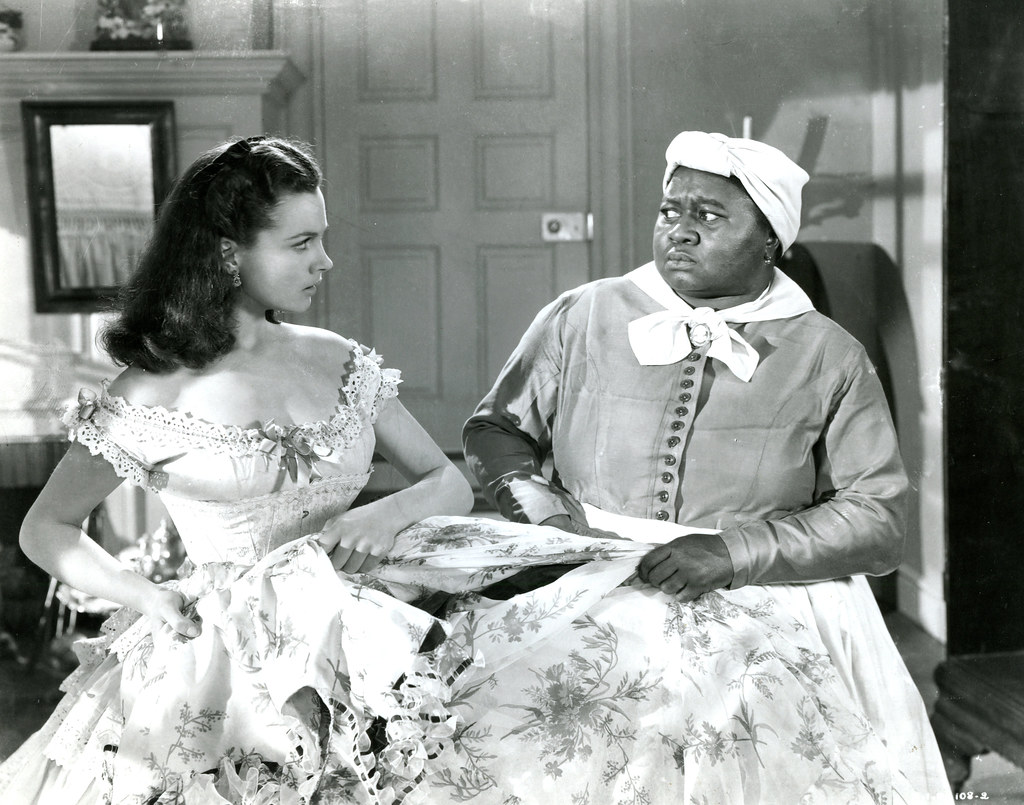
4. **Gone with the Wind (1939)**If epic historical drama is your jam, then **Gone with the Wind** is undoubtedly a G.O.A.T. contender that demands your attention. This sweeping saga plunges us into the tumultuous world of the American Civil War and Reconstruction through the eyes of the headstrong, captivating Scarlett O’Hara. In 1861, at just sixteen, Scarlett is more interested in charming beaux than hearing about war, especially when the gossip involves Ashley Wilkes, the man she’s absolutely, irrevocably in love with, planning to marry his cousin Melanie Hamilton. Her father, Gerald O’Hara, wisely advises her to forget Ashley, as “like should marry like,” but Scarlett is, well, Scarlett.
At the barbecue at Twelve Oaks, Scarlett attempts to ignite Ashley’s jealousy with her coquettish charm, then corners him in the library. He heartbreakingly tells her he’ll marry Melanie because they are alike, but drops enough hints to make Scarlett believe he loves her instead. Her furious reaction to his departure is interrupted when she discovers the notorious Rhett Butler, a Charleston rogue, had been observing her from a couch the entire time. Rhett’s unnervingly frank appreciation of her beauty and his indifference to her feelings for Ashley immediately establish their fiery, complicated dynamic. When news of the war breaks out, Scarlett impulsively accepts a proposal from Melanie’s brother, Charles, launching her into a life she never anticipated.
Scarlett’s entry into widowhood after Charles dies of the measles forces her into dreaded black mourning attire, cutting her off from the social whirl she adores. Her understanding mother, Ellen, sends her to Atlanta to stay with Melanie and Aunt Pittypat, hoping a change of scenery will quell her restlessness. It’s there, at an Atlanta fundraising bazaar, that Scarlett boldly dances the Virginia Reel with Rhett Butler, completely disregarding the shocked local matrons and further cementing their scandalous connection. As the war intensifies, Rhett, now a successful blockade runner, continues to shower Scarlett with presents from his European trips, building a bond that transcends conventional wartime suffering.
The war’s harsh realities soon catch up. Melanie goes into difficult labor as Northern troops bear down on Atlanta, and Aunt Pitty flees to Charleston. Remembering her promise to Ashley, Scarlett courageously stays with Melanie, tending to her alone with no doctor available. After the baby’s birth, Rhett reluctantly helps them escape the burning city in a wagon, risking his life. Outside Atlanta, seeing the decimated Southern army in retreat, Rhett resolves to join them, but not before admitting his love for Scarlett and giving her a passionate kiss. Upon their perilous return to Tara, Scarlett finds the plantation in shambles, her mother dead of typhoid, and her father’s mind broken. Desperate and starving, she chokes on a radish and famously vows, “As God is my witness, I’ll never be hungry again.” This marks a pivotal, hardened transformation in her character.
Post-war, Scarlett’s determination turns ruthless. She bullies her family and remaining slaves to work the fields and even kills a Yankee scavenger, using his money to survive. When the dreaded $300 tax bill for Tara arrives, Ashley offers no practical solution, only another admission of his enduring, yet unavailable, love for her. Driven by the threat of losing Tara to Jonas Wilkerson, her former overseer, Scarlett concocts a plan: she’ll ask Rhett for the money. With no suitable clothes, she and Mammy fashion a dress from Tara’s velvet drapes, a testament to her fierce will. In Atlanta, she finds Rhett imprisoned but charming his way through. Though she tries to mask Tara’s dire state, Rhett sees her roughened hands and understands. Unable to help due to his arrest and money in an English bank, he refuses her. Later that day, she strategically tricks Frank Kennedy, her sister’s beau and a now-successful merchant, into marrying her, using his money to save Tara and jumpstart her own lumber business in Atlanta, even manipulating Melanie to bring Ashley into the fold.
Scarlett’s burgeoning business success comes at a cost, however. One day, attacked by scavengers near a shantytown, she’s saved by Big Sam, a former Tara slave. In retaliation, Frank, Ashley, and other men raid the shanties. Rhett arrives to warn the waiting women of an ambush, and later, to save the men from arrest, he cleverly pretends they were all drinking at Belle Watling’s bordello. Frank dies in the raid, leaving Scarlett a widow once more. A few weeks later, a heavily drinking Scarlett is visited by Rhett, who proposes, offering her everything she desires. Despite claiming she doesn’t love him, she marries him. On their extravagant honeymoon, he vows to spoil her to erase her war nightmares, a tender moment in their volatile relationship.
A year later, their daughter, Bonnie Blue, is born, and Rhett, despite his past disinterest in Atlanta society, becomes determined to secure her future and gain respectability. He pours himself into charitable contributions and his sincere devotion to Bonnie, eventually impressing even the most critical of Atlanta’s socialites. However, Scarlett’s heart still stubbornly pines for Ashley, and she closes her bedroom door to Rhett. An innocent embrace between Scarlett and Ashley is spotted, leading to scandalous whispers. Though nothing improper occurred, Scarlett fears attending Melanie’s birthday party for Ashley. A furious Rhett forces her attendance, then leaves. Melanie’s unwavering kindness and affection finally make Scarlett ashamed, and upon returning home, she finds a drunken Rhett. Their violent quarrel escalates, and after Scarlett insults him, Rhett carries her upstairs, declaring that tonight, there won’t be “three in a bed.” The next morning, Scarlett’s initial happiness quickly sours when Rhett dismisses his actions as a mere indiscretion. He then embarks on an extended trip to England, taking Bonnie with him, deepening the chasm between them.
Months later, Rhett returns with a homesick Bonnie to discover Scarlett is pregnant. Her joy at his return is shattered by his indifferent smirk and an accusation about Ashley, leading to a fall down the stairs and the loss of their baby. During her delirium, she calls out to him, but Rhett, oblivious, believes she still hates him. After her recovery, they agree to cease their anger for Bonnie’s sake. But in a heart-wrenching twist, the headstrong Bonnie attempts a dangerous jump with her pony, falls, and tragically breaks her neck, leaving both Rhett and Scarlett utterly shattered. Rhett’s grief is so profound he refuses to bury Bonnie, fearing her terror of the dark, until Melanie, to whom he always felt a unique closeness, finally convinces him to let the child go. Soon after, Melanie, pregnant against doctors’ warnings, collapses and miscarries, dying on her deathbed. She implores Scarlett to care for Ashley. It is in this moment, witnessing Ashley’s profound grief for Melanie, that Scarlett finally realizes the depth of her error and that Rhett is the one she truly loves. She rushes home, desperately trying to prevent him from leaving, but it’s too late. His iconic farewell, “Frankly, my dear, I don’t give a damn,” echoes as he departs. Through her sobs, Scarlett finds solace and strength in the thought of Tara, resolving to return there and, with her enduring mantra, “After all, tomorrow is another day,” vows to find a way to win Rhett back. What a ride!
Read more about: When Innovation Stalled: Unearthing the 1940s’ Most Overlooked and Underperforming Automobiles
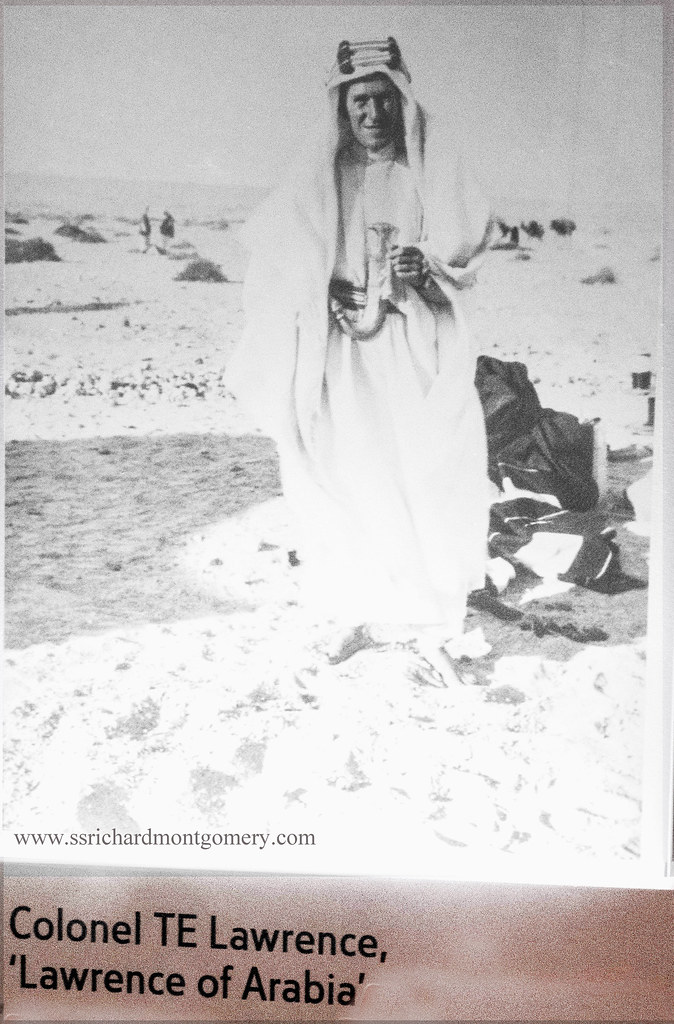
5. **Lawrence of Arabia (1962)**Prepare for a cinematic spectacle of epic proportions with **Lawrence of Arabia**, a film that isn’t just a movie, it’s an experience! This G.O.A.T. contender takes us back to 1916, where British Intelligence is subtly backing the Arab rebellion against the Turkish-German alliance. Enter the enigmatic Lieutenant T. E. Lawrence, a twenty-nine-year-old scholar hand-picked by Dryden of the Arab Bureau to evaluate the Arab revolt. Lawrence, with an almost zealous enthusiasm, dives headfirst into this assignment. He connects with Prince Feisal, a charismatic rebel leader, and persuades him to lend him a force of fifty men. It’s an unlikely start to an extraordinary adventure.
With his small band, accompanied by the formidable Sherif Ali ibn el Karish, Lawrence embarks on a perilous crossing of the Nefud Desert. This isn’t just a walk in the park; it’s a brutal, unforgiving landscape that tests their limits. Upon reaching their destination, a devastating realization hits: one of his men is missing. While others accept this as divinely decreed, Lawrence, fueled by his unique blend of determination and empathy, defies expectations and returns to the scorching desert to rescue him. This heroic act not only earns him the deep friendship of Ali but also the unwavering respect of his subordinates, setting the stage for his legendary influence.
At a crucial well, Lawrence confronts the fierce sheikh Auda Abu Tayi, a powerful tribal leader. With his uncanny ability to connect and persuade, Lawrence convinces Auda to join the audacious assault on Aqaba, a Turkish port city situated at the very edge of the desert. The Turks, completely caught off guard by an overland attack from such a direction, are swiftly routed. This stunning victory doesn’t just secure a strategic location; it revitalizes the entire Arab rebellion, breathing new life and hope into their cause. However, amidst these triumphs, the inherent disunity of the Arab tribes begins to surface, threatening to undermine their collective efforts.
A shocking incident exposes the fragility of their alliance when one of Lawrence’s own troop slays one of Auda Abu Tayi’s henchmen. In an act of profound and unsettling expiation, Lawrence is forced to execute the murderer, who tragically turns out to be the very Arab he had heroically saved in the desert. This grim duty deeply unnerves Lawrence, forcing him to return to Cairo, shaken by the moral complexities and personal toll of the war. Despite his internal turmoil, General Allenby, delighted by Lawrence’s remarkable military successes, provides him with ample arms and money, eager for more victories. Lawrence, an unlikely master of guerrilla warfare, then launches a series of incredibly effective raids, which, as chronicled by American journalist Jackson Bentley, catapult him to international fame and establish his legendary reputation.
During a vital scouting mission with Ali, Lawrence suffers a brutal setback: he is captured and tortured by the Turks. This harrowing experience leaves him profoundly scarred, both physically and psychologically, challenging his resolve. Nevertheless, he returns to Cairo, where General Allenby, ever the pragmatist, skillfully persuades him to spearhead a final, decisive attack on Damascus. After a fierce battle, Lawrence, pushing his men to their limits, leads them in a chilling massacre of the retreating Turks, a dark moment that highlights the brutalizing effects of war. Upon entering Damascus, the British Army is met by the victorious Arab forces. Lawrence, fulfilling his vision of Arab self-governance, relinquishes control of the city to an Arab Council. However, the deep-seated factionalism among the tribes quickly rears its head, threatening to tear apart the hard-won unity and destroy the burgeoning council. The film concludes with a somber note: on May 19, 1935, T.E. Lawrence tragically dies in a motorcycle crash in Dorset, England, a life of extraordinary impact ending in a sudden, quiet moment, commemorated later in services at St. Paul’s. A truly epic and unforgettable journey!
Read more about: Leaving Scars: 14 Iconic War Films That Still Haunt Audiences Decades Later
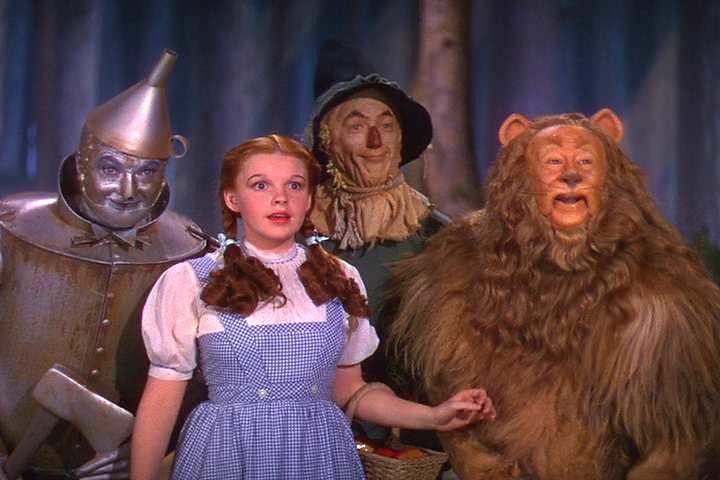
6. **The Wizard of Oz (1939)**And now for something completely different, but no less G.O.A.T.-worthy! Get ready to click your heels because **The Wizard of Oz** is a magical, timeless masterpiece that has enchanted generations and truly stands alone as an unparalleled cinematic achievement. We begin in dusty, sepia-toned Kansas with Dorothy Gale, a spirited farm girl living with her loving Auntie Em and Uncle Henry. When the formidable Almira Gulch, who practically owns half the county, arrives with a sheriff’s order to take Dorothy’s beloved little dog, Toto, away to be “destroyed” for biting her leg, Auntie Em and Uncle Henry, despite their protests, feel compelled to abide by the law. It’s a moment of injustice that sets the entire adventure in motion.
But fear not, dog lovers! As Miss Gulch pedals away on her bicycle with Toto in her basket, our clever canine hero makes a daring escape and returns home, much to Dorothy’s relief. Realizing that Miss Gulch will undoubtedly be back, Dorothy, fearing for Toto’s safety, makes the brave decision to run away with him. Their journey leads them to the wagon of the eccentric, yet kindly, Professor Marvel, a fortune-teller and balloonist. In a wonderfully theatrical moment, Professor Marvel uses his wits (and a peek at a photograph) to trick Dorothy into believing that her Auntie Em has had a sudden attack, prompting Dorothy to rush home filled with concern. This seemingly small detour leads to an epic, life-changing encounter.
As Dorothy races back to the farm, a terrifying cyclone begins to brew on the horizon. The winds whip up, and by the time she reaches the farm, Auntie Em, Uncle Henry, and the three farmhands have already retreated to the safety of the storm cellar, leaving Dorothy to brave the chaos. Inside her room, in a whirlwind of flying debris, Dorothy is tragically hit on the head by a loose windowpane, knocking her unconscious. She awakens not in Kansas, but in a dazzling, vibrant world of Technicolor, having landed squarely in the magical land of Oz, right on top of the Wicked Witch of the East! Her arrival is greeted by the cheerful, if a little bewildered, Munchkins and the sparkling Glinda, the Good Witch of the North. With the Wicked Witch of the East now definitively squashed, Glinda magically transfers her potent Ruby Slippers onto Dorothy’s feet.
Dorothy’s immediate desire is to return home to Kansas, but Glinda informs her that only the powerful Wizard of Oz can help her. With the sage advice to “follow the Yellow Brick Road,” Dorothy and Toto begin their unforgettable journey. Along the way, they encounter a Scarecrow longing for a brain, a Tin Woodman yearning for a heart, and a Cowardly Lion desperate for courage. Each meeting is a charming, often hilarious, episode, and together, these unlikely friends form a bond as they skip and sing their way toward the Emerald City, facing various challenges and growing closer with every step. Their quest for the Wizard becomes a quest for self-discovery and companionship.
Upon reaching the breathtaking Emerald City, the gang finally gains an audience with the mysterious Wizard, who appears to each of them in a terrifyingly different guise – a giant head, a beautiful lady, a monstrous beast, and a fiery ball. He agrees to grant their wishes, but only if they prove their worth by bringing him the broomstick of the Wicked Witch of the West, the recently deceased witch’s even more formidable sister. This daunting task sends our heroes on another perilous journey, this time to the Witch’s forbidding castle. There, Dorothy and her friends are captured, and the Wicked Witch sets a terrifying hourglass, counting down the time until she can claim the Ruby Slippers.
Just when all seems lost, Toto, ever the brave little companion, escapes and bravely finds the Scarecrow, Tin Woodman, and Lion, leading them back to rescue Dorothy. In a thrilling confrontation, the Wicked Witch sets the Scarecrow on fire. Dorothy, reacting instinctively to save her friend, grabs a bucket of water and throws it on the flames, inadvertently splashing the Witch. To everyone’s astonishment, the Wicked Witch melts away into a puddle, her evil reign abruptly ended! With the broomstick in hand, our heroes return triumphant to the Emerald City, only to discover the Wizard is a complete fraud, just an ordinary man behind a curtain! Despite his deception, he ingeniously provides each of them with symbols of the qualities they already possess – a diploma for the Scarecrow, a ticking heart for the Tin Woodman, and a medal for the Lion.
But Dorothy’s wish to go home remains unfulfilled. It’s Glinda who finally reveals the truth: the power to return to Kansas was in the Ruby Slippers all along! A moment of pure magic, as Glinda explains that Dorothy simply needs to click her heels together three times and repeat, “There’s no place like home.” With a heartfelt farewell to her beloved new friends, Dorothy does just that. She awakens back in her own bed in Kansas, surrounded by a grateful Auntie Em, Uncle Henry, and her three farmhands, realizing that her incredible journey taught her the most profound lesson of all: that true happiness, courage, wisdom, and love were always within her, and that there truly is no place as comforting or as beloved as home. It’s a journey that continues to resonate with audiences, reminding us of the power of imagination and the warmth of belonging!
Read more about: 10 Hilarious Movie Mistakes That Had Us Screaming ‘How Did They Miss That?!’
So there you have it, fellow film fanatics! Six absolute titans of cinema, each a G.O.A.T. contender in its own right, for vastly different but equally compelling reasons. From the groundbreaking narrative of ‘Citizen Kane’ to the heartwarming magic of ‘The Wizard of Oz,’ these films aren’t just entertainment; they’re cultural touchstones that have shaped how we see the world, how we tell stories, and how we experience the sheer joy and power of movies. Whether you’re a classic film aficionado or just starting your cinematic journey, these masterpieces offer endless discovery and continue to inspire, provoke, and enchant. Here’s to the Greatest Of All Time – long may their reels spin and their stories captivate!