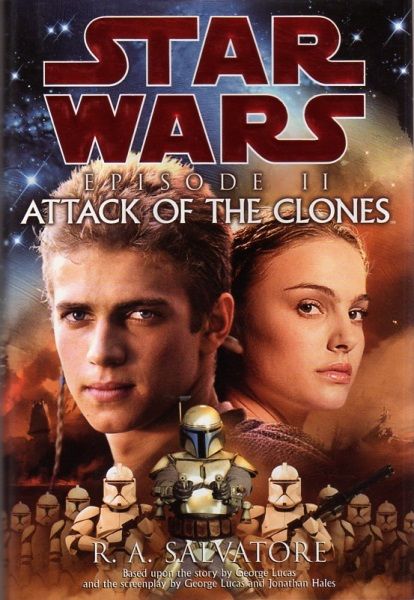
The landscape of a galaxy far, far away underwent a monumental shift in 2012 when George Lucas, the visionary architect of the *Star Wars* universe, sold Lucasfilm to Disney for a staggering $4 billion. This transaction heralded a new era for the beloved franchise, promising fans a continuation of the saga with fresh stories and characters. Yet, beneath the initial wave of excitement for a new sequel trilogy, spin-off movies, and burgeoning television shows, lay a complex narrative of creative transition and, for Lucas himself, moments of profound disappointment.
For over a decade since that pivotal sale, Lucas has not been directly involved in crafting the stories that have unfolded across screens big and small. His unique perspective, born from creating and nurturing *Star Wars* for decades, inevitably led to observations and, at times, public criticisms regarding the direction Disney’s Lucasfilm chose to take. This article delves into the legendary filmmaker’s candid thoughts on the projects that followed his departure, offering an unparalleled look into the mind of the man who started it all.
While the new *Star Wars* productions have generated massive profits and garnered a new generation of fans, they have also sparked considerable debate among the established fanbase. Lucas’s own reflections, extracted from interviews, memoirs, and trusted sources, reveal a nuanced but often critical viewpoint on how his legacy has been carried forward, particularly concerning the core sequel trilogy where, as he lamented, some of the fundamental components of his original vision seemingly “got lost.”
1. **The Sale of Lucasfilm to Disney: The Genesis of a New Era**In 2012, George Lucas made the momentous decision to sell Lucasfilm to Disney. This was a move that, at the time, shocked the world of entertainment, as it meant relinquishing direct creative control over the iconic *Star Wars* franchise that he had meticulously built and nurtured since its inception. The sale, valued at $4 billion, marked a significant turning point, promising an expansion of the *Star Wars* universe far beyond what had been seen before.
In 2012, George Lucas made the momentous decision to sell Lucasfilm to Disney. This was a move that, at the time, shocked the world of entertainment, as it meant relinquishing direct creative control over the iconic *Star Wars* franchise that he had meticulously built and nurtured since its inception. The sale, valued at $4 billion, marked a significant turning point, promising an expansion of the *Star Wars* universe far beyond what had been seen before.
This acquisition was accompanied by a press release that generated immense excitement, specifically mentioning that the filmmaker’s own story outlines would be used as a foundation for a new sequel trilogy. This detail was crucial, as it implied a continuity of vision and reassured fans that the original creator’s blueprint would guide the future narratives of the galaxy far, far away.
However, the reality that unfolded was markedly different from these initial assurances. While Lucas became a Disney shareholder and publicly supported CEO Bob Iger, his direct involvement in the storytelling aspect ceased. This separation from the daily creative helm meant that subsequent decisions, particularly concerning the main saga, would fall to new leadership, inevitably leading to a divergence from Lucas’s original plans and, as we will explore, a source of considerable friction for the creator.
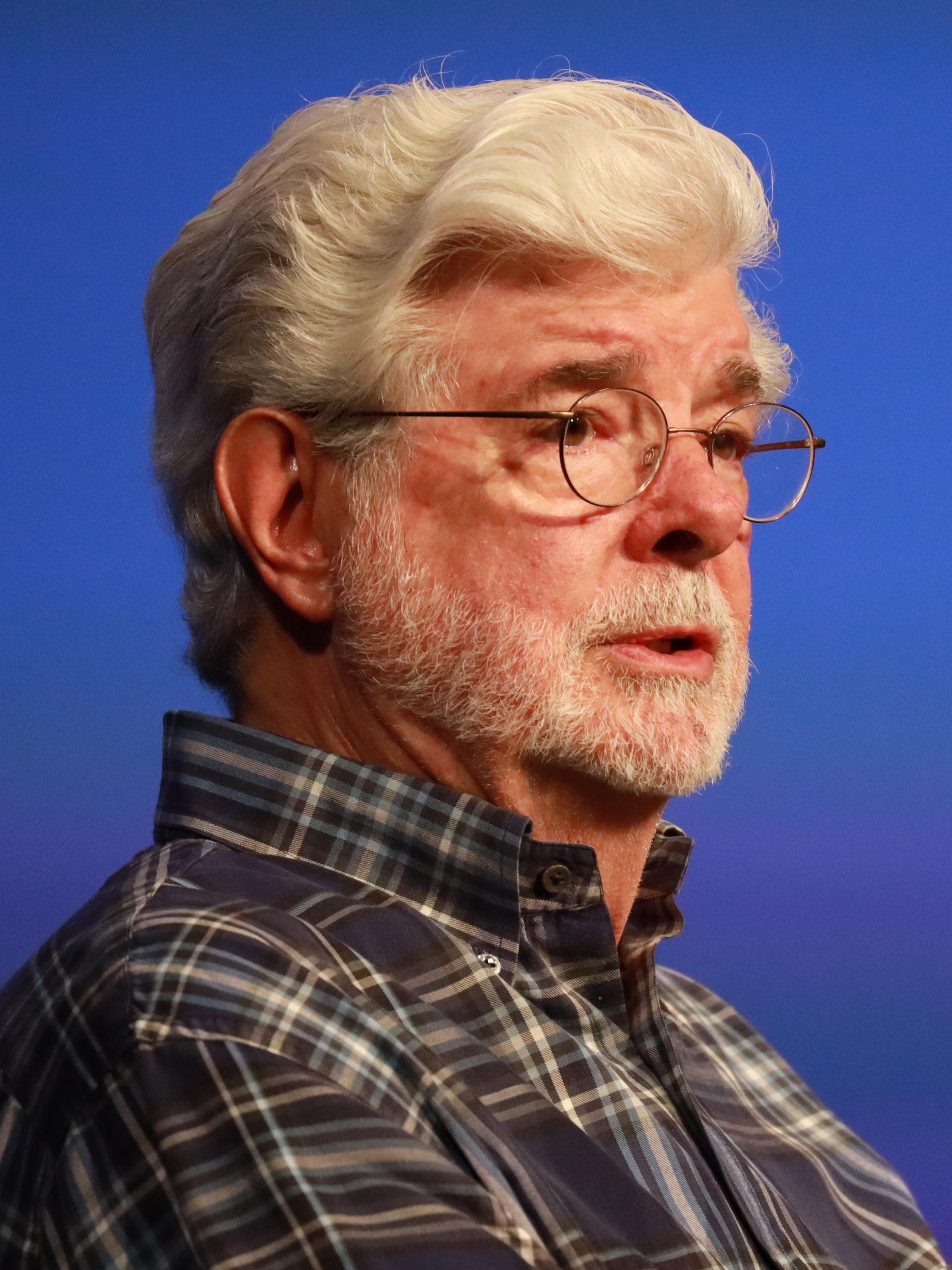
2. **The Discarding of Lucas’s Story Outlines: A Core Point of Disappointment**One of the most significant sources of George Lucas’s disappointment stemmed from Disney and Lucasfilm’s decision to forgo the story outlines he had provided for the sequel trilogy. As revealed in Bob Iger’s memoir, *The Ride of a Lifetime: Lessons Learned From 15 Years As CEO Of The Walt Disney Company*, Lucas had completed outlines for three new movies, which were part of the acquisition agreement.
Iger recounts a meeting where Lucas, upon hearing the new creative direction, “immediately got upset as they began to describe the plot and it dawned on him that we weren’t using one of the stories he submitted during the negotiations.” This moment highlights a profound misunderstanding or expectation gap, where Lucas felt that buying the story treatments was a “tacit promise” to follow them. His feeling was one of “betrayal,” marking an “unnecessarily rocky start” to the new collaboration.
Lucas himself openly admitted his upset regarding this decision. He stated, “They looked at the stories, and they said, ‘We want to make something for the fans.’ They decided they didn’t want to use those stories, they decided they were going to do their own thing. They weren’t that keen to have me involved anyway…and so I said, ‘Okay, I will go my way, and I’ll let them go their way.’” This clearly articulated his feeling of being sidelined and his creative blueprint being disregarded in favor of a different approach.
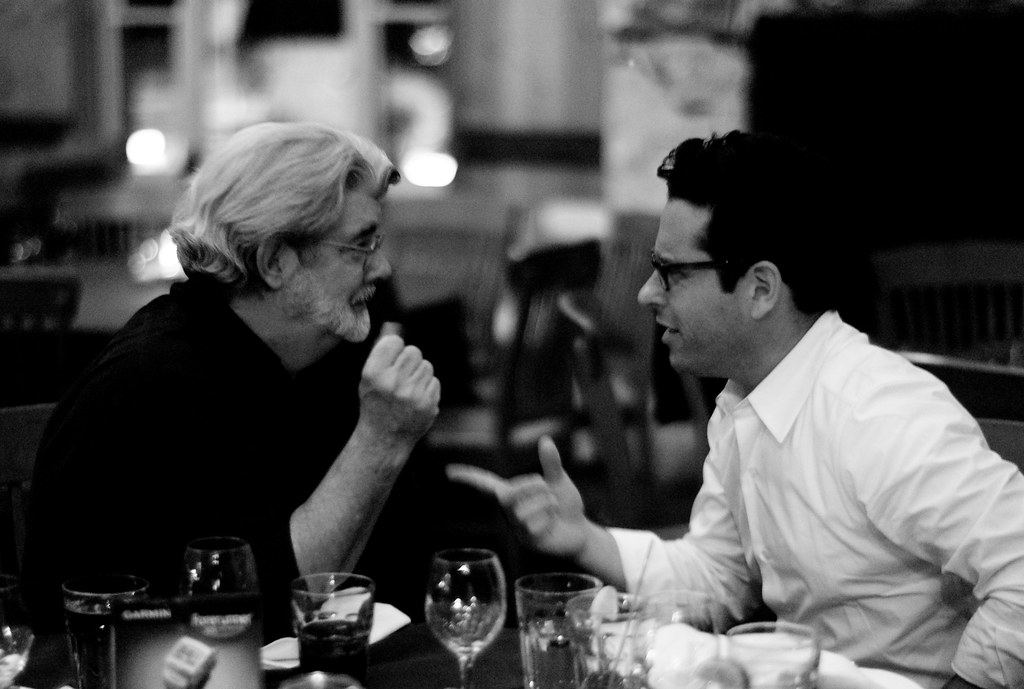
3. **George Lucas’s Unfiltered Take on *The Force Awakens*: “Nothing New”**When *The Force Awakens* was released in 2015, it was met with immense fan excitement, promising a return to the beloved *Star Wars* saga under the direction of J.J. Abrams. However, George Lucas’s private assessment of the film, as recounted in Bob Iger’s memoir, was notably critical. Following a screening, Lucas “didn’t hide his disappointment,” succinctly stating, “There’s nothing new.”
His critique was rooted in a fundamental creative principle that guided his original trilogy: the constant introduction of new worlds, new stories, new characters, and new technologies. Lucas observed that *The Force Awakens*, despite its spectacle, lacked “enough visual or technical leaps forward.” This perspective suggested he viewed the film as more of a homage or, as some critics later argued, a “retelling of A New Hope,” rather than an innovative step forward for the franchise.
This feeling of repetition and lack of novelty was a significant point of contention for Lucas. His desire for continuous evolution and expansion of the *Star Wars* universe clashed with a perceived conservative approach that prioritized familiar elements and fan service. This initial public criticism, even if conveyed via a memoir, set the tone for his cautious engagement with the subsequent films in the sequel trilogy.
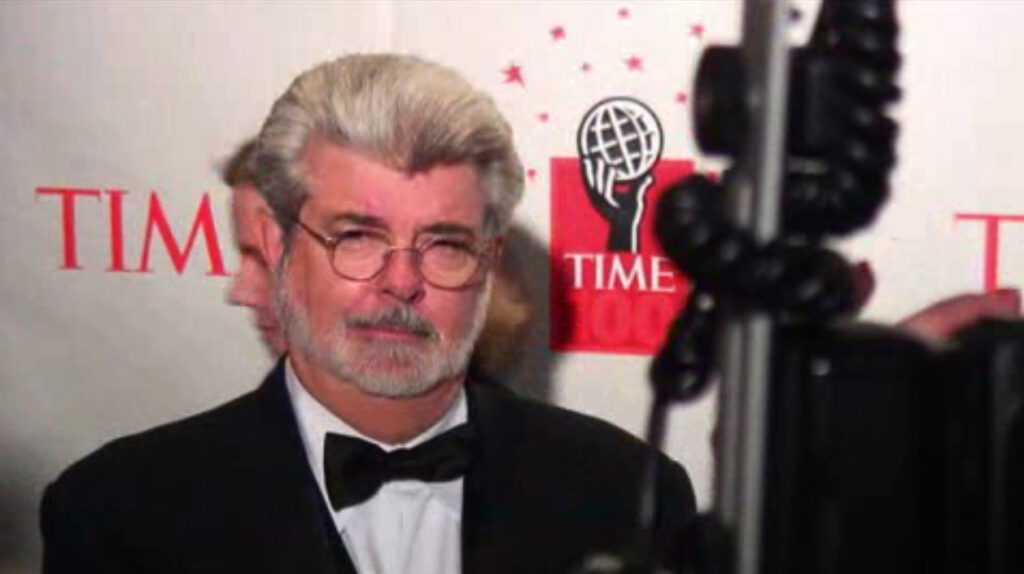
4. **The Ambiguous Silence on *The Last Jedi*: A “Beautifully Made” Mystery Amidst Criticism***The Last Jedi*, directed by Rian Johnson, proved to be the most divisive installment of the sequel trilogy, sparking intense debate among fans for its bold creative choices and significant departures from established narrative expectations. Curiously, George Lucas has never publicly spoken about this particular movie, leaving his direct opinion shrouded in a degree of ambiguity that has fueled much speculation.
However, a representative for Lucas, Connie Wethington, did share his assessment that *The Last Jedi* was “beautifully made.” This seemingly positive, albeit brief, comment offers a glimpse into a potential appreciation for the film’s craftsmanship, even if it doesn’t necessarily endorse its narrative directions. The context provided implies that Lucas may have met with Rian Johnson, though details of any such conversation remain undisclosed, adding to the mystery.
Despite this singular comment, the widespread criticism from both fans and even members of *The Last Jedi*’s own cast, including Mark Hamill who openly expressed his reservations about Luke Skywalker’s portrayal, makes it challenging to definitively interpret Lucas’s true sentiments. Given his general stance on the sequel trilogy, it would be surprising if he were entirely aligned with the controversial creative decisions, but without his direct public statement, much remains open to assumption.
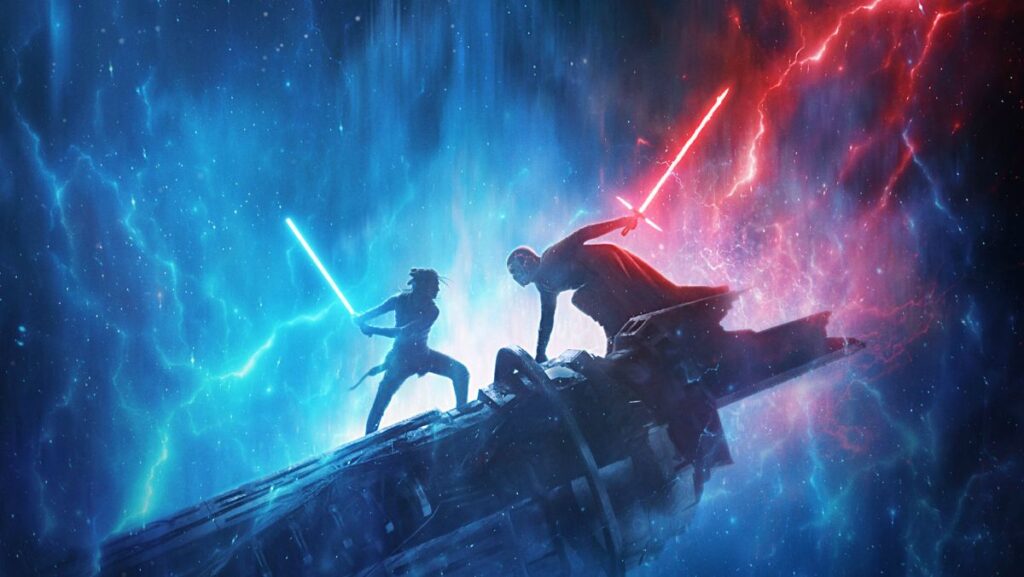
5. **The Rise of Skywalker’s Controversial Ending: Lucas’s Implied Disapproval and Absence***The Rise of Skywalker*, intended as the grand conclusion to the Skywalker Saga, ultimately became the least popular installment of the sequel trilogy, even more so than *The Last Jedi*. This film attempted to tie up loose ends and respond to previous criticisms, but in doing so, introduced new controversies such as the resurrection of Emperor Palpatine without prior hints and retconning established character arcs.
George Lucas has maintained a complete public silence on *Episode IX*. He has never commented on the film, a silence that could be interpreted either as indifference or, more tellingly, as having “nothing nice to say.” This lack of comment stands in stark contrast to his representative’s brief remark about *The Last Jedi* or his explicit criticism of *The Force Awakens*.
A key piece of information that suggests Lucas’s disapproval, or at least a lack of enthusiasm, is his known stance against the Emperor’s resurrection in the Expanded Universe. The context states, “Lucas never supported the idea of the Emperor’s resurrection in the Expanded Universe so we doubt he appreciated Return of the Jedi’s ending being retconned so significantly.” Further underlining this distance, Lucas notably “did not attend The Rise of Skywalker’s premiere,” an absence that speaks volumes about his engagement with the film’s direction.
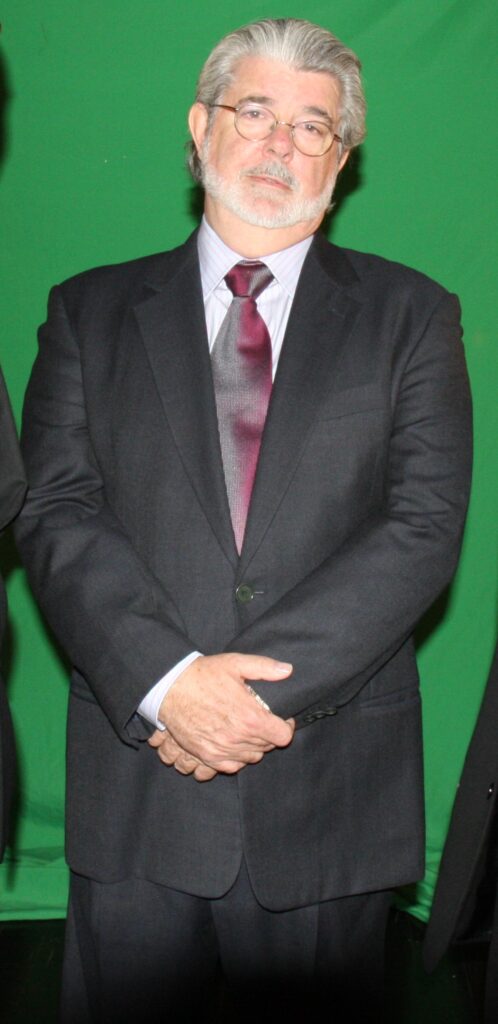
6. **Lucas’s Original Vision for Episodes VII-IX: The Whills and a Microbiotic Universe**Beyond merely stating his disappointment with Disney’s chosen path, George Lucas also offered insights into what his own sequel trilogy would have entailed, providing a fascinating glimpse into a *Star Wars* universe that ultimately never came to be. His vision was distinctly different, delving into concepts that he himself admitted “a lot of fans would have hated it,” much like their reaction to *Star Wars Episode I*.
Lucas’s discarded outlines for episodes seven through nine, which Disney chose not to use, involved a profound exploration of “the microbiotic world of the *Star Wars* universe.” He spoke of incorporating elements called “the Whills,” which are described as being integral to this deeper, almost philosophical aspect of the Force. This indicates a desire to expand on the metaphysical underpinnings of his creation rather than focusing on a more conventional narrative arc.
This conceptual direction suggests Lucas was keen on advancing the thematic and spiritual core of *Star Wars*, pushing beyond the established narratives of Jedi and Sith conflicts. His comparison to *The Magic School Bus* and *Osmosis Jones* gives a somewhat unusual but vivid picture of his intended focus, implying a microscopic journey into the very essence of the Force, a path that was indeed, as he conceded, quite niche and potentially divisive for the broader fanbase.
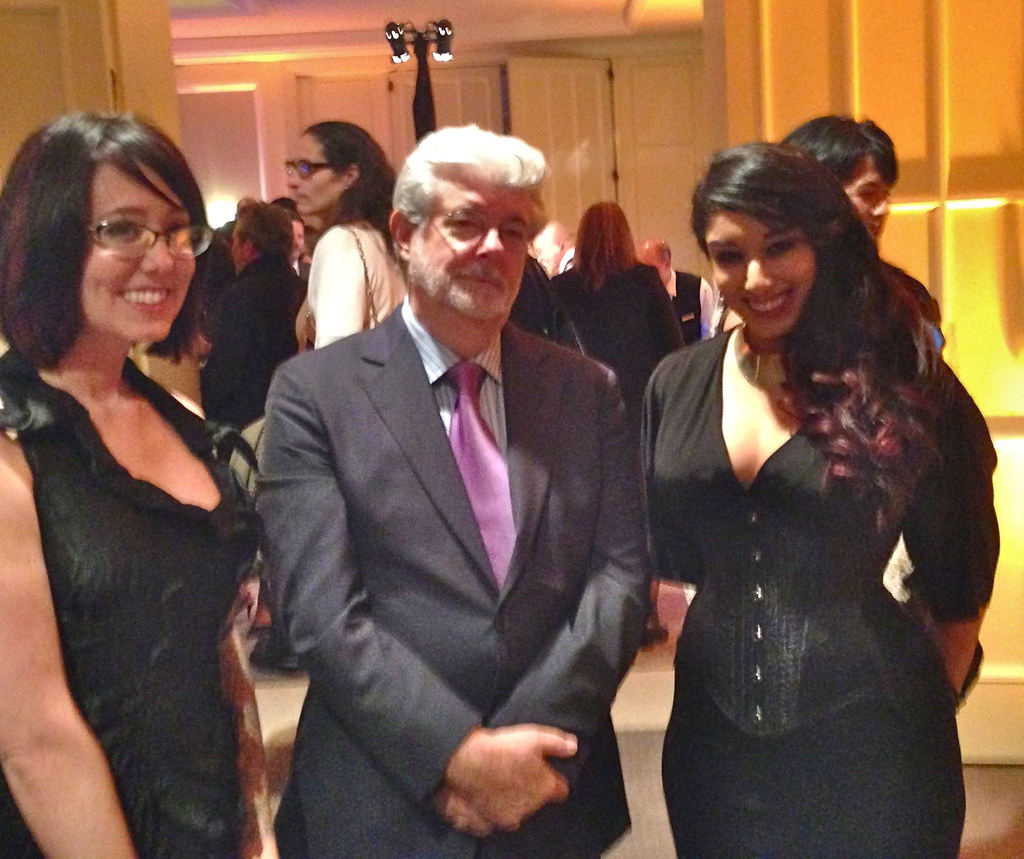
7. **The Philosophical Divide: “Nobody Understood the Force”**Underpinning many of George Lucas’s criticisms and disappointments with the post-sale *Star Wars* productions is his conviction that the fundamental essence of his creation, particularly the Force, was not fully grasped by those who took over. He articulated this sentiment clearly, stating, “I was the one one who really knew what Star Wars was… who actually knew this world, because there’s a lot to it. The Force, for example, nobody understood the Force.”
This statement goes beyond mere creative differences; it points to a profound philosophical gap. For Lucas, the Force was not merely a mystical power for Jedi and Sith, but a complex, integral component of his universe, perhaps linked to the “microbiotic world” and “the Whills” he envisioned for his own sequels. His belief that “a lot of the ideas that were in [the original] sort of got lost” in Disney’s subsequent stories further emphasizes this perceived misunderstanding.
Lucas’s perspective suggests that the new custodians of *Star Wars* might have focused on the more superficial, action-oriented aspects of the saga, missing the deeper, spiritual, and philosophical dimensions that he considered crucial. This perception that the core tenets of his fictional reality were misunderstood likely contributed significantly to his feelings of disappointment and the sense that the franchise was moving in a direction alien to his original intent.
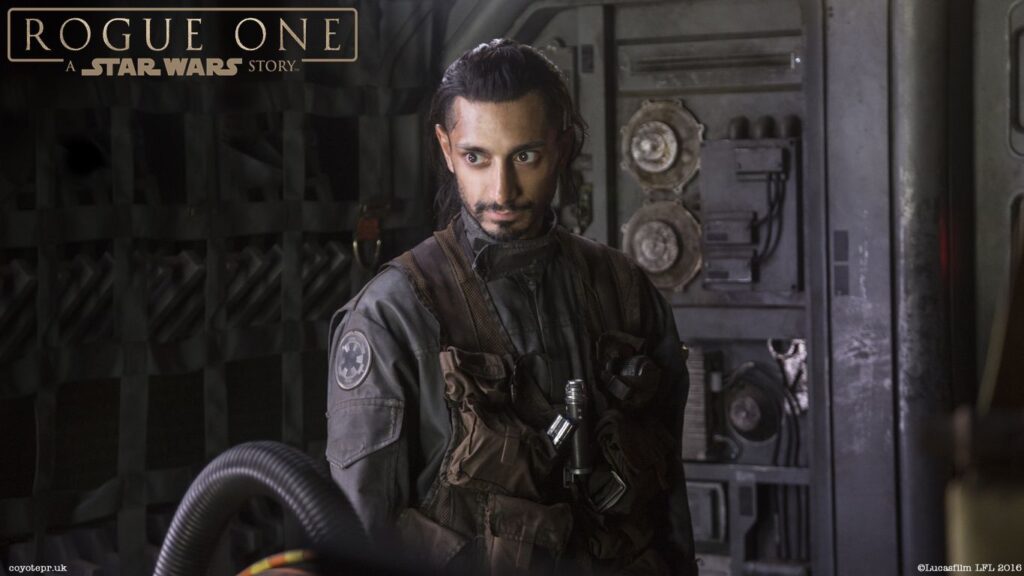
8. **His Nuanced Views on the Spin-Off Films: Rogue One and Solo**Beyond the main saga, Disney pursued “A Star Wars Story” spin-off films. These offered standalone narratives within the expansive universe. George Lucas’s reactions to these projects notably differed from his criticisms of the core sequel trilogy, suggesting a more open stance. This revealed a nuanced facet of his engagement with the new *Star Wars* era.
*Rogue One: A Star Wars Story*, chronicling the Death Star plan theft, achieved critical and commercial success. Director Gareth Edwards shared Lucas’s strong approval, recalling the creator “really liked the movie” and was “highly complimentary.” Tony Gilroy, involved in reshoots, also affirmed that Lucas “loved it,” indicating genuine endorsement for this narrative.
The spin-off *Solo* endured a challenging production and mixed reception. Yet, Lucas remained supportive. Ron Howard, who finished the film, recounted Lucas being “supportive” and “really complimentary” during a set visit. Lucas himself had considered exploring Han Solo’s origin. This suggests a nuanced appreciation for explorations expanding the universe without altering the Skywalker saga.
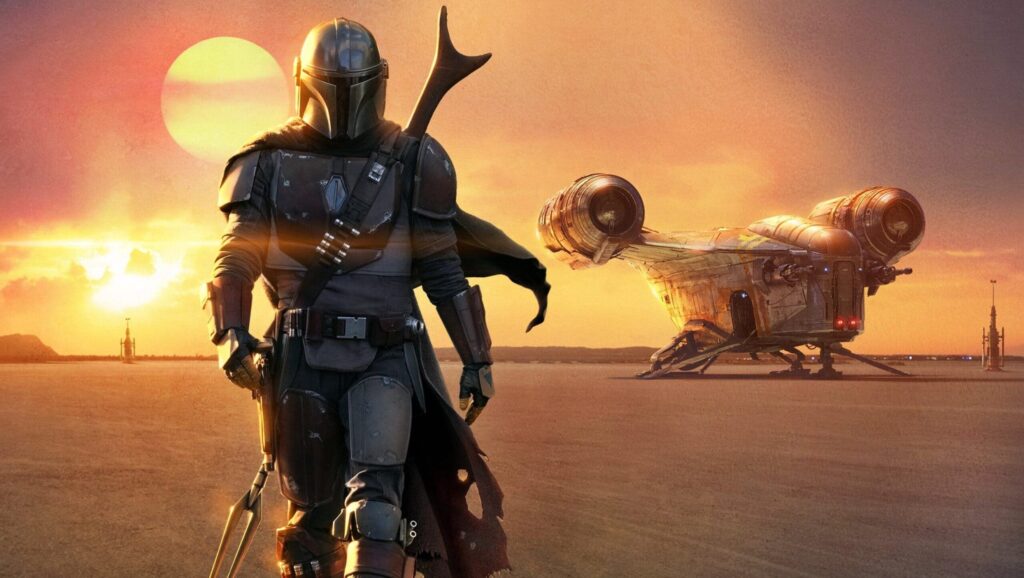
9. **Engaging with the New Frontier: Disney+ Streaming Series**Disney’s acquisition unleashed numerous *Star Wars* shows onto streaming, including *The Mandalorian* and *Andor*. Lucas’s personal assessments of each remain largely unstated, perhaps due to the sheer volume. However, creatives involved reported his positive engagement during set visits, often described as “complimentary.” He even famously met Grogu, showing an indirect connection.
Expecting Lucas to watch every series is challenging. He openly struggled with not being “hands-on” with *Star Wars*, a sentiment that drove his prequel involvement. This personal history makes comprehensive reviews unlikely, highlighting his chosen detachment. Yet, his influence lingers through mentorship and informal engagement.
A deeper connection exists with Dave Filoni, seen as a torchbearer for Lucas’s ethos. Jon Favreau recalled Lucas playfully giving Filoni “a hard time” on *The Mandalorian* set, rooted in “tremendous care and respect.” Lucas views Filoni’s “creative life as an extension” of their relationship. His *Andor* visit was described as if “the real Yoda had showed up.”
Read more about: From Child Star to Industry Powerhouse: JoJo’s Unstoppable Evolution in Music and Beyond
10. **The Unavoidable Truth: Business Realities of Creative Control Post-Sale**The 2012 sale of Lucasfilm fundamentally altered creative control dynamics. Lucas submitted story outlines for a new sequel trilogy, fostering an expectation that his blueprint would be followed. However, Bob Iger’s memoir revealed a crucial clause: Disney was “not contractually obligated to adhere to the plot lines he’d laid out.”
This discrepancy became a profound point of contention. Lucas interpreted the acquisition of his treatments as a “tacit promise.” Iger acknowledged that despite Lucas knowing they weren’t bound, the filmmaker felt “betrayed” when his stories were discarded. This highlights the clash between creative expectation and corporate legalities.
The meeting where Lucas learned of the new direction was, by Iger’s admission, an “unnecessarily rocky start.” Lucas’s ultimate resignation, “I will go my way, and I’ll let them go their way,” reflected his acceptance of this business reality. The $4 billion transaction meant relinquishing singular creative authority, transitioning from auteur to shareholder.
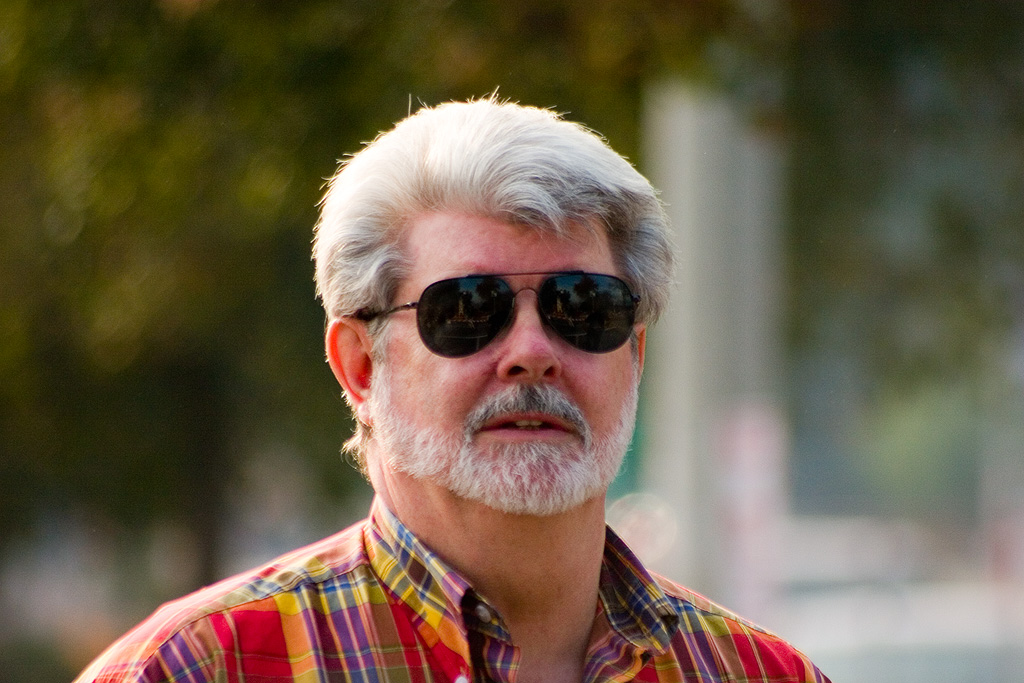
11. **The Weight of Letting Go: Lucas’s Struggle with Creative Detachment**Beyond corporate decisions, the Lucasfilm sale imposed significant emotional and creative toll on George Lucas. Despite considerable financial remuneration, detaching from *Star Wars* presented a unique personal challenge for the creator. He once famously declared, “I was the one one who really knew what Star Wars was.”
Lucas himself articulated this profound shift, acknowledging the inevitability of moving on. He stated, “Even with that reaction, though, Lucas admits that by giving something up, you have to move on from it, regardless of how you feel about the final product.” His stark summary, “But that’s the way it is. You give it up, you give it up,” encapsulates the finality of creative severance.
This internal conflict highlights the unique position of an artist whose work transcends personal ownership. The sentiment that “a lot of the ideas that were in [the original] sort of got lost” underscores a perceived fundamental disconnect. This makes the act of letting go even more poignant, even as he observes his legacy unfold.
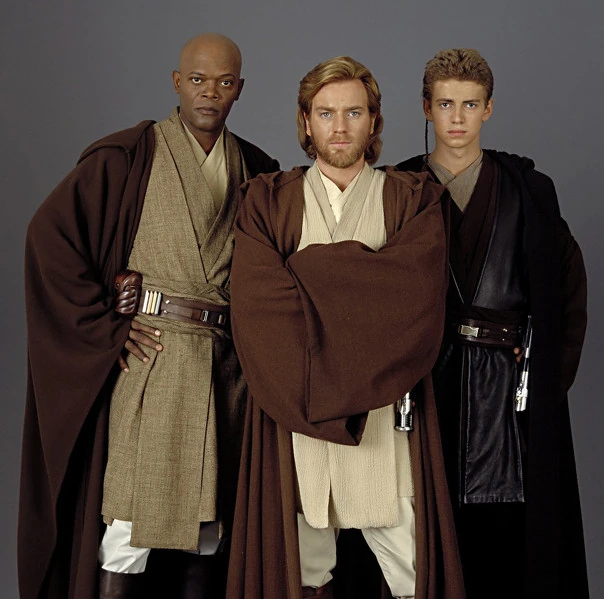
12. **A Jedi Master’s Presence: Consultations and Set Visits**While George Lucas stepped away from direct creative control, his connection to *Star Wars* did not entirely cease. His engagement transformed into a consultative role, marked by occasional but impactful set visits. This continued presence offers a unique bridge between the franchise’s past and its evolving future, a testament to his enduring influence.
These visits are more than casual observations; they resonate deeply with cast and crew. Sam Hargrave, director for *Star Wars: Andor*, described Lucas’s presence as if “the real Yoda had showed up.” The turnout rivaled a Comic-Con event, illustrating the profound reverence still held for the creator and his unparalleled insights.
Lucas’s consultations with filmmakers, though not dictating narratives, share his wisdom and understanding of *Star Wars* mythology. Jon Favreau noted Lucas’s “tremendous care and respect” for Dave Filoni, seeing Filoni’s “creative life as an extension” of their relationship. This demonstrates how Lucas, indirectly, fosters the creative spirit of *Star Wars*.
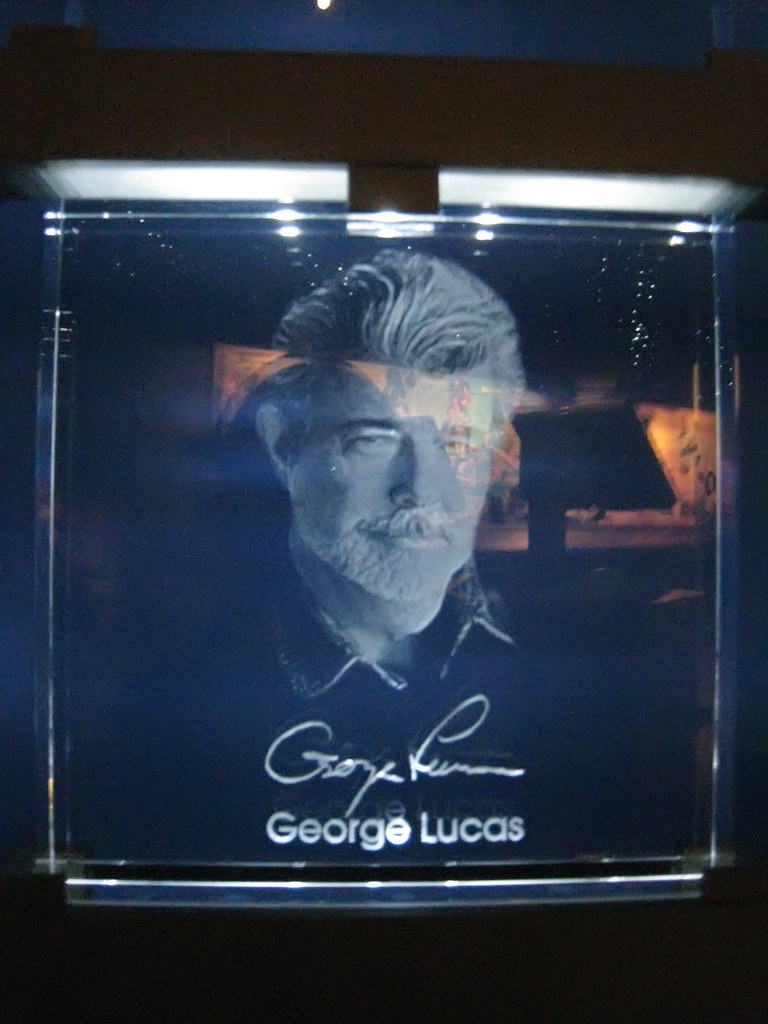
13. **Public Unanimity: His Support for Disney Leadership**Despite creative disagreements and personal disappointments regarding the sequel trilogy, George Lucas displayed a clear understanding of the broader corporate landscape. This was notably underscored by his public statement supporting Disney CEO Bob Iger during a significant proxy battle for company control.
Lucas explicitly endorsed Iger’s leadership, declaring, “Creating magic is not for amateurs.” He highlighted his trust in Iger’s executive capabilities. He further stated his delight in becoming a Disney shareholder, citing “longtime admiration for its iconic brand and Bob Iger‘s leadership.” This separated his artistic preferences from his corporate confidence.
This public backing suggests Lucas maintains a pragmatic view of his legacy within Disney’s structure. His support, even amidst creative friction, speaks volumes about his belief in Disney’s overall capacity to manage and expand his iconic brand. It reflects a sophisticated understanding of art and commerce in the entertainment industry.
The journey of George Lucas since the Lucasfilm sale presents a compelling narrative of creation, relinquishment, and enduring legacy. From initial disappointment over discarded visions to a more nuanced appreciation for spin-off projects and a supportive, albeit detached, engagement with new media, Lucas’s relationship with *Star Wars* has evolved dramatically. His candid criticisms, balanced by his pragmatic endorsement of Disney’s corporate leadership, reveal a visionary who understands Hollywood’s intricate creative and business realms. As the galaxy far, far away continues to expand, Lucas remains an immutable presence, a foundational figure whose influence still shapes its stars, echoing his original vision even as new stories take flight.