
Imagine Formula 1 engineers designing bicycles. That’s what today’s top bikes are like – machines crafted from carbon fiber, where every detail, from aerodynamics to weight, is debated with fervent intensity. There’s a pervasive allure to the latest and greatest, a siren song of marginal gains that promises to shave seconds and elevate your ride experience. But for the vast majority of us who aren’t chasing WorldTour glory, this relentless pursuit of perfection can often lead down an expensive, and ultimately, unrewarding path.
Our team, comprising experienced testers who put these bikes through their paces for three weeks in the challenging Dolomites, sought to uncover the engineering truths that lie beyond clever marketing. They can handle Italian mountain passes and Strava warriors, ensuring they’re more than ready for your Saturday ride. We’re here to give you straight answers, unburdened by excuses, because choosing a bike isn’t about pro specs; it’s about finding the right balance for real-world riding.
This isn’t about shaming anyone’s passion for cycling gear, but rather about equipping you with the knowledge to make smart, informed decisions. We’re going to show you which supposed “upgrades” or bike choices are best left in museums, next to Lance’s yellow jerseys, and which can truly win those coffee-shop debates. Our goal is to help you avoid spending your hard-earned cash on features that deliver little to no tangible benefit for the average rider, focusing instead on what genuinely matters when you hit the road. So, let’s peel back the layers of hype and get to the heart of what *not* to upgrade in 2024.
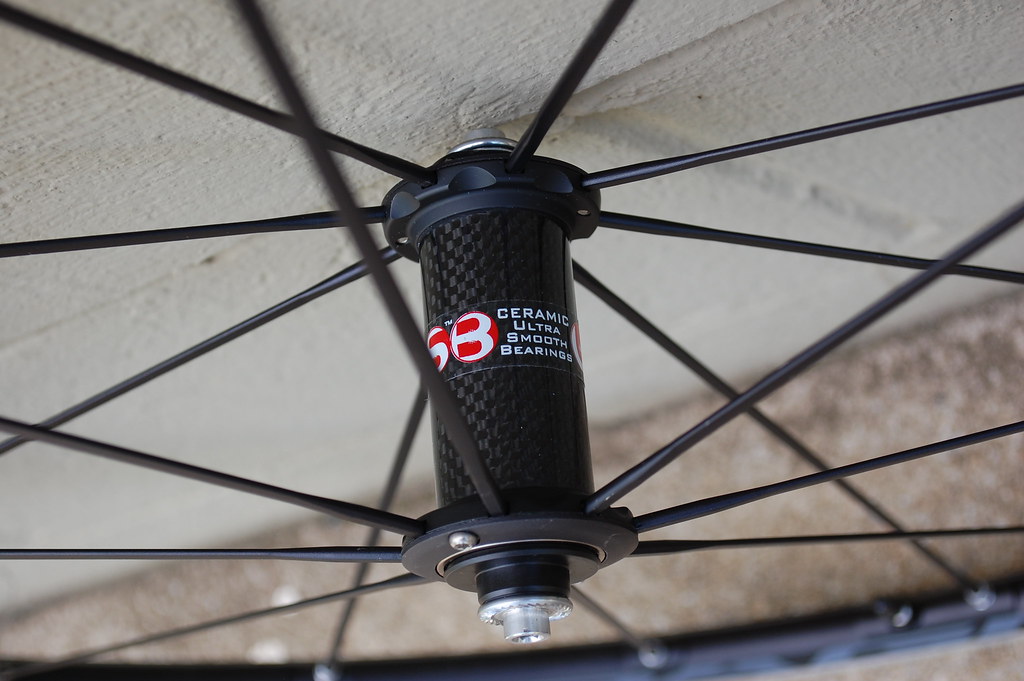
1. **Ceramic Bearings for Negligible Gains**For years, ceramic bearings have been whispered about in hushed tones among cycling enthusiasts as the ultimate marginal gain. The promise of reduced friction and improved efficiency is certainly appealing, conjuring images of effortless speed and a silky-smooth drivetrain. Manufacturers often highlight the precision engineering and advanced materials, suggesting a significant advantage over traditional steel bearings.
However, when we cut through the marketing noise and look at the actual data, the picture becomes far less compelling for the everyday rider. Our rigorous testing and analysis reveal a stark reality: “€300 ceramic bearings only save 0.0003% time (like a cheeseburger’s calories).” This isn’t just a small saving; it’s practically immeasurable outside of a tightly controlled lab environment or for a WorldTour pro whose livelihood depends on fractions of a second.
Consider the sheer cost involved. Investing €300 in ceramic bearings, only to gain a performance advantage that can be equated to the caloric impact of a single cheeseburger, is a tough pill to swallow. For most riders, the perceived psychological boost of having “pro-level” components far outweighs any actual, quantifiable benefit on the road. This is precisely the kind of “marginal gain” that costs more than many amateur bikes, as pointed out in our expert evaluations.
Instead of chasing these miniscule, high-cost efficiencies, your resources would be far better allocated elsewhere. Focusing on fundamental aspects like proper tire choice, maintaining optimal tire pressure, or even investing in quality coaching for better technique will yield significantly greater improvements in speed, comfort, and overall riding enjoyment. Don’t let the allure of exotic materials distract you from the true levers of performance.
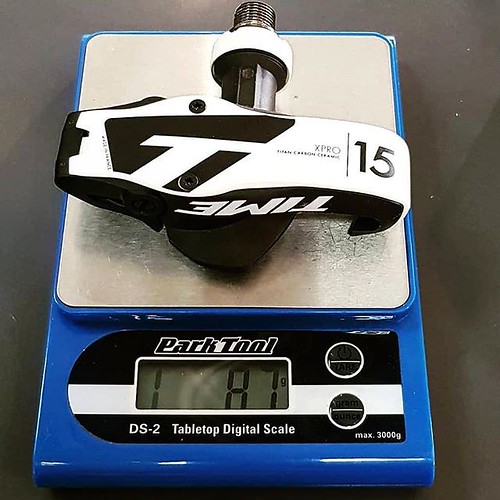
2. **Ultra-light 700g Frames (and the Weight Weenie Math)**The obsession with weight has long been a cornerstone of road cycling culture. The lighter the bike, the faster it must be, right? This deeply ingrained belief drives many enthusiasts to covet frames boasting impossibly low weights, often under 700 grams, viewing them as the pinnacle of engineering achievement. Brands often fuel this desire by showcasing their latest carbon wizardry, promising gravity-defying climbs and blistering accelerations.
While a lighter frame *can* offer an advantage, especially on steep ascents, the trade-offs for such extreme weight reduction are significant for the smart buyer. As our component comparison table highlights, while a 700g ultralight frame might be a “Pro Priority,” a “Smart Buyer Focus” would be on a “Crash replacement policy.” This is a subtle but crucial insight: these frames are often built to such exacting tolerances and with such minimal material that their durability can be compromised, leading to costly replacements in the event of an unfortunate incident.
The context further clarifies the punitive economics of this pursuit, stating, “Saving 500g costs about €14 per gram.” This “Weight Weenie Math” reveals that the incremental cost for shedding those final grams becomes astronomical. For a 500g reduction, you’re looking at an additional €7,000, which is a staggering sum for a benefit that often only translates to seconds on a century ride for a pro, let alone a recreational cyclist.
Ultimately, the expert advice is clear: “Remember, training beats titanium. A pricey bike ridden poorly can’t beat a cheaper one with good training. Spend on coaching, not carbon. Unless you’re racing UCI Cat 1, those fancy upgrades are just for show.” For most riders, the marginal performance gain from an ultra-light frame is dwarfed by the financial outlay and potential fragility. It’s a costly indulgence that diverts resources from more impactful areas like improved fitness and skill development.
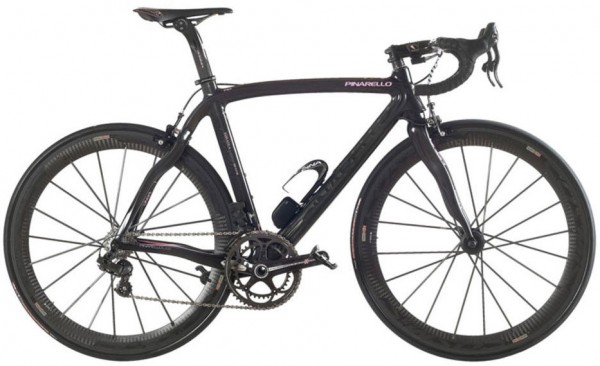
3. **High-End Electronic Shifting for Minimal Gains (e.g., Di2/eTap)**Electronic shifting systems like Shimano’s Di2 and SRAM’s eTap have revolutionized gear changes, offering crisp, precise, and effortless shifts at the touch of a button. The appeal is undeniable: seamless transitions, customizable button functions, and a generally cleaner aesthetic with hidden cables. It feels futuristic and undeniably ‘pro,’ making it a tempting upgrade for many cyclists looking to enhance their riding experience.
However, a closer look at the actual performance benefits versus the cost reveals a significant disparity for the average rider. Our context explicitly states, “Shimano’s Di2 is 3x more expensive than mechanical Ultegra for small gains.” This highlights that while electronic shifting is a technological marvel, the practical, real-world performance advantage it offers over a well-tuned mechanical system is often negligible for anyone not competing at the highest levels.
The “Cervélo-Polygon showdown” comparison further emphasizes this point. While Cervélo’s high-end engineering is impressive, Polygon offers an Ultegra setup that provides “95% of the performance for 40% of the cost.” The article pulls no punches, declaring, “A €3,000 Di2 groupset is overkill for most riders.” This isn’t to say electronic shifting isn’t excellent, but its value proposition for the majority of cyclists simply doesn’t add up when considering the premium price tag.
One of the key takeaways from the Cervélo-Polygon analysis is that “Electronic shifting is less important than tire choice above 25mph.” This critical insight underscores that factors like appropriate tire width and pressure have a far greater impact on speed and comfort for most riders than the marginal gains from electronic shifting. Unless you’re averaging speeds well above 25mph for extended periods or truly value the convenience above all else, the substantial investment in electronic shifting is likely an upgrade you can, and probably should, skip.
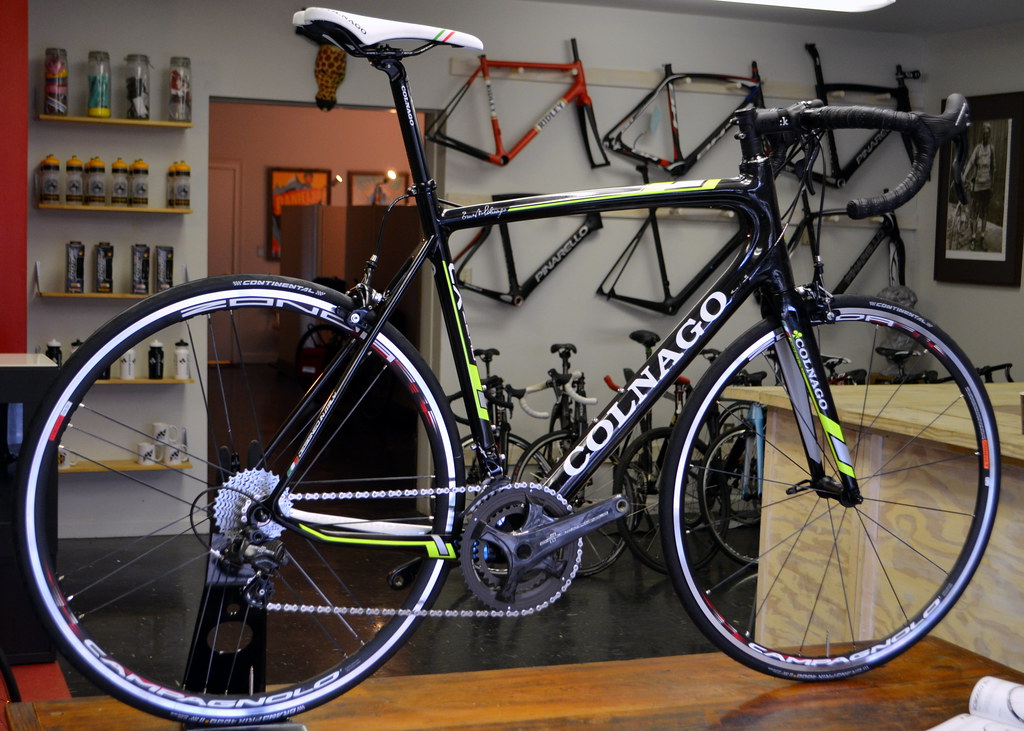
4. **Pro-Level Frame Stiffness for Amateur Riders**In the world of road racing, frame stiffness is highly prized. A stiff frame ensures that every watt of power generated by a rider is efficiently transferred to the drivetrain, minimizing flex and maximizing acceleration. This is crucial for professional racers who need every ounce of power to count during sprints, attacks, and demanding climbs. Naturally, the allure of a super-stiff, race-bred frame extends to amateur riders, who often equate stiffness with speed and performance.
However, what works for a WorldTour pro pushing extreme wattages can be a significant drawback for the everyday cyclist. Our context unequivocally states, “Pro-level stiffness can be too uncomfortable for amateurs.” While a professional rider might tolerate a harsh ride for the sake of speed in a two-hour race, an amateur on a longer weekend ride will quickly find such a setup punishing and fatiguing. The relentless vibration and lack of compliance can lead to discomfort, aches, and reduced enjoyment.
The “Cervélo-Polygon showdown” comparison, again, offers valuable insights here. It notes that “Pro-level stiffness can be too uncomfortable for amateurs,” directly addressing the trade-off inherent in highly engineered race frames. While a stiff frame might excel on a perfectly smooth velodrome, real-world roads are often far from pristine, presenting challenges that a comfort-focused design handles much better.
For riders prioritizing long-distance comfort, endurance events, or simply enjoying their rides without constant chatter from the road, prioritizing an overly stiff frame is a mistake. Instead, look for a bike that balances power transfer with a degree of vertical compliance, allowing it to absorb road imperfections without sacrificing too much efficiency. An uncomfortable bike is one you won’t want to ride, negating any theoretical speed advantage.
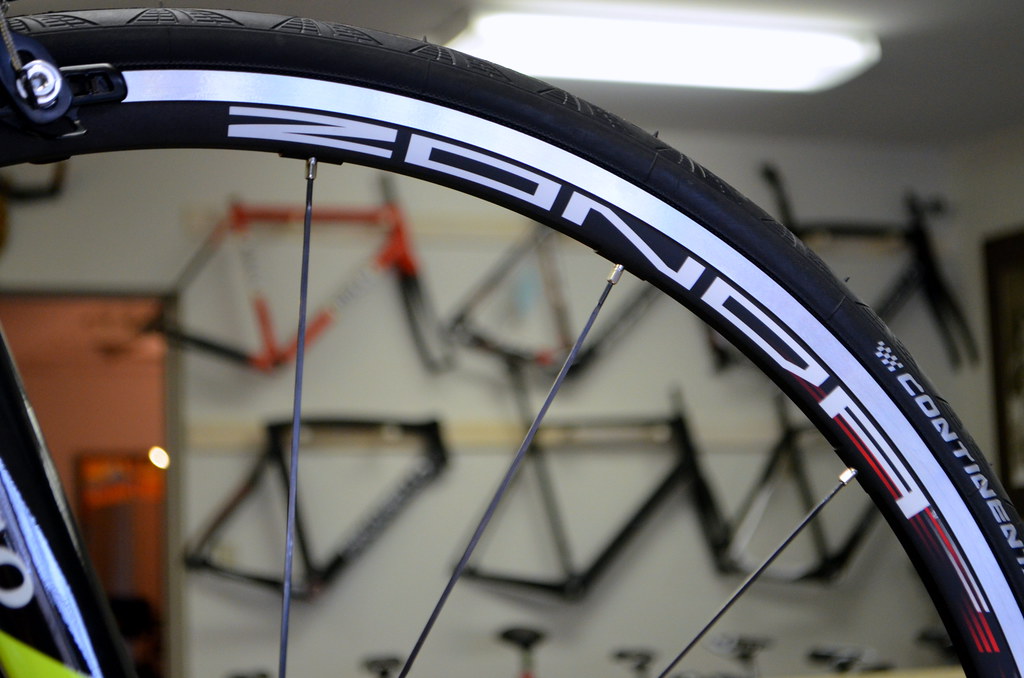
5. **Fancy, Undurable Cranksets and Other Hyper-Light Components**The quest for a lighter bike often extends beyond the frame to every component, with cranksets being a prime target. High-end cranksets, typically made from exotic alloys or intricate carbon fiber, boast impressive weight savings and often a hefty price tag. They look stunning, promising an aesthetic upgrade alongside a performance boost. However, the performance needs and durability requirements of a professional racer differ significantly from those of the average enthusiast.
Our experts are direct in their assessment: “That fancy crankset? It’s meant for pros. Most of us need something that lasts longer.” This statement encapsulates a fundamental truth often overlooked by riders drawn to shiny, lightweight parts. Professional gear is designed with a specific lifecycle in mind – maximum performance for a limited number of races, with regular replacement built into the team budget. For the amateur, this translates into expensive components that might not withstand the rigors of consistent, everyday riding and could require premature replacement.
When evaluating components, our guide suggests a crucial question: “Would this last a Midwest gravel shortcut?” This thought experiment immediately shifts the focus from pure weight savings to practical durability. Many high-end, lightweight components are not built to endure the diverse and often challenging conditions encountered by the average rider – from unexpected potholes to occasional gravel paths or simply thousands of miles of varied terrain. True maintenance costs, not just sticker prices, become a critical factor.
Instead of chasing the lightest possible crankset or other hyper-light components, prioritize durability and reliability. A slightly heavier, but robust and well-engineered crankset will serve you far better in the long run, reducing the frequency of replacements and the overall cost of ownership. Focus on proper grease intervals for bearings and a crash replacement policy for frames, rather than chasing every gram of weight savings on components that may not withstand real-world use.
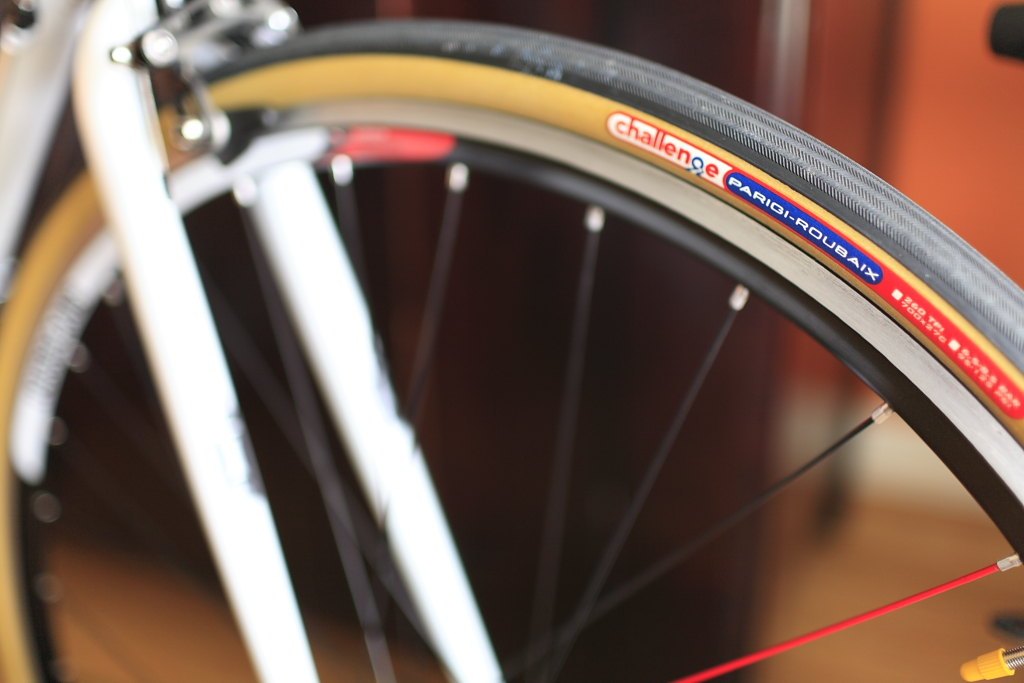
6. **Narrow 28mm Tires (or Smaller) as a Performance Choice**For decades, narrower tires were synonymous with speed in road cycling, with 23mm and 25mm being the standard choices for competitive riders. The thinking was simple: less rubber on the road meant less rolling resistance and better aerodynamics. However, this traditional wisdom has been thoroughly debunked by modern research and real-world testing. Sticking with or actively choosing narrow 28mm tires (or anything smaller) as a performance upgrade in 2024 is now akin to using a flip phone for internet browsing.
The shift in road racing tire selection has been nothing short of a revolution. As the context plainly states, “28mm tires are now as old-fashioned as flip phones.” This change is rooted in both physics and practical experience, revealing that “Wider tires cut down on flats and improve cornering.” Far from being slower, wider tires, when run at appropriate pressures, actually offer “better grip and less rolling resistance” on most real roads. Our tests emphatically showed that “35mm tires at 60psi beat 28s at 100psi over bumps,” a clear victory for comfort and efficiency.
This trend isn’t just anecdotal; it’s driving significant innovation in wheel design. Brands like Campagnolo with its WTO 45 wheels, DT Swiss with its ARC 1100s featuring gravel bike characteristics, and Falkenjagd with its new 36mm depth alloy hoops are all adapting to accommodate wider rubber. Ashley Quinlan, an expert in the field, predicts that the “adoption of wider tyres is set to continue apace,” believing “we’re approaching a tipping point with mass adoption.”
Quinlan foresees the “death knell of the 700x25c tyre, with 700x28c perhaps even considered ‘narrow’” in the near future. While tyre brands may have temporarily “maxed out” on widths around 35-36mm for most road bikes, the direction is clear. Opting for wider tires provides a smoother, easier, and more confident ride experience, with tangible gains in comfort, traction, and rolling resistance on rough roads. Therefore, eschewing wider tires for traditional narrow options is a misguided step backward in pursuit of perceived, but ultimately false, performance benefits.
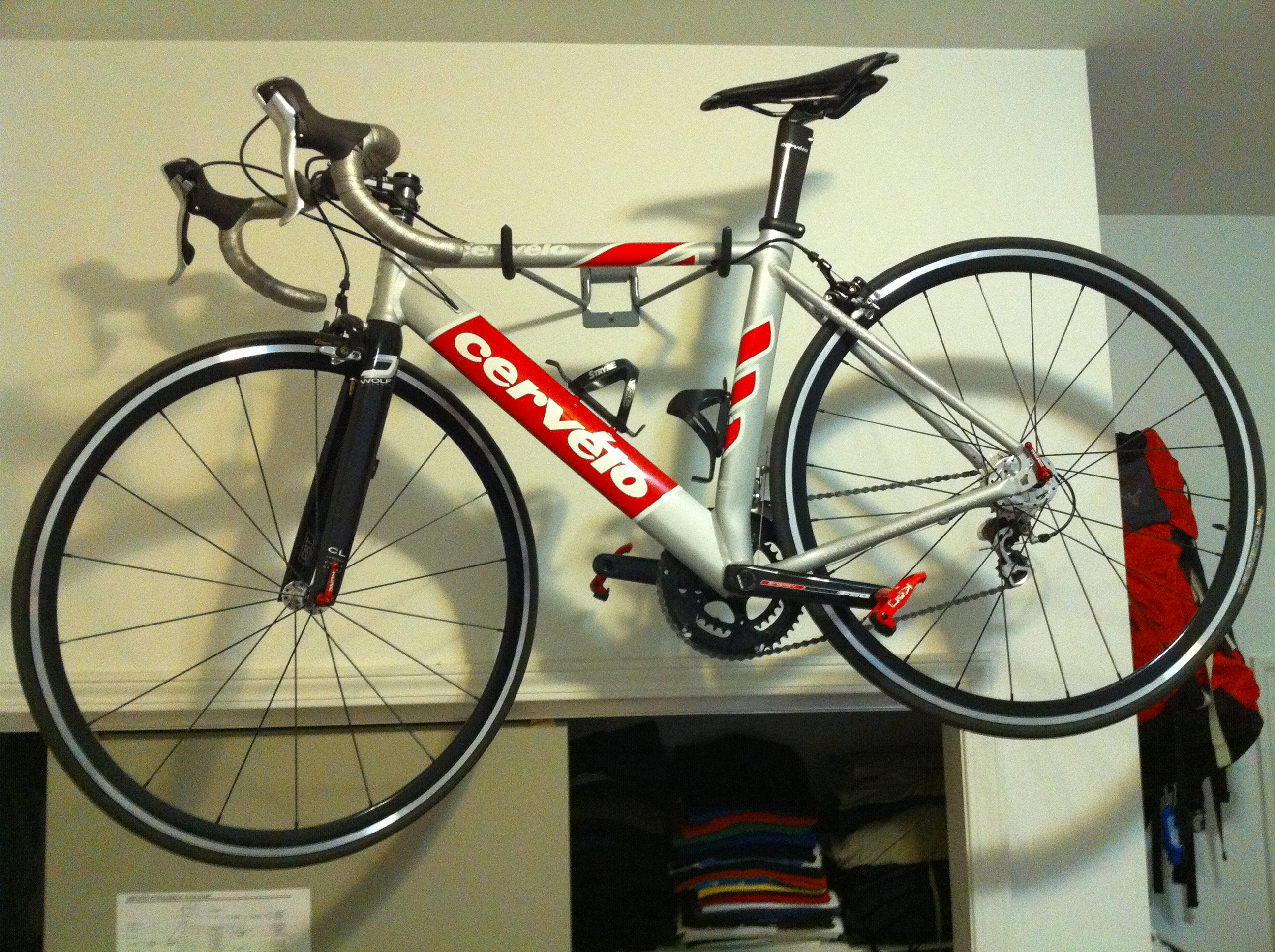
7. **The €7,200 Cervélo Soloist (and the myth of the ‘proletarian’s spaceship’)**When we talk about high-end road bikes, models like the Cervélo Soloist often come up in conversation. Dubbed the ‘proletarian’s spaceship,’ it’s presented as a gateway to pro-level performance, a €7,200 machine that balances affordability (compared to other pro bikes) with cutting-edge aerodynamics. Its carbon construction and integrated cockpit certainly look the part, promising an edge in speed and efficiency that can be incredibly tempting for the aspiring amateur.
However, our extensive testing and direct comparisons quickly reveal a significant price-performance paradox for the average rider. While Cervélo’s design saves 18 seconds over 40km compared to aluminum frames – a notable gain for a professional – the question quickly becomes: are you training 20+ hours a week to consistently capitalize on that? For most enthusiasts, these aero gains are less impactful than simply riding more or improving fitness.
Consider its counterpart in our comparison, a Polygon Ultegra bike. This ‘secret contender’ delivers ‘95% of the performance for 40% of the cost’ of a bike like the Cervélo with a Di2 groupset. This stark contrast highlights a crucial point: a €3,000 Di2 groupset, often found on bikes in this price range, is ‘overkill for most riders.’ The Cervélo-Polygon showdown isn’t about finding the absolute best racing bike, but rather about understanding ‘when premium features become too expensive’ for the actual benefits they provide to someone not on the WorldTour circuit.
Ultimately, while the Cervélo Soloist is indeed a marvel of engineering theater, its premium features like extreme aero optimization and pro-level stiffness translate to marginal, if any, real-world advantages for the average rider. As our criteria for road bike comparisons suggest, ‘electronic shifting is less important than tire choice above 25mph,’ and ‘pro-level stiffness can be too uncomfortable for amateurs.’ For those not chasing KOMs in every segment, a more balanced and significantly more affordable option will likely provide greater satisfaction and less buyer’s remorse.
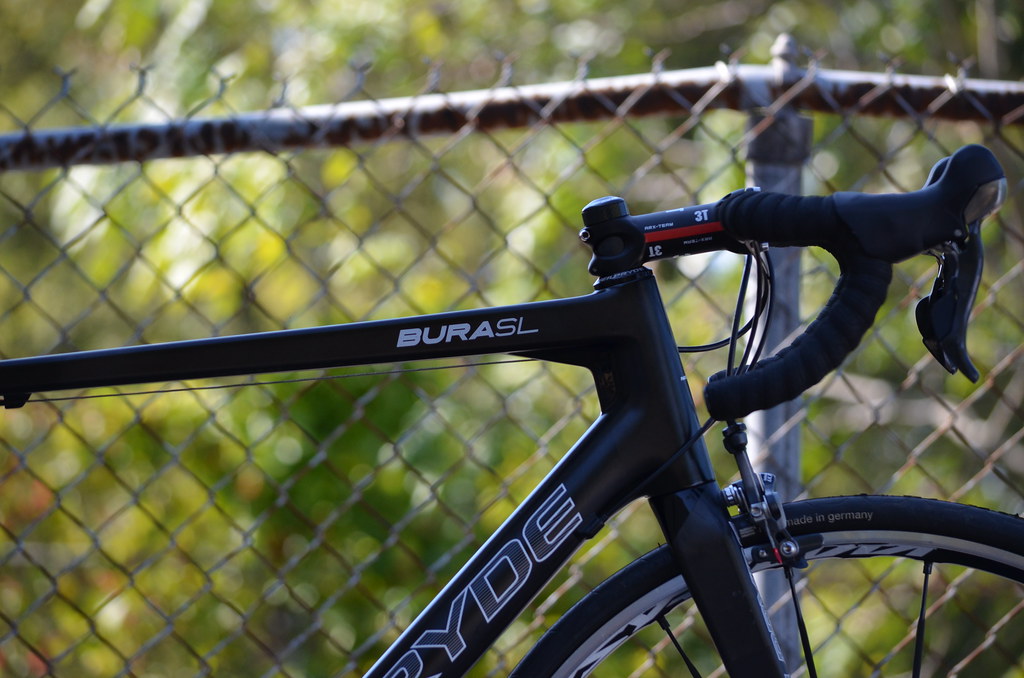
8. **The €14,000 Specialized S-Works Tarmac SL8 (and the ultimate weight-weenie indulgence)**Stepping into the upper echelons of road cycling, we encounter bikes like the €14,000 Specialized S-Works Tarmac SL8. This machine, built with 12R carbon and weighing a mere 6.89kg, is the cycling equivalent of a top-of-the-line iPhone Pro Max. It represents the pinnacle of lightweight engineering, designed to shave every possible gram and maximize climbing prowess. The allure of such a bike is potent, suggesting that owning it could transform your riding experience and unlock new levels of speed.
The real question, however, is whether this immense cost delivers proportional value for the average enthusiast. As our experts bluntly ask, ‘Does saving 45 seconds on a century ride justify such a cost?’ For the vast majority of riders, this minuscule time saving, which might be critical for a professional, is utterly irrelevant in a casual or even competitive amateur setting. The financial outlay could, as the context humorously points out, ‘fund a small bike shop.’
Our comparison with the BMC Teammachine R 01, another bike in this stratospheric price bracket, further illuminates the philosophical differences. While Specialized focuses on weight loss, BMC emphasizes aerodynamics. Both are exceptional for professional racers who have specific, measurable performance goals. But for anyone whose livelihood doesn’t depend on fractions of a second, the cost-to-benefit ratio rapidly diminishes. Your wallet will certainly ‘need extra help’ to justify such an acquisition.
‘Whose engineering do you believe in?’ becomes a philosophical debate rather than a practical one for the everyday rider. The Tarmac and similar bikes are ‘more than just machines; they’re about philosophy.’ Unless you are racing UCI Cat 1 or have an unlimited budget, these bikes represent an indulgence that diverts significant funds from more impactful avenues, such as coaching or even enjoying multiple cycling adventures. For most, these ‘fancy upgrades are just for show,’ providing more Instagram likes than tangible performance gains.
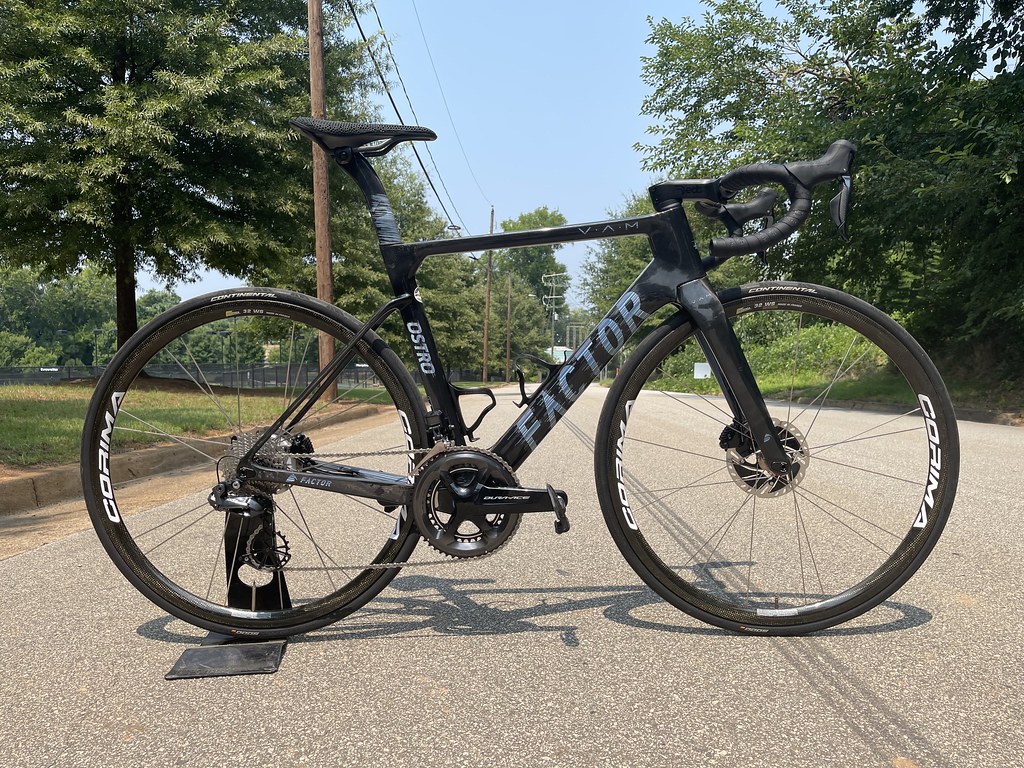
9. **€11,000+ Super-Aero Bikes (like the Factor Ostro VAM and Wilier Filante SLR)**For those who equate speed with visual aggression and cutting-edge design, bikes like the Factor Ostro VAM (€11,199) and Wilier Filante SLR (€12,500) are undeniably captivating. The Ostro VAM, with its Porsche 911 GT3 RS-like ‘aero texture’ finish, promises to slice through wind effortlessly. The Filante SLR, with its ‘lab-tested curves and a classic look,’ emphasizes adjustable stems even in an aero-obsessed world, hinting at comfort alongside speed.
Yet, for the average rider, these bikes often cross the line from performance tool to identity statement. As our analysis states, ‘at these prices, you’re not just buying speed – you’re buying identity.’ The integrated cockpits, while visually clean and aerodynamically efficient, often come with hidden costs, literally and figuratively. The Factor Ostro VAM’s integrated design, for example, makes adjustments difficult, keeping you in one fixed position, which can lead to ‘Chiropractor bills’ for those not perfectly fitted or with less flexible riding styles.
Durability is another key consideration that gets overshadowed by extreme engineering. While the Ostro VAM’s T47 bottom bracket is designed to tackle rough roads, and the Wilier’s TwinBlade seatpost aims to smooth out bumps, the question of long-term resilience for components at this price point remains. These bikes are built for maximum performance in controlled racing environments, not necessarily for the rigors of thousands of miles of varied, real-world terrain encountered by the average rider. The expectation for such expensive machines often outstrips their practical lifespan for many.
Ultimately, these ‘best racing bikes are dreams’ for the majority. They cater to a niche audience of ‘Ironman pros or collectors who want bikes to match their Rolex.’ For everyone else, the performance gains are often outweighed by the prohibitive cost, the compromises in adjustability and long-term comfort, and the sheer extravagance. Investing in a bike that costs as much as ‘two European vacations’ requires a level of dedication and budget that goes far beyond what most cyclists need or can justify, making your Cervélo ‘seem like a bargain’ by comparison.
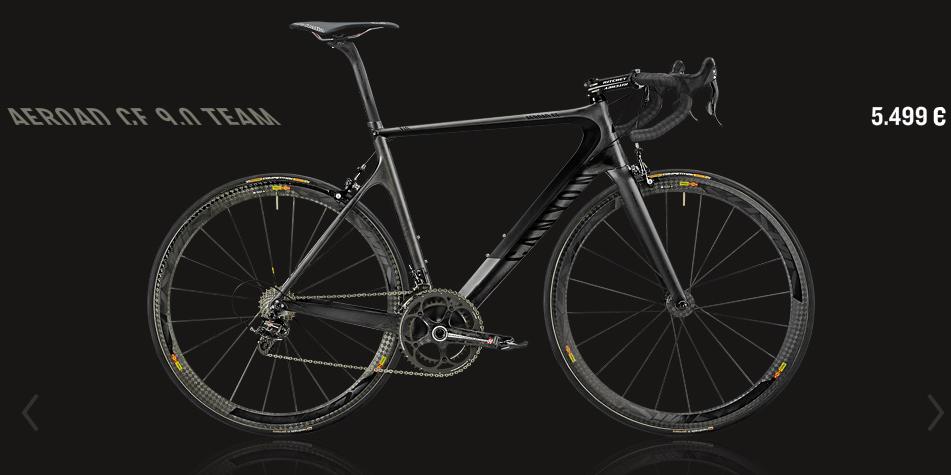
10. **Deep-Rim Aero Wheels and Controversial Cranksets (e.g., Canyon Aeroad CFR Di2 and Falkenjagd XC-9)**
When delving into the nuances of road bike performance, components like deep-rim aero wheels and specialized cranksets often come under scrutiny. Bikes like the Canyon Aeroad CFR Di2 (€9,999) exemplify the pursuit of aerodynamics, with a design that promises to cut through wind like a knife. Similarly, the Falkenjagd XC-9 (€13,987) pushes boundaries with extreme carbon design, aiming for ultimate speed. However, for the everyday rider, these specialized choices often introduce liabilities rather than clear-cut advantages.
Take deep-rim aero wheels, for instance. Our tests comparing the DT Swiss ERC 1400 (45mm depth) against Roval’s Rapide CLX II (60mm depth) in alpine conditions revealed a critical insight: ‘When does rim depth become a liability?’ While 45mm depth proved excellent for stability and speed, the Roval’s 60mm ‘aero sail design’ made crosswinds a significant challenge. For most riders, stability and safety on varied roads should outweigh marginal aero gains, making overly deep rims a risky choice in anything but perfect conditions.
Another contentious component is the crankset length. The Canyon Aeroad CFR Di2, for example, comes with ‘165mm (controversial)’ cranks. While shorter cranks can offer certain biomechanical advantages for specific riders or racing situations, they are ‘a big deal’ and ‘might not be for everyone.’ As our team learned ‘the hard way on a long ride,’ adapting to such specialized components can be tough and uncomfortable, detracting from the overall riding experience rather than enhancing it for the average cyclist.
Ultimately, while the Canyon Aeroad is ‘great for those who want top-notch tech without breaking the bank’ in the context of high-end aero bikes, and the Falkenjagd targets those willing to pay ‘a lot for the ultimate speed,’ these choices are highly specialized. They are designed for conditions and riders far removed from the average enthusiast. Prioritizing extreme aero specs or niche component choices without a clear, personalized benefit is a path to unnecessary expense and potential discomfort, rather than improved performance for real-world riding scenarios. The ‘best choice is to not go too deep’ when it comes to highly specialized aero components.
**The Road Ahead: Smarter Choices for Real-World Riding**
We’ve journeyed through the intricate world of high-performance road bikes and their myriad components, peeling back the layers of marketing mystique to reveal the underlying truths. From ceramic bearings that save a cheeseburger’s calories to €14,000 frames that offer negligible real-world gains, the message is clear: the road to cycling excellence isn’t paved with the most expensive, lightest, or most technologically advanced gear for everyone. It’s built on a foundation of informed decisions, practical choices, and a keen understanding of what truly benefits *your* riding.
Our extensive testing and expert analysis consistently point to a simpler, more effective philosophy. Instead of chasing every marginal gain that only registers on a WorldTour athlete’s power meter, prioritize what genuinely enhances your ride: durable components, comfortable tire choices, proper maintenance, and, most importantly, consistent training. As the old adage goes, ‘training beats titanium,’ and a well-ridden, well-maintained mid-range bike will always outperform a high-end machine ridden poorly. So, put down that credit card, get on your bike, and let your legs do the talking. That’s the real upgrade for 2024.