Harrison Ford, a name synonymous with cinematic legends, has carved an unparalleled path through Hollywood, delivering iconic performances across seven decades. From the rugged charm of Han Solo to the intense gravitas of Rick Deckard and the inimitable adventurous spirit of Indiana Jones, Ford has consistently captured the imaginations of audiences worldwide, establishing himself as one of the highest-grossing and most celebrated actors of all time.
His recent announcement regarding *Indiana Jones and the Dial of Destiny* (2023) as his final appearance as the titular archaeologist sent ripples through the entertainment world. It marks the culmination of an extraordinary journey with a character that has become a cultural touchstone, a role he has embodied for over four decades. While the idea of a ‘secret condition’ might spark intrigue, the truth of his enduring commitment and eventual decision lies deeper, woven into the fabric of his personal ethos and the demanding reality of his craft.
What truly defines this farewell isn’t a hidden clause, but rather the unique circumstances, profound dedication, and the sheer grit that have characterized Harrison Ford’s career from its very nascent stages. It’s a story of an actor who, against all odds, embraced the physically demanding roles that defined him, faced challenges head-on, and eventually made a deeply personal decision to bid adieu to a character that brought him global stardom. Join us as we explore the remarkable journey and the intrinsic ‘conditions’ that led to his final chapter as Indiana Jones.
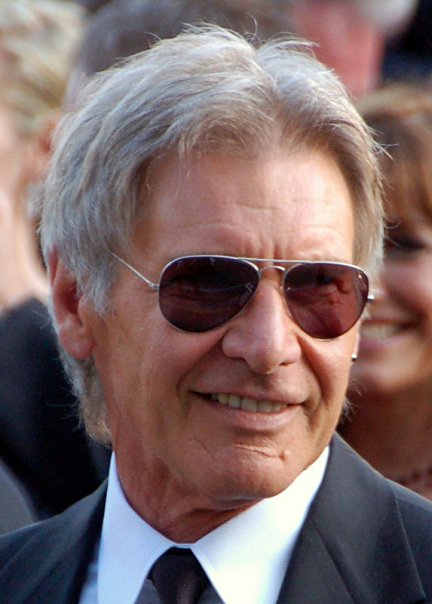
1. **The Unlikely Star: Harrison Ford’s “Late Bloomer” Beginnings**It’s hard to imagine a time when Harrison Ford wasn’t a global superstar, but his path to fame was anything but conventional. Born in 1942 in Chicago, Illinois, Ford described himself as a “late bloomer,” a sentiment that perfectly captures his slow but steady ascent in the demanding world of acting. His early life was marked by a certain reticence, which he sought to overcome by taking a drama class in his senior year at Ripon College, where he was a philosophy major.
This decision proved to be a pivotal moment, igniting a fascination with acting that would eventually lead him to Los Angeles in 1964. However, immediate success wasn’t on the cards. His first known role was an uncredited one as a bellhop in *Dead Heat on a Merry-Go-Round* (1966), and his early experiences with studios like Columbia Pictures were often frustrating. One anecdote recounts producer Jerry Tokofsky telling Ford that he couldn’t tell he was a movie star, unlike Tony Curtis, to which Ford famously retorted that a talented actor would deliver groceries like a bellhop. He was reportedly fired soon after.
Despite these setbacks, Ford persisted, taking minor roles in various television series throughout the late 1960s and early 1970s, including *Gunsmoke*, *Ironside*, and *The F.B.I.*. He even worked as a camera operator for a Doors’ tour in 1968. This period of struggle and minor parts, however, was crucial in forging the resilient and practical actor he would become, laying the groundwork for the extraordinary career that lay ahead.
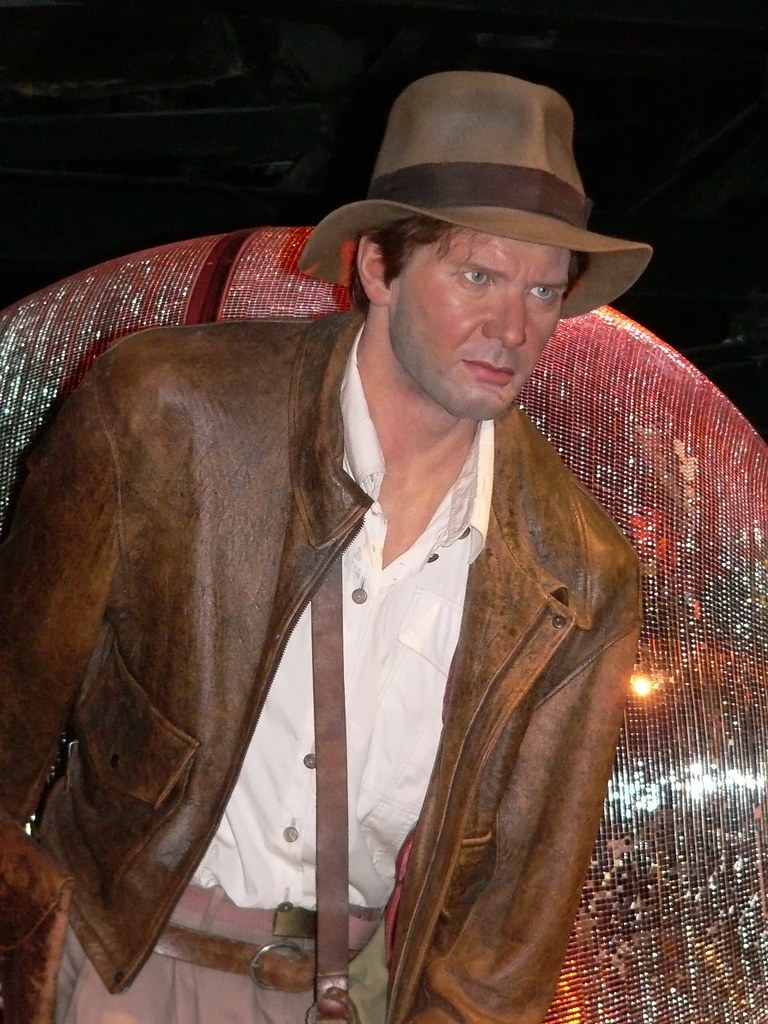
2. **The Genesis of an Icon: Becoming Indiana Jones**While *Star Wars* launched Harrison Ford into global stardom as Han Solo, it was his casting as the heroic archaeologist Indiana Jones that solidified his status as a leading actor and action hero. The story of his recruitment for *Raiders of the Lost Ark* (1981) is almost as legendary as the film itself, involving a serendipitous turn of events.
Initially, both George Lucas and Steven Spielberg were hesitant to cast Ford, a detail highlighted by Howard Kazanjian in his book *A Producer’s Life*. Lucas, having already worked with Ford on *American Graffiti* and *Star Wars*, reportedly wanted to avoid typecasting. However, fate intervened when Tom Selleck, the initial choice for the role, was unable to accept due to his commitment to the television series *Magnum, P.I.*.
Seeing Ford’s impressive performance in *The Empire Strikes Back*, Spielberg, and eventually Lucas, relented. Ford’s natural charisma, combined with a rugged authenticity and an underlying vulnerability, proved to be the perfect blend for the globe-trotting adventurer. This collaboration between Lucas and Spielberg became massively successful, with *Raiders of the Lost Ark* becoming the highest-grossing film of its year and giving Ford his second iconic franchise role.
Read more about: Beyond the Script: 10 Jaw-Dropping Real-Life Incidents That Shaped Harrison Ford’s Legendary Persona
3. **The Physical Demands: Injuries on Set**Embodying a character as physically demanding as Indiana Jones inevitably comes with its risks, and Harrison Ford was no stranger to the perils of his craft. His dedication to performing many of his own stunts and immersing himself in the action was a hallmark of his portrayal, but it also led to significant injuries throughout the years.
A notable incident occurred during the filming of the prequel *Indiana Jones and the Temple of Doom* (1984). In June 1983, while shooting in London, the 40-year-old actor suffered a herniated disc in his back. This was no minor ailment; the injury was severe enough to force him to fly back to Los Angeles for surgery, requiring a six-week recovery period before he could return to the set. Such an injury could have easily derailed production or led to a less physical performance from another actor.
However, Ford’s commitment saw him return to complete the film, a testament to his resilience and professional dedication. This incident was just one early indication of the physical toll that bringing Indiana Jones to life would exact, setting a precedent for the intense physicality that would define his time with the character and underscore the demanding nature of his ‘final condition’ for future portrayals.
Read more about: Beyond the Pixels: An In-Depth Look at the Grueling Hours and Enduring Stress Shaping Game Development Today
4. **A Star’s Perspective on Endings: The Han Solo Precedent**Harrison Ford’s approach to his iconic characters has always been marked by a pragmatic and often decisive perspective, especially concerning their ultimate fates. This was vividly illustrated with his other major franchise role, Han Solo, long before the idea of a final Indiana Jones adventure was even conceived. His desire for definitive conclusions offers a crucial insight into his mindset regarding character legacies.
During the production of the original *Star Wars* trilogy, Ford famously advocated for the death of Han Solo at the end of *Return of the Jedi* (1983). He stated, “That would have given the whole film a bottom,” suggesting a preference for character arcs to have meaningful and impactful conclusions, rather than indefinite continuation. George Lucas, however, refused this request, keeping Han Solo alive for future stories.
This early stance reveals a deep artistic consideration for narrative impact and the emotional weight of a character’s journey. While his wish for Han Solo wasn’t granted at the time, this perspective highlights Ford’s understanding that sometimes, the most powerful way to honor a character is to give them a definitive ending. This philosophy likely informed his eventual declaration that *Dial of Destiny* would be his last outing as Indiana Jones, seeking to provide a conclusive chapter for the beloved archaeologist.
5. **Beyond the Fedora: Ford’s Versatility and Dramatic Depth**While Harrison Ford is globally celebrated for his action-hero roles, particularly Indiana Jones and Han Solo, his career is also rich with a diverse array of dramatic performances that showcased his profound versatility. This ability to transcend genre boundaries and deliver nuanced portrayals is a testament to his talent, proving he was far more than just a charismatic action star.
Throughout the 1980s, Ford took on challenging dramatic parts that allowed him to explore new dimensions as an actor. His performance in *Witness* (1985) earned him his sole Academy Award nomination for Best Actor, where he played a detective protecting an Amish boy. Critics widely acclaimed his work, recognizing his potential beyond the whip and blaster. This was followed by another highly praised dramatic turn in *The Mosquito Coast* (1986), a film he later recalled as one of the best experiences of his career, working with director Peter Weir.
His range also extended to romantic leads and comedy-dramas, such as *Working Girl* (1988), where he charmed audiences opposite Melanie Griffith and Sigourney Weaver. These roles not only broadened his acting portfolio but also demonstrated his commitment to challenging himself, refusing to be confined by the success of his most famous characters. This versatility ensured that when he returned to Indiana Jones, he brought a depth of experience that enriched the character even further.
6. **The Practicality of a Craftsman: From Carpenter to Hollywood Legend**Before the bright lights of Hollywood fully embraced him, Harrison Ford’s life took a distinctly practical turn. Faced with dissatisfaction over the roles being offered and the financial pressures of supporting his then-wife and two young sons, Ford became a self-taught professional carpenter. This period, often overlooked in the grand narrative of his stardom, offers invaluable insight into his character: grounded, resilient, and utterly resourceful.
His carpentry work wasn’t merely a stopgap; it was a serious profession that brought him into contact with notable figures. He built cabinets and other structures for clients including acclaimed writers Joan Didion and John Gregory Dunne, with whom he and his wife became friends. This hands-on experience, rooted in tangible creation and problem-solving, likely instilled in him a pragmatic approach to his craft and life.
This background as a craftsman speaks volumes about Ford’s core identity. It highlights a man who values hard work and tangible results, a far cry from the stereotypical image of a struggling actor. This practical foundation, built on self-reliance and the ability to adapt, undoubtedly contributed to the enduring stability and professionalism he would bring to his most demanding roles, including his final stint as Indiana Jones.

7. **Private Man, Public Persona: Guarding His Personal Life**Despite achieving astronomical fame, Harrison Ford has consistently maintained a reputation as one of Hollywood’s most private actors, diligently guarding much of his personal life from the incessant glare of public scrutiny. This deliberate choice to keep his private world separate from his public persona offers a unique ‘condition’ to understanding the man behind the legendary characters.
Ford’s reluctance to overshare or sensationalize his personal affairs stands in stark contrast to many in the entertainment industry. While fans have often speculated about his demeanor, sometimes attributing it to social anxiety, Ford clarified in a 2023 interview that he instead has “an abhorrence of boring situations.” This candid remark reveals a desire for substance and authenticity over superficiality, a trait that likely extends to his professional decisions.
This guarded nature doesn’t imply a lack of passion or engagement, but rather a preference for living a genuine life away from the spectacle. His retreat to an 800-acre ranch in Jackson, Wyoming, since the 1980s, where he has donated half as a nature reserve, underscores this desire for a grounded existence. This deeply personal commitment to privacy and authenticity, away from the Hollywood machine, undoubtedly influenced his choices and his perspective on how to conclude a character as globally recognized as Indiana Jones, doing so on his own terms.
Read more about: Beyond the Limelight: 14 Celebrities Whose Dark Secrets Reshaped Their Legacies, Uncovered by Investigative Journalism
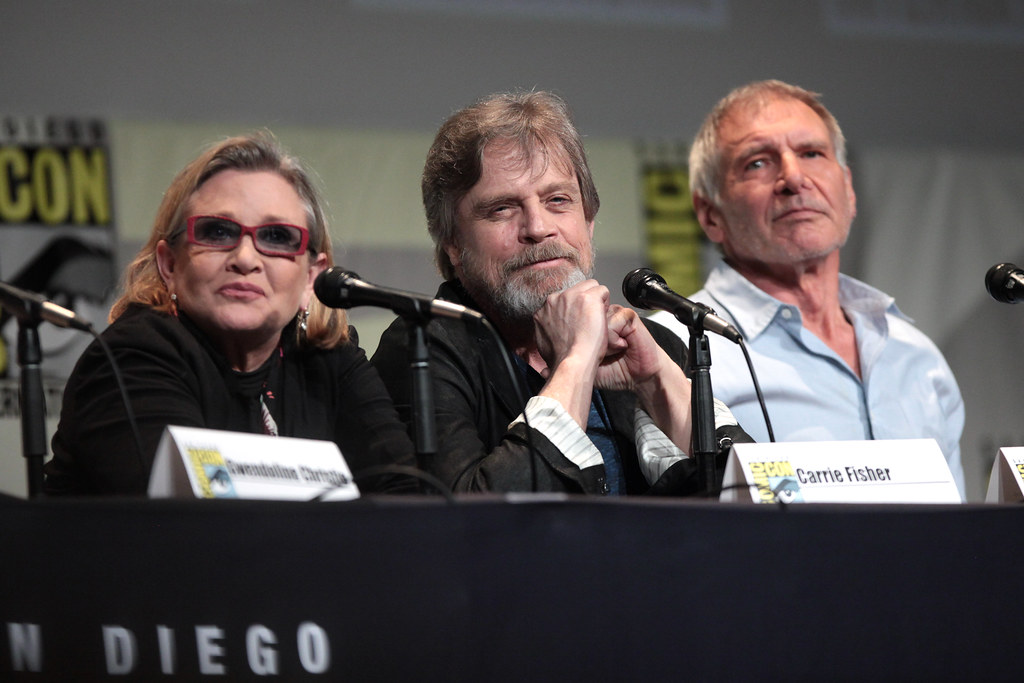
8. **The Return to the Helm: Later Career Choices and Franchise Revivals**After a period in the late 1990s and early 2000s with less successful films, Harrison Ford’s career saw a significant resurgence through beloved franchises. His enduring star power and audience affection were undeniable. The 2008 release of *Indiana Jones and the Kingdom of the Crystal Skull* brought him back to blockbusters, becoming the year’s second-highest-grossing film worldwide.
This paved the way for anticipated returns, notably as Han Solo in *Star Wars: The Force Awakens* (2015). This successful sequel brought challenges; Ford fractured his ankle when a hydraulic door fell. Airlifted for treatment and requiring a two-month layoff, his dedication saw him return to complete his role, even filmed from the waist up temporarily.
His character’s dramatic end in *The Force Awakens* was poignant, yet Ford’s commitment to revisiting legacies continued. He reprised Rick Deckard in Denis Villeneuve’s critically acclaimed *Blade Runner 2049* (2017). Critics lauded Ford’s performance, with IGN’s Scott Collura noting his “gut-wrenching interpretation,” showcasing his ability to bring depth to familiar characters on his own terms.
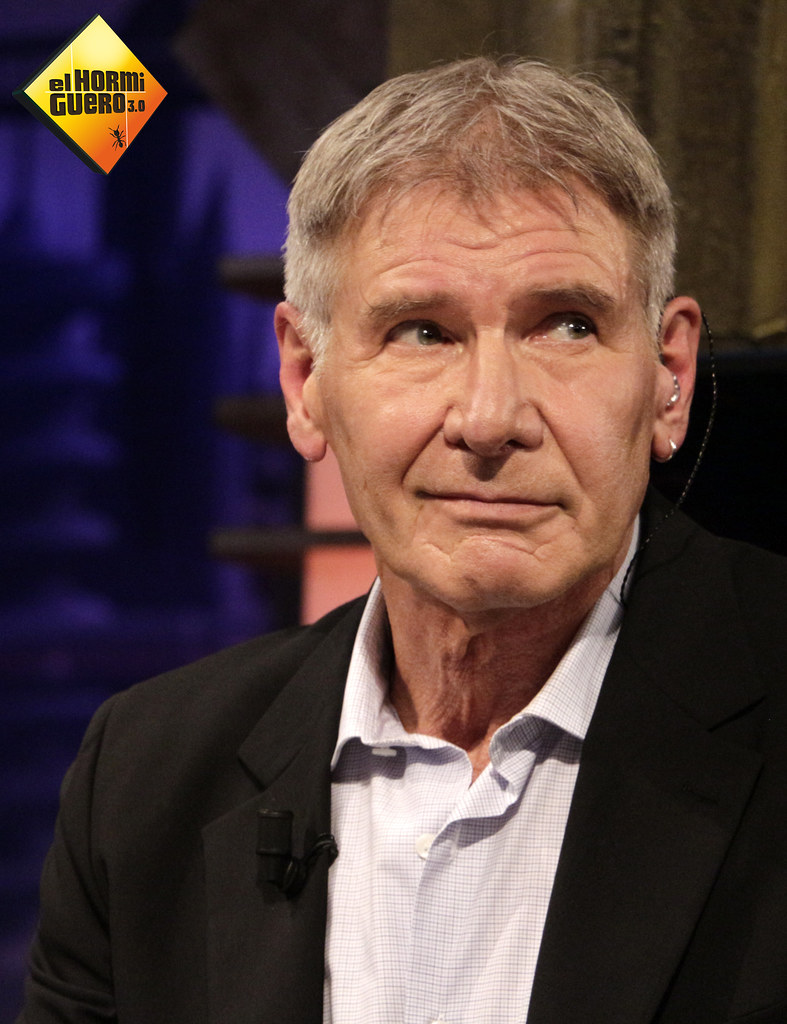
9. **A New Frontier: Embracing Television and Unscripted Commitments**In a surprising yet acclaimed turn, Harrison Ford embraced the small screen, showcasing his desire for diverse roles. This shift underscored his adaptability, proving a seasoned veteran could find fresh challenges outside cinematic mainstays. His decision to join two major television series in 2022 marked a significant departure from his traditional film path.
Particularly insightful into Ford’s “secret condition” is the extraordinary trust he placed in creative vision. He accepted roles in *1923* and *Shrinking* without a complete script at the time, a 2023 interview revealed. This speaks volumes about his confidence in showrunners and his ability to contribute to character development from its nascent stages.
Both series premiered to positive reviews, with Ford’s performances receiving widespread acclaim. For *1923*, he reunited with Helen Mirren, bringing raw authenticity. His *Shrinking* role garnered prestigious nominations, including a Golden Globe, Critics’ Choice, SAG, and his first Emmy. These accolades affirm Ford remains a captivating force, continually pushing craft boundaries.

10. **The Sky’s the Limit: Harrison Ford’s Real-Life Aviation Heroics**Beyond the silver screen, Harrison Ford’s life is marked by genuine adventure, best exemplified by his passion for aviation. A licensed pilot of fixed-wing aircraft and helicopters, Ford actively uses his skills for public service. This hands-on engagement with real-world challenges reflects the pragmatic, resourceful nature forged during his carpentry days.
Ford has often taken to the skies to assist emergency services near his Wyoming home. In 2000, he piloted an EMT to a dehydrated hiker. The following year, his helicopter was flagged down by a lost 13-year-old Boy Scout. One memorable anecdote: a disoriented hiker, unaware of her pilot, “barfed in Harrison Ford’s helicopter!”
Ford’s commitment to aviation extends to fostering the next generation of pilots. He chaired the EAA’s Young Eagles program (2004-2009), personally flying over 280 children. He actively fights for pilots’ rights in Washington, D.C., and supports charitable programs like The Bob Hoover Academy for at-risk teens.
While his aviation adventures highlight heroism, they weren’t without incident. Ford experienced several crashes and near misses, including a 1999 helicopter crash and a 2015 emergency plane landing causing a broken pelvis and ankle. Despite perils, his dedication to flying and serving his community remains unwavering, mirroring his on-screen characters’ resolve.
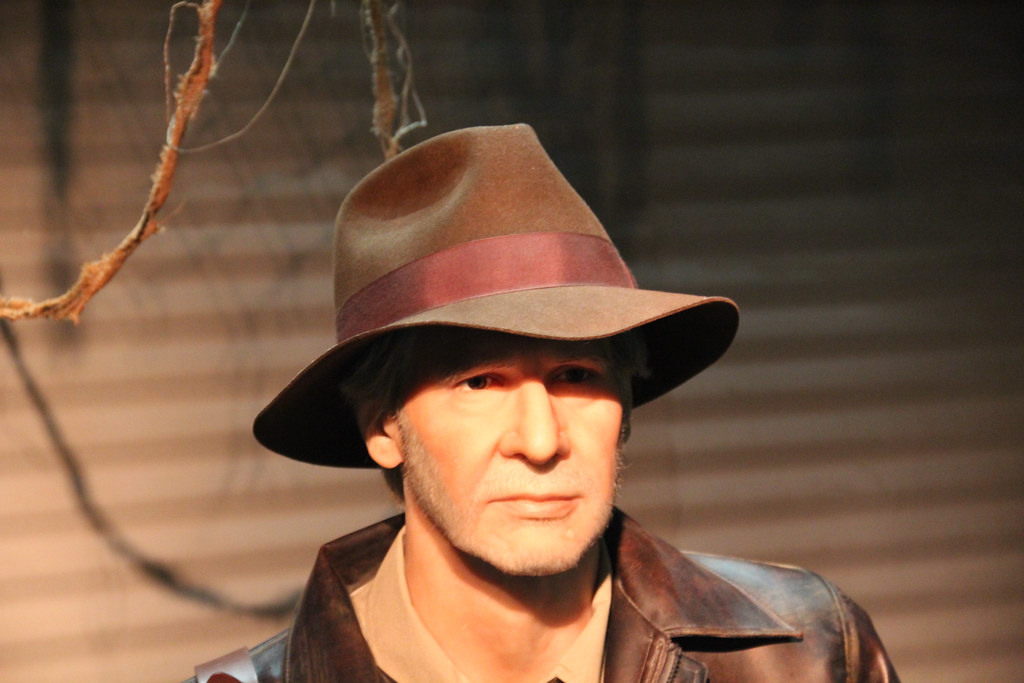
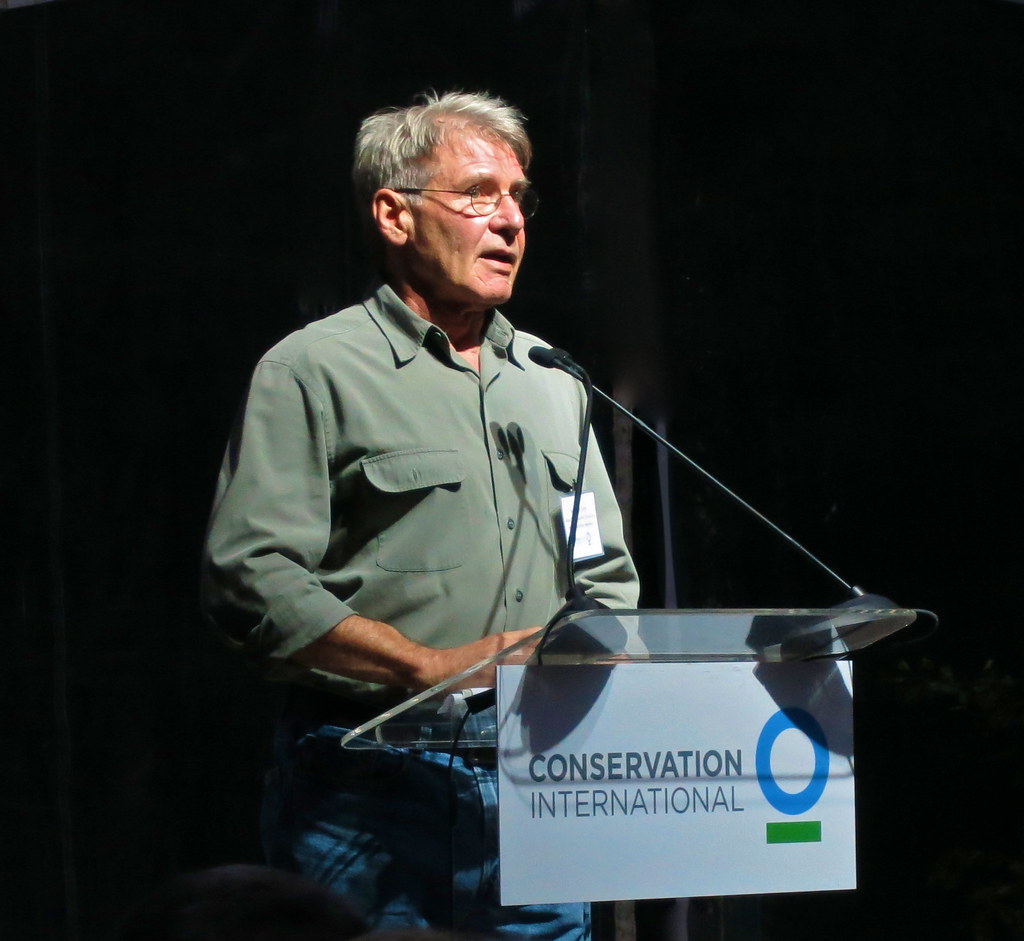
11. **Championing Our Planet: Ford’s Enduring Environmental Activism**Harrison Ford’s commitment to global well-being extends beyond acting; he is a deeply dedicated environmental activist. Since 1991, he’s been inaugural vice chair of Conservation International, a nonprofit focused on protecting nature. This dedication showcases profound personal conviction, weaving environmental advocacy into his public identity.
For decades, Ford lent his powerful voice to numerous environmental causes. He spoke for EarthShare and Restore Hetch Hetchy, advocating for Yosemite National Park’s restoration. His involvement includes *Years of Living Dangerously*. His efforts are recognized scientifically, with a spider, an ant, and a Peruvian snake named in his honor.
Ford’s activism hasn’t shied from controversy. In 2013, filming in Indonesia, he interviewed the Forestry Minister about Tesso Nilo National Park, leading to “harassing state institutions” accusations and deportation threats. Ford stood firm, gaining an audience with the President. In 2019, he delivered an impassioned UN Climate Action Summit speech, urging leaders to listen to “angry young people.”
Read more about: Beyond the Script: 10 Jaw-Dropping Real-Life Incidents That Shaped Harrison Ford’s Legendary Persona
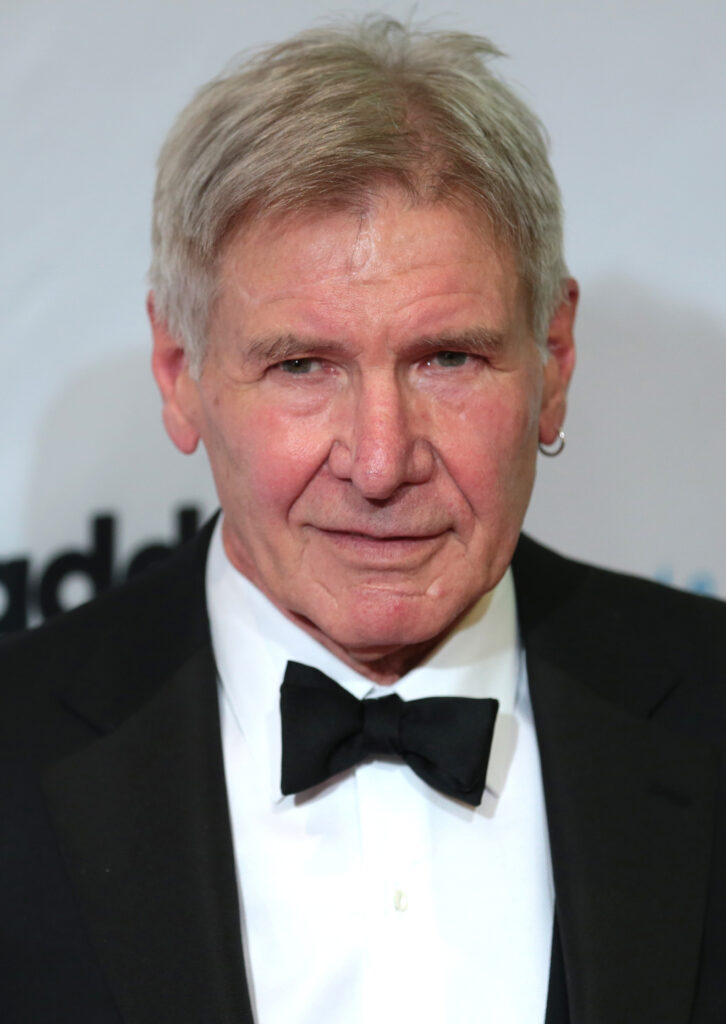
12. **Beyond the Big Screen: Archaeology Advocate and Political Voice**The actor portraying an archaeologist also champions real-world archaeological preservation. Harrison Ford serves as a General Trustee on the Governing Board of the Archaeological Institute of America (AIA). This role leverages his platform to increase public awareness of archaeology and combat looting and the illegal antiquities trade, protecting history.
Ford’s engagement extends to his forthright political views. A lifelong Democrat, he consistently uses his voice to endorse candidates and speak out on critical issues. He condemned the Iraq War in 2003 and advocated for stricter gun control. He endorsed Joe Biden in 2020 and Kamala Harris in 2024, emphasizing environmental support.
He has not shied from using his influence on socio-political matters. In 1995, he testified before the U.S. Senate Foreign Relations Committee supporting the Dalai Lama and an independent Tibet. While some actions, like the Roman Polanski petition, drew mixed reactions, they demonstrate a man unafraid to take public stands on important issues.
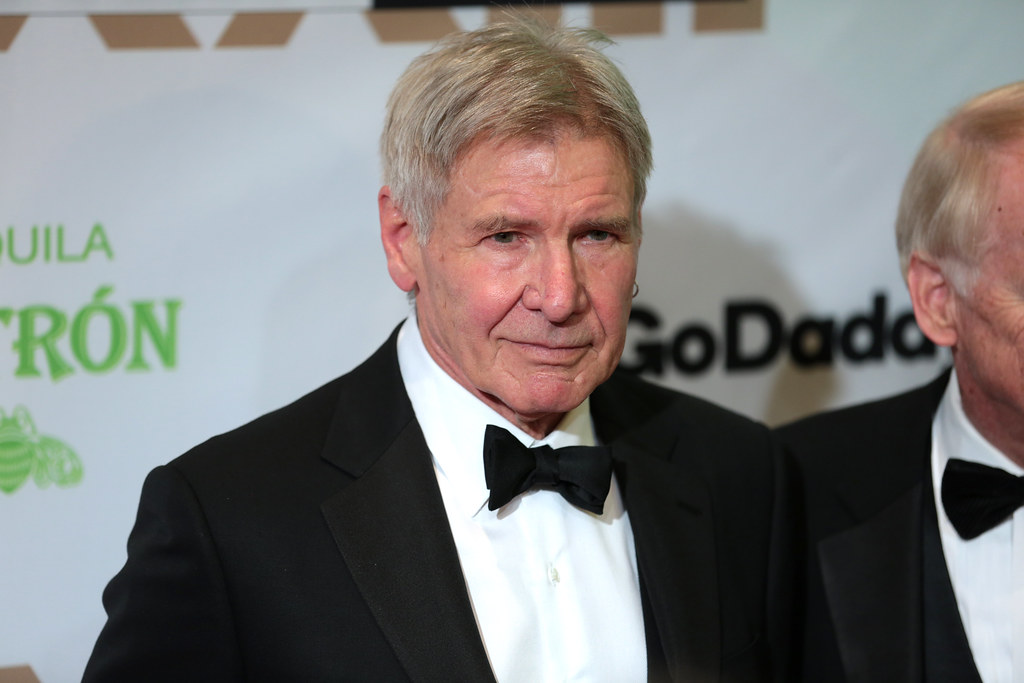
13. **The Final Whip Crack: *Dial of Destiny* and the Character’s Farewell**The 2023 release of *Indiana Jones and the Dial of Destiny* marked Harrison Ford’s fifth and final appearance as the iconic archaeologist. After nearly 20 years, the return of the fedora and whip brought closure to a character who captivated audiences for over four decades. He chose to embody the role one last time, despite its inherent physical demands.
Ford’s decision for *Dial of Destiny* to be his definitive farewell aligned with his philosophy of giving characters meaningful conclusions. He had stated after *Kingdom of the Crystal Skull* he’d do another sequel “if it didn’t take another 20 years to digest,” hinting at limitations. This time, his statement was unequivocal: this would be his last.
The film received generally positive reviews, with critics highlighting Ford’s performance. Audiences appreciated his portrayal, blending adventurous spirit with poignant reflection on aging and legacy. His ability to convey resilience and emotional weight earned praise, underscoring that even at 80, Ford still anchored a major blockbuster. It was a fitting, if bittersweet, send-off.
This final portrayal was arguably the ultimate “secret condition”—Ford’s personal resolve to conclude the saga on his own terms. Not a hidden contractual clause, but a career-long dedication to authenticity and impact. He ensured Indiana Jones received a proper, emotionally resonant farewell, shaped by Ford’s unique blend of professionalism, pragmatism, and artistic integrity.
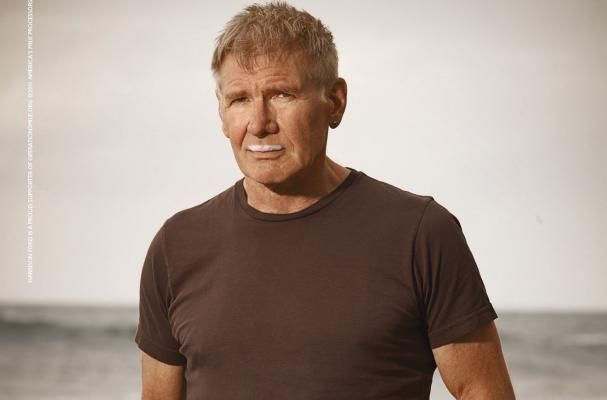
14. **A Legacy Secured: Ford’s Stand on AI and the Future of Indy**As Harrison Ford bids farewell to Indiana Jones on screen, his influence on the character’s future unfolds, particularly concerning entertainment technology. Reflecting his commitment to acting, Ford supported Troy Baker playing Indiana Jones in the video game *Indiana Jones and the Great Circle*, speaking out against AI use and highlighting a video game actors’ strike.
This stance against AI in character portrayal is deeply rooted in Ford’s career-long dedication to authenticity and the human element. It echoes his practical, hands-on approach and insistence on performing his own stunts. For Ford, the “secret condition” was an intrinsic personal and professional standard: a character’s essence must stem from genuine human talent, not algorithmic replication.
Harrison Ford’s journey as Indiana Jones, spanning over four decades, is a microcosm of his entire career—a testament to resilience, adaptability, and unwavering commitment to craft. From “late bloomer” beginnings to demanding roles and dramatic turns, he consistently defied expectations. His real-life heroics and fervent activism illustrate the adventurous spirit embedded in his persona.
Ultimately, the “secret condition” was never a single, explicit demand but a culmination of Harrison Ford’s character, ethos, and professional integrity. It was the condition that he would always give his all, push boundaries, and ensure his iconic characters, particularly Indiana Jones, concluded their journeys with dignity, purpose, and the inimitable Ford magic. His final portrayal of Indy was a powerful statement on legacy and unwavering artistic commitment.
From unassuming origins to scaling global superstardom, Harrison Ford’s trajectory has been extraordinary. He built an empire of iconic roles with grit, artistic integrity, and a craftsman’s dedication. As the dust settles on his final whip-crack, we’re left not with a riddle unsolved, but a profound understanding: the true ‘secret condition’ for Harrison Ford was always himself. It was his unwavering commitment to living a life of purpose, adventure, and authenticity, both on and off screen, that ultimately defined how he chose to say goodbye to the fedora, leaving an indelible mark on cinematic history and our collective imagination.