In today’s relentless grind, carving out dedicated time for exercise often feels like an impossible feat. Between the demands of work, the endless list of family obligations, and the desire for a semblance of a social life, fitness frequently tumbles to the very bottom of our priority lists. Yet, what if the secret to a healthier, more active you wasn’t about logging endless hours at the gym, but rather embracing shorter, more impactful bursts of movement? The surging popularity of micro-workouts isn’t just a fleeting trend; it’s a testament to the fact that significant fitness gains are entirely achievable, even with minimal time investment.
This isn’t just wishful thinking; there’s solid science behind why these short workouts are genuine game-changers. Studies have consistently demonstrated that squeezing in a few ultra-short micro-workouts can be just as good, if not better, than sustained, longer exercise sessions. For instance, research by Dr. Francesco Luciano of the University of Milan, published by the Royal Society, compared long continuous walks to short intermittent walks and found a remarkable insight: “The time-averaged oxygen uptake and metabolic cost are greater for shorter than longer bouts,” meaning these shorter bursts actually use more energy. This evidence, which continually builds, was a guiding principle for the late Dr. Michael Mosley, a huge advocate for frequent, small exercise breaks, who emphasized on his ‘Just One Thing’ Radio 4 series that, “Doing exercise in short chunks really can help you burn more calories, lose more weight and help you improve your blood glucose and blood pressure to a greater degree than doing it in larger chunks. And it is really easy to fit into your life.”
Indeed, the concept of micro-workouts aligns perfectly with the reality of our busy lives. As Lucie Cowan, a cycle master trainer at Third Space London, explains, these mini-workouts – like a quick set of squats or a few flights of stairs – still elevate your heart rate, engage muscles, and burn calories, but they crucially “don’t demand the same logistical planning as a longer workout.” We all naturally take pauses during our day; the hack here is to replace those moments traditionally filled with scrolling or snacking with satisfying exercise snacks. The following 12 no-equipment, accessible, and home-friendly moves, curated by Lucie Cowan and augmented by structured routines, are your blueprint for health hacking, proving that even micro-efforts can yield macro-results. Let’s dive in and transform those fleeting moments into powerful fitness opportunities.

1. **Chair Squats**Chair squats are a foundational exercise that might seem deceptively simple, but they pack a powerful punch when it comes to strengthening crucial areas of your body. This move is fantastic for targeting the legs, hips, and core, all of which are absolutely essential for maintaining robust mobility and impeccable balance as we navigate through life’s various stages. It’s an exercise that directly translates to real-world functionality, helping you stay agile and strong in your daily movements.
To perform a chair squat, begin by standing in front of a sturdy chair, ensuring your feet are positioned hip-width apart. The key is to then lower yourself down slowly, as if you’re actually going to sit on the chair. However, the hack here is to stop just before your glutes make contact with the seat. Once you reach that point, push through your heels and stand back up to the starting position. It’s a controlled movement that maximizes muscle engagement and stability.
Aim for 10-15 repetitions of this exercise. The beauty of the chair squat lies in its mimicking of the everyday movement of sitting down and standing up, making it incredibly effective for improving your functional strength. This means the power you build here directly enhances your ability to perform routine activities with greater ease and confidence, making it a perfect ‘exercise snack’ to sprinkle throughout your day.
Whether you’re waiting for your coffee to brew, taking a brief pause between tasks, or just looking to inject a quick burst of activity, chair squats offer an immediate and impactful way to engage your lower body and core. Their accessibility means you can literally do them anywhere there’s a sturdy chair, eliminating excuses and paving the way for consistent micro-workout integration.
Read more about: Unlock Your Best Life: A Senior’s Comprehensive Guide to Exercise, Fitness, and Lasting Vitality
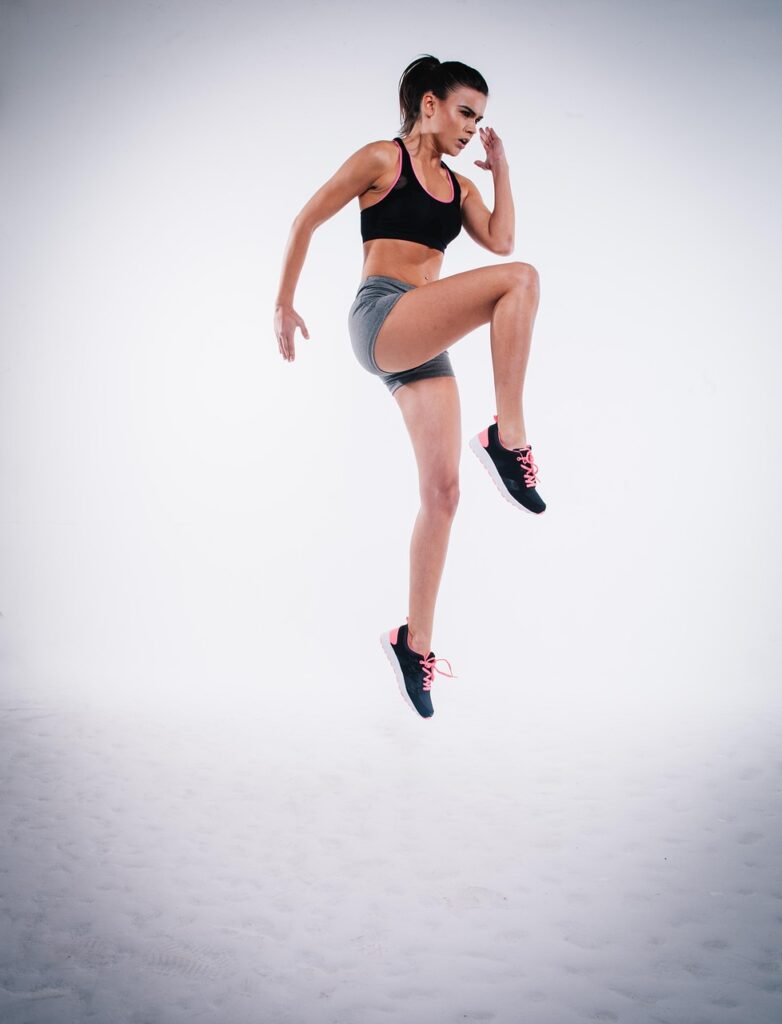
2. **Wall Push-ups**For anyone looking to engage their upper body without the intensity or potential strain of traditional floor push-ups, wall push-ups are an incredibly gentle yet highly effective alternative. This exercise efficiently works the chest, shoulders, and arms, building strength and endurance in these vital muscle groups without putting excessive pressure on your joints or back.
To execute a wall push-up, stand facing a wall, positioning yourself at arm’s length away. Place your palms flat on the wall at approximately shoulder height, ensuring your hands are roughly shoulder-width apart. From this stance, slowly bend your elbows, allowing your chest to move towards the wall in a controlled manner. Keep your body straight, maintaining a plank-like posture from head to heels, avoiding any arching in your lower back.
Once your chest is close to the wall, or as far as you can comfortably go, push back to the starting position by straightening your arms. Aim for 10-12 repetitions. The fantastic thing about wall push-ups is their adaptability: you can easily adjust the difficulty by simply stepping further away from the wall to increase the resistance, or closer to make it easier, catering to all fitness levels.
This makes wall push-ups an ideal micro-workout for a quick break at the office, a moment in your living room, or as a warm-up. They provide a practical way to activate and strengthen your upper body muscles, contributing to better posture, improved daily functional strength, and an overall sense of empowerment through accessible movement.
Read more about: Unlock Your Best Life: A Senior’s Comprehensive Guide to Exercise, Fitness, and Lasting Vitality
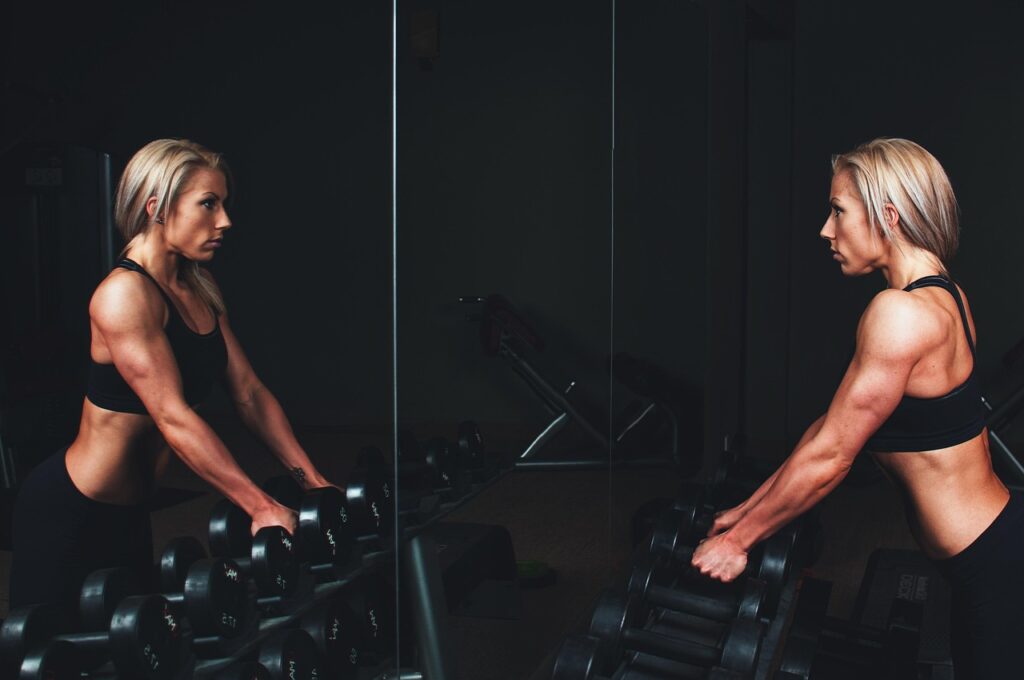
3. **Marching in Place**Sometimes, the simplest movements are the most effective, and marching in place perfectly embodies this principle. This easy-to-do cardio exercise is a fantastic way to quickly elevate your heart rate, boost circulation throughout your body, and simultaneously enhance your leg strength and coordination. It requires absolutely no equipment and can be done virtually anywhere, making it a staple for micro-workout enthusiasts.
To perform marching in place, start by standing tall with good posture. Then, gently raise one knee towards your chest, mimicking a marching motion, before lowering it back down. Immediately follow by raising the other knee. The key is to maintain a steady rhythm and to actively pump your arms as you march, much like you would during a brisk walk. This arm movement helps to engage your upper body and further increases your cardiovascular effort.
Continue this motion for 1-2 minutes. The beauty of marching in place is its seamless integration into your daily routine. It’s the perfect activity to do during television commercial breaks, while waiting for water to boil, or simply as a swift energy booster whenever you feel a lull in your day. It’s a powerful reminder that impactful exercise doesn’t always require a dedicated gym session or fancy gear.
Beyond its immediate physical benefits, marching in place also offers a mental refresh. By getting your blood flowing and engaging your muscles, you can break free from sedentary periods, improve focus, and inject a burst of vitality into your day. It’s a clear demonstration of how even the shortest bursts of movement contribute significantly to your overall health and well-being.
Read more about: The Resurgent Roar: Unearthing Eight Forgotten Luxury Car Brands Poised for a Modern Comeback

4. **Heel Raises**For anyone focused on improving lower leg strength, particularly the calves, and enhancing overall balance, heel raises are an indispensable micro-workout. This exercise directly strengthens the calf muscles and significantly improves ankle stability, both of which are critical factors in preventing falls and maintaining confident mobility as we age. It’s a targeted movement that provides big returns for relatively little effort.
To execute heel raises, stand with your feet positioned hip-width apart. For added stability, especially if you’re new to this exercise, place your hands on a sturdy chair or a wall for balance. Slowly lift your heels off the ground, rising up onto the balls of your feet and your toes as high as you comfortably can. Imagine you’re trying to reach for the ceiling with the top of your head, maintaining a straight posture.
Once you’ve reached the peak of the movement, slowly lower your heels back down to the ground in a controlled manner. Avoid letting them drop abruptly. Perform 10-15 repetitions. This controlled ascent and descent are crucial for maximizing muscle engagement and building strength in the calves and ankles.
The consistent practice of heel raises dramatically improves your balance and provides essential support for your lower leg strength. These are vital components for everyday activities such as walking, navigating uneven terrain, and confidently climbing stairs. Integrating heel raises into your daily routine, perhaps while brushing your teeth or waiting for a download, is a simple yet powerful way to fortify your foundation of movement.
Read more about: From Red Carpet to Reading Nook: The Surprising Celebrities Crafting Children’s Book Series
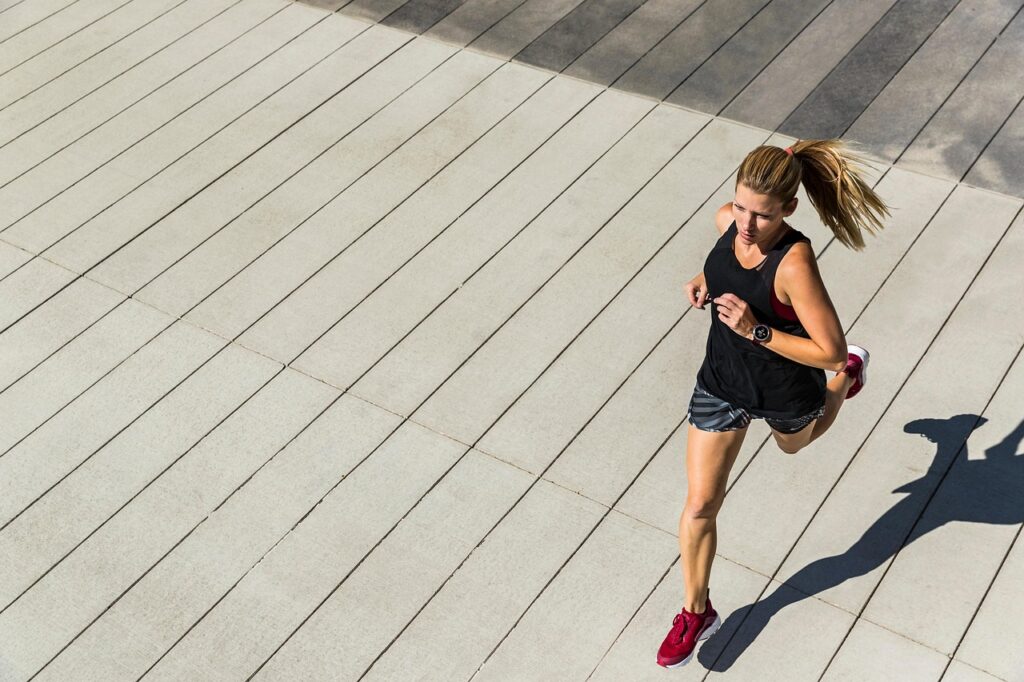
5. **Standing Side Leg Lifts**Maintaining strong and flexible hips is paramount for overall stability, preventing falls, and ensuring smooth, pain-free movement in daily life. Standing side leg lifts are an excellent micro-exercise specifically designed to improve hip strength and flexibility, while also subtly engaging your core for enhanced balance. This move focuses on the abductor muscles, which are often overlooked but play a crucial role in lateral movement and stability.
To perform this exercise, stand behind a sturdy chair for support, placing your hands on it to assist with balance. Position your feet hip-width apart. Begin by lifting one leg straight out to the side, making sure to keep your toes pointed forward. The movement should be controlled, using your hip muscles rather than momentum to raise the leg. Avoid leaning excessively to the opposite side as you lift.
Lower the leg back down to the starting position with the same controlled motion, then switch to the other leg. Repeat this process 10 times per leg. The emphasis on controlled movement throughout the exercise is key, as it ensures that your core is actively engaged, further enhancing your balance and stability. This isn’t about how high you can lift your leg, but how effectively you can engage the target muscles.
Integrating standing side leg lifts into your routine, perhaps during a work break or while waiting for a kettle to boil, offers a practical way to fortify your hips and improve your overall balance. Stronger hips mean greater stability in various activities, reducing the risk of stumbles and improving your general ease of movement, making this a highly valuable ‘exercise snack’.
Read more about: The Enduring Power: Exploring 12 Milestones in Truck Engine Longevity and Performance

6. **Seated Knee Lifts**For those seeking to activate their core and hip flexors without placing undue pressure on the knees or back, seated knee lifts are an incredibly effective and accessible micro-workout. This exercise is perfect for individuals who may have limited mobility or who spend a significant portion of their day sitting, offering a gentle yet impactful way to engage important muscle groups.
To perform seated knee lifts, find a sturdy chair and sit upright with your feet flat on the floor, ideally hip-width apart. Maintain good posture, keeping your back straight and shoulders relaxed. From this position, slowly lift one knee towards your chest. The movement should be controlled and deliberate, focusing on the engagement of your core and hip flexor muscles rather than relying on momentum.
Once your knee is as high as it comfortably goes, lower it back down to the floor in a controlled manner. Then, alternate to the other leg, repeating the lifting and lowering motion. Aim for 10-12 repetitions on each side. The deliberate, alternating action helps to ensure balanced strength development in both legs and sides of your core.
This exercise provides significant benefits for improving lower-body strength and cultivating core stability, which are critical for daily activities that we often take for granted. Tasks like standing up from a chair, getting out of a car, or even simply walking become easier and more efficient with stronger hip flexors and a more stable core. Seated knee lifts are a perfect example of how effective exercise can be seamlessly integrated into your day, even from a seated position, offering a practical pathway to better health and functional fitness.
Navigating the demands of modern life means every minute counts, and that’s precisely where the brilliance of micro-workouts shines. We’ve already covered several foundational moves, but the health-hacking journey continues with more essential exercises designed to fortify your body and mind. These next few additions will further enhance your flexibility, balance, and core stability, proving that consistent, small efforts truly lead to significant, lasting results. Each ‘exercise snack’ is another step toward a more vibrant, energetic you, effortlessly woven into the fabric of your busiest days.
Read more about: Unlock Your Best Life: A Senior’s Comprehensive Guide to Exercise, Fitness, and Lasting Vitality
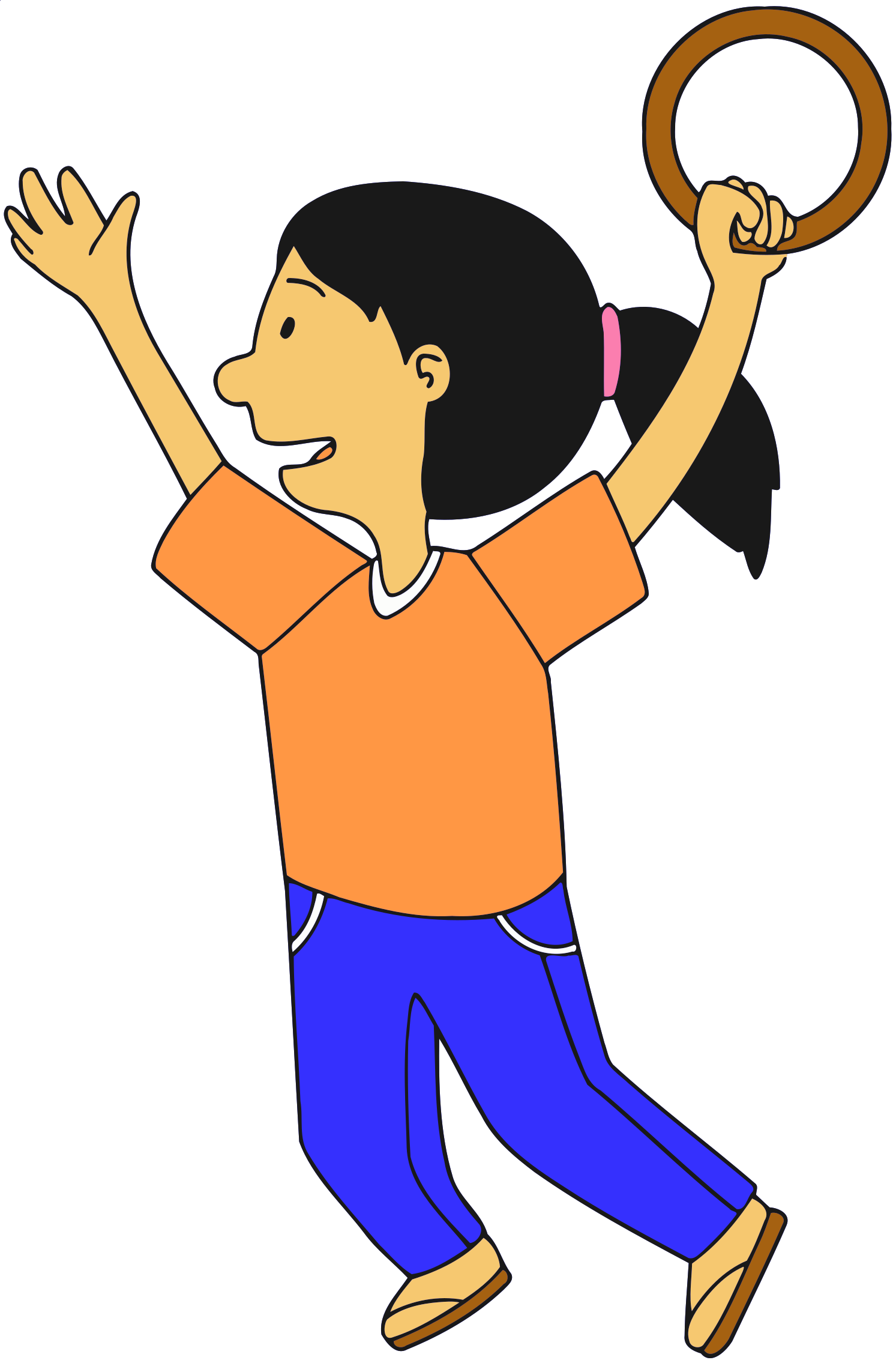
7. **Arm Circles**Arm circles are a simple yet effective solution for boosting upper body mobility and getting stiff shoulders moving. This low-impact exercise targets shoulder and arm muscles, improving flexibility and circulation. It’s excellent for releasing tension and enhancing range of motion, vital for daily comfort.
To perform arm circles, you can either stand or sit, ensuring your posture is good. Extend your arms straight out to the sides at shoulder height, keeping them parallel to the floor. Begin by making small, controlled circles with your arms, focusing on the movement originating from your shoulders. Gradually increase the size of the circles while maintaining a steady pace.
After about 30 seconds of circling in one direction, gently reverse the motion for another 30 seconds. The versatility and gentle nature of arm circles mean they can be seamlessly integrated into a quick break at work, during a commercial break, or as an excellent warm-up. They offer a swift fix for stiff shoulders and a valuable boost to your upper body health.
Regular arm circles improve joint health over time by encouraging blood flow and lubricating the shoulder joints, actively working to prevent stiffness. This contributes to better balance and coordination, and can enhance athletic performance. It’s a subtle yet powerful move for keeping your upper body limber and strong, enhancing your functional movement without needing a single piece of equipment.
Read more about: The Enduring Echo: Unpacking the Global Phenomenon of the Name Jennifer
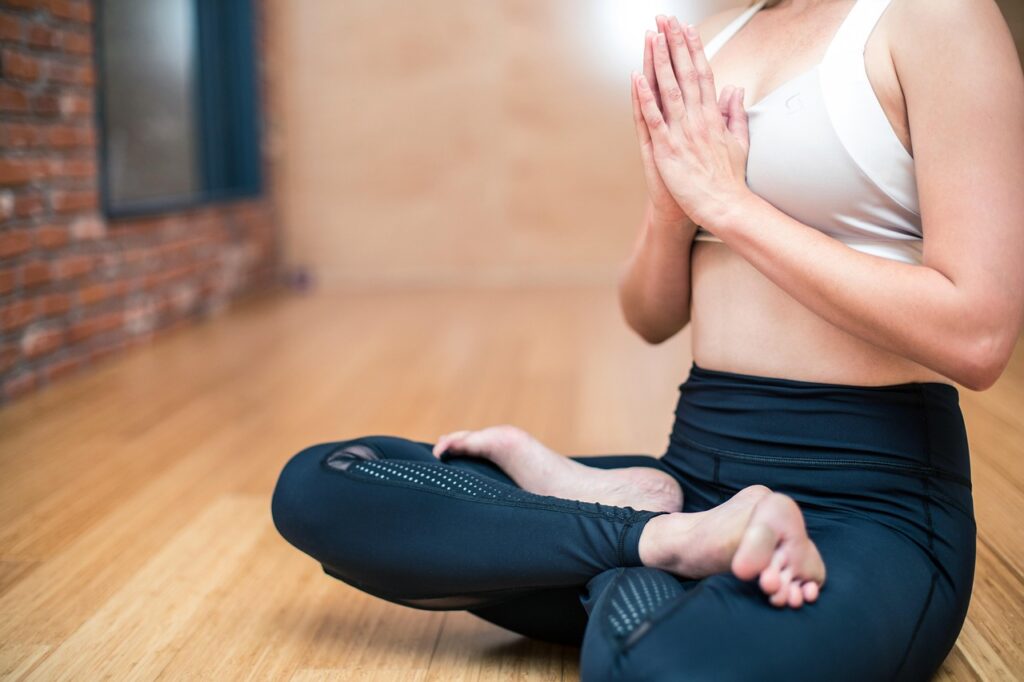
8. **Seated Torso Twists**For those spending a significant part of their day seated, the seated torso twist is a game-changer for strengthening your core and enhancing spinal mobility. This micro-workout directly addresses common issues like poor posture and back stiffness, making it an indispensable tool for improving your comfort and functional strength right from your desk or dining chair.
To execute this exercise, sit upright in a sturdy chair with your feet flat on the floor, hip-width apart. Maintain excellent posture, keeping your back straight and shoulders relaxed. You can either place your hands on your lap for stability or gently hold the sides of the chair. Slowly and deliberately twist your torso to the right, leading with your upper body while keeping your hips as stable as possible.
Hold the twist briefly for a second, feeling the engagement in your side abdominal muscles, known as the obliques. Then, with control, return to the center. Immediately repeat the twisting motion to the left side, mirroring the same deliberate movement. Aim for 10 repetitions on each side. The controlled nature of this twist is essential, as it effectively activates your core and helps keep your spine flexible without sudden movements.
Regularly incorporating seated torso twists into your routine provides significant benefits beyond just flexibility. This movement helps counteract the detrimental effects of prolonged sitting by engaging and strengthening the muscles that support your spine. It fosters improved rotational strength, vital for many daily activities, from reaching for objects behind you to simply turning your body with ease. It’s a prime example of how you can hack your health even from a seated position.
Read more about: Long-Haul Driver’s Lifesaver: Stay Awake for Hours—No Energy Drinks Required
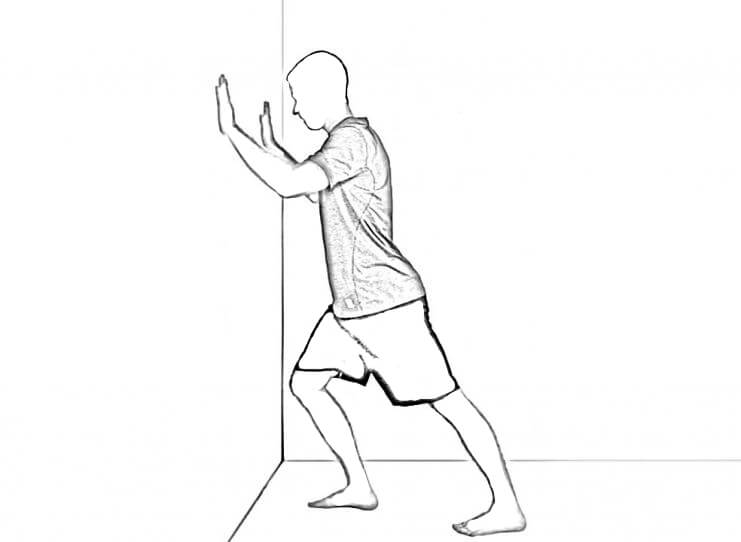
9. **Standing Calf Stretch**Achieving and maintaining good flexibility is a cornerstone of preventing muscle stiffness and ensuring fluid, comfortable movement throughout your day. The standing calf stretch is a simple yet profoundly effective micro-exercise designed to keep the muscles in your lower legs pliable and relieve any accumulated tension. Strong, flexible calves are vital for everything from walking to simply standing comfortably.
To perform a standing calf stretch, find a sturdy wall or stable surface for support. Stand facing the wall, then step one foot back, keeping that back leg straight and its heel firmly planted on the ground. Your front knee should be gently bent, and your hips should be facing forward. As you lean slightly into the wall, you’ll feel a beneficial stretch along the calf muscle of your back leg.
Maintain this stretch for 20-30 seconds, allowing your muscles to slowly lengthen and release tension. Breathe deeply throughout the stretch to enhance relaxation. After the allotted time, slowly release and switch legs, repeating the process for the other calf. This stretch is particularly effective after periods of activity, like a short walk, or after prolonged sitting, which can often lead to tight calf muscles.
Incorporating standing calf stretches into your micro-workout regimen offers more than just immediate relief; it plays a critical role in injury prevention. Flexible calf muscles reduce the strain on your Achilles tendon and plantar fascia, mitigating the risk of common issues like Achilles tendonitis or plantar fasciitis. Furthermore, improved calf flexibility can enhance your athletic performance and contribute to better balance and coordination, ensuring your lower legs are always ready for action.
Read more about: Unlock Your Best Life: A Senior’s Comprehensive Guide to Exercise, Fitness, and Lasting Vitality
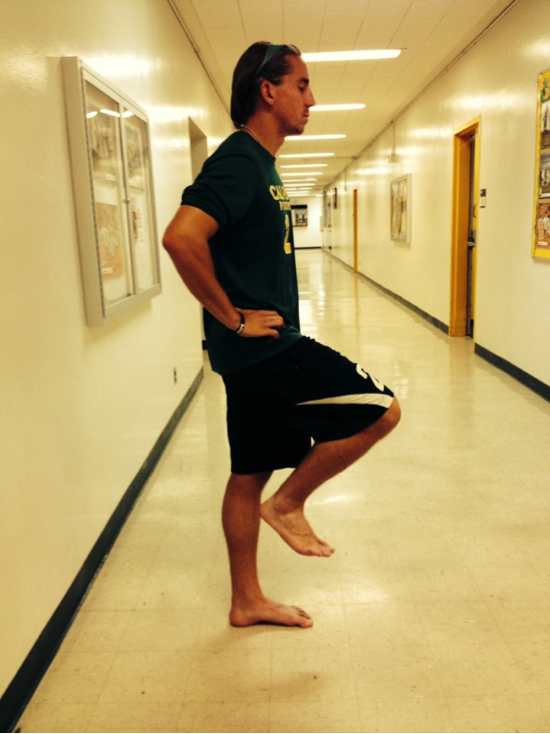
10. **Balance on One Foot**As we age, maintaining and improving our balance becomes increasingly crucial for preventing falls and preserving our independence. The ‘balance on one foot’ exercise might seem deceptively simple, but it is an incredibly powerful tool for building stability, enhancing proprioception (your body’s sense of its position in space), and strengthening the muscles in your legs and core. It’s an essential micro-workout for prioritizing long-term mobility.
To begin, position yourself near a sturdy chair or a wall, which you can use for support if needed. Stand with your feet hip-width apart. When you’re ready, slowly lift one foot off the ground, aiming to balance on the other. Try to keep your gaze fixed on a non-moving point in front of you, which can aid in maintaining stability. The goal is to hold this position for 20-30 seconds, focusing on engaging your core and the muscles in your standing leg.
Once you’ve held the balance for the desired duration, gently lower your foot back to the ground and switch to the opposite leg, repeating the process. If you find it challenging initially, don’t hesitate to lightly hold onto the chair or wall for stability. As your balance steadily improves, gradually challenge yourself by letting go of the support, or even by trying the exercise with your eyes closed for an advanced progression.
Consistent practice of balancing on one foot offers a wealth of benefits beyond just preventing falls. It sharpens your body’s proprioceptive abilities, meaning your brain gets better at knowing where your limbs are without looking. This enhanced stability translates directly into everyday confidence, making tasks like navigating uneven terrain, climbing stairs, or simply moving through crowded spaces feel much more secure. It’s a foundational exercise for fostering robust balance and lower-body strength.
**Structured Micro-Workouts for Maximum Impact**
While individual exercises are fantastic, combining them into structured routines can supercharge your calorie burn and muscle building within minutes. These carefully designed 10-minute micro-workouts leverage the principles of high intensity and full-body engagement to deliver impressive results, proving that short bursts can truly rival longer gym sessions. Let’s explore two potent routines that are perfect for slotting into your busiest days.
Read more about: The Unprecedented Freeze: How Hollywood’s Strikes Reshaped Film Production and Promotion in 2023
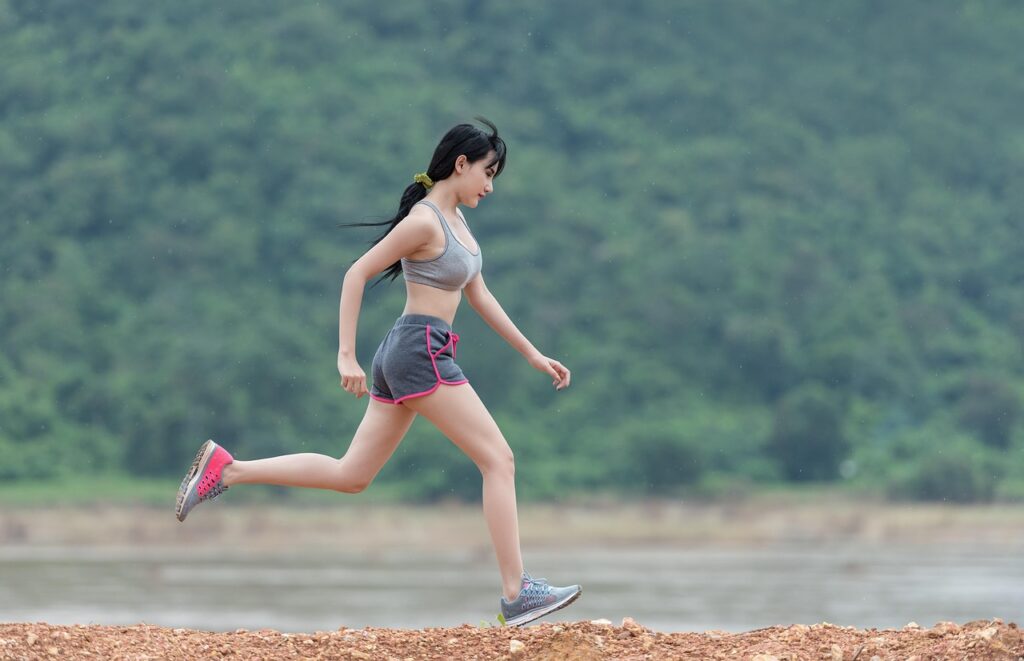
11. **High-Intensity Interval Training (HIIT)**Harnessing the power of short, intense bursts followed by brief recovery, a 10-minute HIIT routine is an absolute powerhouse for maximizing calorie expenditure and building muscle. This method isn’t just a trend; it’s scientifically backed to deliver significant cardiovascular and metabolic benefits efficiently. In fact, research indicates that “A 10-minute HIIT session can burn calories, improve heart health, and increase endurance as effectively as a 45-minute moderate-intensity session.”
Beyond the immediate burn, HIIT triggers the EPOC Effect, also known as the ‘afterburn,’ where your body continues to burn calories at an elevated rate even after you’ve finished exercising to aid in recovery. This means your brief, intense effort pays dividends long after the workout concludes, making it an incredibly efficient fitness strategy. It’s about working smarter, not necessarily longer, to boost your metabolism.
Here’s a powerful 10-minute HIIT circuit that you can easily integrate into your day. Perform each exercise for one minute, then repeat the entire circuit for a total of two rounds: Start with 1 minute of jumping jacks to elevate your heart rate, then move directly into 1 minute of push-ups, engaging your chest and arms. Follow this with 1 minute of dynamic body-weight squats, targeting your legs and glutes. Next, dive into 1 minute of mountain climbers for a full-body cardio and core challenge, and finally, hold a plank for 1 minute to build foundational core strength.
To truly maximize the effectiveness of this micro-HIIT session, focus intensely on maintaining proper form and pushing yourself during each 60-second interval. The goal is to elevate your heart rate significantly and engage your muscles thoroughly within this compressed timeframe. This isn’t a leisurely pace; it’s about giving it your all for short, impactful bursts. Consistent integration builds cardiovascular fitness, increases muscular endurance, and stimulates a metabolic boost.
By consistently incorporating this 10-minute HIIT routine, you’re not just squeezing in exercise; you’re strategically building cardiovascular fitness, increasing muscular endurance, and stimulating a metabolic boost. It’s a perfect solution for busy individuals who want to achieve substantial fitness gains without the logistical planning of a longer gym visit, turning fleeting moments into powerful fitness opportunities.
Read more about: Beyond the Red Carpet: Unpacking the Extreme Diets and Regimens of Actors for Their Most Demanding Roles
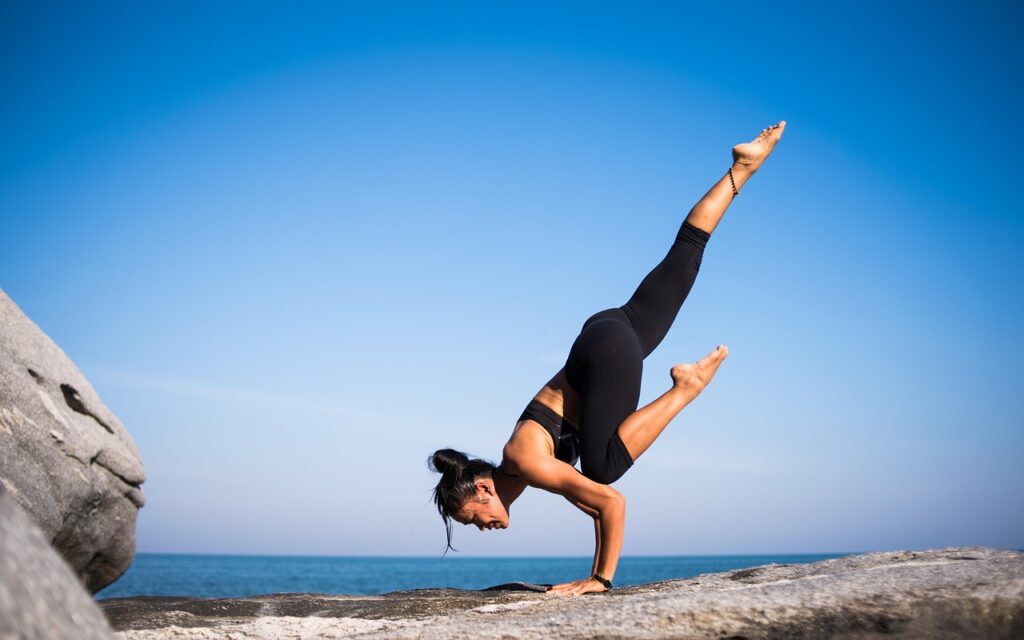
12. **Core Blast**A strong core is more than just about aesthetics; it’s the foundation of all movement, crucial for good posture, preventing injuries, and enhancing overall functional fitness. This 10-minute Core Blast micro-workout is specifically designed to target and strengthen your entire midsection, from your abs to your obliques and lower back, providing stability that impacts every aspect of your daily life.
Regularly engaging your core muscles helps to alleviate back pain, improves balance, and makes everyday activities like lifting, bending, and twisting feel significantly easier and safer. This routine focuses on a variety of movements that collectively work your core from multiple angles, ensuring comprehensive strength development in a remarkably short period.
Here’s your blueprint for a 10-minute Core Blast that will leave your midsection feeling solid. Perform each exercise for one minute, then repeat the entire circuit for a total of two rounds: Begin with 1 minute of bicycle crunches, an excellent move for targeting both upper and lower abs, as well as obliques. Follow this with 1 minute of Russian twists, which you can perform with or without weights to adjust the intensity. Next, engage your stability with 1 minute of plank with shoulder taps, challenging your core to remain still. Then, move to 1 minute of leg raises, focusing on your lower abdominal muscles, and conclude with 1 minute of flutter kicks, for continuous core engagement.
For optimal results, concentrate on slow, controlled movements during each exercise, consciously engaging your core rather than relying on momentum. If you’re using weights for Russian twists, choose a weight that allows you to maintain good form throughout the minute. The effectiveness of this ‘Core Blast’ lies in its deliberate, continuous engagement of your abdominal and back muscles, maximizing efficiency.
Integrating this core-focused micro-workout into your week will yield tremendous long-term benefits. You’ll notice improved posture as your core muscles better support your spine, reduced incidence of lower back stiffness, and enhanced performance in all other physical activities, from carrying groceries to playing sports. It’s a foundational ‘exercise snack’ that fortifies your body’s powerhouse, contributing significantly to your overall health and well-being.
**The Undeniable Efficacy of Micro-Workouts: Your Path to Long-Term Health**
We’ve journeyed through a dozen powerful micro-movements and structured routines, each a testament to the fact that you don’t need endless gym hours to achieve significant fitness gains. The overarching question, “Do micro-workouts actually work?” can be answered with a resounding yes, emphatically supported by science and countless real-world applications. These quick, impactful bursts of activity are not merely a convenient alternative; they are a highly effective strategy for enduring health.
The true strength of micro-workouts, as highlighted by expert consensus, lies in their multifaceted power: exceptional accessibility, unparalleled time efficiency, and undeniable effectiveness. They remove common barriers to exercise, making consistent physical activity achievable for everyone, regardless of their schedule. As the research shows, “By breaking down exercise into manageable increments, micro workouts empower people to prioritize movement and exercise throughout the day, which leads to improved health, fitness, and overall well-being.” This philosophy is key to transforming health.
Consistency is the secret sauce to unlocking the full potential of this health-hacking approach. Remember the wise words: “Regular, consistent movement—no matter how brief—is better than sporadic long workouts.” It’s the cumulative effect of these ‘exercise snacks’ throughout your day and week that drives profound physiological changes, from boosting your metabolism and improving cardiovascular health to enhancing mood and cognitive function. Each small effort compounds, building a resilient and vibrant body over time.
To truly integrate micro-workouts into your life for long-term benefits, make them non-negotiable appointments, just like any other important task. Identify natural pauses in your day—waiting for your coffee, a commercial break, a lull between tasks—and consciously replace passive moments with active ‘exercise snacks.’ Adapt the exercises to your current fitness level and personal goals, remembering that progress, not perfection, is the aim. The key is to start, keep moving, and build momentum.
Read more about: Mastering the Motorcycle Shift: A Deep Dive into Clutch Mechanics, Techniques, and 12 Common Gear-Shifting Problems Solved
Ultimately, the ‘Health Hacking’ philosophy behind micro-workouts empowers you to take control of your well-being, proving that even the busiest schedules can accommodate a robust fitness regimen. “It’s not about how long you work out; it’s about how well you use the time you have.” Embrace these practical strategies, commit to consistent movement, and watch as these micro-efforts translate into macro-results for your health, energy, and overall quality of life. Your fitter, stronger self is just a few ‘exercise snacks’ away!