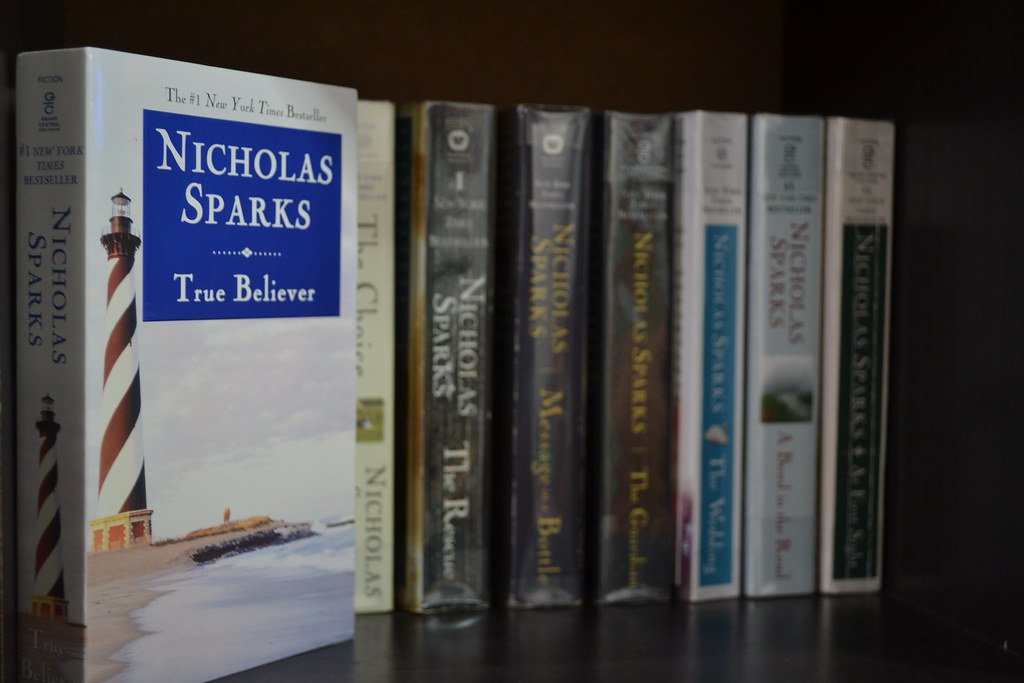
Released in 2004, “The Notebook” swiftly cemented its place as an epic saga of love, a cinematic touchstone that continues to resonate with audiences worldwide. This tear-jerker, based on Nicholas Sparks’ beloved novel, masterfully explores the profound idea of finding one’s soulmate, eliciting an outpouring of emotion that makes us, quite literally, uncontrollably sob in equal measure. Beyond its status as a mere film, it is a seminal romance that, even two decades later, still hits us right in the feels, proving the enduring power of a beautifully told love story. Such is the undeniable chemistry between its protagonists, Noah and Allie, that their on-screen triumphs and heartbreaks feel profoundly, authentically true.
Yet, beneath the polished veneer of dreamy, everlasting love and iconic rain-soaked kisses, there lies a rich tapestry of untold stories and intricate human drama that unfolded behind the camera. While the film’s heartbreaking ending may be permanently seared into our collective memory, the journey to bring this narrative to life was fraught with its own unique challenges, surprising twists, and moments of intense emotion. The very creation of this beloved classic is a testament to the dedication, passion, and occasional friction that defines the alchemy of filmmaking, offering a compelling narrative that is as captivating as the story itself.
Today, we take a step back in time, not just to relive the on-screen magic, but to peel back the layers and uncover the fascinating, often surprising, secrets that shaped this cinematic phenomenon. Prepare to delve into the exclusive interviews, deep dives into subject matter, and insider perspectives that reveal the true making of a modern classic. From reluctant directors to intensely competitive auditions and unexpected casting choices, the story behind “The Notebook” is rich with the kind of compelling narratives and personal stories that only add to its legendary status.

1. **Nick Cassavetes’ Initial Hesitation to Direct**It is almost inconceivable to imagine “The Notebook” without the guiding hand of Nick Cassavetes, whose distinct vision brought Nicholas Sparks’ novel to vivid life. However, the path to his involvement was far from straightforward, marked by an initial reluctance that nearly saw him pass on the project entirely. The film’s script languished in a state of “development limbo” for an arduous seven years, circulating through the hands of numerous potential directors before it eventually found its way to Cassavetes.
His decision to even engage with the script was, surprisingly, born not of immediate interest but of professional courtesy. According to accounts from that period, Cassavetes initially intended to read the screenplay purely so he could “speak intelligently about it” when he delivered his eventual rejection. This reveals a filmmaker deeply committed to informed decision-making, even when anticipating a negative outcome, underscoring the demanding nature of Hollywood’s project selection.
Yet, as is often the case with truly compelling narratives, the script possessed an intrinsic power that transcended his initial reservations. The story, a potent blend of ardent romance and poignant drama, gradually disarmed his skepticism. In an unexpected turn, the material itself proved so captivating that it “won him over in the end,” leading him to embrace the director’s chair. This pivotal shift from a poised rejection to an enthusiastic acceptance ultimately paved the way for what would become a significant chapter in “cinema history,” forever linking Cassavetes to this iconic love story.

2. **Other Prolific Filmmakers Linked to the Project**The allure of “The Notebook” script was not lost on the industry’s elite, as Nick Cassavetes was far from the only prominent filmmaker to express interest in the material. The narrative’s inherent dramatic potential and universal themes attracted attention from some of the most respected names in cinema, indicating the high regard in which the project was held even in its early stages of development. The competitive landscape for a project of this caliber was evidently fierce, reflecting its perceived artistic and commercial promise.
Casting director Matthew Barry, in an interview with E! News, revealed a truly remarkable detail: even the legendary Steven Spielberg had, at one point, “expressed interest in the script.” This revelation underscores the script’s broad appeal, signaling that its powerful love story transcended genre limitations to attract a master storyteller known for grander, often more spectacle-driven, cinematic endeavors. The prospect of Spielberg’s interpretation undoubtedly conjures images of an entirely different, yet equally compelling, cinematic experience.
The involvement of such celebrated directors, even if only fleetingly, speaks volumes about the intrinsic quality of Nicholas Sparks’ narrative and the screenplay adaptation. It suggests that “The Notebook” was recognized as a story with immense potential for emotional resonance and critical acclaim, regardless of who eventually helmed it. Ultimately, Cassavetes’ unique vision was the one that prevailed, but the knowledge of these other celebrated names circling the project only deepens the lore surrounding the making of this beloved film.
Read more about: A Powerful Silence: Honoring the Enduring Cinematic Visions of Iconic Directors Whose Journeys Ended Too Soon

3. **The Stiff Competition for Allie Hamilton**The role of Allie Hamilton, the passionate and free-spirited heiress, was undoubtedly one of the most coveted parts in Hollywood at the time, attracting a veritable who’s who of talented actresses. The depth and complexity of Allie’s character—her rebellious spirit, her artistic soul, and her conflicted heart—presented a challenging yet immensely rewarding opportunity for any actress seeking a breakout or career-defining role. The competition was, by all accounts, exceptionally intense.
Casting director Matthew Barry, speaking to the Daily Mail, unveiled a roster of impressive names who vied for the part: “Scarlett Johansson, Claire Danes, Amy Adams and This Is Us star Mandy Moore were just some of the actors who auditioned for the role.” These actresses, each with their own burgeoning careers and established reputations for delivering powerful performances, highlight the fierce battle for the character, underscoring the significance and allure of bringing Allie to life.
While only one could ultimately embody Allie, the fact that such an array of formidable talents sought the role speaks volumes about its perceived value within the industry. It emphasizes the film’s potential to become a cultural touchstone and a star-making vehicle. Mercifully, missing out on this particular role proved to be no impediment to their illustrious careers, as each of these actresses has gone on to build an “impressive resume” filled with their own memorable romantic leads and critical successes.
Read more about: Unveiling America: A Journey Through the United States’ Rich Tapestry of History, Geography, and Enduring Global Influence
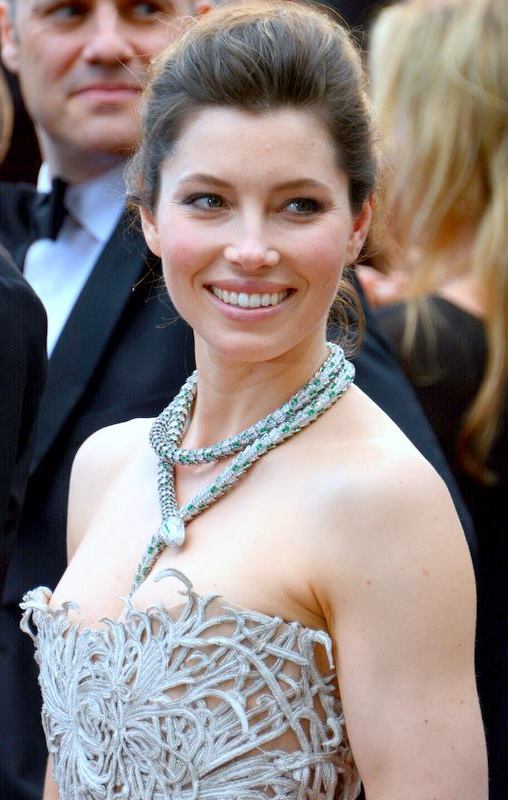
4. **Jessica Biel’s Unforgettable, Blood-Soaked Audition**Among the numerous talented actresses who desperately yearned for the role of Allie, Jessica Biel’s audition experience stands out as particularly vivid and memorable, embodying the intense dedication actors often bring to their craft. In a revealing 2011 interview with Elle, Biel candidly admitted that “The Notebook” was one role she “wanted so badly,” a sentiment that fueled her willingness to go to extraordinary lengths to secure the part, showcasing a profound commitment to her artistic aspirations.
Among the numerous talented actresses who desperately yearned for the role of Allie, Jessica Biel’s audition experience stands out as particularly vivid and memorable, embodying the intense dedication actors often bring to their craft. In a revealing 2011 interview with Elle, Biel candidly admitted that “The Notebook” was one role she “wanted so badly,” a sentiment that fueled her willingness to go to extraordinary lengths to secure the part, showcasing a profound commitment to her artistic aspirations.
Her audition unfolded under truly unique and rather gruesome circumstances, reflecting the demanding schedule and conflicting commitments of an active actress. Biel recounted, “I was in the middle of shooting Texas Chainsaw Massacre, and I auditioned with Ryan Gosling in my trailer – covered in blood.” This striking image of her, still adorned with the remnants of a horror film set, performing a tender romantic scene, speaks volumes about her resolve and the often-unconventional demands placed upon actors.
Director Nick Cassavetes, known for his incisive approach, apparently put Biel “through the wringer in an interesting, excitingly creative way” during the audition. Her reflection, acknowledging that “there’s a million that get away,” adds a poignant touch of realism to the often-heartbreaking nature of the casting process. Despite her compelling effort and the dramatic context, the role ultimately eluded her, yet her dedication during this bloody, pivotal moment remains a compelling anecdote in the film’s storied pre-production.
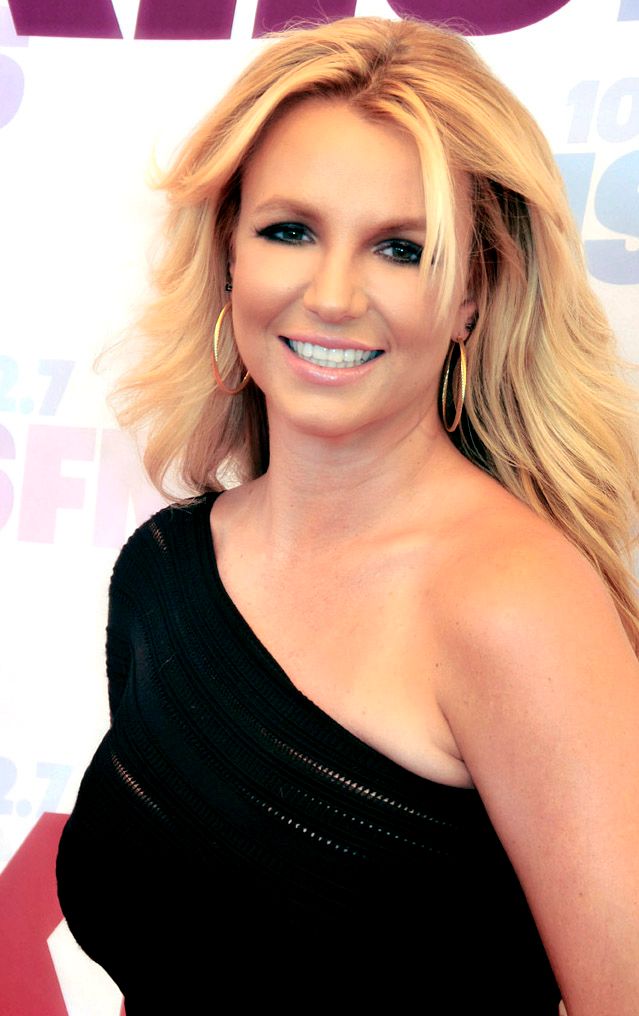
5. **Britney Spears Nearly Lands the Coveted Role**In one of the most surprising revelations surrounding the casting of “The Notebook,” it turns out that international pop sensation Britney Spears came remarkably close to embodying the character of Allie Hamilton, outperforming many seasoned actresses in the process. This tidbit offers a fascinating glimpse into a potential alternate reality for one of romantic cinema’s most iconic roles, showcasing the unexpected turns and daring considerations that often characterize high-stakes casting.
Casting director Matthew Barry’s candid admission to the Daily Mail paints a clear picture of Spears’ formidable audition: “Britney beat out several of the top female actresses at the time.” He further emphasized the intensity of the competition, stating unequivocally that “Britney beat out all of them. Everybody who was anybody that year wanted this part.” This is a powerful testament to her raw talent and ability to connect with the material, particularly given her primary career as a music icon.
At this point in her career, Spears had already ventured into acting with the 2002 teen road trip movie, “Crossroads.” While she delivered a commendable performance there, she largely stepped away from acting shortly thereafter, choosing to focus predominantly on her groundbreaking music career. The revelation of her near-casting in “The Notebook” thus remains a tantalizing ‘what if,’ a moment where pop culture and cinematic history nearly intertwined in an entirely different, yet equally captivating, manner.
Read more about: Unveiling the Enduring Luxury: Janet Jackson’s Illustrious Career and Cultural Impact
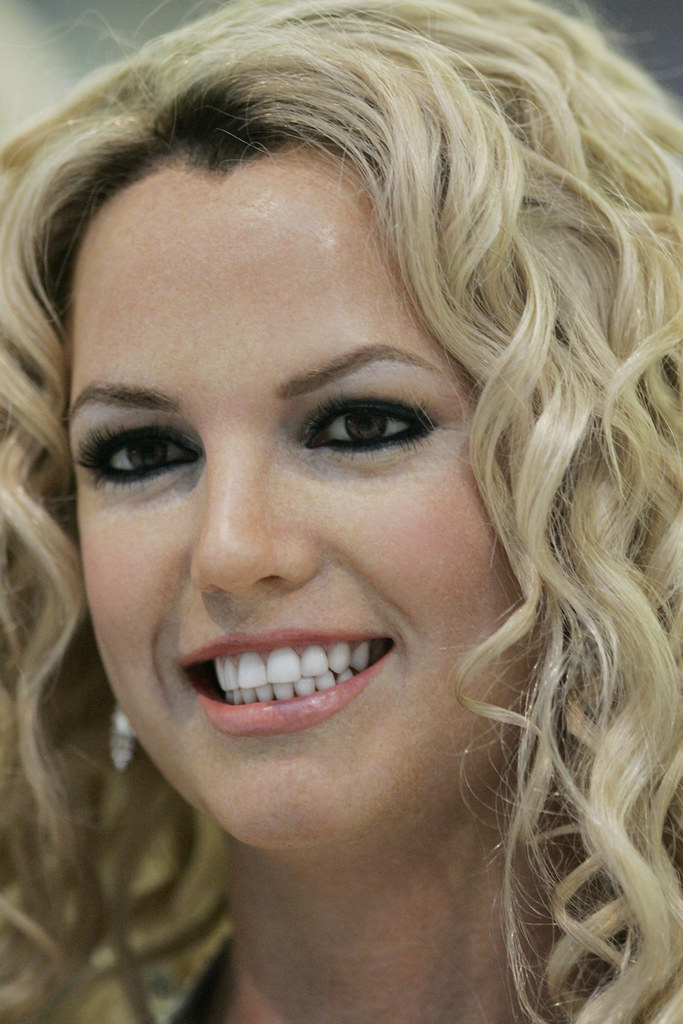
6. **Britney Spears’ Emotional Audition Tape**The compelling nature of Britney Spears’ near-casting is further underscored by the existence and emotional power of her audition tape, which has since surfaced and captivated fans. The footage provides undeniable proof of her acting prowess and emotional depth, particularly her ability to deliver on cue, a critical skill for any performer navigating a dramatic role like Allie Hamilton. Her performance during this audition was evidently impactful enough to place her squarely among the top contenders.
Observers of the audition tape, particularly those within the casting process, can “see why Britney nearly landed the role,” as she delivered a performance that was both convincing and emotionally resonant. A key highlight, and a poignant detail that speaks to her capability, is the fact that “she even managed to cry on cue.” This ability to access and express profound sadness demonstrates a genuine connection to the character and the narrative’s emotional core, an impressive feat for any actress.
In her memoir, “The Woman in Me,” Spears herself reflected on the audition, offering insight into her decision to ultimately decline the role, despite its allure. She wrote, “Even though it would have been fun to reconnect with Ryan Gosling after our time on the Mickey Mouse Club, I’m glad I didn’t do it.” Her reasoning was rooted in a desire to prioritize her music, stating, “If I had, instead of working on my album In the Zone I’d have been acting like a 1940s heiress day and night.” This choice reveals her dedication to her primary artistic pursuit and a pragmatic understanding of the demands that such an immersive role would have placed on her.
Read more about: Billie Eilish Unfiltered: The Authentic Journey of a Global Icon, From Indie Roots to Cultural Phenomenon

7. **Rachel McAdams’ Electric, Tears-Inducing Audition**While many talented actresses vied for the role of Allie, it was Rachel McAdams’ audition that truly stood out, delivering an electric performance that resonated profoundly with the casting team and sealed her destiny as the film’s leading lady. Her portrayal was so compelling, so intrinsically aligned with the spirit of Allie, that it transcended mere acting, eliciting a visceral emotional response from those present. This was the moment the search for their Allie truly ended.
Recalling the experience, Rachel McAdams herself noted the collective impact of her audition, stating in a behind-the-scenes video, “We were all sort of crying.” This powerful admission speaks to the raw, unfiltered emotion she brought to the character, making it impossible for those observing to remain detached. Matthew Berry, the casting director, was so moved by her performance that he “had to stop and get a tissue and stuff,” a powerful testament to the genuine tears she provoked from experienced industry professionals.
McAdams described it as “the best audition experience I’ve ever had,” a clear indication of the profound connection she felt with the material and the character. Following her departure, the relief and certainty within the room were palpable. Ryan Gosling and Nick Cassavetes, having witnessed the undeniable magic, shared a celebratory hug, a silent acknowledgment that they had finally found their Allie. It was a moment of profound artistic consensus, signaling the perfect, emotionally resonant casting that would define the heart of “The Notebook.”
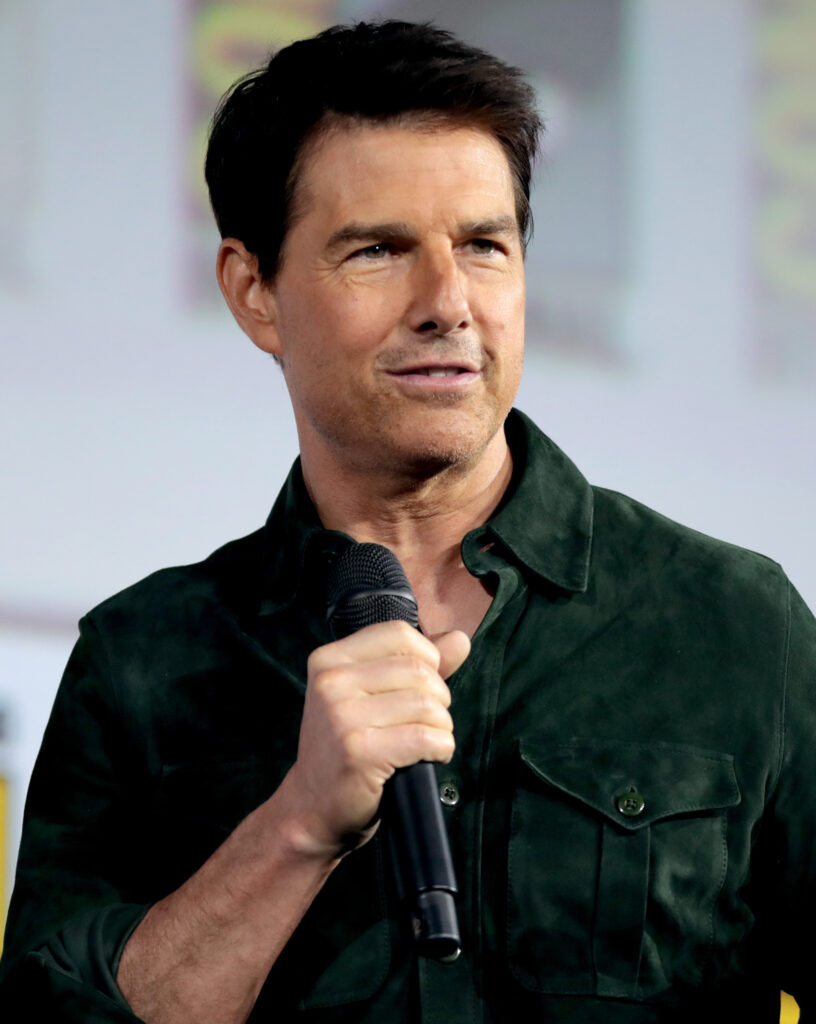
8. **The Stiff Competition for Noah Calhoun**Just as the role of Allie Hamilton ignited fierce competition among Hollywood’s leading ladies, the search for her rugged, devoted counterpart, Noah Calhoun, proved equally challenging and attracted an impressive array of talent. The character of Noah, with his raw passion, unwavering devotion, and quiet strength, required an actor capable of conveying profound emotional depth and an almost elemental connection to the story’s setting. The casting team faced the task of finding someone who could authentically embody this unique blend of vulnerability and conviction, creating an on-screen presence that felt both timeless and utterly believable.
Among the celebrated actors considered for this pivotal role were none other than Hollywood stalwarts Tom Cruise and George Clooney. The sheer star power of these names underscores the magnitude of the project and the industry’s belief in the script’s potential. Imagine for a moment a version of ‘The Notebook’ with either Cruise’s intensity or Clooney’s charismatic charm — it would undoubtedly have been a different, though perhaps equally compelling, cinematic experience.
However, director Nick Cassavetes held a very specific vision for Noah, one that transcended conventional stardom. He expressed a clear preference for an actor who hadn’t already ‘fallen in love with 10 other actresses’ on screen. His concern was that casting an already established romantic lead might detract from the authenticity of Noah and Allie’s singular connection, potentially making the audience think, ‘oh, look, it’s Tom Cruise, falling in love with somebody different this time.’ This insightful perspective speaks to Cassavetes’ commitment to preserving the raw, believable chemistry that would become the hallmark of the film.
This deliberate choice to seek out fresh faces, or at least actors whose romantic personas weren’t yet fully defined, ultimately led to the casting of Ryan Gosling. Cassavetes reflected on their good fortune, noting, ‘we were lucky to have [Ryan and Rachel] at the beginning of their careers. And you really believed it.’ This decision allowed audiences to fully invest in Noah and Allie’s unique love story without the preconceived notions often associated with more established stars, fostering a deeper, more genuine connection to their on-screen romance.
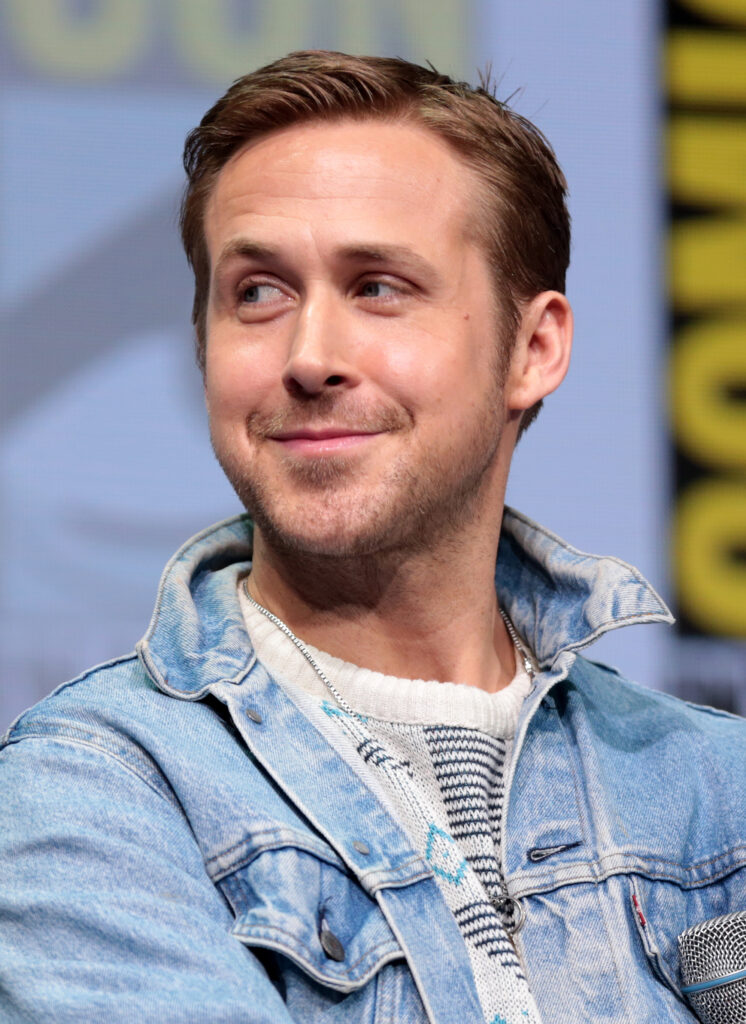
9. **Ryan Gosling’s Unflattering Casting Reason**While Ryan Gosling is undeniably a global heartthrob today, the reason behind his initial casting as Noah Calhoun was far from the typical Hollywood narrative of a dashing leading man. In a surprising revelation from a 2012 interview with Company magazine, Ryan himself recounted director Nick Cassavetes’ remarkably candid and, in many ways, quite unflattering assessment of his suitability for the role. This unconventional casting choice highlights Cassavetes’ unique directorial approach, prioritizing raw character embodiment over conventional attractiveness.
Gosling recalled a meeting where Cassavetes laid bare his reasoning with striking bluntness. ‘He called me to meet him at his house,’ Ryan explained. ‘When I got there, he was standing in his backyard, and he looked at me and said, ‘I want you to play this role because you’re not like the other young actors out there in Hollywood. You’re not handsome, you’re not cool, you’re just a regular guy who looks a bit nuts.’’ This incredibly direct, almost provocative, rationale speaks volumes about the director’s vision.
Cassavetes wasn’t seeking a perfectly polished, overtly charming figure. Instead, he wanted an actor who could convey a certain rugged individualism, a grounded authenticity that would make Noah feel real and relatable, rather than an idealized romantic archetype. The comment about looking ‘a bit nuts’ likely alluded to a raw intensity or unconventional edge that Cassavetes perceived in Gosling, a quality he believed was essential for capturing Noah’s passionate, sometimes brooding, spirit.
This unconventional assessment ultimately proved to be a stroke of genius, allowing Gosling to imbue Noah with a depth and relatability that resonated profoundly with audiences. It underscored Cassavetes’ commitment to genuine character over superficial appeal, laying the groundwork for a performance that would anchor the film and solidify ‘The Notebook’ as a timeless romance. The director’s frankness, though perhaps initially startling, resulted in a casting decision that remains one of the film’s enduring strengths.
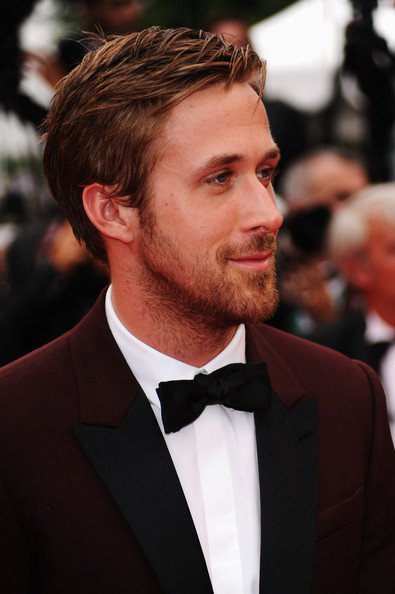
10. **Ryan Gosling’s Subtle Physical Transformation for Noah**Beyond director Nick Cassavetes’ unconventional reasons for casting him, Ryan Gosling undertook a subtle yet significant physical transformation to fully embody Noah Calhoun, a detail that many viewers might have overlooked. In an effort to forge a deeper visual connection between the young Noah and his older counterpart, played by the esteemed James Garner, Gosling made a conscious choice to alter a prominent feature: his eye color.
Known for his striking blue eyes in most of his cinematic endeavors, Gosling opted for brown contact lenses throughout the filming of ‘The Notebook.’ This meticulous attention to detail, while seemingly minor, was a deliberate artistic decision aimed at enhancing the narrative’s continuity and believability. It allowed the audience to more seamlessly accept the transition between the younger, passionate Noah and the older, reflective version of the character, reinforcing the idea of an enduring individual throughout his life.
This choice speaks volumes about Gosling’s dedication to his craft and his commitment to serving the character’s journey. It wasn’t about vanity or dramatic flair, but rather a quiet, understated effort to deepen the audience’s immersion in the story. The subtle shift in eye color created a visual echo between the two actors portraying Noah, reinforcing the profound connection of one man’s lifelong love story.
The impact of this seemingly small adjustment contributes significantly to the film’s overall authenticity, helping to weave together the intricate tapestry of Noah’s character across different eras. It’s a testament to how even the most minute details can play a crucial role in character development and audience perception, allowing the emotional arc of ‘The Notebook’ to resonate with even greater power and conviction.
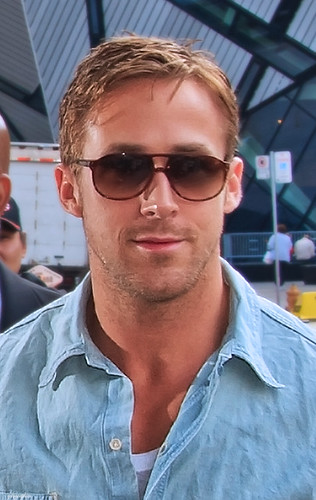
11. **On-Set Conflicts Between Ryan Gosling and Rachel McAdams**Despite the undeniable, almost mythical on-screen chemistry that captivated millions, the real-life relationship between Ryan Gosling and Rachel McAdams during the production of ‘The Notebook’ was, surprisingly, anything but harmonious. Behind the romantic façade of Noah and Allie, a significant amount of friction simmered between the two lead actors, creating a challenging environment that director Nick Cassavetes openly discussed in an interview with VH1.
Cassavetes revealed that the tension escalated to such a degree that, at one point, Gosling even requested his co-star be replaced. He recounted a specific instance during a large scene with 150 people present, where Ryan approached him, stating, ‘Nick come here.’ Gosling then asked, ‘Would you take her out of here and bring in another actress to read off camera with me? I can’t. I can’t do it with her. I’m just not getting anything from this.’ This extraordinary request underscores the depth of their on-set difficulties and the profound struggle they faced in working together.
However, much like their fiery on-screen counterparts, the actors eventually confronted their issues head-on. Cassavetes described a pivotal moment when the two were taken into a room with a producer, where they ‘started screaming and yelling at each other.’ After a period of intense confrontation, during which the director ‘smoked a cigarette,’ they emerged ready to proceed. This dramatic resolution, though unconventional, seemed to clear the air, allowing them to move forward with the production.
Cassavetes later speculated that Ryan’s respect for Rachel grew after she ‘standing up for her character’ during that heated exchange, leading to a smoother, albeit not entirely ‘smooth sailing,’ remainder of the film. While the director has since expressed regret for revealing these behind-the-scenes struggles, acknowledging, ‘I shouldn’t have spilled the beans,’ the anecdote provides a fascinating glimpse into the complex dynamics that can unfold during the creation of cinematic magic. It reveals that even the most compelling on-screen romances can be born from real-life discord.
Read more about: Lights, Camera, Conflict: 15 Iconic Actors Who Refused to Film Scenes Together on Set
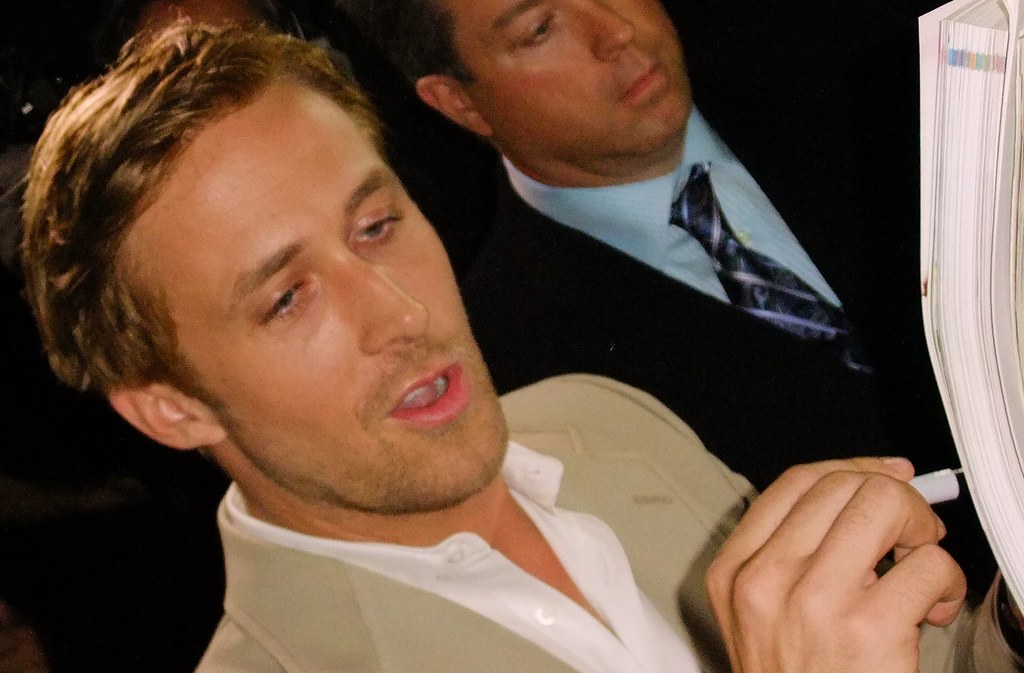
12. **The Real-Life Romance and Breakup of Ryan Gosling and Rachel McAdams**Despite the initial tumultuous relationship on the set of ‘The Notebook,’ the captivating chemistry between Ryan Gosling and Rachel McAdams eventually transcended the screen and blossomed into a real-life romance. Approximately one year after the film’s release in 2004, the two actors began dating, delighting fans who had become deeply invested in their on-screen love story. Their relationship quickly became a darling of the celebrity world, symbolizing for many the ultimate realization of a movie-inspired dream.
Their undeniable connection was famously cemented at the 2007 MTV Movie & TV Awards, where they won the ‘Best Kiss’ award for their iconic rain-soaked embrace in ‘The Notebook.’ In a moment that remains etched in pop culture memory, they recreated the passionately cinematic kiss live on stage, further fueling the public’s adoration for their real-life fairy tale. This public display of affection affirmed the genuine bond that had developed between them, making it clear that their on-screen magic was rooted in authentic feeling.
However, like many relationships under the intense glare of the public eye, their romance eventually came to an end in 2007. Ryan Gosling later opened up about the challenges of their breakup in a 2011 interview with The Times, offering a poignant reflection on the pressures of their demanding careers. He attributed their split not to a lack of affection, but to the overwhelming nature of their shared profession.
Gosling candidly stated, ‘Show business is the bad guy.’ He elaborated on this sentiment, explaining, ‘When both people are in show business, it’s too much show business. It takes all of the light, so nothing else can grow.’ This insightful commentary reveals the profound difficulties faced by celebrity couples, where the demands of their careers can inadvertently overshadow and ultimately extinguish even the most heartfelt connections, leaving behind a bittersweet legacy of a love that was, for a time, truly iconic.
Read more about: From Set to Soulmates: 15 Co-Stars Who Proved Hollywood Friendships Are *Actually* Real!

13. **Gena Rowlands’ Personal Connection to Older Allie’s Illness**One of the most heart-wrenching and poignant aspects of ‘The Notebook’ is the portrayal of older Allie’s struggle with dementia, a narrative thread that becomes even more impactful when considering the real-life circumstances of the actress who played her. The Academy Award-winning Gena Rowlands, director Nick Cassavetes’ own mother, delivered a profoundly authentic performance as the elderly Allie, a role that, tragically, would later mirror her personal life in an uncanny and devastating way.
Nick Cassavetes recently shared a deeply personal revelation, explaining the profound connection his mother now has to the character she so brilliantly embodied. ‘I got my mom to play older Allie, and we spent a lot of time talking about Alzheimer’s and wanting to be authentic with it,’ he recounted to Entertainment Weekly. He then added the heartbreaking truth: ‘and now, for the last five years, she’s had Alzheimer’s. We lived it, she acted it, and now it’s on us.’ This stark reality lends an even greater weight to Rowlands’ performance, transforming it from a mere portrayal into a profoundly resonant experience.
Her dedication to authenticity was evident even during the filming process, particularly when studio executives requested reshoots for the final, emotional climax, seeking more tears from her character. Cassavetes recalled his mother’s incredulous reaction: ‘Let me get this straight. We’re reshooting because of my performance?’ She was ‘seriously unimpressed,’ highlighting her professional pride and confidence in her initial take. Despite her initial irritation, when her son asked if she could deliver, she famously responded, ‘I can do anything.’ She ultimately ‘nailed her crying scene on the first take of reshoots,’ a testament to her immense talent and commitment, even when put ‘through the wringer.’
This intertwining of art and life adds an almost unbearable layer of emotional resonance to ‘The Notebook.’ Rowlands’ portrayal of Allie’s decline, once a masterful act of empathetic imagination, has now become a harrowing echo of her own reality. It transforms the film into not just a love story, but also a deeply personal and poignant exploration of memory, loss, and the enduring power of love in the face of devastating illness, making her performance all the more indelible and heartbreaking.
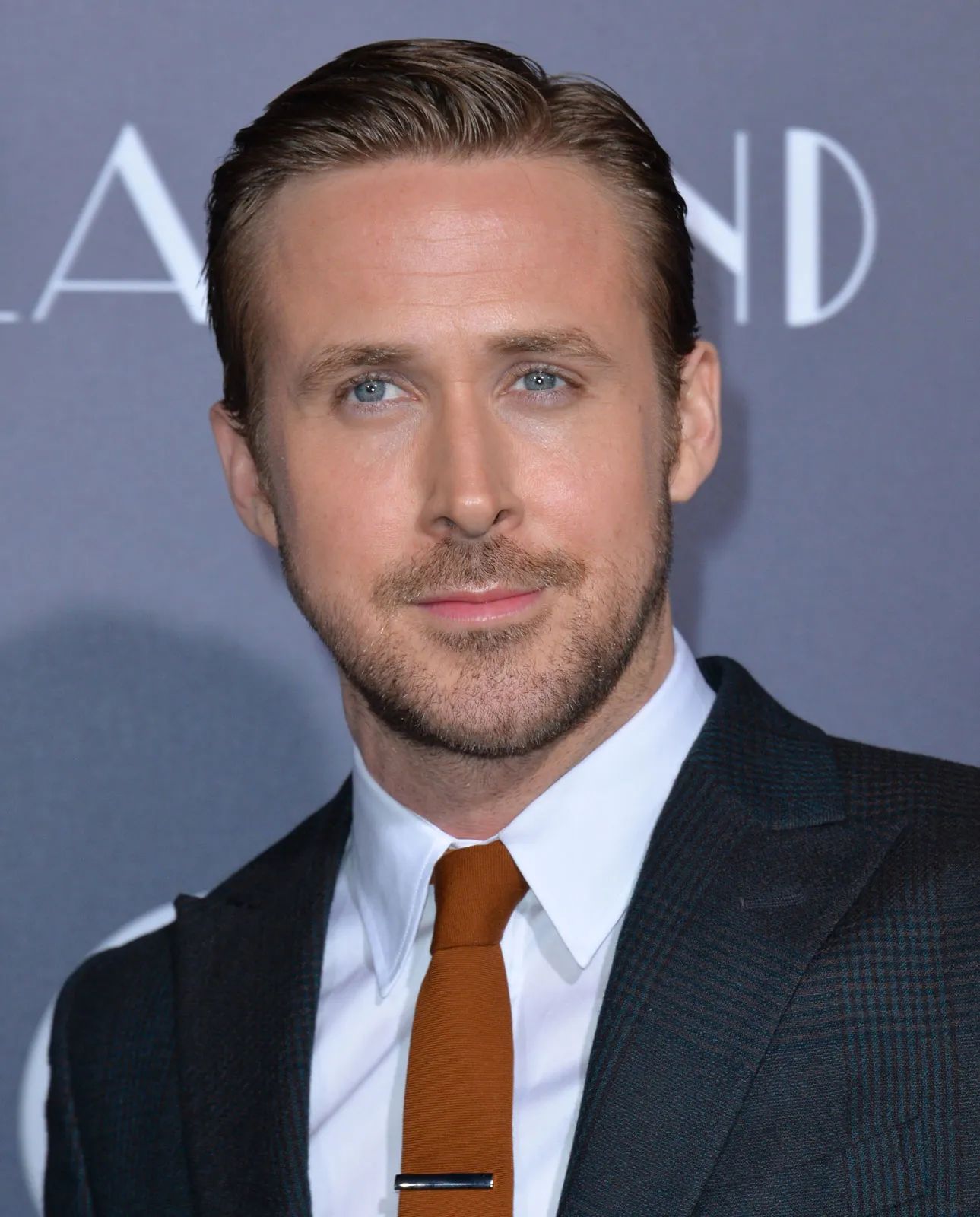
14. **Iconic Improvised Lines and Challenging Scenes**The enduring magic of ‘The Notebook’ is not solely a product of its compelling narrative or its stellar cast; it’s also woven from moments of spontaneous brilliance and the sheer tenacity required to bring ambitious scenes to life. Many of the film’s most memorable elements, from an iconic line of dialogue to a visually stunning sequence, were either born from improvisation or achieved through extraordinary efforts that defied initial production challenges.
One of the most famous and emotionally charged lines in the film, Ryan Gosling’s impassioned cry of ‘What do you want? What do you want?’ during a pivotal argument with Allie, was entirely unscripted. Director Nick Cassavetes confirmed this, noting, ‘There was a scene at the end where Ryan improvised, ‘What do you want? What do you want?’ And it became one of the most iconic things from the film [that] wasn’t in the script.’ This raw, unadulterated outburst perfectly captured Noah’s desperation and frustration, adding a layer of authenticity that resonated deeply with audiences and cemented its place in cinematic history. Cassavetes, a ‘literary guy’ who also appreciated improvisation, ‘just let him go’ and gave credit to the actors for their intuition.
Conversely, another widely quoted line, ‘If you’re a bird, I’m a bird,’ initially met with skepticism from Ryan Gosling. In an interview with MTV News, Gosling admitted that he wasn’t convinced by the dialogue when he first read it, joking about his preference to cut lines that didn’t ‘spark joy.’ Despite his initial doubts, the line became instantly iconic, demonstrating how certain phrases, even seemingly simple ones, can acquire profound meaning within the right emotional context and delivery. It highlighted the unpredictable nature of what truly resonates with an audience, often transcending an actor’s initial judgment.
Beyond dialogue, the film also pushed creative boundaries with its visuals. The breathtaking scene where Noah and Allie row a boat through a pristine flock of white geese, an image synonymous with the film’s dreamy romance, very nearly didn’t happen. Studio executives at New Line were initially against the idea, deeming it too difficult and expensive. ‘You can’t do the birds. There’s just too much – you’ve got to take the birds out,’ Cassavetes was told, citing concerns that ‘the birds aren’t trained.’
However, director Nick Cassavetes fiercely advocated for the scene, refusing to abandon his vision. To overcome the seemingly insurmountable logistical hurdles, the production team resorted to truly innovative and hands-on methods. ‘We went down and bought a trailer like the back of one of those semis, talked to some of the animal people down there and bought a bunch of hatchlings and just raised them as chicks and marched them out to the lake every day and fed them out there,’ Cassavetes explained. By the time filming commenced, the now-grown geese were accustomed to the location, making the magical, seemingly impossible scene a reality. This blend of improvisation, actor intuition, and unwavering directorial commitment underscores the unique alchemy that forged ‘The Notebook’ into the cinematic classic it remains today.
Read more about: The Enduring Craft of Acting: A Comprehensive Look at Its History, Techniques, and Societal Evolution
As we close the book on these behind-the-scenes revelations, it becomes clear that ‘The Notebook’ is far more than just a captivating love story; it is a testament to the intricate, often challenging, and ultimately rewarding process of filmmaking. From the initial hesitations and unexpected casting choices to the on-set conflicts, real-life connections, and the sheer dedication to crafting iconic moments, every layer of its creation adds to its rich legacy. The film’s lasting emotional resonance is a tribute not only to Nicholas Sparks’ timeless narrative and the unforgettable performances of Ryan Gosling and Rachel McAdams but also to the countless hands and hearts that poured their passion into bringing Noah and Allie’s enduring saga to the screen. It’s a reminder that true magic, whether in love or in cinema, often emerges from the most unexpected places and through the most profound human efforts, leaving an indelible mark on our hearts, forever prompting us to reach for the tissues and believe in a love that truly lasts for all time.